










Танилцуулга
Mobile screening plant materials vary from site to site, so equipment selection must consider the feed itself, not just a capacity target on paper. For example, a quarry may need to screen blasted rock into several aggregate sizes, while a recycling contractor may need to separate crushed concrete for reuse. What materials can mobile screening plants process, and can one plant deliver the sizes a project needs? The answer depends on the material itself, including its size, moisture, hardness, and composition.
Typical feedstocks include rock, sand, gravel, and recycled concrete. These plants are used in quarrying, mining, aggregate production, construction, and recycling. This article looks at the materials commonly screened by these plants, where different types of material are found, and what to consider when choosing equipment for a particular job.
What Is a Mobile Screening Plant and How Is It Used?
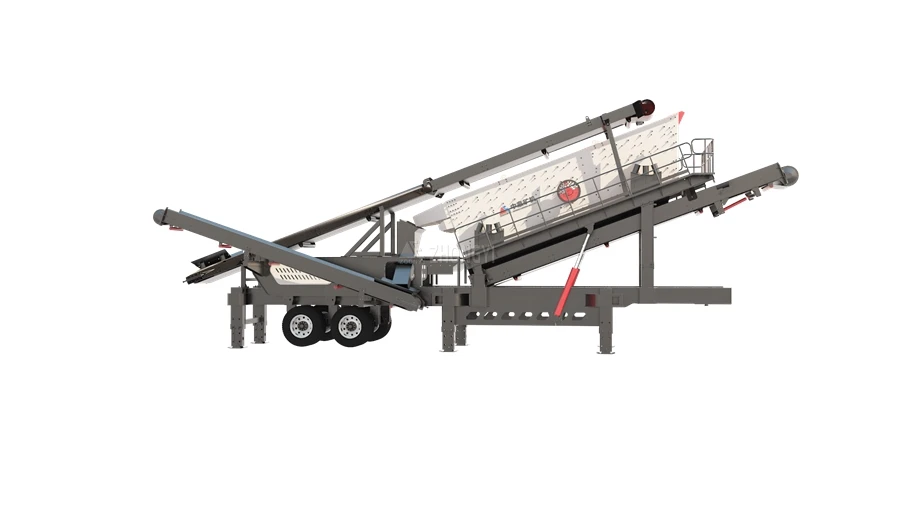
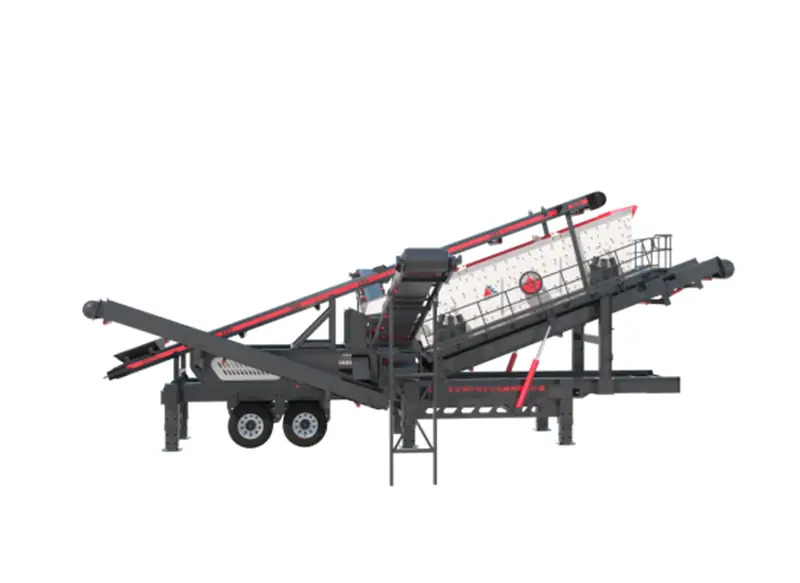
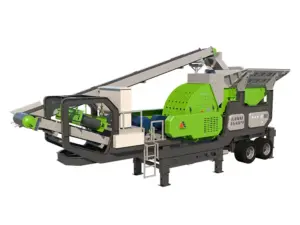
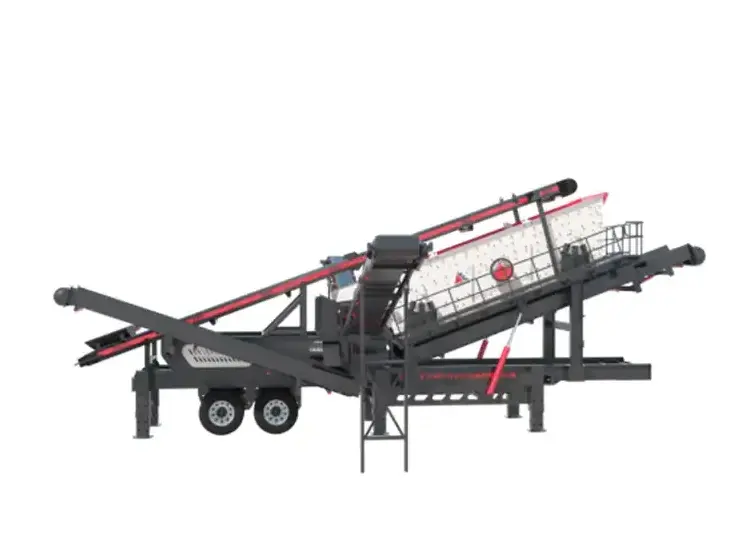
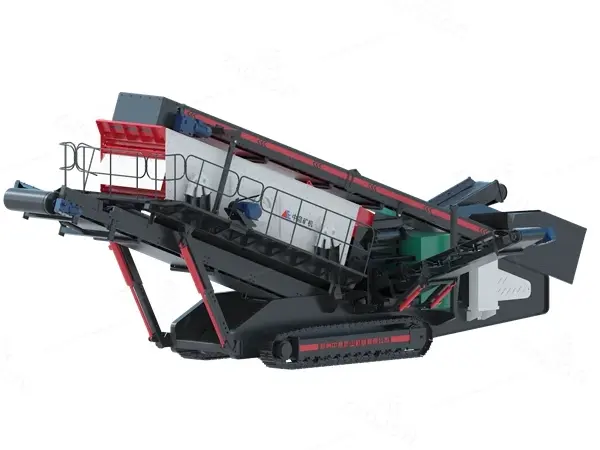
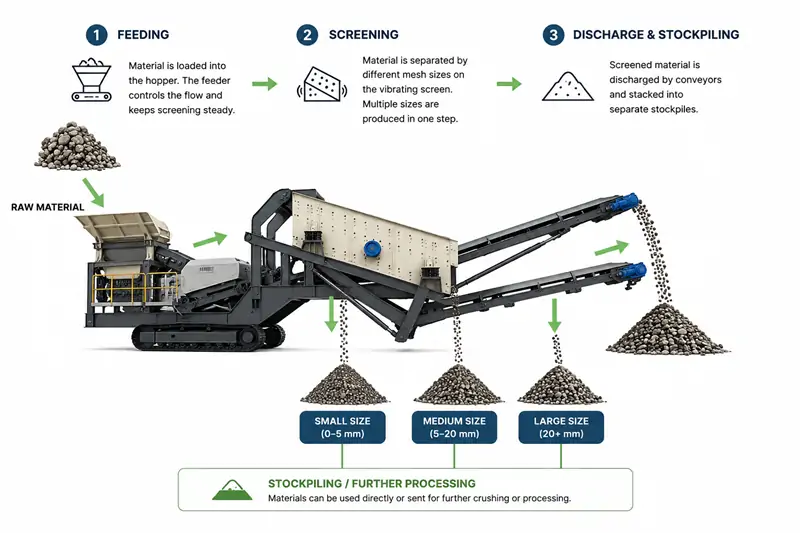
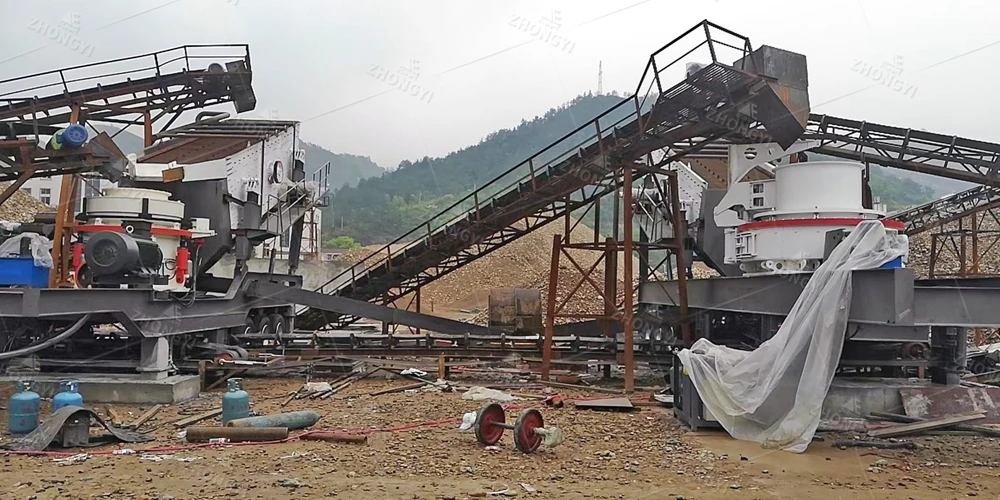
A mobile screening plant is an integrated screening unit that combines a feeding system, vibrating screen, discharge conveyors, and mobile chassis. Unlike fixed screening equipment, it can be moved directly to different job sites without permanent installation. Zhongyi offers both wheel-mounted and track-mounted configurations for quarrying, mining, aggregate production, and construction waste recycling, allowing the equipment to work under different site conditions.
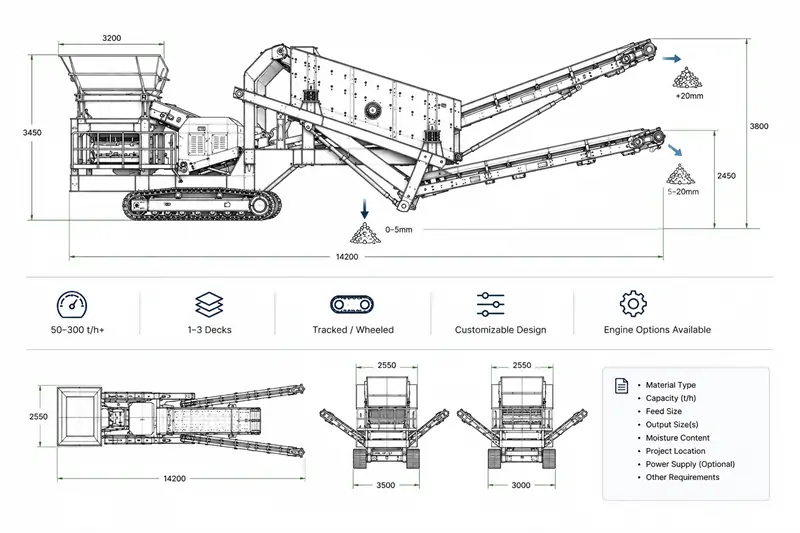
The feeding system delivers material to the vibrating screen, where the screen decks separate it through different mesh openings. Larger particles remain on the upper decks, while smaller particles pass through to the lower decks. Discharge conveyors then carry the separated materials to different stockpiles. Depending on the screen configuration, the plant can produce several material sizes in one operation.
Classifying mobile screening plant materials by particle size is the main task; crushing large rocks requires separate equipment. It can screen crushed material after a crushing stage or separate suitable natural sand and gravel directly. By bringing screening closer to the material source, it also helps reduce unnecessary material handling and makes production easier to relocate between sites.
Where Are Mobile Screening Plants Used?
Mobile screening plants are used in different industries where materials need to be separated by size at or near the job site. They are commonly found in mining, quarrying, aggregate production, and recycling operations. Depending on the production setup, they can work independently or alongside mobile crushers and other processing equipment.
- Mining and Quarrying: Screen extracted or crushed materials into different size ranges for further crushing, mineral processing, or stockpiling.
- Sand and Aggregate Production: Grade natural sand, gravel, and crushed stone into different sizes for concrete, asphalt, and road construction.
- Construction and Demolition Recycling: Separate crushed concrete, bricks, and processed demolition debris to recover usable fractions for recycled aggregate production.
- Soil and Waste Recycling: Screen topsoil, excavated soil, compost, and selected waste materials. These applications may require different screen types depending on moisture, stickiness, and material composition.
Common Mobile Screening Plant Materials
The materials processed by mobile screening plants extend beyond crushed stone. Depending on the feed material and screen configuration, they can handle rock, ore, sand, gravel, construction waste, and some soil or organic materials. However, not every material behaves the same way on a screen. Hard rock creates different demands from wet sand, while demolition waste often needs additional sorting before and after screening.
Natural Rock and Mining Materials
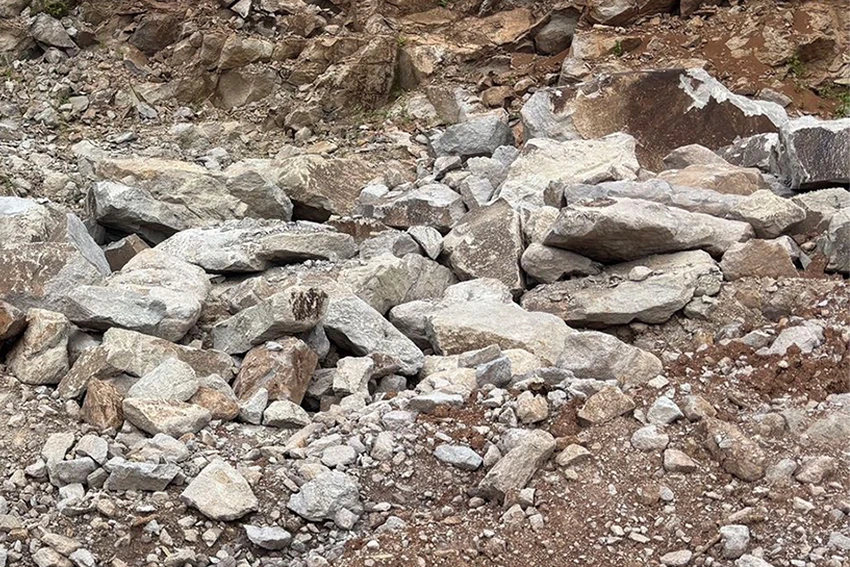
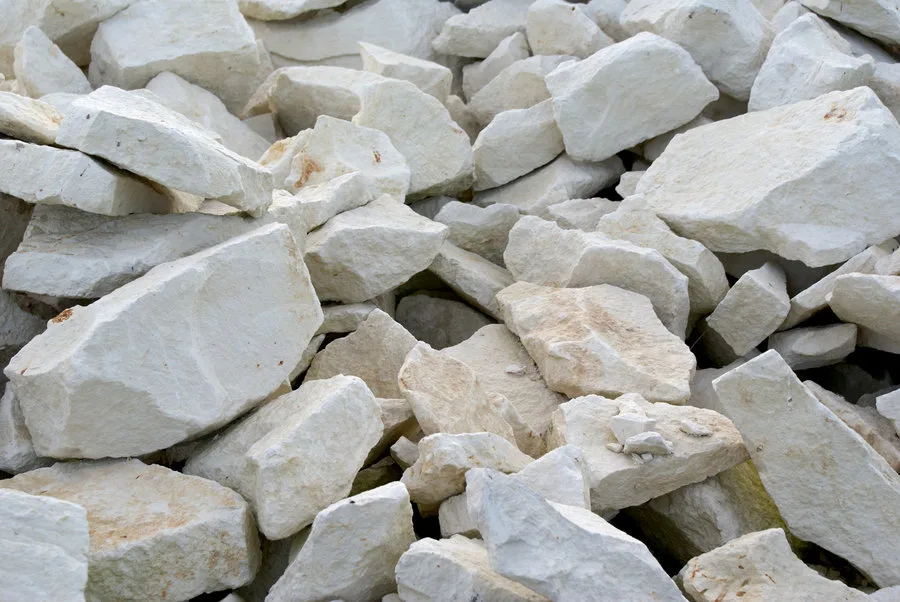
Granite, basalt, limestone, marble, and shale are common materials processed by mobile screening plants in quarry operations. After blasting and primary crushing, the material is usually screened into different size ranges for further processing or aggregate production.
Mining operations also use screening equipment for iron ore, copper ore, and coal. Here, the required separation sizes depend on the next processing stage. Hard, abrasive rock can wear screen media faster, while large blasted material must be reduced to a suitable feed size before entering the screening plant.
If these rocks also need size reduction before screening, Боржин, базальт, шохойн чулуунд тохирох шилдэг чулуу бутлуур explains how material properties influence the choice of crushing equipment.
Sand, Gravel and Aggregate Materials
For aggregate producers, the materials processed by mobile screening plants must be separated into consistent product sizes. A mobile aggregate screening plant can process:
- Natural materials: River pebbles, natural sand, gravel, and weathered sand.
- Crushed materials: Crushed stone and manufactured sand.
The screen decks and mesh openings determine the size ranges separated during each pass. For example, a multi-deck screen can divide crushed stone into several aggregate grades for concrete, asphalt, or road construction. If the finished sand requires washing, dewatering, or fines recovery, additional equipment is needed; screening alone does not perform these operations.
Where aggregate preparation includes impact crushing, What Materials Are Suitable for Impact Crushers? explains which feed materials suit that stage and which properties need closer assessment.
Construction and Demolition Materials
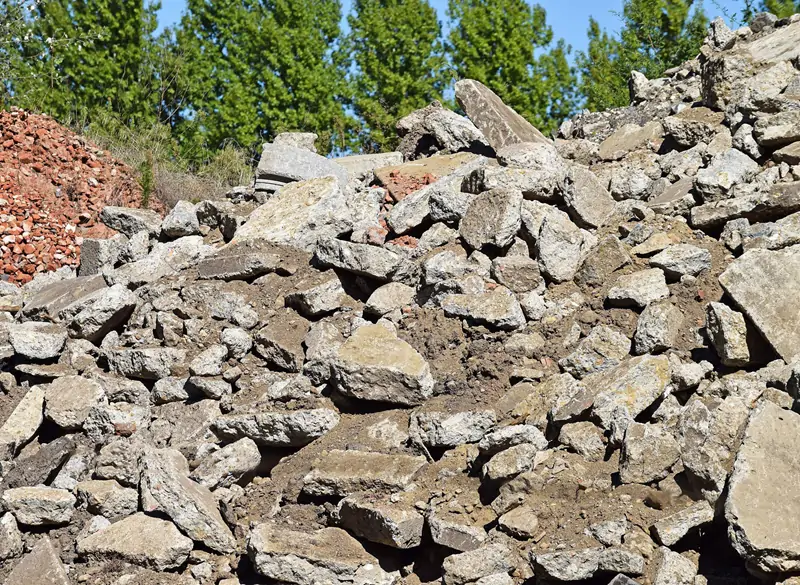
Typical feed includes recycled concrete, concrete blocks, bricks, demolition debris, and reclaimed asphalt pavement (RAP).
Construction waste screening usually takes place after the incoming material has been inspected, sorted, and, where necessary, crushed. The mobile screen separates the processed material into different size fractions, some of which can be reused as recycled aggregate or road base material.
For background on reuse and recycling routes, the U.S. EPA explains Sustainable Management of Construction and Demolition Materials. Check the requirements for the intended end use as well as the screened particle size.
There is one important limitation: a screen separates mainly by particle size, not by material identity. Reinforcing steel may need a magnetic separator, while wood, plastic, and other unwanted materials require additional sorting. Oversized concrete pieces may also need to return to the crusher.
For projects combining recycled-material crushing with screening, Зөөврийн цохилтот бутлуур: Уул уурхай, барилгын практик гарын авлага discusses feed preparation, equipment configuration, and the practical limits to check.
Soil and Organic Materials
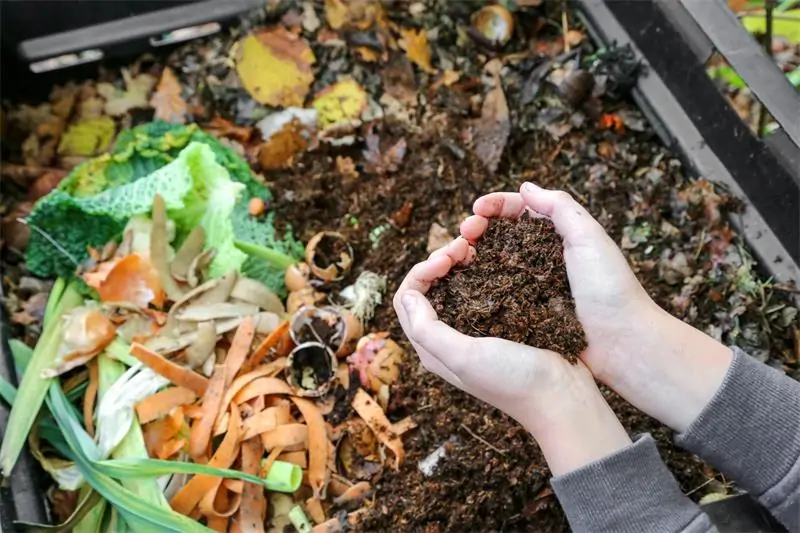
Soil screening is often carried out to recover usable material from excavation or landscaping work. Topsoil and excavated soil can be screened to remove larger stones, roots, and debris. Compost is also screened to obtain a more consistent particle size for its intended use.
Wood chips, mulch, and green waste present different challenges. Their fibrous structure can affect how material moves across a screen, especially when moisture is high. A trommel screen or another purpose-designed screening system may be more suitable for some of these applications than a conventional vibrating screen.
Wet and Sticky Materials
Among common mobile screening plant materials, wet sand and clay-rich soil are especially difficult to screen. Fine particles can stick together, form lumps, and build up on the screen surface. Once the openings become blocked, less material can pass through, affecting both output and separation quality.
Several screen designs are used for these conditions, depending on the feed:
- Self-cleaning screen media: Helps reduce material buildup on the screening surface.
- Finger screens: Used for certain coarse, difficult-to-screen materials.
- Flip-flow screens: Designed for challenging fine and damp materials.
- Trommel screens: Use a rotating drum to separate materials by size.
These are different screening approaches, not interchangeable options. For material with high moisture or clay content, a sample test is advisable before selecting the equipment.
What Types of Screening Equipment Are Used for Different Materials?
The materials processed by mobile screening plants vary in particle size, moisture content, and clay content. These properties, together with the required product sizes, affect equipment selection. The following sections introduce common screening technologies used in the industry, not standard configurations of every mobile screening plant.
Mobile Vibrating Screen
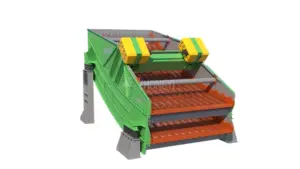
A mobile vibrating screen is widely used for crushed stone, sand and gravel, limestone, recycled concrete, and suitable crushed ores. It separates materials by particle size through the movement of the screen surface. Multi-deck configurations can produce several size fractions in one operation, with screen openings selected according to the required product specifications.
Zhongyi’s mobile screening plant uses a heavy-duty vibrating screen with 2–4 deck configurations. Available in wheel-mounted and track-mounted designs, it is used for screening crushed stone, sand and gravel, and other suitable materials in quarrying and mining operations.
Mobile Trommel Screen
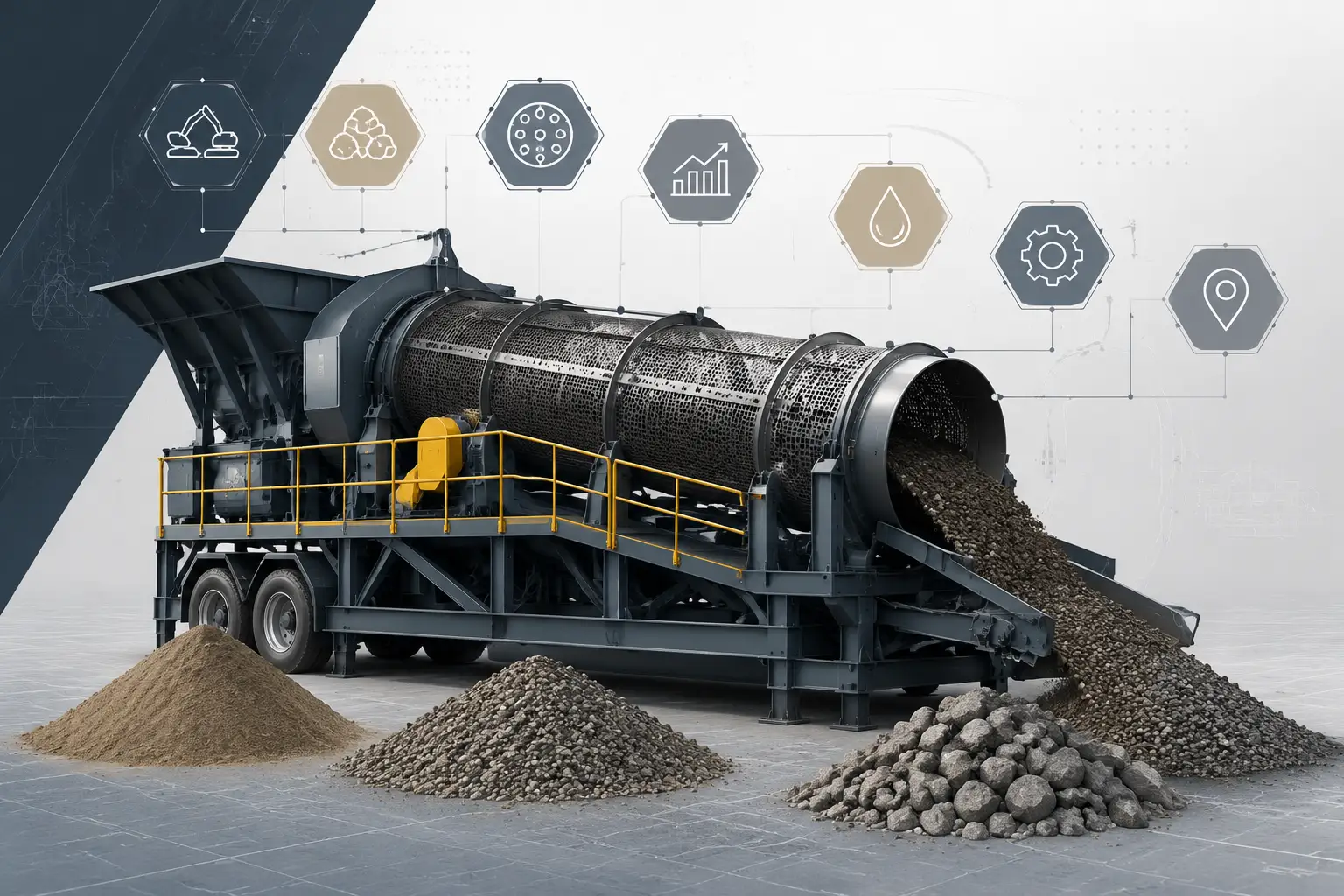
A mobile trommel screen uses a rotating cylindrical drum to separate materials by size. It is used in some topsoil, compost, damp sand, and organic waste processing applications. Shaftless designs are also available for certain materials that may wrap around a central shaft. However, screening performance still depends on moisture, clay content, material composition, and drum configuration.
Mobile Scalping Screen
A mobile scalping screen separates oversized rocks and selected fine materials before further crushing or screening. It is commonly used with blasted rock, quarry feed, and coarse construction debris. This pre-screening stage helps control the material entering downstream equipment and can reduce unnecessary processing.
Specialized Screening Systems
Some difficult materials require additional screening technologies. Flip-flow screens are used for certain damp and fine materials, while self-cleaning screen media can help reduce mesh blockage. Disc screens are designed for selected mixed-material applications, such as some construction and demolition waste streams. These technologies should be evaluated according to the actual feed conditions rather than treated as interchangeable options.
How Does a Mobile Screening Plant Fit into a Material Processing Line?
Some mobile screening plant materials can be screened without a crushing stage. If the incoming material is already within the required feed size, it can screen natural gravel, pre-crushed stone, or suitable excavated soil directly into different size fractions. This allows operators to separate usable materials without adding another crushing stage.
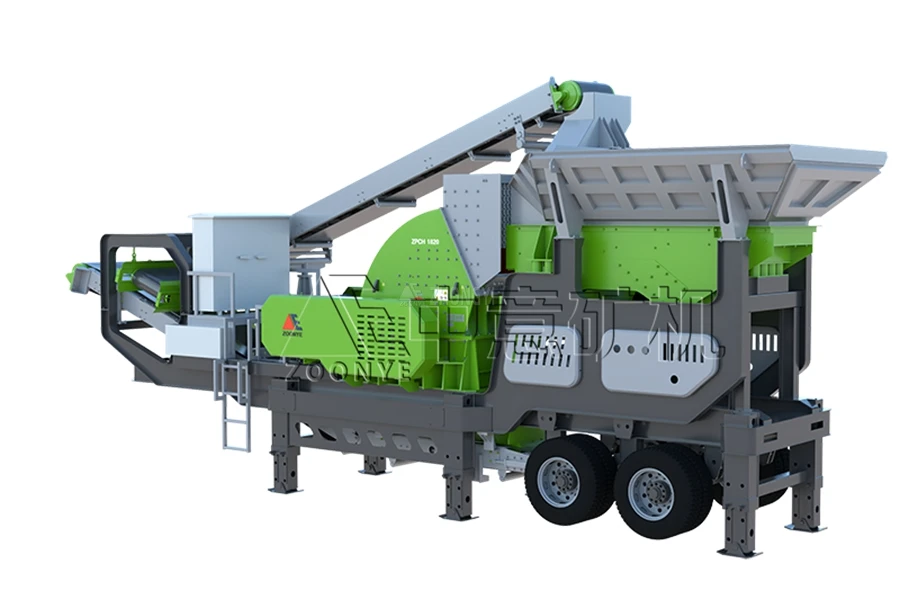
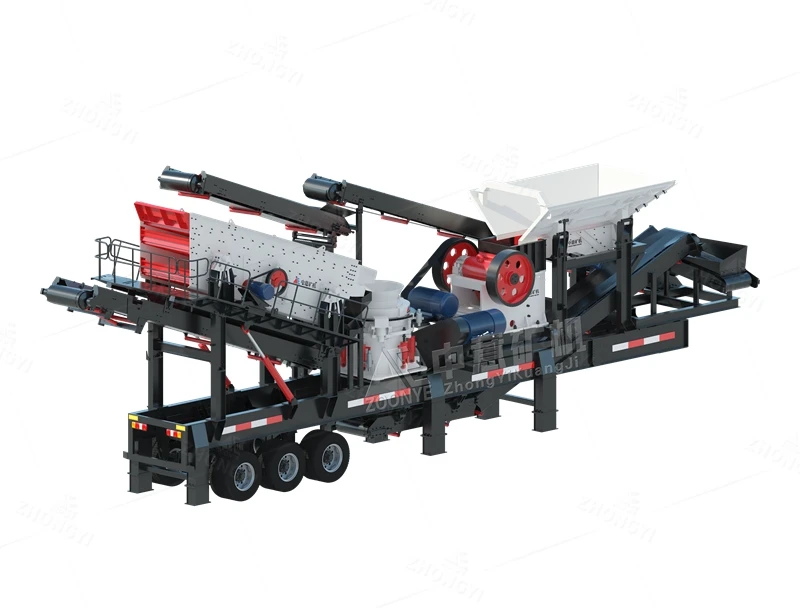
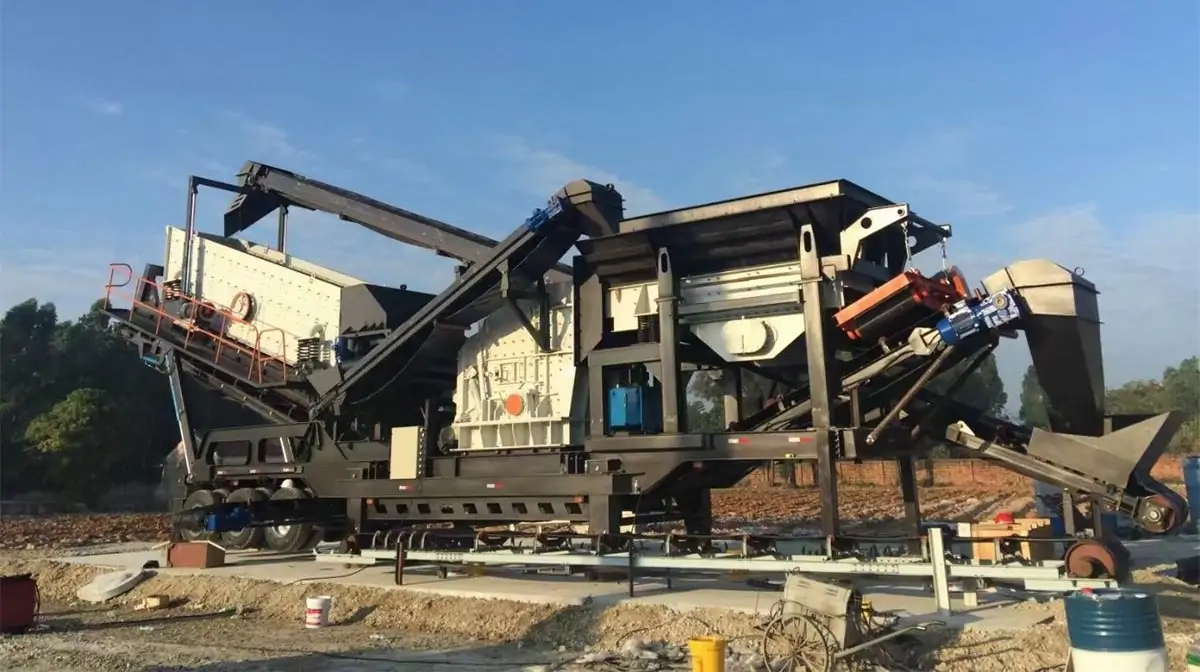
In a Mobile Crushing and Screening Plant, the screening unit usually works after the crusher. The crusher reduces the feed material to a smaller size, while the screen separates the crushed output into different product grades. Oversized material can be sent back to the crusher when the process requires further size reduction, forming a coordinated Crushing and Screening Process.
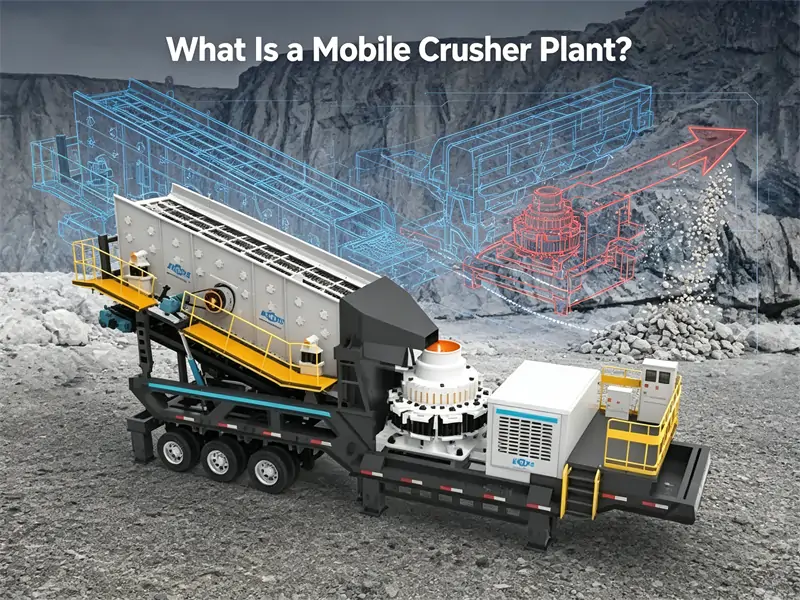
To understand the other units that work alongside the screen, What Is a Mobile Crusher Plant? explains how feeding, crushing, and conveying equipment fit into a mobile production setup.
For projects requiring tighter control over product sizes, a Closed-Circuit Crushing arrangement allows oversized material to return to the crusher for another pass. A mobile screening plant can also be connected to an existing Aggregate Processing Line to increase screening capacity or produce additional aggregate sizes. In either setup, feed capacity, conveyor connections, and required product specifications need to be considered when planning the Mobile Screening Production Line.
What Factors Should You Consider When Selecting a Mobile Screening Plant?
Selecting equipment for mobile screening plant materials requires matching feed characteristics, production targets, and site conditions with the right configuration. Buyers should focus on the following factors:
- Material Characteristics: Identify the material type, moisture content, clay content, hardness, and abrasiveness to determine suitable screening conditions.
- Хамгийн их тэжээлийн хэмжээ: Confirm the largest feed particle and ensure it falls within the plant’s rated limit.
- Required Product Sizes: Define the target particle sizes and number of finished fractions to determine screen mesh openings and deck configuration.
- Боловсруулах хүчин чадал: Match the plant capacity to the required feed rate and output, allowing for differences in material properties and screening conditions.
- Site and Mobility Requirements: Consider site access, ground conditions, working space, and relocation frequency when choosing wheel-mounted or track-mounted equipment.
- Equipment Configuration and Manufacturer Support: Check the screen structure, drive system, wear parts, maintenance access, and the manufacturer’s ability to provide technical support.
When selecting a complete mobile line rather than a screen alone, Ил уурхай ба уул уурхайн төслүүдэд зориулсан зөөврийн бутлуурын үйлдвэрийг хэрхэн сонгох вэ provides a broader checklist for matching material, output, and site requirements.
Conclusion
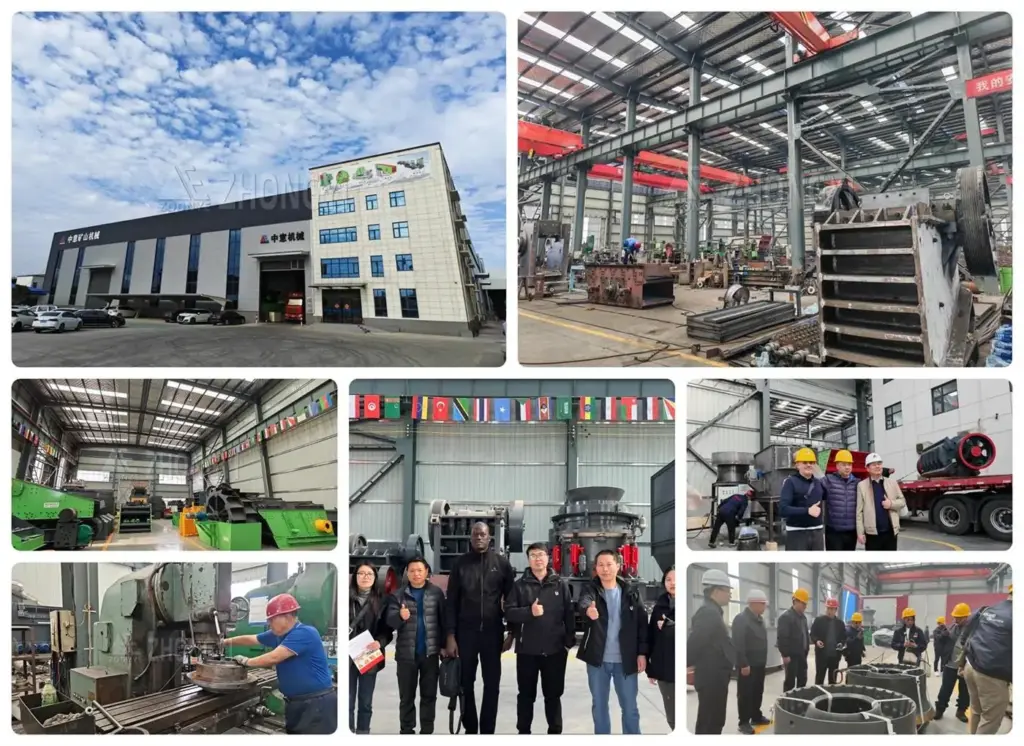
Mobile screening plant materials include feedstocks from mining, aggregate production, construction waste recycling, and selected soil and material recovery projects. The right equipment configuration depends on feed size, moisture content, material properties, and required product specifications. With its own manufacturing capabilities and experience in mining equipment production, Zhongyi provides wheel-mounted and track-mounted mobile screening plants for different project requirements. Холбоо барих Zhongyi to discuss your material, production targets, and site conditions, and get equipment configuration recommendations for your project.
Түгээмэл асуулт
What are the most common materials processed by mobile screening plants?
Common materials include crushed stone, sand, gravel, limestone, recycled concrete, and selected mining materials such as iron ore and coal. Topsoil and certain excavated materials can also be screened with suitable equipment. The actual material range depends on feed size, moisture content, material composition, and the screening system.
Can a mobile screening plant process hard rock such as granite and basalt?
Yes. A mobile screening plant can screen crushed granite and basalt when the feed size is within the equipment’s specified limits. These materials are highly abrasive, so screen media wear resistance and maintenance requirements need attention. Oversized blasted rock must first be reduced by a suitable crusher before screening.
Can a mobile screening plant process sand and gravel without crushing?
Yes. Natural sand, river gravel, and pebbles can be screened directly if their particle sizes meet the plant’s feed requirements. Screening separates the material into different size fractions without reducing particle size. If the feed contains oversized rocks, pre-screening or crushing may be necessary.
Can a mobile screening plant handle wet and sticky materials?
It depends on the moisture content, clay content, and screening requirements. Wet, sticky material can accumulate on the screen surface and block the openings, reducing screening efficiency. Screen media selection and cleaning methods should be evaluated carefully. For highly cohesive materials, testing a representative sample before selecting the equipment is recommended.
Can a mobile screening plant produce multiple aggregate sizes at the same time?
Yes. A multi-deck mobile screening plant can separate feed material into several size fractions in one operation. The number of decks, screen mesh openings, and discharge conveyor arrangement determine the available product sizes. The configuration should match the required aggregate specifications and the characteristics of the feed material.
What determines the actual capacity of a mobile screening plant?
Actual processing capacity depends on feed size distribution, moisture content, material density, particle shape, screen area, and required separation accuracy. The rated capacity shown in a product specification is not guaranteed under every operating condition. Buyers should provide their expected feed material and production targets when requesting equipment recommendations.
Can a mobile screening plant work with a mobile crusher?
Yes. A mobile screening plant can be connected to a mobile crusher to form a mobile crushing and screening production line. The crusher reduces material size, while the screening plant separates the crushed output into different grades. Depending on the process requirements, oversized material can be returned to the crusher for further reduction.
What information should I provide when requesting a mobile screening plant quotation?
Provide the material type, maximum feed size, moisture content, required product sizes, expected hourly throughput, and working site conditions. Photos or representative material samples can also help the manufacturer evaluate the application. Zhongyi can use this information to assess the project requirements and recommend a suitable equipment configuration.