











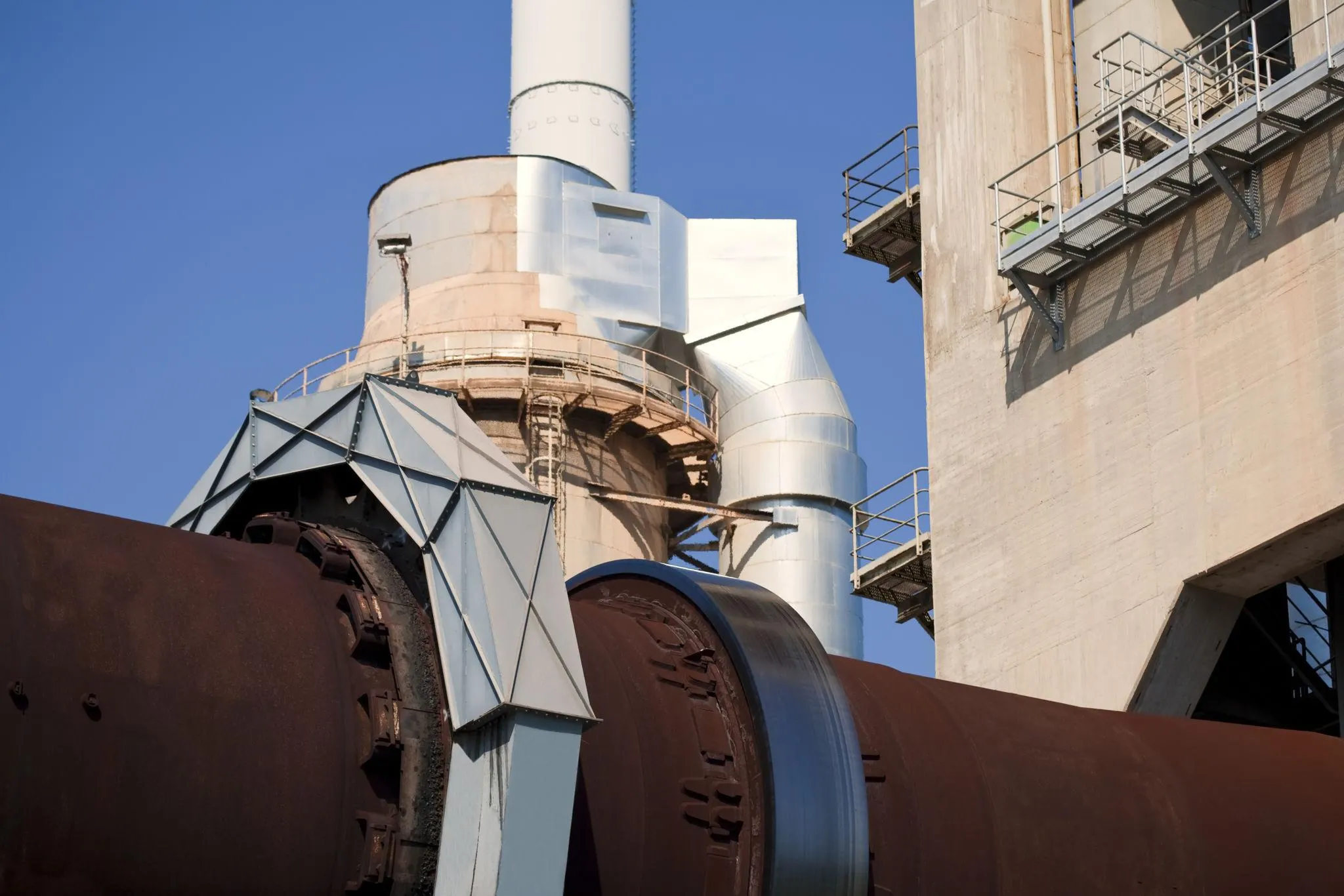
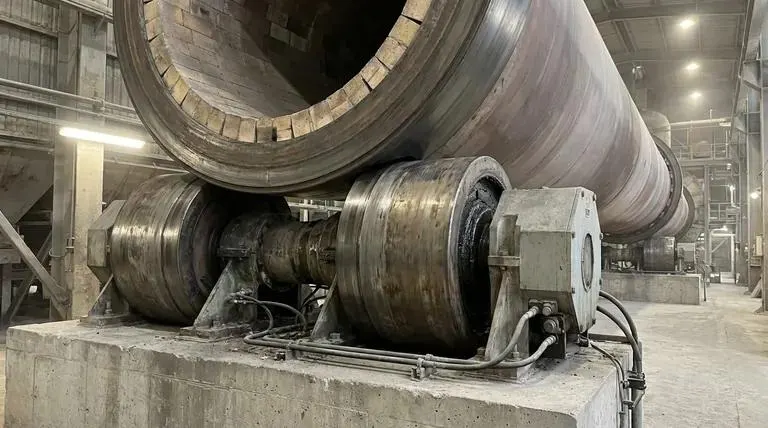
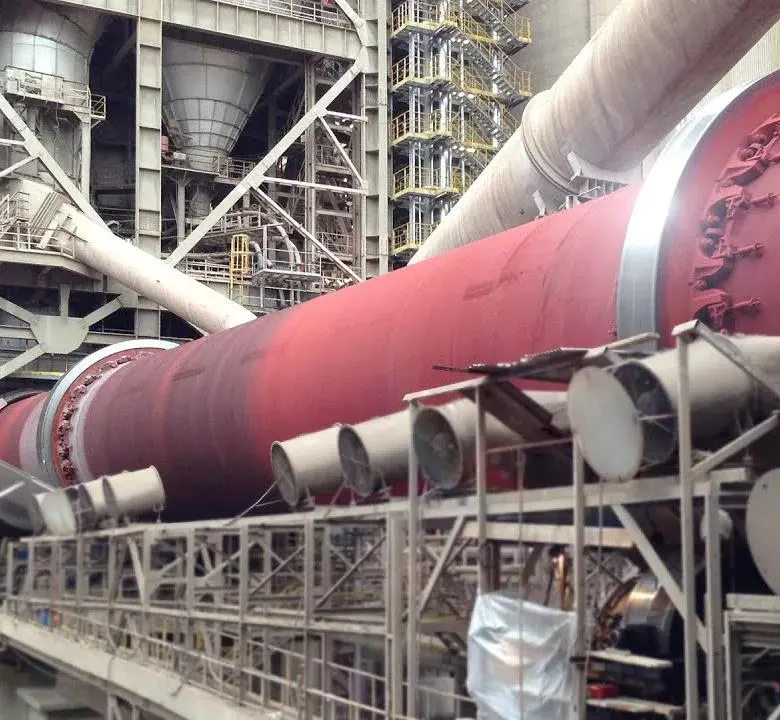
Цементийн эргэх зуух гэж юу вэ?
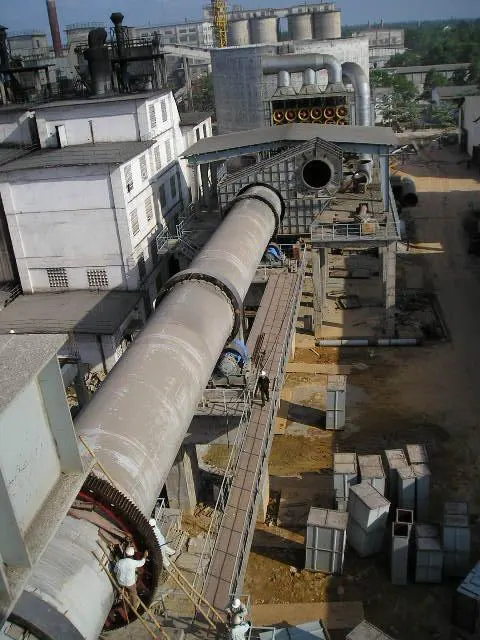
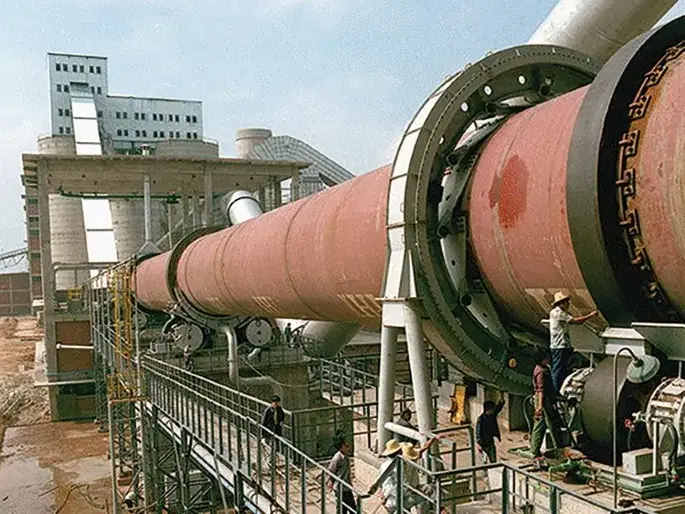
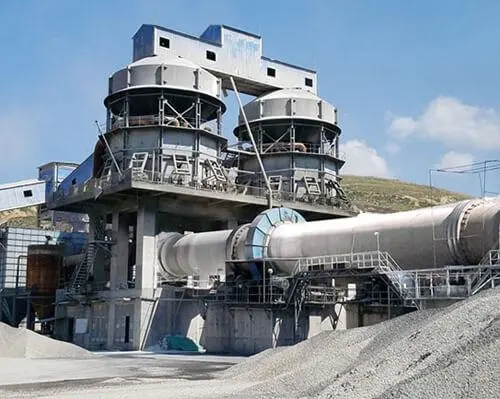
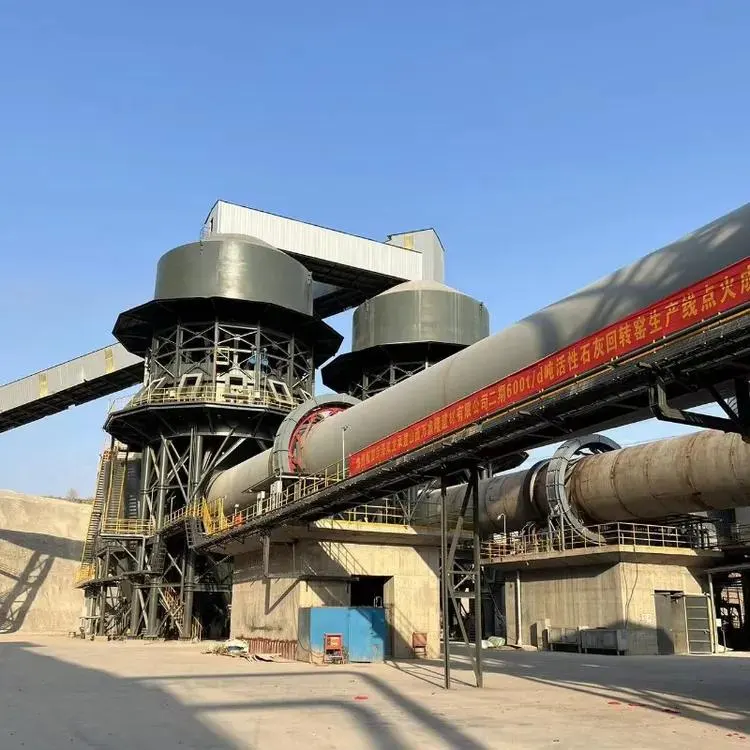
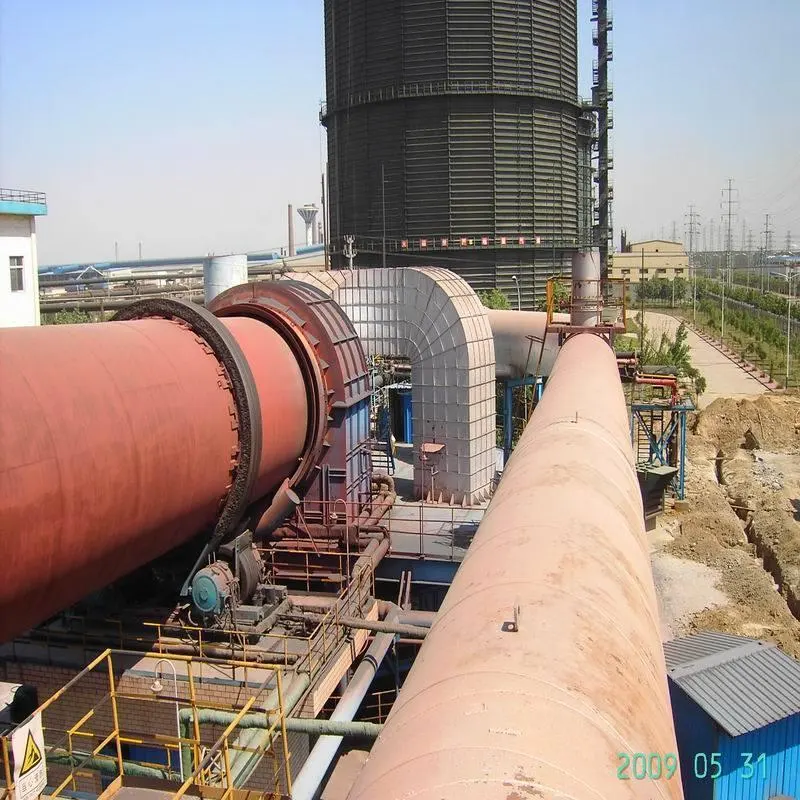
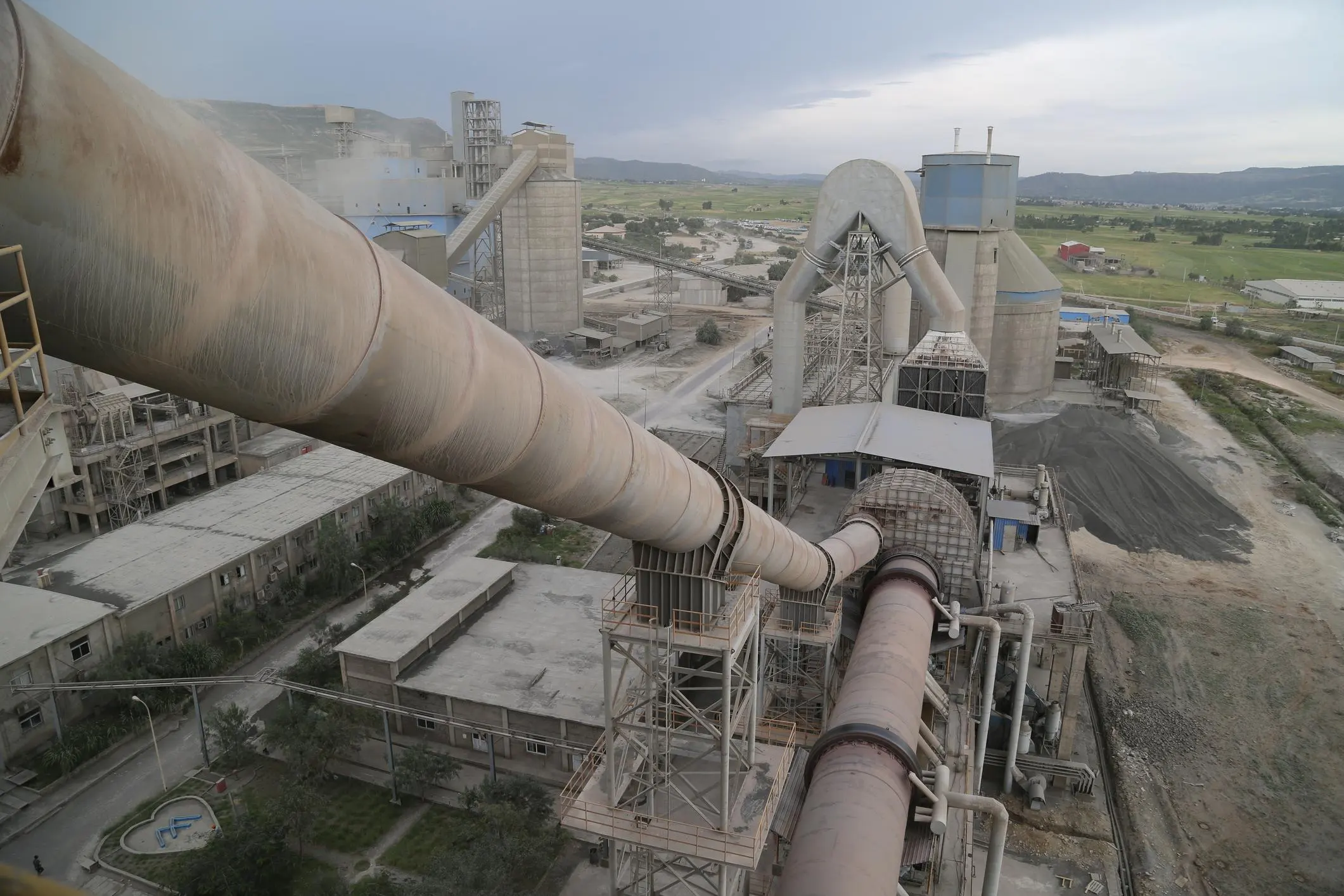
Цементийн эргэх зуух нь цементийн түүхий хольцыг клинкерийн эрдэс үүсэх хүртэл халаахад хэрэглэгддэг урт, бага зэрэг налуу ган цилиндр юм. Цементийн үйлдвэрт энэ нь ихэвчлэн түүхий хольц бэлтгэх, урьдчилан халаах үеийн дараа, клинкер хөргөх, цемент нунтаглах үеийн өмнө байрладаг. Шохой, металлургийн төслүүдэд ижил эргэх зуухны зарчмыг шохойн чулуу задрах, эрдэс шатаах буюу дулааны боловсруулалтад ашигладаг.
Зуухны диаметр нь ойролцоогоор 2.5 м-ээс 5.2 м, урт нь хүчин чадал, түлшний төрөл, технологийн замналаас хамааран 40 м-ээс 78 м хүртэл байна. Хүчин чадал нь жижиг 180 т/хон шугамаас том 2,200 т/хон систем хүртэл байж болно. Шатаах чанарт түүхий эдийн химийн найрлага, тэжээлийн хэмжээ, зуухны налуу, эргэлтийн хурд, дөлний хэлбэр, галд тэсвэртэй доторлогооны байдал нөлөөлдөг.
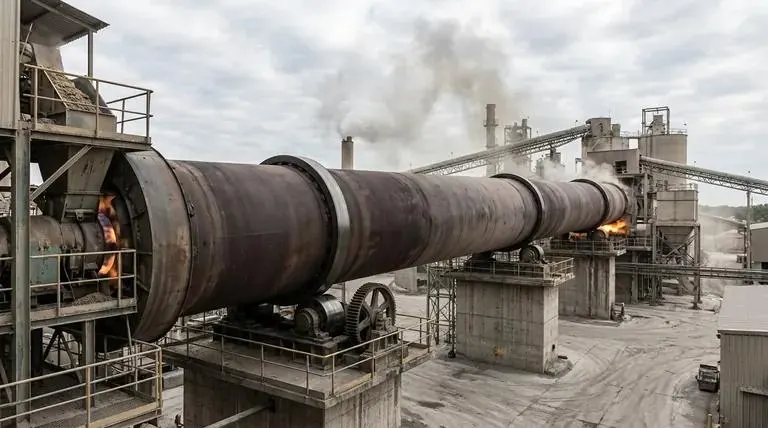
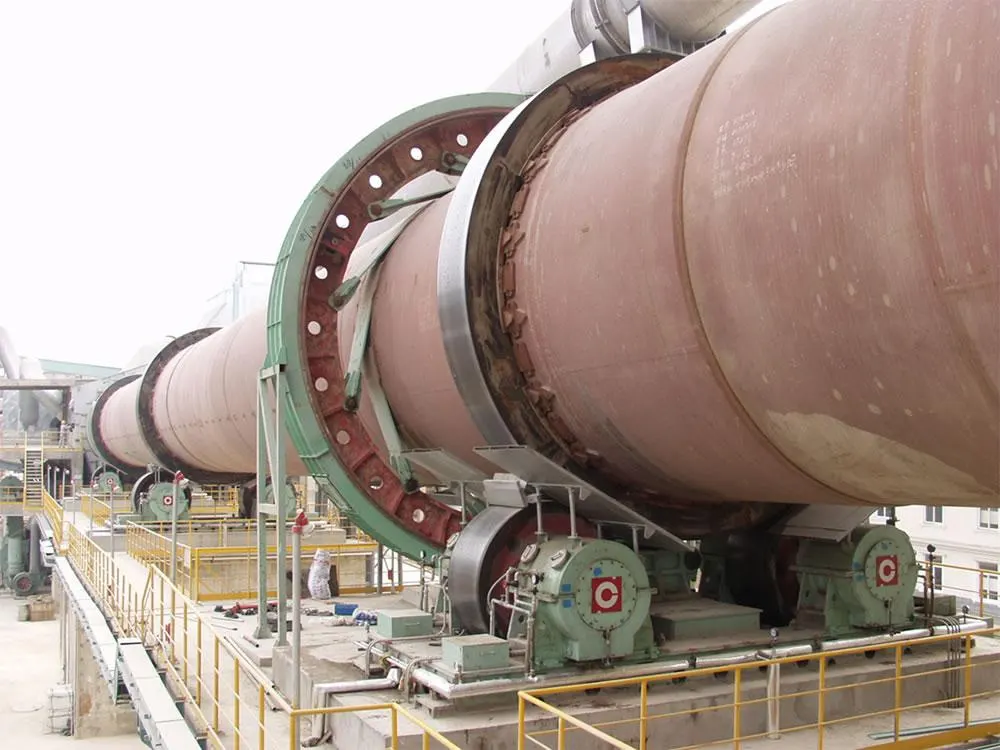
Цементийн эргэх зуухны төрлүүд
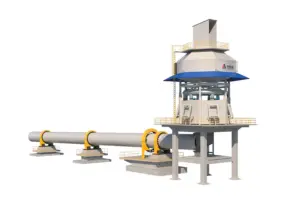
Zhongyi нь жижиг хүчин чадлын үйлдвэрээс том хэмжээний цементийн үйлдвэрлэлийн шугам хүртэлх янз бүрийн клинкер үйлдвэрлэлийн шаардлагад зориулсан цементийн эргэх зуух нийлүүлдэг. Эргэх зуухны төрөл, тохиргоог үйлдвэрлэлийн хүчин чадал, технологийн замнал, түүхий эдийн шинж чанар, түлшний төрөл, үйлдвэрийн зохион байгуулалтаар тодорхойлно. Бүрэн системийг бие даасан зуух хэлбэрээр эсвэл урьдчилан халаах, хөргөх, зөөвөрлөх, удирдлагын тоног төхөөрөмжтэй нэгтгэн нийлүүлж болно.
Хуурай аргын цементийн эргэх зуух
Хуурай аргын эргэх зуухыг зууханд орохоос өмнө хуурай түүхий хольцыг урьдчилан халааж, хэсэгчлэн кальцижуулдаг орчин үеийн цементийн үйлдвэрүүдэд ашигладаг. Нойтон аргын системтэй харьцуулахад түлш бага шаардагдах бөгөөд шинэ клинкер үйлдвэрлэлийн шугамд илүүд үздэг сонголт юм.
- Хүчин чадал: 1,000–10,000 TPD
- Зуухны диаметр: 3.5–6.5 м
- Зуухны урт: 50–95 м
- Түлш: Нүүрс, нефтийн кокс, байгалийн хий, RDF
- Хэрэглээ: Шинэ хуурай аргын цементийн үйлдвэрүүд
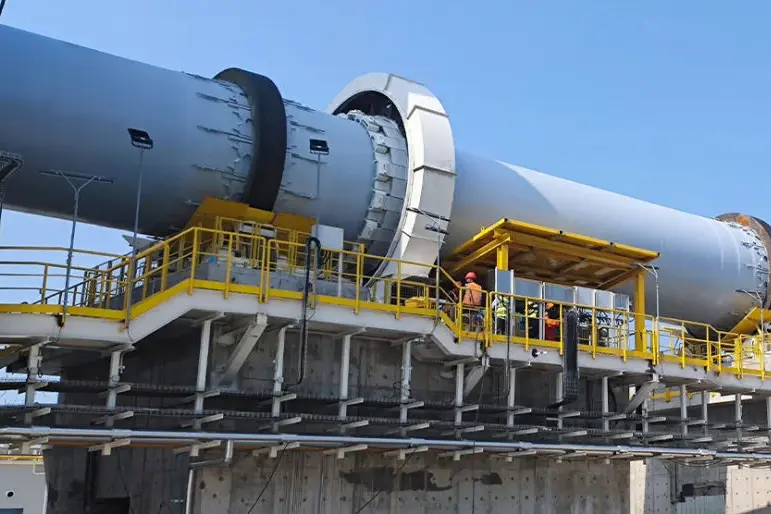
Нойтон аргын эргэх зуух
Нойтон аргын эргэх зуух нь түүхий эдийг шингэн хэлбэрээр боловсруулдаг бөгөөд түүхий эдийн нөхцөл байдал эсвэл одоо байгаа үйлдвэрлэлийн шугам нойтон нунтаглалт шаарддаг газарт голчлон ашиглагддаг. Шинэ үйлдвэрүүдэд бага түгээмэл боловч зарим шинэчлэлт, тусгай цементийн төслүүдэд тохиромжтой хэвээр байна.
- Хүчин чадал: 200–3,000 TPD
- Зуухны диаметр: 2.5–5.0 м
- Зуухны урт: 60–180 м
- Тэжээлийн материал: Түүхий шингэн
- Хэрэглээ: Нойтон аргын цементийн үйлдвэрүүд
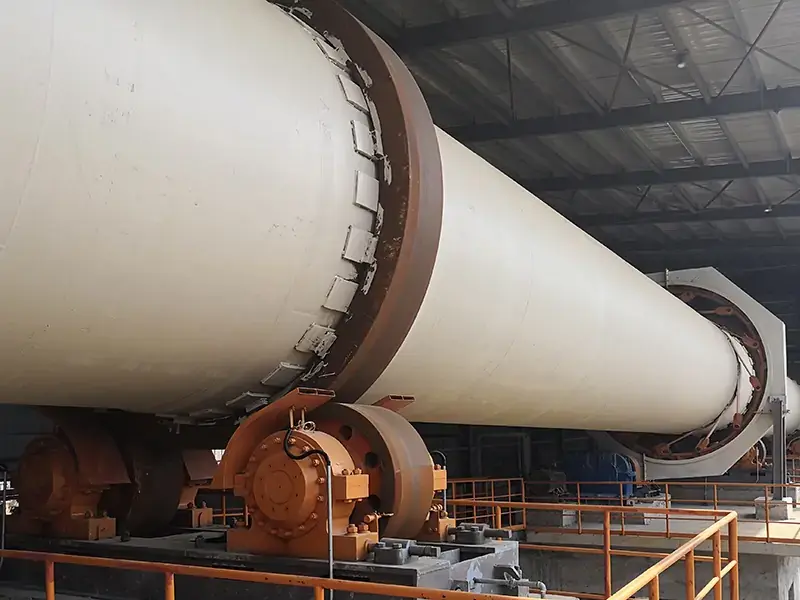
Жижиг цементийн эргэх зуух
Жижиг цементийн эргэх зуух нь жижиг цементийн үйлдвэр, туршилтын үйлдвэрлэл, лабораторийн хэмжээний төслүүдэд зориулагдсан. Авсаархан бүтэц, бага суурилуулалтын шаардлага нь гарц бага шаардагддаг клинкер үйлдвэрлэлд тохиромжтой болгодог.
- Хүчин чадал: 50–500 TPD
- Зуухны диаметр: 1.8–3.0 м
- Зуухны урт: 30–55 м
- Ажиллагааны температур: 1,450°C хүртэл
- Хэрэглээ: Жижиг цементийн үйлдвэр, туршилтын шугам
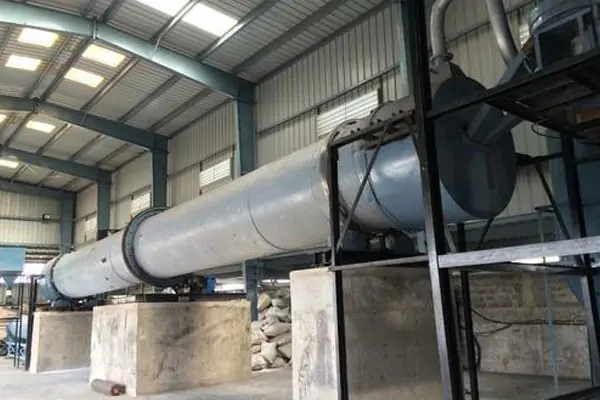
Том цементийн эргэх зуух
Том цементийн эргэх зуух нь өдрийн гарц өндөртэй тасралтгүй клинкер үйлдвэрлэлийн шугамд ашиглагддаг. Дулааны үр ашгийг дээшлүүлж, клинкерийн тогтвортой чанарыг хадгалахын тулд тэдгээрийг ихэвчлэн олон шатлалт урьдчилан халаагч, урьдчилан кальцижуулагч, торлог хөргөгчтэй хамт суурилуулдаг.
- Хүчин чадал: 1,000–10,000 TPD
- Зуухны диаметр: 4.0–6.5 м
- Зуухны урт: 60–95 м
- Ажиллагааны температур: 1,450°C хүртэл
- Хэрэглээ: Том нэгдсэн цементийн үйлдвэрүүд
Цементийн эргэх зуухны ажиллах зарчим
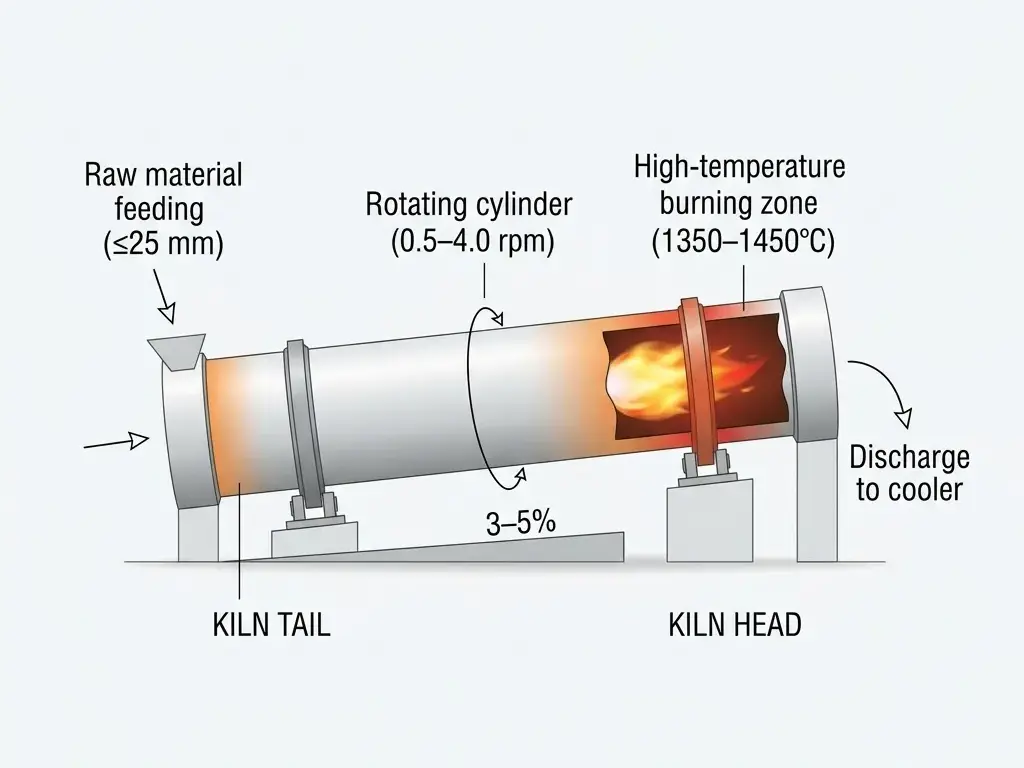
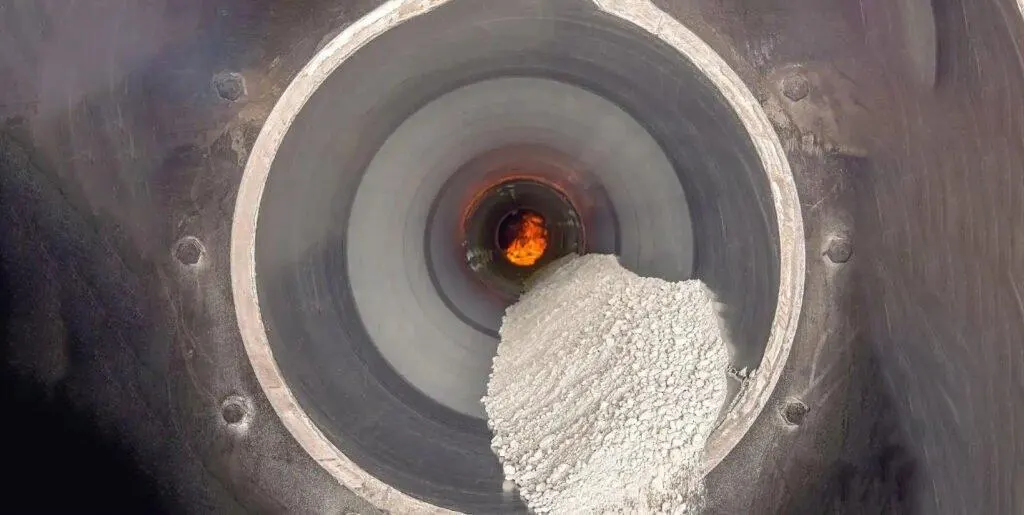
Цементийн эргэх зуух нь налуу цилиндрийг эргүүлэхдээ түлшний шаталт болон технологийн хий нь хөдөлж буй материалын давхаргыг халаах замаар ажилладаг. Зуух нь механик зөөвөрлөлт, өндөр температурын дулаан дамжуулалт, хяналттай химийн урвалыг нэг тасралтгүй үйл явцад нэгтгэдэг. Хөдөлгөөнгүй босоо зуухтай харьцуулахад оршин суух хугацаа болон шатаах бүсийн температурыг илүү сайн хянах боломж олгодог.
Үйл явцын урсгал дараах байдалтай байна:
- түүхий хольц буюу шохойн чулуу нь зуухны араас <=25 мм хэмжээтэй ордог
- цилиндр нь ойролцоогоор 0.5-4.0 эрг/мин хурдтай эргэлдэж, материалыг 3%-5% налуугаар урагш зөөдөг
- шатаагчийн дөл нь шатаах бүсийг клинкерийн хувьд ойролцоогоор 1,350-1,450°C, шохойн хувьд 900-1,100°C хүртэл халаана
- бэлэн клинкер буюу шохой нь температурыг бууруулахын тулд хөргөгч рүү гардаг.
Техникийн үзүүлэлтүүд
| Загвар | Орох хэмжээ | Гарах хэмжээ | Хүчин чадал | Хөдөлгүүрийн хүч | Зуухны диаметр x Урт | Эргэлтийн хурд |
| Phi2.5×40 m | <=25 mm | 5-40 mm | 180-300 t/d | 55 kW | 2.5 x 40 m | 0.6-3.0 rpm |
| Phi3.0x48 m | <=25 mm | 5-40 mm | 320-520 t/d | 90 kW | 3.0 x 48 m | 0.5-3.2 rpm |
| Phi3.5×54 m | <=25 mm | 5-40 mm | 650-850 t/d | 160 kW | 3.5 x 54 m | 0.4-3.5 rpm |
| Phi4.0x60 m | <=25 mm | 5-40 mm | 900-1,200 t/d | 250 kW | 4.0 x 60 m | 0.4-3.8 rpm |
| Phi4.3×64 m | <=25 mm | 5-40 mm | 1,300-1,600 t/d | 315 kW | 4.3 x 64 m | 0.35-3.6 rpm |
| Phi4.8×72 m | <=25 mm | 5-40 mm | 1,800-2,200 t/d | 500 kW | 4.8 x 72 m | 0.3-3.2 rpm |
Complete Cement Production Line Configuration
A complete cement production line consists of raw material preparation, clinker production, cement grinding, material handling, and plant control systems. Equipment is selected and configured according to plant capacity, raw material characteristics, fuel type, and process requirements to ensure stable clinker production and efficient plant operation.
| Тоног Төхөөрөмж | Үүрэг |
| Raw Material Crusher | Reduces limestone and other raw materials to the required feed size for grinding. |
| Босоо булт тээрэм | Grinds and dries raw materials into fine raw meal with consistent composition. |
| Cyclone Preheater | Recovers waste heat to preheat raw meal before it enters the kiln, reducing fuel consumption. |
| Calciner | Completes most of the limestone calcination before the material enters the rotary kiln. |
| Цементийн эргэлдэгч зуух | Sinters the calcined raw meal into cement clinker at temperatures up to 1,450°C. |
| Clinker Cooler | Rapidly cools hot clinker and recovers heat for reuse in the production process. |
| Cement Mill | Grinds clinker with gypsum and other additives into finished cement. |
| Packing System | Automatically bags or loads finished cement for storage and transportation. |
| Тоос цуглуулах систем | Captures dust generated throughout the production process to meet environmental standards. |
| PLC Control System | Monitors and controls the complete production line for stable and continuous operation. |
Materials Suitable
Cement rotary kilns are designed to process calcareous, siliceous, aluminous, and ferruginous raw materials used in clinker production. They can handle materials with different chemical compositions and moisture levels after proper crushing, grinding, and proportioning.
Limestone
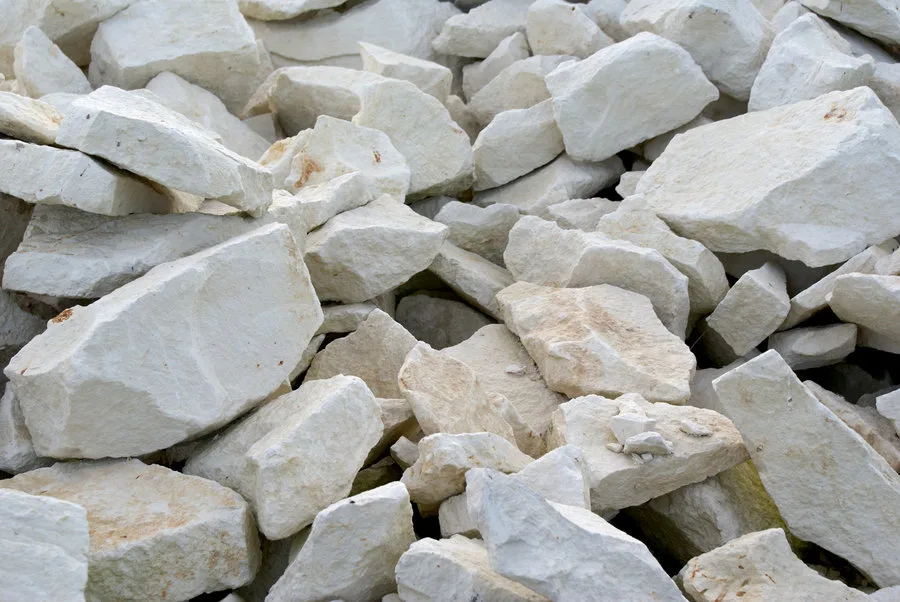
Primary source of calcium carbonate and the main raw material for clinker production.
Clay
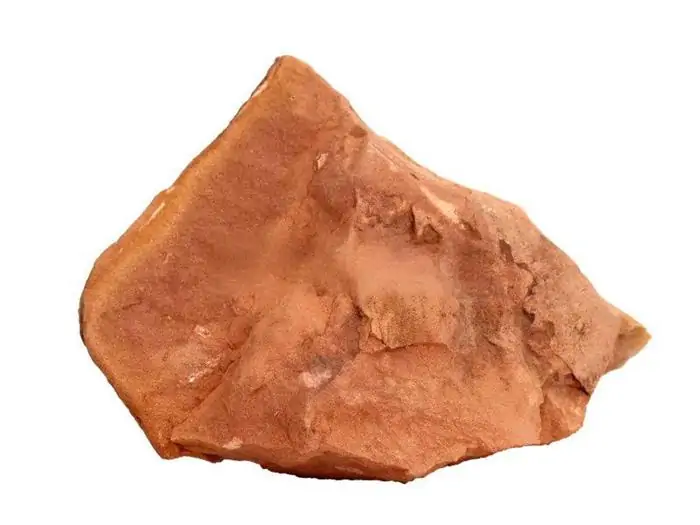
Provides silica and alumina to achieve the required raw meal composition.
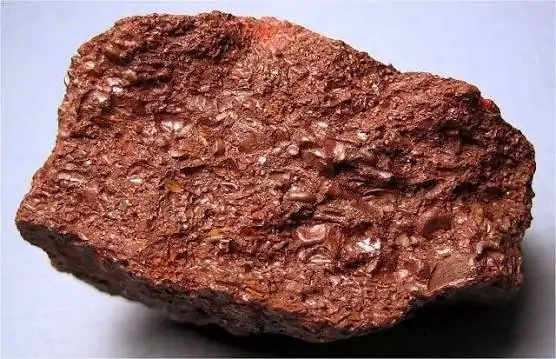
Iron Ore
Supplies iron oxide to balance the chemical composition of cement clinker.
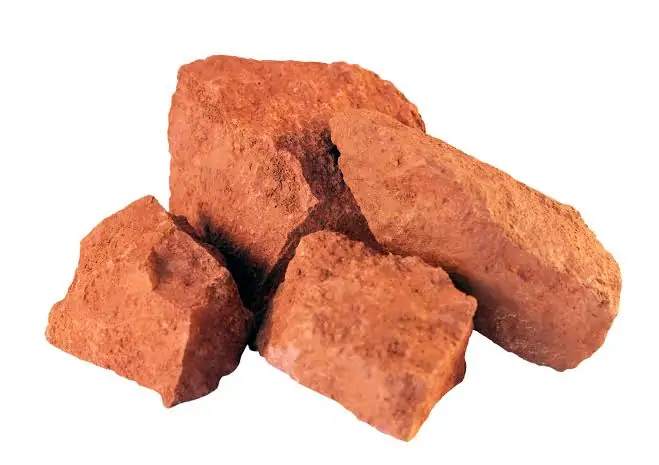
Bauxite
Adds alumina for high-alumina cement and clinker composition adjustment.
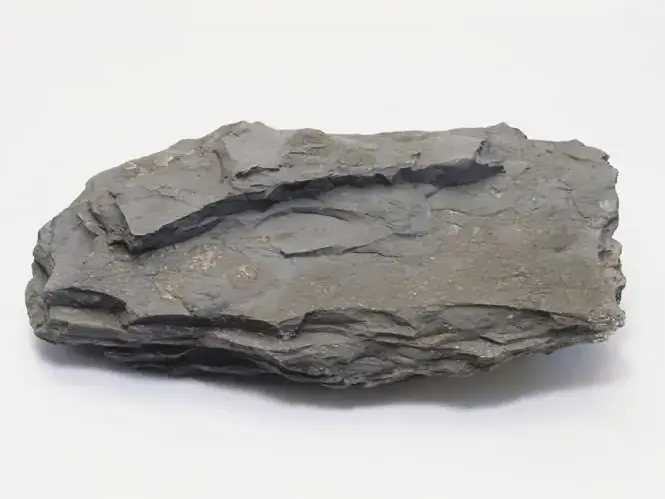
Shale
Used as an alternative source of silica, alumina, and iron oxides.
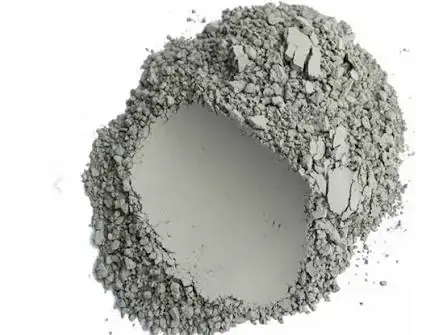
Fly Ash
Utilized as a supplementary raw material to improve resource utilization and reduce raw material consumption.
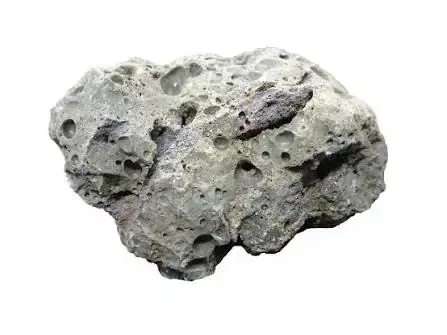
Slag
Recycled industrial by-product used in clinker production or blended cement manufacturing.
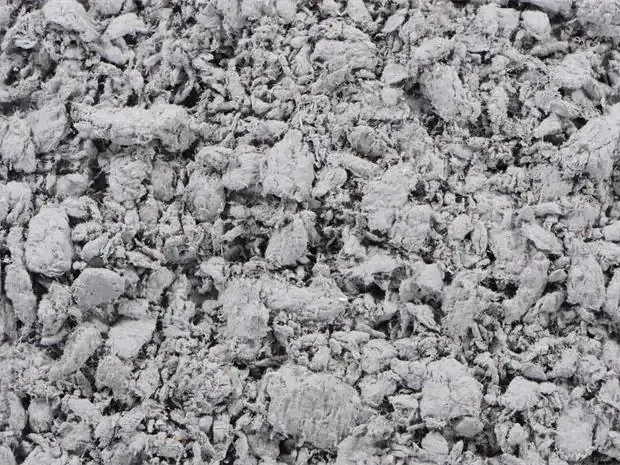
Alternative Raw Materials
Industrial by-products and recycled mineral materials processed according to production and environmental requirements.
Хэрэглээ
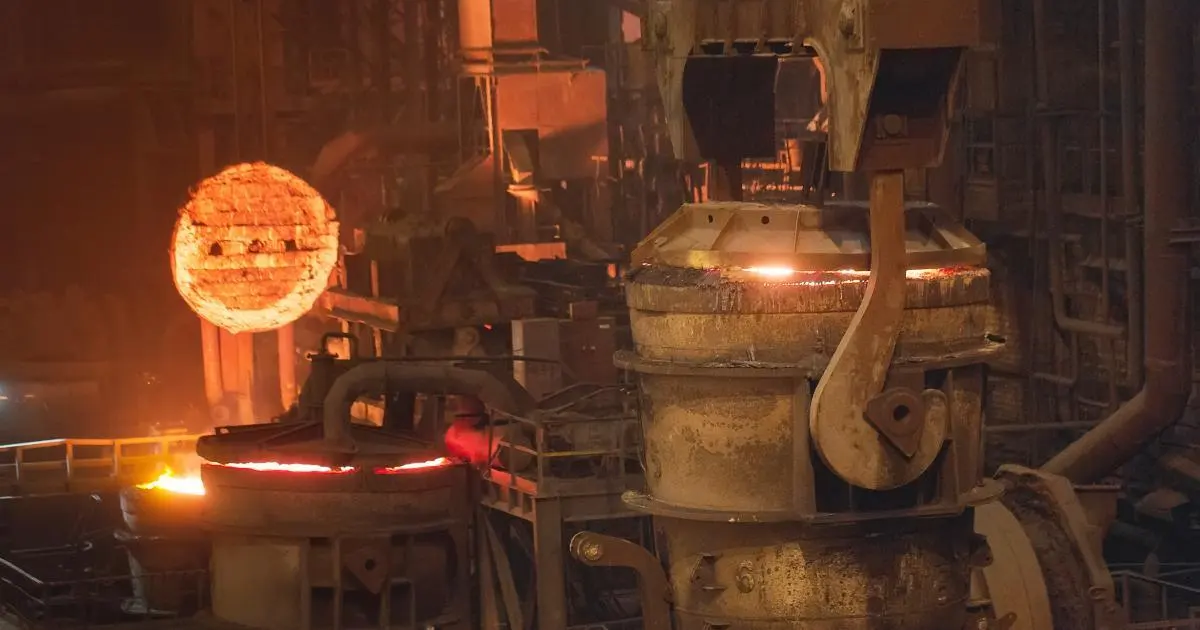
Cement Rotary Kiln vs Lime Rotary Kiln
A cement rotary kiln and a lime rotary kiln share the same rotating cylinder principle, but they serve different reactions. Cement kilns sinter raw meal into clinker at higher burning-zone temperatures, while lime kilns decompose limestone into quicklime at lower temperatures.
| Үзүүлэлт | Цементийн эргэлдэгч зуух | Шохойн эргэлдэгч зуух |
| Main Feed | Cement raw meal | Limestone |
| Main Product | Clinker | Quicklime |
| Typical Temperature | 1,350-1,450°C | 900-1,100°C |
| Product Size | Clinker nodules | 10-50 mm lime |
| Common Line Equipment | Preheater, cooler, cement grinding | Preheater, cooler, lime storage |
| Selection Focus | Clinker quality, fuel rate, free lime | Lime activity, CaO content, overburn control |
Choose the kiln based on final product, not only kiln diameter. A lime project needs different retention time, fuel control, and cooler matching than a cement clinker line.
How to Choose a Cement Rotary Kiln?
Захиалгат шийдэл хүсэх
Partner with Zhongyi for expert technical support, customized solutions, and reliable equipment tailored to your ore characteristics and production requirements.
Customized Rotary Kiln System
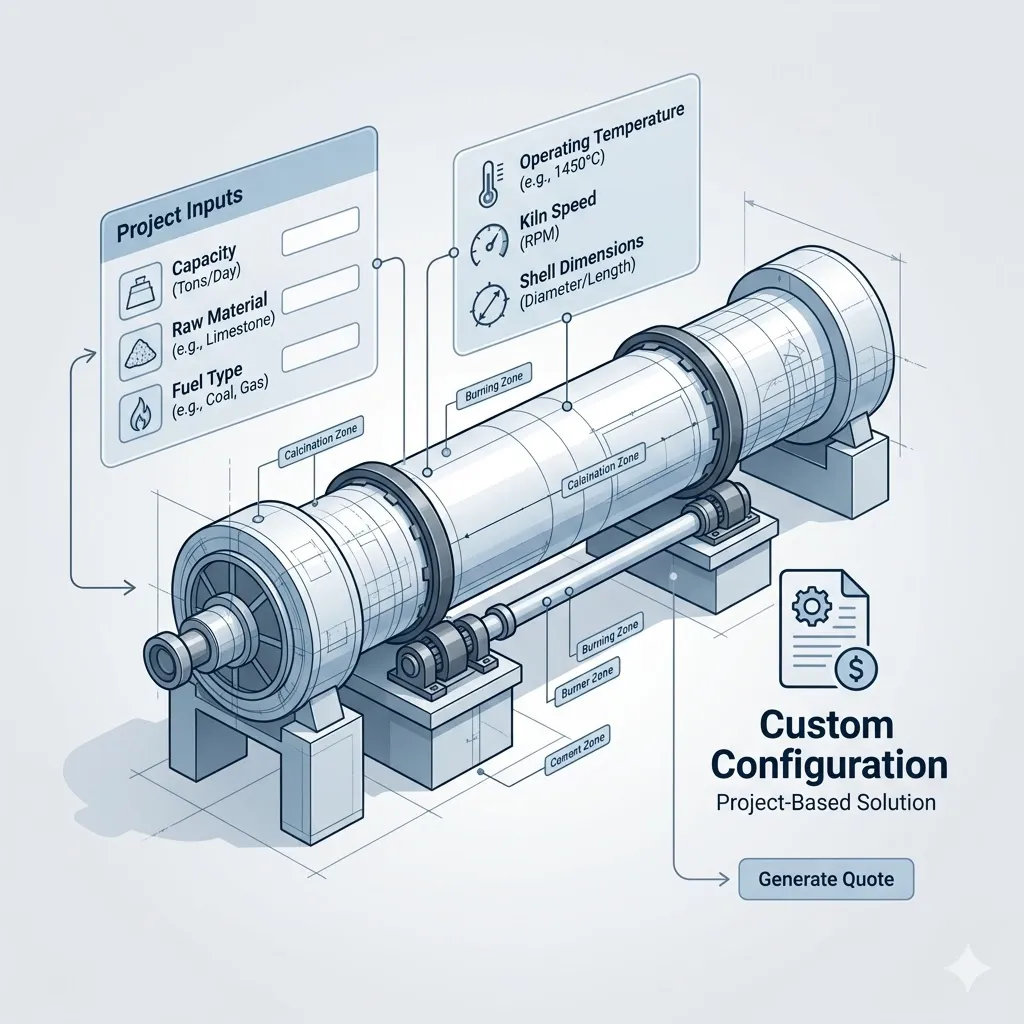
For projects with unique process requirements, Zhongyi provides customized rotary kiln systems engineered around production capacity, raw material composition, fuel selection, and plant layout. Complete solutions can include preheaters, precalciners, clinker coolers, burners, dust collection systems, material conveying, and automation controls to match the overall process design.
Provide the Following Information:
Cement Rotary Kiln Manufacturer & Supplier
As a professional manufacturer of industrial calcination equipment, Henan Zhongyi Environmental Protection Equipment Co., Ltd. delivers cement rotary kiln systems for clinker production, alumina rotary kilns, active lime lines, and mineral roasting projects. A correctly specified kiln can reduce unstable burning, ring formation risk, and unplanned shutdowns in continuous production. We evaluate raw material chemistry, capacity needs, fuel conditions, and site layout to configure kiln diameter, length, drive system, burner, and auxiliary equipment.
We have over 16 years of engineering experience in cement clinker, active lime, limestone calcination, metallurgy, and refractory material projects, Zhongyi has supplied 500+ kiln-related equipment sets across Southeast Asia, South Asia, Africa, and South America. Our ISO9001:2015 certified factory and CE-marked components support consistent fabrication and export compliance. We provide process layout design, equipment manufacturing, installation supervision, operator training, and spare parts support.
FAQs
What is a cement rotary kiln used for?
A cement rotary kiln heats raw meal into clinker for cement production. It can also be configured for active lime and mineral calcination.
What capacity range can Zhongyi supply?
Zhongyi reference models cover about 180-2,200 t/d. Final capacity depends on kiln size, feed chemistry, fuel type, and line configuration.
What feed size is suitable for a cement rotary kiln?
Most cement rotary kiln systems require feed below 25 mm or prepared raw meal powder. Lime kiln feed often uses 10-50 mm limestone.
Can the same kiln be used for cement and lime?
The same kiln principle can serve both, but cement and lime projects need different temperatures, residence time, refractory lining, and auxiliary equipment.
What affects cement rotary kiln price most?
Kiln diameter, length, steel weight, refractory lining, burner system, automation level, and auxiliary equipment are the main price drivers.
How should I choose a rotary kiln supplier?
Choose a supplier that checks raw material data, capacity target, fuel condition, layout, and service scope before recommending a kiln model.
How long does delivery usually take?
Regular checks include refractory lining, support rollers, girth gear, seals, lubrication, burner condition, shell temperature, and bearing temperature.