











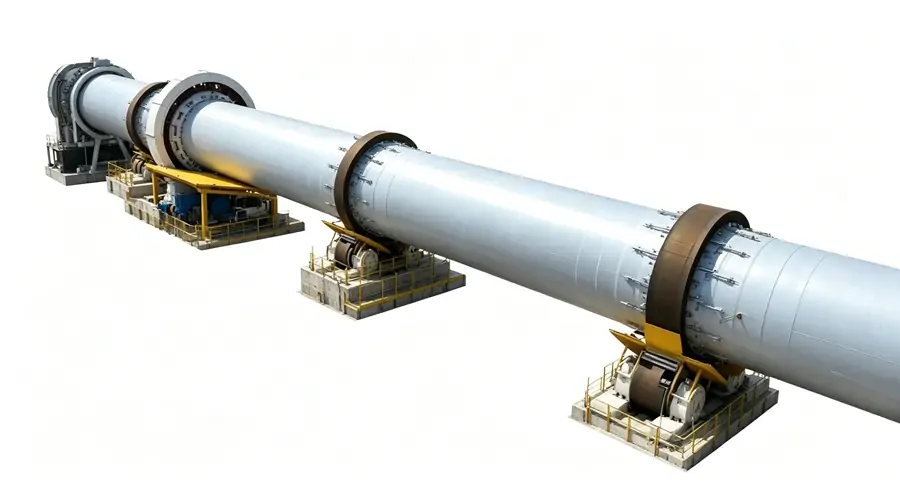
Кальцижуулах зуух гэж юу вэ?
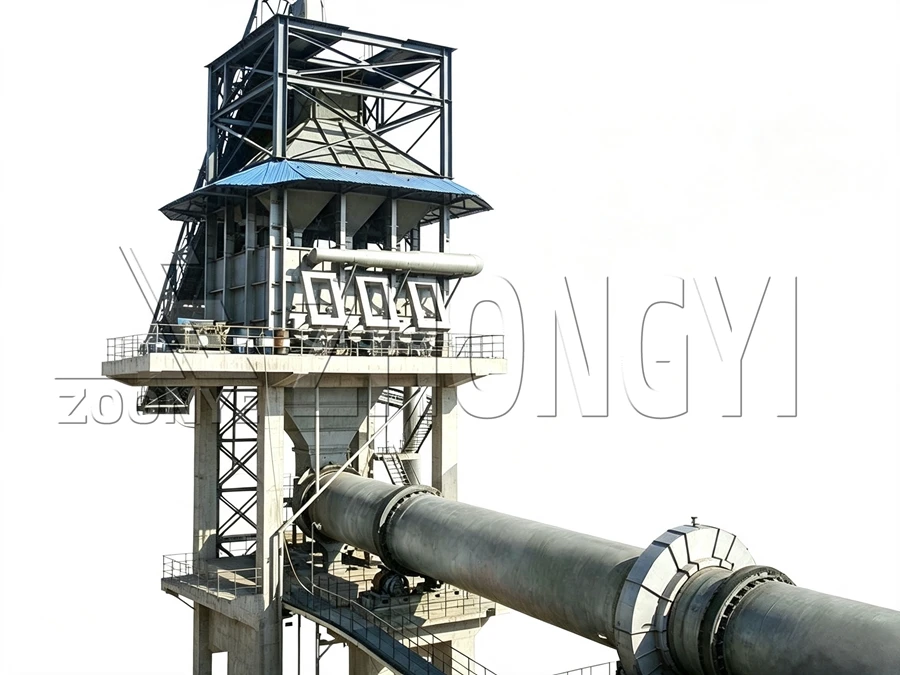
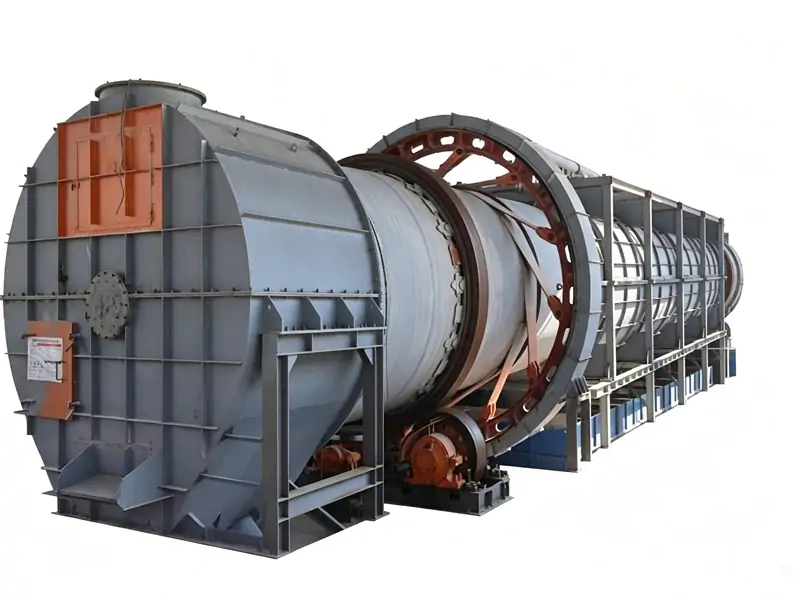
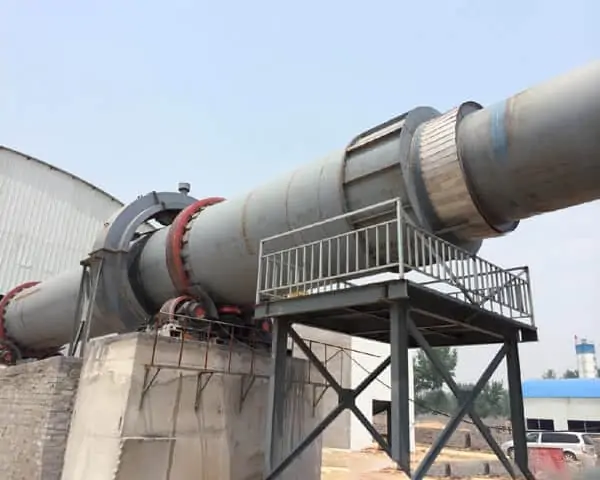
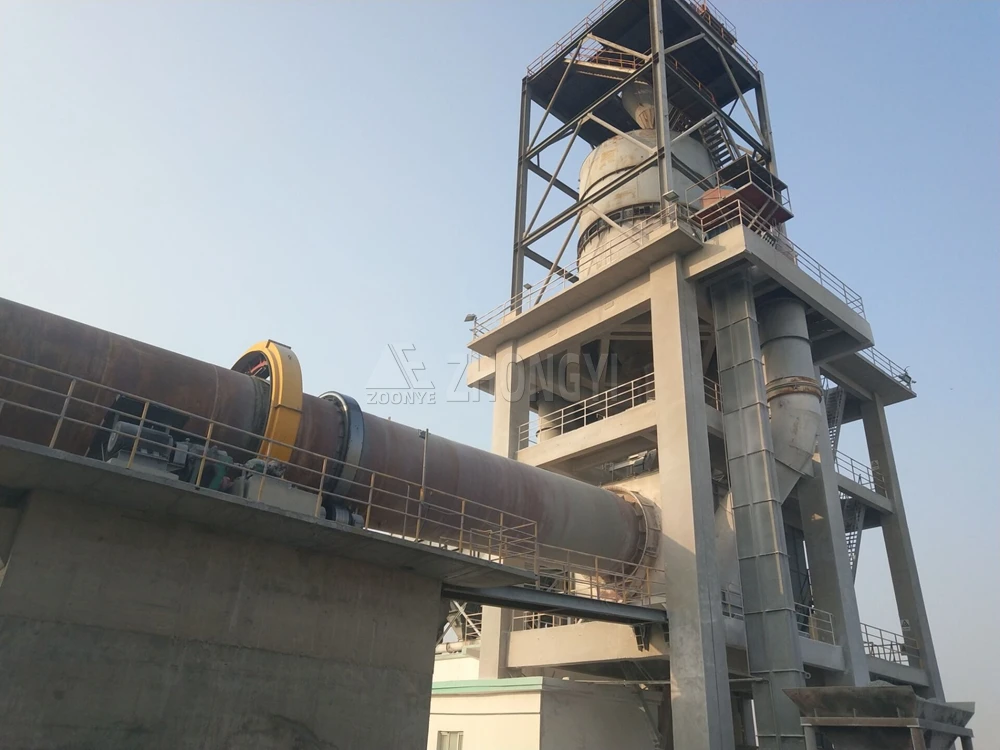
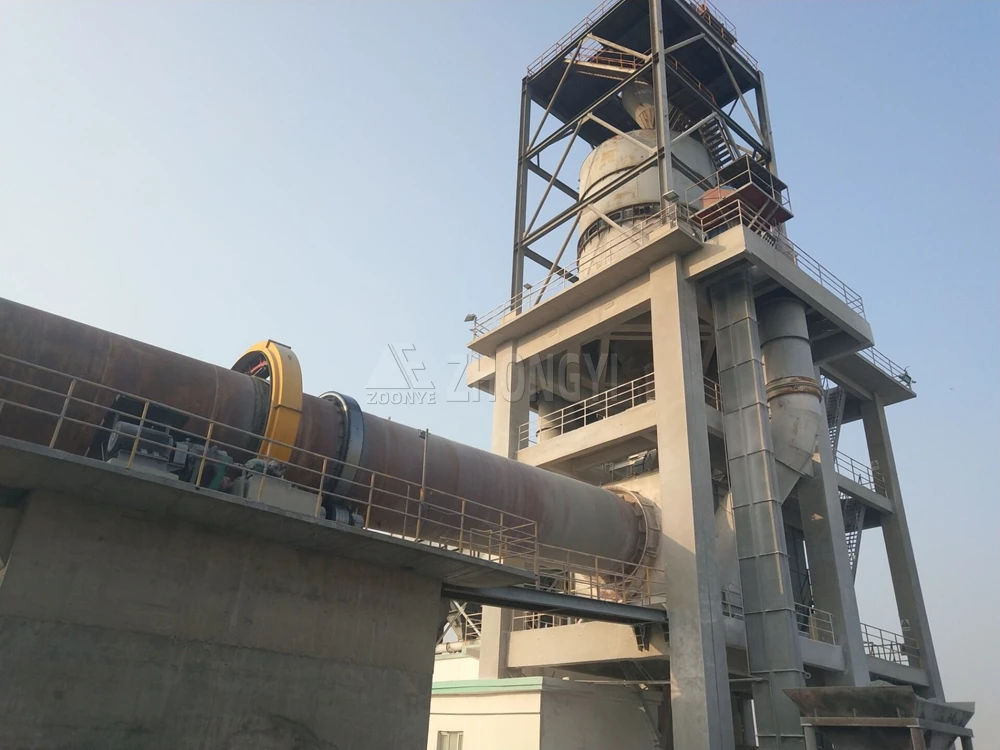
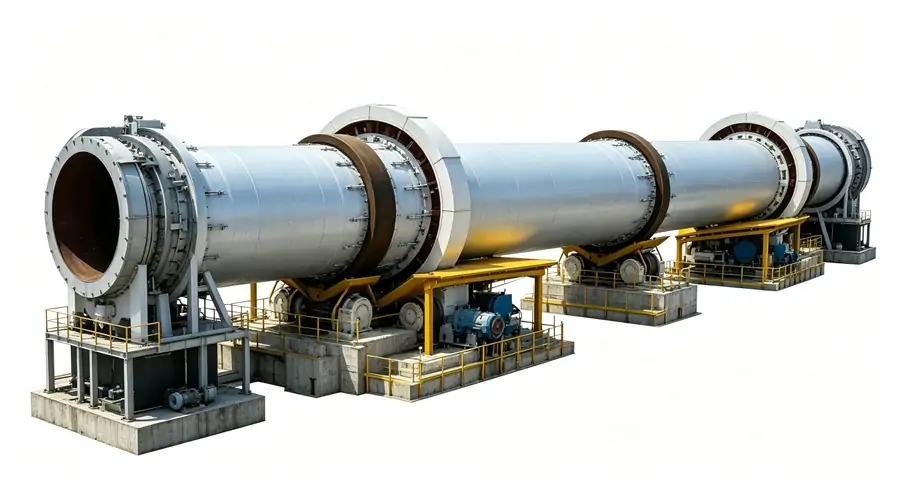
Кальцижуулах зуух нь ашигт малтмал боловсруулах үйлдвэрлэлд түүхий эдийн физик, химийн шинж чанарыг өөрчлөх зорилгоор хяналттай дулааны боловсруулалт хийхэд ашиглагддаг тусгай зориулалтын үйлдвэрлэлийн зуух юм. Уламжлалт халаалтын төхөөрөмжөөс ялгаатай нь кальцижуулах зуух нь тодорхой температурын бүс, материалын оршин суух хугацааг хадгалахаар зохион бүтээгдсэн бөгөөд тасралтгүй ажиллагааны явцад ашигт малтмалууд шаардлагатай урвалын зэрэгт хүрэхийг баталгаажуулдаг.
Уул уурхайн хэрэглээнд эргэлдэгч кальцижуулах зуухыг ихэвчлэн тогтвортой дулааны нөхцөлд их хэмжээний ашигт малтмалын материалыг боловсруулах чадвараараа сонгодог. Босоо зуух, оройтсон давхаргын кальцижуулагчтай харьцуулахад эргэлдэгч зуух нь янз бүрийн хэмжээ, найрлага, үйлдвэрлэлийн шаардлагад илүү дасан зохицох чадвартай бөгөөд хүдэр шатаах, ашигт малтмал идэвхжүүлэх, үйлдвэрлэлийн ашигт малтмал боловсруулах зэрэг хэрэглээнд тохиромжтой.
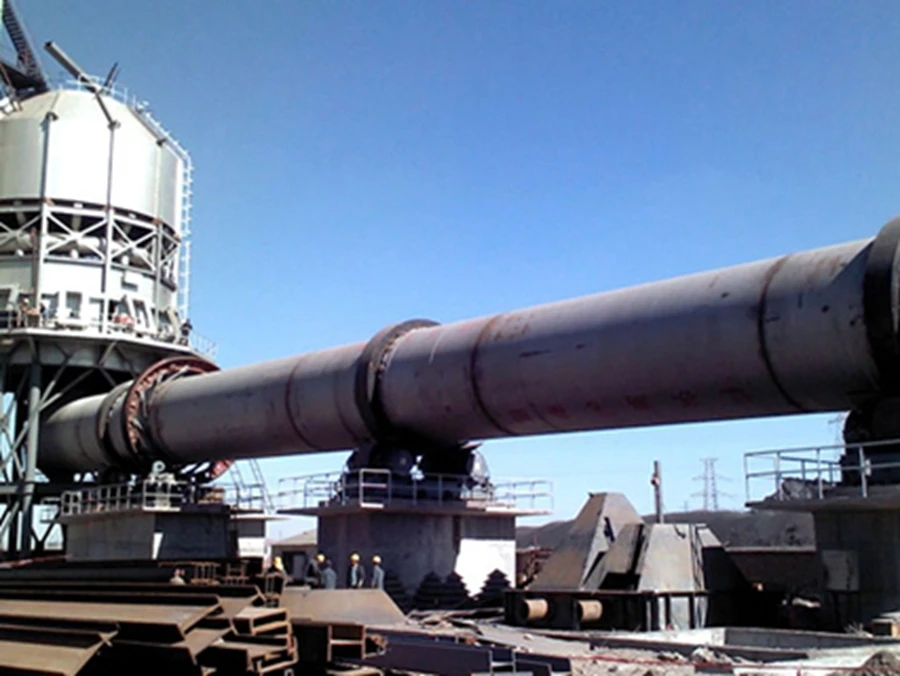
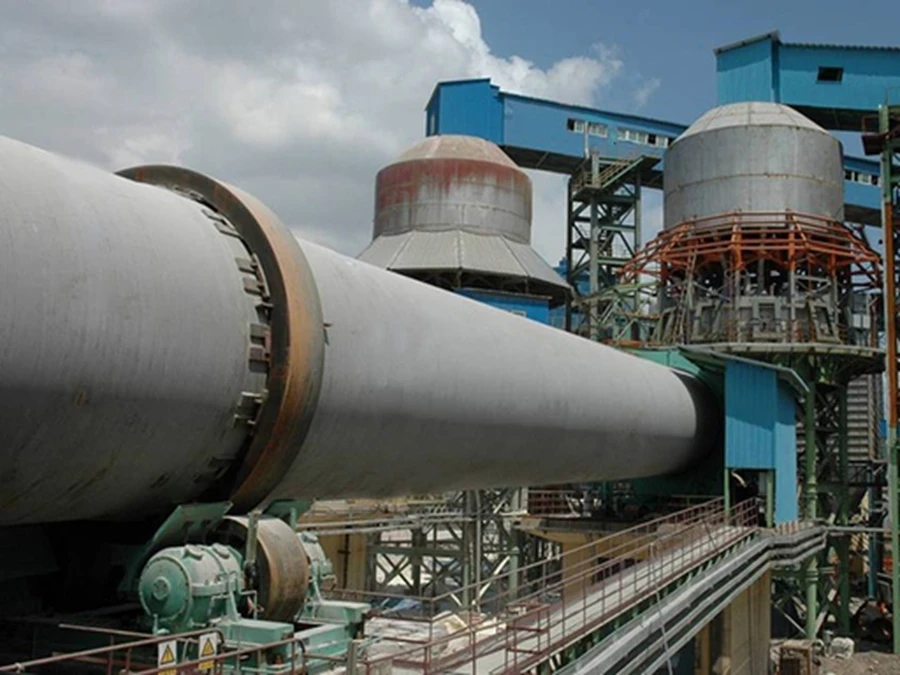
Кальцижуулах зуух хэрхэн ажилладаг вэ?
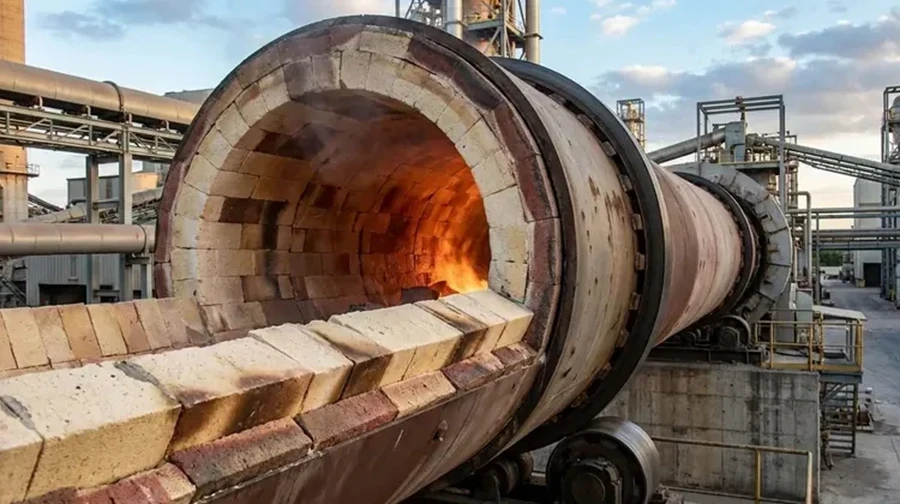
Эргэлдэгч кальцижуулах зуух нь материалын тасралтгүй хөдөлгөөн, хяналттай дулаан дамжуулалтаар ажилладаг. Тэжээх системээр дамжуулан зууханд орсны дараа ашигт малтмалын материалууд налуу эргэлдэгч цилиндрийн дагуу аажмаар хөдөлж, олон дахин өргөгдөж, холилддог. Энэ үйл явцын явцад материалууд урьдчилан халаах, өндөр температурын урвал, хөргөх бүс зэрэг янз бүрийн температурын бүсээр дамжин өнгөрөх бөгөөд тодорхой ашигт малтмалын шинж чанарын дагуу хатаах, задрах, шатаах эсвэл фазын хувиралтын урвалууд явагддаг.
Дараах хэсгүүдэд материал тэжээх, хөдөлгөөн, дулаан солилцоо, ашигт малтмалын урвал, түүнчлэн хөргөх, эцсийн бүтээгдэхүүн гаргах зэрэг үе шат бүр тогтвортой дулааны боловсруулалтад хэрхэн хувь нэмэр оруулдаг талаар тайлбарлана.
Материал тэжээх ба хөдөлгөөн
Бутлах, шигших эсвэл урьдчилан боловсруулсны дараа ашигт малтмалын материалууд эргэлдэгч зууханд тэжээгддэг. Налуу зуухны бие аажмаар эргэлдэж, материалууд таталцал ба үрэлтийн нөлөөгөөр зуухны дотор өргөгдөж, эргэхдээ урагш хөдөлдөг.
Зуухны эргэлт нь материалын тасралтгүй холилт, хөдөлгөөнийг хангаж, жигд халаалт, зохих оршин суух хугацаа, жигд кальцижуулалтын үр дүнг хадгалахад тусалдаг.
Халаалт ба дулааны урвал
Шатаагч систем нь зууханд дулаан нийлүүлдэг бөгөөд зуухны эргэлдэгч хөдөлгөөн нь материалууд халуун хийтэй харьцаж үр дүнтэй дулаан дамжуулалт хийх боломжийг олгодог. Температур нэмэгдэхийн хэрээр ашигт малтмалууд өөрсдийн шинж чанар, боловсруулах шаардлагаас хамааран кальцижуулалт, усгүйжүүлэлт, исэлдэлт эсвэл ангижруулах шатаах зэрэг янз бүрийн урвалд ордог.
Температур, хийн орчин, материалын оршин суух хугацааг янз бүрийн ашигт малтмалын хэрэглээнд шаардлагатай боловсруулалтын үр дүнд хүрэхийн тулд тохируулдаг.
Хөргөлт ба бүтээгдэхүүн гаргалт
Дулааны боловсруулалт дууссаны дараа боловсруулсан материалууд зуухнаас гарч, хөргөх системд илгээгддэг. Хөргөлт нь материалын температурыг бууруулж, зөөвөрлөх нөхцөлийг сайжруулж, эрчим хүчний ашиглалтыг сайжруулахын тулд үлдэгдэл дулааныг сэргээхэд тусалдаг.
Үндсэн эд ангиуд
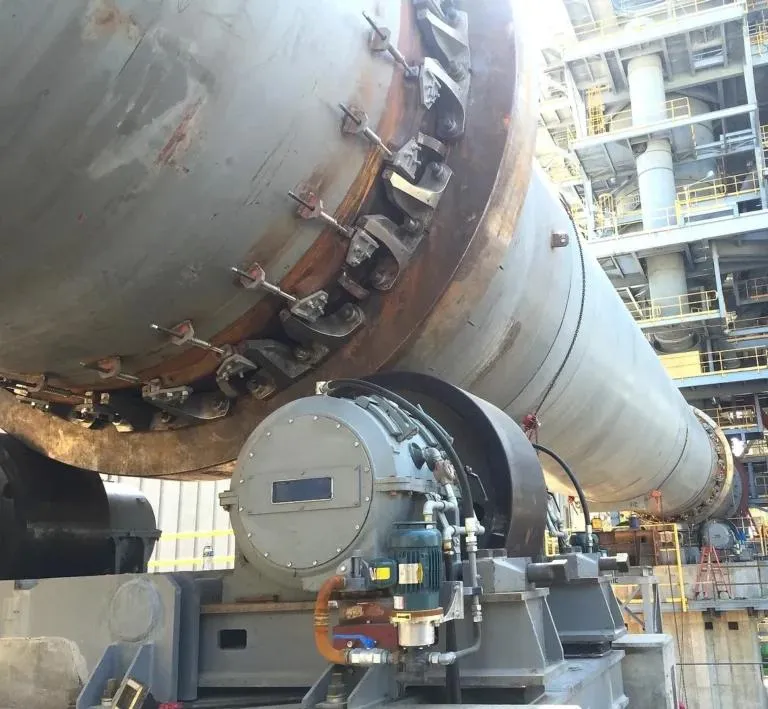
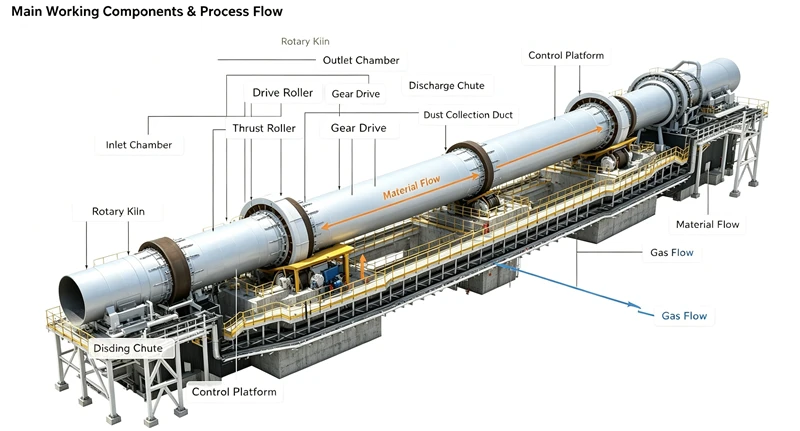
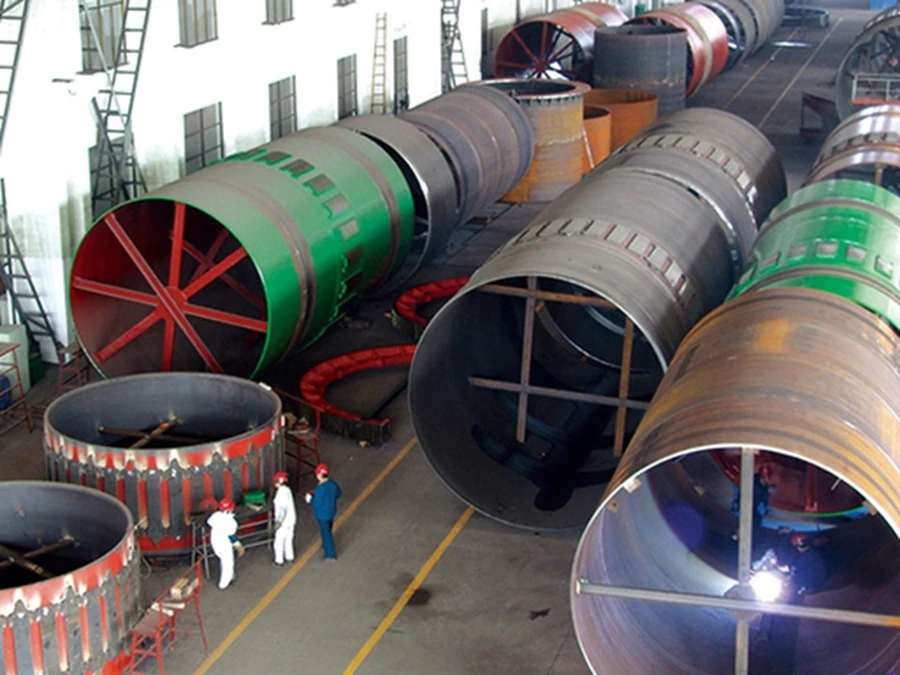
Ашигт малтмалын үйлдвэрлэлийн кальцижуулах зуух нь тэжээх, халаах, эргүүлэх, гаргах системүүдийг нэгтгэж тасралтгүй дулааны боловсруулалтыг гүйцэтгэдэг. Эргэлдэгч зуухны бие, шатаагч систем, хөтлөх механизм нь материалын хөдөлгөөн, дулаан дамжуулалт, боловсруулалтын нөхцөлийг хянадаг үндсэн эд ангиуд юм.
Кальцижуулах зуухны туслах системүүд
Дээр дурдсан үндсэн эд ангиудаас гадна кальцижуулах зуухны систем нь материал тэжээх, дулааны менежмент, тоосны хяналт, бүтээгдэхүүн зөөвөрлөх зэргийг дэмждэг хэд хэдэн туслах нэгжүүдийг агуулдаг. Эдгээр эд ангиудын үүргийг доор нэгтгэн харуулав:
| Эд анги | Үүрэг |
| Тэжээх төхөөрөмж | Материалыг зууханд тасралтгүй тэжээдэг |
| Галд тэсвэртэй доторлогоо | Зуухны бүрхүүлийг өндөр температураас хамгаалдаг |
| Тоос цуглуулах систем | Яндангийн хий, тоосыг цуглуулдаг |
| Хөргөх систем | Боловсруулсан материалыг хөргөж, дулааныг сэргээдэг |
Эргэлдэгч кальцижуулах зуухны техникийн үзүүлэлтүүд
Zhongyi Mining эргэлдэгч кальцижуулах зуухнууд нь янз бүрийн ашигт малтмал боловсруулах хэрэглээнд зориулж өөр өөр хэмжээ, тохиргоотойгоор зохион бүтээгдсэн. Зуухны загварыг материалын шинж чанар, шаардлагатай хүчин чадал, тодорхой кальцижуулалтын нөхцөлд үндэслэн тохируулж болно.
| Параметр | Үзүүлэлт |
| Зуухны төрөл | Эргэлдэгч кальцинацийн зуух |
| Барабаны диаметр | 1200–4700 мм |
| Барабаны урт | 25000–72000 мм |
| Налуу | 0.2–4% |
| Боловсруулах хүчин чадал | 3–150 т/ц |
| Эргэлтийн хурд | 7–190 эрг/мин* |
| Motor Power | 15–550 kW |
| Equipment Weight | 34–795 t |
Note:Rotation speed varies by kiln model and transmission configuration.
Typical Model Specifications
| Загвар | Shell Diameter (mm) | Shell Length (mm) | Хүчин чадал (т/ц) | Motor Power (kW) | Жин (т) |
| YZ1225 | 1200 | 25000 | 3 | 22 | 34 |
| YZ1828 | 1800 | 28000 | 3.5 | 30 | 59 |
| YZ2245 | 2200 | 45000 | 3.5 | 45 | 125 |
| YZ2820 | 2800 | 20000 | 3 | 75 | 186 |
| YZ3560 | 3500 | 60000 | 4 | 125 | 348 |
| YZ4272 | 4700 | 72000 | 3.5 | 550 | 795 |
Давуу талууд
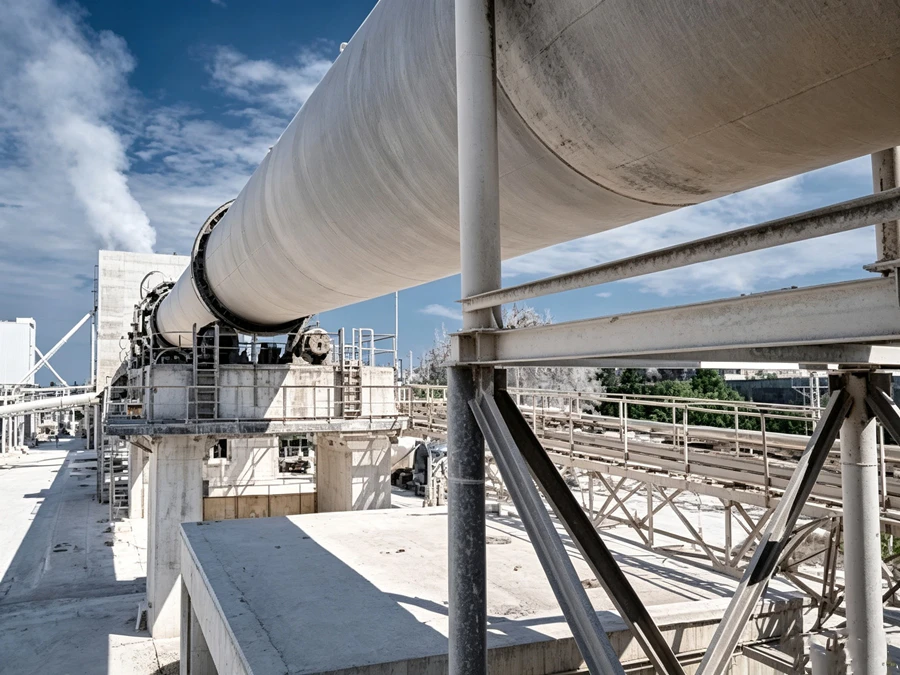
Rotary calcination kilns are commonly used in mineral processing where continuous heating, controlled material movement, and stable thermal conditions are required. The rotating kiln structure allows materials to be evenly exposed to heat while adjustable operating parameters provide flexibility for different mineral treatment processes. These features make rotary industrial calcination kilns suitable for large-scale production, various raw materials, and applications requiring precise calcination control.
Хэрэглээ
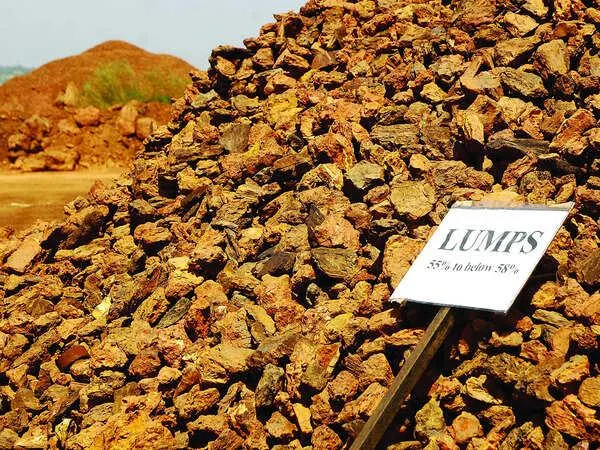
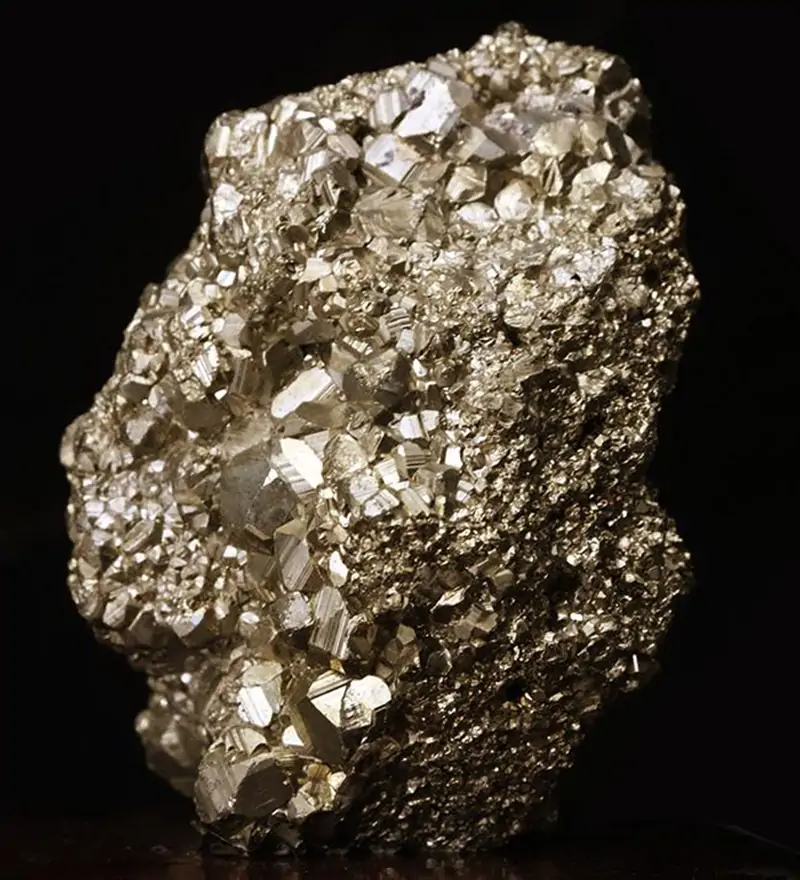
Calcination kilns play an important role in mineral processing by using controlled heating and roasting to alter mineral characteristics. By adjusting temperature, residence time, and kiln atmosphere, the equipment enables processes such as dehydration, oxidation, reduction, and phase transformation, preparing minerals for further beneficiation or extraction. According to different mineral properties and processing objectives, industrial calcination kilns are applied in various fields, including iron ore magnetic roasting, sulfide mineral oxidation roasting, kaolin calcination, carbonate mineral decomposition, and lithium ore treatment.
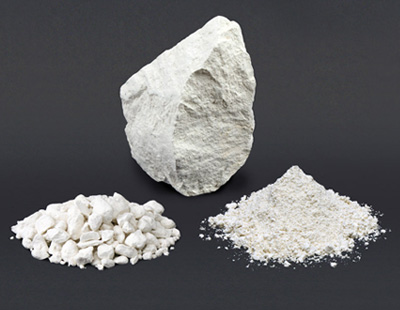
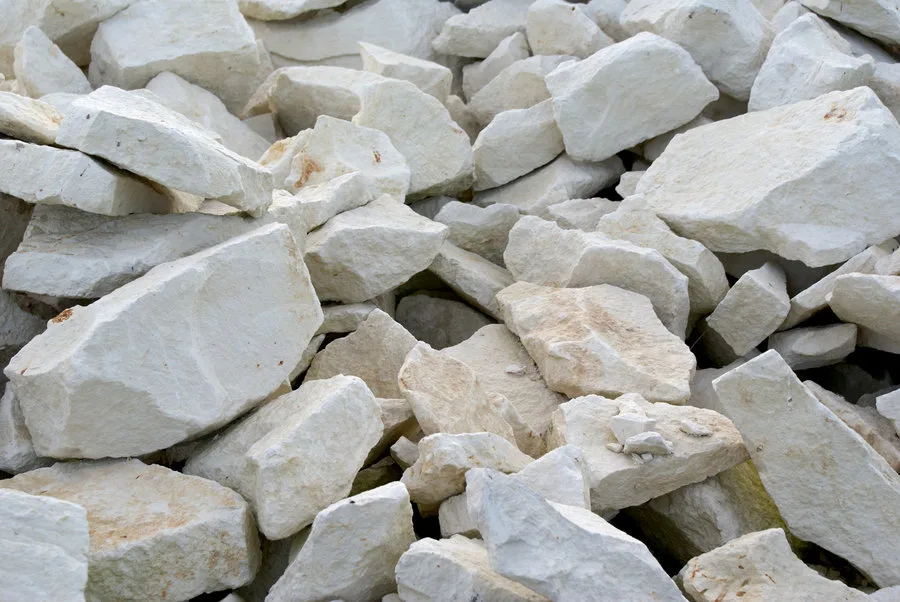
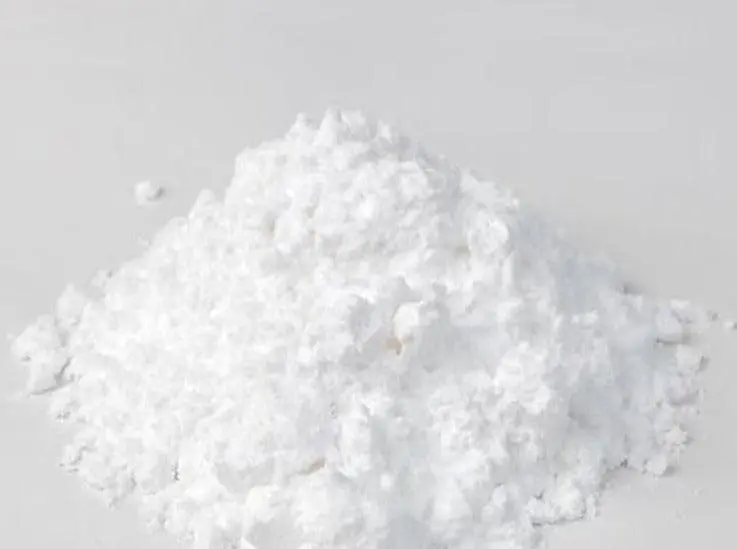
Rotary Calcination Kiln vs Other Calcination Equipment
Calcination equipment selection depends on material properties, capacity requirements, and process conditions. Rotary calcination kilns are preferred for large-scale mineral processing due to their continuous operation and wide material adaptability, while shaft kilns and fluidized bed calciners are selected for specific material and process requirements.
Practical Equipment Comparison
| Comparison Item | Эргэлдэгч кальцинацийн зуух | Shaft Kiln | Fluidized Bed Calciner |
| Боловсруулах хүчин чадал | High | Medium | Medium |
| Material Adaptability | Wide range of lump, granular, and powder materials | More dependent on material size and properties | Mainly suitable for fine particles |
| Temperature Control | Flexible control through kiln speed and heating conditions | Moderate control | Precise temperature control |
| Operation Mode | Continuous operation | Continuous operation | Continuous operation |
| Large-Scale Mineral Processing | Highly suitable | Suitable for specific applications | Suitable for specialized processes |
| Maintenance Requirements | Relatively simple structure and maintenance | Moderate | Higher technical requirements |
How to Choose the Right Calcination Kiln?
Choosing the right industrial calcination kiln requires careful consideration of raw material characteristics, thermal reaction requirements, production capacity, fuel conditions, and emission standards. The correct kiln configuration helps achieve uniform calcination, optimize energy consumption, and maintain reliable operation for long-term industrial production.
Evaluate Mineral Characteristics
Raw material properties are essential for selecting the right calcination kiln. Factors such as chemical composition, particle size, moisture content, and thermal reaction behavior determine the required temperature, residence time, and kiln configuration. Proper evaluation helps achieve uniform heating, efficient calcination, and consistent product quality.
Define the Required Thermal Process
The required thermal process determines kiln configuration and operating conditions. Calcination, oxidation roasting, reduction roasting, and activation treatment each require specific temperature control and residence time. Defining the target reaction helps select a suitable kiln system for consistent processing results.
Match Production Capacity Requirements
Production capacity determines the required kiln size, throughput, and system configuration. Selection should be based on expected daily output, current plant requirements, and possible future expansion. Proper sizing helps maintain reliable operation while controlling energy consumption and equipment investment.
Consider Fuel and Energy Conditions
Fuel type affects operating costs, temperature control, and emission requirements. Gas-fired kilns offer precise control and cleaner combustion, coal-fired kilns provide cost advantages where coal is available, and alternative fuels can reduce dependence on conventional energy sources. The selection should match local fuel availability, production needs, and environmental standards.
Meet Environmental Protection Requirements
Environmental requirements are important considerations in calcination kiln selection. Dust collectors, exhaust gas treatment systems, and heat recovery units help control emissions, improve energy utilization, and reduce fuel consumption. A properly configured kiln system can meet regulatory standards while lowering long-term operating costs.
Consider Reliability and Total Operating Cost
Beyond initial specifications, buyers should evaluate equipment durability, maintenance requirements, spare parts availability, automation level, and after-sales support. The total cost of ownership, including fuel consumption, labor, maintenance, and service life, should also be considered. A reliable kiln system helps reduce downtime and achieve better long-term operating performance.
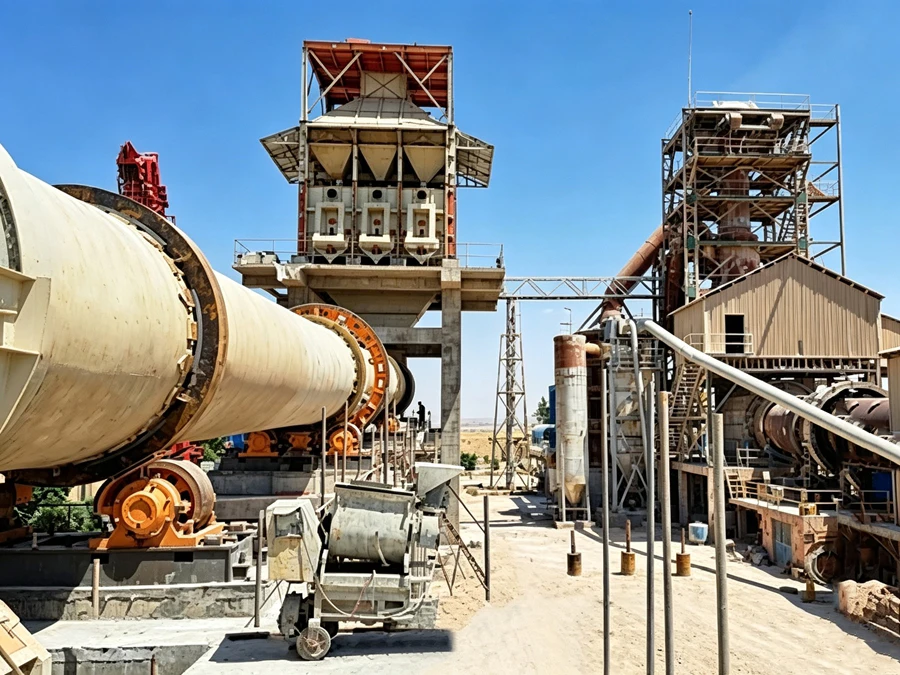
Custom Solutions for Different Calcination Requirements
Every mineral processing project has different requirements in terms of material characteristics, production capacity, and application conditions. Zhongyi Mining provides customized calcination kiln solutions based on your specific needs, including equipment selection, process design, and system configuration. Share your material information, expected output, and project requirements with our engineering team, and we will develop a suitable solution to match your production goals.
For complete processing needs, we also provide integrated calcination plant solutions covering equipment selection, process optimization, and complete plant configuration. Contact Zhongyi Mining today to discuss your project requirements and receive a customized solution from our technical experts.
Please Provide the Following Information:
Why Choose Zhongyi?
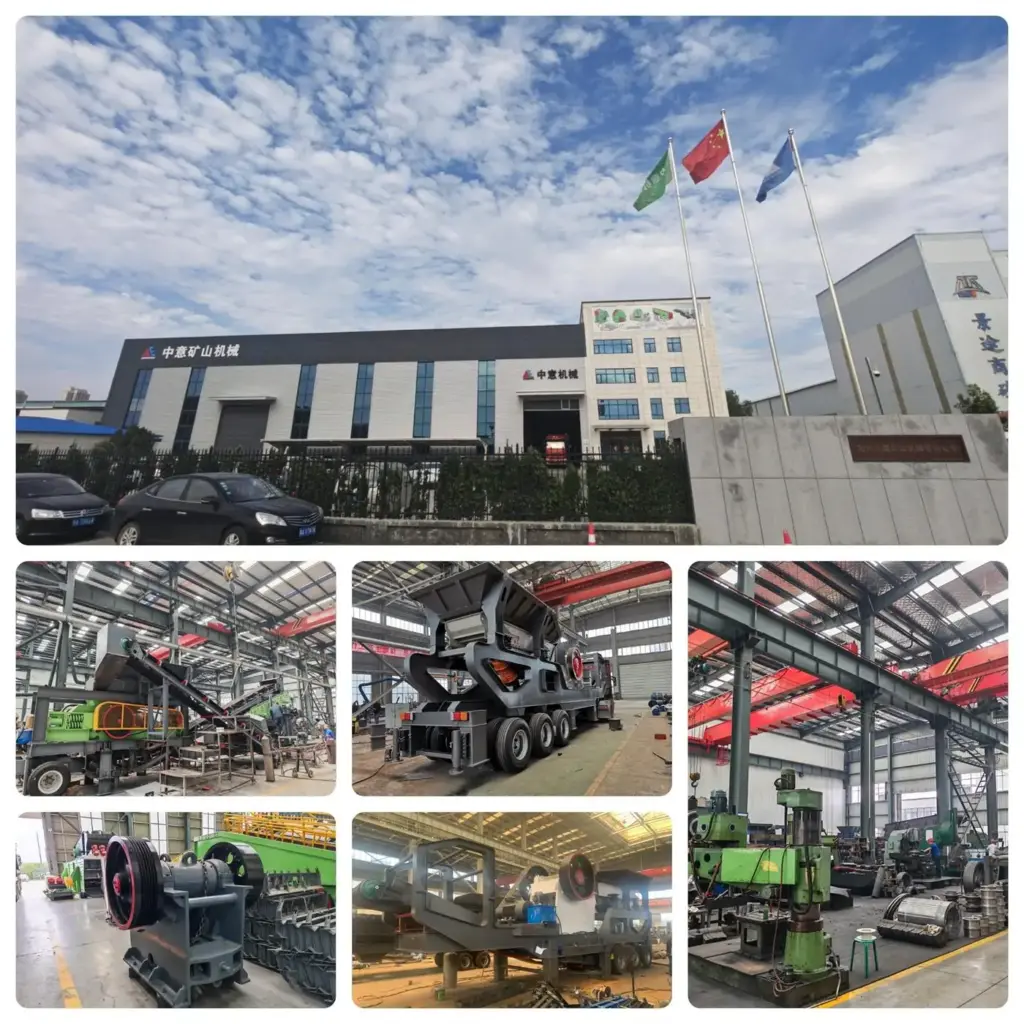
With extensive experience in mining and industrial equipment manufacturing, Zhongyi Mining ,as a professional calcination kiln manufacturer provides reliable calcination kiln solutions tailored to different material characteristics and production requirements. Our engineering team combines practical industry knowledge with advanced design methods and strict quality control to deliver equipment with reliable performance, operational safety, and long service life. From equipment design and manufacturing to final delivery, every project follows professional engineering standards and quality management procedures.
Beyond equipment supply, Zhongyi Mining provides complete project support, including process consultation, customized equipment configuration, installation guidance, and after-sales service. With strong manufacturing capabilities and technical expertise, we help customers reduce operational risks, improve production efficiency, and achieve stable thermal processing performance for long-term industrial applications.
Request a Customized Solution
Work with Zhongyi Mining to develop a calcination kiln solution tailored to your material characteristics, production capacity, and thermal processing needs. Our engineering team provides customized design, reliable equipment, and complete project support to help achieve efficient and stable kiln operation.
FAQs
What factors should be considered when selecting a calcination kiln?
The selection of a rotary kiln for calcination depends on material characteristics, required thermal process, production capacity, fuel availability, and environmental requirements. Factors such as material composition, moisture content, particle size, and final product quality requirements should be evaluated before choosing the suitable kiln configuration.
What materials can be processed by a calcination kiln?
Calcination kilns are widely used for processing limestone, gypsum, clay, bauxite, and other mineral materials. The suitable kiln design depends on the material properties, required calcination temperature, and production objectives.
How do I determine the right kiln capacity for my project?
Kiln capacity should be selected based on required daily output, material characteristics, and future production plans. An appropriately sized kiln helps maintain stable operation while avoiding excessive investment and unnecessary energy consumption.
What fuel options are available for rotary kiln for calcinations?
Calcination kilns can be designed for different fuel conditions, including natural gas, coal, biomass, and alternative fuels. The suitable fuel system depends on local energy availability, operating costs, and emission requirements.
How can a calcination kiln improve energy efficiency?
Energy efficiency can be improved through optimized combustion systems, proper temperature control, heat recovery systems, and suitable kiln design. A well-configured kiln reduces fuel consumption while maintaining consistent calcination performance.
What information is required for a customized calcination kiln solution?
To design a suitable solution, customers should provide raw material information, required capacity, thermal process requirements, fuel conditions, and project site details. Our engineering team evaluates these factors to recommend the appropriate kiln configuration.
How do you ensure the reliability of your rotary kiln for calcination equipment?
Zhongyi Mining applies professional engineering design, strict manufacturing standards, and quality control procedures throughout production. Each kiln solution is designed according to operating conditions to achieve reliable performance and long service life.
Do you provide complete calcination production line solutions?
Yes. Zhongyi Mining provides integrated calcination solutions, including kiln selection, auxiliary equipment configuration, process design, installation support, and technical services to meet different industrial production requirements.