










Введение
For mining and aggregate producers, understanding the advantages of European jaw crusher designs involves more than comparing rated capacity and purchase price. Feed size, rock hardness, jaw plate wear, maintenance downtime, and compatibility with downstream equipment all affect daily production costs. A crusher that performs well with limestone may require different wear-part management when processing hard, abrasive granite. For buyers, the real question is which design features can improve operating performance under their specific conditions—and which benefits need closer verification before investing.
The advantages of European version jaw crusher designs often relate to the crushing chamber, jaw movement, discharge-setting adjustment, and structural design. These features can influence material flow, product size control, wear-part consumption, and maintenance requirements, depending on the model. Understanding how they affect actual operation helps buyers look beyond product descriptions and evaluate equipment on practical criteria. First, let’s examine what defines a European jaw crusher and how its design differs from conventional models before looking at the advantages that matter most in a production line.For a practical guide to choosing the right equipment for a mining or aggregate project, see Как выбрать европейскую щековую дробилку? to compare feed size, capacity, discharge requirements, and model specifications.
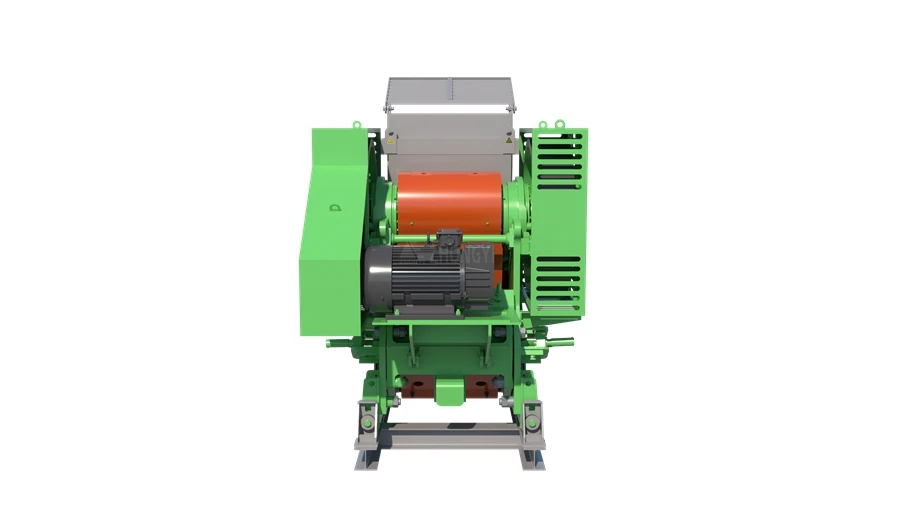
What Is a European Jaw Crusher?
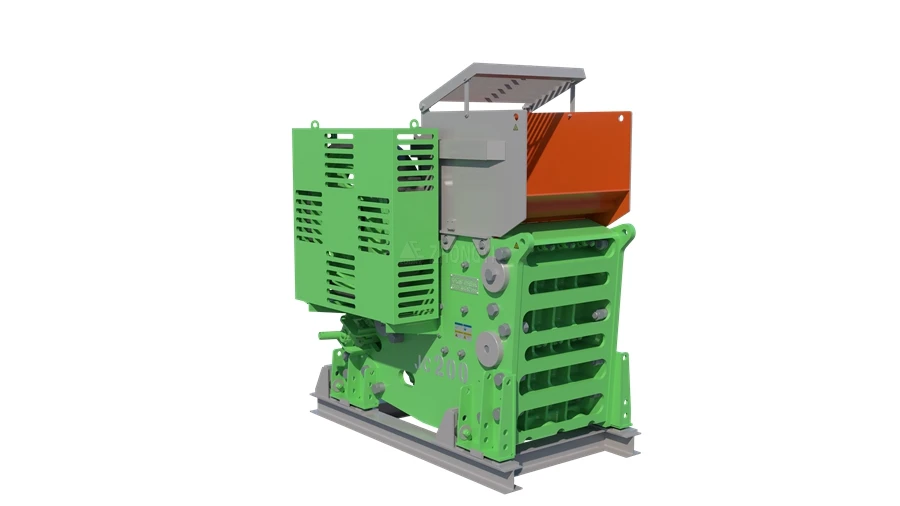
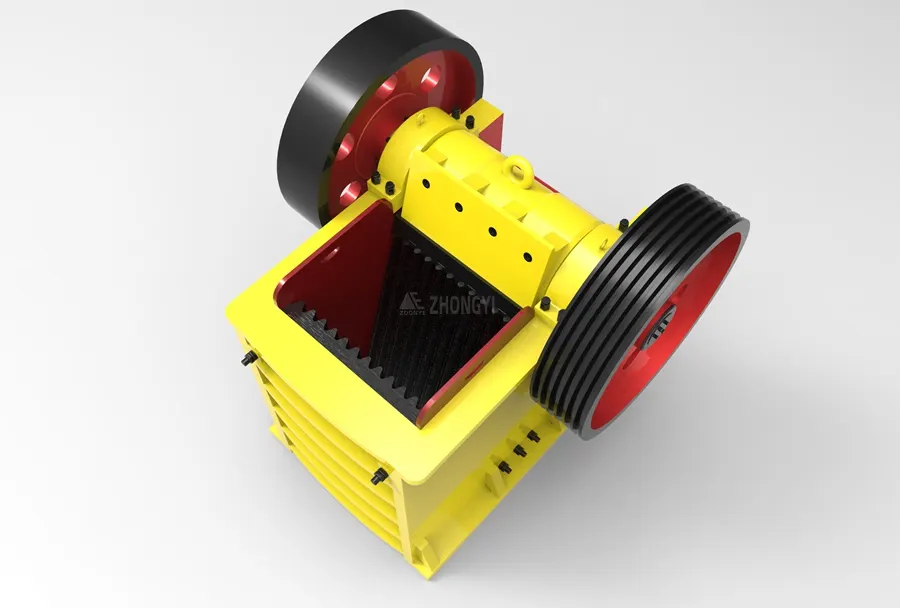
A European version jaw crusher is a primary crushing machine used to reduce large rocks into smaller pieces before secondary crushing or screening. It is commonly used in mining, quarrying, and aggregate production, particularly for hard materials such as granite, basalt, and iron ore. The term “European version” refers to a crusher design or product series, not a single international technical standard. Actual configurations and performance specifications vary by model.
How Does a European version jaw crusher Work?
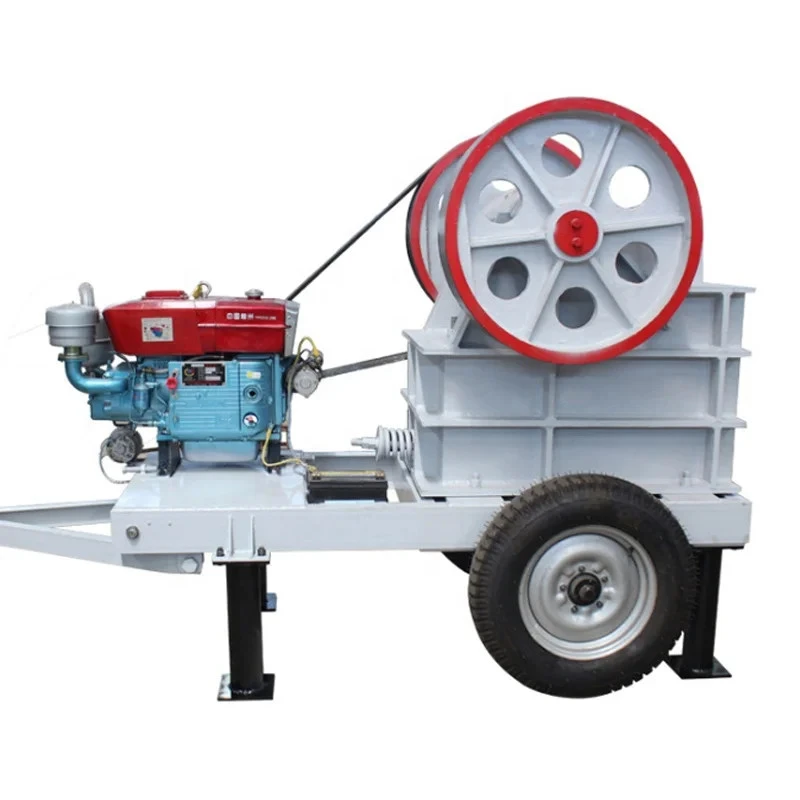
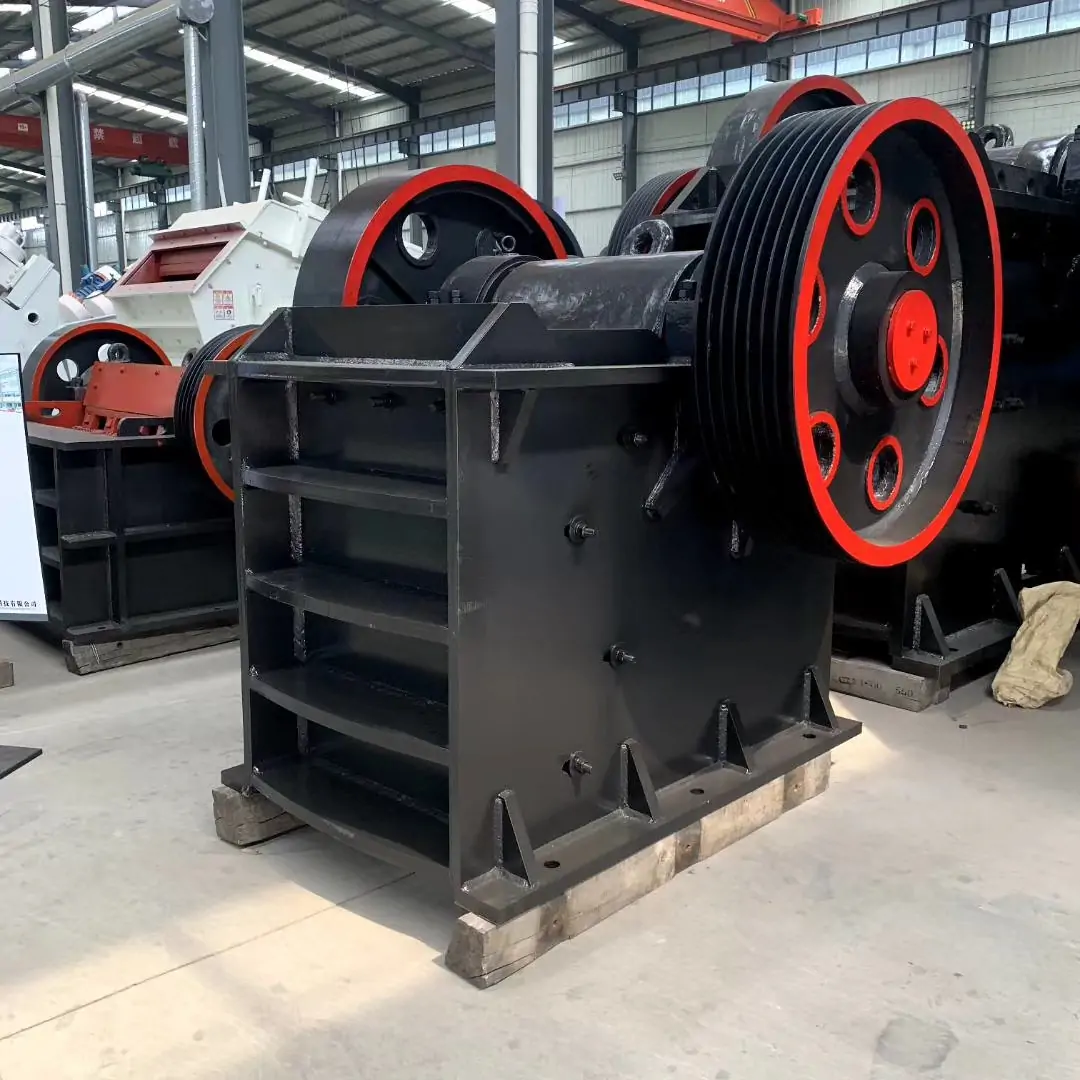
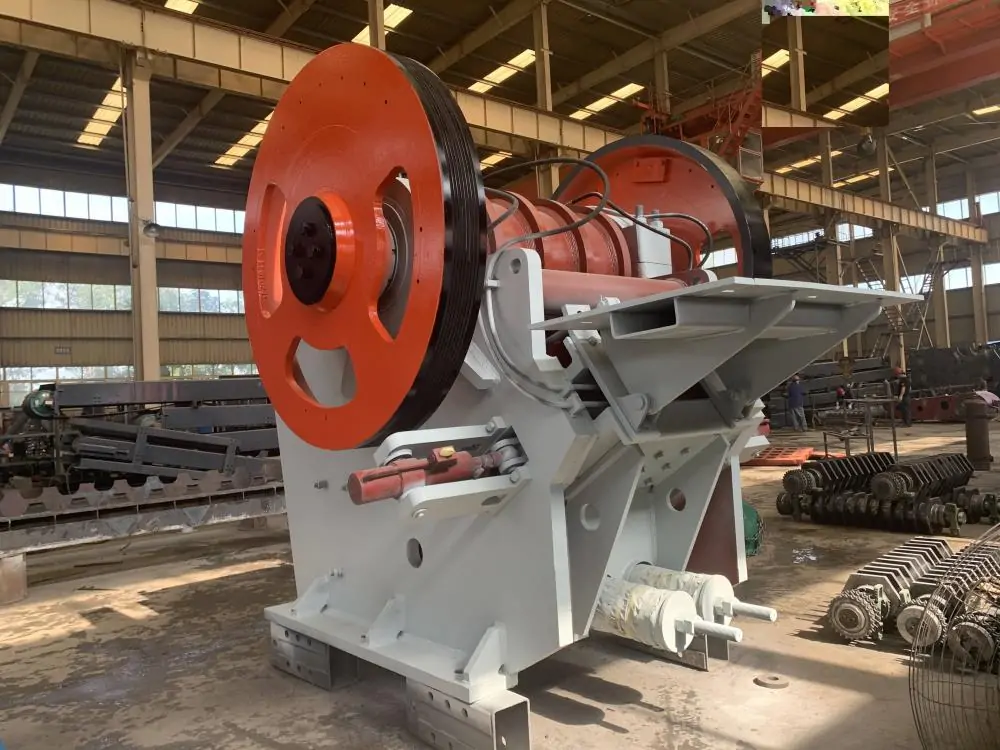
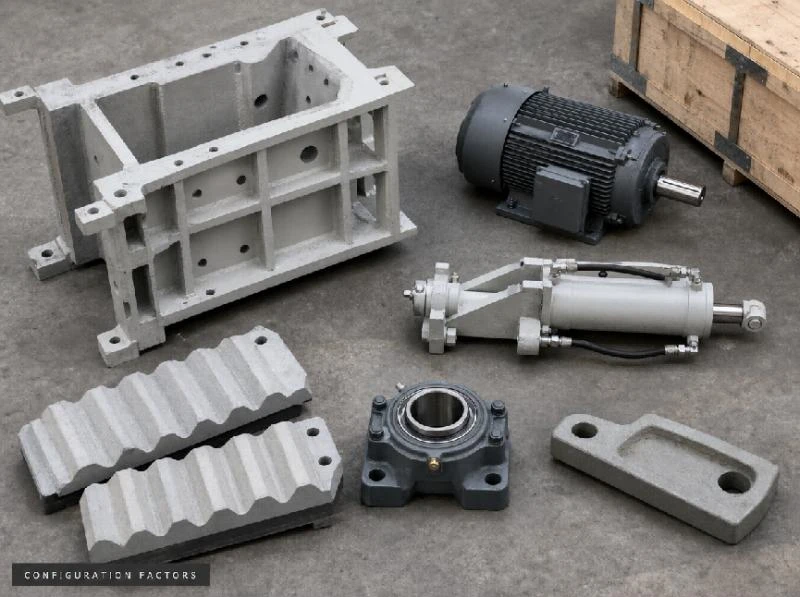
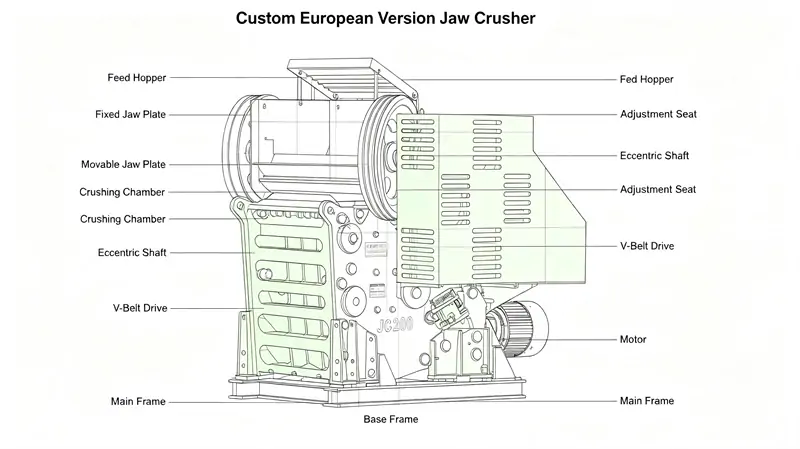
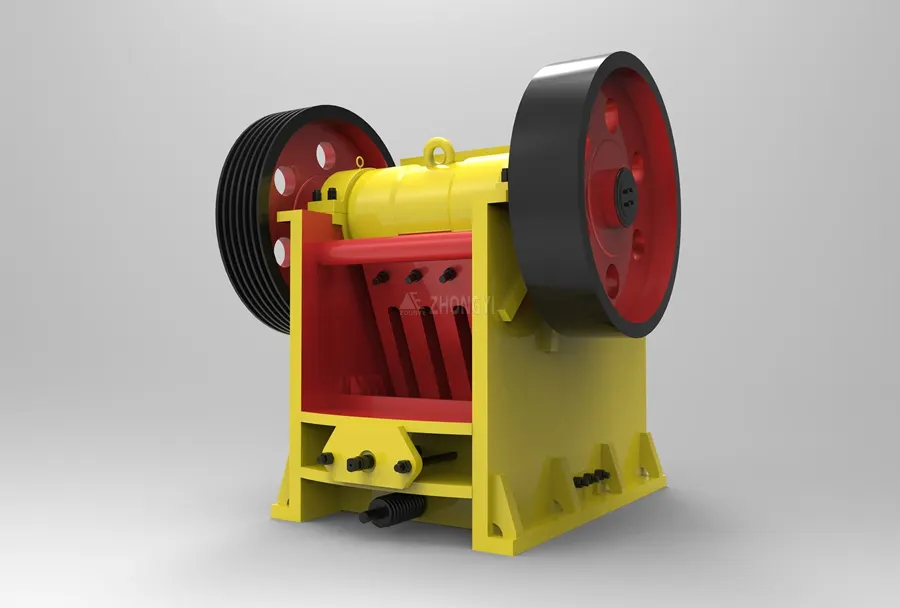
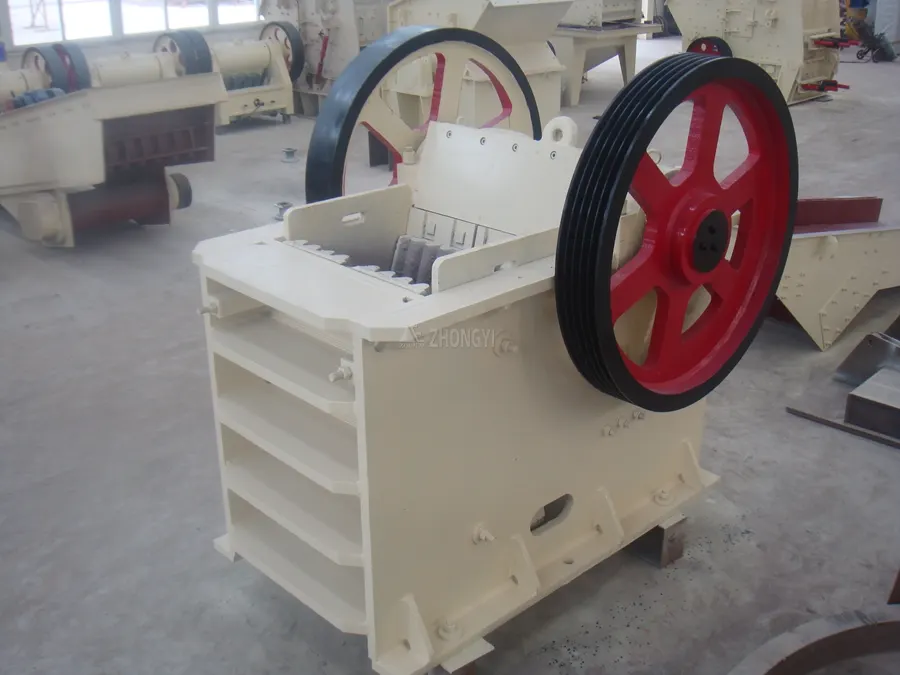
The jaw crusher working principle is based on compression between fixed and movable jaw plates. A motor drives the transmission system and eccentric shaft, causing the movable jaw to swing toward and away from the fixed jaw. Material entering through the feed opening is compressed and broken into smaller pieces before leaving through the discharge opening. The eccentric shaft drives the jaw movement, while the toggle plate supports the crushing mechanism and transmits force. The discharge-setting mechanism controls the opening at the bottom of the crushing chamber. This setting affects the product size and can influence throughput, depending on the material and operating conditions.
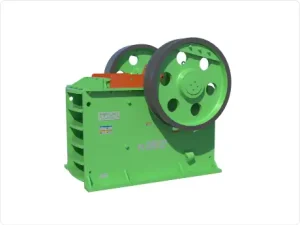
Zhongyi Mining’s Щековая дробилка европейского типа features a deep V-shaped crushing chamber, a larger eccentric stroke, and high-strength manganese steel jaw plates. Across the product range, maximum feed size varies from 580 to 850 mm, discharge openings from 65 to 230 mm, and rated capacity from 100 to 800 t/h, depending on the model. Buyers should check the specifications of individual models against their feed size, target output, and required discharge size.
These design features provide the basis for evaluating crushing performance, jaw plate wear, and operating costs under real working conditions.
Каковы основные преимущества щековой дробилки европейской версии?
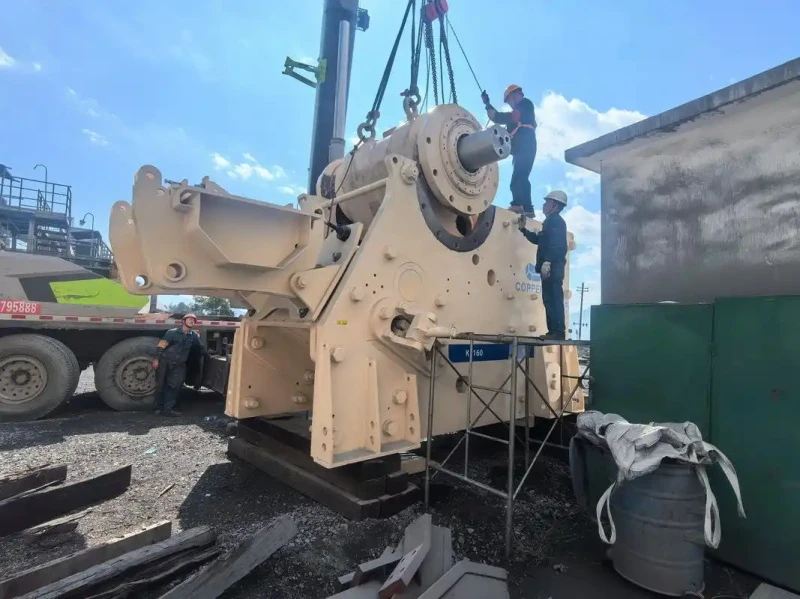
The practical advantages of European jaw crusher are best assessed through its performance during production, not through design labels alone. For mine and quarry operators, the key questions are whether the crusher can maintain the required throughput, produce material suitable for the next processing stage, manage wear-part consumption, and avoid unnecessary downtime. These factors determine whether a machine delivers an operational benefit under the site’s actual conditions.
Improved jaw crusher crushing efficiency and Feed Handling
Crushing performance depends on how effectively material enters the chamber, receives compression, and moves toward the discharge opening. If large rocks bridge at the feed opening or material is fed unevenly, part of the chamber may not be used effectively. The resulting interruptions can reduce throughput even when the crusher’s rated capacity appears sufficient.
When evaluating European version jaw crusher throughput, consider the feed size distribution, rock hardness, moisture or clay content where relevant, and required discharge setting. The feeder must supply material consistently without overwhelming the crusher. Maximum feed size should be checked against the selected model’s specifications; feed opening dimensions alone do not establish the maximum acceptable lump size. These checks help identify whether poor output is caused by the crusher itself or by feeding conditions.
Discharge Setting and Product Size Control
The discharge setting affects the size distribution of the crushed material and the amount of material the crusher can process. A tighter setting may reduce the proportion of larger particles, but it can also lower throughput and increase the load on the crushing chamber. The appropriate setting therefore depends on the required product and the capacity of the downstream screen or crusher.
Adjustment methods vary by machine. Wedge-type and hydraulic systems may differ in operating procedure and the time required to change the setting, so buyers should verify the configuration of the specific model. After adjustment, operators should check the actual product size distribution and throughput rather than assume the nominal setting guarantees a particular output. This is especially important when the crushing line has strict feed-size requirements for the next stage.
Jaw Plate Wear and Replacement Costs
Jaw plate consumption depends on rock abrasiveness, feed distribution, plate profile, material properties, and operating settings. Uneven feeding can concentrate wear in particular areas, while unsuitable operating conditions may shorten replacement intervals. Choosing a wear-resistant plate is only part of the solution; its performance must suit the material being crushed.
A more useful cost measure is jaw plate cost per ton, calculated from the cost of replacement plates, replacement labor, and the tonnage processed between changes. Maintenance records can show whether wear is uniform, how frequently plates need replacing, and whether replacement intervals are changing over time. Comparing these figures across similar operating conditions provides a sounder basis for evaluating wear-part costs than relying on a general claim of longer service life. Track production losses from replacement downtime separately to avoid double-counting.
Maintenance Downtime and Total Operating Cost
Unplanned downtime can cost more than the repair itself. A worn jaw plate, damaged component, lubrication problem, or blocked crushing chamber may interrupt upstream feeding and leave downstream equipment underused. Inspection access, spare-parts availability, and the time needed to complete routine work therefore affect the crusher’s practical availability.
To assess jaw crusher operating cost, track electricity consumption, processed tonnage, wear-part expenses, maintenance labor, and downtime over the same operating period. Specific energy consumption in kWh/t is useful when comparing machines processing similar material at comparable feed sizes and discharge settings. The assessment should also account for bottlenecks elsewhere in the line: improving one crusher’s performance will not necessarily increase total plant output if screening or conveying capacity is already limiting production.
European Version Jaw Crusher vs. Traditional Jaw Crusher
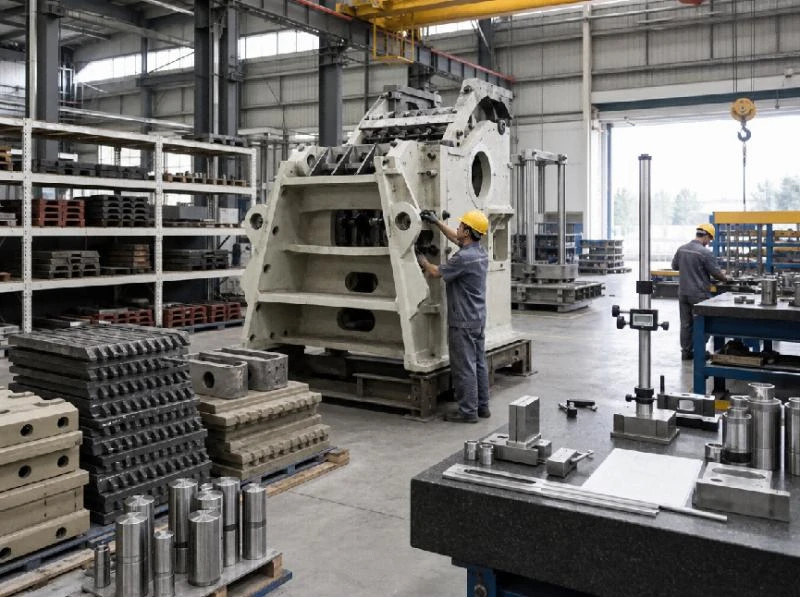
European jaw crushers and conventional PE jaw crushers share the same basic compression-crushing principle. Their differences may lie in crushing chamber geometry, jaw-motion parameters, discharge adjustment, and structural design. These features can affect material flow, setting changes, and maintenance requirements, but performance depends on the specific models being compared.
| Comparison factor | European version jaw crusher | Traditional PE jaw crusher |
|---|---|---|
| Crushing chamber | May feature a deep V-shaped chamber designed to improve material movement through the chamber | Chamber geometry varies by model |
| Jaw motion | Eccentric stroke and jaw trajectory are designed for the specific crushing requirements | Motion parameters also vary by model |
| Discharge adjustment | May use wedge-type or hydraulic adjustment for setting changes | May use shim-based, wedge-type, or other adjustment systems |
| Structure and lubrication | Frame design, bearing supports, and lubrication depend on the configuration | Construction and lubrication arrangements vary by manufacturer and model |
| Эксплуатационные затраты | Evaluate throughput, energy use, wear parts, and downtime under actual operating conditions | Use the same operating data for a fair comparison |
Buyers should compare the adjustment mechanism, lubrication system, and maintenance access of the specific models under consideration. These details affect setting changes, routine servicing, and downtime, but they should be verified from technical documentation rather than inferred from the machine category.
The practical choice depends on operating requirements, not the European label alone. For plants that frequently change discharge settings or run long production shifts, adjustment time and maintenance access deserve closer attention. For projects with stable feed material and infrequent setting changes, a conventional PE crusher may meet production requirements without the need for additional features. In either case, compare maximum feed size, required discharge setting, throughput under comparable conditions, and wear-part cost before making a decision.
What Are the Limitations of a European Jaw Crusher?
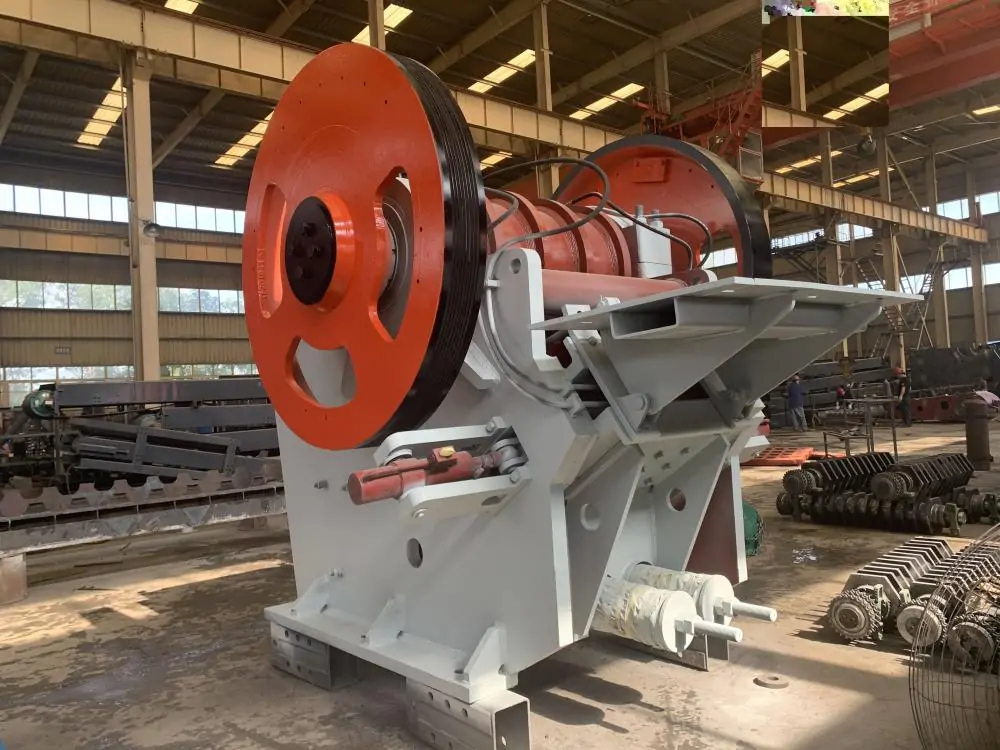
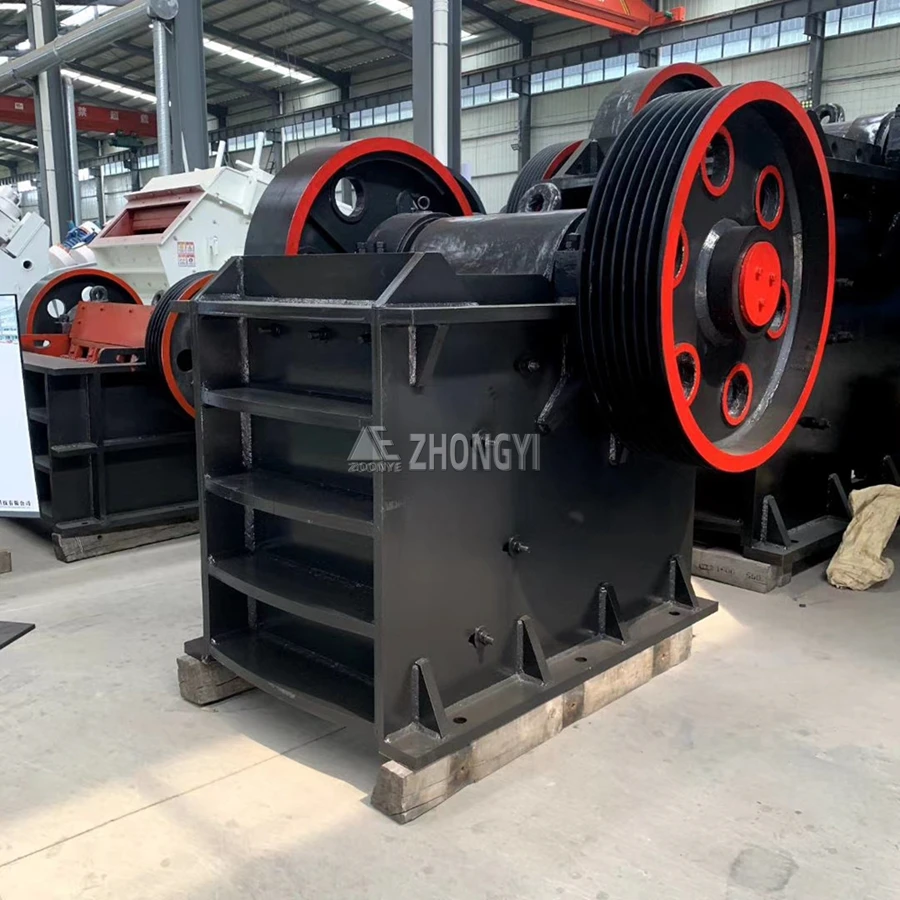
European version jaw crushers retain the operating limitations of conventional jaw crushers. Wear, feed conditions, maintenance requirements, and total operating cost should be assessed against the material and production targets.
Jaw Plate Wear in Abrasive Applications
Hard, abrasive rock such as granite and basalt can accelerate jaw plate wear. Service life depends on rock abrasiveness, plate material and profile, feed distribution, and discharge setting. Compare replacement costs, maintenance labor, and downtime under similar operating conditions rather than relying on general service-life claims.
Feed Size and Capacity Constraints
Each model has a defined maximum feed size and capacity range. Oversized feed, inconsistent feeding, and unsuitable discharge settings can reduce throughput. Wet, clay-rich material may accumulate in the crushing chamber, making prescreening necessary. Downstream screens, crushers, and conveyors must also have sufficient capacity to avoid limiting overall plant output.
Dust, Noise, and Maintenance Requirements
Jaw crushing generates dust, noise, vibration, and mechanical wear. Depending on site conditions, dust control, noise reduction, guarding, and adequate maintenance access may be required. Regular lubrication, jaw plate inspections, and component checks remain necessary regardless of the crusher’s design.
For background on dust hazards, see Обзор OSHA по респирабельной кристаллической кремнезёмной пыли, which explains that crushing stone and concrete can generate respirable silica dust. Assess control measures against site conditions and applicable local requirements.
Initial Investment vs. Actual Operating Benefits
A higher purchase price is justified only when operating benefits offset the additional cost. Compare throughput, energy consumption per ton, wear-part expenses, utilization, and downtime under comparable conditions. These figures provide a more meaningful basis for estimating return on investment and jaw crusher maintenance cost than the equipment series name alone.For a detailed breakdown of equipment costs, quotation factors, and purchasing considerations, see our guide, Руководство по ценам на европейские щековые дробилки: затраты, факторы и советы по покупке.
Where Are European Jaw Crushers Commonly Used?
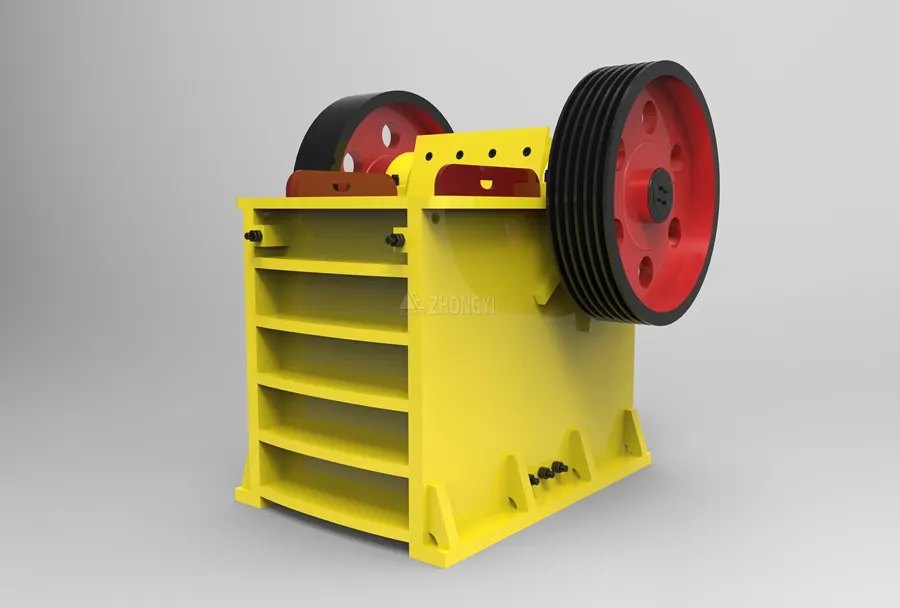
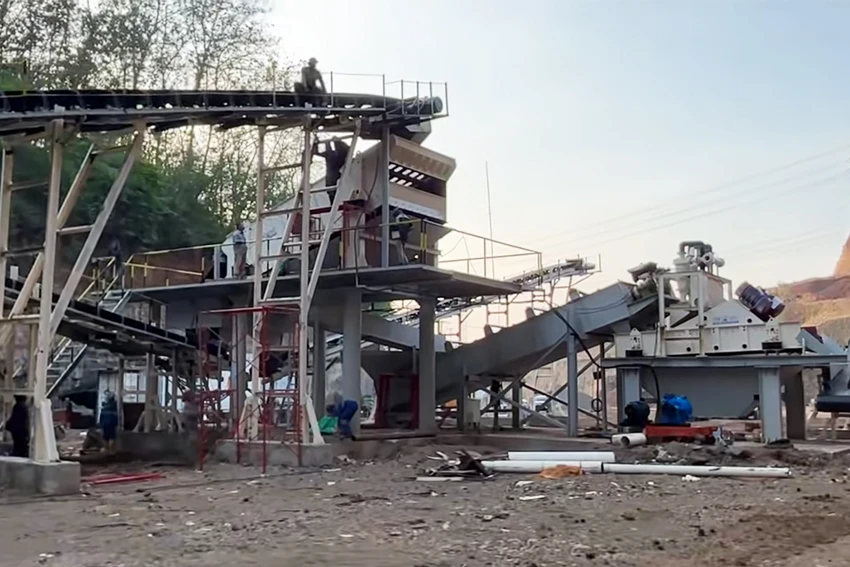
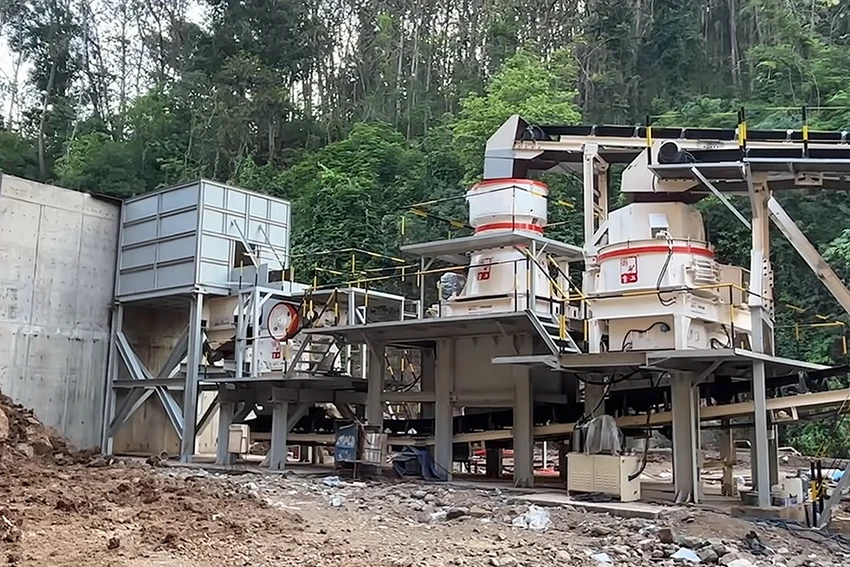
European version jaw crushers are mainly used for primary crushing in mining, quarrying, aggregate production, and selected construction waste recycling projects. Selection depends on feed size, material hardness, abrasiveness, required throughput, and downstream equipment capacity.
Mining and Ore Processing: Crushes run-of-mine ore before secondary crushing, screening, or beneficiation. Selection depends on maximum feed size, ore properties, and target throughput.
Granite, Basalt, and Aggregate Production: A jaw crusher for granite or basalt reduces hard rock before secondary crushing and screening. Abrasive feed increases jaw plate wear, making plate selection and replacement costs important factors.
Limestone and River Pebble Processing: Both materials can be used for primary crushing, but differences in hardness and abrasiveness affect throughput, wear, and downstream product sizing.
Construction and Demolition Waste Recycling: Processes selected concrete and masonry after suitable sorting and size reduction. Reinforcing steel and variable feed may require prescreening, magnetic separation, and downstream screening.
Typical Feed Materials
- Hard rock: Granite, basalt, quartz-rich rock
- Ore: Iron ore and other suitable ores
- Aggregate materials: Limestone and river pebbles
- Recyclable materials: Sorted concrete and masonry
For mining and aggregate applications, verify the selected jaw crusher’s maximum feed size, discharge setting, and model-specific capacity against actual operating conditions. Rated capacity alone does not guarantee the required production rate.
How to Evaluate the Actual Benefits Before Buying
Before buying a European version jaw crusher, compare its expected operating performance with the project’s production requirements. Actual throughput, energy use, wear-part consumption, maintenance downtime, and downstream capacity determine whether the equipment delivers measurable benefits.
Compare Throughput and Energy Consumption Under Similar Conditions
To evaluate jaw crusher energy consumption, record actual electricity use in kWh and processed tonnage over the same operating period. Calculate specific energy consumption in kWh/t and compare machines processing similar materials at comparable feed sizes, discharge settings, and operating loads. Motor power ratings alone do not show which crusher consumes less energy per ton.
Calculate Jaw Plate Cost per Ton
Calculate jaw plate cost per ton by dividing the cost of replacement plates and associated replacement labor by the tonnage processed between replacements. Track replacement frequency under comparable material and operating conditions. Include production losses caused by replacement downtime separately to avoid double-counting costs. This method provides a more useful comparison than jaw plate purchase price or unverified service-life claims alone.
Assess Maintenance Downtime and Spare Parts Availability
Review planned maintenance intervals, unplanned stoppages, and the time required for common repairs. Check the availability and delivery lead times of jaw plates, bearings, and other model-specific parts. Maintenance access and technical support arrangements also affect equipment availability and production continuity.
Check Integration with the Complete Crushing Line
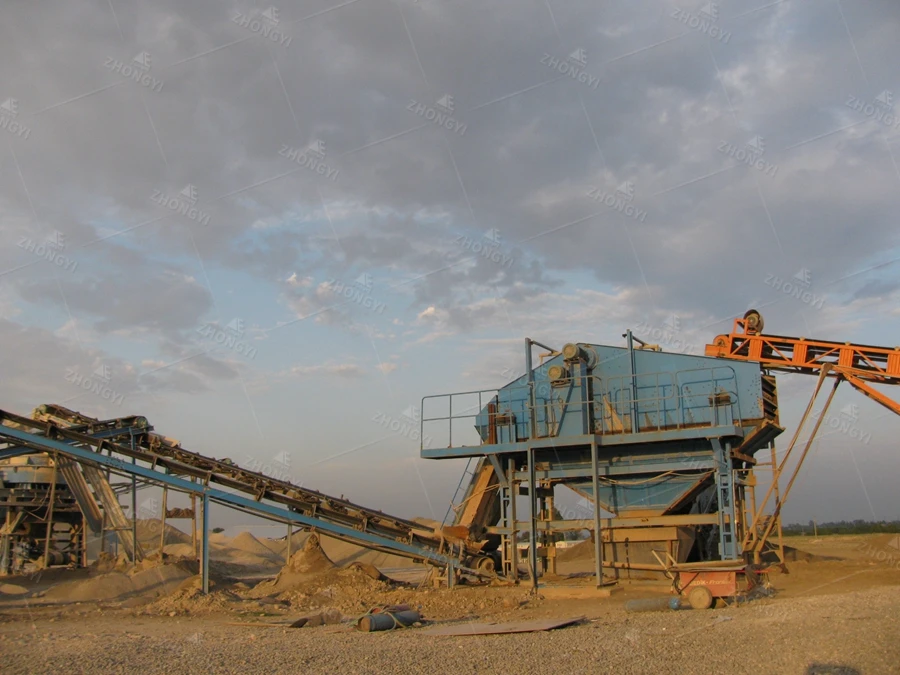
A realistic European version jaw crusher operating cost assessment must account for the complete crushing line. Check whether the feeder, conveyors, secondary crusher, and screens can handle the expected material flow. If downstream equipment is already at capacity, higher jaw crusher throughput may not increase total plant output. Compare costs against actual usable production rather than rated capacity alone.
Conclusion
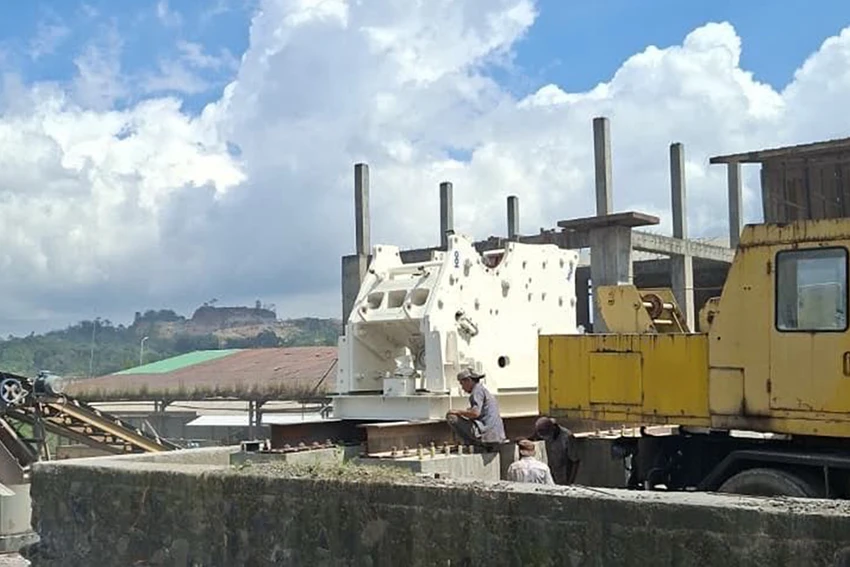
The advantages of European version jaw crusher designs depend on how chamber geometry, jaw motion, discharge adjustment, and maintenance access perform under actual operating conditions. Material properties, throughput, jaw plate wear, energy consumption, and downtime ultimately determine operating value. With experience in mining and aggregate equipment, Zhongyi Mining helps customers evaluate crusher configurations against feed characteristics, production targets, and downstream process requirements. Свяжитесь с нашей командой with your material type, maximum feed size, target discharge size, and required capacity to discuss a suitable jaw crusher and supporting equipment for your project.
Часто задаваемые вопросы
Каковы основные преимущества щековой дробилки европейской версии?
Потенциальные преимущества европейской щековой дробилки включают конструкцию камеры дробления, характеристики движения щеки, регулировку разгрузочной щели и доступ для обслуживания. Эти особенности могут улучшить переработку материала или упростить плановое техническое обслуживание в зависимости от модели. Фактические преимущества следует оценивать по пропускной способности, энергопотреблению, затратам на быстроизнашивающиеся детали и времени простоев в предполагаемых условиях эксплуатации, а не принимать на основании одного лишь обозначения оборудования.
Чем европейская щековая дробилка отличается от традиционной щековой дробилки?
Различия могут включать геометрию камеры дробления, эксцентриситет хода, траекторию движения щеки, регулировку разгрузочной щели и конструктивную конфигурацию. Некоторые модели используют клиновую или гидравлическую регулировку, тогда как другие применяют иные механизмы. Однако эти особенности не являются исключительными для каждого европейского исполнения, и обычные щековые дробилки также различаются в зависимости от производителя. Сравнивайте технические характеристики и эксплуатационные показатели фактических моделей, а не полагайтесь на названия категорий.
Подходит ли щековая дробилка европейской версии для гранита и базальта?
Yes. European jaw crushers are commonly used for primary crushing of granite and basalt in mining and aggregate production. However, suitability depends on maximum feed size, rock abrasiveness, required throughput, and discharge setting. Highly abrasive rock can accelerate jaw plate wear, so buyers should verify the selected model’s capacity and evaluate replacement costs alongside initial equipment investment.
Потребляет ли европейская щековая дробилка меньше энергии?
Не обязательно. Энергопотребление зависит от твёрдости материала, крупности питания, разгрузочной щели, рабочей нагрузки и состояния оборудования. Для сравнения дробилок измерьте расход электроэнергии и фактический объём переработки за одинаковый период работы, затем рассчитайте удельное энергопотребление в кВт·ч/т. Сравнения имеют смысл только при достаточно схожих свойствах материала и условиях эксплуатации; только по номинальной мощности двигателя нельзя установить эффективность дробления щековой дробилки.
Что влияет на износ щековых плит и затраты на их замену?
Износ щековых плит зависит от абразивности породы, материала и профиля плиты, распределения питания и условий эксплуатации. Неравномерная подача может вызывать локальный износ, а неподходящие конфигурации плит могут сократить срок службы. Для оценки затрат на замену отслеживайте закупочную цену плиты, затраты на оплату труда при замене, переработанный тоннаж между заменами и связанные простои. Стоимость на тонну обеспечивает более полезное сравнение, чем одна лишь цена плиты.
Каковы ограничения щековой дробилки европейского типа?
Европейская щековая дробилка сохраняет ограничения традиционного щекового дробления. Она в основном используется для крупного дробления и, как правило, требует наличия оборудования на последующих стадиях, когда необходимы более тонкие продукты. Влажная, богатая глиной подача может вызывать налипание материала, а абразивная порода увеличивает расход быстроизнашивающихся деталей. Максимальный размер подачи и производительность также зависят от конкретной модели. В зависимости от материала и компоновки установки может потребоваться предварительное грохочение, вторичное дробление и соответствующее пылеподавление.
How Do I Know Whether a Jaw Crusher Can Meet My Required Capacity?
Check the selected model’s rated capacity against the actual feed material, maximum lump size, feed grading, discharge setting, and required operating hours. Rated capacity is not a guaranteed production rate for every material. Also confirm that the feeder, conveyors, secondary crusher, and screens can handle the expected flow. A bottleneck elsewhere in the plant can limit total output even when the jaw crusher has sufficient capacity.
How Can I Evaluate the Long-Term Cost of a European Jaw Crusher?
Assess total ownership cost over a defined operating period, including purchase price, energy consumption, jaw plates and other wear parts, maintenance labor, downtime, and supporting equipment requirements. Divide relevant operating costs by actual usable production to estimate cost per ton. Compare competing models under similar conditions, and use documented operating records or a suitable performance test to validate assumptions about jaw crusher crushing efficiency and maintenance.