










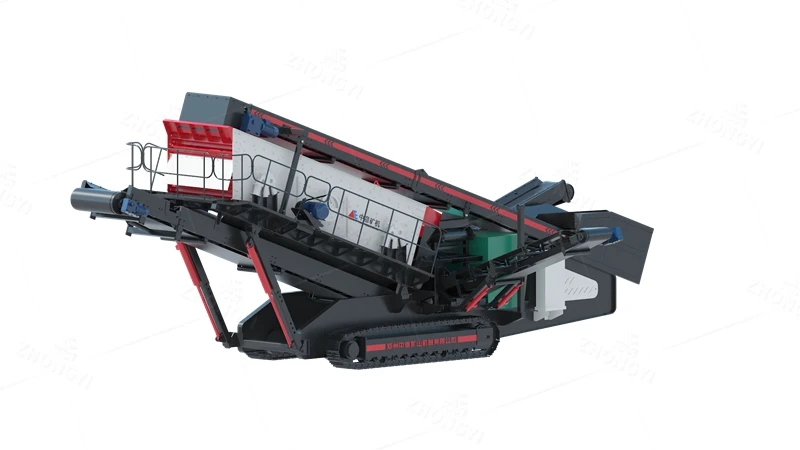
Что такое мобильная сортировочная установка?
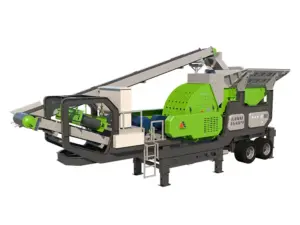
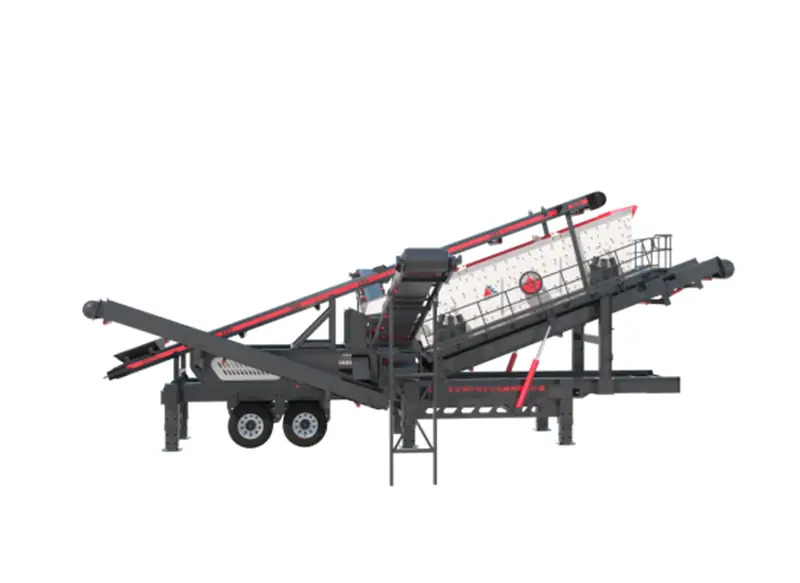
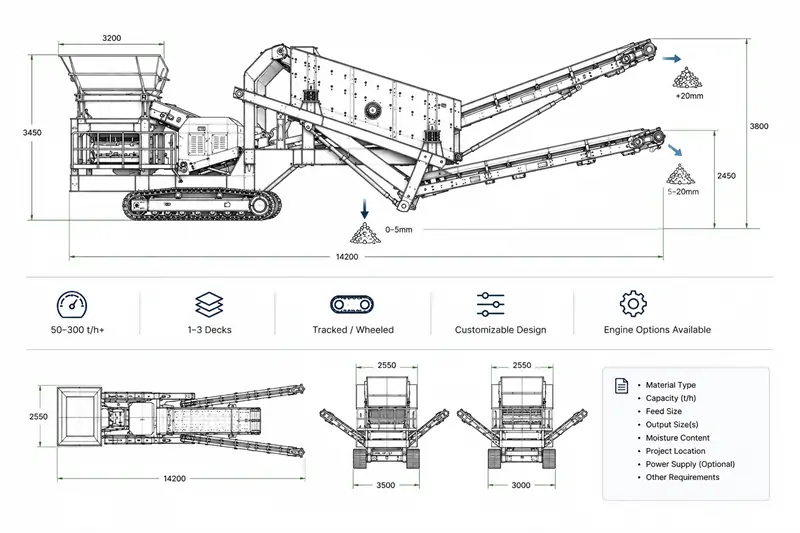
Мобильная сортировочная установка, также известная как мобильная сортировочная станция или портативная сортировочная установка, представляет собой колёсную или гусеничную сортировочную систему, предназначенную для классификации материалов на месте без стационарного монтажа. Она объединяет вибрационный грохот, систему подачи, конвейеры, силовой агрегат и мобильное шасси в единый рабочий блок, обеспечивая быстрое развёртывание и перемещение при добыче в карьерах, горных работах и переработке строительных отходов.
Обычно она используется для разделения и классификации заполнителей, руд и вторичных материалов. Система позволяет обрабатывать материал непосредственно у источника, сокращая количество операций по перемещению материала и повышая общую эффективность площадки. Стандартная конфигурация обеспечивает производительность до 300–500 TPH в зависимости от размера грохота и типа материала.
Мобильные сортировочные установки широко применяются в производстве заполнителей, горных работах и переработке отходов сноса. Они могут работать автономно или интегрироваться в дробильно-сортировочные схемы, обеспечивая гибкую конфигурацию для различных планировок площадок и производственных требований.
Типы мобильных сортировочных установок
Мобильные сортировочные установки в основном делятся на две конфигурации: колёсные (на пневмоходу) и гусеничные системы. Обе обеспечивают мобильную сортировку, но различаются способом перемещения и применимыми условиями работы.
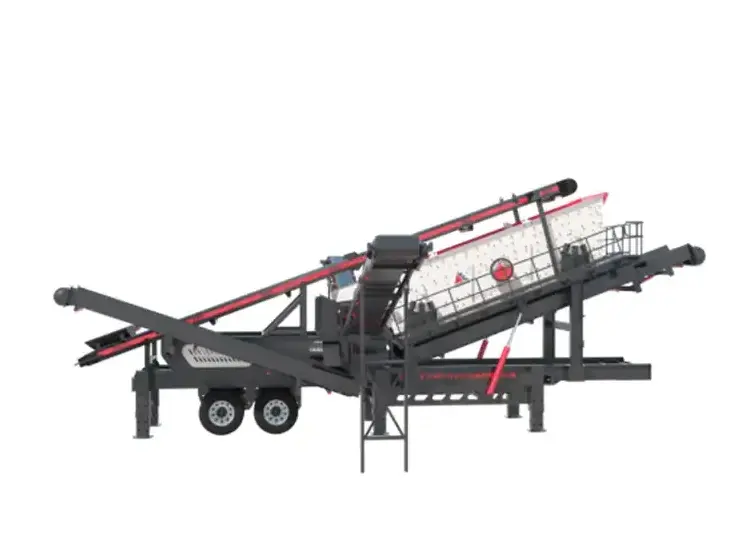
Колёсная мобильная сортировочная установка (на пневмоходу)
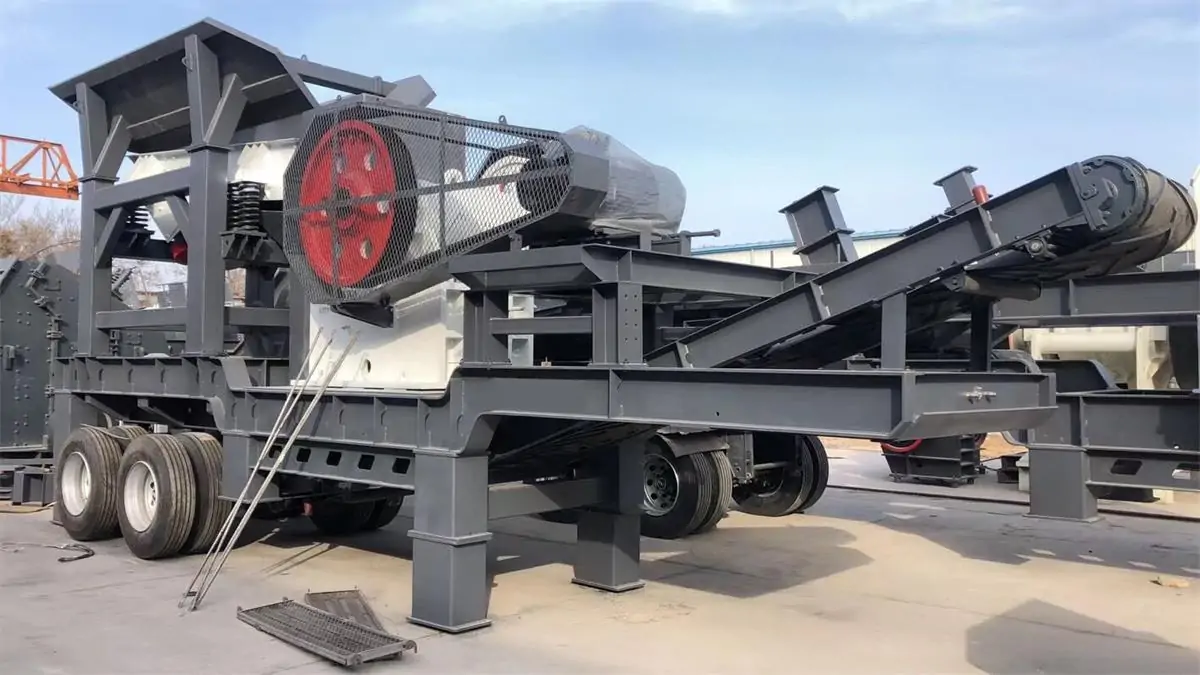
Колёсный тип представляет собой полумобильную систему, транспортируемую седельным тягачом, предназначенную для перемещения по дорогам с низким воздействием на грунт и эффективным перемещением между площадками. Широко используется при обработке строительных отходов, земляных работах и на городских строительных площадках, где имеется дорожный доступ и условия работы относительно стабильны.
- Преимущества: Быстрая транспортировка по дорогам и низкая стоимость перемещения, подходит для частой смены площадок.
- Ограничения: Требуется буксировочное оборудование, ограниченная адаптивность на мягком или неровном грунте.
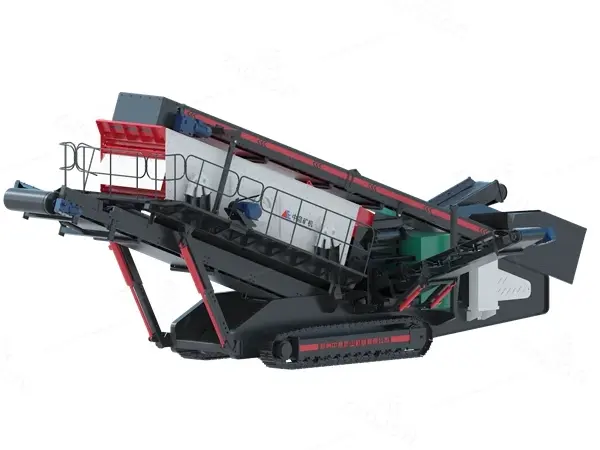
Гусеничная мобильная сортировочная установка (на гусеничном ходу)
Гусеничный тип представляет собой самоходную гидравлическую систему с дистанционным управлением перемещением, предназначенную для высокой мобильности в сложных условиях рельефа, таких как горные районы, горная местность, заболоченные участки и крутые рабочие площадки. Обычно применяется гибридная силовая система, сочетающая дизельный и электрический привод для функций сортировки и перемещения.
- Преимущества: Высокая проходимость с самоходным режимом работы, подходит для суровых условий эксплуатации.
- Ограничения: Более высокая стоимость оборудования и более сложные требования к техническому обслуживанию.
Рекомендации по выбору
Колёсный тип предпочтителен для проектов с хорошим дорожным доступом и частыми перемещениями, тогда как гусеничный тип рекомендуется для горных работ и сложных условий рельефа, требующих высокой мобильности и адаптивности.
Как работает мобильная сортировочная установка?
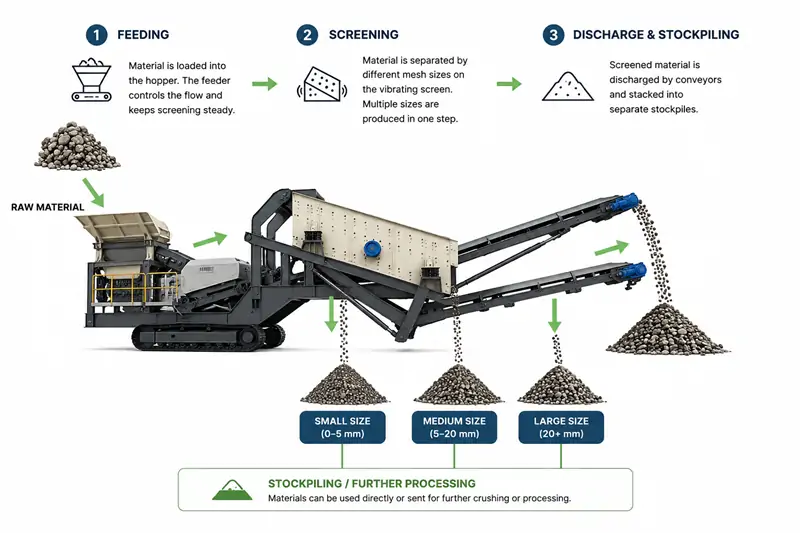
Мобильная сортировочная установка разделяет материалы на различные фракции посредством простого процесса подачи, сортировки и транспортировки. Она используется на месте для быстрой сортировки материалов и обеспечения бесперебойной работы в горнодобывающей, заполнительной и перерабатывающей отраслях.
Процесс подачи
Материал загружается в установку через бункер или вибрационный питатель. Система подачи обеспечивает равномерный поток материала, чтобы грохот работал без перебоев и перегрузок.
Процесс сортировки
Внутри вибрационного грохота материал разделяется по различным размерам ячеек. Крупные куски остаются на верхней деке и перемещаются вперёд, а более мелкий материал проходит на нижние деки. В многодековых системах несколько фракций получают за один этап.
Разгрузка и складирование
После сортировки материал транспортируется конвейерами. Каждая фракция направляется в отдельный склад. Эти материалы могут использоваться напрямую или направляться на дальнейшее дробление или переработку в зависимости от задачи.
Преимущества
Мобильная сортировочная установка — это интегрированная и высокогибкая система классификации материалов, предназначенная для сортировки на месте. Она устраняет ограничения стационарных установок и обеспечивает режим работы “сортировка там, где находится материал”, что делает её подходящей для горных работ, производства заполнителей и проектов переработки строительных отходов с переменными условиями площадки.
Области применения
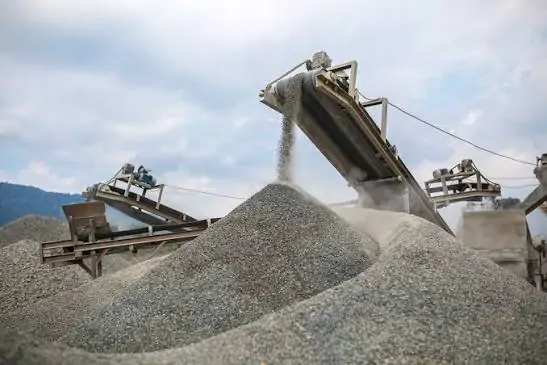
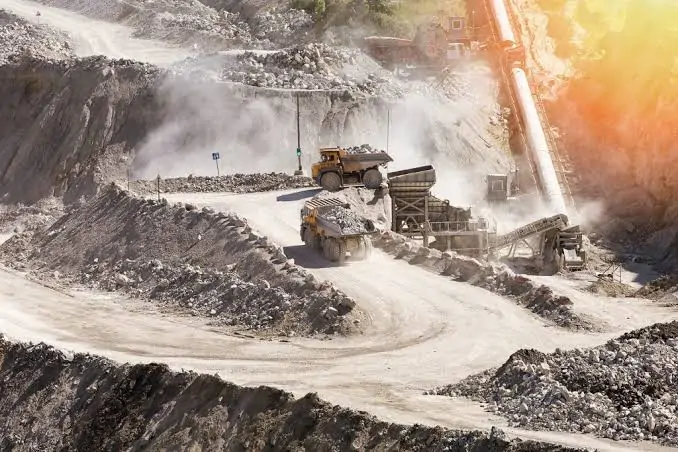
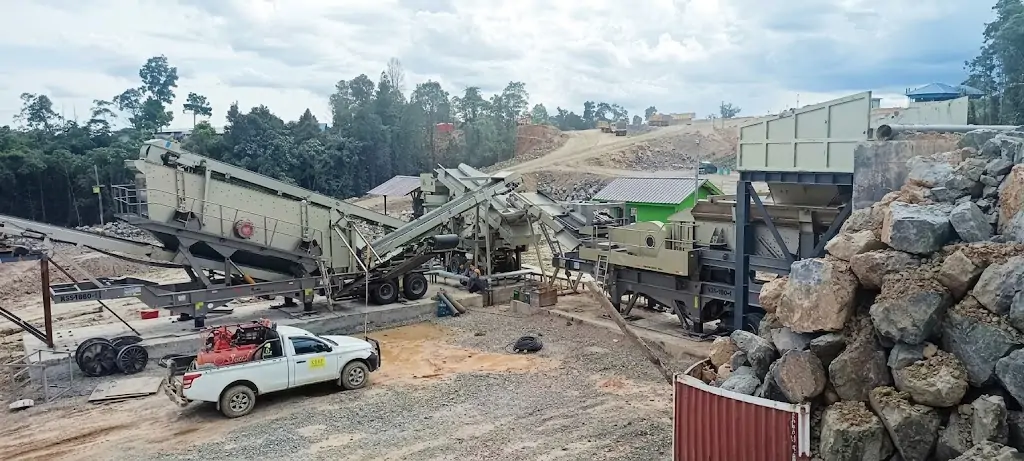
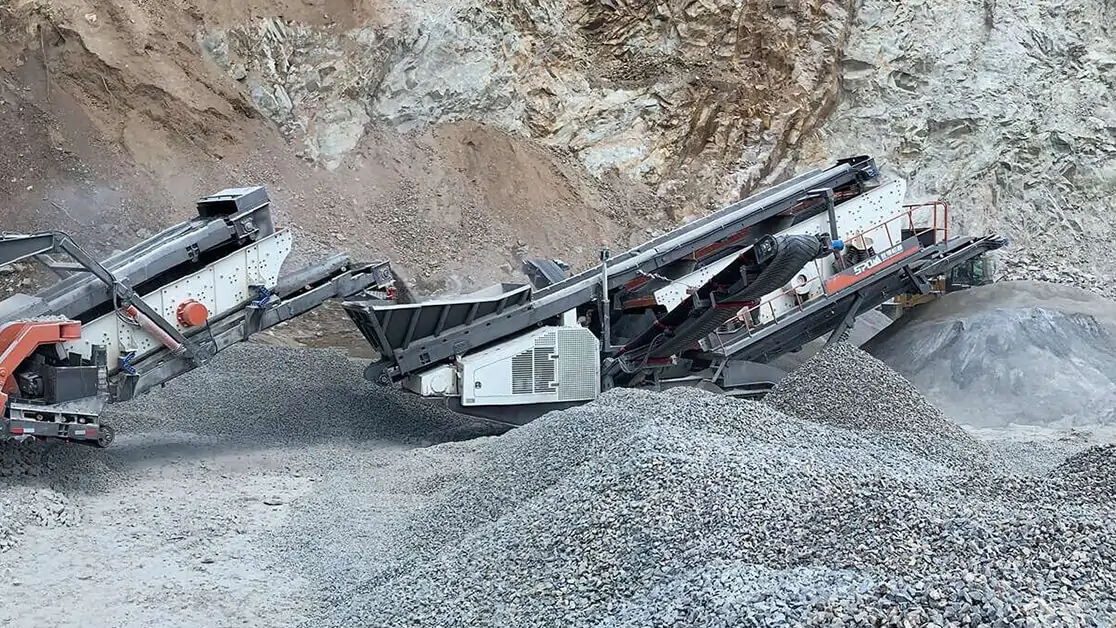
Мобильное сортировочное оборудование используется для разделения и калибровки материалов на месте в горных работах, карьерной добыче и переработке. Обычно оно устанавливается после дробления или непосредственно у источника материала для разделения дроблёного питания на различные фракции для дальнейшей переработки или прямого использования.
They are applied across a wide range of materials and working conditions, as shown below.
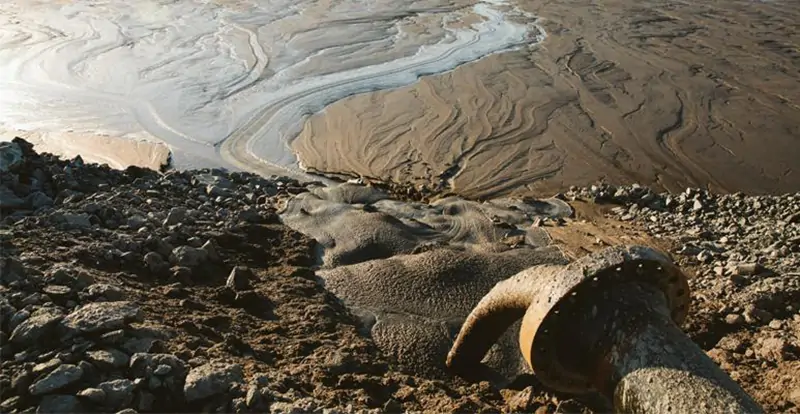
Materials Suitable for Screening
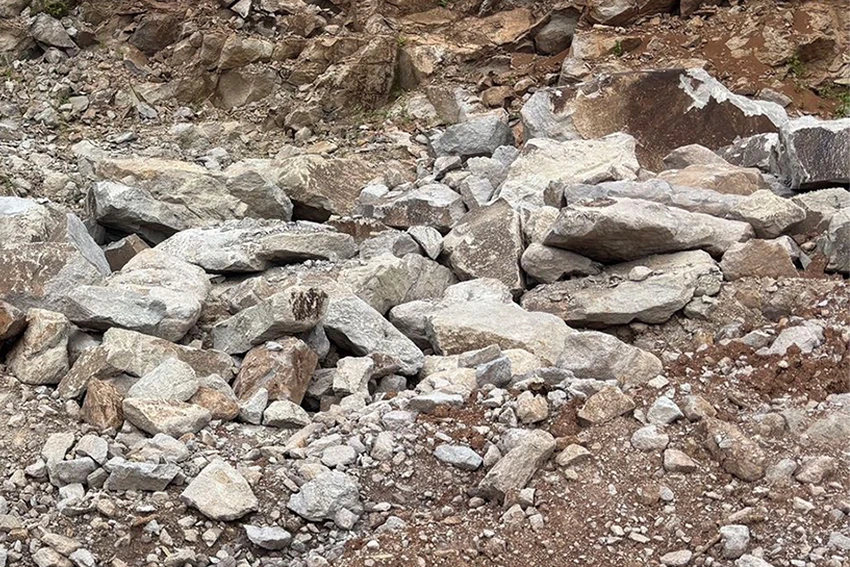
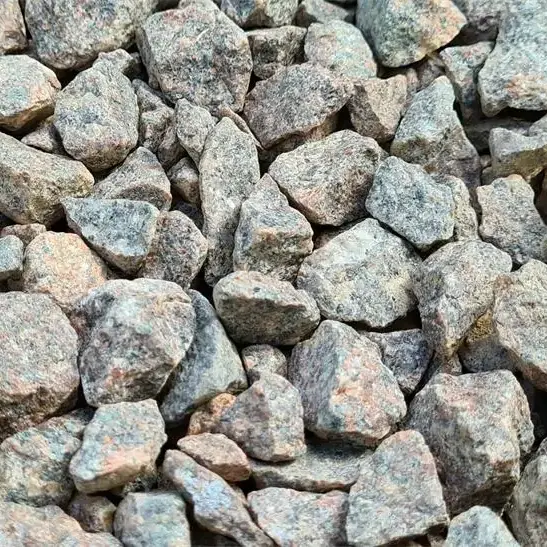
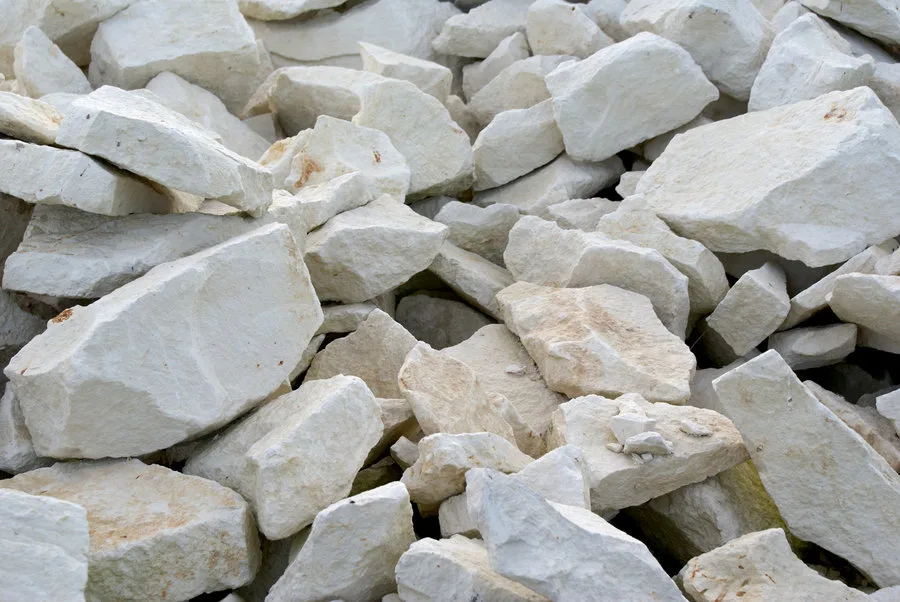
Mobile screening plants are widely used for grading and separating a broad range of natural aggregates, ores, and recycled materials in mining, quarrying, and construction applications.
Natural Aggregates
Granite
Basalt
Limestone
River Pebble
Gravel
Sand
Metal Ores
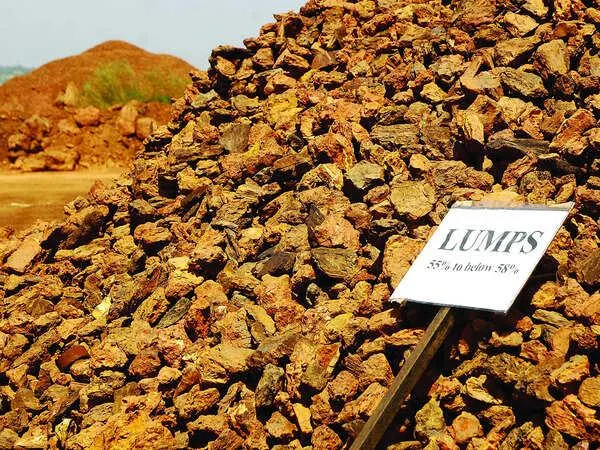
Iron Ore
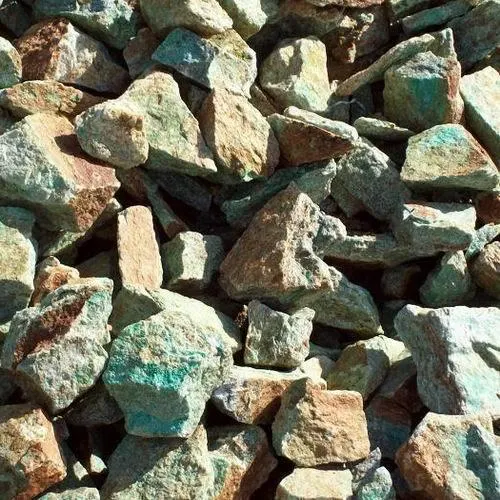
Copper Ore
Золотая руда
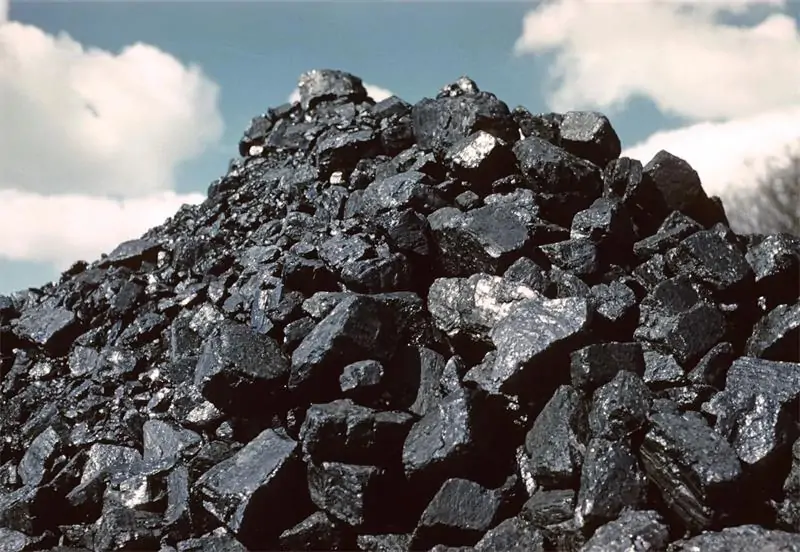
Coal
Construction & Recycled Materials
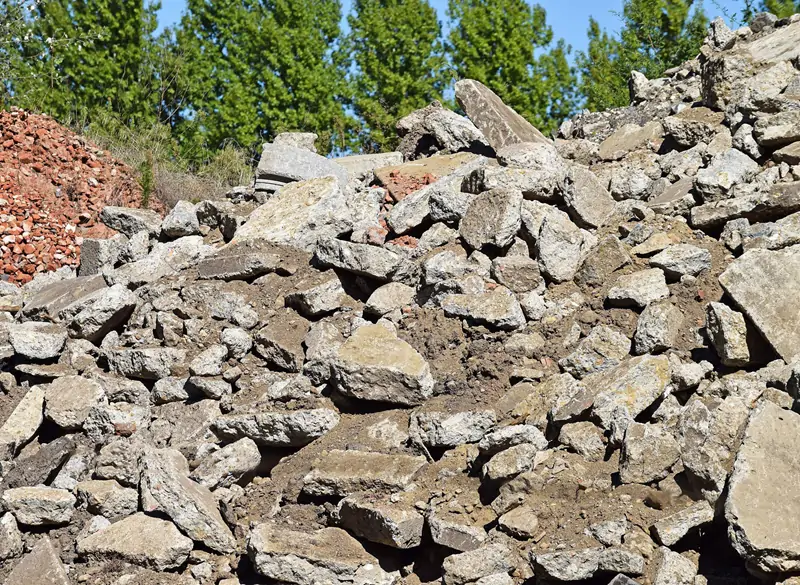
Construction Waste
Concrete
Asphalt
Soil & Organic Materials
Topsoil
Compost

Технические характеристики
Please refer to the specifications below to select the most suitable mobile screening plant for your project requirements.
| Модель | Производительность (т/ч) | Размер сита (мм) | Screen Layers | Мощность (кВт) | Масса (т) | Transport Size (L×W×H mm) |
|---|---|---|---|---|---|---|
| FTM3S1848 | 80–150 | 1800 × 4800 | 2–3 | 55–75 | 16 | 10280 × 2830 × 4350 |
| FTM3S1860 | 100–200 | 1800 × 6000 | 2–3 | 75–90 | 18 | 11480 × 2830 × 4350 |
| FTM3S2160 | 150–300 | 2100 × 6000 | 2–4 | 90–132 | 19 | 11480 × 3150 × 4350 |
Note: Capacity may vary depending on material type, feed size, and operating conditions. Custom configurations can be provided according to specific project requirements.
Mobile Screening Plant vs Stationary Screening Plant & Trommel Screen
Screening equipment selection should be based on site mobility, material type, and production scale rather than capacity alone. Mobile screening plants are designed for on-site flexible operation, while stationary plants focus on long-term stable production and trommel screens are used for wet or sticky materials. The following table compares the main types of screening equipment.
| Factor | Мобильная сортировочная установка | Стационарная сортировочная установка | Trommel Screen |
|---|---|---|---|
| Принцип работы | Vibrating screening on mobile chassis (800–1000 rpm) | Multi-deck vibration screening on fixed structure (900–1200 rpm) | Rotating drum separation (10–25 rpm) |
| Конструкция | Integrated unit with feeder, screen, conveyors | Fixed steel structure with foundation support | Cylindrical drum mounted on inclined frame |
| Производительность | 50–300 t/h | 100–600 t/h | 10–150 t/h |
| Screening Efficiency | 80–95% | 85–98% | 60–80% (material dependent) |
| Энергопотребление | 0.8–1.2 kWh/t | 0.6–1.0 kWh/t | 1.0–1.5 kWh/t |
| Занимаемая площадь | 80–200 m² working area | 300–1000 m² plant area | 50–150 m² |
| Mobility | High (tracked or wheeled) | None | Low (semi-fixed) |
| Требования к монтажу | No foundation required | Civil foundation required | Simple support frame |
| Обслуживание | Screen media and conveyor system | Full plant shutdown maintenance | Drum wear and blockage cleaning |
| Инвестиционные затраты | Средняя | High (includes civil works) | Средняя |
| Suitable Materials | Crushed stone, sand, gravel, C&D waste (≤300 mm) | Hard rock, ores, large-scale aggregates | Wet soil, clay, compost, mixed waste |
| Типичные применения | Quarry relocation, mining face operations, recycling yards | Permanent aggregate or mining production lines | Municipal waste, soil screening, organic materials |
Wheel Mounted vs Tracked Mobile Screening Plant
Wheel-mounted and tracked mobile screening plants are two common mobile screening configurations used in aggregate processing, mining, and construction waste recycling. The main difference lies in their mobility system and terrain adaptability. Wheel-mounted units focus on road transport efficiency and lower investment cost, while tracked units are designed for on-site self-propelled movement and harsh working conditions. Selection depends on site accessibility, project duration, and terrain complexity.
| Параметр | Wheel Mounted Mobile Screening Plant | Гусеничная мобильная сортировочная установка |
| Transportation Method | Towed by tractor head via road transport | Self-propelled hydraulic track system |
| Applicable Working Conditions | Flat sites, urban construction, demolition waste, earthwork projects | Mountainous areas, mining sites, wetlands, steep or rough terrain |
| Инвестиционные затраты | Lower initial investment | Higher initial investment |
| Maintenance Cost | Relatively lower and simpler structure | Higher due to hydraulic and track system complexity |
| Mobility Efficiency | High on-road transport efficiency, slower site-to-site setup | Fast on-site relocation with remote control operation |
| Suitable Projects | Urban infrastructure, construction waste recycling, short-term projects | Mining operations, quarry sites, long-term harsh environment projects |
Запросить индивидуальное решение
Work with Zhongyi Mining Machinery to get a mobile screening solution tailored to your material type, capacity requirement, and site conditions. We provide full engineering support from configuration to system design, ensuring stable and efficient on-site performance.
Complete Mobile Crushing and Screening Solutions
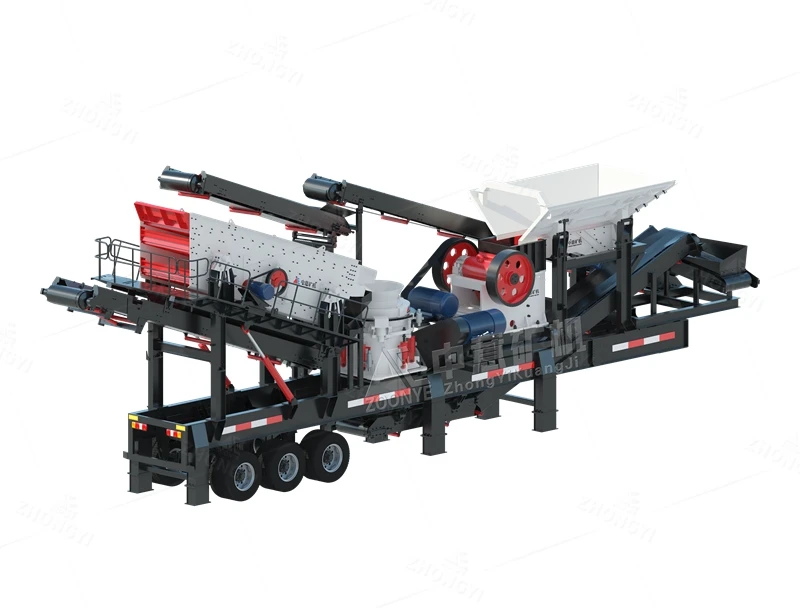
Zhongyi provides fully integrated mobile crushing and screening systems for quarrying, mining, and construction waste recycling applications. Our solution covers the entire material processing flow, including feeding, primary crushing, secondary crushing, screening, and final stockpiling, enabling efficient on-site production with flexible system configuration based on project requirements.
System Configuration Modules
A complete mobile production line can be configured through modular equipment integration:
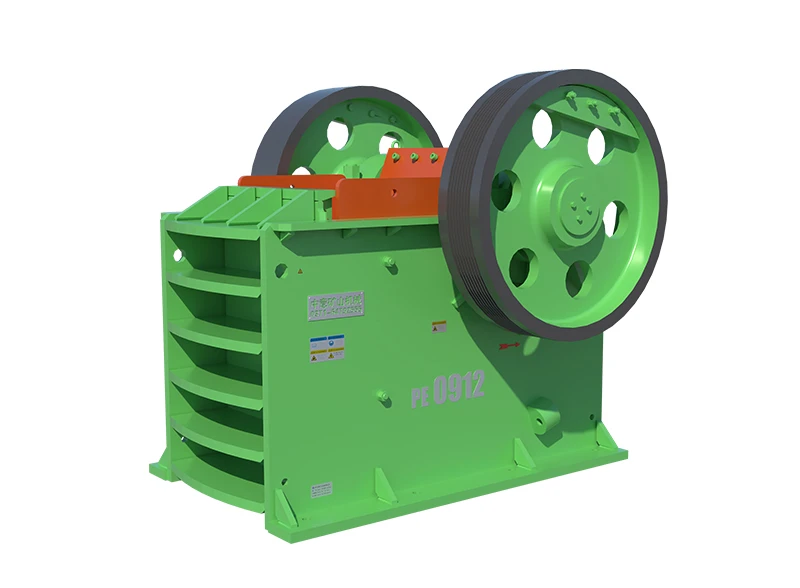
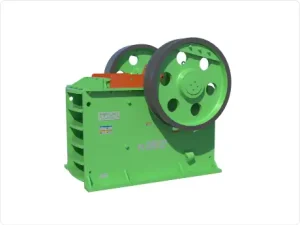
Portable Jaw Crusher – Primary crushing of large and hard materials
Portable Cone Crusher – Secondary and fine crushing of high-hardness aggregates
Portable Impact Crusher – Shaping and crushing of medium-hard materials
Mobile Sand Making Plant – High-quality sand production and final shaping
Feeding System – Stable and controlled material feeding to ensure continuous operation
Conveying System – Conveyor for continuous material transfer between processing units
Stacking System – Stacker for efficient stockpile management and site space optimization
Cases Show
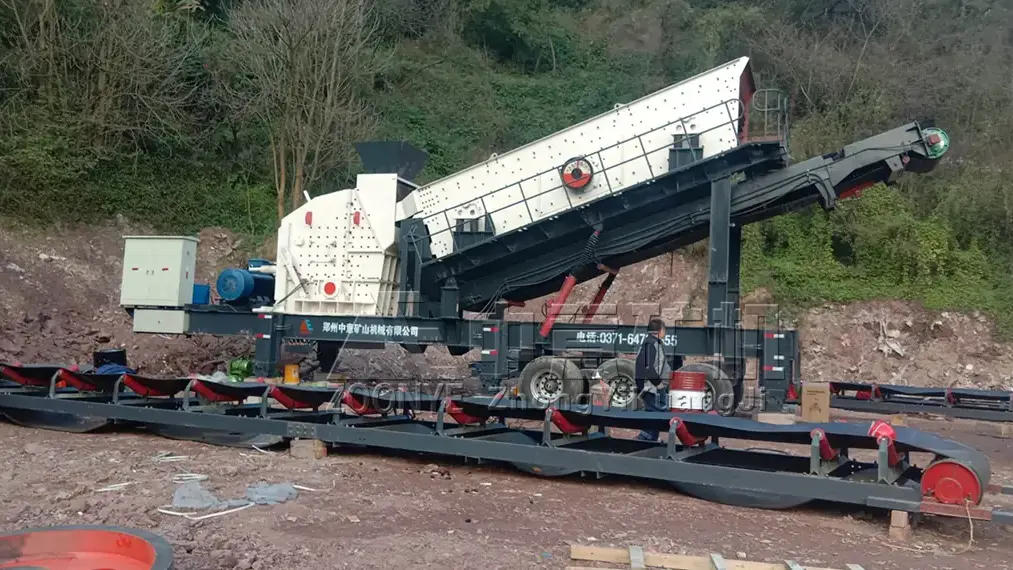
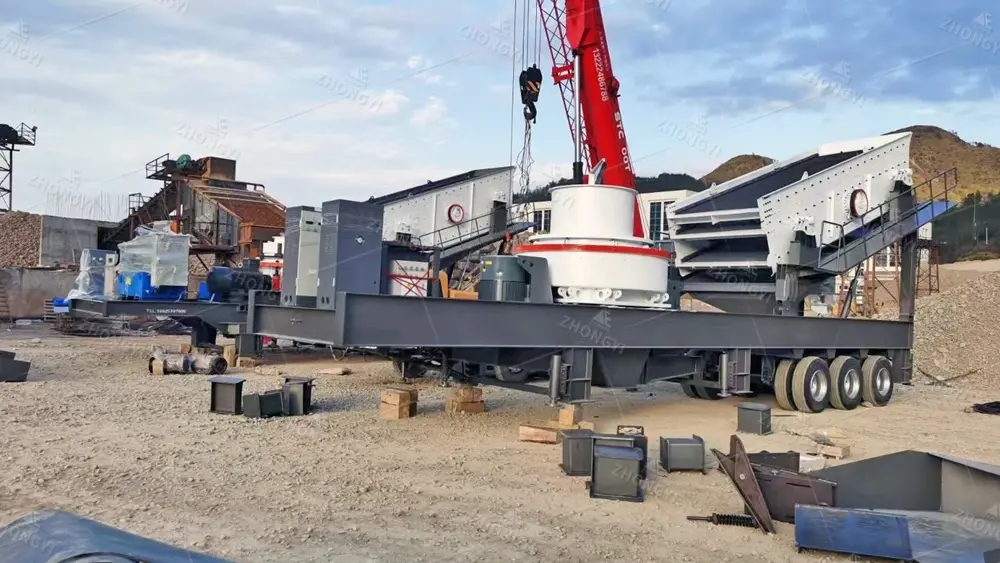
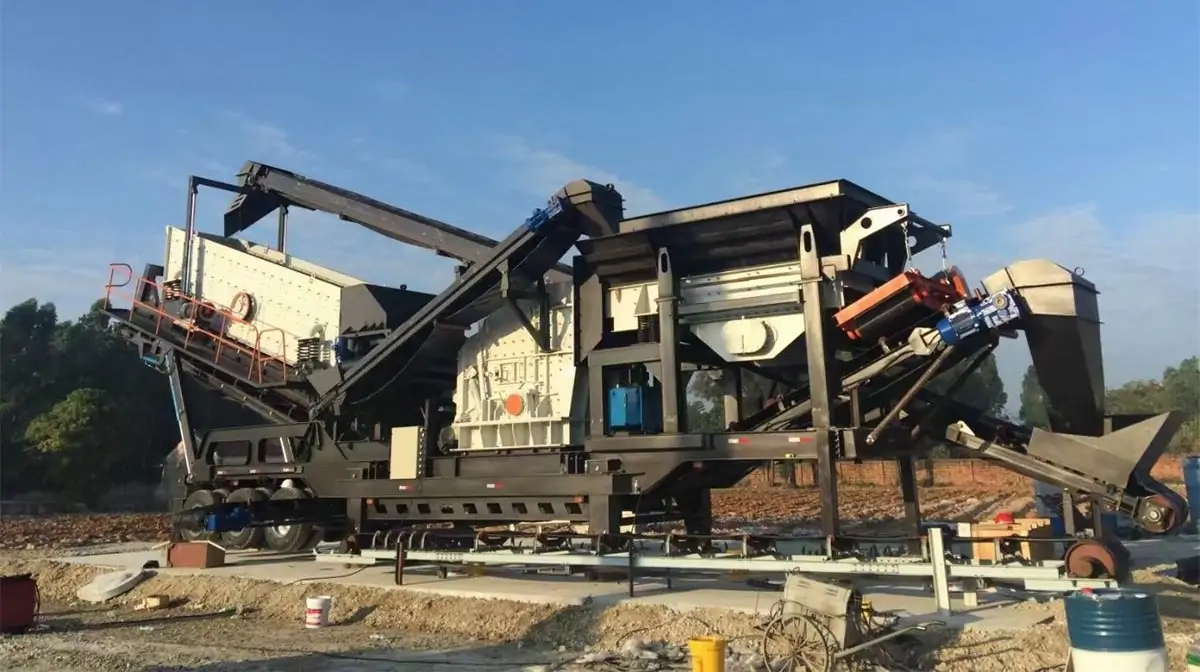
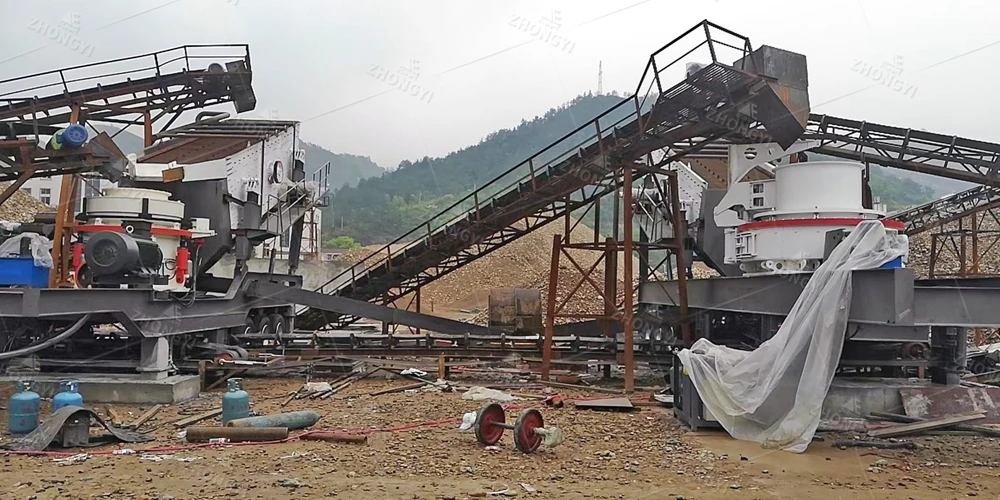
Custom Mobile Screening Plant Solution
To recommend a suitable mobile screening plant and provide an accurate quotation, please share your project requirements. Our team will help match the right configuration based on your material, capacity, and site conditions.
Please Provide the Following Information:
Mobile Screening Plant Manufacturer and Supplier
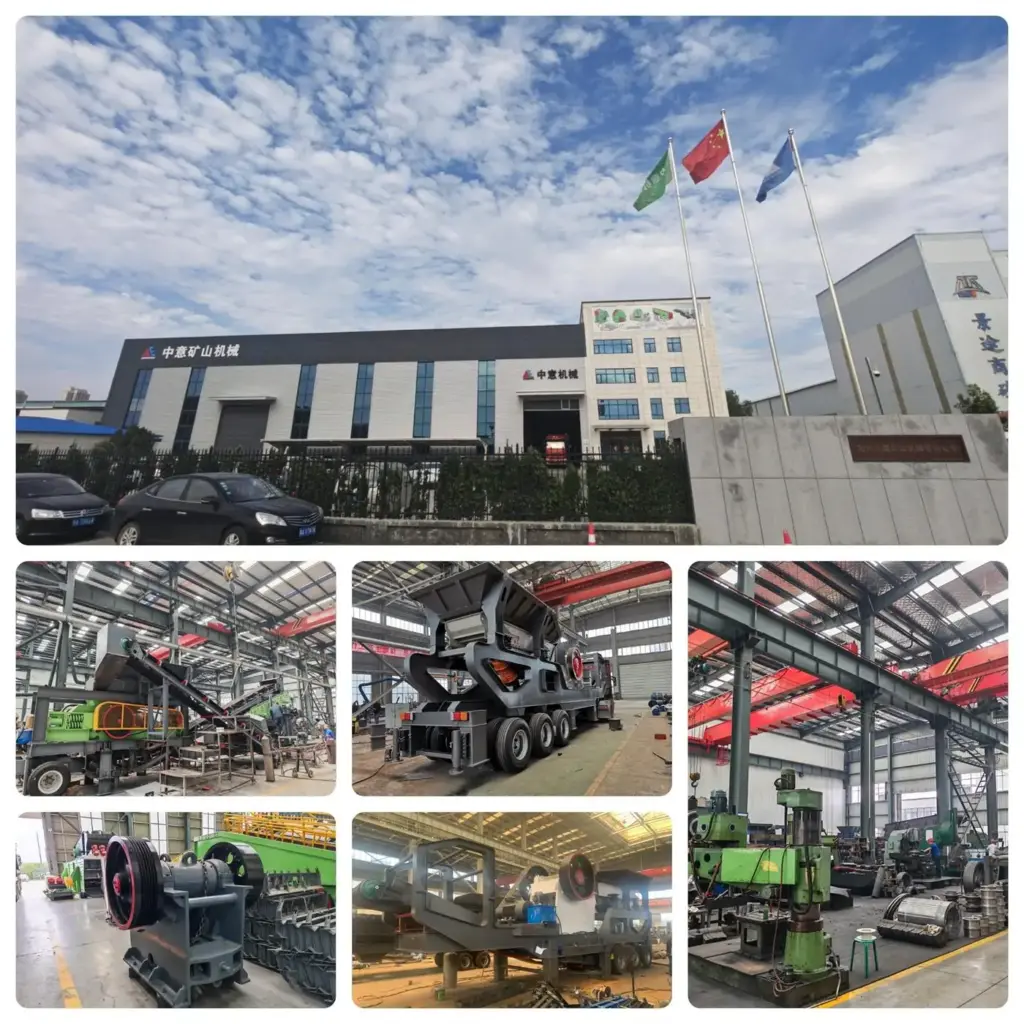
Zhongyi is a professional manufacturer and supplier of mobile screening plants, with more than 15 years of experience in mining and aggregate equipment production. Our manufacturing system follows ISO 9001 quality standards, covering design, fabrication, assembly, and testing to ensure stable performance in real working conditions.
We have delivered equipment to quarrying, mining, and recycling projects across multiple regions, supporting a wide range of materials including crushed stone, sand, gravel, and construction waste. Based on different project requirements, we provide complete screening solutions, from single machines to integrated production lines.
Beyond equipment supply, Zhongyi offers technical support, configuration guidance, and after-sales service to help customers achieve stable and efficient operation throughout the project lifecycle.
Contact us to get a tailored solution and quotation for your project.
Часто задаваемые вопросы
What is a mobile screening plant used for?
A mobile screening plant is used to separate materials into different sizes directly on site. It is commonly used in aggregate production, mining, sand and gravel processing, and construction waste recycling.
What materials can a mobile screening plant process?
Mobile screening plants can handle a wide range of materials, including crushed stone, limestone, sand, gravel, recycled concrete, asphalt waste, and demolition materials. Screen configurations can be adjusted based on material characteristics and required product sizes.
What is the capacity of a mobile screening plant?
Capacity depends on the model and application. Most mobile screening plants operate between 50 and 300 t/h, with larger configurations available for higher production requirements.
What is the difference between tracked and wheeled mobile screening plants?
Tracked models are better suited for rough terrain and frequent on-site movement. Wheeled models are easier to transport between locations and are often selected for projects with more stable working conditions.
How do I choose the right mobile screening plant?
Key factors include material type, required capacity, target product sizes, moisture content, and mobility requirements. These factors help determine the most suitable screen configuration and plant layout.
Can a mobile screening plant be used with a crusher?
Yes. Mobile screening plants are often combined with jaw crushers, cone crushers, or impact crushers to create a complete crushing and screening system for aggregate and mining applications.
Can a mobile screening plant produce multiple product sizes at the same time?
Yes. Multi-deck screening systems can separate material into several size fractions in a single pass, allowing multiple finished products to be produced simultaneously.
Can Zhongyi Mining provide custom mobile screening plant solutions?
Yes. Zhongyi Mining can configure mobile screening plants based on material type, required capacity, product size requirements, and site conditions. Custom layouts and supporting equipment can also be supplied to match specific project needs.