










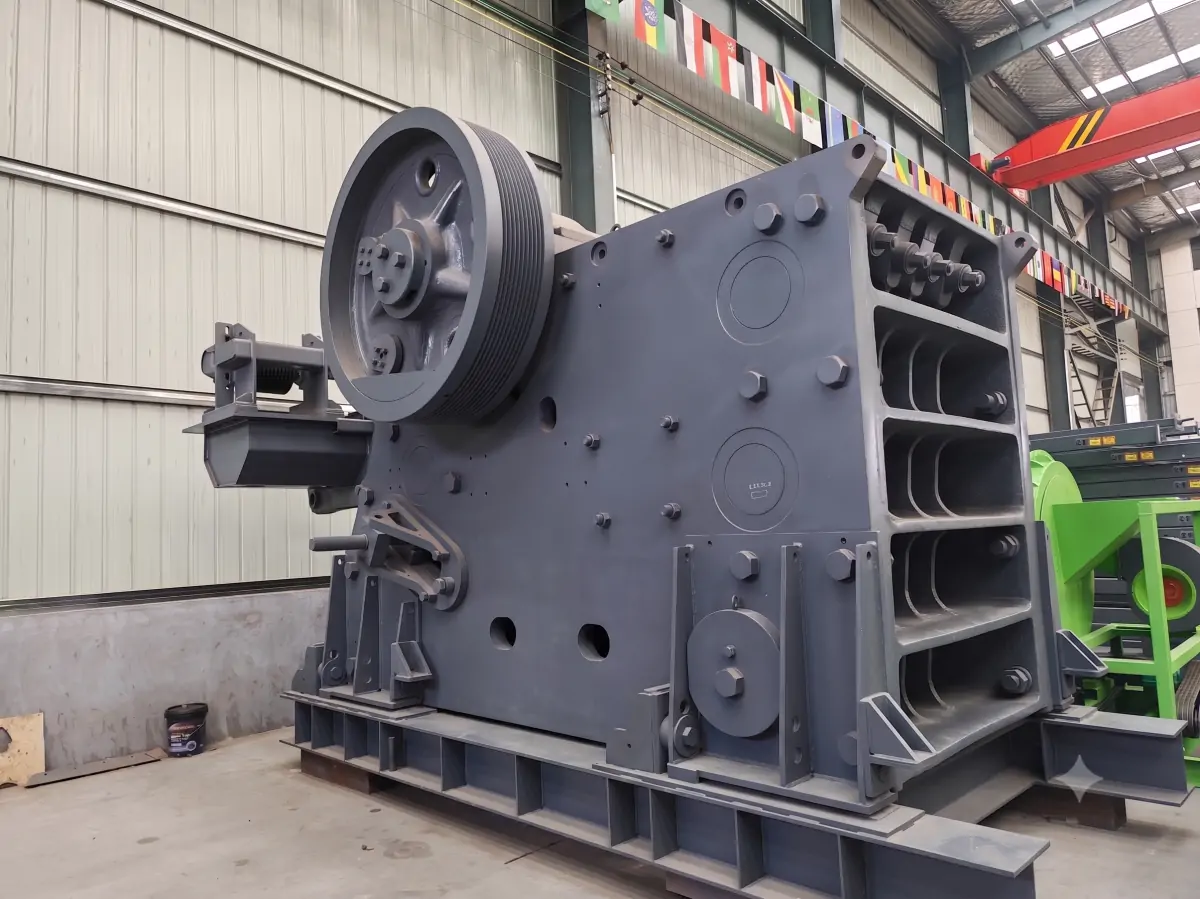
Что такое щековая дробилка для горных работ?
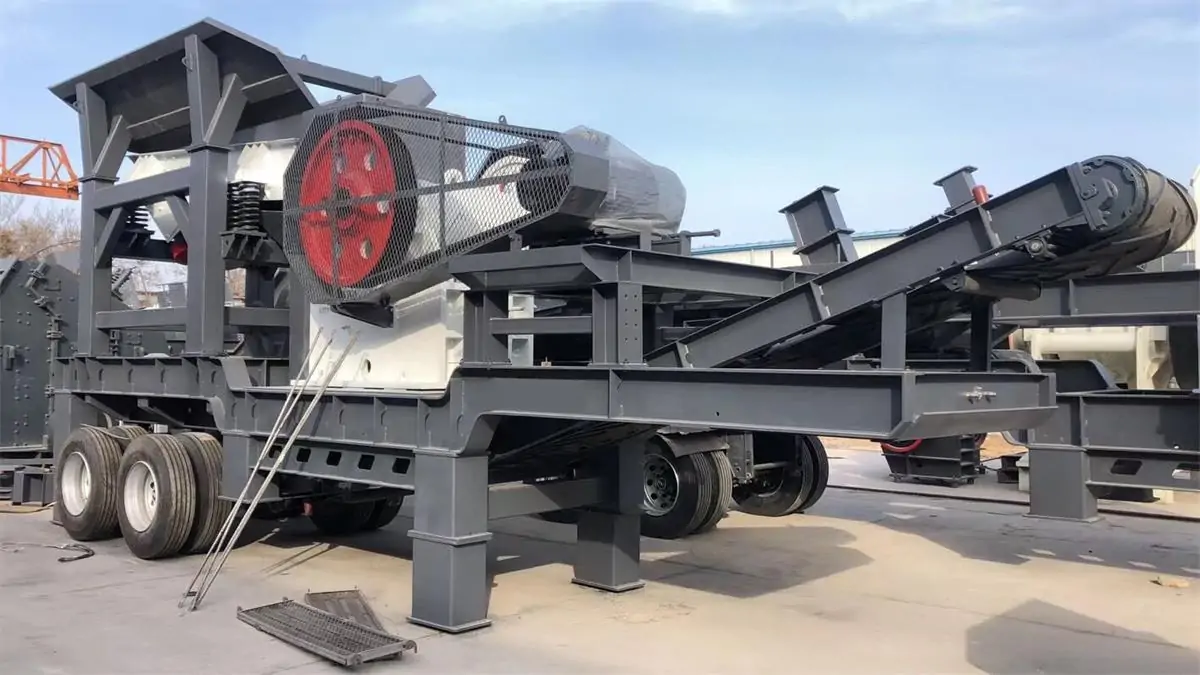
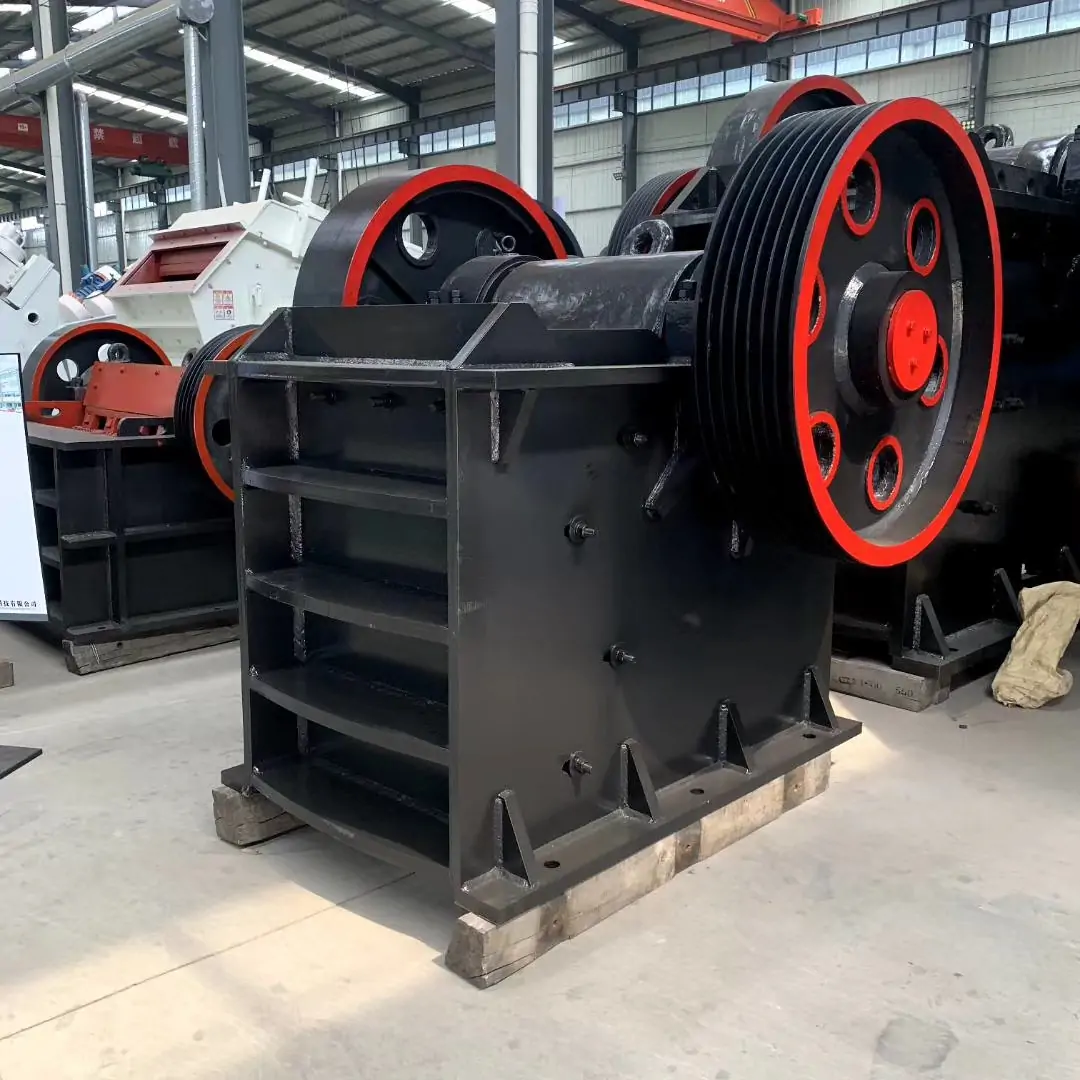
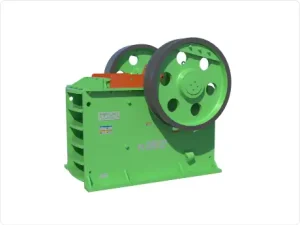
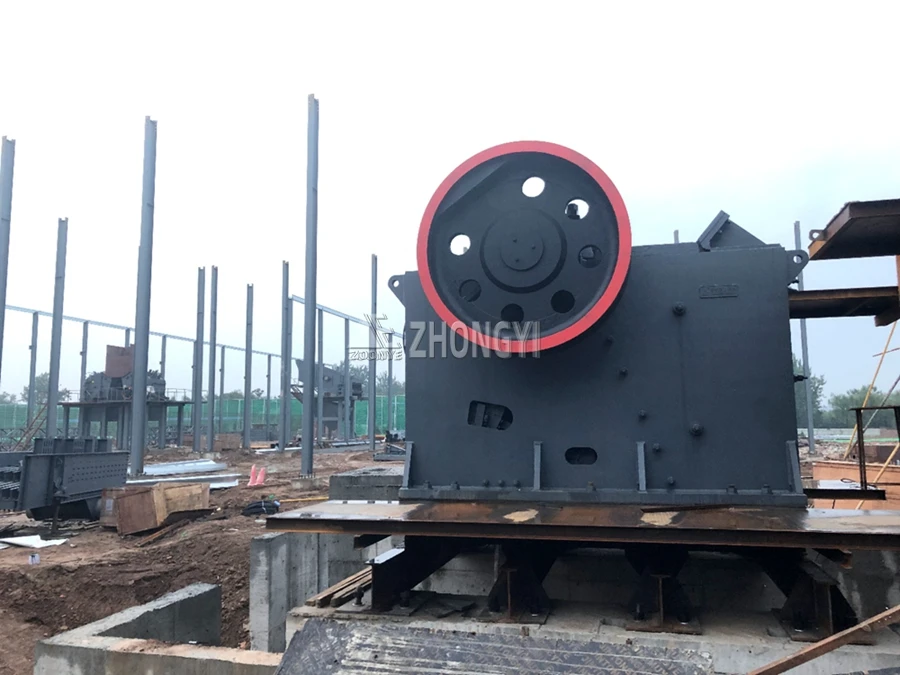
Щековая дробилка для горных работ, также известная как первичная щековая дробилка или щековая дробилка для породы, — это тяжелая дробильная машина, используемая в качестве дробилки первой стадии в горнодобывающей, карьерной и нерудной переработке. Она измельчает крупные породы, руды и взорванные материалы до меньших, удобных для обработки размеров за счет сжимающего усилия, возникающего между неподвижной и подвижной дробящими плитами.
Являясь одной из наиболее широко используемых первичных дробилок в горнодобывающей промышленности, щековая дробилка для горных работ предназначена для обработки материалов с высокой прочностью на сжатие, таких как гранит, базальт, железная руда, медная руда и известняк. Простая механическая конструкция, большое загрузочное отверстие, высокая степень измельчения и надежная работа делают ее пригодной для непрерывной эксплуатации в сложных условиях.
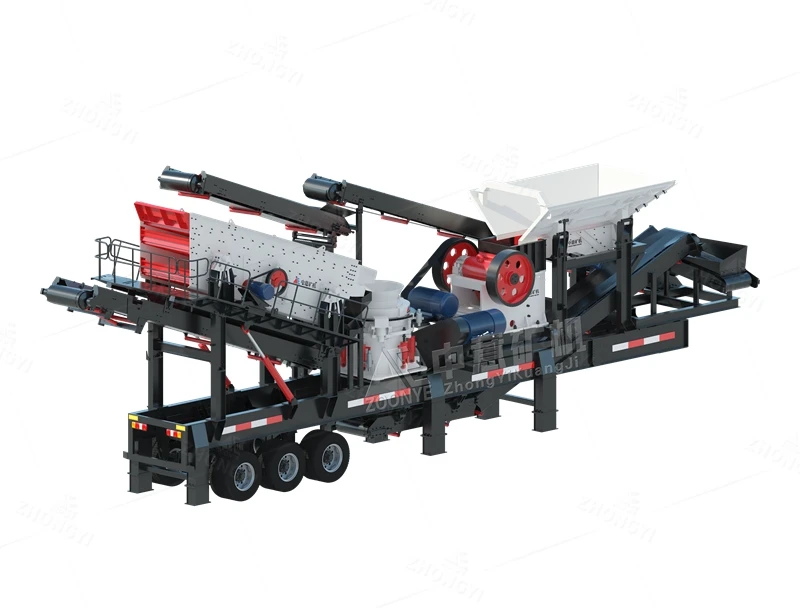
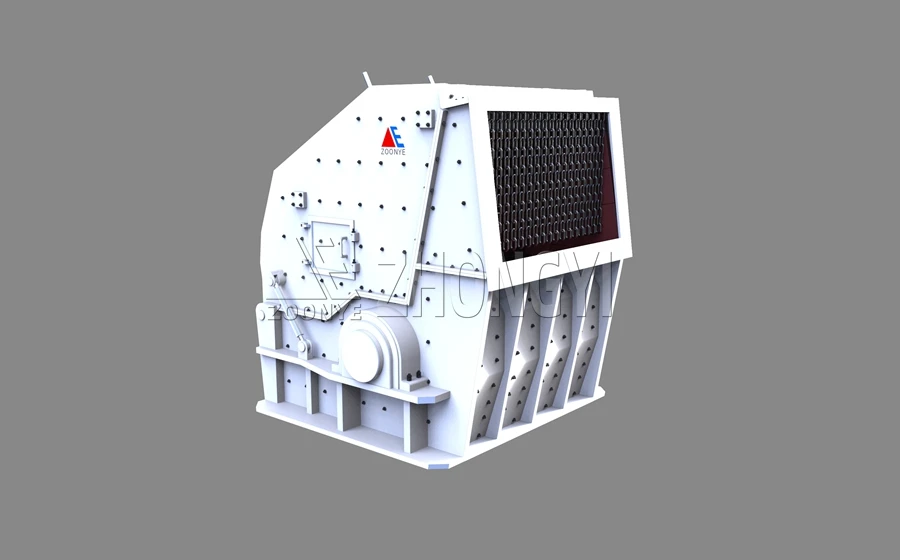
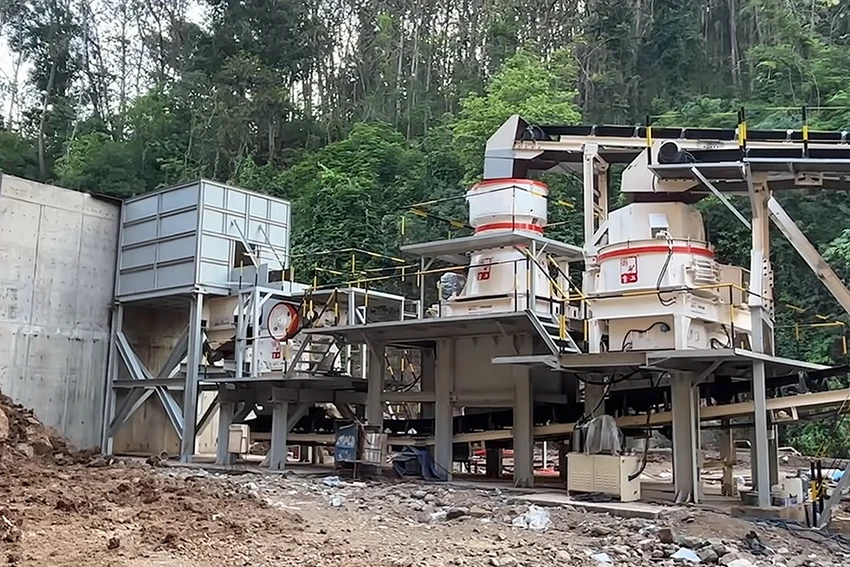
Щековые дробилки для горных работ обычно устанавливаются перед конусными дробилками, роторными дробилками, вибрационными грохотами, и другим оборудованием для переработки, образуя секцию первичного дробления в составе полных дробильно-сортировочных и рудоперерабатывающих комплексов. Как первичная дробилка в дробильной схеме, щековая дробилка для горных работ измельчает крупный загрузочный материал до требуемого размера для последующего оборудования, обеспечивая плавный поток материала по всему комплексу.
Принцип работы щековой дробилки
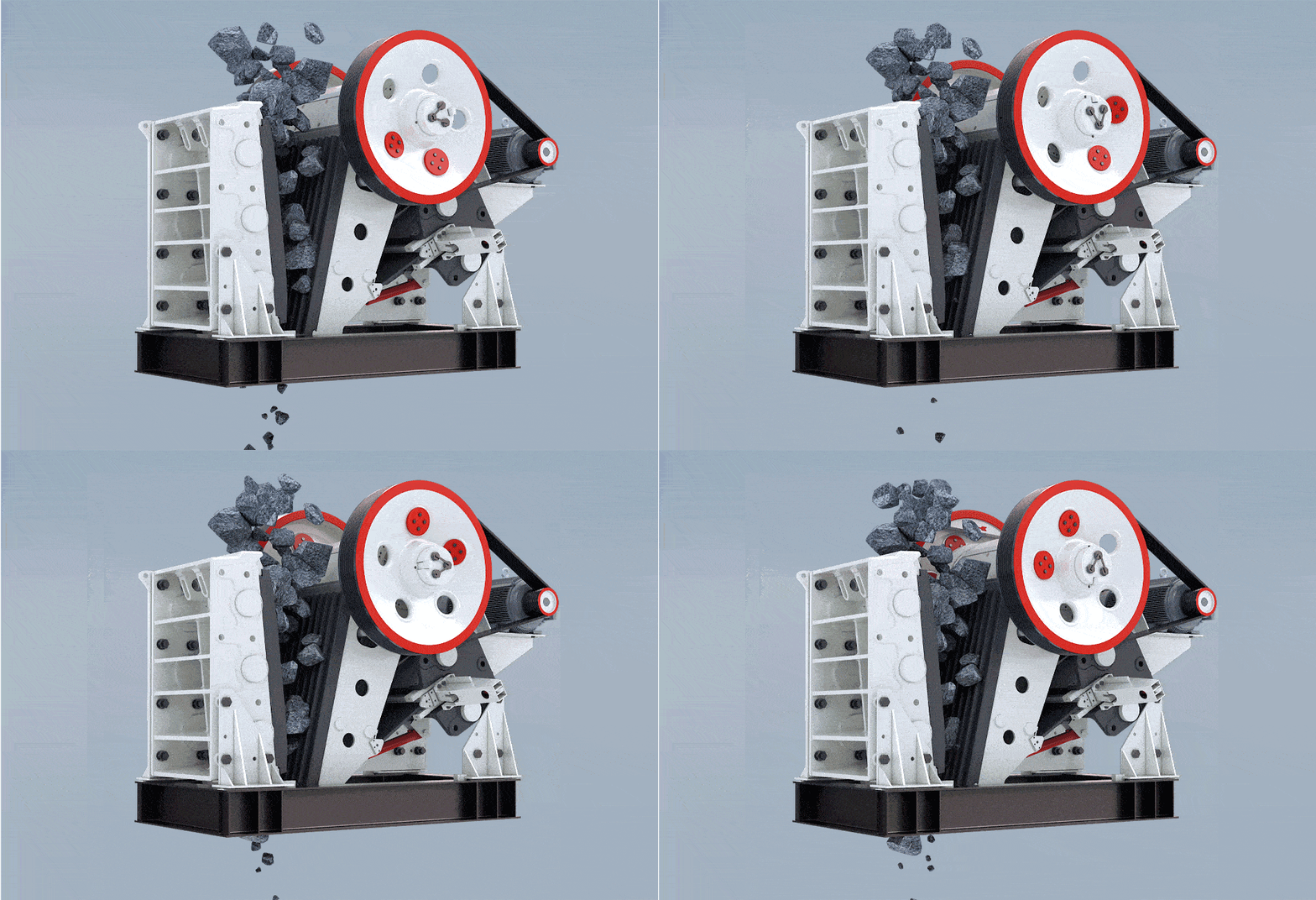
Работа щековой дробилки основана на сжимающем дробящем действии между неподвижной и подвижной дробящими плитами, расположенными в V-образной камере дробления.
Двигатель приводит в движение эксцентриковый вал, который через систему шатуна и распорной плиты заставляет подвижную щеку совершать возвратно-поступательное движение относительно неподвижной. Это движение вызывает попеременное раскрытие и закрытие камеры дробления.
Загрузочный материал подается сверху камеры. Когда подвижная щека движется к неподвижной, материал сжимается, растрескивается и дробится под высоким давлением. Когда подвижная щека отходит, раздробленный материал под действием силы тяжести опускается в нижнюю часть камеры. Цикл повторяется до тех пор, пока размер частиц не уменьшится ниже разгрузочной щели, после чего материал выгружается через нижнее отверстие.
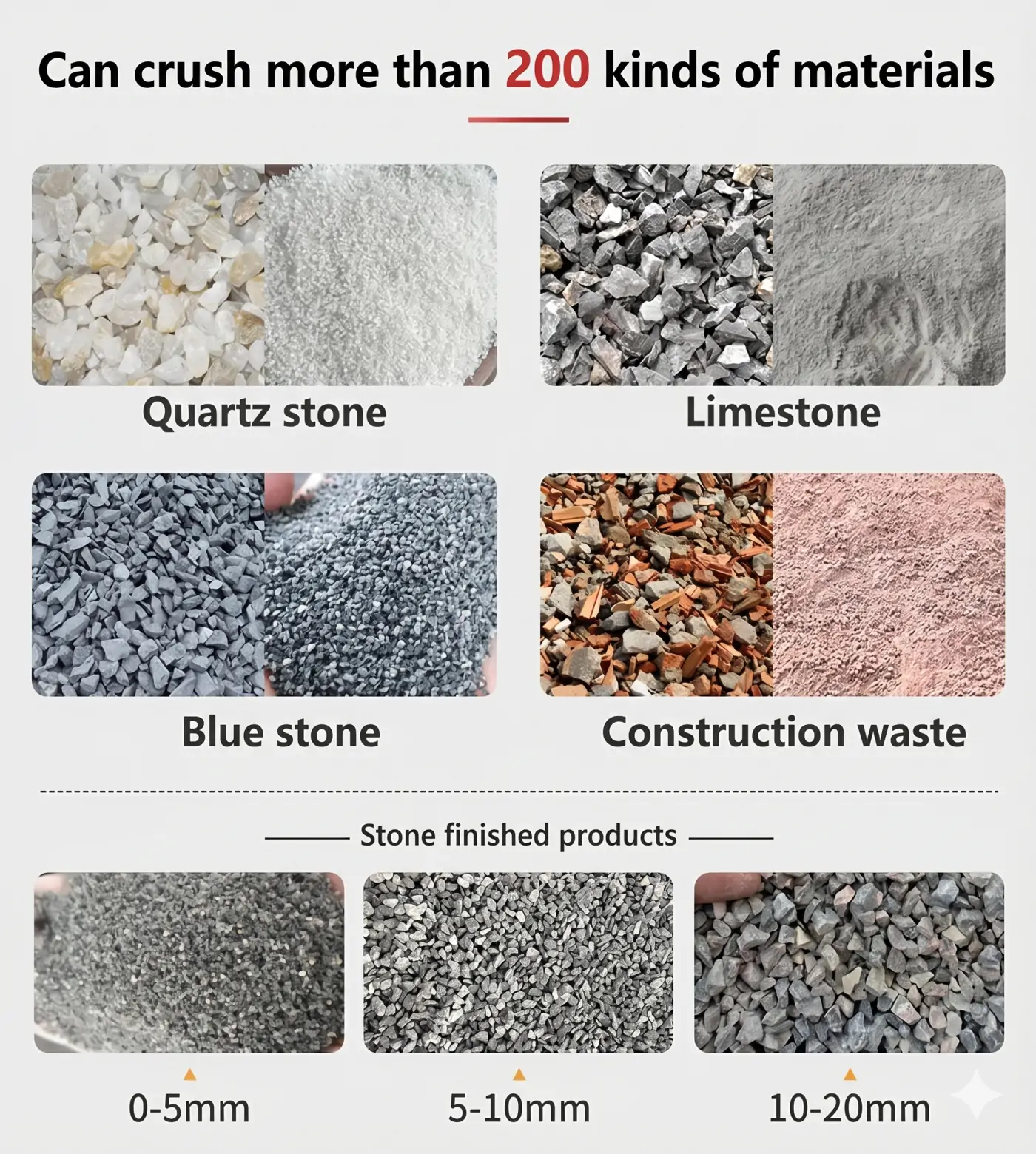
Готовые каменные продукты
После первичного и вторичного дробления производственные линии на базе щековой дробилки могут выпускать ряд щебеночных продуктов, используемых в строительстве и инфраструктурных проектах. Типичные готовые размеры включают мелкий заполнитель 0–5 мм, щебень 5–10 мм и 10–20 мм, а также более крупный базовый материал 20–40 мм в зависимости от конфигурации дробления и грохочения.
Машина широко применяется в производстве бетонных смесей, асфальтовых смесей, строительстве дорожных оснований и для железнодорожного балласта.
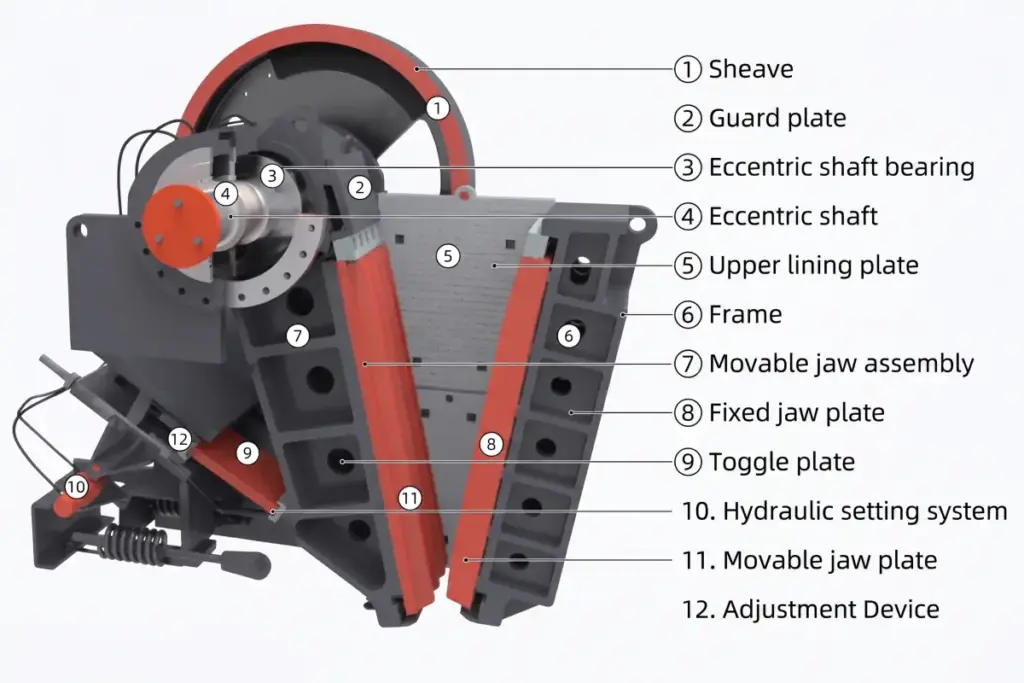
Детали щековой дробилки для горных работ
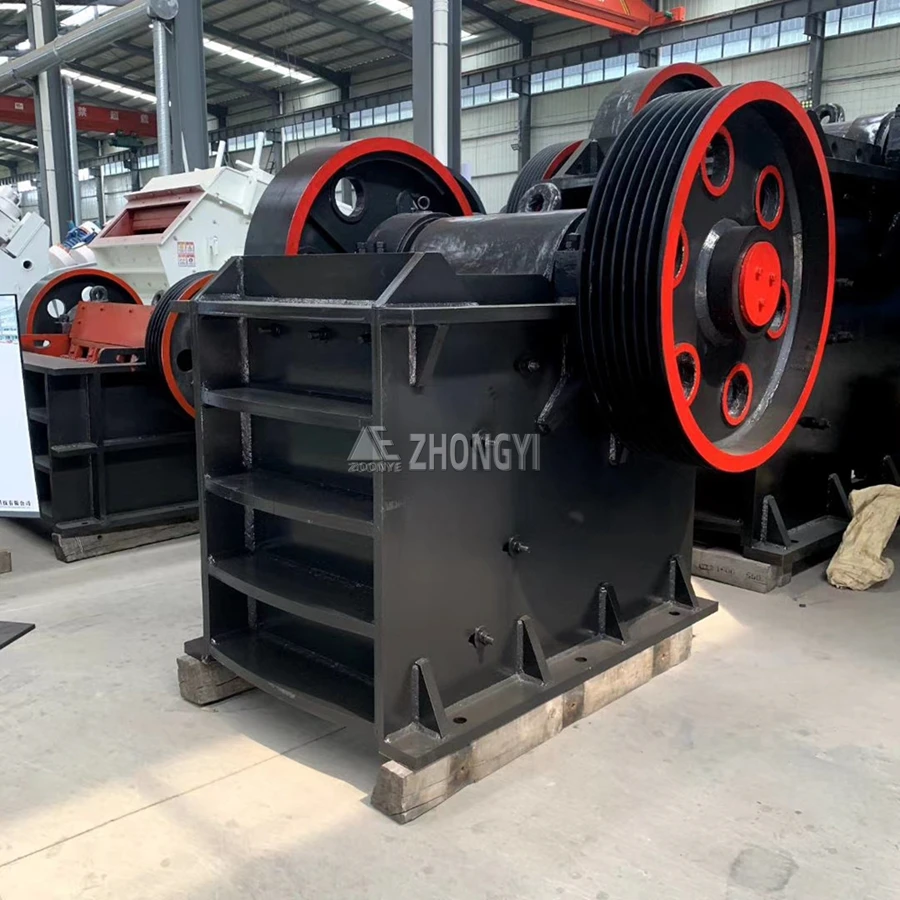
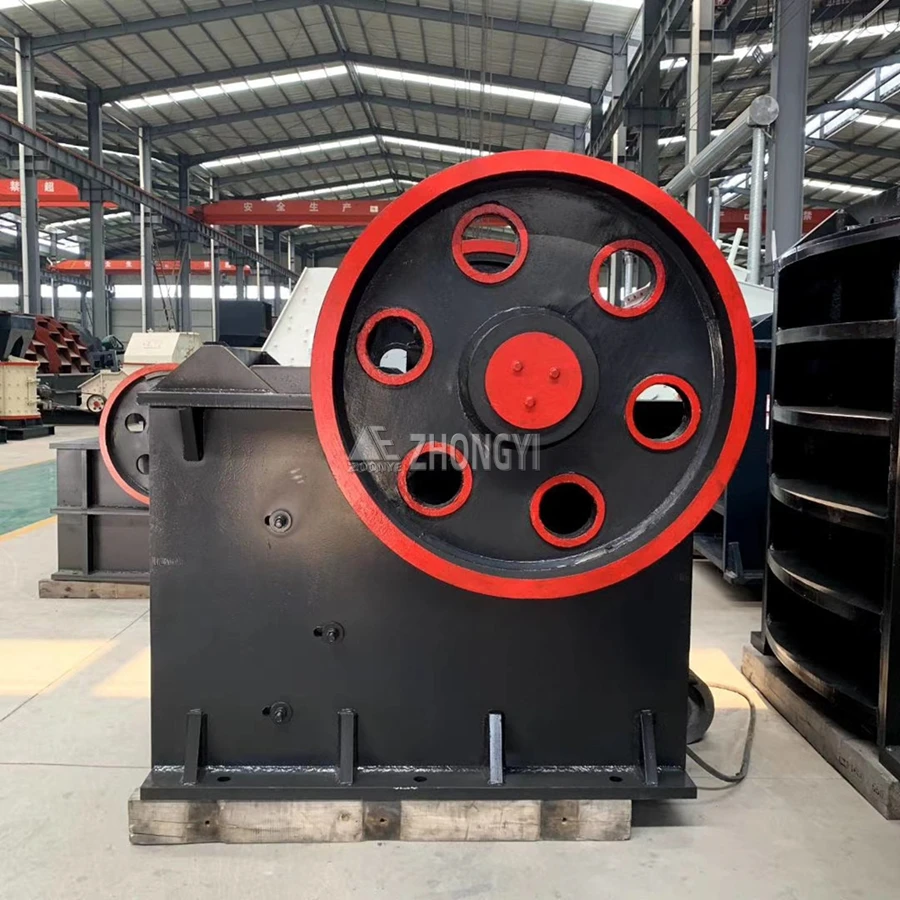
Щековая дробилка для горных работ состоит из основной рамы, неподвижной щеки, узла подвижной щеки, эксцентрикового вала, распорной плиты, регулировочного устройства, приводной системы и быстроизнашивающихся деталей. Конструкция рассчитана на первичное сжатие при тяжелых условиях эксплуатации.
Показ деталей
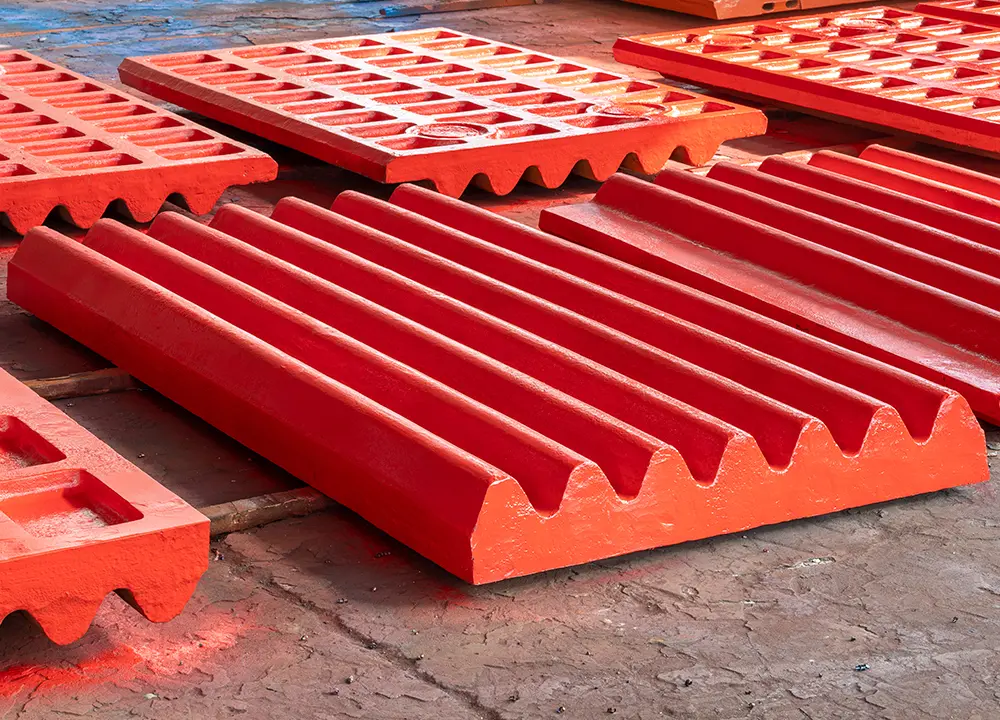
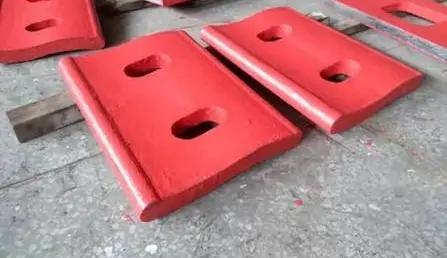
| Компонент | Функция | Описание |
| Основная рама | Несущая конструкция | Основная рама — это несущая конструкция щековой дробилки, обычно изготавливаемая из литой стали или сварных стальных листов для восприятия тяжелых дробящих нагрузок и непрерывной работы. |
| Неподвижная дробящая плита | Неподвижная дробящая поверхность | Установленная на передней раме, неподвижная дробящая плита работает совместно с подвижной щекой для сжатия и дробления материалов. |
| Узел подвижной щеки | Дробящее действие | Состоит из корпуса подвижной щеки, дробящей плиты, вала и подшипников. Обеспечивает возвратно-поступательное движение, необходимое для дробления материала. |
| Эксцентриковый вал | Передача мощности | Эксцентриковый вал преобразует вращательную энергию двигателя в качательное движение подвижной щеки и является одним из наиболее критичных компонентов. |
| Распорная плита | Передача усилия и защита | Передает дробящее усилие на подвижную щеку, одновременно служа устройством защиты от перегрузки для предотвращения повреждения недробимыми материалами. |
| Регулировочное устройство | Регулировка разгрузки | Используется для регулировки размера разгрузочной щели, позволяя операторам контролировать конечный размер продукта в соответствии с производственными требованиями. |
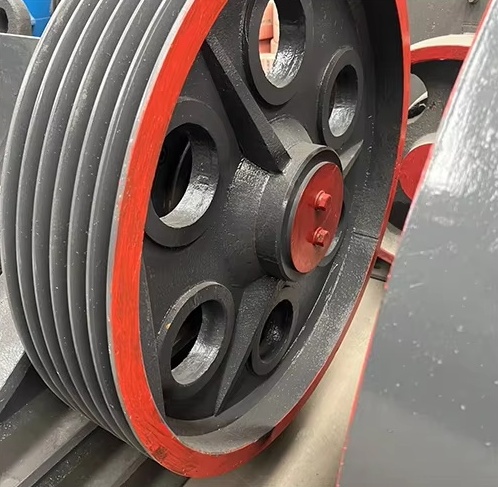
| Маховик | Аккумулирование энергии | Накапливает кинетическую энергию во время работы и высвобождает ее в цикле дробления для обеспечения стабильной и эффективной работы. |
| Приводная система | Подача мощности | Включает двигатель, шкивы, клиновые ремни и передаточные компоненты, приводящие во вращение эксцентриковый вал. |
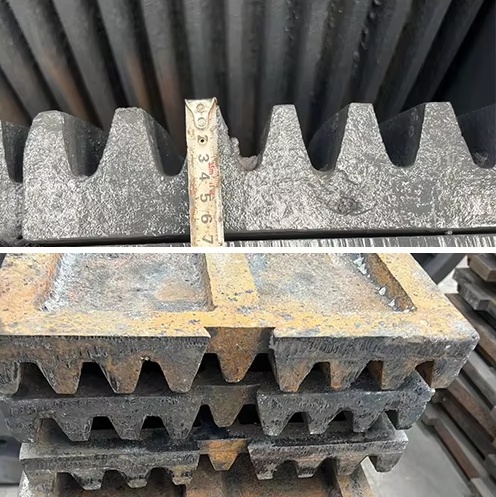
| Дробящие плиты | Быстроизнашивающиеся детали | Неподвижная и подвижная дробящие плиты являются основными быстроизнашивающимися компонентами, обычно изготавливаемыми из высокомарганцевой стали или сплавов. |
| Bearings | Rotating Support | Heavy-duty bearings support the eccentric shaft and ensure smooth operation under high load conditions. |
| Side Liners | Frame Protection | Installed inside the crushing chamber to protect the crusher body from material abrasion and extend equipment life. |
| Tension Rod & Spring | Toggle Assembly Support | Maintain proper tension on the toggle plate and assist in returning the movable jaw during operation. |
Types of Jaw Crusher
We provides different types of jaw crushers for mining, quarrying, aggregate production, and recycling applications. Depending on material hardness, feed size, required capacity, and installation conditions, customers can choose from standard PE jaw crushers, fine jaw crushers, European jaw crushers, heavy-duty mining jaw crushers, and mobile jaw crushing plants.
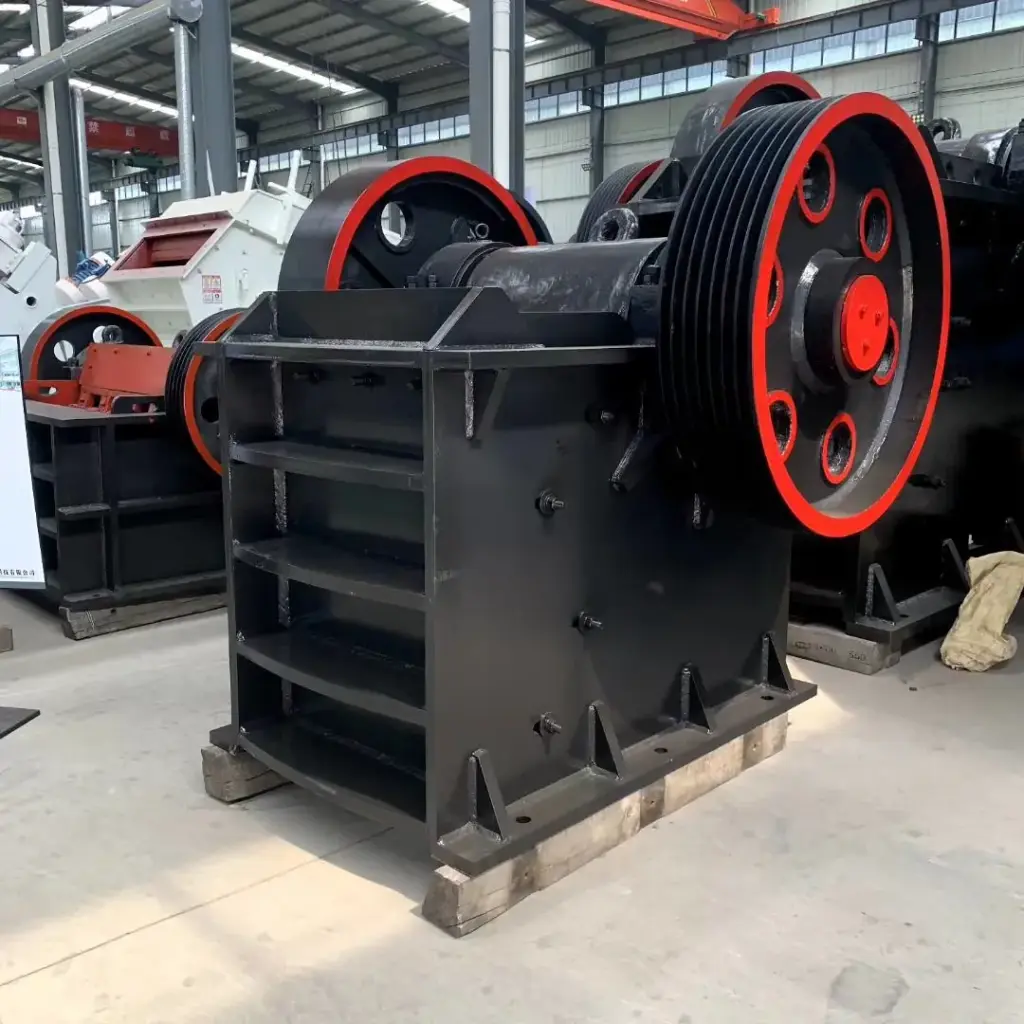
PE Series Jaw Crusher
PE series jaw crushers are the most commonly used primary crushing equipment in aggregate and mining industries. They feature a simple structure, stable performance, and low operating cost, making them suitable for crushing limestone, granite, basalt, river stone, and various ores with compressive strength up to 320 MPa.
- Feed opening: 250×400 mm – 1200×1500 mm
- Maximum feed size: 210 – 1020 mm
- Discharge size: 20 – 300 mm
- Processing capacity: 5 – 1000 t/h
- Motor power: 15 – 160 kW
PEX Series Fine Jaw Crusher
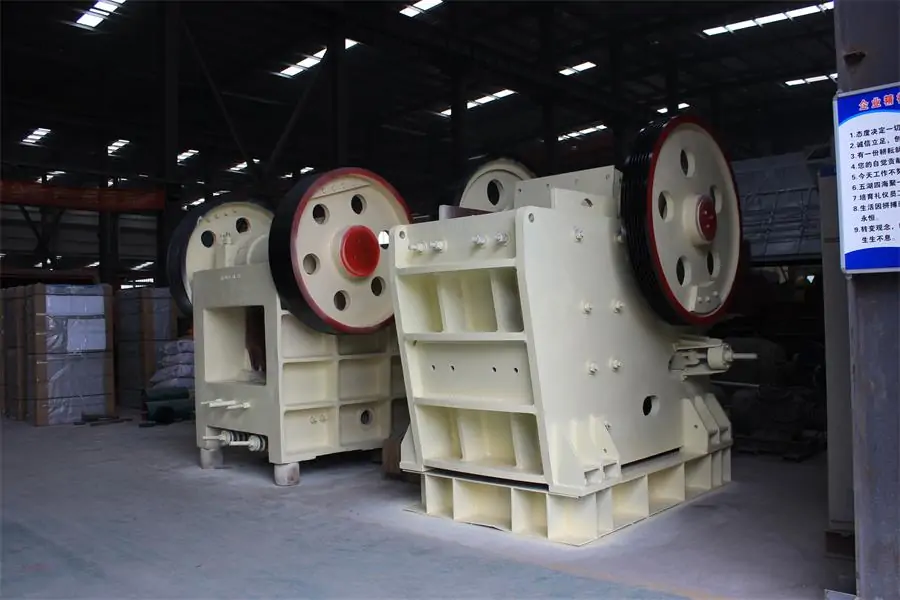
PEX series jaw crushers are designed for secondary crushing and are widely used for producing smaller aggregate sizes after primary crushing. Compared with standard PE models, PEX crushers provide finer discharge sizes and better particle shape control.
- Feed opening: 250×750 mm – 300×1300 mm
- Maximum feed size: 210 – 250 mm
- Discharge size: 15 – 90 mm
- Processing capacity: 13 – 105 t/h
- Motor power: 30 – 75 kW
European Jaw Crusher
European jaw crushers adopt optimized crushing chamber design, heavy-duty frame structures, and advanced adjustment mechanisms. They are suitable for large-scale aggregate plants and mining projects requiring higher crushing efficiency, lower wear costs, and greater automation.
- Feed opening: 930×580 mm – 1250×950 mm
- Maximum feed size: 480 – 760 mm
- Discharge size: 70 – 200 mm
- Processing capacity: 120 – 840 t/h
- Motor power: 90 – 200 kW
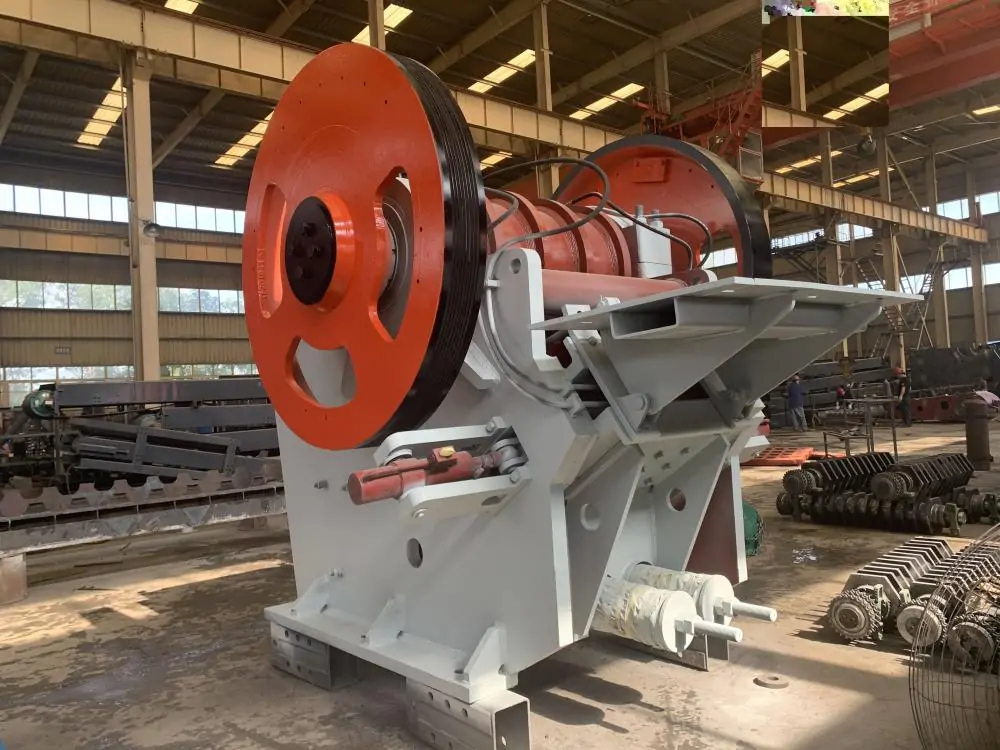
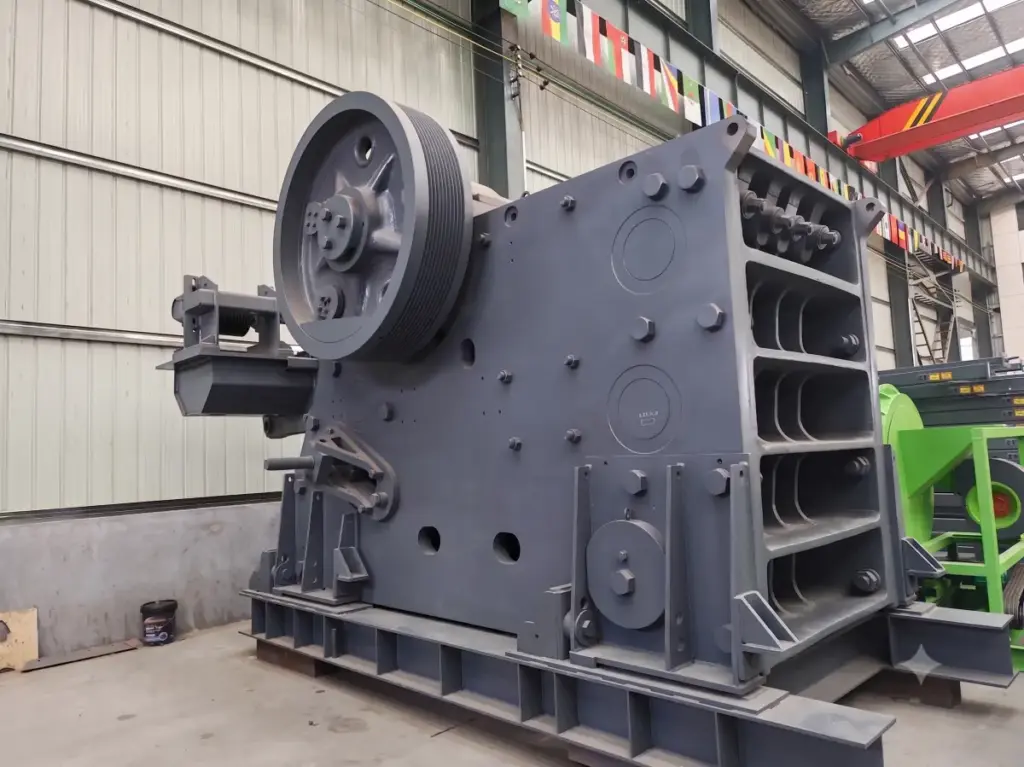
Heavy-Duty Mining Jaw Crusher
Heavy-duty mining jaw crushers are specially designed for continuous operation in harsh mining environments. With reinforced structures, oversized bearings, and high crushing forces, they are suitable for processing hard and abrasive ores in large-scale mining operations.
- Feed opening: 1200×1500 mm – 1800×2100 mm
- Maximum feed size: 1000 – 1500 mm
- Discharge size: 150 – 350 mm
- Processing capacity: 400 – 1800 t/h
- Motor power: 160 – 500 kW
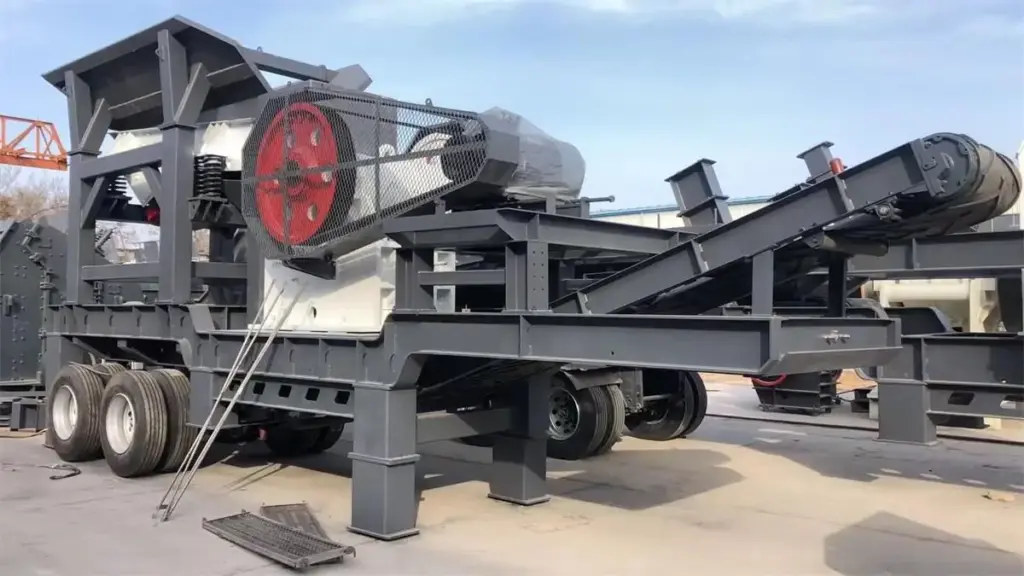
Mobile Jaw Crushing Plant
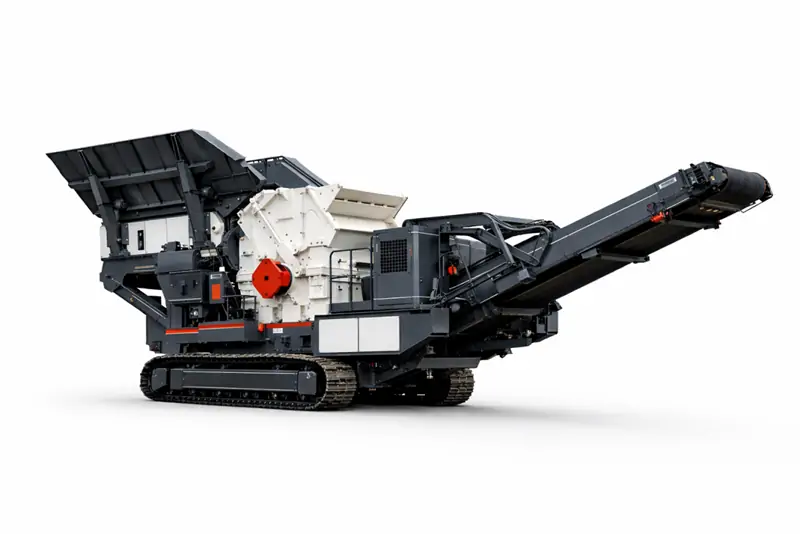
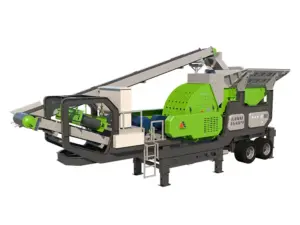
Mobile jaw crushing plants combine feeding, crushing, conveying, and power systems on a single chassis, providing flexible and efficient crushing solutions for quarrying, construction waste recycling, and temporary crushing projects. Their mobility reduces foundation costs and shortens installation time.
- Feed size: ≤500 – 760 mm
- Discharge size: 50 – 200 mm
- Processing capacity: 50 – 800 t/h
- Total installed power: 120 – 400 kW
- Chassis type: Wheel-mounted or crawler-mounted
Технические характеристики
| Модель | Max Feeding(mm) | Capacity(t/h) | Discharging Opening(mm) | Power(kw) | Weight(kg) |
| PE-250*400 | 210 | 5 – 21 | 20 – 80 | 15 | 2800 |
| PE-400*600 | 340 | 16 – 64 | 40 – 100 | 30 | 6500 |
| PE-500*750 | 425 | 46 – 100 | 50 – 100 | 55 | 10300 |
| PE-600*900 | 500 | 48 – 120 | 65 – 160 | 75 | 15500 |
| PE-750*1060 | 630 | 51 – 208 | 80 – 140 | 110 | 25100 |
| PE-900*1200 | 750 | 144 – 304 | 100 – 200 | 132 | 43300 |
| PE-1000*1200 | 850 | 165 – 342 | 195 – 265 | 132 | 50600 |
| PE-1200*1500 | 1000 | 300 – 800 | 150 – 350 | 220 | 78140 |
| PEX-250*1000 | 160 | 16 – 51 | 20 – 55 | 30 | 6500 |
| PEX-250*1200 | 210 | 20 – 60 | 25 – 60 | 37 | 7700 |
| PEX-300*1300 | 250 | 16 – 104 | 20 – 90 | 75 | 11000 |
Features
Applications of Mining Jaw Crusher
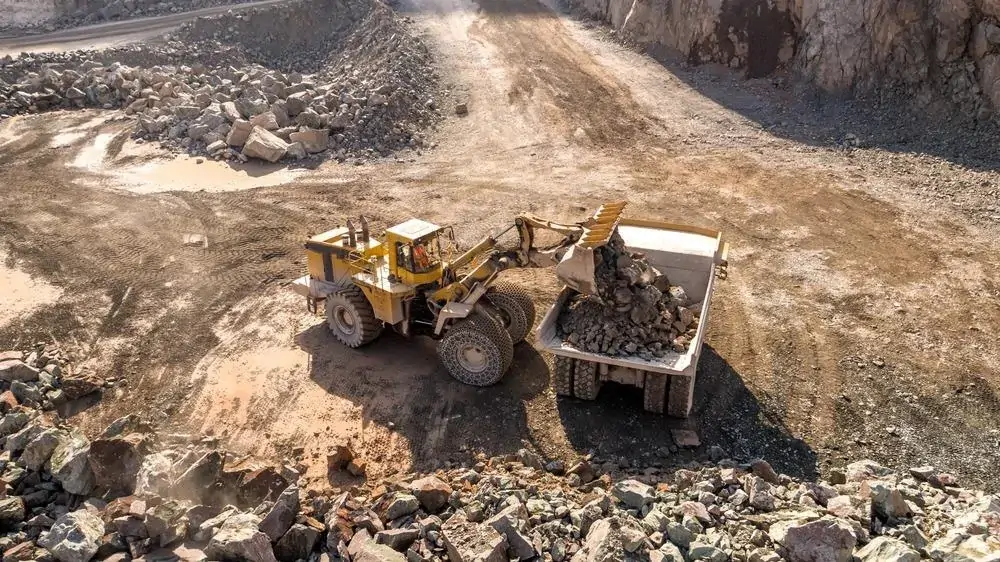
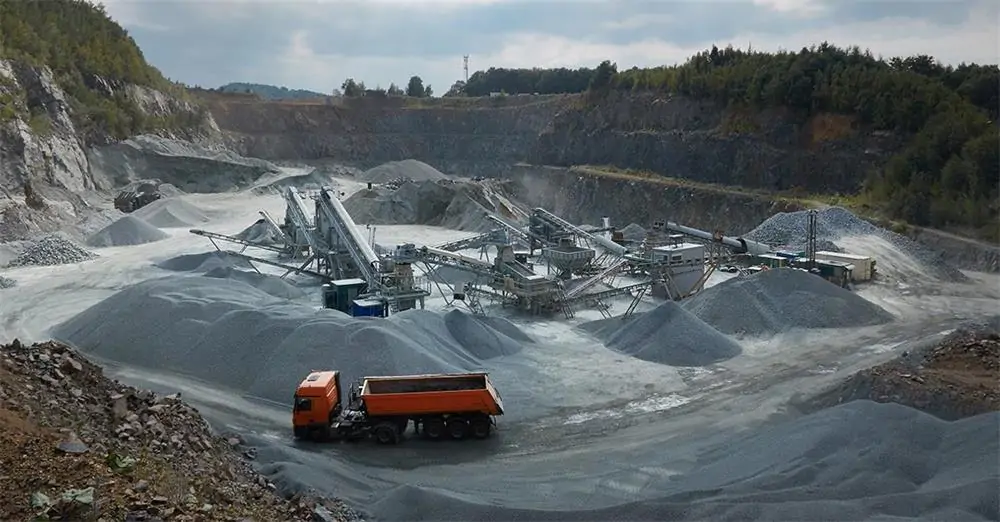
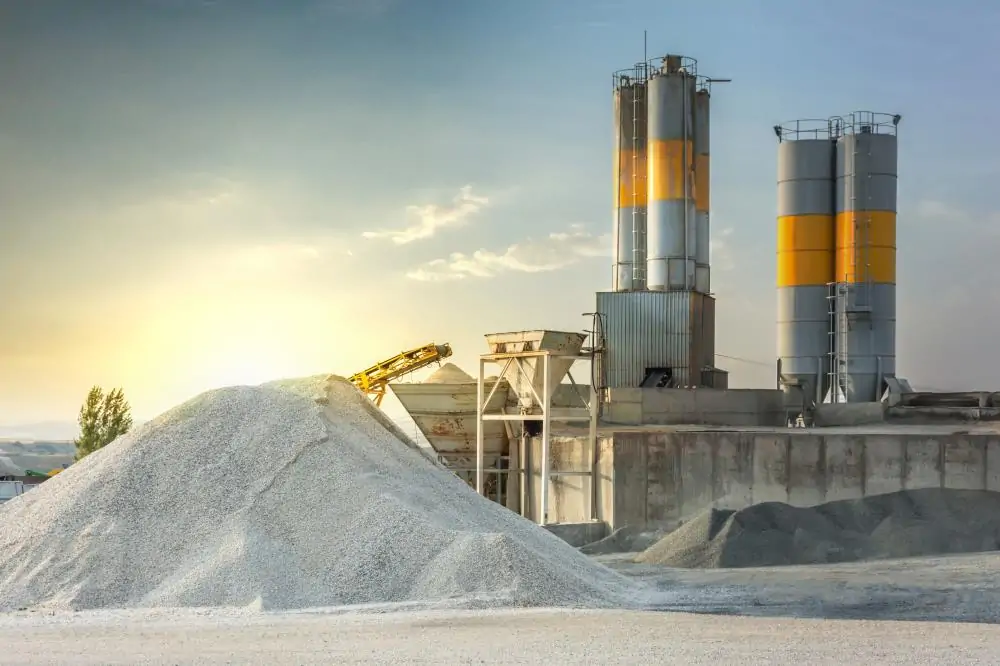
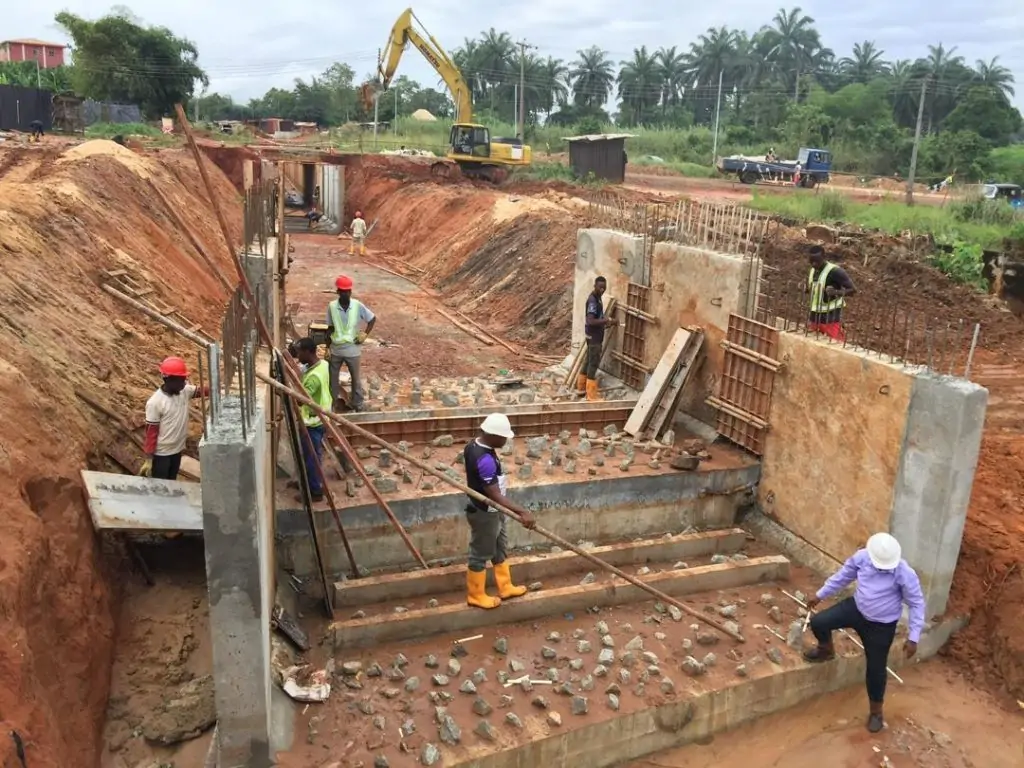
Mining jaw crusher is primarily used for the first-stage crushing of hard and medium-hard rock materials. It reduces run-of-mine (ROM) ore or blasted stone into smaller sizes suitable for secondary crushing and screening systems. The equipment is widely adopted in mining and aggregate production lines due to its ability to handle large feed sizes and high compressive strength materials under continuous operation.
Jaw Crusher vs Other Crushing Equipment – Which One Fits Your Operation Best?
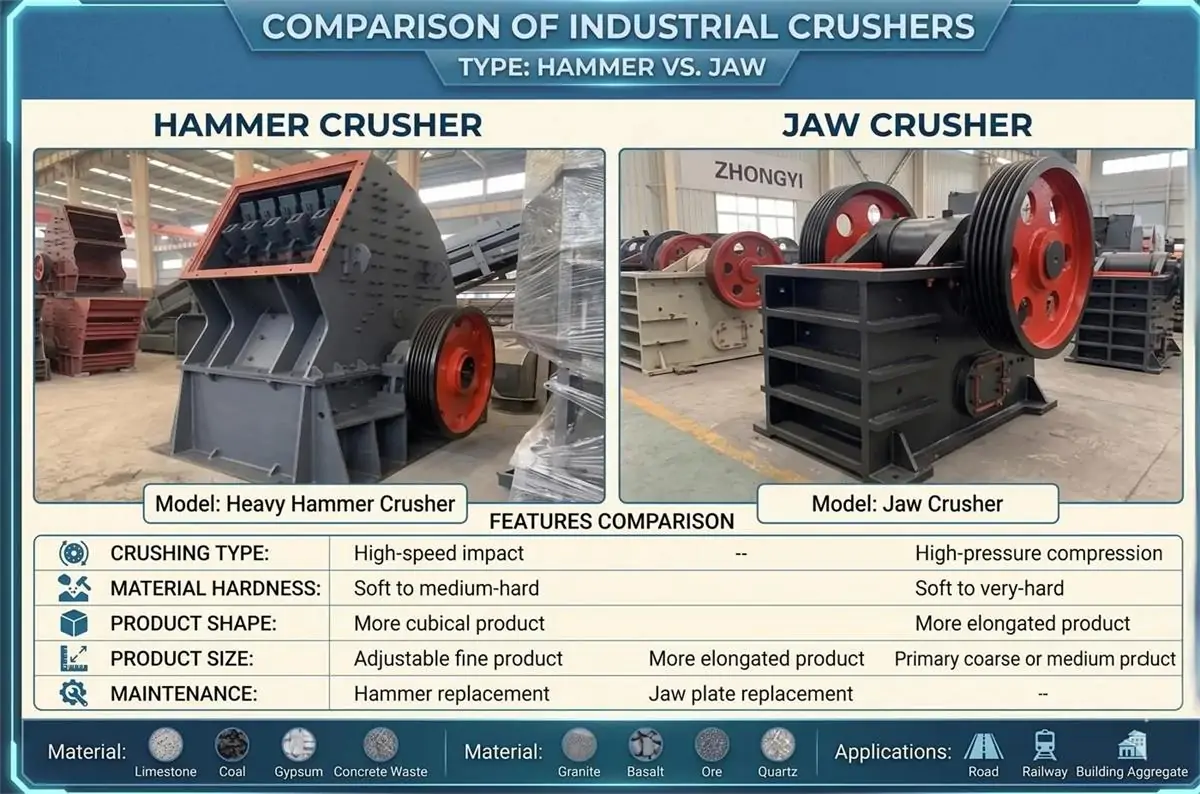
Crushing equipment selection is based on feed size, material hardness, and required output. A jaw crusher is commonly used as primary crushing equipment in mining, quarry, and construction waste recycling lines. Compared with other crusher types, it is better suited for large feed sizes and hard materials, offering stable operation and simple maintenance. Our jaw crusher solutions cover capacities from 1–1000 t/h, depending on model and configuration.
| Параметр | Jaw Crusher | Молотковая дробилка | Роторная дробилка | Cone Crusher |
|---|---|---|---|---|
| Принцип работы | Compression between fixed and movable jaw plates | High-speed hammer impact crushing | Rotor impact and rebound crushing | Lamination crushing by mantle and concave |
| Конструкция | Heavy-duty frame, fixed + movable jaw plate | Rotor with hammer heads | Rotor + impact plate system | Hydraulic cone structure |
| Производительность | 1–1000 t/h | 5–300 t/h | 30–500 t/h | 50–1200 t/h |
| Эффективность | Stable for primary crushing of large feed | High for soft materials | Good for medium-hard materials | High for secondary and fine crushing |
| Энергопотребление | Moderate (about 0.5–1.5 kWh/t depending on model) | Higher wear-related loss | Средняя | Lower in fine crushing stage |
| Занимаемая площадь | Средняя | Compact | Средняя | Larger installation space |
| Обслуживание | Low, jaw plate replacement every 3–6 months (based on material) | Frequent hammer replacement | Medium liner wear | More complex hydraulic system maintenance |
| Инвестиционные затраты | Средняя | Low | Средняя | Высокая |
| Suitable Materials | Granite, basalt, limestone, river stone, construction waste | Limestone, coal, gypsum | Medium-hard stone, recycled aggregates | Hard ore, fine crushing feed |
| Типичные применения | Primary crushing in mining, quarry, recycling and aggregate plants | Small-scale cement and soft stone crushing | Secondary crushing in aggregate production lines | Fine crushing in mineral processing systems |
Selection Guide
For primary crushing of hard rock and construction waste, Zhongyi Jaw Crusher is the preferred choice. It accepts feed sizes up to ≤1200 mm and delivers stable reduction for downstream processing. Hammer crushers are suitable for soft and brittle materials, while impact crushers are used for secondary crushing. Cone crushers are mainly applied in fine crushing stages requiring controlled particle shape.
In mining, quarry, and recycling projects, Jaw Crusher remains the most widely used first-stage crushing equipment due to its stability, wide material adaptability, and low maintenance requirements. Zhongyi provides complete crushing line solutions based on project capacity and material conditions.
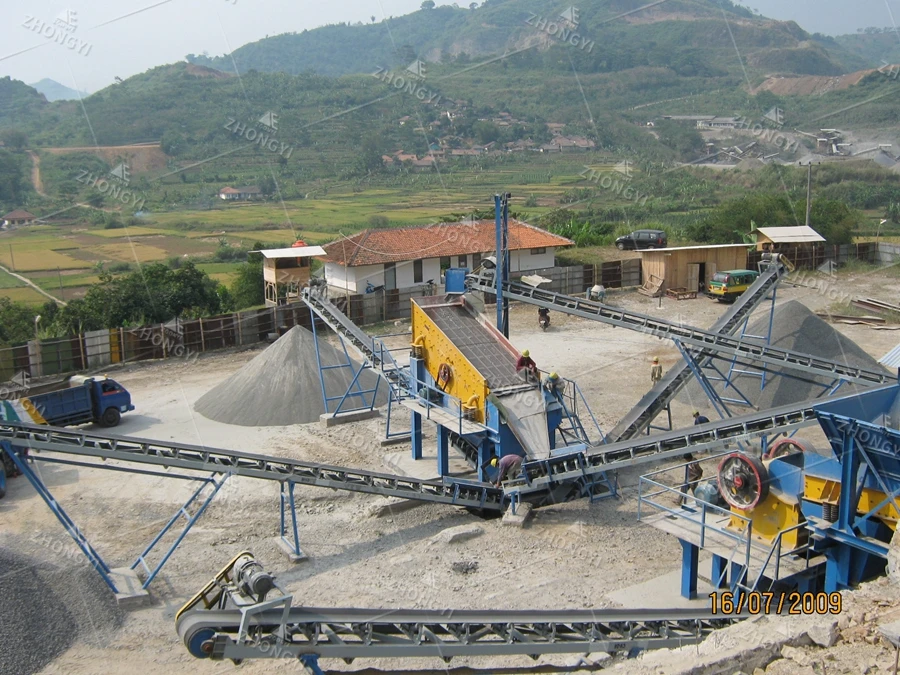
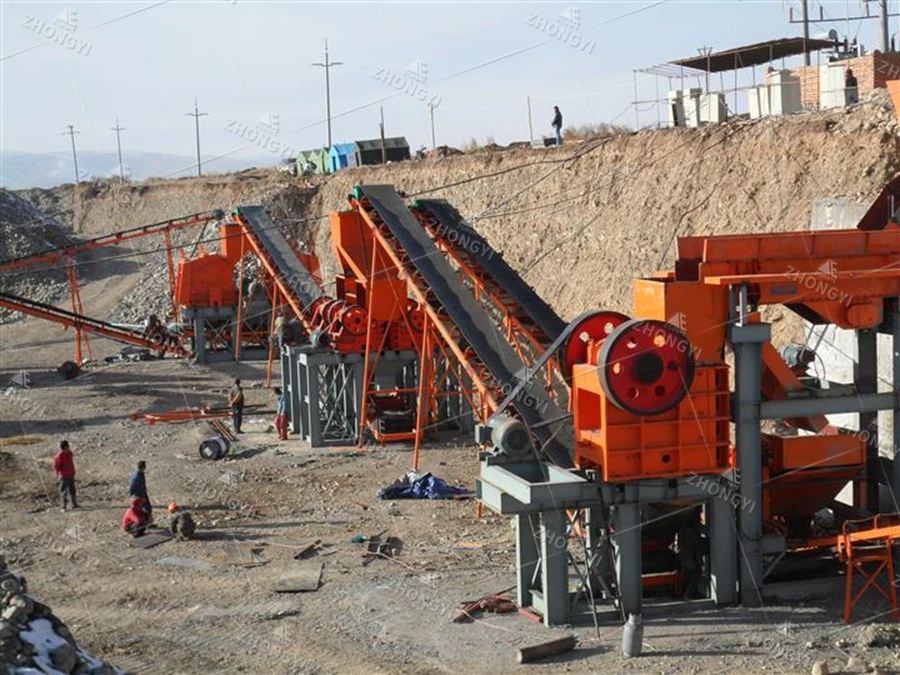
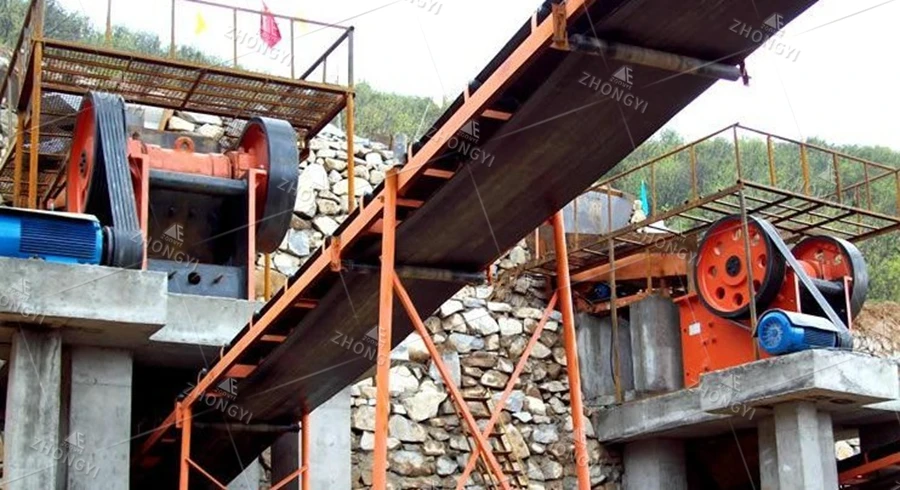
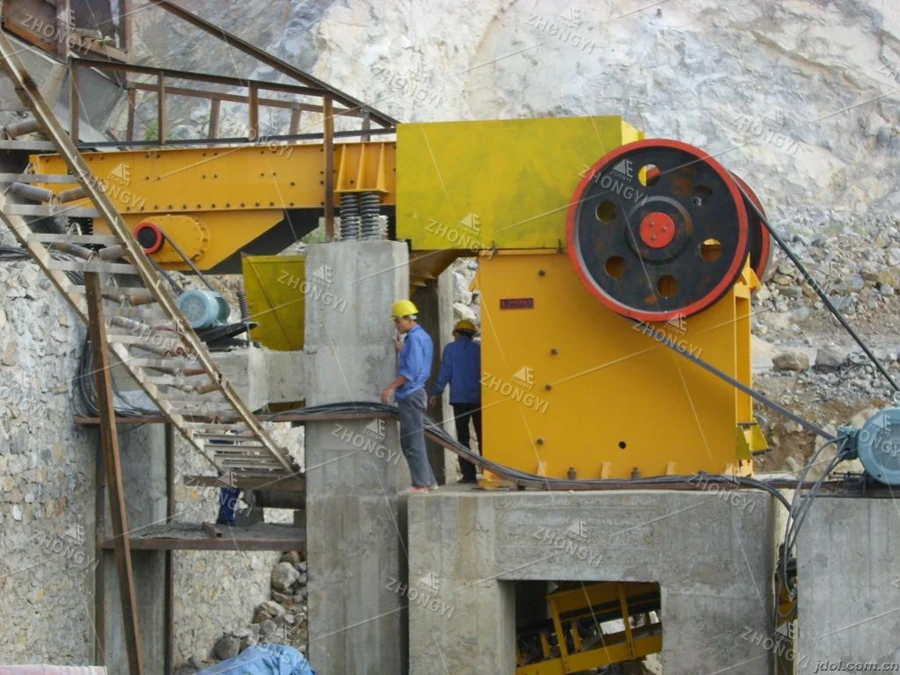
Project Site
Запросить индивидуальное решение
Partner with Zhongyi for expert technical support, customized solutions, and reliable equipment tailored to your ore characteristics and production requirements.
Custom Jaw Crusher Solutions
Different quarry and mining projects require different feed sizes, capacity levels and product specifications. Standard models may not fully match site conditions, especially in high-hardness rock or high-capacity continuous production lines. Custom configuration is available to match actual operating requirements and downstream process layout.
Customizable Parameters
- Feed opening size
- Capacity (TPH)
- Max feed size
- Discharge opening range
- Jaw plate material (Mn13Cr2 / Mn18Cr2 or customized)
- Motor power configuration
- Flywheel size and inertia design
- Frame structure type (welded / cast steel)
- Lubrication system (manual / automatic)
- Installation type (fixed / semi-mobile / mobile skid-mounted)
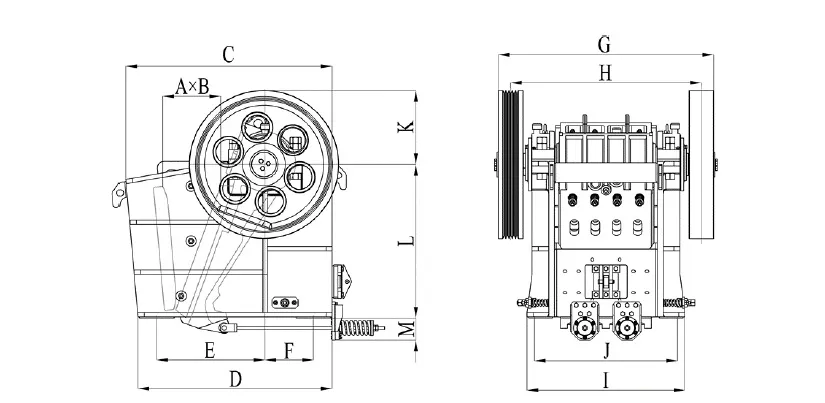
Please share your raw material, feed size, target output, and capacity requirements. Zhongyi will customize the ideal equipment configuration for your plant, whether your layout feeds a downstream rod mill sand line or direct mineral processing circuit.
Jaw Crusher Manufacturer and Supplier
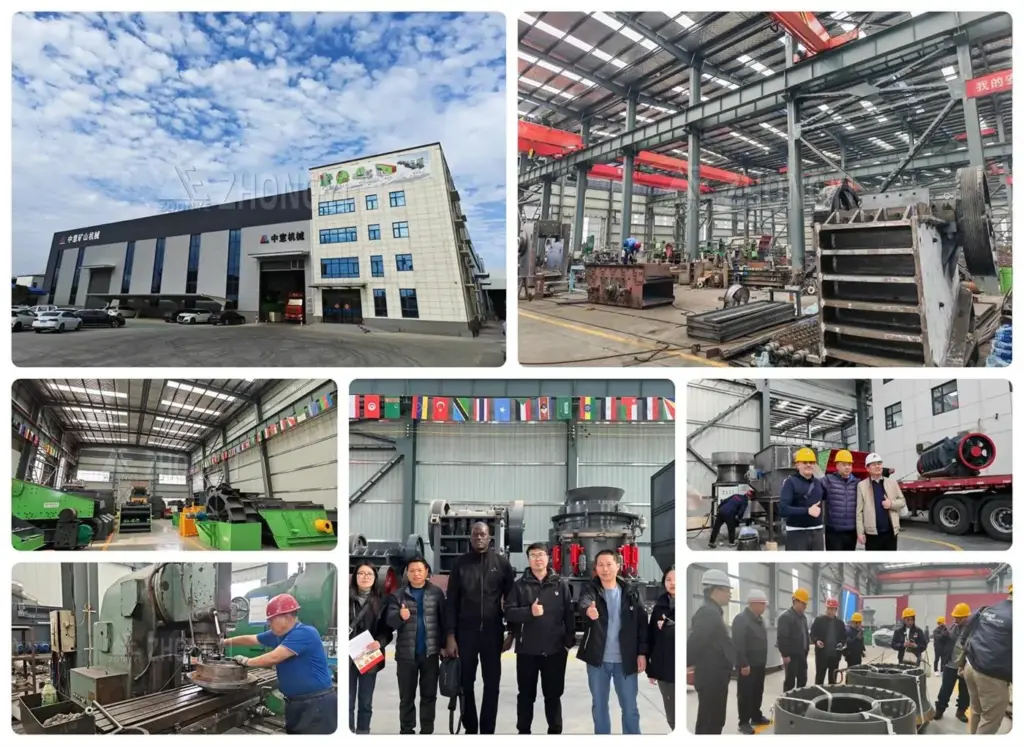
Zhongyi manufactures mining jaw crushers for quarrying, mining and aggregate production lines. Production covers frame fabrication, machining, assembly and factory testing. Manufacturing is carried out under ISO quality management requirements. Main structures are welded or cast steel, with key components machined in-house. Equipment is supplied with CE compliance for export markets. Product range includes PE series jaw crushers and customized configurations for fixed and semi-mobile crushing plants, selected according to feed size, capacity and material hardness.
Single machines and complete crushing solutions are provided, including vibrating feeders, belt conveyors, cone crushers and screening systems. Layout design and equipment matching are offered based on project conditions. Equipment is applied in primary crushing of hard and abrasive rock. Focus is placed on stable feed control, reduced wear rate and consistent discharge size through proper system configuration. Our service covers model selection, technical support, installation guidance and spare parts supply throughout the equipment lifecycle.
FAQs
1. What is a jaw crusher used for in mining?
A jaw crusher is used as primary crushing equipment to reduce large run-of-mine (ROM) rocks into smaller sizes. It is commonly applied in mining, quarrying and aggregate production lines for hard and abrasive materials.
2. What materials can a jaw crusher process?
Jaw crushers are suitable for hard and medium-hard materials such as granite, basalt, limestone, river stone, and iron ore. It is designed to handle compressive strength up to around 320 MPa depending on model configuration.
3. What is the typical feed size of a mining jaw crusher?
It is suitable for iron ore, copper ore, coal, limestone, granite, river stone, and construction aggregates. It also performs well with high fine-content and mixed feed materials.
4. How does a jaw crusher work?
Material is compressed between a fixed jaw plate and a movable jaw plate. The eccentric shaft drives the movable jaw in a reciprocating motion, creating a repeated crushing cycle until the material is reduced to the required discharge size.
5. What is the output size of a jaw crusher?
Output size is adjustable through the discharge opening setting. Typical primary crushing output ranges from 100 mm to 300 mm depending on the application and downstream process requirements.
6. What factors affect jaw crusher capacity?
Capacity is influenced by feed size, material hardness, moisture content, crusher opening size, and downstream discharge conditions. Proper feed control and correct model selection are critical for stable throughput.
7. What maintenance is required for a jaw crusher?
Routine maintenance includes lubrication system checks, wear part inspection (jaw plates, toggle plate), bolt tightening, and periodic replacement of high-wear components. Proper maintenance reduces downtime and extends service life.
8. What is the difference between jaw crusher and cone crusher?
A jaw crusher is used for primary crushing of large feed materials, while a cone crusher is used for secondary or tertiary crushing to produce finer and more uniform output sizes.