











简介
Jaw crusher price and capacity depend on the crusher model, feed size, discharge setting, material properties, and required output. A machine rated for a certain throughput may deliver different results under different operating conditions. When comparing quotations, buyers need to check the specified capacity, feed and discharge requirements, drive configuration, and included equipment to determine whether the crusher fits their production needs.
This guide explains how jaw crusher specifications affect price and actual output, how stationary and mobile configurations differ, and how to assess operating costs. It also covers crusher selection based on rock type, feed size, target capacity, and downstream equipment. These practical checks help buyers compare quotations on a consistent basis and select a jaw crusher that matches the requirements of the entire crushing line.
What Is a Jaw Crusher and How Does It Work?
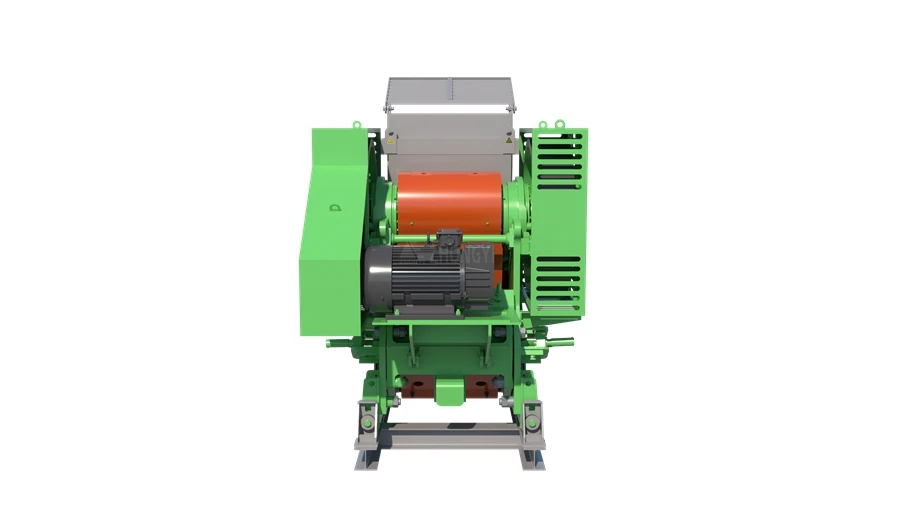
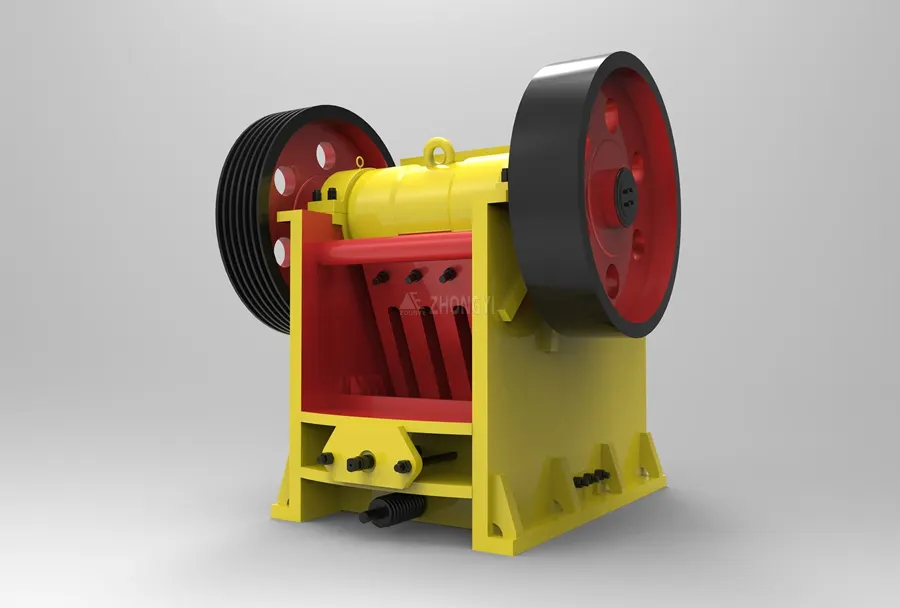
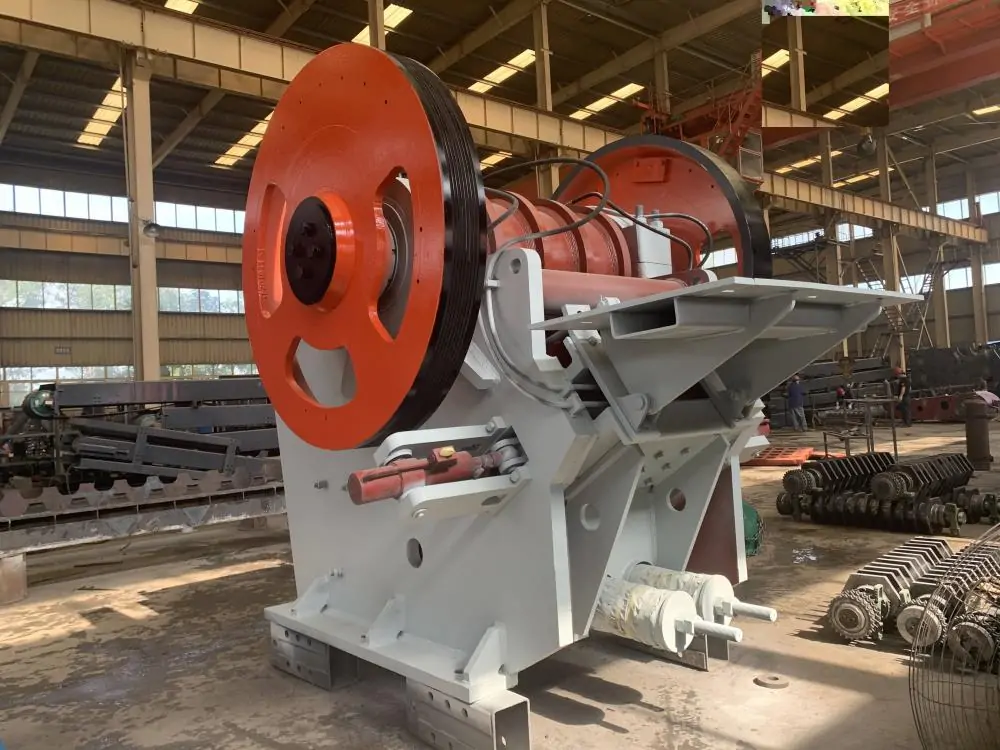
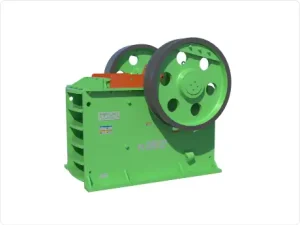
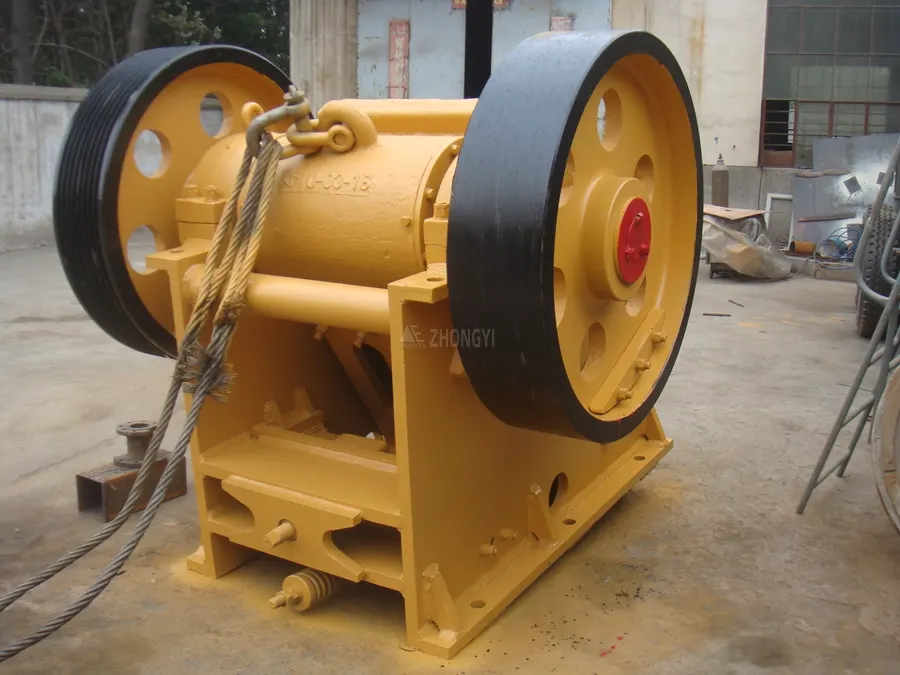
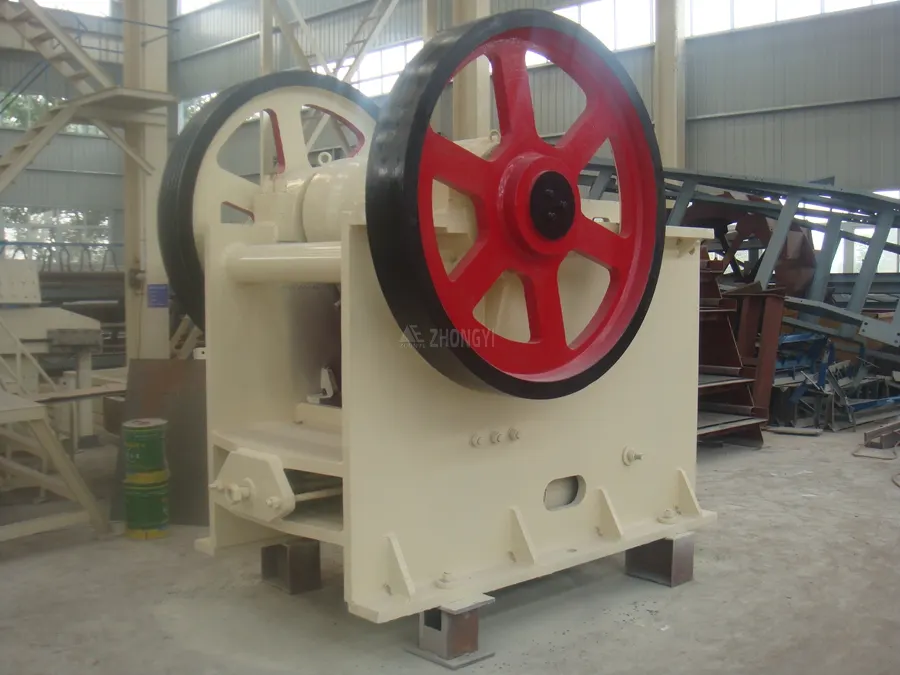
A jaw crusher is a primary crushing machine used to reduce large rocks and ore into smaller pieces for further processing. It uses compression between a fixed jaw plate and a moving jaw to break material down. Jaw crushers are commonly used in mining, quarrying, and aggregate production, where the required feed size, material properties, and target output determine the appropriate machine configuration.
How Does a Jaw Crusher Work?
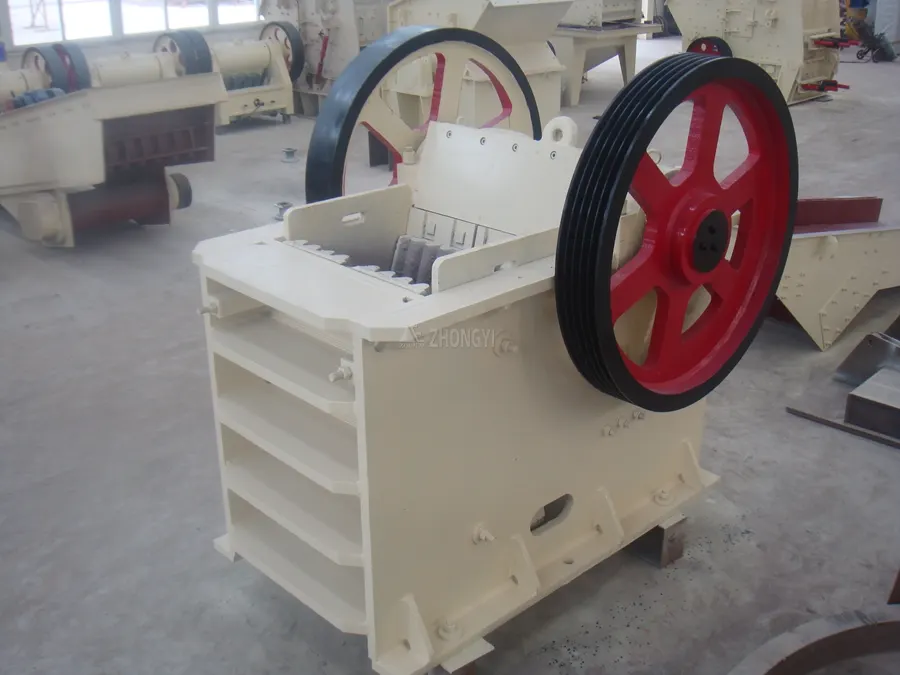
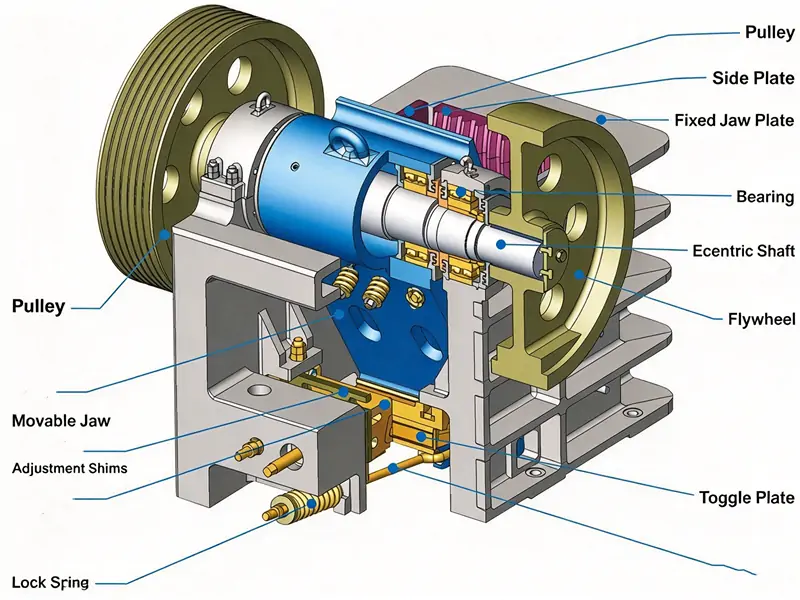
A motor drives the transmission system and eccentric mechanism, causing the moving jaw to cycle toward and away from the fixed jaw. Material entering the crushing chamber is compressed between the two jaw plates. As it breaks into smaller pieces, it moves downward and exits through the discharge opening.
The closed-side setting (CSS) is the distance between the jaw plates at their closest point. It affects the discharge size and can also influence throughput, power demand, and wear. A smaller setting generally produces a finer product, but actual capacity depends on the crusher design, material characteristics, feed conditions, and operating load.
What Are the Main Types of Jaw Crushers?
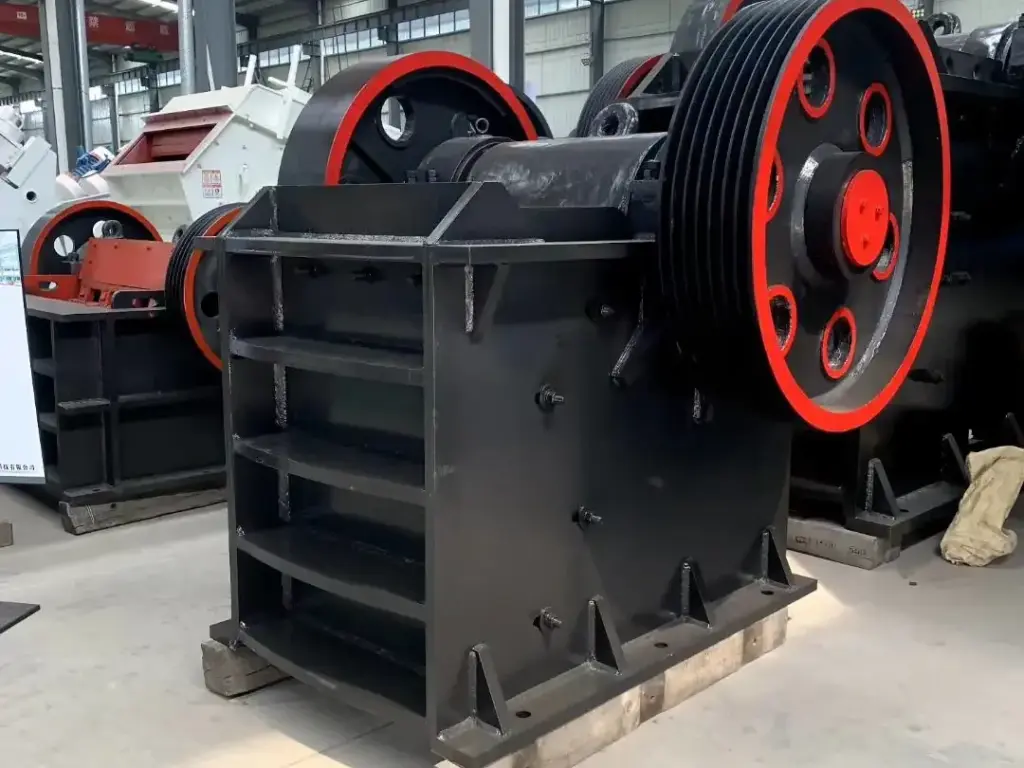
Jaw crushers can be classified by their crushing mechanism or installation configuration. Blake, Dodge, and Universal are classic mechanism designs with differences in jaw motion and discharge characteristics. For equipment buyers, the more practical distinction is often between stationary and mobile jaw crushers, because installation method affects plant layout, relocation, and overall project costs.
- Stationary jaw crushers: Installed at a fixed site and integrated with feeders, conveyors, screens, and secondary crushers.
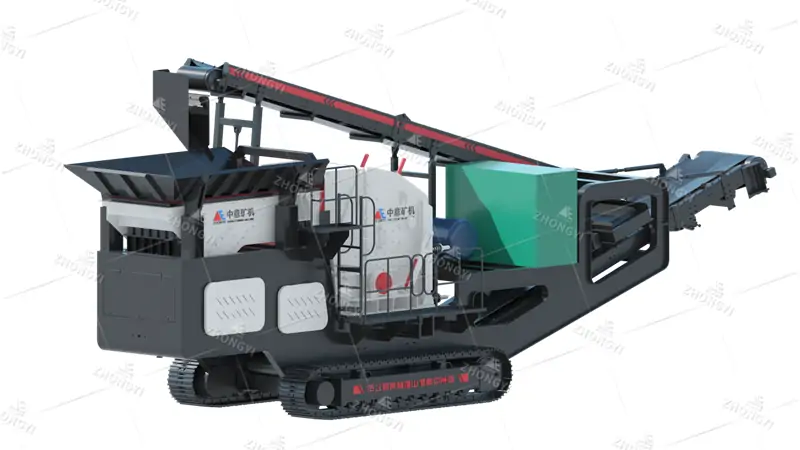
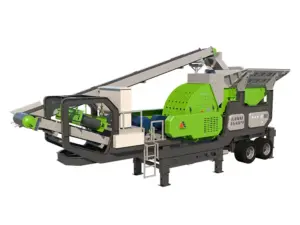
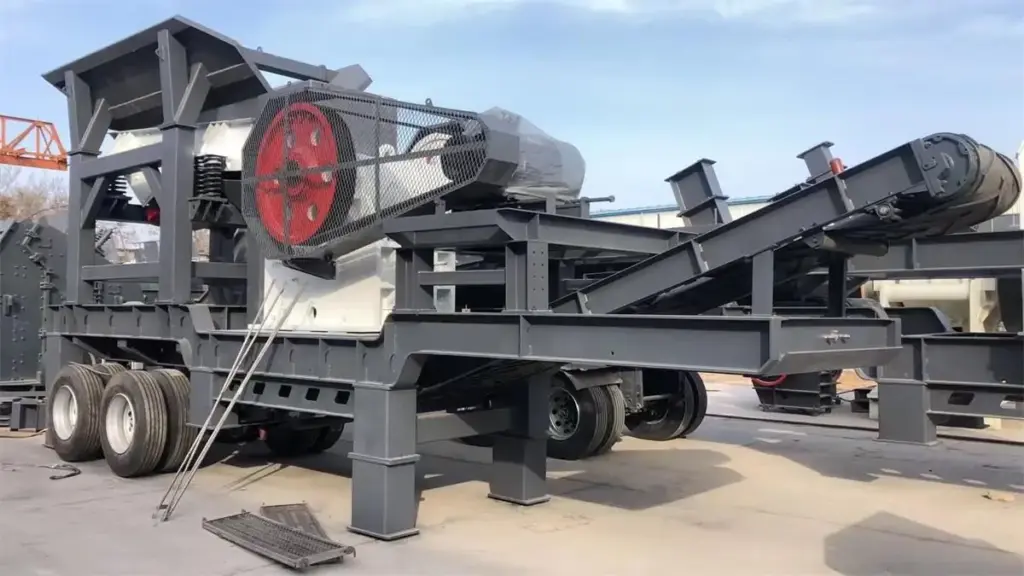
- Mobile jaw crushers: Mounted on a mobile chassis, with feeding and conveying systems depending on the model. They suit projects where the crushing unit needs to move between locations.
Both configurations use jaw-crushing principles, but their supporting systems and installation requirements differ. The right choice depends on site conditions, required output, and whether the project needs a permanent production line or a relocatable crushing unit.
How Much Does a Jaw Crusher Cost?
Jaw crusher price depends on the model, feed opening, required capacity, and machine configuration. The purchase price may cover only the crusher itself, while the motor, control system, spare parts, and delivery are quoted separately. Buyers should therefore compare both the equipment price and the total cost of the agreed supply scope.
There is no single jaw crusher price that applies across all models and suppliers. Any price range should be tied to a specific model or configuration, with the currency, quotation date, and delivery terms clearly stated.
Typical Jaw Crusher Price Ranges by Machine Size
Jaw crusher cost generally increases with machine size and the demands of the application, but size alone does not determine the price. Feed opening, frame design, drive system, and adjustment mechanism also affect the equipment specification and manufacturing cost.
For a meaningful comparison, request quotations for models that can handle the same feed size and meet similar production requirements. Avoid comparing prices based only on machine dimensions or advertised capacity, as the included configuration and quotation scope may differ. If verified, recent pricing is unavailable, it is more accurate to explain these cost factors than to publish an unsupported market-wide price range.
New vs. Used Jaw Crusher Prices
A used jaw crusher can reduce the initial purchase cost, but its condition and maintenance history need to be checked before the price can be evaluated. Inspect the jaw plates, bearings, eccentric shaft, frame, and drive system for wear, damage, or signs of previous repairs. Confirm whether replacement parts are available for the specific model.
The comparison should include the purchase price, necessary refurbishment, expected maintenance, and the risk of unplanned downtime. A lower-priced used machine is not necessarily the more economical option if major components need replacement or the equipment cannot meet the required production schedule.
What Is Included in a Jaw Crusher Quotation?
A jaw crusher quotation may cover the machine only or include additional equipment and services. Before comparing suppliers, confirm the scope of each offer.
- Equipment: Crusher, motor, base, control system, and specified accessories.
- Spare parts: Included parts and any separately priced wear components.
- Delivery and installation: Packing, freight, installation, and commissioning, where applicable.
- Commercial terms: Currency, payment schedule, delivery time, and warranty conditions.
Check the named delivery location and applicable Incoterms when comparing EXW, FOB, or CIF quotations. These terms allocate costs, responsibilities, and risks differently; they do not automatically mean that installation or all destination charges are included. Ask each supplier to identify exclusions and additional charges before comparing the final purchase cost.
What Factors Affect Jaw Crusher Price?
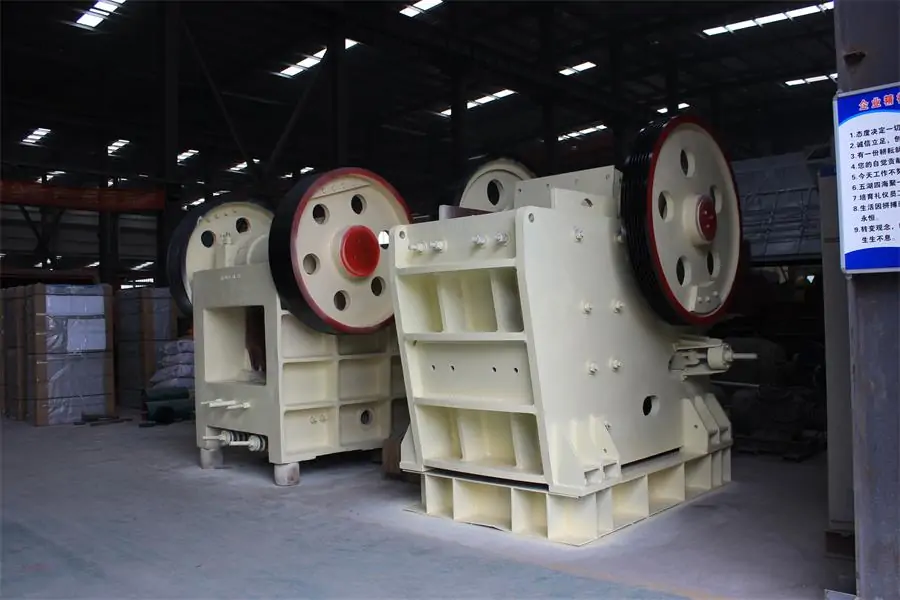
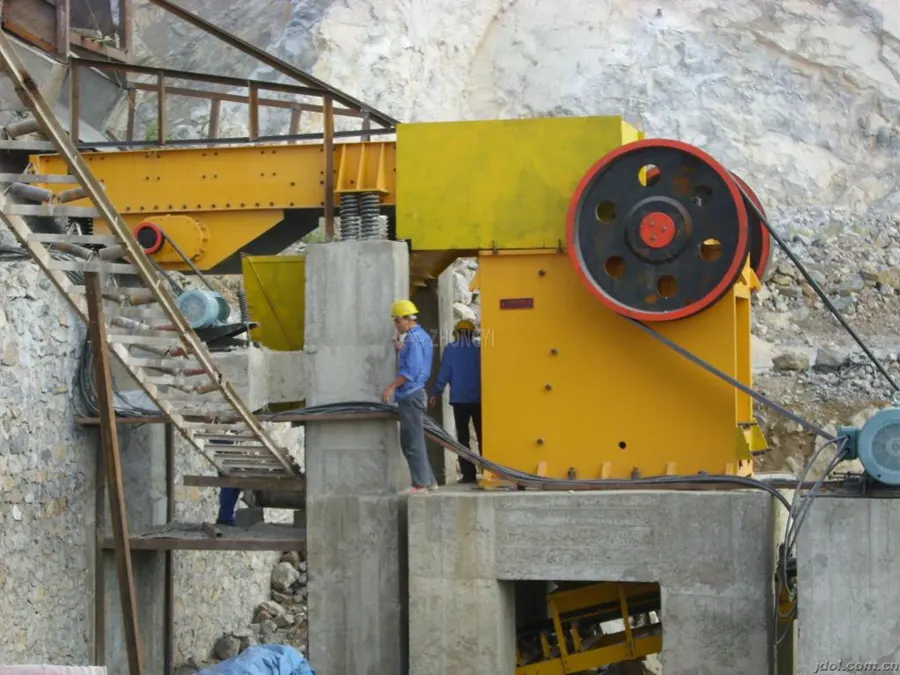
Jaw crusher price depends on the machine specifications, the material being processed, and the required configuration. When comparing a mining jaw crusher, buyers should check not only rated capacity but also the operating conditions the machine is designed for. These factors affect the initial equipment cost, while transport, installation, and auxiliary equipment add to the overall project investment.
Jaw Crusher Capacity: How Many Tons Per Hour Can It Process?
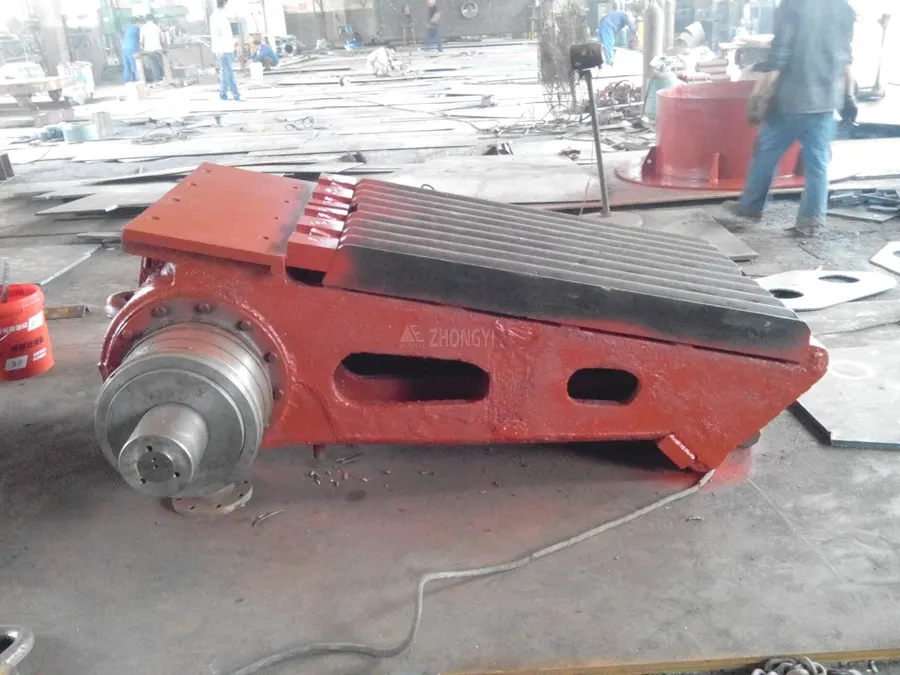
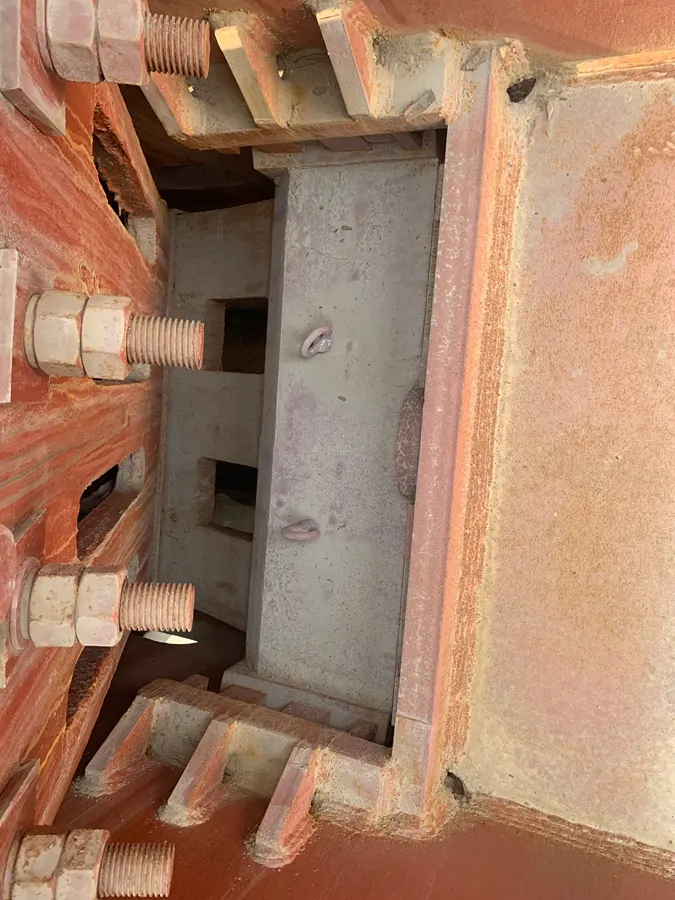
Jaw crusher capacity ranges from a few tons per hour for small machines to hundreds or even thousands for large mining models. Actual output depends on the crusher model, feed size, rock properties, and discharge setting. A manufacturer’s rated capacity is a reference under specified conditions, not a guarantee of production at every site.
Rated Capacity vs. Actual Production
Rated capacity is based on defined operating conditions. Actual jaw crusher output capacity also depends on consistent feeding, material properties, CSS, and downstream equipment. When comparing jaw crusher tons per hour, check the model and the conditions behind the published figure rather than relying on TPH alone.
How Feed Opening and Feed Size Affect Capacity?
The feed opening limits the size of material the crusher can accept, but it does not determine capacity on its own. Maximum feed size must match the selected model, while the actual size distribution affects how smoothly material passes through the crushing chamber. Oversized rocks may interrupt feeding or require pre-breaking.
How Closed-Side Setting (CSS) Affects Output?
The closed-side setting (CSS) is the minimum distance between the jaw plates at their closest point. A smaller CSS generally produces finer material and can reduce throughput by increasing crushing resistance. The actual effect depends on the crusher design and material, so capacity should be checked against the manufacturer’s data for the selected setting.
Material Hardness, Feed Gradation and Moisture
Hardness affects crushing load, while abrasiveness influences jaw plate wear. Feed gradation and moisture also affect throughput, particularly when the material contains sticky clay or excess fines that can disrupt feeding. For a realistic jaw crusher capacity estimate, provide the supplier with the material type, feed size distribution, moisture conditions, and target discharge size.
Jaw Crusher Models and Capacity Comparison
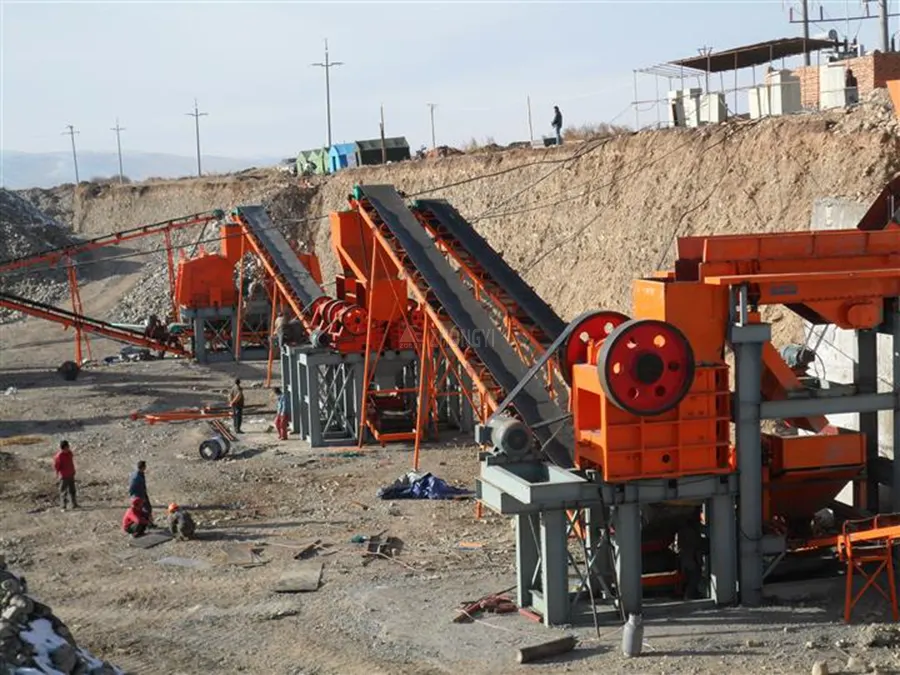
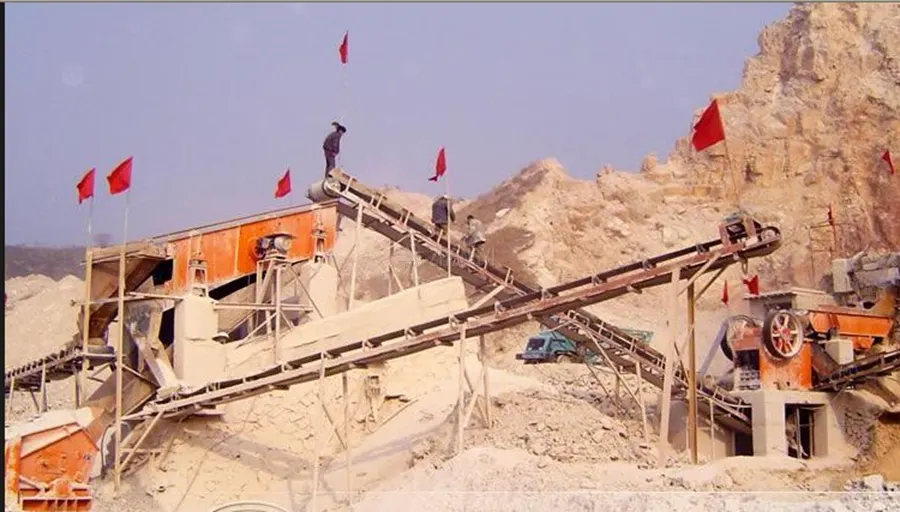
Jaw crusher models differ in feed opening, maximum feed size, discharge setting, capacity, and motor power. The table below compares selected Zhongyi Mining models to help buyers narrow down suitable options by feed size and required output. Use the listed capacity as a reference, then confirm the applicable operating conditions and configuration before comparing prices or requesting a quotation.
| 型号 | Max. Feed Size (mm) | Discharge Opening (mm) | 产能(t/h) | 电机功率 (kW) |
| PE-250×400 | 210 | 20–80 | 5–21 | 15 |
| PE-400×600 | 340 | 40–100 | 16–64 | 30 |
| PE-500×750 | 425 | 50–100 | 46–100 | 55 |
| PE-600×900 | 500 | 65–160 | 48–120 | 75 |
| PE-900×1200 | 750 | 100–200 | 144–304 | 132 |
| PE-1200×1500 | 1,000 | 150–350 | 300–800 | 220 |
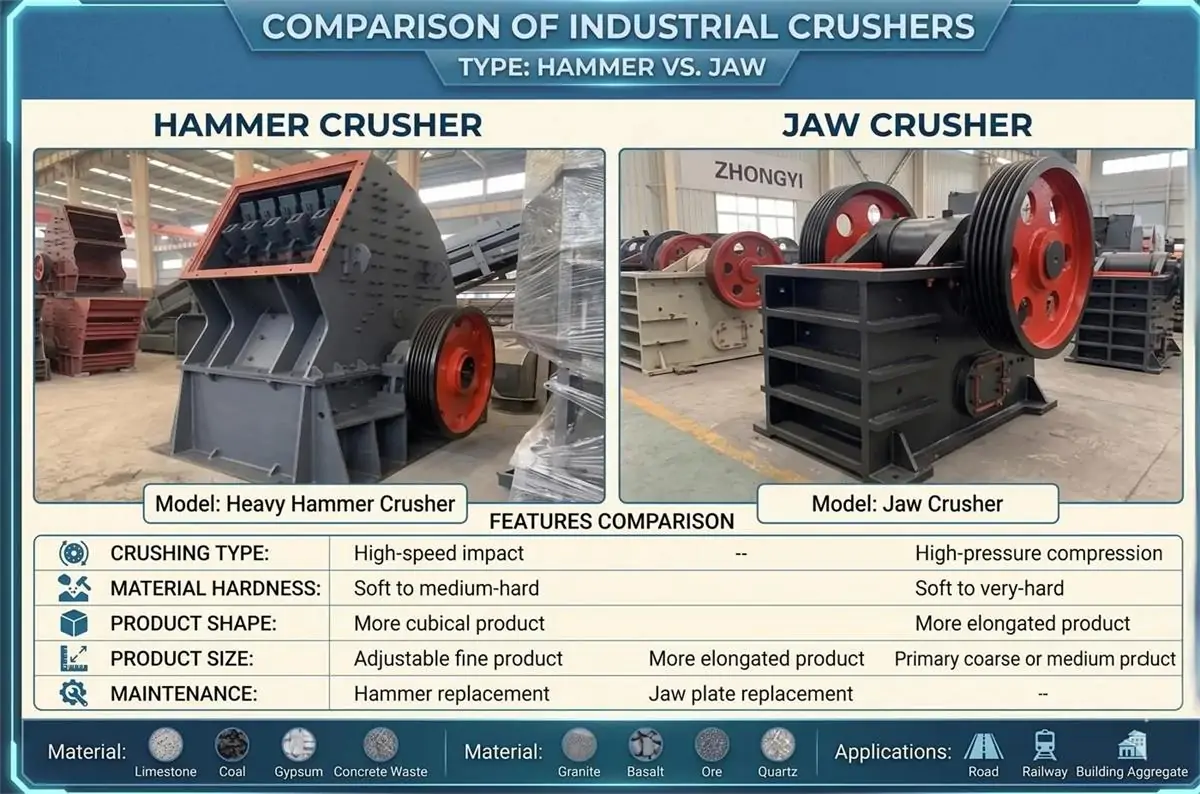
Jaw crusher capacity is only one part of the equipment selection process. If you are comparing primary and secondary crushing options, our guide to jaw, cone, and impact crusher types explains how their roles differ by material and crushing stage.
Stationary vs. Mobile Jaw Crusher: Which Is Right for Your Project?
A stationary jaw crusher is installed at a fixed site and integrated into a crushing line. A mobile jaw crusher combines the crushing unit with a wheeled or tracked chassis. Both use the same crushing principle, but differ in installation, material handling, and relocation requirements. The right choice depends on site conditions, production needs, and total project cost.
Stationary Jaw Crushers for Fixed Production Sites
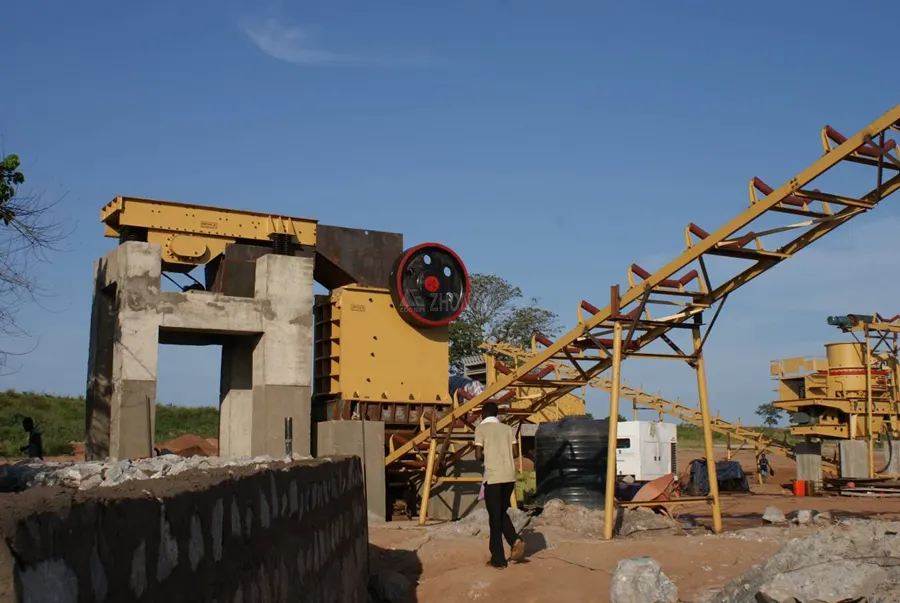
A stationary jaw crusher suits long-term mining and quarrying projects with a stable feed source and fixed production layout. Feeders, conveyors, screens, and secondary crushers can be configured separately to match the required process flow.
Project costs include not only the crusher but also foundations, installation, electrical connections, and auxiliary equipment. These costs should be assessed against the planned operating period and production requirements.
Mobile Jaw Crushers for Flexible Crushing Operations
A mobile jaw crusher suits projects that require relocation between work areas, such as on-site construction waste processing or operations with dispersed material sources. Depending on the model, feeding, conveying, and power systems may be integrated into the unit.
Mobility can reduce some fixed installation and material handling requirements, but site access, ground conditions, transport restrictions, and setup space still need to be checked. Capacity depends on the specific model and operating conditions.
How Do Mobile and Stationary Jaw Crusher Costs Compare?
The mobile jaw crusher price should be compared with the total cost of a stationary setup, including installation, material handling, maintenance, and relocation where applicable.
| Comparison | Stationary Jaw Crusher | Mobile Jaw Crusher |
| Installation | Fixed foundation and plant layout as required | Mobile chassis with site setup requirements |
| Material handling | May require transport to a fixed plant | Can process material closer to its source |
| Relocation | Usually requires dismantling and reinstallation | Designed for relocation, subject to site and transport limits |
| Main cost factors | Foundations, installation, auxiliary equipment | Integrated systems, transport, relocation, maintenance |
| Best fit | Long-term production at one site | Multiple work areas or changing material sources |
For long-term production at a fixed site, assess the cost of infrastructure against the expected operating period. For projects requiring frequent relocation, compare potential savings in material transport and setup with the mobile unit’s purchase and moving costs.
How to Choose the Right Jaw Crusher for Your Required Output?
Selecting a mining jaw crusher starts with the required production output, but capacity alone is not enough. Feed size, rock properties, downstream equipment, and site conditions all affect whether a model can meet the target. A practical jaw crusher selection should match the machine to the actual operating conditions rather than simply choosing a larger model.For granite applications, rock hardness and abrasiveness also affect equipment selection and wear-part consumption. See our guide to the best jaw crusher for granite crushing for material-specific considerations.
Match Crusher Capacity to Your Production Target
Start with the plant’s required output and planned operating hours. A jaw crusher’s rated capacity is not the same as the final saleable output, which may be limited by screening, recirculating material, or downstream equipment. Any jaw crusher capacity calculation should account for these process constraints and the expected operating schedule.
Check Feed Size and Material Properties
Confirm the maximum feed size, required discharge size, rock hardness, and abrasiveness before comparing models. Hard, abrasive rock can increase jaw plate wear, while oversized feed may interrupt crushing. The rock name alone is not enough to determine the right machine; selection should follow the actual feed conditions and the manufacturer’s specifications.
Check Downstream Equipment and Site Conditions
The jaw crusher must work within the capacity limits of the feeder, conveyors, and secondary crushing and screening equipment. Site access, installation space, foundation requirements, and relocation needs also affect the choice between stationary and mobile configurations. A larger crusher will not improve plant output if another stage remains the bottleneck.
Consider Operating Costs Alongside Purchase Price
Compare energy use, wear parts, maintenance access, and expected operating hours alongside the initial price. The right model is one that meets the required output under realistic conditions without unnecessary equipment capacity or avoidable operating costs.
For a more detailed selection process, see How to Choose the Right Jaw Crusher Machine.
Jaw Crusher Operating Cost and Total Cost of Ownership
Jaw crusher operating cost includes electricity or fuel, wear parts, routine maintenance, labor, and costs associated with downtime. Actual expenses depend on the material, operating load, equipment configuration, and maintenance practices. When comparing stationary and mobile crushers, also consider foundation work, material handling, and relocation costs where applicable.
To compare long-term costs, calculate the operating cost per ton by dividing the operating expenses over a defined period by the saleable output during the same period. For a full total cost of ownership assessment, also account for the purchase price, installation, expected service life, and residual value. This provides a more useful basis for comparing jaw crusher cost than the initial quotation alone.
What Information Do You Need for an Accurate Jaw Crusher Quote?
To receive an accurate jaw crusher quotation, buyers should provide key details about the material, required output, and installation conditions. This information helps the supplier assess suitable mining jaw crusher models, determine the necessary configuration, and clarify the scope of supply.
Jaw Crusher Quotation Checklist
- Material Properties: Rock type, hardness, abrasiveness, and moisture conditions.
- Feed Size: Maximum feed size and feed size distribution.
- Capacity and Discharge Requirements: Target throughput in TPH, required product size, and CSS where specified.
- Operating Conditions: Daily operating hours, production schedule, and whether the crusher will run continuously or intermittently.
- Plant and Site Conditions: Existing or planned feeders, conveyors, screens, secondary crushers, installation space, and power supply.
- Configuration and Supply Scope: Stationary or mobile preference, if applicable, plus required spare parts, installation, and commissioning.
Conclution
When comparing jaw crusher price and capacity, look beyond the initial quotation. Check whether the rated capacity matches your material, feed size, and required discharge size, and consider the cost of wear parts, energy, and maintenance over the planned operating period. The right choice depends on the actual production requirements and site conditions, not simply on selecting the largest model or the lowest-priced offer.
Zhongyi Mining offers PE, PEX, European-type, and heavy-duty mining jaw crusher models for different feed sizes and production requirements. Review our mining jaw crusher models and technical specifications to compare available options. For a project-specific discussion, share your material type, maximum feed size, target throughput, and required discharge size through our Contact page so the equipment configuration can be assessed against your operating conditions.
获取定制方案
Work with Zhongyi Mining to evaluate jaw crusher models based on your material properties, feed size, target capacity, and discharge requirements, and identify a configuration suited to your crushing project.
常见问题
How Much Does a Jaw Crusher Cost?
Jaw crusher price depends on the model, feed opening, required capacity, drive system, and equipment configuration. When comparing jaw crusher price and capacity, buyers should also check whether freight, installation, spare parts, and commissioning are included. Confirm the technical specifications, currency, delivery terms, and supply scope in each quotation. A lower initial price may not represent better value if essential components or services are excluded.
How Many Tons per Hour Can a Jaw Crusher Process?
Jaw crusher capacity varies by model, material properties, feed size, and discharge setting. The manufacturer’s rated capacity is a reference under specified conditions, not a guarantee of actual site output. When assessing jaw crusher price and capacity, compare the stated tons per hour alongside the maximum feed size, required product size, and operating conditions. Hard rock, inconsistent feeding, and downstream bottlenecks can reduce production.
What Factors Affect Jaw Crusher Capacity?
Jaw crusher capacity depends on feed opening, feed gradation, material hardness, abrasiveness, and the closed-side setting (CSS). A larger feed opening does not automatically mean higher throughput, because chamber design and operating conditions also matter. Downstream screens, conveyors, and secondary crushers may limit overall plant production. Buyers should evaluate these factors together rather than selecting a model based on a single capacity figure.
How Do I Choose the Right Jaw Crusher Model?
To choose a suitable jaw crusher model, start with the material type, maximum feed size, target throughput, and required discharge size. Comparing jaw crusher price and capacity is useful only when the models can meet similar operating requirements. Check the manufacturer’s specifications against the material’s hardness and abrasiveness, as well as operating hours, installation space, and downstream equipment. This helps avoid unnecessary capacity and cost.
Is a Stationary or Mobile Jaw Crusher Better?
A stationary jaw crusher generally suits long-term production at a fixed site, where feeders, conveyors, screens, and secondary crushers can be integrated into a permanent plant. A mobile jaw crusher may suit projects requiring relocation or on-site processing near changing material sources. Compare installation, transport, material handling, and site access requirements before deciding. The better option depends on the project layout, production schedule, and total operating cost.
What Is Included in a Jaw Crusher Quotation?
A jaw crusher quotation may cover the crusher only or include a motor, control system, accessories, spare parts, and other equipment. Installation, commissioning, freight, and packing may be priced separately. Before comparing offers, confirm the model, technical specifications, supply scope, delivery terms, warranty conditions, and exclusions. This helps ensure that quotations are compared on an equivalent basis rather than by headline price alone.
How Can I Reduce Jaw Crusher Operating Costs?
To manage jaw crusher operating costs, match the machine to the feed material and required output, maintain consistent feeding, and inspect wear parts regularly. Correct discharge settings and timely maintenance can help prevent avoidable wear and downtime. Also check whether downstream equipment is restricting throughput. Operating cost per ton depends on energy use, maintenance, wear parts, and saleable output, so improvements should be assessed using actual operating data.
What Information Do I Need for an Accurate Jaw Crusher Quote?
For an accurate jaw crusher quotation, provide the material type, maximum feed size, feed gradation, target capacity in tons per hour, and required discharge size. Include the operating schedule, installation location, power supply, and existing or planned downstream equipment. These details help the supplier assess suitable models and identify any auxiliary equipment needed. If the project has special site constraints, include them before finalizing the configuration.