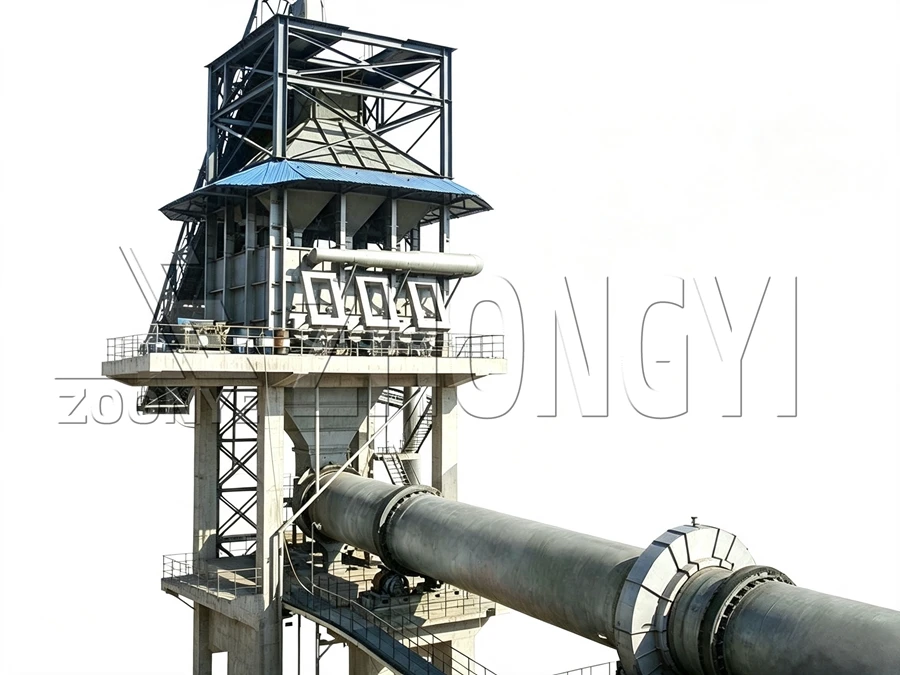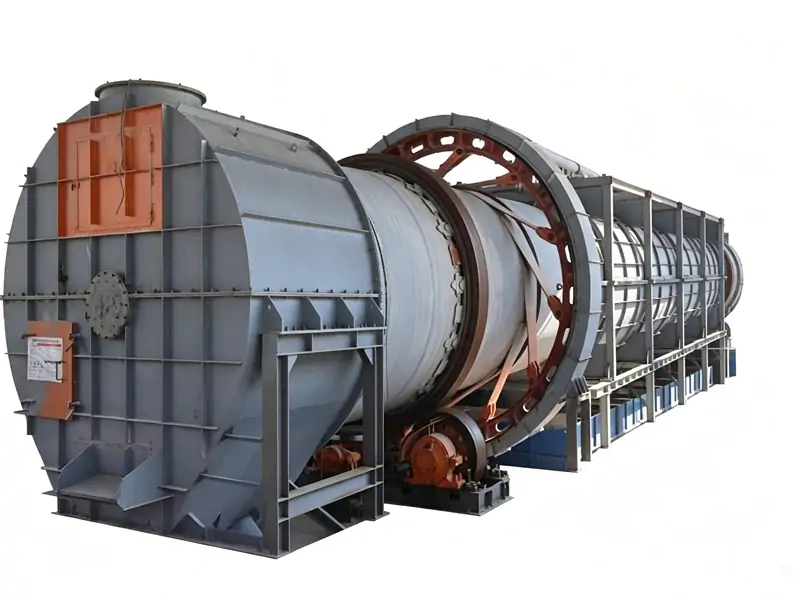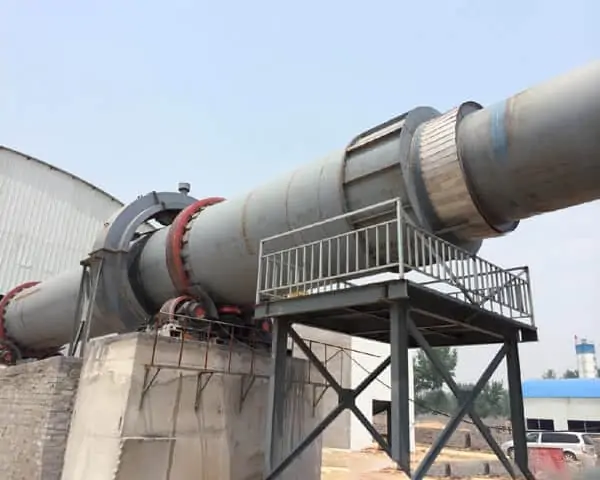












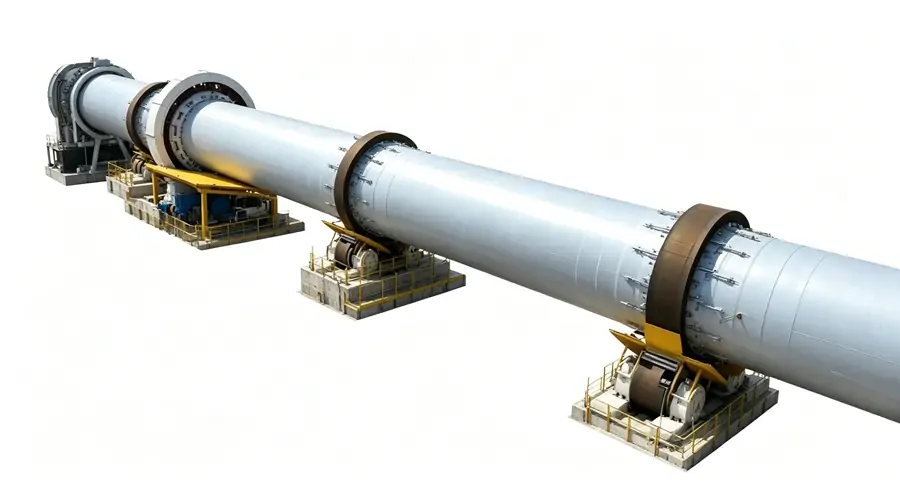
什么是煅烧窑?
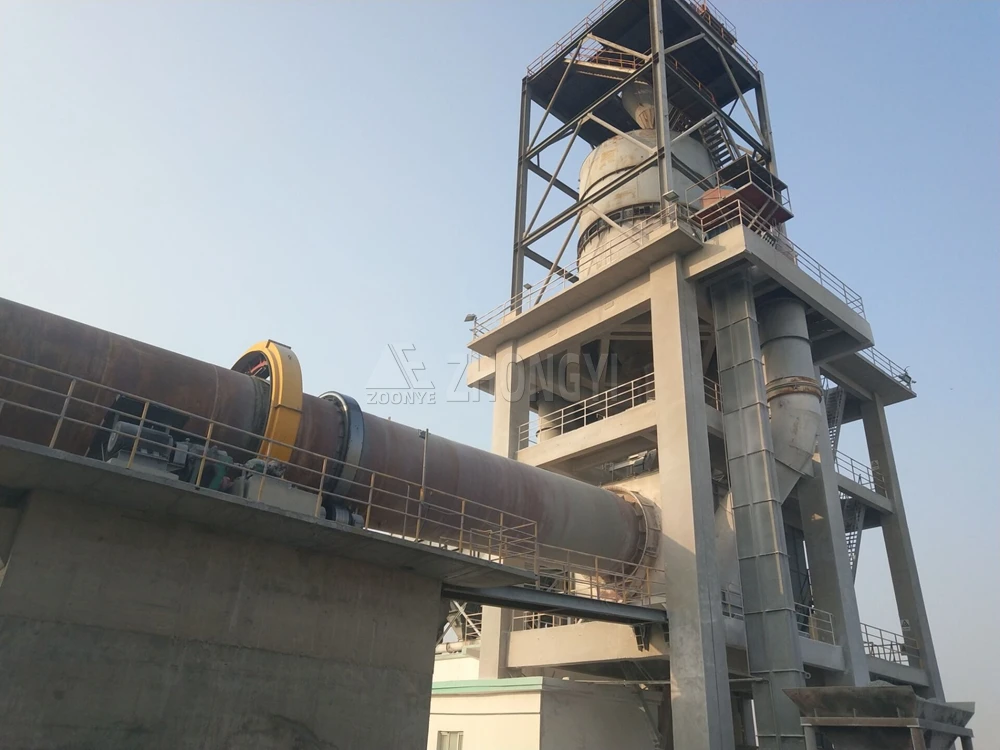
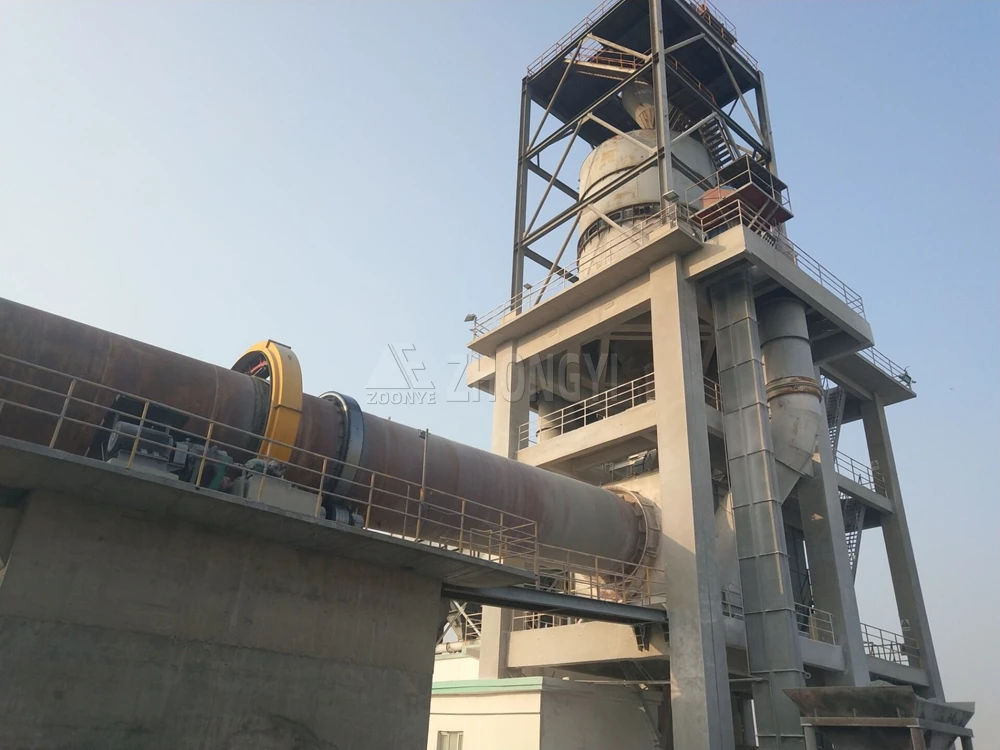
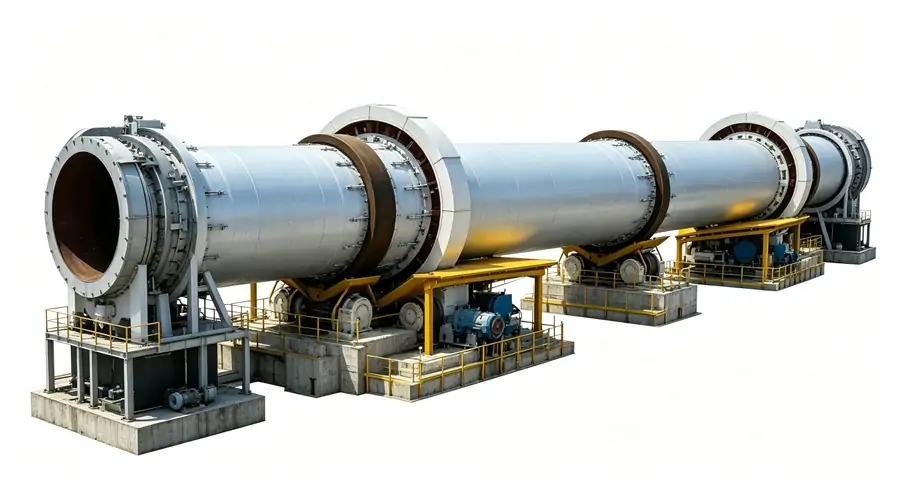
煅烧窑是一种专业的工业窑炉,用于矿物加工中提供受控热处理,以改变原料的物理和化学特性。与常规加热设备不同,煅烧窑设计用于维持特定温度区间和物料停留时间,确保矿物在连续运行过程中达到所需的反应程度。.
在采矿应用中,回转煅烧窑通常因其能够在稳定热条件下处理大量矿物物料而被选用。与竖窑和流化床煅烧炉相比,回转窑对不同物料粒度、组成和生产要求具有更强的适应性,使其适用于矿石焙烧、矿物活化和工业矿物加工等应用。.
煅烧窑如何工作?
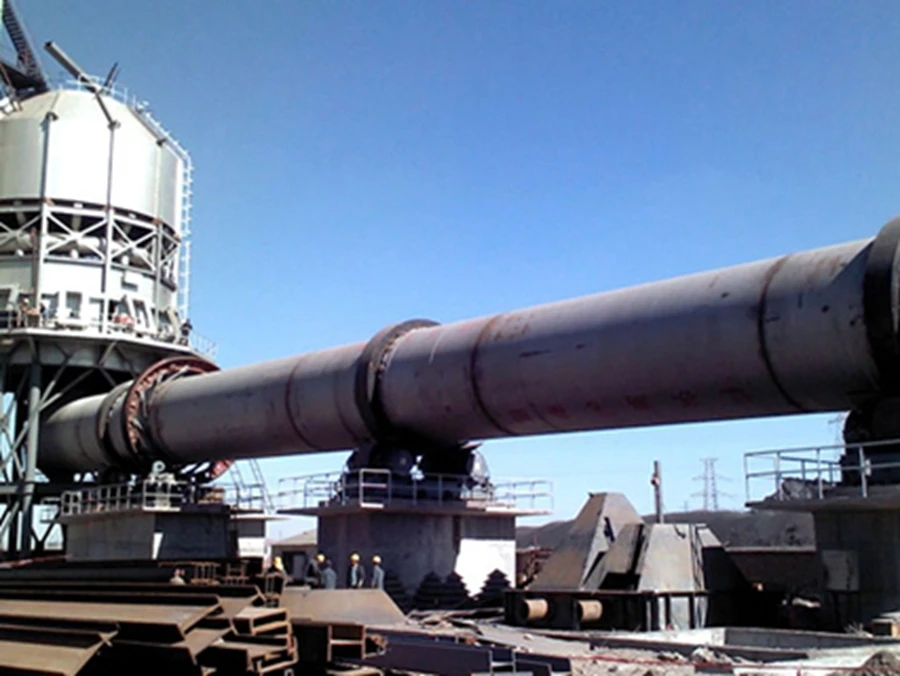
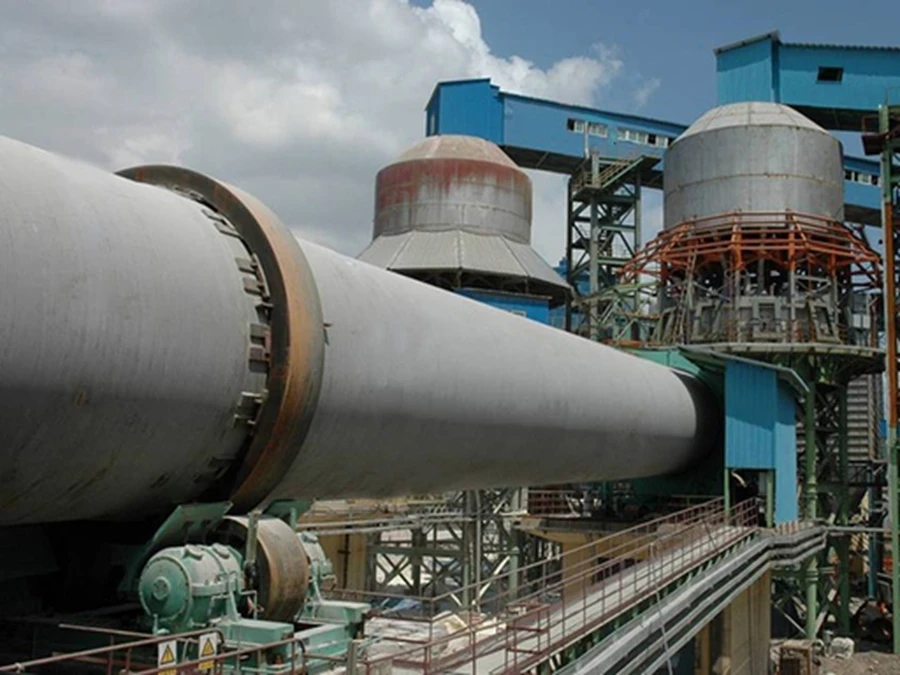
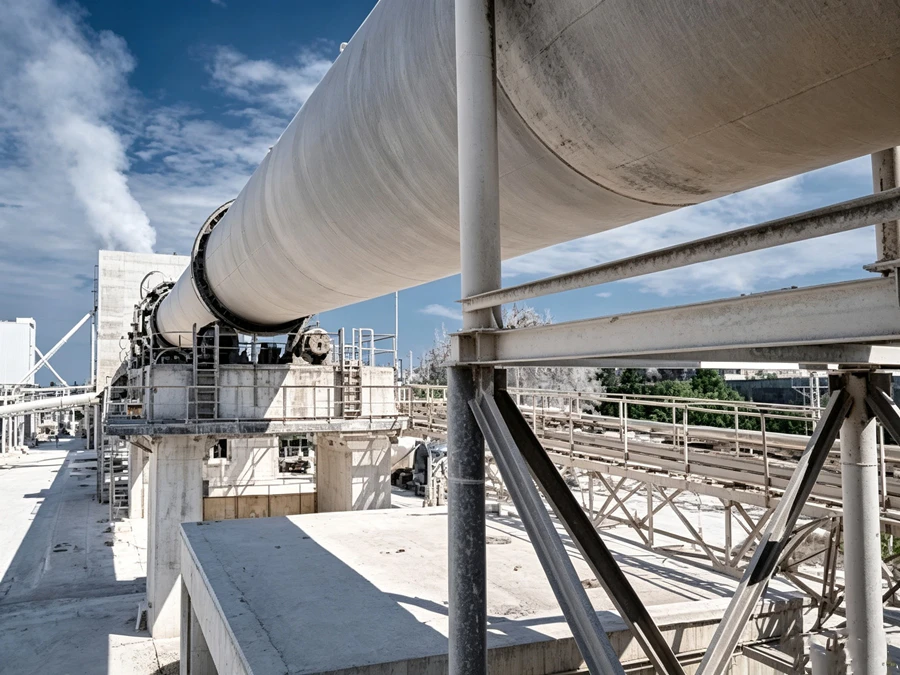
回转煅烧窑通过连续的物料移动和受控传热进行运行。矿物物料通过给料系统进入窑内后,沿倾斜旋转筒体逐渐移动,同时被反复提升和混合。在此过程中,物料经过不同的温度区域,包括预热区、高温反应区和冷却区,根据具体矿物特性发生干燥、分解、焙烧或相变反应。.
以下章节说明各阶段如何促进稳定热处理,包括物料给料和移动、热交换和矿物反应,以及冷却和最终产品排出。.
物料给料和移动
经过破碎、筛分或预处理后,矿物物料被送入回转窑。倾斜的窑体缓慢旋转,使物料在重力和摩擦力作用下向前移动,同时在窑内被提升和翻转。.
窑的旋转确保物料连续混合和移动,有助于保持均匀加热、适当的停留时间和一致的煅烧结果。.
加热和热反应
燃烧器系统向窑提供热量,窑的旋转运动使物料与热气体接触以实现高效传热。随着温度升高,矿物根据其特性和加工要求发生不同反应,如煅烧、脱水、氧化或还原焙烧。.
温度、气体气氛和物料停留时间经过调节,以实现不同矿物应用所需的处理效果。.
冷却和产品排出
热处理完成后,处理后的物料从窑中排出并送至冷却系统。冷却降低物料温度,改善处理条件,并有助于回收余热以提高能源利用率。.
主要部件
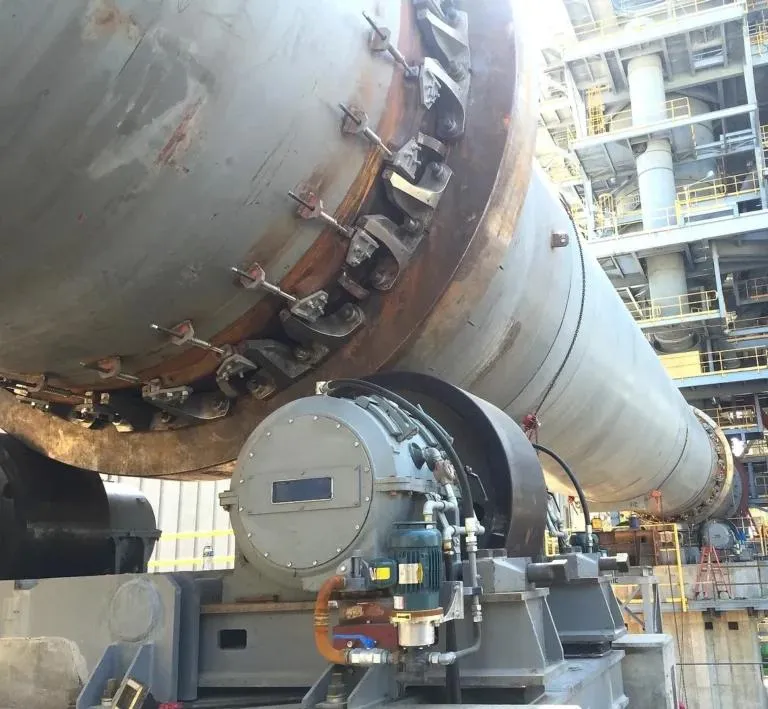
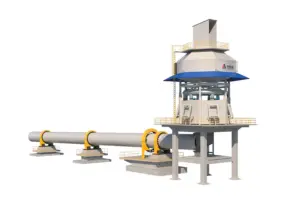
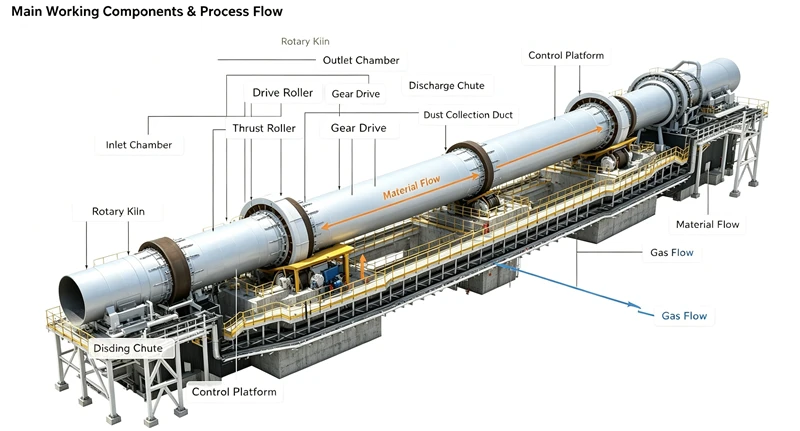
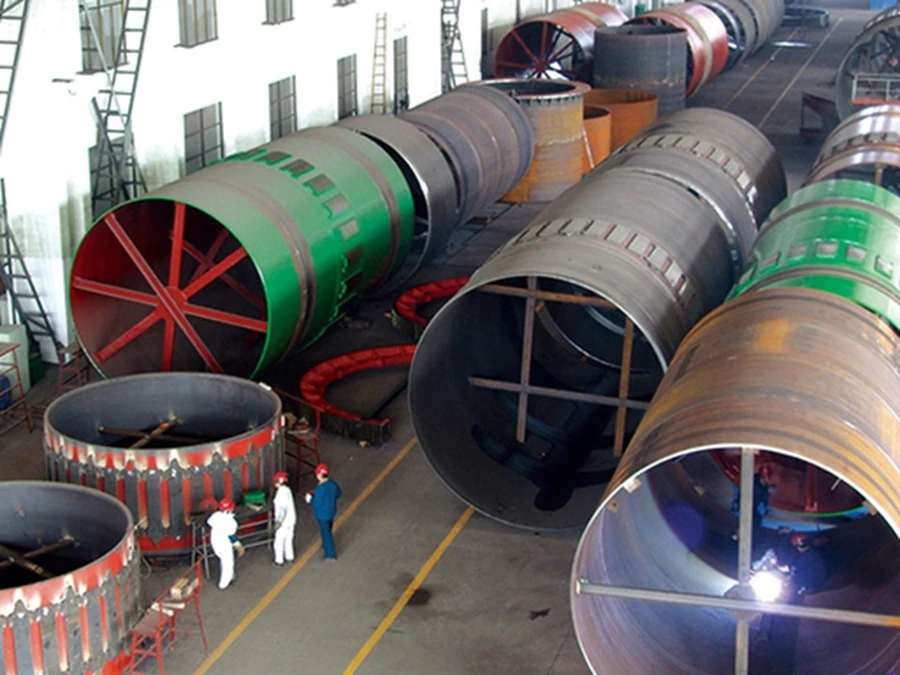
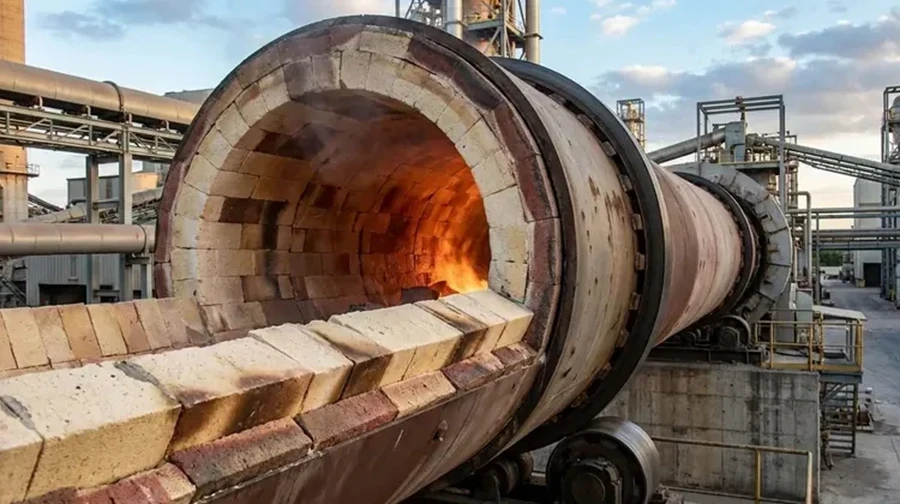
矿物工业煅烧窑集成了给料、加热、旋转和排料系统以完成连续热处理。回转窑筒体、燃烧器系统和驱动机构是控制物料移动、传热和加工条件的主要部件。.
煅烧窑的辅助系统
除上述主要部件外,煅烧窑系统还包括若干辅助单元,用于支持物料给料、热管理、粉尘控制和产品处理。这些部件的功能概述如下:
| 部件 | 功能 |
| 给料装置 | 连续向窑内给料 |
| 耐火衬里 | 保护窑筒体免受高温影响 |
| 除尘系统 | 收集废气和粉尘 |
| 冷却系统 | 冷却处理后的物料并回收热量 |
回转煅烧窑技术规格
Zhongyi Mining回转煅烧窑设计有不同的尺寸和配置,适用于各种矿物加工应用。窑的设计可根据物料特性、所需产能和特定煅烧条件进行定制。.
| 参数 | 规格 |
| 窑类型 | 回转煅烧窑 |
| 筒体直径 | 1200–4700 毫米 |
| 筒体长度 | 25000–72000 毫米 |
| 倾角 | 0.2–4% |
| 处理能力 | 3–150 吨/小时 |
| 转速 | 7–190 rpm* |
| 电机功率 | 15–550 千瓦 |
| 设备重量 | 34–795 吨 |
注:转速因窑炉型号和传动配置而异。.
典型型号规格
| 型号 | 筒体直径 (mm) | 筒体长度 (mm) | 产能(t/h) | 电机功率 (kW) | 重量(t) |
| YZ1225 | 1200 | 25000 | 3 | 22 | 34 |
| YZ1828 | 1800 | 28000 | 3.5 | 30 | 59 |
| YZ2245 | 2200 | 45000 | 3.5 | 45 | 125 |
| YZ2820 | 2800 | 20000 | 3 | 75 | 186 |
| YZ3560 | 3500 | 60000 | 4 | 125 | 348 |
| YZ4272 | 4700 | 72000 | 3.5 | 550 | 795 |
优势
回转煅烧窑常用于需要连续加热、受控物料移动和稳定热条件的矿物加工领域。回转窑结构使物料能够均匀受热,而可调运行参数为不同矿物处理工艺提供了灵活性。这些特点使工业回转煅烧窑适用于大规模生产、多种原料以及需要精确煅烧控制的应用场景。.
应用领域
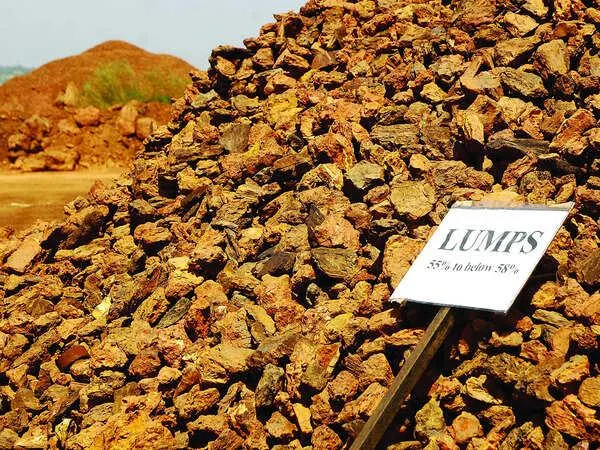
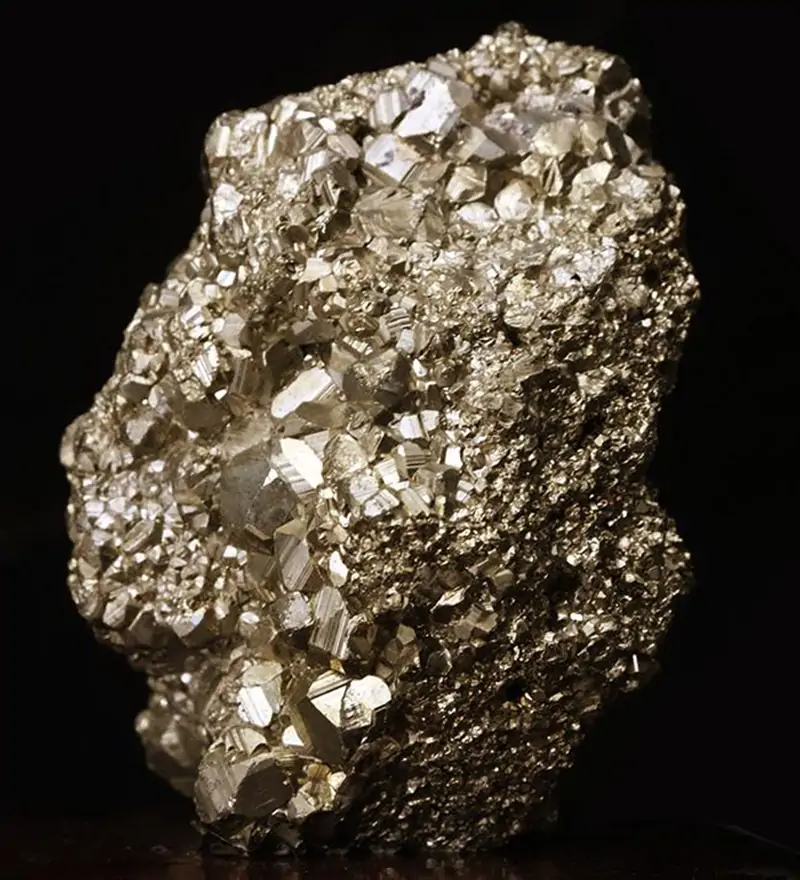
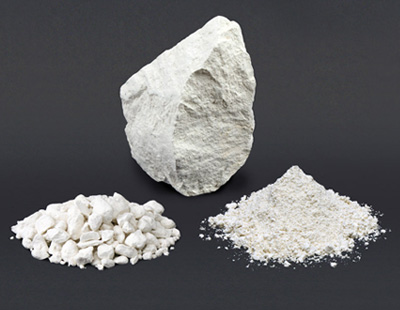
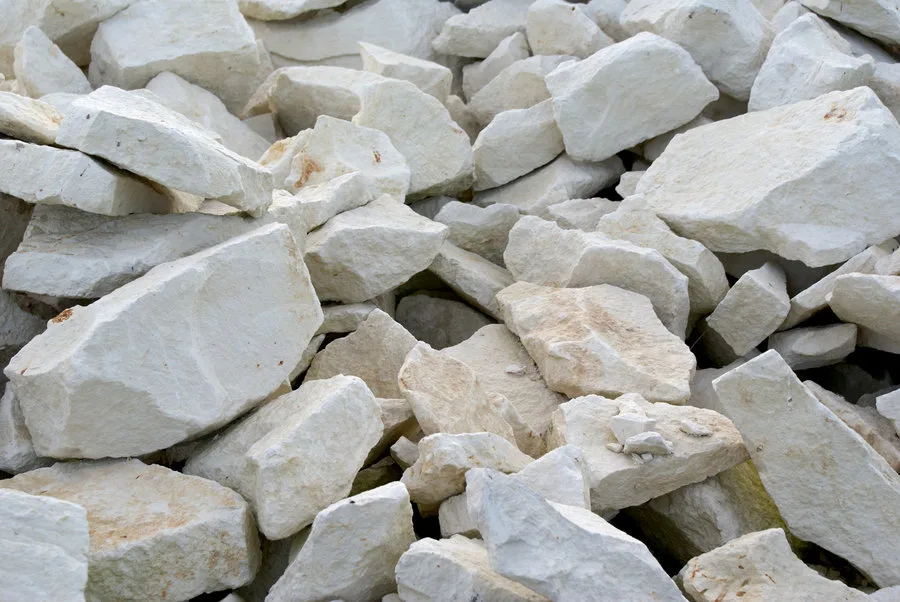
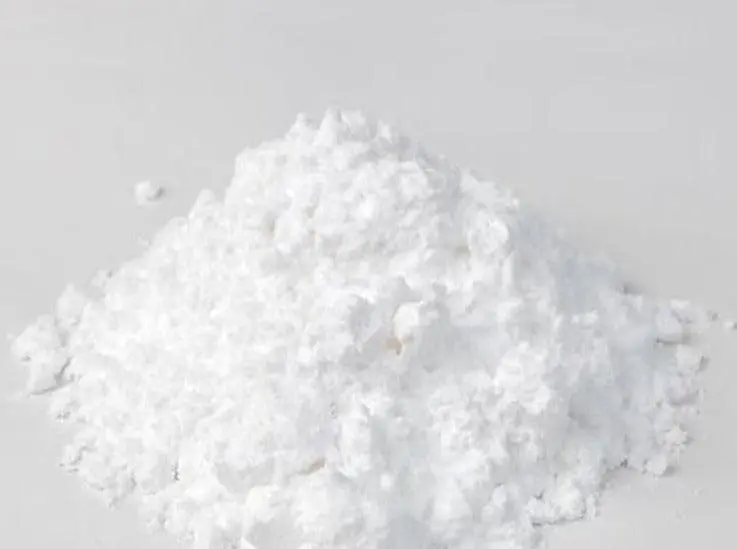
煅烧窑在矿物加工中发挥着重要作用,通过受控加热和焙烧来改变矿物特性。通过调节温度、停留时间和窑内气氛,该设备可实现脱水、氧化、还原和相变等过程,为矿物的进一步选矿或提取做好准备。根据不同的矿物性质和加工目标,工业煅烧窑应用于多个领域,包括铁矿石磁化焙烧、硫化矿物氧化焙烧、高岭土煅烧、碳酸盐矿物分解和锂矿处理。.
回转煅烧窑与其他煅烧设备的对比
煅烧设备的选择取决于物料特性、产能要求和工艺条件。回转煅烧窑因其连续运行和广泛的物料适应性而优先用于大规模矿物加工,而竖窑和流化床煅烧炉则根据特定物料和工艺要求选用。.
设备实际对比
| 对比项目 | 回转煅烧窑 | 竖窑 | 流化床煅烧炉 |
| 处理能力 | 高 | 中 | 中 |
| 物料适应性 | 适用于块状、颗粒状和粉状物料 | 更依赖物料粒度和特性 | 主要适用于细颗粒 |
| 温度控制 | 通过窑速和加热条件实现灵活控制 | 中等控制 | Precise temperature control |
| Operation Mode | 连续运行 | 连续运行 | 连续运行 |
| Large-Scale Mineral Processing | Highly suitable | Suitable for specific applications | Suitable for specialized processes |
| Maintenance Requirements | Relatively simple structure and maintenance | Moderate | Higher technical requirements |
How to Choose the Right Calcination Kiln?
Choosing the right industrial calcination kiln requires careful consideration of raw material characteristics, thermal reaction requirements, production capacity, fuel conditions, and emission standards. The correct kiln configuration helps achieve uniform calcination, optimize energy consumption, and maintain reliable operation for long-term industrial production.
Evaluate Mineral Characteristics
Raw material properties are essential for selecting the right calcination kiln. Factors such as chemical composition, particle size, moisture content, and thermal reaction behavior determine the required temperature, residence time, and kiln configuration. Proper evaluation helps achieve uniform heating, efficient calcination, and consistent product quality.
Define the Required Thermal Process
The required thermal process determines kiln configuration and operating conditions. Calcination, oxidation roasting, reduction roasting, and activation treatment each require specific temperature control and residence time. Defining the target reaction helps select a suitable kiln system for consistent processing results.
Match Production Capacity Requirements
Production capacity determines the required kiln size, throughput, and system configuration. Selection should be based on expected daily output, current plant requirements, and possible future expansion. Proper sizing helps maintain reliable operation while controlling energy consumption and equipment investment.
Consider Fuel and Energy Conditions
Fuel type affects operating costs, temperature control, and emission requirements. Gas-fired kilns offer precise control and cleaner combustion, coal-fired kilns provide cost advantages where coal is available, and alternative fuels can reduce dependence on conventional energy sources. The selection should match local fuel availability, production needs, and environmental standards.
Meet Environmental Protection Requirements
Environmental requirements are important considerations in calcination kiln selection. Dust collectors, exhaust gas treatment systems, and heat recovery units help control emissions, improve energy utilization, and reduce fuel consumption. A properly configured kiln system can meet regulatory standards while lowering long-term operating costs.
Consider Reliability and Total Operating Cost
Beyond initial specifications, buyers should evaluate equipment durability, maintenance requirements, spare parts availability, automation level, and after-sales support. The total cost of ownership, including fuel consumption, labor, maintenance, and service life, should also be considered. A reliable kiln system helps reduce downtime and achieve better long-term operating performance.
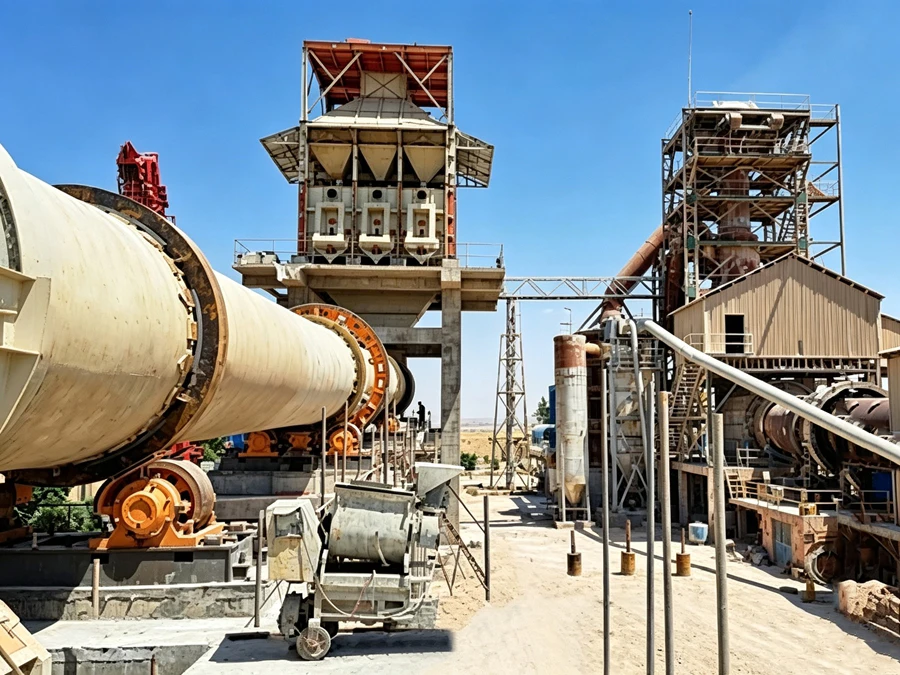
Custom Solutions for Different Calcination Requirements
Every mineral processing project has different requirements in terms of material characteristics, production capacity, and application conditions. Zhongyi Mining provides customized calcination kiln solutions based on your specific needs, including equipment selection, process design, and system configuration. Share your material information, expected output, and project requirements with our engineering team, and we will develop a suitable solution to match your production goals.
For complete processing needs, we also provide integrated calcination plant solutions covering equipment selection, process optimization, and complete plant configuration. Contact Zhongyi Mining today to discuss your project requirements and receive a customized solution from our technical experts.
请提供以下信息:
为什么选择Zhongyi?
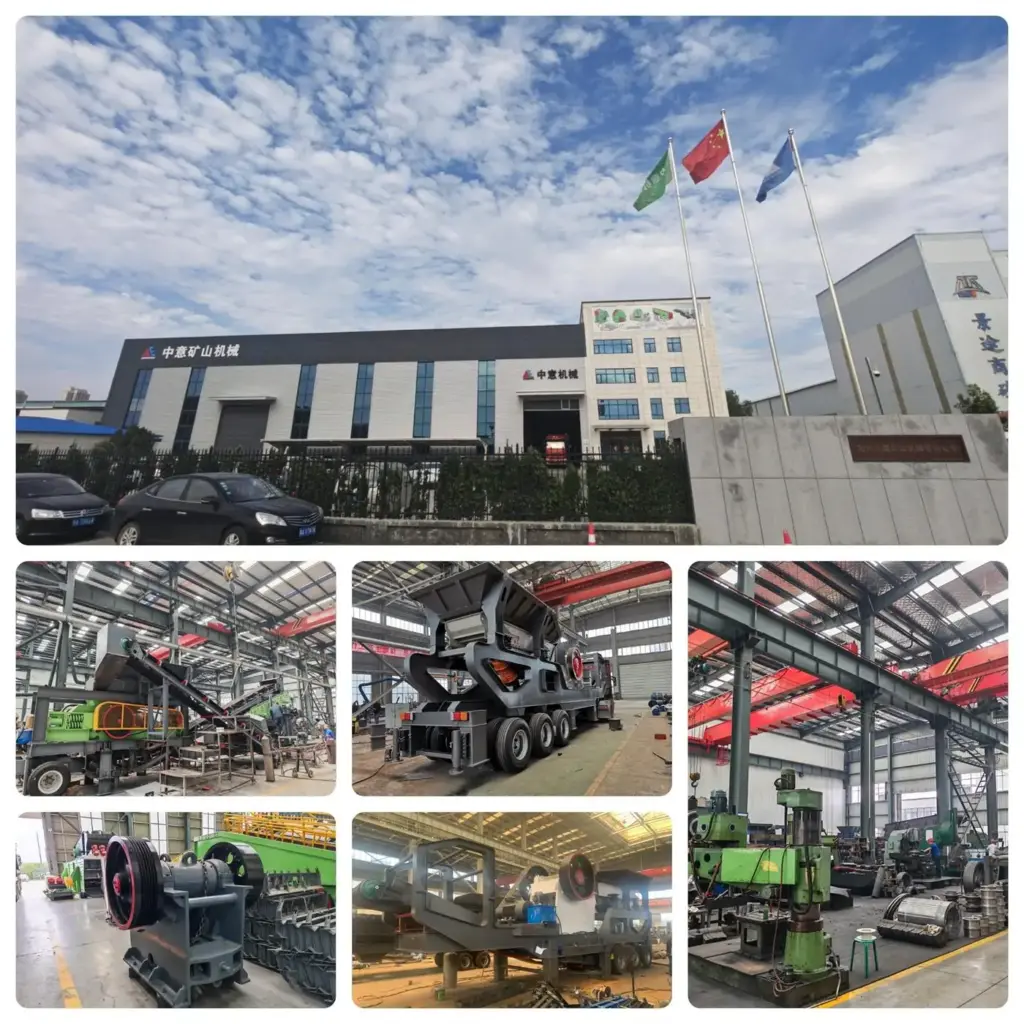
With extensive experience in mining and industrial equipment manufacturing, Zhongyi Mining ,as a professional calcination kiln manufacturer provides reliable calcination kiln solutions tailored to different material characteristics and production requirements. Our engineering team combines practical industry knowledge with advanced design methods and strict quality control to deliver equipment with reliable performance, operational safety, and long service life. From equipment design and manufacturing to final delivery, every project follows professional engineering standards and quality management procedures.
Beyond equipment supply, Zhongyi Mining provides complete project support, including process consultation, customized equipment configuration, installation guidance, and after-sales service. With strong manufacturing capabilities and technical expertise, we help customers reduce operational risks, improve production efficiency, and achieve stable thermal processing performance for long-term industrial applications.
获取定制方案
Work with Zhongyi Mining to develop a calcination kiln solution tailored to your material characteristics, production capacity, and thermal processing needs. Our engineering team provides customized design, reliable equipment, and complete project support to help achieve efficient and stable kiln operation.
常见问题
What factors should be considered when selecting a calcination kiln?
The selection of a rotary kiln for calcination depends on material characteristics, required thermal process, production capacity, fuel availability, and environmental requirements. Factors such as material composition, moisture content, particle size, and final product quality requirements should be evaluated before choosing the suitable kiln configuration.
What materials can be processed by a calcination kiln?
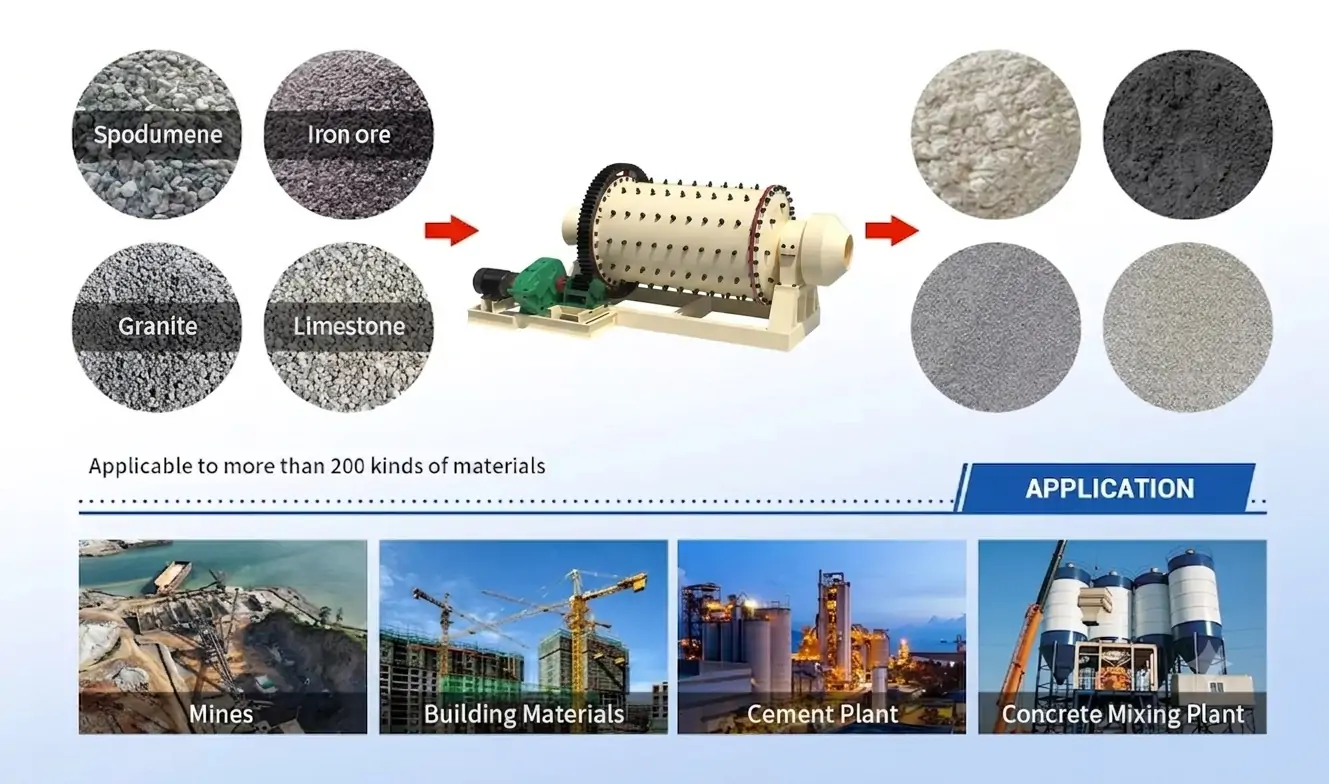
Calcination kilns are widely used for processing limestone, gypsum, clay, bauxite, and other mineral materials. The suitable kiln design depends on the material properties, required calcination temperature, and production objectives.
How do I determine the right kiln capacity for my project?
Kiln capacity should be selected based on required daily output, material characteristics, and future production plans. An appropriately sized kiln helps maintain stable operation while avoiding excessive investment and unnecessary energy consumption.
What fuel options are available for rotary kiln for calcinations?
Calcination kilns can be designed for different fuel conditions, including natural gas, coal, biomass, and alternative fuels. The suitable fuel system depends on local energy availability, operating costs, and emission requirements.
How can a calcination kiln improve energy efficiency?
Energy efficiency can be improved through optimized combustion systems, proper temperature control, heat recovery systems, and suitable kiln design. A well-configured kiln reduces fuel consumption while maintaining consistent calcination performance.
What information is required for a customized calcination kiln solution?
To design a suitable solution, customers should provide raw material information, required capacity, thermal process requirements, fuel conditions, and project site details. Our engineering team evaluates these factors to recommend the appropriate kiln configuration.
How do you ensure the reliability of your rotary kiln for calcination equipment?
Zhongyi Mining applies professional engineering design, strict manufacturing standards, and quality control procedures throughout production. Each kiln solution is designed according to operating conditions to achieve reliable performance and long service life.
Do you provide complete calcination production line solutions?
Yes. Zhongyi Mining provides integrated calcination solutions, including kiln selection, auxiliary equipment configuration, process design, installation support, and technical services to meet different industrial production requirements.