










简介
Choosing a granite jaw crusher is an important decision for quarry operators and aggregate producers, especially when processing large, abrasive rock. The crusher must handle the maximum feed size, maintain the required throughput, and deliver material suitable for the next crushing stage. A machine that is undersized for the feed or poorly matched to the production target can restrict plant output and increase maintenance demands. For buyers, the challenge is to select a crusher that fits the actual operating conditions rather than relying on rated capacity alone.
The best jaw crusher for granite crushing depends on several factors, including feed size, material abrasiveness, required capacity, discharge setting, and downstream equipment requirements. These factors influence not only crushing performance but also jaw plate wear, maintenance needs, and the cost per ton of finished aggregate. This guide explains how to evaluate a granite jaw crusher, compare suitable configurations, and match the primary crusher with the rest of a granite crushing plant.
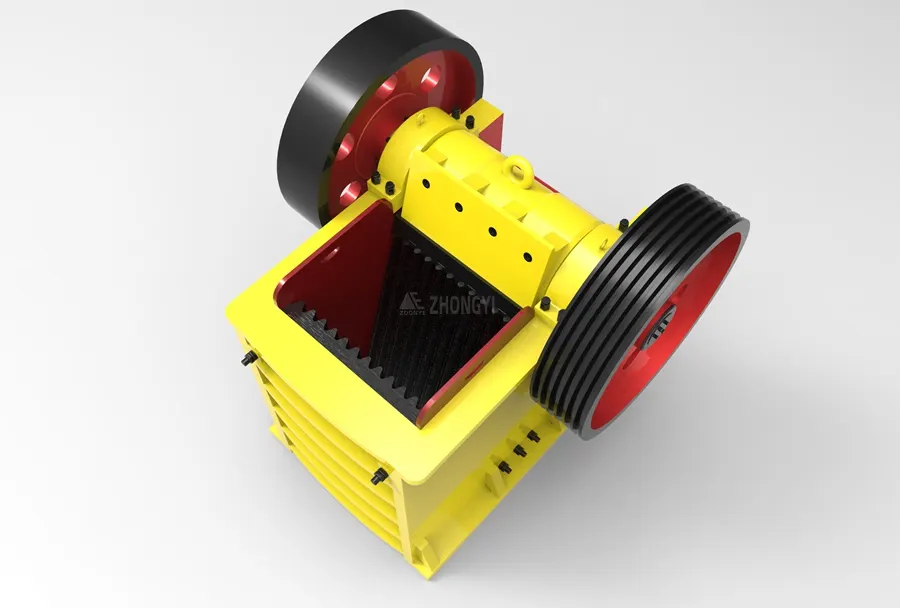
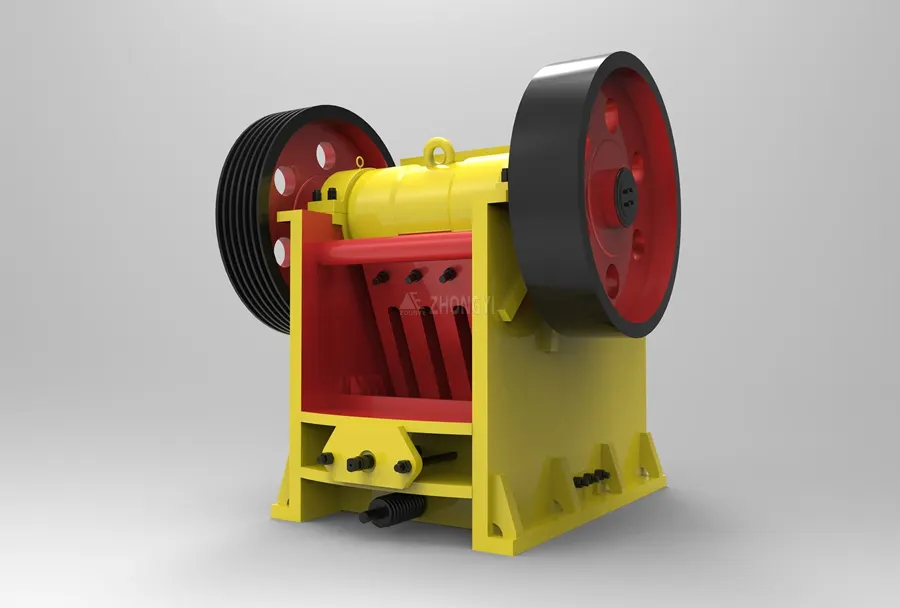
What Is a Jaw Crusher and How Does It Work?
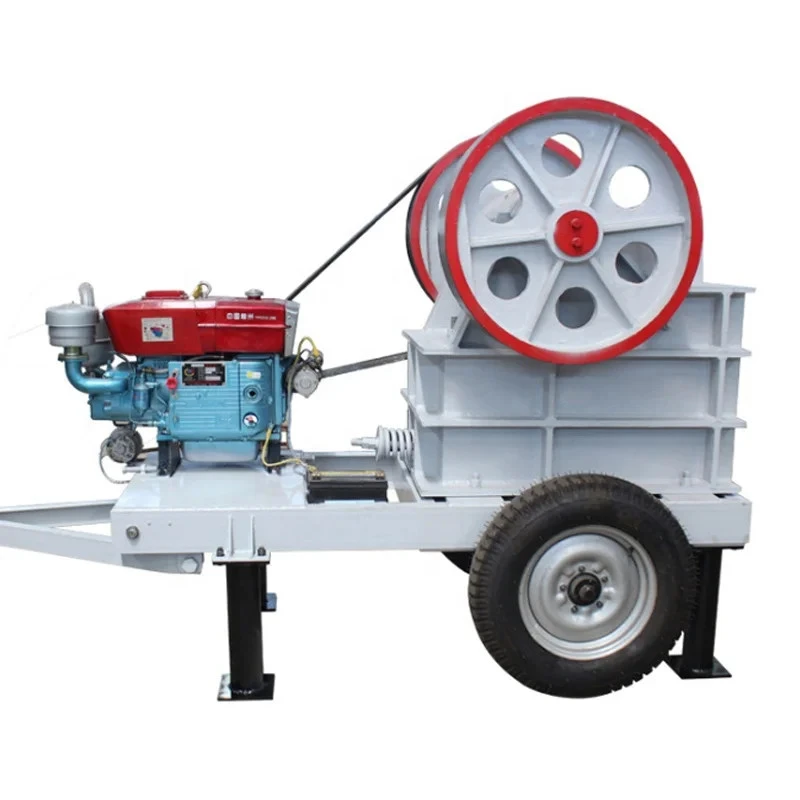
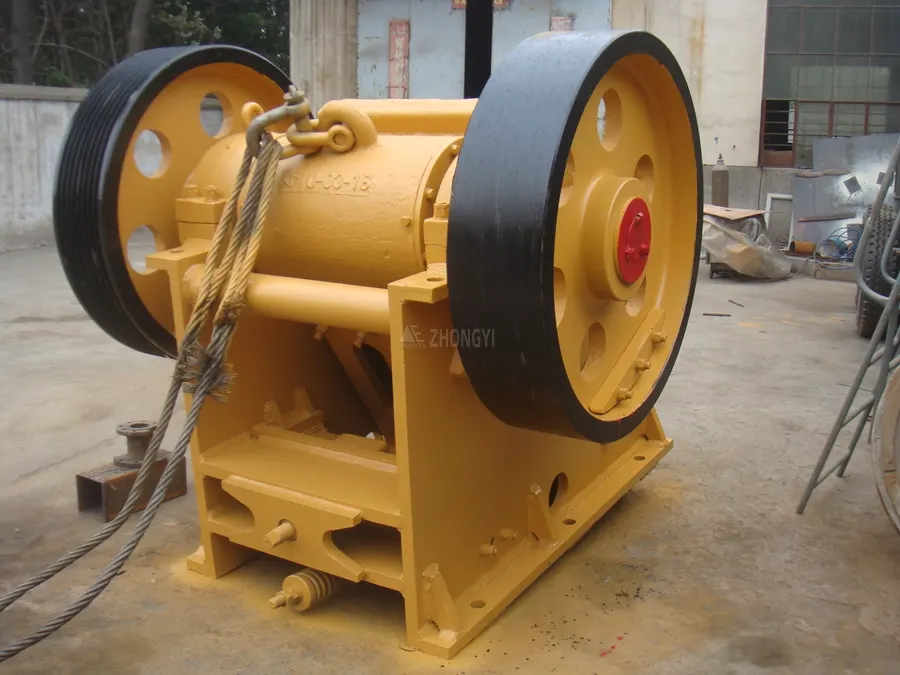
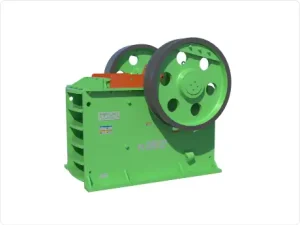
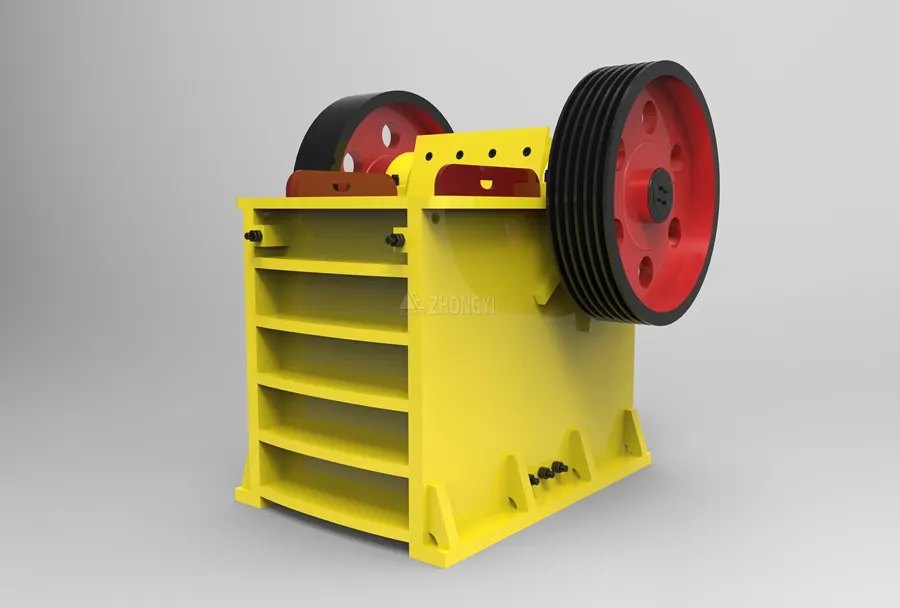
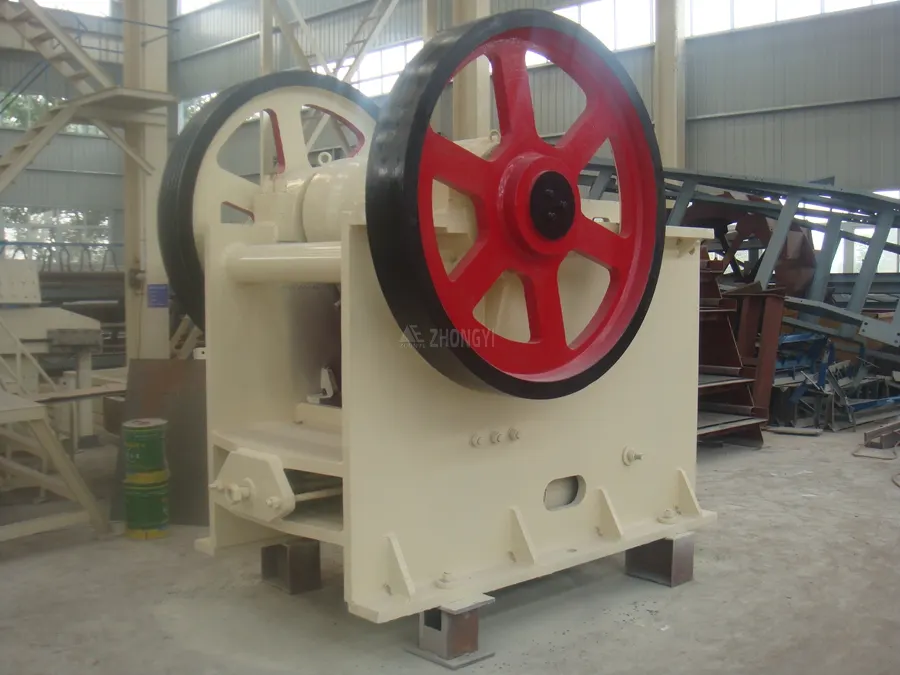
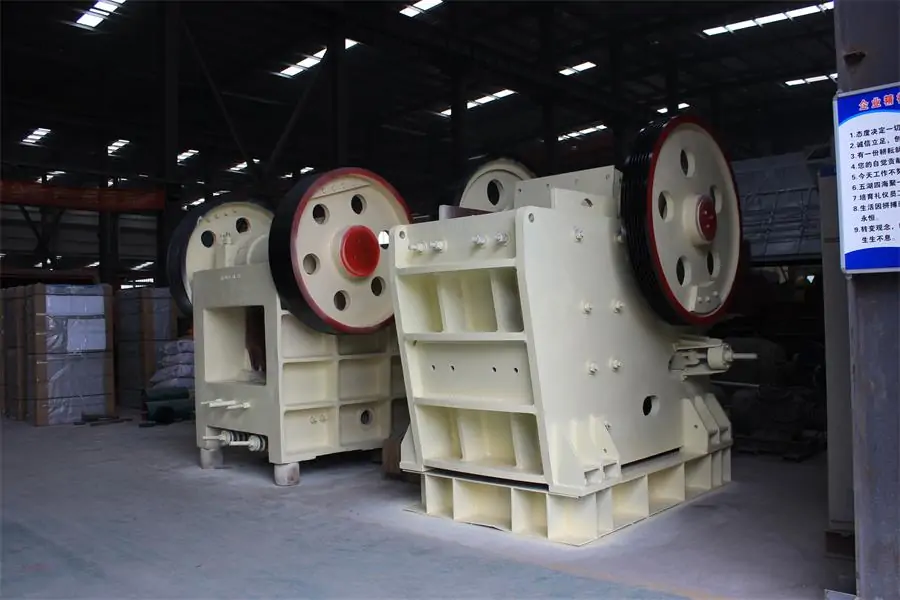
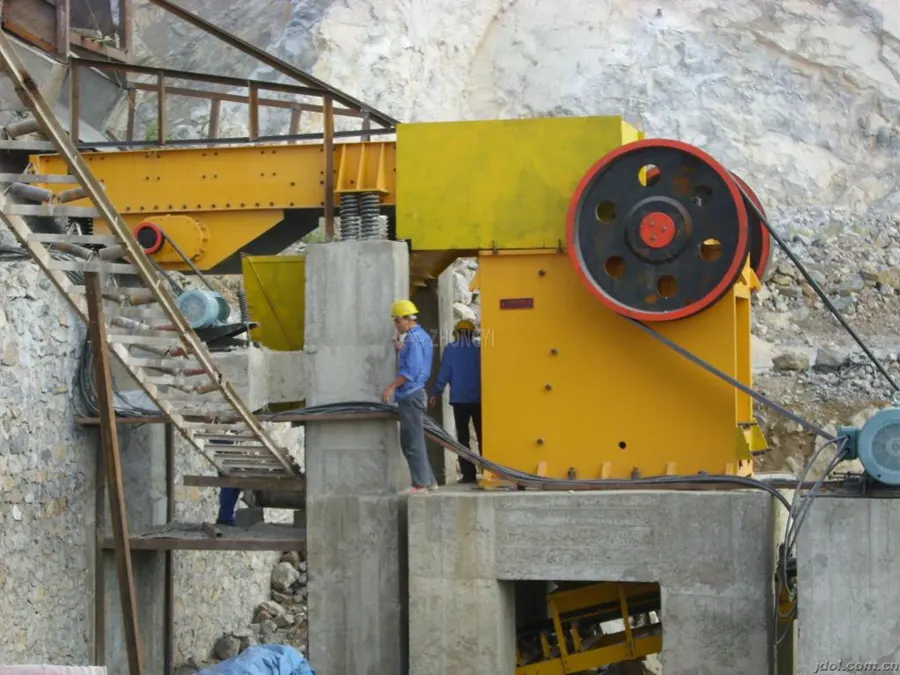
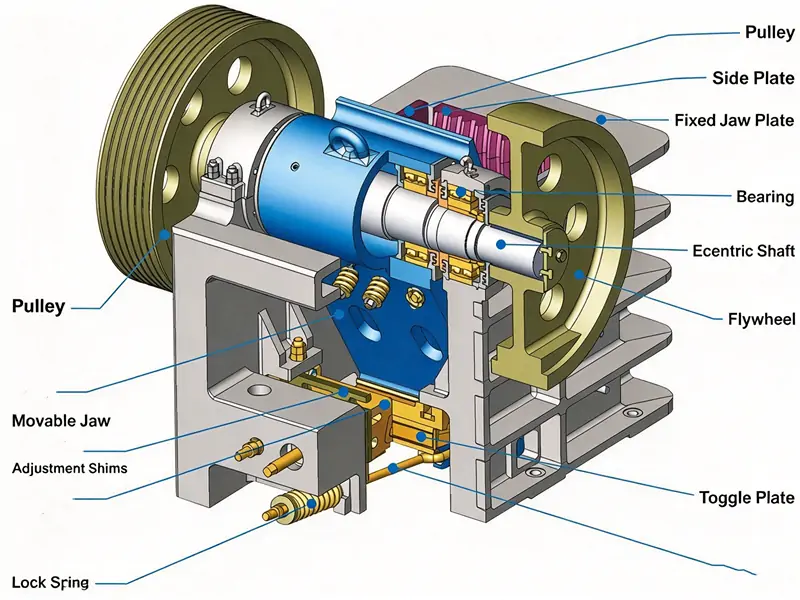
A jaw crusher reduces large rocks by compressing them between two jaw plates: one fixed and one moving. It is commonly used for primary crushing in quarries and mining operations, where blasted rock or run-of-mine material must be broken down before entering the next stage of processing.
The jaw crusher working principle is based on repeated compression. As the movable jaw approaches the fixed jaw, rock in the crushing chamber is compressed and fractured. When the movable jaw retreats, the broken material moves downward and exits through the discharge opening. The feed opening must accommodate the incoming rock size, while the discharge setting is selected according to the required product size and the feed requirements of downstream equipment, such as cone crushers, impact crushers, or screens.
What Is the Best Jaw Crusher for Granite Crushing?
For primary crushing of large, hard granite, a heavy-duty jaw crusher is usually a suitable starting point. The right model depends on the maximum feed size, required throughput, discharge opening, and the feed requirements of the next crushing stage. A larger crusher is not automatically the better choice if the feed is relatively small or the production target is modest.
When comparing a jaw crusher for granite, check whether the feed opening can accept the largest incoming rocks, whether the expected capacity matches the plant’s actual production target, and whether the discharge material suits the downstream cone crusher or screening system. For large quarries, a heavy-duty model may be appropriate; smaller operations may need a more compact machine. Final selection should be based on the material and operating conditions rather than capacity figures alone.
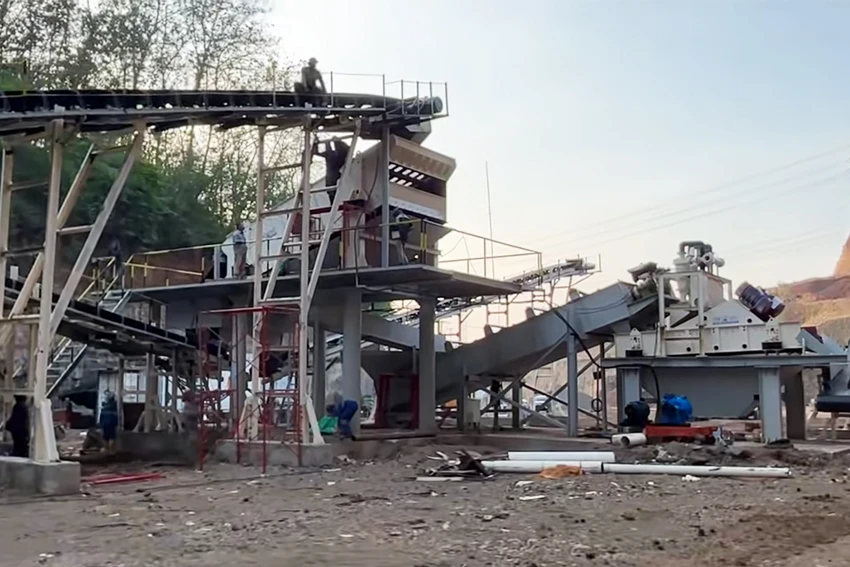
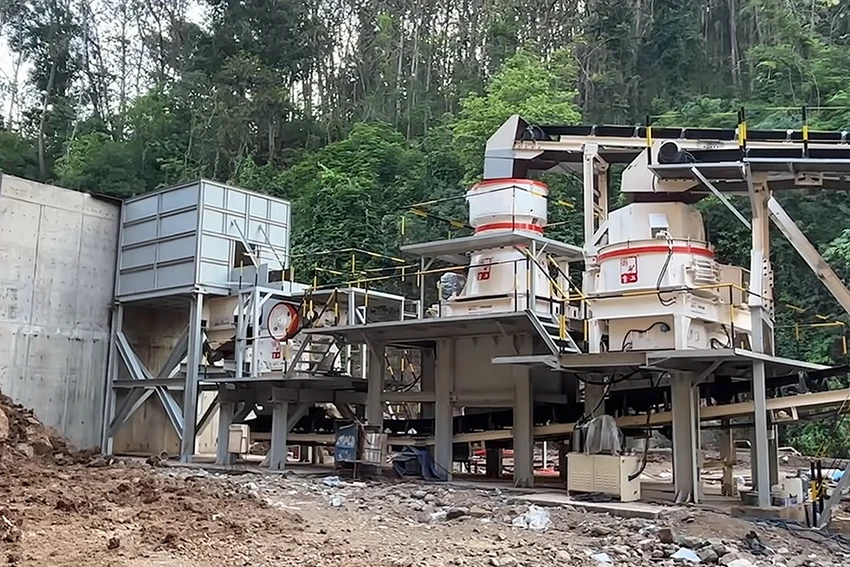
Why Granite Requires Careful Jaw Crusher Selection
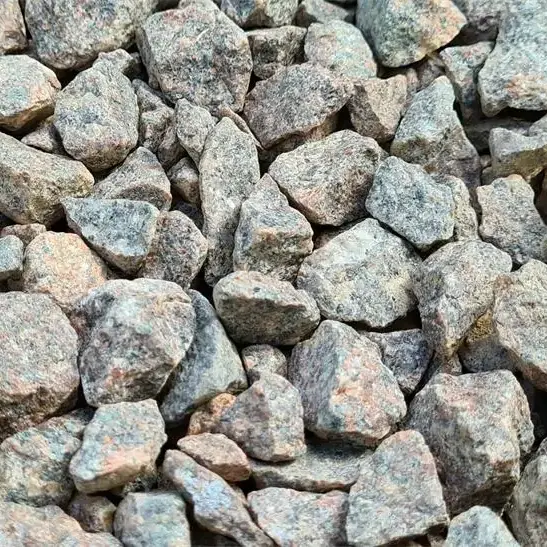
Granite contains quartz, feldspar, and mica, and its mineral composition and structure influence how abrasive it is during crushing. Actual jaw plate wear also depends on the feed characteristics and operating conditions. For granite crushing, the crusher must therefore be selected not only for the rock’s strength but also for the wear it may cause during continuous operation.
High abrasiveness can increase jaw plate consumption, replacement frequency, and maintenance downtime. Feed size and consistency also affect how effectively the crusher operates. Buyers choosing a hard rock jaw crusher should consider these operating factors alongside rated capacity and purchase price. In abrasive rock crushing, the more useful comparison is the cost of maintaining the required production rate over time, not simply the initial equipment cost.
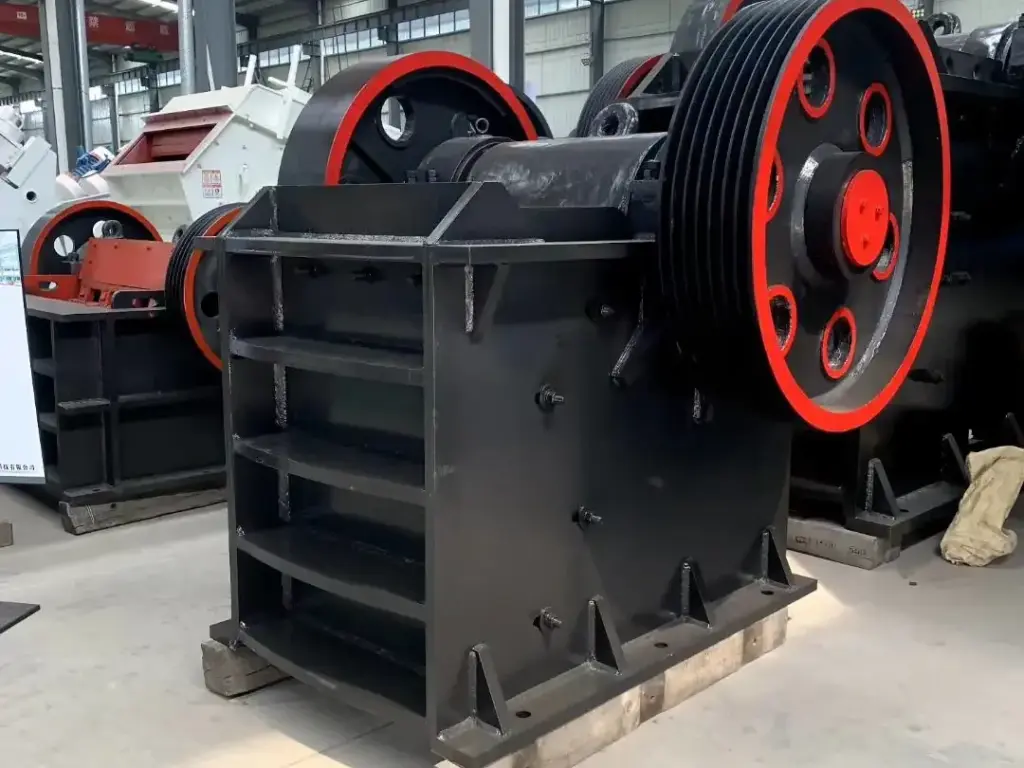
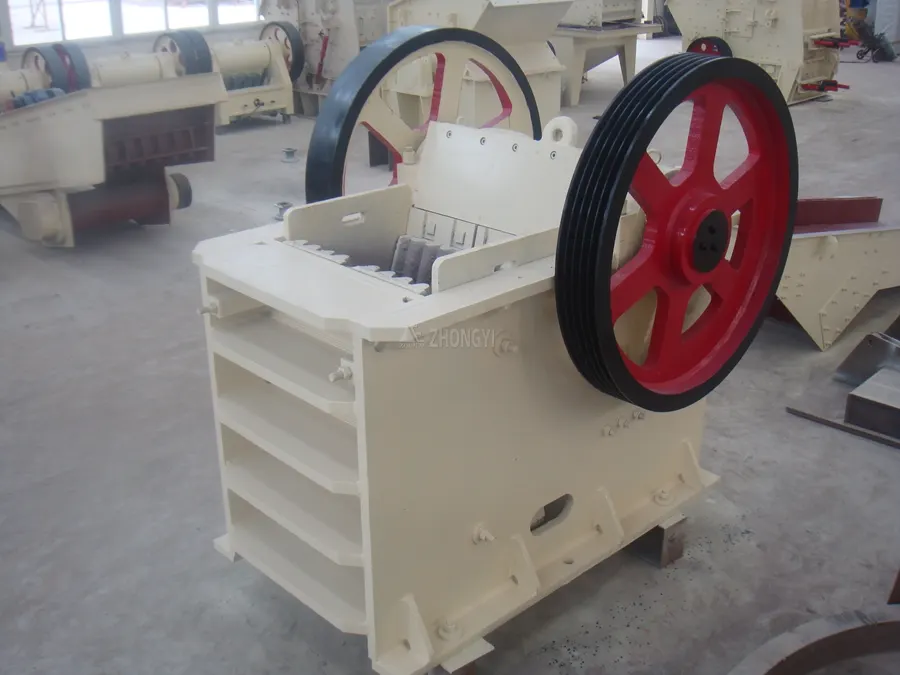
Main Factors When Choosing a Jaw Crusher for Granite
Choosing a granite jaw crusher machine requires matching the feed size, required capacity, discharge size, and wear-part options to the quarry’s operating conditions. Compare the manufacturer’s jaw crusher specifications with the actual material and production requirements.
Maximum Feed Size and Feed Opening
Check the maximum feed size allowed by the specific model and the dimensions of its feed opening. Large or irregular granite blocks may not enter the crushing chamber smoothly, even when the opening appears wide enough.
Use the actual blasted rock size to select the crusher and feeder. Oversized feed and uneven feeding can cause blockages and reduce production.
Required Capacity and Actual Throughput
A jaw crusher’s rated capacity does not guarantee the same output at every quarry. Actual jaw crusher capacity depends on feed size, granite properties, discharge setting, and feeding conditions.
When planning granite crushing plant capacity, specify the target feed rate, feed size range, required discharge size, and operating hours. Also check whether downstream equipment can handle the output. Distinguish between crusher throughput and final saleable aggregate when estimating jaw crusher tons per hour.
Discharge Setting and Downstream Feed Size
The jaw crusher discharge setting affects both output size and capacity. A smaller setting produces finer material but may reduce throughput and increase the machine’s operating load.
Choose the jaw crusher output size to suit the next processing stage. If a cone crusher follows the jaw crusher, the discharged material must fall within the cone crusher’s permitted feed range.
Jaw Plates, Wear and Maintenance Access
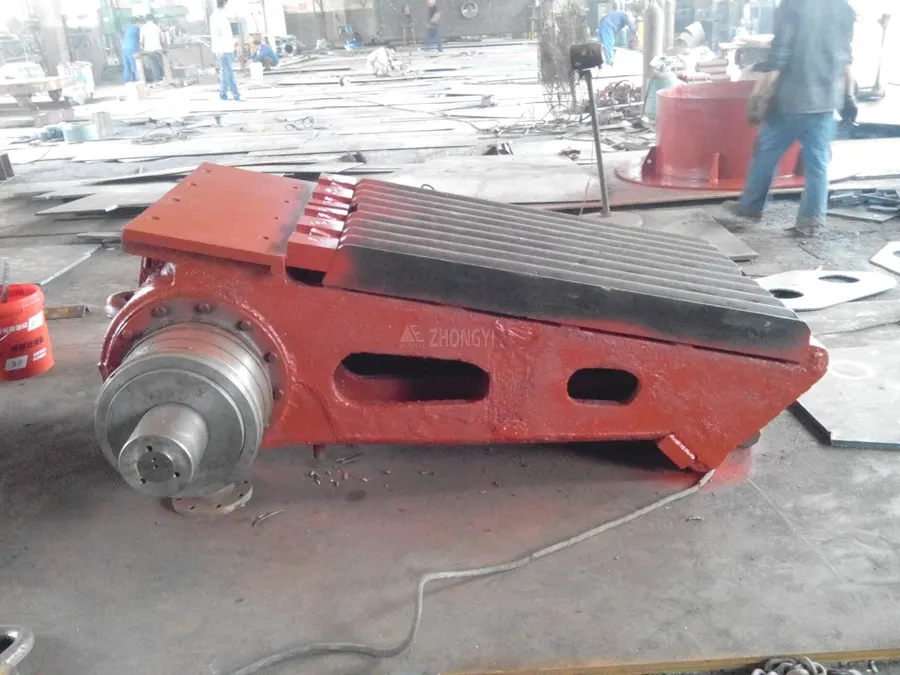
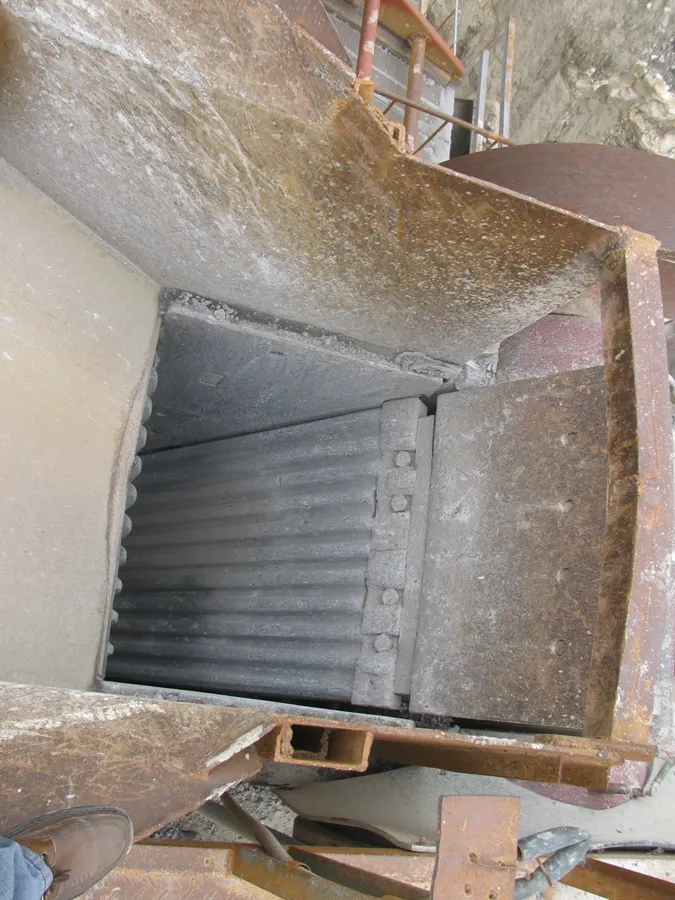
Jaw plate material and profile affect wear and crushing performance. High-manganese steel is commonly used, but the appropriate option depends on the granite and operating conditions. Ask the manufacturer to recommend suitable granite crusher jaw plates for the intended application.
Compare wear-part costs, replacement frequency, maintenance access, and spare-part availability. Actual wear rates vary with feed size, rock properties, and operating conditions, so use inspection records to plan replacements.
Motor Power and Operating Conditions
Motor power alone does not determine whether a heavy-duty jaw crusher is suitable for granite. The crushing chamber, feed opening, discharge setting, and required throughput must match the application.
When checking jaw crusher motor power, confirm the recommended configuration with the manufacturer. Also consider the site’s power supply, foundation, dust control, and access for routine maintenance.
For more guidance on matching feed size, output requirements, and machine specifications, see our guide to How to Choose the Right Jaw Crusher Machine.
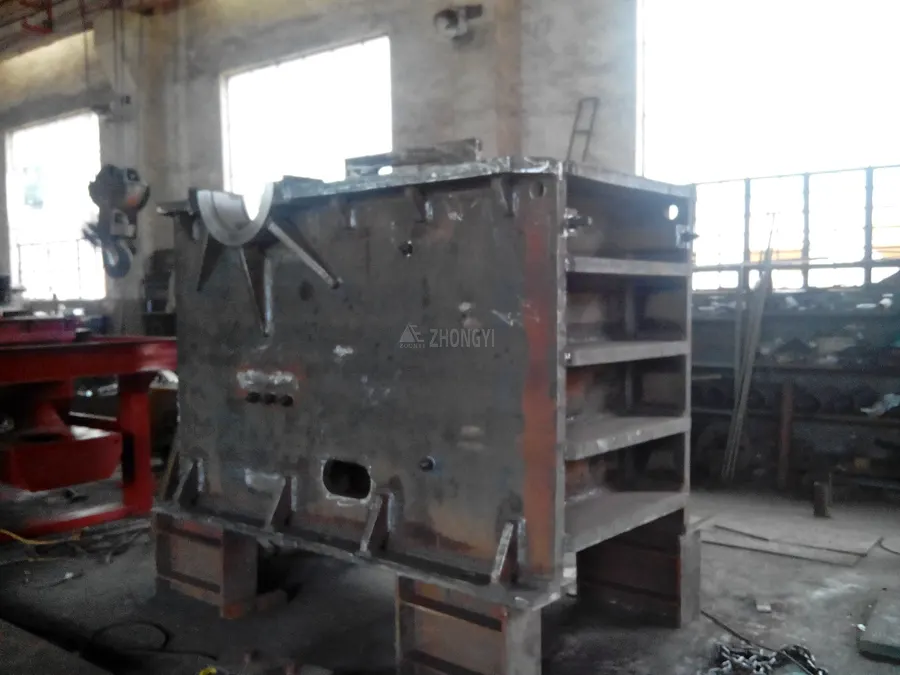
Which Jaw Crusher Configuration Fits Your Granite Project?
Choosing a granite jaw crusher machine starts with the required output and maximum feed size. The next step is to check whether the crusher fits the site’s layout and the equipment that follows it.
Small and Medium Granite Quarries
For small and medium quarries, choose a heavy-duty jaw crusher that can handle the largest feed size and meet the required hourly output. A smaller machine may cost less upfront, but an undersized feed opening or sustained overloading can lead to blockages and more downtime.
Check the rated capacity for the intended feed and discharge conditions. If a secondary crusher follows, make sure the jaw crusher’s output suits its feed requirements.
Large-Scale Granite Aggregate Production
In a large granite plant, the jaw crusher must work in step with the feeder, secondary crusher, screens, and conveyors. Even if the jaw crusher meets its rated capacity, a bottleneck in the next stage can limit overall production.
When comparing jaw crusher specifications, check the capacity and maximum feed size of the exact model. Confirm that the downstream equipment can handle the expected flow, including material returned for further crushing.
Mobile vs. Stationary Jaw Crusher
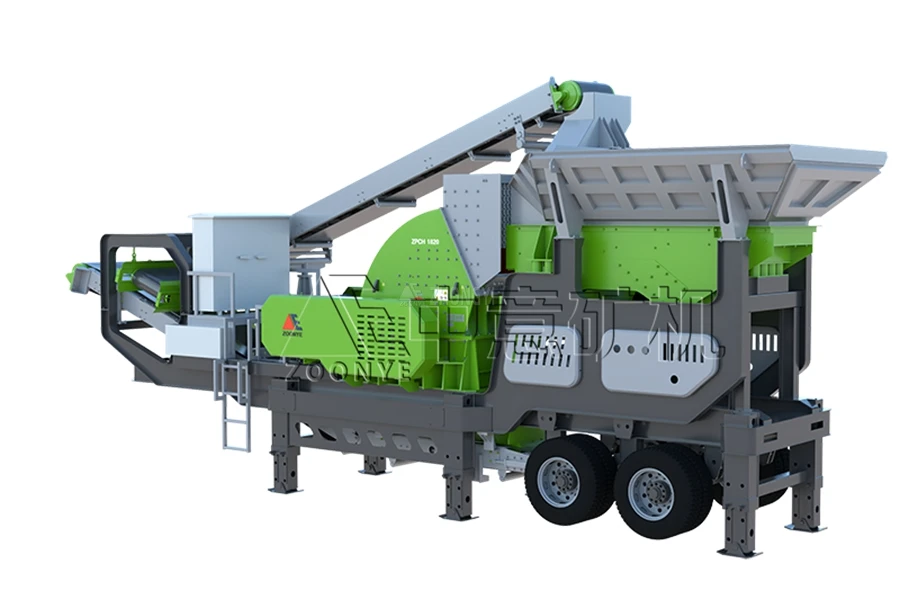
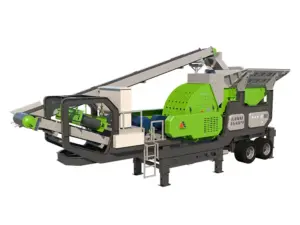
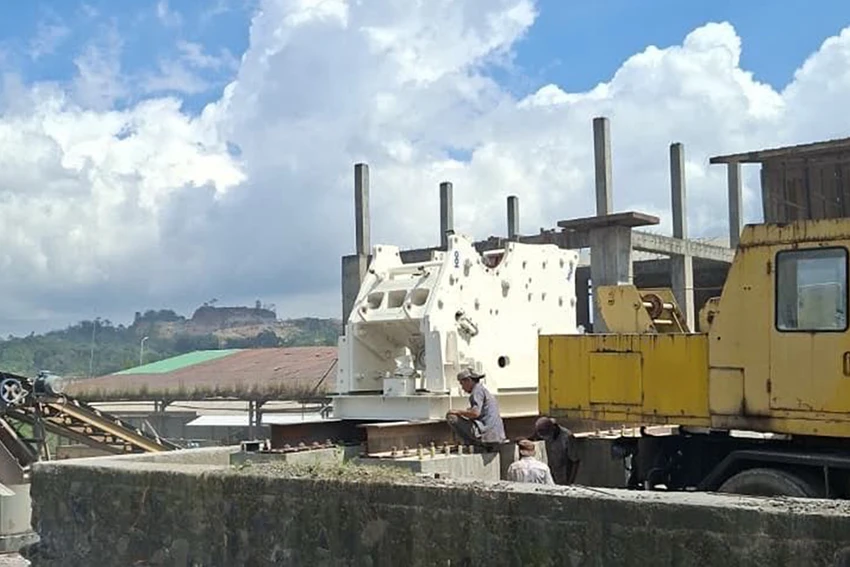
A stationary jaw crusher generally suits long-term quarry operations with a stable site layout. A mobile jaw crusher for granite may be a better fit when equipment needs to move between work areas or temporary sites.
Compare relocation frequency, transport and site preparation costs, and maintenance access before deciding. A mobile unit may reduce relocation work, but that does not automatically make it the lower-cost option.
Jaw crusher selection is only one part of quarry planning. For guidance on selecting equipment based on rock type, production targets, and site conditions, read How to Choose the Right Stone Crusher Machine for Your Quarry.
Jaw Crusher vs. Cone Crusher for Granite Crushing
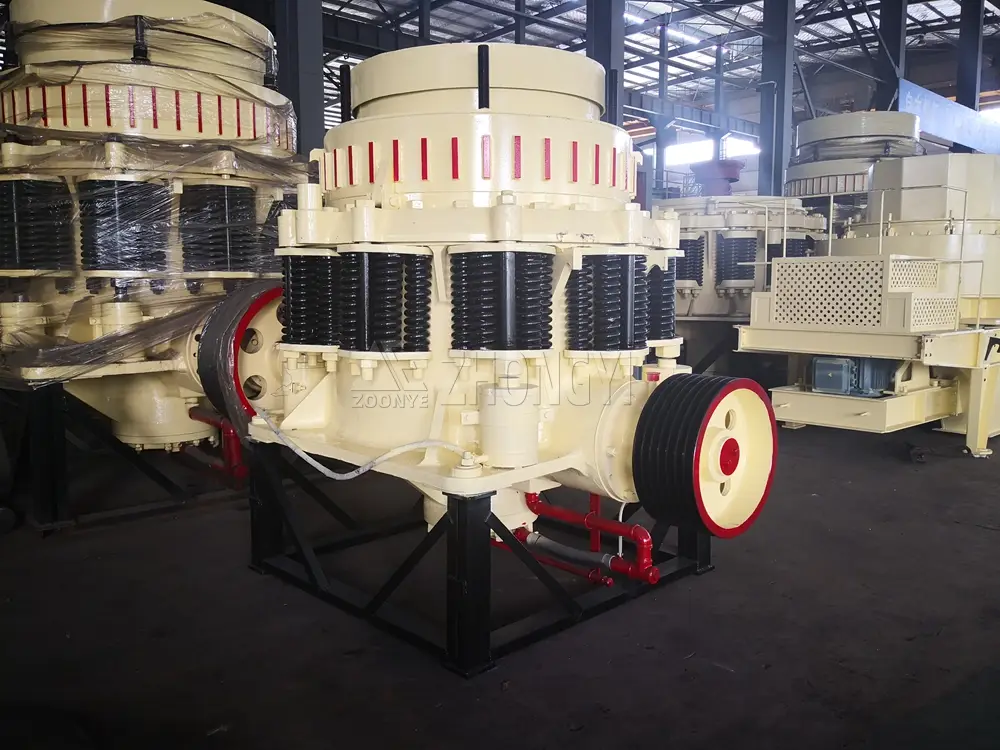
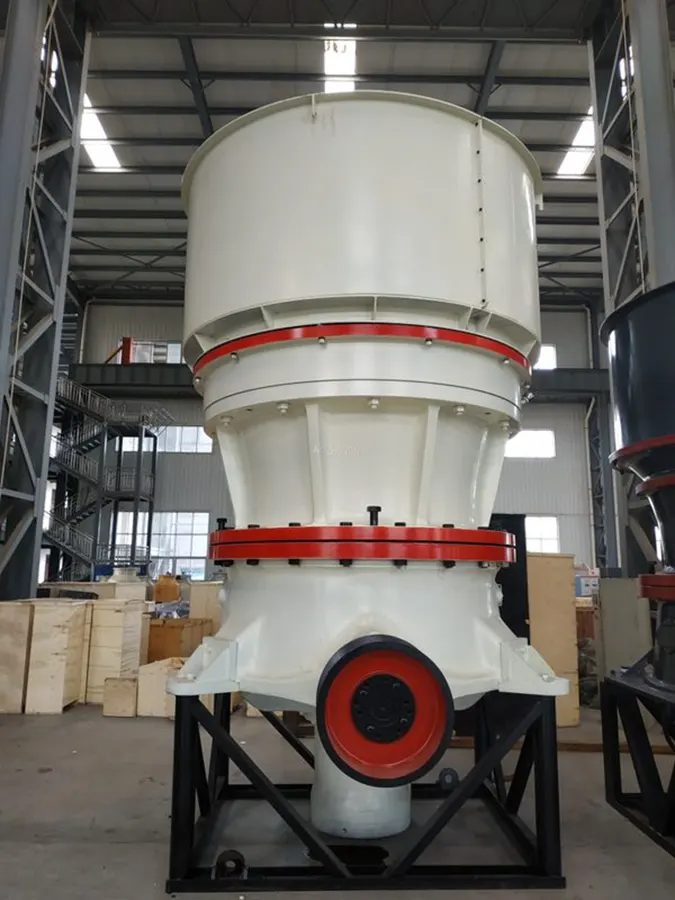
In granite crushing, a jaw crusher usually handles primary crushing, while a cone crusher reduces the material further during secondary or tertiary crushing. The two machines perform different jobs and are often used together in hard rock crushing equipment setups.
| Comparison | Jaw Crusher | Cone Crusher |
|---|---|---|
| Main stage | Primary crushing | Secondary or tertiary crushing |
| Typical feed | Large blasted rock | Material reduced by the previous stage |
| Main function | Breaks large rocks into smaller pieces | Reduces particle size further and controls product grading |
| Key selection factors | Feed opening, maximum feed size, discharge setting, capacity | Permitted feed size, crushing chamber, discharge setting, product requirements |
| Common role in a granite plant | First crushing stage | Follows the jaw crusher when further size reduction is needed |
A jaw crusher and a cone crusher are not direct substitutes in most granite production lines. The jaw crusher reduces large feed material, while the cone crusher performs further size reduction. Using both is a common configuration for hard, abrasive granite, but the final arrangement depends on feed size, product specifications, plant capacity, and project cost.
If the feed is already within a cone crusher’s permitted feed range, a different circuit may be possible. Confirm the specific machine’s feed limits and application requirements before deciding whether primary crushing can be omitted.
For a wider comparison of crushing equipment, see Jaw Crusher vs Cone Crusher vs Impact Crusher. The guide compares their working principles and applications.
How to Match a Jaw Crusher with a Complete Granite Crushing Plant?
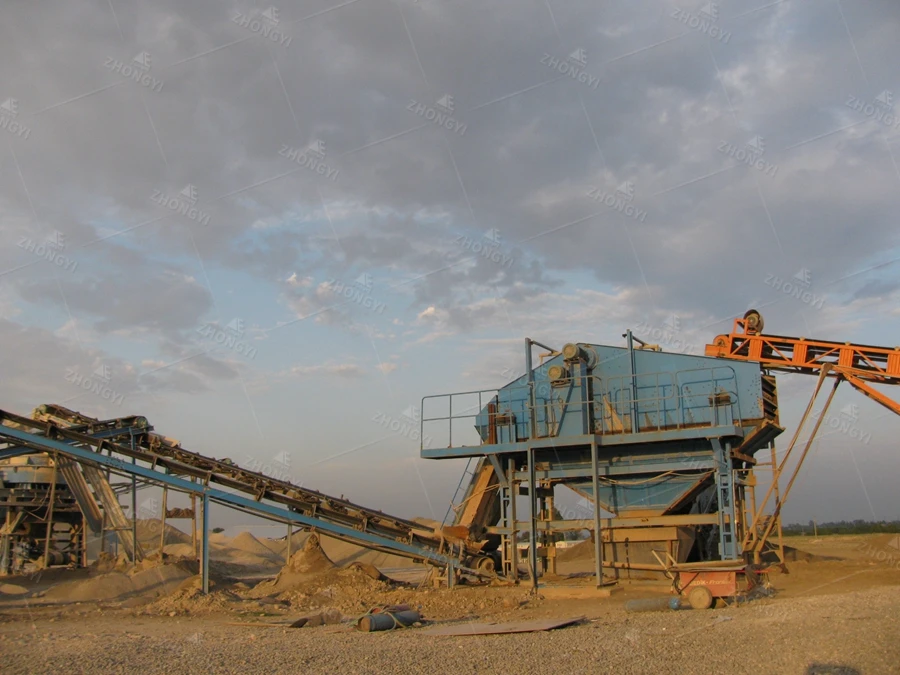
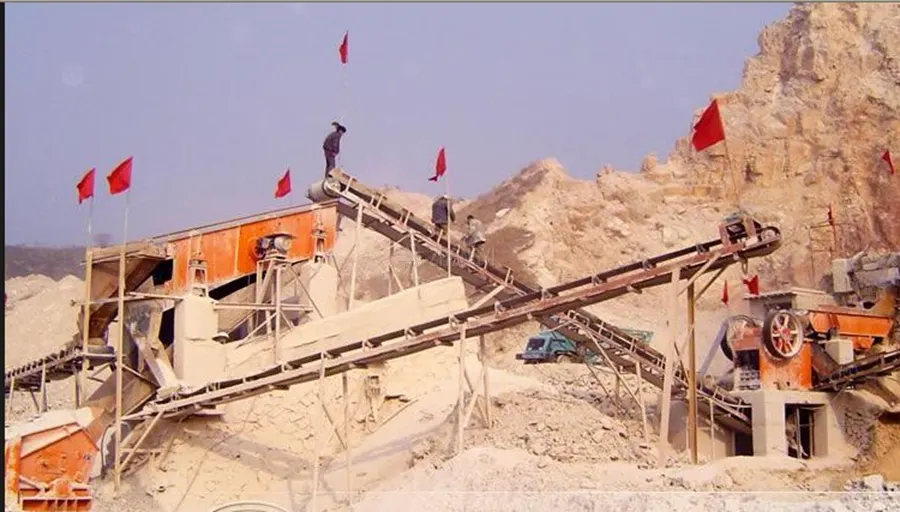
A granite crushing plant must match the required aggregate sizes and production rate. The jaw crusher handles primary crushing, while a cone crusher and vibrating screen are selected according to the required output.
Typical process flow:
Vibrating Feeder → Jaw Crusher → Cone Crusher (if required) → Vibrating Screen → Finished Aggregates
In a closed-circuit setup, oversize material returns from the screen to the cone crusher for further crushing.
Primary Crushing and Feeding
The vibrating feeder controls the flow of granite into the jaw crusher. Select it based on the maximum feed size, required feed rate, and proportion of fines in the raw material. If the feed contains significant fines, a grizzly feeder may remove some of them before crushing, depending on the plant layout.
Consistent feeding helps maintain stable output. Irregular feeding can reduce throughput, while excessive fines may occupy crushing capacity without requiring much size reduction. The jaw crusher’s discharge setting must also suit the feed limits of the next stage.
Secondary Crushing and Screening
In a jaw crusher and cone crusher setup, the jaw crusher reduces large granite, and the cone crusher performs further size reduction. The vibrating screen separates the material by size, allowing finished products to leave the circuit while oversize material returns for further crushing in a closed-circuit design.
Return flow also affects plant capacity. Excessive recirculation can reduce the capacity available for fresh feed, so the cone crusher, screen, and conveyors must be matched to the expected material flow—not just their individual rated capacities.
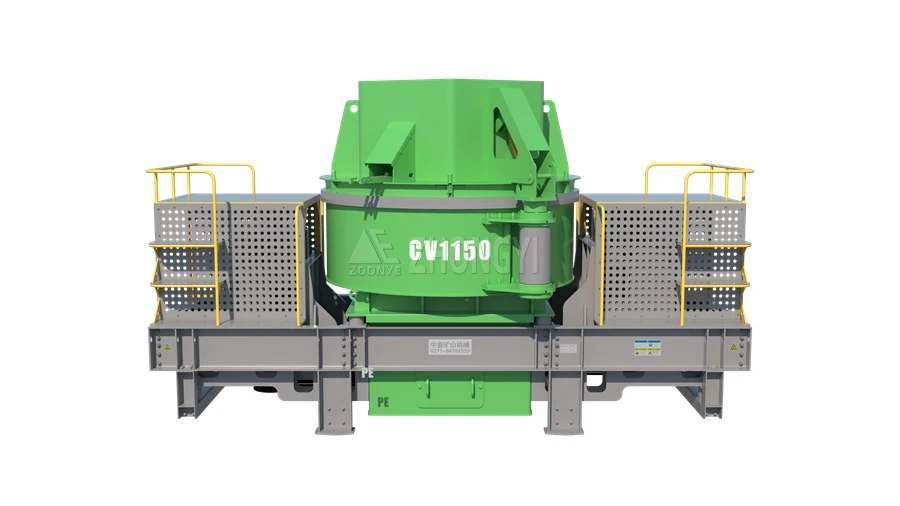
If the finished aggregate requires better particle shape or the plant produces manufactured sand, a VSI crusher may be worth considering. The decision should be based on the required product specifications and the output from the existing circuit, rather than adding another crushing stage by default.
How to Reduce Operating Costs in Granite Crushing?
Reducing granite crusher operating cost depends on stable feeding, appropriate crusher settings, and timely maintenance. The goal is to produce the required aggregate sizes while controlling wear, energy use, and downtime.
Keep Feeding Consistent and Match the Discharge Setting
Feed granite into the jaw crusher at a steady rate. Uneven feeding can reduce throughput, while oversized rocks may cause blockages. If the raw material contains significant fines, a grizzly feeder may remove some before crushing.
Set the jaw crusher discharge opening to suit the next stage’s feed requirements. An unnecessarily tight setting can reduce throughput and increase operating load. Good granite crushing efficiency depends on matching the crusher output to downstream equipment.
Manage Wear Parts and Routine Maintenance
Regular jaw crusher maintenance helps prevent unplanned downtime. Inspect jaw plates, bearings, fasteners, and lubrication systems according to the manufacturer’s instructions. Use actual wear patterns and operating conditions to plan replacements.
Check wear parts on downstream crushers, screen panels, and conveyors as well. A failure at any stage can interrupt the entire production line. Track maintenance costs and downtime to identify recurring problems.
Measure Cost per Ton of Saleable Aggregate
Hourly output alone does not show whether a plant is operating economically. Track energy use, wear-part consumption, maintenance, downtime, and the effect of recirculating material on production.
Calculate the cost per ton of saleable aggregate using:
Cost per ton = Total operating cost over a period ÷ Saleable tons produced in that period
Use the same cost scope and accounting period when comparing equipment. Include labor, energy, spare parts, maintenance, and downtime losses where relevant. Use saleable product—not total crusher feed—as the denominator.
Before comparing quotations, consider required throughput and long-term operating costs. See our Jaw Crusher Price and Capacity Guide for more on pricing, output, and equipment selection.
How Does Rock Type Affect Crusher Selection?
Rock properties affect crusher selection, wear-part consumption, and finished aggregate quality. For granite crusher selection, hardness and abrasiveness are key considerations. Basalt also requires attention to wear and operating loads, while limestone may allow different crushing configurations depending on its properties and the required product.
| Rock type | Key considerations | Typical selection approach |
|---|---|---|
| Granite | Hardness, quartz content, jaw plate wear, and downstream capacity | Jaw crusher for primary crushing, often followed by a cone crusher for further reduction |
| Basalt | Abrasiveness, crushing loads, and wear-part maintenance | Jaw and cone crushers are commonly used; confirm wear-part requirements for the actual material |
| 石灰石 | Material strength, feed size, abrasiveness, and required particle shape | Jaw crusher and impact crusher may suit the application, depending on material properties and product requirements |
For granite crusher selection, a jaw crusher followed by a cone crusher is a common configuration for hard, abrasive rock. Impact crushers can also be considered in some applications, but high abrasiveness may increase blow-bar wear and operating costs. The final choice should account for product specifications, maintenance costs, and actual operating conditions.
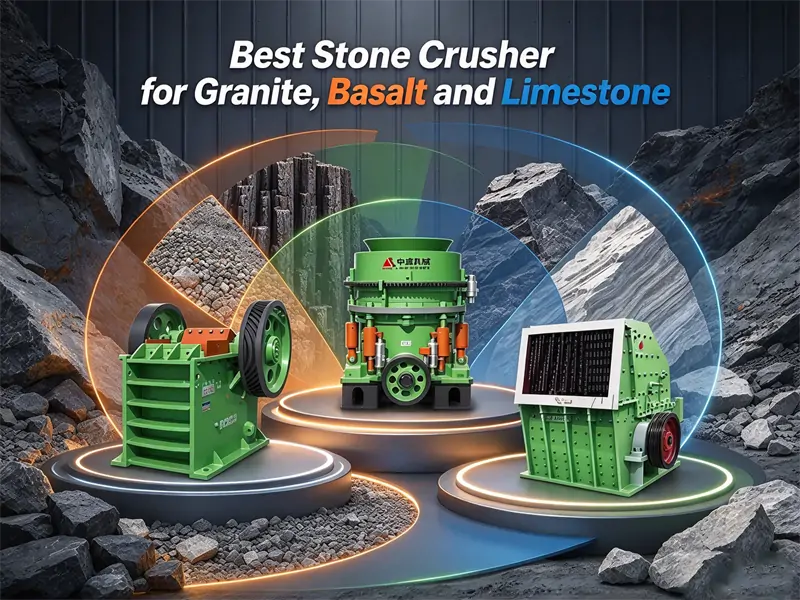
Granite is not the only material that affects crusher selection. If your quarry processes different types of rock, read Best Stone Crusher Machine for Granite, Basalt and Limestone to compare the equipment requirements for each material.
What Information Should You Prepare Before Buying a Granite Jaw Crusher?
Before requesting a quotation, prepare the key details about your granite, production target, and site conditions. This information helps a granite crusher manufacturer assess the right model and avoid recommendations based on rated capacity alone. For accurate jaw crusher selection, prepare the following:
- Raw material: Granite type, maximum feed size, size distribution, and any available data on hardness, abrasiveness, moisture, or clay content.
- Production target: Required tons per hour, daily operating hours, and estimated annual output.
- Product specifications: Required jaw crusher discharge size, final aggregate sizes, and output requirements for each grade.
- Site conditions: Stationary or mobile setup, available installation space, power supply, and maintenance access.
- Downstream equipment: Existing or planned cone crushers, vibrating screens, conveyors, and return-material systems.
Based on these details, we can assess suitable models, equipment matching, and process layout. Where needed, a custom jaw crusher solution may also include recommendations on wear parts, maintenance, and installation guidance. To compare available models, explore our mining jaw crusher range.
Conclusion
A jaw crusher is commonly used for primary granite crushing, but the right model depends on the maximum feed size, required throughput, discharge size, and material abrasiveness. If the plant produces multiple aggregate grades, the selection should also account for the cone crusher, vibrating screens, and return-material system to keep the entire line working efficiently.
Before choosing a jaw crusher for granite, prepare your material data, production target, product specifications, and site conditions. Zhongyi Mining can use these details to assess suitable equipment models and crushing plant configurations. Contact our team to discuss your granite crushing requirements.
Discuss Your Granite Crushing Project
Share your maximum feed size, target throughput, required aggregate sizes, and site conditions to discuss a suitable jaw crusher and plant configuration.
常见问题
What Is the Best Jaw Crusher for Granite Crushing?
A heavy-duty jaw crusher is commonly used for primary granite crushing because it reduces large rocks before secondary processing. The best jaw crusher for granite crushing depends on maximum feed size, required throughput, discharge setting, and material abrasiveness. Compare the specifications of individual models against your actual operating conditions rather than choosing by rated capacity or machine size alone.
Why Is a Granite Jaw Crusher Producing Less Than Its Rated Capacity?
Rated capacity reflects specified operating conditions and may not match output at every quarry. Actual jaw crusher capacity can be affected by oversized feed, uneven feeding, discharge settings, and bottlenecks in downstream equipment. Before replacing the machine, check the feed size distribution, feeder performance, crusher settings, and material flow through the rest of the plant.
How Do I Choose the Right Jaw Crusher for Granite?
Effective jaw crusher selection starts with the maximum feed size, target throughput, and required discharge size. The feed opening must accommodate incoming rock within the manufacturer’s permitted limits, and the machine must meet the production target under the intended operating conditions. Also check the feed requirements of the next crushing stage before finalizing the model.
What Equipment Is Needed for a Granite Crushing Plant?
A typical granite crushing plant includes a vibrating feeder, jaw crusher, vibrating screen, and conveyors. A cone crusher is commonly added when further size reduction is needed. Screens separate material by size, and a closed-circuit system can return oversize material for additional crushing. The final layout depends on the required aggregate grades, production rate, and site conditions.
Should I Use a Cone Crusher After a Jaw Crusher for Granite?
A cone crusher is commonly installed after a jaw crusher for granite when the primary-crushed material needs further size reduction. The jaw crusher handles larger rocks, while the cone crusher reduces the material further to meet product specifications. Whether this additional stage is necessary depends on the required aggregate sizes, feed conditions, and overall plant capacity.
How Can I Reduce Jaw Plate Wear When Crushing Granite?
Jaw plate wear depends on granite abrasiveness, feed characteristics, crusher settings, and operating conditions. Use jaw plates recommended for the application, maintain consistent feeding, and inspect wear patterns regularly. Track replacement frequency and wear-part costs against actual production. These records can help determine whether a different jaw plate option or an operating adjustment could lower maintenance costs without compromising output.
What Affects the Operating Cost of a Granite Jaw Crusher?
Granite crusher operating cost includes electricity, wear parts, routine maintenance, labor, and downtime. Feed conditions and crusher settings can also affect wear and throughput. To compare equipment, calculate total operating expenses over the same period and divide them by the tons of saleable aggregate produced. This provides a more useful cost comparison than purchase price or hourly output alone.
What Information Should I Provide When Requesting a Granite Jaw Crusher Quotation?
When requesting a granite jaw crusher quotation, provide the maximum feed size, available material data, target throughput, required discharge size, site conditions, and downstream equipment details. Daily operating hours and finished aggregate specifications are also useful. This information helps the manufacturer assess suitable models and plant configurations based on project requirements rather than offering a recommendation based on capacity alone.