











Einleitung
When choosing a crusher for a quarry or aggregate production line, buyers need to assess how the machine will handle the actual feed material, not just its rated capacity. Feed size, material hardness and abrasiveness, required product gradation, and wear part costs all affect the suitability of an impact crusher. How does an impact crusher work, and which operating factors determine the final product? These questions come down to the crusher’s internal design, the way material is accelerated and broken, and how the crushing process is controlled.
This article explains the impact crusher working principle, covering material feeding, rotor operation, impact and discharge. It also examines the main components, operating factors, different crusher types, and the materials they can process. The discussion compares HSI and VSI crushing mechanisms and explains what buyers should consider when matching a crusher to feed conditions, production requirements, and the required product size.
Was ist ein Prallbrecher?
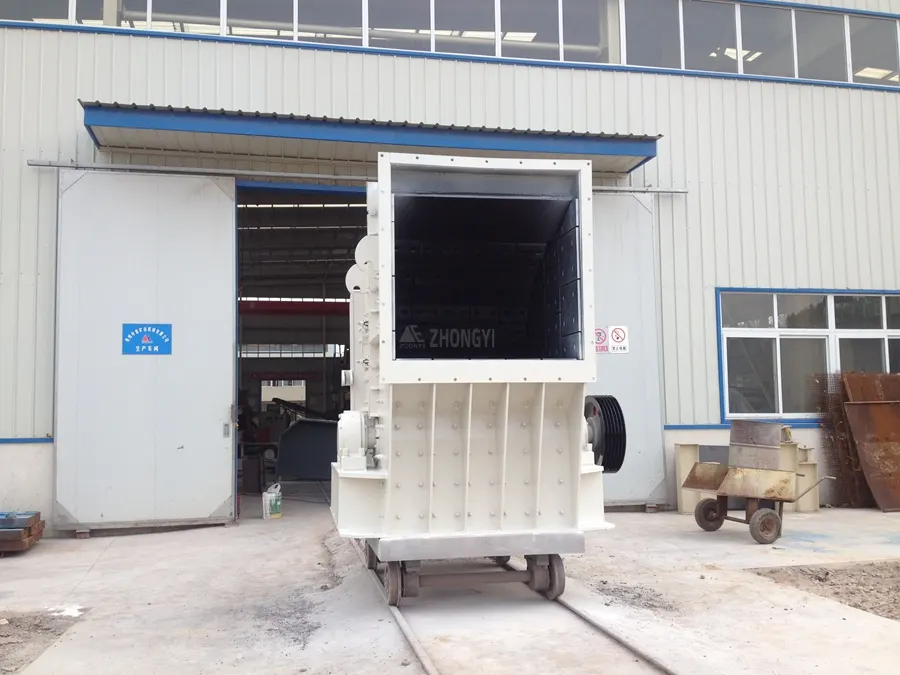
An impact crusher is a type of crushing equipment that reduces the size of rocks, minerals, and other solid materials through impact force. Unlike jaw crushers and cone crushers, which primarily use compression to break material, an impact crushing machine uses impact as its main crushing method. It is commonly used in mining, quarrying, and aggregate production to reduce feed material into smaller particles.
| Brechertyp | Main Crushing Principle | Typische Anwendung |
|---|---|---|
| Backenbrecher | Druck | Primary crushing |
| Kegelbrecher | Druck | Secondary and tertiary crushing |
| Prallbrecher | Prall | Primary, secondary, and tertiary crushing, depending on design |
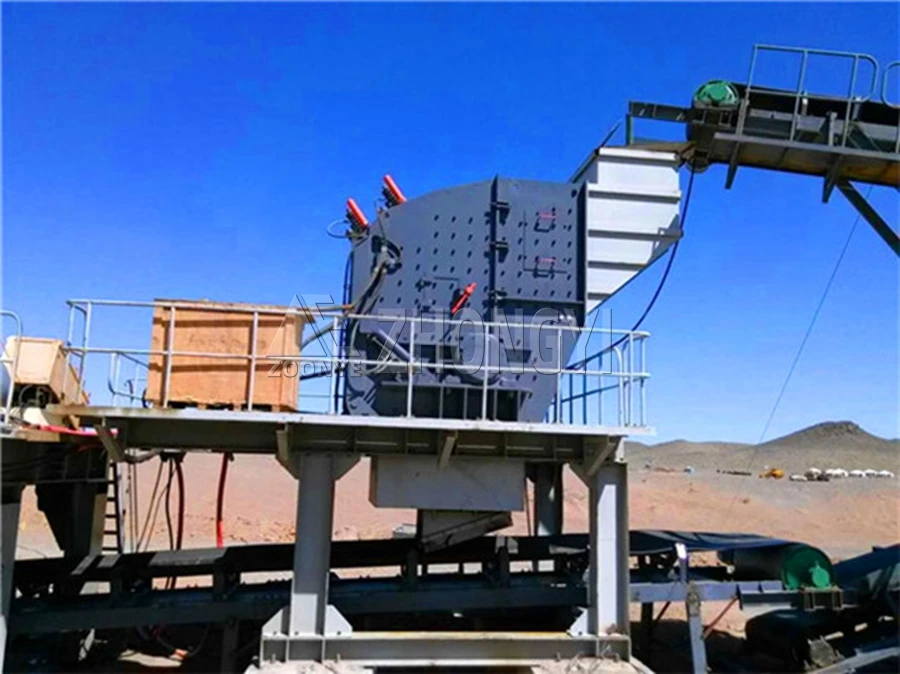
Impact crushers are used in different stages of material processing, from initial size reduction to aggregate shaping. They are particularly common in aggregate production, where the shape of the finished particles is an important product requirement. Their applications include processing suitable natural rock, recycled concrete, and other mineral materials.
For a broader view of where impact crushing fits alongside compression-based equipment, see Stone Crusher Types: Working Principle, Uses and Selection Guide.
What Are the Main Components of an Impact Crusher?
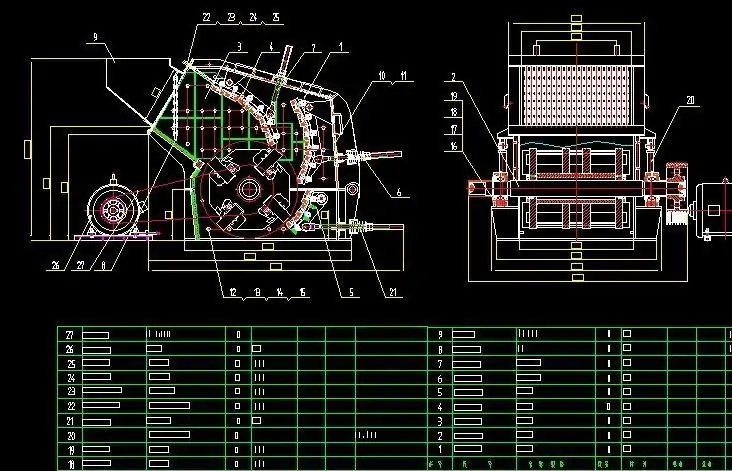
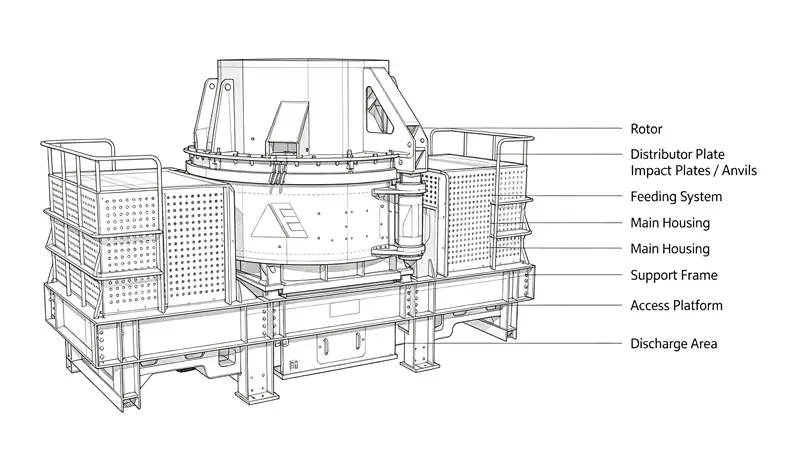
The main impact crusher components vary according to the machine’s design and crushing mechanism. In general, these assemblies handle material feeding, rotor operation, impact transfer, crushing zone control, and material discharge. Their arrangement determines how material moves through the machine and how impact energy is applied. The specific components differ between horizontal-rotor impact crushers and vertical shaft impact crushers.
Rotorbaugruppe
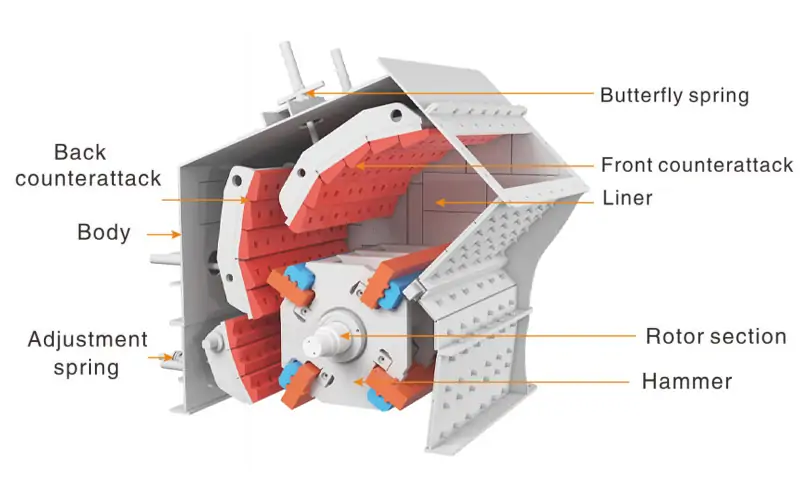
The rotor is the main rotating assembly of an impact crusher. Connected to the drive system, it converts mechanical power into rotational motion and provides the operating force for impact crushing. Its structure and rotational stability affect how impact energy is delivered during operation. The rotor must also withstand repeated impact loads and maintain proper balance to ensure stable operation.
Rotor-Mounted Impact Components
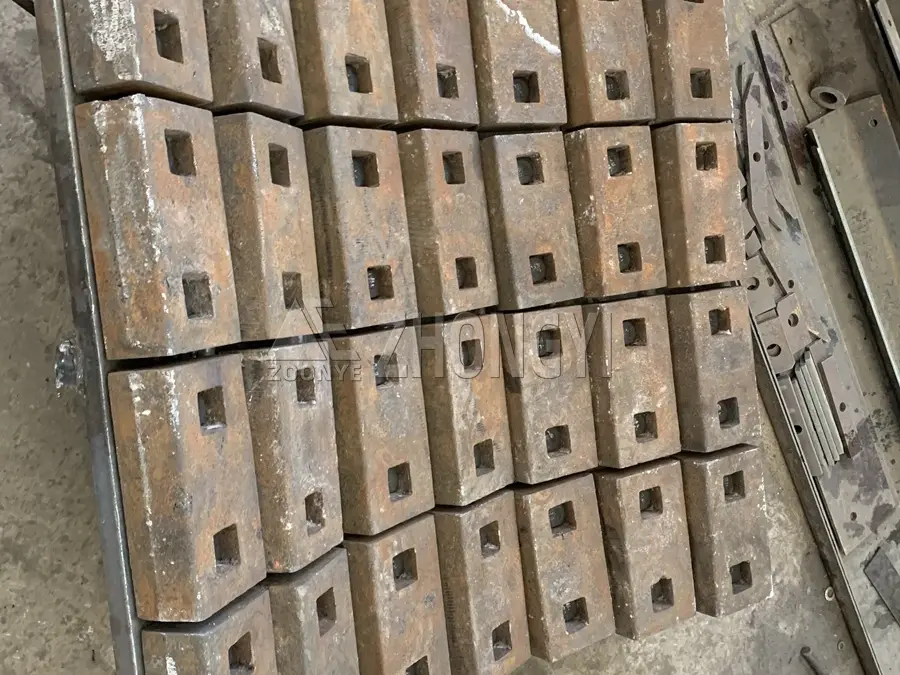
Rotor-mounted impact components directly interact with the feed material. In horizontal-rotor impact crushers, blow bars or hammer plates strike and accelerate incoming particles, transferring impact energy to the material. Their material, shape, and wear condition affect crushing efficiency and maintenance requirements. In vertical shaft impact crushers, rotor wear components accelerate and discharge material into the surrounding crushing zone. Their design varies with the crusher configuration and operating conditions.
Impact Surfaces and Crushing Chamber
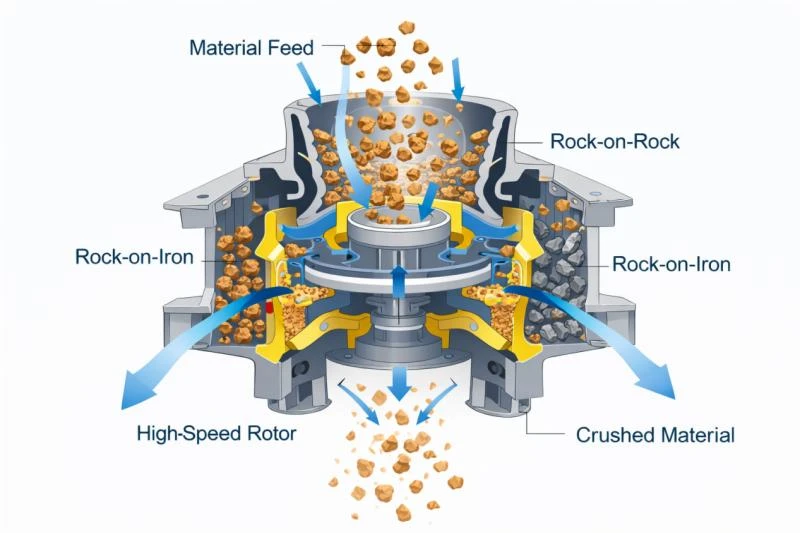
The crushing chamber contains the impact zone and guides material through the crushing area. In European, tracked, and mobile impact crushers, impact plates or aprons provide surfaces against which accelerated material strikes, causing further breakage. In a vertical shaft impact crusher, the crushing arrangement depends on the selected configuration. Material may collide with metal anvils or impact surfaces in a Rock-on-Iron setup, or with other particles in a Rock-on-Rock arrangement. These configurations determine how impact energy is applied within the crushing zone.
Feeding and Adjustment Systems
The feeding system consists primarily of a hopper and feeder, which regulate the amount and distribution of material entering the crushing chamber. Consistent feeding helps maintain stable loading across the machine and reduces fluctuations in the crushing process. Adjustment mechanisms vary by design. For example, some horizontal-rotor impact crushers allow operators to change the impact apron clearance to modify the crushing conditions. The available adjustment method depends on the specific machine configuration.
Where controlled feeding and upstream prescreening are required, the GZT-Serie Vibrations-Rostaufgabe provides a related equipment example.
Austragssystem
The discharge outlet provides a path for crushed material to leave the machine and enter the downstream conveying system. In a complete production line, vibrating screens classify the discharged material by size. In closed-circuit configurations, oversized particles are conveyed back to the crusher for further reduction. The screening and conveying equipment therefore work together with the crusher to control the final product gradation.
How Does an Impact Crusher Work Step by Step?
The impact crusher working principle involves accelerating feed material and transferring kinetic energy through high-speed impact. Depending on the design, a horizontal-shaft impact crusher (HSI) uses rotor-mounted blow bars or hammer plates to throw material against impact plates, while a vertical-shaft impact crusher (VSI) accelerates particles outward toward other particles or metal impact surfaces. In both designs, repeated collisions cause material fracture, but the rotor arrangement and crushing process are different.
Step 1: Material Feeding into the Crushing Chamber
Raw material enters the crusher through a feed hopper and is regulated by a feeder before reaching the crushing chamber. Feed size must remain within the machine’s specified range, which depends on the rotor design, crushing chamber dimensions, and crusher model. Oversized feed can interfere with material movement through the crushing zone and increase mechanical loading.
Feed rate and distribution also affect how material interacts with the rotor. A consistent feed helps maintain stable chamber loading and more uniform crushing conditions. Uneven feeding can concentrate material on one side of the rotor, causing fluctuating loads and inconsistent product size. For this reason, feed control is an important part of impact crusher operation, not simply a material transfer function.
Step 2: Rotor Rotation and Initial Impact in Horizontal-Shaft Crushers
In horizontal-shaft impact crushers, the motor and drive system rotate a rotor fitted with blow bars or hammer plates. As material enters the rotor’s working area, the rotating components strike the particles and accelerate them. This transfers kinetic energy to the feed material, creating high impact loads at the contact points.
When the resulting stress exceeds the material’s local strength, cracks develop and propagate through the particles, causing fragmentation. The actual breakage response depends on material properties, particle size, impact conditions, and the condition of the wear components. Rotor speed influences the velocity of the impacting material and the energy available for breakage. However, higher speed does not automatically produce better results; it can also increase wear and change the final product gradation.
Step 3: Collision Against Impact Plates and Repeated Crushing
After the initial rotor impact, material is thrown toward the impact plates or aprons inside the crushing chamber. The collision generates another impact load, breaking larger fragments and changing their direction of movement. Depending on the chamber design, particles may then return to the rotor’s working area for further impact or collide with other particles.
This repeated impact process allows the crusher to reduce material size through successive breakage rather than a single compression event. Some horizontal-shaft designs use multiple impact stages, with the arrangement and position of the impact plates determining the available crushing zones. Impact plate clearance affects particle movement and the conditions for further breakage. Changes in clearance, particularly as wear components deteriorate, can therefore influence product size distribution and crusher performance.
Alternative Process: Material Acceleration in Vertical-Shaft Impact Crushers
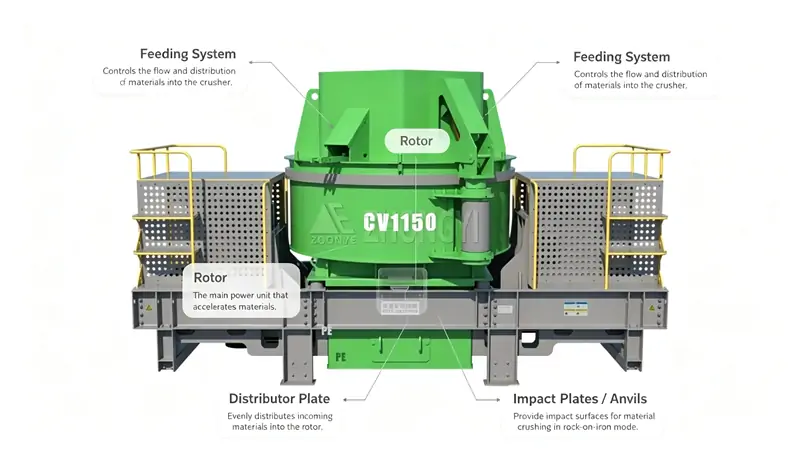
A vertical-shaft impact crusher follows a different crushing mechanism. Material enters the center of a high-speed rotor, where the rotating assembly accelerates the particles and discharges them outward toward the surrounding impact zone. The particles gain kinetic energy before colliding with other material or impact surfaces.
In a Rock-on-Rock configuration, accelerated particles collide with other particles or a material bed. This relies on inter-particle impact to achieve further size reduction and particle shaping. In a Rock-on-Iron configuration, particles strike metal anvils or impact surfaces, producing direct impact against a wear-resistant metal structure. The two configurations create different impact conditions and wear characteristics. Their suitability depends on feed properties, required product shape, and operating costs.
Repeated collisions in the VSI crushing zone reduce particle size and can improve aggregate shape. This mechanism is commonly applied in fine crushing, manufactured sand production, and aggregate shaping.
Step 4: Discharge and Downstream Screening
After the required crushing interactions, material leaves the machine through the discharge outlet and moves to the downstream conveying system. The crusher performs size reduction, while vibrating screens separate the discharged material into specified product size fractions.
In a closed-circuit plant, the screen separates undersized material from particles that remain above the required size range. Oversized material is conveyed back to the crusher for further reduction. This arrangement allows the production line to control the final product gradation more effectively. The return of oversized particles depends on the screening and conveying system; it is not an independent function of the crusher itself.
Der Linearschwingungssieb illustrates the classification stage that separates product fractions and oversize material in a crushing circuit.
What Factors Affect Impact Crusher Performance?
Impact crusher performance is affected by the properties of the feed material, operating settings, and the condition of the crushing components. These factors influence how effectively the crusher reduces material size, the resulting product gradation, and the amount of wear during operation. Their effects depend on the crusher design and the requirements of the production line.
| Performance Factor | Effect on Crusher Operation | Impact on Production |
|---|---|---|
| Rotor Speed | Influences the peripheral speed of the rotor and the impact energy transferred to the feed material. | Affects product size distribution and fines generation. Excessive speed can increase wear without delivering a proportional increase in throughput. |
| Feed Size and Distribution | Oversized feed can increase impact loads or interfere with material movement. Uneven feeding leads to inconsistent loading across the crushing chamber. | Can reduce operating stability and make product gradation less consistent. |
| Impact Gap | In horizontal-rotor models with adjustable impact plates, the clearance between the rotor-mounted impact components and the plates changes the conditions for further breakage. | Influences the degree of size reduction and the resulting particle size distribution. |
| Wear Component Condition | Wear changes the working profile of blow bars, hammer plates, or VSI rotor wear components, depending on the machine design. | Can affect impact efficiency, product consistency, and maintenance frequency. |
| Material Hardness and Abrasiveness | Hardness affects the material’s resistance to breakage, while abrasiveness determines how quickly it wears contacting components and surfaces. | Influences the energy required for size reduction, wear rates, and operating costs. |
| Feed Rate and Moisture Content | Feed rate determines chamber loading. Excessive moisture or clay content can cause material to stick to internal surfaces and restrict material flow. | May reduce effective throughput and lead to unstable feeding or material buildup. |
Why Doesn’t Higher Rotor Speed Always Mean Higher Capacity?
Increasing rotor speed can intensify impact conditions, but it does not automatically increase production capacity. Depending on the feed material and crusher configuration, higher speed may generate more fines and accelerate wear on impact components. Actual throughput also depends on feed size, material properties, chamber design, and the capacity of downstream screening and conveying equipment.
For this reason, impact crusher rotor speed should be selected according to the required product gradation and the machine’s operating limits, rather than increased simply to pursue higher output. The same applies to impact crusher output size: it is influenced by several interacting factors, not by rotor speed or impact gap alone.
What Are the Different Types of Impact Crushers?
Impact crushers are classified by their crushing mechanism and equipment configuration. The two main crushing mechanisms are horizontal shaft and vertical shaft designs, which differ in rotor arrangement and how material is broken. Equipment configuration is a separate classification based on installation and mobility, including stationary and mobile units.
Horizontal Shaft Impact Crusher (HSI)
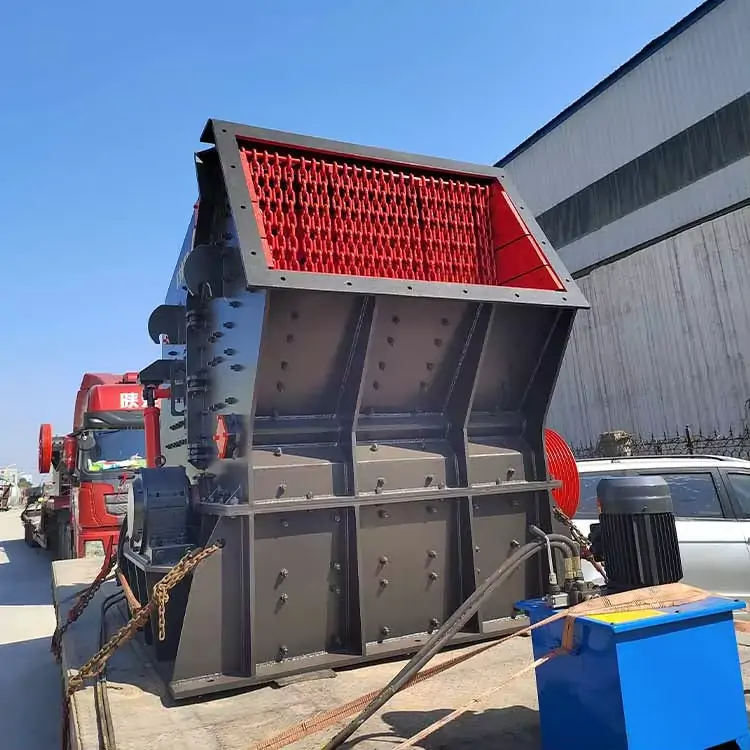
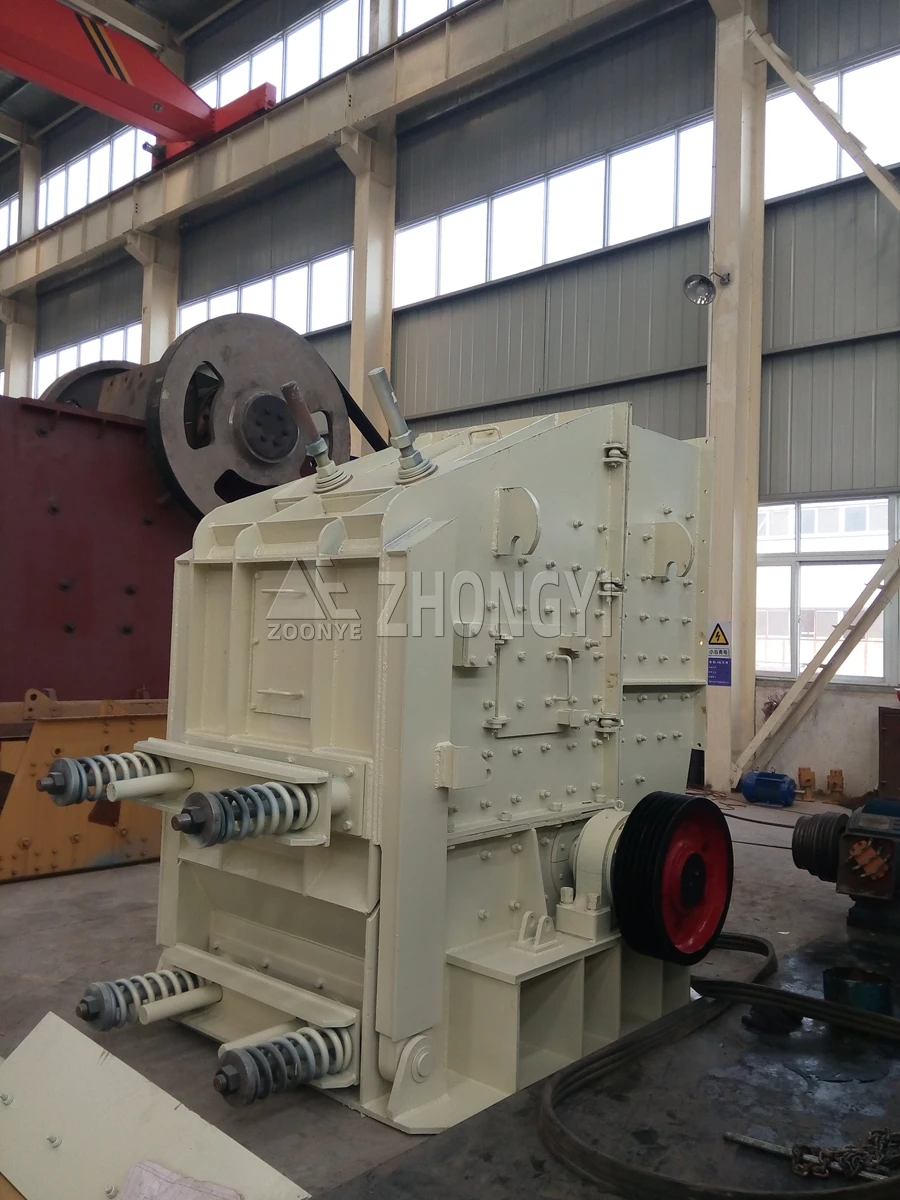
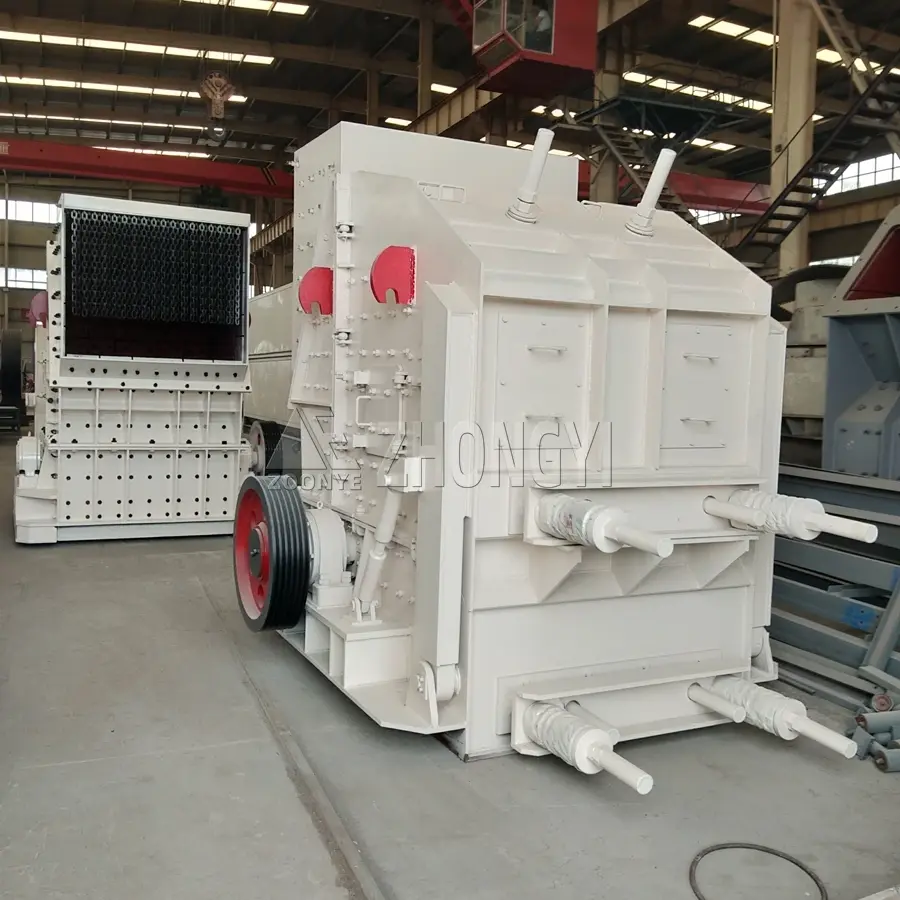
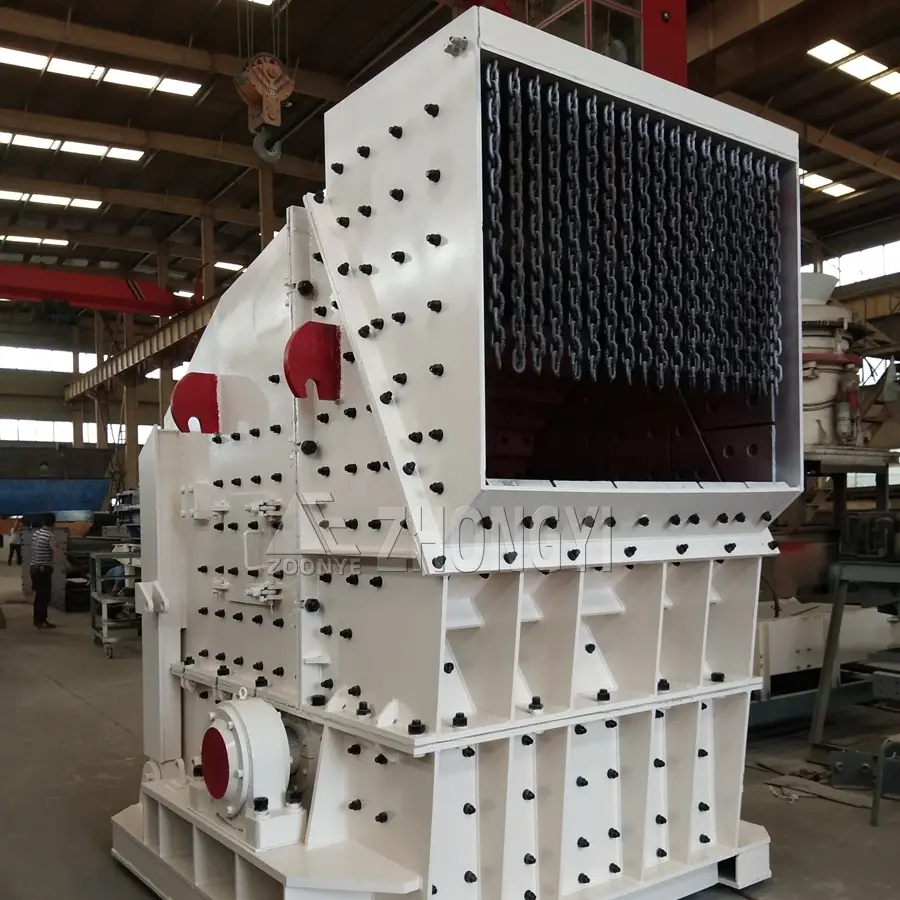
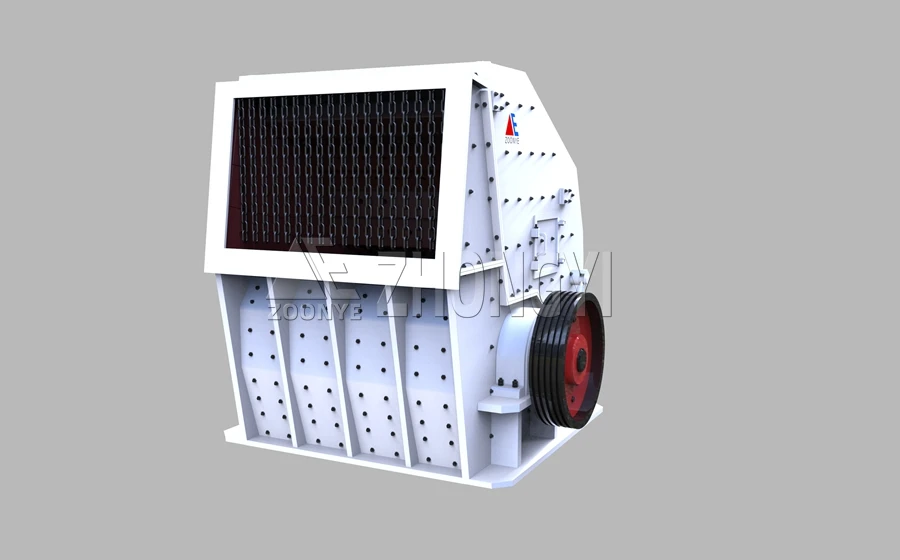
A Horizontal Shaft Impact Crusher (HSI Crusher) uses a horizontally mounted rotor fitted with blow bars or hammer plates. These components strike and accelerate the feed material toward impact plates, where further size reduction takes place. Depending on the crusher design, feed properties, and required product size, horizontal shaft impact crushers can be used for primary, secondary, or tertiary crushing.
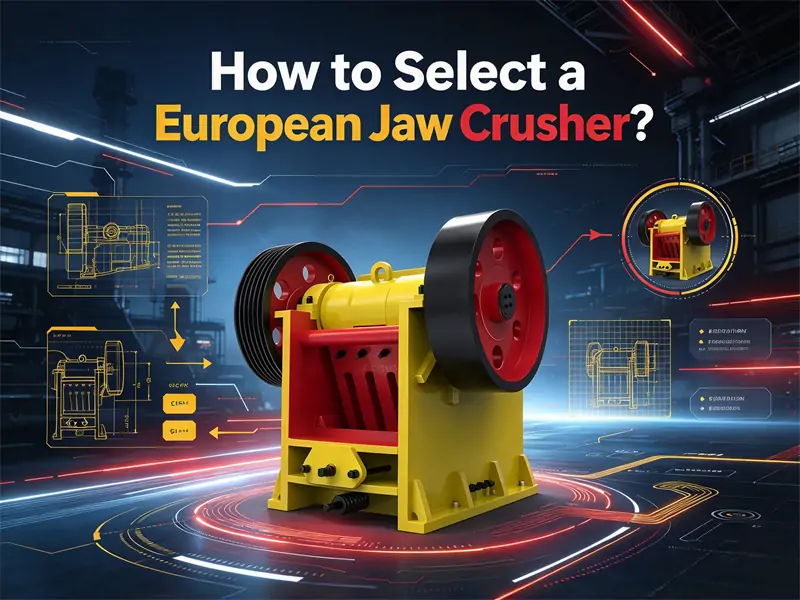
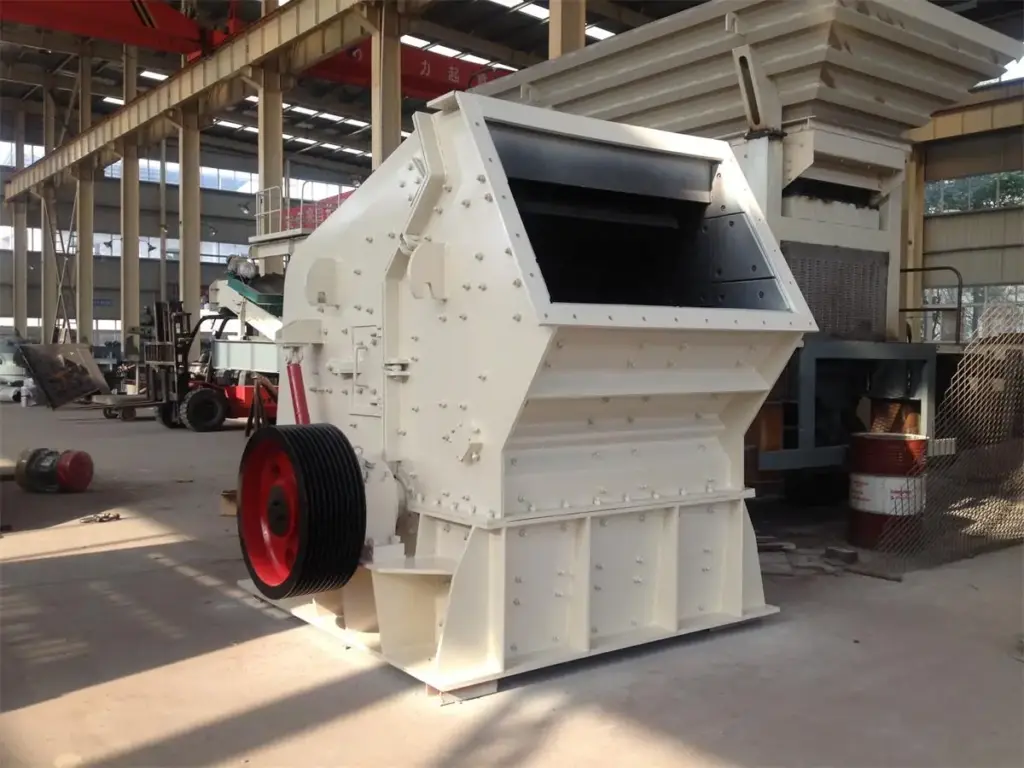
Zhongyi’s Europäischer Prallbrecher is a horizontal-rotor impact crusher that uses hammer plates and impact plates to reduce material size.
Vertical Shaft Impact Crusher (VSI)
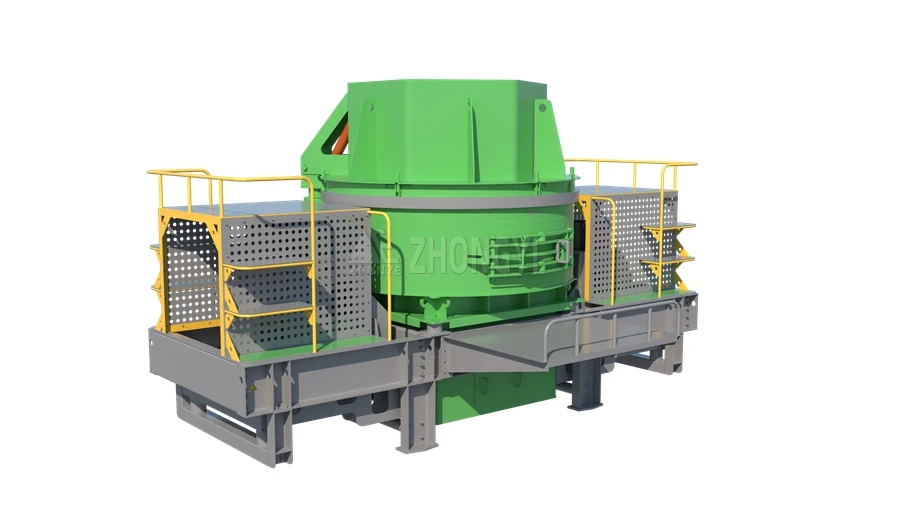
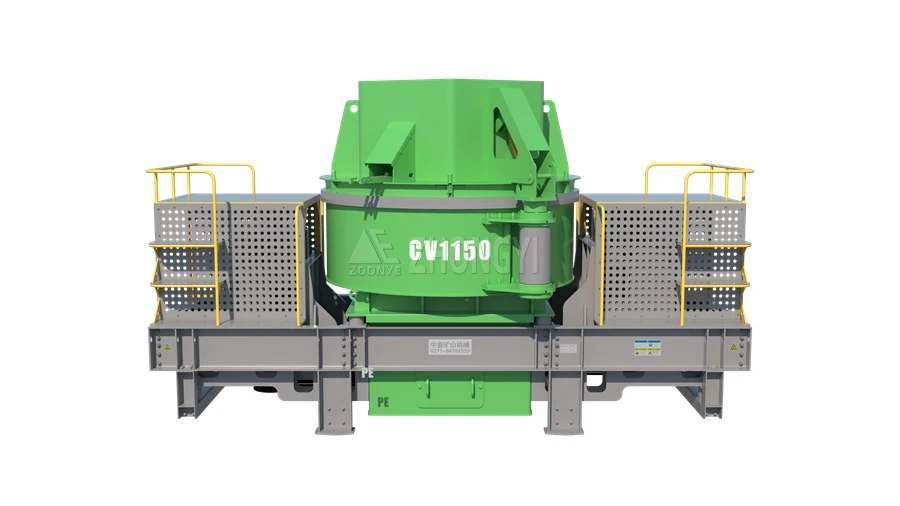
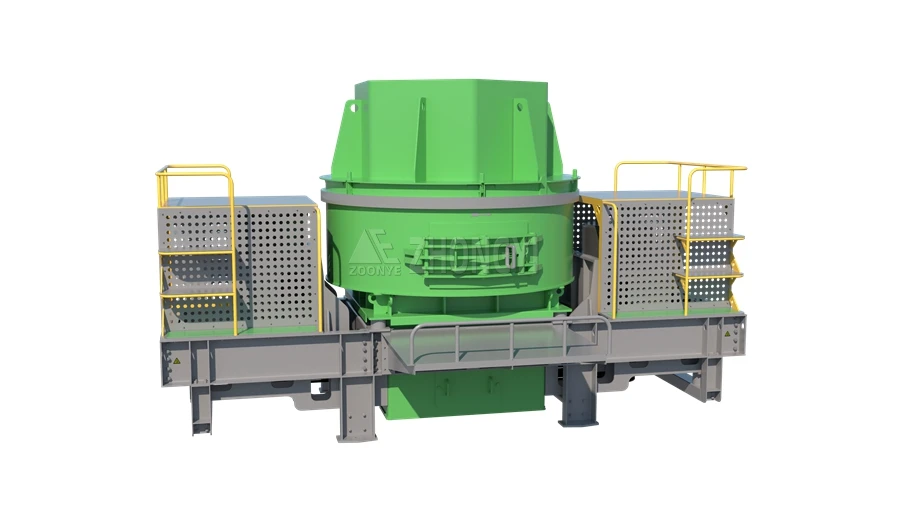
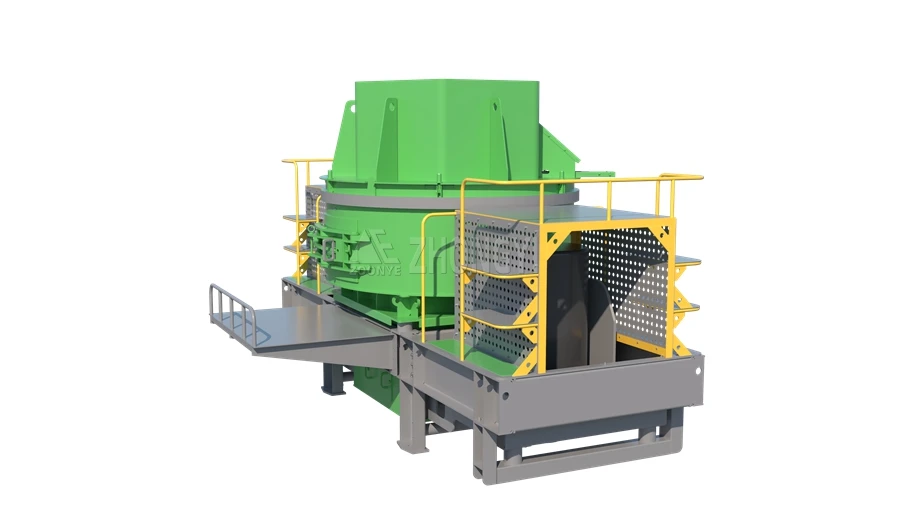
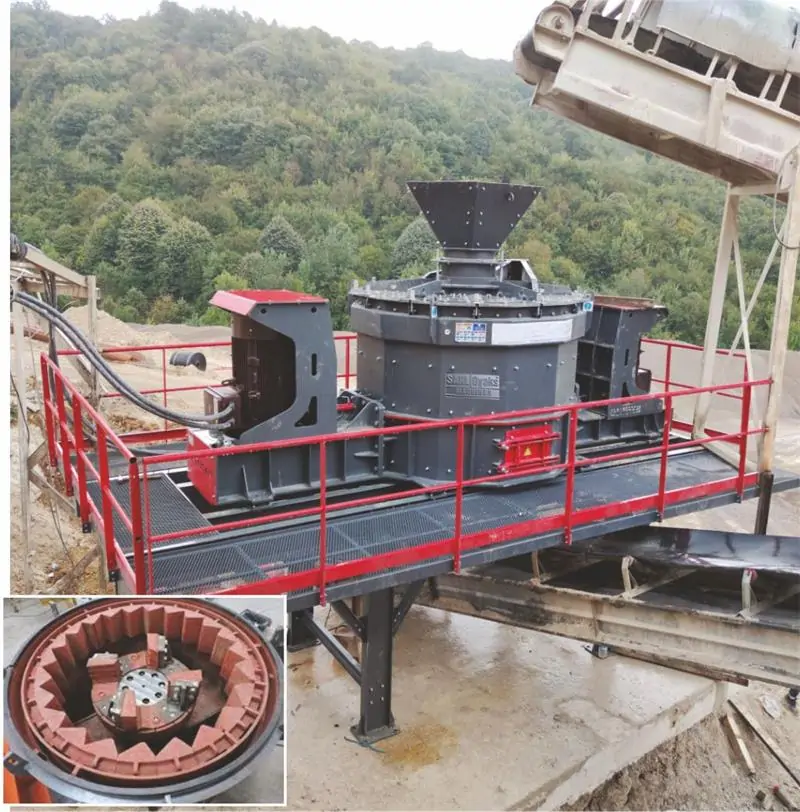
A Vertical Shaft Impact Crusher (VSI Crusher) uses a vertically mounted rotor to accelerate material outward into the crushing zone. Its crushing chamber can be configured for either Rock-on-Rock or Rock-on-Iron operation. In Rock-on-Rock designs, particles collide with a bed of material; in Rock-on-Iron designs, material strikes metal impact surfaces. The selected configuration affects the crushing conditions and wear characteristics.
VSI crushers are commonly used for fine crushing, manufactured sand production, and aggregate shaping. Zhongyi’s Vertikalwellen-Prallbrecher (VSI-Brecher) is designed for these applications.
Stationary and Mobile Impact Crusher Configurations
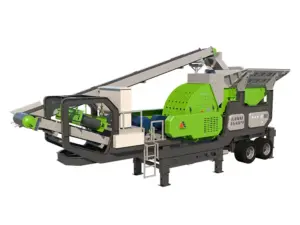
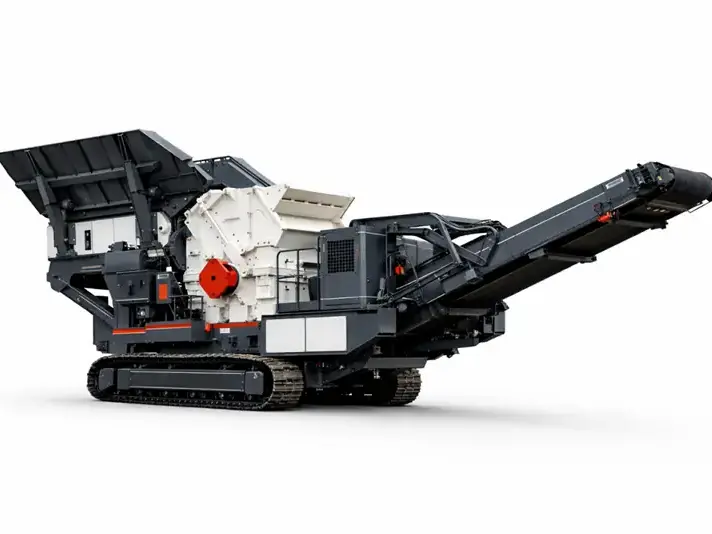
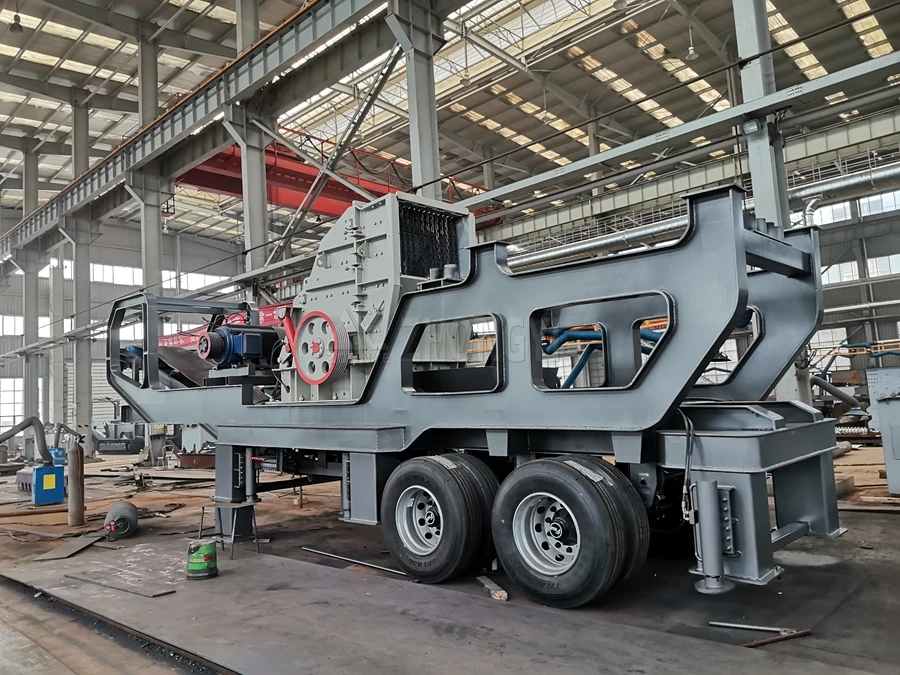
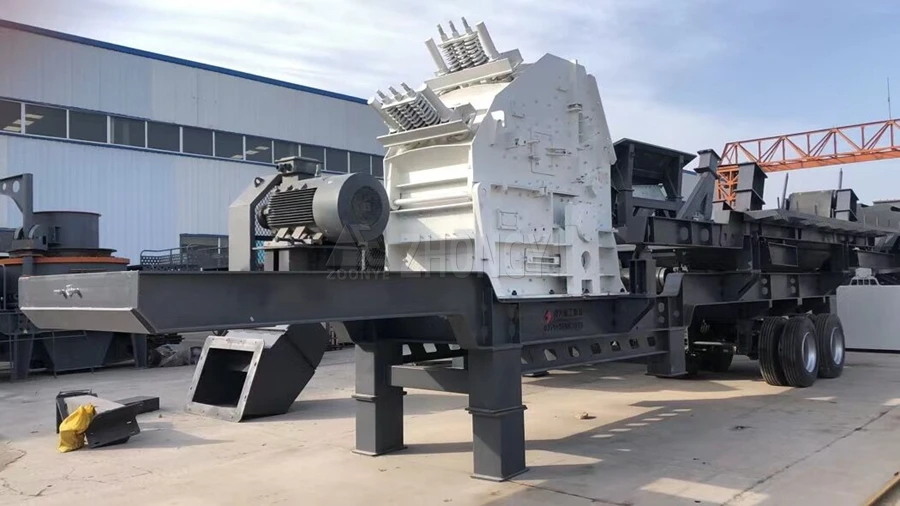
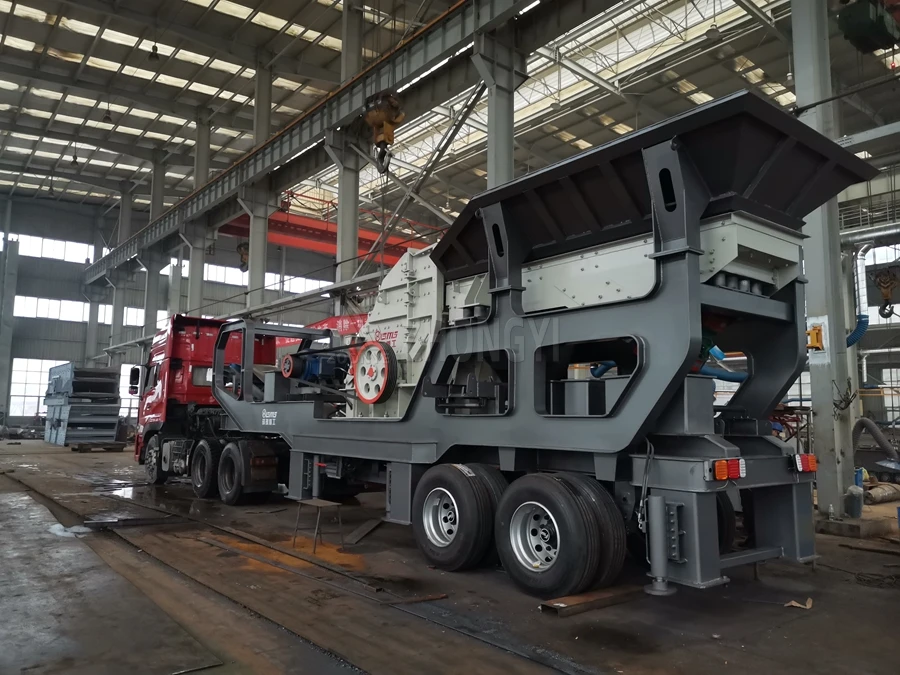
A Stationary Impact Crusher is installed at a fixed position in a production line and typically operates with separate feeding, screening, and conveying equipment. A Mobiler Prallbrecher integrates the crushing unit with a mobile chassis, allowing the equipment to be moved between working locations. Both configurations can use different crushing mechanisms; mobility does not determine whether a crusher uses a horizontal or vertical rotor.
For projects that require on-site processing, Mobile Impact Crusher Selection: A Practical Guide for Mining and Construction explains how to assess material suitability, capacity, and mobile plant configuration.
Raupenprallbrecher
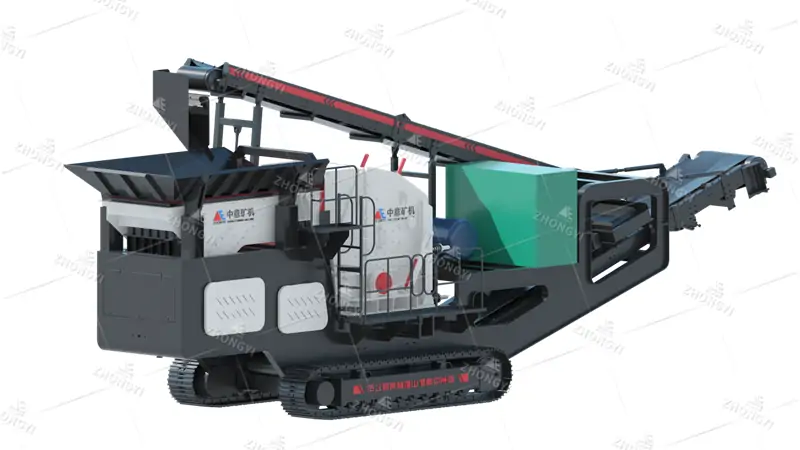
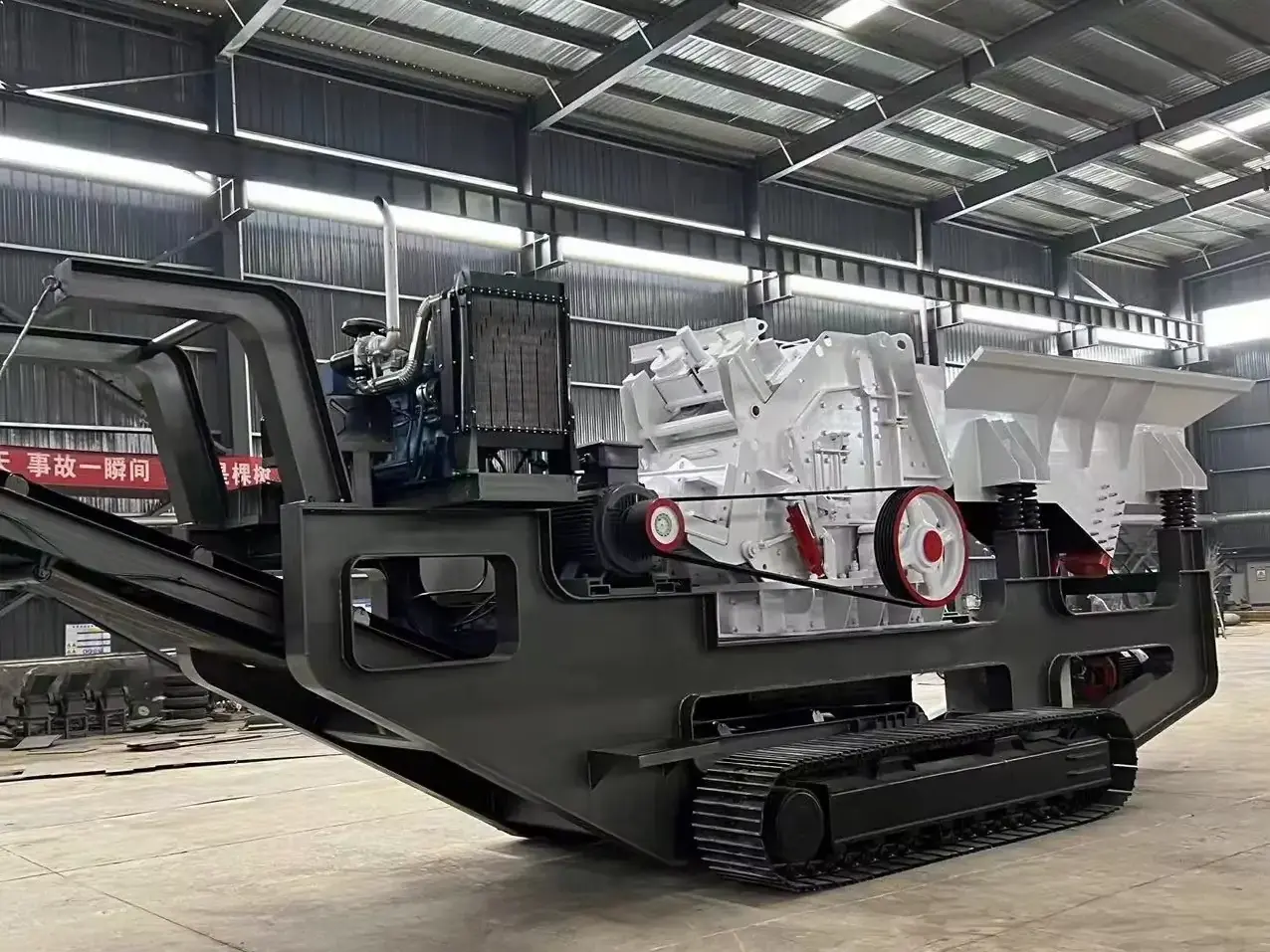
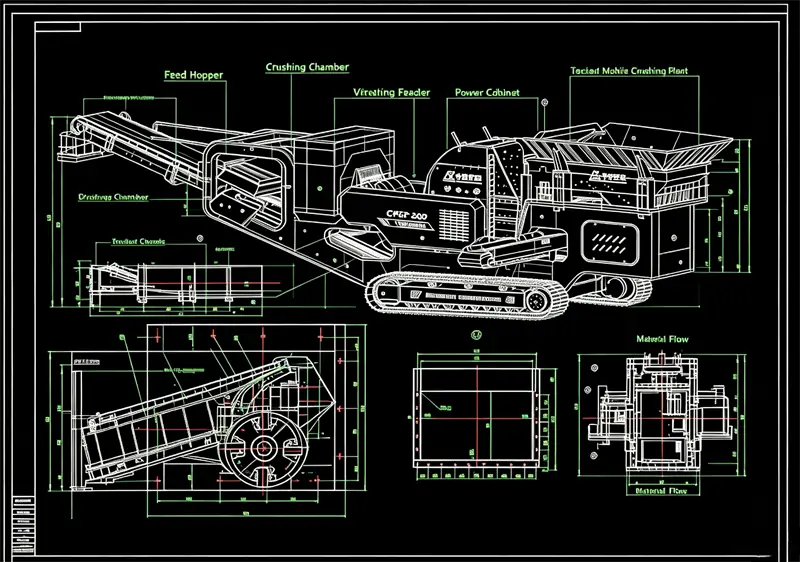
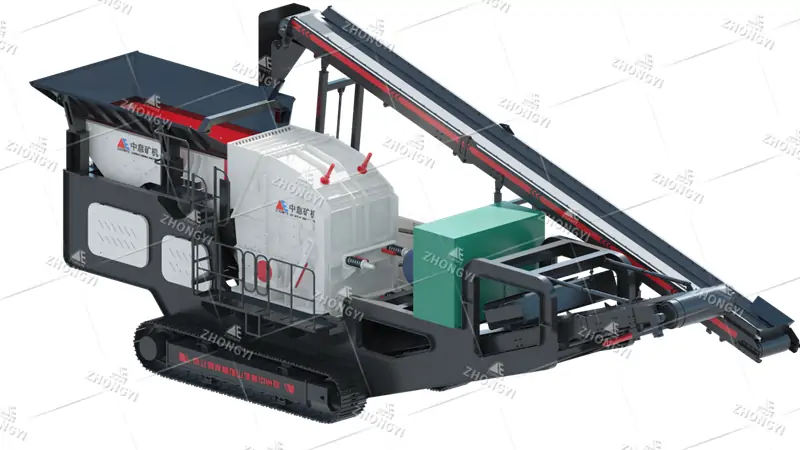
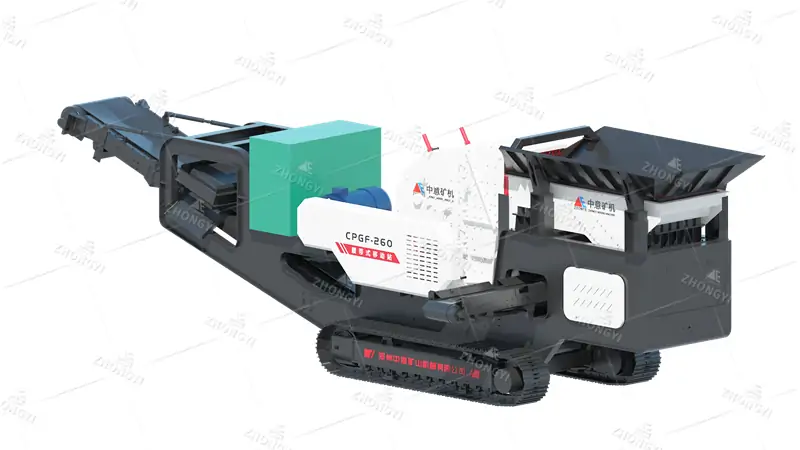
A Tracked Impact Crusher is a type of mobile impact crusher mounted on a crawler undercarriage. It can travel around suitable working areas under its own power, making it useful for quarrying, demolition, and on-site recycling projects where the crushing position may need to change. Zhongyi’s Raupenprallbrecher is one example of this configuration.
What Is the Difference Between HSI and VSI Crushers?
Although both HSI and VSI crushers use impact forces to reduce material size, their rotor arrangements and crushing mechanisms differ. These differences affect the degree of size reduction, product characteristics, and the applications each crusher is suited for.
| Vergleichsfaktor | HSI Crusher | VSI Crusher |
|---|---|---|
| Rotor Orientation | Horizontal | Vertical |
| Zerkleinerungsmechanismus | Rotor-mounted hammer plates or blow bars strike material and throw it against impact plates. | The rotor accelerates material outward for impact against other particles or metal surfaces. |
| Crushing Arrangement | Rotor and adjustable impact plates or aprons | Rotor and surrounding crushing zone |
| Typical Crushing Stage | Primary, secondary, or tertiary, depending on design | Commonly tertiary or quaternary |
| Hauptanwendung | Size reduction and aggregate production | Fine crushing, manufactured sand production, and aggregate shaping |
| Produkteigenschaften | Can produce well-shaped cubical aggregates, depending on feed and operating conditions. | Commonly used to improve particle shape and produce fine aggregates. |
| Main Wear Components | Hammer plates or blow bars and impact plates | Rotor wear components and crushing chamber wear surfaces |
The main difference is the way impact energy is applied. HSI crushers use direct rotor impact followed by collisions against impact plates, making them suitable for a wider range of size-reduction stages. VSI crushers accelerate particles outward, using Rock-on-Rock or Rock-on-Iron configurations for fine crushing and particle shaping.
The choice depends on feed size, material hardness and abrasiveness, required product gradation, and production objectives. HSI may be suitable for substantial size reduction, while VSI is commonly selected when manufactured sand or aggregate shaping is a priority. For hard, abrasive rock, both require careful evaluation of wear component costs and the overall crushing circuit.
What Materials Can an Impact Crusher Process?
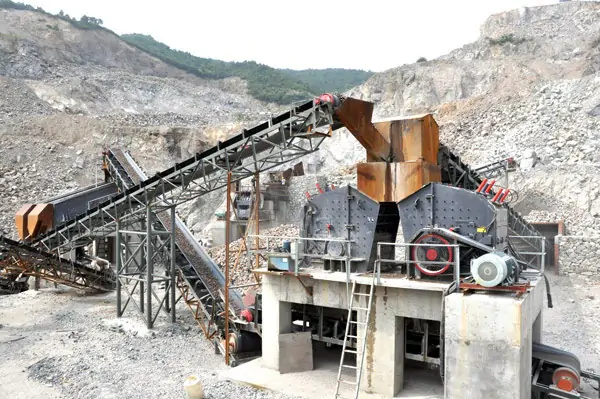
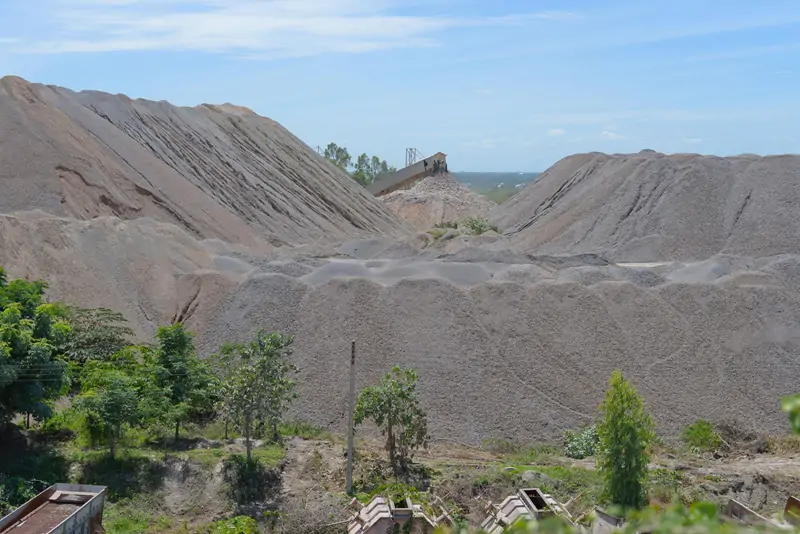
Impact crusher applications depend on material hardness, abrasiveness, feed size, and the required product size. Common impact crusher materials include:
Limestone and Industrial Minerals
Limestone, dolomite, and gypsum are processed for construction aggregates, cement production, and other industrial applications.
Concrete
Impact crushers process demolished concrete into recycled aggregates. Reinforcing steel and other contaminants should be removed through appropriate separation.
Asphalt
Reclaimed asphalt pavement (RAP) can be crushed into reusable material for road construction and pavement recycling.
River Pebbles and Hard Rock
River pebbles, granite, and basalt can be processed for aggregates and particle shaping, depending on their hardness and abrasiveness.
Highly abrasive materials can accelerate wear on hammer plates, blow bars, and impact liners. Their suitability should be assessed against expected wear costs and production requirements.
What Are the Advantages and Limitations of Impact Crushers?
Impact crushers offer advantages in size reduction and aggregate shaping, but their operating economics depend on feed properties, crusher configuration, and wear part consumption. Understanding the impact crusher advantages and disadvantages helps buyers assess whether this equipment is suitable for their production requirements.
Advantages of Impact Crushers
High Reduction Ratio: Impact crushers can achieve a relatively high reduction ratio, depending on feed size, material properties, and machine design.
Good Particle Shape: Repeated impact can produce more cubical aggregates and reduce elongated or flaky particles. Actual particle shape should be verified through screening and testing.
Adjustable Crushing Conditions: On applicable horizontal-rotor models, adjusting the impact plate clearance and rotor speed helps control crushing conditions and product gradation.
Flexible Applications: Different impact crusher designs can serve primary, secondary, or tertiary crushing, as well as concrete recycling, aggregate production, and manufactured sand processing.
Limitations of Impact Crushers
Wear in Abrasive Applications: Hard, abrasive feed can accelerate wear on blow bars, hammer plates, impact plates, and other crushing components.
Feed Material Requirements: Feed size must remain within the machine’s specified range. Wet, sticky, or clay-rich material may cause buildup and restrict material flow.
Maintenance Requirements: Rotor components, wear parts, fasteners, and impact surfaces require regular inspection and replacement when necessary.
Dust and Noise: High-speed impact generates dust and operating noise, so appropriate dust suppression and noise-control measures may be required.
For background on dust exposure during stone and concrete crushing, see OSHA’s Silica, Crystalline – Overview. Control measures should be assessed against site conditions and applicable local requirements.
The economic benefits of impact crushing depend on matching the crusher configuration to the feed material and required product specifications. For highly abrasive or sticky materials, buyers should compare expected wear part consumption, maintenance costs, and alternative crushing methods before making a selection.
For a separate discussion of these operating trade-offs, see Vor- und Nachteile des Prallbrechers.
How to Choose the Right Impact Crusher for Your Project
Impact crusher selection involves more than matching rated capacity to a production target. Feed properties, maximum feed size, product specifications, plant configuration, and maintenance costs all affect the choice of equipment.
For a more detailed assessment of these factors, How to Choose an Impact Crusher: A Complete Selection Guide explains how to match feed conditions, reduction requirements, and sustained output to the crusher configuration.
When choosing an impact crusher, evaluate these six factors:
1. Material Type and Abrasiveness
Identify material hardness, abrasiveness, moisture, and clay content. These properties affect crushing suitability and wear part consumption. Material samples or test data help verify equipment suitability.
2. Maximum Feed Size
Confirm the maximum particle size and feed distribution. Check whether the crusher’s feed opening and rotor design can handle the incoming material without excessive pre-crushing or mechanical loading.
3. Required Processing Capacity
Define the target output in tonnes per hour (t/h). Distinguish the crusher’s rated capacity from actual plant output, which also depends on feeding, screening, and conveying efficiency.
4. Target Product Size and Gradation
Specify the required output sizes, aggregate gradation, and particle shape. Multiple product sizes may require additional screening and an oversize return circuit.
5. Crushing Plant Configuration
Match the equipment to site conditions and relocation needs. Consider the European Impact Crusher, Tracked Impact Crusher, Mobile Impact Crusher, or Vertical Shaft Impact Crusher according to the required crushing process.
6. Wear Parts and Maintenance
Check wear part materials, replacement frequency, spare parts availability, and maintenance access. Compare long-term operating and maintenance costs rather than purchase price alone.
For an accurate recommendation, provide the manufacturer with feed material information, target capacity, required product size, and site conditions. These details help determine the crusher model and match the feeding, screening, and conveying systems. Installation and commissioning support should be confirmed according to project location and contract requirements.
When comparing impact crushing with compression-based alternatives, Backenbrecher vs. Kegelbrecher vs. Prallbrecher: Unterschiede & Einsatzgebiete provides additional context for equipment selection.
Conclusion
An impact crusher reduces material size through high-speed impact, with the rotor, impact components, and crushing chamber determining how breakage takes place. Actual performance depends on more than rotor speed. Material properties, feed conditions, impact clearance, and wear component condition all affect the crushing result. Proper impact crusher selection requires matching these factors with the required capacity, product specifications, and plant configuration.
Zhongyi Mining can assess your project requirements and recommend suitable equipment configurations. Contact our team with your material type, maximum feed size, target capacity, and required output size to discuss equipment selection and production line requirements.
Frequently Asked Questions About Impact Crushers
1. How Does an Impact Crusher Work?
An impact crusher reduces material size by transferring kinetic energy through impact. In horizontal-rotor designs, blow bars or hammer plates strike incoming material and throw it against impact plates for further breakage. In vertical shaft designs, the rotor accelerates particles outward toward other particles or metal impact surfaces. Crushed material then exits through the discharge outlet.
2. Does an Impact Crusher Produce Cubical Aggregates?
Yes, impact crushing can produce cubical aggregates with fewer elongated or flaky particles, depending on the feed material and operating conditions. Repeated impacts help fracture particles and improve their shape. Both HSI and VSI crushers can be used for aggregate shaping, although the final particle characteristics depend on rotor settings, crushing configuration, and downstream screening.
3. What Is the Difference Between an Impact Crusher and a Jaw Crusher?
An impact crusher breaks material through impact force, while a jaw crusher uses compression between a fixed jaw and a moving jaw. Jaw crushers are commonly used for primary crushing of large feed material, while impact crushers can handle different crushing stages depending on their design. Both are often combined in aggregate production lines to achieve the required feed size and product gradation.
4. What Is the Difference Between HSI and VSI Crushers?
HSI and VSI crushers differ mainly in rotor orientation and material acceleration. An HSI crusher uses a horizontal rotor to strike material and throw it against impact plates. A VSI crusher uses a vertical rotor to accelerate particles toward other particles or metal impact surfaces. HSI designs are used for various size-reduction stages, while VSI crushers are commonly selected for fine crushing and aggregate shaping.
5. What Materials Can an Impact Crusher Process?
Common impact crusher materials include limestone, concrete, reclaimed asphalt pavement, dolomite, gypsum, and selected types of hard rock. Material suitability depends on hardness, abrasiveness, moisture content, and feed size. Highly abrasive materials can accelerate wear on blow bars, hammer plates, and impact surfaces. Concrete recycling also requires appropriate separation of reinforcing steel and other contaminants.
6. What Determines the Output Size of an Impact Crusher?
Impact crusher output size is influenced by rotor speed, impact plate clearance, feed size, material properties, and wear component condition. On models with adjustable impact plates, changing the clearance modifies the crushing conditions. The final product gradation also depends on downstream screening, particularly when multiple aggregate sizes or an oversize return circuit are required.
7. Can an Impact Crusher Be Used for Primary Crushing?
Yes, some horizontal shaft impact crushers are designed for primary crushing. Their suitability depends on the maximum feed size, feed opening, rotor design, and material properties. Other impact crusher models are intended for secondary or tertiary applications. Buyers should check the manufacturer’s permitted feed size and equipment specifications before deciding whether upstream crushing is necessary.
8. What Information Is Needed to Select an Impact Crusher?
To select a suitable impact crusher, buyers should provide the material type, maximum feed size, target capacity, required output size, and site conditions. Information about material hardness and abrasiveness is also important for estimating wear part consumption. These details allow the manufacturer to evaluate the crusher model and recommend compatible feeding, screening, and conveying equipment.