










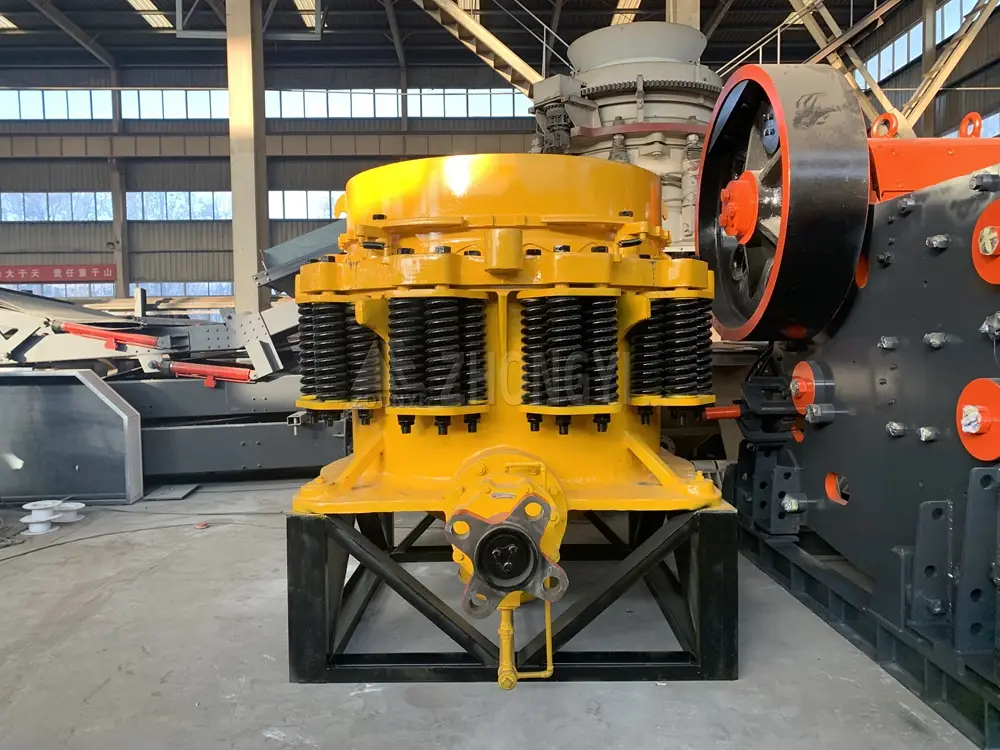
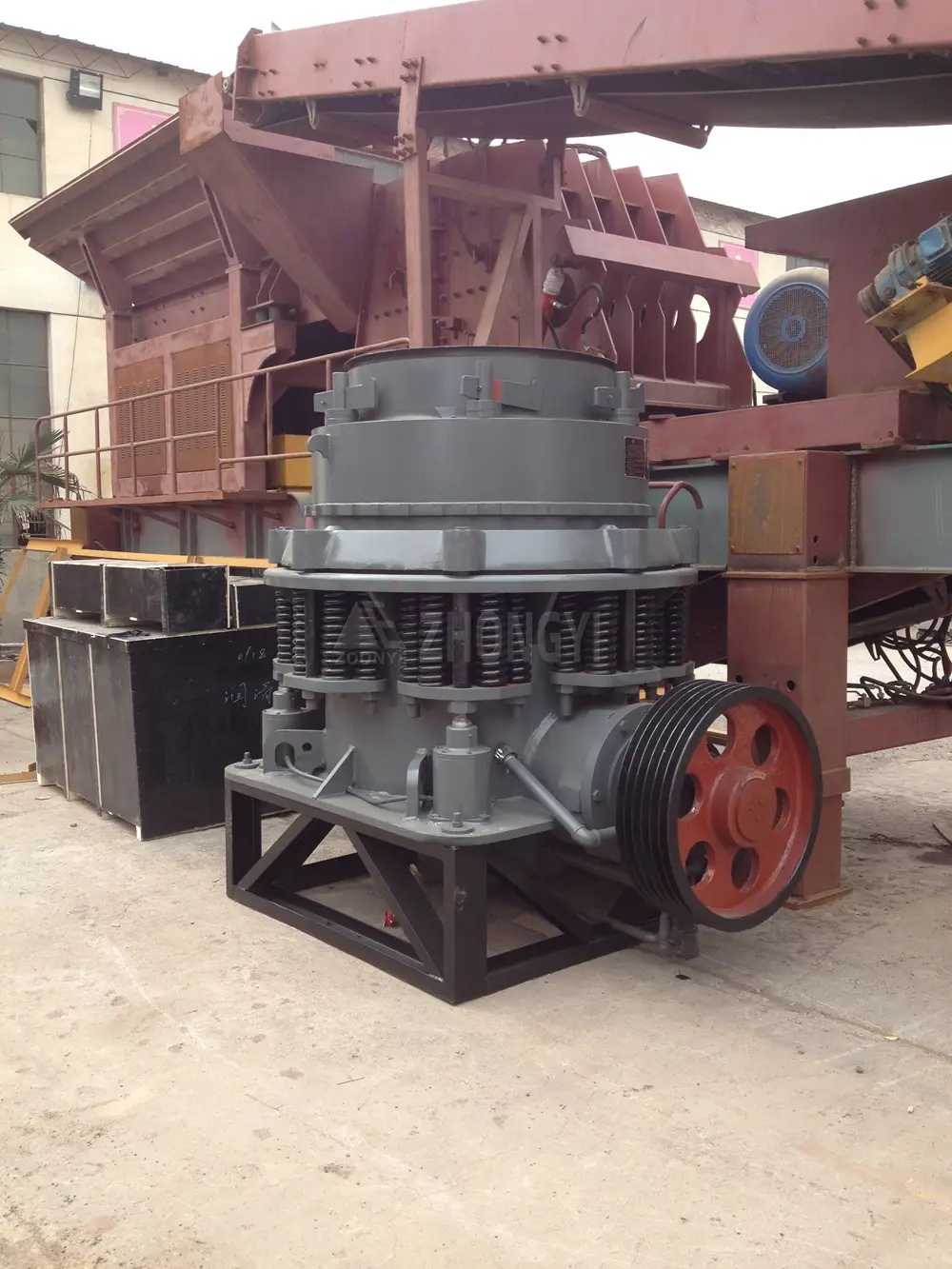
Was ist ein Federkegelbrecher?
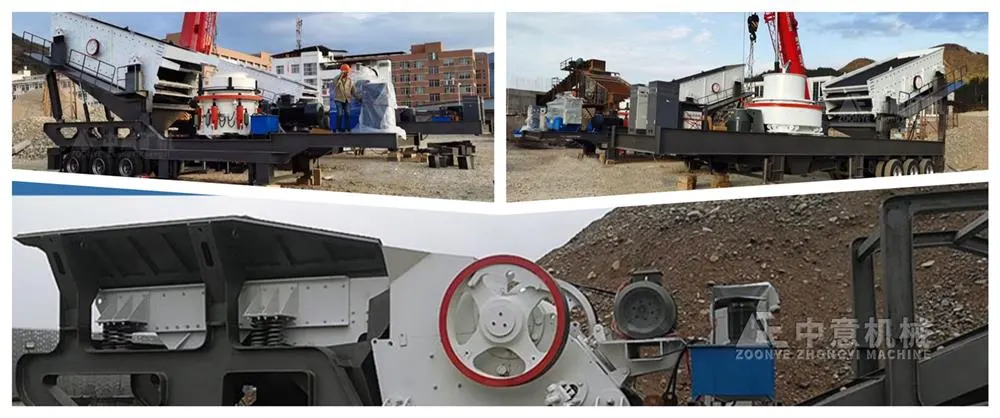
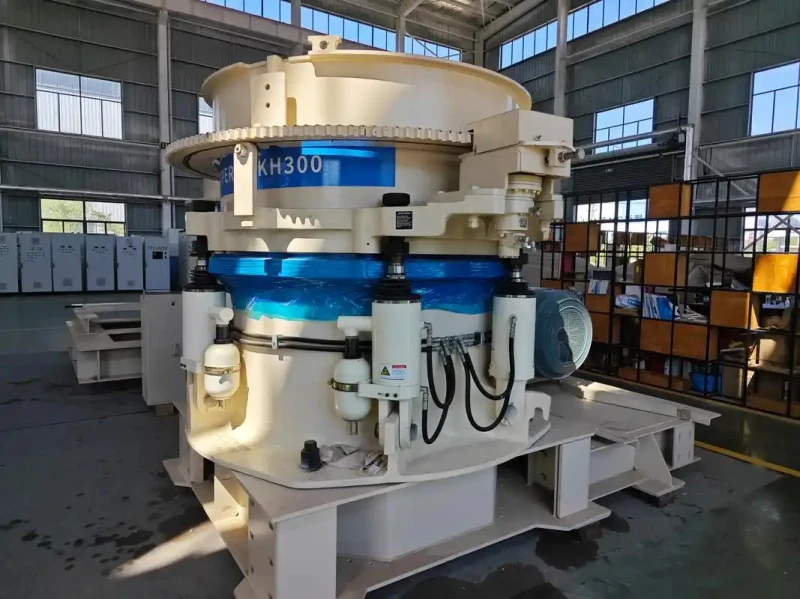
Ein Federkegelbrecher, auch bekannt als federbetriebener Kegelbrecher oder Kegelbrechmaschine, ist ein traditionelles und zuverlässiges Brechgerät für die Sekundär- und Feinzerkleinerung mittelharter Materialien in Bergbau, Steinbruch und Zuschlagstoffproduktion. Er wird üblicherweise nach Backenbrechern installiert und arbeitet mit Vibrationssieben, Aufgabegeräten und Förderbändern in vollständigen Brechanlagen zusammen. Mit einfacher Struktur, stabilem Betrieb und geringem Wartungsbedarf wird er häufig zur Verarbeitung von Materialien wie Granit, Basalt, Kalkstein und Metallerzen eingesetzt.
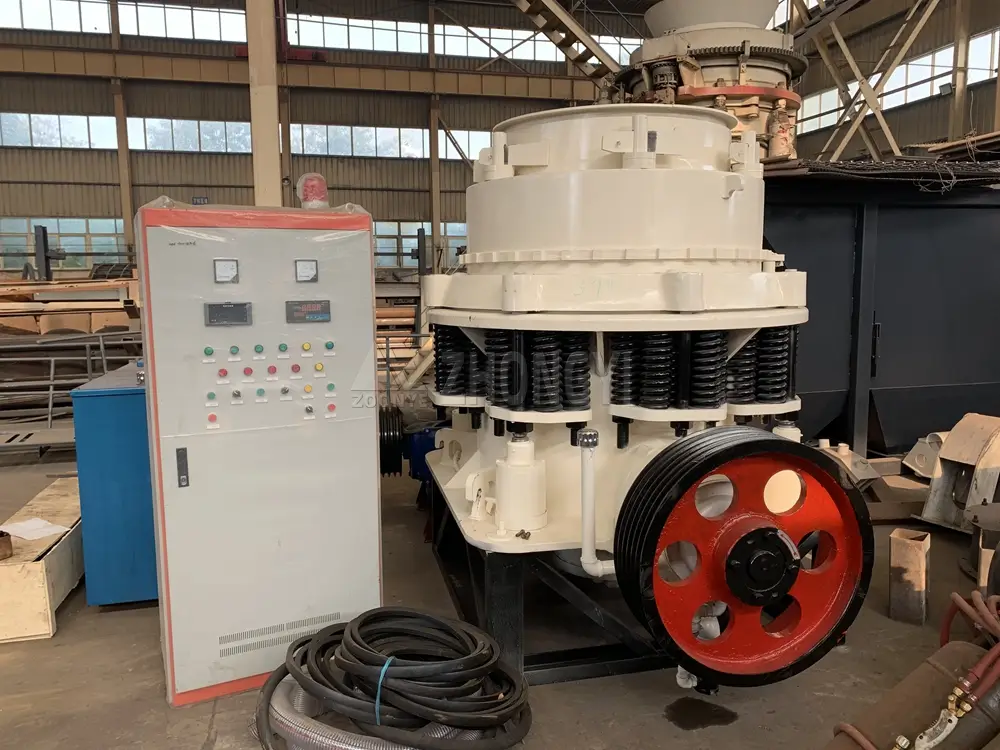
Funktionsprinzip
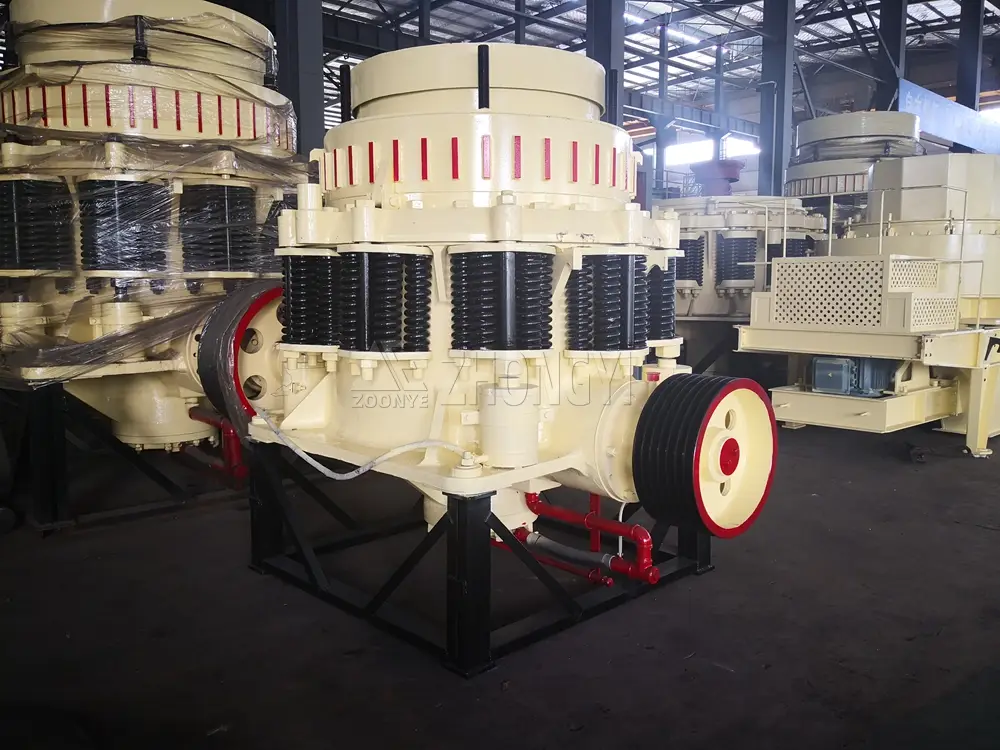
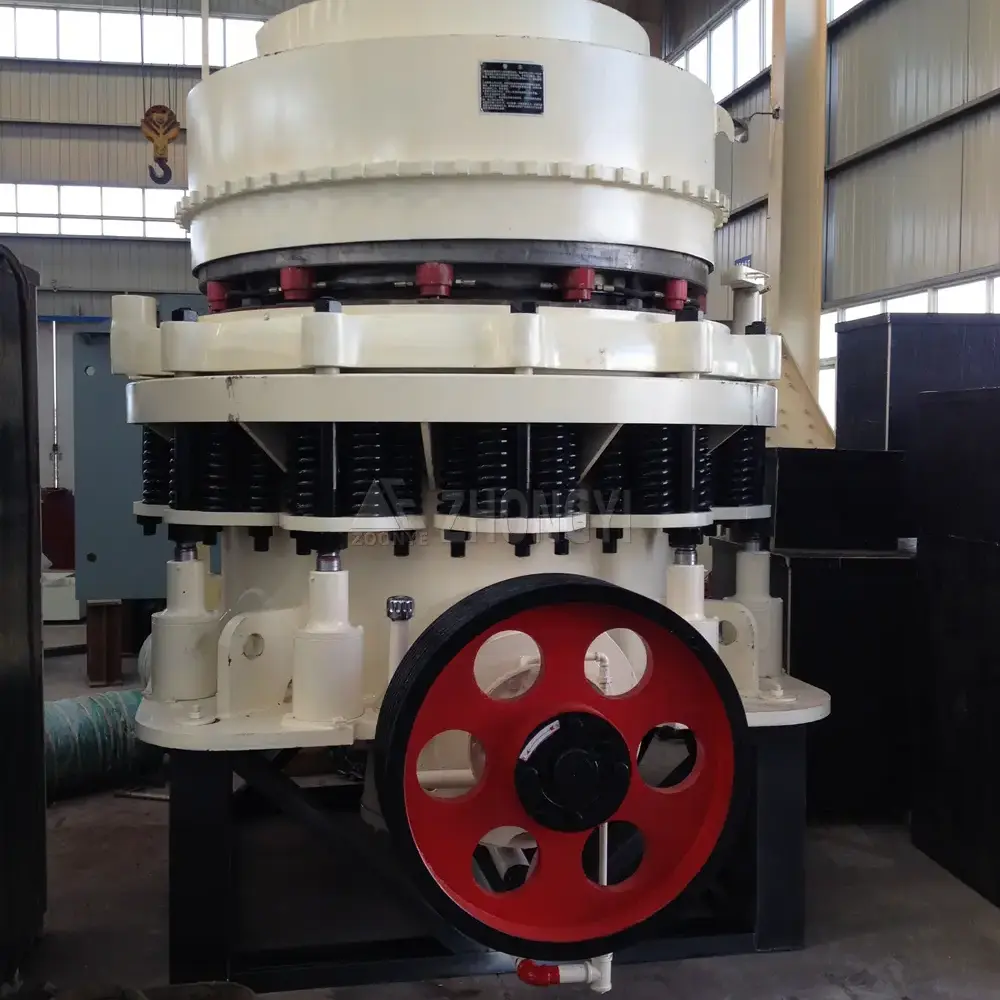
Der Federkegelbrecher arbeitet auf Basis eines kontinuierlichen Druckzerkleinerungsmechanismus, der durch eine exzentrische Bewegung angetrieben wird. Das Verständnis der Funktionsweise eines Federkegelbrechers hilft Anwendern, die Leistung zu optimieren und eine effiziente Materialverarbeitung sicherzustellen.
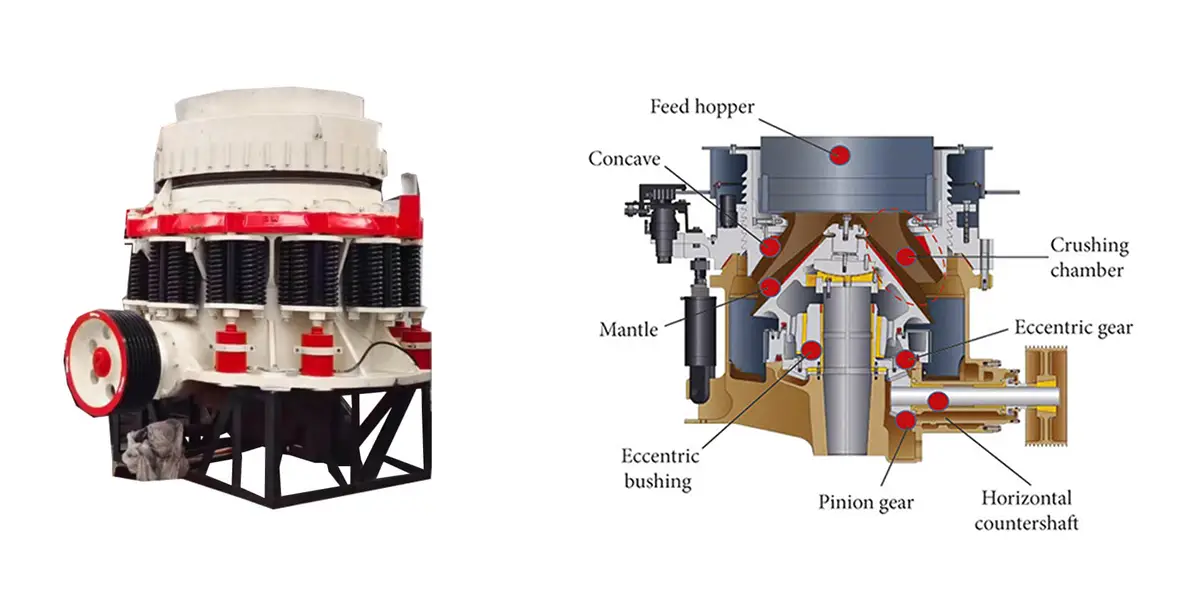
Exzenterwellenantrieb
Der Motor treibt die Exzenterwelle zur Rotation an, wodurch der Brechmantel (Brechkegel) eine kreisförmige Schwenkbewegung ausführt. Diese Bewegung erzeugt einen sich kontinuierlich verändernden Brechraum, der eine effiziente Materialkompression und einen hohen Durchsatz ermöglicht.
Zusammenspiel von Brechmantel und Brechschale
Die Materialien werden in den Raum zwischen dem Brechmantel (beweglicher Kegel) und der Brechschale (feste Bowl-Liner) aufgegeben. Durch wiederholtes Quetschen und Biegen wird das Material schrittweise verkleinert, bis es die gewünschte Austragsspezifikation erreicht.
Feder-Überlastschutzsystem
Wenn nicht brechbare Materialien in den Brechraum gelangen, komprimiert sich das Federsystem, um die Austragsöffnung zu vergrößern und den Überdruck abzulassen. Dies schützt den Brecher vor Schäden und gewährleistet einen stabilen, sicheren Betrieb.
Spezifikationen des Federkegelbrechers
Die folgenden Spezifikationen beschreiben die typischen Leistungsparameter von Federkegelbrechern. Diese Kennwerte helfen Anwendern, die Gerätekapazität, Größenkompatibilität und Leistungsanforderungen für verschiedene Brechanwendungen schnell zu bewerten.
| Modell | Aufgabegröße (mm / in) | Ausgabegröße (mm / in) | Kapazität (t/h) | Leistung (kW / PS) |
| PYB-600 | ≤65 mm / ≤2,6 in | 12–25 mm / 0,5–1 in | 12–25 | 30 kW / 40 PS |
| PYD-900 | ≤50 mm / ≤2 in | 3–13 mm / 0,1–0,5 in | 15–50 | 55 kW / 75 PS |
| PYB-1200 | ≤145 mm / ≤5,7 in | 20–50 mm / 0,8–2 in | 110–168 | 110 kW / 150 PS |
| PYD-1750 | ≤85 mm / ≤3,3 in | 5–15 mm / 0,2–0,6 in | 75–230 | 160 kW / 215 PS |
| PYB-2200 | ≤300 mm / ≤11,8 in | 30–60 mm / 1,2–2,4 in | 280–700 | 280 kW / 375 PS |
Flexible Konfiguration: Verschiedene Modelle sind verfügbar, um unterschiedliche Aufgabegrößen, Austragsanforderungen und Produktionskapazitäten abzudecken.
Standardisierte globale Einheiten: Alle Spezifikationen werden sowohl in metrischen Einheiten (mm, kW) als auch in internationalen Einheiten (Zoll, Pferdestärken) angegeben, um die globale Projektplanung und Geräteauswahl zu unterstützen.
Skalierbare Leistung: Von kleinen Betrieben bis zu großen industriellen Produktionslinien können Anwender das geeignete Modell auswählen, um Effizienz und Investitionsrendite zu optimieren.
Vorteile des Federkegelbrechers
Der Federkegelbrecher liefert eine effiziente und kosteneffektive Leistung und kombiniert eine robuste Struktur, ein zuverlässiges Schutzsystem und einen flexiblen Betrieb für die Verarbeitung mittlerer bis harter Materialien in verschiedenen Branchen.
Anwendungen
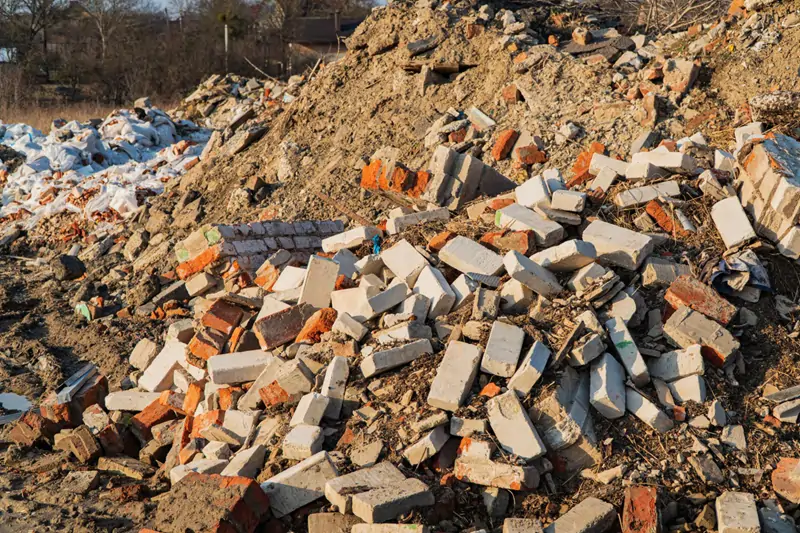
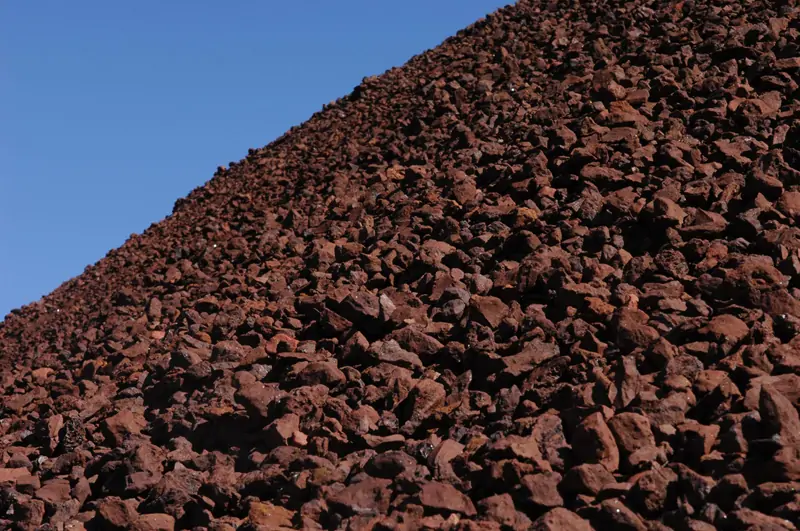
Federkegelbrecher werden in verschiedenen Branchen zur effizienten Zerkleinerung mittlerer bis harter Materialien eingesetzt. Ihre Vielseitigkeit, stabile Leistung und Wirtschaftlichkeit machen sie zu einer zuverlässigen Wahl für primäre und sekundäre Verarbeitungsstufen.
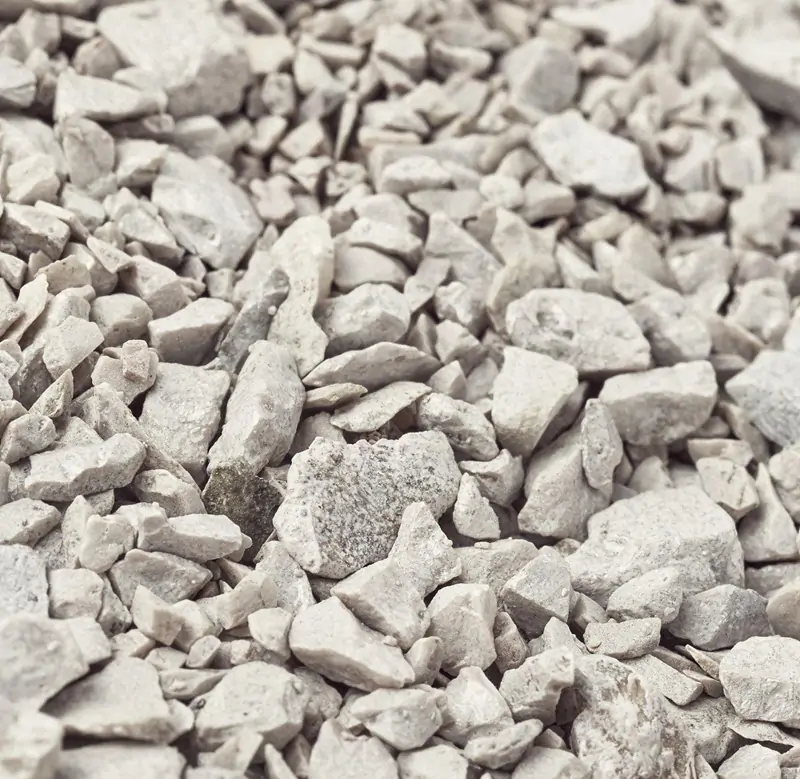
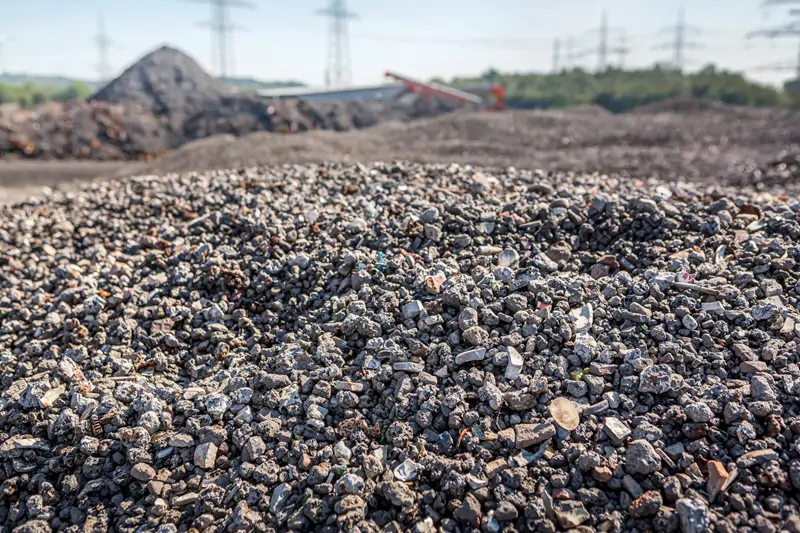
Overseas Aggregate Plant Case
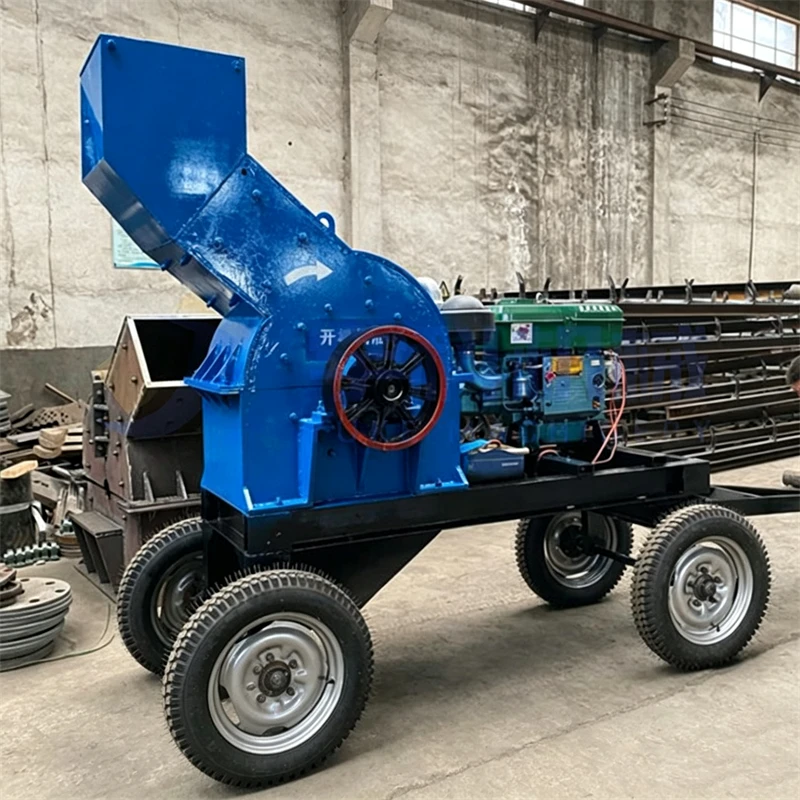
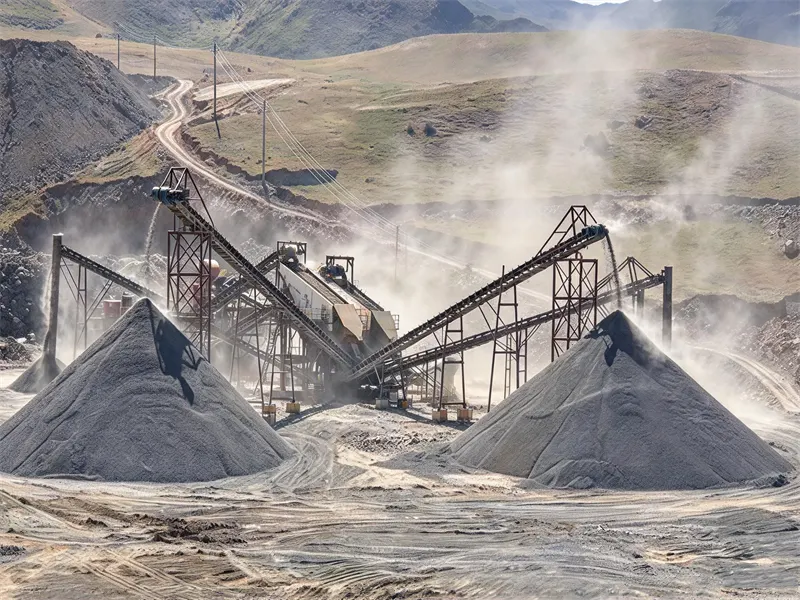
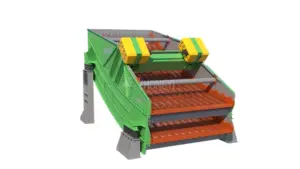
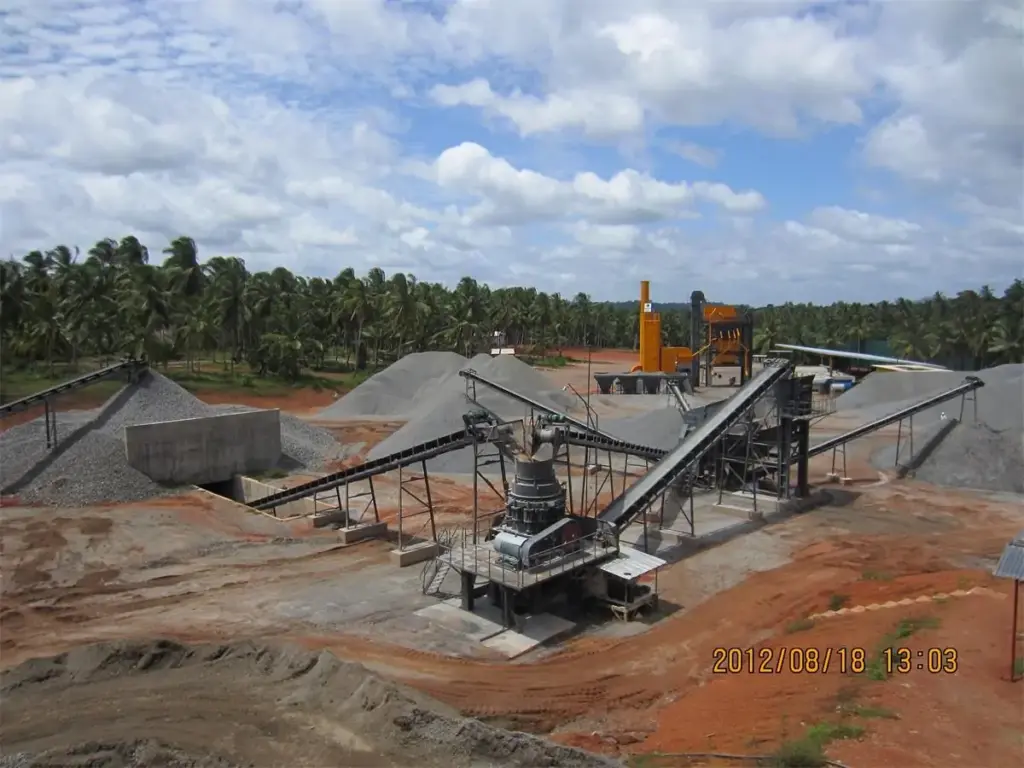
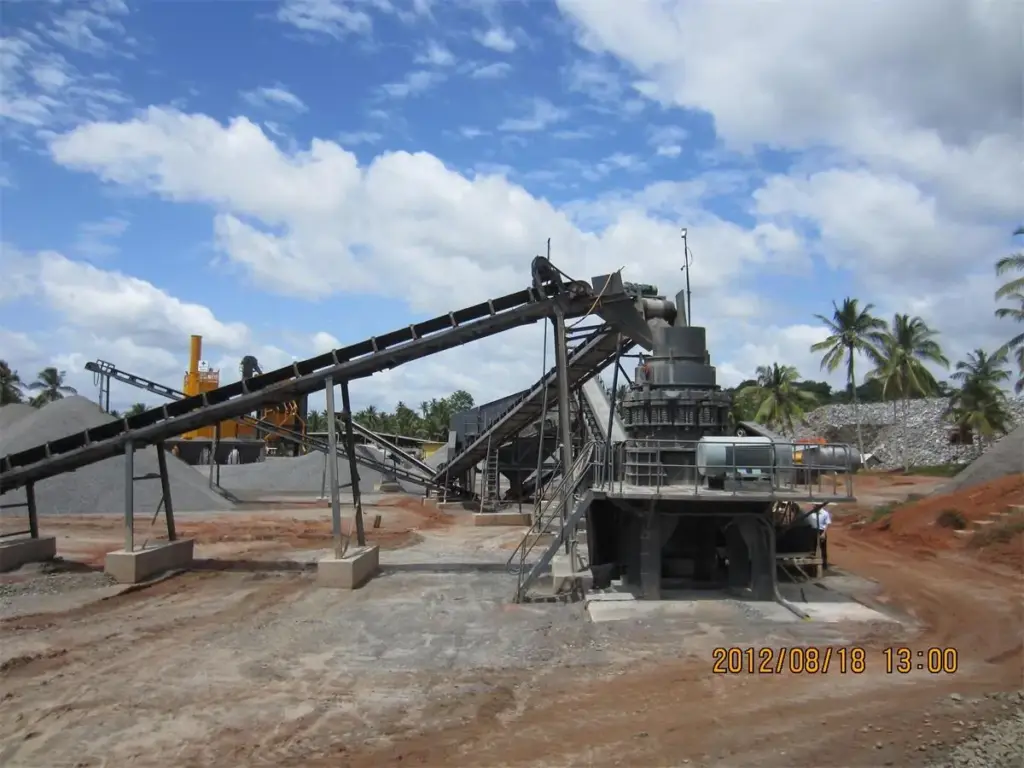
For this tropical quarry project, we provided customized configuration suggestions and supplied Zhongyi spring cone crushers as the core fine-crushing equipment of the whole production line. Matched with primary heavy hammer crushers, belt conveyors and vibrating screens, a closed-loop aggregate crushing system was built.
Equipped with reliable spring overload protection, Zhongyi cone crushers stably process hard stones under high-temperature, dusty tropical conditions. The adjustable discharge size meets diverse aggregate specifications for local infrastructure construction. The entire production line runs steadily with an hourly output of 350 tons, featuring low maintenance cost and uniform finished grain shape, bringing lasting economic benefits for this overseas customer.
Spring Cone Crusher vs Hydraulic Cone Crusher
Spring Cone Crusher and Hydraulic Cone Crusher have similar crushing principles, but they differ significantly in structural design, adjustment methods, automation, and operating efficiency. Spring cone crushers feature a simpler structure with lower investment costs, making them suitable for small and medium-scale crushing plants. Hydraulic cone crushers adopt advanced hydraulic systems, offering automatic adjustment, overload protection, higher crushing efficiency, and better adaptability for large-scale mining and aggregate production.
| Comparison Item | Federkegelbrecher | Hydraulic Cone Crusher |
| Konstruktives Design | Simple structure with spring overload protection system | Advanced hydraulic system with integrated control and protection functions |
| Adjustment Method | Manual adjustment of discharge opening | Hydraulic adjustment for faster and more precise control |
| Overload Protection | Spring system provides basic protection against uncrushable materials | Hydraulic system automatically releases and resets during overload |
| Crushing Efficiency | Suitable for general crushing applications with moderate capacity requirements | Higher efficiency with improved crushing capacity and particle shape |
| Automation Level | Lower automation, requires more manual operation | Higher automation with intelligent control options |
| Wartung | Simple maintenance and lower replacement costs | Easier operation but requires hydraulic system maintenance |
| Operating Cost | Lower initial investment and economical operation | Higher initial investment but better long-term efficiency |
| Application Scale | Small and medium crushing plants, quarrying, secondary crushing | Large mines, high-capacity aggregate plants, complex crushing operations |
| Feed Size & Capacity | Suitable for medium feed sizes and standard production requirements | Handles larger feed sizes and higher production demands |
| Product Advantages | Reliable, durable, and cost-effective | High efficiency, stable performance, and advanced protection |
If you’re interested in “Stone Crusher Types: Working Principle, Uses, and Selection Guide,” you can click.Compared with hydraulic cone crushers, the differences are clear:
How to Choose the Right Spring Cone Crusher?
Choosing the right Spring Cone Crusher depends on your production capacity, feed size, material hardness, and final product requirements. At Zhongyi, we recommend selecting the crusher model based on actual operating conditions to ensure stable performance, efficient crushing, and lower maintenance costs.
Why Choose Our Spring Cone Crusher?
Selecting a reliable manufacturer is essential for ensuring equipment quality and long-term performance. With extensive industry experience and global project support, Zhongyi provides dependable spring cone crusher solutions for a wide range of applications.
Manufacturer experience
With over 15+ years of manufacturing experience, Zhongyi has developed mature production processes and technical expertise, ensuring consistent product quality and stable performance.
Global export capability
Our equipment has been exported to multiple countries and regions, supporting mining, aggregate, and construction projects worldwide, demonstrating proven reliability in diverse working conditions.
Certified quality standards
All products comply with international standards such as ISO and CE, ensuring safety, quality control, and compliance with global requirements.
After-sales service
Zhongyi provides comprehensive support, including installation guidance, spare parts supply, and technical assistance, helping ensure continuous and efficient operation.
Individuelle Lösung anfordern
Partner with Zhongyi for a Spring Cone Crusher solution designed for stable crushing performance in mining, quarry, and aggregate production applications.
Custom Solutions
Every crushing project has different requirements based on material properties, feed size, capacity, and final product specifications. Zhongyi provides customized Spring Cone Crusher solutions, including model selection, configuration optimization, and complete crushing production line solutions to meet different mining, quarrying, and aggregate applications. Share your project details with our engineers, and we will recommend the suitable crusher configuration and process design for your operation.
Please Provide the Following Information:
FAQs
What is the difference between a spring cone crusher and a hydraulic cone crusher?
The main difference is the protection and adjustment system. Spring cone crushers use a mechanical spring structure for overload protection, offering simple design and reliable operation. Hydraulic cone crushers provide automatic adjustment and protection functions, making them more suitable for large-scale production lines requiring higher automation and faster setting control.
What materials can a spring cone crusher process?
Spring cone crushers are designed for medium-hard materials including granite, basalt, limestone, iron ore, copper ore, and other mineral materials. The correct model selection depends on material hardness, abrasiveness, feed size, and production requirements to ensure stable crushing performance and reasonable wear part consumption.
How do I choose the right spring cone crusher model?
Model selection depends on several factors, including required capacity, maximum feed size, output size, material characteristics, and downstream process requirements. Providing detailed project information helps engineers select the suitable crushing chamber, power configuration, and equipment specifications for reliable operation.
What factors affect the cost of a spring cone crusher?
The equipment cost depends on crusher model size, capacity, motor power, chamber configuration, wear part materials, and additional requirements such as automation or complete crushing plant integration. Long-term operating costs, including maintenance and spare parts, should also be considered when comparing different solutions.
What is the typical output size of a spring cone crusher?
The final product size depends on the crusher model, cavity type, and discharge setting. By adjusting the discharge opening, the crusher can produce different particle sizes for applications such as aggregate production, road construction materials, and mineral processing.
How should a spring cone crusher be maintained?
Regular maintenance includes checking lubrication systems, monitoring wear parts, inspecting fasteners, and maintaining proper feeding conditions. Timely replacement of worn liners and correct operating practices help prevent unexpected downtime and maintain stable crushing performance.
Can a spring cone crusher handle large-scale production?
Yes. Large spring cone crusher models can be integrated into mining and aggregate production lines for continuous operation. The actual capacity depends on material properties, feeding conditions, crusher configuration, and the overall process design.
Do you provide installation support and spare parts?
Yes. Zhongyi provides technical support including equipment selection, installation guidance, commissioning assistance, and spare parts supply. We help customers maintain reliable crusher operation and reduce downtime throughout the equipment service life.