











Was sind die Vor- und Nachteile eines Prallbrechers?
Prallbrecher bieten hohe Zerkleinerungsverhältnisse (bis zu 20:1), hervorragende Partikelform und Durchsatzkapazitäten von 30 bis über 2.000 TPH. Bei der Verarbeitung abrasiver Materialien wie Granit oder Basalt fallen jedoch höhere Verschleißkosten an, sodass sie besser für mittelharte Gesteine, Kalkstein, Betonrecycling und die Zuschlagstoffproduktion geeignet sind.
Vorteile:
- Hohes Zerkleinerungsverhältnis
- Hervorragende Zuschlagstoffform
- Flexible Austragsverstellung
- Geringere Anfangsinvestition
Nachteile:
- Höhere Verschleißkosten
- Nicht geeignet für stark abrasive Gesteine
- Häufigere Wartung
- Höhere Staubentwicklung
Was ist ein Prallbrecher?
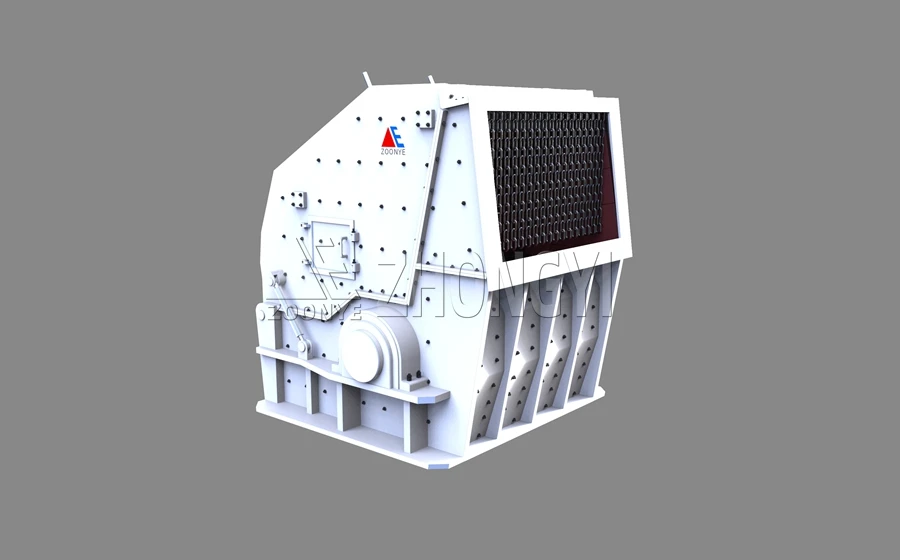
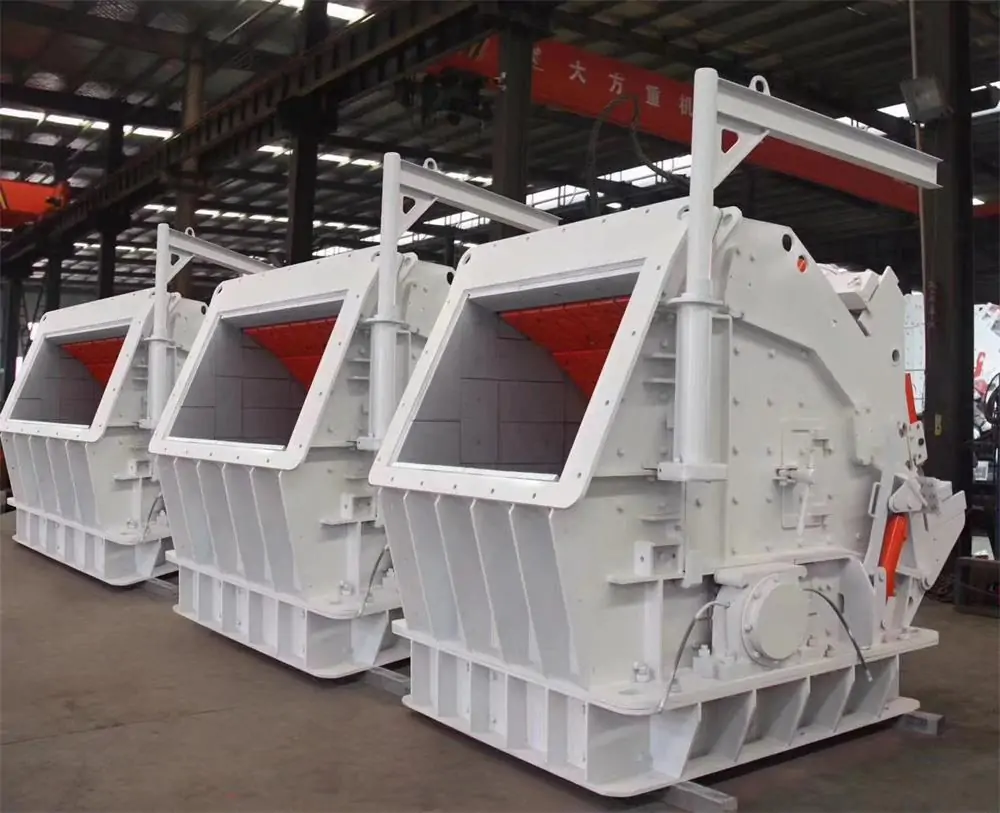
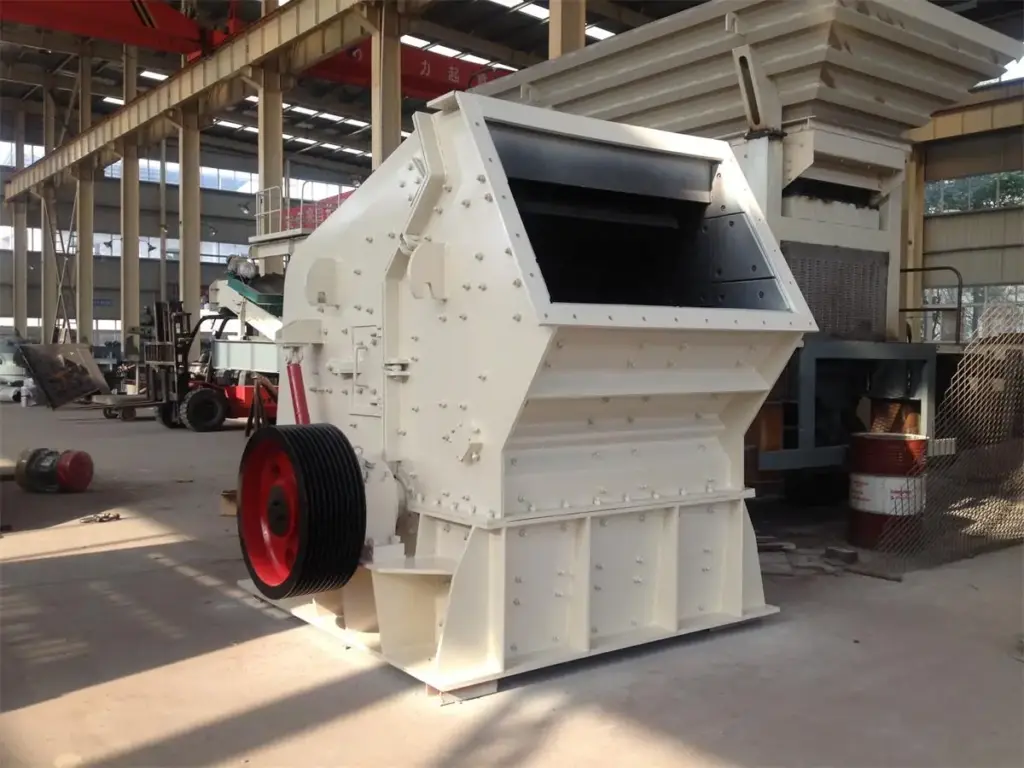
Ein Prallbrecher, auch bekannt als Prallmühle oder Prallzerkleinerer, ist eine Art von Zerkleinerungsausrüstung, die die Materialgröße durch Hochgeschwindigkeits-Schlagkraft statt durch Druck reduziert. Er wird häufig in der Zuschlagstoffproduktion, im Bergbau, in Steinbrüchen, Zementwerken und in der Recyclingindustrie eingesetzt, um Materialien wie Kalkstein, Beton, Bauschutt, Kohle, Gips und andere Gesteine geringer bis mittlerer Härte zu verarbeiten.
Im Vergleich zu Druckzerkleinerern können Prallbrecher ein hohes Zerkleinerungsverhältnis von bis zu 20:1 erreichen und gleichzeitig eine gleichmäßigere und kubischere Partikelform erzeugen, was sie besonders für Zuschlagstoff- und Recyclingmaterialanwendungen geeignet macht.
Wie funktioniert ein Prallbrecher?
Ein Prallbrecher besteht hauptsächlich aus einem Rotor, Schlagleisten, Prallplatten und einer Zerkleinerungskammer. Während des Betriebs dreht sich der Rotor mit hoher Geschwindigkeit und trifft auf das Aufgabematerial, beschleunigt es in Richtung der Prallplatten, wo das Material durch wiederholte Kollisionen und Schlagkräfte weiter zerkleinert wird. Im Gegensatz zu Backenbrechern und Kegelbrechern, die Material durch Druck zerkleinern, nutzen Prallbrecher die Übertragung kinetischer Energie, wodurch sie eine effiziente Größenreduzierung, gute Partikelform und Produktionskapazitäten von 30 TPH bis über 2.000 TPH erzielen können, je nach Anwendung und Maschinenkonfiguration.
For a step-by-step explanation of rotor impact, repeated breakage, and material discharge, see Wie funktioniert ein Prallbrecher?
Prallbrecher-Typen
Wir bieten verschiedene Prallbrecher-Typen an, um unterschiedliche Zerkleinerungsanforderungen zu erfüllen, einschließlich Zuschlagstoffproduktion, Bergbau, Kalksteinverarbeitung und Recyclinganwendungen. Das richtige Modell hängt von der Materialhärte, der Aufgabegröße, der erforderlichen Kapazität und den Endproduktspezifikationen ab.
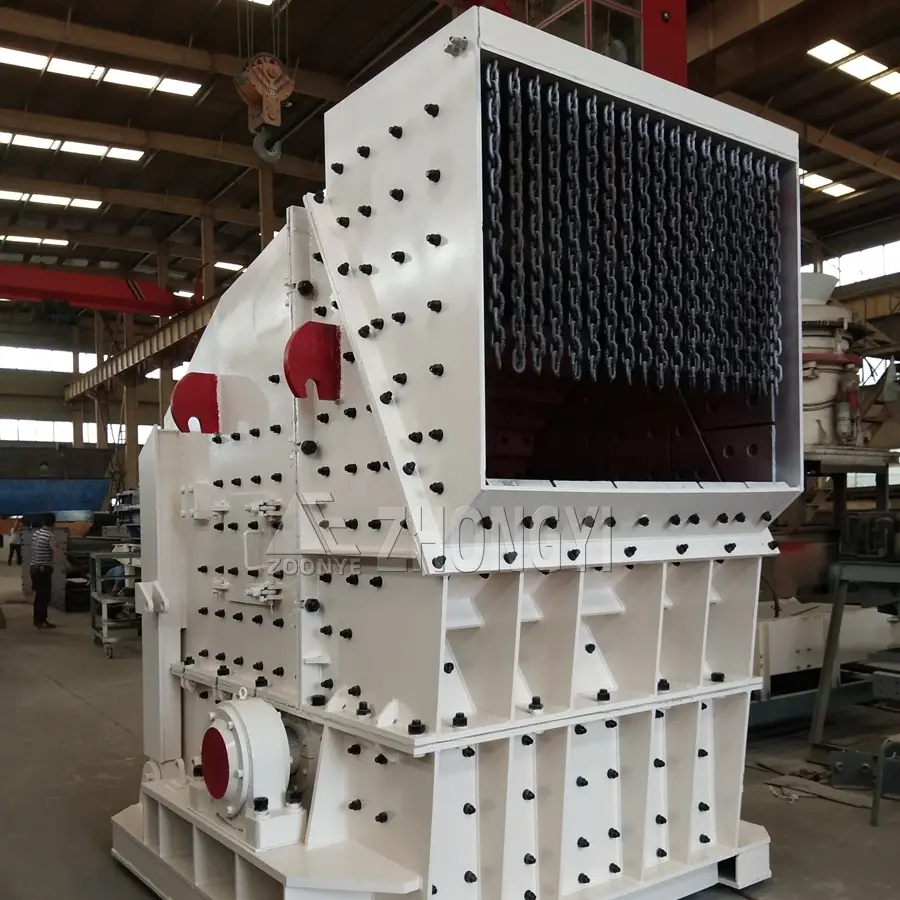
Europäischer Prallbrecher
Europäischer Prallbrecher ist für die Sekundärzerkleinerung von Kalkstein, Dolomit, Betonabfällen und anderen mittelharten Materialien ausgelegt. Er verfügt über ein optimiertes Rotordesign, ein hydraulisches Öffnungssystem und eine hervorragende Partikelformkontrolle, mit Kapazitäten in der Regel von 80 bis 500 TPH.
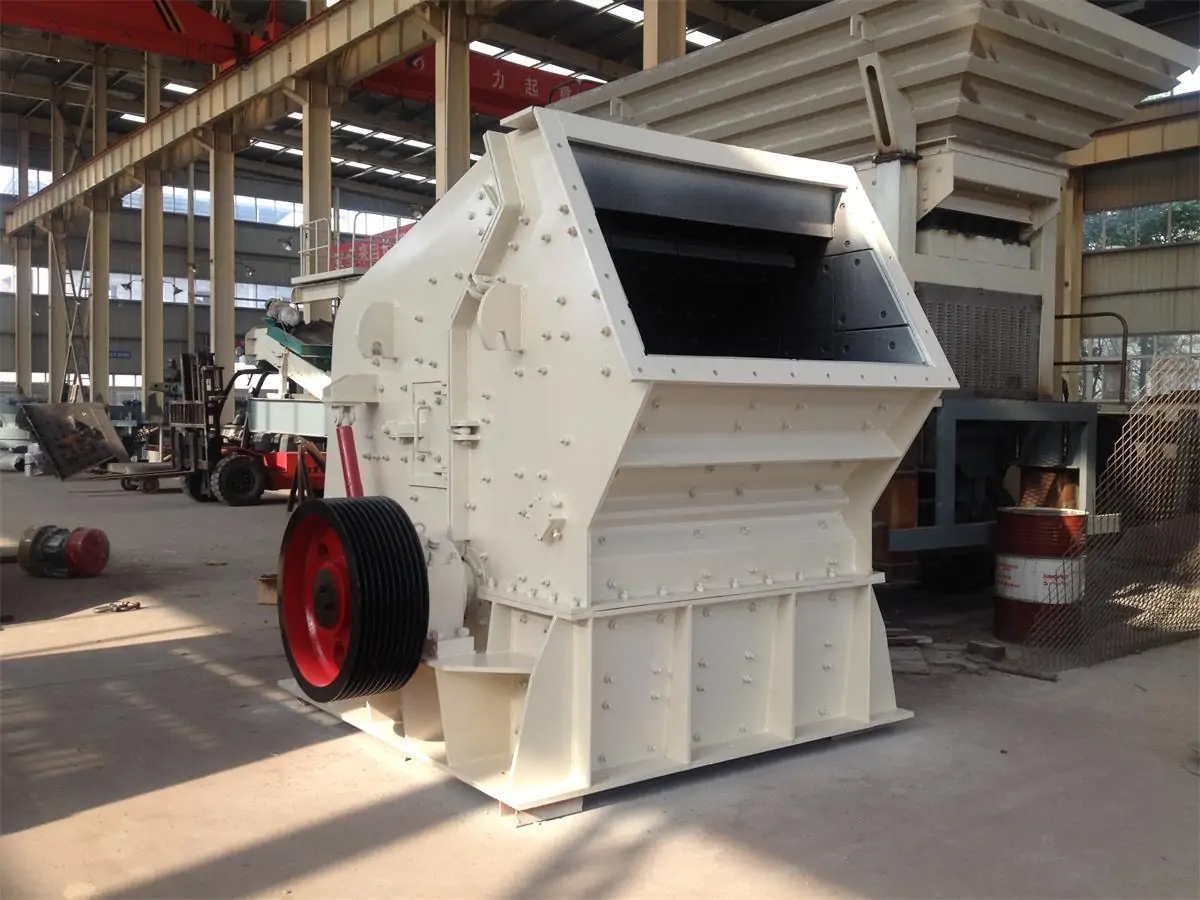
Horizontalwellen-Prallbrecher (HSI-Prallbrecher)
Ein vielseitiger Prallbrecher, der häufig in Steinbrüchen und der Zuschlagstoffproduktion eingesetzt wird. Er bietet ein hohes Zerkleinerungsverhältnis und eine gute kubische Produktform, verarbeitet Aufgabegrößen bis zu 700 mm mit Kapazitäten von 50 bis 800 TPH.
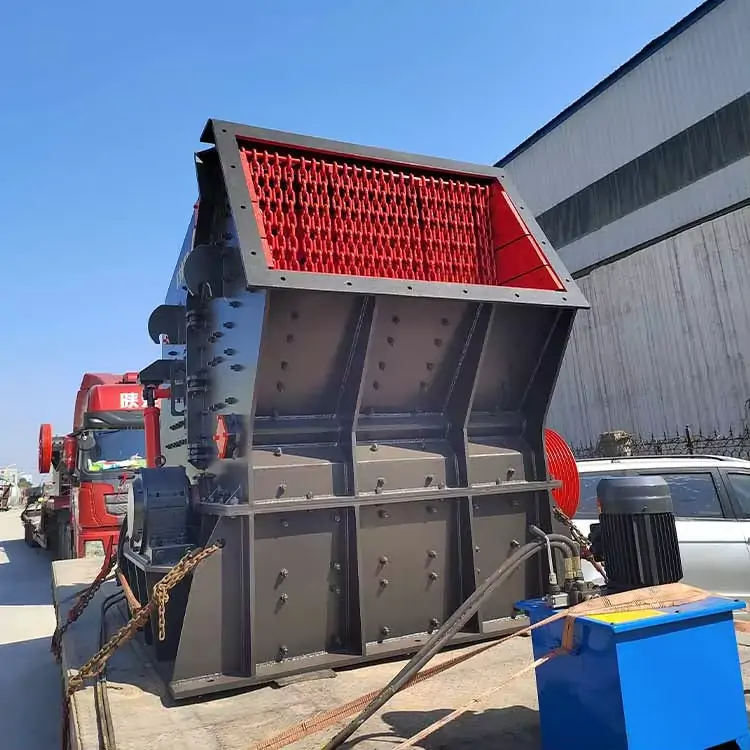
Primärprallbrecher
Ausgelegt für Primärzerkleinerungsanwendungen, insbesondere in Kalkstein- und Weichgesteinverarbeitungsanlagen. Er kann große Aufgabegrößen von bis zu 1.200 mm aufnehmen und Produktionskapazitäten von 150 bis 2.000 TPH liefern.
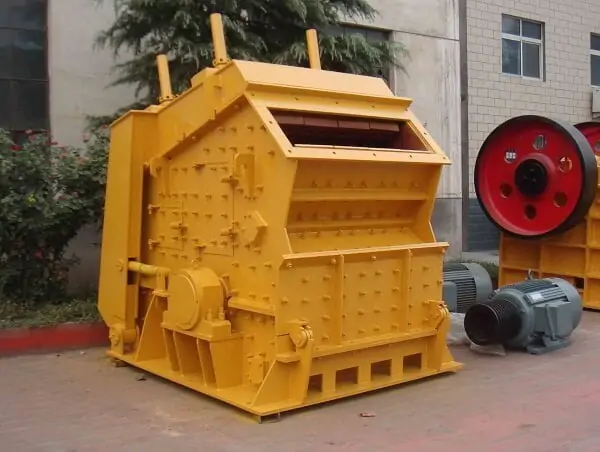
Sekundärprallbrecher
Hauptsächlich eingesetzt nach Backenbrechern für die Sekundärzerkleinerung und Zuschlagstoffformung. Er produziert gut abgestufte Zuschlagstoffe mit Aufgabegrößen typischerweise unter 300 mm und Kapazitäten von 50 bis 400 TPH.
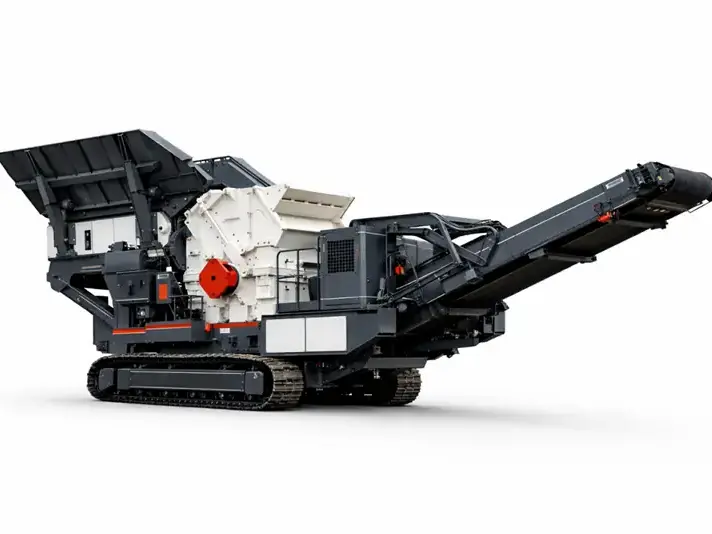
Mobiler Prallbrecher
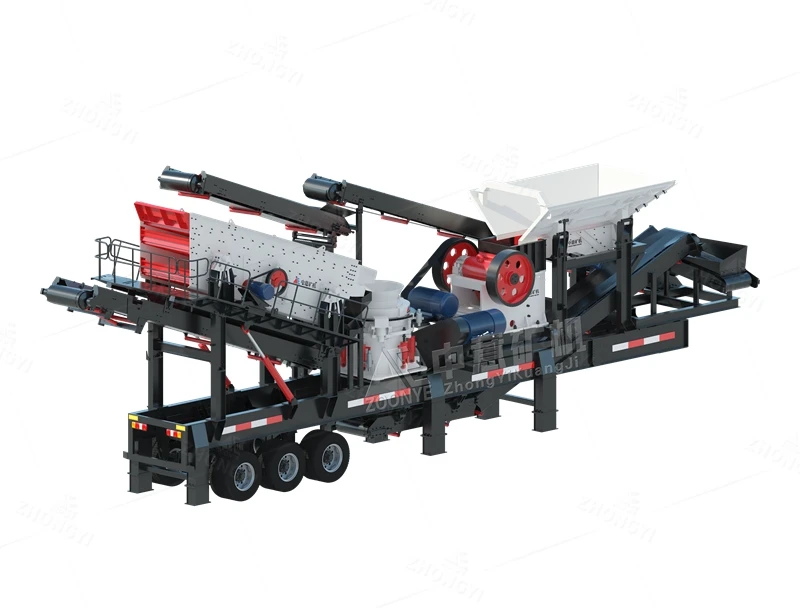
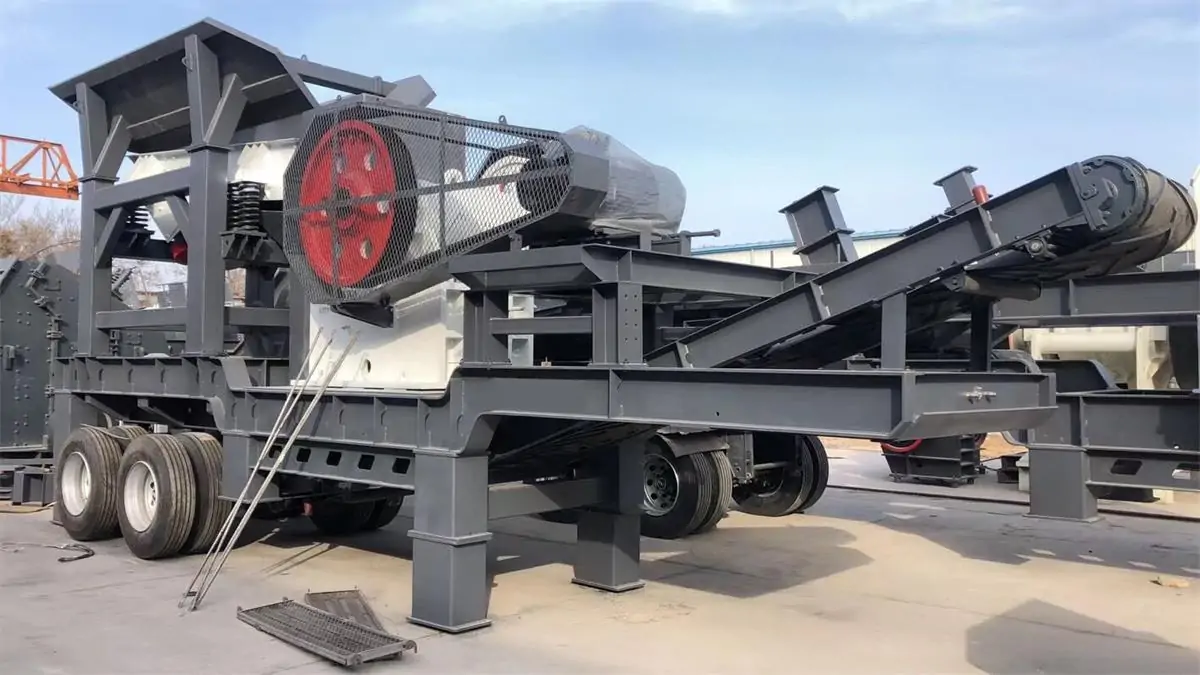
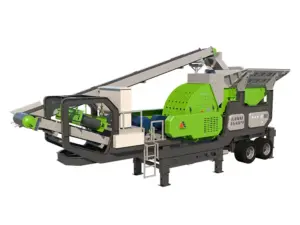
Mobiler Prallbrecher ist eine mobile Zerkleinerungslösung, die Prallbrecher, Aufgeber und Siebsystem auf einem mobilen Fahrgestell integriert. Er eignet sich für Bauschuttrecycling und temporäre Steinbruchprojekte, mit Kapazitäten in der Regel von 50 bis 350 TPH.
To assess whether a mobile setup suits your project, Mobile Impact Crusher Selection: A Practical Guide for Mining and Construction covers chassis selection, supporting equipment, and operating costs.
Vorteile von Prallbrechern
| Position | Beschreibung |
| Hervorragende Partikelform | Erzeugt überwiegend kubische Zuschlagstoffe mit niedrigem Flachkornindex, minimalen inneren Rissen und reduziertem Feinkornanteil, geeignet für hochwertige Autobahn-, Bau- und Betonanwendungen. |
| Hohes Zerkleinerungsverhältnis und Effizienz | Das hohe Zerkleinerungsverhältnis (bis zu 20:1) reduziert effektiv die Aufgabegröße und verbessert die Gesamtprozesseffizienz, wodurch in einigen Anwendungen die Notwendigkeit einer Sekundärmahlung verringert wird. |
| Einstellbare Ausgabegröße | Die Austragsgröße kann durch Anpassung des Spalts zwischen Prallplatten und Schlagleisten präzise gesteuert werden, was eine flexible Produktion mehrerer Zuschlagstoffspezifikationen ermöglicht. |
| Einfache Struktur und einfache Wartung | Kompaktes Design mit hydraulischem Öffnungssystem vereinfacht Inspektion, Verschleißteilaustausch und Routinewartung und reduziert Ausfallzeiten. |
| Breite Materialanpassungsfähigkeit | Geeignet für Materialien mit Aufgabegrößen bis zu 500 mm und Druckfestigkeiten bis zu 350 MPa, besonders effektiv für Kalkstein und andere Materialien mittlerer bis geringer Härte. |
Nachteile von Prallbrechern
| Position | Beschreibung |
| Hohe Verschleißrate der Verbrauchsteile | Schlagleisten und Prallplatten sind Hochverschleißkomponenten, die häufigen Austausch erfordern. Die Verschleißrate steigt erheblich bei der Verarbeitung abrasiver oder härterer Aufgabematerialien, was zu höheren Betriebs- und Wartungskosten führt. |
| Begrenzte Eignung für Hartgestein | Nicht empfohlen für Materialien hoher Härte wie Granit und Basalt. Übermäßiger Verschleiß reduziert die Wirtschaftlichkeit und verkürzt die Lebensdauer in solchen Anwendungen. |
| Empfindlichkeit gegenüber Feuchtigkeit und Ton | Hoher Feuchtigkeits- oder Tongehalt im Aufgabematerial kann zu Kammerverstopfungen führen. Reinigungs- und Wiederanlaufvorgänge sind nach einer Verstopfung relativ schwierig. |
| Lärm- und Staubemission | Der Betrieb erzeugt relativ hohe Lärm- und Staubpegel, was zusätzliche Staubbekämpfungs- und Lärmkontrollsysteme erfordert, um Umweltstandards einzuhalten. |
Prallbrecher vs. andere Brecher
Prallbrecher werden hauptsächlich für Materialien mittlerer bis geringer Härte eingesetzt und werden bevorzugt, wenn eine gute Partikelform und ein hohes Zerkleinerungsverhältnis erforderlich sind. Im Vergleich zu Backenbrecher, und Kegelbrechern arbeiten sie nach einem anderen Zerkleinerungsprinzip, Schlagkraft statt Druck, was sich direkt auf Ausgabeform, Verschleißkosten und Anwendungsbereich auswirkt. Beim Vergleich von Zerkleinerungsausrüstung für verschiedene Materialien und Anwendungen lesen Sie Backenbrecher vs. Kegelbrecher vs. Prallbrecher: Unterschiede & Einsatzgebiete to understand their key differences and how to choose the right type.
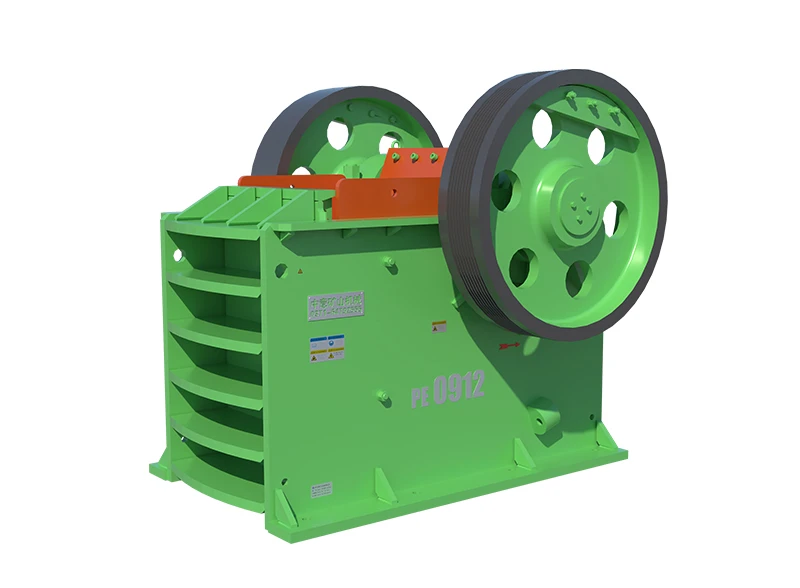
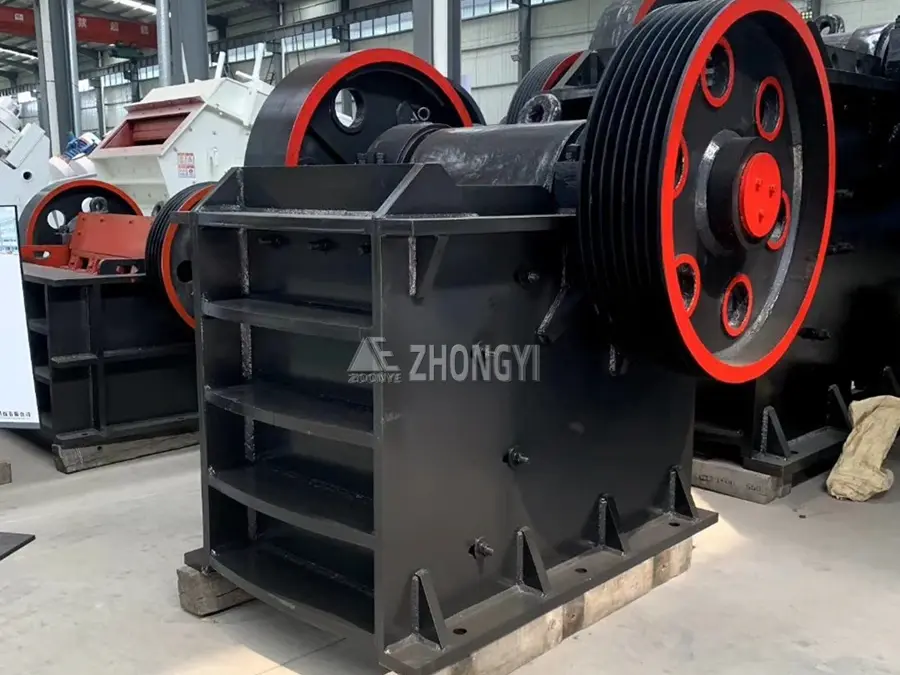
Impact Crusher vs Jaw Crusher
| Position | Prallbrecher | Backenbrecher |
| Crushing stage | Secondary / tertiary crushing | Primary crushing |
| Arbeitsprinzip | High-speed rotor impact + rebound | Compression between fixed and moving jaw plate |
| Feed size range | Medium feed (typically ≤500 mm) | Large feed (up to 1000+ mm depending on model) |
| Output shape | High cubic content, low flakiness index | More elongated / angular particles |
| Reduction ratio | High (up to 15–20:1 in suitable material) | Low to medium (3–6:1 typical) |
| Product control | Adjustable via impact gap setting | Limited control, mainly dependent on discharge setting |
| Wear cost | Higher (blow bars & impact plates) | Lower in most applications |
| Typical use case | Shaping + secondary crushing | Primary reduction of run-of-mine material |
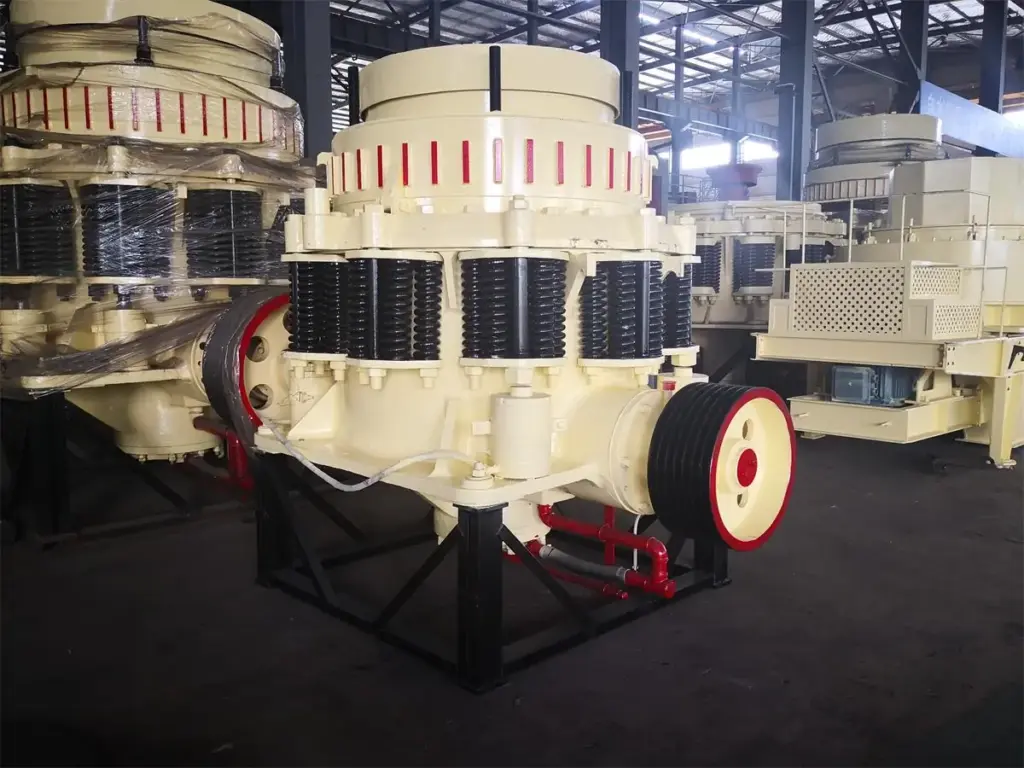
Impact Crusher vs Cone Crusher
| Position | Prallbrecher | Kegelbrecher |
| Crushing principle | Impact breakage (high-speed collision) | Compression + inter-particle crushing |
| Suitable material | Limestone, concrete, soft to medium rock | Hard and abrasive rock (granite, basalt) |
| Particle shape | Better cubical shape, higher fines control | More elongated particles, better for gradation stability |
| Reduction efficiency | High in soft/medium materials | High in hard rock and fine crushing stage |
| Wear performance | Higher wear in abrasive applications | Lower wear in hard rock due to compression mode |
| Betriebskosten | Higher in hard rock conditions | More stable in long-term hard rock operation |
| Typical application stage | Secondary / tertiary shaping | Secondary / fine crushing in hard rock circuits |
| Maintenance frequency | Relatively higher | Lower and more stable in heavy-duty operations |
Applications for Impact Crushers
Impact crusher machines are used in aggregate production and material processing where medium crushing and good particle shape are required. They are normally installed after primary crushing to further reduce material size and produce stable, well-graded output for construction use.
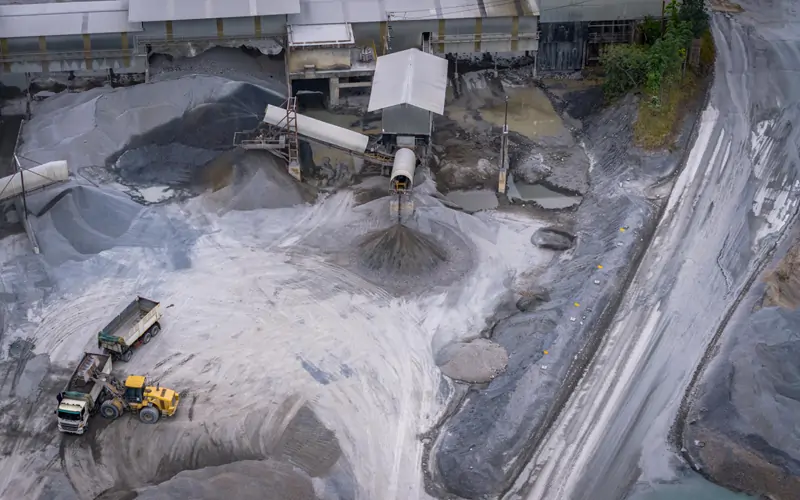
Mining, Quarrying, and Stone Processing
In mining and quarrying operations, impact crushers are used for limestone and other soft to medium-hard rock. After primary crushing, the material is further reduced in size and shaped for screening and downstream processing.
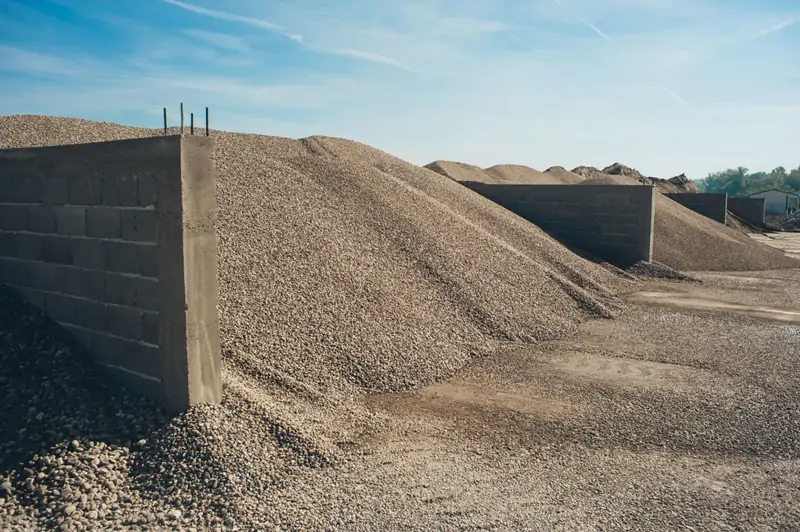
Aggregate and Construction Material Production
In aggregate production plants, impact crushers process crushed stone for concrete and general construction use. The output is used in projects that require consistent grading and better particle shape for mixing and compaction.
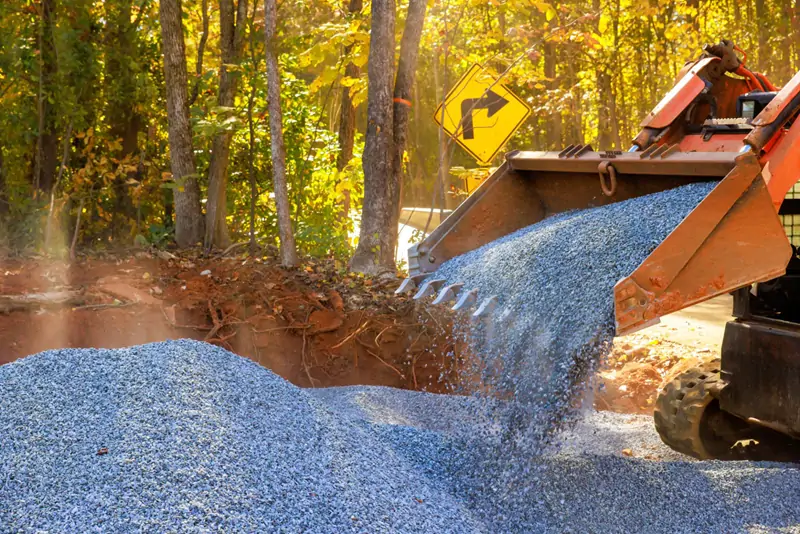
Straßen- und Infrastrukturprojekte
In road construction, impact crushers are used to produce base and sub-base materials. The crushed material is used in road foundations where stable grading and compaction performance are required.
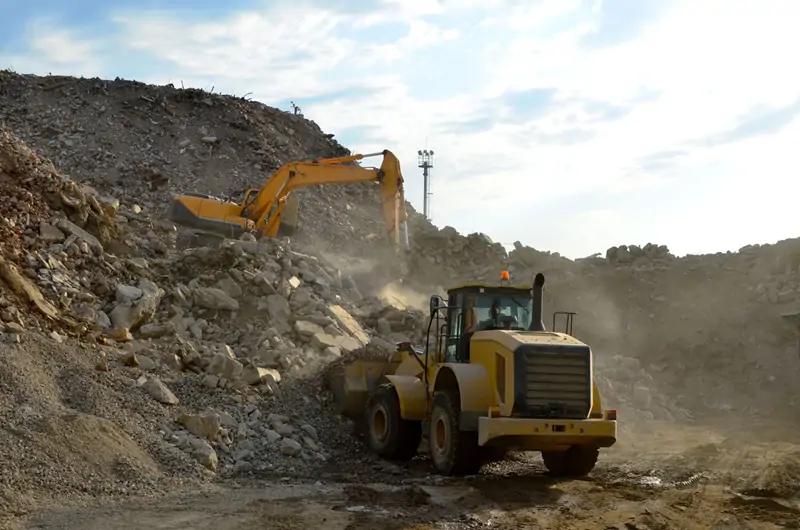
Asphalt and Recycling Applications
In asphalt plants, impact crushers process aggregates used in asphalt mixing. In recycling projects, they crush concrete and demolition waste into reusable material for non-structural construction and base applications.
Materials Suitable for Impact Crushers
Impact crushers are mainly used for processing low to medium-hard and non-abrasive materials. The crushing mechanism relies on high-speed impact, so material hardness and abrasiveness have a direct influence on wear cost and equipment efficiency.
To assess how hardness, abrasiveness, and moisture affect different feed materials, read What Materials Are Suitable for Impact Crushers?
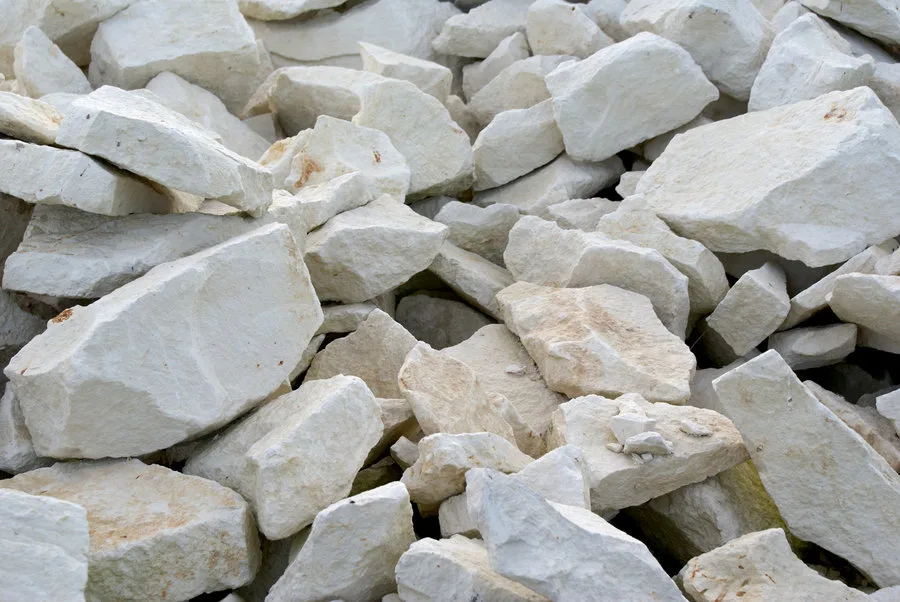
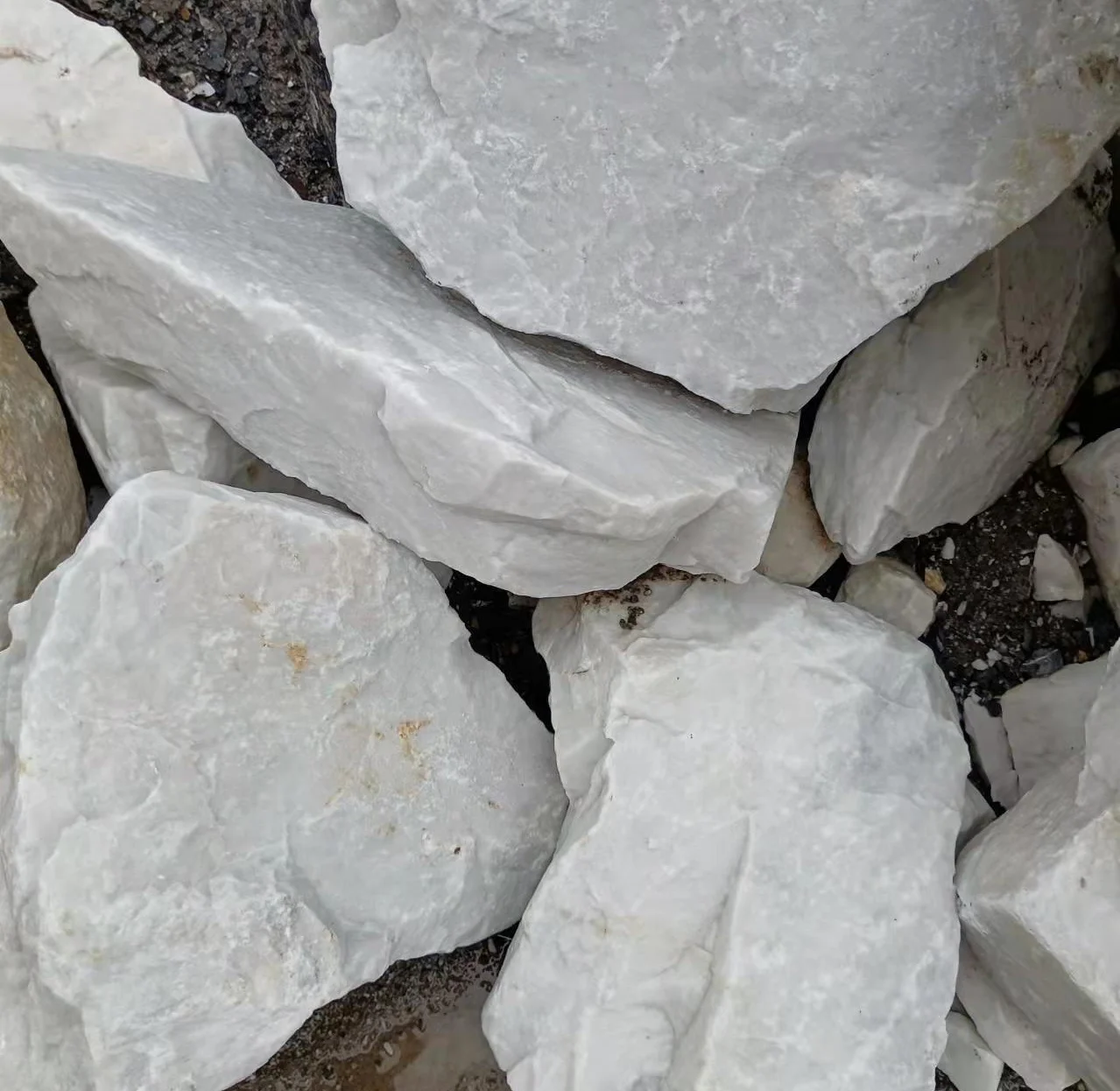
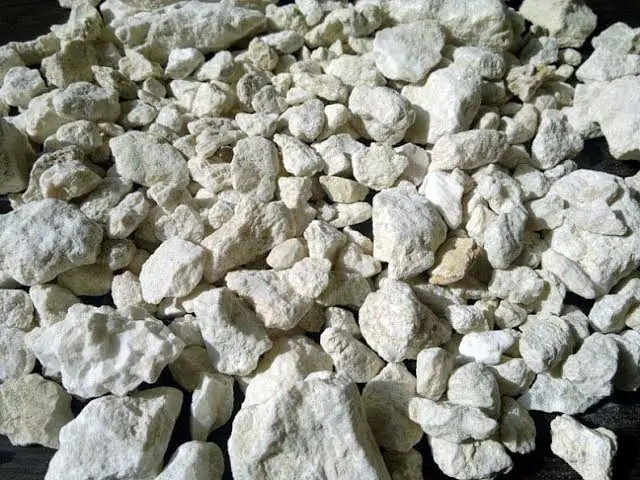
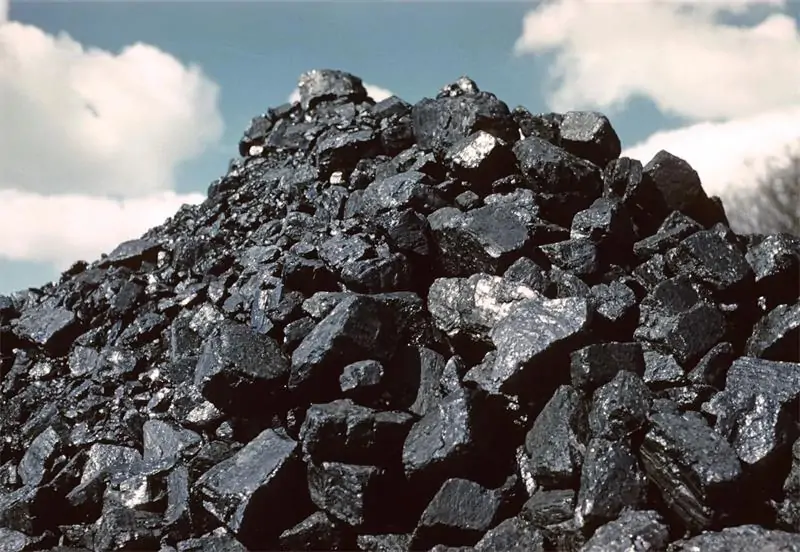
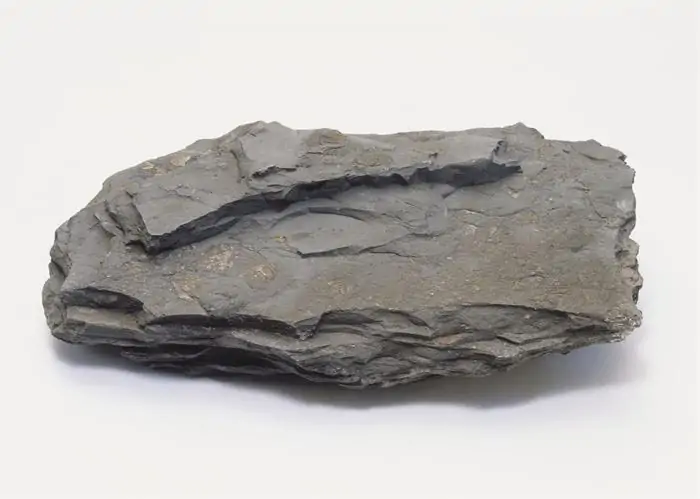
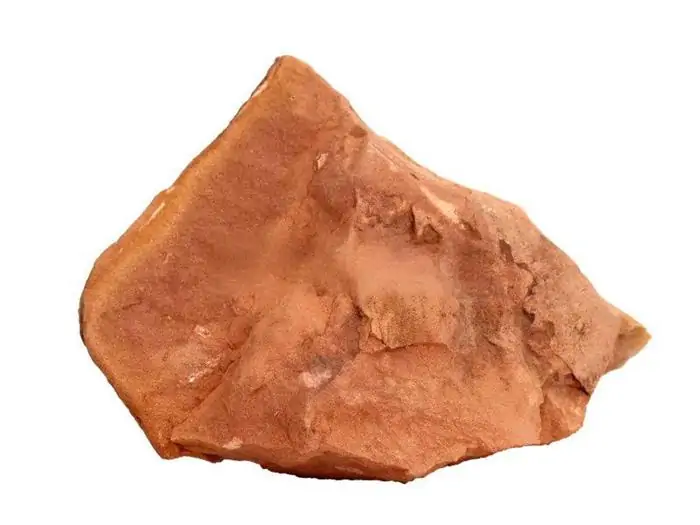
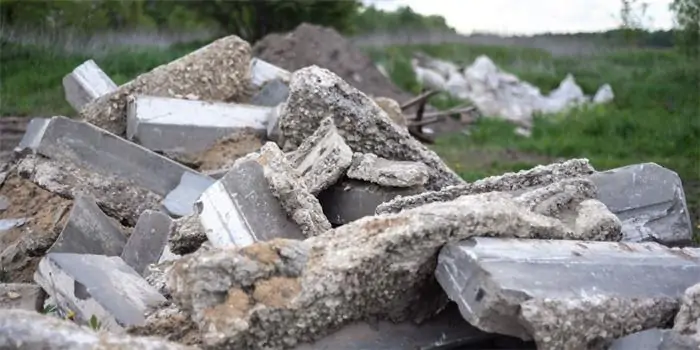
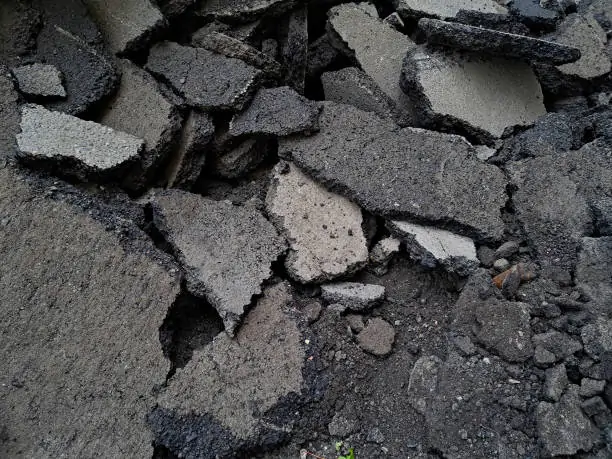
Typical Suitable Materials and Mohs Hardness
| Material | Mohs Hardness | Suitability |
| Kalkstein | 3–4 | Excellent |
| Dolomit | 3.5–4 | Gut |
| Gypsum | 2 | Excellent |
| Kohle | 1–3 | Excellent |
| Shale | 2–4 | Gut |
| Claystone | 2–3 | Gut |
| Concrete (recycled) | 4–6 | Excellent |
| Asphalt | 4–5 | Gut |
| Brick / Brick debris | 4–6 | Gut |
Materials Not Recommended
| Material | Mohs Hardness | Reason |
| Granit | 6–7 | High abrasiveness, high wear cost |
| Basalt | 6–7 | Severe wear on blow bars |
| Quartzite | 7 | Extremely abrasive, low efficiency |
| Iron ore | 5.5–6.5 | Excessive wear, not suitable |
How to Choose the Right Impact Crusher?
Choosing the right impact crusher depends on material hardness, feed size, required output shape, capacity, and operating cost. These factors should be matched with real project conditions to ensure stable production.When evaluating crusher options for your project, read [Steinbrecher-Maschinen-Preisratgeber: Was beeinflusst die Kosten?] to understand how equipment type, production capacity, rock properties, and plant configuration affect the overall investment.
Material Hardness
Impact crushers are suitable for soft to medium-hard materials such as limestone and concrete. Materials with compressive strength below around 150 MPa are generally within a stable working range. For harder rock such as granite or basalt, wear rate increases and cone crushers are often more suitable.
Aufgabegröße
Typical feed size is around 100–500 mm depending on the model. Larger feed usually requires a jaw crusher as a primary stage before impact crushing.
Required Output Shape
Impact crushers are selected when cubical and well-shaped aggregate is needed. This is important for concrete, asphalt, and road base materials where particle shape affects compaction and strength.
Capacity Requirement
Capacity ranges from about 50 TPH for small units to over 500 TPH for large production lines. Selection should match both average and peak production needs to avoid system bottlenecks.
Betriebskosten
Operating cost mainly comes from wear parts and energy consumption. In softer materials, cost per ton is lower. In abrasive materials, blow bars and impact plates need more frequent replacement, which increases overall operating cost.
To weigh these benefits and limitations against your project requirements, How to Choose an Impact Crusher: A Complete Selection Guide brings together material suitability, capacity sizing, product specifications, and operating cost checks.
Individuelle Lösung anfordern
Contact Zhongyi for customized impact crusher solutions based on your project needs.
Project Case
A 280 TPH limestone crushing plant was installed in Fujairah, UAE for road base and concrete aggregate production. The project site had limited space and required stable output during continuous operation.
Material: Limestone from local quarry
Capacity: 280 TPH
Feed Size: Up to 600 mm, with some oversize variation from blasting
Configuration: Jaw Crusher + Impact Crusher + Vibrating Screen
Final Product Sizes: 0–5 mm, 5–20 mm, 20–40 mm
During operation, the plant required adjustment of crusher settings in the first weeks to stabilize the screening ratio. After optimization, the impact crusher improved particle shape consistency and reduced recirculation in the 5–20 mm range used for road construction.
Conclusion
Overall, impact crushers are highly effective for producing well-shaped aggregates with high reduction ratios, especially in limestone, construction aggregate, and recycling applications. Their main advantages include excellent particle shape, flexible output adjustment, and high crushing efficiency. However, limitations such as higher wear costs and reduced performance in very hard abrasive rock (like granite and basalt) should be considered. In real applications, selection should be based on material hardness, production stage, and overall operating cost rather than capacity alone.
For project planning or equipment selection, Zhongyi Mining provides professional support in crusher configuration and plant design. Kontaktieren Sie uns to get a suitable solution for your crushing project.

Dr. Yu
Expert in Mineral Processing Solutions
With 15+ years of experience, Dr. Chen specializes in gravity, magnetic, flotation, and electrostatic separation. He focuses on ore processing and process optimization, sharing practical insights and equipment applications to help improve recovery rates and production efficiency.
FAQ
What is an impact crusher used for?
An impact crusher is used for secondary and tertiary crushing in aggregate production. It processes limestone, concrete, and other soft to medium-hard materials to produce well-shaped aggregate for road construction, concrete mixing, and general building material applications.
Impact crusher vs jaw crusher, what is the difference?
A jaw crusher is used for primary crushing of large rocks, while an impact crusher is used after primary crushing for shaping and reducing material size. Jaw crushers handle larger feed, impact crushers focus on particle shape and final product grading.
Is an impact crusher suitable for hard rock?
Impact crushers can process some medium-hard rock, but performance decreases in very hard materials like granite or basalt. Wear on blow bars increases, leading to higher maintenance cost. In such cases, cone crushers are often more suitable for long-term operation.
What materials are best for impact crushers?
Impact crushers work best with limestone, concrete, asphalt, and construction waste. These materials break easily under impact force and allow the crusher to produce cubical aggregate with stable grading for construction and infrastructure projects.
What is the typical capacity of an impact crusher?
Capacity depends on model size and configuration. Small units may produce around 50 TPH, while large stationary plants can exceed 500 TPH. Actual capacity also depends on feed size, material hardness, and production line setup.
How often do impact crusher wear parts need replacement?
Wear parts such as blow bars and impact plates require regular inspection. Replacement frequency depends on material hardness and operating hours. In limestone applications, wear life is longer, while abrasive rock conditions shorten service intervals.
Can impact crushers produce good particle shape?
Yes, impact crushers are known for producing cubical and well-shaped aggregate. The high-speed rotor and impact force improve particle shape, which is important for concrete strength, asphalt bonding, and road base compaction performance.
Does Zhongyi support customized impact crusher solutions?
Yes, Zhongyi provides customized impact crusher solutions based on material type, feed size, capacity requirements, and project layout. Configurations can be adjusted for different production needs, including stationary and mobile crushing plant designs.