










Einleitung
How to choose the right jaw crusher machine depends on the material, feed size, and production requirements. Rock hardness and abrasiveness help determine whether a crusher is suitable, while maximum feed size, required capacity, and target discharge size guide model selection. A mismatch can lead to excessive wear, feeding problems, or bottlenecks in the crushing line.
Once the technical requirements are clear, consider installation space, maintenance needs, spare parts, and after-sales support. These factors affect long-term operating costs as well as the initial purchase price. This guide covers jaw crusher types, material compatibility, jaw crusher selection criteria, crushing plant integration, and cost considerations to help you make an informed purchasing decision.
What Is a Jaw Crusher Machine?
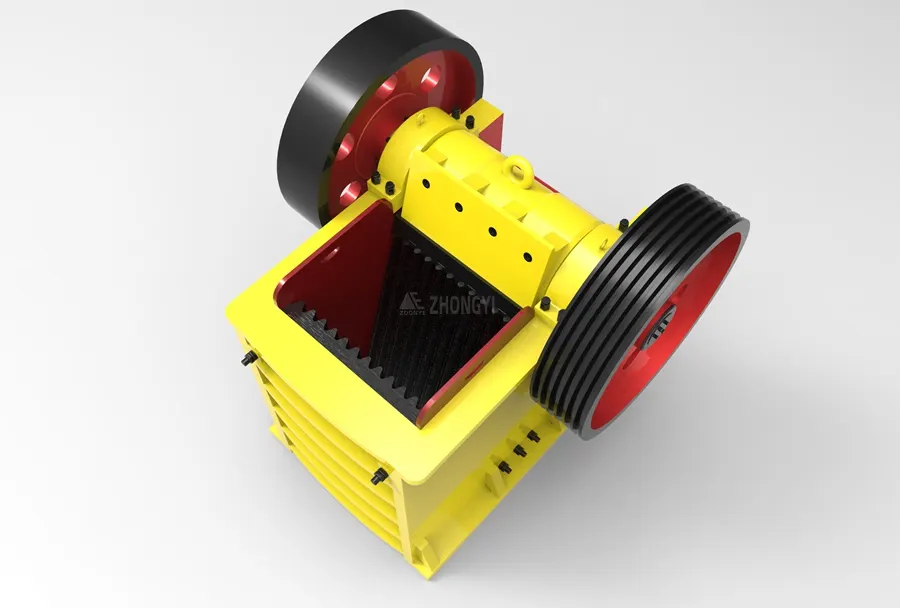
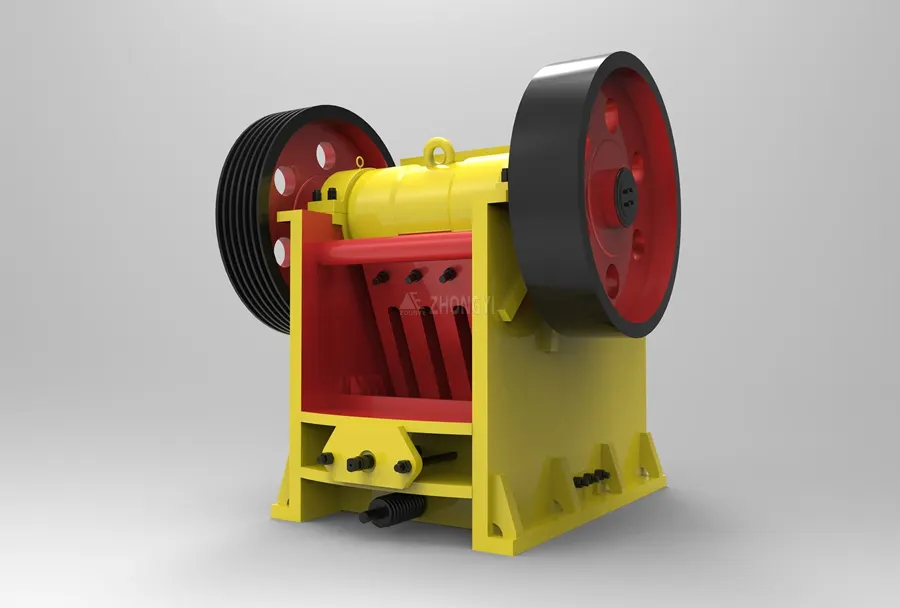
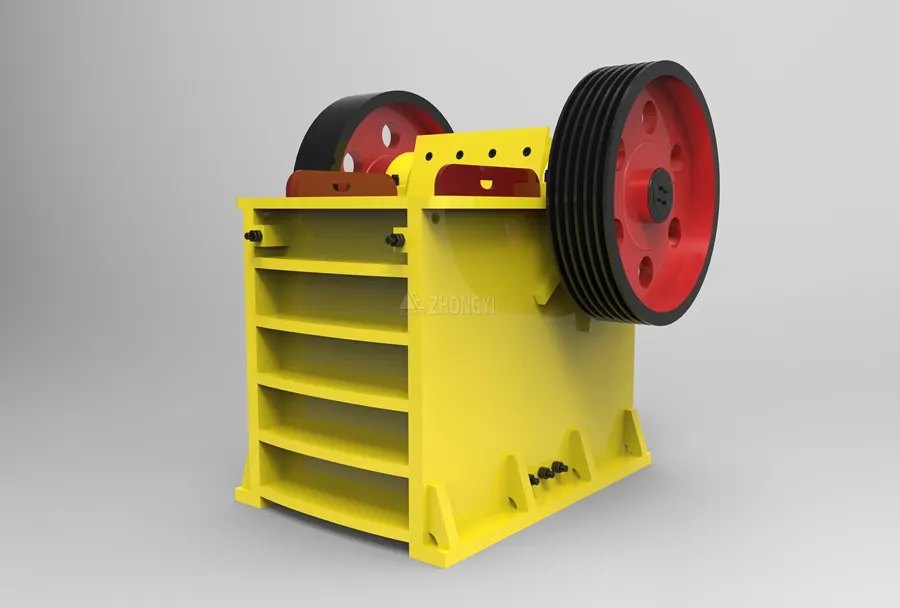
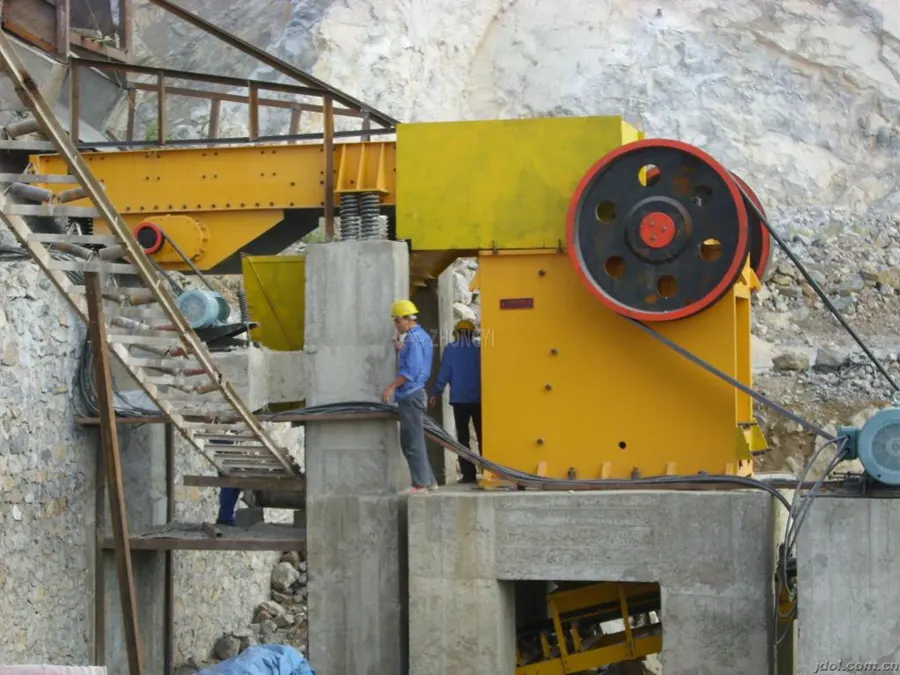
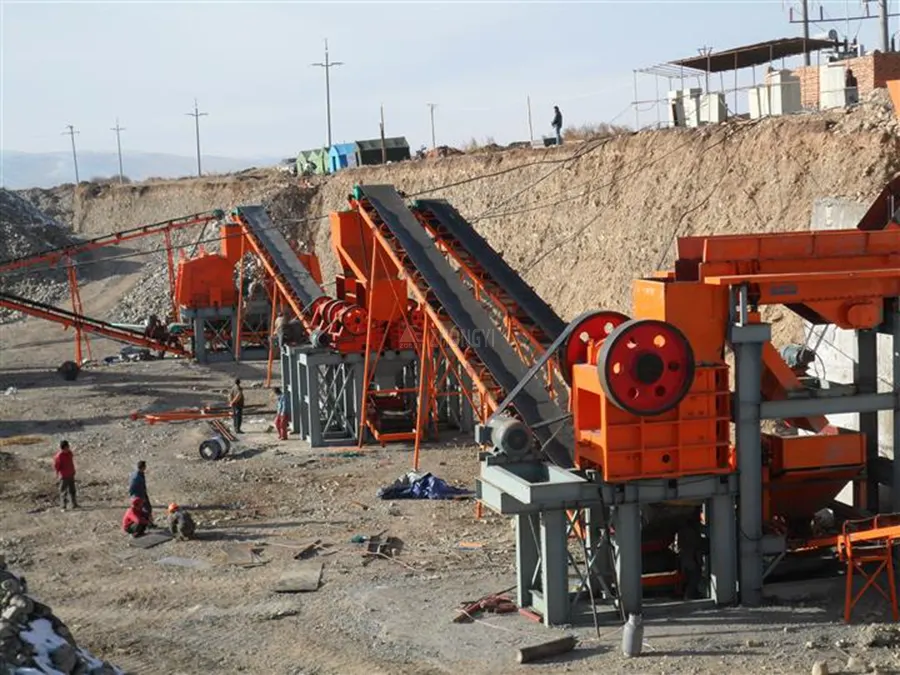
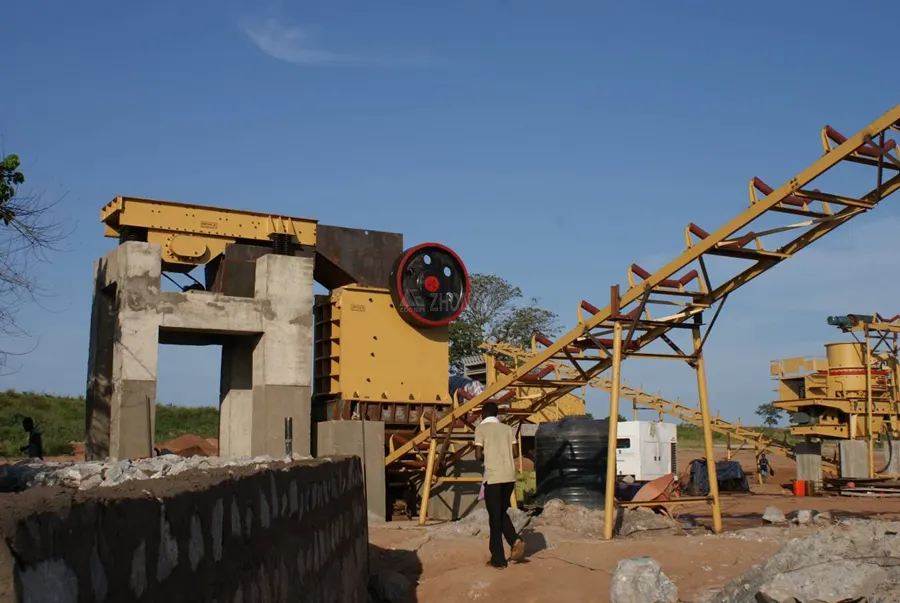
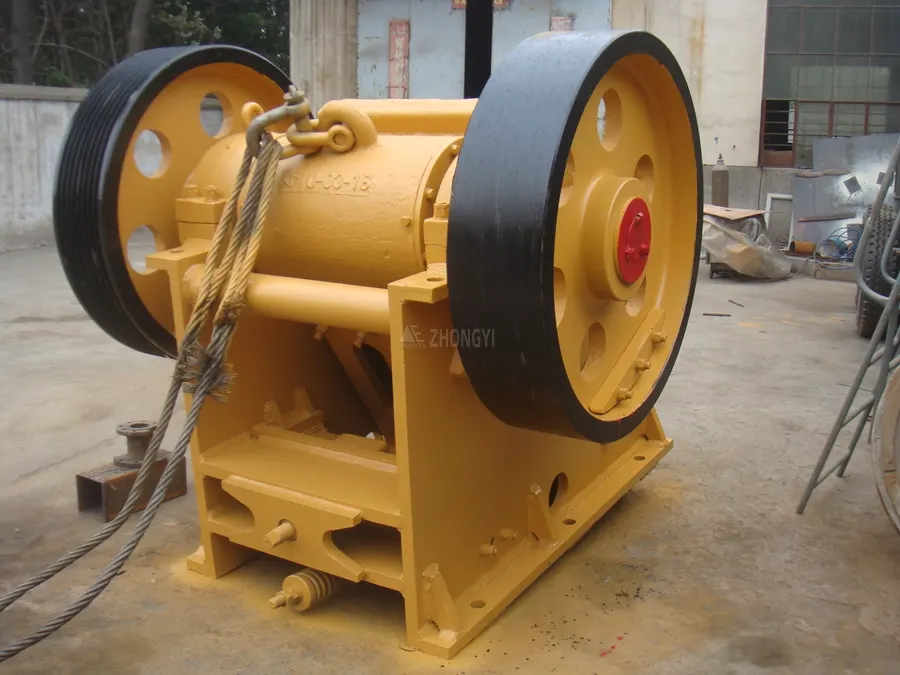
A jaw crusher is a primary crushing machine that reduces large rocks and mineral feed through compression between a fixed jaw plate and a moving jaw plate. In mining and quarrying, a mining jaw crusher is commonly used at the start of the crushing process to reduce large feed material before secondary crushing or screening.
What Is a Jaw Crusher Used For?
When considering how to choose the right mining jaw crusher machine, start by identifying the material and its role in the crushing process. A primary jaw crusher handles the initial size reduction of run-of-mine rock, quarry stone, and other suitable materials. As the moving jaw presses material against the fixed jaw, the rock fractures under compression. The crushed material exits through the discharge opening for further processing.
Mining Jaw Crushers are widely used for hard rock and many types of ore. The appropriate model depends on feed size, material characteristics, required capacity, and downstream equipment specifications. For machine configurations and technical details, see our Mining Jaw Crusher page.
What Are the Main Types of Jaw Crushers?
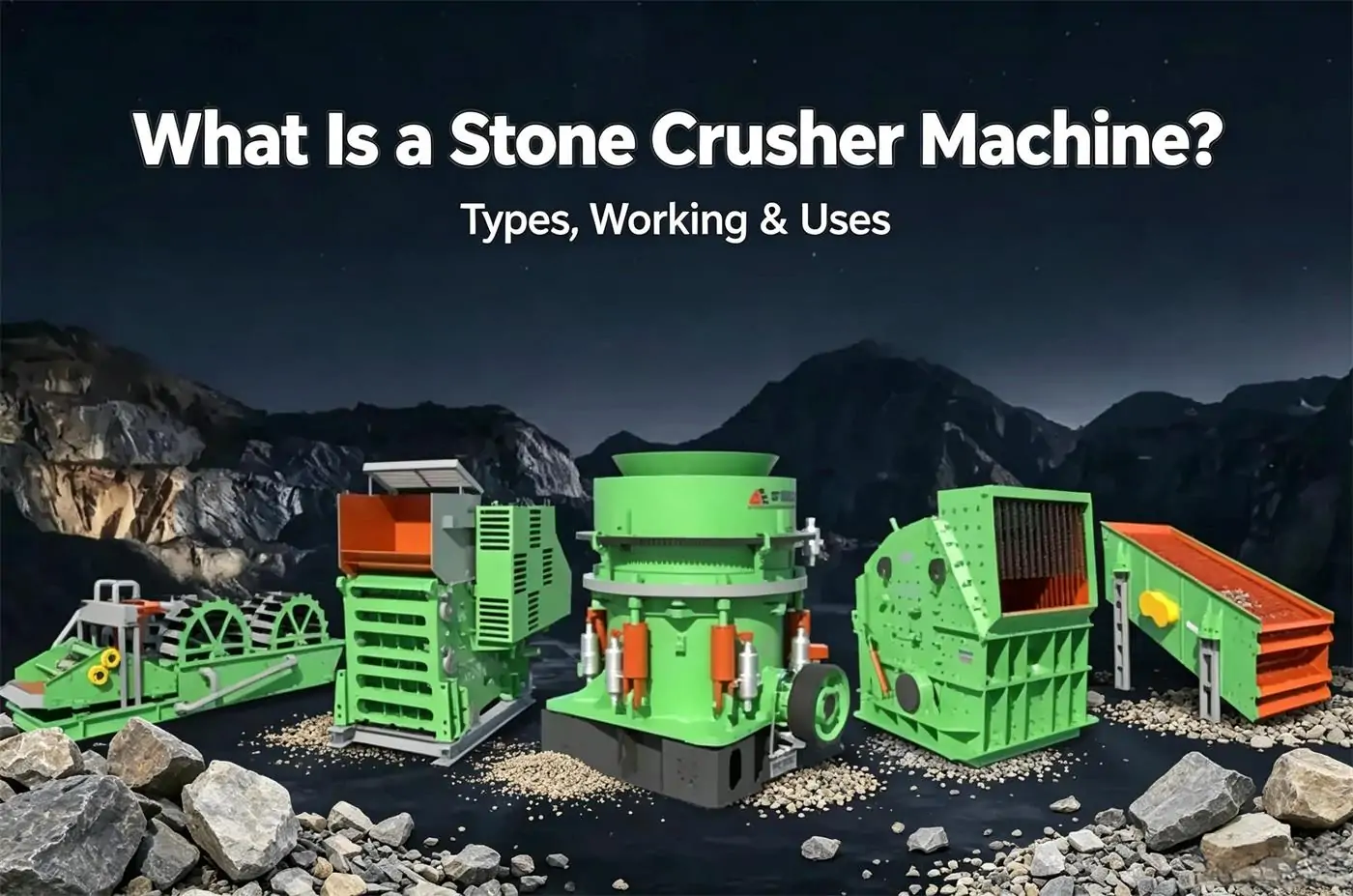
Mining Jaw Crushers differ in their crushing applications, feed-size limits, and equipment configurations. PE models are commonly used for primary crushing, while PEX models are used when a smaller feed size and finer discharge are required. European jaw crushers use a different design and configuration, while mobile mining jaw crushers are built for on-site crushing and relocation. The right choice depends on the material, required output, production capacity, and installation conditions.
Standard Jaw Crushers for Primary Crushing
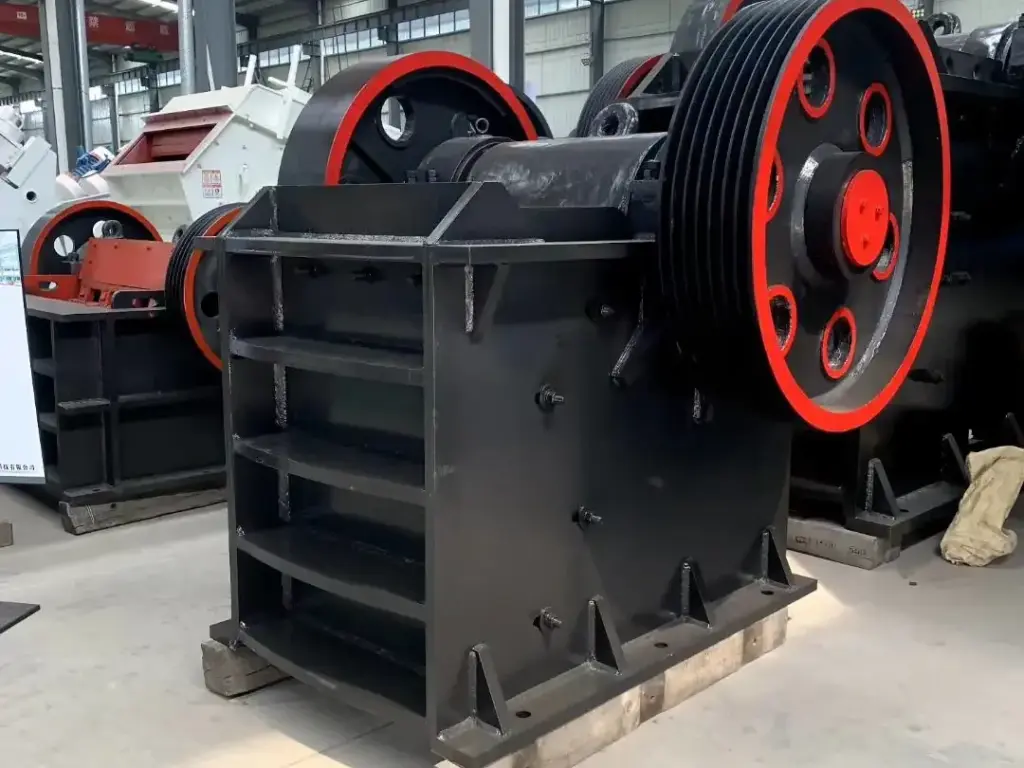
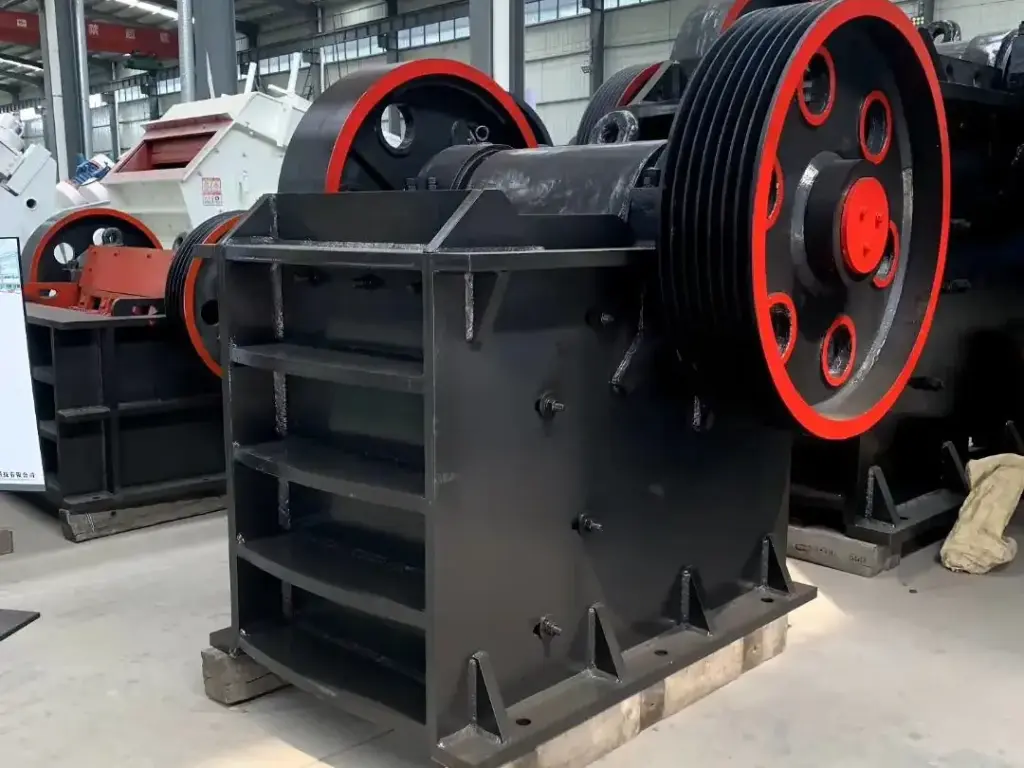
A PE jaw crusher is commonly used as the first crushing stage in mines and quarries. It reduces large rocks and ores before secondary crushing or screening.
- Maximum feed size: 210–1,020 mm
- Discharge opening: 20–300 mm
- Processing capacity: 5–1,000 t/h
These figures cover the PE series, not a single model. Actual capacity depends on the selected model, feed characteristics, and discharge setting.
Fine mining jaw crushers for Smaller Feed and Discharge Sizes
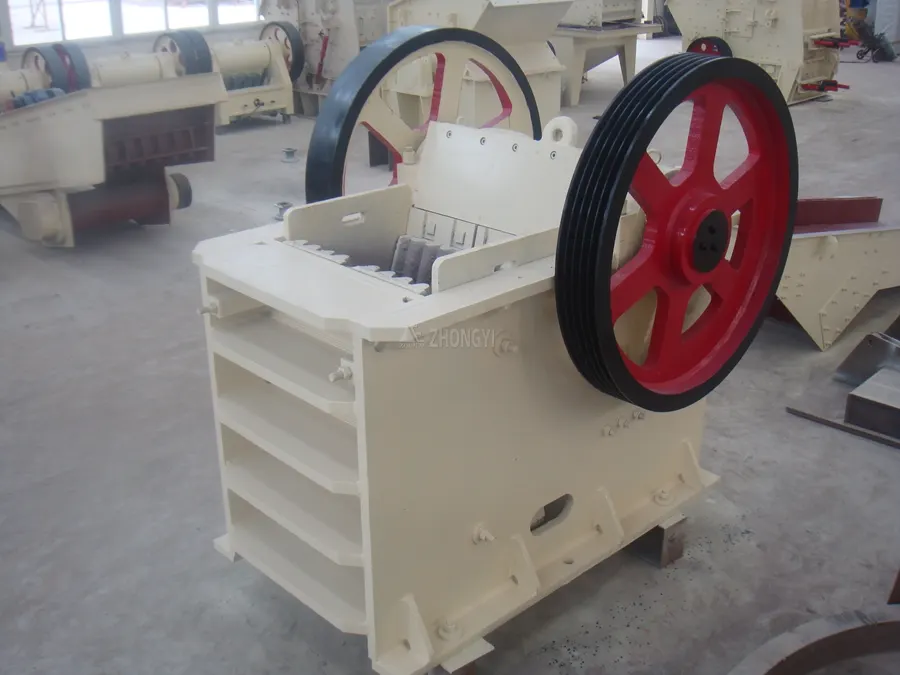
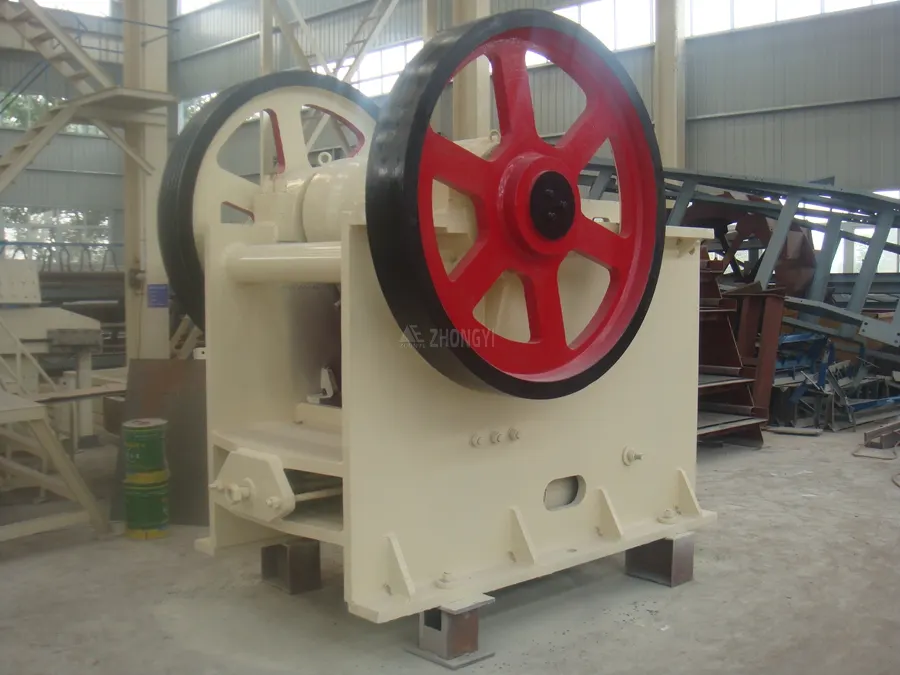
A PEX jaw crusher is generally used for secondary crushing after the material has passed through a primary crusher. It is suited to smaller feed sizes and finer discharge requirements.
- Maximum feed size: 160–250 mm
- Discharge opening: 20–90 mm
- Processing capacity: 16–104 t/h
These are series-level reference ranges. Check the individual model’s specifications against the actual feed size and required product size before selection.
European-Type and Mobile Jaw Crushing Equipment
A European jaw crusher has its own crushing chamber design and structural configuration. Compare the feed-size limit, discharge range, and capacity of each model on our European Version Jaw Crusher page.
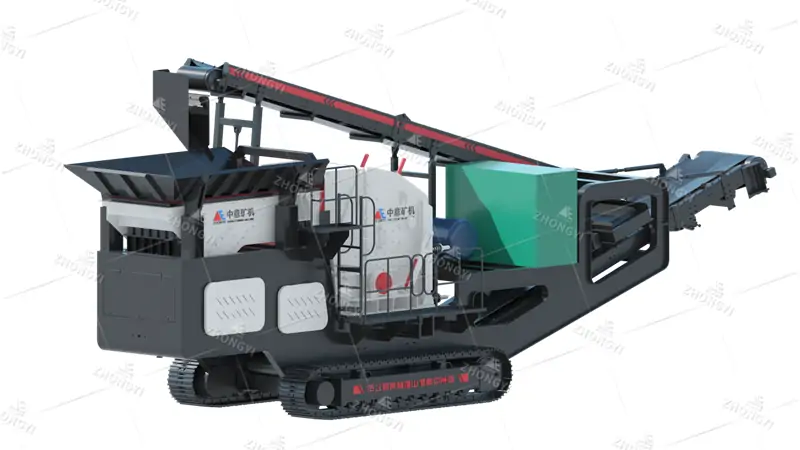
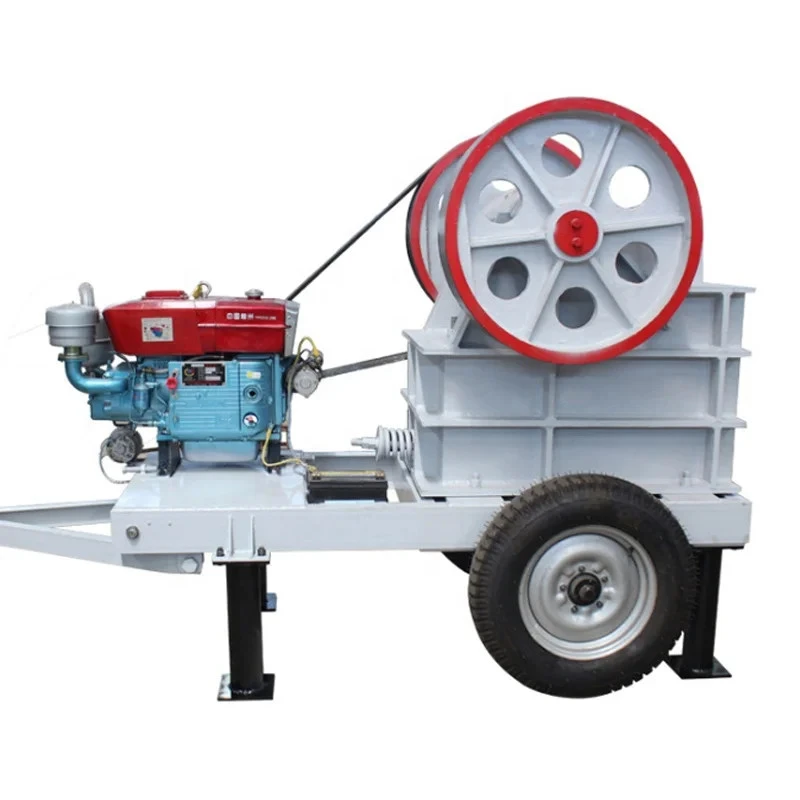
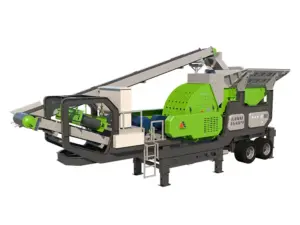
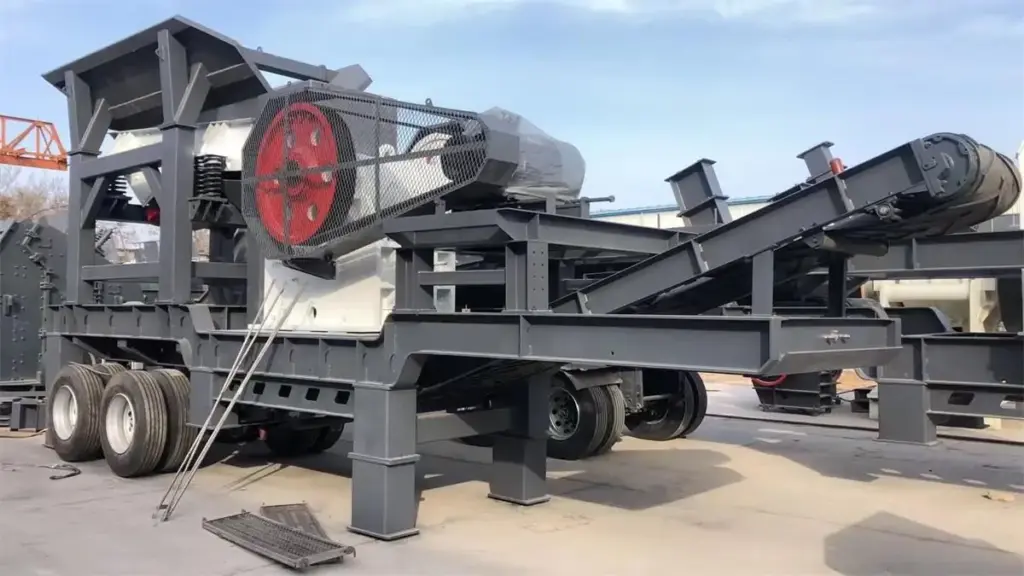
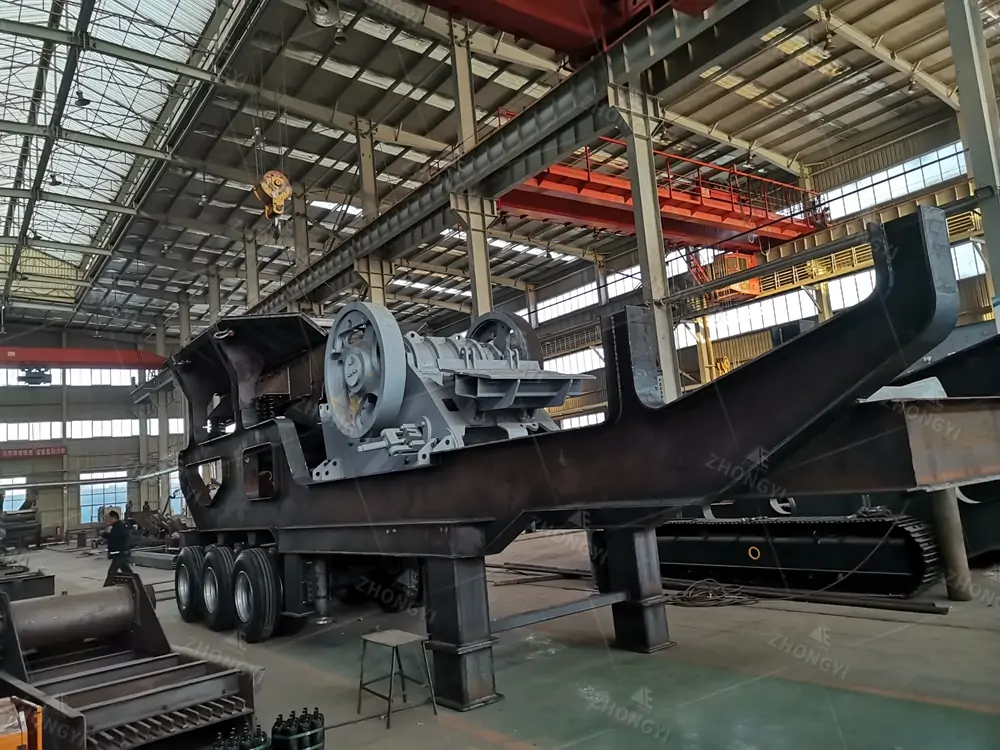
A mobile jaw crusher combines a jaw crusher with feeding and conveying equipment on a wheeled or tracked chassis. It is useful when crushing must take place at the job site or the equipment needs to move between locations. Model capacity and feed limits vary with the configuration.
How Does a Jaw Crusher Work?
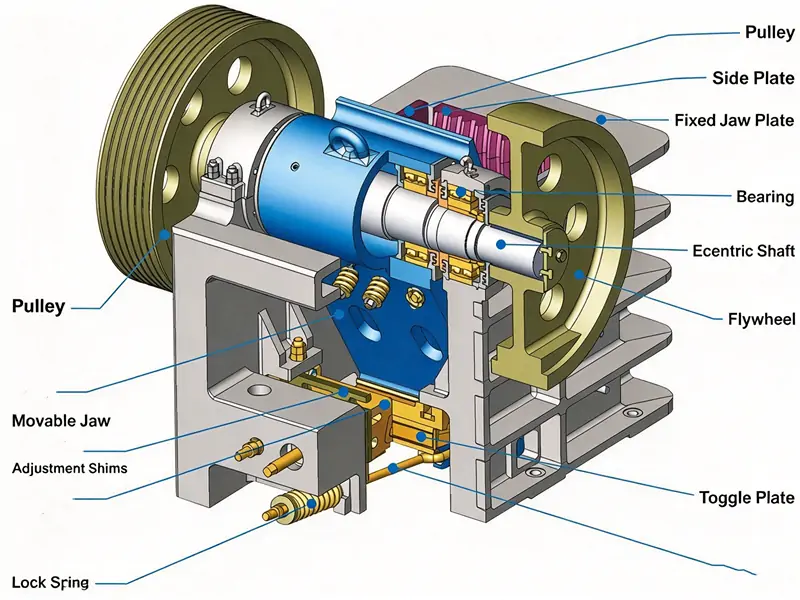
The mining jaw crusher working principle is based on compression between a fixed jaw plate and a moving jaw plate. As the moving jaw repeatedly approaches and moves away from the fixed jaw, rock breaks into smaller pieces inside the crushing chamber. The crushed material moves downward and exits through the discharge opening.
Feeding, Compression, and Discharge
The jaw crusher crushing process involves three steps:
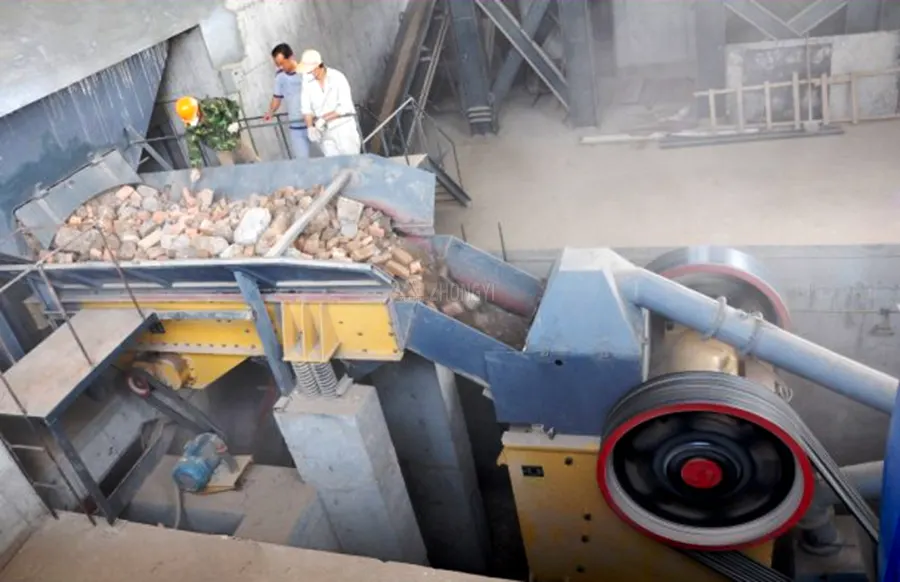
- Feeding: A vibrating feeder delivers material into the crushing chamber at a controlled rate.
- Compression: The moving jaw presses the material against the fixed jaw, breaking it into smaller pieces.
- Discharge: Crushed material moves downward and exits when it can pass through the discharge opening.
The discharge setting, feed size, material hardness, and feeding consistency all affect actual throughput. Oversized feed or uneven feeding can reduce production efficiency and cause blockages. When selecting a jaw crusher, match the feed opening and discharge setting to the material and the requirements of the next crushing stage.
What Materials Can a Jaw Crusher Process?
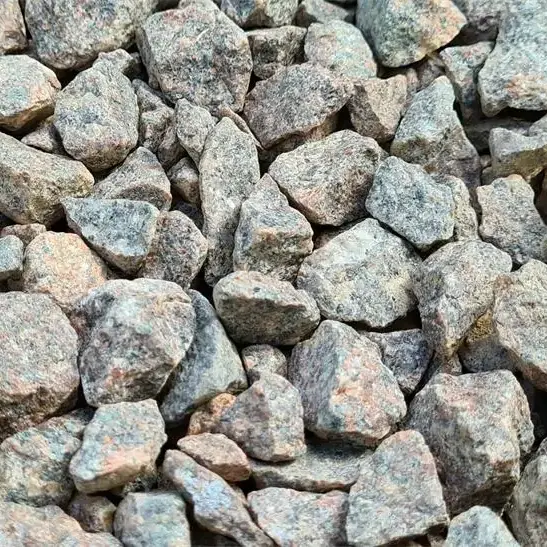
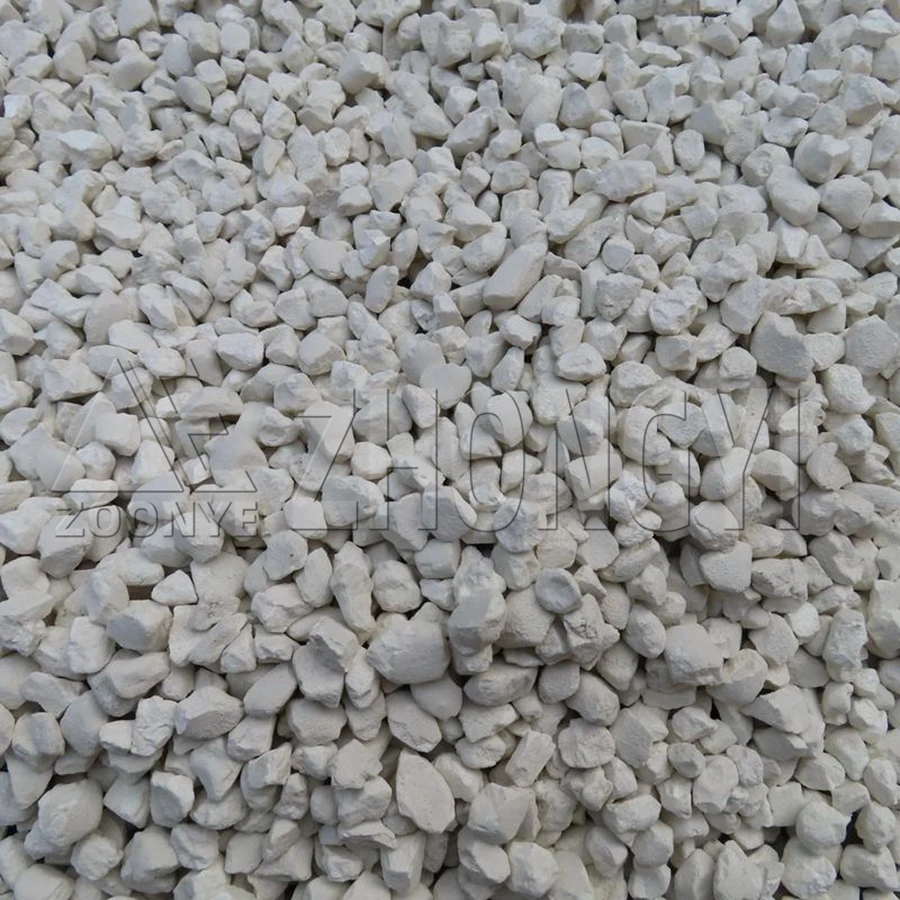
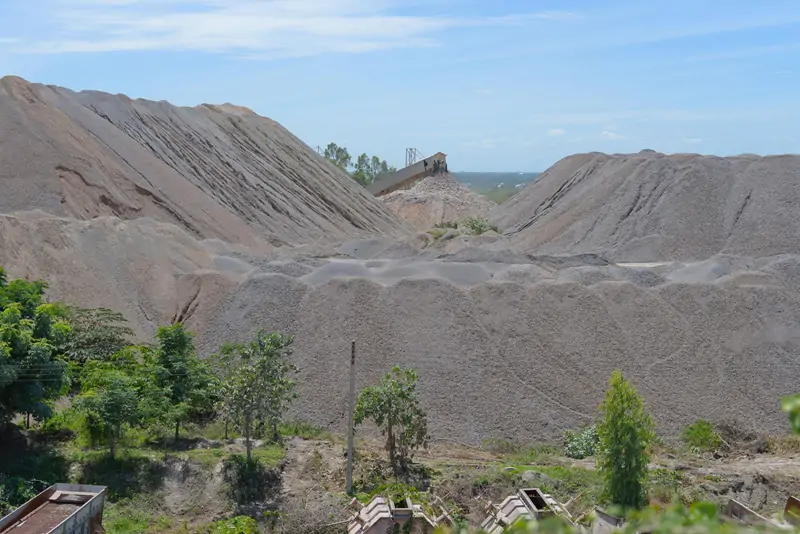
A mining jaw crusher is commonly used for primary crushing of rocks and ores, including granite, basalt, limestone, river stone, and iron ore. The right model depends on material hardness, abrasiveness, feed size, required capacity, and the requirements of the next processing stage.
Granite and Basalt
A jaw crusher for granite or basalt must handle hard, abrasive rock. When comparing models, check the maximum feed size, required capacity, jaw plate wear resistance, and replacement costs. These factors help determine whether the crusher is suitable for long-term operation.For more detailed jaw crusher selection advice, see our guide to [Best Jaw Crusher for Granite Crushing].
Limestone and Other Medium-Hard Rocks
A jaw crusher for limestone is commonly used for primary crushing in quarrying and aggregate production. Although limestone is generally less abrasive than granite or basalt, its hardness, feed size, and required output still affect model selection. If the final product requires finer crushing or a specific particle shape, consider the requirements of the next crushing stage as well.
River Stone and Metal Ores
River stone can cause significant jaw plate wear, depending on its hardness and abrasiveness. A mining jaw crusher for iron ore should be selected according to the ore’s properties, feed size, required capacity, and downstream beneficiation requirements. In both cases, assess the actual material and production conditions rather than choosing a crusher based on material name alone.
How to Choose the Right Jaw Crusher for Your Project?
To choose the right jaw crusher, start with the material and feed size, then match the machine to the required capacity and discharge size. Installation conditions, downstream equipment, and maintenance costs also affect the final choice.
Match the Crusher to Material Hardness and Abrasiveness
Check the material’s hardness, abrasiveness, moisture content, and fines content. Hard, abrasive rocks such as granite and basalt can accelerate jaw plate wear, increasing replacement and maintenance costs. Compare the material’s properties with the crusher’s recommended application range and available jaw plate options.
Check the Maximum Feed Size and Feed Opening
Check the model’s specified maximum feed size rather than relying on feed opening dimensions alone. Oversized or irregularly shaped rocks can cause feeding problems. The feeder should deliver material consistently to reduce blockages and maintain steady throughput.
Match Capacity to the Required Production Rate
Calculate the required hourly output from the plant’s production target and operating schedule. Compare this with the manufacturer’s capacity data, checking which material and operating conditions the figures represent. Actual throughput varies with feed size distribution, material properties, discharge setting, and feeding conditions, so allow an appropriate operating margin for the project.
Set the Required Discharge Size
Choose the discharge setting according to the next crushing stage and final product requirements. A narrower setting generally produces finer material but may reduce throughput. The discharge setting does not determine the entire output size range, which also depends on material properties, crusher design, and downstream screening.
Consider Installation and Downstream Equipment
Check foundation requirements, available space, power supply, feeder arrangement, and conveyor layout. The feeder, mining jaw crusher, screens, and downstream crushers must handle the expected material flow. For sites requiring frequent relocation, compare fixed and mobile jaw crusher configurations based on access and operating conditions.
Compare Wear Parts and Maintenance Requirements
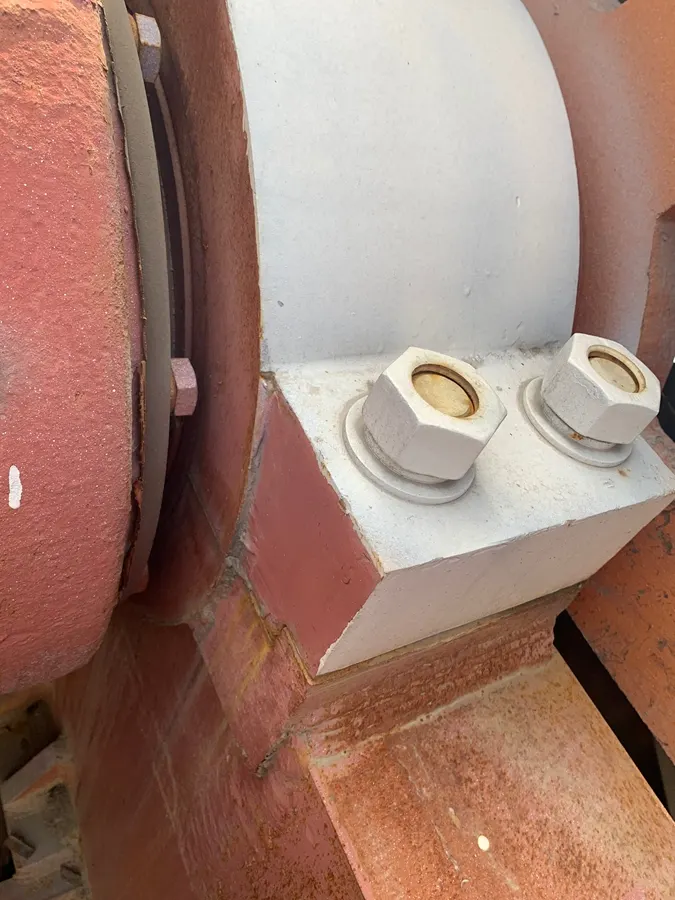
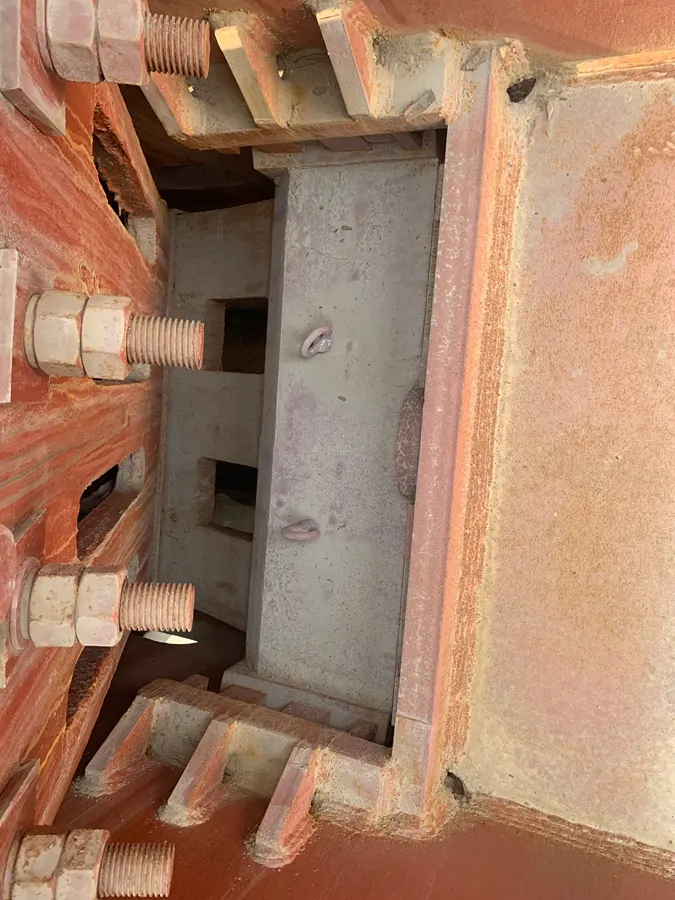
Compare jaw plate specifications, replacement procedures, lubrication requirements, inspection access, and spare parts availability. These factors affect maintenance downtime and operating costs, so the initial purchase price should not be the only basis for comparison.
For example, two granite projects may require different jaw crusher models. One may process smaller feed at moderate output, while the other handles larger blocks at a higher production rate. Selection should reflect feed size, capacity, discharge setting, and operating conditions—not just rock type.
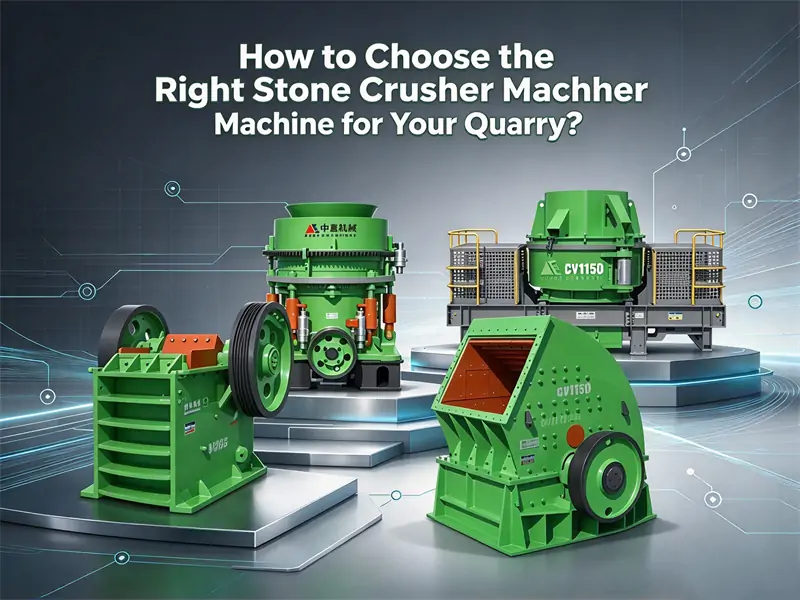
Selecting a mining jaw crusher is only one part of quarry planning. Our guide on [How to Choose the Right Stone Crusher Machine for Your Quarry] explains how to evaluate equipment combinations based on material, production targets, and site conditions.
What Role Does a Jaw Crusher Play in a Complete Crushing Plant?
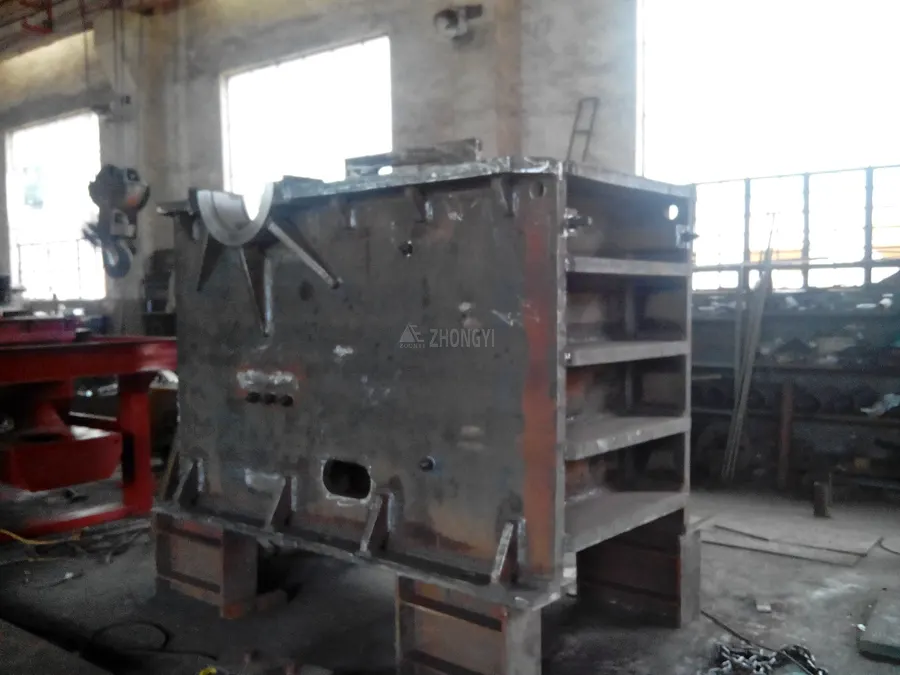
A jaw crusher in a crushing plant typically performs primary crushing, reducing large rocks to a size suitable for the next processing stage. Its selection depends on the feed material, target product size, and required output. The surrounding equipment must also be configured to handle the material flow.
How a Jaw Crusher Works with Feeders, Screens, and Secondary Crushers?
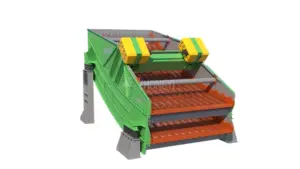
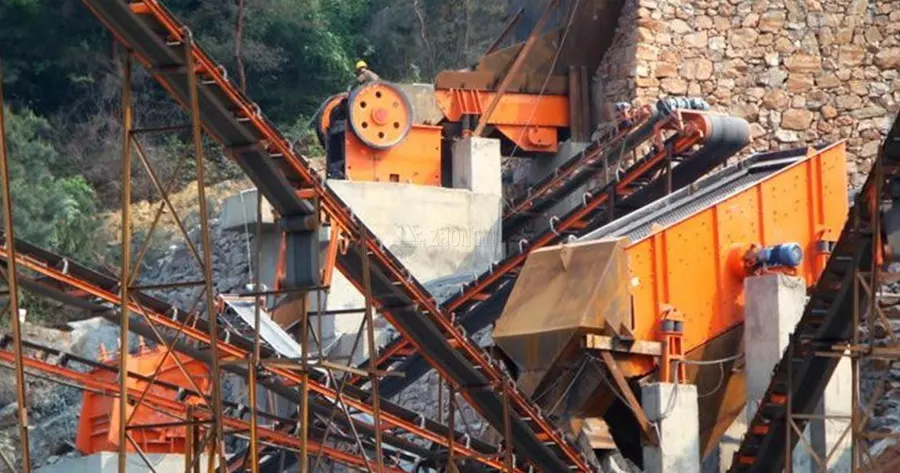
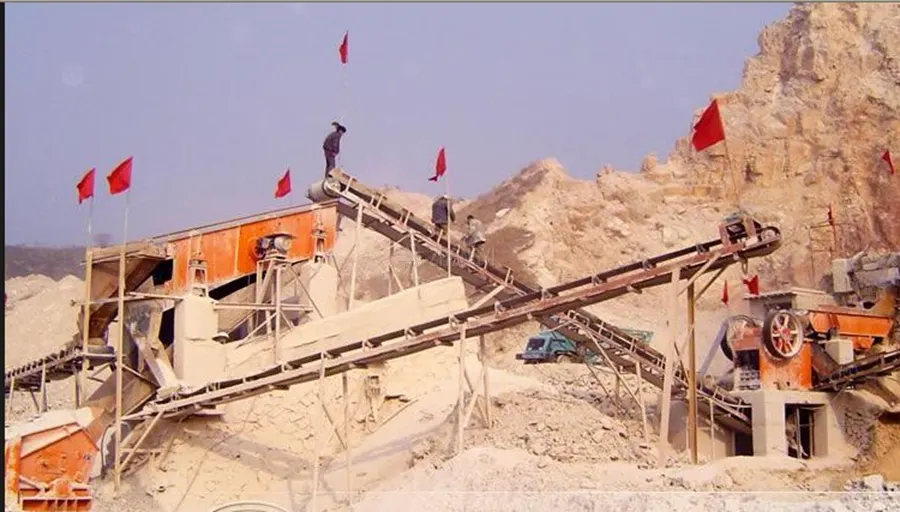
In a typical mining jaw crusher production line, a feeder controls the flow of incoming material, the jaw crusher reduces large rocks, and a conveyor transfers the crushed material to screening or secondary crushing. Screens separate material by size, while a cone crusher oder impact crusher may reduce it further, depending on the rock properties and product requirements. The exact layout varies with the feed material, target gradation, and production capacity.
Why the Whole Line Must Be Balanced?
The production rate of a crushing plant depends on how well its equipment works together, not just on the jaw crusher’s rated capacity. If a conveyor cannot move material fast enough, a screen cannot process the incoming flow, or a secondary crusher cannot accept the feed size, material may accumulate and restrict production. When selecting a jaw crusher and cone crusher together, compare their actual operating capacities and feed-size requirements under the expected conditions.
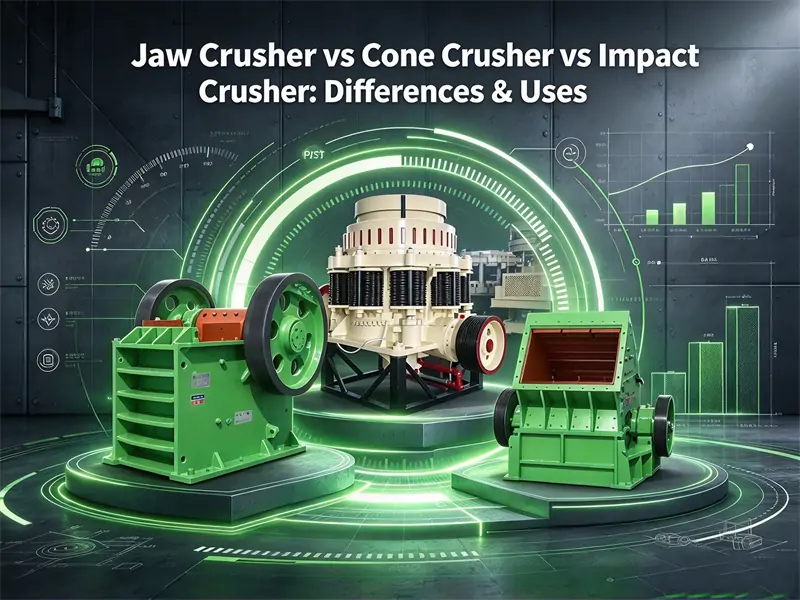
Mining jaw crushers, cone crushers, and impact crushers perform different roles depending on feed material, reduction requirements, and the target product. Read [Jaw Crusher vs Cone Crusher vs Impact Crusher] to understand when each type is appropriate for a crushing plant.
How Much Does a Jaw Crusher Machine Cost?
The jaw crusher machine price varies with equipment specifications, production requirements, and configuration. Two crushers with similar feed openings may have different prices because of differences in drive systems, wear parts, automation, and included auxiliary equipment. The main factors affecting the price include:
- Machine size and capacity: Larger feed openings and higher processing requirements generally require larger equipment and more substantial structural components.
- Material and operating conditions: Hard, abrasive materials may require different wear-part specifications and affect long-term maintenance costs.
- Drive system and configuration: Motor specifications, adjustment mechanisms, and optional control systems can change the equipment cost.
- Wear parts and manufacturing quality: Jaw plate materials, component design, and manufacturing standards affect both the initial price and replacement costs.
- Scope of supply and service: Feeders, conveyors, installation support, spare parts, and other included items affect the total quotation.
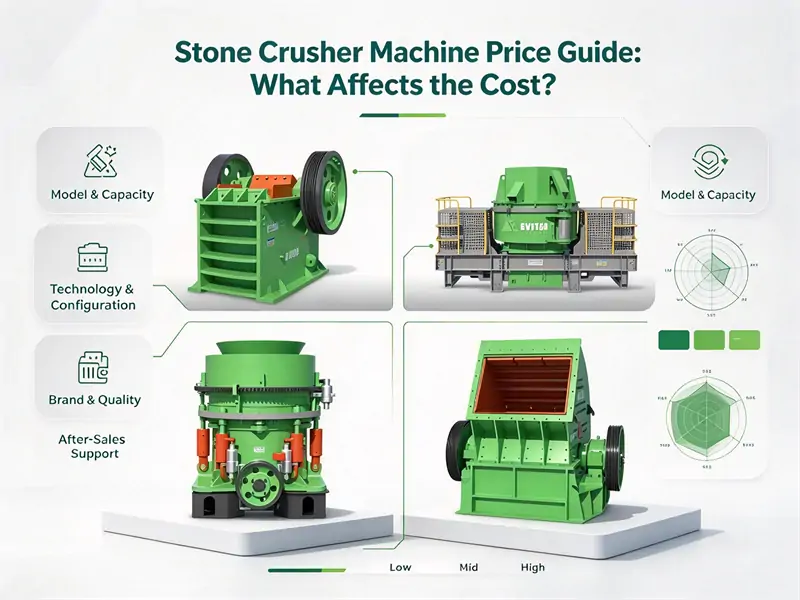
The purchase price is only one part of the overall jaw crusher cost. Electricity, wear parts, maintenance, and downtime should also be considered when comparing equipment options.For a closer look at the relationship between price and throughput, read our [Jaw Crusher Price and Capacity Guide].
How to Maintain a Mining Jaw Crusher for Stable Operation?
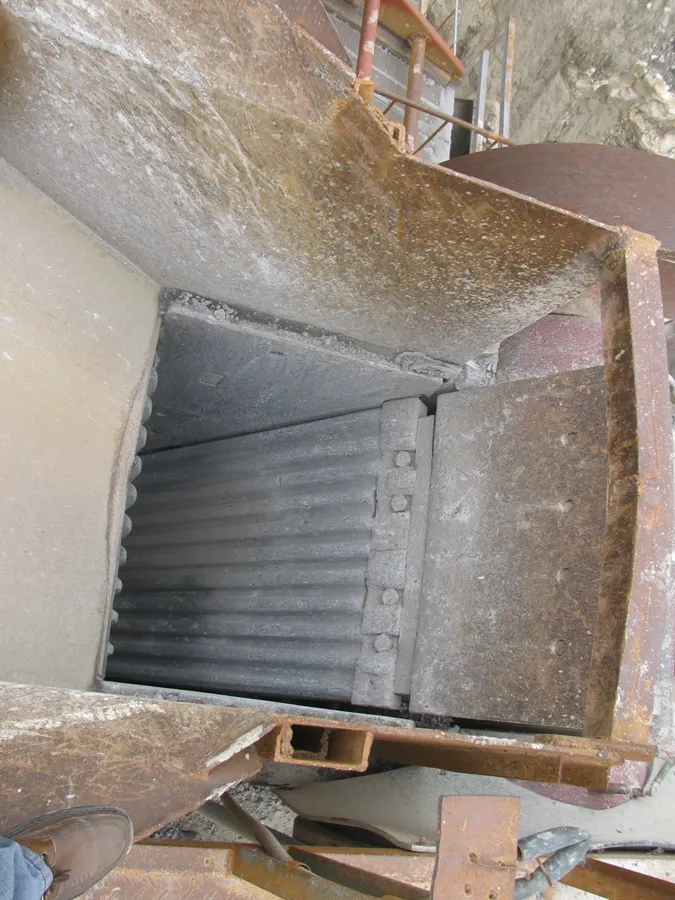
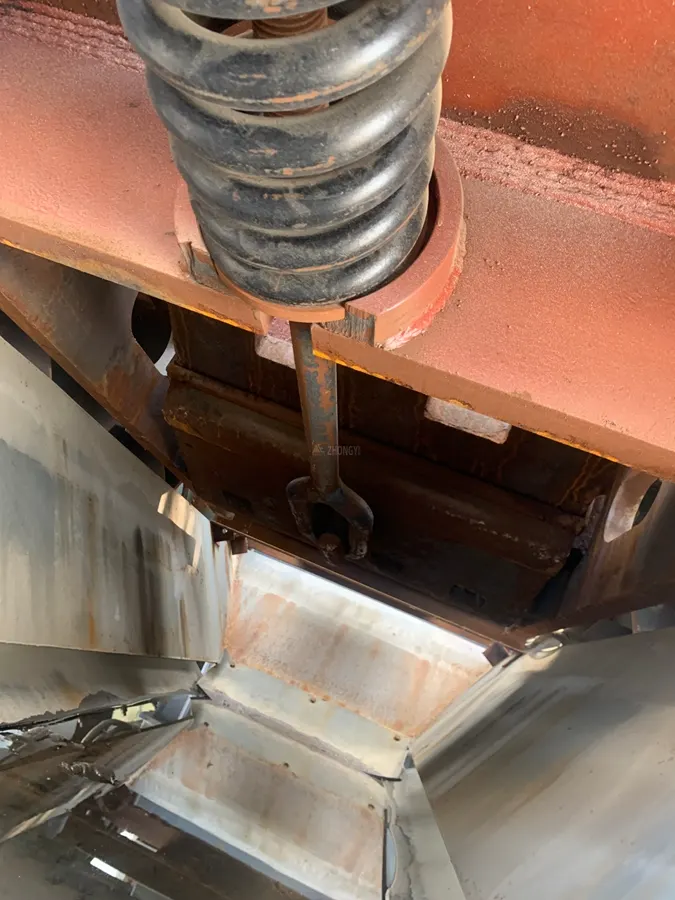
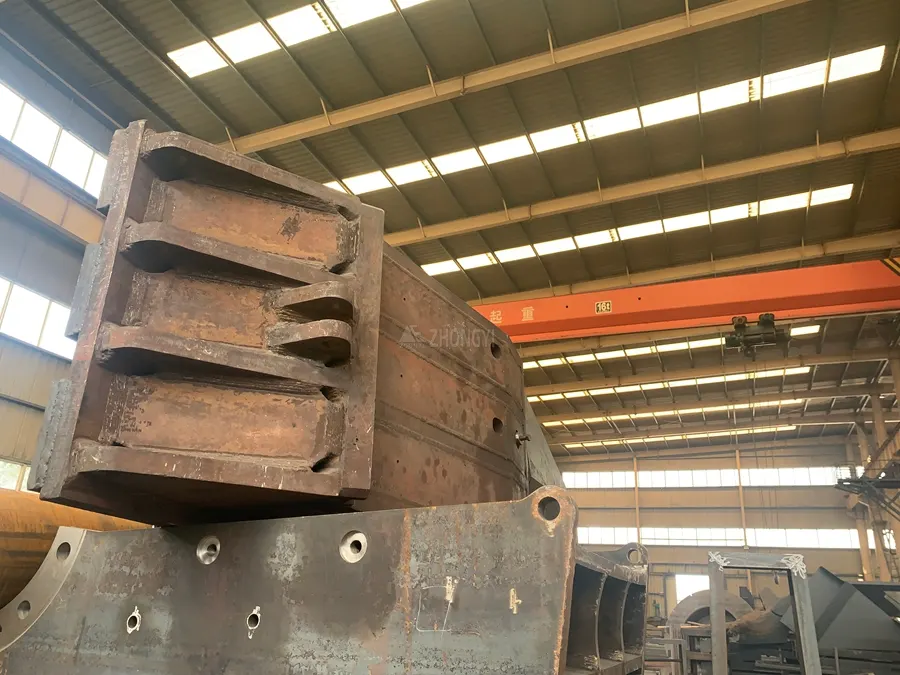
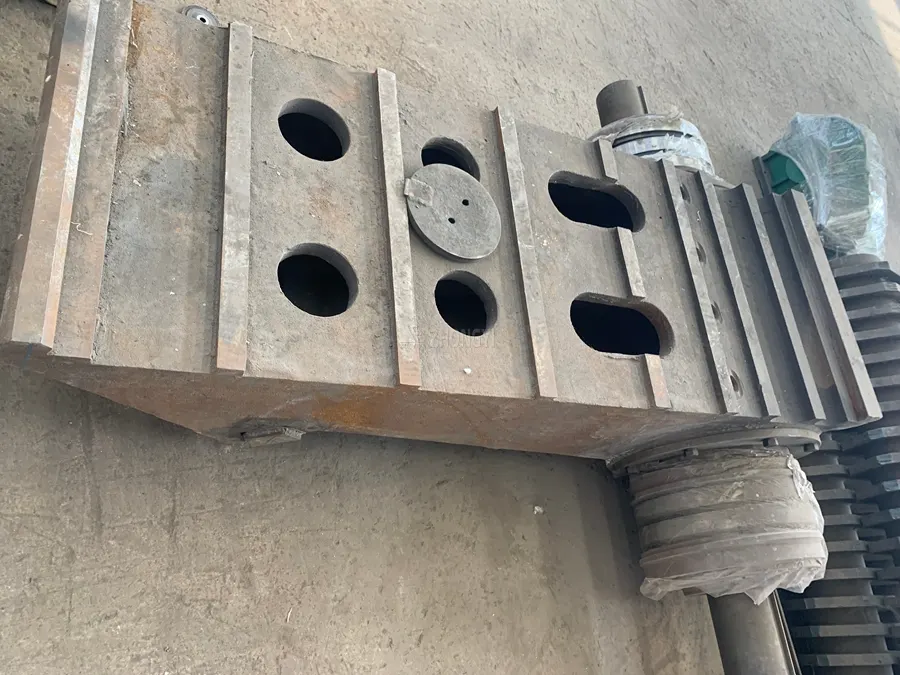
Regular jaw crusher maintenance helps reduce wear, downtime, and operating costs. Inspection and replacement intervals depend on the machine model, material, and manufacturer’s recommendations.
In our experience with crushing equipment, consistent feeding and correct operating conditions help control wear and prevent avoidable downtime.
Conclution
Knowing how to choose the right jaw crusher machine starts with matching material properties, maximum feed size, required capacity, and discharge size to actual site conditions. Downstream equipment, maintenance requirements, and operating costs also affect long-term performance. A suitable jaw crusher should meet the production target while fitting the requirements of the complete crushing line.
Zhongyi Mining provides jaw crusher models for different crushing applications, with equipment selection based on material characteristics, production targets, and site conditions. Contact our team to discuss your project requirements and get support in selecting suitable equipment.
Individuelle Lösung anfordern
Work with Zhongyi Mining to select the right jaw crusher based on your material properties, feed size, required capacity, and discharge size, with equipment configurations tailored to your crushing project.
FAQs
How Do I Choose the Right Jaw Crusher Machine?
How to choose the right jaw crusher machine depends on material hardness, maximum feed size, required capacity, and target discharge size. Check the model specifications against actual operating conditions. Installation space, wear-part costs, maintenance access, and downstream equipment compatibility also affect the decision. The selected machine should meet production targets without creating bottlenecks elsewhere in the crushing plant.
What Materials Can a Jaw Crusher Process?
Jaw crushers commonly process granite, basalt, limestone, river stone, and various metal ores. Suitability depends on material hardness, abrasiveness, feed size, and the crusher’s design limits. Hard, abrasive rocks such as basalt can accelerate jaw plate wear, while wet or sticky feed may affect material flow. Confirm the material properties and operating conditions before selecting a model.
How Do I Calculate the Required Jaw Crusher Capacity?
When deciding how to choose the right jaw crusher machine, start with the plant’s target hourly output and expected operating hours. Consider feed size distribution, material properties, discharge setting, and feeding consistency. Manufacturer capacity figures depend on operating conditions and should not be treated as guaranteed production rates. Downstream screens, conveyors, and secondary crushers must also handle the expected material flow.
What Is the Difference Between PE and PEX Jaw Crushers?
PE jaw crushers are commonly used for primary crushing of larger rocks, while PEX models are generally used for smaller feed sizes and finer discharge requirements, often in secondary crushing. Actual feed limits, discharge ranges, and capacities vary by model. Compare the specifications of individual machines with your feed size and target output before making a selection.
What Factors Affect Jaw Crusher Machine Price?
Understanding how to choose the right jaw crusher machine also means evaluating the total cost, not just the purchase price. Pricing depends on model size, capacity, configuration, manufacturing specifications, and scope of supply. Transport, installation, auxiliary equipment, and spare parts may add to the investment. Compare quotations with equivalent technical requirements and consider maintenance and wear-part costs.
How Often Should Jaw Crusher Jaw Plates Be Replaced?
Jaw plate replacement frequency depends on material abrasiveness, operating hours, feed conditions, and plate specifications. Inspect the plates for uneven wear, cracks, and loose fasteners. Replace them according to the manufacturer’s wear limits and maintenance instructions. A fixed replacement interval is not suitable for every application because actual wear rates vary with material properties and operating conditions.
Can a Jaw Crusher Handle Large Feed Material?
A jaw crusher can handle large rocks within its specified maximum feed size. However, the feed opening alone does not determine the permitted feed size; the machine’s design and operating specifications must also be considered. Oversized or poorly shaped material can cause feeding problems and blockages. Check the maximum feed size for the selected model and ensure the feeder delivers material consistently.
What Equipment Is Needed for a Complete Jaw Crushing Plant?
The answer to how to choose the right jaw crusher machine also depends on the complete production line. A typical setup includes a vibrating feeder, jaw crusher, conveyors, and screening equipment. A cone crusher or impact crusher may provide further size reduction, while sand-making applications may require a VSI crusher. Match the layout to material properties, target gradation, capacity, and site conditions.