










Pendahuluan
When selecting crushing equipment for a quarry or mining project, buyers need to consider more than the required production capacity. The maximum feed size, material hardness, crushing stages, and final product specifications all affect equipment selection. One common decision is whether to use a jaw crusher or a cone crusher, or combine both in a multi-stage crushing plant. Although both are compression-type crushers, they serve different functions in the crushing process. A jaw crusher is commonly used for primary crushing to reduce large feed materials, while a cone crusher is generally used for secondary or tertiary crushing to further reduce pre-crushed materials.
Choosing between a Jaw Crusher vs Cone Crusher requires an understanding of how each machine works and how its operating characteristics match the material and production requirements. This comparison examines their structures and working principles, key performance differences, material suitability, typical plant configurations, and operating costs. It will help buyers identify the appropriate crushing equipment and determine when a combination of both is necessary.
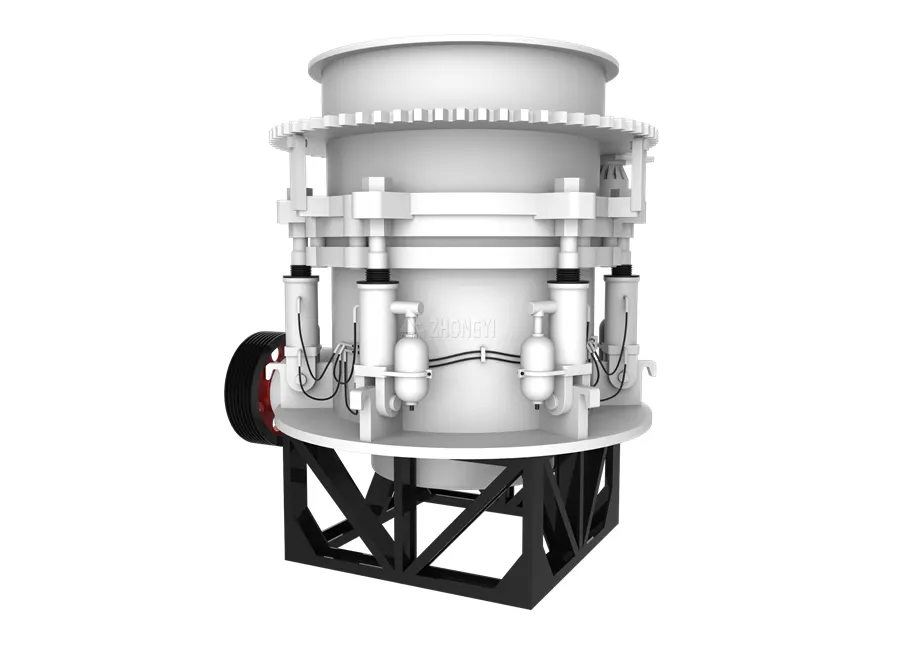
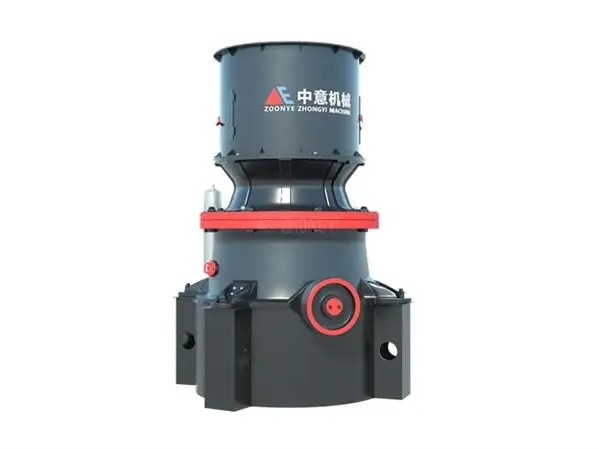
What Are Jaw Crushers and Cone Crushers?
Jaw crushers and cone crushers are compression-type crushing machines used at different stages of mining and aggregate production. Their crushing mechanisms differ in structure and material movement, which determines their typical roles in a crushing plant.
Jaw Crusher: Definition, Structure and Working Principle
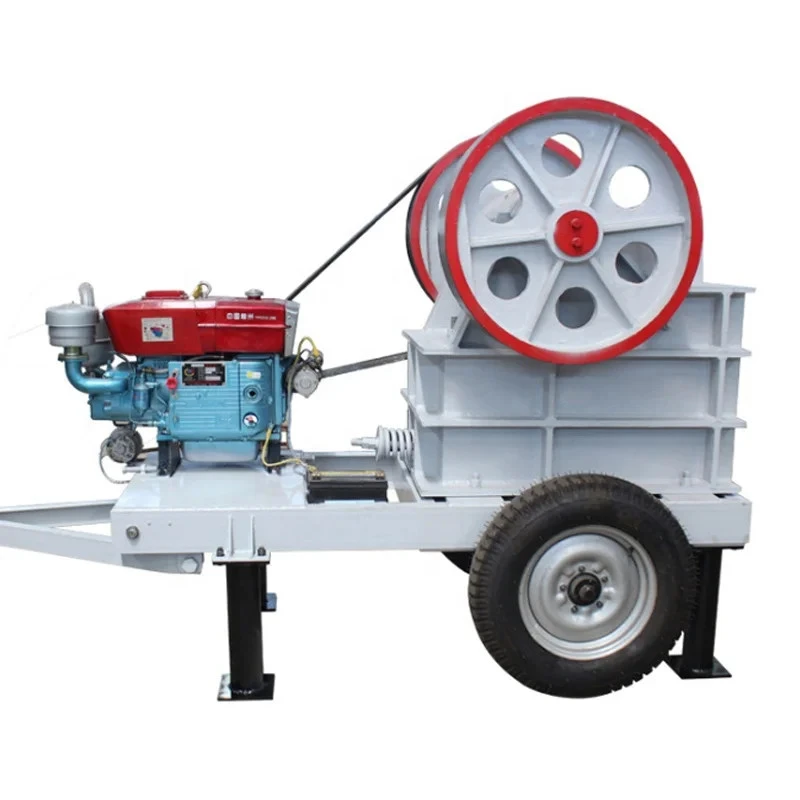
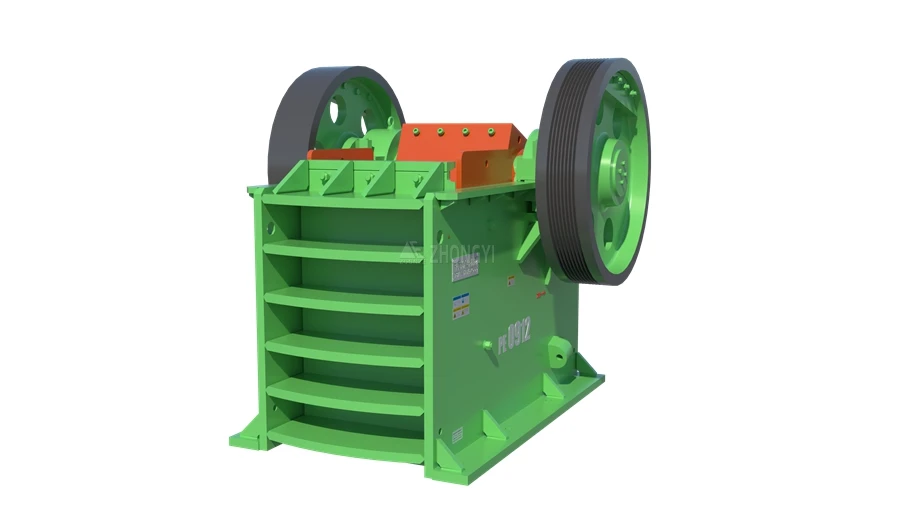
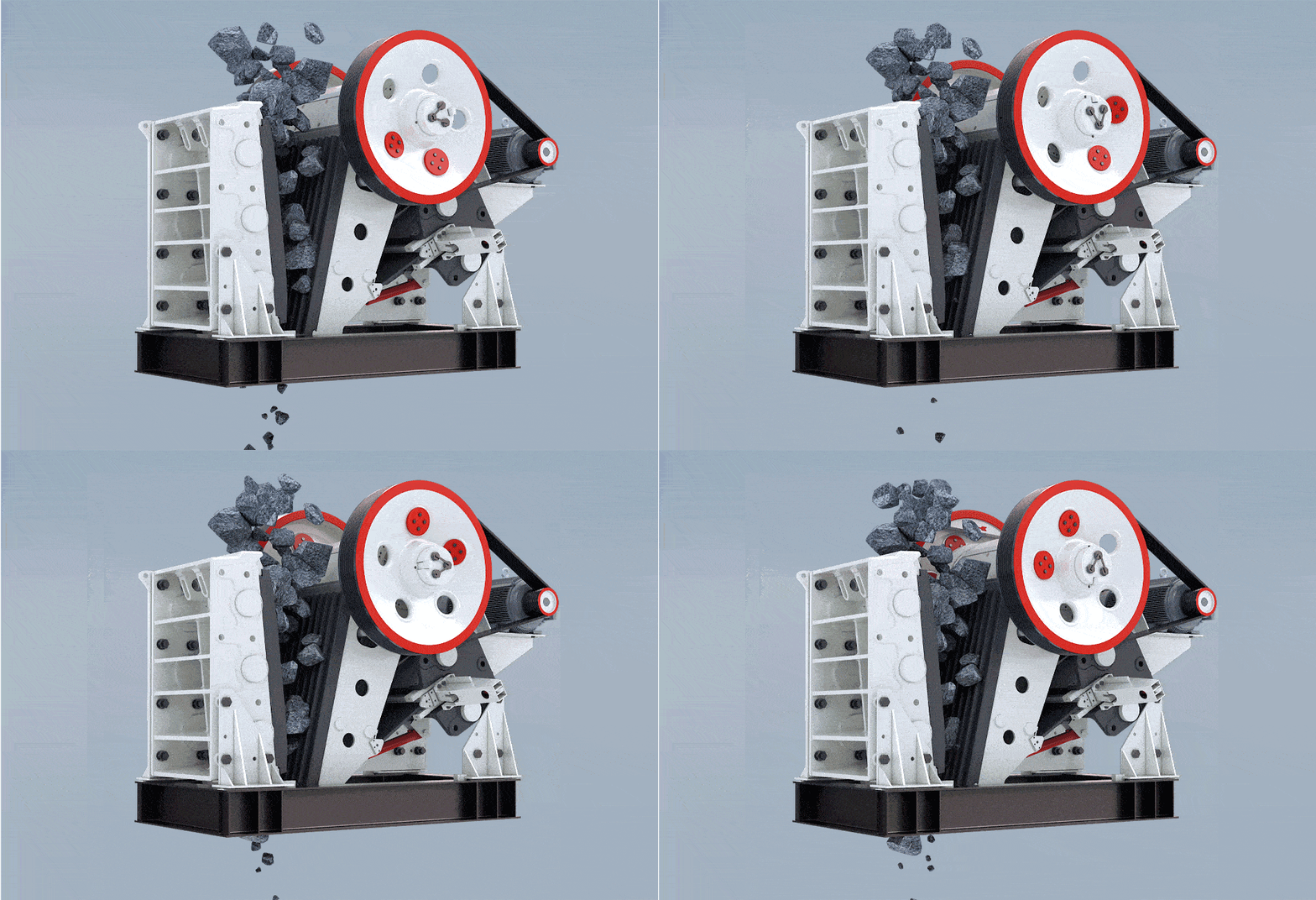
A jaw crusher is primarily used for primary crushing of large rocks and ores. It reduces feed material through compression between a fixed jaw plate and a movable jaw plate, making it commonly used in mining, quarrying, and aggregate production.
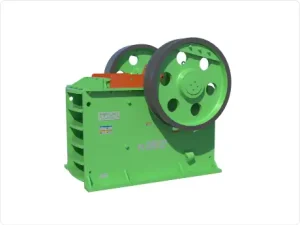
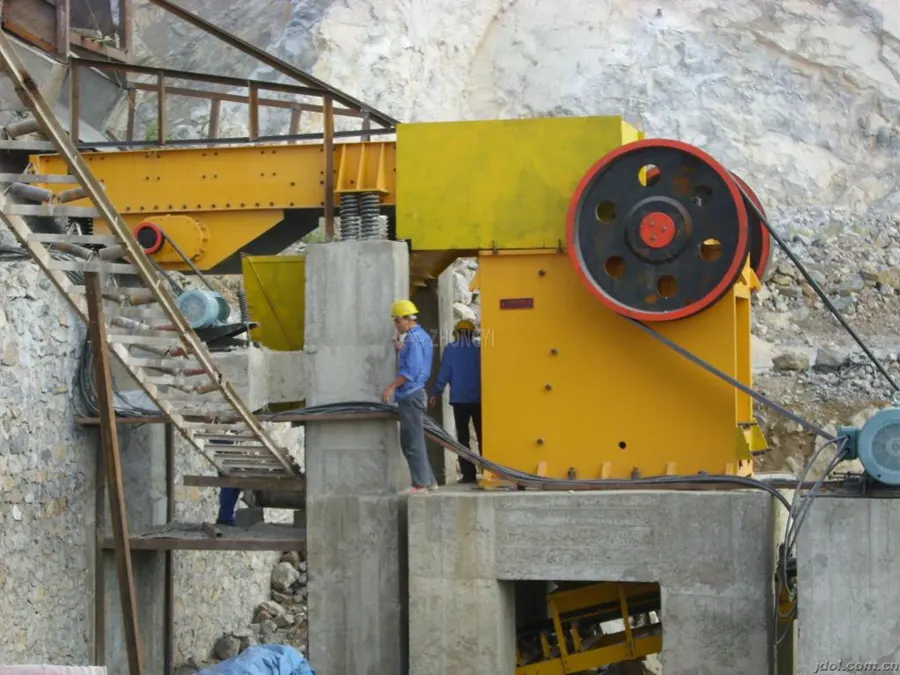
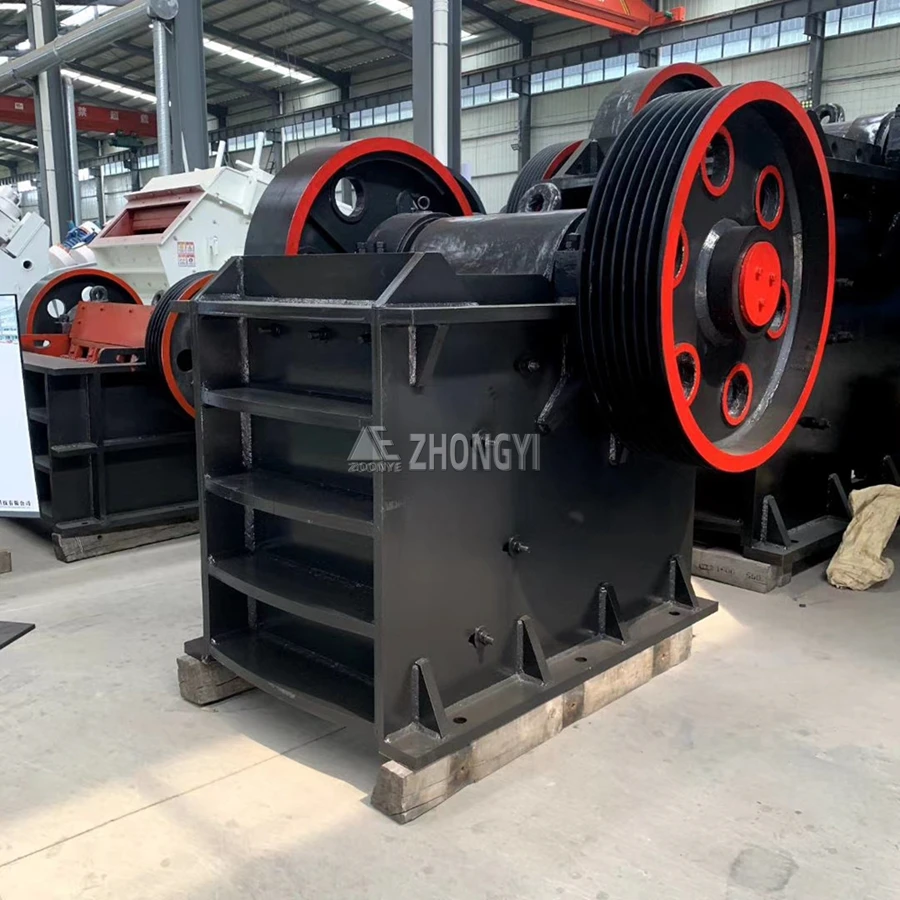
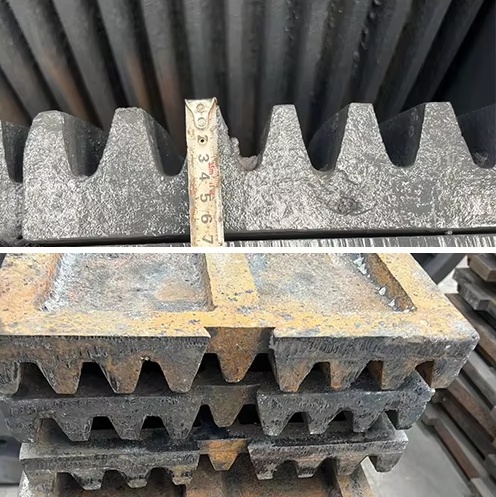
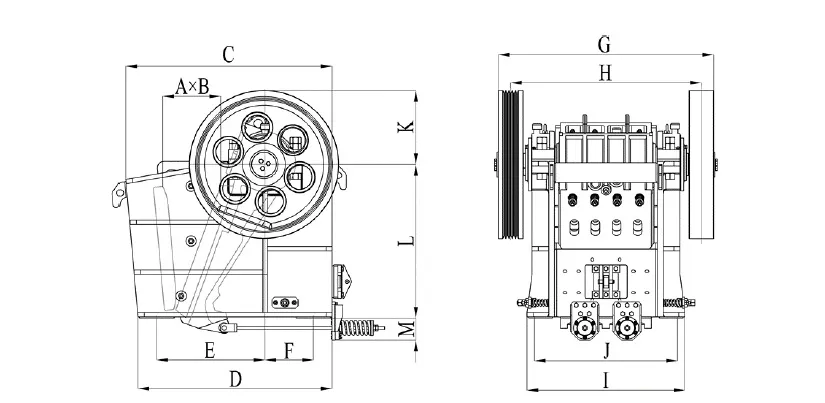
The main jaw crusher components include the fixed jaw plate, movable jaw plate, crushing chamber, eccentric shaft, toggle plate, and flywheel. The motor drives the eccentric shaft through the belt and pulley system, causing the movable jaw to move toward and away from the fixed jaw. During the crushing stroke, material is compressed and fractured between the jaw plates. During the return stroke, the crushed material moves downward and exits through the discharge opening under gravity. For a fuller explanation of the jaw mechanism and available types, see Apa Itu Jaw Crusher? Definisi, Prinsip Kerja, Jenis & Kegunaan.
Cone Crusher: Definition, Structure and Working Principle
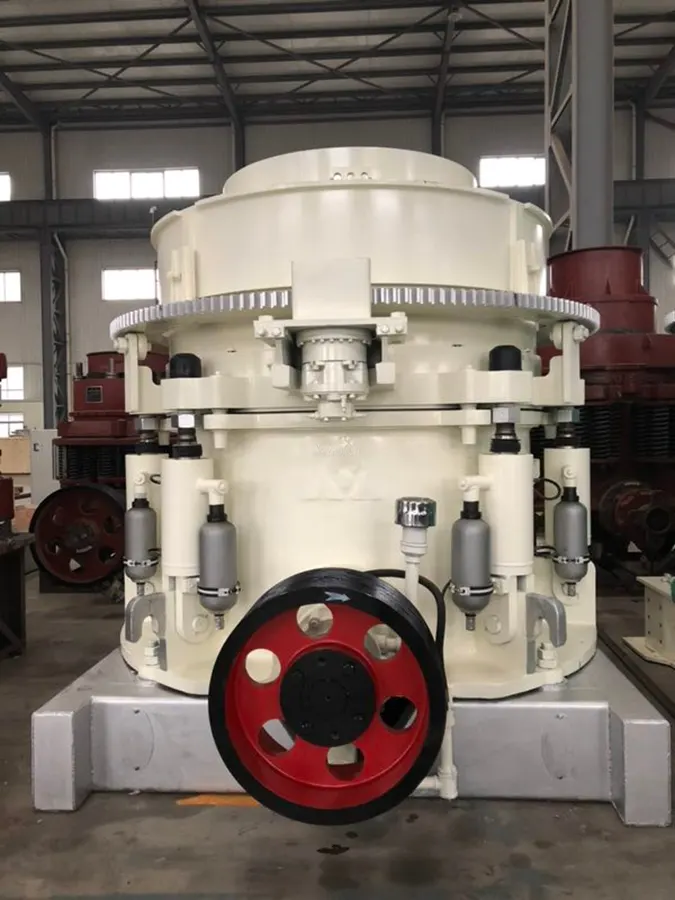
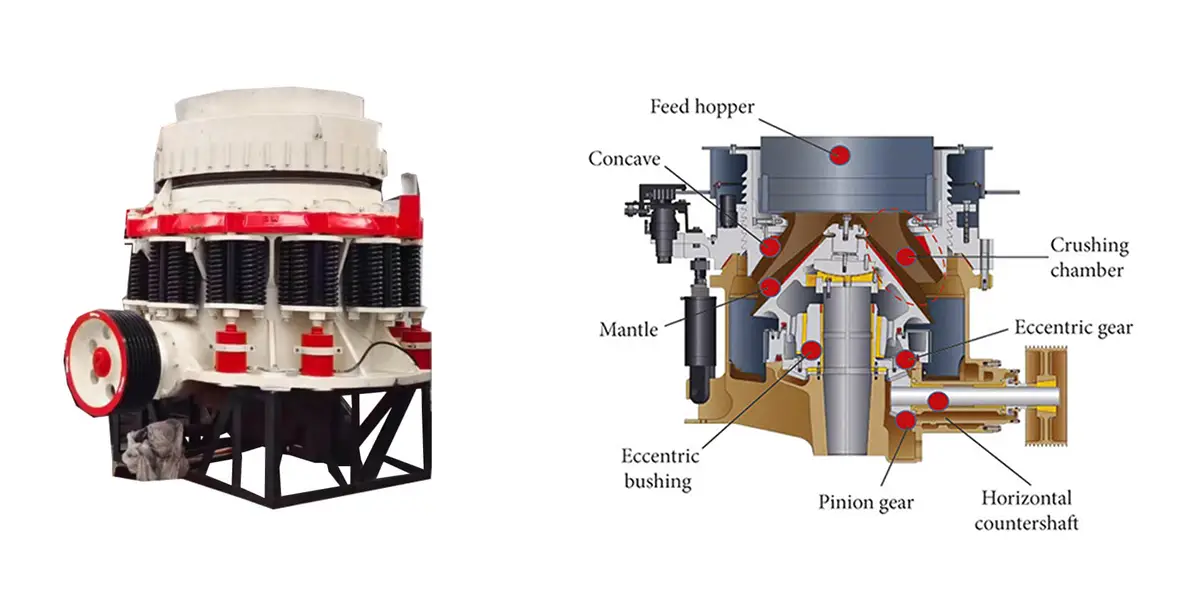
A cone crusher is mainly used for secondary and fine crushing of pre-crushed rocks and ores. It reduces material through compression between a moving mantle and a stationary concave liner, typically in mining and aggregate production lines.
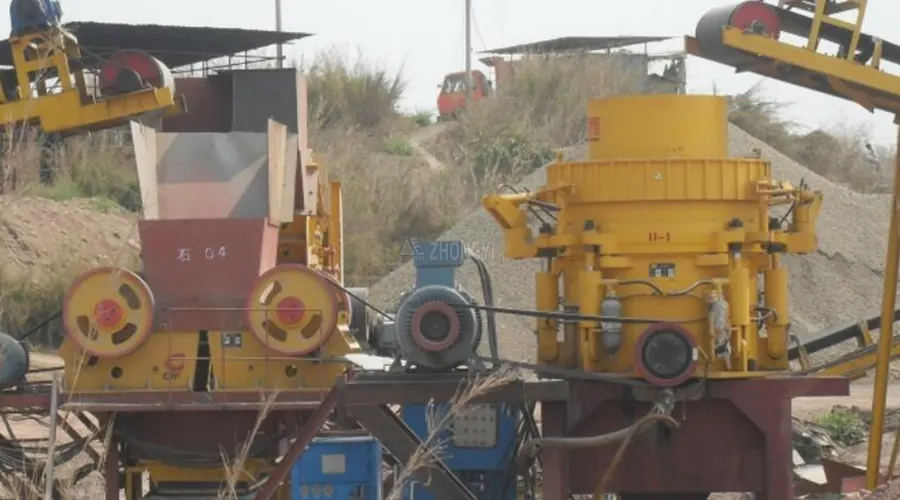
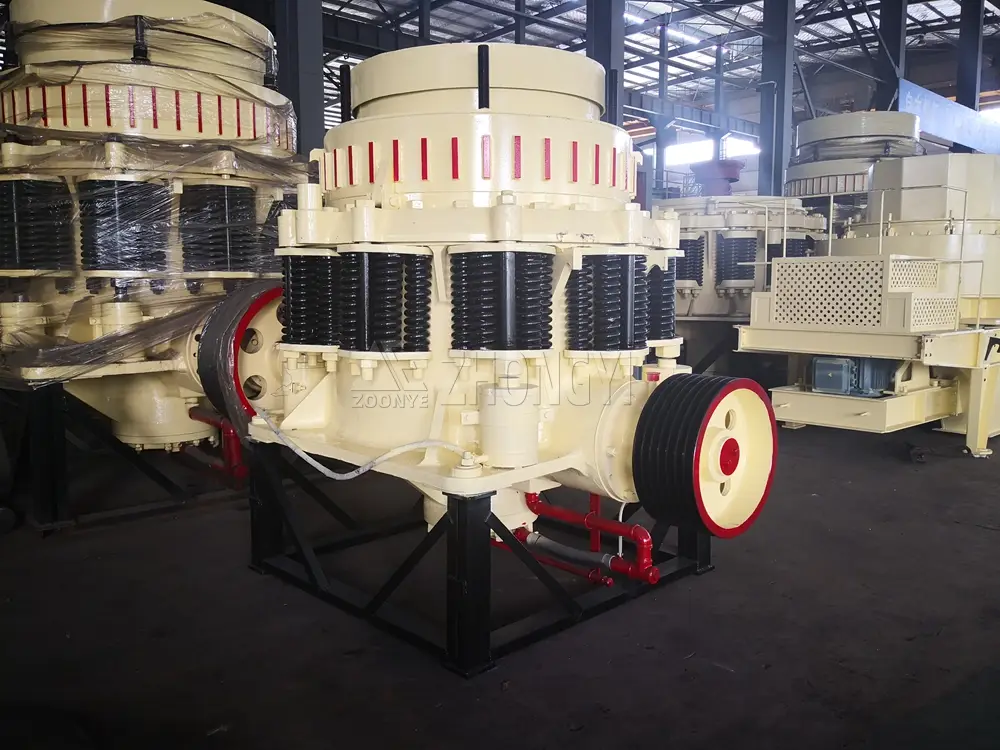
The main cone crusher components include the mantle, concave, crushing chamber, main shaft, and eccentric assembly. During operation, the motor drives the eccentric assembly, causing the mantle to gyrate within the concave. As the gap narrows, material is compressed and fractured; as it opens, crushed material moves downward through the chamber. The Zhongyi Spring Cone Crusher used as an example in this article has a spring protection system that allows the discharge opening to expand when uncrushable material enters the chamber, helping protect the crusher from damage.
For more detail on the components and protection arrangements behind this mechanism, What Is a Cone Crusher? Working Principle, Types, Components, and Applications distinguishes spring and hydraulic designs and explains their main applications.
Jaw Crusher vs Cone Crusher: Differences Between Jaw Crushers and Cone Crushers
The following table provides a quick overview of the key differences between jaw crushers and cone crushers. The seven sections below examine each factor in more detail, including feed size, capacity, product quality, energy consumption, and maintenance.
| Faktor Perbandingan | Penghancur Rahang | Penghancur Kerucut |
|---|---|---|
| Aplikasi Utama | Penghancuran primer | Penghancuran sekunder dan halus |
| Aksi Penghancuran | Reciprocating jaw compression | Gyrating mantle compression |
| Material Umpan | Large rocks and ores | Pre-crushed materials |
| Typical Product | Coarser material | Finer material |
| Main Wear Parts | Fixed and movable jaw plates | Mantle and concave liners |
Crushing Stage and Application
A jaw crusher is commonly used at the beginning of a crushing line to reduce large rocks and run-of-mine ore to a manageable size. Its large feed opening and deep V-shaped chamber make it suitable for primary crushing in mining, quarrying, and aggregate production.
A cone crusher is generally installed after primary crushing equipment to further reduce the material. It is mainly used for secondary and fine crushing, preparing the material for screening or subsequent processing. In a typical jaw-and-cone configuration, the jaw crusher handles the initial size reduction, while the cone crusher reduces the intermediate material to the required size for downstream operations.
Feed Size and Crushing Ratio
Jaw crushers accept larger feed materials than secondary cone crushers. Depending on the model, Zhongyi’s PE Series handles maximum feed sizes from 210 mm to 1,000 mm, with the PE-1200×1500 accepting up to 1,000 mm. Model-by-model limits are listed on the PE Series Mining Jaw Crusher product page.
Cone crushers require pre-crushed feed within the specified limits of the selected model. Zhongyi’s Spring Cone Crusher covers maximum feed sizes from 50 mm to 300 mm. Feed size distribution must also match the crushing chamber; oversized lumps or uneven feeding can reduce chamber utilization and affect operating stability. Check the Cone Crusher Pegas specifications when matching these limits to your feed.
The crushing ratio measures the reduction from feed size to product size and can be evaluated using F80 and P80 values. Maximum feed size alone does not determine this ratio, as the overall particle-size distribution also matters. For substantial size reduction, jaw and cone crushers are typically used in successive crushing stages.
Output Size and Product Gradation
In a Jaw Crusher vs Cone Crusher product size comparison, the discharge setting is a key factor. A jaw crusher uses a discharge opening to control the size of its output. Zhongyi’s PE Series offers model-dependent discharge openings from 20 mm to 350 mm. A smaller opening generally produces finer material but may reduce throughput.
A cone crusher uses the closed-side setting (CSS), the minimum clearance between the mantle and concave, to control product size. A smaller CSS generally produces finer output, while a larger CSS allows coarser material to pass through. CSS also affects capacity and power draw.
For both crushers, the final product gradation depends on screening and recirculation as well as the crusher setting. Vibrating screens separate material into specified size fractions, while oversize particles can return for further crushing. The screen configuration should match the required finished aggregate sizes.
Production Capacity and Throughput
When comparing Jaw Crusher vs Cone Crusher capacity, the rated figures must be considered alongside their different crushing duties. Zhongyi’s PE Series Jaw Crusher has a capacity range of 5–800 t/h, while its Spring Cone Crusher models range from 12–700 t/h. These figures cover different models and operating conditions, so they do not indicate which crusher has higher actual throughput.
Actual capacity depends on material hardness, feed size distribution, bulk density, moisture, and discharge setting. For cone crushers, chamber selection and consistent feed distribution are particularly important, as unsuitable feed conditions can reduce crushing efficiency.
In a complete crushing plant, actual throughput also depends on the capacity of feeders, screens, conveyors, and downstream equipment. Buyers should compare the amount of qualified finished aggregate produced per hour rather than relying solely on the rated capacity of an individual crusher.
Product Shape and Fines Content
Aggregate particle shape is influenced by the crushing method and operating conditions. Jaw crusher output is affected by the jaw plate profile, discharge setting, and rock fracture characteristics. It is generally used as feed for secondary crushing or screening.
A cone crusher can produce better-shaped aggregates under stable, choke-fed conditions. Material is compressed between the mantle and concave, while particle-to-particle crushing helps reduce flaky and elongated particles. This effect depends on chamber design, feed grading, and CSS.
Fines content is a separate quality indicator. It depends on the reduction ratio, CSS, feed properties, and circulating load. Choke feeding can improve particle shape, but it does not necessarily reduce fines. Both particle shape and fines percentage should be checked against the finished aggregate specifications.
Energy Consumption and Operating Efficiency
Crusher energy consumption cannot be determined by motor power alone. Zhongyi’s PE Series Jaw Crusher models have installed motor power ratings of 15–220 kW, while its Spring Cone Crusher models range from 30–280 kW. These figures represent different equipment sizes and crushing duties, not a direct comparison of energy efficiency.
Actual energy use depends on material hardness, feed size, reduction requirements, machine loading, and operating settings. An excessively small discharge setting can increase power demand, while irregular feeding and repeated crushing of oversize material can add to the energy consumption of the entire circuit.
For a more accurate assessment, compare specific energy consumption (kWh/t) based on qualified finished product. This accounts for the energy required to produce saleable material rather than simply comparing the installed motor power.
Wear Parts and Maintenance Requirements
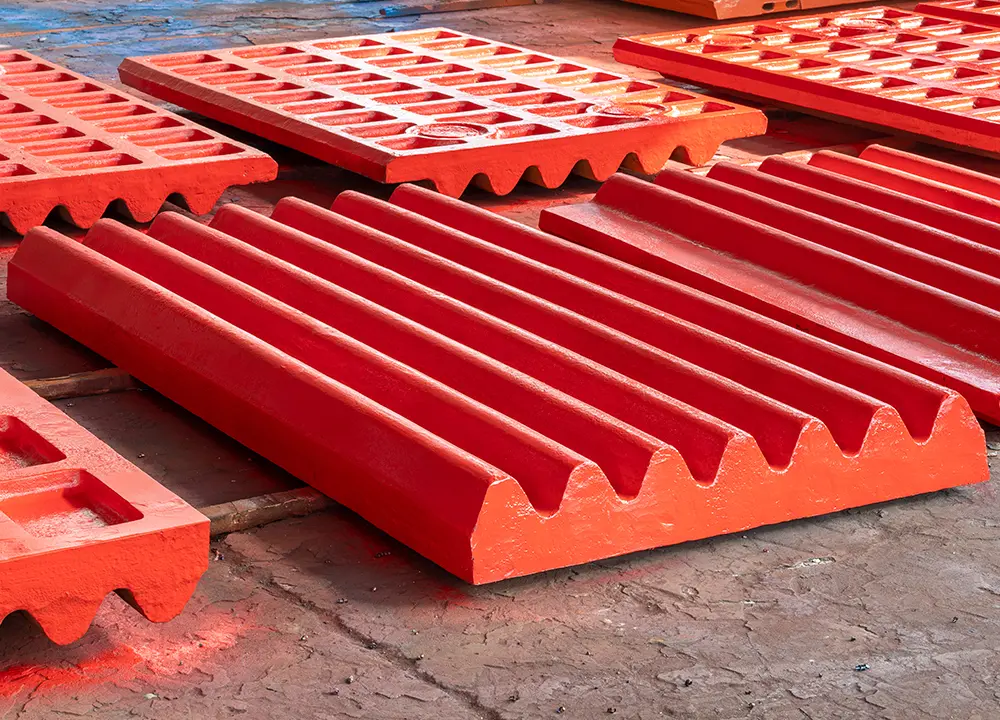
In a Jaw Crusher vs Cone Crusher comparison, wear parts and maintenance requirements depend largely on the crushing surfaces and material conditions. A jaw crusher uses fixed and movable jaw plates, which wear through repeated compression and abrasive contact with rock. Their wear rate is affected by material hardness, abrasiveness, feed distribution, and jaw plate profile.
A cone crusher uses a mantle and concave liners as its main wear parts. Their wear depends on material abrasiveness, feed distribution, chamber selection, and operating settings. On the Zhongyi Spring Cone Crusher discussed here, the spring protection system allows the discharge opening to expand when uncrushable material enters the chamber, helping prevent mechanical damage.
For both crushers, maintenance costs depend on wear-part consumption, replacement frequency, labor, and production downtime. Comparing wear-part cost per ton of qualified product provides a more practical measure of long-term maintenance expenses than comparing the purchase price of individual jaw plates or cone liners.
Jaw Crusher vs Cone Crusher: Which Materials Are They Suitable For?
Jaw crushers and cone crushers can both process hard and abrasive rocks, but their suitability depends on material properties, feed size, and the required reduction ratio. Granite, basalt, iron ore, quartzite, and river pebbles are common materials processed by these machines, provided the selected crusher model matches the feed conditions and production requirements.
For background on crushed stone as a construction raw material and its industry uses, see the U.S. Geological Survey’s Crushed Stone Statistics and Information.
Materials Suitable for Jaw Crushers
Jaw crushers are commonly used for primary crushing of large rocks and ores. Typical materials include granite, basalt, limestone, quartzite, river pebbles, and iron ore. Their large feed openings allow them to handle coarse materials with different levels of hardness and abrasiveness.
When selecting a jaw crusher, consider the material’s compressive strength, abrasiveness, and maximum feed size. The feed opening must accommodate the largest incoming rocks, while the jaw plate profile and material should match the operating conditions. Highly abrasive materials such as granite and quartzite require particular attention to jaw plate wear and replacement intervals.
Materials Suitable for Cone Crushers
Cone crushers are mainly used for secondary and fine crushing of pre-crushed materials. They are suitable for medium-hard to hard rocks and ores, including granite, basalt, iron ore, copper ore, river pebbles, and quartzite.
The feed size must fall within the selected model’s specifications. The crushing chamber and closed-side setting (CSS) should match the material characteristics and required output size. Material abrasiveness also affects wear on the mantle and concave liners, making liner selection and wear monitoring important.
Moisture content and clay content should also be evaluated. Wet or sticky materials may affect material flow and screening efficiency, increasing the risk of blockage in the crushing circuit. Suitable feeding and screening arrangements may be needed to maintain stable operation.
Can Jaw Crushers and Cone Crushers Process the Same Materials?
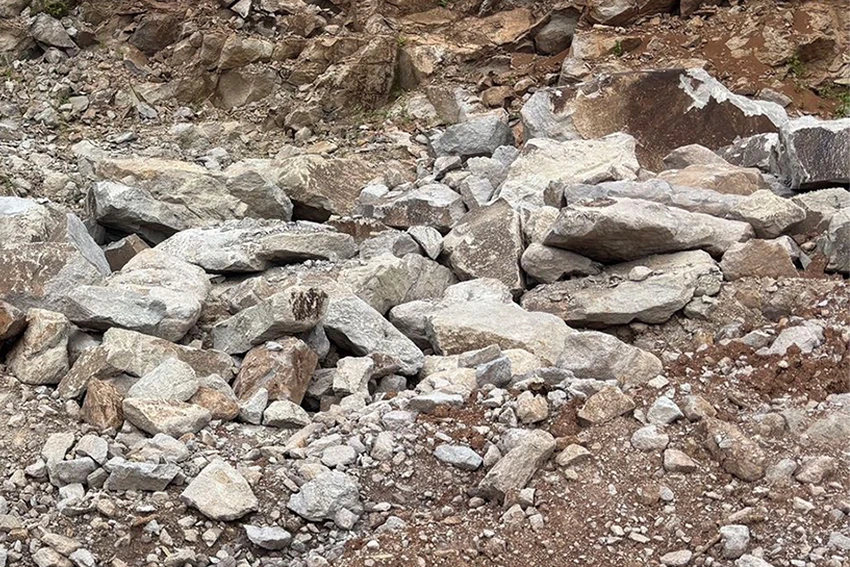
Yes. Both crushers can process hard rocks such as granite, basalt, and iron ore, but they usually serve different crushing stages. A jaw crusher handles large raw materials during primary crushing, while a cone crusher further reduces the pre-crushed material to meet downstream size requirements.
For example, in a hard-rock aggregate plant, a jaw crusher can reduce large granite blocks before a cone crusher performs secondary crushing. The equipment selection should consider maximum feed size, material hardness, abrasiveness, moisture content, and required finished product size, rather than the rock type alone. For a material-specific comparison, Stone Crusher Terbaik untuk Granit, Basalt, dan Batu Kapur explains how rock properties influence the crushing arrangement.
How Are Jaw Crushers and Cone Crushers Used Together in a Crushing Plant?
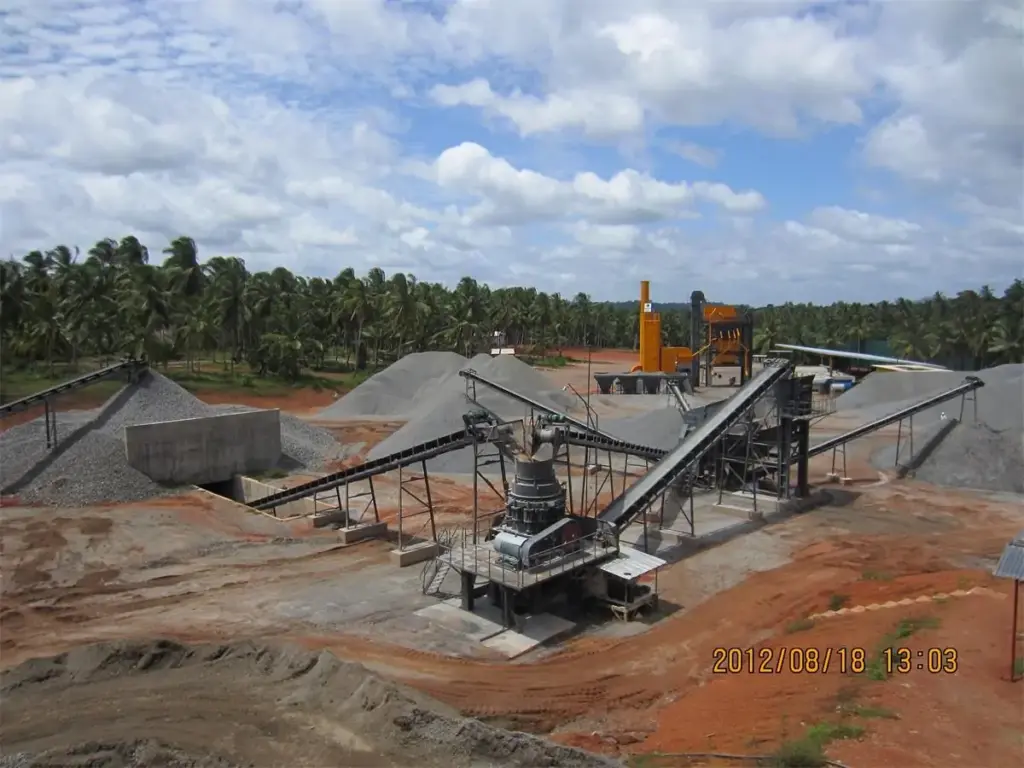
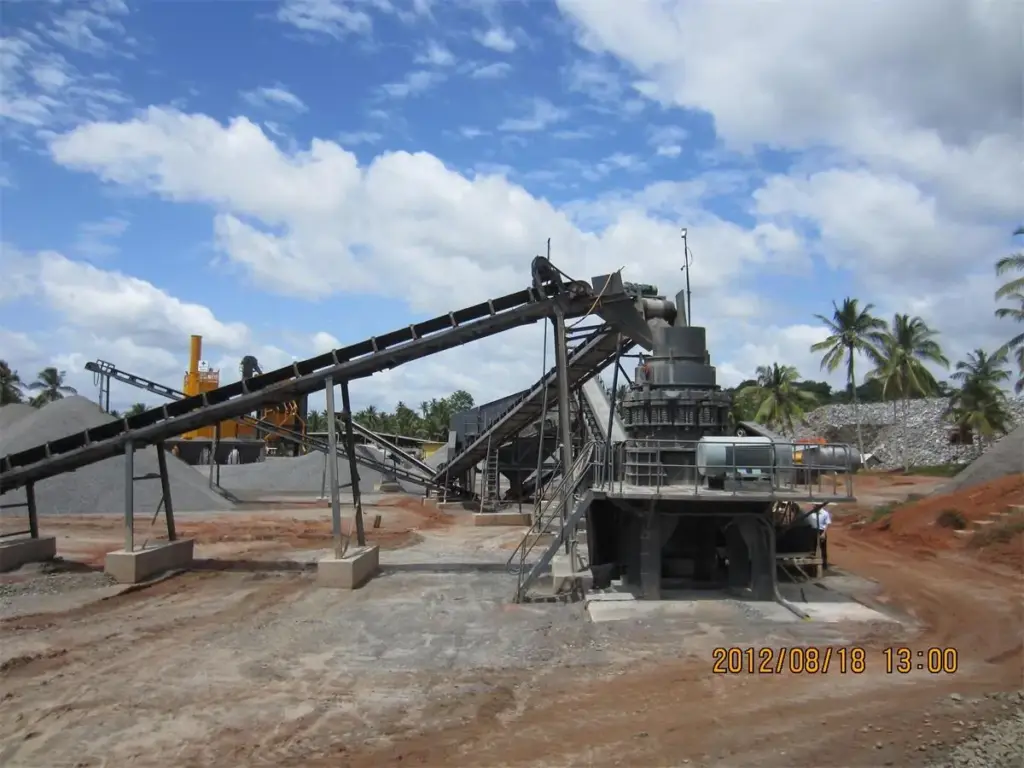
Jaw crushers and cone crushers are commonly combined in multi-stage crushing plants for mining and aggregate production. A typical Jaw Crusher and Cone Crusher Plant follows this process:
Raw Material → Vibrating Feeder → Jaw Crusher → Conveying / Intermediate Screening → Cone Crusher → Final Vibrating Screen → Finished Aggregates
The jaw crusher performs primary crushing to reduce large rocks, while the cone crusher handles secondary crushing to produce smaller material. The final vibrating screen separates aggregates into different sizes, with oversized particles returned to the cone crusher when a closed-circuit configuration is required. Intermediate screening and material bypass arrangements depend on the production requirements.
A jaw and cone crusher combination is suitable for hard-rock mines, large quarries, and aggregate plants requiring multiple crushing stages. Equipment selection should match the jaw crusher’s discharge size with the cone crusher’s feed requirements and coordinate the capacity of crushers, feeders, and screens. If the required output is relatively coarse, a jaw crusher alone may be sufficient; a cone crusher can also operate independently when suitable pre-crushed material is available. The Solusi Pabrik Pemecah Batu page provides context on matching these stages with feeding, conveying, and screening equipment.
Jaw Crusher vs Cone Crusher: Purchase Cost and Operating Cost
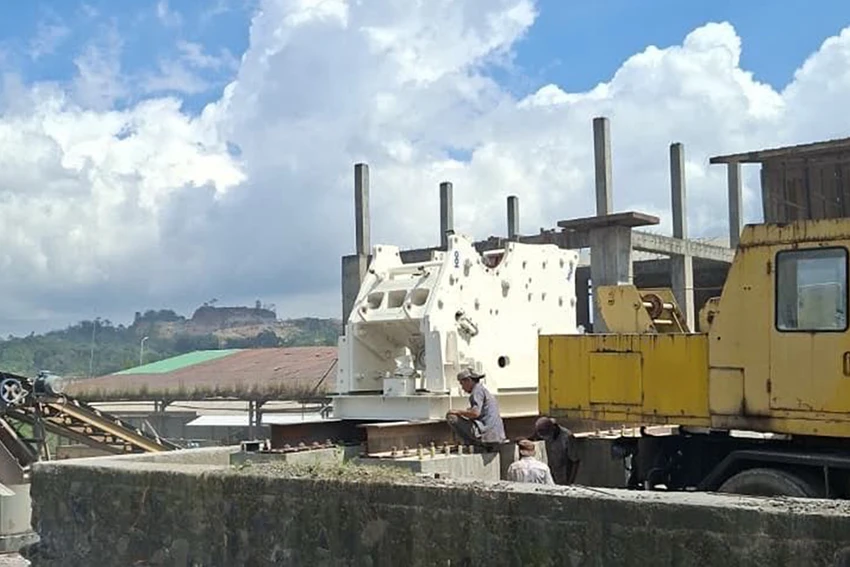
The cost of a jaw crusher or cone crusher involves more than the initial equipment price. Buyers also need to account for installation, electricity, wear parts, maintenance, and production downtime. A proper cost comparison should distinguish between the initial investment, day-to-day operating expenses, and the total cost of ownership. These costs should be evaluated against the amount of saleable finished material produced over a defined operating period.
Initial Equipment and Installation Costs
The initial investment depends on the crusher model, processing capacity, motor power, and configuration. The total project cost may also include vibrating feeders, conveyors, screening equipment, installation foundations, and electrical systems.
When comparing equipment quotations, check whether installation, commissioning, and auxiliary equipment are included. Comparing standalone machine prices without considering the complete crushing line can lead to an inaccurate estimate of the actual project investment.
Wear Parts and Maintenance Costs
Wear parts are an important part of both jaw crusher operating cost and cone crusher maintenance cost. Jaw crushers use fixed and movable jaw plates, while cone crushers use mantle and concave liners. Their service life depends on material hardness, abrasiveness, feed conditions, and operating settings.
Maintenance costs also include inspection, replacement labor, spare parts, and downtime. For a meaningful comparison, evaluate wear part consumption and replacement expenses against actual production output. The cost of individual wear parts alone does not indicate which crusher is more economical to operate.
How to Calculate the Operating Cost per Ton?
Operating cost per ton shows how much it costs to produce one ton of saleable finished material during normal operation. It helps buyers compare the actual running expenses of different crushing equipment or plant configurations.
Operating cost per ton = Total operating cost ÷ Saleable output (t)
Use costs and saleable output from the same reporting period and the same equipment or production-line boundary.
The calculation should account for:
- Electricity: Actual electricity consumption during operation, rather than installed motor power.
- Wear Parts: Jaw plates, mantle and concave liners, and other consumables.
- Labor and Maintenance: Routine inspections, repairs, and replacement work.
- Downtime: Production losses caused by maintenance and unexpected shutdowns.
- Material Handling: Additional conveying, screening, and recirculation costs where applicable.
For a complete investment assessment, buyers should also consider equipment depreciation, initial capital expenditure, installation, and other ownership costs. These items belong to the total cost of ownership rather than day-to-day operating cost. Comparing both operating cost per ton and total cost of ownership over the same evaluation period provides a more complete basis for assessing different crushing configurations.
How to Choose Between a Jaw Crusher and a Cone Crusher?
Choosing between a jaw crusher and a cone crusher depends on the raw material, feed size, production target, and finished product requirements. For many hard-rock projects, the two machines serve different stages rather than competing for the same position. The following factors help determine whether a project needs a jaw crusher, a cone crusher, or a combination of both. If the project also requires comparison with impact crushing, see Jaw Crusher vs Cone Crusher vs Impact Crusher: Perbedaan & Kegunaan.
1. Choose Based on Feed Material and Size
Start by evaluating material hardness, compressive strength, abrasiveness, moisture content, clay content, and maximum feed size. These properties affect crusher selection, crushing chamber requirements, material flow, and wear-part consumption.
Large run-of-mine rocks generally require a jaw crusher with a suitable feed opening. For pre-crushed granite, basalt, or iron ore, verify that the actual feed size is within the selected cone crusher’s maximum feed specification and that the model can handle the material’s abrasiveness. Wet or clay-rich material also requires attention because it can restrict material flow and increase the risk of blockage.
2. Match Production Capacity and Finished Product Requirements
Determine the required hourly production and the target sizes and gradation of the finished aggregates. Crusher capacity should be selected according to the actual feed conditions and operating requirements, not simply the maximum rated figure in a product specification.
The required reduction ratio and finished product distribution also influence the number of crushing stages. A jaw crusher can handle primary size reduction, while a cone crusher can further reduce the material when finer aggregate sizes or tighter product specifications are required. Vibrating screens separate the material into specified size fractions, and oversize particles can return to the crusher in a closed-circuit configuration. Make sure the feeders, crushers, screens, and conveyors are sized to handle the required material flow.
3. Select the Right Crushing Configuration
The appropriate setup depends on the feed material and the required finished products:
- Jaw Crusher Only: Suitable for primary crushing when the project requires a relatively coarse output and no additional crushing stage is needed.
- Cone Crusher Only: Suitable when the incoming material has already been reduced to a feed size within the selected cone crusher’s operating range.
- Jaw Crusher + Cone Crusher: Commonly used for hard-rock applications that require primary crushing followed by secondary or fine crushing.
When comparing configurations, consider equipment investment, installation requirements, wear-part consumption, maintenance, and production downtime. The jaw crusher’s discharge size must match the cone crusher’s feed requirements, while the capacities of all connected equipment need to be coordinated.
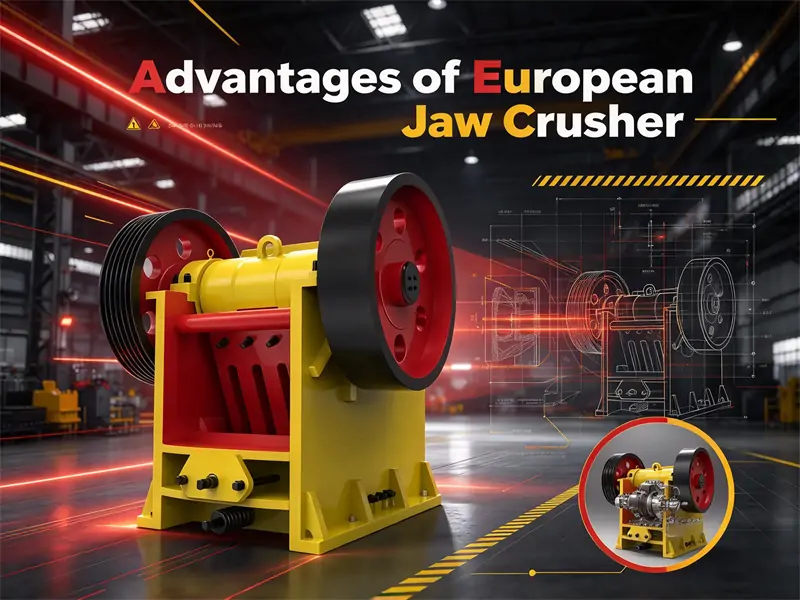
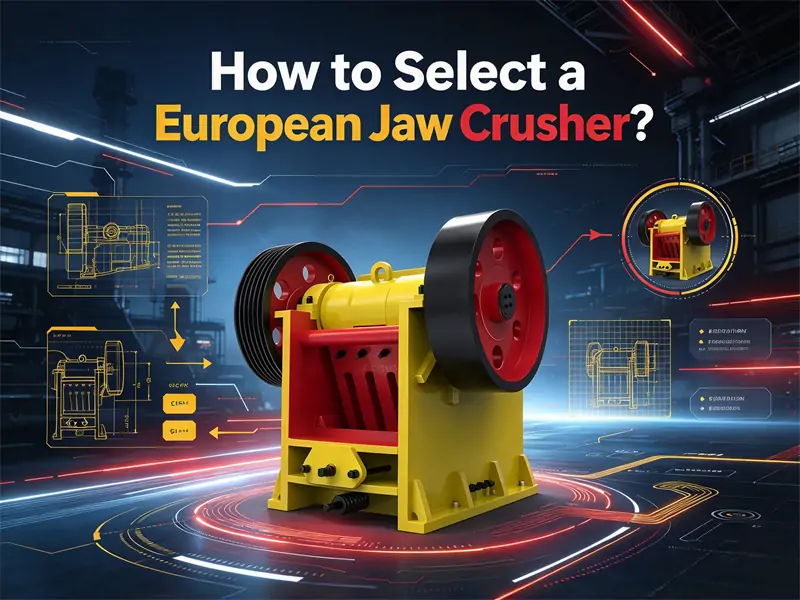
For project-specific crusher selection, Zhongyi Mining provides PE Series Jaw Crushers and Spring Cone Crushers for different crushing stages. The final model and production-line configuration should be determined from the material characteristics, feed size distribution, required capacity, and finished aggregate specifications. For another primary-crushing configuration, compare the Produsen Jaw Crusher Versi Eropa with your feed and installation requirements.
Jaw Crusher and Cone Crusher Solutions from Zhongyi Mining
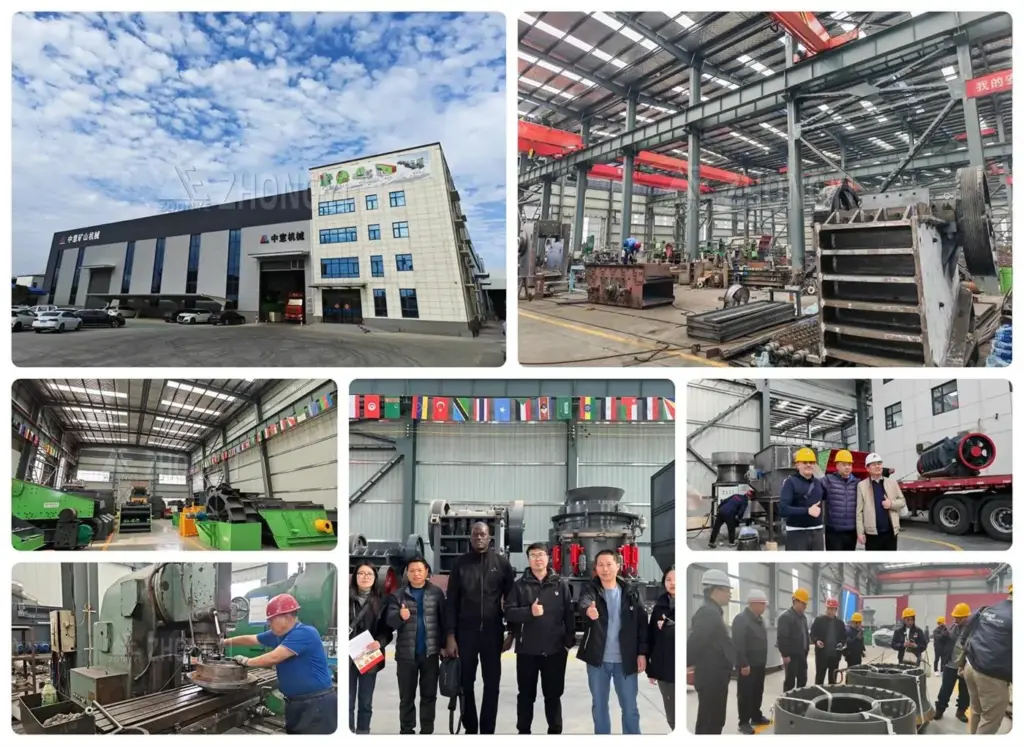
Zhongyi Mining provides PE Series Jaw Crushers and Spring Cone Crushers for different stages of stone crushing. Equipment selection and plant configuration are based on material hardness, feed size, required capacity, and finished aggregate specifications. For hard-rock applications, jaw and cone crushers can be integrated with vibrating screens and conveying systems to form a complete crushing and screening line.
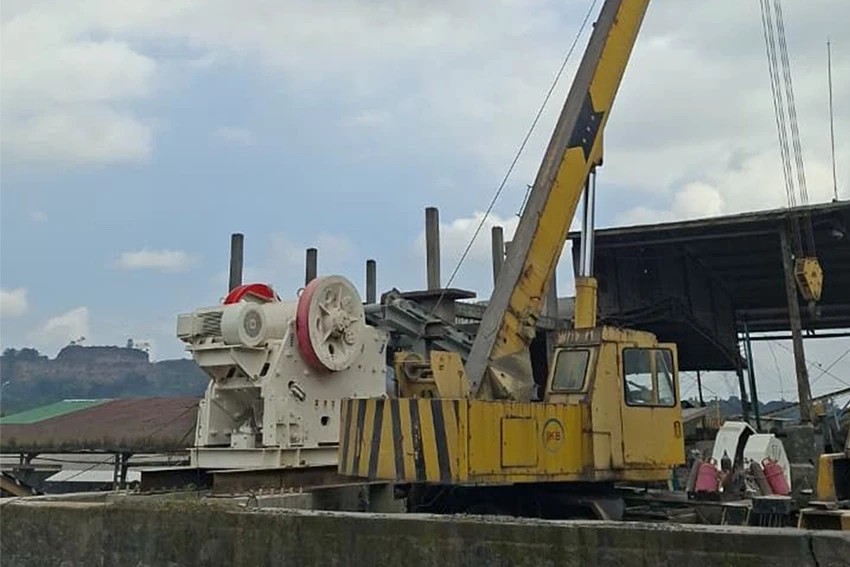
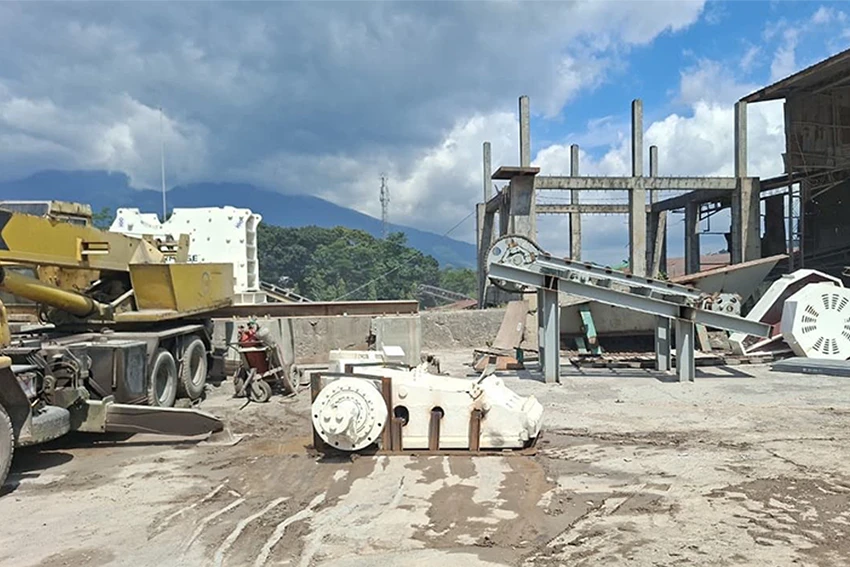
In West Java, Indonesia, Zhongyi designed a 300 TPH granite crushing plant for road base and concrete aggregate production. The project processes high-hardness granite with a maximum feed size of up to 700 mm. A European jaw crusher handles primary crushing, followed by a cone crusher for secondary crushing and vibrating screens for product classification. The production line is designed to produce three aggregate sizes: 0–5 mm, 5–20 mm, and 20–40 mm. This project demonstrates how coordinated jaw and cone crushing stages can handle abrasive hard rock and produce aggregates for different construction applications. The Pabrik Penghancuran Granit 300 TPH untuk Agregat Jalan & Beton, Indonesia case page describes this project and its equipment configuration.
Kesimpulan
The right choice in a Jaw Crusher vs Cone Crusher comparison depends on the crushing stage and project requirements. A jaw crusher is suitable for handling large feed materials in primary crushing, while a cone crusher is designed for secondary or tertiary crushing of pre-crushed materials. For hard-rock projects requiring multiple crushing stages and different aggregate sizes, combining both machines is often a practical approach.
Before making a decision, consider material properties, maximum feed size, production capacity, finished product specifications, and long-term operating costs. Zhongyi Mining provides jaw crushers, cone crushers, and crushing plant configurations for different project requirements. Use our Hubungi Kami page to contact our team with your material details and production targets to discuss suitable equipment and receive a project-specific selection recommendation.
FAQ
What Is the Main Difference Between a Jaw Crusher and a Cone Crusher?
A jaw crusher uses a movable jaw and a fixed jaw to compress material, while a cone crusher compresses rock between a gyrating mantle and a stationary concave. Jaw crushers are commonly used for primary crushing of large feed materials, whereas cone crushers are generally used for secondary or fine crushing of pre-crushed material. Their structures and feed requirements determine their different roles in a crushing plant.
Is a Jaw Crusher or Cone Crusher Better for Hard Rock?
Both machines can process hard and abrasive materials such as granite, basalt, and quartzite. A jaw crusher is generally selected for primary crushing of large rock blocks, while a cone crusher handles the smaller material produced by the primary crusher. For continuous hard-rock aggregate production, a jaw-and-cone combination is often suitable, provided the feed size and capacity of each machine are properly matched.
Can a Cone Crusher Be Used for Primary Crushing?
A conventional spring cone crusher is generally used for secondary or fine crushing rather than handling large run-of-mine rocks. Its feed size must fall within the specified range of the selected model. If the incoming material is already sufficiently small, a cone crusher may serve as the first crushing machine in a process, but its feed conditions and chamber requirements must be checked first.
Which Crusher Can Handle Larger Feed Sizes?
Jaw crushers generally accept larger feed materials because they are designed with large feed openings for primary crushing. The actual maximum feed size varies by model. Zhongyi's PE Series Jaw Crusher covers maximum feed sizes of 210–1,000 mm, while its Spring Cone Crusher models cover 50–300 mm. Always check the selected model's specifications against the actual feed size distribution.
Which Produces Better-Shaped Aggregates, a Jaw Crusher or a Cone Crusher?
A cone crusher can produce more cubical aggregates under suitable operating conditions. Its particle-to-particle crushing action can help reduce flaky and elongated particles. However, the result depends on chamber design, feed grading, closed-side setting (CSS), and feed consistency. Jaw crusher output is generally coarser and may require secondary crushing to meet strict aggregate shape requirements.
Is a Jaw Crusher Cheaper to Operate Than a Cone Crusher?
Not necessarily. Jaw crusher operating costs and cone crusher maintenance costs depend on material abrasiveness, operating conditions, electricity consumption, wear-part replacement, and downtime. Jaw plates and cone liners have different wear patterns and replacement requirements. To compare them accurately, calculate the operating cost per ton of saleable finished product over the same operating period rather than comparing individual spare-part prices.
Can a Jaw Crusher and Cone Crusher Work Together in One Crushing Plant?
Yes. This is a common configuration for hard-rock crushing plants. The jaw crusher performs primary crushing and reduces large rocks to a suitable size for the cone crusher. The cone crusher then carries out secondary or fine crushing. Vibrating screens classify the finished material, while oversize particles can return to the cone crusher in a closed-circuit arrangement.
What Information Is Needed to Select the Right Jaw Crusher or Cone Crusher?
To recommend a suitable crusher, the manufacturer needs information about the material type, hardness, maximum feed size, feed size distribution, required hourly capacity, and finished product sizes. It is also useful to provide the required aggregate gradation and the available site conditions. These details help determine the crusher model, crushing stages, and supporting equipment.