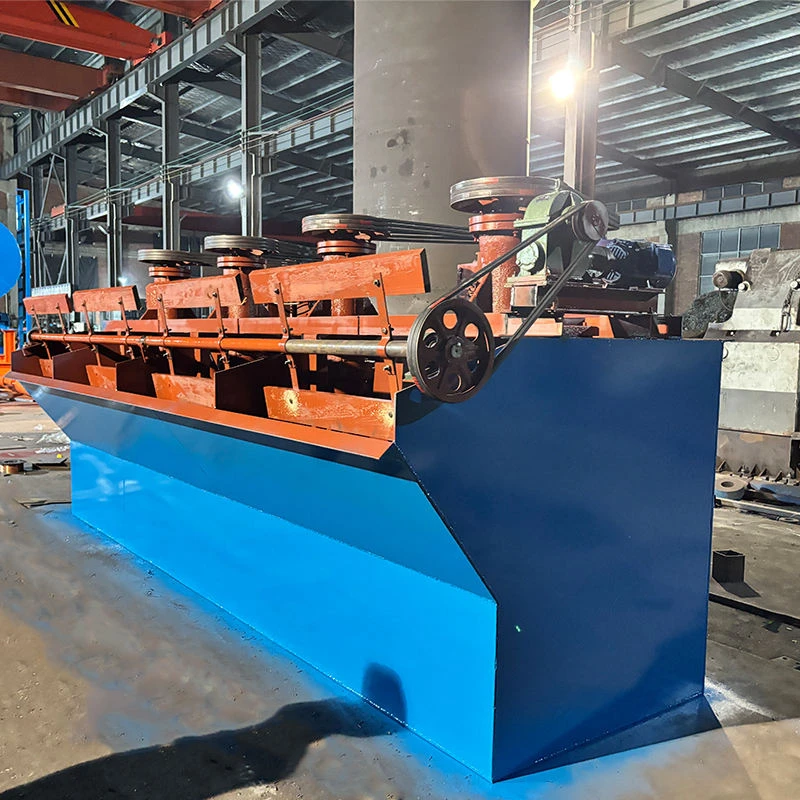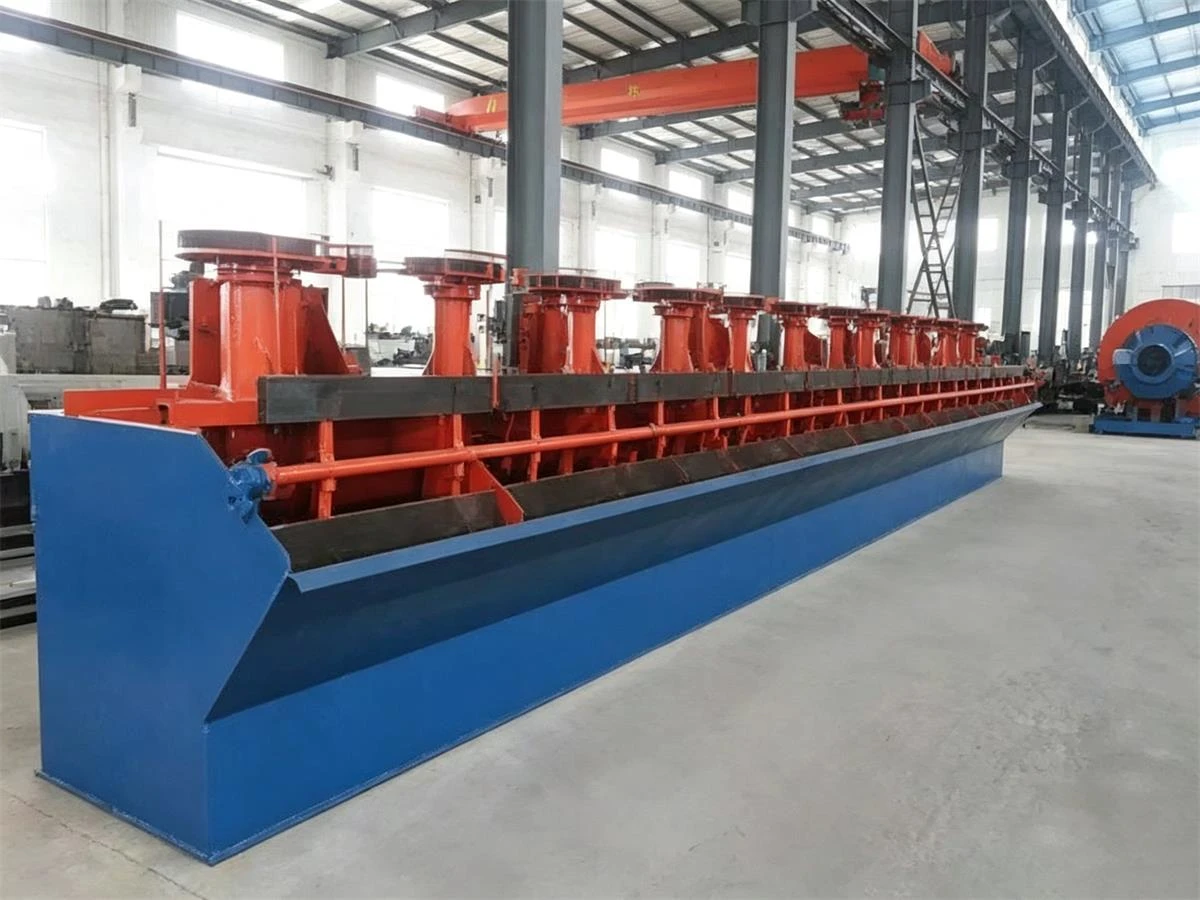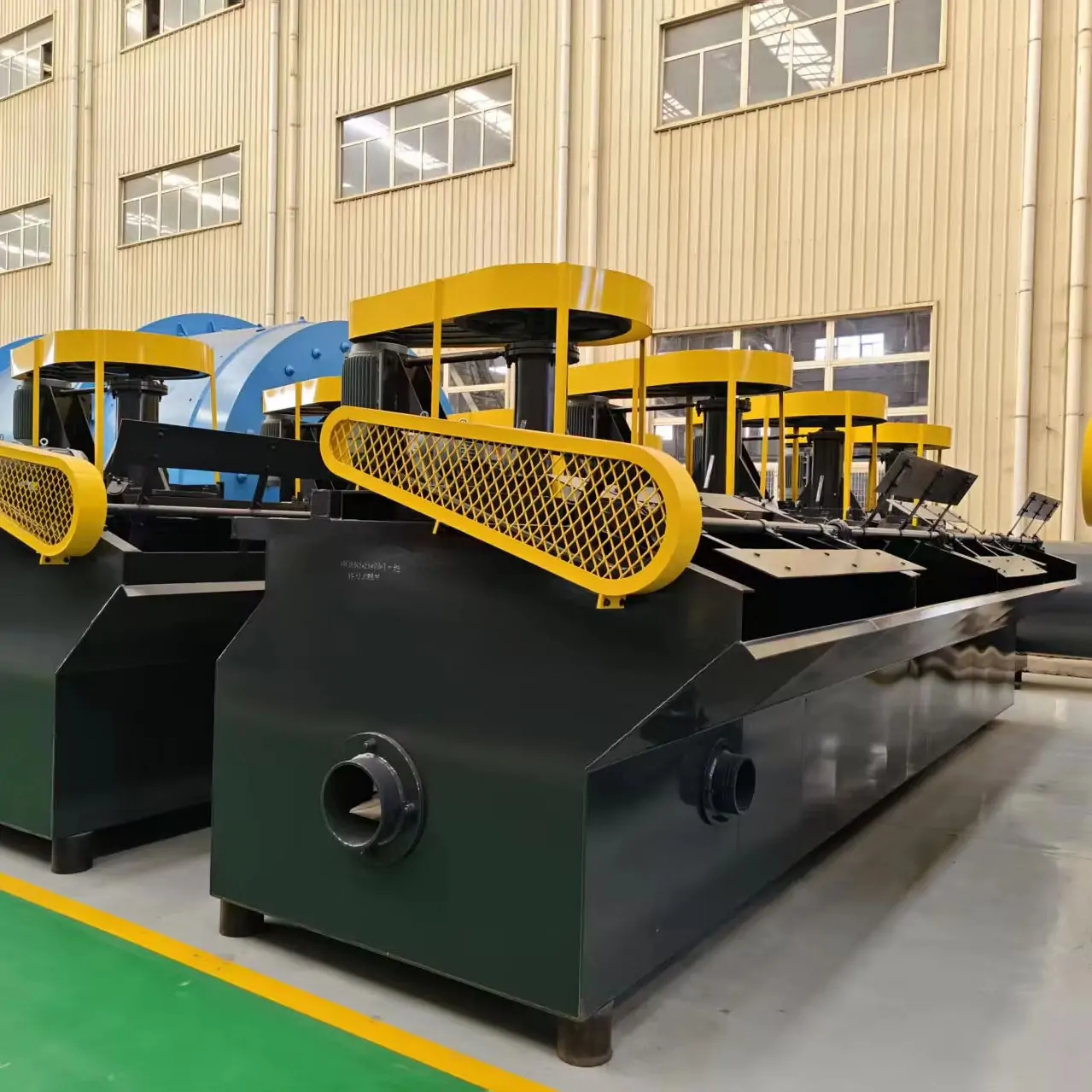











Apa Itu Sel Flotasi Udara XCF?
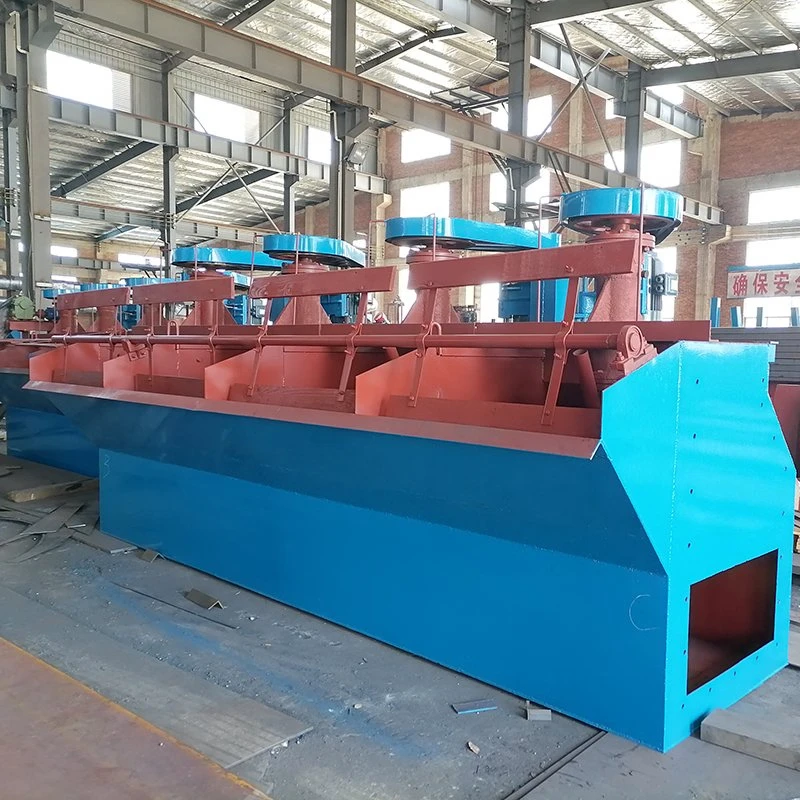
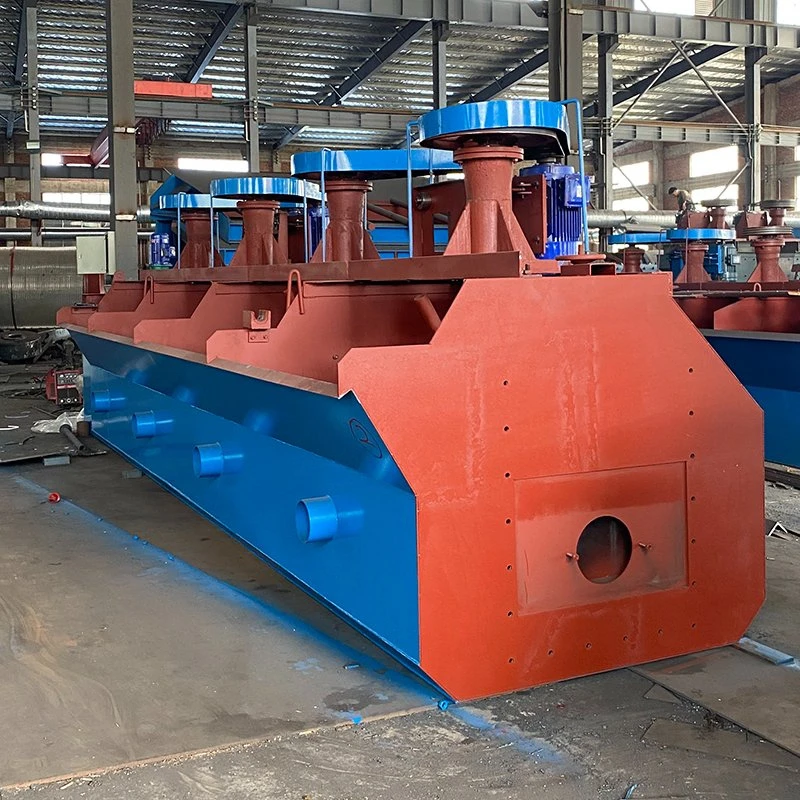
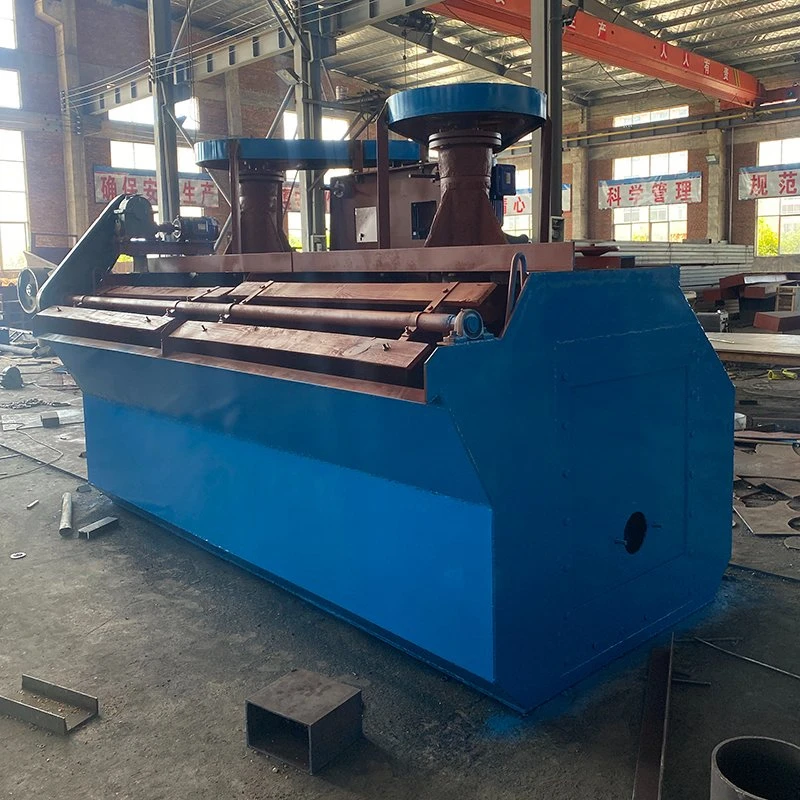
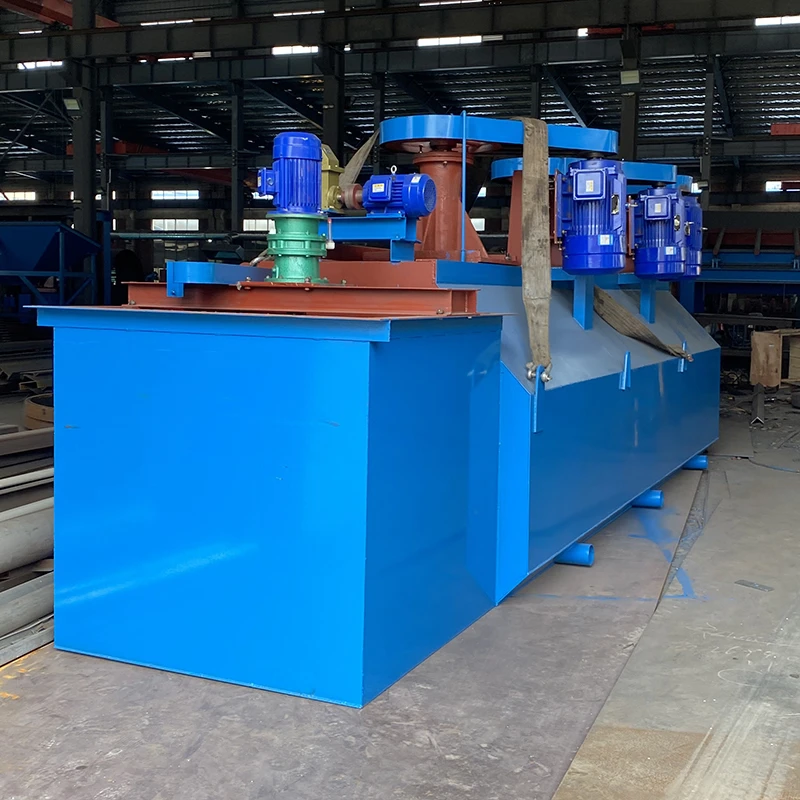
Mesin flotasi XCF adalah sel flotasi udara yang digunakan untuk pemisahan mineral di pabrik flotasi. Juga dikenal sebagai sel flotasi mekanis dengan pasokan udara eksternal, mesin ini memasukkan udara bertekanan rendah melalui blower sementara sistem impeler dan stator menyediakan agitasi mekanis untuk menciptakan gelembung yang stabil dan meningkatkan sirkulasi bubur. Berbeda dengan sel flotasi yang menghisap sendiri, sel flotasi XCF menggunakan sistem pasokan udara eksternal sambil mempertahankan kemampuan hisap bubur sendiri untuk operasi flotasi yang berkelanjutan.
Dalam sirkuit flotasi lengkap, mesin flotasi XCF umumnya dikombinasikan dengan mesin flotasi KYF untuk membentuk unit flotasi. Sel XCF terutama digunakan sebagai sel flotasi tipe hisap, memanfaatkan kemampuan hisap bubur sendiri untuk meningkatkan transfer bubur antar sel, sementara sel KYF biasanya disusun sebagai sel flotasi aliran langsung hilir. Konfigurasi gabungan ini banyak diterapkan pada tahap roughing dan scavenging untuk pabrik pengolahan mineral tembaga, emas, timbal-seng, dan lainnya. Jika Anda ingin mempelajari lebih lanjut, klik “Jenis-Jenis Sel Flotasi untuk Pengolahan Mineral.”
Bagaimana Cara Kerja Sel Flotasi Inflasi Udara XCF?
Sel flotasi inflasi udara XCF memisahkan mineral berharga dari gangue dengan menggabungkan injeksi udara eksternal, agitasi mekanis, dan sirkulasi bubur yang berkelanjutan. Selama operasi, impeler menghasilkan sirkulasi bubur vertikal di dalam tangki, sementara udara bertekanan rendah yang dipasok oleh blower dimasukkan ke dalam bubur dan dicampur dengan bubur untuk menghasilkan gelembung termineralisasi yang stabil.
Gelembung termineralisasi naik ke lapisan buih, di mana mineral berharga dipulihkan sebagai konsentrat, sementara gangue yang tidak diinginkan tetap berada dalam bubur dan dibuang sebagai tailing. Dengan kemampuan hisap bubur sendiri, sel flotasi XCF dapat digunakan sebagai sel tipe hisap dalam sirkuit flotasi dan umumnya dikombinasikan dengan mesin flotasi KYF untuk operasi roughing dan scavenging yang berkelanjutan.
Komponen Utama
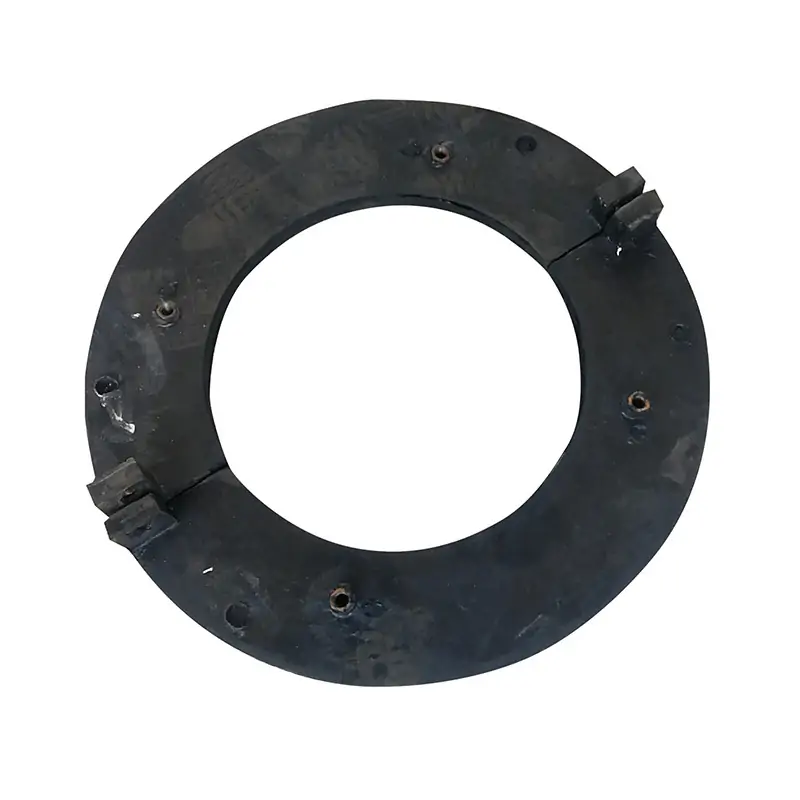
Komponen utama mesin flotasi XCF meliputi impeler, stator, sistem distribusi udara, dan struktur hisap sendiri. Desainnya menentukan efisiensi dispersi udara, sirkulasi bubur, dan kontak gelembung-mineral selama proses flotasi.
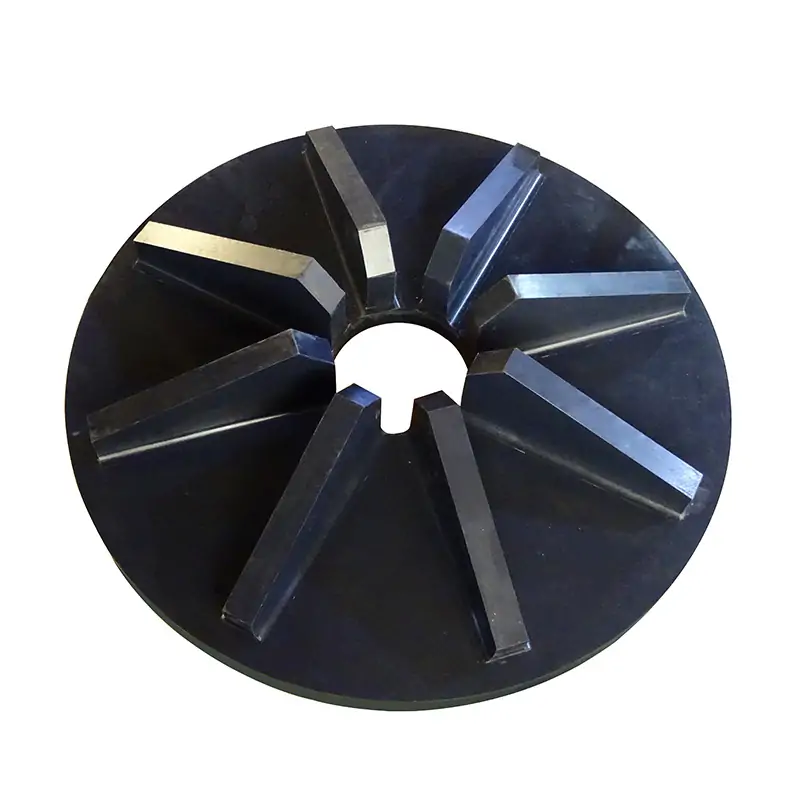
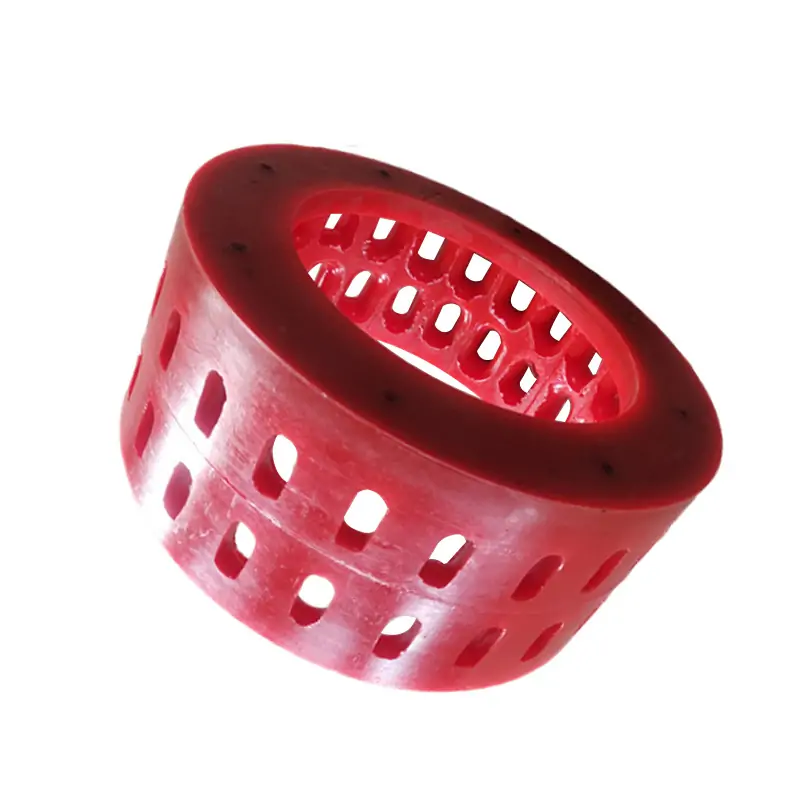
Spesifikasi
Mesin flotasi XCF tersedia dalam berbagai model dengan volume sel dan kapasitas pengolahan yang berbeda untuk memenuhi persyaratan berbagai sirkuit flotasi. Pemilihan model yang sesuai bergantung pada faktor-faktor seperti karakteristik bijih, kapasitas pabrik, dan desain proses flotasi. Spesifikasi teknis berikut menyediakan parameter utama sel flotasi XCF untuk referensi.
| Model | Volume Efektif (m³) | Kapasitas Pengolahan (m³/menit) | Diameter Impeler (mm) | Kecepatan Impeler (r.p.m) | Tekanan Udara Blower (kPa) | Volume Udara Maksimum (m³/m²·menit) | Daya Motor Impeler (kW) | Daya Motor Scraper (kW) | Berat (t) |
| XCF-2 | 2 | 0.4-2 | 470 | 331 | ≥14,7 | 2 | 7.5 | 1.1 | 1.653 |
| XCF-3 | 3 | 0.6-3 | 540 | 266 | ≥19,8 | 2 | 11 | 1.5 | 2.259 |
| XCF-4 | 4 | 1.2-4 | 620 | 215 | ≥19,8 | 2 | 15 | 1.5 | 2.669 |
| XCF-8 | 8 | 3.0-8 | 720 | 185 | ≥21,6 | 2 | 22 | 1.5 | 4.435 |
| XCF-16 | 16 | 4.0-16 | 860 | 160 | ≥25,5 | 2 | 37 | 1.5 | 6.568 |
| XCF-24 | 24 | 4.0-24 | 950 | 153 | ≥30,4 | 2 | 37 | 1.5 | 8 |
| XCF-38 | 38 | 10-38 | 1050 | 148 | ≥24,3 | 2 | 45 | 1.5 | 11 |
Keunggulan
Mesin sel flotasi XCF banyak digunakan dalam sirkuit flotasi skala menengah dan besar. Mesin ini mengadopsi sistem pasokan udara eksternal dan struktur impeler yang dirancang khusus untuk mempertahankan sirkulasi bubur dan pencampuran udara-bubur selama operasi. Dengan kemampuan hisap bubur sendiri, sel XCF dapat dengan mudah disusun dalam sirkuit flotasi berkelanjutan untuk aplikasi pengolahan mineral tembaga, emas, timbal-seng, dan lainnya.
Aplikasi
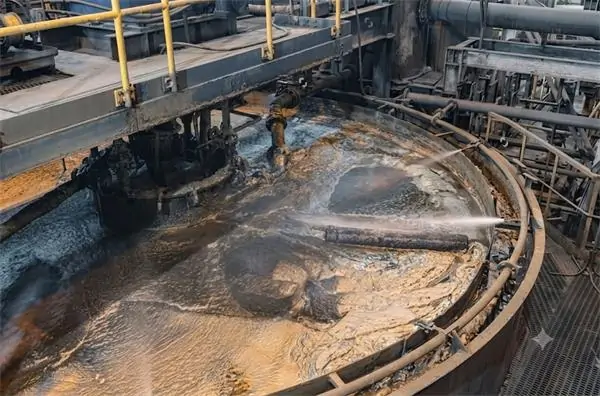
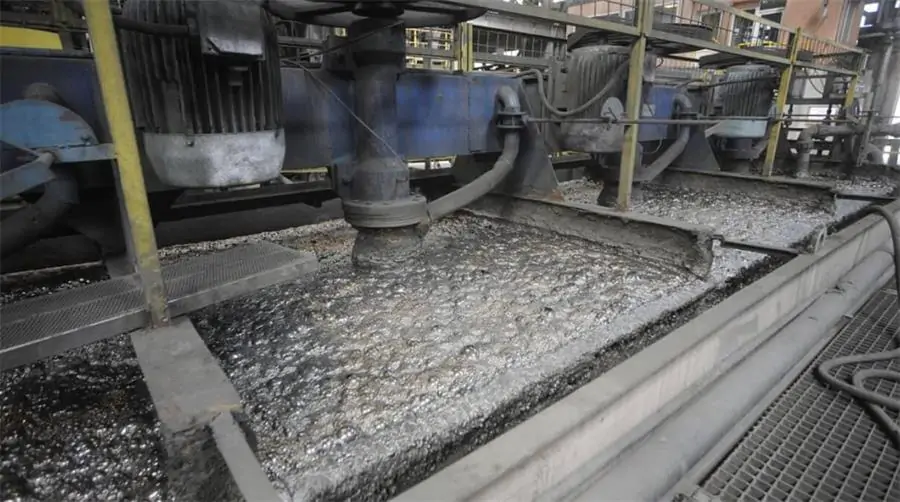
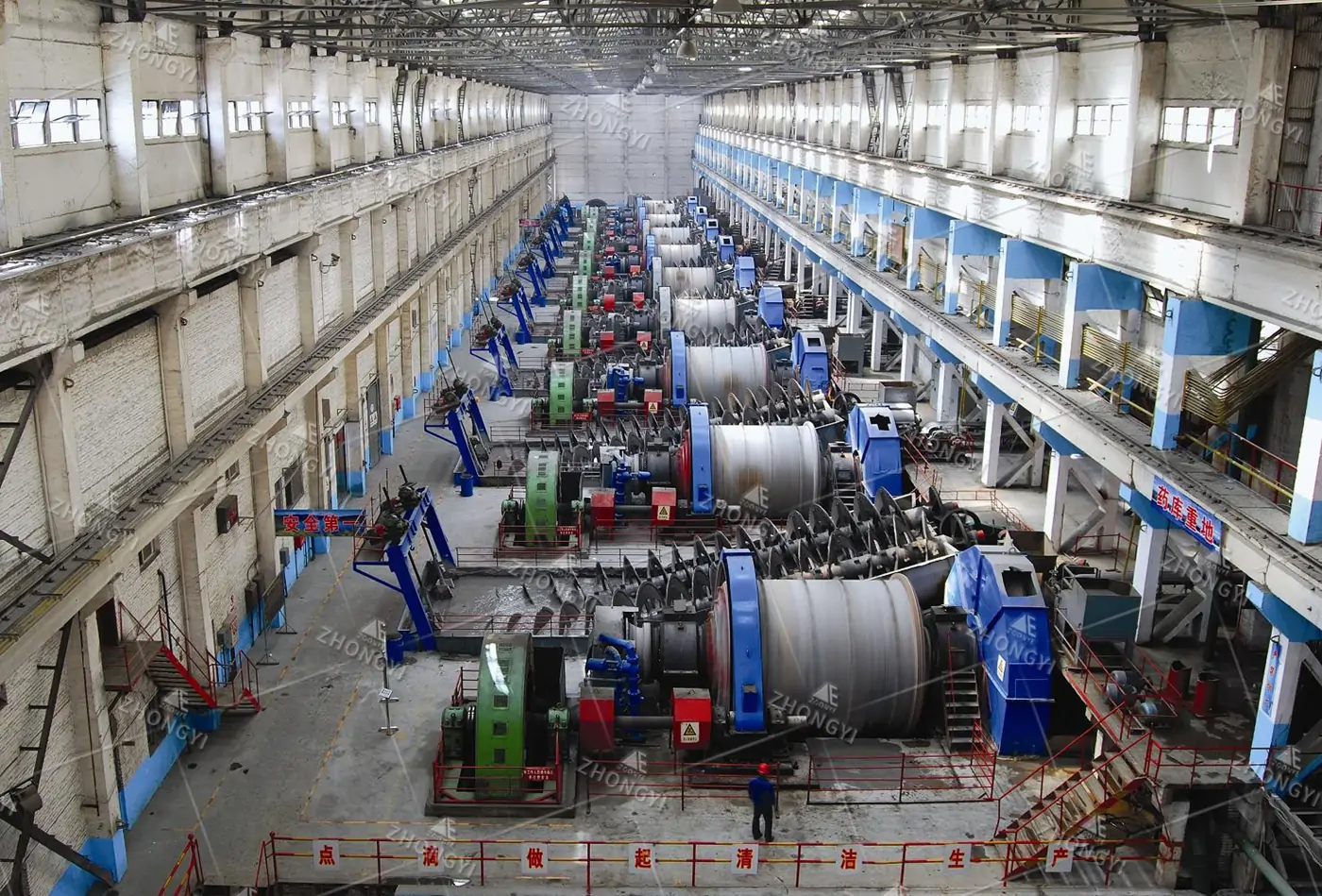
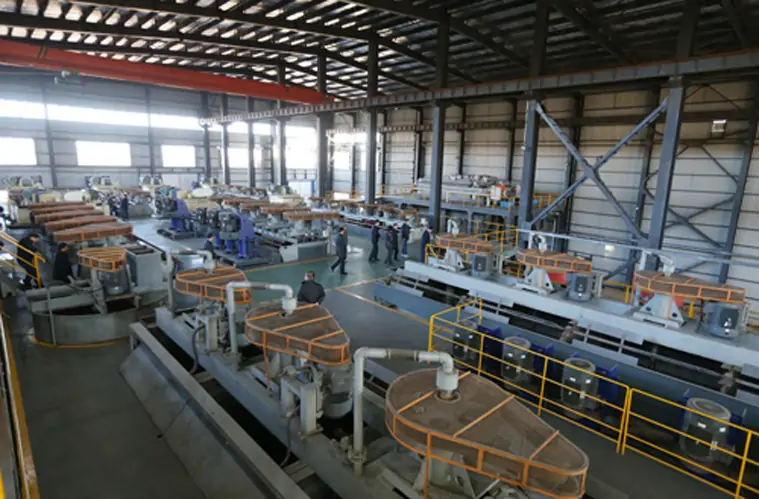
XCF flotation cells are widely used in mineral processing plants for the flotation separation of metallic and non-metallic minerals. They are mainly applied in roughing and scavenging circuits where reliable pulp handling and continuous flotation operation are required. Typical applications include copper, gold, lead-zinc, sulfide minerals, and other ore beneficiation processes.

XCF vs Other Flotation Machines
XCF flotation machines differ from KYF flotation machines and self-aspirated flotation cells in air supply method, slurry transfer capability, and circuit arrangement. The comparison below shows the key differences to help select the right flotation equipment for different processing requirements.
Practical Equipment Comparison
| Comparison Item | XCF Flotation Machine | KYF Flotation Machine | Mechanical Self-Aspirated Flotation Cell |
| Air Supply Method | External blower air supply | External blower air supply | Air drawn by impeller rotation |
| Air Control | Adjustable air supply according to flotation requirements | Adjustable air supply according to flotation requirements | Limited by self-aspiration performance |
| Self-Suction Capability | Yes | No | Yes |
| Slurry Handling | Suitable as suction-type cell in flotation circuits | Used as downstream direct-flow cell | Independent operation depending on design |
| Typical Application | Roughing and scavenging circuits, especially combined flotation units | Used together with XCF in large flotation circuits | Small and medium flotation plants |
| Circuit Arrangement | Allows flexible horizontal arrangement with reduced slurry transfer requirements | Requires slurry flow from upstream cells | Usually requires independent circuit design |
| Suitable Plant Scale | Medium and large-scale mineral processing plants | Medium and large-scale flotation circuits | Small to medium-scale applications |
How XCF and KYF Flotation Machines Work Together?
XCF and KYF flotation machines are commonly combined to form a flotation unit in medium and large-scale mineral processing plants. In this arrangement, the XCF flotation cell is used as a suction-type cell, utilizing its self-suction slurry capability to draw pulp into the flotation circuit, while the KYF flotation machine works as a downstream direct-flow cell for continuous flotation separation.
The XCF-KYF combination allows flotation cells to be arranged in a more flexible layout without complex slurry transfer systems. XCF handles slurry suction at the front section, and KYF continues the flotation process with stable mixing and aeration performance. This configuration is widely used in copper, gold, lead-zinc, and other mineral processing plants where continuous flotation operation is required.
How to Choose the Right XCF Flotation Machine?
Selecting the right XCF flotation machine depends mainly on the flotation process, plant capacity, and ore characteristics. XCF flotation cells are generally selected for medium and large-scale beneficiation plants that require external air supply, stable slurry circulation, and suction-type flotation operation. They are often combined with KYF flotation machines to form continuous flotation circuits.
The machine size should be selected according to the required processing capacity and flotation residence time. Small and medium models are suitable for lower-capacity plants, while large-volume models such as XCF-16, XCF-24, and XCF-38 are commonly used in large flotation circuits with higher throughput requirements.
Ore properties should also be considered during selection, including mineral type, particle size, and slurry conditions. Before finalizing the equipment, the flotation flowsheet, blower system, and installation layout should be evaluated to ensure the selected XCF flotation machine matches the project requirements.
Projects Show
Why Choose Zhongyi?
Zhongyi Mining combines engineering experience, manufacturing capability, and project support to provide reliable mineral processing equipment solutions. With 60+ patented technologies and 3 manufacturing bases, we continuously optimize equipment design, production quality, and delivery efficiency for different mining applications.
Our team provides customized equipment selection, process integration, and technical support based on ore characteristics, processing capacity, and plant conditions. From initial design to installation guidance and commissioning support, Zhongyi helps customers achieve stable operation and long-term performance.
Minta Solusi yang Disesuaikan
Partner with Zhongyi for reliable flotation equipment designed to improve mineral recovery, optimize beneficiation processes, and deliver stable performance across copper, gold, lead-zinc, and other mineral processing applications.
Customized XJK Flotation Machine Solutions
Zhongyi Mining provides customized flotation solutions based on your ore characteristics, processing capacity, flotation process requirements, and plant conditions. Whether you need a single flotation machine or a complete mineral processing plant solution, our engineering team can optimize equipment selection and process configuration to meet your project goals. Contact us with your project details to get a suitable flotation solution.
Please Provide the Following Information:
FAQs
What minerals can flotation machines process?
Flotation machines are widely used for the separation of copper, gold, lead-zinc, nickel, molybdenum, and other non-ferrous metal ores. The suitable equipment configuration depends on ore properties, including mineral composition, feed size, and flotation characteristics. Proper selection helps achieve efficient mineral separation and stable recovery performance.
How do I choose the right flotation machine for a mineral processing plant?
Selecting the right flotation machine depends on factors such as ore type, processing capacity, feed characteristics, required recovery rate, and flotation circuit design. Engineers typically evaluate these conditions to determine the appropriate flotation cell model, volume, and configuration for reliable operation and optimized beneficiation performance.
What is the difference between SF, BF, KYF, and XCF flotation machines?
SF and BF flotation machines are self-aspirated flotation cells commonly used in various flotation operations, while KYF and XCF models are generally applied in combined flotation circuits with external air supply and slurry circulation. The suitable model depends on plant layout, production capacity, and specific flotation process requirements.
What factors affect flotation machine performance?
Flotation machine performance is affected by ore properties, particle size, pulp concentration, air dispersion, impeller design, and reagent conditions. Proper equipment selection and process optimization improve bubble-mineral contact, enhance separation efficiency, and help maintain stable operation during continuous mineral processing.
What information is needed to select a suitable flotation machine?
To select suitable flotation equipment, customers should provide information including ore type, processing capacity, feed size, mineral characteristics, flotation requirements, and existing plant conditions. These details help engineers evaluate operating conditions and recommend an appropriate flotation configuration for specific project requirements.
What is the processing capacity range of flotation machines?
The processing capacity of flotation machines varies depending on the cell model, volume, ore characteristics, and flotation circuit design. Different flotation cells are available for small, medium, and large-scale mineral processing plants, with customized configurations to meet specific production capacity and recovery requirements.
What maintenance is required for flotation machines?
Regular maintenance includes checking impeller and stator wear, inspecting bearing lubrication, monitoring drive components, and replacing worn parts when necessary. Proper maintenance helps reduce unplanned downtime, improve equipment reliability, and extend the service life of flotation machines in demanding mineral processing applications.
Can flotation machines be integrated into complete mineral processing plants?
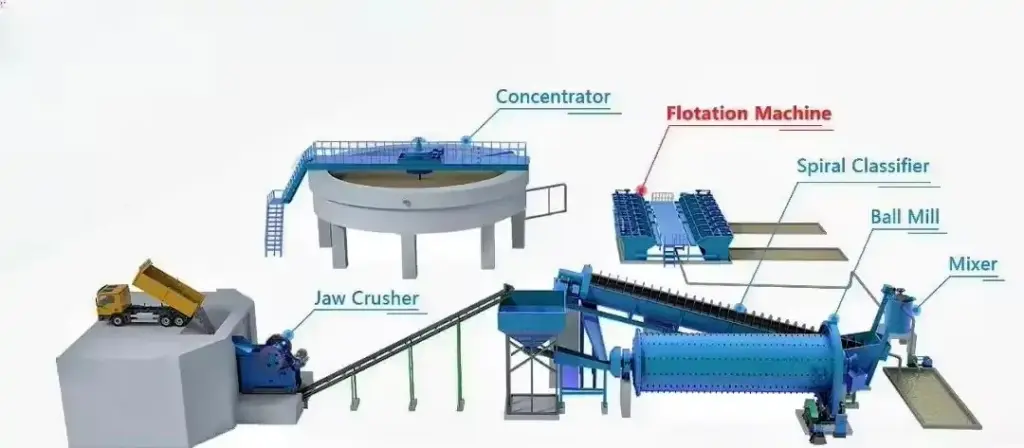
Yes. Flotation machines can be integrated into complete mineral processing plants together with crushing, grinding, classification, and other beneficiation equipment. Engineering teams can provide equipment selection, process configuration, and technical support based on ore characteristics, production targets, and overall plant requirements.