











Pendahuluan
Quarry operators and aggregate producers often find that stone crushers with similar production capacities come with significantly different price quotations. These differences may stem from the crusher type, feed material, equipment configuration, and scope of supply. Some quotations cover only the main crusher, while others include feeder, vibrating screen, conveyors, and other supporting equipment. Without comparing these details, buyers may struggle to assess whether a quotation meets their production needs and budget.
The stone crusher machine price depends on several factors, including production capacity, rock hardness and abrasiveness, required output size, and equipment configuration. Transportation, installation, and operating expenses also contribute to the overall stone crusher cost. This guide examines the main factors affecting stone crusher price, explains the difference between individual equipment costs and complete plant investment, and outlines how to compare supplier quotations to make a more informed purchasing decision.When comparing stone crusher prices and equipment configurations, see How to Choose the Right Stone Crusher Machine for Your Quarry to learn how to match crusher types to your rock material, production capacity, and required output size.
How Much Does a Stone Crusher Machine Cost?
The stone crusher machine price varies depending on the crusher type, production capacity, equipment configuration, and scope of supply. A standalone jaw crusher, a high-capacity cone crusher, and a mobile crushing plant have different stone crusher cost structures. Even machines of the same type may differ in price because of their feed opening, drive system, wear-part specifications, and automation level. Therefore, price comparisons are meaningful only when the equipment specifications and quotation scope are clearly defined.
For budgeting purposes, buyers should distinguish between the stone crusher machine price of an individual machine, an equipment package, and a complete crushing project. Each category covers a different scope of supply, so the quoted amount alone may not reflect the total investment required to put the plant into operation.
| Price Basis | Typical Scope | What Buyers Should Verify |
| Single crusher | One jaw, cone, impact, or other crusher | Model, feed size, capacity, discharge requirements, standard configuration, and optional components |
| Equipment package | Multiple machines, such as feeders, crushers, screens, and conveyors | Process layout, equipment matching, screening and recirculation requirements, and control system scope |
| Complete project | An integrated crushing plant with agreed project services | Equipment, freight, taxes and duties, foundations, electrical work, installation, commissioning, and site preparation |
Before comparing quotations, check the equipment specifications, supply scope, and excluded costs. A lower purchase price does not always mean a lower operating stone crusher cost if additional equipment, frequent maintenance, or modifications are required.
What Are the Different Types of Stone Crushers?
Stone crushers differ in their applications, crushing stages, and equipment configurations. Understanding the main stone crusher types and the differences between stationary and mobile units helps buyers compare suitable options and their costs.For a broader overview of stone crusher functions and applications, read [Apa Itu Mesin Penghancur Batu? Jenis, Cara Kerja & Kegunaan] to understand how crushing equipment works and where it is used.
Main Types of Stone Crushers
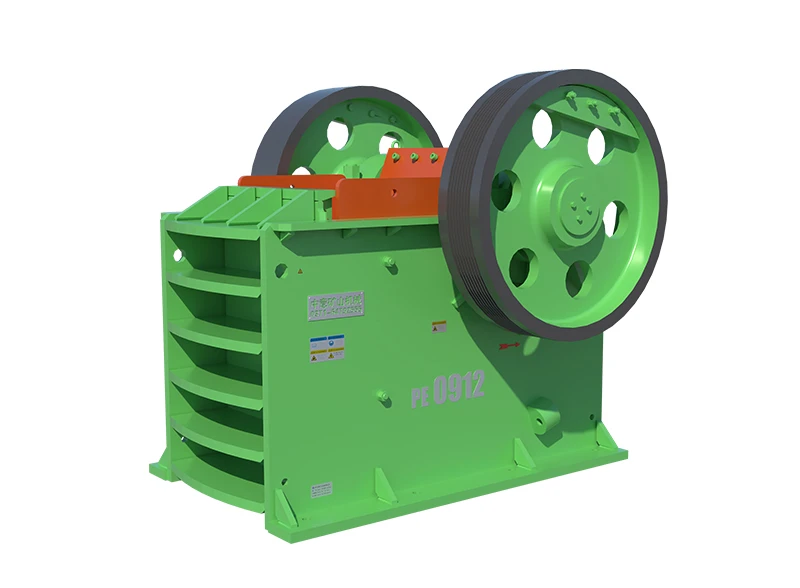
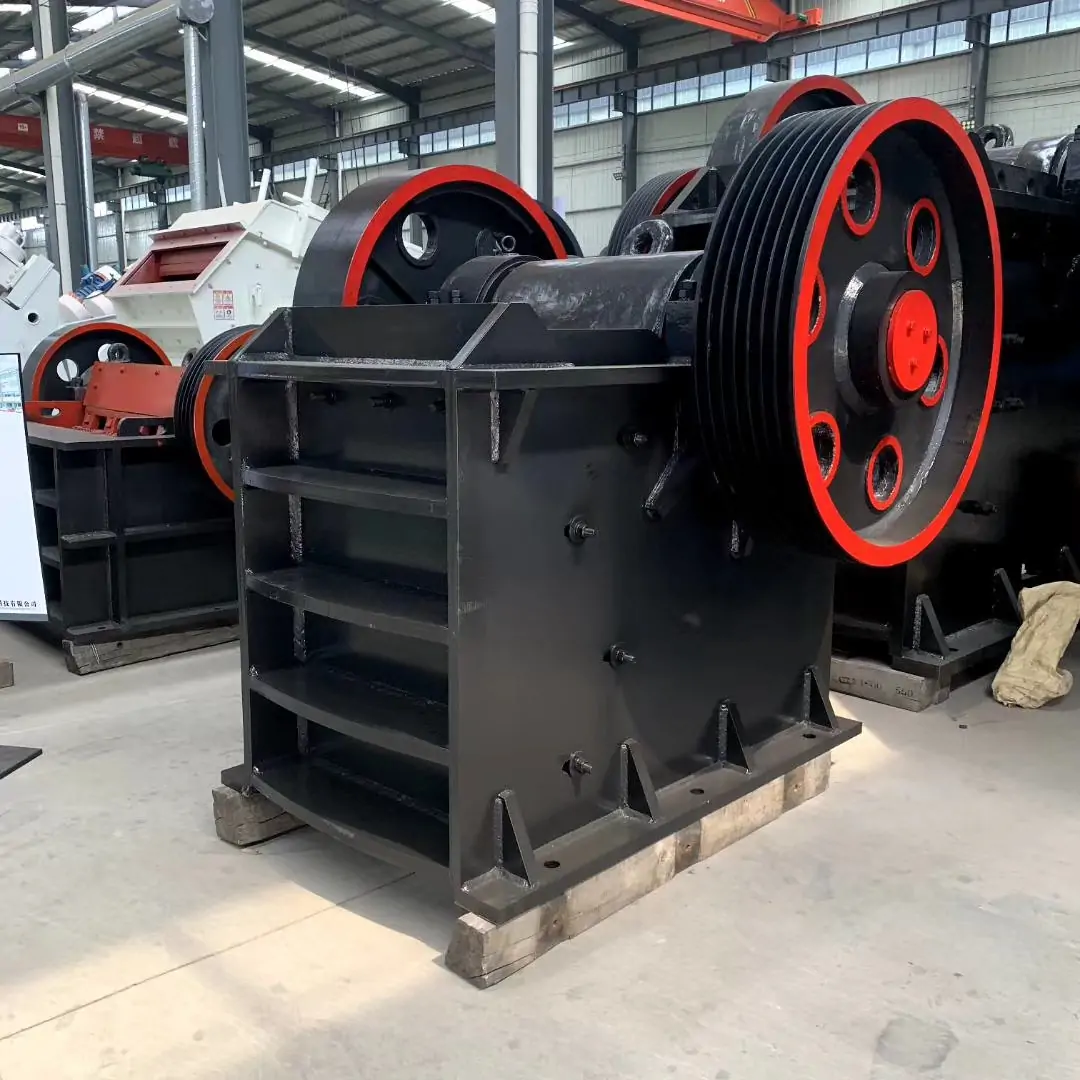
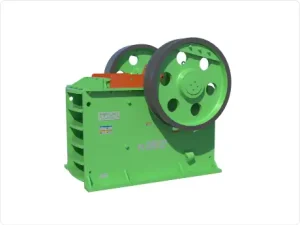
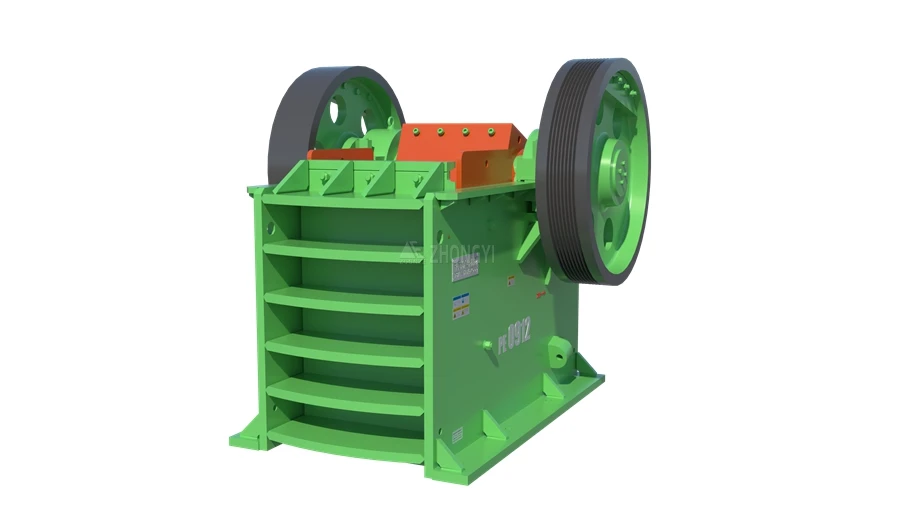
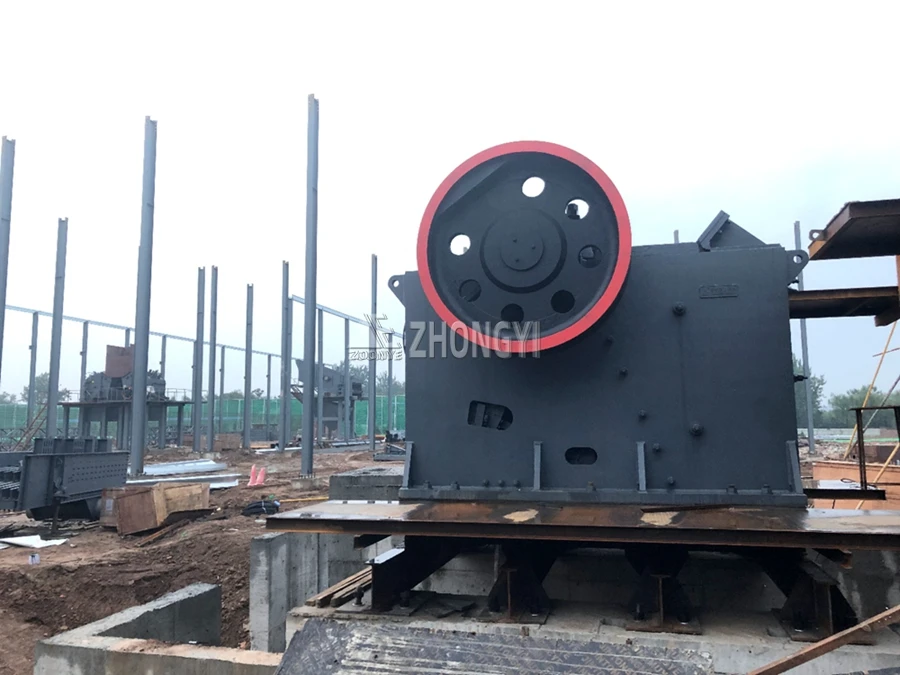
Jaw Crusher
Commonly used for primary crushing, a jaw crusher reduces large rocks to a manageable size for further processing. Its price depends on feed opening, capacity, and material characteristics.
Dapatkan Penawaran
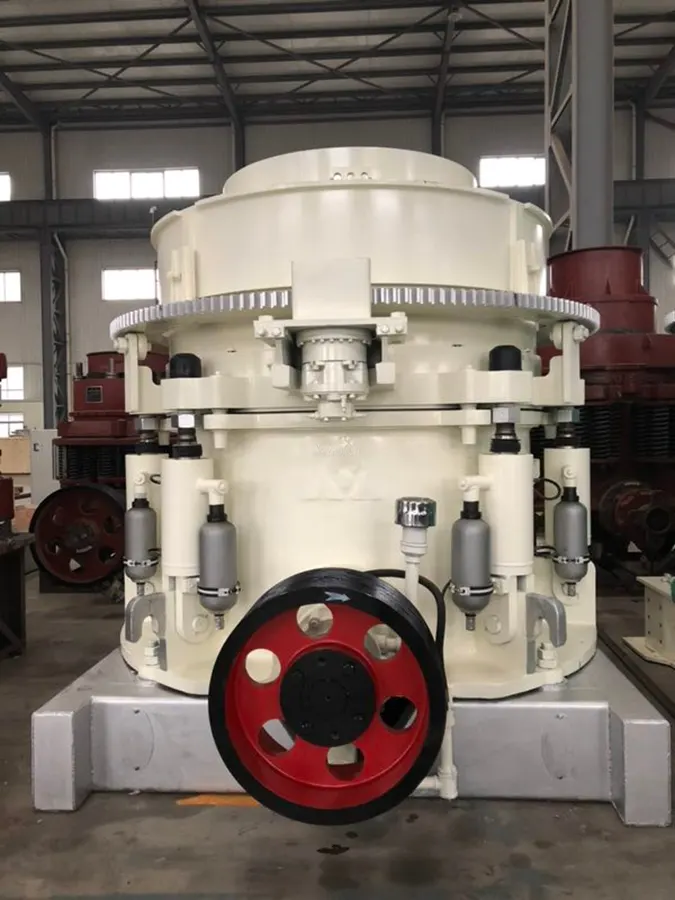
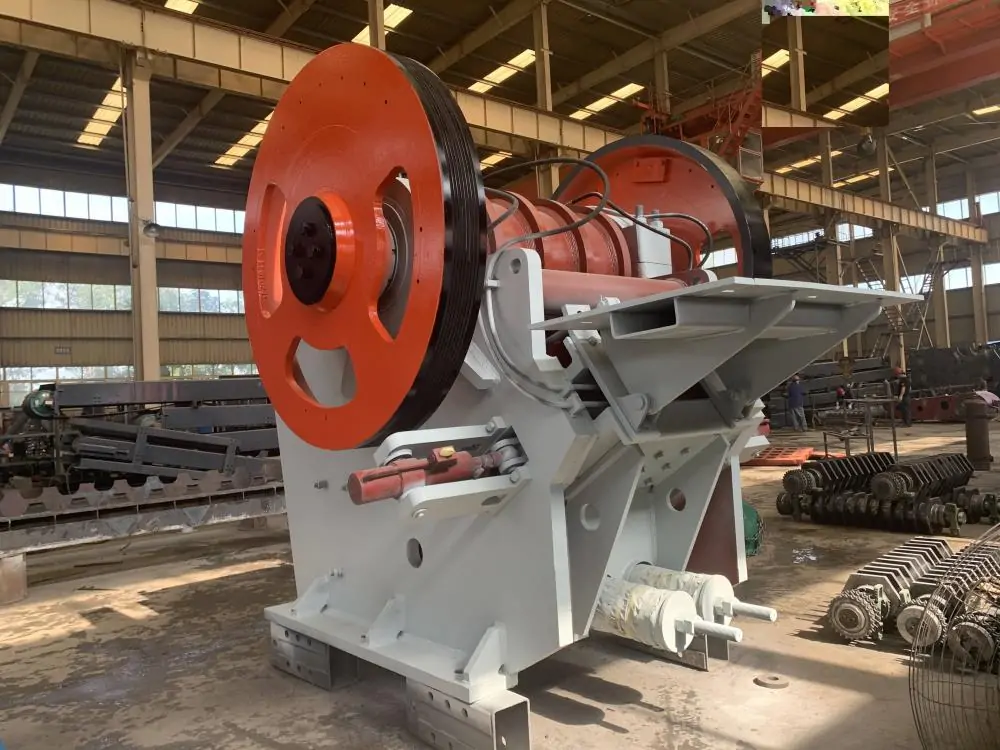
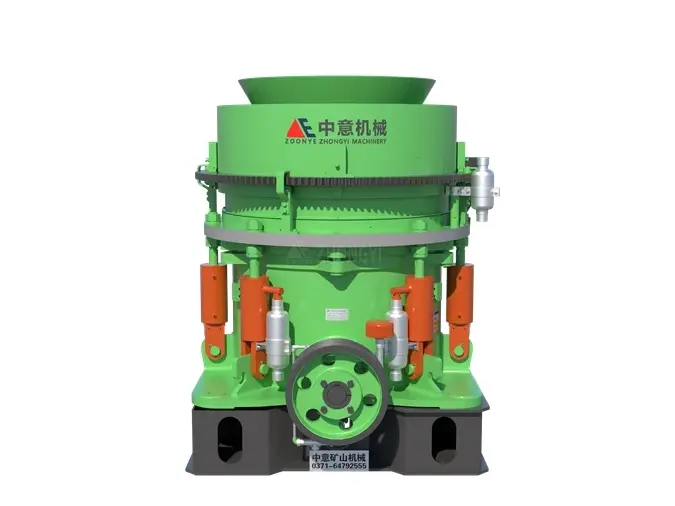
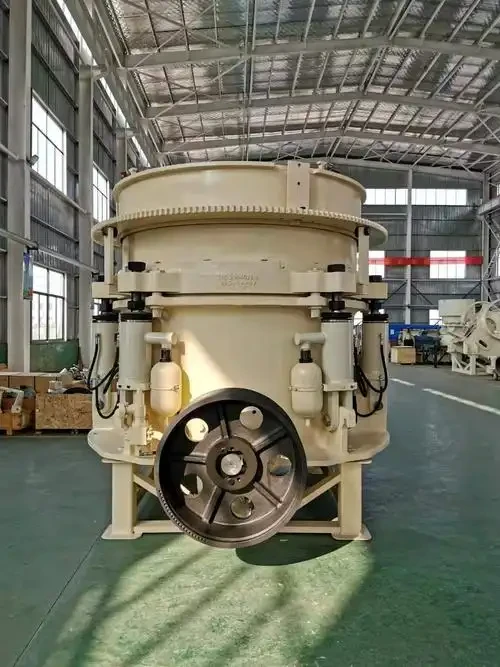
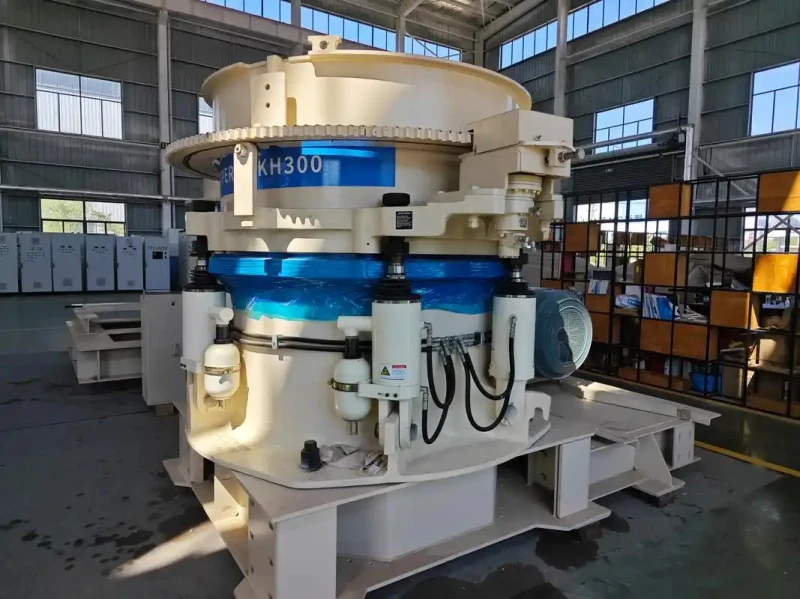
Cone Crusher
Often used for secondary or tertiary crushing of hard, abrasive rock, a cone crusher is selected according to the required capacity, discharge size, and wear-part requirements.
Dapatkan Penawaran
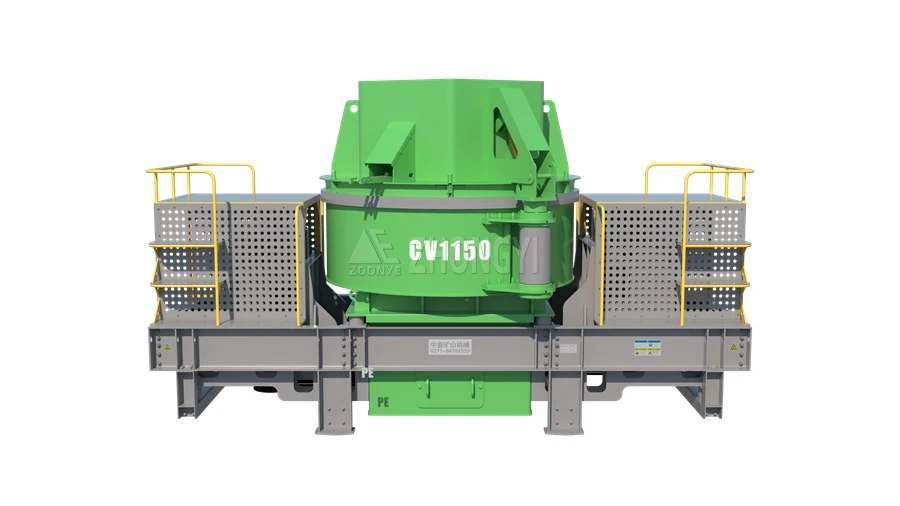
Impact Crusher
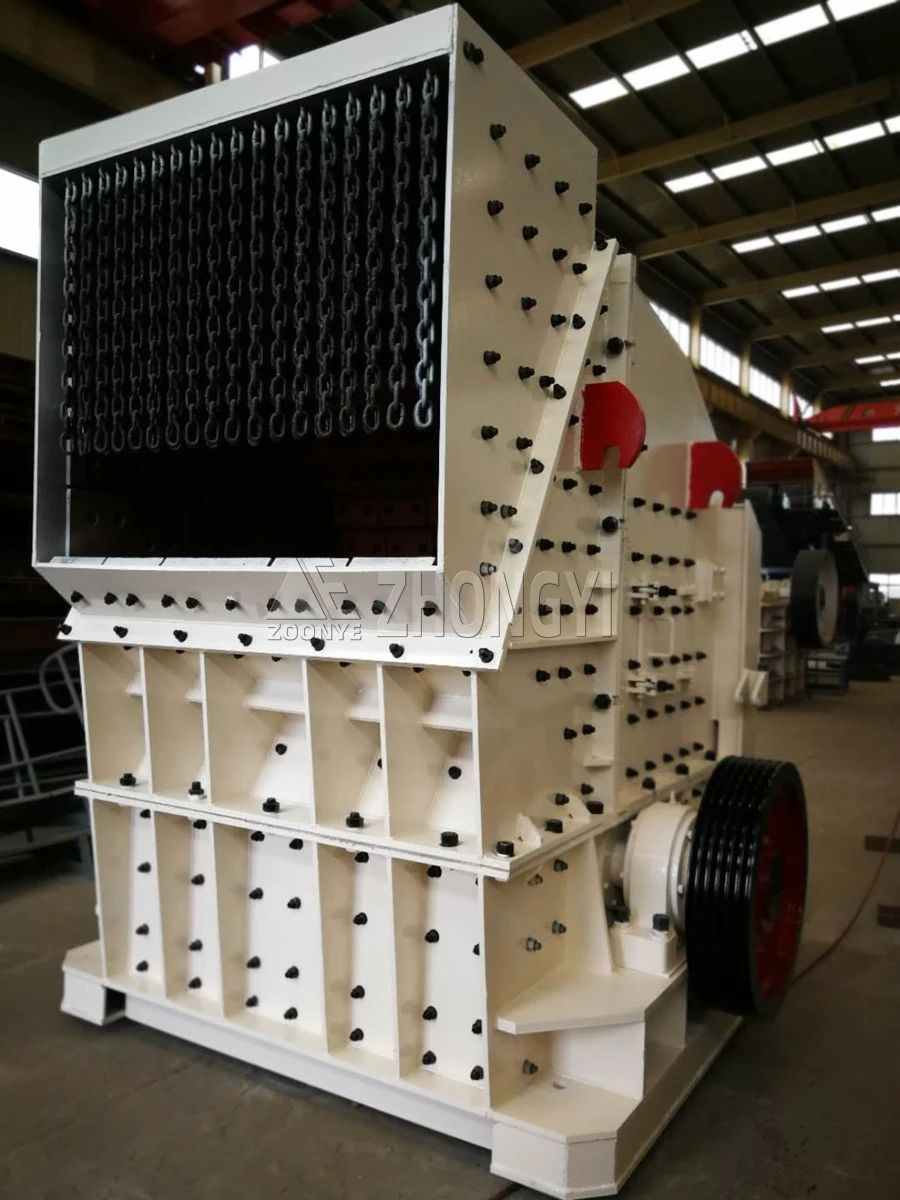
Used for suitable materials where aggregate shape matters, an impact crusher breaks rock through impact. Material abrasiveness, rotor configuration, and wear-part consumption affect its suitability and operating costs.
Dapatkan Penawaran
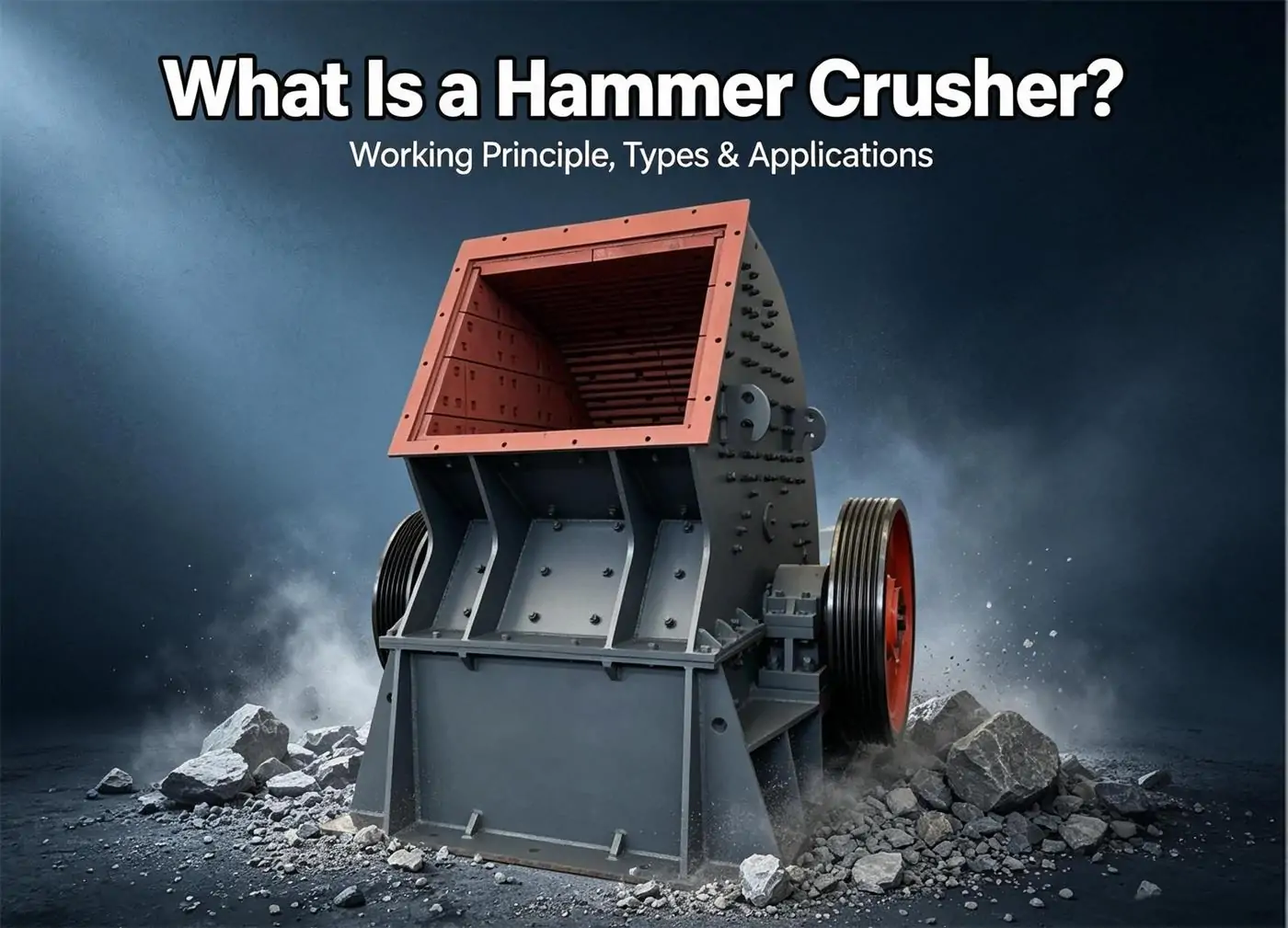
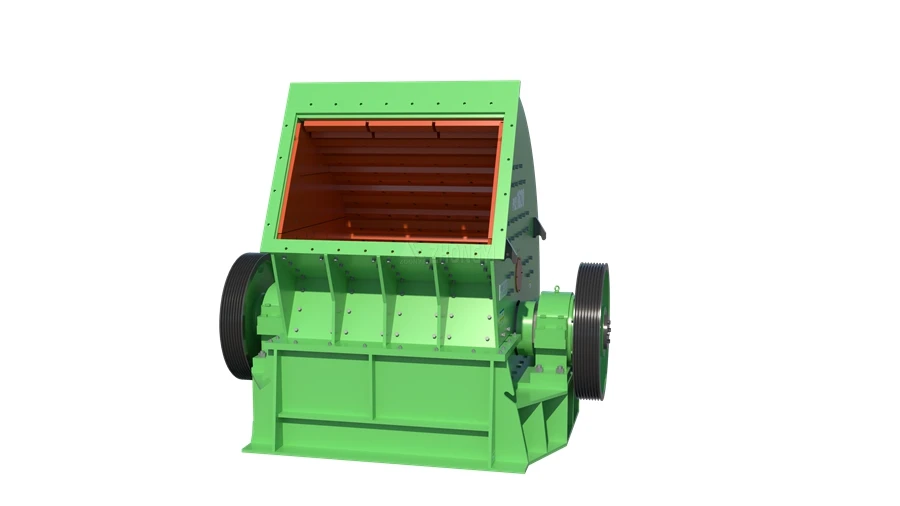
Hammer Crusher
Commonly used for primary crushing, a jaw crusher reduces large rocks to a manageable size for further processing. Its price depends on feed opening, capacity, and material characteristics.
Dapatkan Penawaran
These stone crushing equipment options serve different purposes. A hard-rock quarry may combine a jaw crusher with a cone crusher, while other materials may be processed with an impact or hammer crusher. The choice depends on the feed material and required product size. See our stone crushing equipment for available options.To compare crusher operating principles and application requirements in more detail, see [Jenis Penghancur Batu: Prinsip Kerja, Kegunaan, dan Panduan Pemilihan].
Stationary vs. Mobile Stone Crushers
Stationary crushers are installed at a fixed site and can be integrated with feeders, screens, and conveyors to form a complete crushing line. They suit long-term production, but the project budget may also need to cover foundations, supporting equipment, and site preparation.
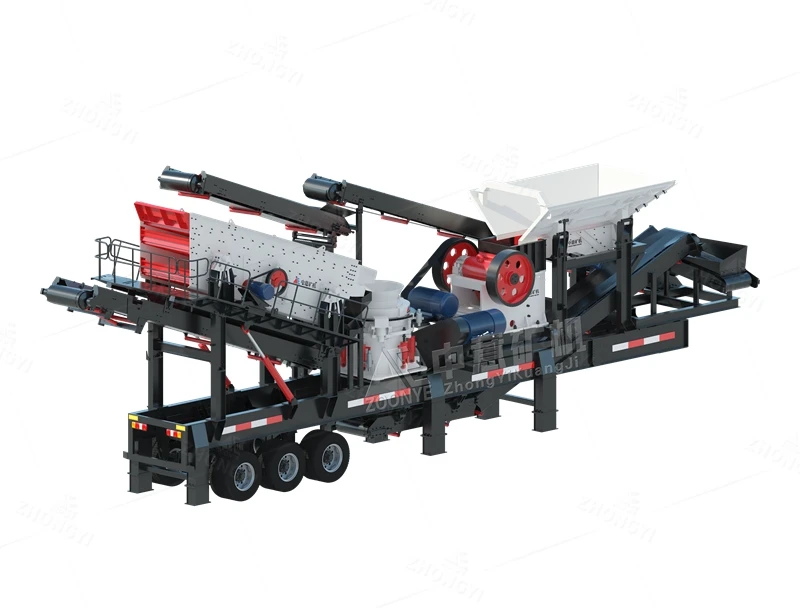
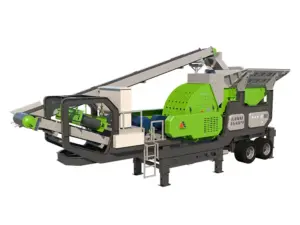
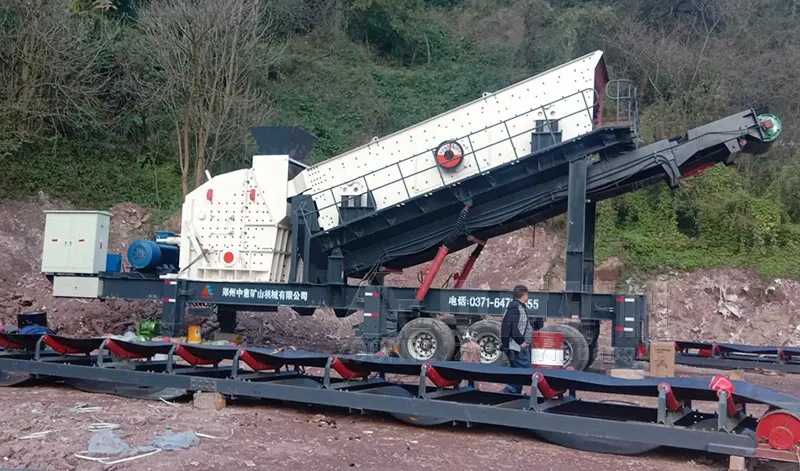
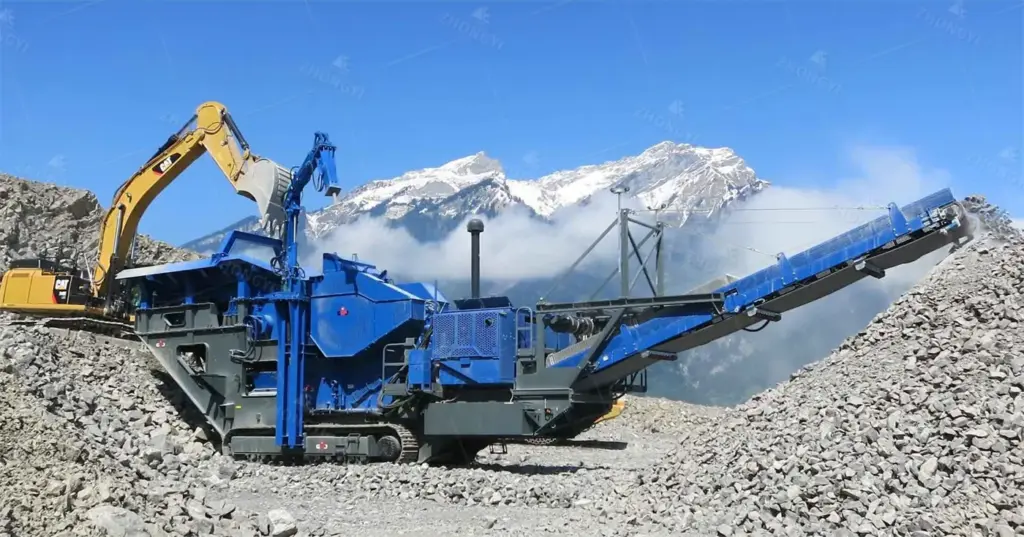
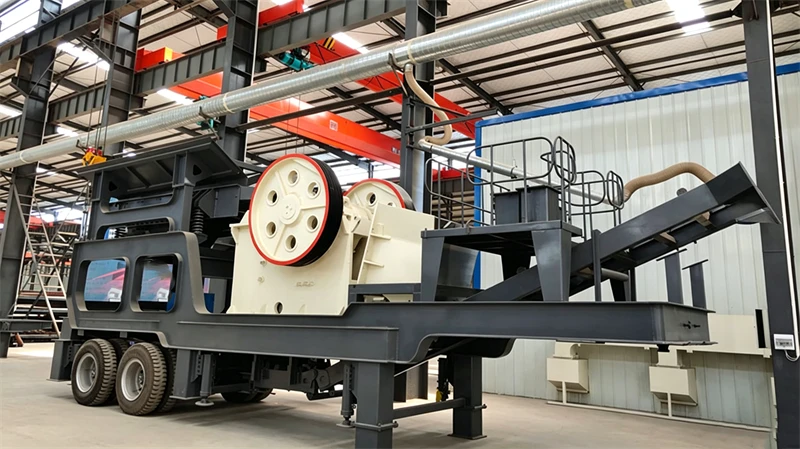
A mobile crushing plant integrates crushing equipment on a wheeled or tracked chassis, making it suitable for on-site processing and projects that require relocation. Depending on the model, screening and conveying functions may also be integrated. When comparing stone crusher machine price, buyers should consider the complete configuration, transportation, site preparation, and relocation needs—not just the stone crusher machine price. See our mobile crushing stations for available configurations.
The right setup depends on the feed material, production capacity, and required product size. These factors also affect equipment costs and the overall investment in a stone crushing plant.When comparing crushing equipment for different materials and applications, read Jaw Crusher vs Cone Crusher vs Impact Crusher: Perbedaan & Kegunaan to understand their key differences and how to choose the right type.
What Factors Affect Stone Crusher Machine Prices?
The stone crusher machine price depends on the crusher type, required capacity, material properties, final product specifications, and equipment configuration. These factors determine not only the cost of the main machine but also the supporting equipment needed to meet production targets.For help selecting the right equipment for different rock types, see Stone Crusher Terbaik untuk Granit, Basalt, dan Batu Kapur for practical crusher selection guidance.
Crusher Type and Crushing Stages
Jaw crushers are commonly used for primary crushing, while cone crushers are suited to secondary or tertiary crushing of hard, abrasive rock. Impact crushers may be used for less abrasive materials or when aggregate shape is a priority. The stone crusher machine price depends on the crusher type, size, and configuration.
In our crushing equipment projects, we select the crushing process based on feed material and required product size, rather than price alone. For example, hard-rock applications may require a jaw crusher followed by a cone crusher, while other materials may need a different arrangement. Additional crushing stages and supporting equipment increase the initial investment, so the process should be matched to the actual production requirements.
Production Capacity and Feed Size
Crusher capacity, measured in tonnes per hour (TPH), affects equipment size and price. Higher throughput requirements may call for a larger crusher and a more powerful drive system, while the maximum feed size must remain within the machine’s design limits.
When comparing a stone crusher machine price, buyers should check the expected throughput under their actual operating conditions, not just the rated capacity. Feed gradation, rock properties, and discharge settings affect output, and downstream screens and conveyors must be sized to handle the required material flow.
Rock Properties and Material Conditions
Rock hardness and abrasiveness affect crusher selection, wear-part life, and maintenance costs. Granite and basalt are generally abrasive, while limestone is often less abrasive. These differences influence the selection and replacement frequency of jaw plates, liners, and impact crusher blow bars.
Moisture, clay content, and fine material can also affect feeding and screening performance. Buyers should assess the actual feed conditions when comparing a stone crusher machine price, as they influence both equipment configuration and ongoing operating stone crusher machine costs.
Output Size and Crushing Plant Configuration
The required output size and aggregate grades determine the crushing and screening layout. Producing multiple sizes may require multi-deck vibrating screens, additional conveyors, and a return circuit for oversized material, increasing the overall stone crushing plant cost.
Before requesting a quotation, buyers should specify the target particle sizes and required proportions of each product. These requirements help determine whether additional crushing or shaping stages are necessary and prevent unnecessary equipment from being included in the plant design.
Mobile vs. Stationary Setup and Supply Scope
Stationary crushing plants are installed at a fixed site and may require foundations, steel structures, electrical work, and site preparation in addition to the main equipment. Mobile crushing plants integrate crushing equipment on a wheeled or tracked chassis, which can reduce the need for permanent infrastructure but introduces transportation and relocation considerations.
When comparing mobile stone crusher prices, buyers should check the complete supply scope, including feeders, screens, conveyors, and electrical controls where required. Installation, commissioning, spare parts, and technical support should also be clarified in the quotation, as these items may be priced separately.If mobility is a key factor in your project, read [How to Choose a Mobile Crusher Plant for Quarry and Mining Projects] to evaluate plant configuration against your site conditions and production requirements.
What Is Included in the Total Cost of a Stone Crusher Plant?
The total stone crushing plant cost includes more than the main crushers. Depending on the project scope, it may cover auxiliary equipment, transportation, civil works, electrical systems, installation, and commissioning. Suppliers may quote different prices for similar production capacities because their equipment packages and service responsibilities differ.
Before comparing quotations, buyers should review the following stone crusher machine cost items and confirm what each supplier includes.
| Cost Item | What to Confirm |
| Main and auxiliary equipment | Crusher models and quantities, feeders, screens, conveyors, and optional components |
| Transportation and insurance | Delivery destination, shipping terms, and responsibility for freight and insurance |
| Foundations and steel structures | Whether design, materials, and construction are included or handled by the buyer |
| Installation and commissioning | On-site labor, technical guidance, trial operation, and related charges |
| Electrical and control systems | Control cabinets, power distribution, field wiring, and installation responsibilities |
| Dust control and environmental equipment | Required dust collection, water spraying, and other site-specific environmental measures |
| Taxes and import charges | Applicable taxes, duties, and customs-related costs based on the destination and contract |
| Spare parts and training | Initial spare parts, consumables, operator training, and technical support |
Not every project requires the same items. A quotation for a standalone crusher, for example, is not directly comparable with one for a complete plant. Compare quotations against the same production requirements, supply scope, delivery terms, and installation responsibilities, and identify excluded costs such as foundations, local construction, and import charges before placing an order.
How Do Operating Costs Affect the Real Cost of a Stone Crusher?
The purchase price is only part of the cost of running a stone crusher. Electricity, wear parts, maintenance, and unplanned downtime add to expenses over the machine’s service life.
Energy Consumption and Wear Parts
Power consumption depends on the crusher type, feed material, throughput, and operating conditions. Wear parts such as jaw plates, liners, blow bars, and screen media also need periodic replacement. When comparing equipment, buyers should consider both energy use and wear-part life under similar working conditions, rather than focusing on the initial purchase stone crusher machine price alone.
Maintenance, Downtime, and Spare Parts Availability
Routine inspections and scheduled maintenance help identify wear and mechanical problems before they cause unexpected shutdowns. If a critical component fails, repair costs are only part of the loss; production delays and spare-part lead times can also reduce output. Buyers should check maintenance access, spare-parts availability, and technical support when evaluating suppliers.
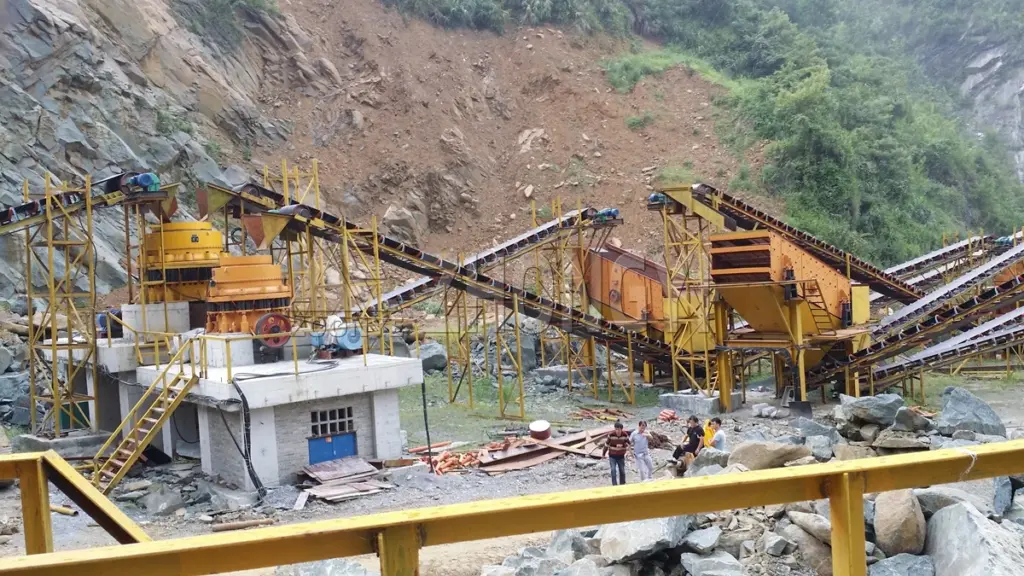
How to Compare Cost per Ton?
Cost per ton helps buyers compare the operating expenses of different crushers. It is calculated by dividing total operating costs over a given period by the tonnage of saleable aggregate produced.
How to Compare Stone Crusher Quotes Before Buying?
Stone crusher quotations can differ in equipment configuration, capacity assumptions, and supply scope. Before comparing prices, check whether each supplier is quoting for the same feed material, production requirements, and finished product sizes, and confirm which equipment and services are included.
Check These Items in Every Supplier Quotation
Review the following details to identify differences that may affect production, maintenance, and the final investment.
- Feed material: Rock type, maximum feed size, hardness, and abrasiveness.
- Production capacity: Required throughput in TPH and the conditions under which the capacity is specified.
- Finished product sizes: Required particle-size ranges, grading, and the number of product grades.
- Equipment configuration: Crusher models, supporting equipment, screening arrangement, and any required recirculation circuit.
- Supply and delivery scope: Included equipment, freight, installation, commissioning, and excluded costs.
- Maintenance and support: Wear-part specifications, replacement requirements, spare-parts availability, and warranty terms.
- Contract requirements: Delivery schedule, acceptance criteria, payment terms, and technical documentation.
What Information Should You Prepare Before Requesting a Quote?
Provide the feed material type, maximum feed size, required throughput, and target product sizes. Material samples or gradation data can help suppliers assess the required crushing and screening configuration.
Also specify the project location, site conditions, expected operating hours, and whether you need a stationary or mobile plant. Clarify the required supply scope, including auxiliary equipment, installation, and commissioning, so suppliers can prepare comparable quotations.
Conclusion: How to Evaluate Stone Crusher Machine Price?
Evaluating a stone crusher machine price requires more than comparing purchase quotations. Crusher type, feed material, capacity, and product specifications determine the required configuration, while installation, maintenance, and wear parts affect the total project and operating costs. Compare suppliers using the same technical requirements and supply scope, and consider the cost per ton of saleable aggregate when assessing long-term operating expenses.
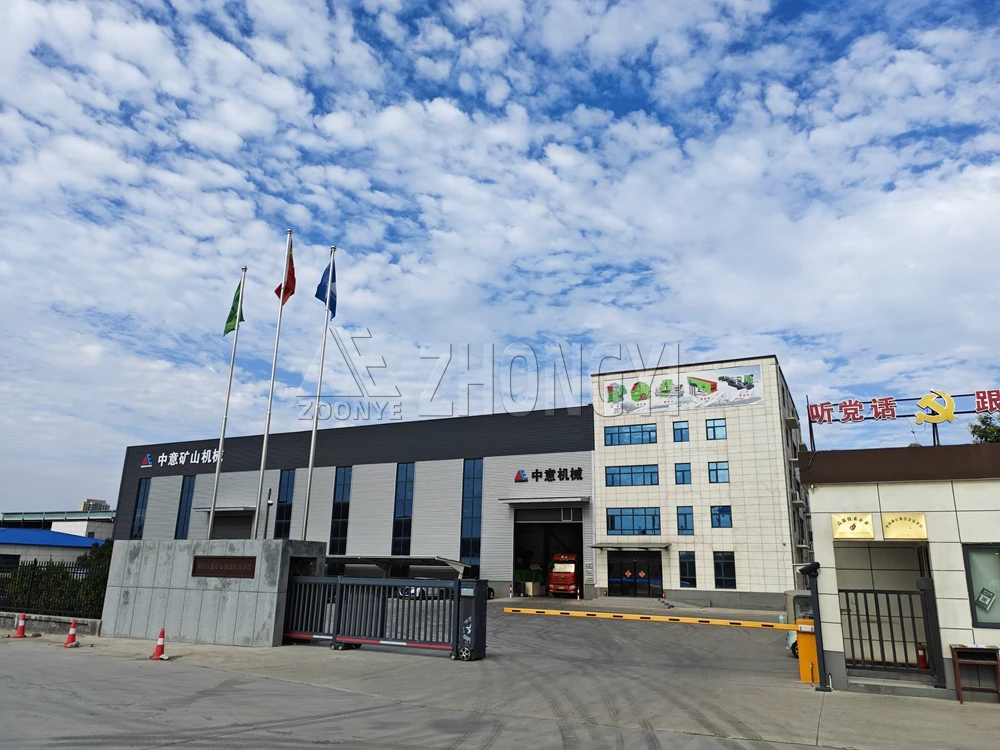
At Zhongyi Mining, we evaluate crushing equipment configurations based on material characteristics, production targets, finished product sizes, and site conditions.Contact our team with your feed material, target capacity, feed and output sizes, and project location. We can help assess suitable crushing equipment and the supporting configuration for your project.
Minta Solusi yang Disesuaikan
Compare stone crusher machine price with confidence by working with Zhongyi Mining to evaluate equipment configurations, total project costs, and crushing plant requirements based on your feed material, target capacity, and finished product specifications.
FAQ
How much does a stone crusher machine cost?
The stone crusher machine price varies with crusher type, capacity, feed size, and equipment configuration. A standalone jaw crusher, a cone crusher, and a complete crushing plant represent different levels of investment, so there is no single price that applies to every project. For a useful quotation, specify your feed material, required throughput, target output sizes, and project location.
What factors have the biggest impact on stone crusher price?
The main cost factors are crusher type, required capacity, rock hardness and abrasiveness, feed size, and finished product specifications. Supporting equipment, automation, and the scope of installation services can also affect the quotation. For example, producing several aggregate grades may require additional screens and conveyors. Buyers should evaluate these requirements together because equipment configuration affects both the initial investment and ongoing operating costs.
How do I choose the right stone crusher for my material?
Start with the rock type, maximum feed size, required throughput, and target product size. Jaw crushers are commonly used for primary crushing, while cone crushers are often selected for secondary or tertiary crushing of hard, abrasive rock. Impact crushers may suit less abrasive materials or applications where particle shape is a priority. The final choice depends on the complete process, not the crusher price alone.
Is a mobile stone crusher cheaper than a stationary crushing plant?
Not necessarily. A mobile stone crusher integrates crushing equipment on a wheeled or tracked chassis and may reduce the need for permanent foundations. However, transport, relocation, and the included equipment affect the total cost. A stationary plant may require more site preparation but can be configured for long-term production. Compare the full project scope, operating location, and expected use before deciding which option is more economical.
What costs should I include when budgeting for a stone crushing plant?
Beyond the main crushers, a project budget may need to cover feeders, screens, conveyors, control systems, freight, foundations, steel structures, electrical work, and installation. Taxes, import duties, commissioning, and initial spare parts may also apply, depending on the location and contract. Ask each supplier to list included items and exclusions separately so you can compare the total delivered and installed cost rather than the equipment price alone.
How do I calculate the operating cost per ton of crushed stone?
Divide the operating costs incurred over a defined period by the tonnage of saleable aggregate produced during that same period. Include relevant expenses such as electricity, wear parts, maintenance, and operating labor, and define consistently which costs are included. Use comparable feed materials, output specifications, and operating conditions when comparing machines. A low purchase price does not necessarily translate into a low operating cost per ton.
How can I reduce the total cost of a stone crushing plant?
Match the crushing stages and equipment capacity to the actual feed material and required product sizes. An unsuitable layout may cause unnecessary recirculation, excessive wear, or bottlenecks between machines. Check screen and conveyor capacity, maintenance access, and spare-parts availability before purchasing. The aim is to avoid unnecessary equipment and operating expenses while maintaining the required production output, rather than choosing a plant based on the lowest initial quotation.
What information do I need to request a stone crusher quotation?
Prepare the feed material type, maximum feed size, required capacity in tonnes per hour, and target output sizes. Material gradation data or a sample can help suppliers assess the crushing and screening requirements. Also provide the project location, site conditions, and whether you need a mobile or stationary plant. Clarifying the required supply scope, including auxiliary equipment and installation, makes quotations easier to compare.