











Lò quay xi măng là gì?
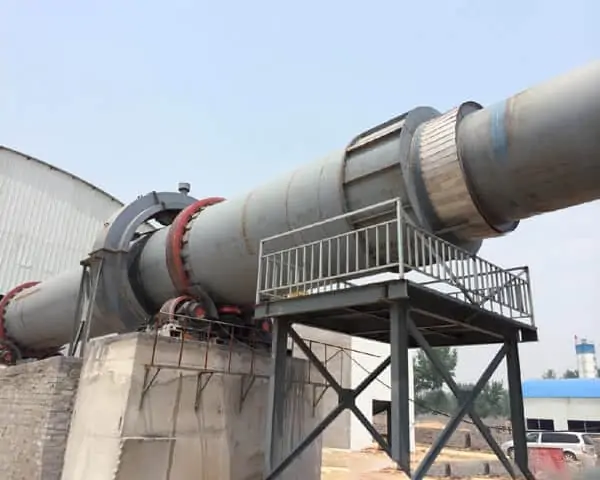
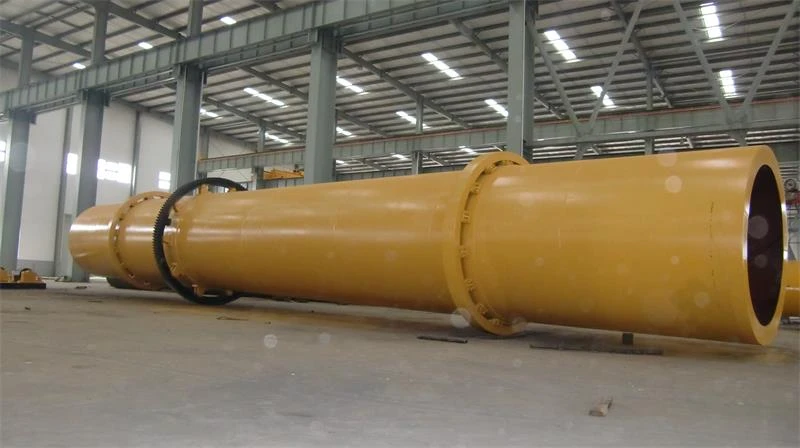
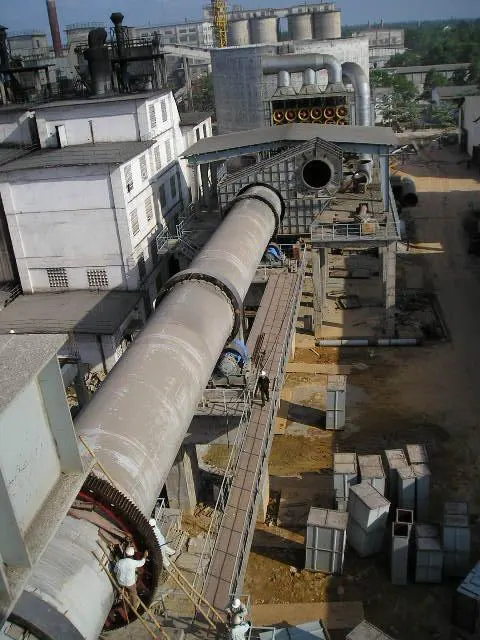
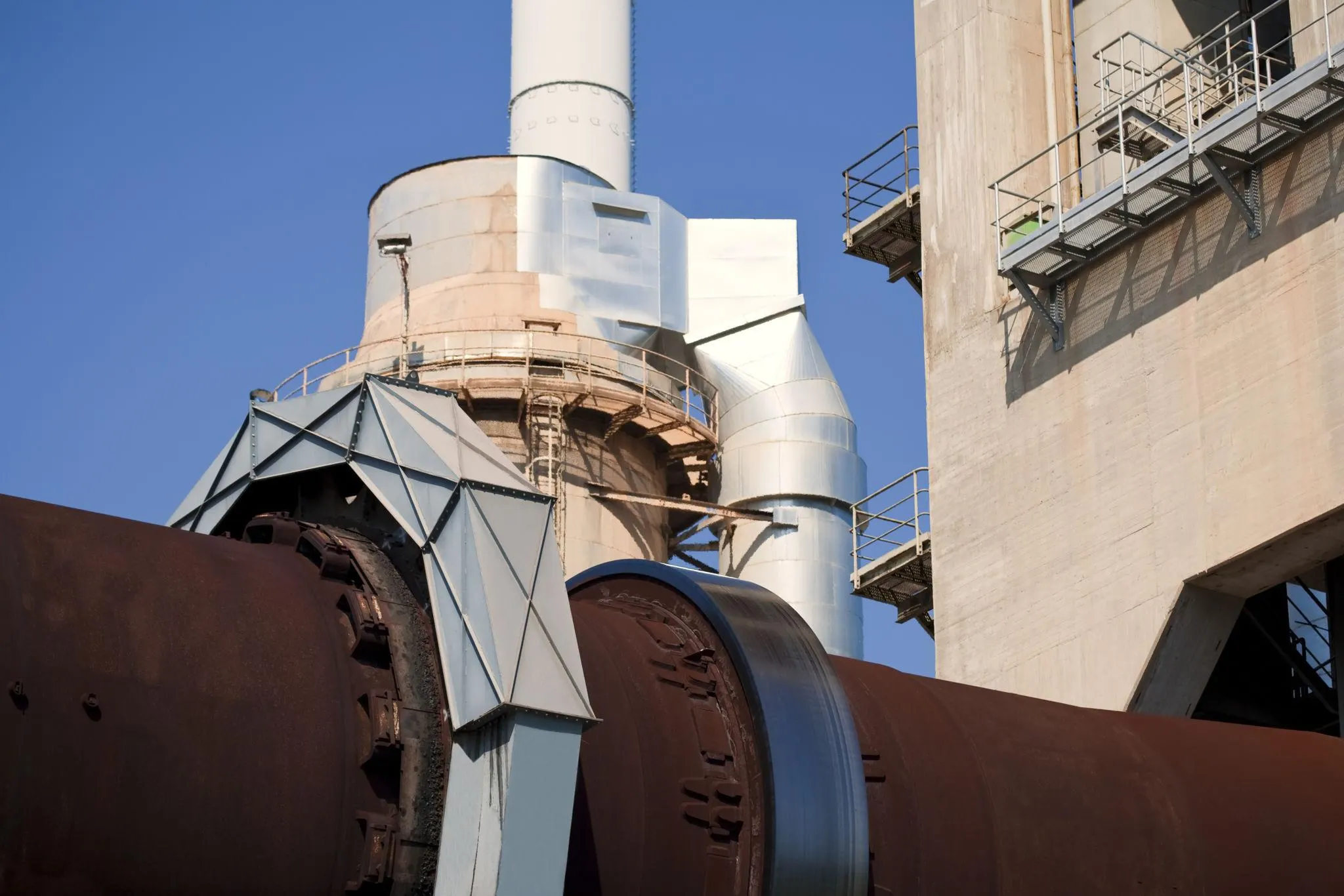
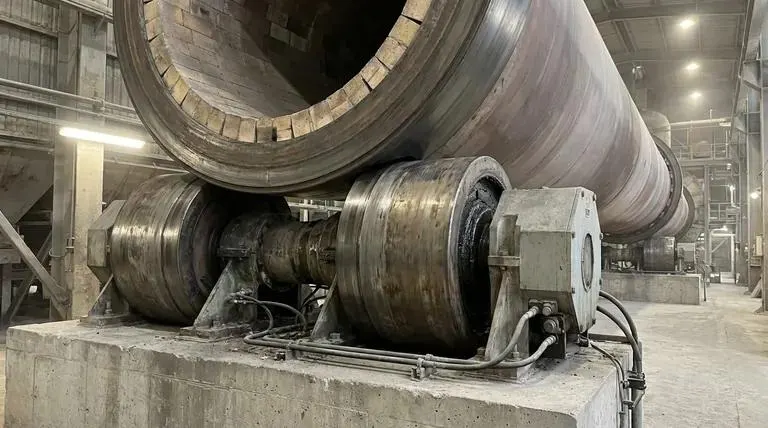
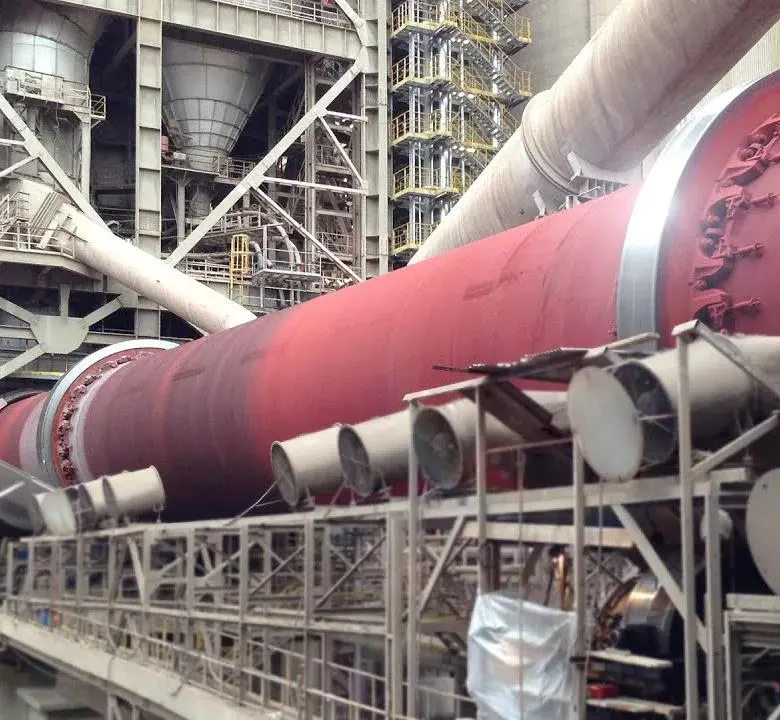
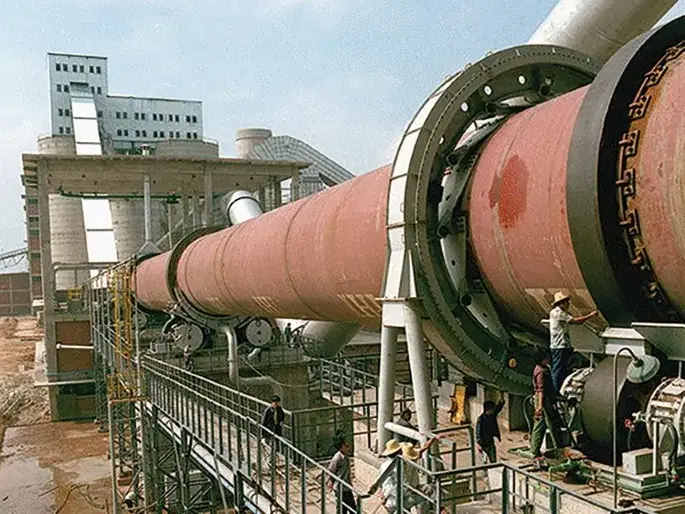
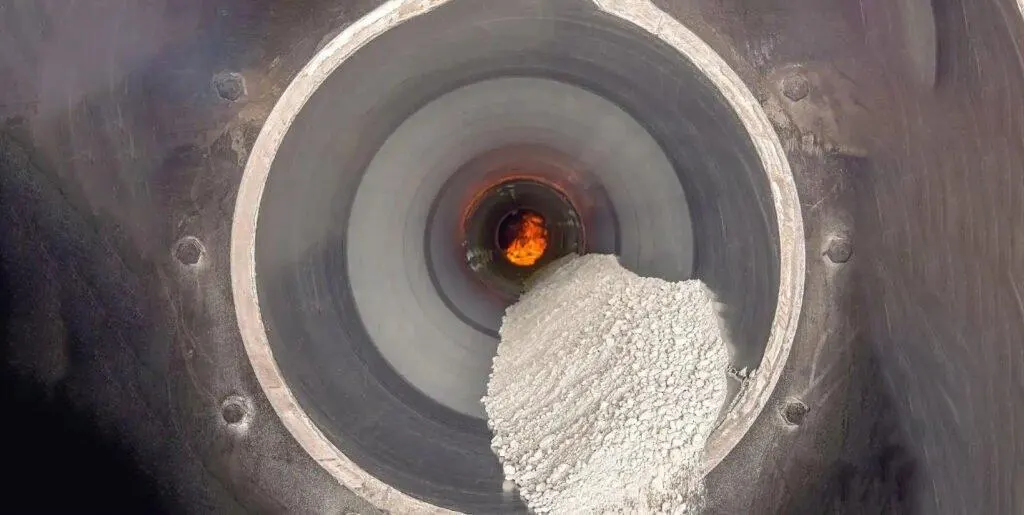
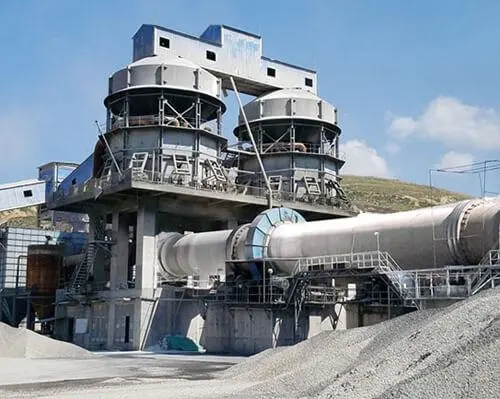
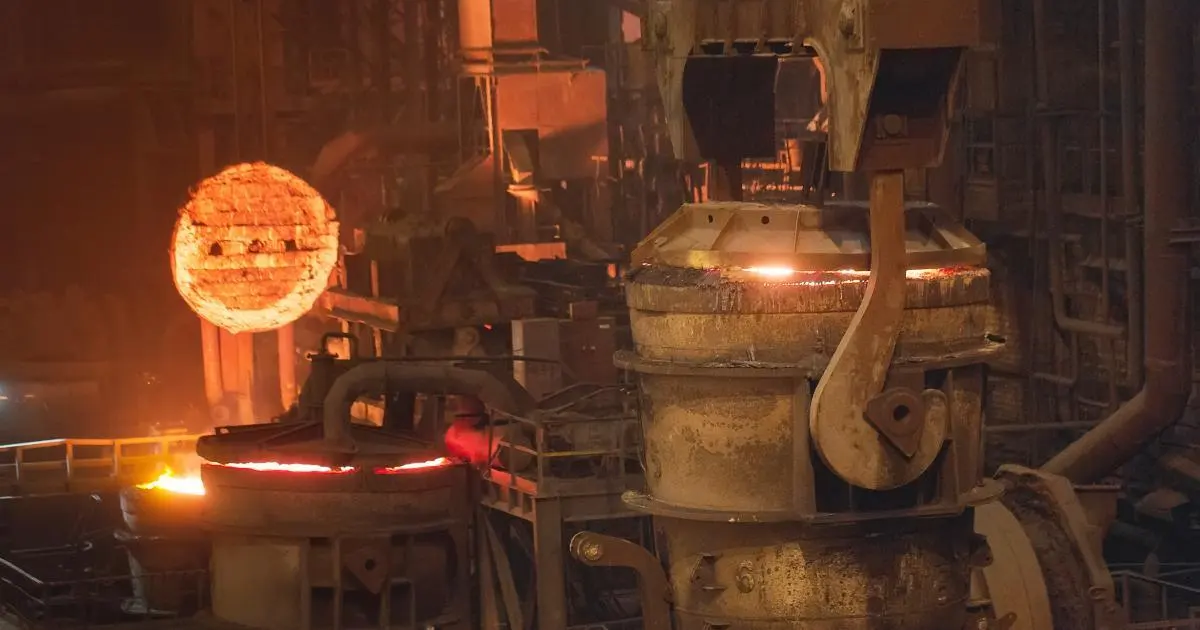
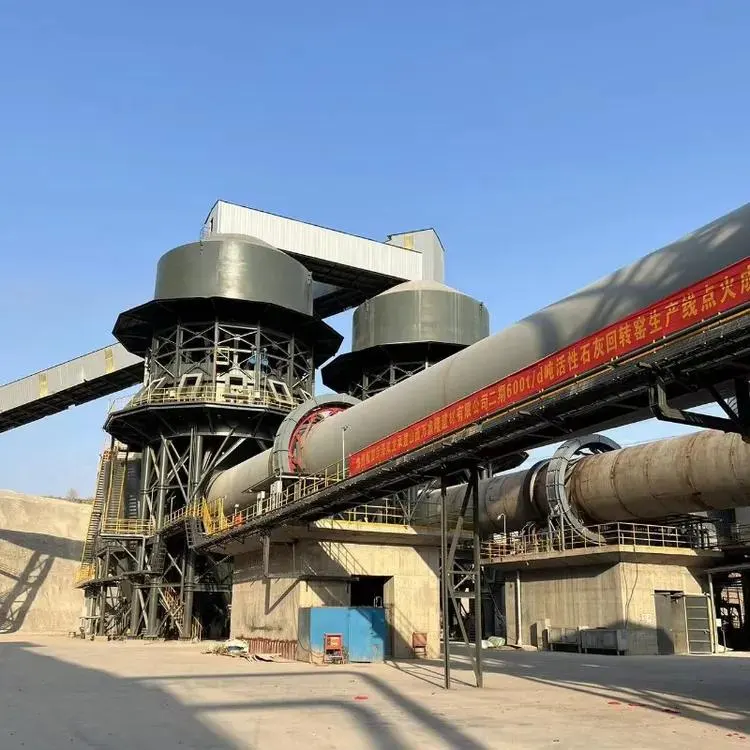
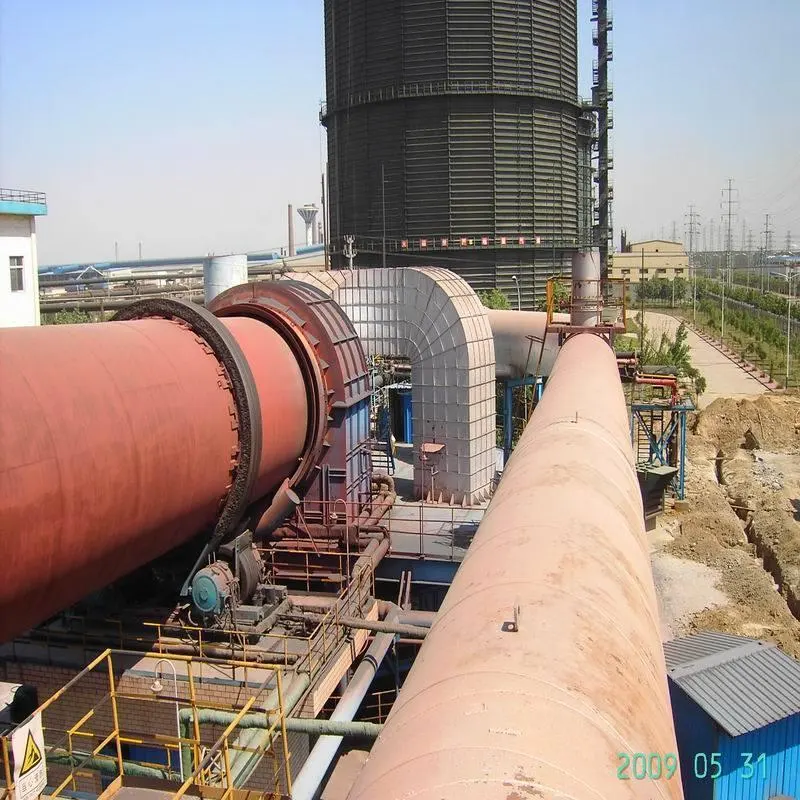
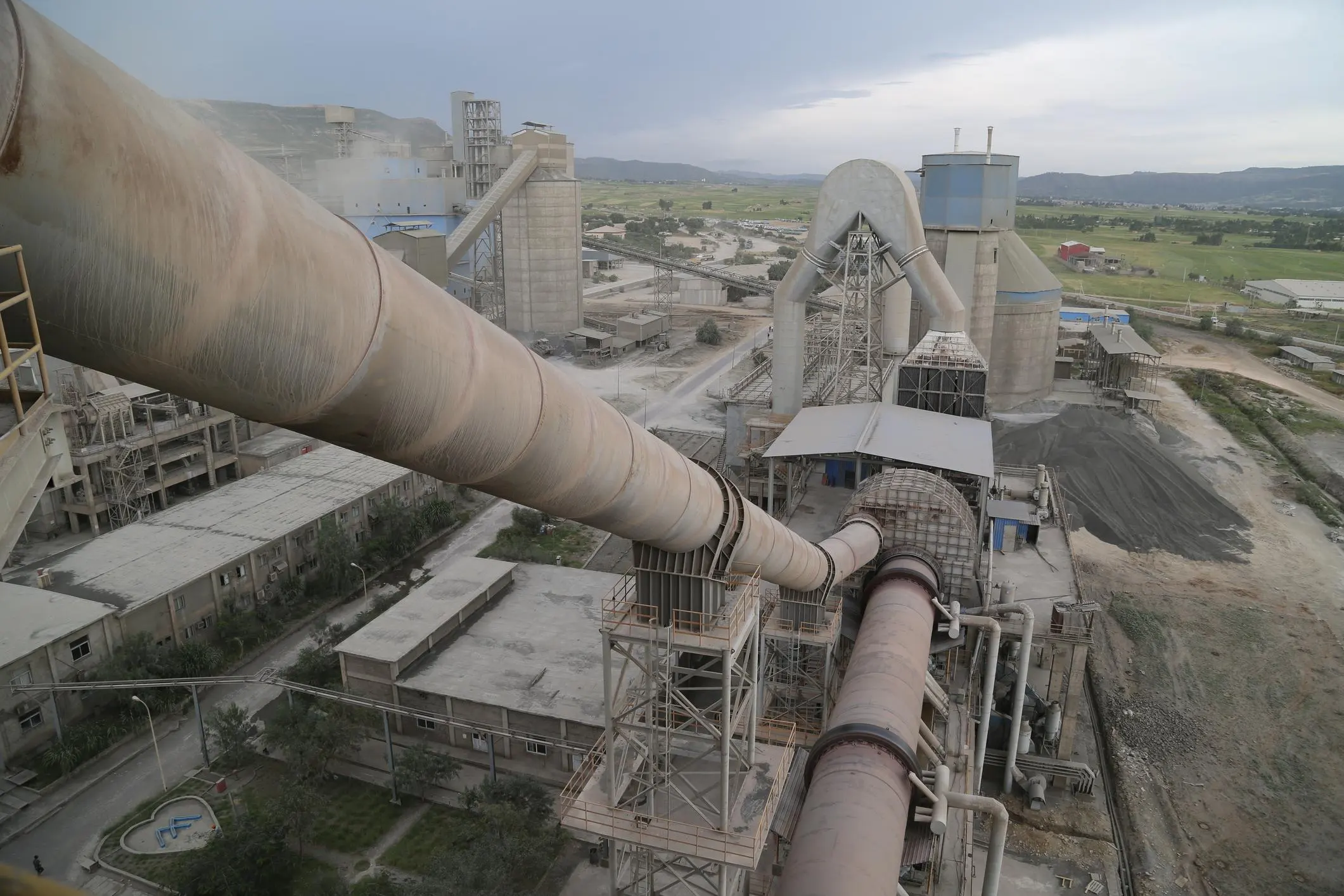
Lò quay xi măng là một xi lanh thép dài, hơi nghiêng, được sử dụng để nung nóng bột liệu thô xi măng cho đến khi các khoáng chất clinker hình thành. Trong nhà máy xi măng, lò thường nằm sau công đoạn chuẩn bị bột liệu thô và gia nhiệt sơ bộ, và trước công đoạn làm nguội clinker và nghiền xi măng. Trong các dự án vôi và luyện kim, nguyên lý lò quay tương tự được sử dụng để phân hủy đá vôi, nung khoáng hoặc xử lý nhiệt.
Đường kính lò dao động từ khoảng 2,5 m đến 5,2 m, với chiều dài từ 40 m đến 78 m tùy thuộc vào công suất, loại nhiên liệu và quy trình công nghệ. Công suất có thể dao động từ các dây chuyền nhỏ 180 t/d đến các hệ thống lớn hơn 2.200 t/d. Chất lượng nung bị ảnh hưởng bởi thành phần hóa học nguyên liệu thô, kích thước nạp liệu, độ dốc lò, tốc độ quay, hình dạng ngọn lửa và tình trạng lớp lót chịu lửa.
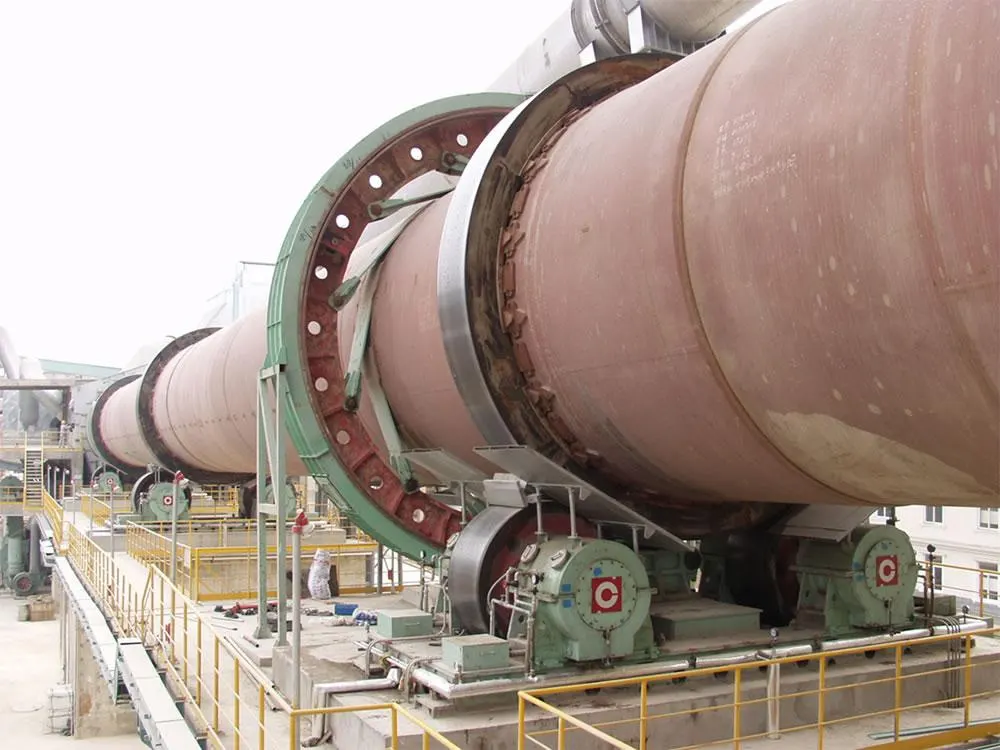
Các loại lò quay xi măng
Zhongyi cung cấp lò quay xi măng cho các yêu cầu sản xuất clinker khác nhau, từ nhà máy công suất nhỏ đến dây chuyền sản xuất xi măng quy mô lớn. Loại và cấu hình lò quay được xác định bởi công suất sản xuất, quy trình công nghệ, tính chất nguyên liệu thô, loại nhiên liệu và bố trí nhà máy. Hệ thống hoàn chỉnh có thể được cung cấp dưới dạng lò độc lập hoặc tích hợp với thiết bị gia nhiệt sơ bộ, làm nguội, vận chuyển và điều khiển.
Lò quay xi măng phương pháp khô
Lò quay phương pháp khô được sử dụng trong các nhà máy xi măng hiện đại, nơi bột liệu thô khô được gia nhiệt sơ bộ và nung sơ bộ một phần trước khi vào lò. So với hệ thống phương pháp ướt, chúng yêu cầu ít nhiên liệu hơn và là lựa chọn ưu tiên cho các dây chuyền sản xuất clinker mới.
- Công suất: 1.000–10.000 TPD
- Đường kính lò: 3,5–6,5 m
- Chiều dài lò: 50–95 m
- Nhiên liệu: Than, than cốc dầu mỏ, khí tự nhiên, RDF
- Ứng dụng: Nhà máy xi măng phương pháp khô mới
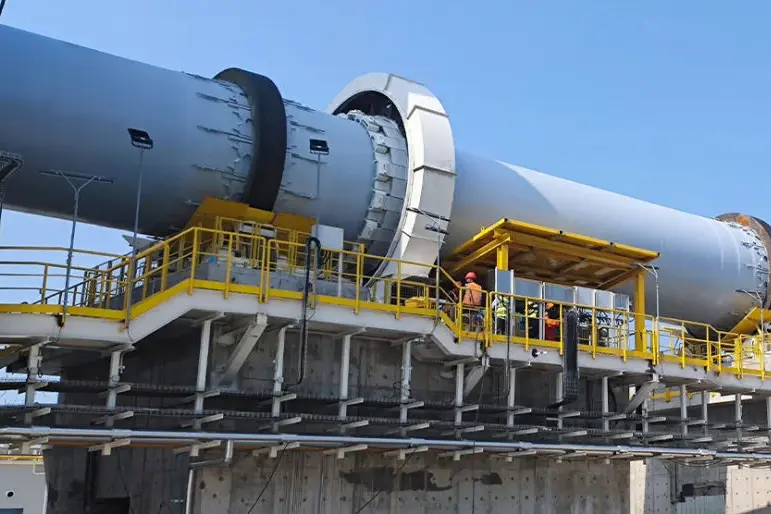
Lò quay phương pháp ướt
Lò quay phương pháp ướt xử lý nguyên liệu thô ở dạng bùn và chủ yếu được sử dụng khi điều kiện nguyên liệu thô hoặc dây chuyền sản xuất hiện có yêu cầu nghiền ướt. Mặc dù ít phổ biến hơn trong các nhà máy mới, chúng vẫn phù hợp cho một số dự án cải tạo và xi măng chuyên dụng.
- Công suất: 200–3.000 TPD
- Đường kính lò: 2,5–5,0 m
- Chiều dài lò: 60–180 m
- Nguyên liệu nạp: Bùn nguyên liệu thô
- Ứng dụng: Nhà máy xi măng phương pháp ướt
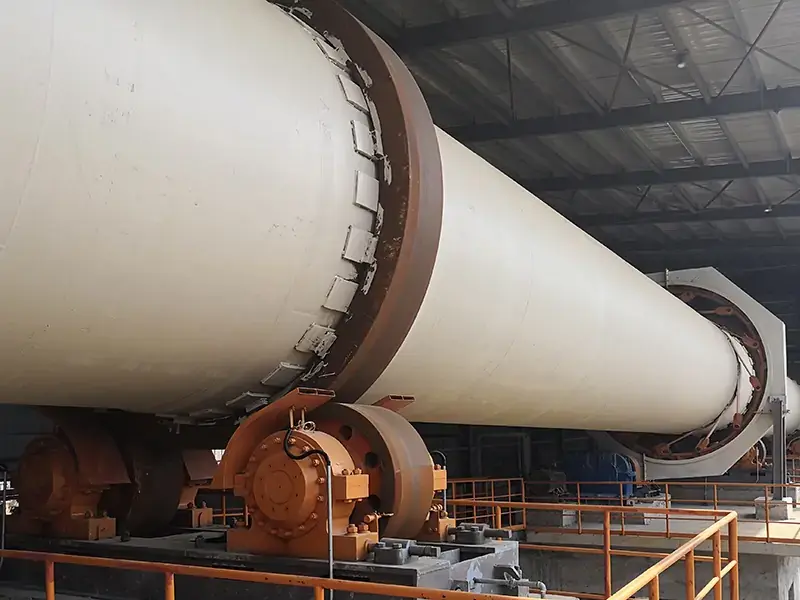
Lò quay xi măng cỡ nhỏ
Lò quay xi măng cỡ nhỏ được thiết kế cho các nhà máy xi măng mini, sản xuất thử nghiệm và các dự án quy mô phòng thí nghiệm. Kết cấu nhỏ gọn và yêu cầu lắp đặt thấp hơn giúp chúng phù hợp cho sản xuất clinker khi nhu cầu sản lượng tương đối nhỏ.
- Công suất: 50–500 TPD
- Đường kính lò: 1,8–3,0 m
- Chiều dài lò: 30–55 m
- Nhiệt độ vận hành: Lên đến 1.450°C
- Ứng dụng: Nhà máy xi măng mini và dây chuyền thử nghiệm
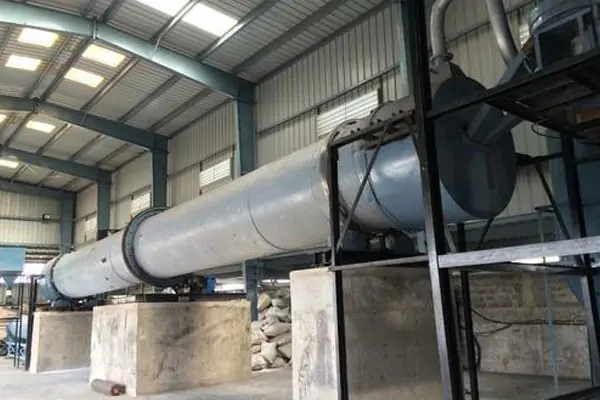
Lò quay xi măng cỡ lớn
Lò quay xi măng cỡ lớn được sử dụng trong các dây chuyền sản xuất clinker liên tục với sản lượng hàng ngày cao. Chúng thường được lắp đặt cùng với hệ thống gia nhiệt sơ bộ nhiều tầng, thiết bị nung sơ bộ và thiết bị làm nguội kiểu ghi để cải thiện hiệu suất nhiệt và duy trì chất lượng clinker ổn định.
- Công suất: 1.000–10.000 TPD
- Đường kính lò: 4,0–6,5 m
- Chiều dài lò: 60–95 m
- Nhiệt độ vận hành: Lên đến 1.450°C
- Ứng dụng: Nhà máy xi măng tích hợp quy mô lớn
Nguyên lý làm việc của lò quay xi măng
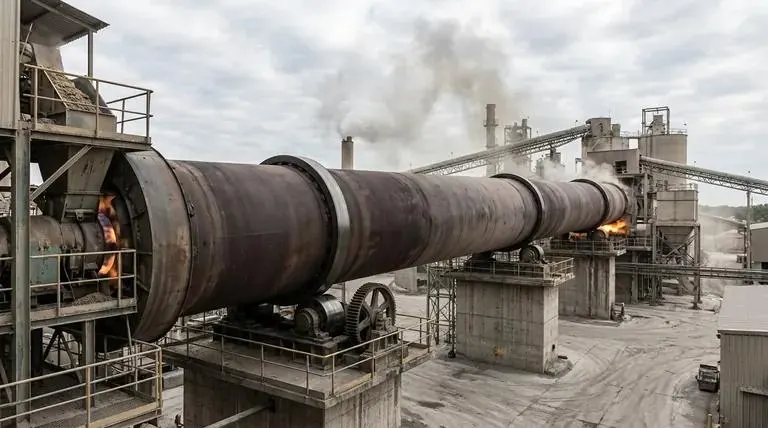
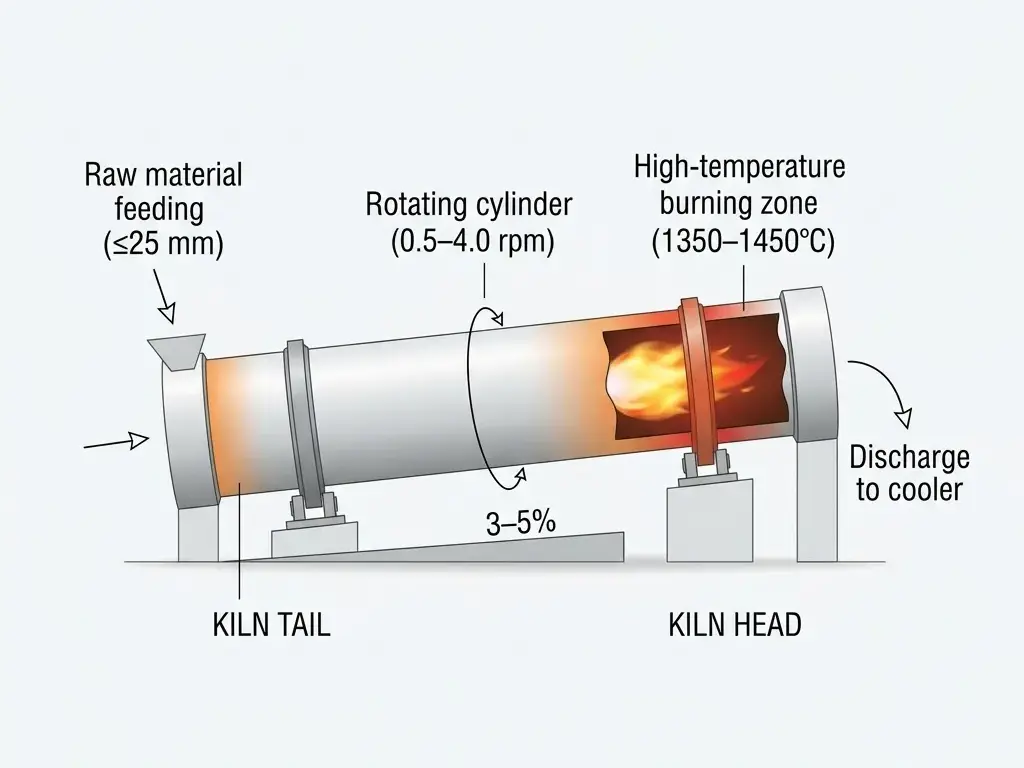
Lò quay xi măng hoạt động bằng cách quay một xi lanh nghiêng trong khi quá trình đốt cháy nhiên liệu và khí công nghệ làm nóng tầng vật liệu chuyển động. Lò kết hợp vận chuyển cơ học, truyền nhiệt nhiệt độ cao và phản ứng hóa học được kiểm soát trong một quá trình liên tục. So với lò đứng tĩnh, lò quay cho phép kiểm soát tốt hơn thời gian lưu và nhiệt độ vùng nung.
Quy trình công nghệ như sau:
- bột liệu thô hoặc đá vôi đi vào từ đuôi lò với kích thước <=25 mm
- xi lanh quay ở khoảng 0,5-4,0 vòng/phút và di chuyển vật liệu về phía trước theo độ dốc 3%-5%
- ngọn lửa đầu đốt làm nóng vùng nung đến khoảng 1.350-1.450°C đối với clinker hoặc 900-1.100°C đối với vôi
- clinker hoặc vôi thành phẩm được xả xuống thiết bị làm nguội để giảm nhiệt độ.
Thông số kỹ thuật
| Mô hình | Kích thước nạp liệu | Kích thước xả liệu | Công suất | Công suất động cơ | Đường kính x Chiều dài lò | Tốc độ quay |
| Phi2.5×40 m | <=25 mm | 5-40 mm | 180-300 t/d | 55 kW | 2,5 x 40 m | 0,6-3,0 vòng/phút |
| Phi3.0x48 m | <=25 mm | 5-40 mm | 320-520 t/d | 90 kW | 3,0 x 48 m | 0,5-3,2 vòng/phút |
| Phi3.5×54 m | <=25 mm | 5-40 mm | 650-850 t/d | 160 kW | 3,5 x 54 m | 0,4-3,5 vòng/phút |
| Phi4.0x60 m | <=25 mm | 5-40 mm | 900-1.200 t/d | 250 kW | 4,0 x 60 m | 0,4-3,8 vòng/phút |
| Phi4.3×64 m | <=25 mm | 5-40 mm | 300-1.600 t/d | 315 kW | 4,3 x 64 m | 0,35-3,6 vòng/phút |
| Phi4.8×72 m | <=25 mm | 5-40 mm | 800-2.200 t/d | 500 kW | 4,8 x 72 m | 0,3-3,2 vòng/phút |
Cấu hình dây chuyền sản xuất xi măng hoàn chỉnh
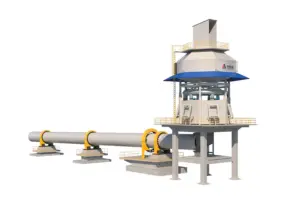
Một dây chuyền sản xuất xi măng hoàn chỉnh bao gồm chuẩn bị nguyên liệu, sản xuất clinker, nghiền xi măng, xử lý vật liệu và hệ thống điều khiển nhà máy. Thiết bị được lựa chọn và cấu hình theo công suất nhà máy, đặc tính nguyên liệu, loại nhiên liệu và yêu cầu công nghệ để đảm bảo sản xuất clinker ổn định và vận hành nhà máy hiệu quả.
| Thiết bị | Chức năng |
| Máy nghiền nguyên liệu | Giảm đá vôi và các nguyên liệu khác đến kích thước cấp liệu yêu cầu cho quá trình nghiền. |
| Máy nghiền con lăn đứng | Nghiền và sấy khô nguyên liệu thành bột liệu mịn có thành phần đồng nhất. |
| Hệ thống tiền nung cyclone | Thu hồi nhiệt thải để làm nóng sơ bộ bột liệu trước khi vào lò, giảm tiêu thụ nhiên liệu. |
| Lò phân hủy | Hoàn thành phần lớn quá trình nung đá vôi trước khi vật liệu vào lò quay. |
| Lò quay xi măng | Thiêu kết bột liệu đã nung thành clinker xi măng ở nhiệt độ lên đến 1.450°C. |
| Máy làm nguội clinker | Làm nguội nhanh clinker nóng và thu hồi nhiệt để tái sử dụng trong quá trình sản xuất. |
| Máy nghiền xi măng | Nghiền clinker với thạch cao và các phụ gia khác thành xi măng thành phẩm. |
| Hệ thống đóng bao | Tự động đóng bao hoặc xếp xi măng thành phẩm để lưu kho và vận chuyển. |
| Hệ thống thu bụi | Thu gom bụi phát sinh trong suốt quá trình sản xuất để đáp ứng tiêu chuẩn môi trường. |
| PLC Control System | Monitors and controls the complete production line for stable and continuous operation. |
Materials Suitable
Cement rotary kilns are designed to process calcareous, siliceous, aluminous, and ferruginous raw materials used in clinker production. They can handle materials with different chemical compositions and moisture levels after proper crushing, grinding, and proportioning.
Limestone
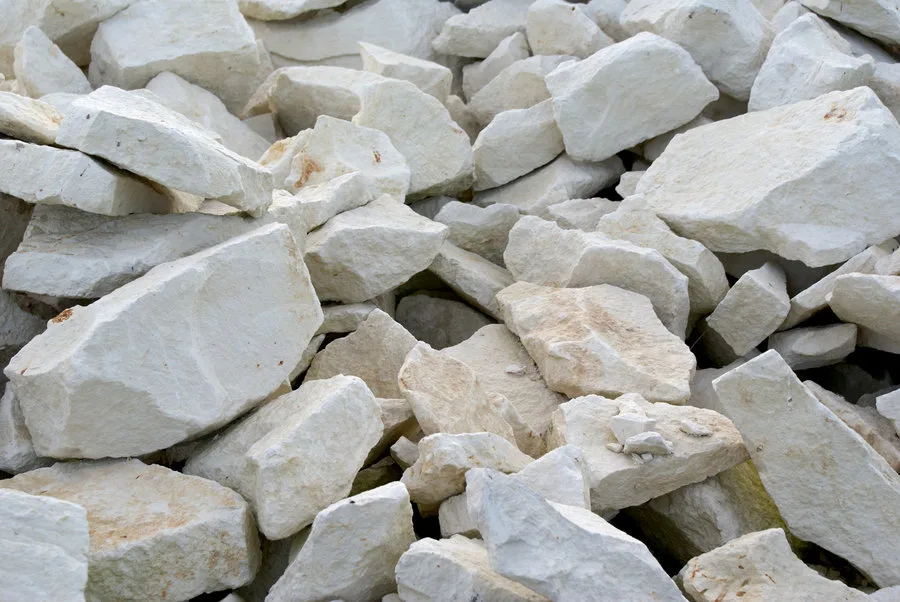
Primary source of calcium carbonate and the main raw material for clinker production.
Clay
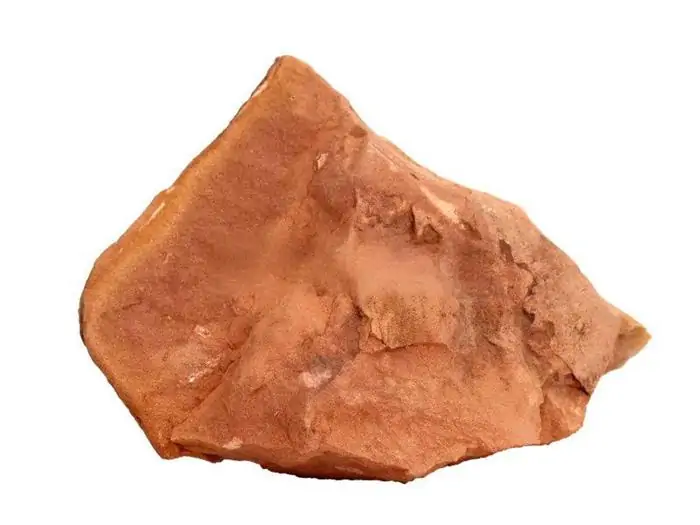
Provides silica and alumina to achieve the required raw meal composition.
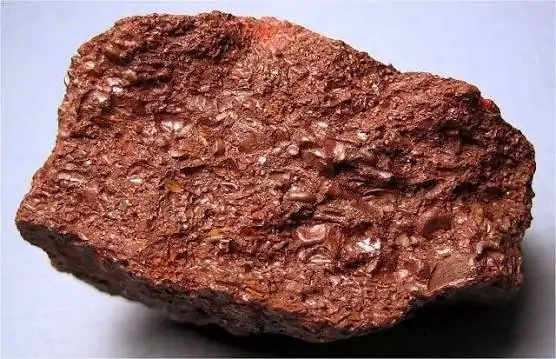
Iron Ore
Supplies iron oxide to balance the chemical composition of cement clinker.
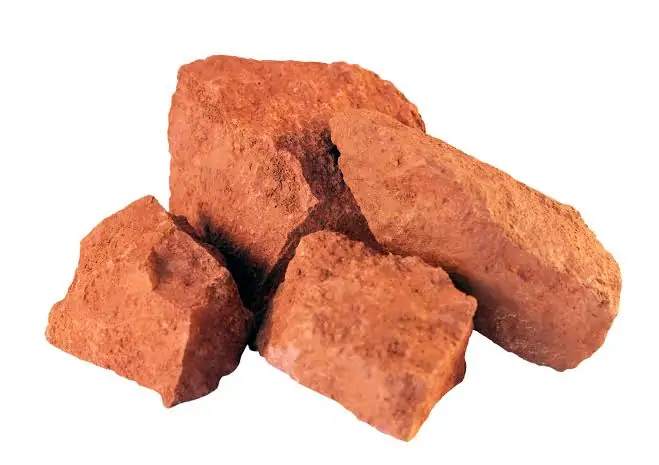
Bauxite
Adds alumina for high-alumina cement and clinker composition adjustment.
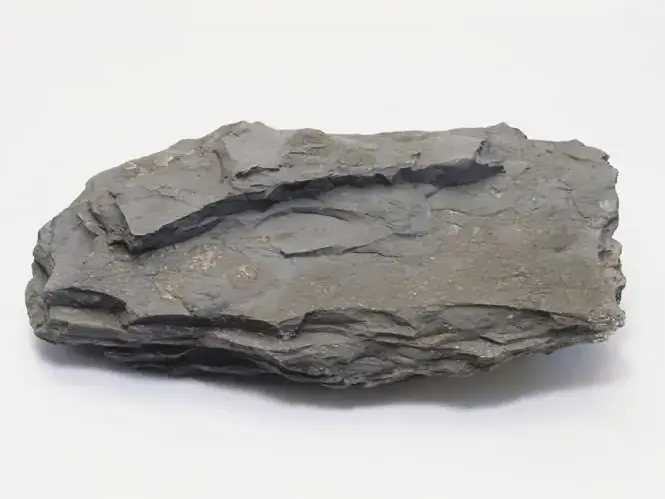
Shale
Used as an alternative source of silica, alumina, and iron oxides.
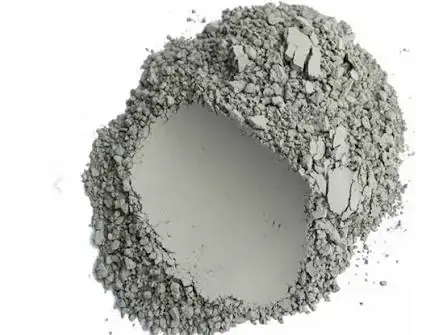
Fly Ash
Utilized as a supplementary raw material to improve resource utilization and reduce raw material consumption.
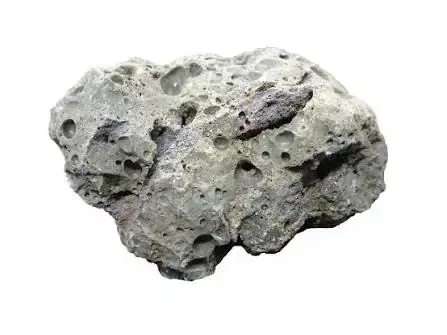
Slag
Recycled industrial by-product used in clinker production or blended cement manufacturing.
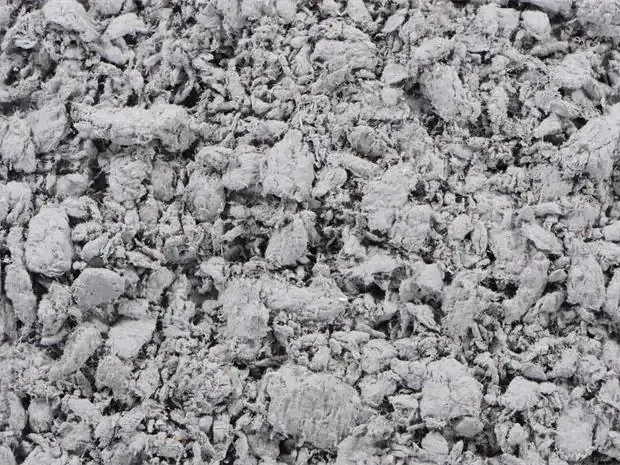
Alternative Raw Materials
Industrial by-products and recycled mineral materials processed according to production and environmental requirements.
Ứng dụng
Cement Rotary Kiln vs Lime Rotary Kiln
A cement rotary kiln and a lime rotary kiln share the same rotating cylinder principle, but they serve different reactions. Cement kilns sinter raw meal into clinker at higher burning-zone temperatures, while lime kilns decompose limestone into quicklime at lower temperatures.
| Hạng mục | Lò quay xi măng | Lò quay vôi |
| Main Feed | Cement raw meal | Limestone |
| Main Product | Clinker | Quicklime |
| Typical Temperature | 1,350-1,450°C | 900-1,100°C |
| Product Size | Clinker nodules | 10-50 mm lime |
| Common Line Equipment | Preheater, cooler, cement grinding | Preheater, cooler, lime storage |
| Selection Focus | Clinker quality, fuel rate, free lime | Lime activity, CaO content, overburn control |
Choose the kiln based on final product, not only kiln diameter. A lime project needs different retention time, fuel control, and cooler matching than a cement clinker line.
How to Choose a Cement Rotary Kiln?
Yêu cầu giải pháp tùy chỉnh
Partner with Zhongyi for expert technical support, customized solutions, and reliable equipment tailored to your ore characteristics and production requirements.
Customized Rotary Kiln System
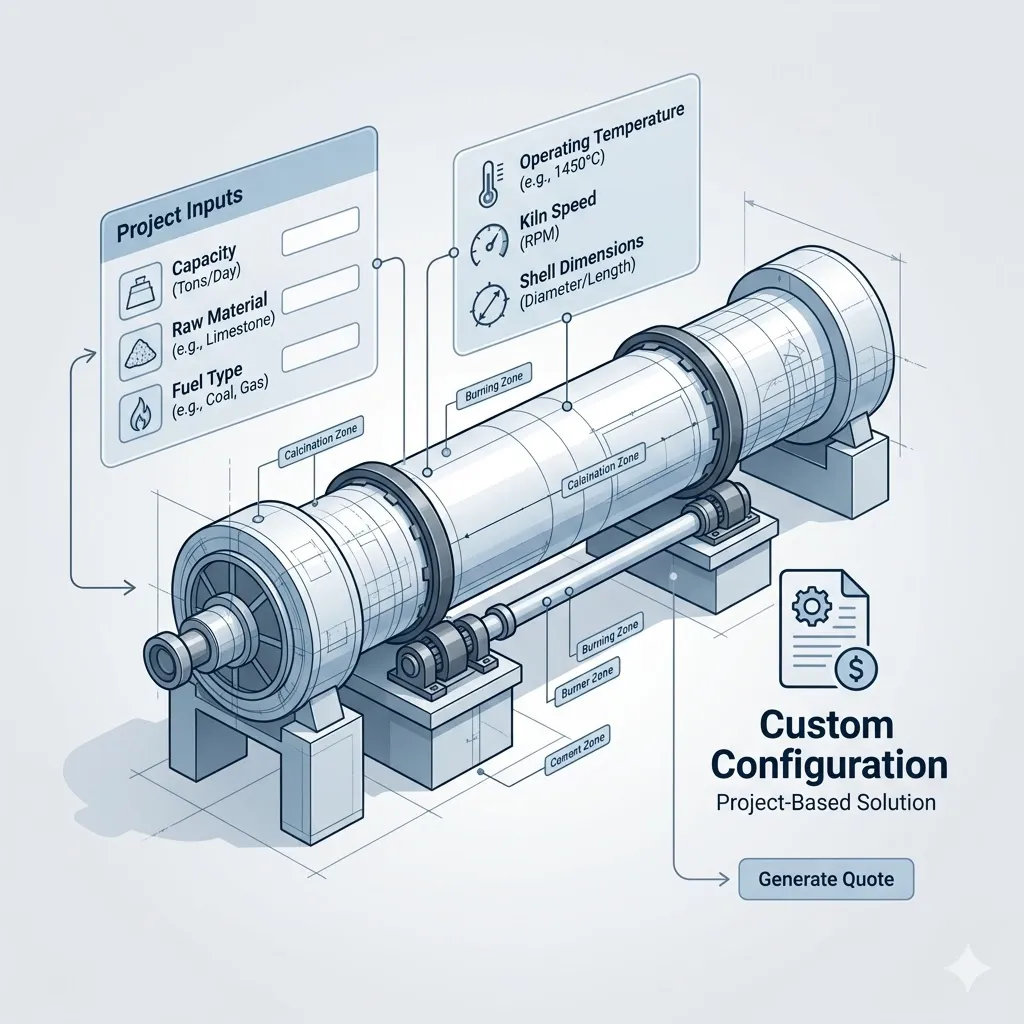
For projects with unique process requirements, Zhongyi provides customized rotary kiln systems engineered around production capacity, raw material composition, fuel selection, and plant layout. Complete solutions can include preheaters, precalciners, clinker coolers, burners, dust collection systems, material conveying, and automation controls to match the overall process design.
Provide the Following Information:
Cement Rotary Kiln Manufacturer & Supplier
As a professional manufacturer of industrial calcination equipment, Henan Zhongyi Environmental Protection Equipment Co., Ltd. delivers cement rotary kiln systems for clinker production, alumina rotary kilns, active lime lines, and mineral roasting projects. A correctly specified kiln can reduce unstable burning, ring formation risk, and unplanned shutdowns in continuous production. We evaluate raw material chemistry, capacity needs, fuel conditions, and site layout to configure kiln diameter, length, drive system, burner, and auxiliary equipment.
We have over 16 years of engineering experience in cement clinker, active lime, limestone calcination, metallurgy, and refractory material projects, Zhongyi has supplied 500+ kiln-related equipment sets across Southeast Asia, South Asia, Africa, and South America. Our ISO9001:2015 certified factory and CE-marked components support consistent fabrication and export compliance. We provide process layout design, equipment manufacturing, installation supervision, operator training, and spare parts support.
FAQs
What is a cement rotary kiln used for?
A cement rotary kiln heats raw meal into clinker for cement production. It can also be configured for active lime and mineral calcination.
What capacity range can Zhongyi supply?
Zhongyi reference models cover about 180-2,200 t/d. Final capacity depends on kiln size, feed chemistry, fuel type, and line configuration.
What feed size is suitable for a cement rotary kiln?
Most cement rotary kiln systems require feed below 25 mm or prepared raw meal powder. Lime kiln feed often uses 10-50 mm limestone.
Can the same kiln be used for cement and lime?
The same kiln principle can serve both, but cement and lime projects need different temperatures, residence time, refractory lining, and auxiliary equipment.
What affects cement rotary kiln price most?
Kiln diameter, length, steel weight, refractory lining, burner system, automation level, and auxiliary equipment are the main price drivers.
How should I choose a rotary kiln supplier?
Choose a supplier that checks raw material data, capacity target, fuel condition, layout, and service scope before recommending a kiln model.
How long does delivery usually take?
Regular checks include refractory lining, support rollers, girth gear, seals, lubrication, burner condition, shell temperature, and bearing temperature.