










ما هو الفرن الدوار الأسمنتي؟
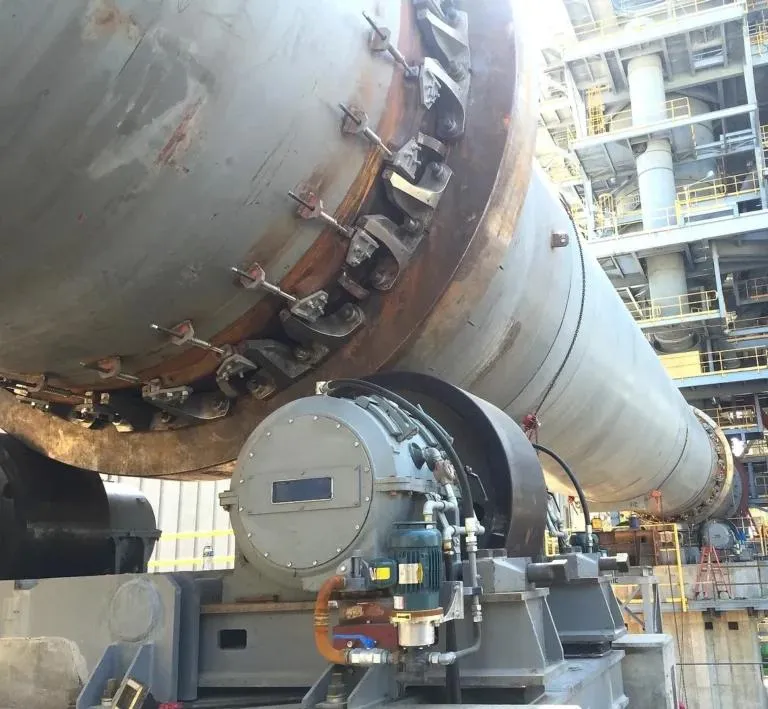
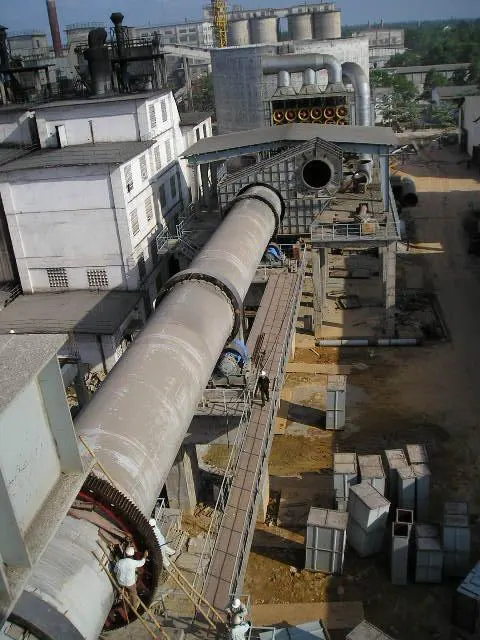
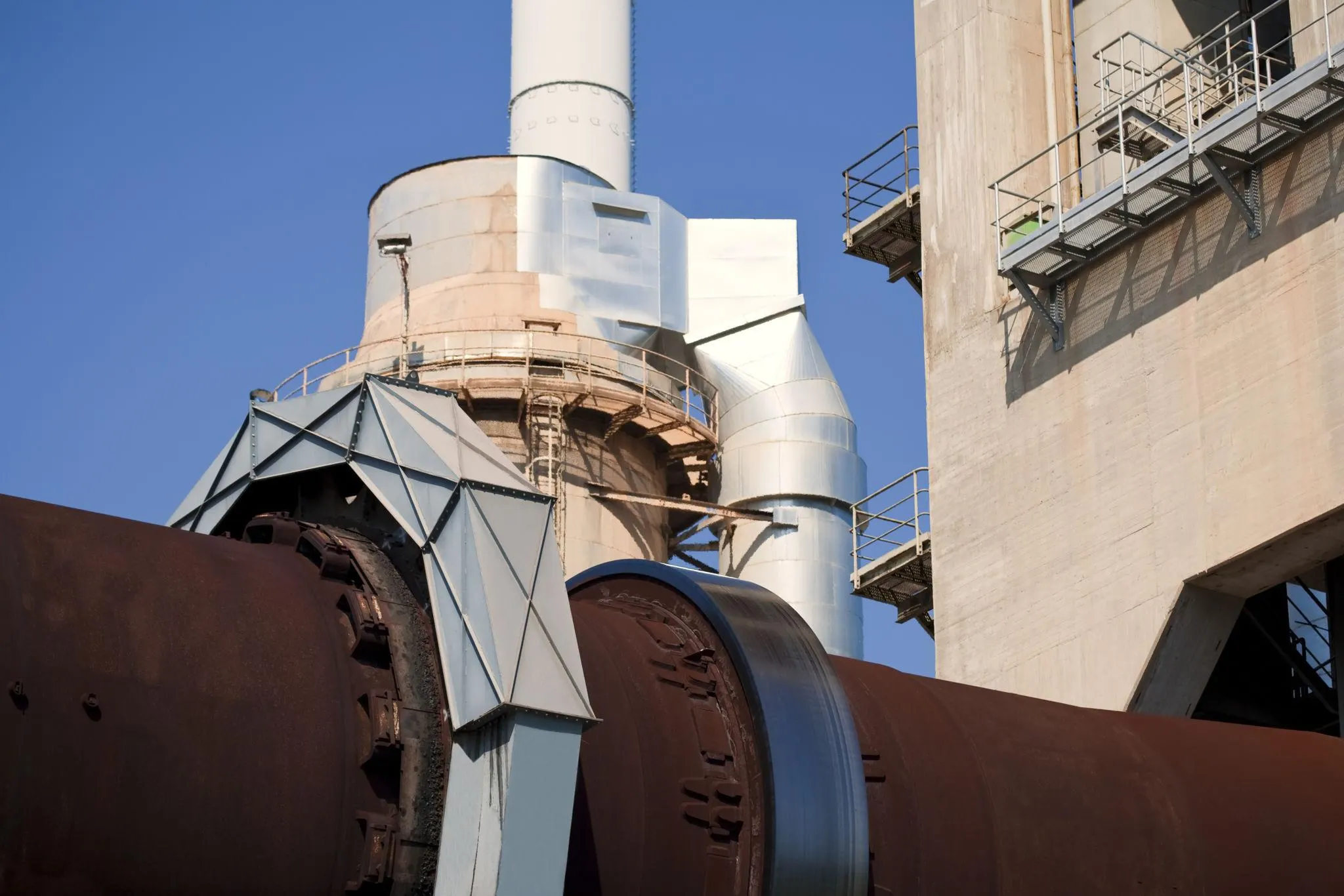
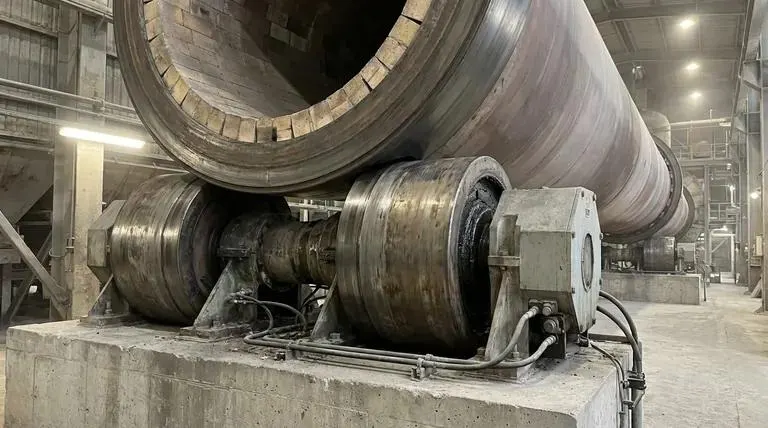
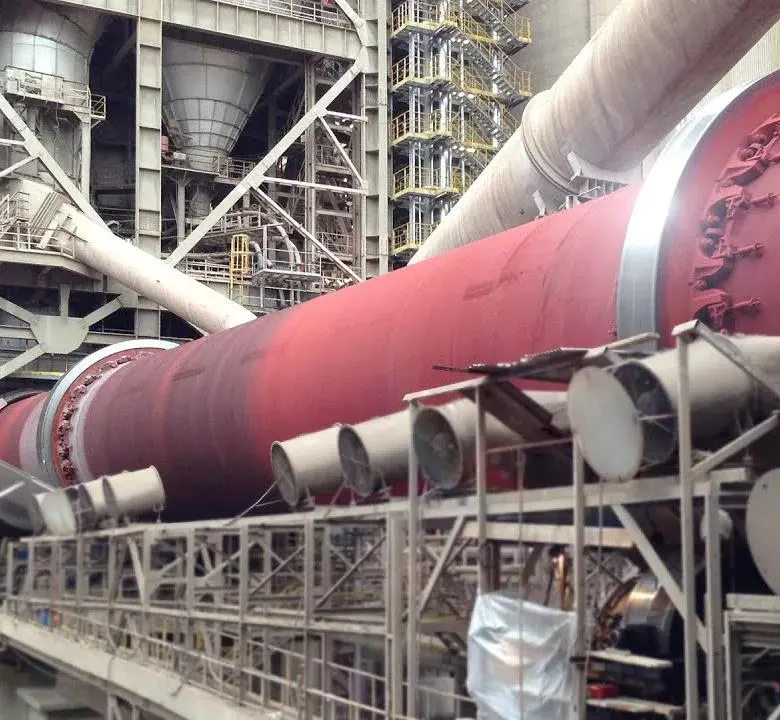
الفرن الدوار الأسمنتي هو أسطوانة فولاذية طويلة مائلة قليلًا تُستخدم لتسخين الوجبة الخام الأسمنتية حتى تتشكل معادن الكلنكر. في مصنع الأسمنت، يتواجد عادةً بعد تحضير الوجبة الخام والتسخين المسبق، وقبل تبريد الكلنكر وطحن الأسمنت. في مشاريع الجير والمعادن، يُستخدم نفس مبدأ الفرن الدوار لتفكيك الحجر الجيري أو تحميص المعادن أو المعالجة الحرارية.
تتراوح أقطار الفرن من حوالي 2.5 م إلى 5.2 م، وأطواله من 40 م إلى 78 م حسب الطاقة ونوع الوقود ومسار العملية. قد تتراوح الطاقة من خطوط صغيرة بطاقة 180 طن/يوم إلى أنظمة أكبر بطاقة 2,200 طن/يوم. تتأثر جودة الحرق بكيمياء المواد الخام وحجم التغذية وميل الفرن وسرعة الدوران وشكل اللهب وحالة البطانة الحرارية.
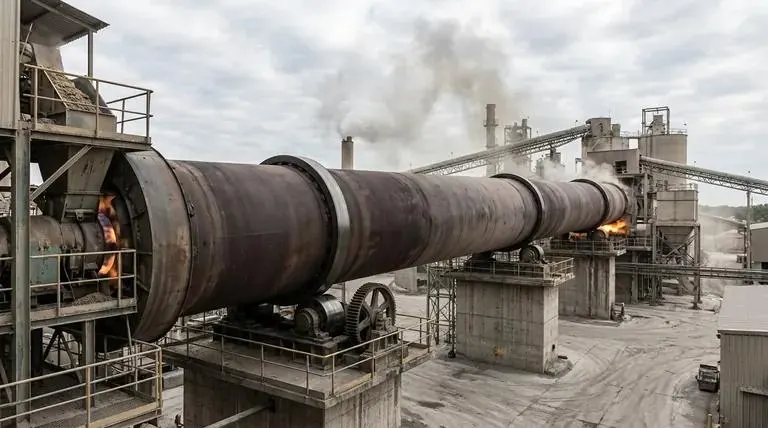
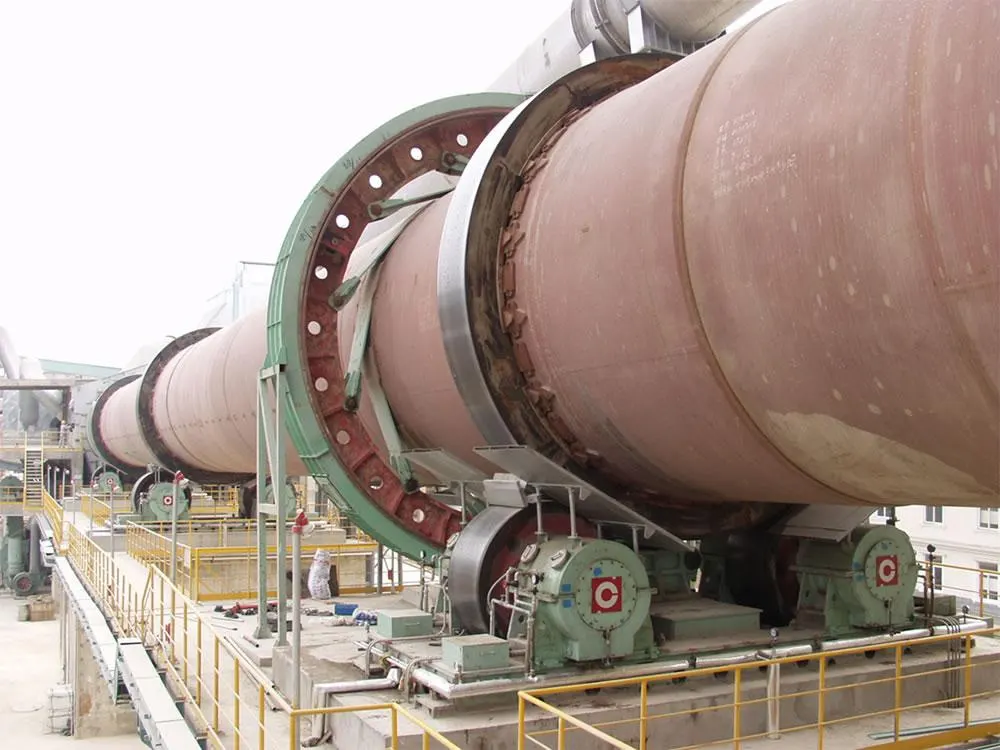
أنواع الفرن الدوار الأسمنتي
توفر Zhongyi أفرانًا دوارة أسمنتية لمتطلبات إنتاج الكلنكر المختلفة، من المصانع صغيرة الطاقة إلى خطوط إنتاج الأسمنت واسعة النطاق. يتم تحديد نوع الفرن الدوار وتكوينه حسب الطاقة الإنتاجية ومسار العملية وخصائص المواد الخام ونوع الوقود وتخطيط المصنع. يمكن توريد النظام الكامل كفرن مستقل أو مدمجًا مع معدات التسخين المسبق والتبريد والنقل والتحكم.
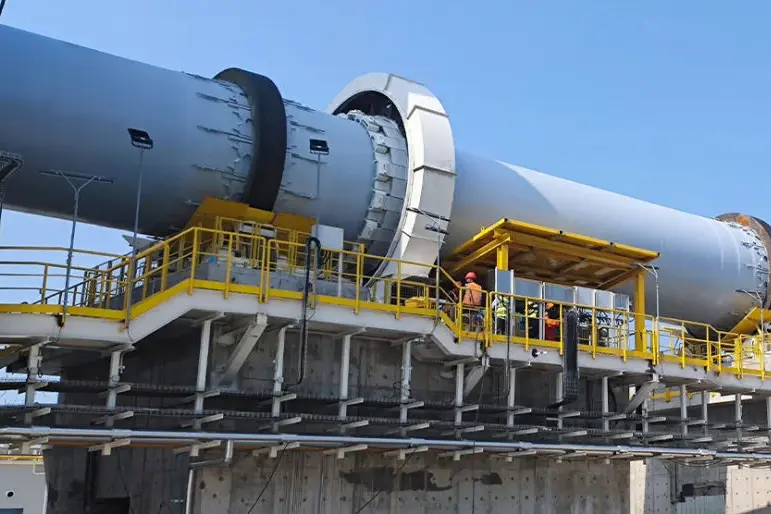
الفرن الدوار الأسمنتي بالعملية الجافة
تُستخدم الأفران الدوارة بالعملية الجافة في مصانع الأسمنت الحديثة حيث يتم تسخين الوجبة الخام الجافة مسبقًا وحرقها جزئيًا قبل دخولها إلى الفرن. مقارنةً بأنظمة العملية الرطبة، فهي تتطلب وقودًا أقل وهي الخيار المفضل لخطوط إنتاج الكلنكر الجديدة.
- الطاقة: 1,000–10,000 TPD
- قطر الفرن: 3.5–6.5 م
- طول الفرن: 50–95 م
- الوقود: الفحم، فحم الكوك البترولي، الغاز الطبيعي، RDF
- التطبيق: مصانع الأسمنت الجديدة بالعملية الجافة
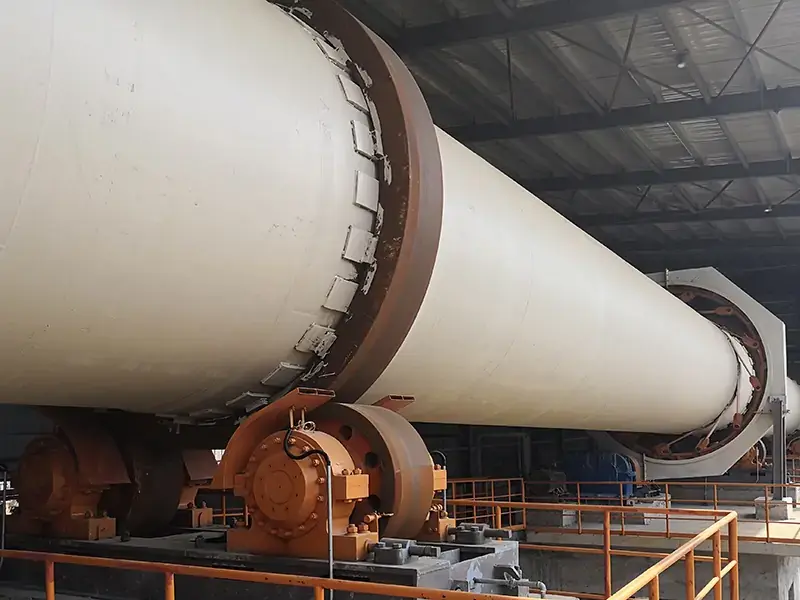
الفرن الدوار بالعملية الرطبة
تعالج الأفران الدوارة بالعملية الرطبة المواد الخام في صورة ملاط وتُستخدم بشكل أساسي حيث تتطلب ظروف المواد الخام أو خطوط الإنتاج القائمة طحنًا رطبًا. وعلى الرغم من أنها أقل شيوعًا في المصانع الجديدة، إلا أنها تظل مناسبة لبعض مشاريع التجديد والأسمنت المتخصصة.
- الطاقة: 200–3,000 TPD
- قطر الفرن: 2.5–5.0 م
- طول الفرن: 60–180 م
- مادة التغذية: ملاط خام
- التطبيق: مصانع الأسمنت بالعملية الرطبة
الفرن الدوار الأسمنتي الصغير
صُممت الأفران الدوارة الأسمنتية الصغيرة لمصانع الأسمنت المصغرة والإنتاج التجريبي والمشاريع على مستوى المختبر. يجعل هيكلها المدمج ومتطلبات التركيب المنخفضة مناسبة لإنتاج الكلنكر حيث يكون الطلب على الإنتاج صغيرًا نسبيًا.
- الطاقة: 50–500 TPD
- قطر الفرن: 1.8–3.0 م
- طول الفرن: 30–55 م
- درجة حرارة التشغيل: حتى 1,450°C
- التطبيق: مصانع الأسمنت المصغرة والخطوط التجريبية
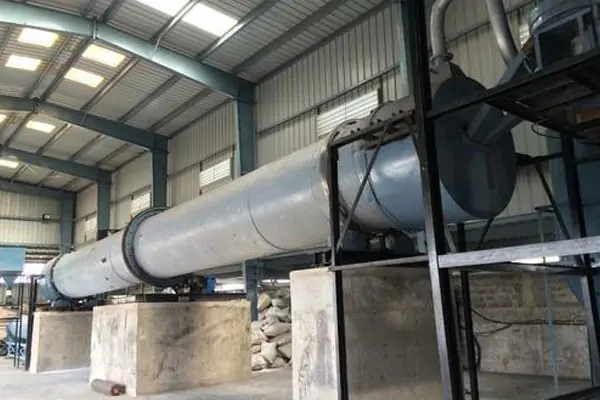
الفرن الدوار الأسمنتي الكبير
تُستخدم الأفران الدوارة الأسمنتية الكبيرة في خطوط إنتاج الكلنكر المستمرة ذات الإنتاج اليومي العالي. يتم تركيبها عادةً مع أجهزة تسخين مسبق متعددة المراحل وأجهزة حرق مسبق ومبردات شبكية لتحسين الكفاءة الحرارية والحفاظ على جودة كلنكر ثابتة.
- الطاقة: 1,000–10,000 TPD
- قطر الفرن: 4.0–6.5 م
- طول الفرن: 60–95 م
- درجة حرارة التشغيل: حتى 1,450°C
- التطبيق: مصانع الأسمنت المتكاملة الكبيرة
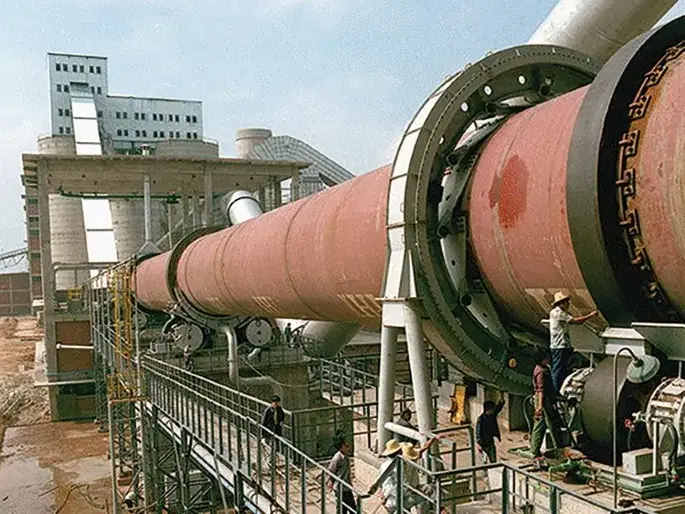
مبدأ عمل الفرن الدوار الأسمنتي
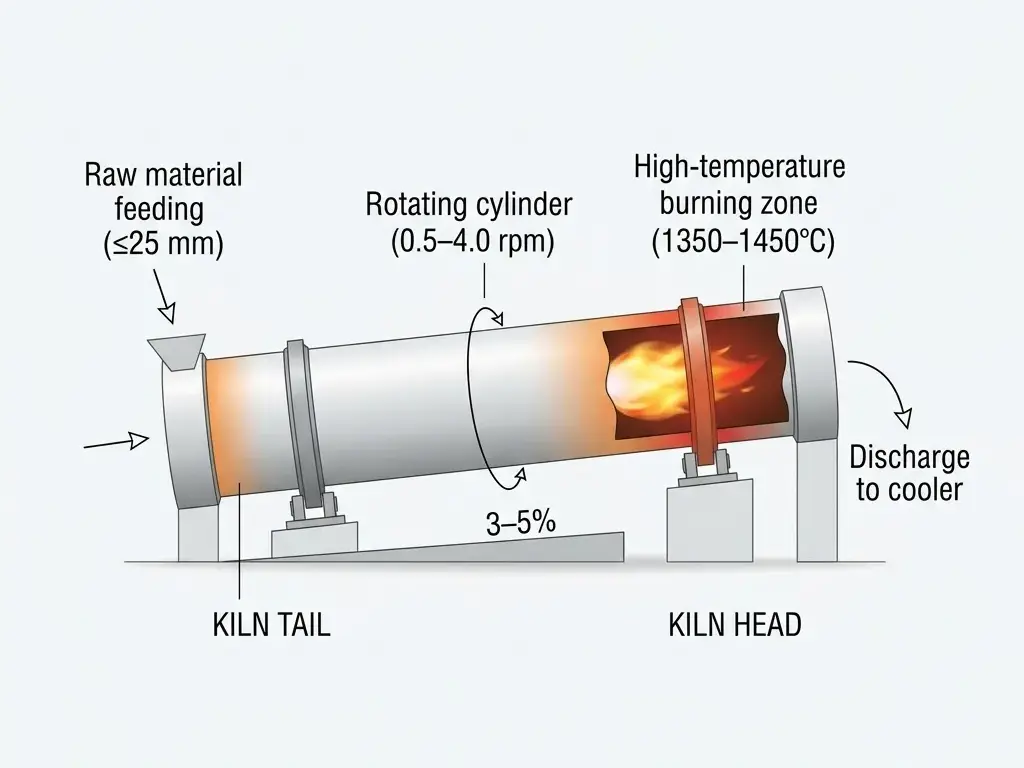
يعمل الفرن الدوار الأسمنتي عن طريق تدوير أسطوانة مائلة بينما يقوم احتراق الوقود وغاز العملية بتسخين طبقة المواد المتحركة. يجمع الفرن بين النقل الميكانيكي ونقل الحرارة عند درجات حرارة عالية والتفاعل الكيميائي المتحكم فيه في عملية مستمرة واحدة. مقارنةً بالأفران العمودية الثابتة، فإنه يوفر تحكمًا أفضل في زمن المكوث ودرجة حرارة منطقة الحرق.
مسار العملية كالتالي:
- تدخل الوجبة الخام أو الحجر الجيري من طرف الفرن الخلفي بحجم <=25 مم
- تدور الأسطوانة بسرعة حوالي 0.5-4.0 دورة/دقيقة وتحرك المواد للأمام على منحدر 3%-5%
- يُسخّن لهب الموقد منطقة الحرق إلى حوالي 1,350-1,450°C للكلنكر أو 900-1,100°C للجير
- يُفرّغ الكلنكر أو الجير النهائي إلى المبرد لخفض درجة الحرارة.
المواصفات
| الطراز | حجم التغذية | حجم التفريغ | الطاقة | قدرة المحرك | قطر الفرن × الطول | سرعة الدوران |
| Phi2.5×40 م | <=25 مم | 5-40 مم | 180-300 طن/يوم | 55 كيلوواط | 5 × 40 م | 6-3.0 دورة/دقيقة |
| Phi3.0x48 م | <=25 مم | 5-40 مم | 320-520 طن/يوم | 90 كيلوواط | 0 × 48 م | 5-3.2 دورة/دقيقة |
| Phi3.5×54 م | <=25 مم | 5-40 مم | 650-850 طن/يوم | 160 كيلوواط | 5 × 54 م | 4-3.5 دورة/دقيقة |
| Phi4.0x60 م | <=25 مم | 5-40 مم | 900-1,200 طن/يوم | 250 كيلوواط | 0 × 60 م | 4-3.8 دورة/دقيقة |
| Phi4.3×64 م | <=25 مم | 5-40 مم | 1,300-1,600 طن/يوم | 315 كيلوواط | 3 × 64 م | 35-3.6 دورة/دقيقة |
| Phi4.8×72 م | <=25 مم | 5-40 مم | 1,800-2,200 طن/يوم | 500 كيلوواط | 8 × 72 م | 3-3.2 دورة/دقيقة |
التكوين الكامل لخط إنتاج الأسمنت
يتكون خط إنتاج الأسمنت الكامل من تجهيز المواد الخام، وإنتاج الكلنكر، وطحن الأسمنت، ومناولة المواد، وأنظمة التحكم في المصنع. يتم اختيار المعدات وتكوينها وفقًا لطاقة المصنع وخصائص المواد الخام ونوع الوقود ومتطلبات العملية لضمان إنتاج مستقر للكلنكر وتشغيل فعال للمصنع.
| المعدات | الوظيفة |
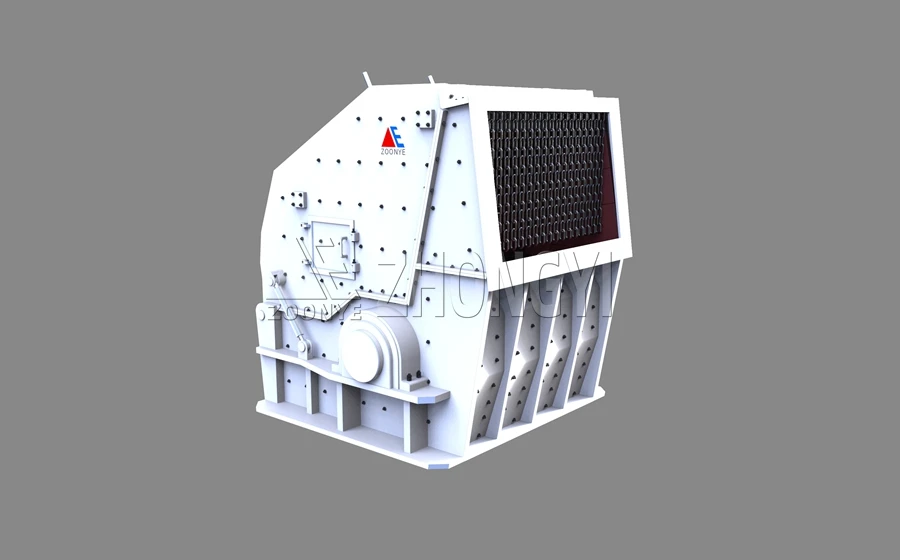
| كسارة المواد الخام | تقلل الحجر الجيري والمواد الخام الأخرى إلى حجم التغذية المطلوب للطحن. |
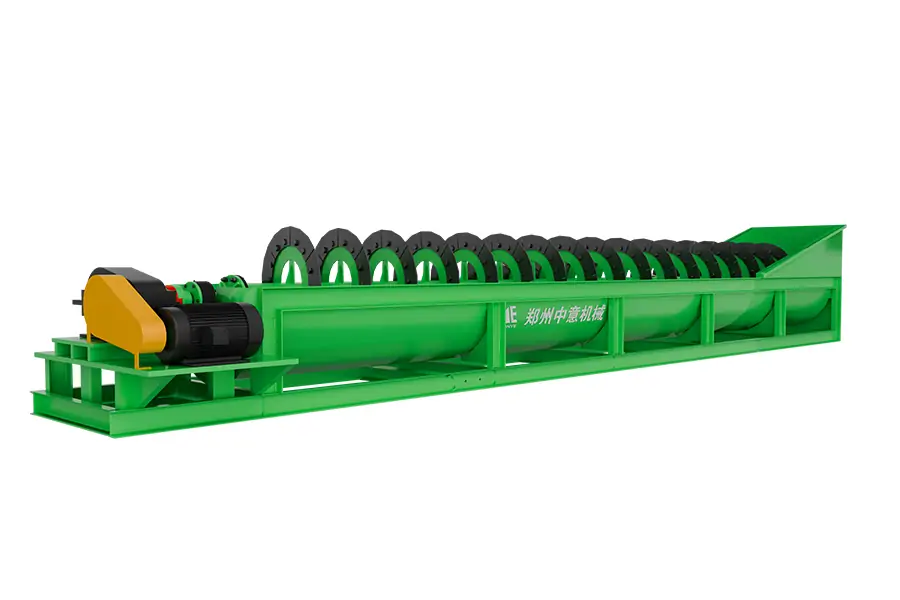
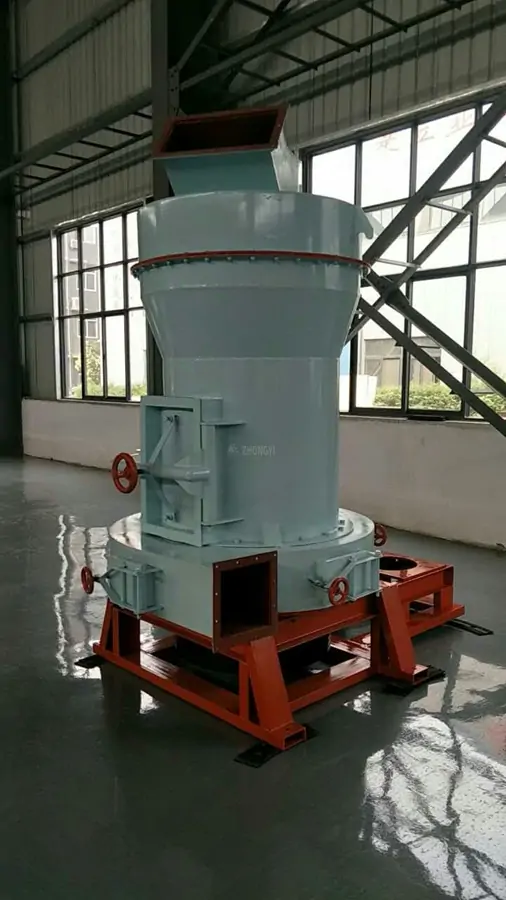
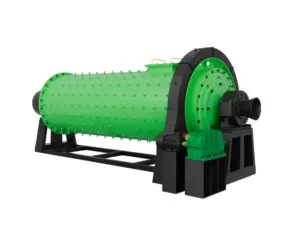
| المطحنة الأسطوانية العمودية | تطحن وتجفف المواد الخام إلى وجبة خام ناعمة ذات تركيبة متسقة. |
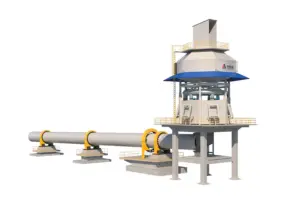
| المسخن الأولي الدوامي | يستعيد الحرارة المهدرة لتسخين الوجبة الخام قبل دخولها إلى الفرن، مما يقلل من استهلاك الوقود. |
| الكلسنة | يكمل معظم تكليس الحجر الجيري قبل دخول المادة إلى الفرن الدوار. |
| الفرن الدوار للأسمنت | يلبّد الوجبة الخام المكلسة إلى كلنكر أسمنت عند درجات حرارة تصل إلى 1,450°م. |
| مبرد الكلنكر | يبرد الكلنكر الساخن بسرعة ويستعيد الحرارة لإعادة استخدامها في عملية الإنتاج. |
| مطحنة الأسمنت | تطحن الكلنكر مع الجبس والإضافات الأخرى إلى أسمنت نهائي. |
| نظام التعبئة | يعبئ أو يحمّل الأسمنت النهائي تلقائيًا للتخزين والنقل. |
| نظام جمع الغبار | يلتقط الغبار المتولد خلال عملية الإنتاج بأكملها للامتثال للمعايير البيئية. |
| نظام التحكم PLC | Monitors and controls the complete production line for stable and continuous operation. |
Materials Suitable
Cement rotary kilns are designed to process calcareous, siliceous, aluminous, and ferruginous raw materials used in clinker production. They can handle materials with different chemical compositions and moisture levels after proper crushing, grinding, and proportioning.
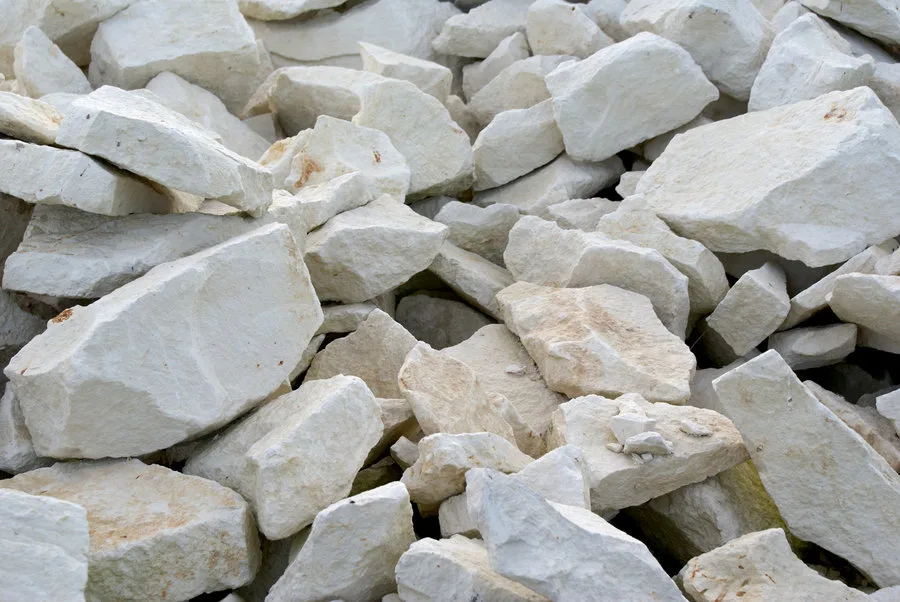
الحجر الجيري
Primary source of calcium carbonate and the main raw material for clinker production.
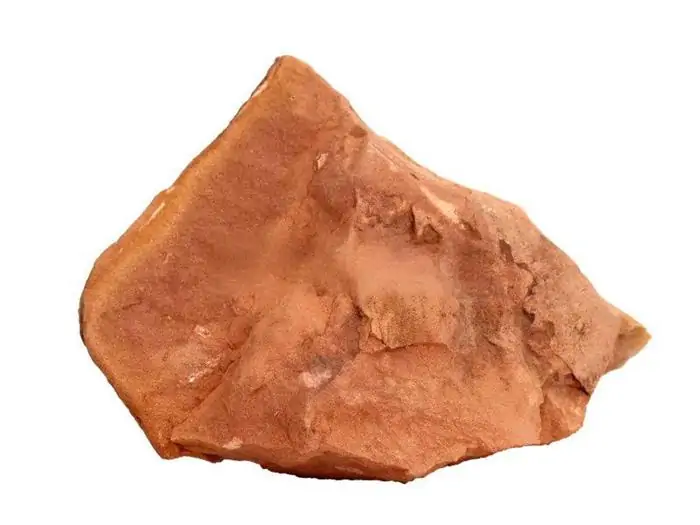
Clay
Provides silica and alumina to achieve the required raw meal composition.
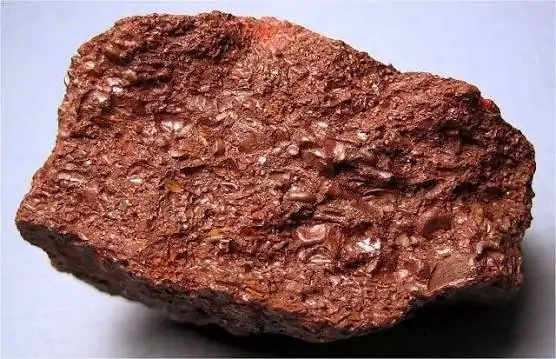
Iron Ore
Supplies iron oxide to balance the chemical composition of cement clinker.
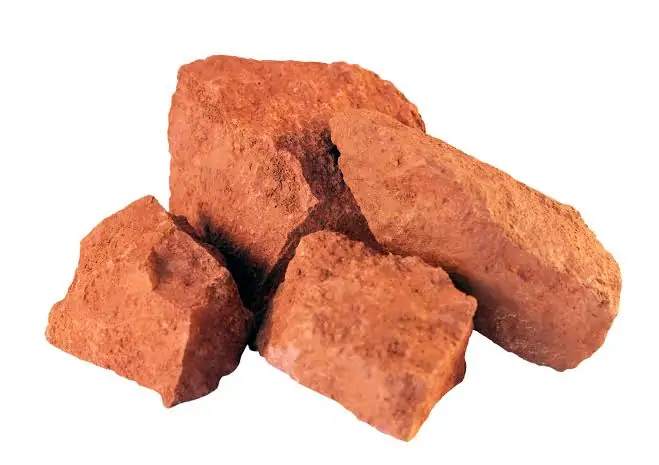
Bauxite
Adds alumina for high-alumina cement and clinker composition adjustment.
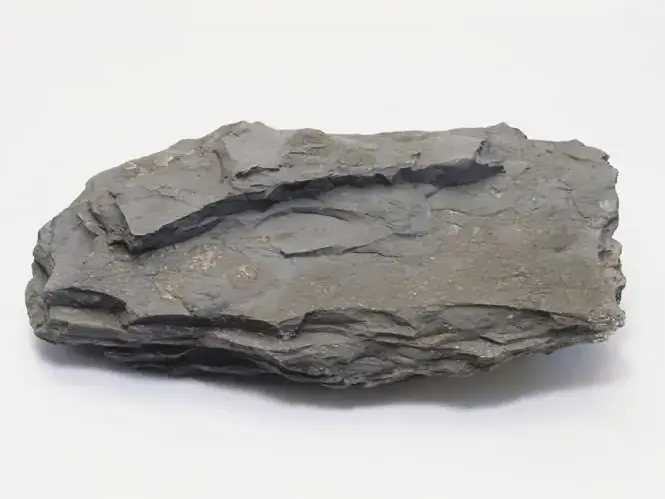
Shale
Used as an alternative source of silica, alumina, and iron oxides.
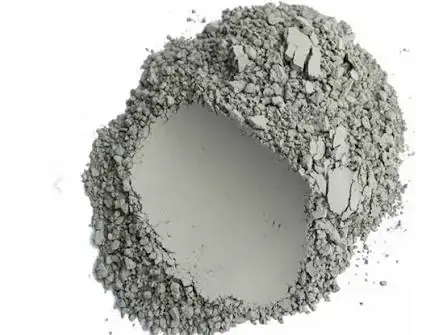
Fly Ash
Utilized as a supplementary raw material to improve resource utilization and reduce raw material consumption.
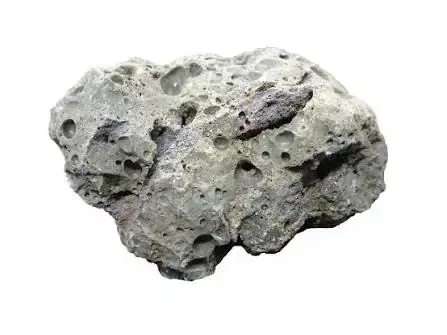
Slag
Recycled industrial by-product used in clinker production or blended cement manufacturing.
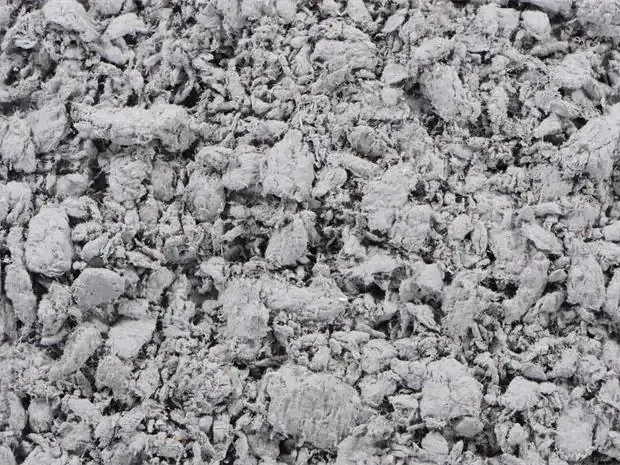
Alternative Raw Materials
Industrial by-products and recycled mineral materials processed according to production and environmental requirements.
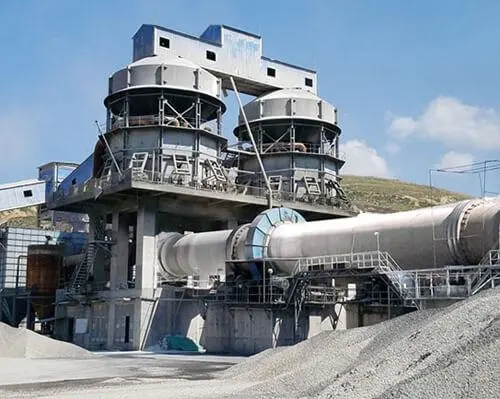
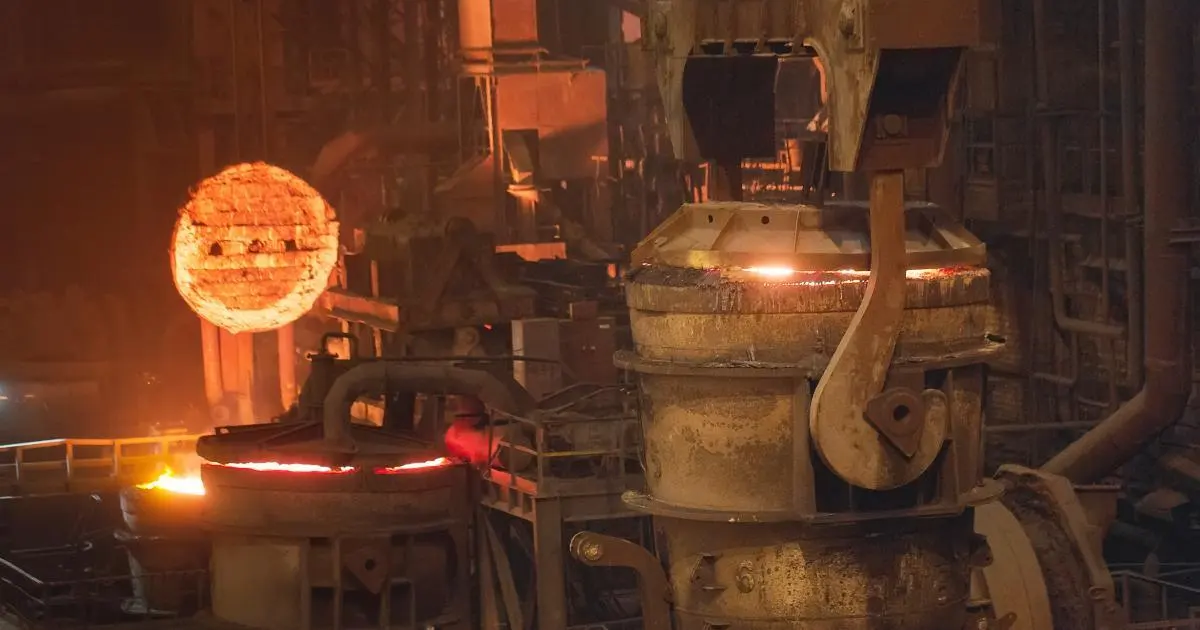
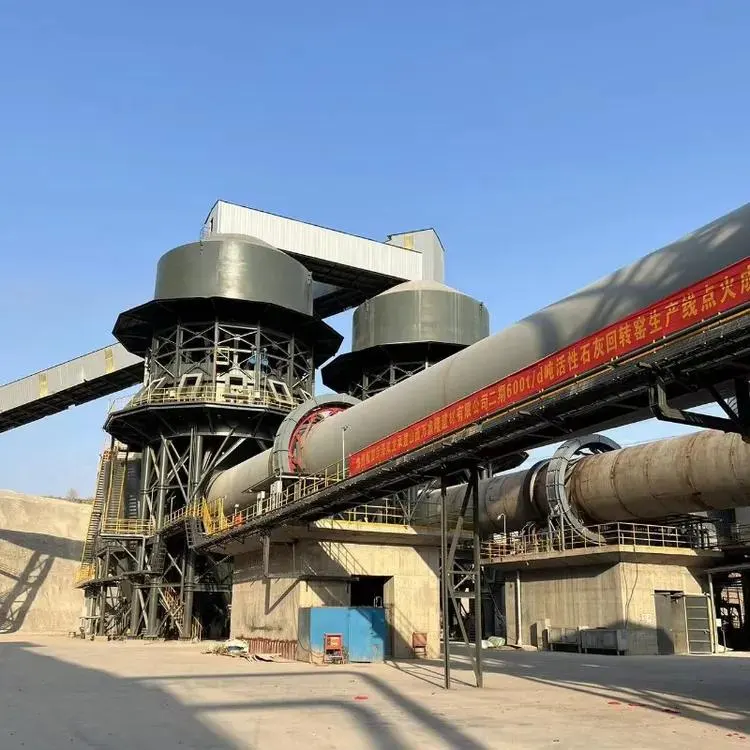
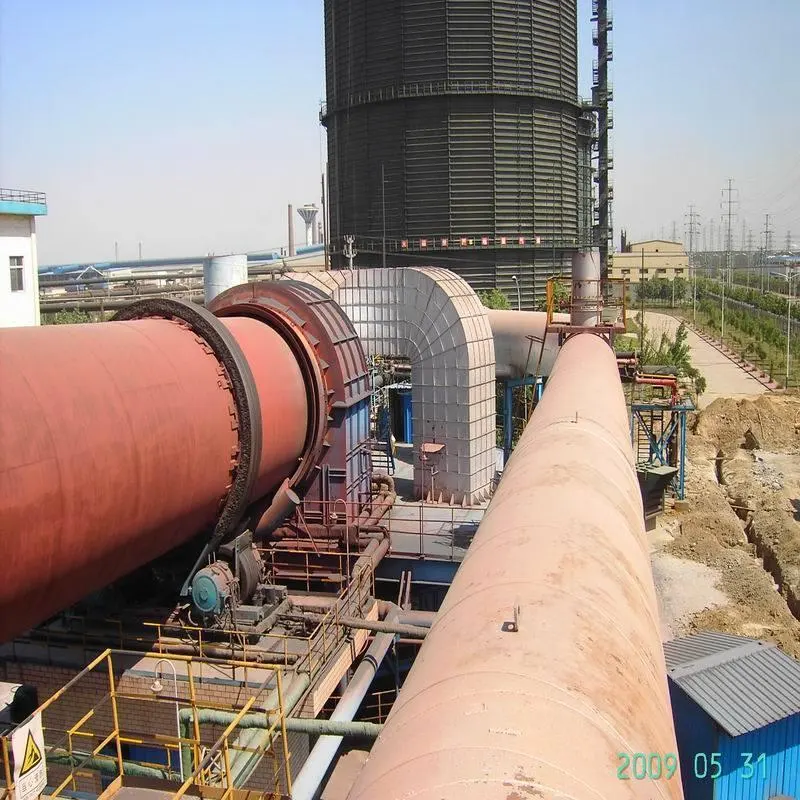
التطبيقات
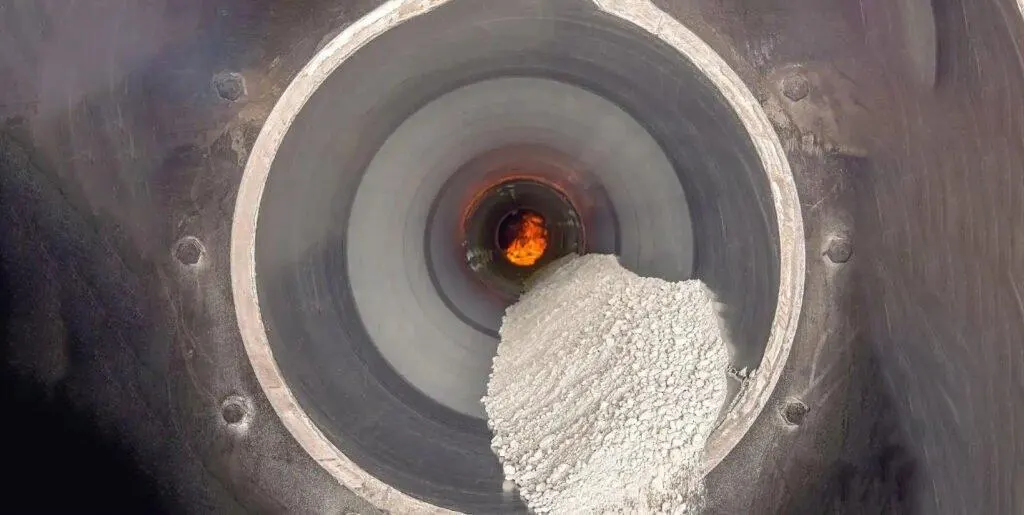
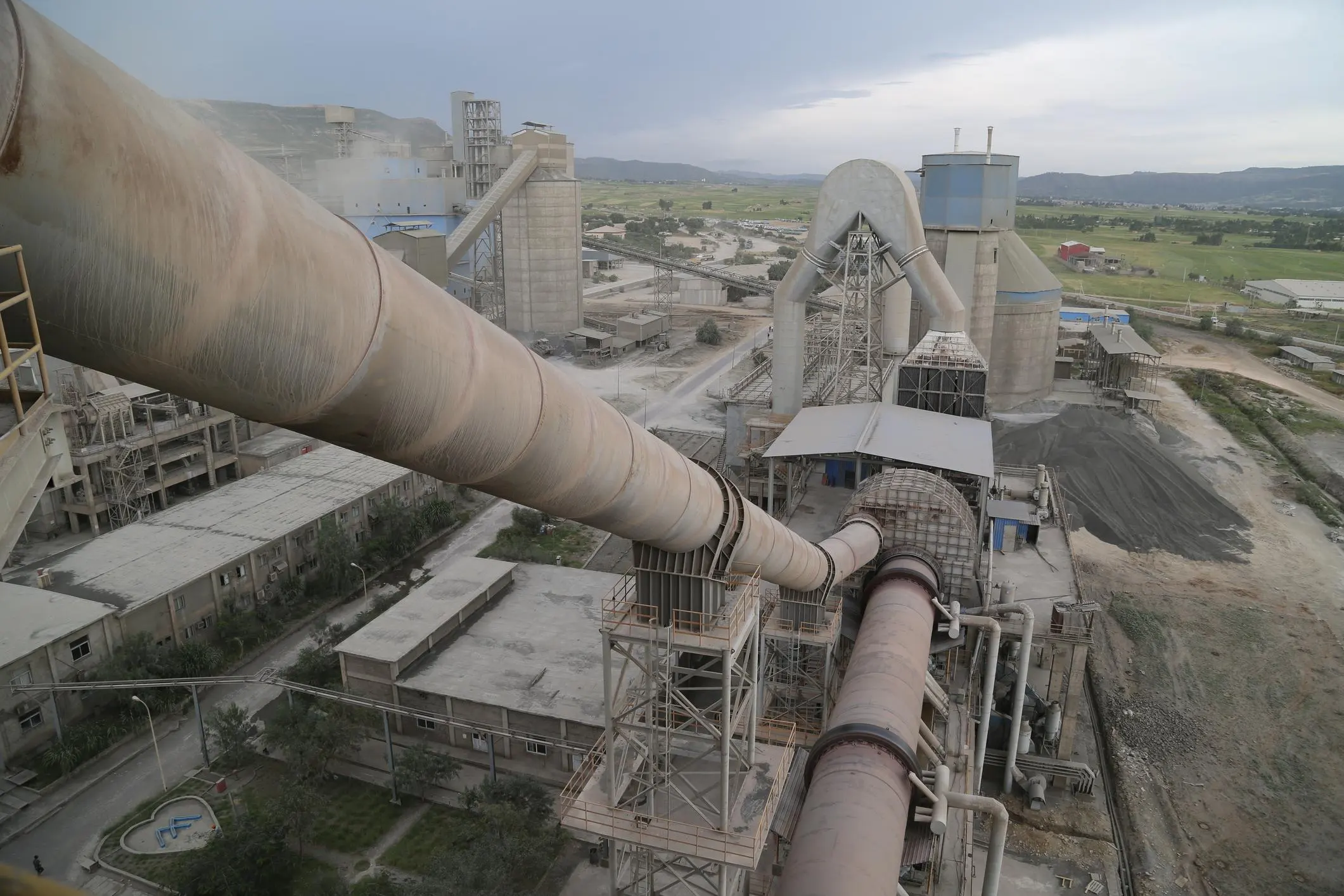
Cement Rotary Kiln vs Lime Rotary Kiln
A cement rotary kiln and a lime rotary kiln share the same rotating cylinder principle, but they serve different reactions. Cement kilns sinter raw meal into clinker at higher burning-zone temperatures, while lime kilns decompose limestone into quicklime at lower temperatures.
| البند | الفرن الدوار للأسمنت | الفرن الدوار للجير |
| Main Feed | Cement raw meal | الحجر الجيري |
| Main Product | Clinker | Quicklime |
| Typical Temperature | 1,350-1,450°C | 900-1,100°C |
| Product Size | Clinker nodules | 10-50 mm lime |
| Common Line Equipment | Preheater, cooler, cement grinding | Preheater, cooler, lime storage |
| Selection Focus | Clinker quality, fuel rate, free lime | Lime activity, CaO content, overburn control |
Choose the kiln based on final product, not only kiln diameter. A lime project needs different retention time, fuel control, and cooler matching than a cement clinker line.
How to Choose a Cement Rotary Kiln?
اطلب حلًا مخصصًا
Partner with Zhongyi for expert technical support, customized solutions, and reliable equipment tailored to your ore characteristics and production requirements.
Customized Rotary Kiln System
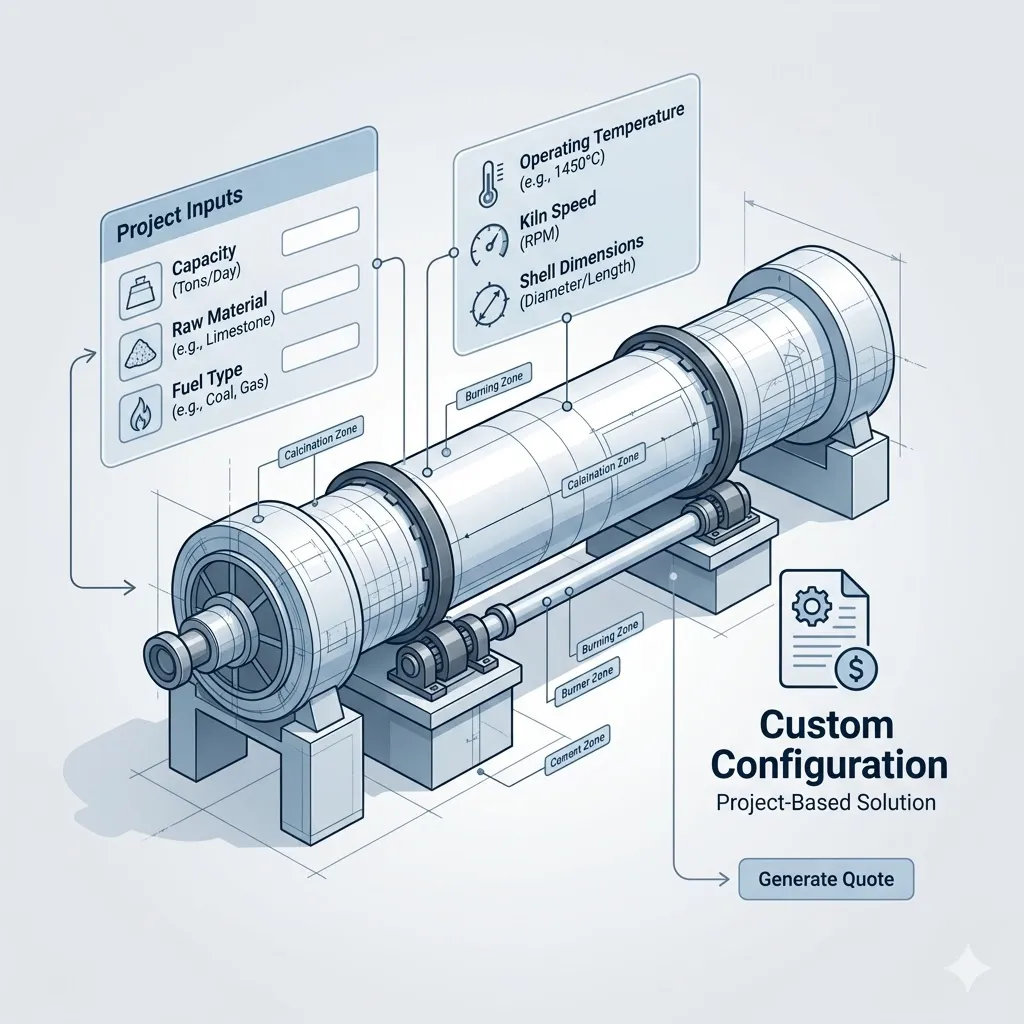
For projects with unique process requirements, Zhongyi provides customized rotary kiln systems engineered around production capacity, raw material composition, fuel selection, and plant layout. Complete solutions can include preheaters, precalciners, clinker coolers, burners, dust collection systems, material conveying, and automation controls to match the overall process design.
Provide the Following Information:
Cement Rotary Kiln Manufacturer & Supplier
As a professional manufacturer of industrial calcination equipment, Henan Zhongyi Environmental Protection Equipment Co., Ltd. delivers cement rotary kiln systems for clinker production, alumina rotary kilns, active lime lines, and mineral roasting projects. A correctly specified kiln can reduce unstable burning, ring formation risk, and unplanned shutdowns in continuous production. We evaluate raw material chemistry, capacity needs, fuel conditions, and site layout to configure kiln diameter, length, drive system, burner, and auxiliary equipment.
We have over 16 years of engineering experience in cement clinker, active lime, limestone calcination, metallurgy, and refractory material projects, Zhongyi has supplied 500+ kiln-related equipment sets across Southeast Asia, South Asia, Africa, and South America. Our ISO9001:2015 certified factory and CE-marked components support consistent fabrication and export compliance. We provide process layout design, equipment manufacturing, installation supervision, operator training, and spare parts support.
الأسئلة الشائعة
What is a cement rotary kiln used for?
A cement rotary kiln heats raw meal into clinker for cement production. It can also be configured for active lime and mineral calcination.
What capacity range can Zhongyi supply?
Zhongyi reference models cover about 180-2,200 t/d. Final capacity depends on kiln size, feed chemistry, fuel type, and line configuration.
What feed size is suitable for a cement rotary kiln?
Most cement rotary kiln systems require feed below 25 mm or prepared raw meal powder. Lime kiln feed often uses 10-50 mm limestone.
Can the same kiln be used for cement and lime?
The same kiln principle can serve both, but cement and lime projects need different temperatures, residence time, refractory lining, and auxiliary equipment.
What affects cement rotary kiln price most?
Kiln diameter, length, steel weight, refractory lining, burner system, automation level, and auxiliary equipment are the main price drivers.
How should I choose a rotary kiln supplier?
Choose a supplier that checks raw material data, capacity target, fuel condition, layout, and service scope before recommending a kiln model.
How long does delivery usually take?
Regular checks include refractory lining, support rollers, girth gear, seals, lubrication, burner condition, shell temperature, and bearing temperature.