










Введение
In a quarry or mining project, the choice of crusher affects both the crushing process and the cost of producing each tonne of aggregate. Buyers need to consider the rock type, feed size, required output, and final product specifications before deciding which machine to use. A mismatch between the material and the crusher can increase wear-part consumption, produce excessive fines, or make it harder to maintain a steady production rate.
Jaw crushers, cone crushers, and impact crushers handle these demands in different ways. Jaw crushing machine are typically used for primary crushing, reducing large rocks to a size suitable for the next stage.Cone crushing equipment are commonly used for further crushing hard, abrasive rock, while impact crushing equipment are often selected for less abrasive materials when particle shape is a priority. Knowing where each crusher performs best—and where its limitations begin—helps narrow the options before selecting equipment for a crushing line.For help selecting the right equipment for different rock types, see Best Stone Crusher for Granite, Basalt and Limestone for practical crusher selection guidance.
Jaw Crusher vs Cone Crusher vs Impact Crusher: Quick Comparison
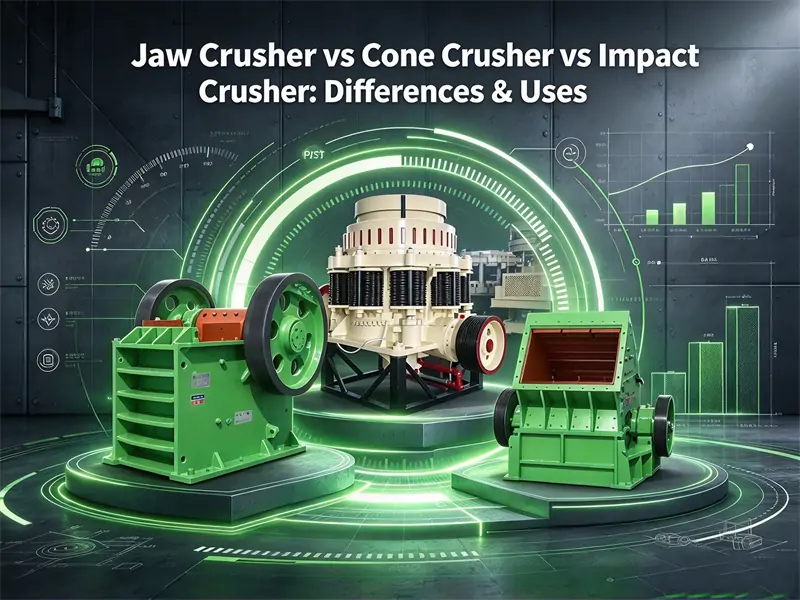
Jaw crushers, cone crushers, and impact crushers differ in how they break rock and where they fit in a crushing line.Jaw crushing machine handle large rocks in primary crushing, Cone crushing equipments are commonly used for further crushing hard rock, and impact crushing equipment are often chosen when particle shape is a priority. The right choice depends on the material, feed size, and required product.To compare a wider range of crushing equipment and their applications, see Типы камнедробилок: принцип работы, применение и руководство по выбору.
| Comparison Factor | Jaw Crusher | Cone Crusher | Impact Crusher (HSI) |
| Crushing principle | Compression between two jaw plates | Compression between mantle and concave | Impact from rotating blow bars against the material and impact plates |
| Typical application | Primary crushing of large rocks | Secondary or tertiary crushing of hard rock | Primary or secondary crushing, depending on the material and machine |
| Feed requirements | Handles relatively large feed material | Usually handles pre-crushed material within the specified feed size | Feed size depends on the model and material |
| Hard, abrasive rock | Common choice for primary crushing | Often suitable for further crushing | Wear costs can be high |
| Product shape | Often produces angular particles | Can produce well-shaped aggregate with suitable feed and settings | Often effective at improving particle shape |
| Main wear parts | Jaw plates | Mantle and concave liners | Blow bars and impact liners |
| Key selection factor | Maximum feed size and coarse reduction | Rock abrasiveness and required output size | Particle shape, reduction ratio, and wear cost |
Actual performance depends on the crusher model, rock properties, and operating conditions. Hard-rock production often combines jaw and cone crushers, while impact crushers may suit less abrasive limestone where particle shape matters.
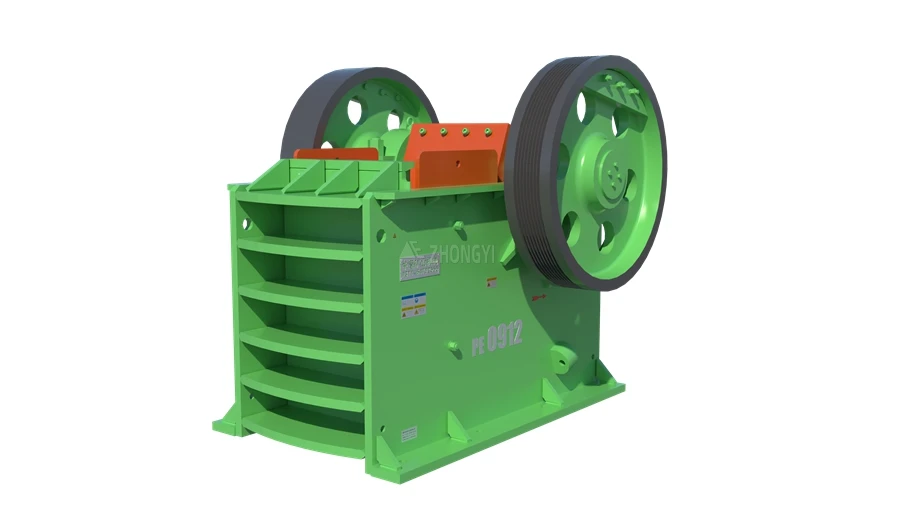
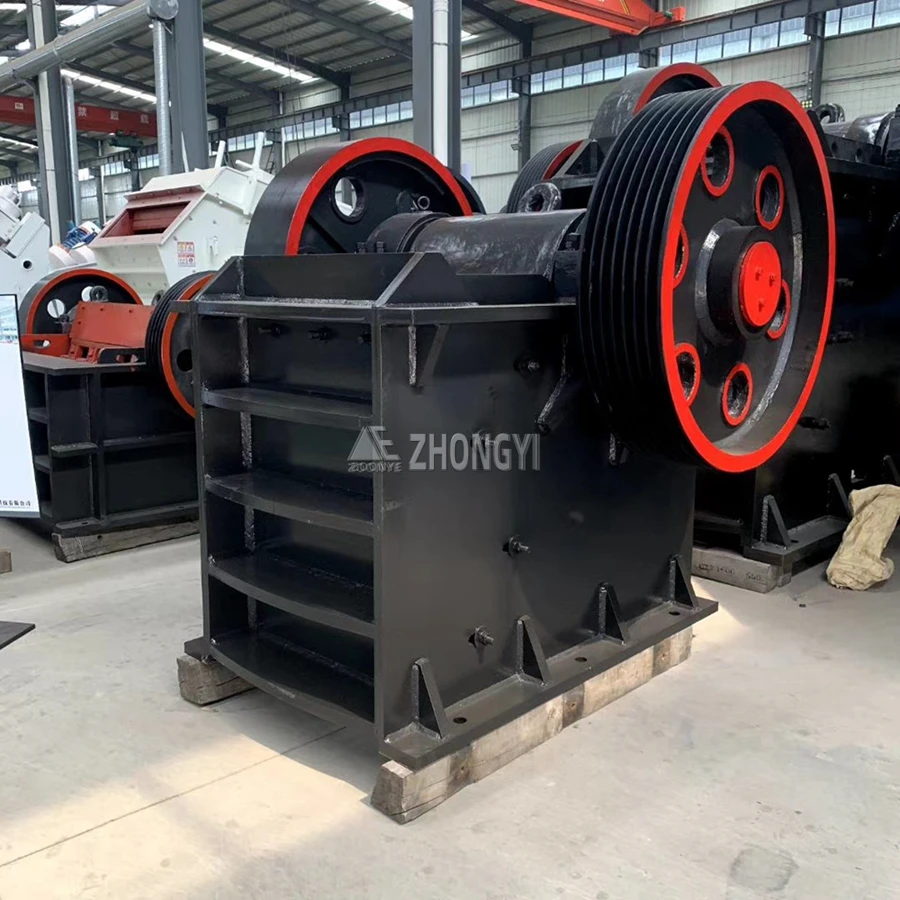
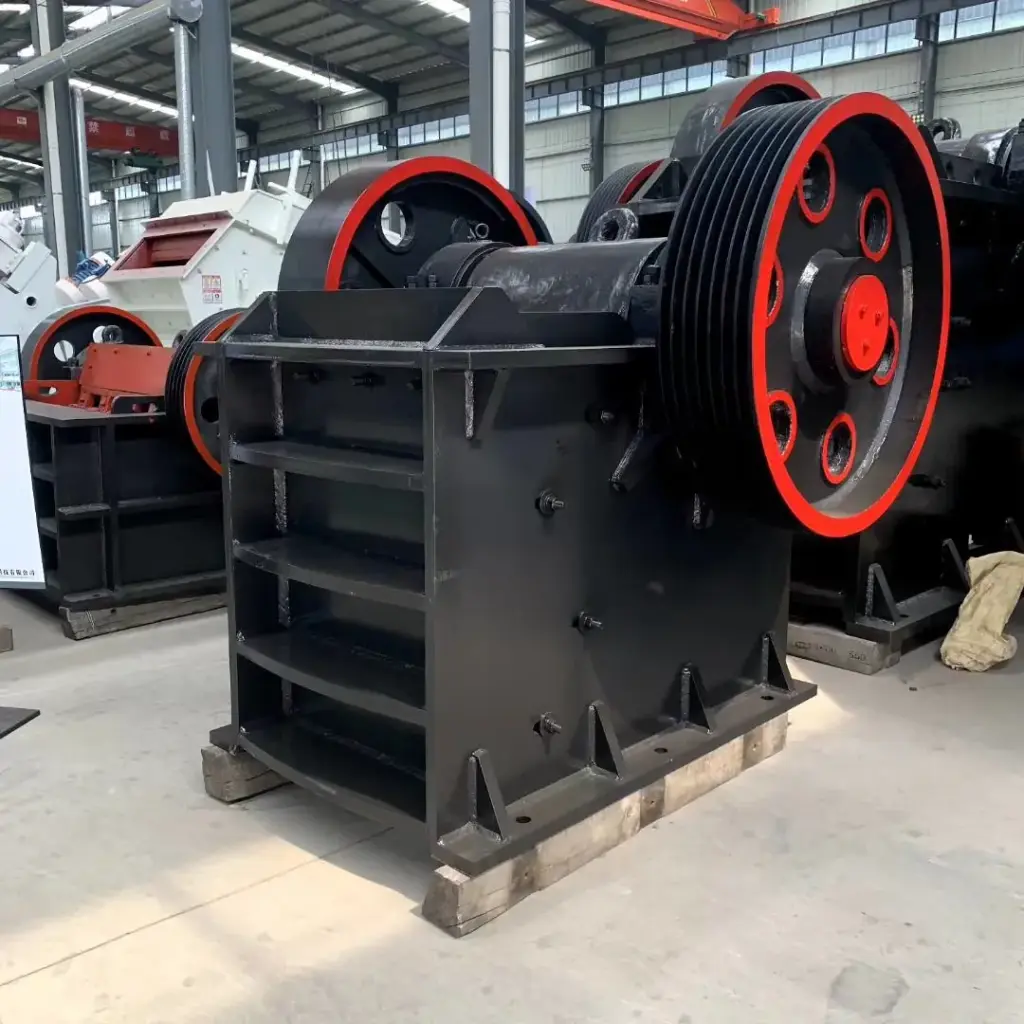
What Is a Jaw Crusher?
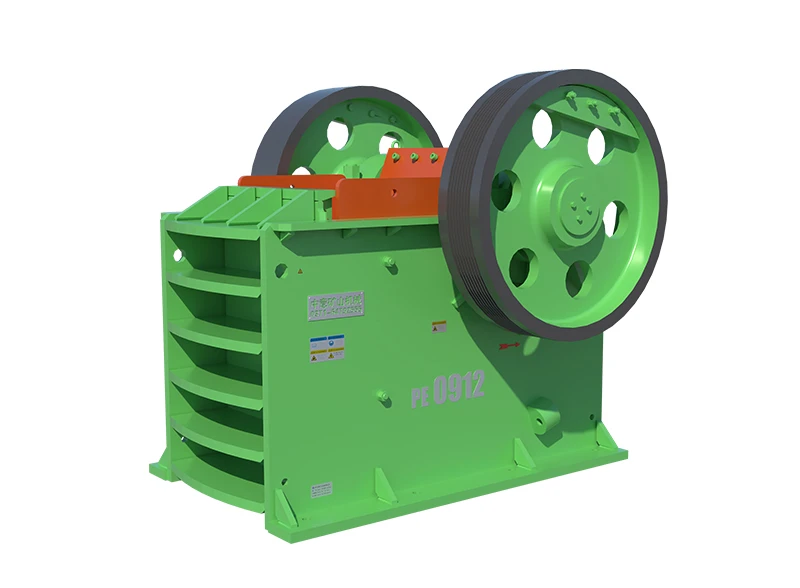
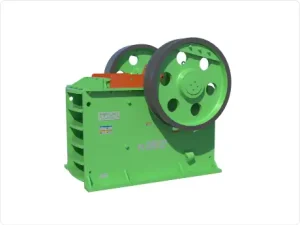
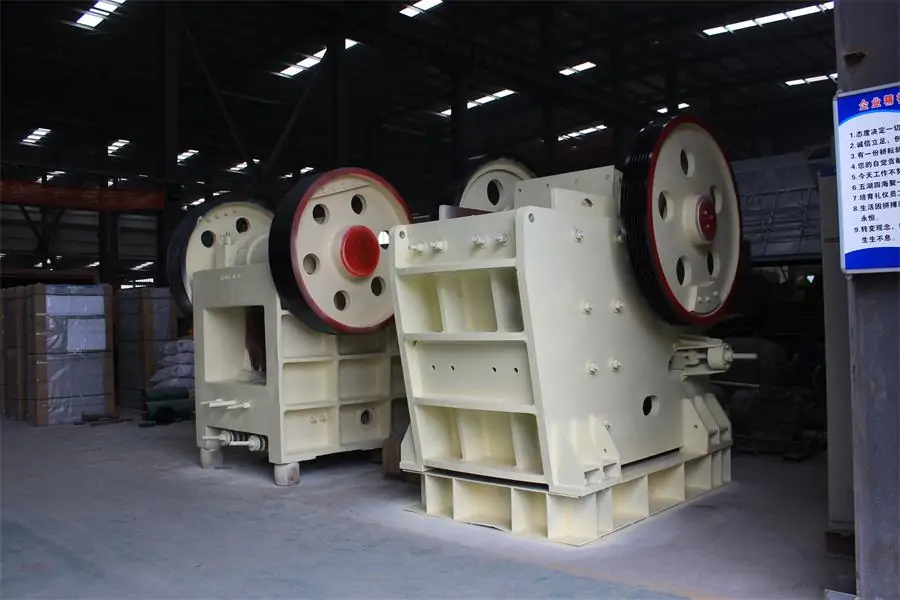
A jaw crusher is mainly used for primary crushing, reducing large rocks into smaller pieces before they enter the next stage. It is commonly found in quarries, mines, and aggregate production plants where the feed material may include large, hard rocks.
Jaw crushing machine Working Principle
A jaw crusher uses two jaw plates to crush rock by compression. One jaw is fixed, while the other moves back and forth, driven by an eccentric shaft and linkage mechanism. As the movable jaw closes, it compresses the rock against the fixed jaw. The crushed material then moves down through the chamber and exits through the discharge opening once it is small enough.
Advantages and Limitations of Jaw crushing machine
The wide feed opening allows a jaw crusher to accept large rocks, making it a common choice for the first crushing stage. Its relatively simple structure also makes routine inspection and maintenance straightforward.
However, a jaw crusher does not always produce aggregate with the shape or size distribution required for the final product. The output can contain elongated or flaky particles, and the jaw plates wear with use. The discharge opening needs to be set according to the required output size, while screening or secondary crushing may be necessary to meet the final product specifications.When selecting equipment for your crushing project, read our guide [How to Choose the Right Jaw Crusher Machine] to understand the key factors affecting crusher selection.
When Should You Choose a Jaw Crusher?
Choose a Jaw crushing machine when the feed contains large rocks that need to be reduced before further processing. It is widely used for materials such as granite, basalt, and limestone, but the machine must be matched to the rock properties, maximum feed size, and required production rate.For a closer look at jaw crusher types, working principles, and applications, read Что такое щековая дробилка? Определение, принцип работы, типы и применение.
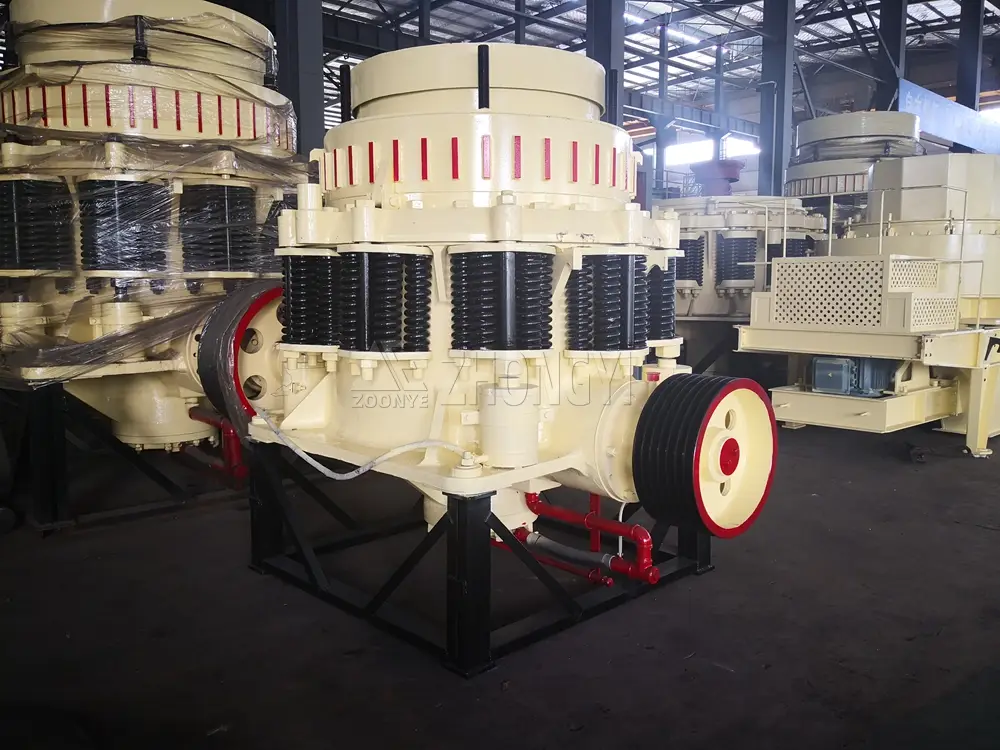
What Is a Cone Crusher?
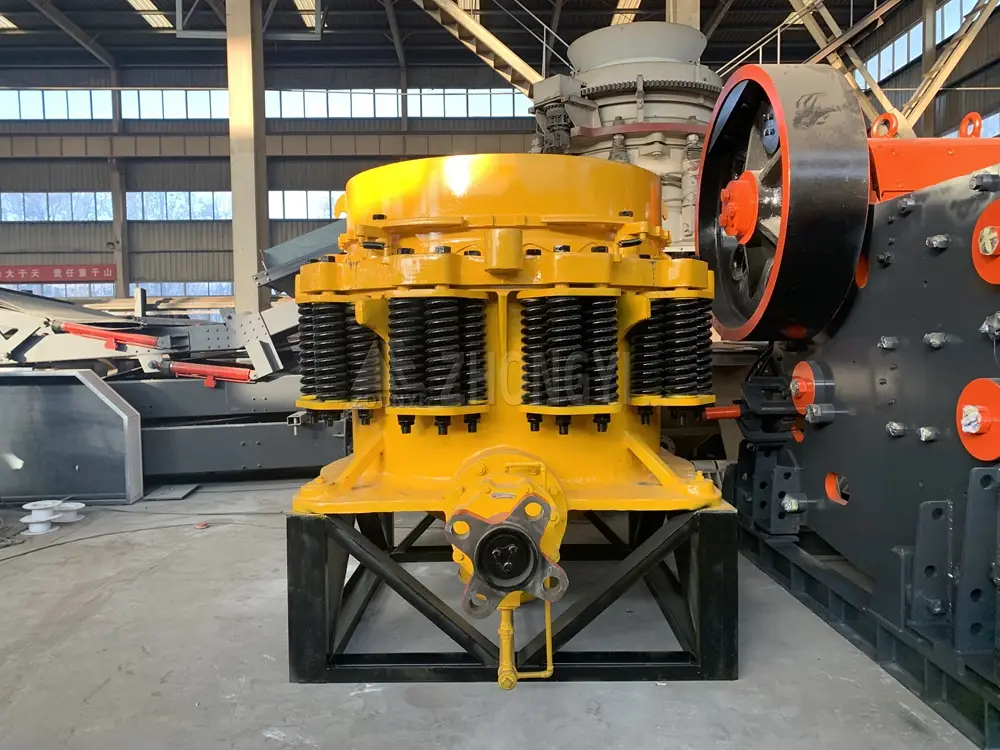
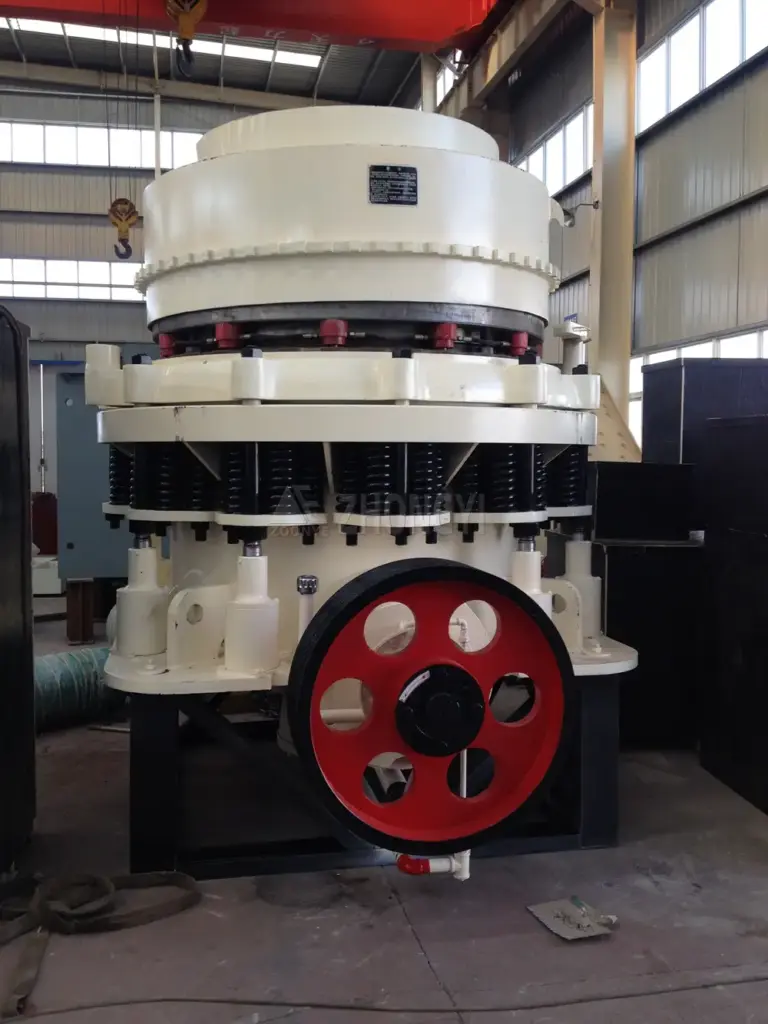
A cone crusher is commonly used for secondary or tertiary crushing of hard rock. It takes material that has already been reduced by a primary crusher and breaks it down further to meet the required product size. In quarry and mining plants, it is often used to process granite, basalt, and other abrasive rock.
Cone crushing equipment Working Principle
A cone crusher breaks rock by compression between the moving mantle and the stationary concave liner. As the mantle moves inside the chamber, it repeatedly squeezes the material until the fragments are small enough to pass through the discharge opening.
The discharge setting affects the product size, while the chamber profile influences how material moves through the crushing zone. Both need to suit the feed size and the required output. Feeding conditions also matter: uneven distribution can leave parts of the chamber underused and affect production stability.
Advantages and Limitations of Cone crushing equipments
Cone crushers are commonly used for hard, abrasive rock because compression crushing is well suited to these materials. They can handle continuous secondary or tertiary crushing, making them a practical option for plants that need to reduce hard rock to a controlled size range.
However, the feed must fall within the machine’s operating requirements. Oversized feed or uneven distribution can affect throughput, while an unsuitable chamber profile may make it harder to achieve the target product. Mantle and concave liners also wear during operation, so their condition should be checked as part of routine maintenance.
When Should You Choose a Cone Crusher?
Consider a cone crushing equipmentwhen you need to further reduce hard, abrasive rock such as granite, basalt, or river stone after primary crushing. Before choosing a model, check the feed size, target product gradation, required capacity, and expected liner wear. These factors help determine whether a cone crusher fits the crushing stage and which chamber configuration is appropriate.
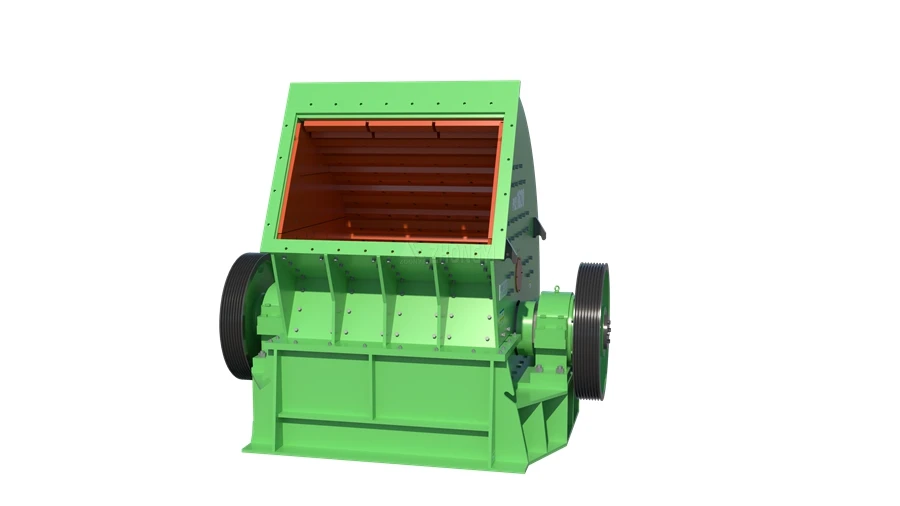
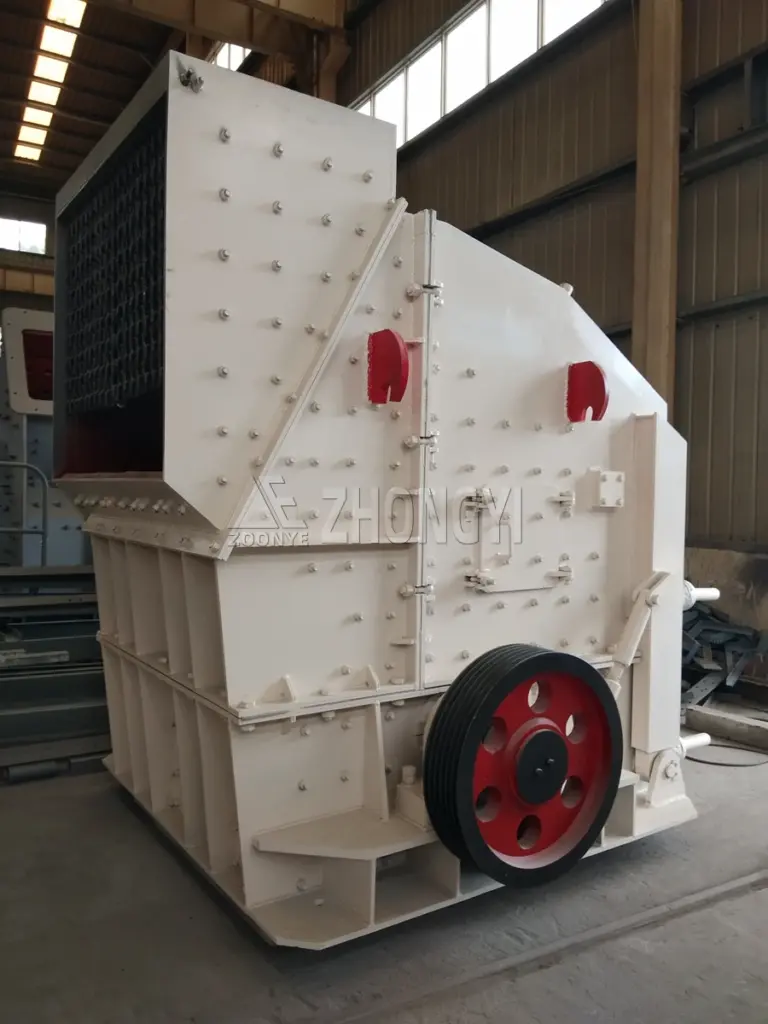
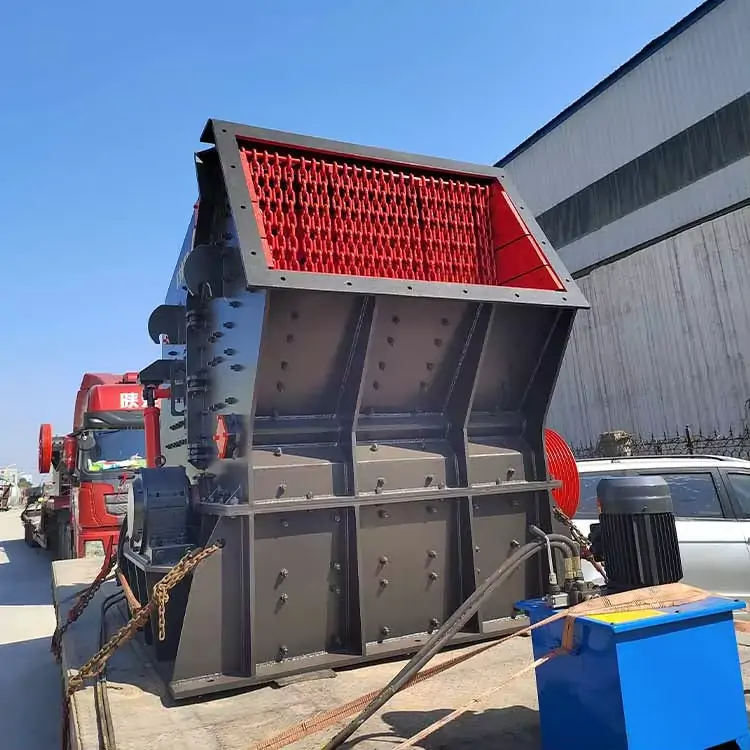
What Is an Impact Crusher?
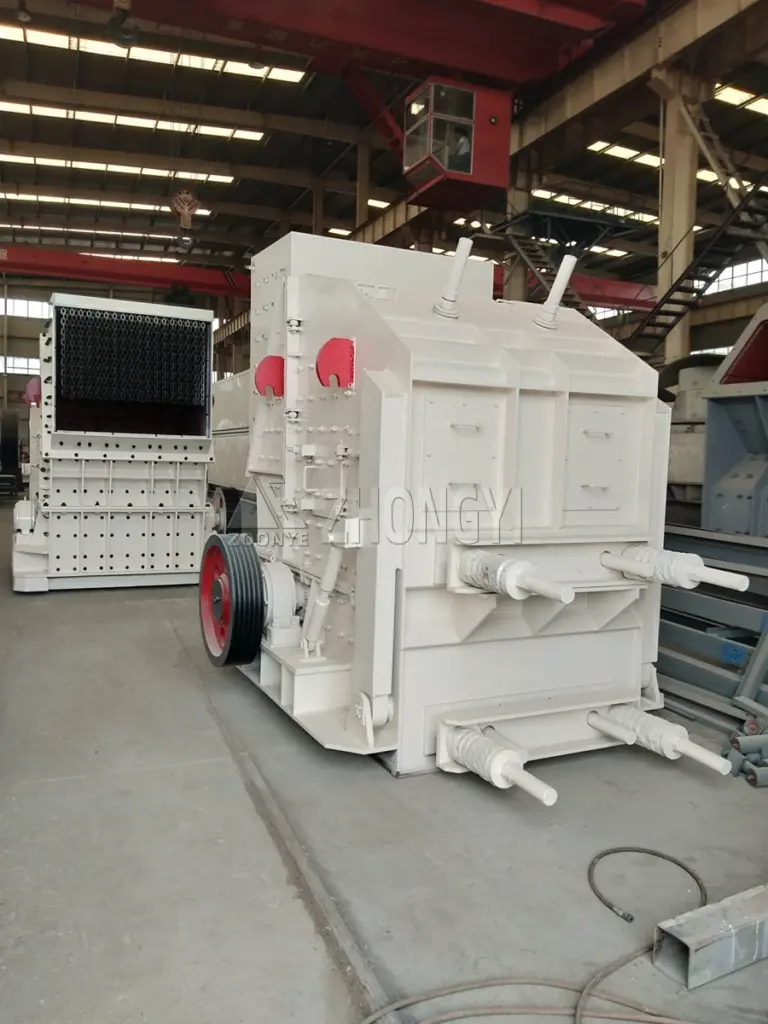
An impact crusher breaks material through high-speed impact. It is commonly used for limestone crushing, aggregate production, and construction waste recycling, particularly when the final product needs a cubical shape.
Impact Crusher Working Principle
A rotating rotor drives the blow bars into the feed material, breaking it through impact. The material may also strike the impact plates for further reduction. The impact plate gap helps control the discharge size, while the final product also depends on the feed material and machine settings.
Advantages and Limitations of impact crushing machines
Impact crushers offer a high reduction ratio and can produce well-shaped aggregate. They are often suitable for limestone and properly prepared concrete waste. However, hard, abrasive rock can accelerate blow bar and liner wear, increasing operating costs. When processing concrete, reinforcing steel and other uncrushable objects must also be considered to reduce the risk of equipment damage.
When Should You Choose an Impact Crusher?
Consider an impact crushing equipment for limestone aggregate, recycled concrete, or other applications where particle shape is a priority. Before selecting a model, check the material’s abrasiveness, feed size, metal content, and required product specifications.
Main Differences Between Jaw, Cone, and Impact Crushers
Crusher selection depends on more than the type of machine. Feed characteristics, target product size and shape, and wear-part consumption all affect how well a crusher performs in a given application.
Crushing Principle and Reduction Ratio
Jaw and Cone crushing equipments break rock mainly through compression. Impact crushers use rotating blow bars to strike the material against impact plates. These different mechanisms affect how rock breaks down and how much wear the machine experiences.
The reduction ratio depends on the feed size, discharge setting, rock properties, and crusher design. A higher reduction ratio is not always the best target. The machine must produce the required feed for the next stage or meet the final product specification without creating excessive fines or wear.
Material Hardness and Abrasiveness
Hardness and abrasiveness affect crushing in different ways. Hardness influences how readily rock breaks, while abrasiveness affects the rate of wear on crushing surfaces and other wear parts.
For granite, basalt, and other hard, abrasive rock, a jaw crusher is commonly used for primary crushing, followed by a cone crusher for further size reduction. For less abrasive materials such as limestone, an impact crushing equipment may be a better fit when particle shape is a priority. Highly abrasive feed can accelerate blow bar and impact liner wear, increasing replacement frequency and operating costs.
Product Size, Shape, and Fines
Jaw crushing machines generally produce a coarser product for the next crushing stage. Cone crushing equipments reduce hard rock further, while impact crushers can produce more cubical particles. The actual shape and size distribution depend on the material, feed conditions, and machine settings.
The crusher’s discharge setting alone does not determine the final aggregate grading. Screen openings and the amount of material returned for further crushing also affect the finished product. When specific grading requirements must be met, the crusher and screening system should be selected together.
Wear Parts, Maintenance, and Operating Cost
The main wear parts vary by machine: jaw plates in jaw crushers, mantle and concave liners in cone crushers, and blow bars and impact liners in impact crushers. Their service life depends on rock abrasiveness, feed conditions, and operating practices.
When comparing equipment, consider more than the purchase price or motor power. Wear-part replacement, energy use, maintenance downtime, and the amount of saleable product all affect the cost of production. Cost per tonne of saleable product provides a more useful comparison than equipment price alone.
Which Crusher Is Best for Different Materials?
The right crusher depends on rock hardness and abrasiveness, feed size, and the required finished aggregate. Moisture and contaminants also affect equipment selection, particularly when processing construction waste. The combinations below are common starting points, not fixed rules for every plant.
| Material / Application | Typical Selection | Main Considerations |
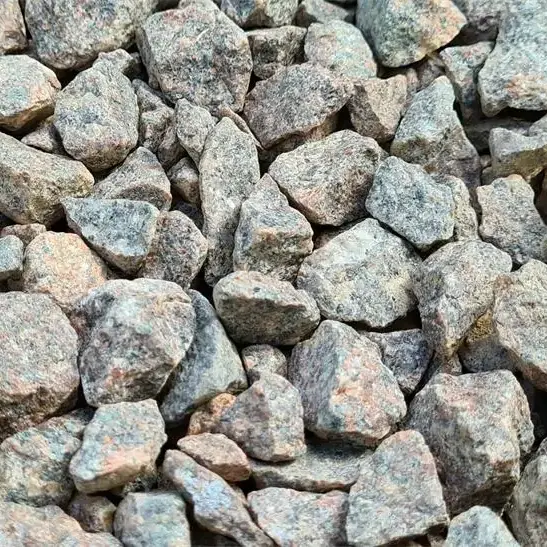
| Granite and basalt | Jaw + cone crusher | Hardness, abrasiveness, feed size, and wear-part life |
| Limestone aggregate | Jaw + impact or jaw + cone crusher | Abrasiveness, target grading, and particle shape |
| River stone and hard gravel | Jaw + Cone crushing equipmentin many applications | Rock hardness, feed size, and shaping requirements |
| Concrete and construction waste | Jaw or impact crusher, depending on the feed | Reinforcing steel, contaminants, and recycled aggregate specifications |
| Mixed or highly abrasive rock | Jaw + cone crusher is often suitable | Feed variability, wear rates, and operating cost |
The final selection also depends on feed size, moisture, required capacity, and product specifications. For concrete and construction waste, assess rebar removal and pre-screening needs before choosing the crusher.
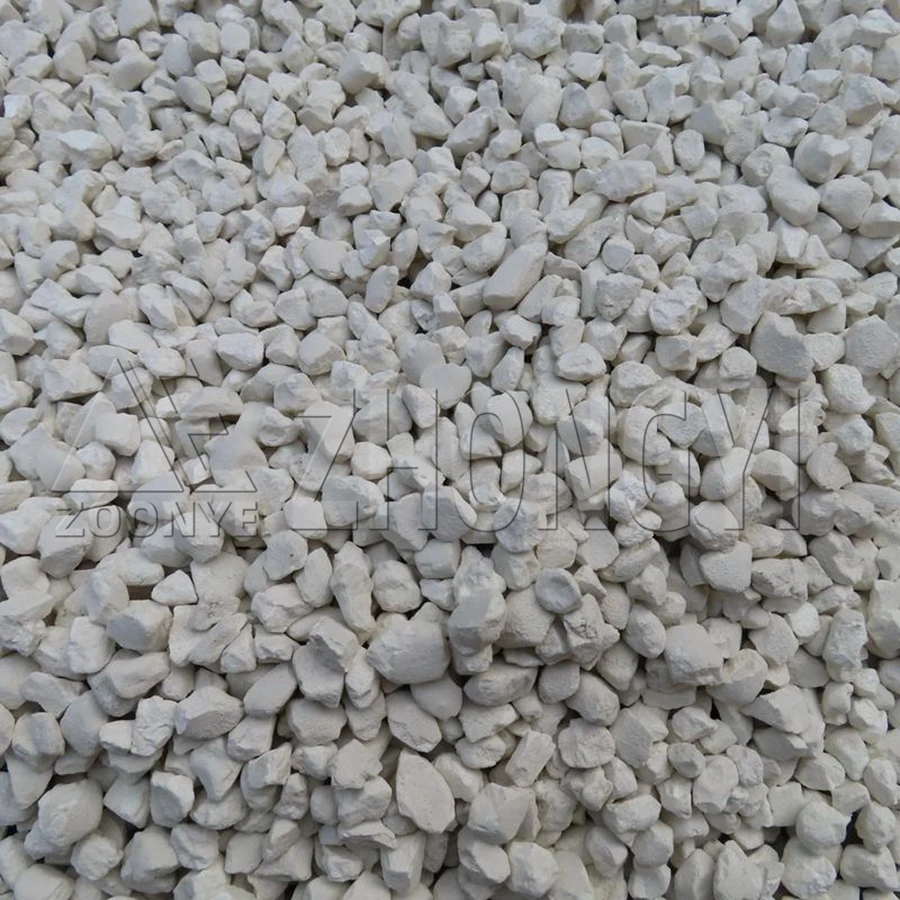
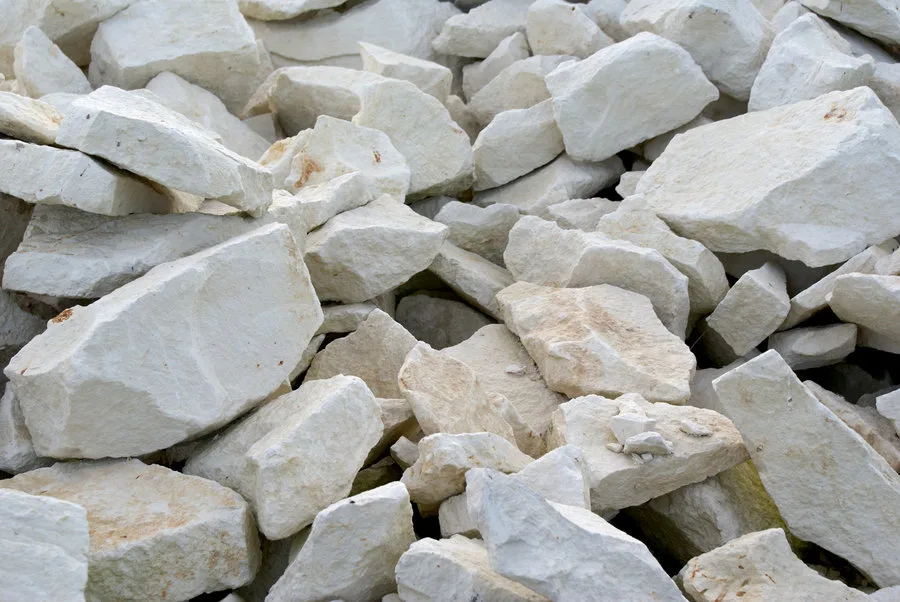
How to Choose the Right Crusher for Your Project?
Crusher selection depends on the feed material, required product, and site conditions. Check these five factors before choosing a model or requesting a quotation.For a broader overview of quarry equipment selection, see How to Choose the Right Stone Crusher Machine for Your Quarry?.
Define the Maximum Feed Size and Required Output
Confirm the maximum feed size, target discharge size, and finished-product grading. If one crushing stage cannot meet the requirements, additional crushing or screening may be needed.
Confirm Material Hardness, Abrasiveness, and Moisture
Granite and basalt commonly require jaw and cone crushing, while impact crushers may suit less abrasive limestone when particle shape matters. Check moisture, clay content, and feed variations because they can affect material flow and wear.
Match Capacity to the Entire Crushing Circuit
Check the feeder, crusher, screens, and conveyors as one system. A crusher’s rated capacity does not guarantee the same output from the whole plant, especially when screening or recirculating material limits throughput.
Compare Total Operating Cost, Not Purchase Price Alone
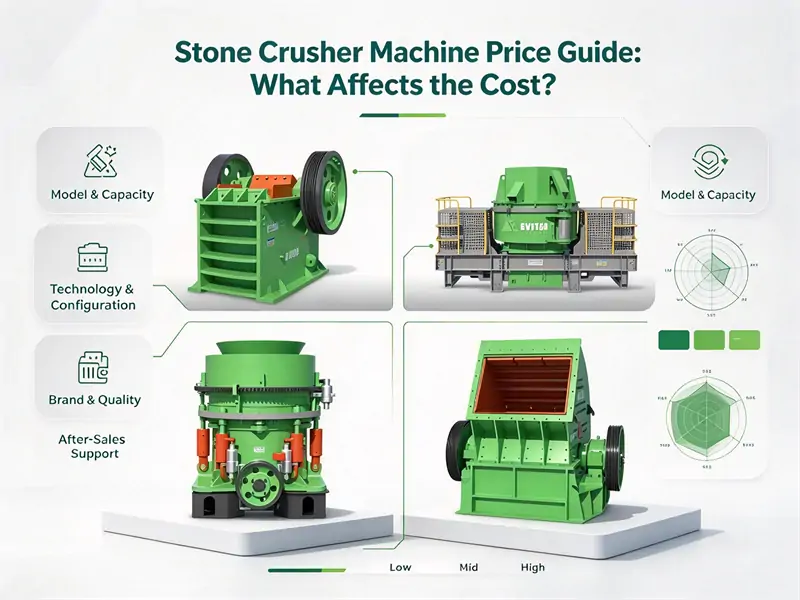
Compare power use, wear-part replacement, maintenance downtime, and saleable product yield. Use the same feed material, target capacity, and product specifications when comparing costs.To understand the factors behind equipment pricing and project costs, read Stone Crusher Machine Price Guide: What Affects the Cost?.
Check Installation, Maintenance, and Spare Parts Requirements
Check foundation conditions, installation space, maintenance access, and spare-parts availability. Long replacement lead times or difficult access to wear parts can extend downtime.
Choose the crusher to suit the material and finished-product requirements, not purchase price or rated capacity alone.
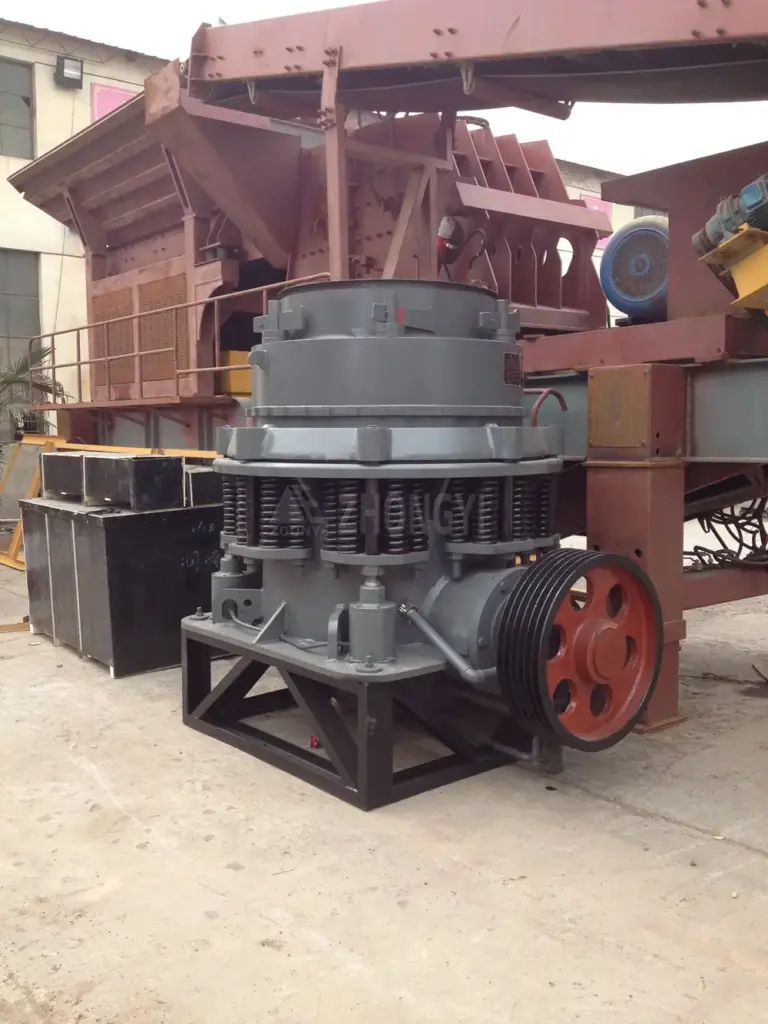
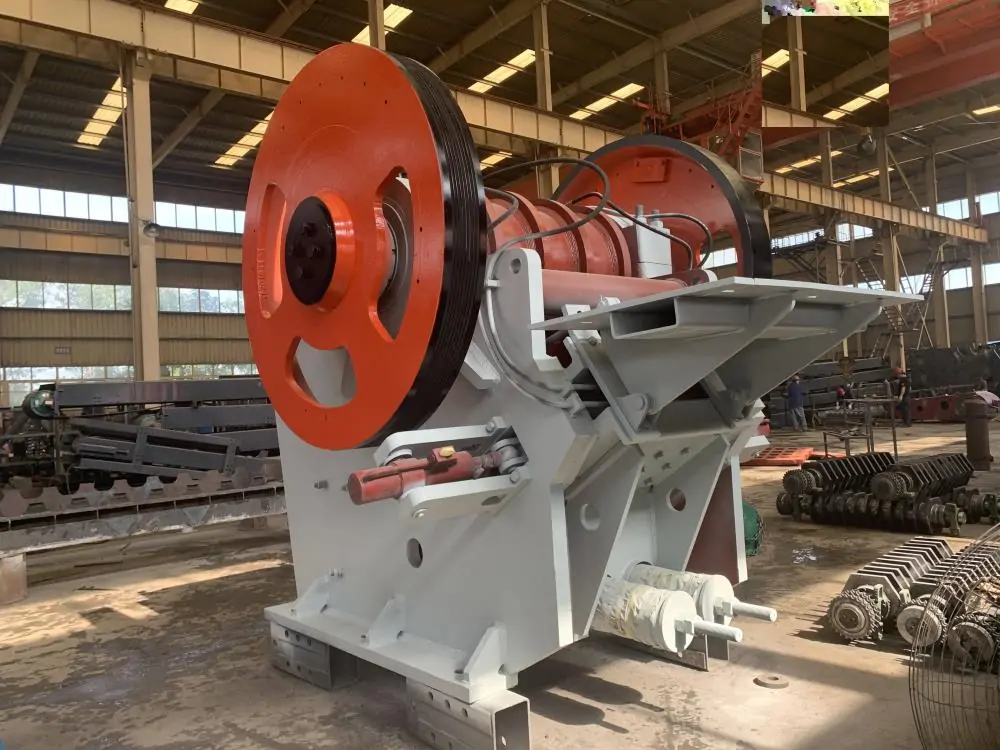
Can Jaw, Cone, and Impact Crushers Work Together?
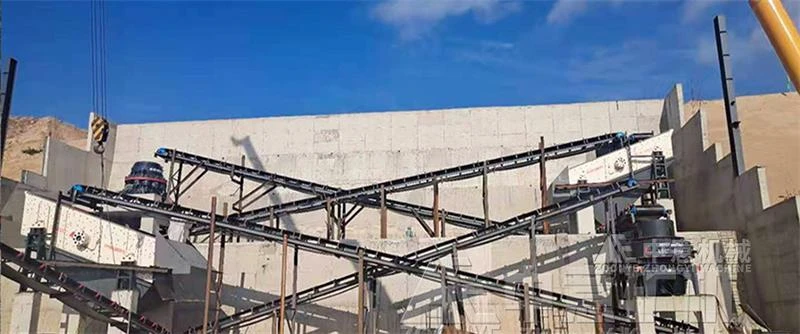
These crushers can be combined when a project requires multiple stages of size reduction. For example, a hard-rock plant may use a jaw crusher for primary crushing and a cone crusher for further reduction. An additional crushing or shaping stage may be needed if the required product size or particle shape cannot be achieved with this arrangement.
The number of stages depends on the finished-product specifications and the performance of the existing circuit. A vibrating screen separates material by size, and oversize material returns for further crushing. Before adding another crusher, check whether the target grading and production capacity can be achieved without excessive recirculation, unnecessary wear, or higher operating costs.
Conclusion: Which Crusher Should You Choose?
For large rocks at the primary crushing stage, a Jaw crushing machine is a common starting point. Hard, abrasive materials often call for a cone crusher in secondary or tertiary crushing, while an impact crusher may be suitable for less abrasive rock when particle shape is a priority. The final decision should account for feed conditions, product specifications, plant capacity, and wear-part costs.
Zhengzhou Zhongyi Mining Machinery Co., Ltd. offers jaw, cone, and impact crushers for mining and quarry applications. If you are planning a new crushing line or upgrading an existing plant, share your material type, maximum feed size, target capacity, and required product sizes with our team to discuss a suitable equipment configuration.
Запросить индивидуальное решение
Compare jaw, cone, and impact crushers with Zhongyi Mining to identify the right equipment configuration for your material, target capacity, and finished product specifications while accounting for crushing stages, wear-part costs, and overall plant requirements.
Часто задаваемые вопросы
What Is the Difference Between a Jaw Crusher, Cone Crusher, and Impact Crusher?
A jaw crushing machine uses compression to reduce large rocks during primary crushing. A cone crusher compresses material between a mantle and concave liner and is commonly used for further crushing hard, abrasive rock. An impact crusher uses rotating blow bars to break material against impact plates. The right choice depends on feed size, rock properties, required product shape, and the crusher’s position in the production line.
Which Crusher Is Best for Granite and Basalt?
A jaw crusher is commonly used for primary crushing of granite and basalt because it can handle large feed material. Cone crushing is often used for secondary or tertiary size reduction because compression suits hard, abrasive rock. The final configuration depends on feed size, required product grading, and production capacity. Impact crushing may also be considered, but high abrasiveness can increase wear-part consumption and operating costs.
Should I Choose a jaw crushing machine or an Impact Crusher?
Choose a jaw-type machine when the feed contains large rocks and the main requirement is primary size reduction. An impact crusher may be more suitable for less abrasive materials when a higher reduction ratio or better particle shape is needed. Compare maximum feed size, material abrasiveness, finished-product requirements, and expected wear costs before deciding. In some plants, both types are used at different stages rather than as alternatives.
Which Crusher Produces More Cubical Aggregate?
Impact crushing is often effective at producing cubical aggregate, particularly when processing suitable, less abrasive materials. Cone crushing equipments can also produce well-shaped particles when the chamber, feed gradation, and operating settings are appropriate.Jaw crushing machines are mainly used for primary reduction, and their output may need further crushing or shaping. Actual particle shape depends on rock properties, feed conditions, machine settings, and the screening circuit.
Do I Need a Secondary or Tertiary Crusher?
The number of crushing stages depends on the incoming feed size and the required finished product. A primary crusher may be sufficient for coarse material, while a secondary stage is needed when the output must be reduced further. A tertiary stage may be justified for finer grading or additional shaping. Screening results and recirculating load help determine whether another machine is necessary. Extra stages without a clear product requirement can increase investment and maintenance costs.
How Do I Calculate the Required Crusher Capacity?
Start with the target production rate in tonnes per hour, then account for feed size, material properties, operating hours, and finished-product requirements. The feeder, crushing equipment, screens, and conveyors must handle the required flow. Rated capacity alone is not enough because actual output can be limited by screening efficiency, uneven feeding, or recirculating material. Ask the supplier to assess the full crushing circuit rather than selecting equipment by nameplate capacity alone.
Which Crusher Has the Lowest Operating Cost?
There is no single machine type with the lowest operating cost for every material. Jaw and cone crushing equipment are commonly used for hard, abrasive rock, while impact equipment may experience faster wear on abrasive feed. Compare energy use, wear-part replacement, maintenance downtime, recirculating load, and saleable product yield. Use the same material, production target, and finished-product specifications when comparing alternatives to avoid misleading cost estimates.
What Information Is Needed to Select a Crusher?
Provide the material type, maximum feed size, target capacity, required product sizes, and finished-product grading. Material abrasiveness, moisture, existing equipment, and site layout can also affect the recommendation. If replacing an existing machine, include its current operating problems and the improvements you need. With these details, the supplier can assess suitable models, crushing stages, and supporting equipment instead of recommending a unit based on capacity alone.