











Введение
Планируете ли вы строительство нового обогатительного комплекса или модернизацию существующей схемы измельчения, выбор правильной шаровой мельницы является одним из наиболее важных решений в процессе измельчения. Размер мельницы, конструкция футеровки, мелющие тела и условия эксплуатации влияют на эффективность измельчения, крупность продукта, энергопотребление и затраты на техническое обслуживание. Выбор оборудования, соответствующего вашему материалу и производственным требованиям, может значительно повысить производительность предприятия и снизить долгосрочные эксплуатационные расходы.
В данном руководстве объясняется, что такое шаровая мельница для горнодобывающей промышленности , как она работает, её основные компоненты, распространённые типы и области промышленного применения. Вы также найдёте практические рекомендации по выбору подходящей шаровой мельницы для различных технологических требований, а также инженерный опыт из реальных проектов по переработке минерального сырья, который поможет вам принять более обоснованное решение о покупке.
Что такое шаровая мельница?
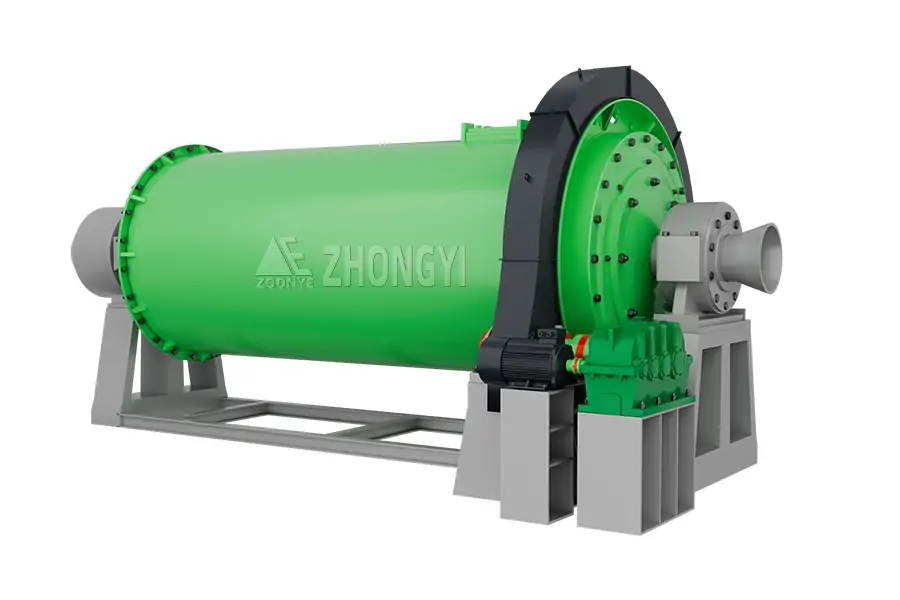
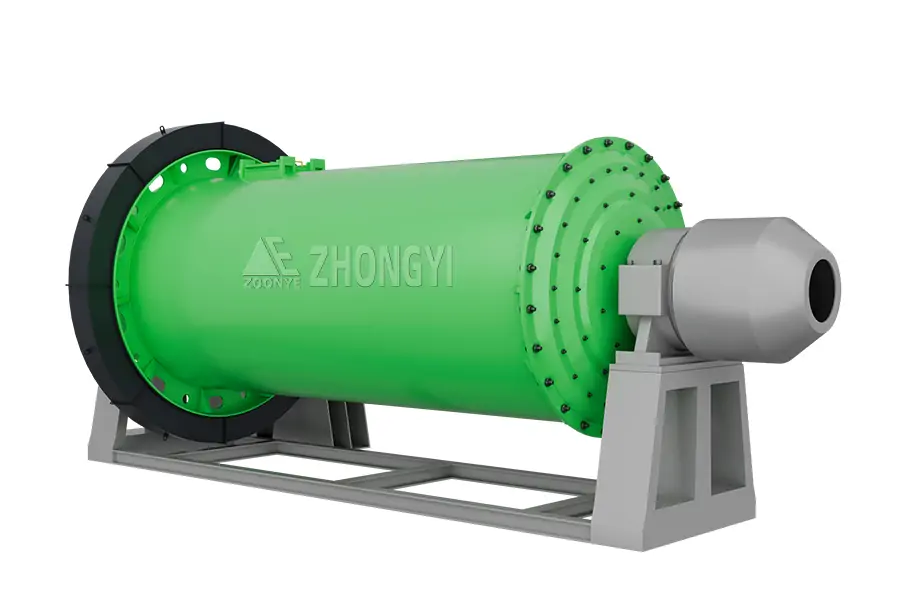
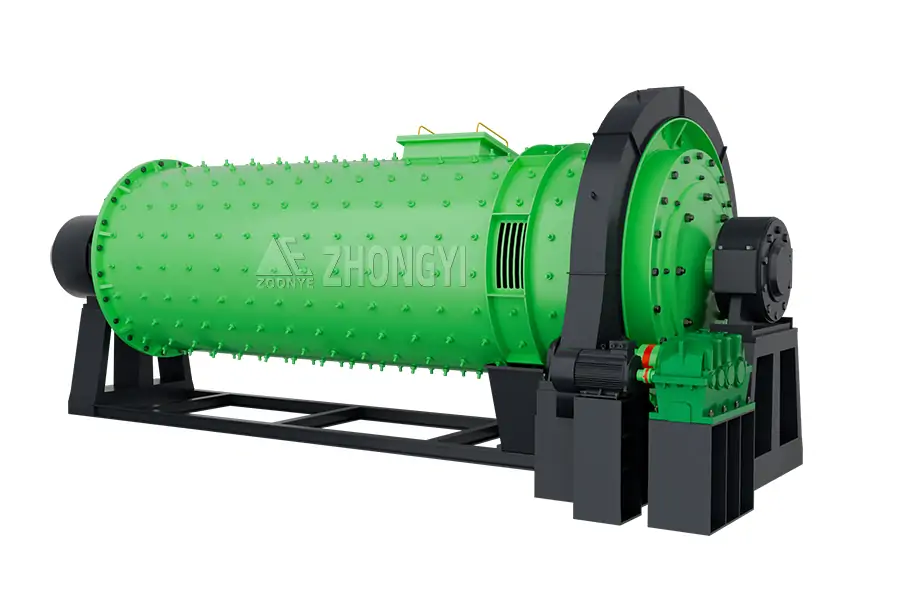
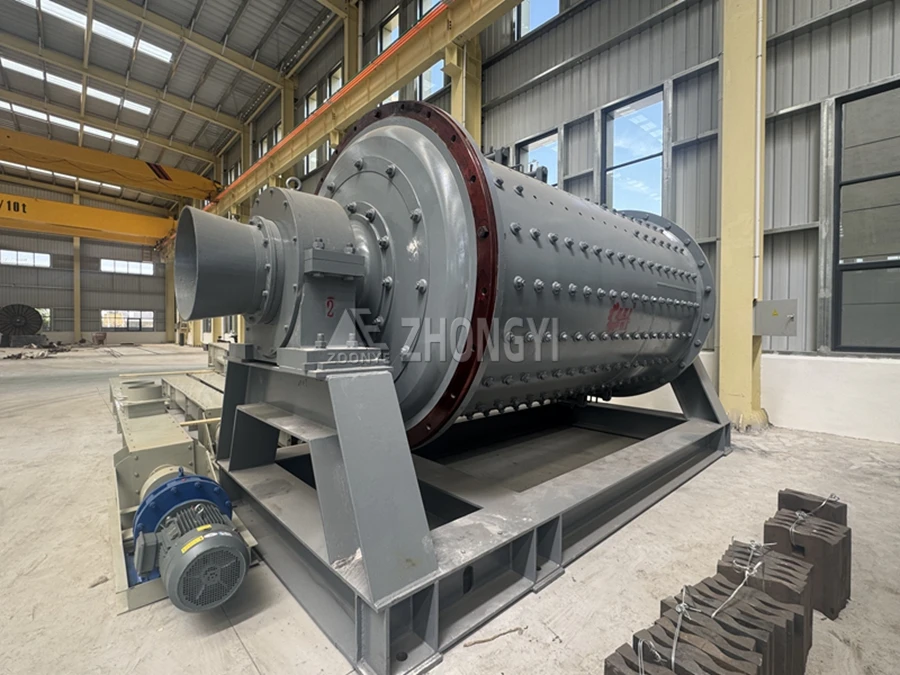
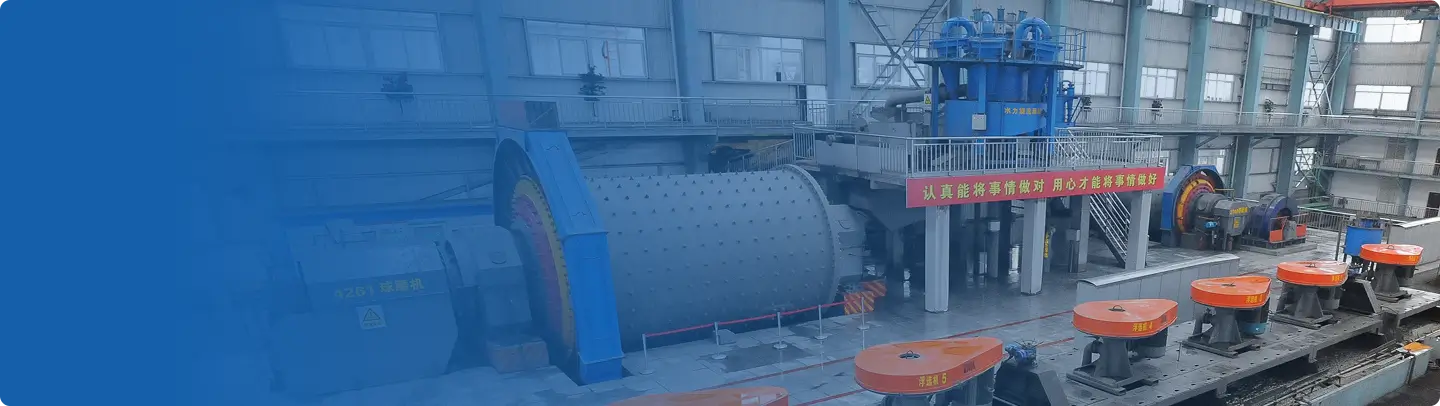
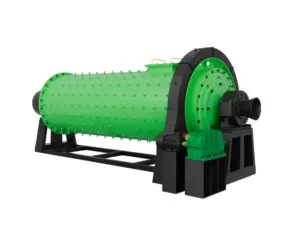
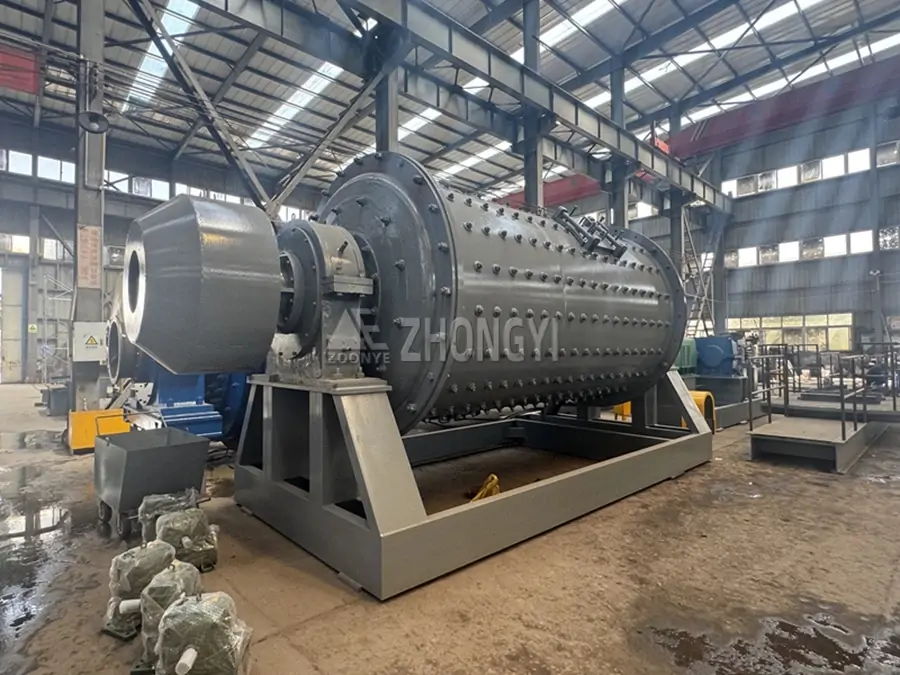
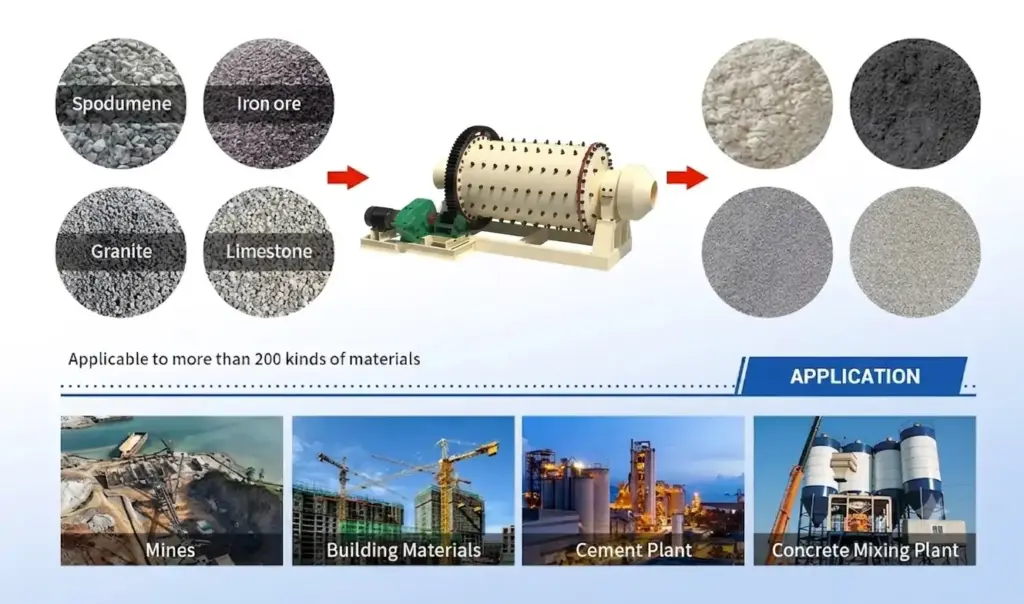
Шаровая мельница, также известная как мельница для измельчения, является ключевым оборудованием для тонкого измельчения материалов в горнодобывающей, цементной, металлургической, химической промышленности и переработке минерального сырья. Она уменьшает размер материала за счёт непрерывного ударного воздействия и истирания между мелющими телами и вращающимся барабаном.
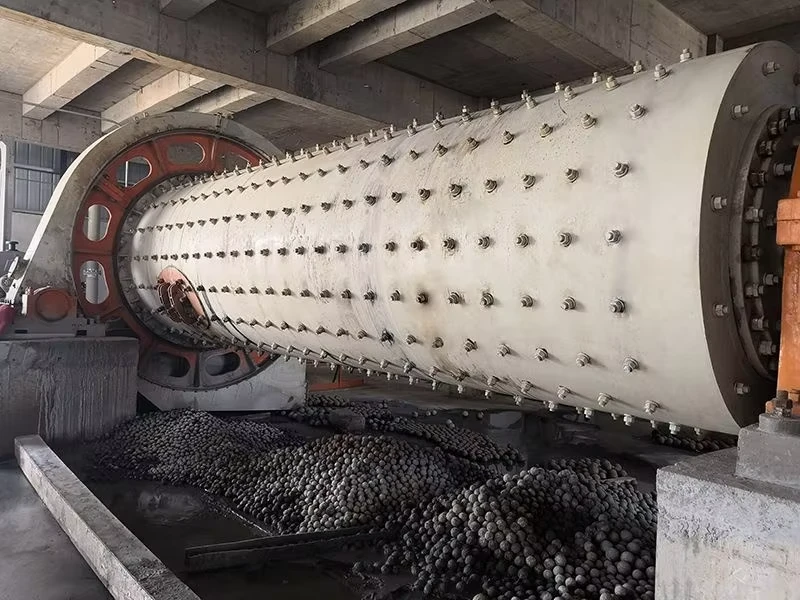
Оборудование состоит из горизонтально вращающегося цилиндра, заполненного стальными или керамическими шарами. При вращении цилиндра материалы многократно поднимаются и сбрасываются, обеспечивая постепенное уменьшение размера. Обычная крупность разгрузки может достигать около 0,074 мм (200 меш) в зависимости от свойств материала и времени измельчения.
Она широко применяется как в мокром, так и в сухом измельчении руды, цементного клинкера, известняка, кварца и других сыпучих материалов. Конечный размер частиц можно регулировать, изменяя время измельчения, размер мелющих тел и скорость вращения, чтобы соответствовать различным производственным требованиям.
Как работает шаровая мельница?
Шаровая мельница уменьшает размер материала за счёт сочетания ударного воздействия и истирания внутри вращающегося цилиндрического барабана. Цилиндр частично заполнен мелющими телами — обычно стальными или керамическими шарами — и вращается с тщательно контролируемой скоростью. При вращении мельницы мелющие тела поднимаются за счёт трения между футеровкой и мелющими телами, а затем падают или скатываются обратно на материал. Повторяющиеся удары разрушают крупные частицы, а непрерывное истирание между шарами постепенно измельчает материал до требуемой крупности.
Эффективность измельчения зависит от нескольких рабочих параметров, включая скорость мельницы, размер шаров и степень заполнения, крупность питания, концентрацию пульпы (для мокрого измельчения) и время пребывания. Правильный контроль этих переменных обеспечивает эффективное уменьшение размера при минимизации энергопотребления, износа футеровки и переизмельчения.
Процесс измельчения
Процесс измельчения представляет собой непрерывную последовательность от подачи материала до выгрузки продукта:
Подаваемый материал
↓
Материал поступает во вращающуюся мельницу
↓
Мелющие тела поднимаются при вращении
↓
Удар разрушает крупные частицы
↓
Истирание produces более мелкие частицы
↓
Измельчённый материал выгружается через разгрузочное отверстие
Подача – Дроблёный материал поступает в мельницу через загрузочное отверстие. Крупность питания контролируется в соответствии с конструкцией мельницы и требованиями к измельчению.
Вращение – Двигатель приводит цилиндр в движение через зубчатую передачу, заставляя барабан и мелющие тела вращаться вместе.
Удар – Когда мелющие тела достигают определённой высоты, сила тяжести заставляет их падать на материал, создавая высокие ударные усилия, которые разрушают более крупные частицы.
Истирание – При перекатывании и скольжении мелющие тела непрерывно трутся друг о друга и о материал, образуя более мелкие частицы за счёт истирания.
Разгрузка – Как только целевой размер частиц достигнут, материал выходит через разгрузочный конец. В зависимости от конструкции мельницы разгрузка может осуществляться через сливную или решётчатую систему.
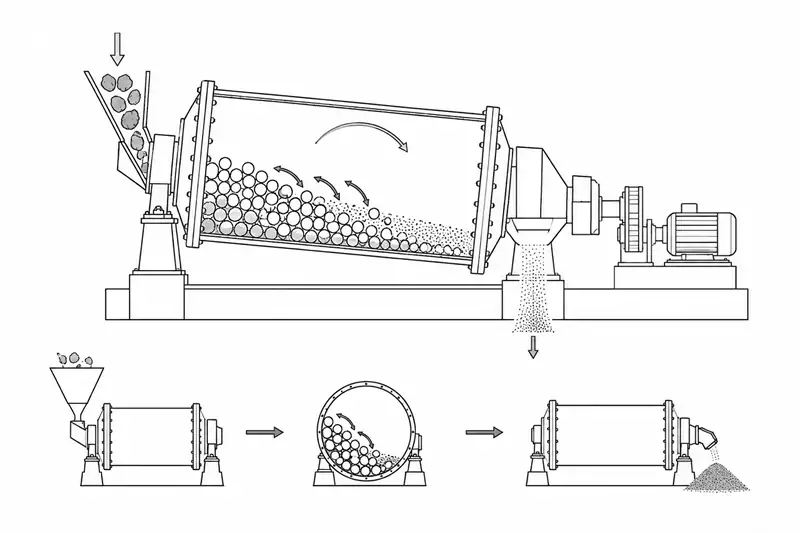
Принцип работы
Критическая скорость
Шаровая мельница работает наиболее эффективно в соответствующем диапазоне скоростей, обычно 65–80% от её критической скорости. Ниже этого диапазона мелющие тела в основном перекатываются по футеровке, что приводит к слабому измельчающему воздействию. Выше критической скорости центробежная сила заставляет шары прилипать к барабану, снижая ударное воздействие и значительно снижая эффективность измельчения.
Движение мелющих тел
Движение мелющих тел изменяется в зависимости от скорости мельницы. При нормальных рабочих скоростях шары совершают каскадное и водопадное движение. Каскадное движение обеспечивает непрерывное истирание для тонкого измельчения, а водопадное создаёт сильные ударные усилия для разрушения крупных частиц. Поддержание правильного баланса между этими двумя движениями необходимо для эффективного измельчения и равномерной крупности продукта.
Мокрое измельчение
При мокром измельчении в мельницу добавляется вода или технологическая пульпа для транспортировки материала и повышения эффективности измельчения. Мокрые шаровые мельницы обеспечивают более высокую производительность, лучшее рассеивание тепла и снижение пылеобразования, что делает их предпочтительным выбором для большинства обогатительных фабрик. Пульпа обычно направляется на гидроциклоны или классификаторы для замкнутого цикла измельчения.
Сухое измельчение
Сухое измельчение применяется, когда конечный продукт должен оставаться без влаги, например, в цементной, известковой, керамической промышленности и для некоторых химических порошков. Поскольку отсутствует жидкость для отвода тепла или мелких частиц, системы сухого измельчения часто требуют пылеулавливающего оборудования и воздушной классификации для поддержания качества продукта и стабильной работы. Правильная вентиляция также важна для предотвращения чрезмерного повышения температуры внутри мельницы.
Основные части шаровой мельницы
Шаровая мельница представляет собой сочетание механических конструкций, предназначенных для непрерывной работы измельчения. Барабан, футеровка, мелющие тела, приводная система и вспомогательные компоненты должны работать совместно, чтобы выдерживать тяжёлые нагрузки, ударные усилия и долговременный износ во время эксплуатации.
Основные компоненты включают загрузочное отверстие, барабан мельницы, футеровку, мелющие тела, подшипник, шестерню, венцовую шестерню, двигатель, разгрузочную систему и систему смазки. Конструкция и выбор материалов этих деталей напрямую влияют на эффективность измельчения, надёжность оборудования и затраты на техническое обслуживание.
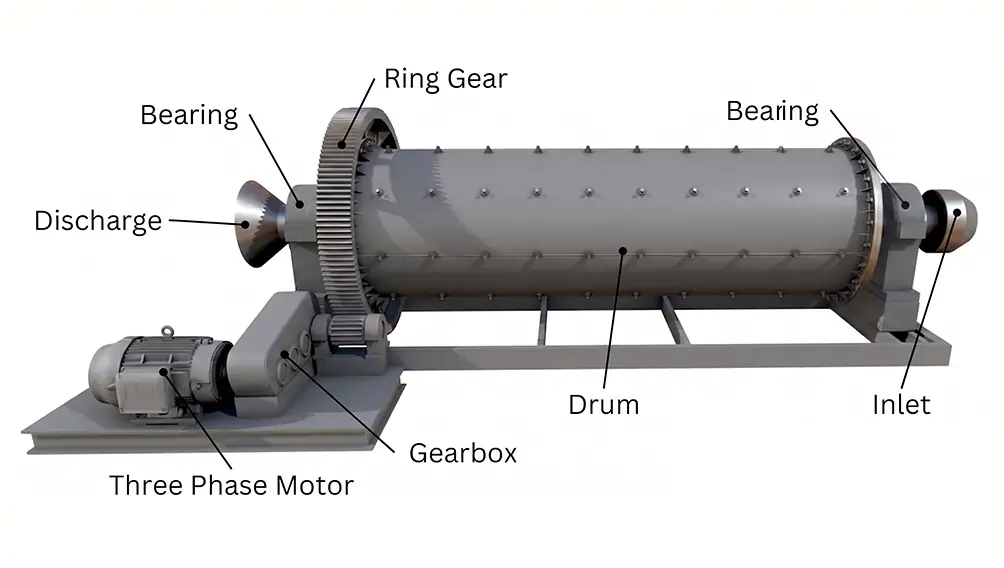
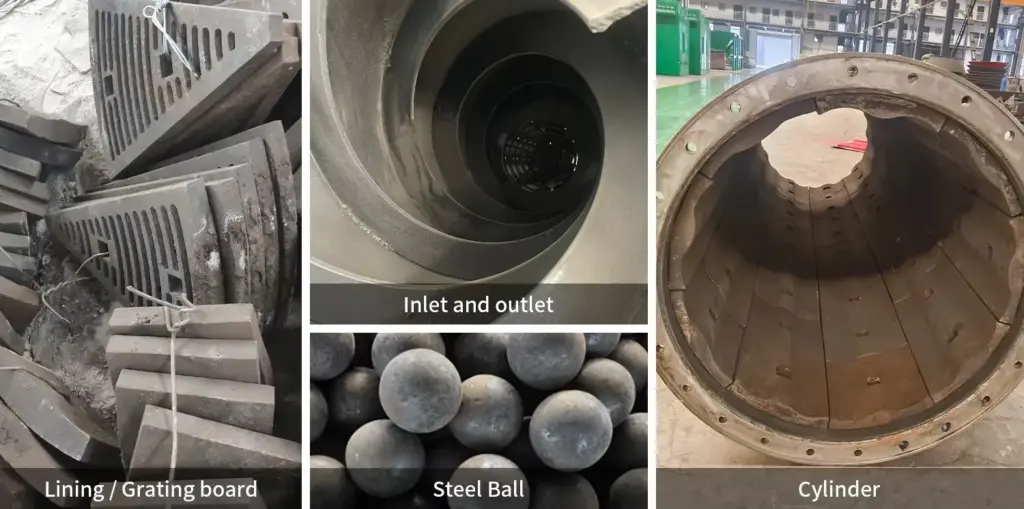
| Компонент | Функция |
| Загрузочное отверстие | Подаёт измельчённый материал в камеру мельницы и обеспечивает стабильный поток материала во время работы. |
| Барабан мельницы | Основной вращающийся цилиндр, который несёт мелющую нагрузку и передаёт движение мелющим телам. Изготовлен из высокопрочной стали для выдерживания непрерывных ударных нагрузок и износа. |
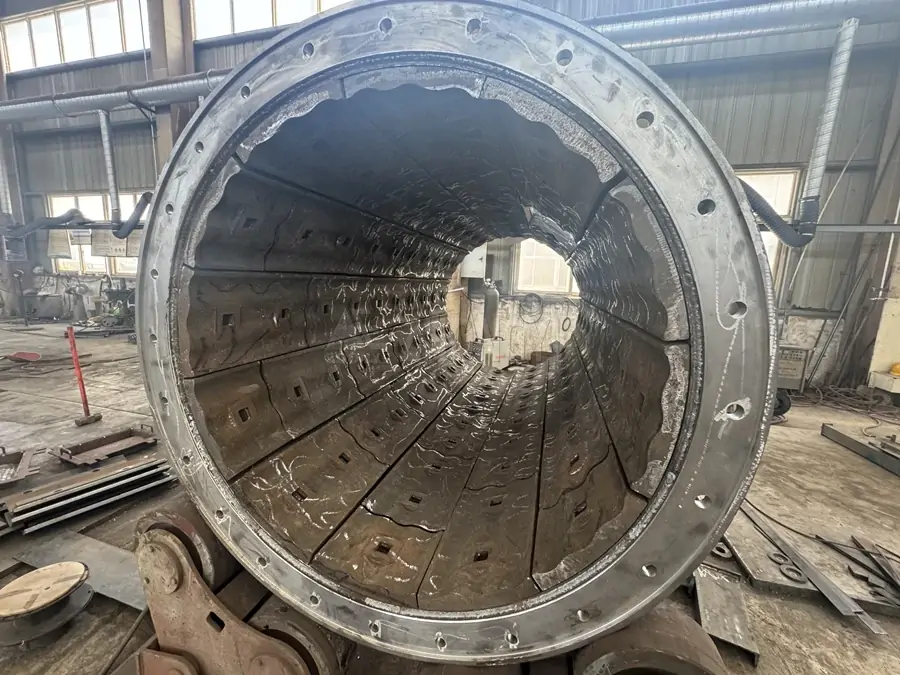
| Футеровка | Защищает внутреннюю поверхность барабана от абразивного износа и помогает поднимать мелющие тела для улучшения ударного и истирающего воздействия. Распространённые материалы включают сталь, резину и композитные футеровки. |
| Мелющие тела | Стальные или керамические шары, которые уменьшают размер материала за счёт удара и трения. Размер и твёрдость мелющих тел подбираются в зависимости от материала и требуемой тонкости помола. |
| Подшипник | Поддерживает вращающийся барабан и обеспечивает плавную работу под тяжёлыми нагрузками. Распространённые типы включают подшипники цапфы и подшипники скольжения. |
| Pinion | Transfers torque from the drive system to the girth gear and rotates the mill shell. |
| Girth Gear | A large ring gear mounted on the shell that works with the pinion to provide reliable power transmission. |
| Motor | Provides the driving force required to rotate the mill. Motor power is selected based on mill size and grinding capacity. |
| Discharge System | Removes the ground material from the mill. Overflow and grate discharge designs are commonly used for different grinding applications. |
| Lubrication System | Supplies lubricant to bearings and gear components to reduce friction, control temperature, and extend service life. |
Types of Industrial Ball Mill Equipment
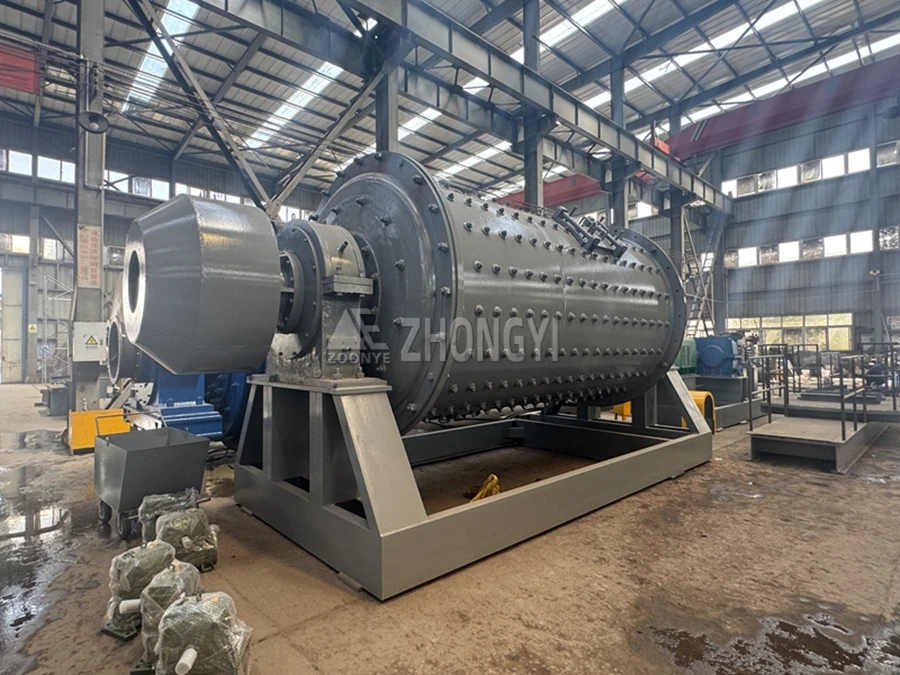
Industrial Ball Mill is a core grinding equipment for continuous size reduction of ores, minerals, and industrial raw materials. It works through a rotating cylindrical shell with grinding media to achieve efficient particle size reduction, widely used in mining, cement, chemical, and power industries. Different structural and discharge designs are selected based on capacity, fineness, and process requirements.
Wet Grinding Ball Mill
Wet grinding ball mill uses water or slurry as the grinding medium, suitable for mineral beneficiation processes requiring fine and stable particle separation.
Feed size: ≤25 mm
Output fineness: 0.074–0.4 mm
Capacity: 0.5–200 t/h
Application: Metal and non-metal ore grinding
Dry Grinding Ball Mill
Dry grinding ball mill operates without liquid addition, producing dry powder products. It is widely used in cement, lime, coal, and other industrial powder production applications.
Feed size: ≤20 mm
Output fineness: 0.074–0.2 mm
Capacity: 0.5–150 t/h
Application: Cement, coal, industrial powders
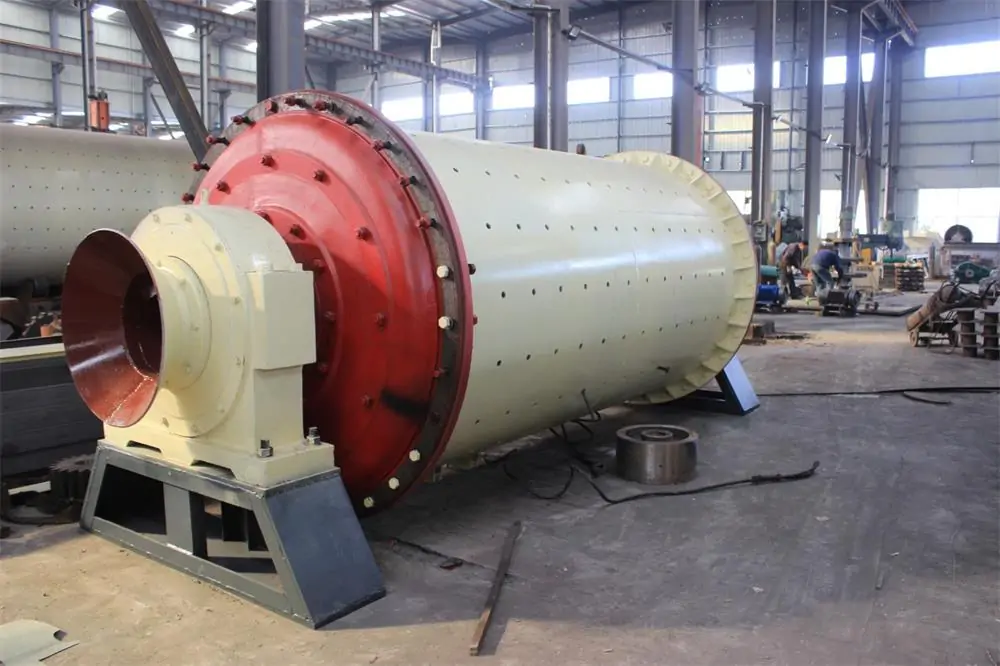
Overflow Type Ball Mill
Overflow type ball mill discharges material through natural overflow, suitable for fine grinding with stable particle size control. It is commonly used in beneficiation circuits requiring higher fineness.
Feed size: ≤25 mm
Output fineness: 0.074–0.3 mm
Capacity: 0.5–200 t/h
Feature: Fine grinding, stable discharge
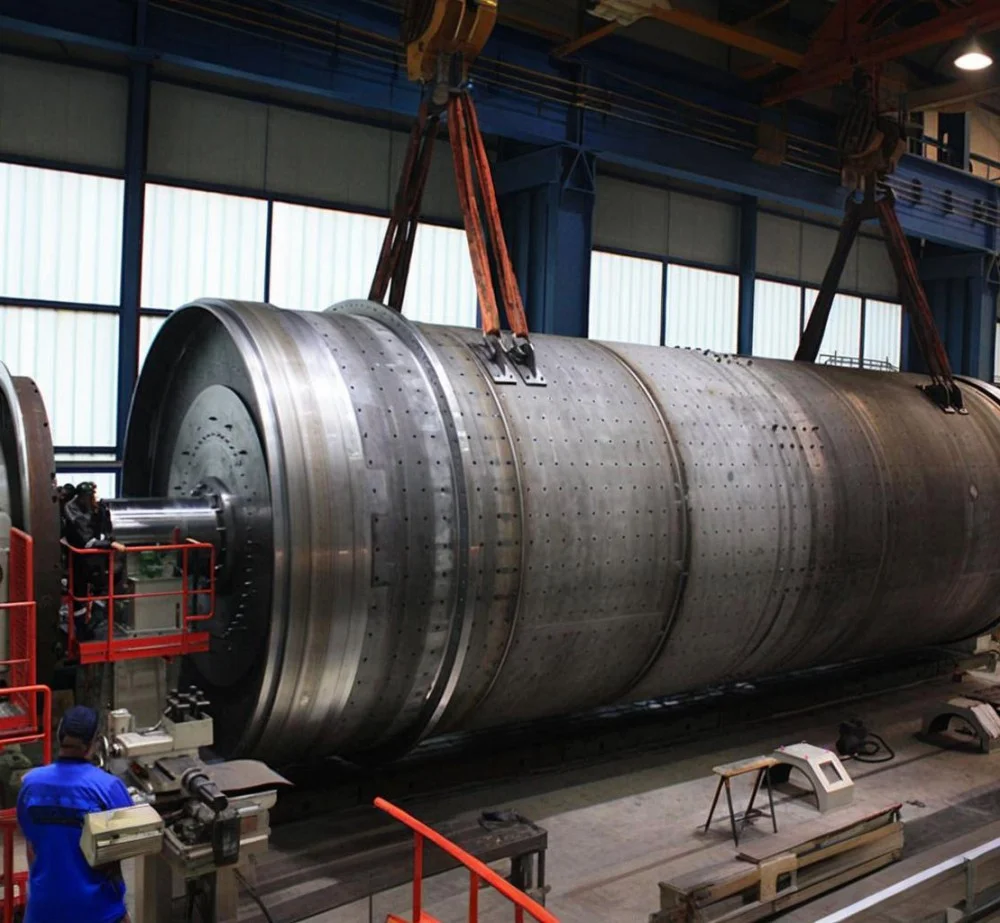
Grate Discharge Ball Mill
Grate discharge ball mill uses a grate plate for forced material discharge, improving throughput and preventing over-grinding. It is suitable for coarse grinding stages.
Feed size: ≤25 mm
Output fineness: 0.2–0.5 mm
Capacity: 0.5–180 t/h
Feature: High discharge efficiency, large capacity
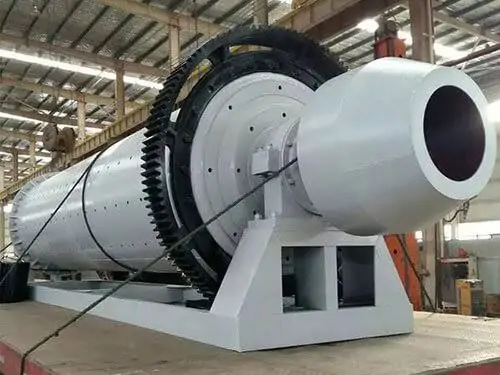
Energy-Saving Ball Mill
Energy-saving ball mill adopts optimized transmission and grinding structure to reduce power consumption while maintaining stable output. It is suitable for large-scale continuous production.
Feed size: ≤25 mm
Output fineness: 0.074–0.4 mm
Capacity: 0.5–250 t/h
Feature: Lower energy consumption, high efficiency
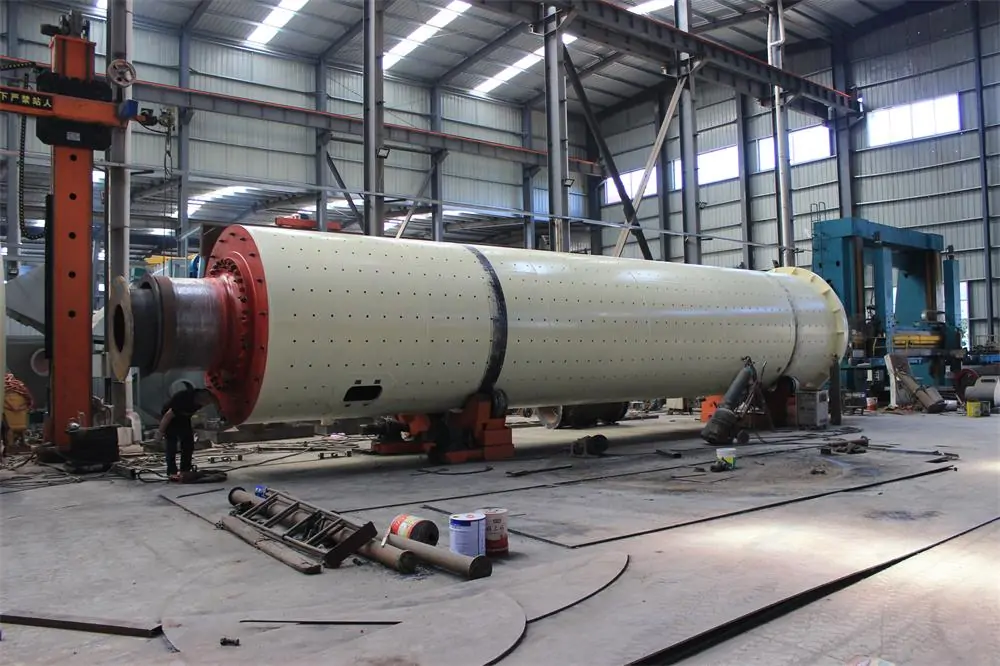
Rod Mill vs Ball Mill
Rod mills and ball mills are both widely used grinding equipment in mineral processing plants, but they are designed for different grinding requirements. The main difference lies in the grinding media: rod mills use steel rods to grind material through line contact, while ball mills use steel balls to create impact and friction through point contact.
In practice, rod mills are commonly used for coarse grinding and primary grinding stages, especially when a more uniform particle size distribution is required. Ball mills are preferred for fine grinding applications where higher fineness and larger grinding capacity are needed, such as mineral processing, cement production, and chemical industries.
| Comparison | Стержневая мельница | Ball Mill |
| Мелющие тела | Uses steel rods as grinding media | Uses steel balls or ceramic balls as grinding media |
| Grinding Mechanism | Mainly uses line contact between rods for selective crushing and grinding | Uses impact and attrition between balls and material for size reduction |
| Product Size | Suitable for coarse grinding, typically producing a more uniform particle size | Suitable for fine grinding with higher product fineness |
| Grinding Efficiency | Effective for reducing overgrinding and producing a narrow particle size distribution | Provides stronger grinding action for achieving fine particle sizes |
| Feed Size | Handles relatively larger feed materials in primary grinding applications | Usually requires smaller feed size after crushing |
| Application | Commonly used in copper, gold, iron ore, and other mineral processing plants for primary grinding | Widely used in mining, cement, ceramics, and chemical industries for secondary and fine grinding |
| Capacity Range | Generally suitable for lower to medium capacity grinding circuits | Available for small to large-scale grinding operations |
| Энергопотребление | Lower power consumption in coarse grinding applications | Higher energy demand due to intensive fine grinding |
| Overgrinding Control | Produces fewer fine particles and reduces slime generation | More likely to produce fine particles due to stronger grinding action |
| Обслуживание | Requires regular inspection of rods, liners, and internal wear parts | Requires monitoring of balls, liners, gears, bearings, and lubrication systems |
Which One Should You Choose?
The choice between a rod mill and a ball mill depends on the required product size, material characteristics, and grinding circuit design. Rod mills are often selected for primary grinding where uniform coarse particles are required, while ball mills are more suitable for secondary grinding and fine powder production.
For mineral processing projects requiring both high capacity and fine product size, a common configuration is a rod mill followed by a ball mill, allowing each machine to operate in its optimal grinding range. The final selection should consider ore hardness, feed size, target fineness, and plant production requirements.
Области применения
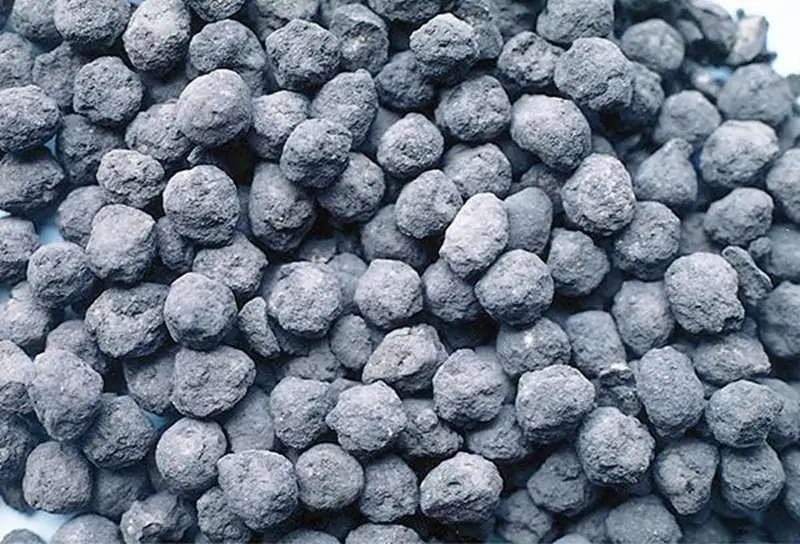
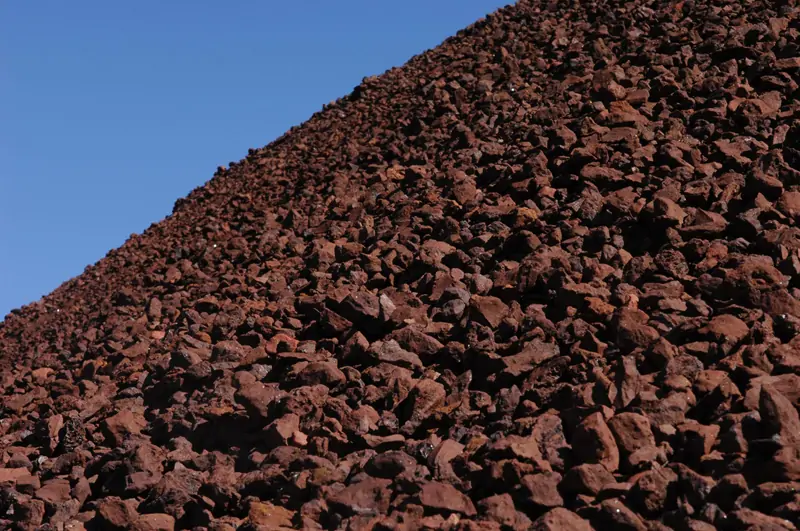
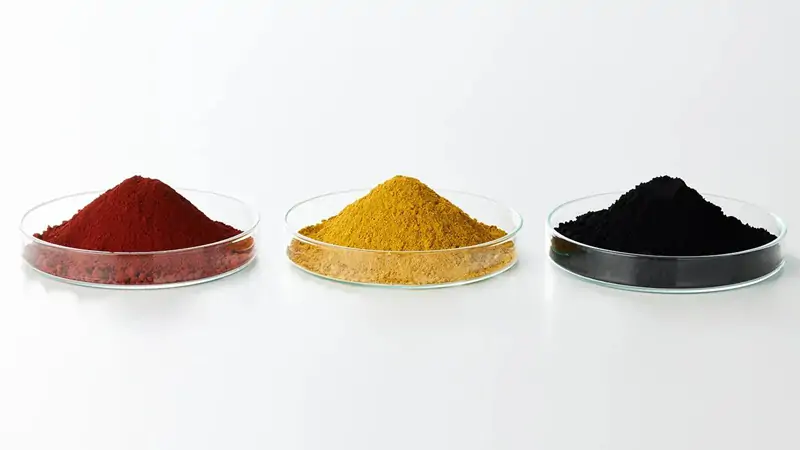
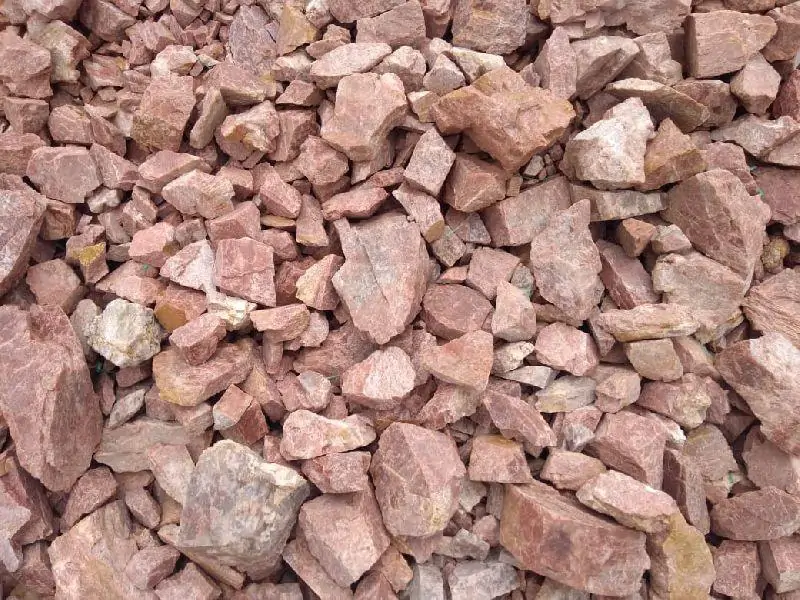
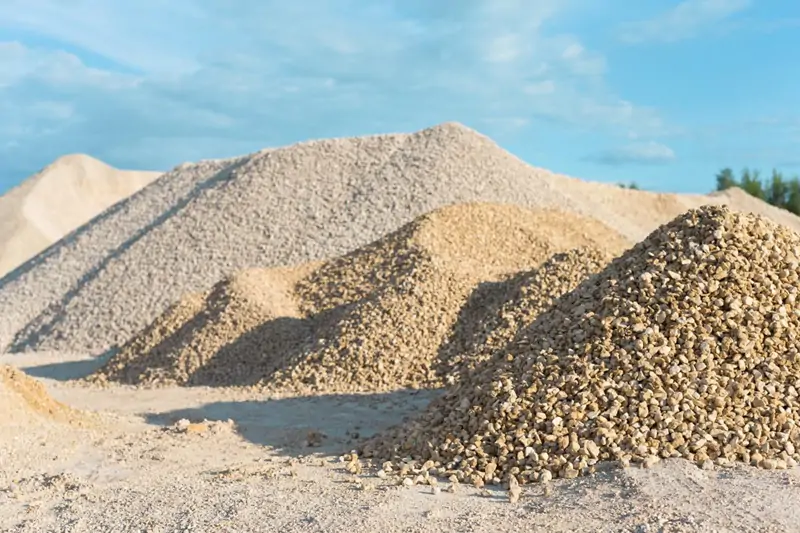
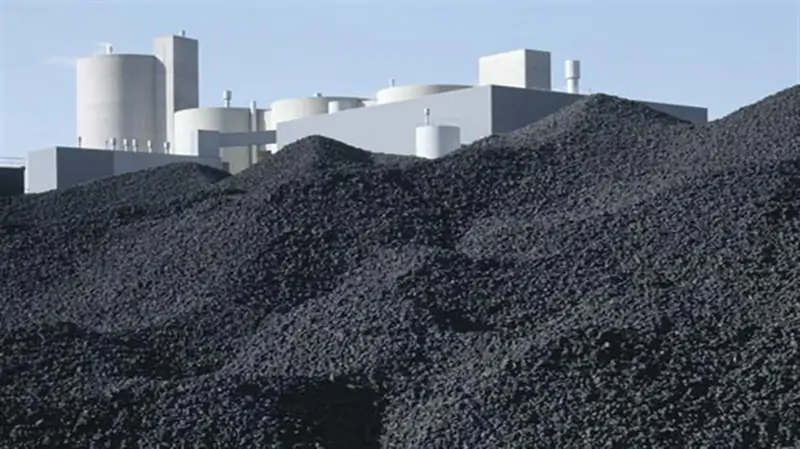
Industrial grinding Mills are used for fine grinding of cement clinker, ores, minerals, coal, and other bulk materials. They are widely applied in cement production, mining, metallurgy, chemical processing, and building material industries.
Ball Mill vs Other Grinding Equipment
Different mining grinding equipment is selected according to material properties, feed size, required product fineness, and production capacity. A ball mill is widely used for secondary grinding and fine grinding in mining, cement, and industrial applications, but it is not the only option for size reduction.
Compared with rod mills, SAG mills, vertical roller mills, Raymond mills, and ultra fine mills, ball mills have different operating principles and application ranges. The following comparison shows the typical use of each grinding equipment type.
| Оборудование | Best Use | Main Characteristics |
| Ball Mill | Fine grinding of minerals, cement clinker, ceramics, and chemical materials | Uses steel balls or ceramic media to achieve size reduction through impact and friction. Suitable for wet or dry grinding with stable performance and wide application range. |
| Стержневая мельница | Primary grinding and applications requiring uniform particle size | Uses steel rods as grinding media. Produces fewer fine particles and is commonly used before flotation or gravity separation circuits. |
| SAG Mill | Large-scale mineral processing plants with high throughput requirements | Uses a combination of ore particles and grinding balls for semi-autogenous grinding. Suitable for hard ores and large capacity operations. |
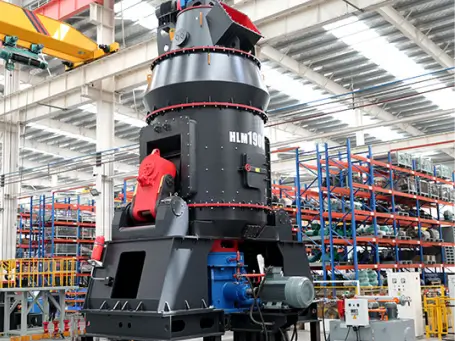
| Vertical Roller Mill (VRM) | Cement production, coal grinding, and mineral powder processing | Uses grinding rollers and a rotating table to achieve efficient vertical grinding. Offers lower energy consumption and a compact layout compared with traditional mills. |
| Raymond Mill | Medium-fine powder production for non-metallic minerals | Commonly used for limestone, gypsum, barite, and other soft to medium-hard materials. Suitable for lower capacity powder processing. |
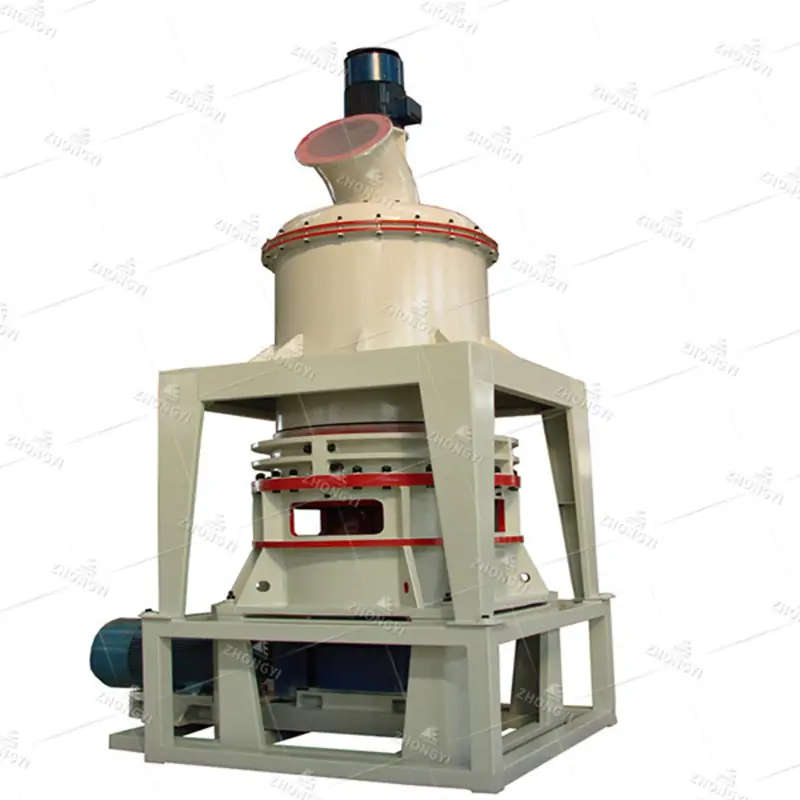
| Ultra Fine Mill | Producing very fine powders and specialty materials | Designed for micron-level grinding. Used in applications requiring high fineness, such as chemicals, minerals, and advanced materials. |
Equipment Selection Considerations
For most mining grinding circuits, ball mills remain a common choice due to their reliability, flexible operation, and ability to handle a wide range of materials. However, the final selection depends on the ore hardness, feed size, target particle size, production capacity, and process flow design.
Large mining projects often combine different grinding technologies, such as SAG mill + ball mill circuits или rod mill + ball mill systems, to improve overall grinding efficiency and recovery performance. For powder processing applications, vertical roller mills and ultra fine mills may provide better energy efficiency and product fineness control.
How to Choose the Right Industrial Ball Mill?
Choosing an industrial ball mill equipment is mainly about matching the material, required output, and production scale. In real projects, most issues come from mismatch rather than equipment quality.
Final Ball Mill Selection
The right ball mill configuration depends on the ore properties, feed size, required fineness, processing capacity, and plant conditions. Mill type, liner design, grinding media, motor power, and discharge structure should be selected according to the specific grinding process rather than using a standard configuration.
At Zhongyi, ball mill designs are customized based on project requirements, including mineral characteristics, production targets, and operating conditions. The selection of mill structure, drive system, liner type, and grinding media is optimized to meet different mining and industrial grinding applications.
Common Problems and Maintenance Tips
A ball mill operates under continuous impact, heavy load, and abrasive conditions. Problems such as vibration, reduced grinding efficiency, excessive power consumption, and component wear are usually related to improper operation, equipment adjustment, or insufficient maintenance.
Regular inspection of key components, including liners, grinding media, bearings, gears, and lubrication systems, helps maintain stable operation and reduce unplanned downtime.
| Problem | Possible Cause | Solution |
| High Vibration | Misalignment of gear and pinion, worn bearings, uneven foundation, loose bolts, or unbalanced grinding media | Check alignment, inspect bearings and fastening parts, correct installation issues, and maintain proper mill loading. |
| Poor Grinding Performance | Incorrect grinding media size, low filling ratio, unsuitable feed size, worn liners, or improper operating speed | Adjust media size and filling level, optimize feed conditions, replace worn liners, and maintain proper mill speed. |
| High Power Consumption | Excessive feed load, overfilled mill, incorrect grinding media distribution, or increased mechanical resistance | Optimize feed rate, check mill loading, inspect drive system, and improve grinding parameters. |
| Excessive Liner Wear | High material abrasiveness, incorrect liner material, improper mill speed, or impact overload | Select suitable liner materials, adjust operating conditions, and replace liners before excessive wear affects performance. |
| High Grinding Media Consumption | Poor-quality media, excessive impact, incorrect media size, or abrasive feed material | Use wear-resistant grinding balls, optimize media grading, and control operating conditions. |
| Overheating | Insufficient lubrication, excessive load, poor ventilation, or bearing problems | Check lubrication system, monitor operating temperature, reduce overload conditions, and improve cooling. |
| Bearing Failure | Lack of lubrication, contamination, excessive load, improper alignment, or worn components | Maintain regular lubrication, monitor vibration and temperature, and inspect bearing condition during scheduled maintenance. |
Ball Mill Maintenance Recommendations
For stable operation and longer service life, Zhongyi recommends regular inspection and maintenance of key components, including liners, grinding media, bearings, gears, and lubrication systems.
Check liner wear regularly and replace worn liners in time.
Maintain proper lubrication for bearings and gear transmission systems.
Monitor vibration, temperature, and power consumption to identify early issues.
Adjust grinding media size and filling ratio according to operating conditions.
Keep maintenance records to improve equipment reliability and reduce downtime.
Real Project Experience
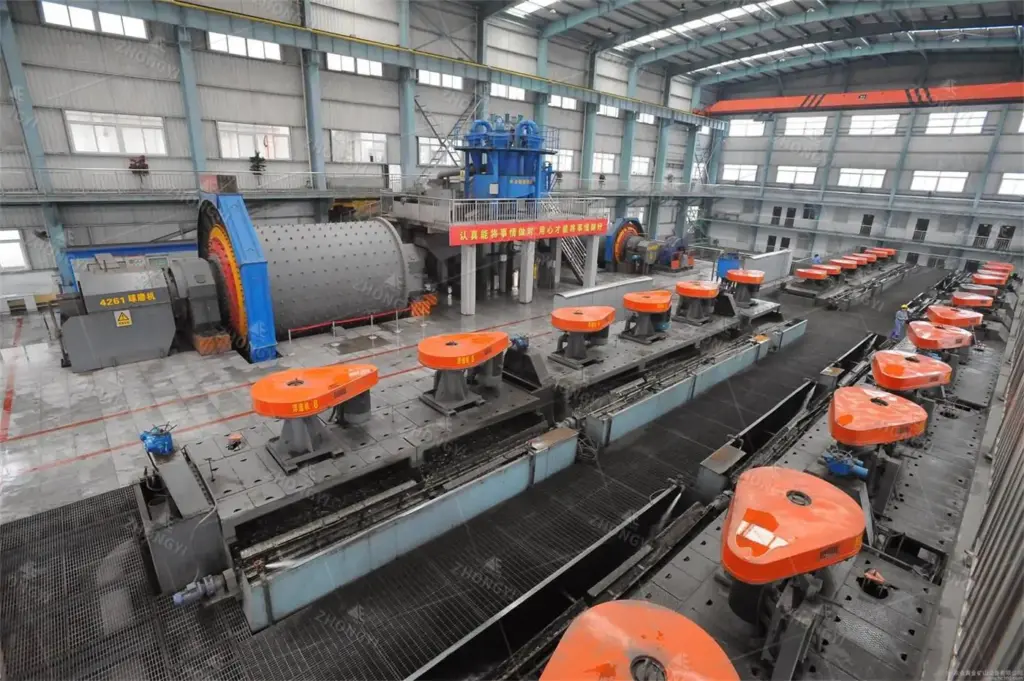
Case Study-1: 250TPD Hard Rock Gold Flotation Processing Plant in Turkey
Zhongyi supplied a complete gold flotation processing plant for a 250TPD hard rock gold project in Turkey. The plant processes refractory sulfide gold ore with a crushing, grinding, flotation, and dewatering flow sheet.
The production line includes two-stage closed-circuit crushing, closed-circuit grinding and classification, multi-stage flotation, thickening, and pressure filtration. The grinding circuit is equipped with an MQY2136 overflow ball mill and hydrocyclone unit, providing stable grinding operation and achieving a target fineness of 70% passing 200 mesh before flotation.
Main equipment supplied includes jaw crusher, cone crusher, vibrating screen, Шаровая мельница с разгрузкой через решётку MQY2136, hydrocyclone, flotation cells, thickener, and filter press. After commissioning, the optimized grinding and flotation system increased gold recovery from 55% to 82–85%, with final gold concentrate grade reaching 48–52 g/t. The ball mill has maintained stable operation under continuous production conditions, supporting the plant’s long-term beneficiation performance.
Case Study-2: 150TPD Molybdenum Sulfide Flotation Processing Plant
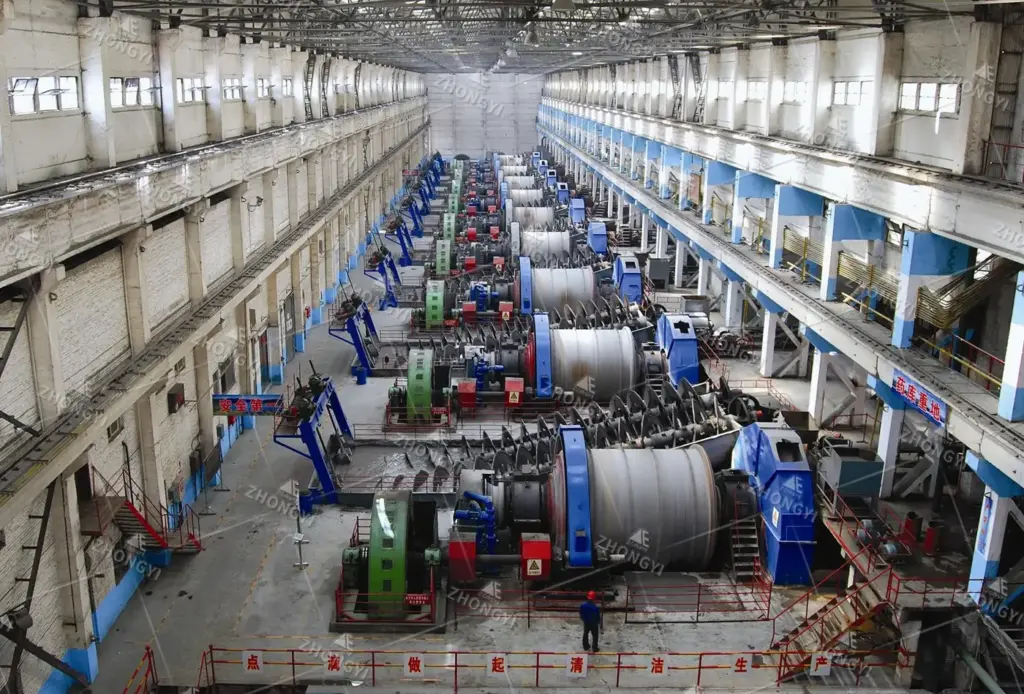
Zhongyi supplied MQY1836 overflow ball mills for a 150TPD molybdenum sulfide flotation plant, where the main challenge was controlling grinding fineness for fine-grained molybdenum ore. The raw ore contained finely disseminated molybdenite associated with quartz and other gangue minerals, requiring stable and accurate grinding conditions before flotation.
The project used a two-stage closed-circuit grinding system with MQY1836 overflow ball mills and hydrocyclones. The first-stage ball mill was used for primary grinding, with the product controlled at 65% passing 200 mesh before rough flotation. The second-stage ball mill further improved liberation by grinding the rough concentrate to 85% passing 200 mesh. This configuration helped reduce over-grinding and provided a more stable feed condition for the flotation circuit.
After operation adjustment, the grinding circuit achieved stable performance, supporting an increase in molybdenum recovery from 68% to 80–83%. The MQY1836 ball mills have maintained reliable operation with stable discharge fineness and controlled wear during continuous plant production.
Why Choose Zhongyi Ball Mill Solutions
Ball mill selection requires a clear understanding of the ore characteristics, grinding requirements, and plant operating conditions. Zhongyi provides ball mill solutions based on project requirements, covering equipment design, manufacturing, installation, and operation support.
Engineering
Our engineers evaluate ore properties, capacity requirements, grinding fineness, and process conditions to select suitable mill models and configurations.
Manufacturing
Ball mills are manufactured according to project specifications, with focus on key components including mill shell, liners, transmission system, and supporting structures.
Testing & Quality Control
Equipment components are inspected and tested before delivery to ensure dimensional accuracy, assembly quality, and reliable operation after installation.
Commissioning Support
Zhongyi provides on-site installation guidance, commissioning support, and parameter adjustment to help the grinding system reach the designed operating performance.
After-Sales Service
Technical support, spare parts supply, and operation guidance are provided to assist customers with long-term equipment maintenance and operation.
Customization
Ball mill specifications can be customized according to different materials, production capacities, grinding methods, and plant layouts.
Looking for the right ball mill machine for your project? Share your ore type, processing capacity, feed size, and target product size with Zhongyi’s engineering team. We will recommend a suitable grinding solution based on your process requirements and operating conditions.

Д-р Ю
Expert in Mineral Processing Solutions
With 15+ years of experience, Dr. Chen specializes in gravity, magnetic, flotation, and electrostatic separation. He focuses on ore processing and process optimization, sharing practical insights and equipment applications to help improve recovery rates and production efficiency.
FAQs
What is a ball mill machine used for?
A ball mill machine is used to grind crushed materials into fine powder or slurry. It is widely applied in mining for ore grinding, including gold, copper, iron ore, and lithium processing. It is also used in cement, ceramics, chemical, and other industrial grinding applications.
How does a ball mill work?
A ball mill works by rotating a cylindrical shell filled with grinding media. As the shell rotates, steel balls are lifted and dropped to create impact and friction, reducing material size. The ground product is discharged after reaching the required fineness.
What is the difference between a ball mill and a rod mill?
The main difference is the grinding media. A ball mill uses steel balls for impact and friction grinding, while a rod mill uses steel rods for line-contact grinding. Rod mills are commonly used for coarse grinding, while ball mills are preferred for finer grinding applications.
What is the difference between wet and dry ball milling?
Wet ball milling uses water or slurry during grinding and is commonly used in mineral processing plants because it provides better material flow and dust control. Dry ball milling is used when the final product requires low moisture content, such as cement and ceramic production.
Which industries use ball mills?
Ball mills are widely used in mining, cement manufacturing, ceramics, chemicals, metallurgy, and building materials industries. In mining operations, they are commonly installed in gold, copper, molybdenum, iron ore, and other mineral processing plants for secondary and fine grinding.
How long do ball mill liners last?
The service life of ball mill liners depends on ore hardness, liner material, mill speed, grinding media, and operating conditions. In mining applications, high-quality liners typically require regular inspection and replacement according to wear conditions to maintain grinding efficiency and protect the mill shell.
What is grinding media?
Grinding media are the materials placed inside a ball mill to grind the feed material. Common types include steel balls, ceramic balls, and other specialized media. Their size, hardness, and filling ratio directly affect grinding efficiency, energy consumption, and final product fineness.
How do I calculate ball mill capacity?
Ball mill capacity depends on several factors, including mill size, feed material, ore hardness, feed size, required fineness, and operating conditions. In practice, manufacturers determine capacity through process data, material testing, and grinding circuit design rather than using a single calculation value.
Which ball mill is best for gold ore?
For gold ore processing, overflow ball mills are commonly used in wet grinding circuits before flotation, gravity separation, or cyanidation. The suitable model depends on ore hardness, processing capacity, feed size, and required grinding fineness. A closed-circuit grinding system is often preferred for stable operation.
How much maintenance does a ball mill require?
Ball mill maintenance mainly includes checking liners, grinding media, bearings, gears, lubrication systems, and drive components. Regular inspection of vibration, temperature, and power consumption helps identify problems early. Proper maintenance schedules reduce downtime and extend equipment service life.
References
Wills, B.A., Finch, J. Wills’ Mineral Processing Technology: An Introduction to the Practical Aspects of Ore Treatment and Mineral Recovery. Elsevier.
https://shop.elsevier.com/books/wills-mineral-processing-technology/wills/9780080970530
Society for Mining, Metallurgy & Exploration. SME Mining Reference Handbook.
https://www.smenet.org/SME-Store/Mining-Reference-Handbook
Bond, F.C. Crushing and Grinding Calculations.
ScienceDirect. Grinding Mill and Comminution Research.
https://www.sciencedirect.com/topics/engineering/grinding-mill
Minerals Engineering Journal. Elsevier.