











Giriş
A crushing plant may be producing enough material to meet its target tonnage, but that does not always mean the selected crusher is doing the right job. For example, a quarry processing granite or basalt may find that an impact crusher consumes wear parts quickly, while a plant producing concrete aggregates may struggle to meet particle shape requirements with its existing crushing setup. This is why buyers often compare a cone crusher vs impact crusher before investing in new equipment or upgrading a production line. Choosing the wrong machine can lead to excessive wear part consumption, inconsistent product sizes, insufficient output, and higher maintenance costs.
Both machines are widely used in mining, quarrying, and aggregate production, but they serve different production needs. Their differences go beyond the crushing principle. Material characteristics, feed size, required product gradation, equipment design, energy consumption, and maintenance requirements all influence which machine is suitable for a particular application. This guide compares cone crushers and impact crushers from a practical production perspective, helping buyers understand their working principles, material suitability, operating costs, and applications before making an equipment selection.
Cone Crusher vs Impact Crusher: A Quick Comparison
A cone crusher and an impact crusher differ mainly in their crushing mechanisms and the materials they process efficiently. A cone crusher uses compression to reduce hard and abrasive rocks such as granite and basalt, making it a common choice for secondary and tertiary crushing. An impact crusher uses impact energy to break material through high-speed collisions. Depending on its design, it may use a horizontal rotor with blow bars and impact plates or a vertical rotor that accelerates material for impact crushing. These structural differences affect material suitability, product shape, wear patterns, and operating costs.
| Karşılaştırma | Konik Kırıcı | Darbeli Kırıcı |
|---|---|---|
| Çalışma Prensibi | Compression and interparticle crushing | High-speed impact and repeated collisions |
| Main Crushing Force | Compression, with particle-to-particle interaction | Impact generated by rotating components or accelerated material |
| Tipik Uygulama | Mainly secondary and tertiary crushing | Primary, secondary, or tertiary crushing, depending on design |
| Material Suitability | Commonly used for hard and abrasive rocks | Depends on crusher type, material hardness, and abrasiveness |
| Common Materials | Granite, basalt, quartzite, and some river pebbles | Limestone, dolomite, concrete waste, and other materials depending on design |
| Ürün Şekli | Depends on chamber design, feed conditions, and circuit setup | Often produces well-shaped particles; results depend on crusher type and operating conditions |
| Küçültme Oranı | Depends on model, chamber, and crushing stage | Depends on crusher type, rotor design, and operating conditions |
| Başlıca Aşınma Parçaları | Mantle and concave | Varies by design; may include blow bars, impact plates, rotor components, and wear liners |
| Operating Cost | Often economical for continuous crushing of abrasive rock | Influenced by material abrasiveness, crusher design, and wear-part consumption |
| Main Advantage | Stable performance in hard-rock applications | Flexible crushing and particle-shaping capabilities, depending on design |
The choice depends on material hardness, abrasiveness, required product shape, production capacity, and wear-part costs. Impact crushers can handle different material types depending on their design, but highly abrasive feed may accelerate wear in some configurations. Cone crushers, meanwhile, can also produce well-shaped aggregates when the crushing chamber and operating conditions are properly matched.
What Is a Cone Crusher?
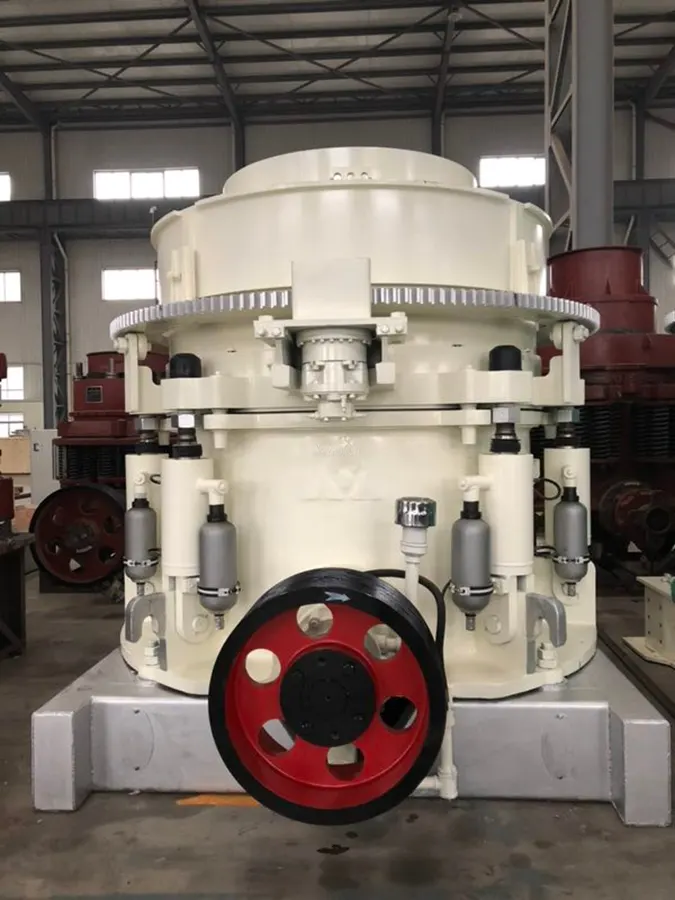
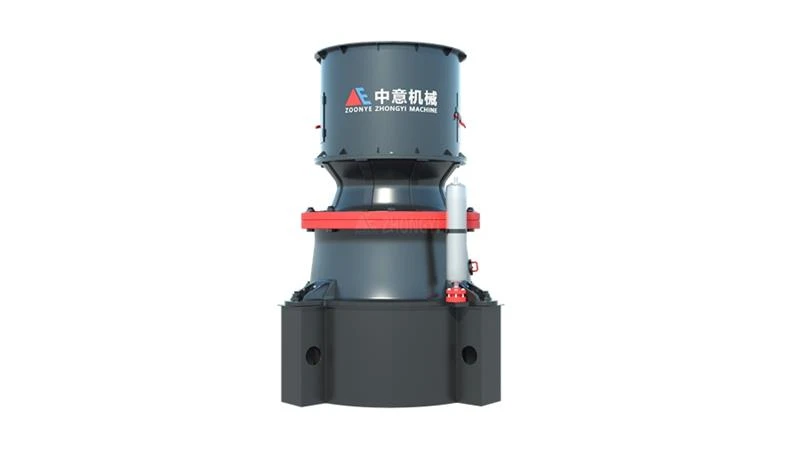
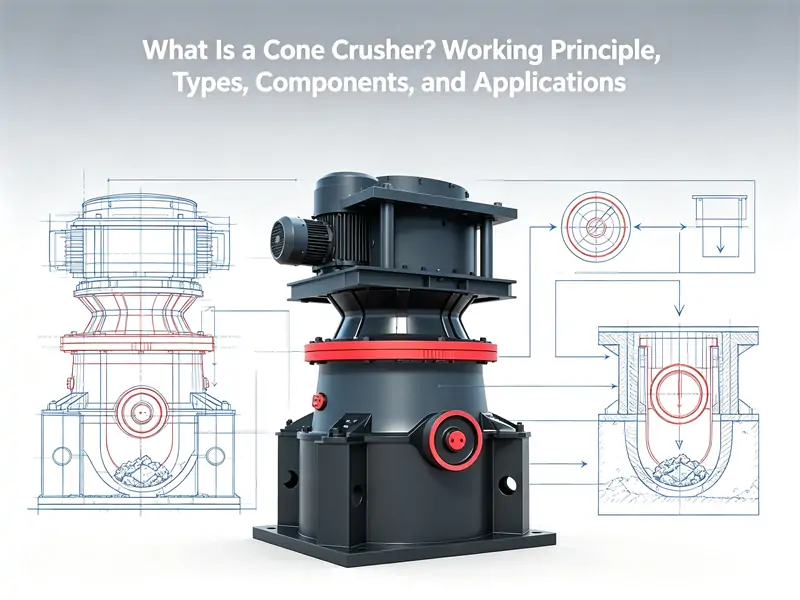
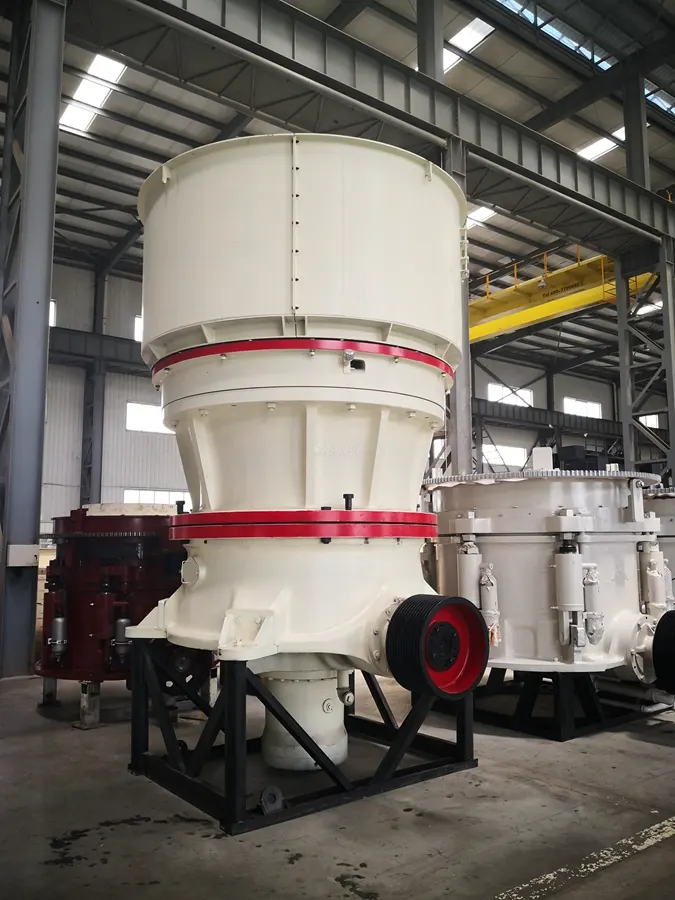
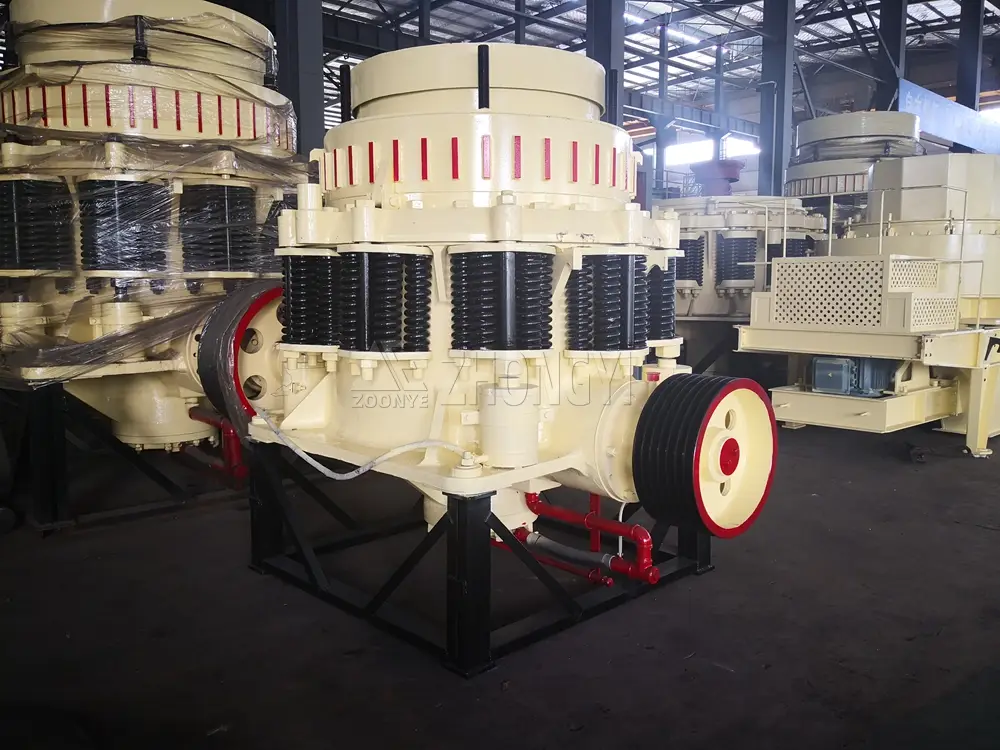
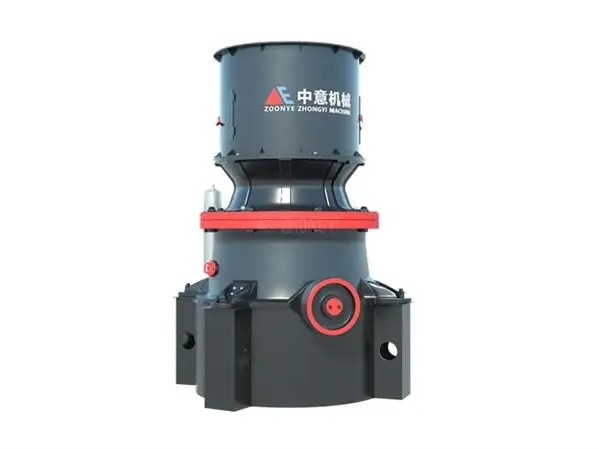
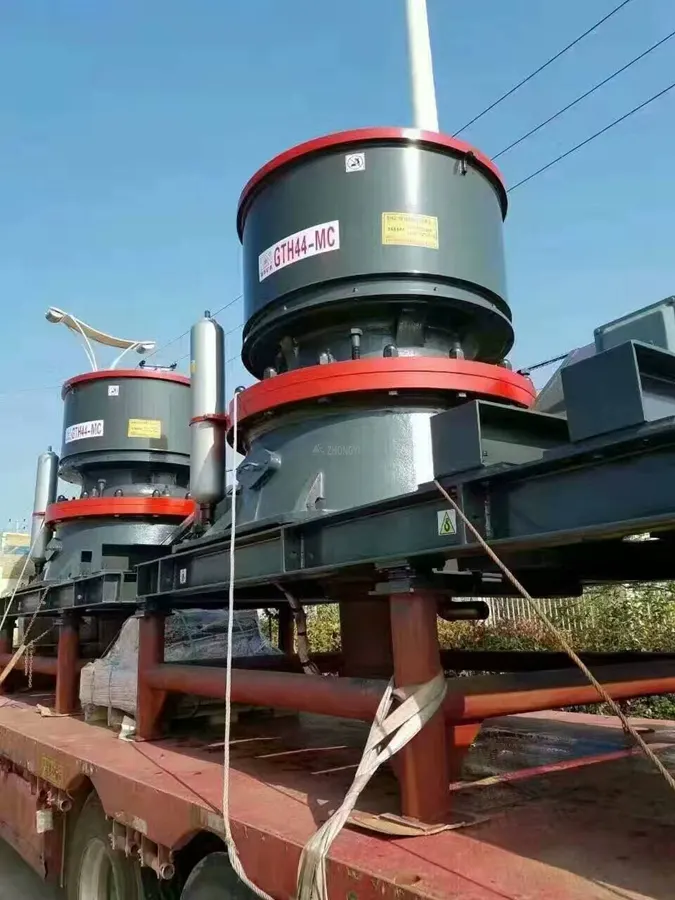
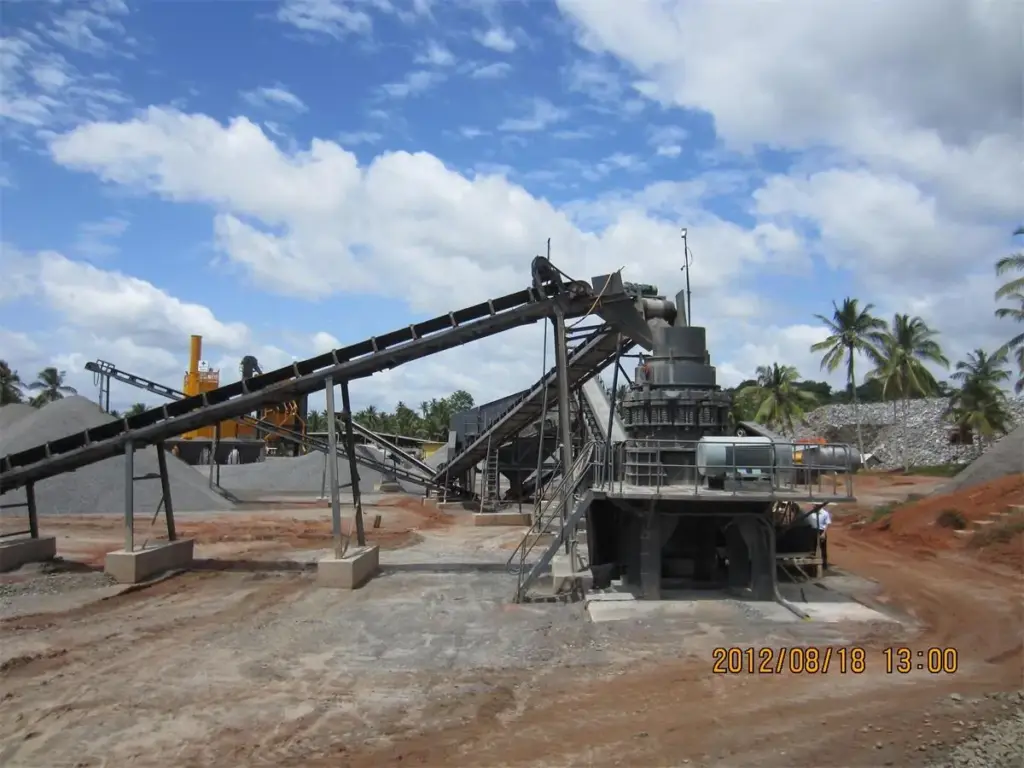
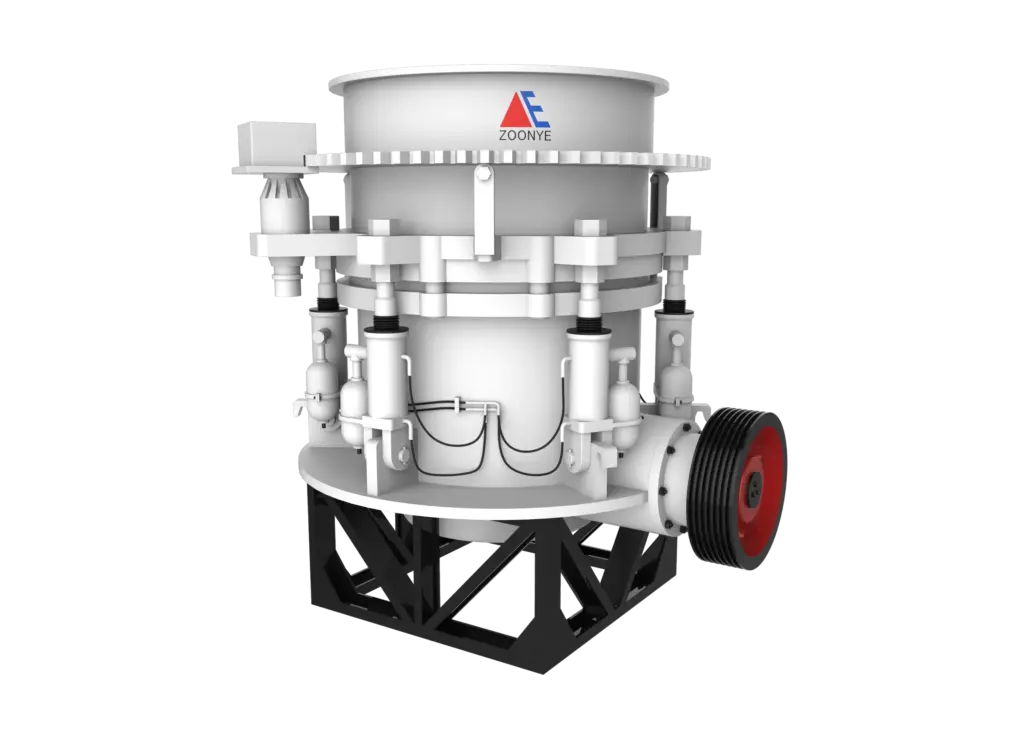
A cone crusher is a compression-based crushing machine designed to reduce hard rock and ore into smaller, more uniform sizes. It is widely used in mining, quarrying, and aggregate production, mainly for secondary crushing and tertiary crushing after primary size reduction. Typical feed materials include granite, basalt, iron ore, and other hard or abrasive rocks.
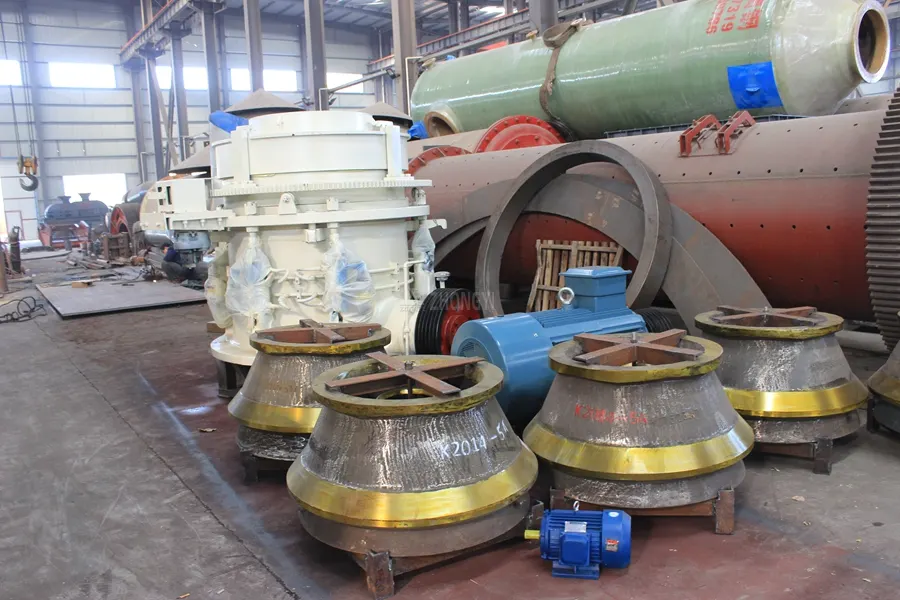
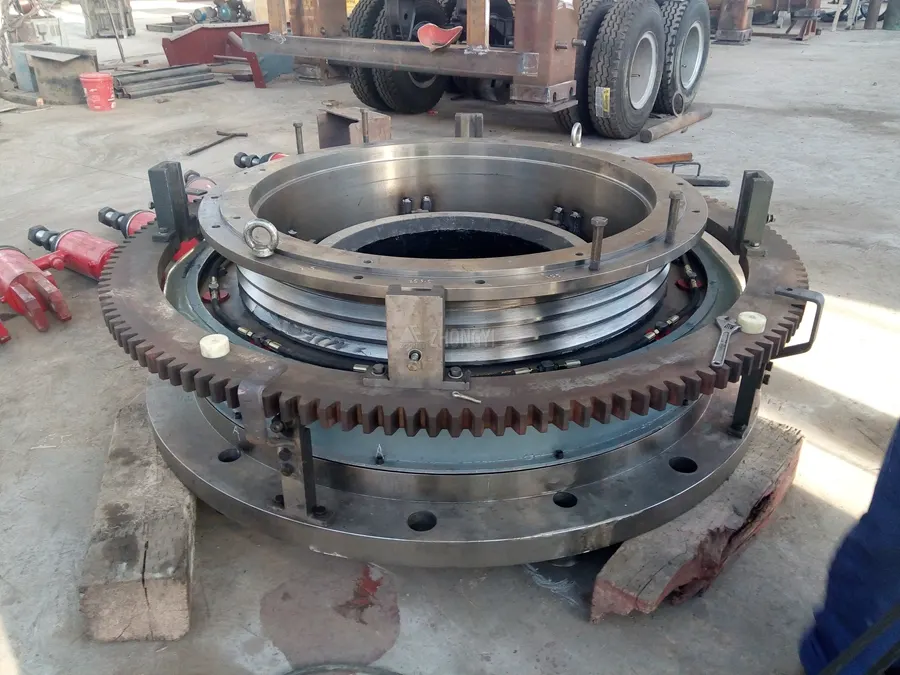
The main assemblies include a main frame, crushing chamber, mantle, concave, main shaft, and eccentric assembly. The mantle is mounted on the moving cone, while the concave forms the fixed outer surface of the crushing chamber. The eccentric assembly drives the moving cone’s gyratory motion, creating a continuously changing gap between the two crushing surfaces. Although spring, single-cylinder hydraulic, and multi-cylinder hydraulic cone crushers differ in their mechanical and adjustment systems, they share the same basic compression crushing principle.
For a hydraulic model example, the Çok Silindirli Hidrolik Konik Kırıcı page provides equipment details.
How Does a Cone Crusher Work?
Its working principle relies on continuous compression. Material enters the crushing chamber from the top as the eccentric assembly drives the mantle in a gyratory motion. When the gap between the Mantle and Concave narrows, the rock is compressed and fractured. As the material moves downward, it undergoes repeated crushing until it reaches a size that can pass through the discharge opening.
Under suitable choke-feeding conditions, particles also press against one another, creating interparticle crushing. This layered crushing action helps reduce material more evenly and can improve product size distribution and particle shape. Actual results depend on chamber design, feed conditions, and discharge setting.
Darbeli Kırıcı Nedir?
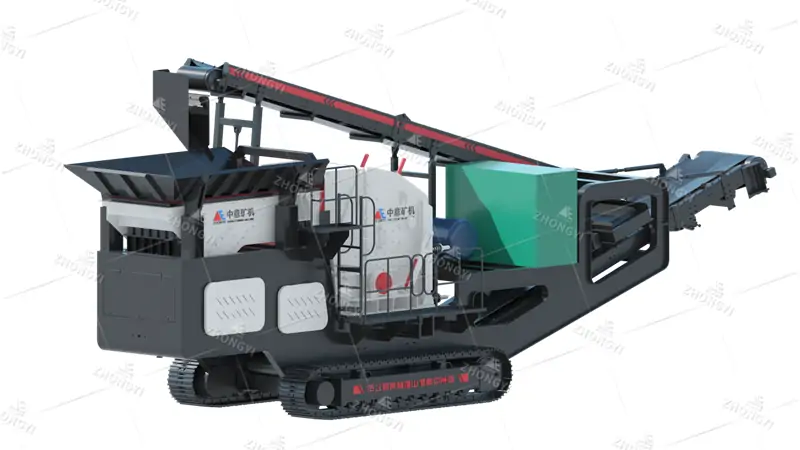
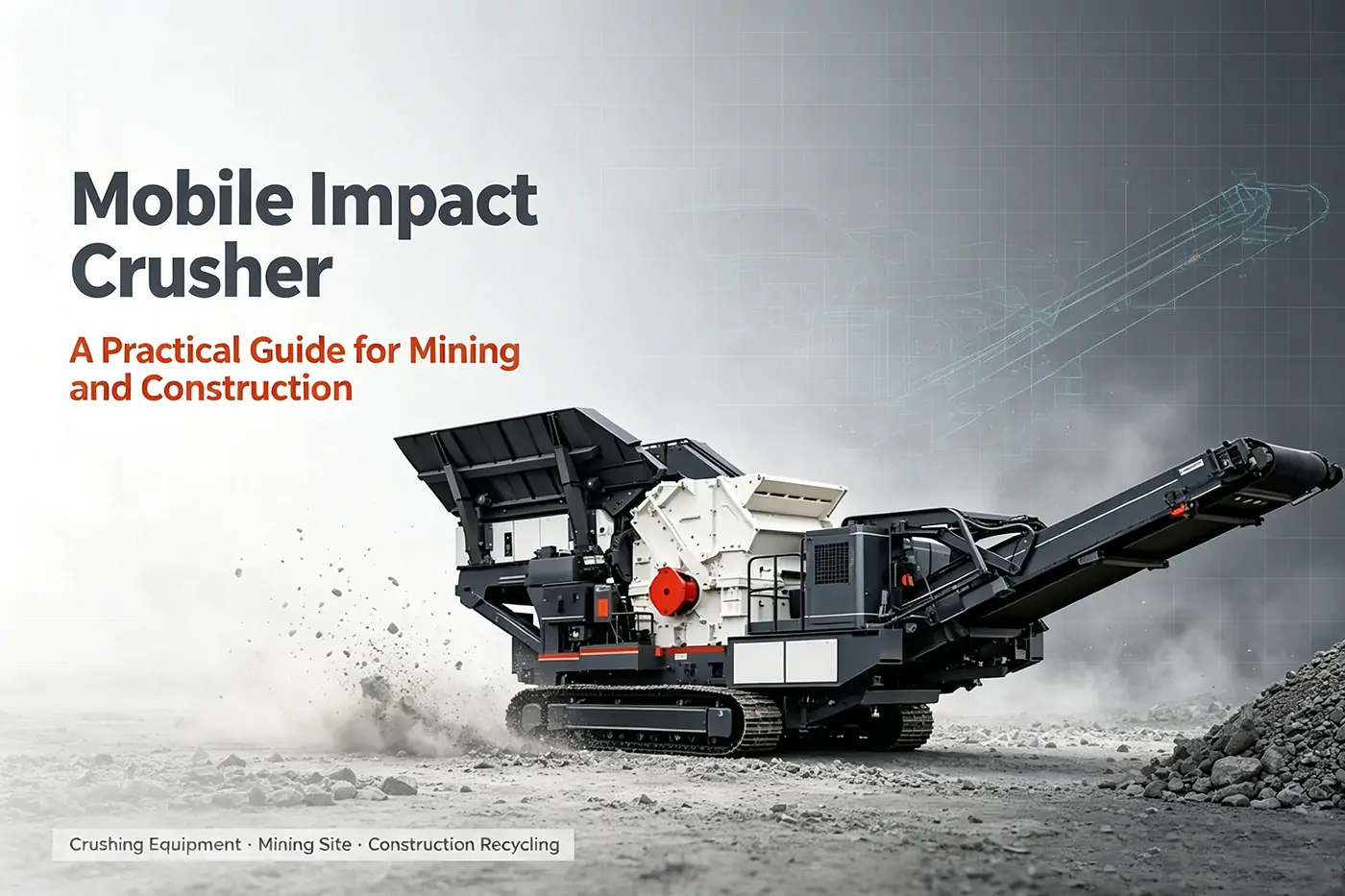
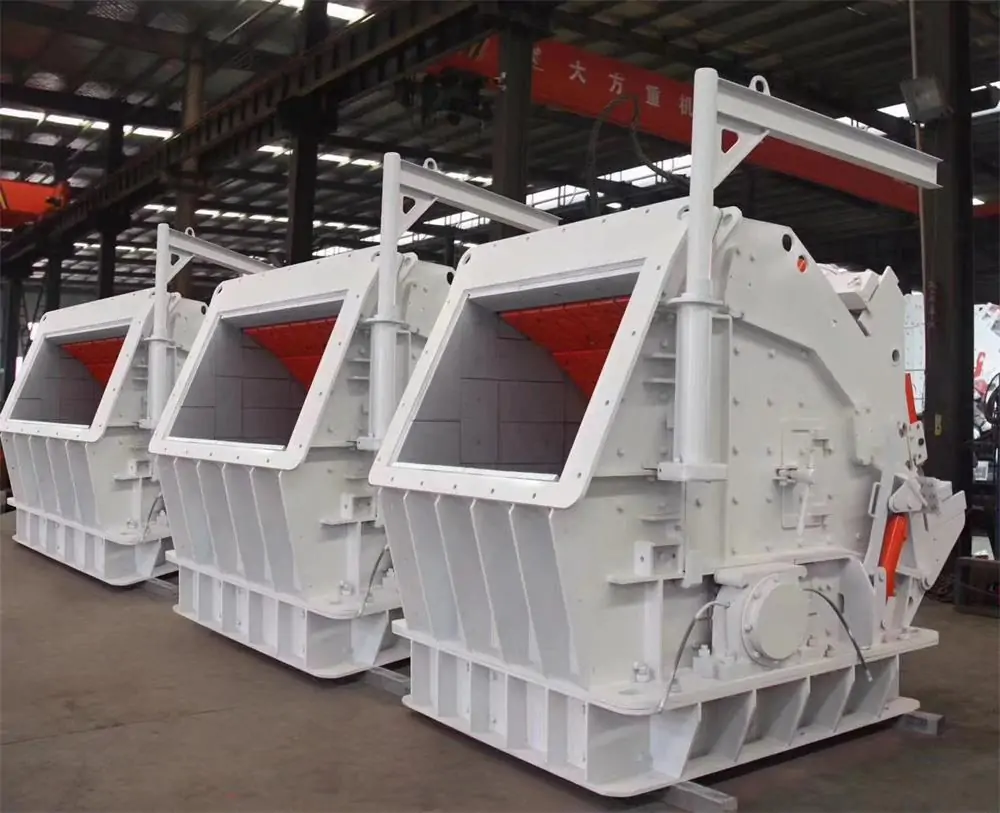
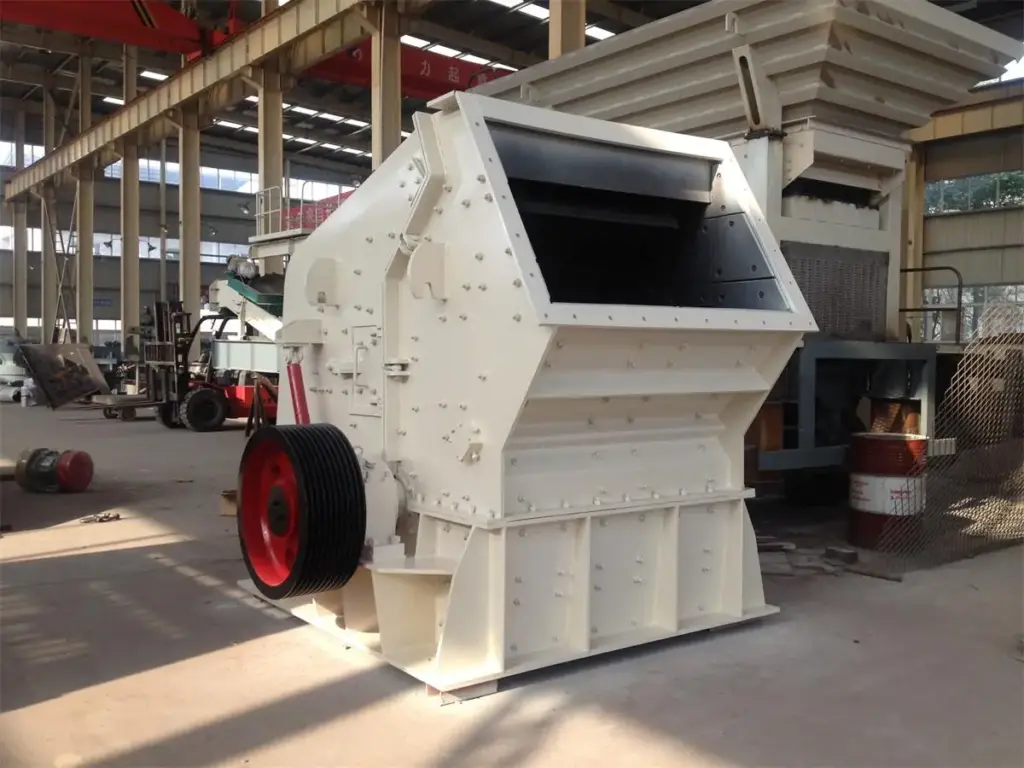
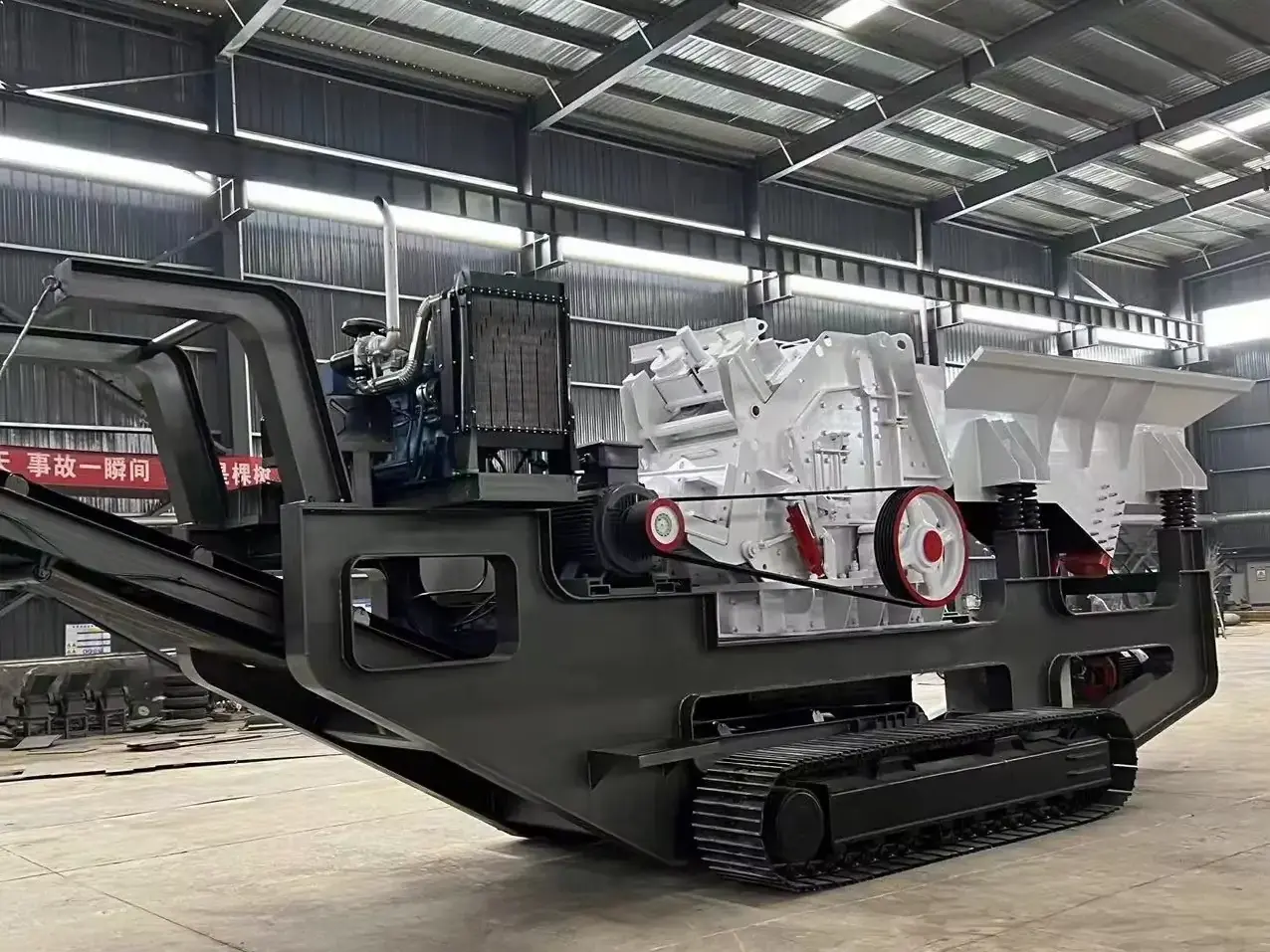
An Impact Crusher is a crushing machine that reduces material through high-speed impact rather than compression. It is used in mining, quarrying, and aggregate crushing to break rock into smaller sizes and, depending on the design and operating conditions, improve particle shape.
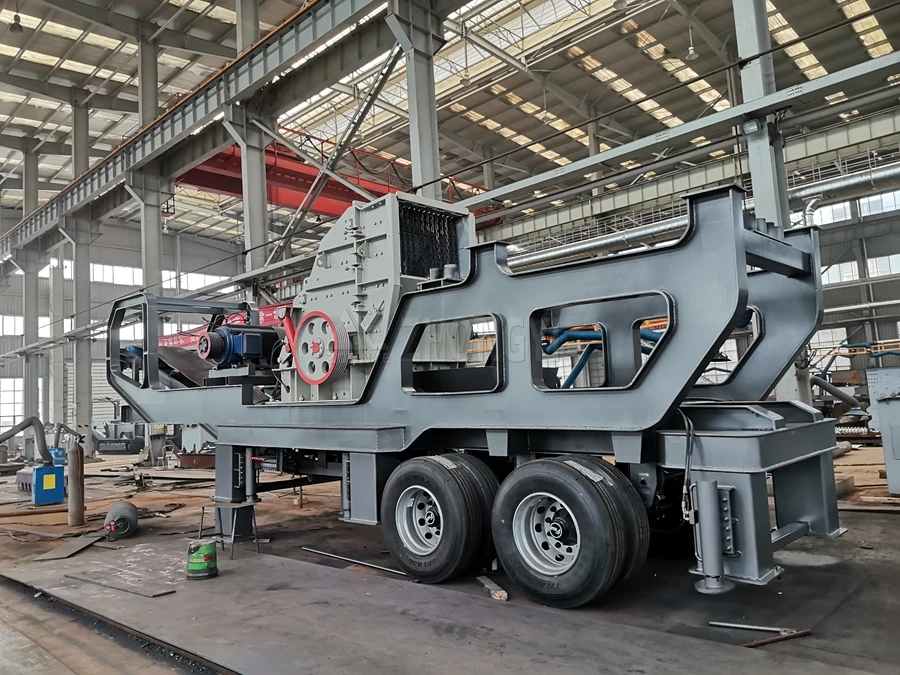
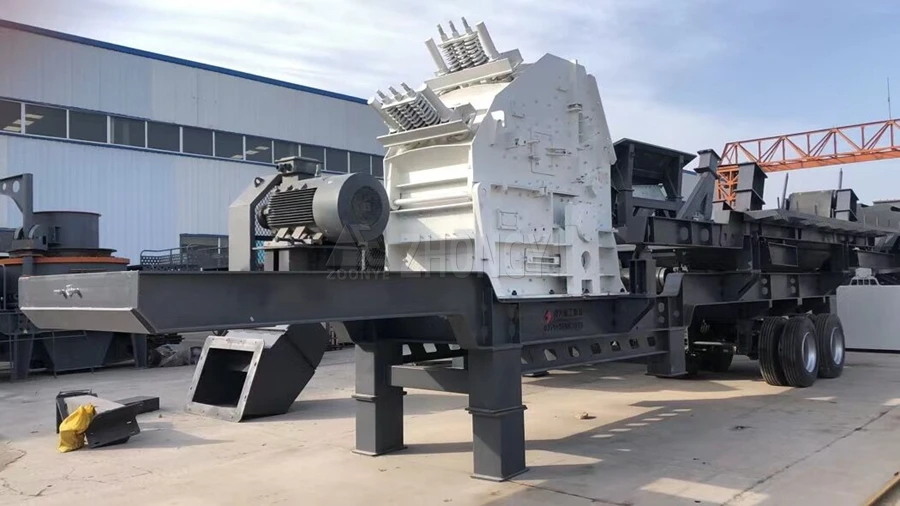
Impact crushing equipment mainly includes two configurations: Horizontal Shaft Impact Crushers (HSI) and Vertical Shaft Impact Crushers (VSI). An HSI uses a horizontal rotor fitted with blow bars to strike material against impact plates. A VSI uses a vertical rotor to accelerate material outward, where it breaks through impact against other rocks or metal surfaces. Although both rely on impact force, their structures, crushing actions, and typical applications differ.
Darbeli Kırıcı Nasıl Çalışır?
The working principle varies with the rotor arrangement.
In an HSI, material enters the crushing chamber and meets a high-speed Rotor fitted with replaceable Blow Bars. The blow bars strike the material and throw it against adjustable Impact Plates or breaker aprons. Repeated impacts and collisions between particles reduce the material size. The clearance between the impact plates and rotor speed influence the discharge gradation.
For a more detailed account of the impact mechanism, see Darbeli Kırıcı Nasıl Çalışır?.
In a VSI, material enters the centre of a vertical rotor and is accelerated outward. It then breaks against a rock bed (rock-on-rock) or metal anvils (rock-on-metal), depending on the machine configuration. Rotor speed, feed conditions, and wear-part condition affect the crushing results.
The Dikey Şaft Darbeli Kırıcı (VSI Kırıcı) page provides a product example of this vertical-shaft arrangement.
Which Materials Are Cone Crushers and Impact Crushers Suitable For?
When selecting between these designs, both rock hardness and abrasiveness matter. Hardness affects how difficult the material is to break, while abrasiveness affects wear on crushing components. Quartz content and mineral composition should also be considered during Crusher Material Selection.
Materials Suitable for Cone Crushers
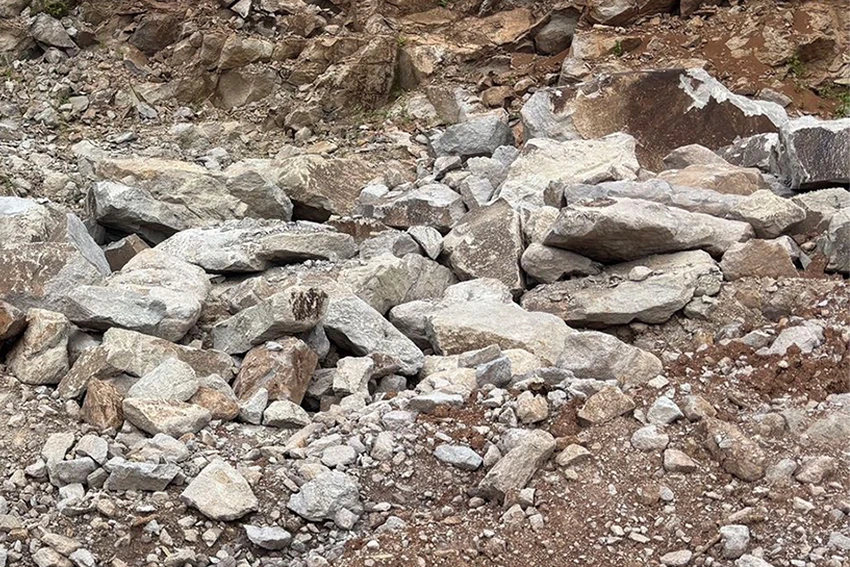
For hard rock, compression-based equipment is commonly used for secondary and tertiary crushing of granite, basalt, quartzite, iron ore, and other abrasive materials. Compression crushing is well suited to these applications. In Granite Crushing and Basalt Crushing, mineral composition and abrasiveness affect wear part life. For River Pebble Crushing, rock type and quartz content should also be checked, as not all river pebbles are equally abrasive.
For a material-by-material equipment comparison, see Granit, Bazalt ve Kireç Taşı için En İyi Taş Kırıcı.
Materials Suitable for Impact Crushers
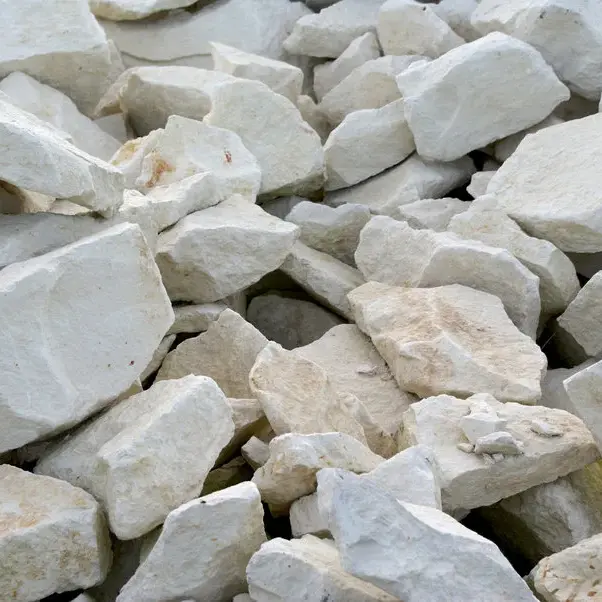
For limestone, impact crushing is a common choice for size reduction and particle shaping because limestone is generally less abrasive than quartz-rich rock. Dolomite and gypsum can also be processed, depending on their properties and crusher design. In Concrete Recycling, reinforcing steel, metal contaminants, and moisture must be considered, and pre-sorting or magnetic separation may be needed. Both HSI and VSI crushers are used in Aggregate Processing, but their feed requirements and applications differ.
For additional feed-property checks, see What Materials Are Suitable for Impact Crushers?.
Why Rock Abrasiveness Matters in Crusher Selection
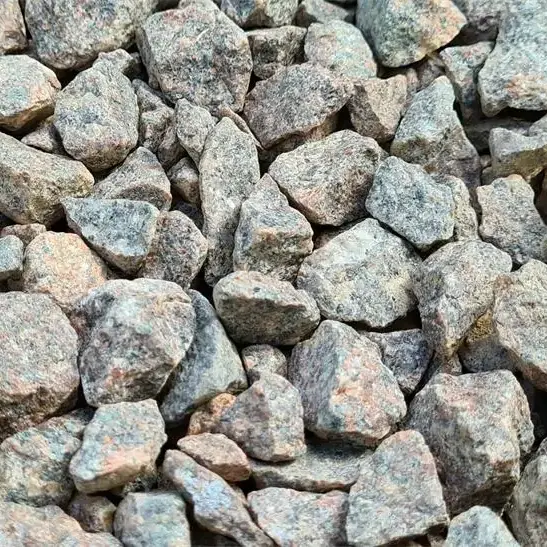
Rock hardness and Rock Abrasiveness are different properties. Hardness affects how difficult a rock is to break, while abrasiveness affects the Crusher Wear Rate and Wear Parts Consumption. Quartz content, mineral composition, and rock texture all influence wear. For Abrasive Rock Crushing, these factors should guide equipment configuration and wear-part selection. Excessive wear means more frequent replacements, longer maintenance downtime, and higher operating costs per ton.
Differences in Output Size, Particle Shape, and Product Quality
The crushing method affects product size distribution and Aggregate Particle Shape, but it does not determine product quality on its own. Crusher design, feed conditions, operating settings, and screening all influence the final result.
Particle Shape and Aggregate Quality
Impact crushers can produce well-shaped, Cubical Aggregates through repeated impacts and collisions. However, the result depends on the crusher type, rotor configuration, and operating conditions. Cone crushers can also produce good Particle Shape when the crushing chamber is properly selected and the machine operates under suitable choke-feeding conditions.
In both cases, feed distribution and closed-circuit operation affect the proportion of Flaky and Elongated Particles. Final Aggregate Quality should be checked through particle shape testing rather than judged by the crushing principle alone.
For background on crushed stone as a construction raw material, see the U.S. Geological Survey’s Crushed Stone Statistics and Information.
Discharge Size and Fine Material Production
For cone models, output size is mainly controlled by the discharge setting, crushing chamber, and screening circuit. With impact equipment, discharge size is influenced by rotor speed, impact plate clearance in HSI designs, or rotor configuration in VSI designs, along with feed conditions.
Impact crushers can achieve a high Reduction Ratio in suitable applications and may generate more fines, depending on the material and operating settings. However, neither machine always produces finer material than the other. The final size distribution, including Fine Aggregate content, depends on feed properties, screen specifications, and recirculating load. Actual product requirements should be confirmed through screening tests and Crushing Circuit evaluation.
Cone Crusher vs Impact Crusher: Capacity and Energy Consumption
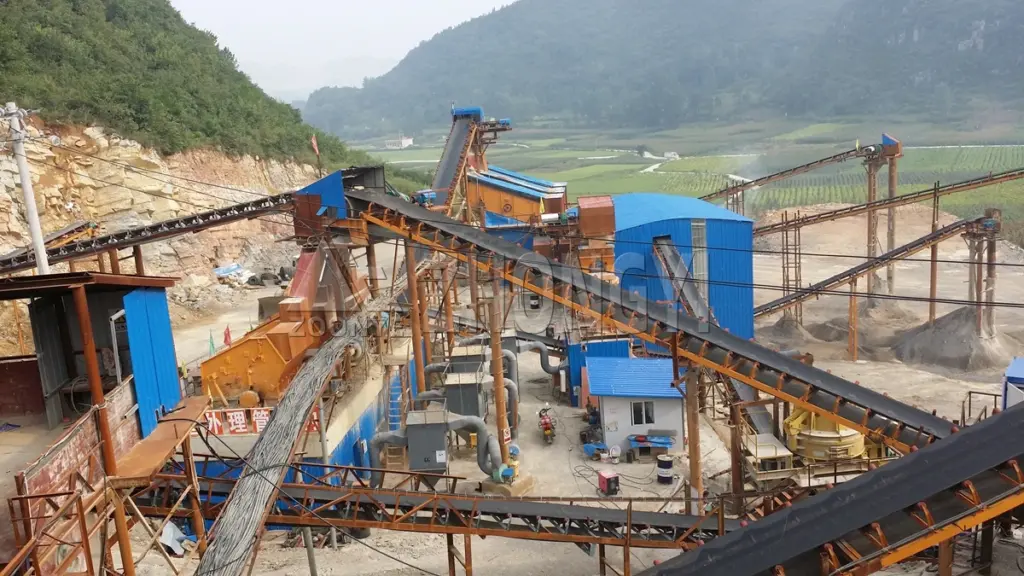
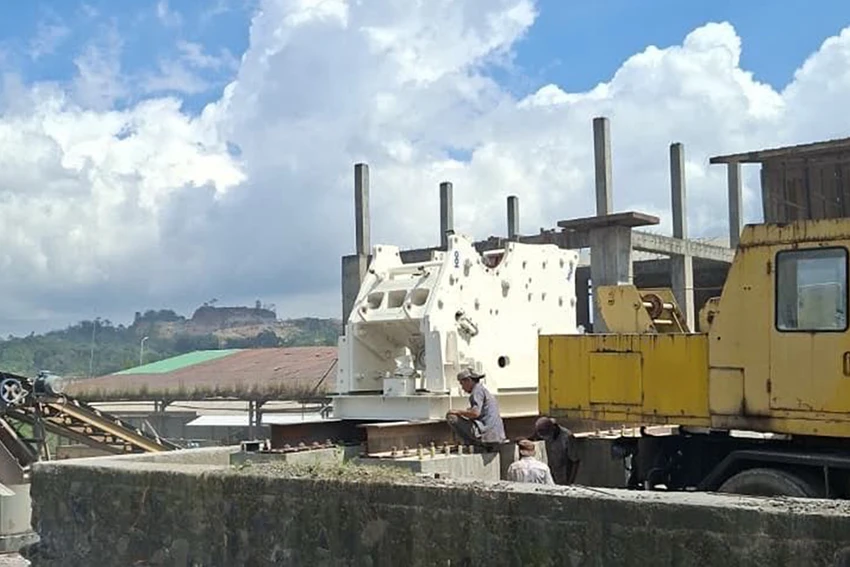
Production capacity and energy consumption depend on the material being processed, the required product size, and the equipment configuration. A cone crusher is commonly used for continuous crushing of hard and abrasive rock, while an impact crusher can achieve a high reduction ratio and improve particle shape when processing suitable materials. To compare the two machines fairly, buyers need to consider both qualified output and the electricity consumed to produce it.
Crushing Capacity and Production Efficiency
For cone models, capacity is influenced by the crushing chamber, feed size, feed distribution, and discharge setting. These units are widely used for high-volume secondary and tertiary crushing in hard-rock plants. For impact designs, capacity depends on the crusher type, rotor configuration, material properties, and required product size. It can vary considerably between HSI and VSI designs. When comparing Crushing Throughput in Tons Per Hour (TPH), use the same feed material and final product requirements. Rated capacity alone does not show how much qualified product each machine can actually produce.
Energy Consumption per Ton
For either design, energy consumption should be evaluated based on actual electricity use per ton of qualified product, rather than motor power alone. This is known as Specific Energy Consumption, calculated as follows:
Specific Energy Consumption (kWh/t) = Electricity Consumption (kWh) ÷ Qualified Product (t)
The result is affected by material hardness and abrasiveness, feed size, required reduction, and circulating load. Compression crushing may be more economical for continuous crushing of abrasive rock, while impact crushing may reduce the need for additional crushing stages when the feed material and product requirements suit its design. For a realistic comparison, Crushing Operating Cost should also include wear parts and maintenance, not just electricity consumption.
Operating Costs, Wear Parts, and Maintenance
The purchase price is only part of the cost of owning a crusher. Wear part consumption, maintenance requirements, and unplanned downtime also affect long-term operating costs. Compression-based machines are commonly used for continuous crushing of hard, abrasive rock, while impact-based equipment can be a practical choice for less abrasive materials. However, neither machine is automatically cheaper to operate. The difference depends on the feed material, crusher configuration, and production conditions.
Wear Part Consumption
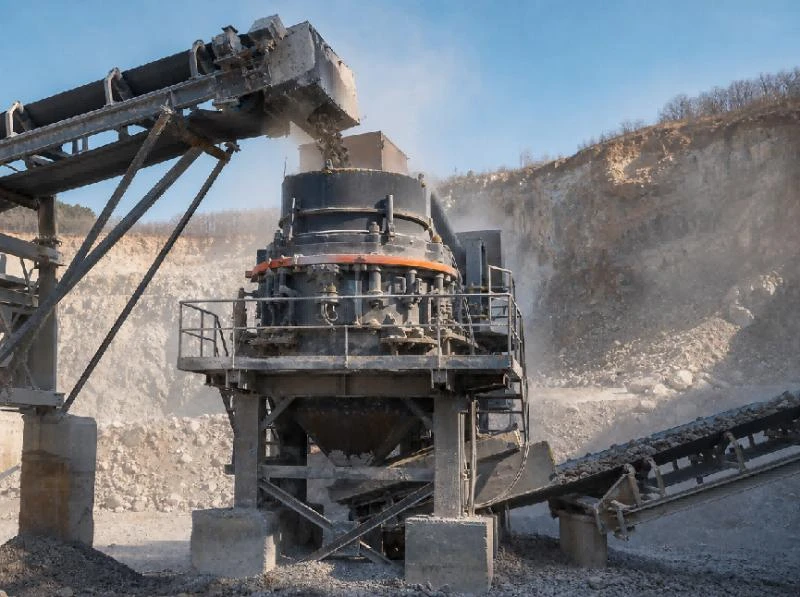
The mantle and concave are the main wear parts in cone models, wearing as rock is compressed in the crushing chamber. In HSI designs, blow bars and impact plates are exposed to repeated impacts and require regular inspection. VSI crushers have different wear components, including rotor tips and anvils, depending on their design. The Crusher Wear Rate is affected by material abrasiveness, crushing conditions, and wear-resistant material selection, all of which influence Wear Parts Replacement frequency.
Maintenance and Downtime
Routine maintenance of cone models mainly involves checking mantle and concave wear, monitoring lubrication and hydraulic systems, and adjusting the discharge setting. For HSI equipment, maintenance focuses on blow bar and impact plate condition, rotor balance, and the fastening of wear components. VSI maintenance requires attention to rotor wear parts and other components specific to its design. Regular inspections help identify wear and abnormal operating conditions before they lead to extended Crusher Downtime.
Total Cost of Ownership
The Total Cost of Ownership includes the initial equipment investment, electricity, wear parts, maintenance labor, and downtime losses. Screening and recirculation costs should also be considered because they affect the amount of work required to produce the final product. Instead of comparing equipment prices alone, buyers should evaluate the Cost per Ton of qualified product over the expected operating period. Compression equipment may be more economical for abrasive rock, while impact-based systems can offer competitive operating costs when processing suitable, less abrasive materials.
Where Do Cone Crushers and Impact Crushers Fit in a Crushing Production Line?
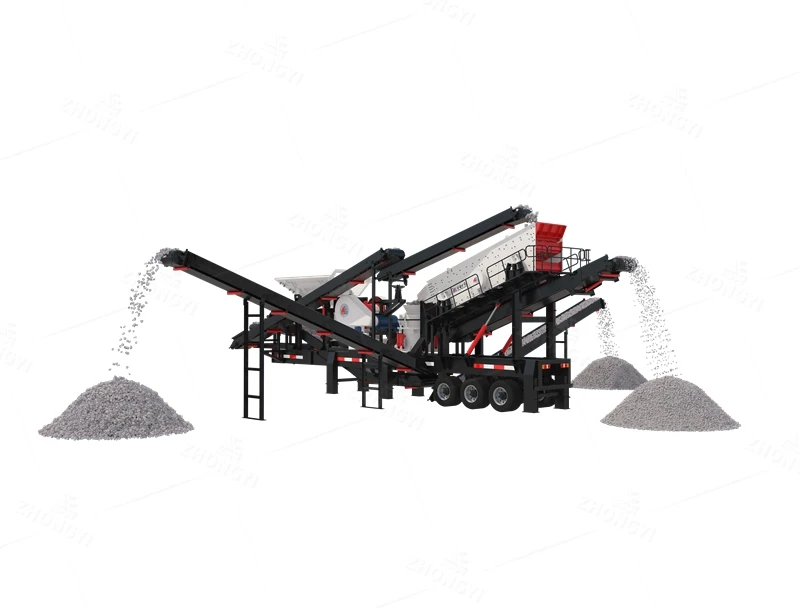
Equipment position depends on the feed material, required product specifications, and overall Crushing Production Line design. Cone crushers are commonly used for secondary and tertiary crushing of hard rock, while impact crushers can serve different crushing stages depending on their design. The following comparison shows their typical roles in an Aggregate Crushing Plant.
For context on how primary crushing differs from the cone stage, see Jaw Crusher vs Cone Crusher: Differences, Applications and How to Choose.
| Karşılaştırma | Konik Kırıcı | Darbeli Kırıcı |
|---|---|---|
| Tipik Konum | Secondary and tertiary crushing | Primary, secondary, or tertiary crushing, depending on design |
| Tipik Uygulamalar | Granite, basalt, iron ore, and other hard rock | Limestone aggregates and suitable concrete recycling applications |
| Main Function | Hard-rock size reduction | Size reduction and, depending on design, aggregate shaping |
| Typical Circuit | Jaw Crusher → Cone Crusher → Vibrating Screen | Primary Crusher → Impact Crusher → Vibrating Screen |
| Circuit Configuration | Oversize material can return to the cone crusher for closed-circuit crushing | Screening and recirculation depend on final product requirements |
Cone Crusher in Hard Rock Crushing Plants
When configuring this crushing stage, feed distribution and screen specifications need to match the selected crushing chamber and discharge setting. In Hard Rock Crushing Plants, oversize material can be returned to the cone crusher through a closed circuit to maintain the required product size.
Impact Crusher in Aggregate and Recycling Plants
For impact-based aggregate processing, material abrasiveness and feed size should be checked before selecting the rotor and crushing configuration. In concrete recycling, reinforcing steel and metal contaminants also require attention. Sorting and magnetic separation may be needed to protect the equipment and maintain stable operation.
Can Cone Crushers and Impact Crushers Be Used Together?
Combining the two designs may be suitable when a production line needs both hard-rock crushing and additional particle shaping. For example, an impact crusher can be added after cone crushing when the final aggregate specifications justify the extra processing stage. However, additional equipment also means higher investment, wear part consumption, and screening requirements. The decision should be based on material abrasiveness, product specifications, and overall operating economics.
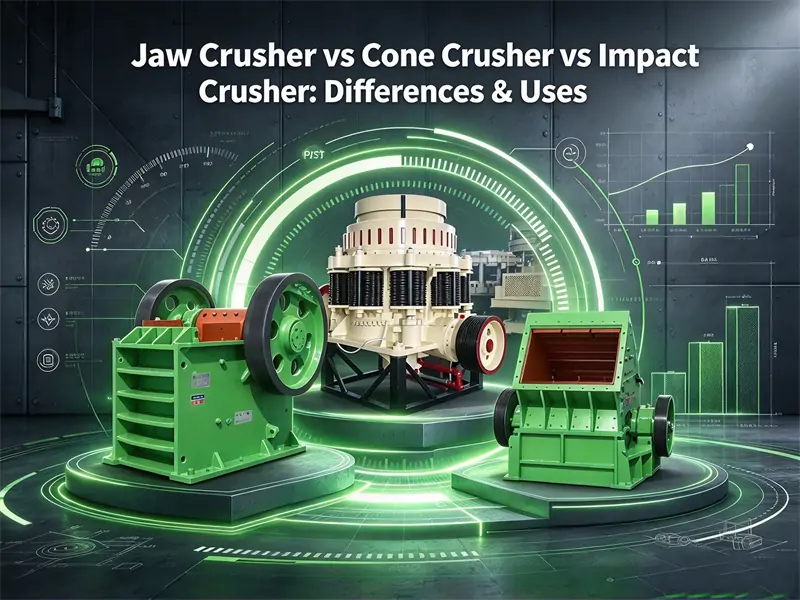
For a broader comparison of the crushing stages, see Çeneli Kırıcı vs Konik Kırıcı vs Darbeli Kırıcı: Farklar ve Kullanım Alanları.
How to Choose Between a Cone Crusher and an Impact Crusher?
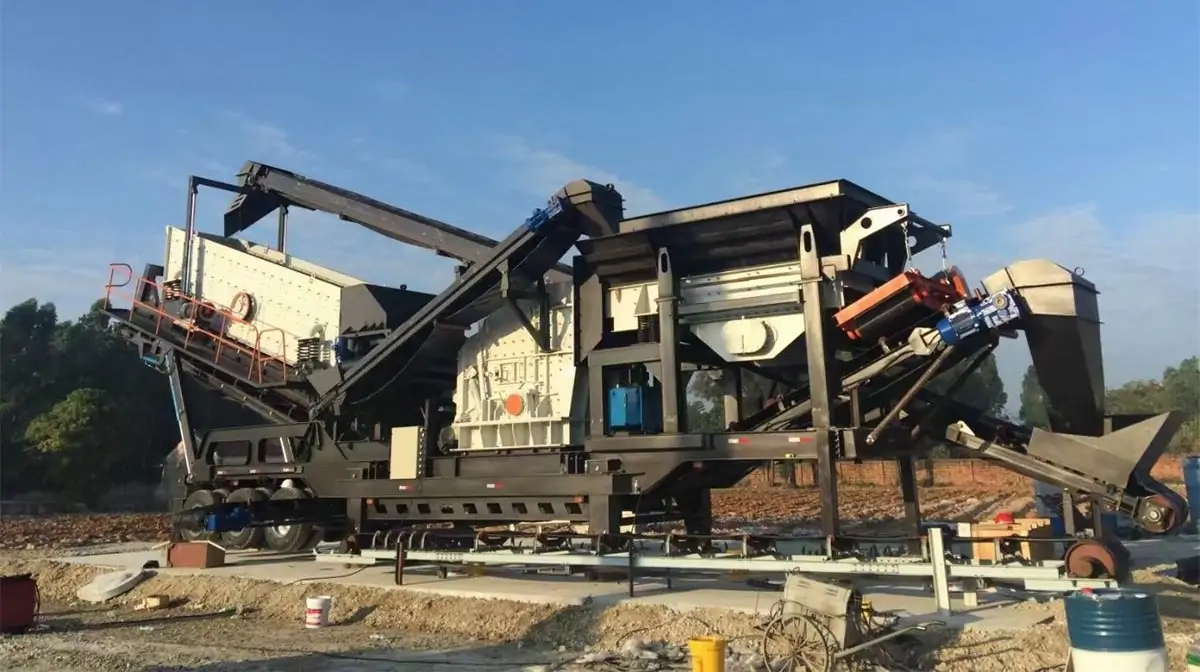
Choosing between these crushing methods requires more than comparing equipment specifications. Material hardness, abrasiveness, feed size, production capacity, and final product requirements all affect the decision. This Crusher Selection Guide outlines the main factors to consider when choosing Crushing Equipment for a mining or aggregate production line.
Choose a Cone Crusher When…
Consider compression crushing when processing granite, basalt, quartzite, iron ore, or other hard and abrasive materials. It is suitable for continuous secondary and tertiary crushing where stable throughput and controlled wear part consumption are important. The final model choice also depends on the required output size and production capacity.
Choose an Impact Crusher When…
Consider an impact crusher when processing limestone, dolomite, or other materials with suitable hardness and abrasiveness. For limestone, this approach can handle size reduction and aggregate shaping, provided its configuration matches the feed and product requirements. Wear part consumption should also be evaluated before selecting Impact Crushing Equipment for long-term operation.
Once impact crushing is shortlisted, How to Choose an Impact Crusher: A Complete Selection Guide explains the next model-selection checks.
What Information Is Needed Before Selecting a Crusher?
A proper Crusher Selection requires more than the material name and target capacity. Engineers need the following Crusher Selection Factors to evaluate equipment configuration:
| Information | Details to Provide |
|---|---|
| Malzeme Özellikleri | Rock type, hardness, abrasiveness, and quartz content |
| Besleme Boyutu | Maximum feed size and particle size distribution |
| Gerekli Kapasite | Target throughput in TPH |
| Final Product Specifications | Required sizes, gradation, particle shape, and proportion of each size |
| Existing Equipment | Current crushers, screens, and production line layout |
| Çalışma Koşulları | Operating hours, site conditions, maintenance, and power supply |
Conclusion: Cone Crusher or Impact Crusher?
Choosing between a cone crusher and an impact crusher depends on material properties, product requirements, and long-term operating costs. For hard, abrasive rock and continuous crushing, a cone crusher is often worth considering. For less abrasive materials where particle shape and aggregate shaping matter, an impact crusher may be more suitable. Equipment selection should account for investment, energy consumption, wear parts, maintenance, and cost per ton of qualified product.
Zhongyi Mining helps customers evaluate Crushing Equipment and configure practical crushing solutions based on actual project conditions. If you are planning a new plant or upgrading an existing line, Contact Us with your material, feed size, capacity, and product requirements to discuss a suitable equipment configuration.
Frequently Asked Questions About Cone Crusher vs Impact Crusher
Which Is Better, a Cone Crusher or an Impact Crusher?
Neither crusher is universally better. A cone crusher is generally more suitable for hard, abrasive materials and continuous secondary or tertiary crushing. An impact crusher can be a better option for less abrasive materials when particle shape and size reduction are important. The right choice depends on material properties, production targets, final product specifications, and operating costs.
Can an Impact Crusher Crush Granite and Basalt?
Yes. An impact crusher can process granite and basalt, but their high abrasiveness may accelerate wear on blow bars, impact plates, and other wear components, particularly in HSI designs. Before selecting an Impact Crusher for Granite or basalt, evaluate rock abrasiveness, quartz content, feed size, and expected wear part costs. A cone crusher is often worth considering for continuous hard-rock production.
Which Crusher Produces Better-Shaped Aggregates?
Impact crushers often provide good particle shaping through repeated impacts, making them suitable for producing cubical aggregates. However, cone crushers can also produce well-shaped particles when the crushing chamber, feed distribution, and operating conditions are properly matched. The final Aggregate Particle Shape should be evaluated through particle shape testing and screening results rather than the crusher type alone.
Which Crusher Has Lower Operating Costs?
The Cone Crusher Operating Cost is often more manageable when processing hard, abrasive rock because wear can become a major expense in impact crushing. However, an impact crusher may offer competitive economics when processing less abrasive materials. A fair comparison should include electricity consumption, wear parts, maintenance labor, downtime, and cost per ton of qualified product.
Can Cone Crushers and Impact Crushers Be Used in the Same Production Line?
Yes. A Cone Crusher and Impact Crusher Combination can be used when a production line requires both hard-rock size reduction and additional aggregate shaping. For example, a cone crusher may handle the main crushing stages, followed by an impact crusher for shaping if the material and product requirements justify it. This configuration is optional and should be evaluated against its additional investment and operating costs.
What Is the Difference Between HSI and VSI Impact Crushers?
An HSI crusher uses a horizontal rotor fitted with blow bars to strike material against impact plates or breaker aprons. A VSI crusher uses a vertical rotor to accelerate material outward, where it breaks against other rocks or metal surfaces. Their structures, crushing actions, and typical applications differ, so selection should be based on feed conditions and final product requirements.
How Often Should Crusher Wear Parts Be Replaced?
There is no fixed replacement interval for Crusher Wear Parts. Their service life depends on material hardness and abrasiveness, feed size, operating settings, and wear-part material. Mantles and concaves in cone crushers, as well as blow bars and impact plates in HSI crushers, should be inspected regularly. Replacement should follow actual wear measurements and the equipment manufacturer's limits.
What Should I Compare When Evaluating Crusher Quotations?
Do not compare crusher quotations by purchase price or rated capacity alone. Check the specified feed size, material conditions, expected throughput, and final product requirements. Also compare motor power, wear-part materials and replacement costs, maintenance access, spare parts availability, and technical support. Make sure each supplier is quoting equipment for the same operating conditions and production targets.