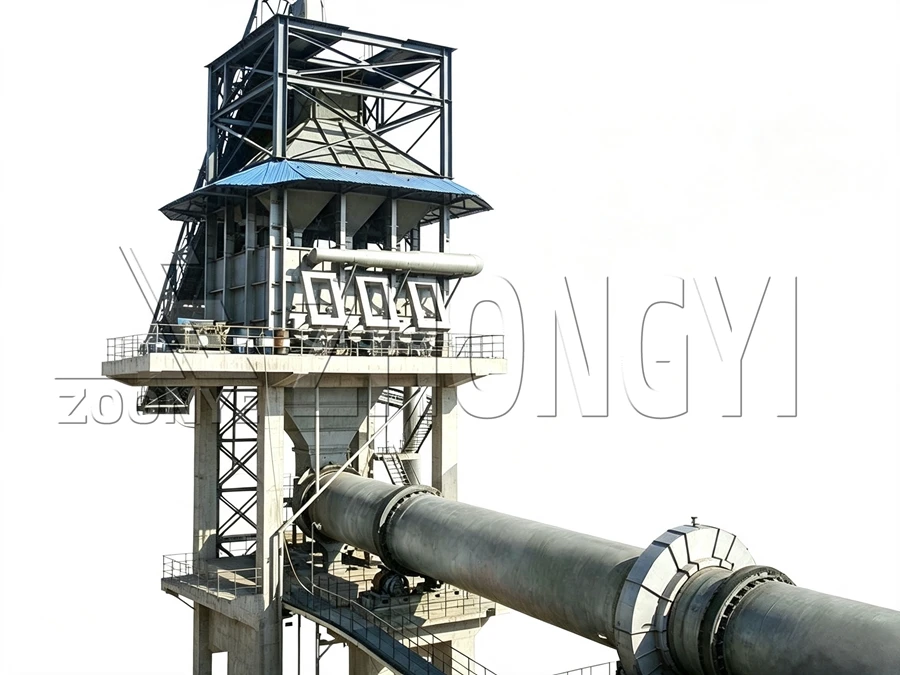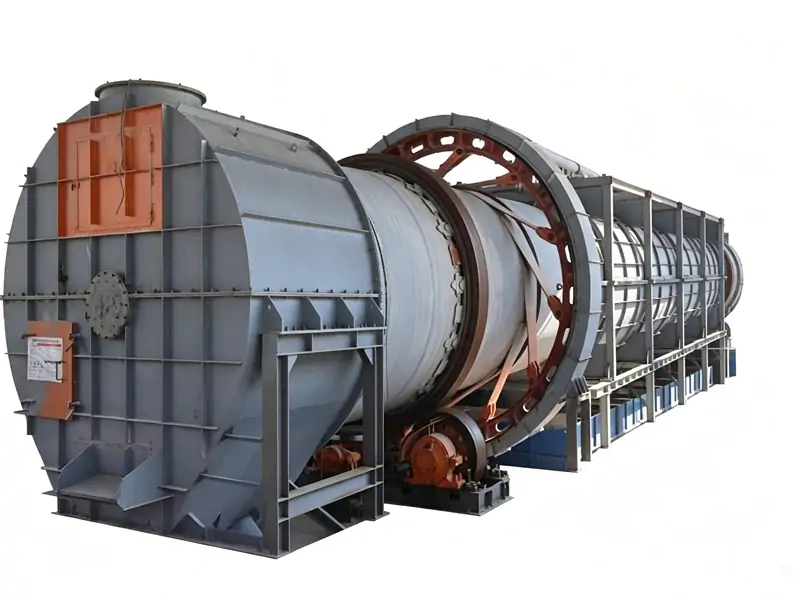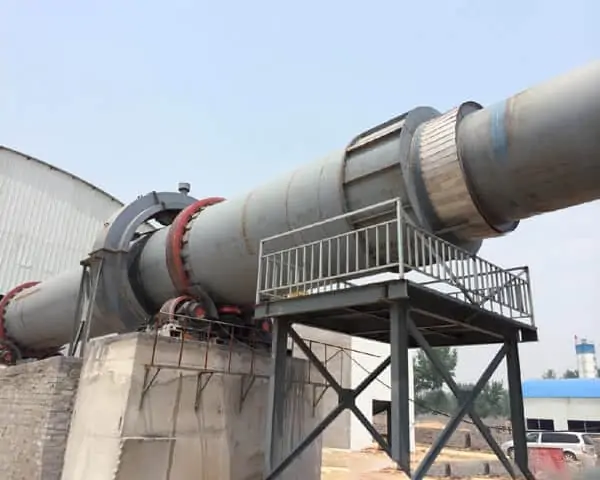











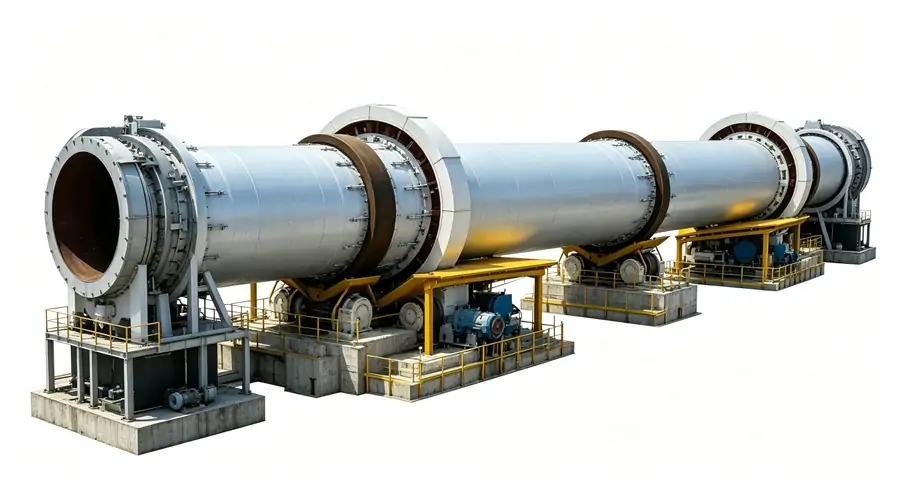
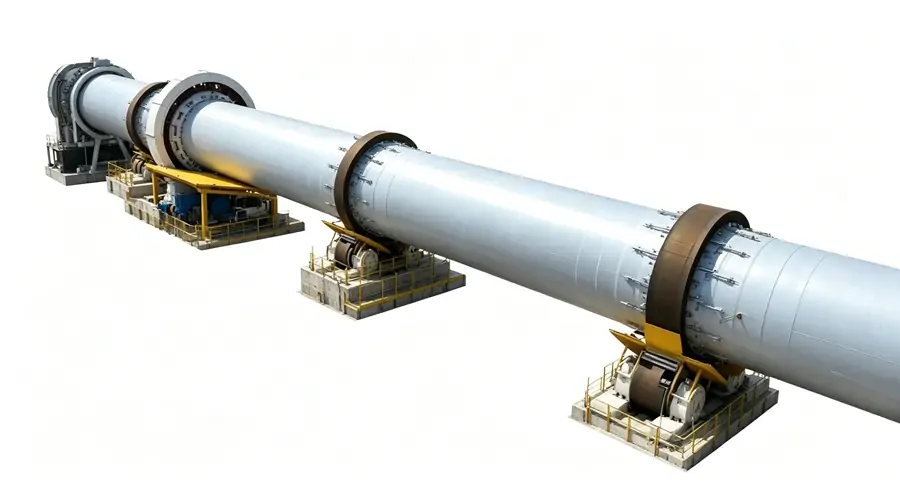
Kalsinasyon Fırını Nedir?
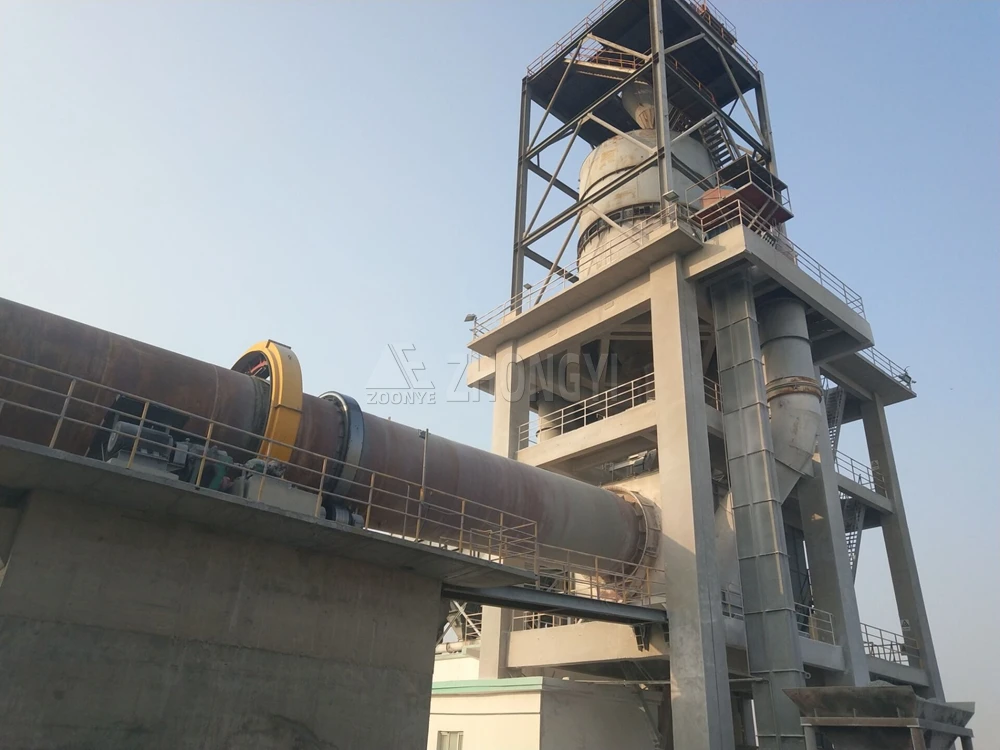
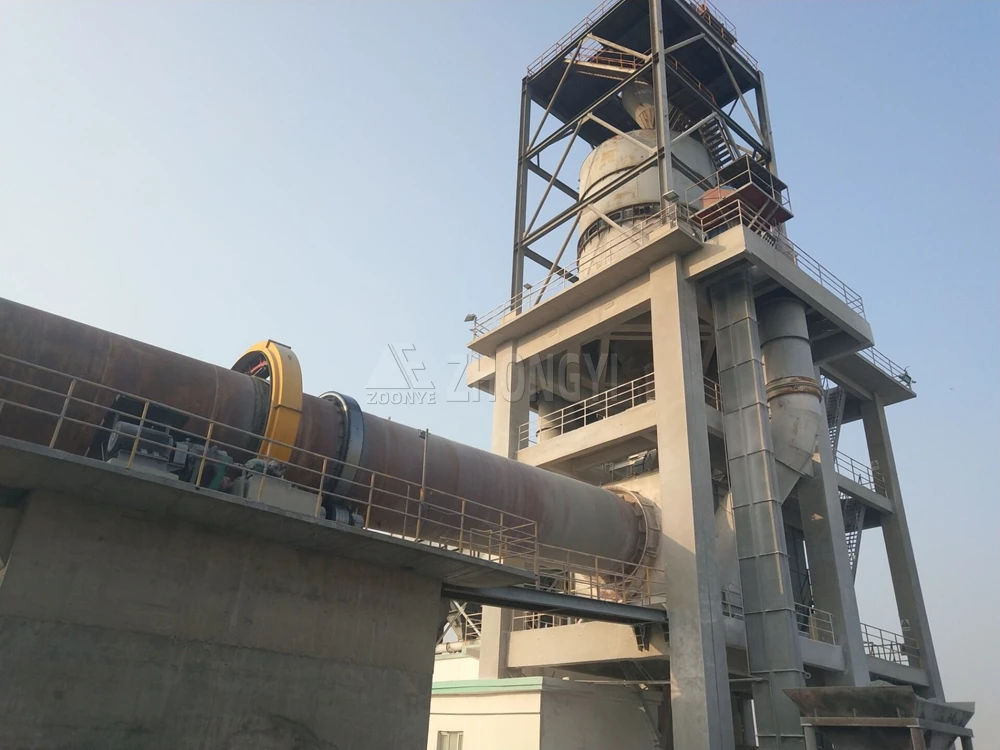
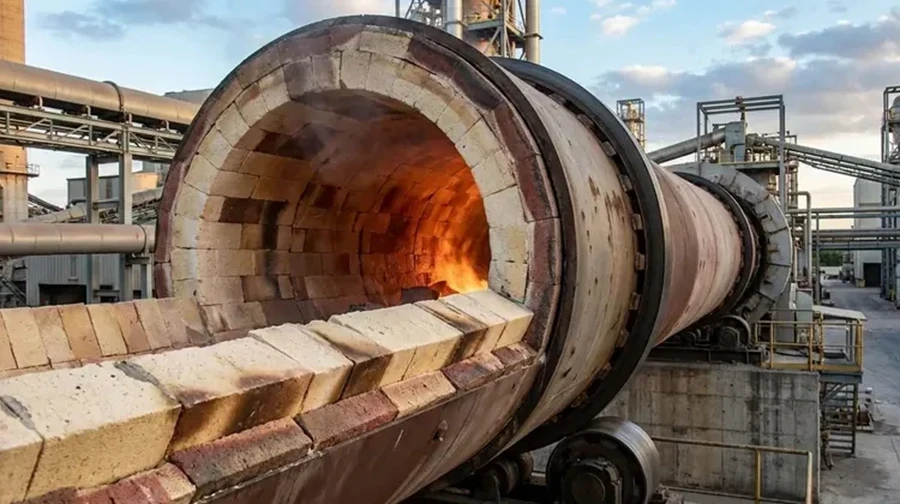
Kalsinasyon fırını, hammaddelerin fiziksel ve kimyasal özelliklerini değiştirmek için kontrollü ısıl işlem sağlamak amacıyla mineral işlemede kullanılan özel bir endüstriyel fırındır. Geleneksel ısıtma ekipmanlarından farklı olarak kalsinasyon fırını, belirli sıcaklık bölgelerini ve malzeme kalma süresini koruyacak şekilde tasarlanmış olup, minerallerin sürekli çalışma sırasında gerekli reaksiyon derecesine ulaşmasını sağlar.
Madencilik uygulamalarında, döner kalsinasyon fırınları genellikle büyük hacimli mineral malzemeleri kararlı termal koşullarla işleme yetenekleri nedeniyle tercih edilir. Şaft fırınları ve akışkan yataklı kalsinatörlerle karşılaştırıldığında, döner fırınlar farklı malzeme boyutları, bileşimleri ve üretim gereksinimlerine daha yüksek uyum sağlama yeteneği sunar; bu da onları cevher kavurma, mineral aktivasyonu ve endüstriyel mineral işleme gibi uygulamalar için uygun kılar.
Kalsinasyon Fırını Nasıl Çalışır?
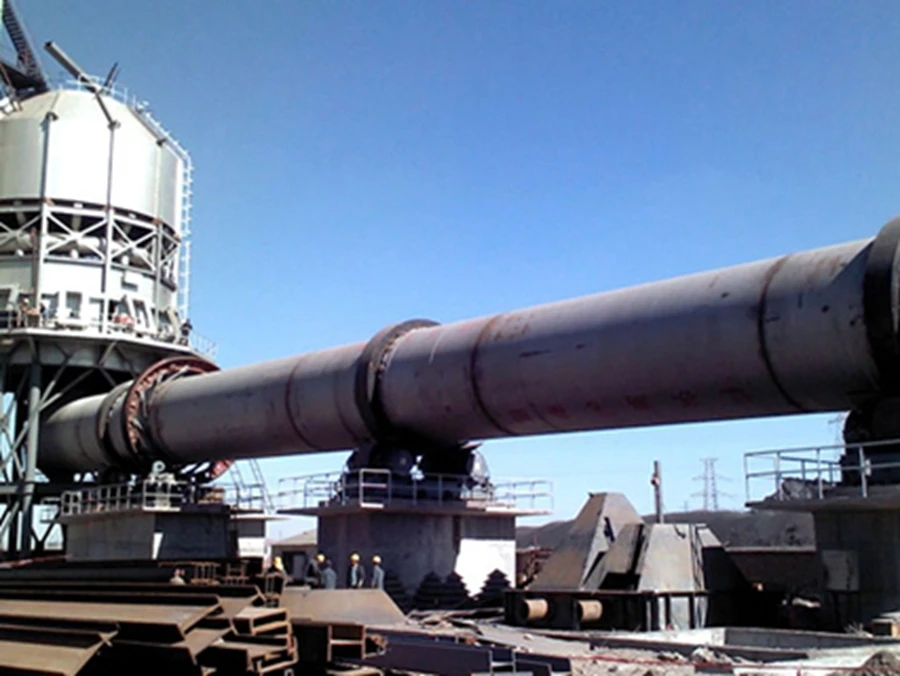
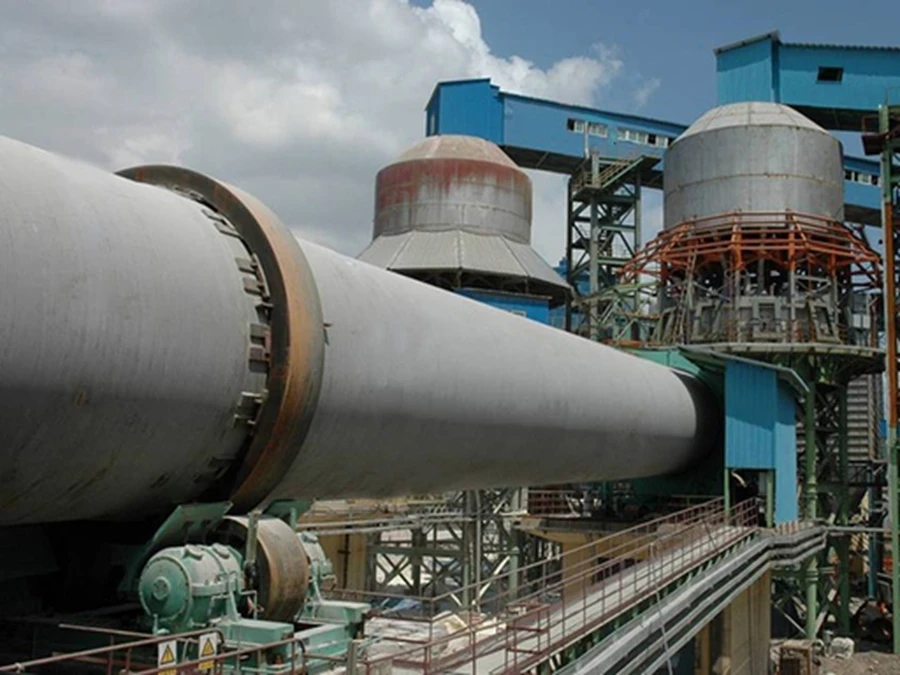
Döner kalsinasyon fırını, sürekli malzeme hareketi ve kontrollü ısı transferi ile çalışır. Besleme sistemi aracılığıyla fırına giren mineral malzemeler, eğimli dönen silindir boyunca kademeli olarak ilerlerken sürekli olarak kaldırılır ve karıştırılır. Bu süreçte malzemeler, ön ısıtma, yüksek sıcaklık reaksiyonu ve soğutma bölgeleri dahil olmak üzere farklı sıcaklık bölgelerinden geçer; burada spesifik mineral özelliklerine göre kurutma, ayrışma, kavurma veya faz dönüşümü reaksiyonları meydana gelir.
Aşağıdaki bölümler, malzeme besleme ve hareketi, ısı değişimi ve mineral reaksiyonları ile soğutma ve nihai ürün tahliyesi dahil olmak üzere her aşamanın kararlı ısıl işleme nasıl katkıda bulunduğunu açıklamaktadır.
Malzeme Besleme ve Hareketi
Kırma, eleme veya ön işlemden sonra mineral malzemeler döner fırına beslenir. Eğimli fırın gövdesi yavaşça döner ve malzemelerin yerçekimi ve sürtünme etkisiyle fırın içinde kaldırılıp döndürülürken ileri doğru hareket etmesini sağlar.
Fırının dönüşü, sürekli malzeme karışımı ve hareketini sağlayarak eşit ısıtmanın, uygun kalma süresinin ve tekdüze kalsinasyon sonuçlarının korunmasına yardımcı olur.
Isıtma ve Termal Reaksiyon
Brülör sistemi fırına ısı sağlar ve fırının dönme hareketi, malzemelerin verimli ısı transferi için sıcak gazlarla temas etmesini sağlar. Sıcaklık arttıkça mineraller, özelliklerine ve işleme gereksinimlerine bağlı olarak kalsinasyon, dehidrasyon, oksidasyon veya indirgeme kavurması gibi farklı reaksiyonlara uğrar.
Farklı mineral uygulamaları için gerekli işlem etkisini elde etmek amacıyla sıcaklık, gaz atmosferi ve malzeme kalma süresi ayarlanır.
Soğutma ve Ürün Tahliyesi
Isıl işlem tamamlandıktan sonra işlenmiş malzemeler fırından tahliye edilir ve soğutma sistemine gönderilir. Soğutma, malzeme sıcaklığını düşürür, taşıma koşullarını iyileştirir ve daha iyi enerji kullanımı için atık ısının geri kazanılmasına yardımcı olur.
Ana Bileşenler
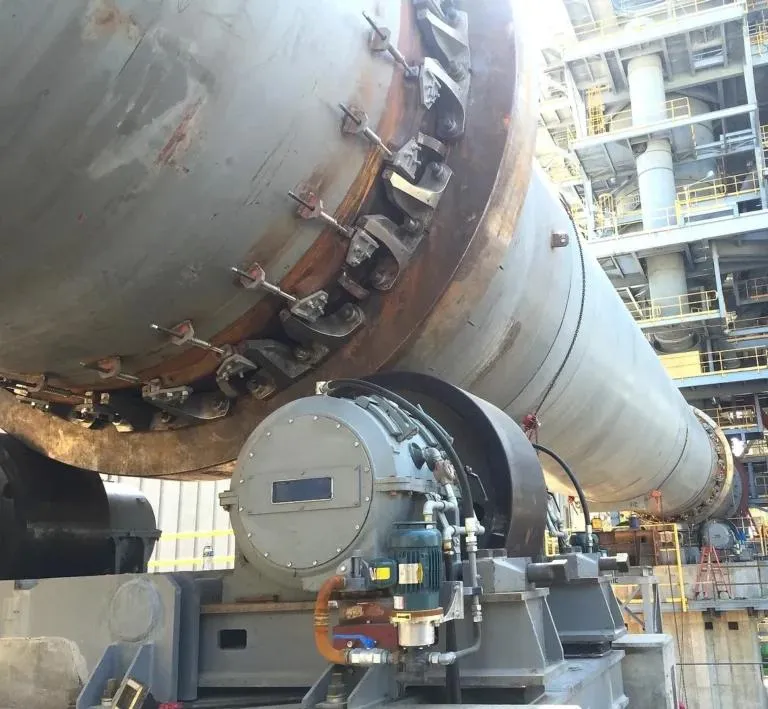
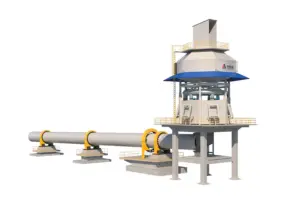
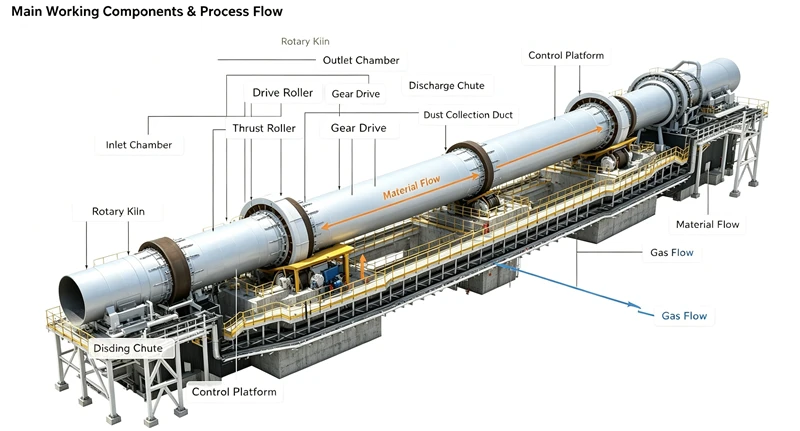
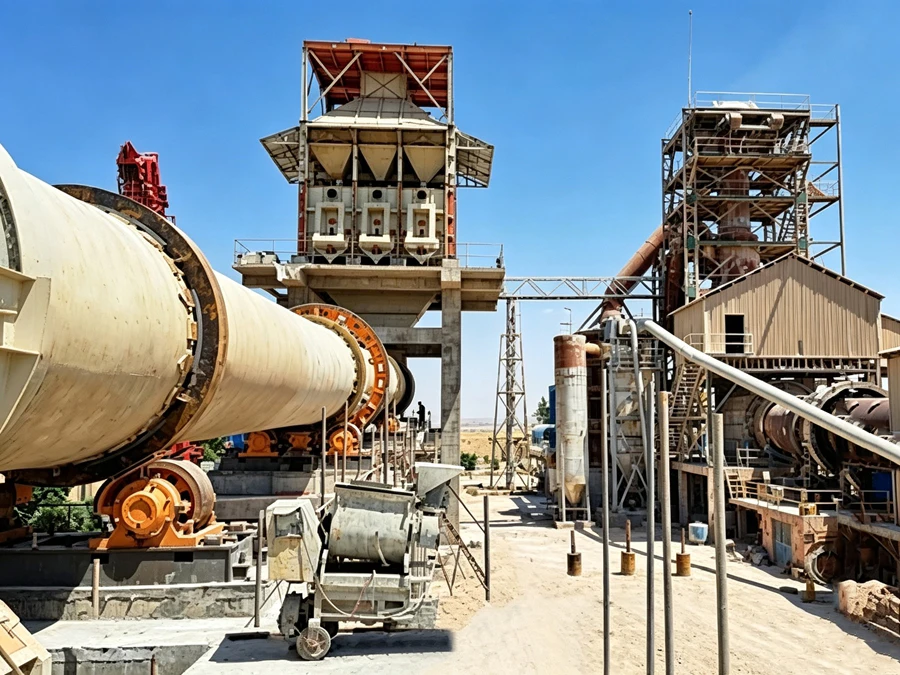
Bir mineral endüstriyel kalsinasyon fırını, sürekli ısıl işlemi tamamlamak için besleme, ısıtma, döndürme ve tahliye sistemlerini bütünleştirir. Döner fırın gövdesi, brülör sistemi ve tahrik mekanizması, malzeme hareketini, ısı transferini ve işleme koşullarını kontrol eden ana bileşenlerdir.
Kalsinasyon Fırınının Yardımcı Sistemleri
Yukarıda belirtilen ana bileşenlere ek olarak, kalsinasyon fırını sistemi malzeme besleme, ısı yönetimi, toz kontrolü ve ürün taşımayı destekleyen çeşitli yardımcı üniteler de içerir. Bu bileşenlerin işlevleri aşağıda özetlenmiştir:
| Bileşen | İşlev |
| Besleme Cihazı | Malzemeleri sürekli olarak fırına besler |
| Refrakter Astar | Fırın tamburunu yüksek sıcaklıktan korur |
| Toz Toplama Sistemi | Egzoz gazını ve tozu toplar |
| Soğutma Sistemi | İşlenmiş malzemeleri soğutur ve ısıyı geri kazanır |
Döner Kalsinasyon Fırını Teknik Özellikleri
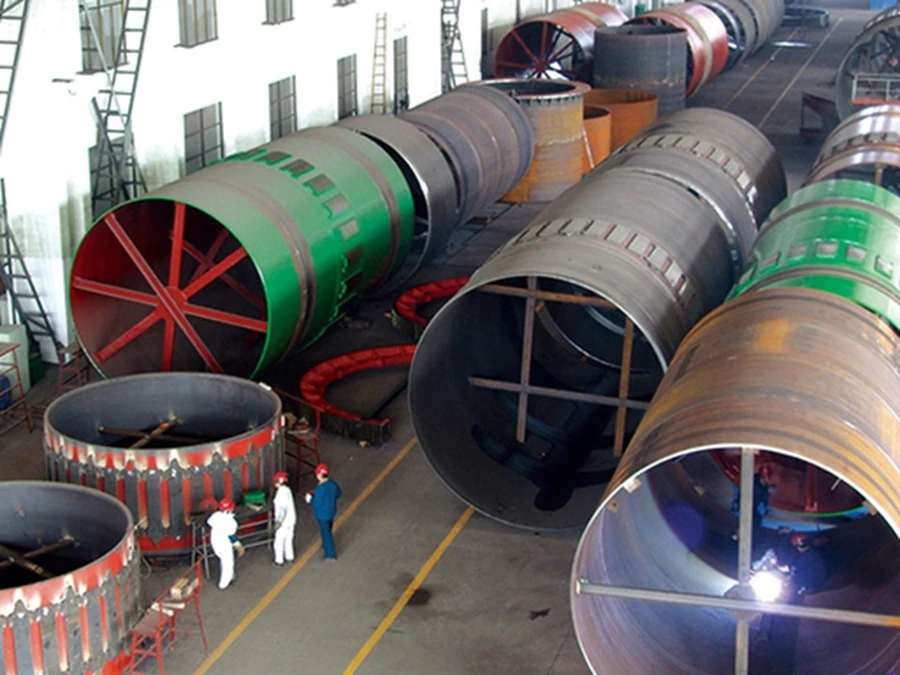
Zhongyi Mining döner kalsinasyon fırınları, çeşitli mineral işleme uygulamaları için farklı boyut ve konfigürasyonlarda tasarlanmıştır. Fırın tasarımı, malzeme özellikleri, gerekli kapasite ve spesifik kalsinasyon koşullarına göre özelleştirilebilir.
| Parametre | Teknik Özellik |
| Fırın Tipi | Döner Kalsinasyon Fırını |
| Tambur Çapı | 1200–4700 mm |
| Tambur Uzunluğu | 25000–72000 mm |
| Eğim | 0.2–4% |
| İşleme Kapasitesi | 3–150 t/s |
| Dönüş Hızı | 0,7–190 rpm* |
| Motor Gücü | 15–550 kW |
| Equipment Weight | 34–795 t |
Note:Rotation speed varies by kiln model and transmission configuration.
Typical Model Specifications
| Model | Shell Diameter (mm) | Shell Length (mm) | Kapasite (t/s) | Motor Gücü (kW) | Ağırlık (t) |
| YZ1225 | 1200 | 25000 | 3 | 22 | 34 |
| YZ1828 | 1800 | 28000 | 3.5 | 30 | 59 |
| YZ2245 | 2200 | 45000 | 3.5 | 45 | 125 |
| YZ2820 | 2800 | 20000 | 3 | 75 | 186 |
| YZ3560 | 3500 | 60000 | 4 | 125 | 348 |
| YZ4272 | 4700 | 72000 | 3.5 | 550 | 795 |
Avantajlar
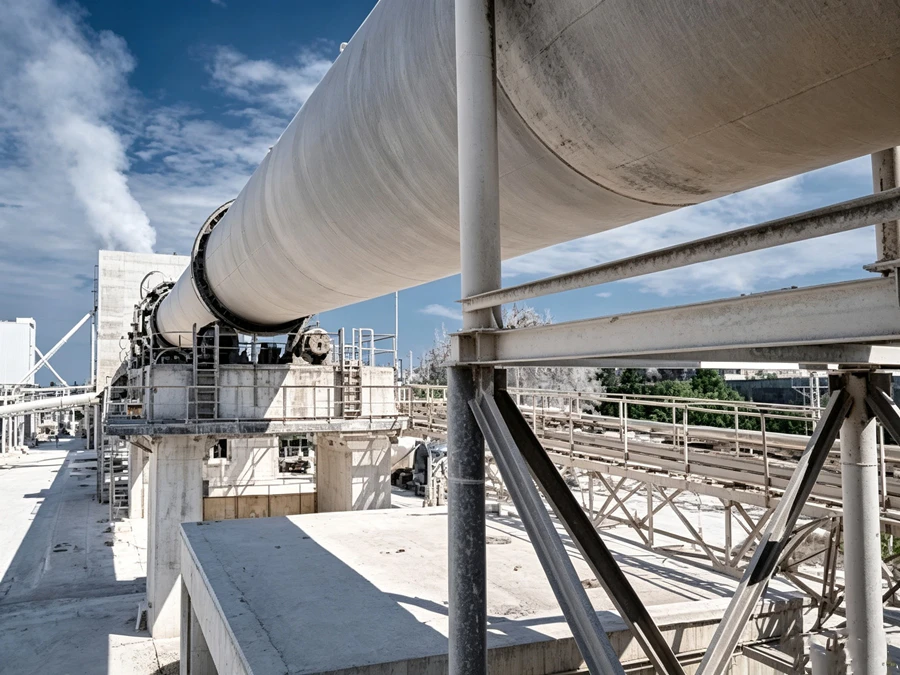
Rotary calcination kilns are commonly used in mineral processing where continuous heating, controlled material movement, and stable thermal conditions are required. The rotating kiln structure allows materials to be evenly exposed to heat while adjustable operating parameters provide flexibility for different mineral treatment processes. These features make rotary industrial calcination kilns suitable for large-scale production, various raw materials, and applications requiring precise calcination control.
Uygulamalar
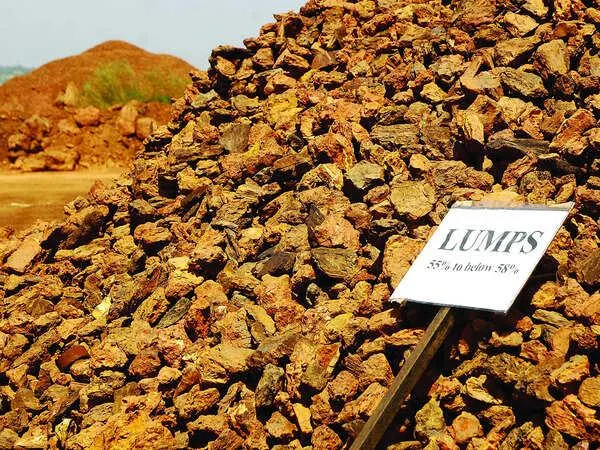
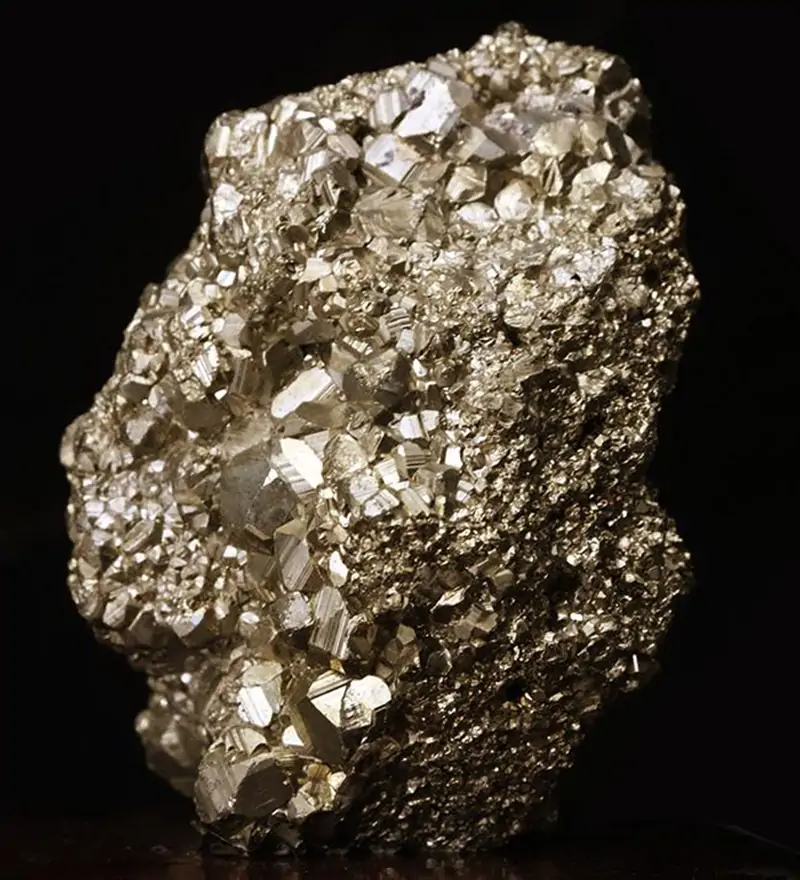
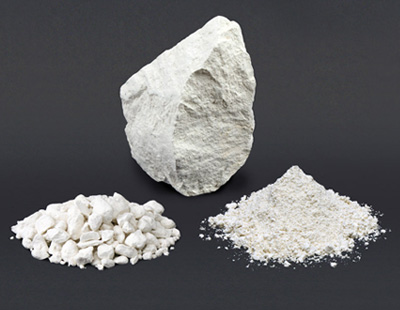
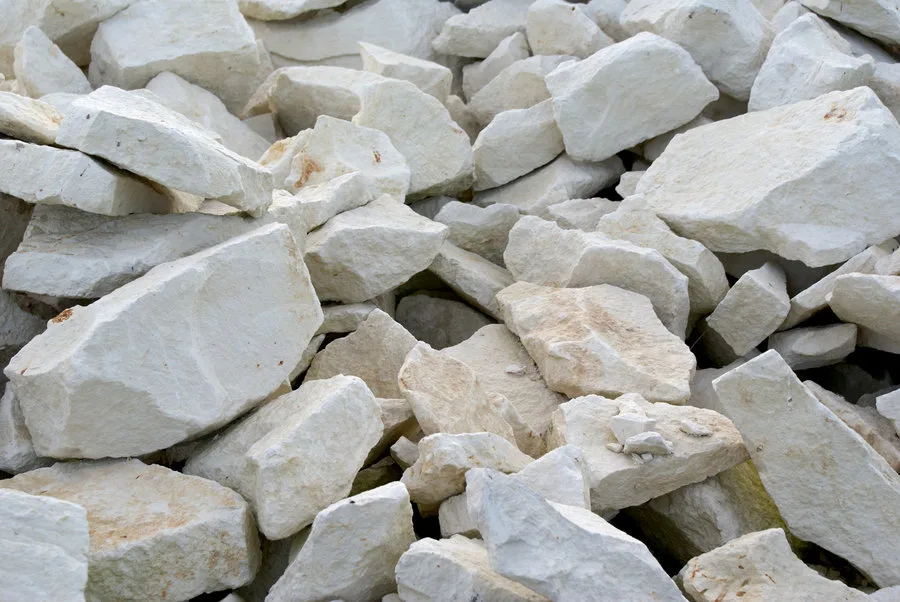
Calcination kilns play an important role in mineral processing by using controlled heating and roasting to alter mineral characteristics. By adjusting temperature, residence time, and kiln atmosphere, the equipment enables processes such as dehydration, oxidation, reduction, and phase transformation, preparing minerals for further beneficiation or extraction. According to different mineral properties and processing objectives, industrial calcination kilns are applied in various fields, including iron ore magnetic roasting, sulfide mineral oxidation roasting, kaolin calcination, carbonate mineral decomposition, and lithium ore treatment.
Rotary Calcination Kiln vs Other Calcination Equipment
Calcination equipment selection depends on material properties, capacity requirements, and process conditions. Rotary calcination kilns are preferred for large-scale mineral processing due to their continuous operation and wide material adaptability, while shaft kilns and fluidized bed calciners are selected for specific material and process requirements.
Practical Equipment Comparison
| Comparison Item | Döner Kalsinasyon Fırını | Shaft Kiln | Fluidized Bed Calciner |
| İşleme Kapasitesi | High | Medium | Medium |
| Material Adaptability | Wide range of lump, granular, and powder materials | More dependent on material size and properties | Mainly suitable for fine particles |
| Temperature Control | Flexible control through kiln speed and heating conditions | Moderate control | Precise temperature control |
| Operation Mode | Sürekli çalışma | Sürekli çalışma | Sürekli çalışma |
| Large-Scale Mineral Processing | Highly suitable | Suitable for specific applications | Suitable for specialized processes |
| Maintenance Requirements | Relatively simple structure and maintenance | Moderate | Higher technical requirements |
How to Choose the Right Calcination Kiln?
Choosing the right industrial calcination kiln requires careful consideration of raw material characteristics, thermal reaction requirements, production capacity, fuel conditions, and emission standards. The correct kiln configuration helps achieve uniform calcination, optimize energy consumption, and maintain reliable operation for long-term industrial production.
Evaluate Mineral Characteristics
Raw material properties are essential for selecting the right calcination kiln. Factors such as chemical composition, particle size, moisture content, and thermal reaction behavior determine the required temperature, residence time, and kiln configuration. Proper evaluation helps achieve uniform heating, efficient calcination, and consistent product quality.
Define the Required Thermal Process
The required thermal process determines kiln configuration and operating conditions. Calcination, oxidation roasting, reduction roasting, and activation treatment each require specific temperature control and residence time. Defining the target reaction helps select a suitable kiln system for consistent processing results.
Match Production Capacity Requirements
Production capacity determines the required kiln size, throughput, and system configuration. Selection should be based on expected daily output, current plant requirements, and possible future expansion. Proper sizing helps maintain reliable operation while controlling energy consumption and equipment investment.
Consider Fuel and Energy Conditions
Fuel type affects operating costs, temperature control, and emission requirements. Gas-fired kilns offer precise control and cleaner combustion, coal-fired kilns provide cost advantages where coal is available, and alternative fuels can reduce dependence on conventional energy sources. The selection should match local fuel availability, production needs, and environmental standards.
Meet Environmental Protection Requirements
Environmental requirements are important considerations in calcination kiln selection. Dust collectors, exhaust gas treatment systems, and heat recovery units help control emissions, improve energy utilization, and reduce fuel consumption. A properly configured kiln system can meet regulatory standards while lowering long-term operating costs.
Consider Reliability and Total Operating Cost
Beyond initial specifications, buyers should evaluate equipment durability, maintenance requirements, spare parts availability, automation level, and after-sales support. The total cost of ownership, including fuel consumption, labor, maintenance, and service life, should also be considered. A reliable kiln system helps reduce downtime and achieve better long-term operating performance.
Custom Solutions for Different Calcination Requirements
Every mineral processing project has different requirements in terms of material characteristics, production capacity, and application conditions. Zhongyi Mining provides customized calcination kiln solutions based on your specific needs, including equipment selection, process design, and system configuration. Share your material information, expected output, and project requirements with our engineering team, and we will develop a suitable solution to match your production goals.
For complete processing needs, we also provide integrated calcination plant solutions covering equipment selection, process optimization, and complete plant configuration. Contact Zhongyi Mining today to discuss your project requirements and receive a customized solution from our technical experts.
Please Provide the Following Information:
Why Choose Zhongyi?
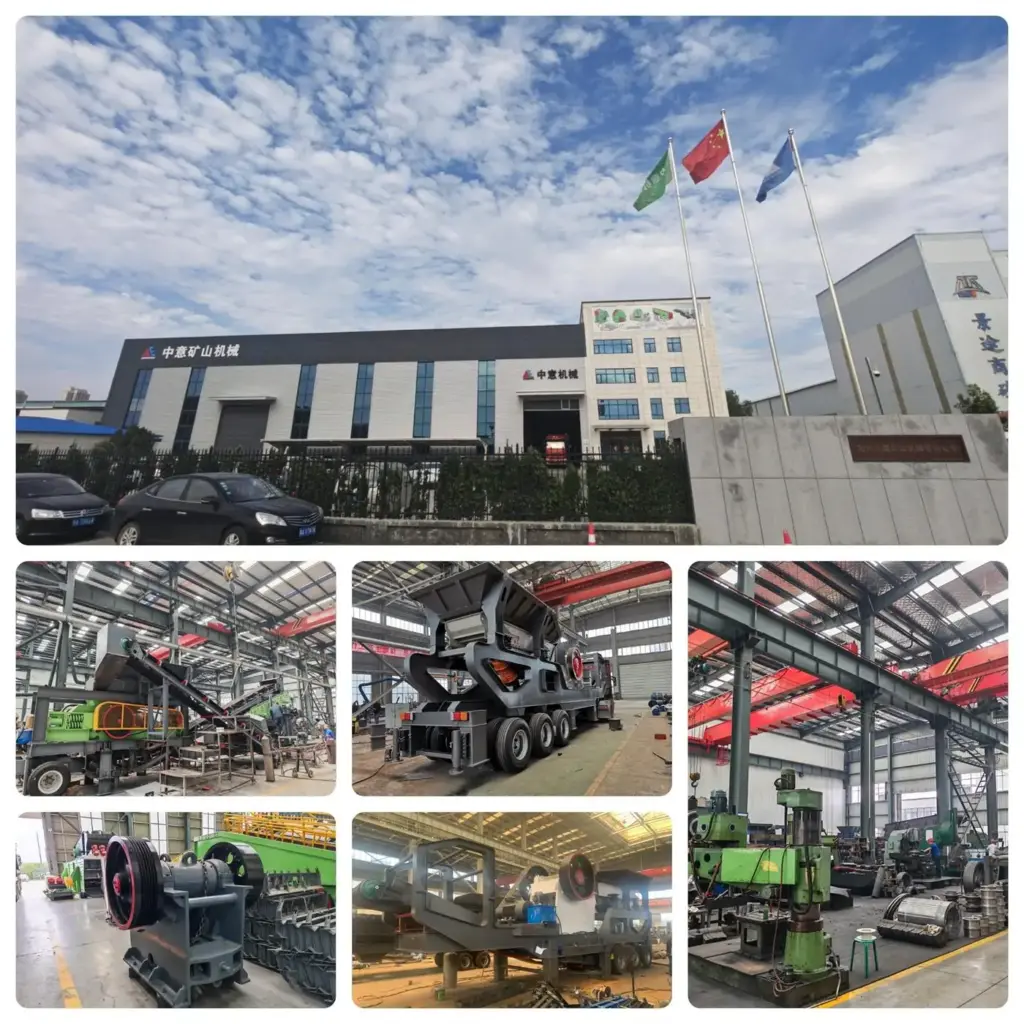
With extensive experience in mining and industrial equipment manufacturing, Zhongyi Mining ,as a professional calcination kiln manufacturer provides reliable calcination kiln solutions tailored to different material characteristics and production requirements. Our engineering team combines practical industry knowledge with advanced design methods and strict quality control to deliver equipment with reliable performance, operational safety, and long service life. From equipment design and manufacturing to final delivery, every project follows professional engineering standards and quality management procedures.
Beyond equipment supply, Zhongyi Mining provides complete project support, including process consultation, customized equipment configuration, installation guidance, and after-sales service. With strong manufacturing capabilities and technical expertise, we help customers reduce operational risks, improve production efficiency, and achieve stable thermal processing performance for long-term industrial applications.
Özelleştirilmiş Çözüm Talep Edin
Work with Zhongyi Mining to develop a calcination kiln solution tailored to your material characteristics, production capacity, and thermal processing needs. Our engineering team provides customized design, reliable equipment, and complete project support to help achieve efficient and stable kiln operation.
FAQs
What factors should be considered when selecting a calcination kiln?
The selection of a rotary kiln for calcination depends on material characteristics, required thermal process, production capacity, fuel availability, and environmental requirements. Factors such as material composition, moisture content, particle size, and final product quality requirements should be evaluated before choosing the suitable kiln configuration.
What materials can be processed by a calcination kiln?
Calcination kilns are widely used for processing limestone, gypsum, clay, bauxite, and other mineral materials. The suitable kiln design depends on the material properties, required calcination temperature, and production objectives.
How do I determine the right kiln capacity for my project?
Kiln capacity should be selected based on required daily output, material characteristics, and future production plans. An appropriately sized kiln helps maintain stable operation while avoiding excessive investment and unnecessary energy consumption.
What fuel options are available for rotary kiln for calcinations?
Calcination kilns can be designed for different fuel conditions, including natural gas, coal, biomass, and alternative fuels. The suitable fuel system depends on local energy availability, operating costs, and emission requirements.
How can a calcination kiln improve energy efficiency?
Energy efficiency can be improved through optimized combustion systems, proper temperature control, heat recovery systems, and suitable kiln design. A well-configured kiln reduces fuel consumption while maintaining consistent calcination performance.
What information is required for a customized calcination kiln solution?
To design a suitable solution, customers should provide raw material information, required capacity, thermal process requirements, fuel conditions, and project site details. Our engineering team evaluates these factors to recommend the appropriate kiln configuration.
How do you ensure the reliability of your rotary kiln for calcination equipment?
Zhongyi Mining applies professional engineering design, strict manufacturing standards, and quality control procedures throughout production. Each kiln solution is designed according to operating conditions to achieve reliable performance and long service life.
Do you provide complete calcination production line solutions?
Yes. Zhongyi Mining provides integrated calcination solutions, including kiln selection, auxiliary equipment configuration, process design, installation support, and technical services to meet different industrial production requirements.