











Darbeli Kırıcının Avantajları ve Dezavantajları Nelerdir?
Darbeli kırıcılar, 20:1'e kadar yüksek küçültme oranları, mükemmel parçacık şekli ve 30 ila 2.000 TPH üzeri arasında değişen işleme kapasiteleri sunar. Ancak granit veya bazalt gibi aşındırıcı malzemelerin işlenmesinde daha yüksek aşınma maliyetlerine sahiptirler, bu da onları orta sertlikteki kaya, kireç taşı, beton geri dönüşümü ve agrega üretimi için daha uygun hale getirir.
Avantajlar:
- Yüksek küçültme oranı
- Mükemmel agrega şekli
- Esnek deşarj ayarı
- Daha düşük ilk yatırım
Dezavantajlar:
- Daha yüksek aşınma maliyetleri
- Yüksek aşındırıcılığa sahip kayalar için uygun değil
- Daha sık bakım
- Daha yüksek toz oluşumu
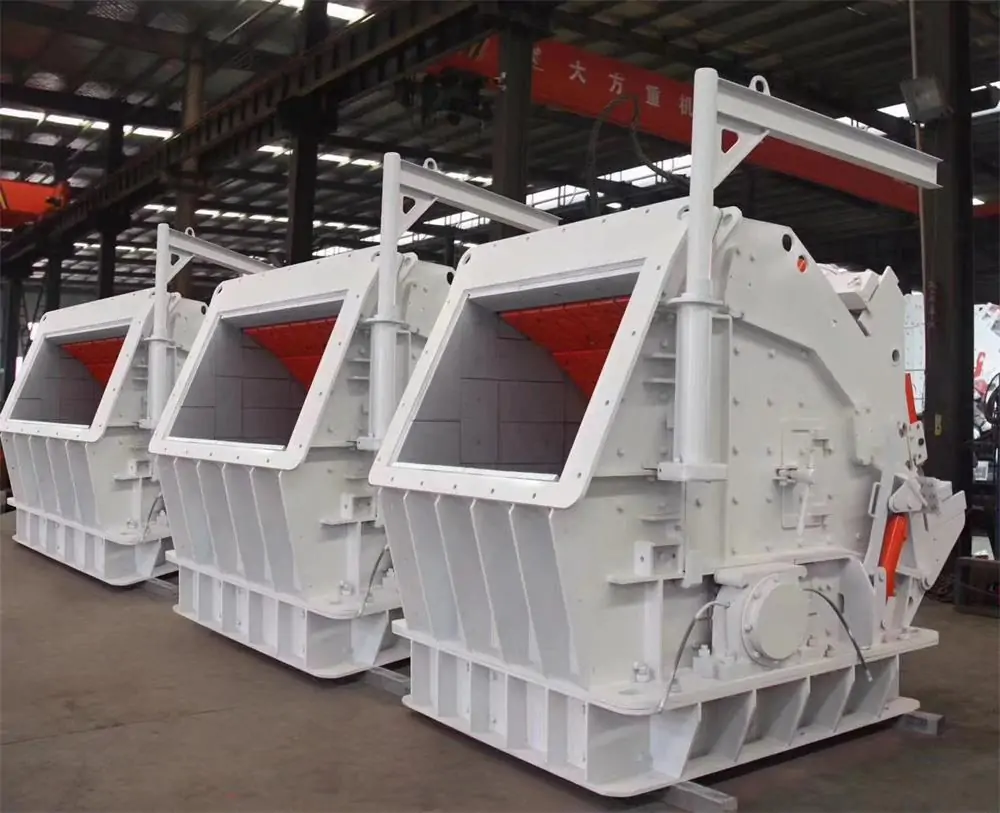
Darbeli Kırıcı Nedir?
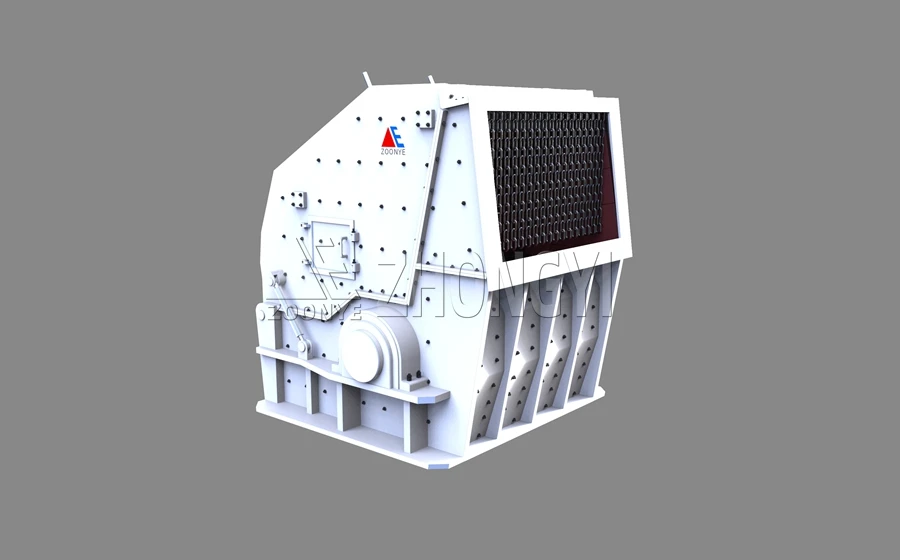
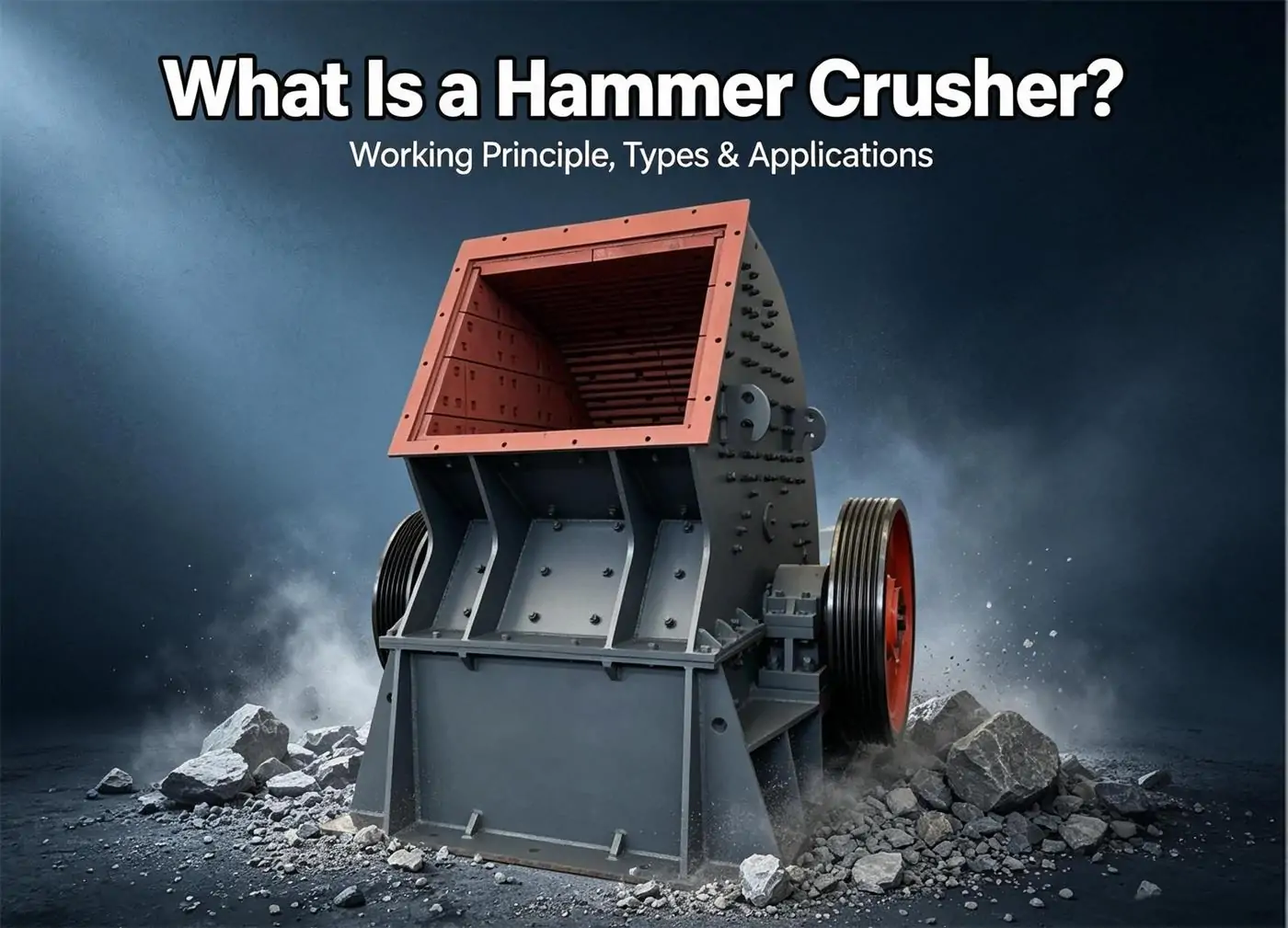
Darbeli kırıcı, aynı zamanda darbe kırıcı veya darbe kırma makinesi olarak da bilinir, malzeme boyutunu sıkıştırma yerine yüksek hızlı darbe kuvvetiyle küçülten bir kırma ekipmanı türüdür. Agrega üretimi, madencilik, taş ocakçılığı, çimento fabrikaları ve geri dönüşüm endüstrilerinde kireç taşı, beton, inşaat atığı, kömür, alçı taşı ve diğer düşük ila orta sertlikteki kayalar gibi malzemelerin işlenmesinde yaygın olarak kullanılır.
Sıkıştırmalı kırıcılarla karşılaştırıldığında, darbeli kırıcılar 20:1'e kadar yüksek küçültme oranı elde ederken daha düzgün ve kübik parçacık şekli üretebilir, bu da onları özellikle agrega ve geri dönüştürülmüş malzeme uygulamaları için uygun hale getirir.
Darbeli Kırıcı Nasıl Çalışır?
Bir darbeli kırıcı esas olarak bir rotor, vurucu çubuklar, darbe plakaları ve bir kırma odasından oluşur. Çalışma sırasında rotor yüksek hızda döner ve besleme malzemesine çarparak onu darbe plakalarına doğru hızlandırır, burada malzeme tekrarlanan çarpışmalar ve darbe kuvvetleriyle daha da kırılır. Malzemeyi sıkıştırma yoluyla kıran çeneli kırıcılar ve konik kırıcıların aksine, darbeli kırıcılar kinetik enerji transferine dayanır ve uygulamaya ve makine konfigürasyonuna bağlı olarak 30 TPH'den 2.000 TPH üzeri üretim kapasiteleriyle verimli boyut küçültme, iyi parçacık şekli sunmalarını sağlar.
For a step-by-step explanation of rotor impact, repeated breakage, and material discharge, see Darbeli Kırıcı Nasıl Çalışır?
Darbeli Kırıcı Türleri
Agrega üretimi, madencilik, kireç taşı işleme ve geri dönüşüm uygulamaları dahil olmak üzere farklı kırma gereksinimlerini karşılamak için çeşitli darbeli kırıcı türleri sunuyoruz. Doğru model malzeme sertliğine, besleme boyutuna, gerekli kapasiteye ve nihai ürün özelliklerine bağlıdır.
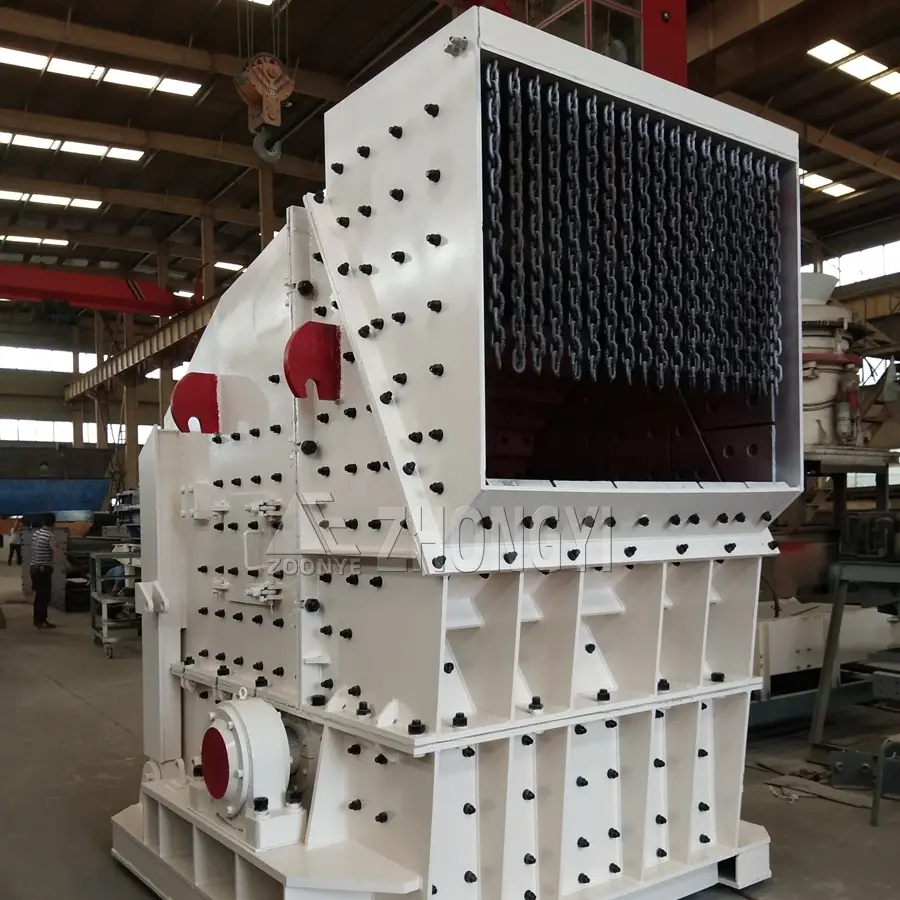
Avrupa Versiyon Darbeli Kırıcı
Avrupa Versiyon Darbeli Kırıcı kireç taşı, dolomit, beton atığı ve diğer orta sertlikteki malzemelerin ikincil kırılması için tasarlanmıştır. Optimize edilmiş rotor tasarımı, hidrolik açma sistemi ve mükemmel parçacık şekli kontrolüne sahiptir, kapasiteleri tipik olarak 80 ila 500 TPH arasında değişir.
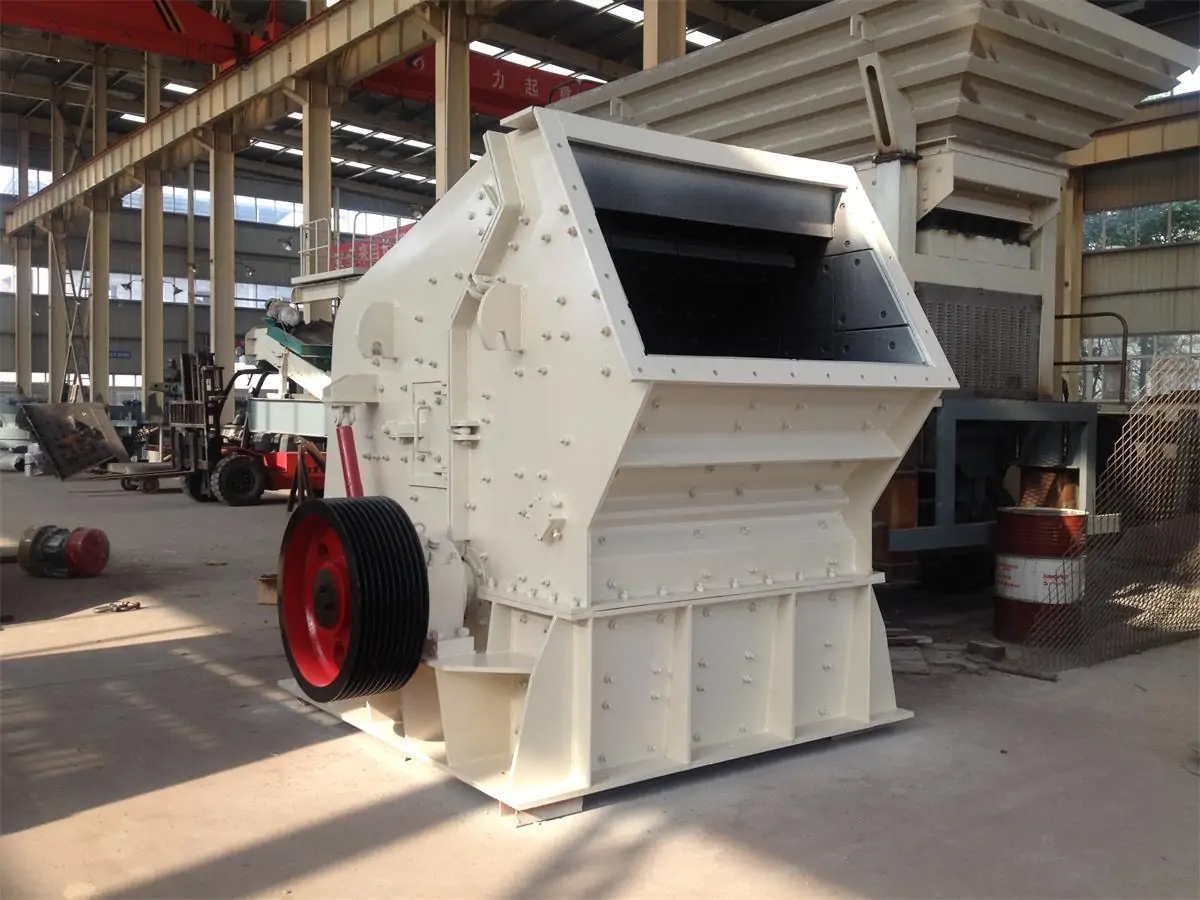
Yatay Milli Darbeli Kırıcı (HSI Kırıcı)
Taş ocakçılığı ve agrega üretiminde yaygın olarak kullanılan çok yönlü bir darbeli kırıcı. Yüksek küçültme oranı ve iyi kübik ürün şekli sağlar, 700 mm'ye kadar besleme boyutlarını ve 50 ila 800 TPH kapasiteleri işleyebilir.
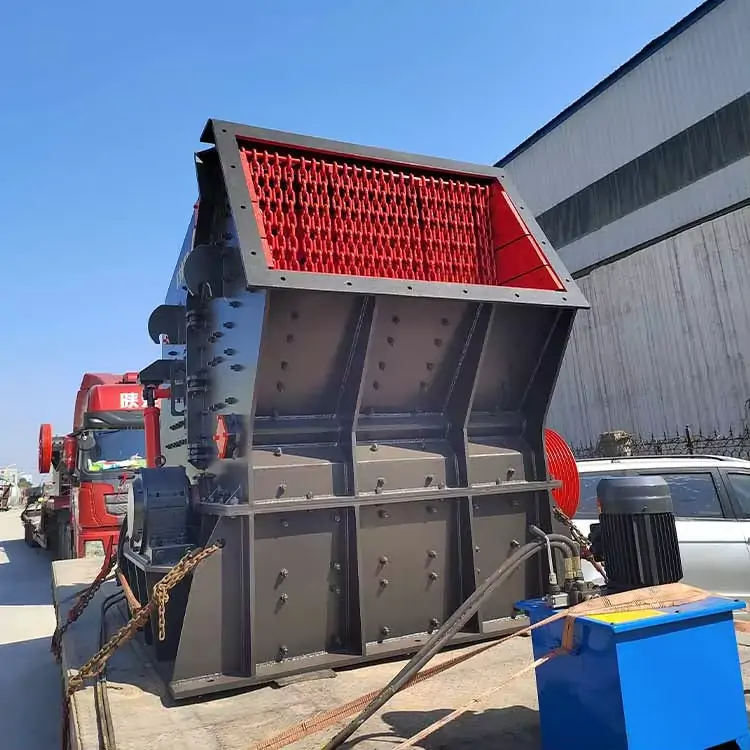
Primer Darbeli Kırıcı
Primer kırma uygulamaları için tasarlanmıştır, özellikle kireç taşı ve yumuşak kaya işleme tesislerinde. 1.200 mm'ye kadar büyük besleme boyutlarını kabul edebilir ve 150 ila 2.000 TPH arasında değişen üretim kapasiteleri sunar.
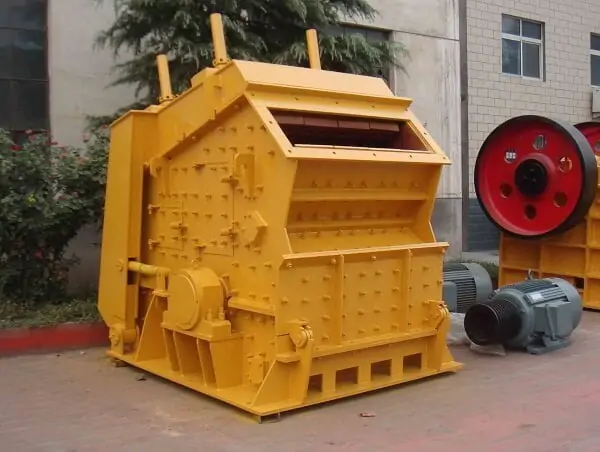
Sekonder Darbeli Kırıcı
Esas olarak çeneli kırıcılardan sonra ikincil kırma ve agrega şekillendirme için kullanılır. Tipik olarak 300 mm'nin altında besleme boyutları ve 50 ila 400 TPH kapasitelerle iyi derecelendirilmiş agregalar üretir.
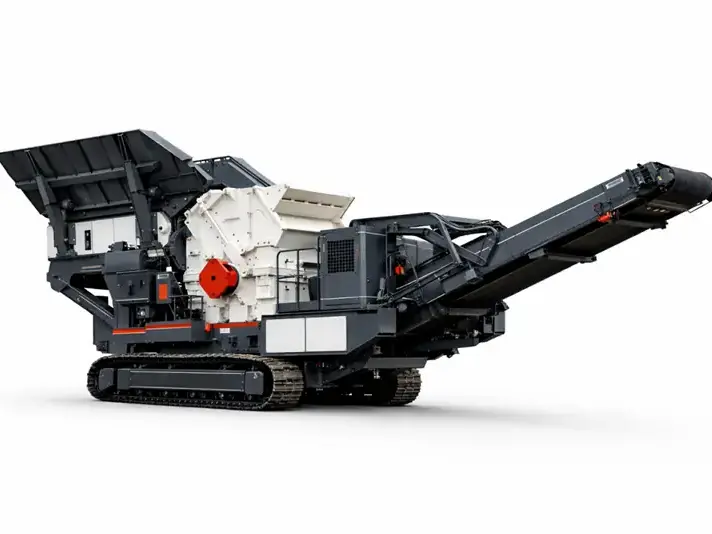
Mobil Darbeli Kırıcı
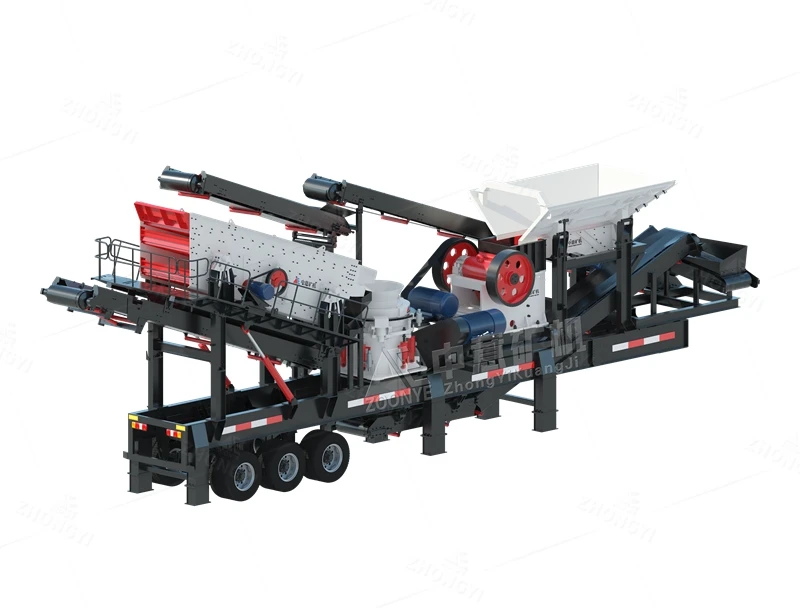
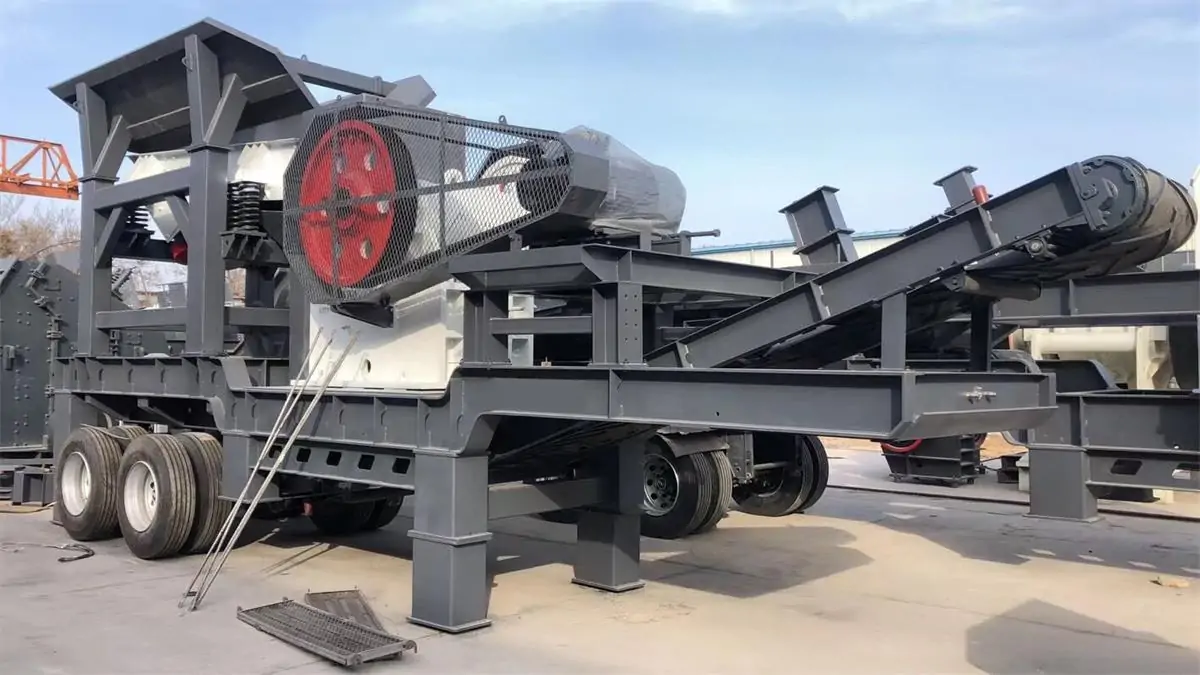
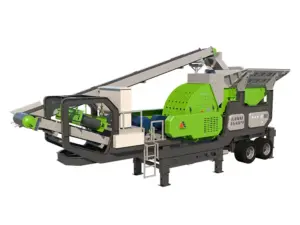
Mobil darbeli kırıcı darbeli kırıcı, besleyici ve eleme sistemini mobil bir şasi üzerinde bütünleştiren taşınabilir bir kırma çözümüdür. İnşaat atığı geri dönüşümü ve geçici taş ocağı projeleri için uygundur, kapasiteleri genellikle 50 ila 350 TPH arasında değişir.
To assess whether a mobile setup suits your project, Mobile Impact Crusher Selection: A Practical Guide for Mining and Construction covers chassis selection, supporting equipment, and operating costs.
Darbeli Kırıcıların Avantajları
| Kalem | Açıklama |
| Mükemmel parçacık şekli | Düşük yassılık indeksi, minimum iç çatlaklar ve azaltılmış ince malzeme içeriğiyle çoğunlukla kübik şekilli agregalar üretir, yüksek kaliteli otoyol, inşaat ve beton uygulamaları için uygundur. |
| Yüksek küçültme oranı ve verimlilik | Yüksek kırma oranı (20:1'e kadar) besleme boyutunu etkili bir şekilde azaltır ve genel proses verimliliğini artırır, bazı uygulamalarda ikincil öğütme ihtiyacını azaltır. |
| Ayarlanabilir çıktı boyutu | Deşarj boyutu, darbe plakaları ile vurucu çubuklar arasındaki boşluk ayarlanarak hassas şekilde kontrol edilebilir, birden fazla agrega spesifikasyonunun esnek üretimini sağlar. |
| Basit yapı ve kolay bakım | Hidrolik açma sistemine sahip kompakt tasarım, muayene, aşınma parçası değişimini ve rutin bakımı kolaylaştırarak duruş süresini azaltır. |
| Geniş malzeme uyarlanabilirliği | 500 mm'ye kadar besleme boyutu ve 350 MPa'ya kadar basınç dayanımına sahip malzemeler için uygundur, özellikle kireç taşı ve diğer orta-düşük sertlikteki malzemeler için etkilidir. |
Darbeli Kırıcının Dezavantajları
| Kalem | Açıklama |
| Sarf malzemelerinin yüksek aşınma oranı | Vurucu çubuklar ve darbe plakaları yüksek aşınmalı bileşenlerdir ve sık değiştirilmeleri gerekir. Aşındırıcı veya daha sert besleme malzemeleri işlenirken aşınma oranı önemli ölçüde artar, bu da daha yüksek işletme ve bakım maliyetlerine yol açar. |
| Sert kaya için sınırlı uygunluk | Granit ve bazalt gibi yüksek sertlikteki malzemeler için önerilmez. Aşırı aşınma ekonomik verimliliği azaltır ve bu tür uygulamalarda hizmet ömrünü kısaltır. |
| Neme ve kile duyarlılık | Besleme malzemesindeki yüksek nem veya kil içeriği oda tıkanmasına neden olabilir. Tıkanma meydana geldiğinde temizleme ve yeniden başlatma işlemleri nispeten zordur. |
| Gürültü ve toz emisyonu | Operation generates relatively high noise and dust levels, requiring additional dust suppression and noise control systems to comply with environmental standards. |
Impact Crusher vs Other Crushers
Impact crushers are mainly used for medium-hard to low-hardness materials and are preferred when good particle shape and high reduction ratio are required. Compared with çeneli kırıcı, and cone crushers, they work on a different crushing principle, impact force instead of compression, which directly affects output shape, wear cost, and application range.When comparing crushing equipment for different materials and applications, read Çeneli Kırıcı vs Konik Kırıcı vs Darbeli Kırıcı: Farklar ve Kullanım Alanları okuyun.
Impact Crusher vs Jaw Crusher
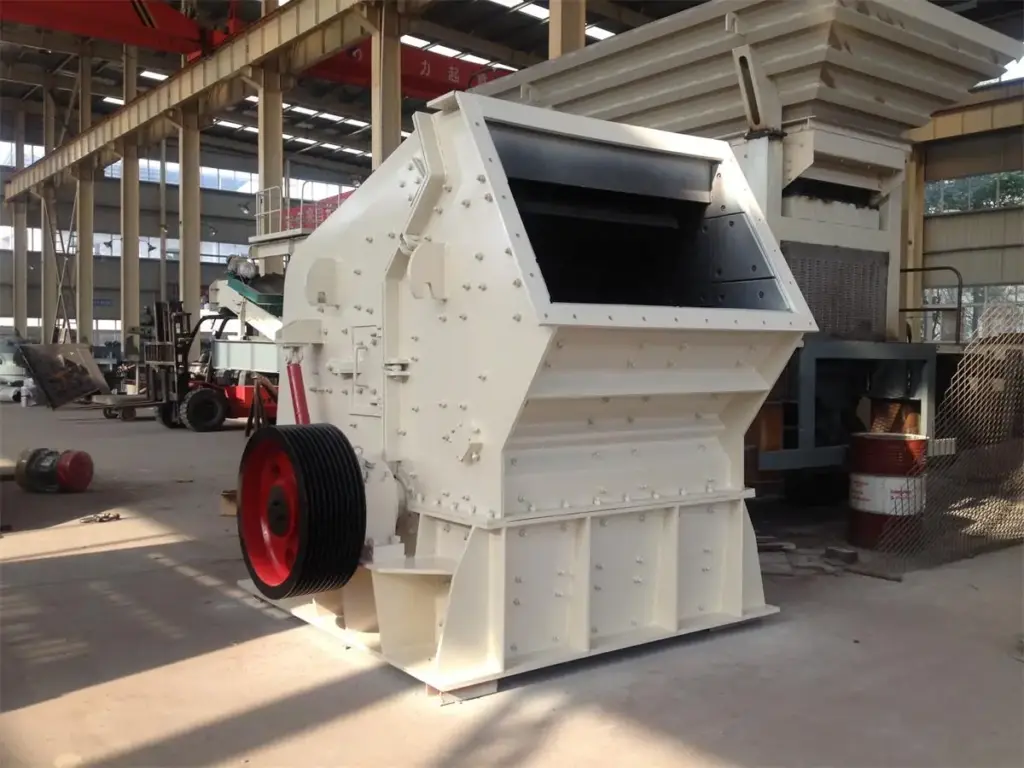
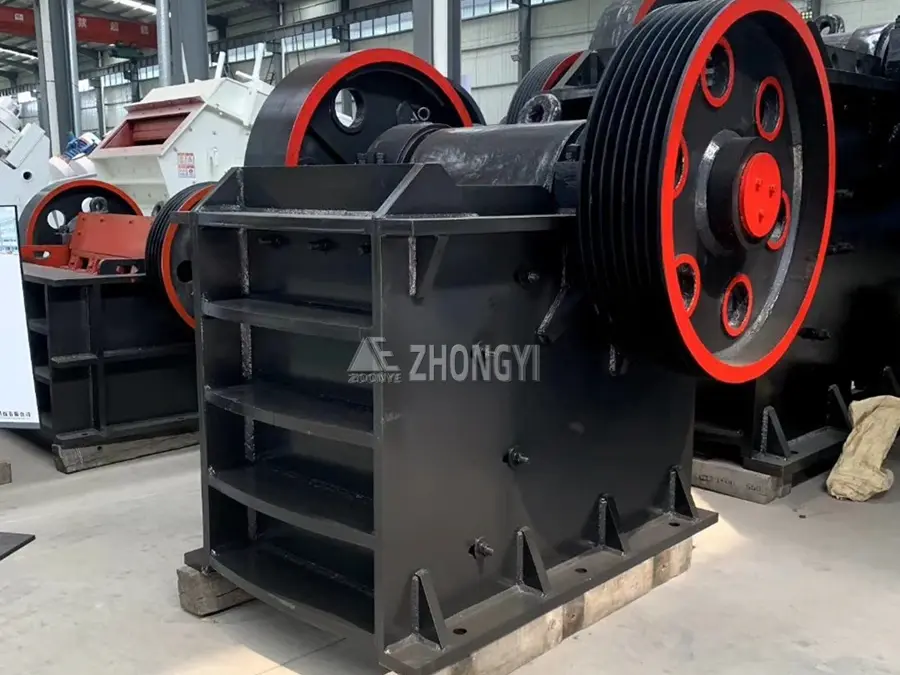
| Kalem | Darbeli Kırıcı | Çeneli Kırıcı |
| Crushing stage | İkincil / üçüncül kırma | Birincil kırma |
| Working principle | High-speed rotor impact + rebound | Compression between fixed and moving jaw plate |
| Feed size range | Medium feed (typically ≤500 mm) | Large feed (up to 1000+ mm depending on model) |
| Output shape | High cubic content, low flakiness index | More elongated / angular particles |
| Reduction ratio | High (up to 15–20:1 in suitable material) | Low to medium (3–6:1 typical) |
| Product control | Adjustable via impact gap setting | Limited control, mainly dependent on discharge setting |
| Wear cost | Higher (blow bars & impact plates) | Lower in most applications |
| Typical use case | Shaping + secondary crushing | Primary reduction of run-of-mine material |
Impact Crusher vs Cone Crusher
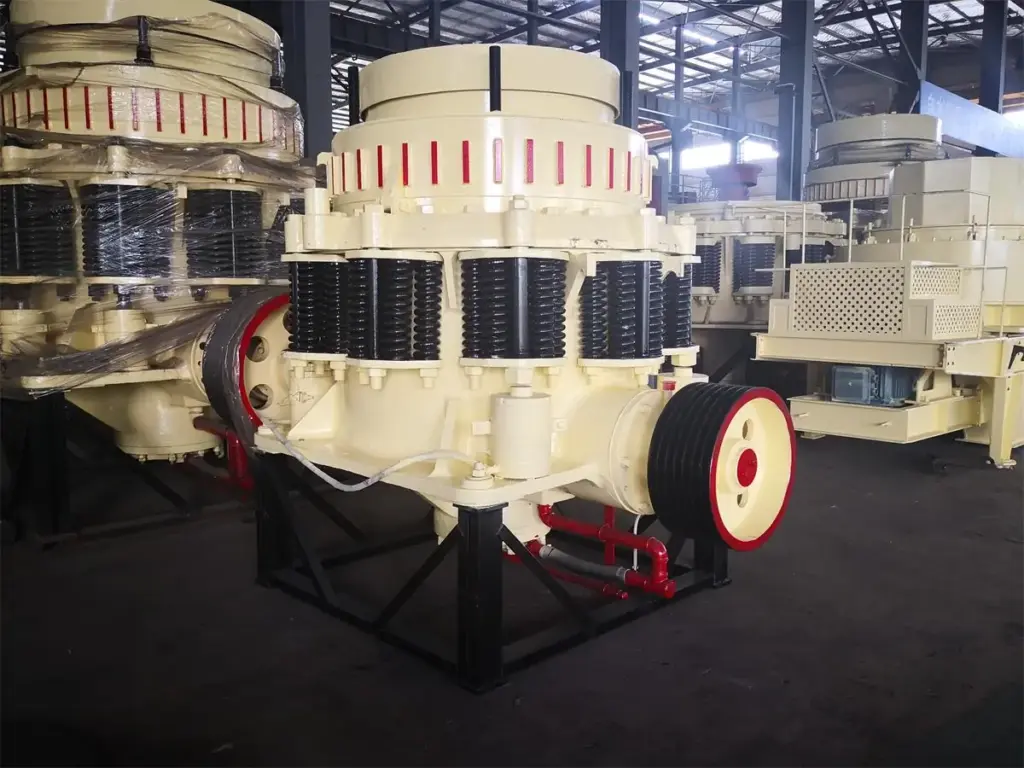
| Kalem | Darbeli Kırıcı | Konik Kırıcı |
| Crushing principle | Impact breakage (high-speed collision) | Compression + inter-particle crushing |
| Suitable material | Limestone, concrete, soft to medium rock | Hard and abrasive rock (granite, basalt) |
| Particle shape | Better cubical shape, higher fines control | More elongated particles, better for gradation stability |
| Reduction efficiency | High in soft/medium materials | High in hard rock and fine crushing stage |
| Wear performance | Higher wear in abrasive applications | Lower wear in hard rock due to compression mode |
| Operating cost | Higher in hard rock conditions | More stable in long-term hard rock operation |
| Typical application stage | Secondary / tertiary shaping | Secondary / fine crushing in hard rock circuits |
| Maintenance frequency | Relatively higher | Lower and more stable in heavy-duty operations |
Applications for Impact Crushers
Impact crusher machines are used in aggregate production and material processing where medium crushing and good particle shape are required. They are normally installed after primary crushing to further reduce material size and produce stable, well-graded output for construction use.
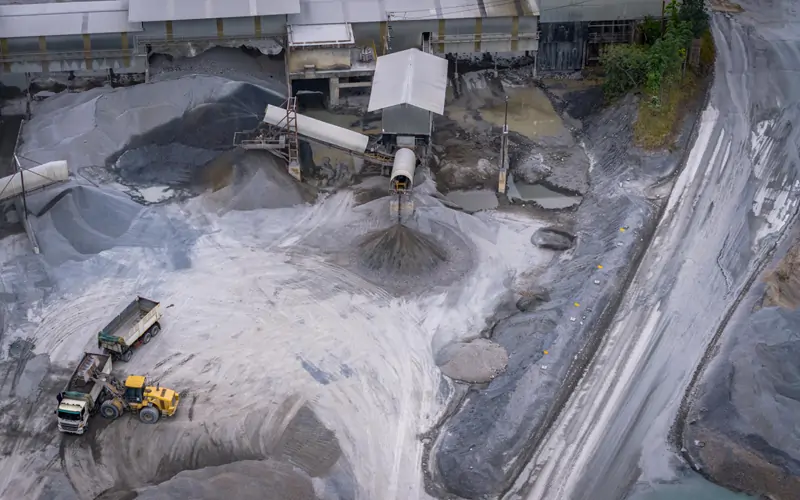
Mining, Quarrying, and Stone Processing
In mining and quarrying operations, impact crushers are used for limestone and other soft to medium-hard rock. After primary crushing, the material is further reduced in size and shaped for screening and downstream processing.
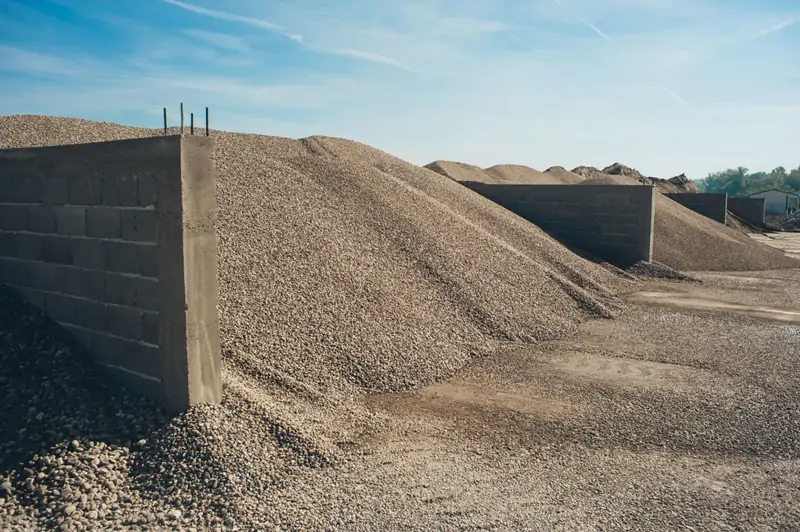
Aggregate and Construction Material Production
In aggregate production plants, impact crushers process crushed stone for concrete and general construction use. The output is used in projects that require consistent grading and better particle shape for mixing and compaction.
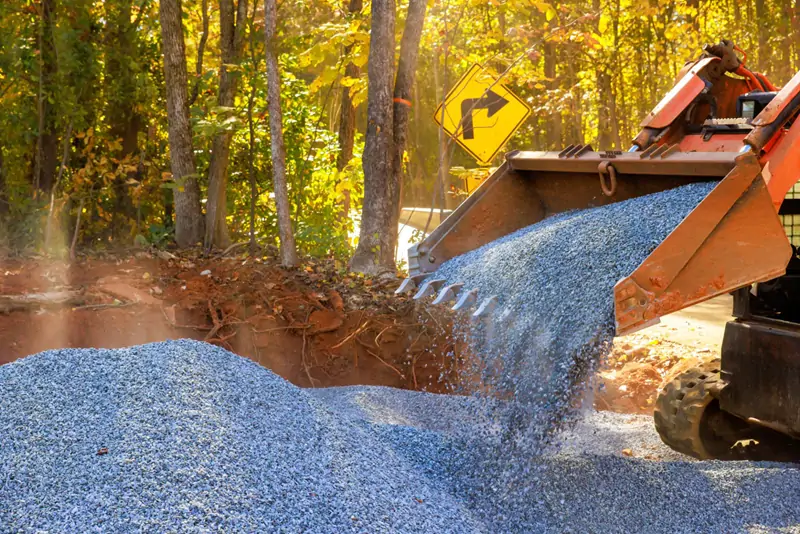
Road and Infrastructure Projects
In road construction, impact crushers are used to produce base and sub-base materials. The crushed material is used in road foundations where stable grading and compaction performance are required.
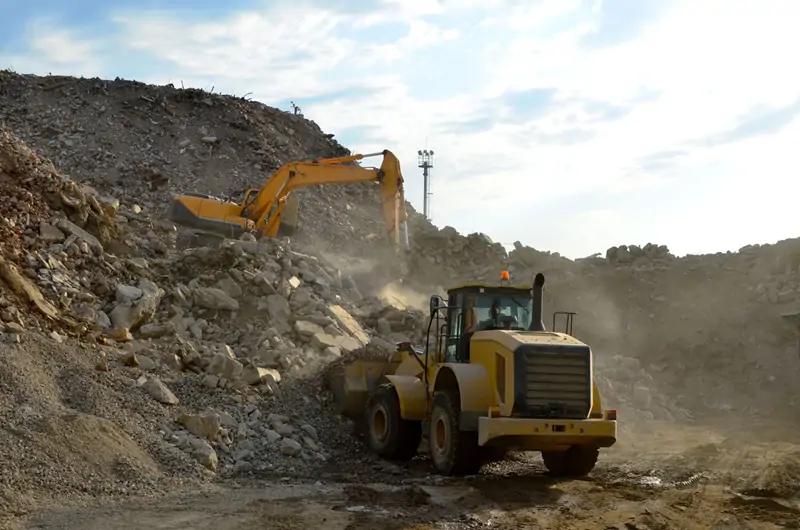
Asphalt and Recycling Applications
In asphalt plants, impact crushers process aggregates used in asphalt mixing. In recycling projects, they crush concrete and demolition waste into reusable material for non-structural construction and base applications.
Materials Suitable for Impact Crushers
Impact crushers are mainly used for processing low to medium-hard and non-abrasive materials. The crushing mechanism relies on high-speed impact, so material hardness and abrasiveness have a direct influence on wear cost and equipment efficiency.
To assess how hardness, abrasiveness, and moisture affect different feed materials, read What Materials Are Suitable for Impact Crushers?
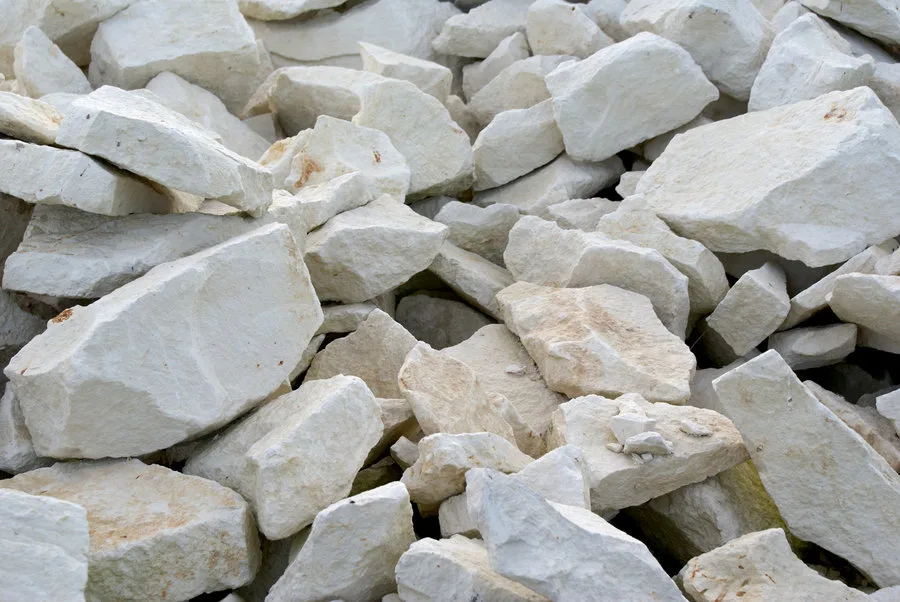
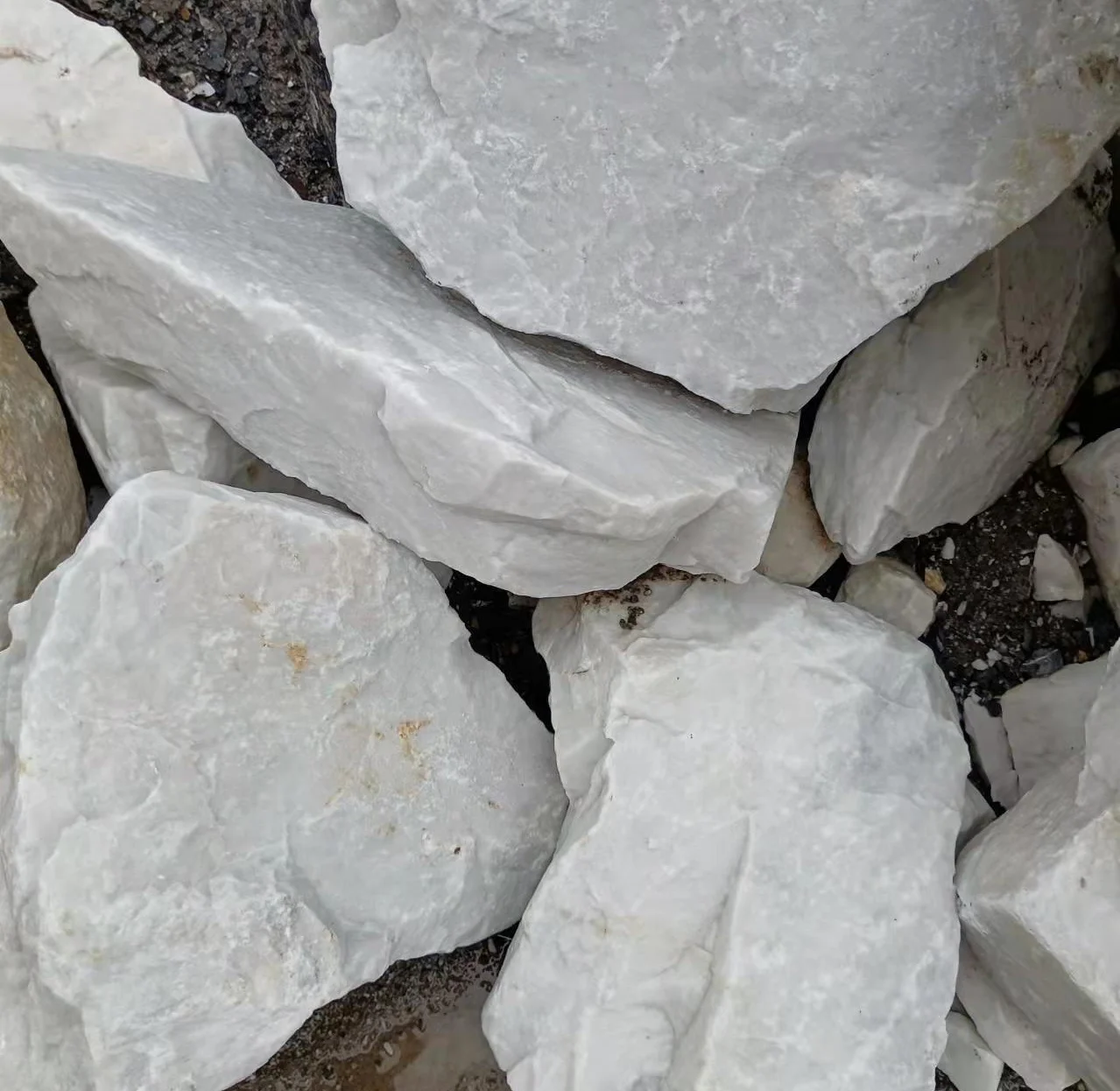
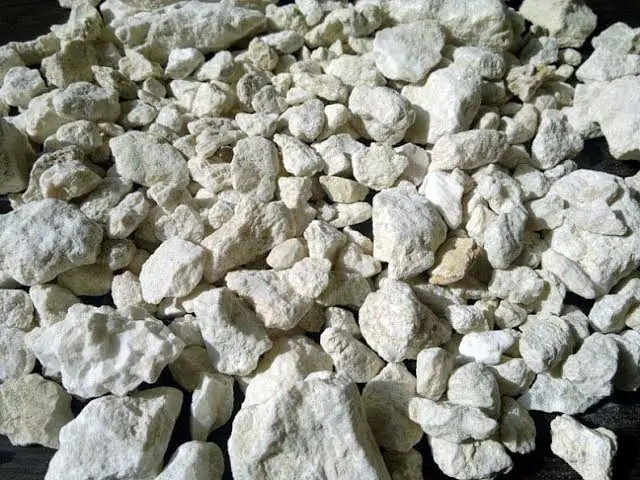
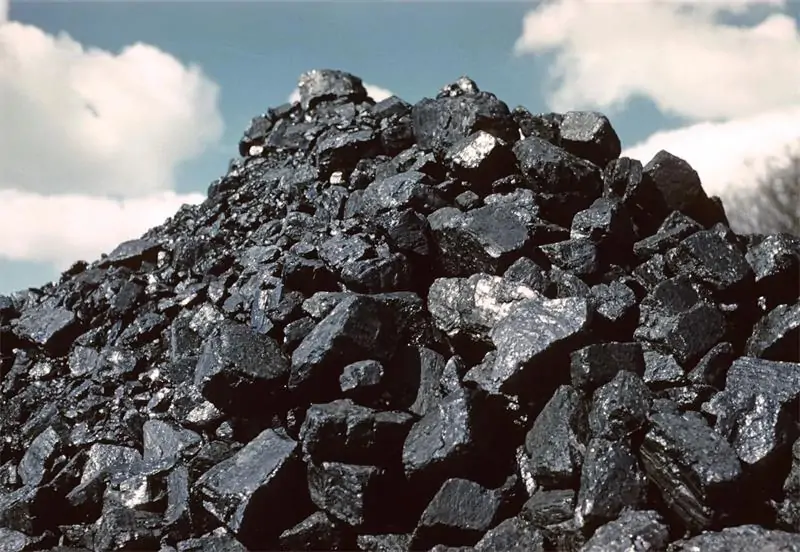
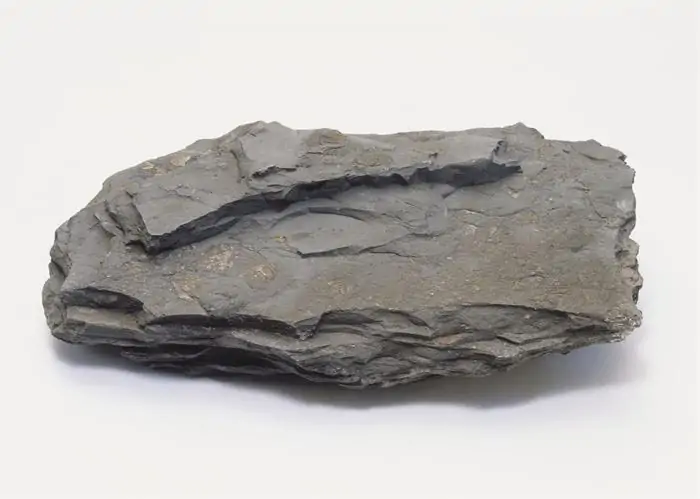
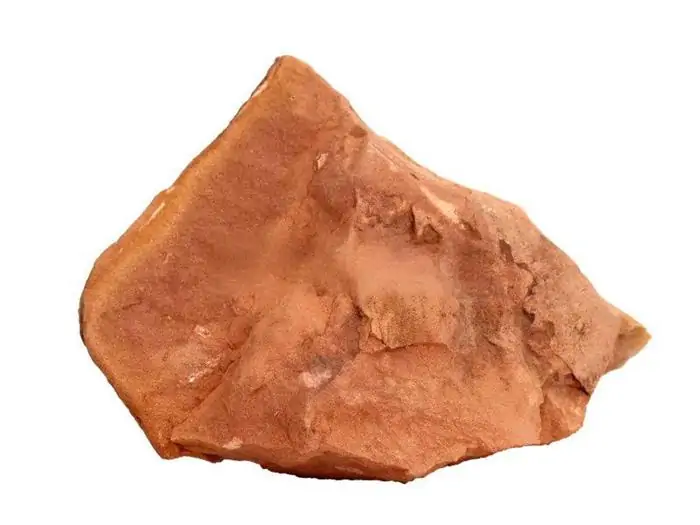
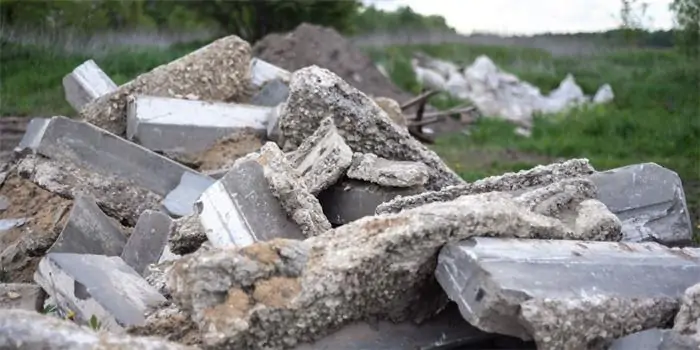
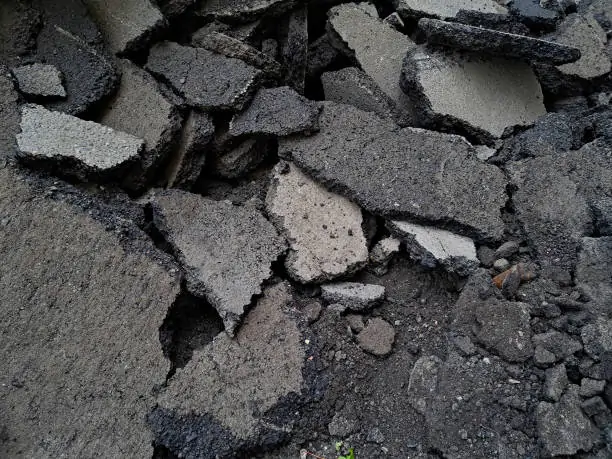
Typical Suitable Materials and Mohs Hardness
| Material | Mohs Hardness | Suitability |
| Kireçtaşı | 3–4 | Excellent |
| Dolomite | 3.5–4 | Good |
| Gypsum | 2 | Excellent |
| Coal | 1–3 | Excellent |
| Şeyl | 2–4 | Good |
| Kiltaşı | 2–3 | Good |
| Concrete (recycled) | 4–6 | Excellent |
| Asphalt | 4–5 | Good |
| Brick / Brick debris | 4–6 | Good |
Materials Not Recommended
| Material | Mohs Hardness | Reason |
| Granite | 6–7 | High abrasiveness, high wear cost |
| Bazalt | 6–7 | Severe wear on blow bars |
| Quartzite | 7 | Extremely abrasive, low efficiency |
| Iron ore | 5.5–6.5 | Excessive wear, not suitable |
How to Choose the Right Impact Crusher?
Choosing the right impact crusher depends on material hardness, feed size, required output shape, capacity, and operating cost. These factors should be matched with real project conditions to ensure stable production.When evaluating crusher options for your project, read [Taş Kırıcı Makinesi Fiyat Rehberi: Maliyeti Neler Etkiler?] okumalısınız.
Malzeme Sertliği
Impact crushers are suitable for soft to medium-hard materials such as limestone and concrete. Materials with compressive strength below around 150 MPa are generally within a stable working range. For harder rock such as granite or basalt, wear rate increases and cone crushers are often more suitable.
Besleme Boyutu
Typical feed size is around 100–500 mm depending on the model. Larger feed usually requires a jaw crusher as a primary stage before impact crushing.
Required Output Shape
Impact crushers are selected when cubical and well-shaped aggregate is needed. This is important for concrete, asphalt, and road base materials where particle shape affects compaction and strength.
Kapasite Gereksinimi
Capacity ranges from about 50 TPH for small units to over 500 TPH for large production lines. Selection should match both average and peak production needs to avoid system bottlenecks.
Operating Cost
Operating cost mainly comes from wear parts and energy consumption. In softer materials, cost per ton is lower. In abrasive materials, blow bars and impact plates need more frequent replacement, which increases overall operating cost.
To weigh these benefits and limitations against your project requirements, How to Choose an Impact Crusher: A Complete Selection Guide brings together material suitability, capacity sizing, product specifications, and operating cost checks.
Özelleştirilmiş Çözüm Talep Edin
Contact Zhongyi for customized impact crusher solutions based on your project needs.
Project Case
A 280 TPH limestone crushing plant was installed in Fujairah, UAE for road base and concrete aggregate production. The project site had limited space and required stable output during continuous operation.
Material: Limestone from local quarry
Capacity: 280 TPH
Feed Size: Up to 600 mm, with some oversize variation from blasting
Configuration: Jaw Crusher + Impact Crusher + Vibrating Screen
Final Product Sizes: 0–5 mm, 5–20 mm, 20–40 mm
During operation, the plant required adjustment of crusher settings in the first weeks to stabilize the screening ratio. After optimization, the impact crusher improved particle shape consistency and reduced recirculation in the 5–20 mm range used for road construction.
Conclusion
Overall, impact crushers are highly effective for producing well-shaped aggregates with high reduction ratios, especially in limestone, construction aggregate, and recycling applications. Their main advantages include excellent particle shape, flexible output adjustment, and high crushing efficiency. However, limitations such as higher wear costs and reduced performance in very hard abrasive rock (like granite and basalt) should be considered. In real applications, selection should be based on material hardness, production stage, and overall operating cost rather than capacity alone.
For project planning or equipment selection, Zhongyi Mining provides professional support in crusher configuration and plant design. Contact us to get a suitable solution for your crushing project.

Dr. Yu
Expert in Mineral Processing Solutions
With 15+ years of experience, Dr. Chen specializes in gravity, magnetic, flotation, and electrostatic separation. He focuses on ore processing and process optimization, sharing practical insights and equipment applications to help improve recovery rates and production efficiency.
SSS
What is an impact crusher used for?
An impact crusher is used for secondary and tertiary crushing in aggregate production. It processes limestone, concrete, and other soft to medium-hard materials to produce well-shaped aggregate for road construction, concrete mixing, and general building material applications.
Impact crusher vs jaw crusher, what is the difference?
A jaw crusher is used for primary crushing of large rocks, while an impact crusher is used after primary crushing for shaping and reducing material size. Jaw crushers handle larger feed, impact crushers focus on particle shape and final product grading.
Is an impact crusher suitable for hard rock?
Impact crushers can process some medium-hard rock, but performance decreases in very hard materials like granite or basalt. Wear on blow bars increases, leading to higher maintenance cost. In such cases, cone crushers are often more suitable for long-term operation.
What materials are best for impact crushers?
Impact crushers work best with limestone, concrete, asphalt, and construction waste. These materials break easily under impact force and allow the crusher to produce cubical aggregate with stable grading for construction and infrastructure projects.
What is the typical capacity of an impact crusher?
Capacity depends on model size and configuration. Small units may produce around 50 TPH, while large stationary plants can exceed 500 TPH. Actual capacity also depends on feed size, material hardness, and production line setup.
How often do impact crusher wear parts need replacement?
Wear parts such as blow bars and impact plates require regular inspection. Replacement frequency depends on material hardness and operating hours. In limestone applications, wear life is longer, while abrasive rock conditions shorten service intervals.
Can impact crushers produce good particle shape?
Yes, impact crushers are known for producing cubical and well-shaped aggregate. The high-speed rotor and impact force improve particle shape, which is important for concrete strength, asphalt bonding, and road base compaction performance.
Does Zhongyi support customized impact crusher solutions?
Yes, Zhongyi provides customized impact crusher solutions based on material type, feed size, capacity requirements, and project layout. Configurations can be adjusted for different production needs, including stationary and mobile crushing plant designs.