









مقدمة
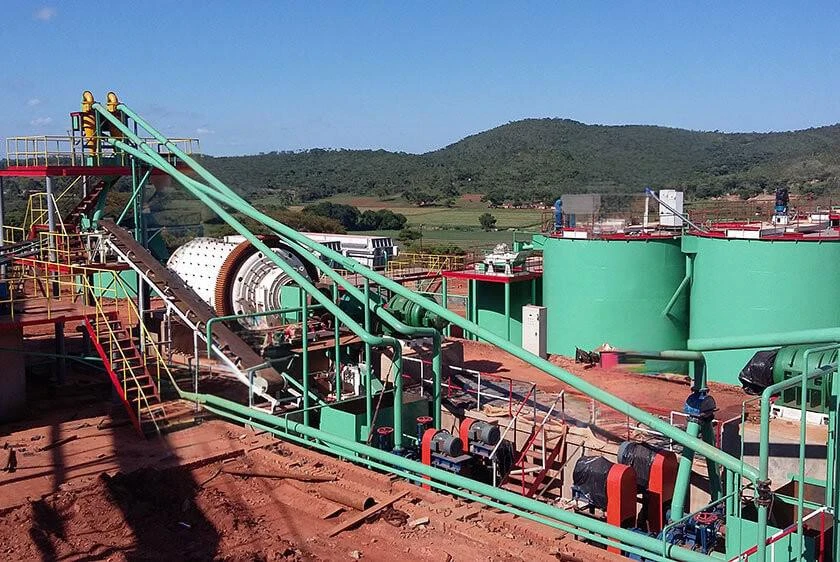
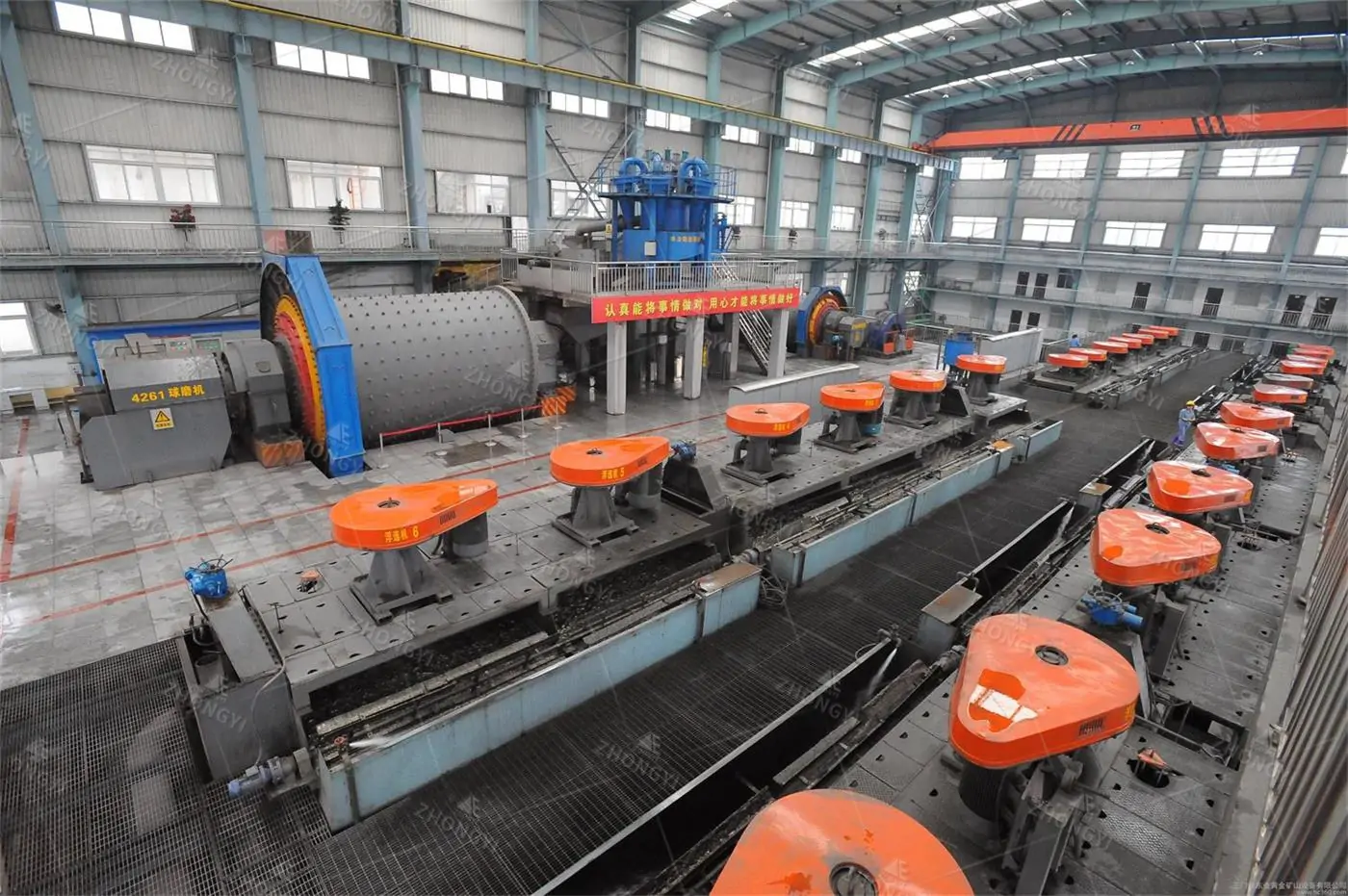
مصنع التعويم المعدني هو نظام معالجة معادن يفصل المعادن الثمينة عن الخام بناءً على اختلافات خصائص السطح. يستخدم خلايا التعويم لتمكين الارتباط الانتقائي للمعادن بفقاعات الهواء لفصلها عن مواد الشوائب.
يعمل النظام من خلال آليات طحن وتعويم خاضعة للتحكم لتحقيق فصل المعادن في الخامات الدقيقة أو المعقدة. وهو طريقة معالجة أساسية تُستخدم في مصانع إثراء المعادن الصناعية لمعالجة الخام على نطاق واسع.
مخطط سير عملية مصنع التعويم
يتكون مصنع التعويم الكامل عادةً من خمسة أنظمة رئيسية: التكسير، والطحن والتصنيف، والتعويم، وتجفيف المركزات، ومعالجة المخلفات. يتم تكسير خام المنجم تدريجياً وطحنه لتحقيق تحرر المعادن، ثم يتم استرداد المعادن الثمينة من خلال التعويم. يتم تجفيف المركزات الناتجة لإنتاج منتج قابل للتسويق، بينما تتم معالجة المخلفات وإعادة تدوير مياه المعالجة.
سير العملية:
خام المنجم → نظام التكسير → نظام الطحن والتصنيف → نظام التعويم → نظام تجفيف المركزات → منتج المركزات → نظام معالجة المخلفات
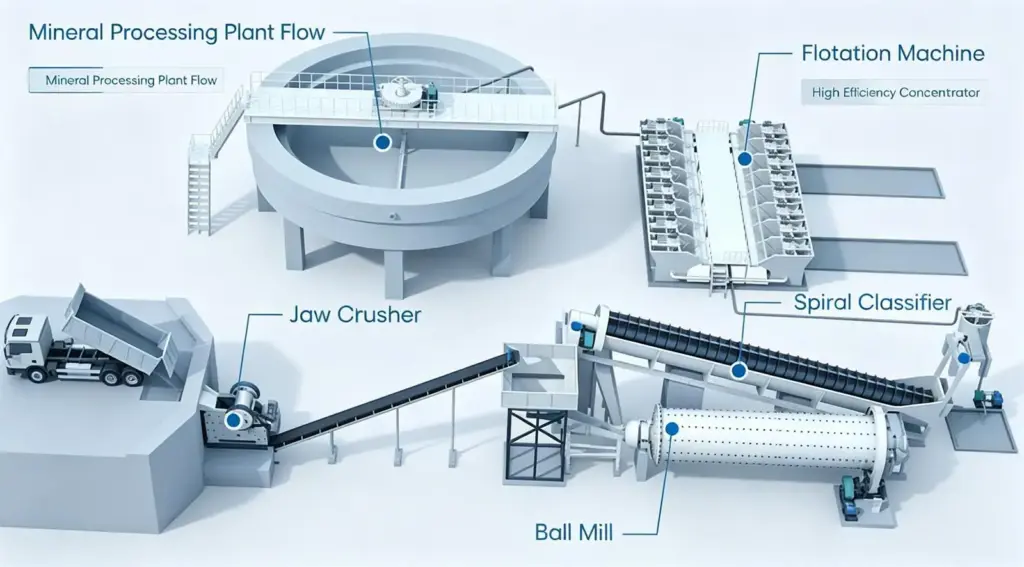
نظام التكسير
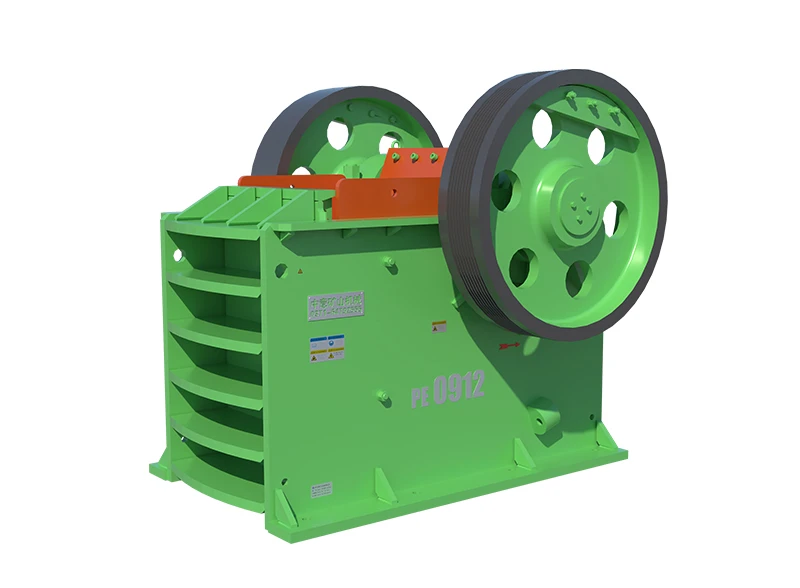
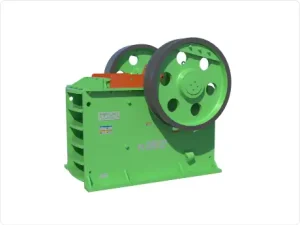
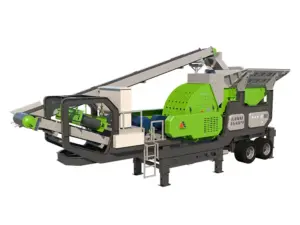
قسم التكسير هو المرحلة الأولى من معالجة المعادن. يتم تقليل خام المنجم من خلال التكسير الأولي والثانوي وأحياناً الثلاثي إلى حجم مناسب للطحن، عادةً حوالي 10 مم. تستخدم معظم مصانع التعويم الحديثة عمليات التكسير الجاف، مع استخدام الماء بشكل أساسي لكبح الغبار عند نقاط النقل ومناطق التفريغ لتقليل استهلاك المياه وتكاليف التشغيل.
نظام الطحن والتصنيف
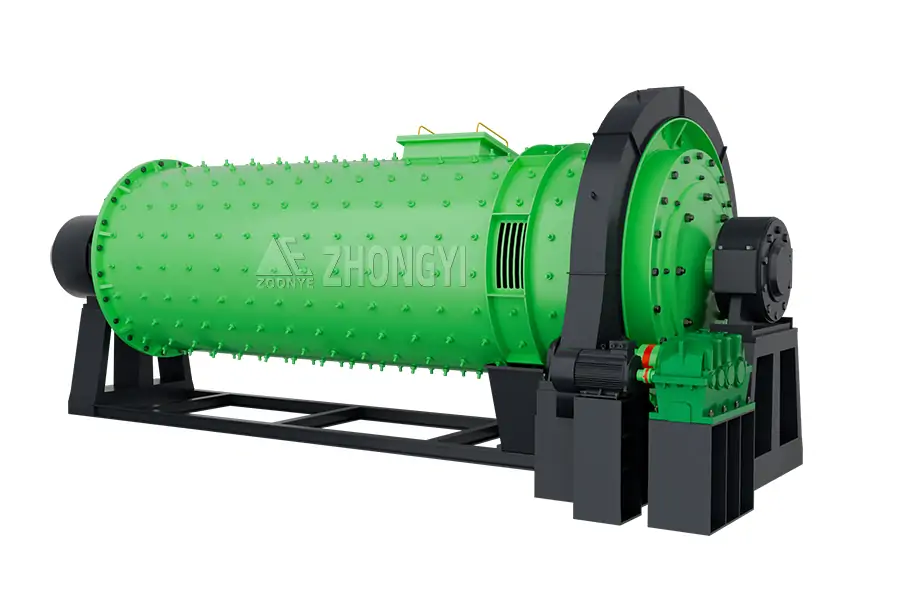
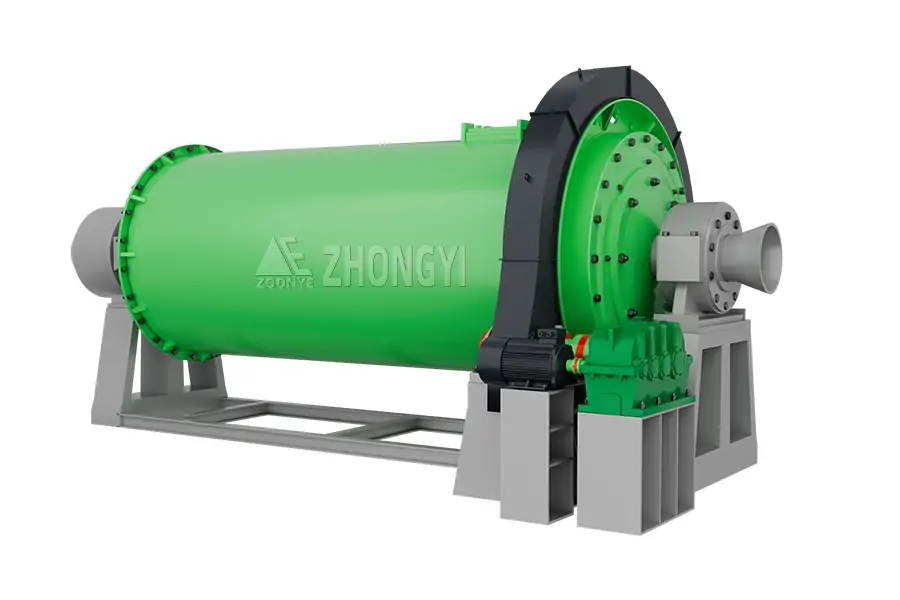
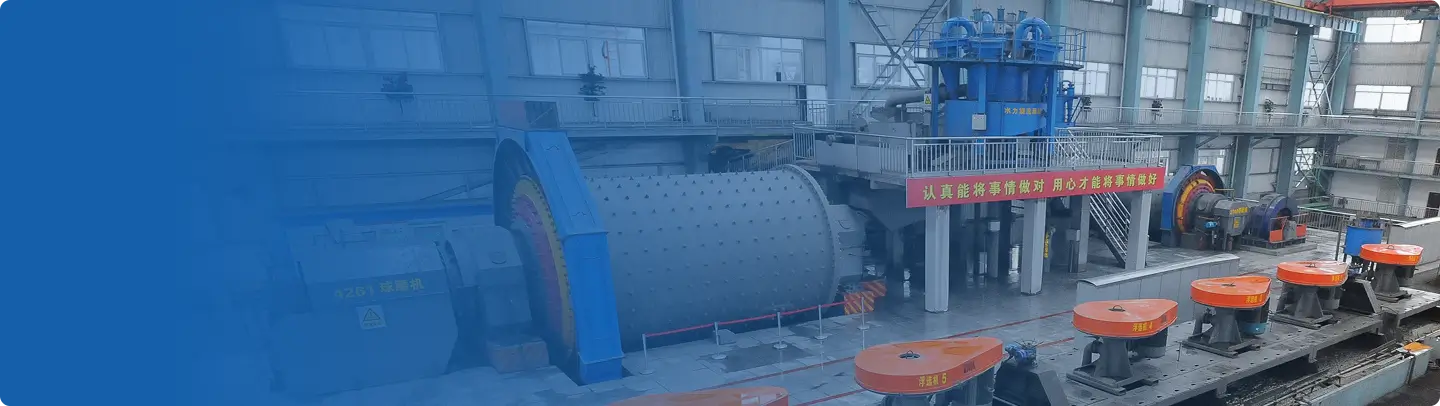
بعد التكسير، يتم خلط الخام مع الماء وتغذيته في مطاحن الطحن لتكوين ملاط. الهدف من الطحن هو تحرير المعادن الثمينة من الشوائب المحيطة بها حتى يمكن فصلها بفعالية أثناء التعويم. تتحكم معدات التصنيف في حجم الجسيمات النهائي، بإعادة الجسيمات كبيرة الحجم إلى المطحنة لمزيد من الطحن مع السماح للمواد المطابقة بالانتقال إلى التعويم.
لنعومة الطحن تأثير مباشر على أداء التعويم. إذا كانت الجسيمات خشنة جداً، تبقى المعادن الثمينة محبوسة داخل الخام. وإذا تم طحنها بشكل مفرط، قد تتولد أحماض طينية زائدة، مما يقلل من كفاءة التعويم وفعالية الكواشف. لهذا السبب، يحدد كل مصنع تعويم حجم الطحن الأمثل بناءً على خصائص الخام ومتطلبات المعالجة.
نظام التعويم
التعويم هو عملية الفصل الأساسية في المصنع. أثناء الطحن أو مباشرة بعده، تُضاف كواشف التعويم مثل المجمعات والرغويات والمعدلات إلى الملاط لتغيير خصائص سطح المعادن المستهدفة بشكل انتقائي.
داخل خلايا التعويم، تنتشر فقاعات هواء دقيقة في جميع أنحاء الملاط. ترتبط جسيمات المعادن الثمينة بالفقاعات وترتفع إلى السطح، مشكلةً رغوة معدنية يتم جمعها باستمرار كمركزات. تبقى المعادن غير المرغوب فيها في الملاط وتُصرف كمخلفات. بالنسبة للخامات المعقدة، تُستخدم عادةً مراحل التخشين والتنظيف والكنس لتحقيق درجة المركزات ومعدل الاسترداد المطلوبين.
نظام تجفيف المركزات
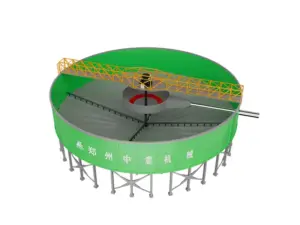
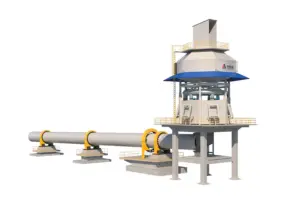
تحتوي مركزات التعويم على كمية كبيرة من الماء ويجب تجفيفها قبل النقل أو المعالجة اللاحقة. يتم أولاً تكثيف ملاط المركزات لزيادة تركيز المواد الصلبة ثم ترشيحه لتقليل محتوى الرطوبة بشكل أكبر. يتم بعد ذلك نقل المركزات المجففة إلى الصهر أو الترشيح أو غيرها من العمليات المعدنية.
نظام معالجة المخلفات
معالجة المخلفات جزء أساسي من تشغيل مصنع التعويم. تُرسل مخلفات التعويم إلى معدات التكثيف حيث يتم استرداد مياه المعالجة وإعادة تدويرها إلى المصنع. ثم تُصرف المخلفات المكثفة إلى منشأة تخزين المخلفات أو تُستخدم لردم المناجم. تقلل الإدارة الفعالة للمخلفات من استهلاك المياه العذبة، وتقلل من التأثير البيئي، وتحسن الاستفادة الإجمالية من الموارد.
خصائص تشغيل المصنع
تعمل أقسام مختلفة من مصنع التعويم وفقاً لجداول إنتاج مختلفة. يمكن تشغيل وإيقاف دائرة التكسير بسرعة نسبياً وغالباً ما تُشغّل وفقاً لجدول زمني لإتاحة فحص المعدات وصيانتها. في المقابل، تتطلب دوائر الطحن والتعويم والتجفيف ظروف تشغيل مستقرة وبالتالي تُشغّل عادةً بشكل مستمر. ونتيجة لذلك، تعمل معظم مصانع التعويم 24 ساعة يومياً، باستثناء فترات التوقف للصيانة المخططة، لضمان أداء إنتاجي مستقر وأقصى استفادة من المعدات.
احصل على مخطط سير تعويم المعادن المخصص وعرض السعر
سواء كنت تعالج خامات معدنية أو معادن غير معدنية، سيقوم فريقنا الهندسي المتخصص بتصميم خط معالجة مصمم خصيصاً بناءً على متطلبات السعة والنعومة لديك لتعظيم معدلات الاسترداد.
مواد التطبيق
تُستخدم مصانع التعويم لاسترداد المعادن الثمينة من الخامات المتناثرة بدقة والتي لا يمكن فصلها بفعالية بطرق الجاذبية أو المغناطيسية وحدها. تُطبق العملية على نطاق واسع في التعدين المعدني والمعادن الصناعية وإثراء المعادن غير المعدنية، خاصةً حيث يكون الفصل الانتقائي ورفع درجة المركزات مطلوباً.
تعويم خام النحاس
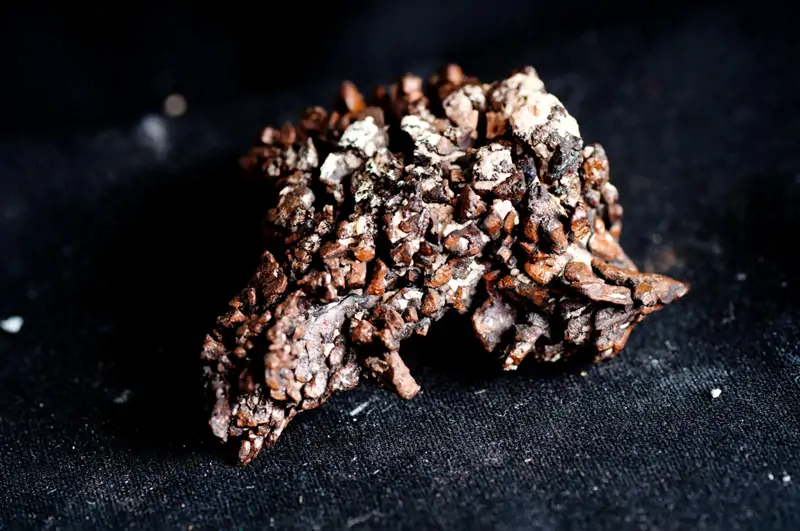
المواد: كالكوبايرايت، بورنيت، كالكوسيت، مالاكيت
يُستخدم لإنتاج مركزات النحاس من خامات النحاس الكبريتيدية والأكسيدية. يُطبق عادةً في مصانع إثراء النحاس الأولية.
تعويم خام الذهب
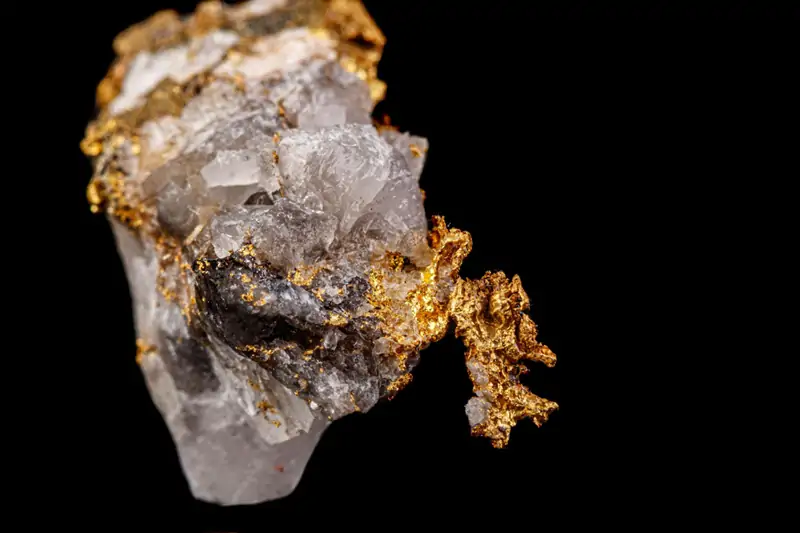
المواد: خام الذهب الكبريتيدي، خام الذهب الحراري، البيريت الحامل للذهب
مناسب لاسترداد الذهب الدقيق المرتبط بالمعادن الكبريتيدية وتحسين استرداد الذهب قبل السياندة أو الصهر.
تعويم خام الرصاص والزنك
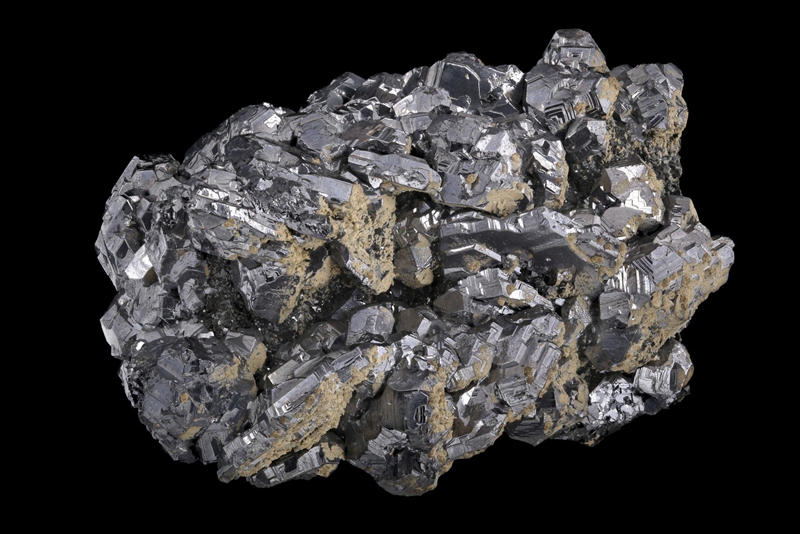
المواد: غالينا، سفاليريت، خامات الرصاص والزنك متعددة المعادن
يُستخدم على نطاق واسع للفصل الانتقائي لمركزات الرصاص والزنك في معالجة الخامات متعددة المعادن.
تعويم خام الموليبدينوم
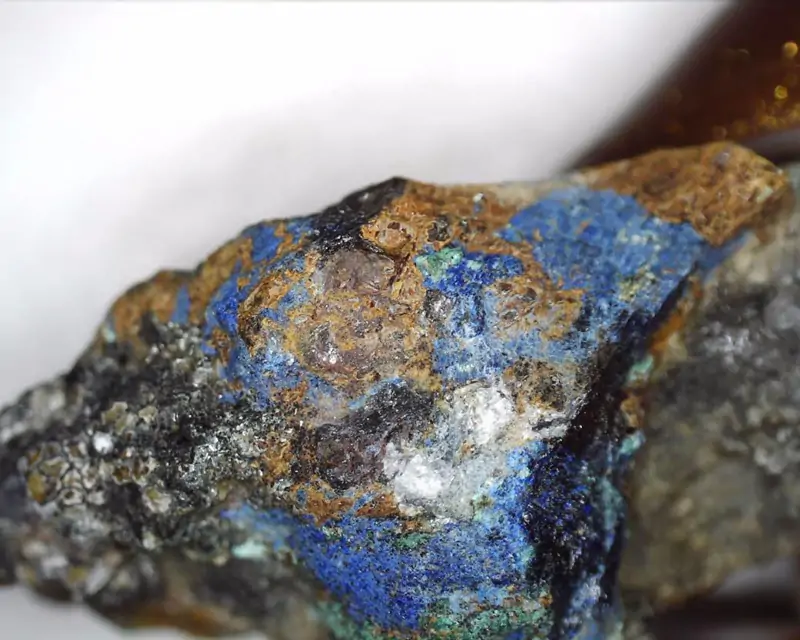
المواد: موليبدينيت، خامات النحاس والموليبدينوم
يُستخدم لاستعادة مركزات الموليبدينوم ولدوائر الفصل بالتعويم الجماعي للنحاس والموليبدينوم.
تعويم خام النيكل
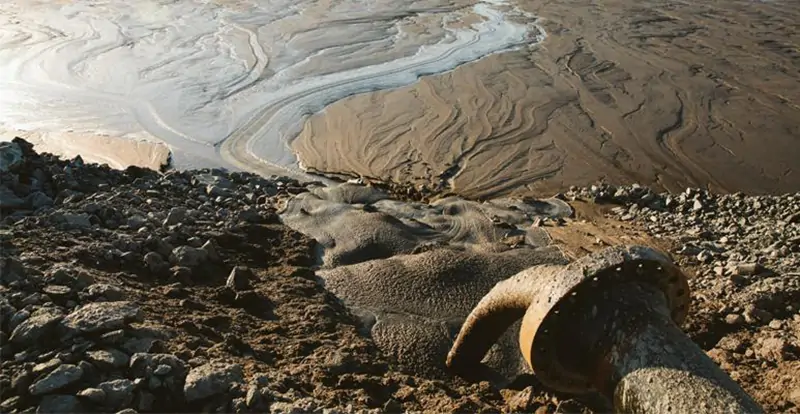
المواد: البنتلانديت، خامات كبريتيد النيكل
يُستخدم لمعالجة رواسب كبريتيد النيكل الحاملة وإنتاج مركز النيكل.
Iron Ore Flotation
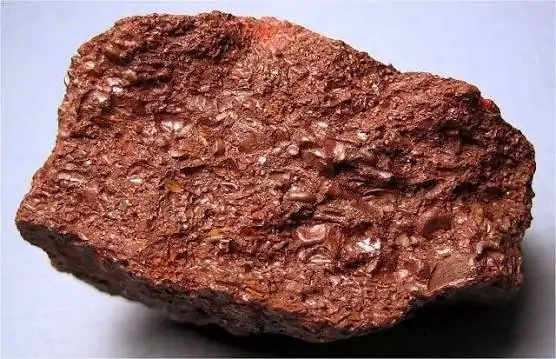
المواد: Hematite, magnetite, specularite
Suitable for removing silica and other gangue minerals to improve iron concentrate grade.
Fluorite Beneficiation
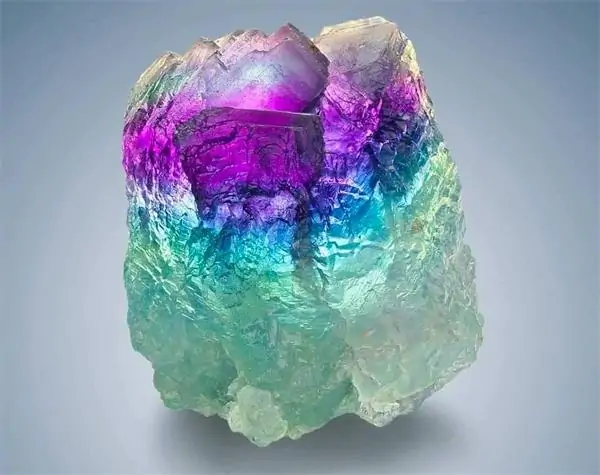
المواد: Fluorite ore, fluorite-quartz ore
Used to produce acid-grade and metallurgical-grade fluorite concentrates through selective flotation.
Phosphate Ore Beneficiation
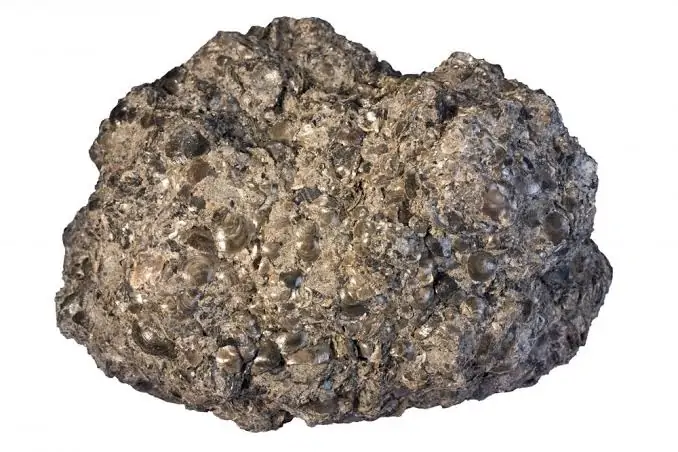
المواد: Apatite, sedimentary phosphate rock
Applied to increase P₂O₅ grade and reduce silica, carbonate, and clay impurities.
Graphite Beneficiation
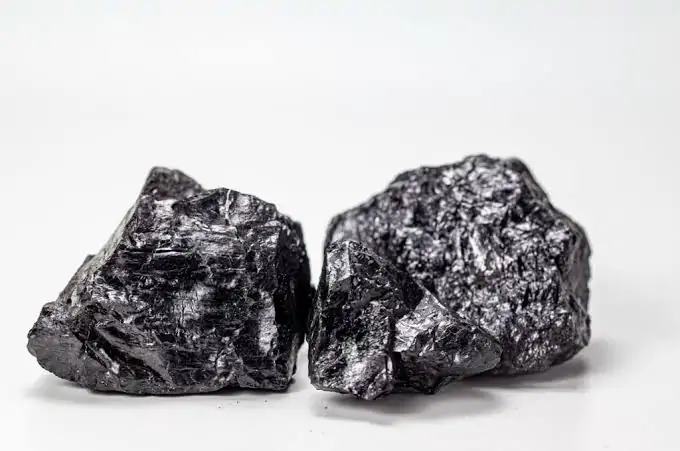
المواد: Flake graphite, crystalline graphite ore
Used to recover and upgrade graphite concentrates while preserving flake size as much as possible.
Barite and Industrial Minerals
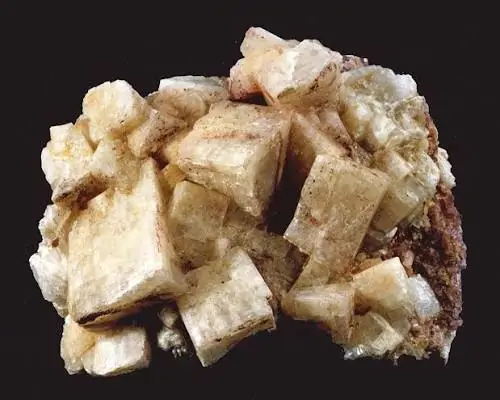
المواد: Barite, feldspar, quartz, talc
Applied in non-metallic mineral processing to improve purity and meet industrial product specifications.
Optimize Your Flotation Recovery with a Professional Ore Test
Not getting the desired grade? Send your ore samples to our lab. We provide free mineralogical analysis and reagent formulas to eliminate investment risks from the very start.
System Components of Mineral Flotation Plant
Mineral flotation plants are customized according to ore type, mineral composition, recovery targets, and production capacity. While process flows vary from project to project, the following components are commonly used in flotation systems.
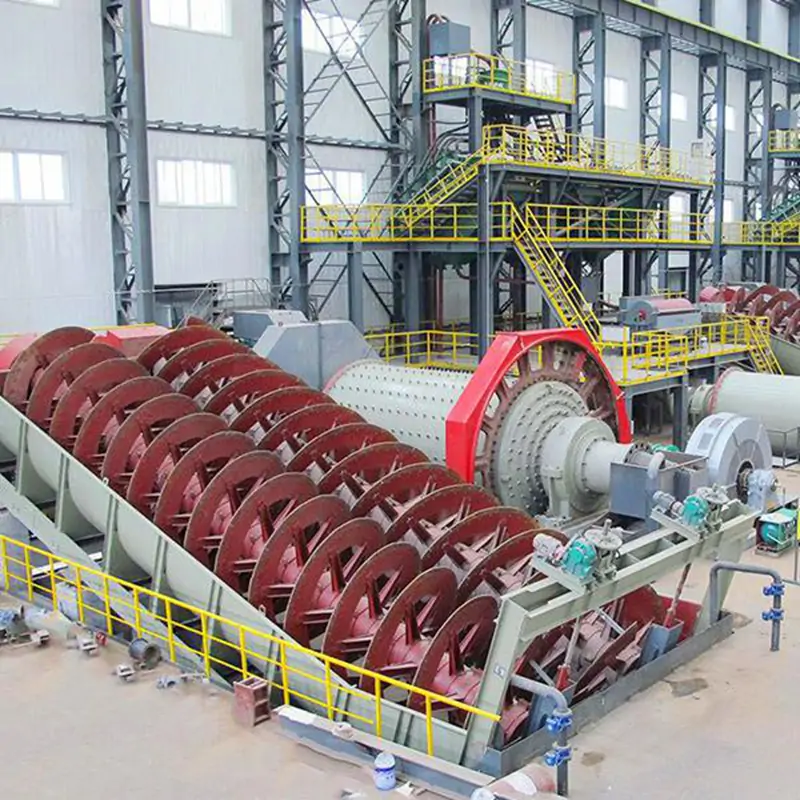
نظام الطحن والتصنيف
المصنف الحلزوني: Used to prepare ore for flotation by reducing particle size and achieving sufficient mineral liberation. Proper grinding is critical because flotation performance depends heavily on how effectively valuable minerals are released from the ore.
- Feed size: 0–350 mm (depending on crushing stage)
- Product size: typically 45–200 μm
- Grinding equipment: ball mill / rod mill / SAG mill
- Classification equipment: hydrocyclone or spiral classifier
احصل على عرض سعر
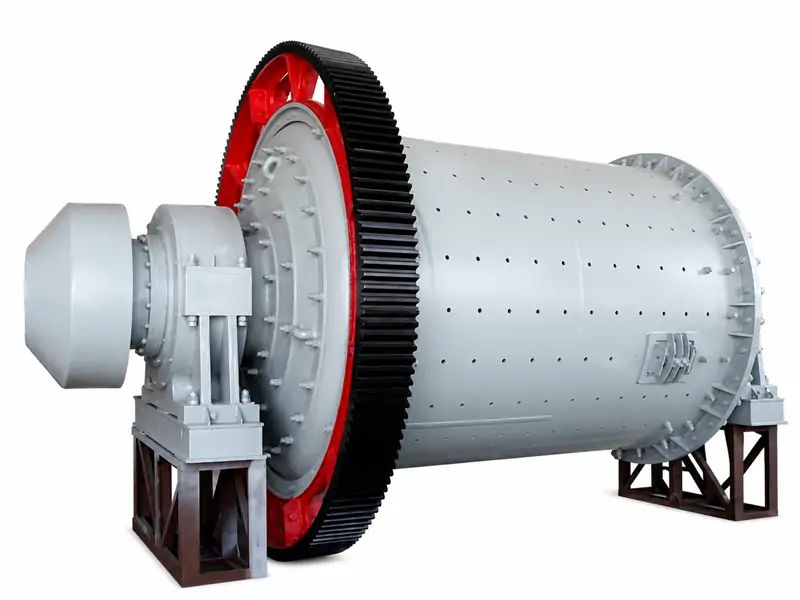
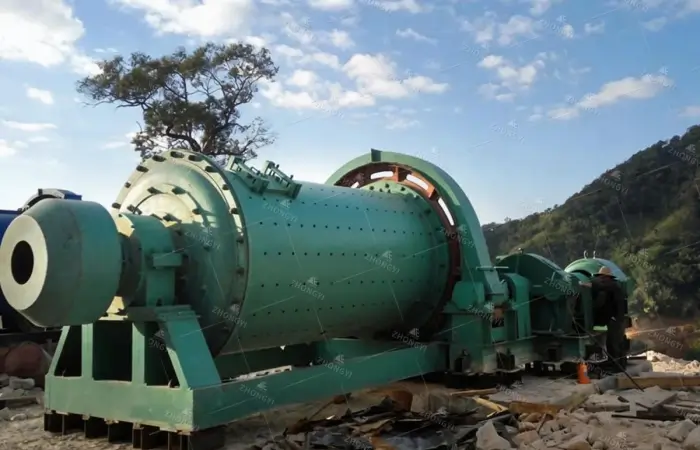
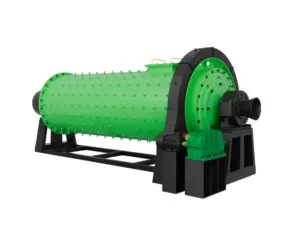
Ball Mill (Grinding Equipment)
Industrial ball mill is the key equipment in the grinding system. It is used to grind crushed ore into fine particles, ensuring valuable minerals are fully liberated for flotation. Grinding fineness directly affects recovery rate and concentrate grade.
Feed size: ≤25 mm (after primary crushing)
Output size: 45–200 μm (adjustable by grinding time and media)
Capacity range: 0.65–200+ TPH (based on model and ore hardness)
Grinding media: steel balls / steel rods / ceramic media (optional depending on ore type)
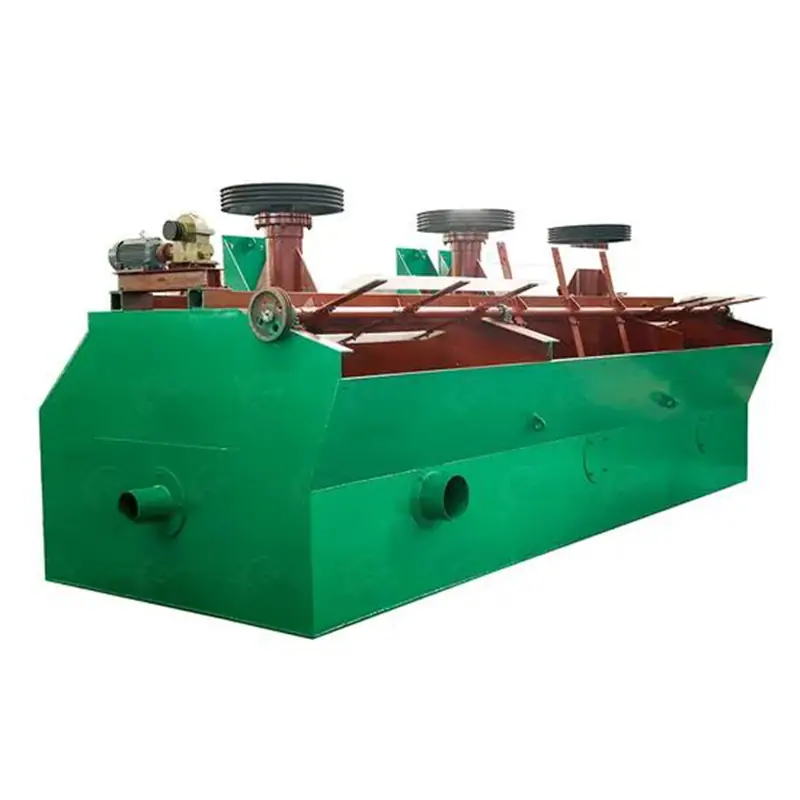
Flotation Cells
The flotation cell is a core separation equipment in a flotation plant. Through aeration and reagent action, valuable minerals attach to air bubbles and are recovered as concentrate while unwanted material remains in the slurry.
- Cell volume: 0.2–50 m³ per tank (model dependent)
- Recovery rate: typically 85–95% (based on ore type)
- Air supply system: self-aspirated or forced-air mechanism
- Pulp density range: 25–45% solids
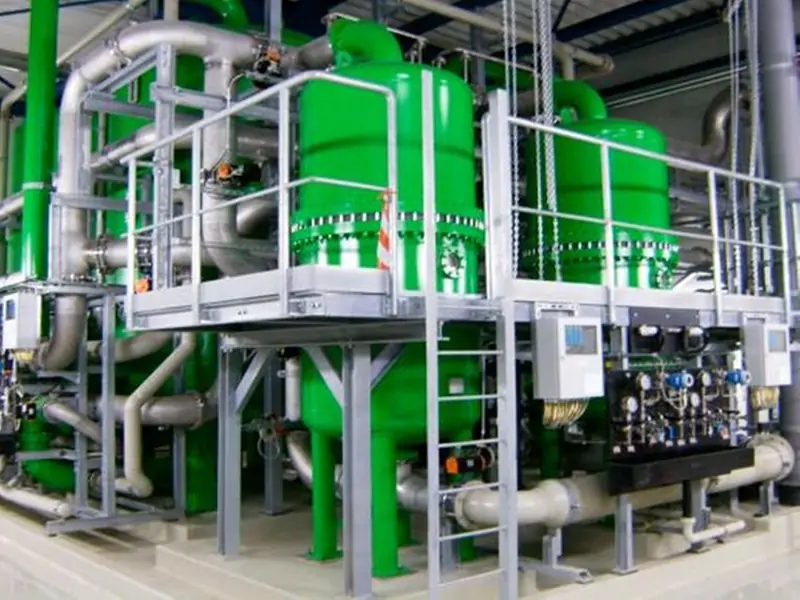
Reagent Preparation & Dosing System
Used to prepare and add flotation reagents under controlled conditions. Proper reagent selection and dosage help improve mineral selectivity, recovery efficiency, and overall process stability.
- Tank volume: 500–5000 L preparation tanks
- Dosing accuracy: ±1–2% controlled metering pumps
- Reagent types: collectors, frothers, regulators, activators
- Dosing mode: manual / semi-automatic / PLC automatic control
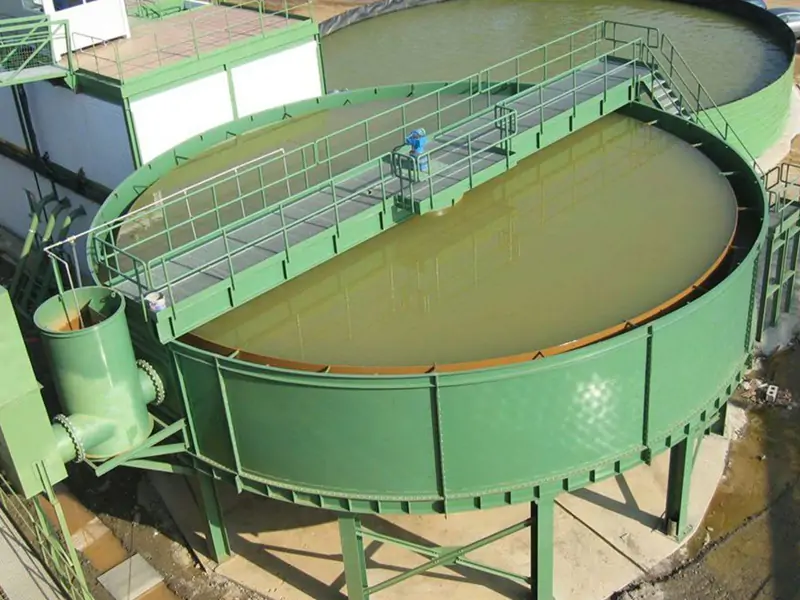
Concentrate Handling System
May include thickening, dewatering, filtration, or storage equipment depending on project requirements. These systems help prepare the final concentrate for transportation, smelting, or further processing.
- Thickener diameter: 5–50 m (project scale dependent)
- Moisture after dewatering: typically 8–15%
- Filtration equipment: vacuum filter / pressure filter
- Storage capacity: customized according to shipment requirement
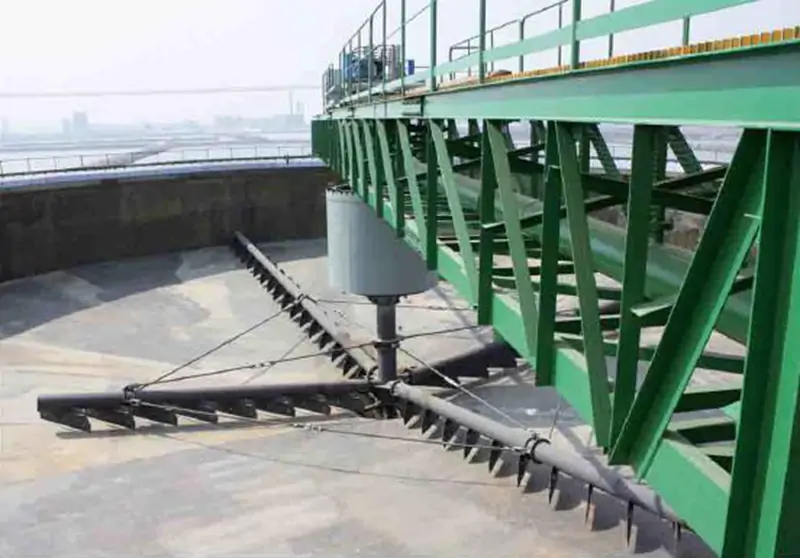
Tailings Management System
Used for tailings disposal, water recycling, and environmental management. In some projects, tailings may also be reprocessed to recover additional valuable minerals and improve overall resource utilization.
- Tailings solids concentration: 20–40% (before thickening)
- Water recovery rate: up to 70–90% in closed-loop systems
- Tailings storage type: pond / dry stacking / thickened discharge
- Treatment options: reprocessing, backfilling, or safe disposal
Project Cases
200 TPH Copper Flotation Plant — Stable Recovery Under Variable Ore Conditions
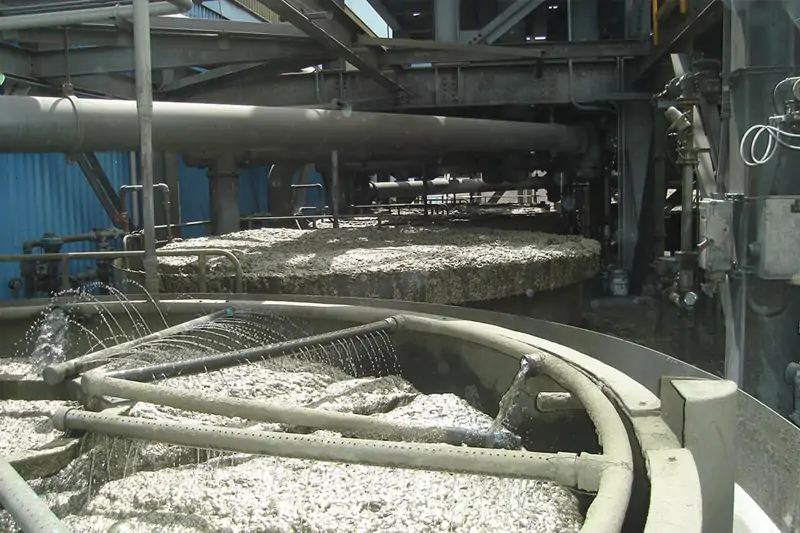
A copper flotation plant was implemented for a fine-grained sulfide copper ore deposit with variable feed grade and complex mineral composition. The main challenge was to maintain stable recovery performance under changing ore conditions.
A customized flotation flowsheet was designed, including optimized grinding fineness control, reagent dosing adjustment, and a multi-stage flotation circuit.
Project Overview:
Location: Southeast Asia
Ore Type: Copper sulfide ore (fine dissemination)
Capacity: 200 TPH
سير العملية:
Crushing → Grinding → Conditioning → Copper Flotation → Concentrate Dewatering → Tailings Handling
Operational Result:
After commissioning and process optimization, the plant achieved stable and consistent recovery performance during continuous operation, with improved overall metal recovery compared to initial design expectations.
Customized Flotation Plant Solutions
Every flotation plant is designed based on ore characteristics, mineral composition, recovery targets, and production capacity requirements. Zhongyi Mining Machinery provides customized mineral flotation plant solutions tailored to specific ore conditions and project goals.
We support the full engineering process, including ore testing, process design, equipment configuration, and plant layout planning. Based on analysis results, we develop a suitable flotation flowsheet and recommend a stable and efficient plant configuration to ensure reliable recovery performance and continuous operation. Technical consultation and quotation support are also available to help define the most practical solution for your project.
Tell Us Your Ore Specs, We’ll Engineer the Right Plant
Whether you are dealing with complex polymetallic ores, strict footprint limits, or specific tonnage targets, share your technical specs with us. Our engineers will properly size and configure the setup to match your real-world conditions.
الأسئلة الشائعة
What is a mineral flotation plant used for?
A mineral flotation plant is used to separate and recover valuable minerals from finely crushed ores. It is especially effective for copper, gold, lead, zinc, and polymetallic ores where minerals are too fine or too closely mixed with gangue for gravity separation.
Which ores are suitable for flotation processing?
Flotation is suitable for sulfide ores such as copper, lead, zinc, and gold-bearing ores, as well as complex polymetallic deposits. It is commonly applied when valuable minerals are finely disseminated or require selective separation based on surface properties.
Why is flotation preferred over gravity separation?
Flotation is preferred when mineral particles are too fine or too closely associated with waste rock for gravity methods. It uses chemical reagents and air bubbles to selectively recover valuable minerals, achieving higher efficiency in complex ore processing conditions.
What factors affect flotation recovery rate?
Flotation recovery is influenced by ore grade variability, grinding fineness, reagent dosage, mineral liberation degree, and froth stability. Proper process control and plant configuration are essential to maintain stable recovery performance during continuous operation.
What is the required grinding fineness for flotation?
Grinding fineness depends on ore type and mineral liberation characteristics. In most flotation plants, ore is ground to fine or ultra-fine particle sizes to ensure valuable minerals are fully exposed for effective attachment to air bubbles during separation.
What is the typical capacity of a flotation plant?
Flotation plant capacity varies widely based on project scale, typically ranging from small pilot systems to large industrial plants processing hundreds or even thousands of tons per hour. Capacity design depends on ore properties and production targets.
Can flotation plants handle variable ore conditions?
Yes, modern flotation plants are designed to handle ore variability. Process adjustments such as grinding control, reagent optimization, and flotation circuit tuning help maintain stable recovery performance even when feed grade and mineral composition change.
Can a flotation plant be customized for different projects?
Yes, flotation plants are fully customizable. Design factors include ore type, mineral composition, required recovery rate, and capacity. Zhongyi provides tailored flowsheet design, equipment configuration, and plant layout based on specific project requirements.