











ما هي خلية التعويم الذاتي الشفط من نوع SF؟
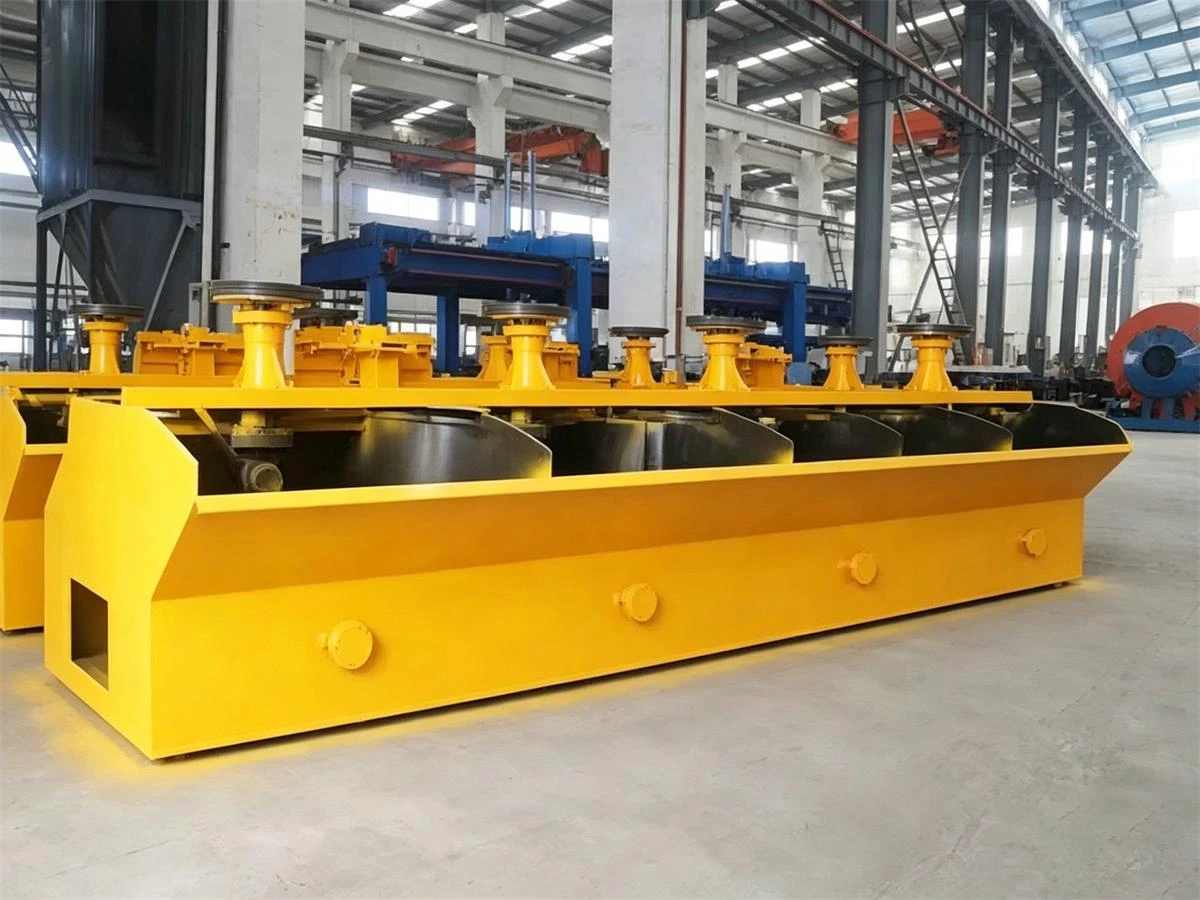
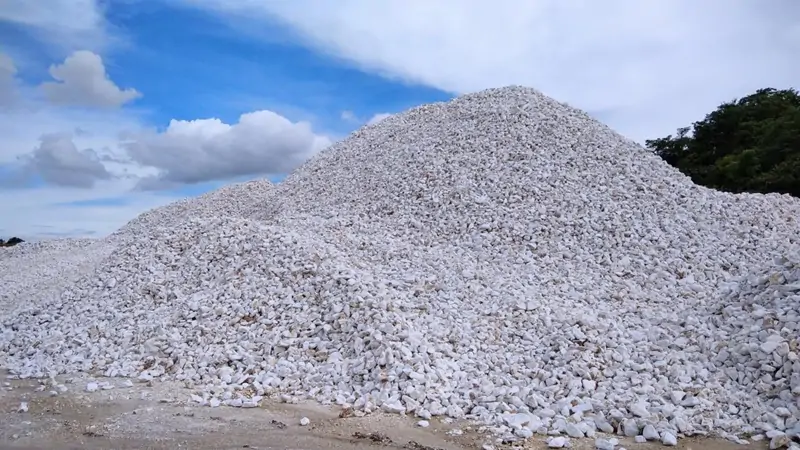
خلية التعويم الذاتي الشفط من نوع SF، المعروفة أيضاً باسم آلة التعويم SF أو خلية التعويم الذاتي الشفط، هي معدات تعويم ميكانيكية التحريك تُستخدم لفصل المعادن الثمينة من ملاط الخام من خلال عملية التعويم بالرغوة. تُستخدم بشكل رئيسي في مصانع معالجة المعادن لمعالجة خام النحاس والرصاص والزنك والذهب والموليبدينوم وخام الحديد والجرافيت والفلوريت وغيرها من المعادن الفلزية وغير الفلزية.
تجمع خلية التعويم SF بين وظائف شفط الهواء وشفط الملاط والتعويم في وحدة واحدة. يُولّد المكره الدوار ضغطاً سلبياً لسحب الهواء والملاط تلقائياً إلى الغرفة، مما يوفر خلطاً كافياً وتشتيتاً للفقاعات لفصل المعادن. في مصنع معالجة متكامل، تُثبَّت خلايا التعويم SF عادةً بعد عمليات الطحن والتصنيف والتكييف، وتُستخدم على نطاق واسع في دوائر التخشين والكنس والتنظيف. وفقاً لسعة المصنع ومتطلبات العملية، تتوفر موديلات SF بأحجام خلايا مختلفة، حيث تُكوَّن الوحدات الصناعية عادةً من عدة أمتار مكعبة إلى أكثر من 10 م³ لكل خلية. إذا كنت ترغب في معرفة المزيد، انقر على “ما هي خلية التعويم؟”
كيف تعمل خلية التعويم الذاتي الشفط؟
تعمل خلية التعويم الذاتي الشفط من نوع SF من خلال العمل المشترك لتحريك المكره وشفط الهواء وتعويم المعادن. أثناء التشغيل، يُولّد المكره الدوار ضغطاً سلبياً داخل غرفة المكره، مما يسحب الهواء تلقائياً عبر العمود المجوف مع تدوير الملاط من الخزان. يتيح هذا التصميم ذاتي الشفط خلطاً مستمراً للب الملاط وتشتيتاً للهواء دون الحاجة إلى نظام إمداد هواء خارجي.
خلط الملاط وشفط الهواء
يُدير المحرك المكره على الدوران، مما يُولّد فرق ضغط في غرفة المكره. تسحب الشفرات العلوية الهواء إلى خلية التعويم، بينما تُدوّر الشفرات السفلية الملاط من قاع الخزان للحفاظ على تعليق الجسيمات وتقليل ترسّب الجسيمات الخشنة.
التصاق الفقاعات بالمعادن
يُشتّت المكره الهواء الداخل إلى فقاعات دقيقة ويخلطها بالتساوي مع الملاط. تحت تأثير كواشف التعويم، تلتصق جسيمات المعادن الثمينة بأسطح الفقاعات وتُشكّل فقاعات معدنية للفصل.
جمع الرغوة واستعادتها
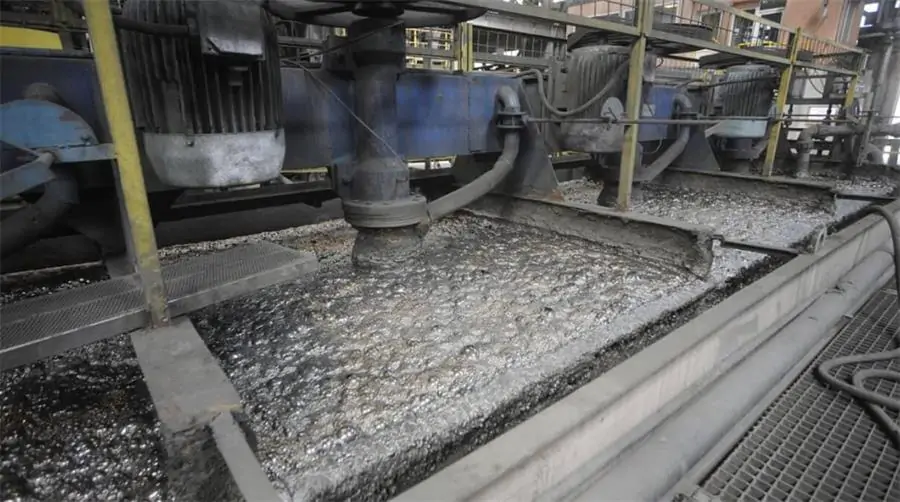
ترتفع الفقاعات المعدنية إلى السطح وتُشكّل طبقة رغوة، تُزال بواسطة آلية الكشط كمركّز. يستمر الملاط المتبقي عبر دائرة التعويم لمزيد من الفصل، حيث تُرتَّب عادةً عدة خلايا SF على التوالي لعمليات التخشين والكنس والتنظيف.
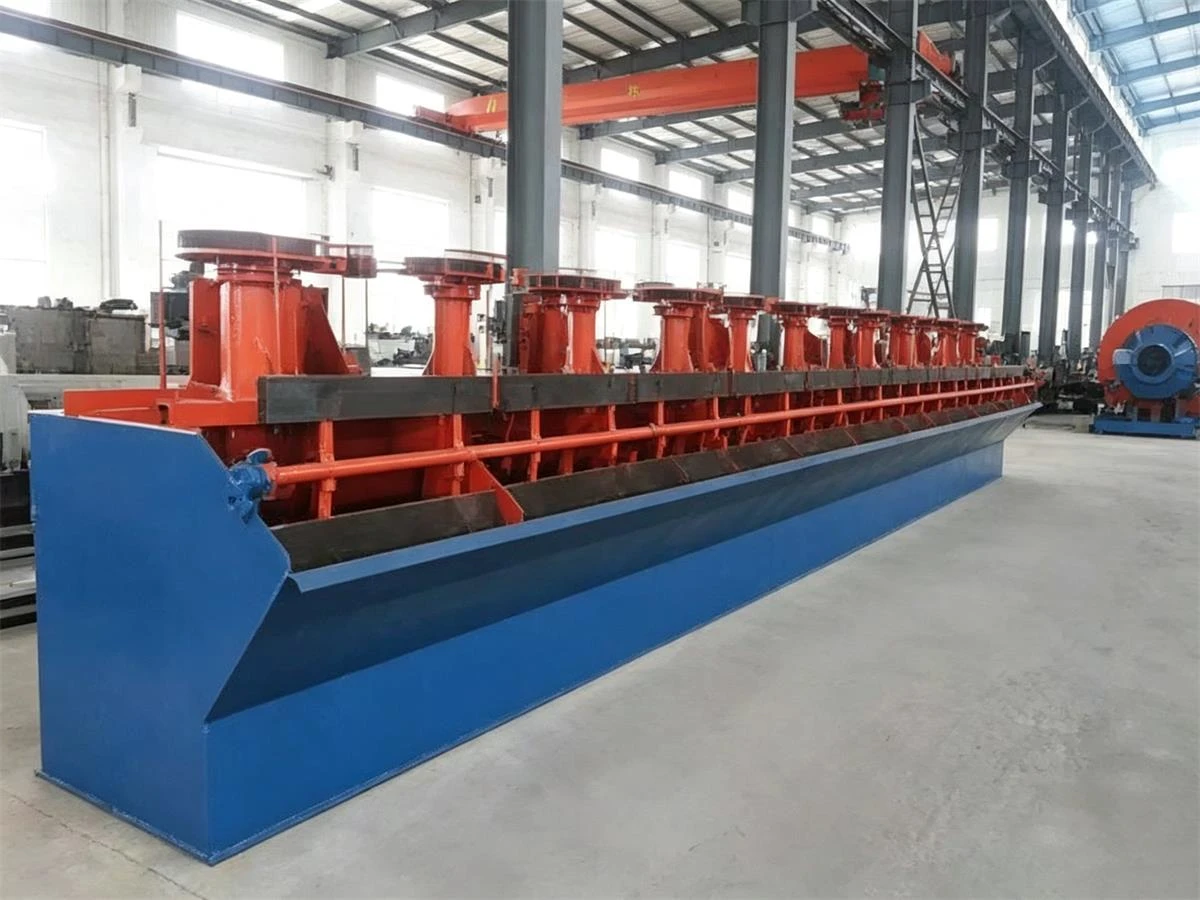
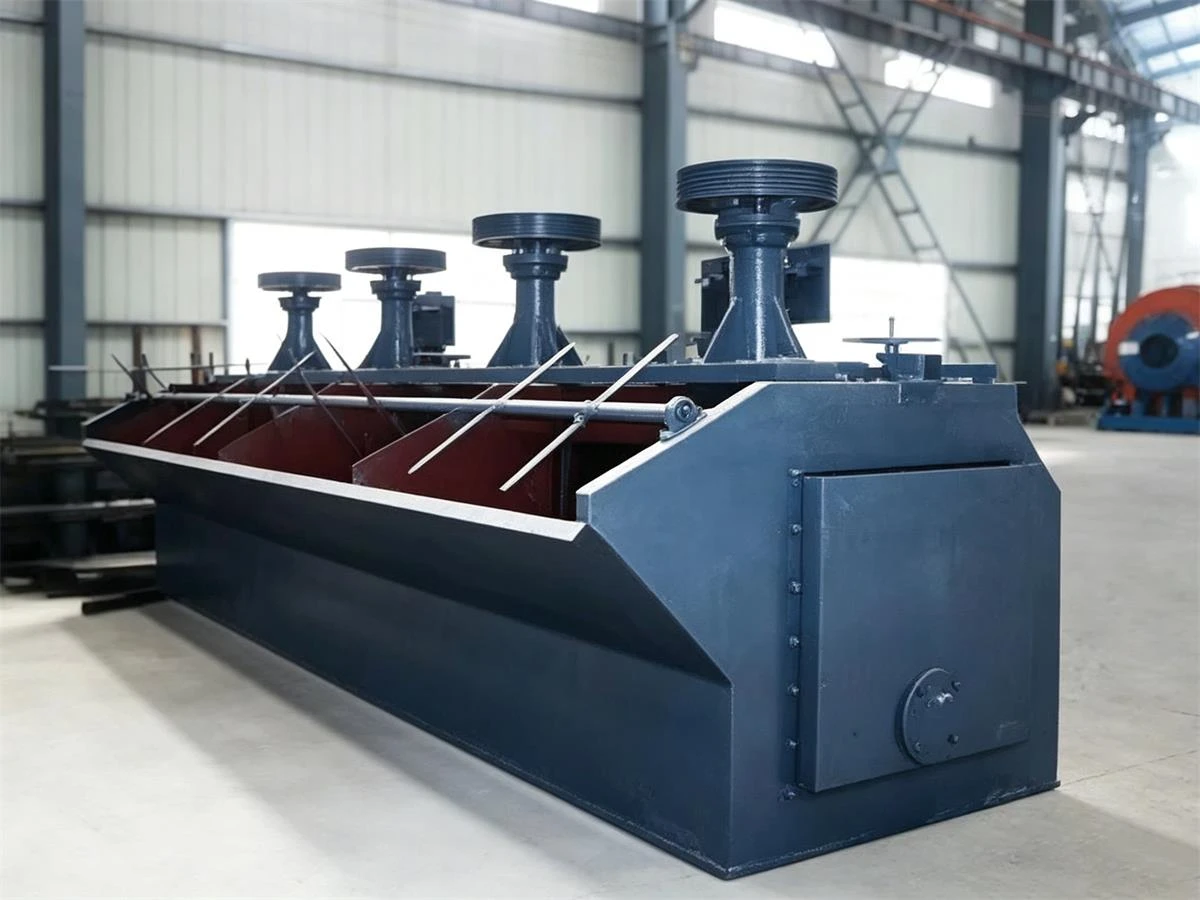
هيكل خلية التعويم الذاتي الشفط من نوع SF
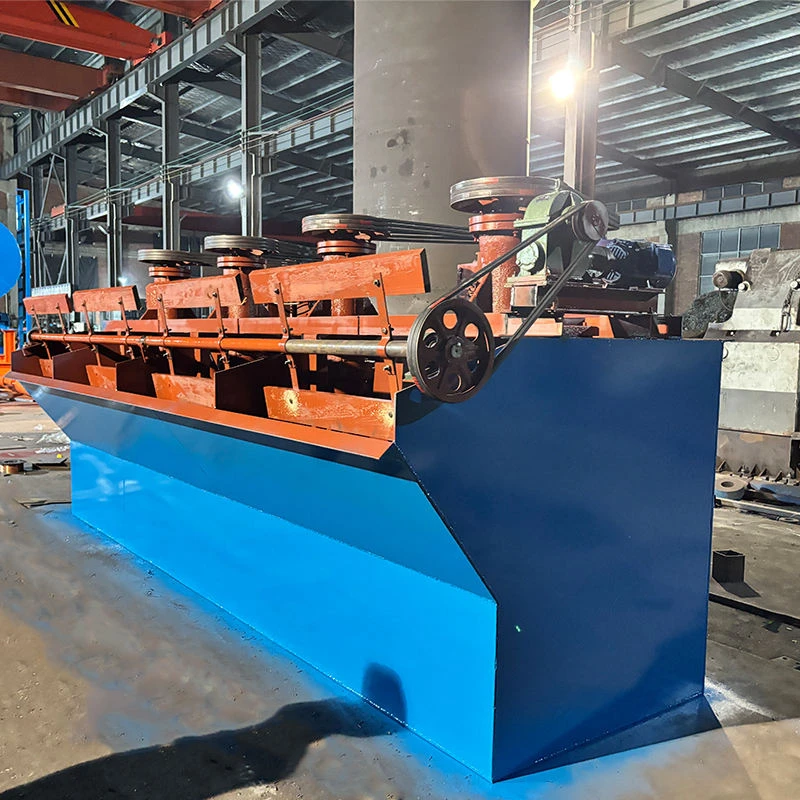
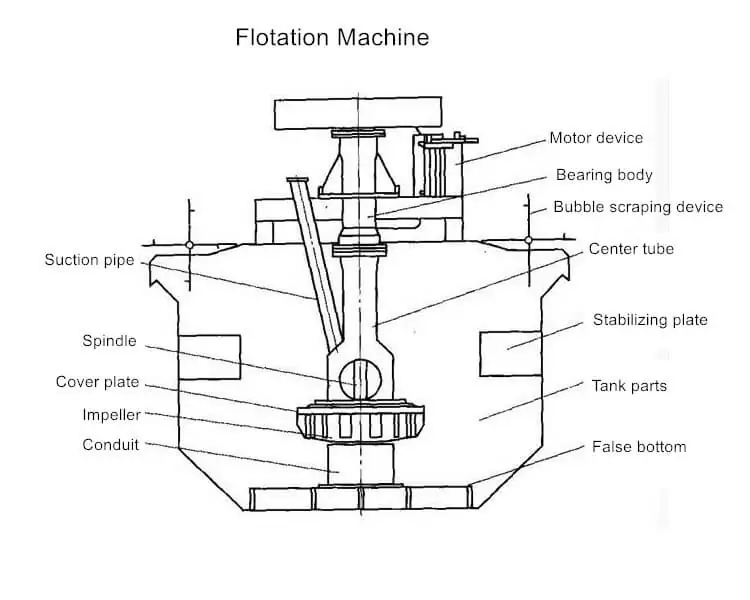
تتكون خلية التعويم الذاتي الشفط من نوع SF من نظام المكره-الجزء الثابت ونظام تدوير الهواء-الملاط وخزان التعويم ووحدة النقل، مما يُشكّل هيكل تعويم متكاملاً.
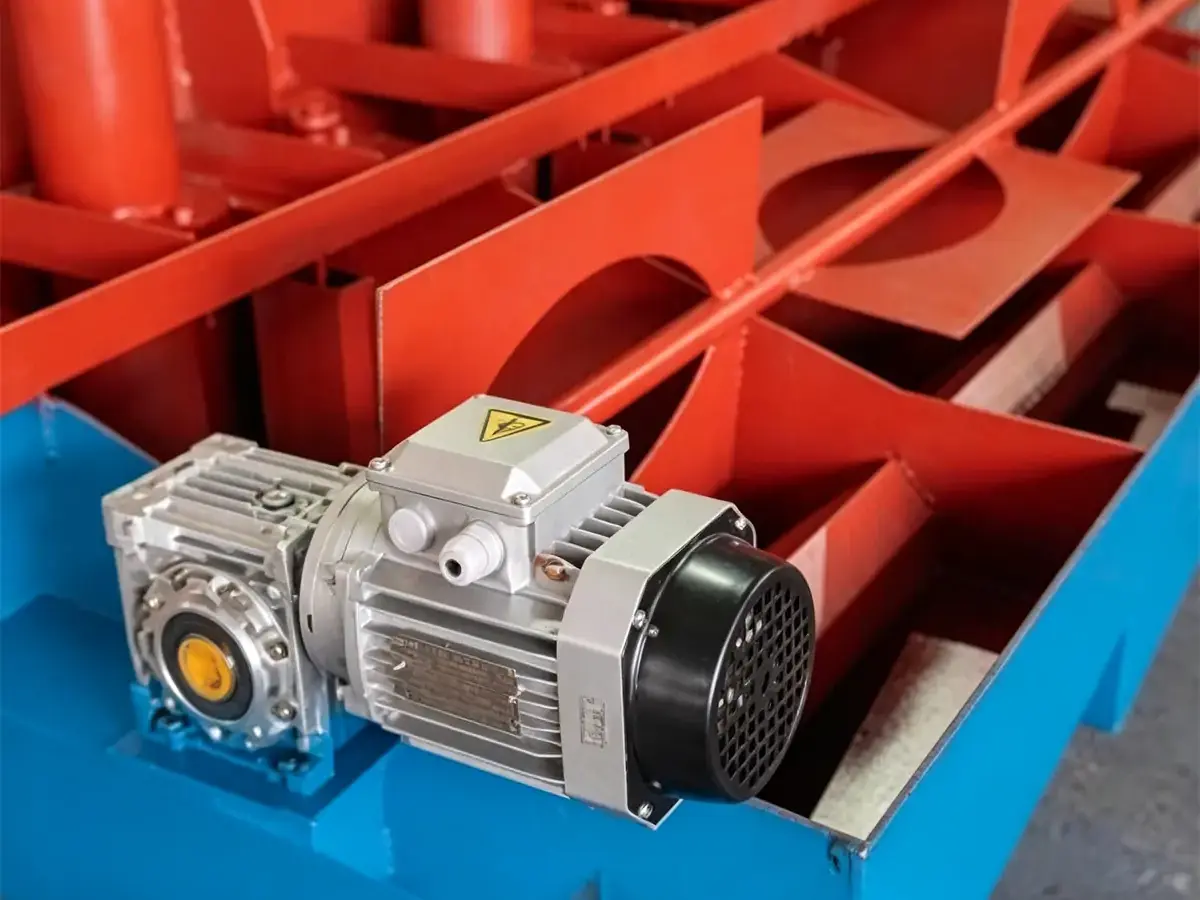
محرك التخفيض بالترس الدودي
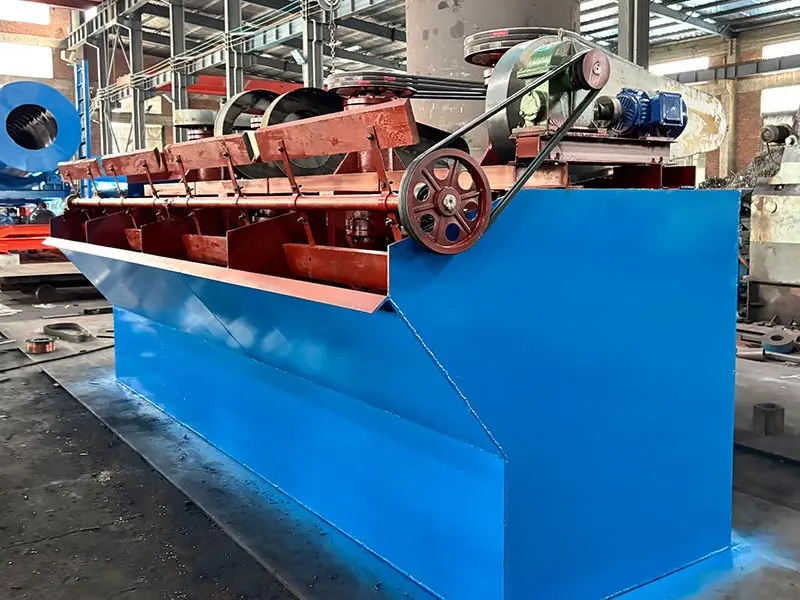
يُدير عمود كاشط الرغوة على سطح خزان آلة التعويم، مما يتسبب في دوران شفرة الكشط وكشط رغوة المركّز عن سطح السائل. وهو مكوّن من نظام كشط الرغوة.
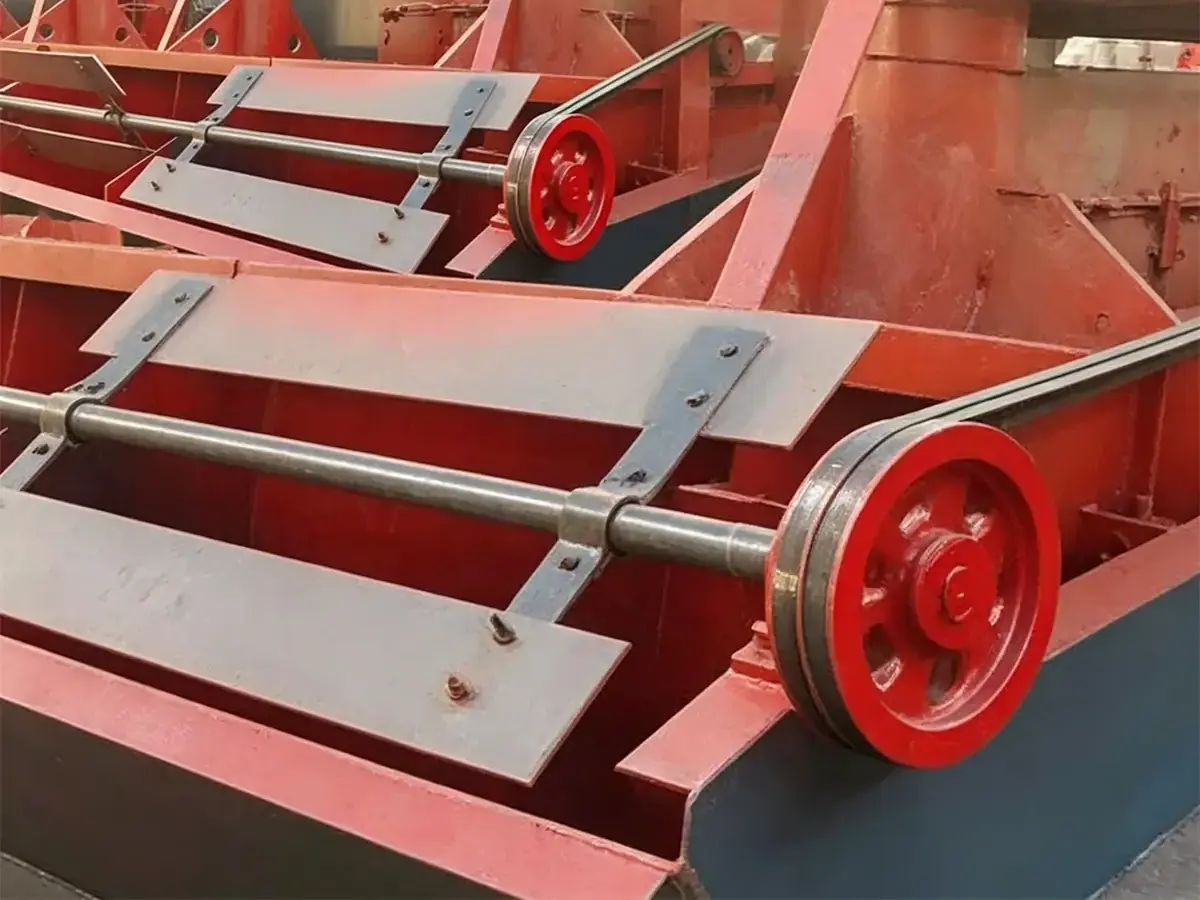
عمود الكشط وشفرات الكشط ومجموعة البكرة
تُشكّل هذه المجموعة آلية كشط الرغوة في آلة التعويم؛ المكوّن الأحمر هو بكرة، والعمود الطويل يعمل كمحور رئيسي للكاشط، وتعمل الصفيحة الفولاذية كشفرة كشط. يُدير محرك هذا العمود عبر سير لأداء كشط الرغوة المستمر.
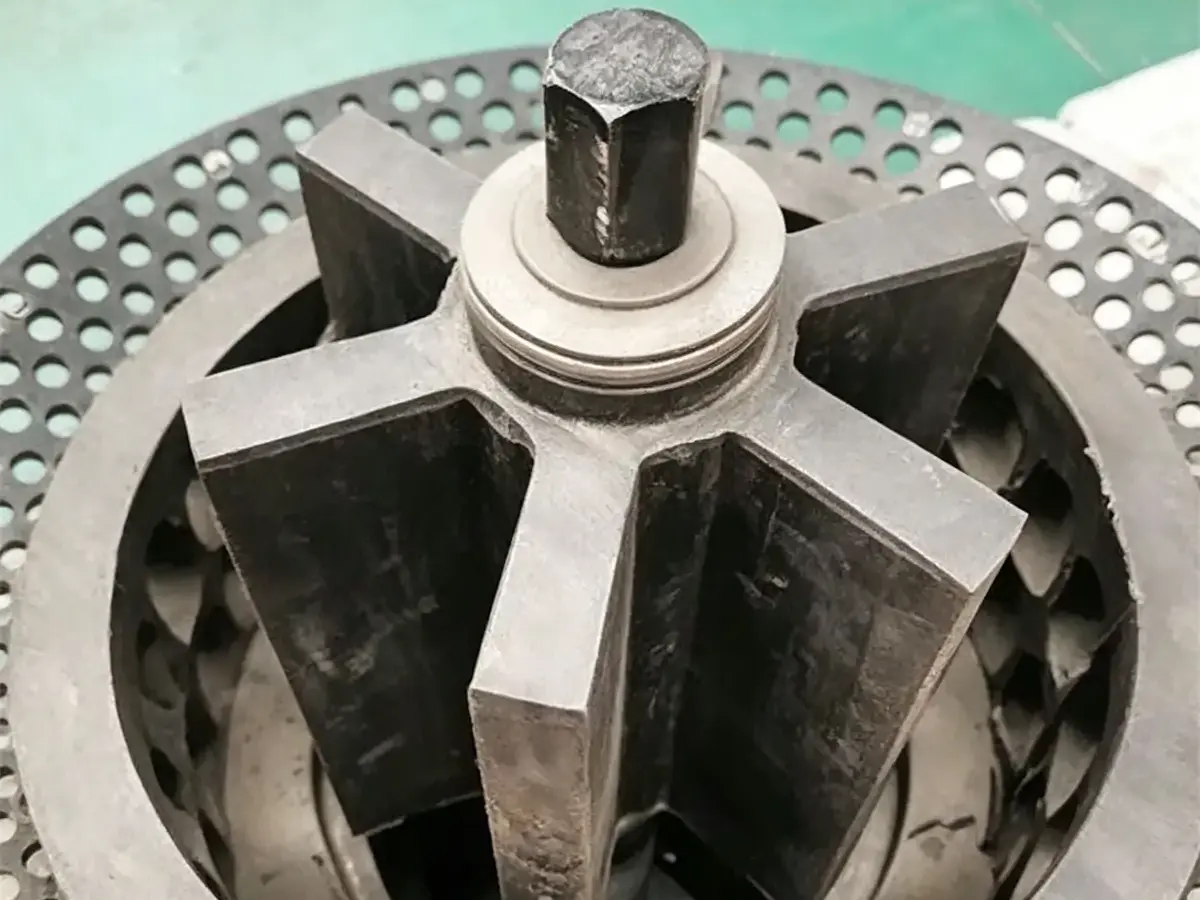
مجموعة المكره والجزء الثابت
أجزاء التآكل الرئيسية (مكونات التحريك والتهوية): يُولّد المكره الدوار ضغطاً سلبياً لسحب الهواء وتحريك الملاط، بينما يعمل القرص الخارجي المثقّب كجزء ثابت (لوح الغطاء)، مما يُثبّت تدفق الملاط ويقصّ فقاعات الهواء — مما يجعله “قلب” آلة التعويم.
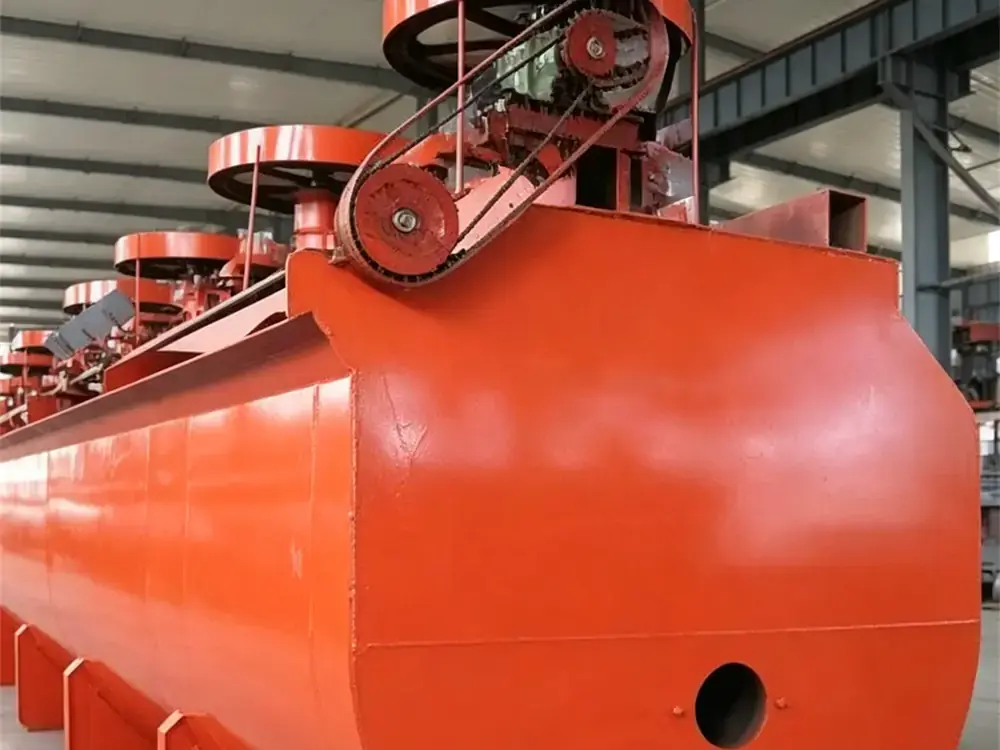
خزان آلة التعويم
يتكون الجسم الرئيسي للآلة من غلاف يحتوي على الملاط ويعمل كمنطقة تفاعل للتعويم؛ وتُثبَّت آلية تحريك العمود الرئيسي وجهاز كشط الرغوة فوق الخزان. تتميز آلة التعويم SF بتصميم خزان على شكل حرف U مائل للأمام.
المواصفات
يوفر جدول المواصفات التالي معلومات تفصيلية لكل موديل من آلات التعويم SF، مما يساعد العملاء على مقارنة التكوينات المختلفة واختيار المعدات المناسبة وفقاً لمتطلبات المعالجة الخاصة بهم.
| الطراز | الحجم الفعال (م³) | قطر المكره (مم) | سرعة المكره (دورة/دقيقة) | سعة المعالجة (م³/دقيقة) | محرك المكره | محرك الكاشط | أبعاد الخزان (مم) | الوزن (طن) | حجم شفط الهواء (م³/م·دقيقة) | ||
| الطراز | القدرة (كيلوواط) | الطراز | القدرة (كيلوواط) | ||||||||
| SF-0.37 | 0.37 | 296 | 386 | 0.2–0.4 | Y90L-4 | 1.5 | Y801-4 | 0.55 | 700×700×750 | 0.47 | 0.9–1.0 |
| SF-0.65 | 0.65 | 350 | 400 | 0.3–0.9 | Y132S-6 | 3 | Y90L-6 | 1.1 | 900×900×900 | 0.93 | 0.9–1.0 |
| SF-1.2 | 1.2 | 450 | 312 | 0.6–1.2 | Y132M2-6 | 5.5 | Y90L-6 | 1.1 | 1100×1100×1100 | 1.37 | 0.9–1.0 |
| SF-2.8 | 2.8 | 550 | 270 | 1.5–3.5 | Y160L-6 | 11 | Y90L-6 | 1.1 | — | 2.13 | 0.9–1.0 |
| SF-4 | 4 | 650 | 220 | 2–4 | Y200L-8 | 15 | Y100L-6 | 1.5 | 1850×2050×1200 | 2.58 | 0.9–1.0 |
| SF-8 | 8 | 760 | 191 | 4–8 | Y250M-8 | 30 | Y100L-6 | 1.5 | 2200×2900×1400 | 4.13 | 0.9–1.0 |
| SF-10 | 10 | 760 | 191 | 5–10 | Y250M-8 | 30 | Y100L-6 | 1.5 | 2200×2900×1700 | 4.49 | 0.9–1.0 |
| SF-16 | 16 | 850 | 169–193 | 5.0–16 | — | 45 | — | — | — | 7.415 | 0.9–1.0 |
| SF-20 | 20 | 730 | 186 | 5.0–20 | — | 30×2 | — | — | — | 9.823 | 0.9–1.0 |
المزايا
SF Flotation Cell is designed for efficient mineral separation with integrated air suction, slurry circulation, and flotation functions. Its self-suction structure, optimized impeller system, and wear-resistant components provide stable flotation performance, lower energy consumption, and easier maintenance.
التطبيقات
SF Type Self Suction Flotation Cell is mainly applied in roughing and scavenging circuits of mineral processing plants. With its integrated air suction, slurry suction, and flotation functions, it is suitable for the separation of various metallic and non-metallic minerals, including sulfide ores, precious metals, and industrial minerals.If you’d like to learn more, click on “Types of Flotation Cells for Mineral Processing.”
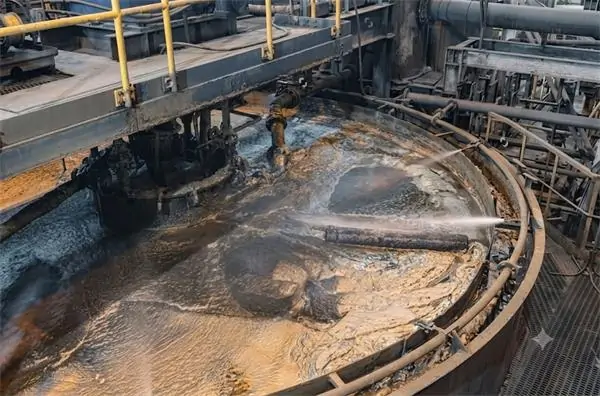

SF Flotation Cell in Flotation Plant Process
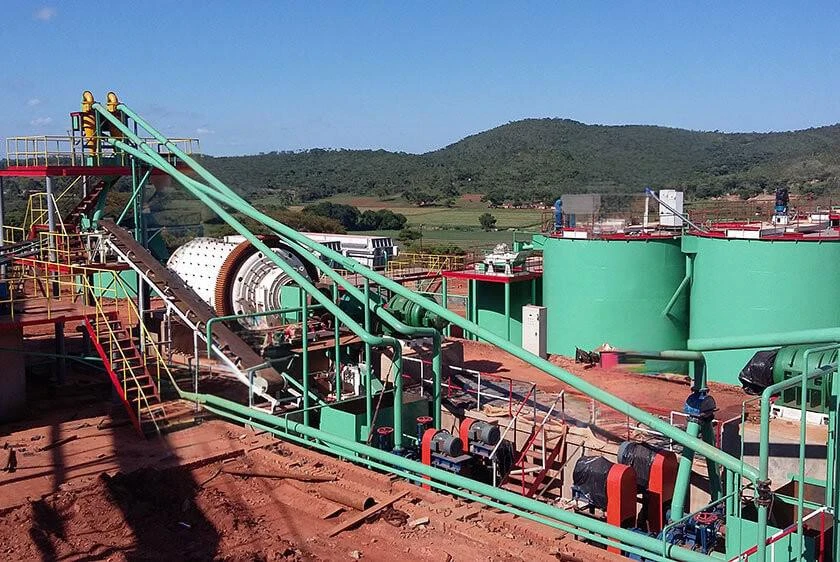
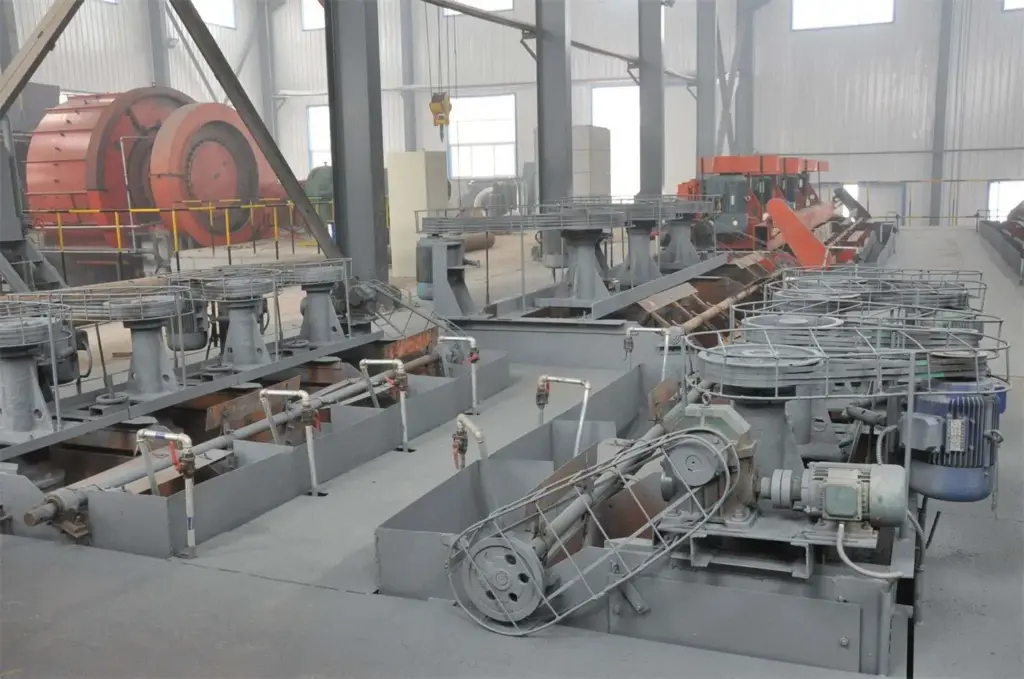
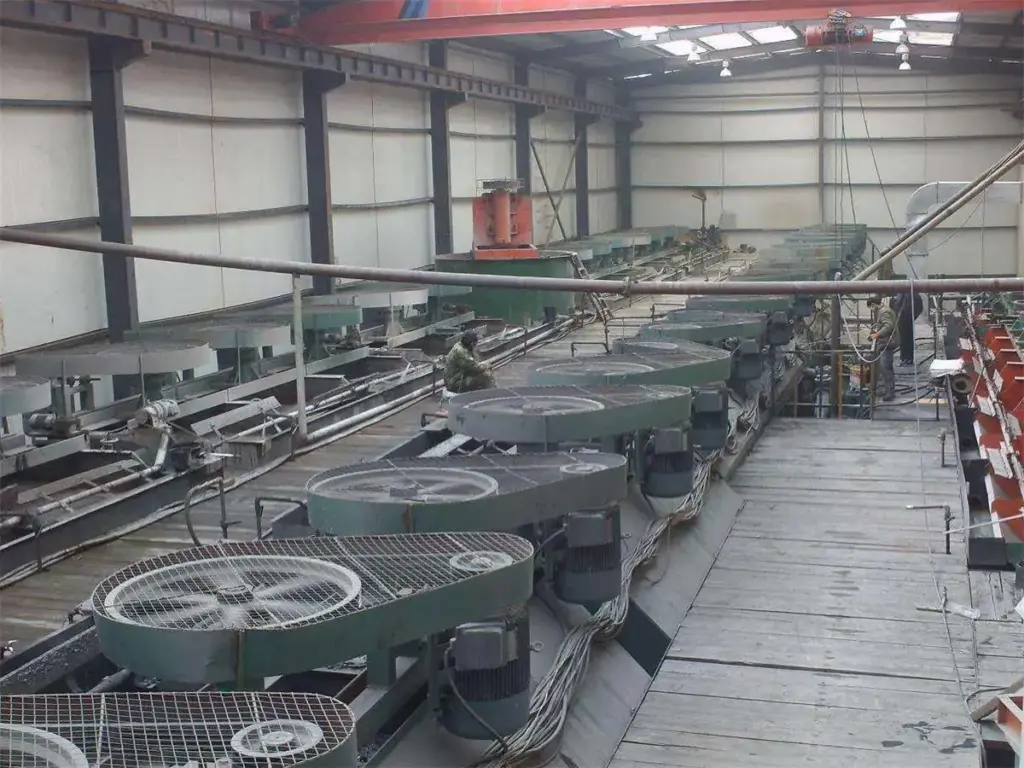
SF Type Flotation Cell is typically installed after grinding, classification, and conditioning processes as the main flotation equipment for mineral separation. It is widely applied in roughing, scavenging, and cleaning circuits, using its self-air suction and slurry suction design to provide continuous pulp aeration and mixing without external air supply systems.
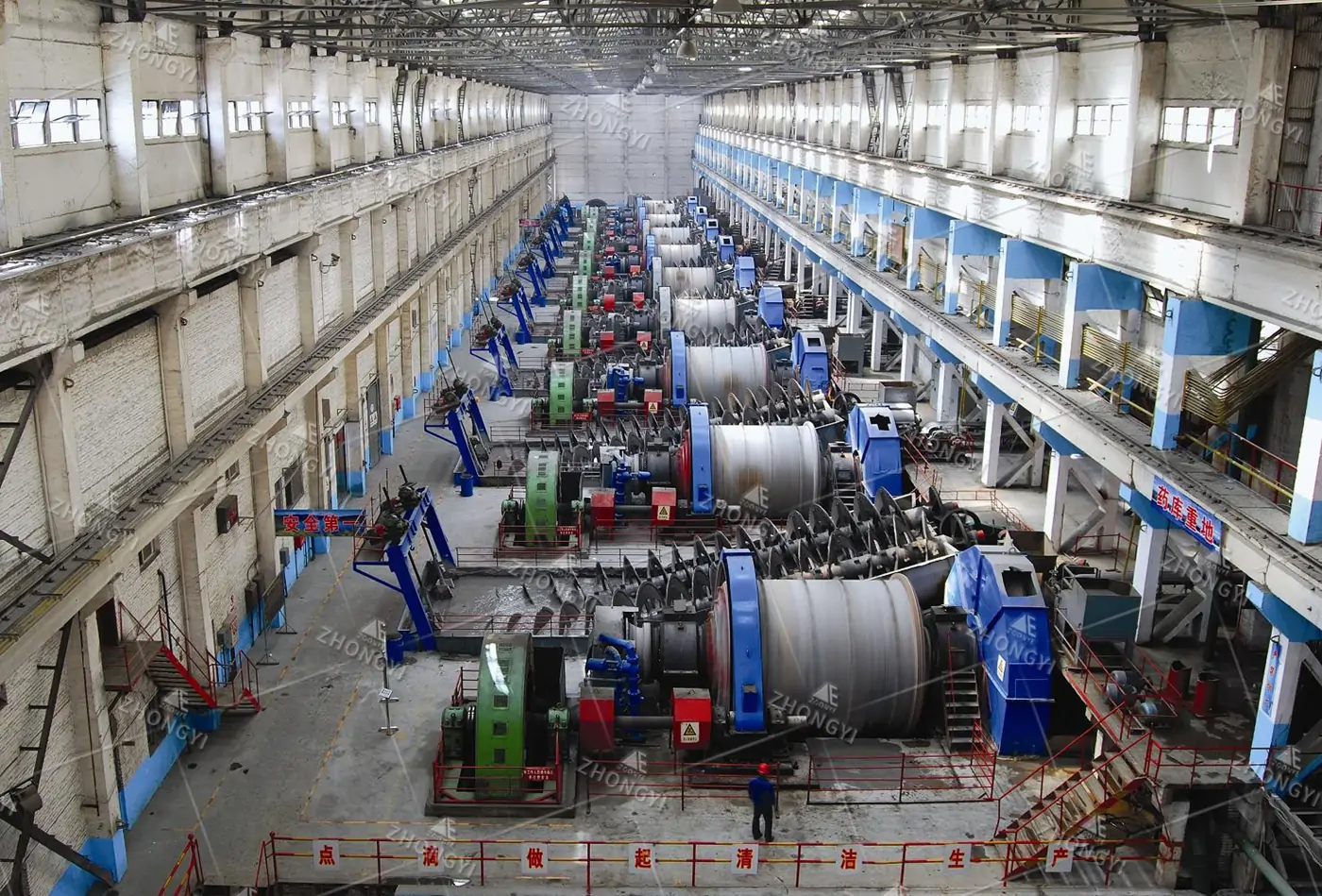
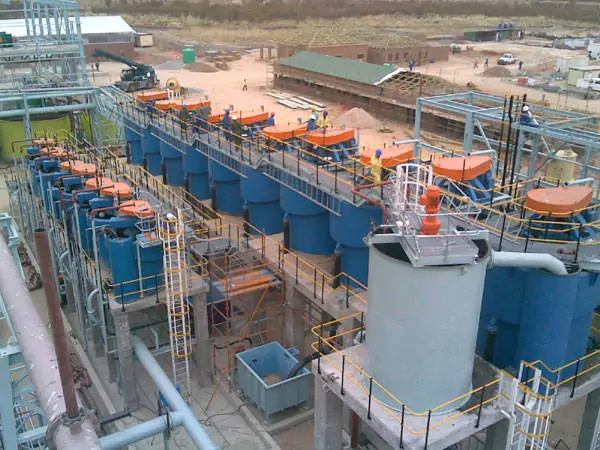
In a flotation plant, multiple SF Flotation Cells can be connected in series to complete continuous separation operations. The self-suction structure simplifies flotation circuit arrangement and allows flexible horizontal installation. SF cells can also be combined with JJF flotation cells to form flotation machine groups, which are commonly used for optimizing flotation layouts in medium and large beneficiation plants.
Projects Show
How to Choose the Right SF Type Flotation Cell?
Based on our project experience, SF Type Flotation Cell selection starts with the required processing capacity and flotation circuit design. The cell volume and quantity should match the plant throughput and flotation stages. For example, SF-2.8, SF-4, and SF-8 models are commonly used in small and medium beneficiation plants, while larger plants may require SF-10, SF-16, or combined flotation configurations. The final selection should be based on slurry flow, residence time, and the requirements of roughing, scavenging, and cleaning circuits.
Below are the selection recommendations summarized by our engineers:
Confirm Processing Capacity
Choose the flotation cell model according to the required ore processing capacity and plant scale.
Check Ore Characteristics
Select the cell based on ore type, particle size, mineral properties, and flotation difficulty.
Choose the Right Cell Volume
Match the flotation cell volume with slurry flow rate and required flotation residence time.
Consider Flotation Stage
Rougher, cleaner, and scavenger flotation require different flotation performance and configurations.
Evaluate Mixing and Aeration Performance
Choose equipment with stable agitation, uniform air dispersion, and efficient mineral-bubble contact.
Consider Energy Consumption
Select a flotation cell with efficient power usage to reduce long-term operating costs.
Check Wear Resistance and Maintenance
Prioritize durable impellers, stators, and easy-maintenance designs for continuous operation.
Select Based on Test Results
Use mineral processing tests to determine the suitable SF flotation cell model and configuration.
Choose an Experienced Manufacturer
Work with a professional flotation equipment supplier for proper selection and process optimization.
Why Choose Zhongyi?
Zhengzhou Zhongyi Mining Machinery Co., Ltd has been specializing in mining and mineral processing equipment manufacturing since 2010. Based in Zhengzhou, China, the company provides SF flotation cells, crushing equipment, screening equipment, and complete mineral processing solutions for different mining applications.
With 3 manufacturing bases covering more than 300 acres, Zhongyi Mining has established complete production capabilities, including CNC machining, laser cutting, welding, and equipment assembly. The company follows the ISO9001 quality management system and applies strict quality control throughout equipment design, manufacturing, and delivery.
In addition to supplying individual flotation machines, Zhongyi Mining provides technical support from equipment selection and process design to installation guidance and commissioning. With experience in mineral processing projects, we work with customers to develop practical flotation solutions based on ore characteristics, production capacity, and plant conditions.
اطلب حلًا مخصصًا
Partner with Zhongyi for SF Type Self Suction Flotation Cell solutions engineered for reliable mineral recovery, low energy consumption and stable operation in copper, gold, lead-zinc and other mineral beneficiation plants.
Customized XJK Flotation Machine Solutions
SF flotation cell selection and configuration depend on ore properties, processing capacity, and the existing plant layout. China Zhongyi Mining provides customized equipment recommendations based on actual project conditions, including flotation cell model selection, process arrangement, and equipment configuration. Our technical team can support projects from single flotation equipment supply to complete mineral processing plant solutions.
Please Provide the Following Information:
الأسئلة الشائعة
What is an SF Type Self Suction Flotation Cell?
SF Type Self Suction Flotation Cell is a mechanical agitation flotation machine designed for mineral separation through the froth flotation process. It integrates air suction, slurry suction, and flotation functions in one unit. The impeller creates negative pressure to draw air and slurry into the chamber, providing continuous mixing and bubble dispersion for the recovery of valuable minerals.
What minerals can be processed by SF Flotation Cell?
SF Flotation Cells are suitable for processing a wide range of metallic and non-metallic minerals, including copper, gold, lead-zinc, molybdenum, iron ore, graphite, and fluorite. The actual application depends on mineral properties, feed conditions, and flotation requirements. Proper equipment selection helps match the flotation process with the characteristics of different ores.
What are the advantages of SF Flotation Cell compared with other flotation machines?
The main advantage of SF Flotation Cell is its self-suction design, which combines air intake, slurry circulation, and flotation functions in one machine. Compared with flotation systems requiring additional air supply equipment, SF cells offer flexible installation and simpler circuit arrangement. They are commonly used where reliable operation and practical process configuration are required.
How to choose the right SF Flotation Cell model?
The correct SF Flotation Cell model should be selected according to processing capacity, ore characteristics, slurry conditions, and flotation circuit design. Important factors include required cell volume, number of units, feed size, and flotation stages. Engineers usually evaluate the complete process flow rather than selecting equipment only based on production capacity.
Can SF Flotation Cells be used for roughing, scavenging, and cleaning stages?
Yes. SF Flotation Cells can be applied in roughing, scavenging, and cleaning circuits depending on the beneficiation process design. Multiple units are usually arranged in series to provide sufficient flotation time and continuous mineral separation. The final configuration depends on ore properties, target recovery requirements, and plant production capacity.
Does SF Flotation Cell require an external air blower?
No. SF Flotation Cell adopts a self-air suction structure, where the rotating impeller generates negative pressure to automatically draw air into the flotation chamber. This eliminates the need for external air supply equipment in suitable applications and helps simplify the flotation circuit layout while reducing auxiliary equipment requirements.
Can SF Flotation Cell be combined with JJF Flotation Cell?
Yes. SF Flotation Cell is often combined with JJF Flotation Cell to form a flotation machine group. In this configuration, SF cells typically work as suction cells, while JJF cells operate as direct-flow cells. This arrangement allows flexible flotation circuit design and is commonly used in medium and large beneficiation plants.
What information is needed to select a suitable SF Flotation Machine?
To recommend a suitable SF Type Flotation Cell, customers should provide basic project information, including ore type, processing capacity, feed size, slurry concentration, existing flotation process, and plant layout. Based on these conditions, engineers can evaluate the required flotation volume, equipment quantity, and suitable configuration for the specific application.