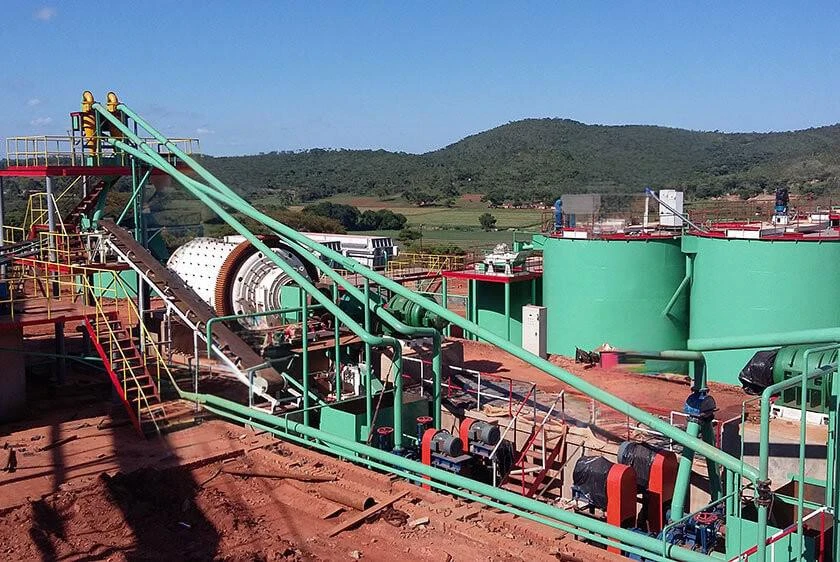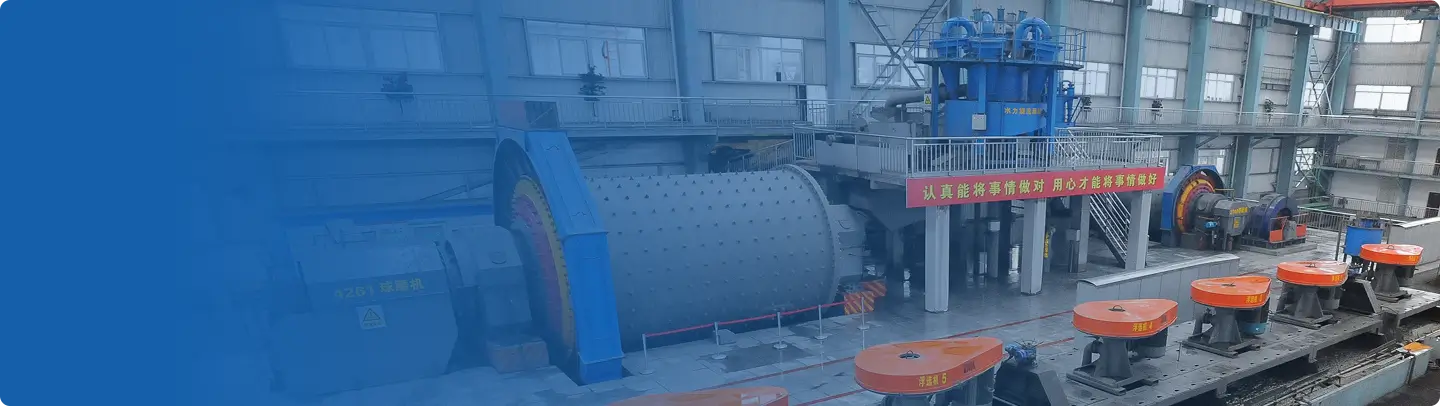
Introduction
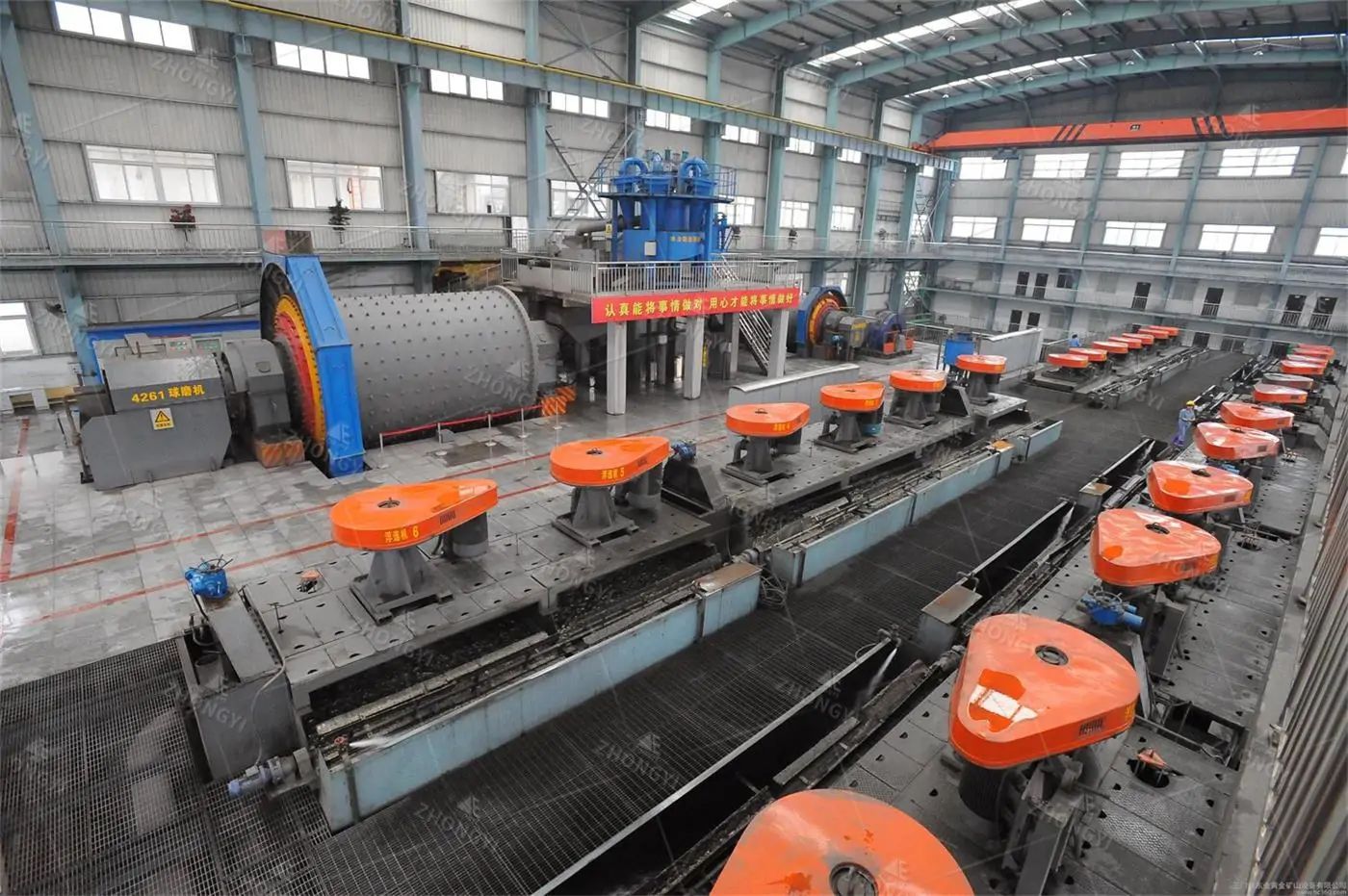
The mineral flotation plant is a mineral processing system that separates valuable minerals from ore based on differences in surface properties. It uses flotation cells to enable selective attachment of minerals to air bubbles for separation from gangue materials.
The system operates through controlled grinding and flotation mechanisms to achieve mineral separation in fine or complex ores. It is a core processing method used in industrial beneficiation plants for large-scale ore treatment.
Flotation Plant Process Flow
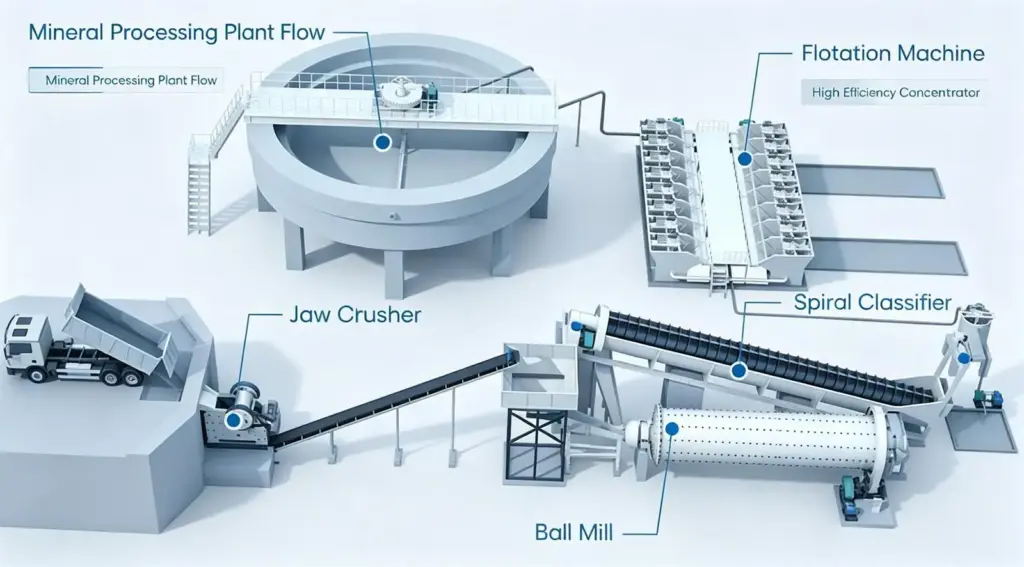
A complete flotation plant typically consists of five main systems: crushing, grinding & classification, flotation, concentrate dewatering, and tailings treatment. Run-of-mine ore is progressively crushed and ground to achieve mineral liberation, then valuable minerals are recovered through flotation. The resulting concentrate is dewatered to produce a marketable product, while tailings are treated and process water is recycled.
Process Flow:
Run-of-Mine Ore → Crushing System → Grinding & Classification System → Flotation System → Concentrate Dewatering System → Concentrate Product→ Tailings Treatment System
Crushing System
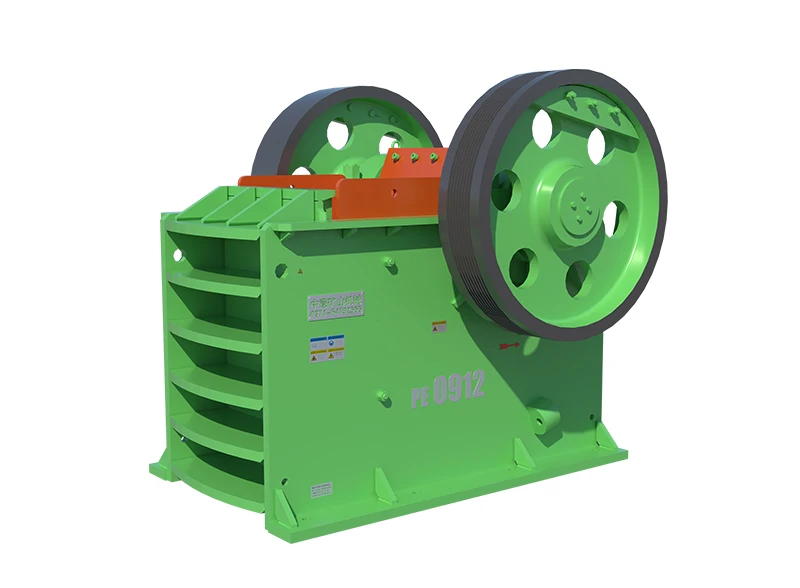
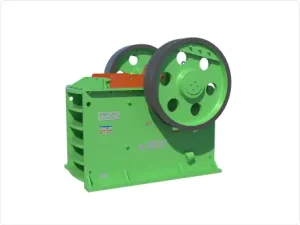
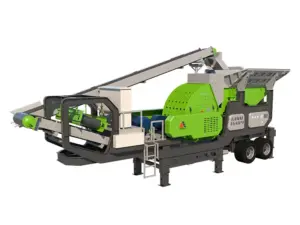
The crushing section is the first stage of mineral processing. Run-of-mine ore is reduced through primary, secondary, and sometimes tertiary crushing to a size suitable for grinding, typically around 10 mm. Most modern flotation plants use dry crushing processes, with water applied mainly for dust suppression at transfer points and discharge areas to minimize water consumption and operating costs.
Grinding & Classification System
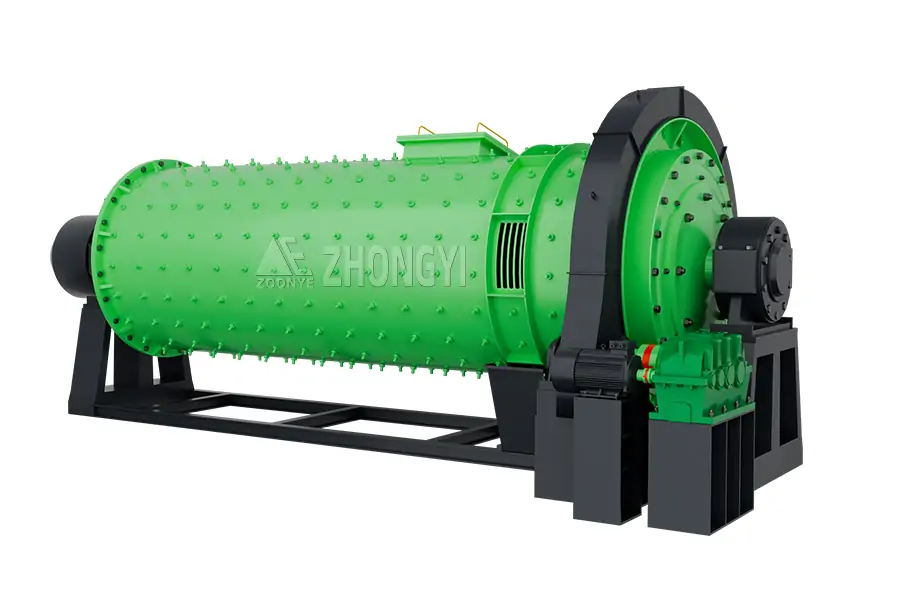
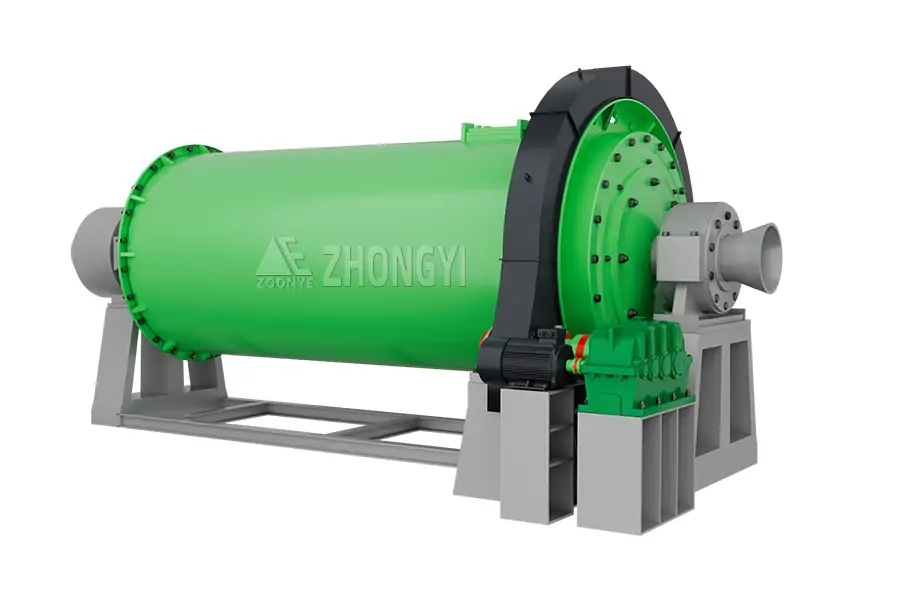
After crushing, the ore is mixed with water and fed into grinding mills to form a slurry. The objective of grinding is to liberate valuable minerals from the surrounding gangue so they can be effectively separated during flotation. Classification equipment controls the final particle size, returning oversized particles to the mill for further grinding while allowing qualified material to proceed to flotation.
Grinding fineness has a direct impact on flotation performance. If the particles are too coarse, valuable minerals remain locked within the ore. If they are overground, excessive slimes may be generated, reducing flotation efficiency and reagent effectiveness. For this reason, each flotation plant determines an optimal grinding size based on ore characteristics and processing requirements.
Flotation System
Flotation is the core separation process of the plant. During or immediately after grinding, flotation reagents such as collectors, frothers, and modifiers are added to the slurry to selectively alter the surface properties of target minerals.
Inside the flotation cells, fine air bubbles are dispersed throughout the slurry. Valuable mineral particles attach to the bubbles and rise to the surface, forming a mineralized froth that is continuously collected as concentrate. Unwanted minerals remain in the slurry and are discharged as tailings. For complex ores, roughing, cleaning, and scavenging stages are commonly used to achieve the required concentrate grade and recovery.
Concentrate Dewatering System
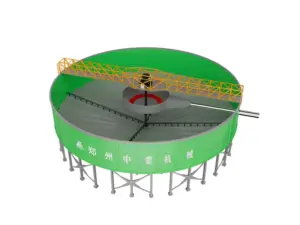
The flotation concentrate contains a significant amount of water and must be dewatered before transportation or downstream processing. Concentrate slurry is first thickened to increase solids concentration and then filtered to further reduce moisture content. The dewatered concentrate is subsequently transported to smelting, leaching, or other metallurgical processes.
Tailings Treatment System
Tailings treatment is an essential part of flotation plant operation. Flotation tailings are sent to thickening equipment where process water is recovered and recycled back to the plant. The thickened tailings are then discharged to a tailings storage facility or used for mine backfilling. Effective tailings management reduces fresh water consumption, minimizes environmental impact, and improves overall resource utilization.
Plant Operation Characteristics
Different sections of a flotation plant operate under different production schedules. The crushing circuit can be started and stopped relatively quickly and is often operated on a scheduled basis to allow for equipment inspection and maintenance. In contrast, grinding, flotation, and dewatering circuits require stable operating conditions and are therefore typically run continuously. As a result, most flotation plants operate 24 hours a day, except during planned maintenance shutdowns, to ensure stable production performance and maximum equipment utilization.
Get Your Custom Mineral Flotation Flowsheet & Quotation
Whether processing metallic ores or non-metallic minerals, our expert engineering team will design a tailor-made processing line based on your capacity and fineness requirements to maximize your recovery rates.
Application Materials
Flotation plants are used to recover valuable minerals from finely disseminated ores that cannot be effectively separated by gravity or magnetic methods alone. The process is widely applied in metal mining, industrial minerals, and non-metallic mineral beneficiation, particularly where selective separation and concentrate upgrading are required.
Copper Ore Flotation
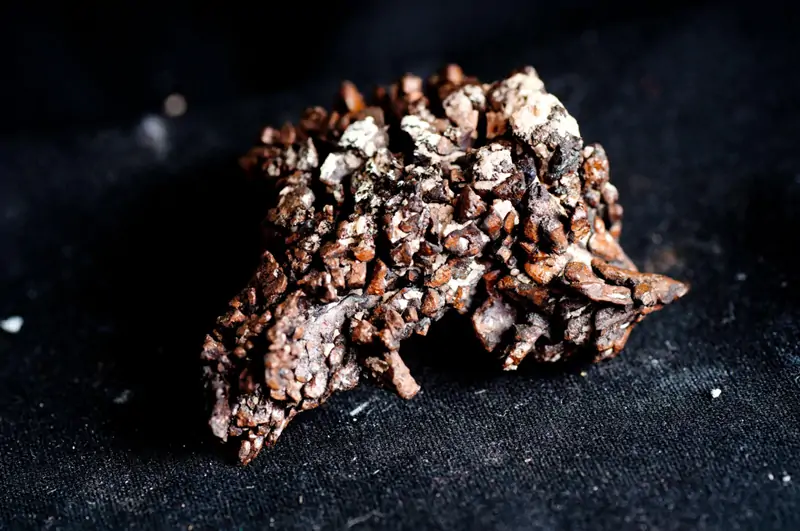
Materials: Chalcopyrite, bornite, chalcocite, malachite
Used to produce copper concentrates from sulfide and oxide copper ores. Commonly applied in primary copper beneficiation plants.
Gold Ore Flotation
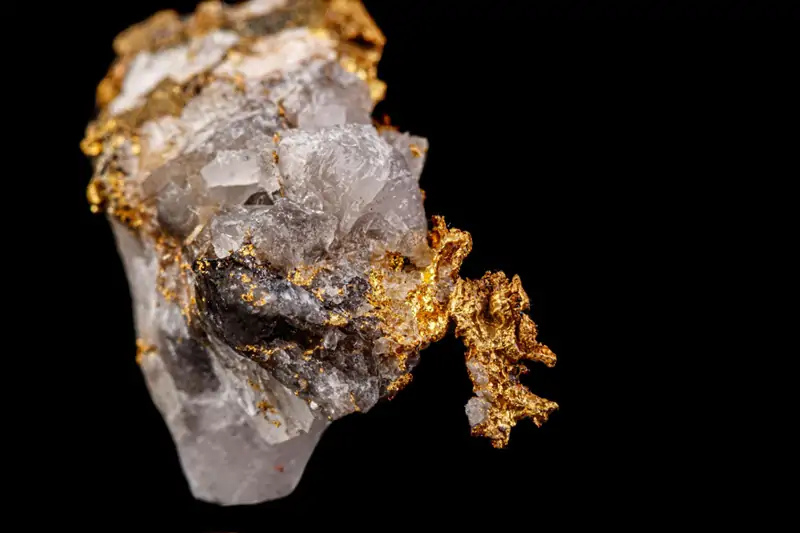
Materials: Sulfide gold ore, refractory gold ore, gold-bearing pyrite
Suitable for recovering fine gold associated with sulfide minerals and improving gold recovery before cyanidation or smelting.
Lead-Zinc Ore Flotation
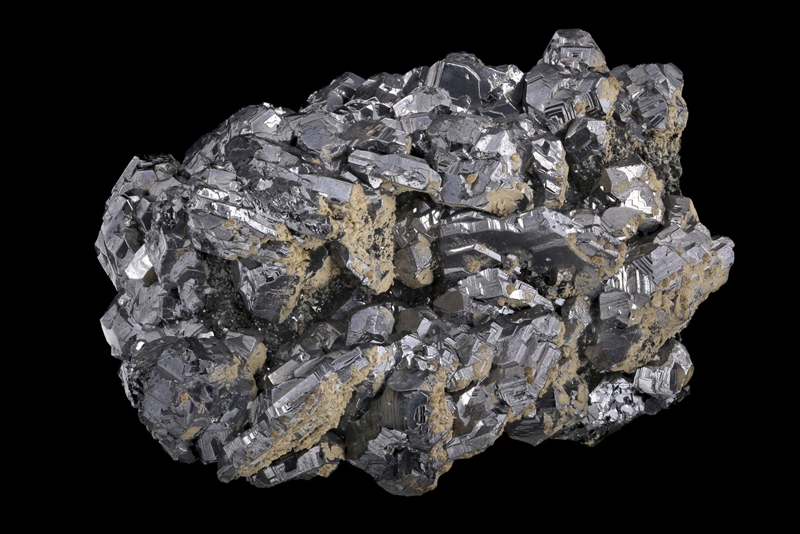
Materials: Galena, sphalerite, lead-zinc polymetallic ores
Widely used for the selective separation of lead and zinc concentrates in polymetallic ore processing.
Molybdenum Ore Flotation
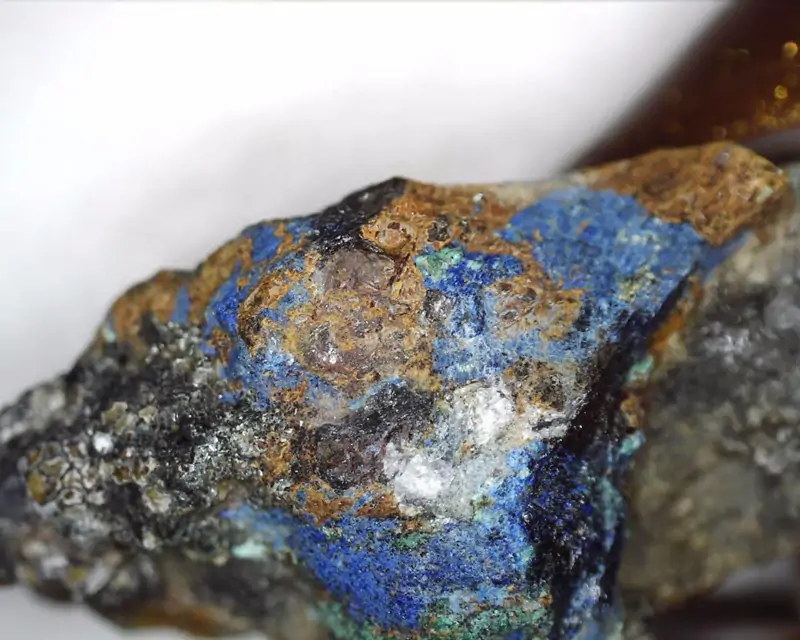
Materials: Molybdenite, copper-molybdenum ores
Applied to recover molybdenum concentrates and for copper-molybdenum bulk flotation separation circuits.
Nickel Ore Flotation
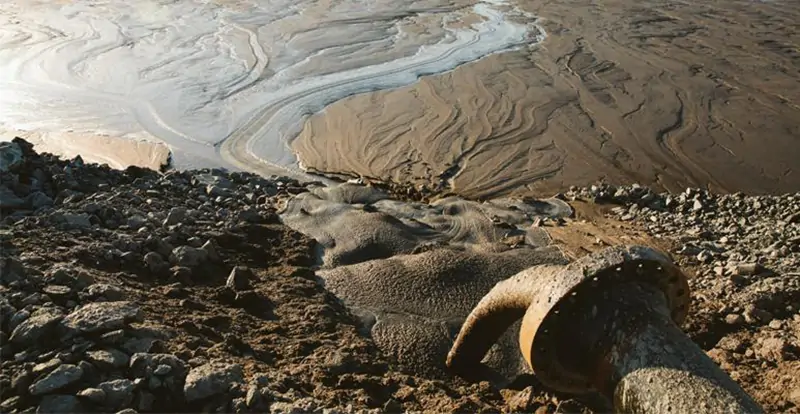
Materials: Pentlandite, nickel sulfide ores
Used for the beneficiation of nickel-bearing sulfide deposits and production of nickel concentrate.
Iron Ore Flotation
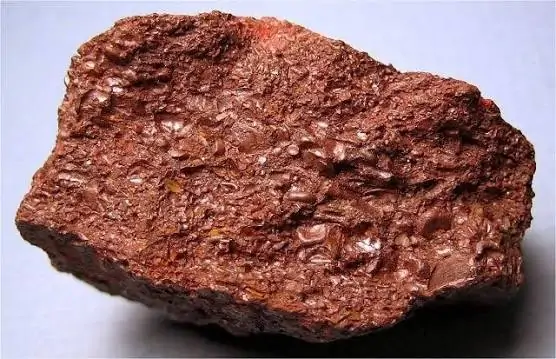
Materials: Hematite, magnetite, specularite
Suitable for removing silica and other gangue minerals to improve iron concentrate grade.
Fluorite Beneficiation
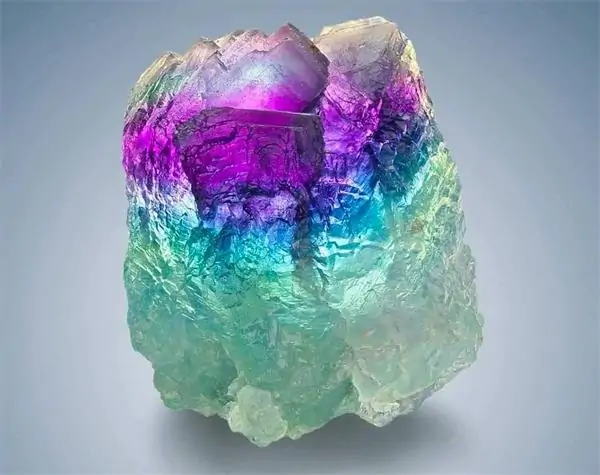
Materials: Fluorite ore, fluorite-quartz ore
Used to produce acid-grade and metallurgical-grade fluorite concentrates through selective flotation.
Phosphate Ore Beneficiation
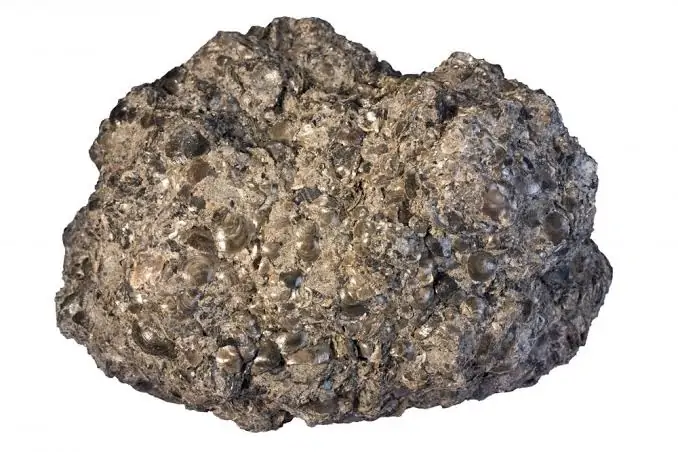
Materials: Apatite, sedimentary phosphate rock
Applied to increase P₂O₅ grade and reduce silica, carbonate, and clay impurities.
Graphite Beneficiation
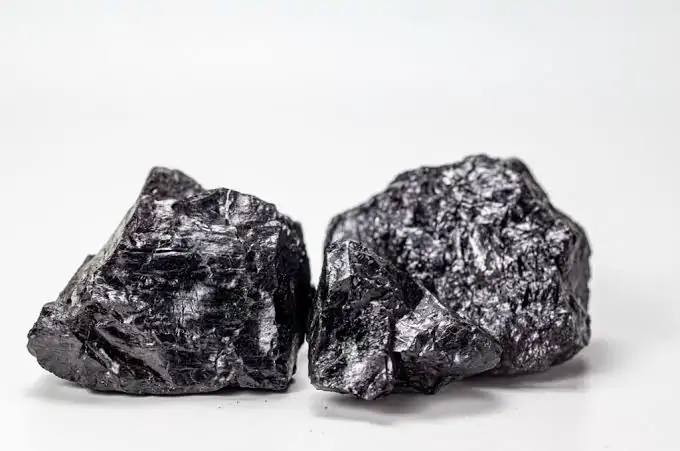
Materials: Flake graphite, crystalline graphite ore
Used to recover and upgrade graphite concentrates while preserving flake size as much as possible.
Barite and Industrial Minerals
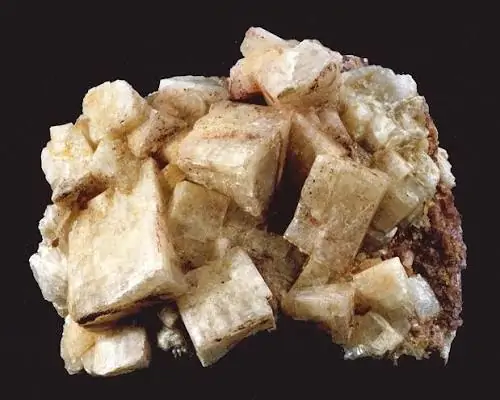
Materials: Barite, feldspar, quartz, talc
Applied in non-metallic mineral processing to improve purity and meet industrial product specifications.
Optimize Your Flotation Recovery with a Professional Ore Test
Not getting the desired grade? Send your ore samples to our lab. We provide free mineralogical analysis and reagent formulas to eliminate investment risks from the very start.
System Components of Mineral Flotation Plant
Mineral flotation plants are customized according to ore type, mineral composition, recovery targets, and production capacity. While process flows vary from project to project, the following components are commonly used in flotation systems.
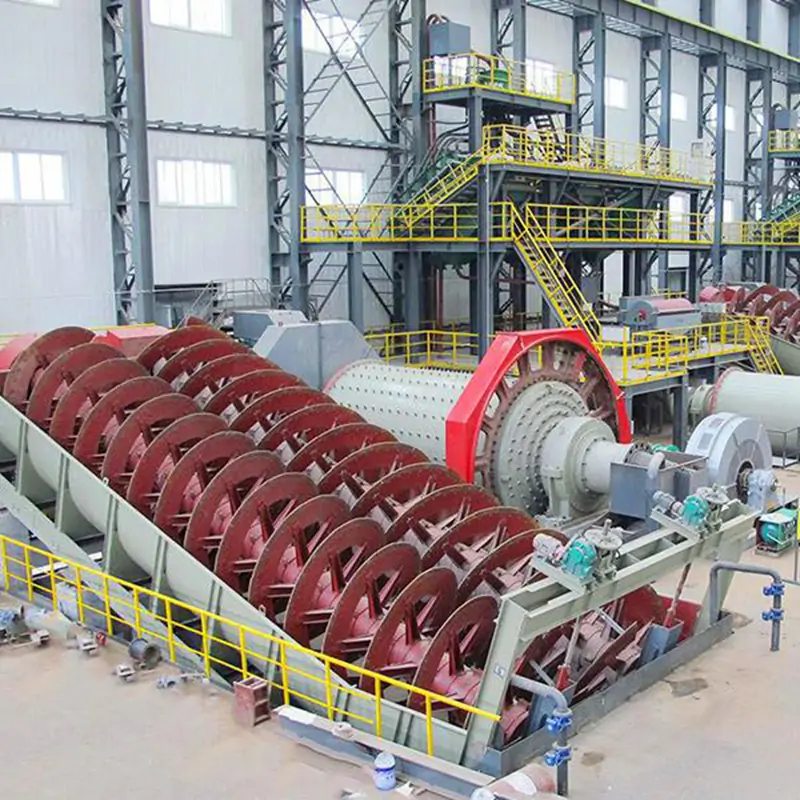
Grinding & Classification System
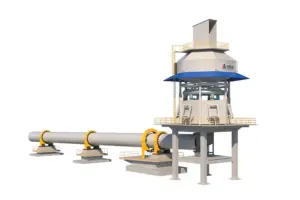
Screw Classifier: Used to prepare ore for flotation by reducing particle size and achieving sufficient mineral liberation. Proper grinding is critical because flotation performance depends heavily on how effectively valuable minerals are released from the ore.
- Feed size: 0–350 mm (depending on crushing stage)
- Product size: typically 45–200 μm
- Grinding equipment: ball mill / rod mill / SAG mill
- Classification equipment: hydrocyclone or spiral classifier
Get a Quote
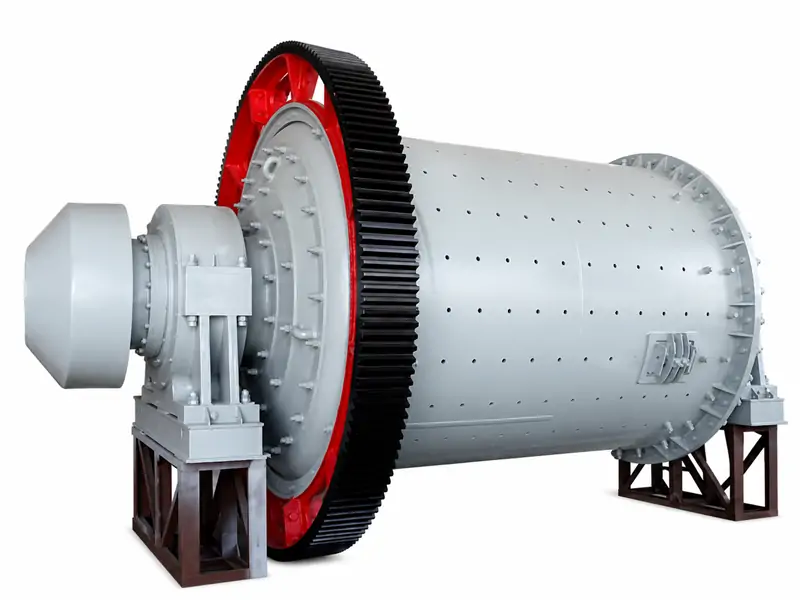
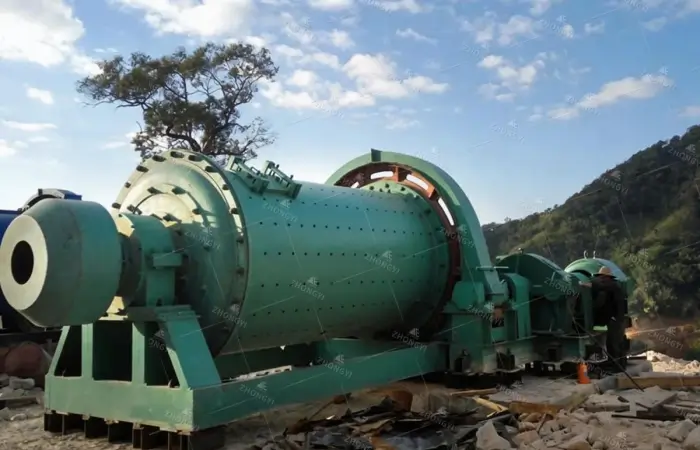
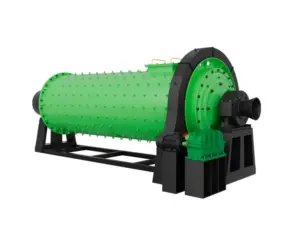
Ball Mill (Grinding Equipment)
Industrial ball mill is the key equipment in the grinding system. It is used to grind crushed ore into fine particles, ensuring valuable minerals are fully liberated for flotation. Grinding fineness directly affects recovery rate and concentrate grade.
Feed size: ≤25 mm (after primary crushing)
Output size: 45–200 μm (adjustable by grinding time and media)
Capacity range: 0.65–200+ TPH (based on model and ore hardness)
Grinding media: steel balls / steel rods / ceramic media (optional depending on ore type)
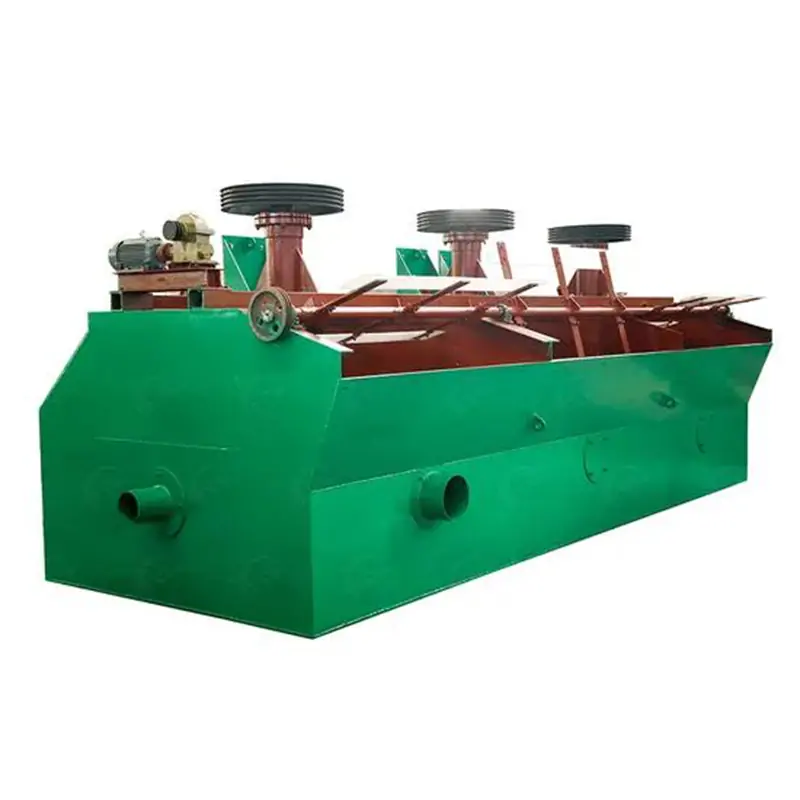
Flotation Cells
The flotation cell is a core separation equipment in a flotation plant. Through aeration and reagent action, valuable minerals attach to air bubbles and are recovered as concentrate while unwanted material remains in the slurry.
- Cell volume: 0.2–50 m³ per tank (model dependent)
- Recovery rate: typically 85–95% (based on ore type)
- Air supply system: self-aspirated or forced-air mechanism
- Pulp density range: 25–45% solids
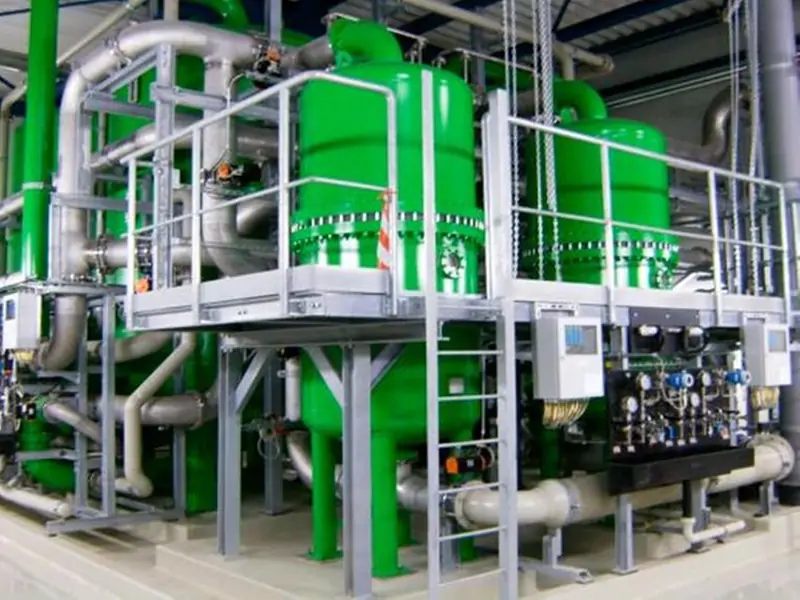
Reagent Preparation & Dosing System
Used to prepare and add flotation reagents under controlled conditions. Proper reagent selection and dosage help improve mineral selectivity, recovery efficiency, and overall process stability.
- Tank volume: 500–5000 L preparation tanks
- Dosing accuracy: ±1–2% controlled metering pumps
- Reagent types: collectors, frothers, regulators, activators
- Dosing mode: manual / semi-automatic / PLC automatic control
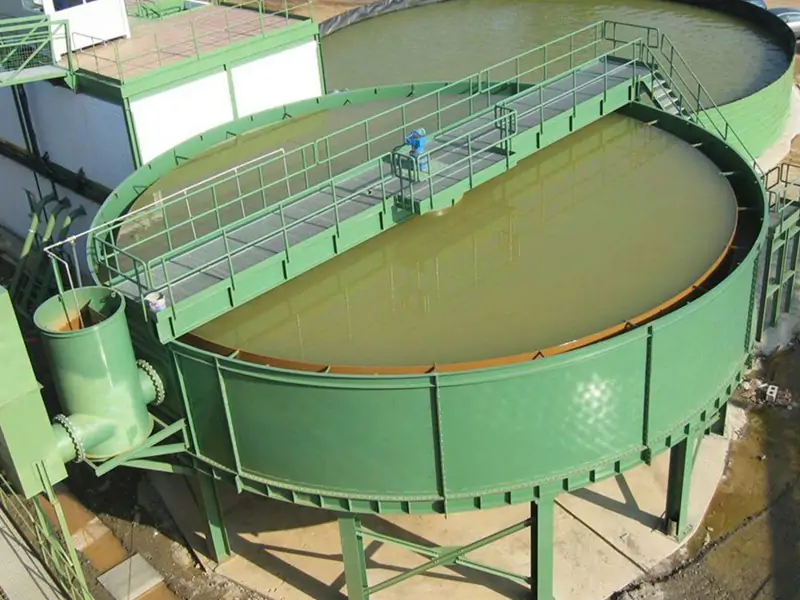
Concentrate Handling System
May include thickening, dewatering, filtration, or storage equipment depending on project requirements. These systems help prepare the final concentrate for transportation, smelting, or further processing.
- Thickener diameter: 5–50 m (project scale dependent)
- Moisture after dewatering: typically 8–15%
- Filtration equipment: vacuum filter / pressure filter
- Storage capacity: customized according to shipment requirement
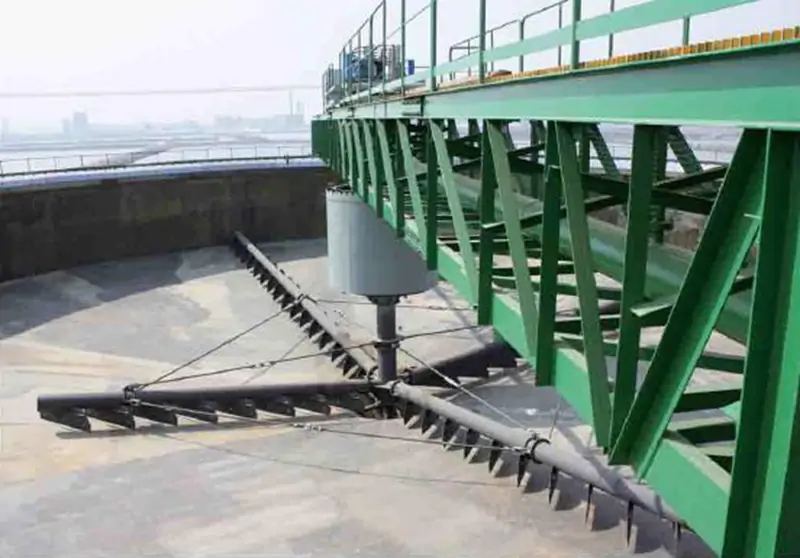
Tailings Management System
Used for tailings disposal, water recycling, and environmental management. In some projects, tailings may also be reprocessed to recover additional valuable minerals and improve overall resource utilization.
- Tailings solids concentration: 20–40% (before thickening)
- Water recovery rate: up to 70–90% in closed-loop systems
- Tailings storage type: pond / dry stacking / thickened discharge
- Treatment options: reprocessing, backfilling, or safe disposal
Project Cases
200 TPH Copper Flotation Plant — Stable Recovery Under Variable Ore Conditions
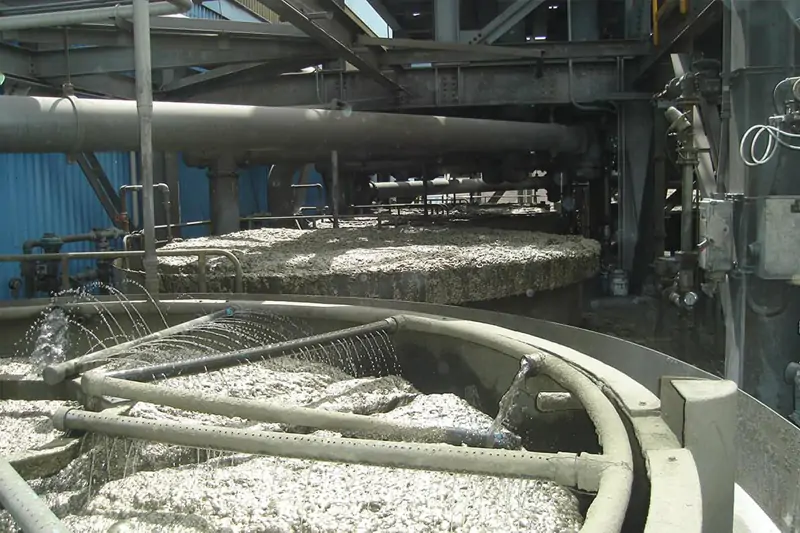
A copper flotation plant was implemented for a fine-grained sulfide copper ore deposit with variable feed grade and complex mineral composition. The main challenge was to maintain stable recovery performance under changing ore conditions.
A customized flotation flowsheet was designed, including optimized grinding fineness control, reagent dosing adjustment, and a multi-stage flotation circuit.
Project Overview:
Location: Southeast Asia
Ore Type: Copper sulfide ore (fine dissemination)
Capacity: 200 TPH
Process Flow:
Crushing → Grinding → Conditioning → Copper Flotation → Concentrate Dewatering → Tailings Handling
Operational Result:
After commissioning and process optimization, the plant achieved stable and consistent recovery performance during continuous operation, with improved overall metal recovery compared to initial design expectations.
Customized Flotation Plant Solutions
Every flotation plant is designed based on ore characteristics, mineral composition, recovery targets, and production capacity requirements. Zhongyi Mining Machinery provides customized mineral flotation plant solutions tailored to specific ore conditions and project goals.
We support the full engineering process, including ore testing, process design, equipment configuration, and plant layout planning. Based on analysis results, we develop a suitable flotation flowsheet and recommend a stable and efficient plant configuration to ensure reliable recovery performance and continuous operation. Technical consultation and quotation support are also available to help define the most practical solution for your project.
Tell Us Your Ore Specs, We’ll Engineer the Right Plant
Whether you are dealing with complex polymetallic ores, strict footprint limits, or specific tonnage targets, share your technical specs with us. Our engineers will properly size and configure the setup to match your real-world conditions.
FAQ
What is a mineral flotation plant used for?
A mineral flotation plant is used to separate and recover valuable minerals from finely crushed ores. It is especially effective for copper, gold, lead, zinc, and polymetallic ores where minerals are too fine or too closely mixed with gangue for gravity separation.
Which ores are suitable for flotation processing?
Flotation is suitable for sulfide ores such as copper, lead, zinc, and gold-bearing ores, as well as complex polymetallic deposits. It is commonly applied when valuable minerals are finely disseminated or require selective separation based on surface properties.
Why is flotation preferred over gravity separation?
Flotation is preferred when mineral particles are too fine or too closely associated with waste rock for gravity methods. It uses chemical reagents and air bubbles to selectively recover valuable minerals, achieving higher efficiency in complex ore processing conditions.
What factors affect flotation recovery rate?
Flotation recovery is influenced by ore grade variability, grinding fineness, reagent dosage, mineral liberation degree, and froth stability. Proper process control and plant configuration are essential to maintain stable recovery performance during continuous operation.
What is the required grinding fineness for flotation?
Grinding fineness depends on ore type and mineral liberation characteristics. In most flotation plants, ore is ground to fine or ultra-fine particle sizes to ensure valuable minerals are fully exposed for effective attachment to air bubbles during separation.
What is the typical capacity of a flotation plant?
Flotation plant capacity varies widely based on project scale, typically ranging from small pilot systems to large industrial plants processing hundreds or even thousands of tons per hour. Capacity design depends on ore properties and production targets.
Can flotation plants handle variable ore conditions?
Yes, modern flotation plants are designed to handle ore variability. Process adjustments such as grinding control, reagent optimization, and flotation circuit tuning help maintain stable recovery performance even when feed grade and mineral composition change.
Can a flotation plant be customized for different projects?
Yes, flotation plants are fully customizable. Design factors include ore type, mineral composition, required recovery rate, and capacity. Zhongyi provides tailored flowsheet design, equipment configuration, and plant layout based on specific project requirements.