










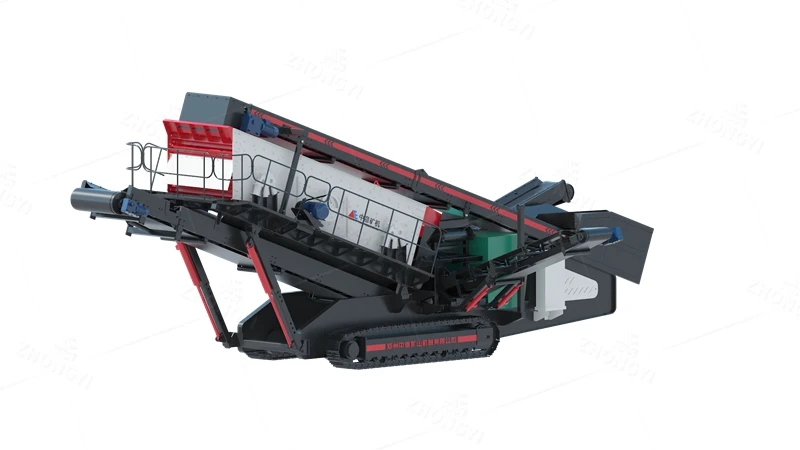
ما هي محطة الغربلة المتنقلة؟
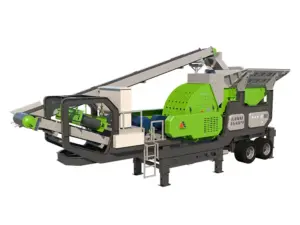
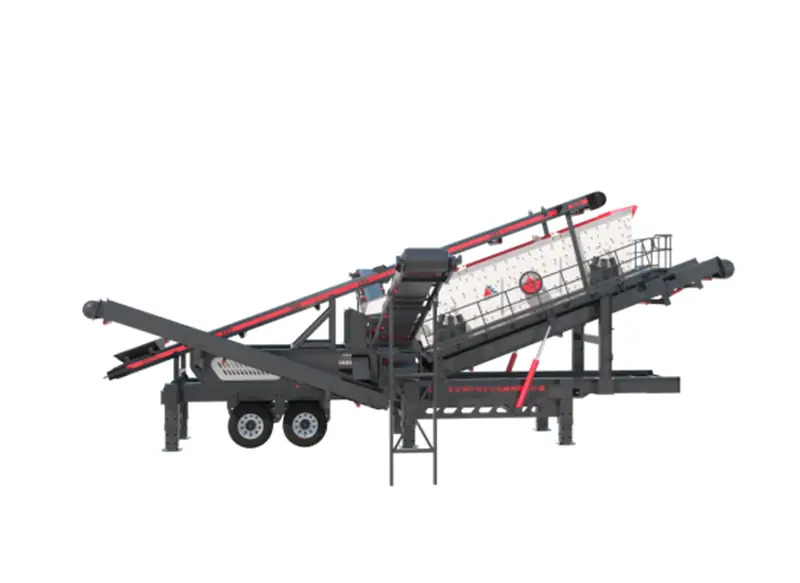
محطة الغربلة المتنقلة، المعروفة أيضًا باسم محطة الغربلة المتنقلة أو محطة الغربلة المحمولة، هي نظام غربلة بعجلات أو بجنزير مصمم لتصنيف المواد في الموقع دون تركيب ثابت. وهي تدمج غربالًا اهتزازيًا ونظام تغذية وناقلات ووحدة طاقة وهيكلًا متحركًا في وحدة تشغيلية واحدة، مما يتيح النشر وإعادة الموقع السريع في تطبيقات المحاجر والتعدين وإعادة تدوير نفايات البناء.
تُستخدم عادةً لفصل وتصنيف الركام والخامات والمواد المعاد تدويرها. يتيح النظام المعالجة المباشرة عند المصدر، مما يقلل من خطوات مناولة المواد ويحسّن كفاءة الموقع الإجمالية. يمكن للتكوين القياسي تحقيق سعة معالجة تصل إلى 300–500 طن/ساعة، اعتمادًا على حجم الغربال ونوع المادة.
تُستخدم محطات الغربلة المتنقلة على نطاق واسع في إنتاج الركام وعمليات التعدين ومعالجة نفايات الهدم. يمكنها العمل بشكل مستقل أو دمجها في دوائر التكسير والغربلة، مما يوفر تكوينًا مرنًا لمختلف تخطيطات المواقع ومتطلبات الإنتاج.
أنواع محطات الغربلة المتنقلة
تنقسم محطات الغربلة المتنقلة بشكل رئيسي إلى تكوينين: مثبتة على عجلات (نوع الإطارات) و مثبتة على جنزير (نوع المسار) أنظمة. يوفر كلا النوعين قدرة غربلة متنقلة، لكنهما يختلفان في وضع التنقل وظروف العمل المطبقة.
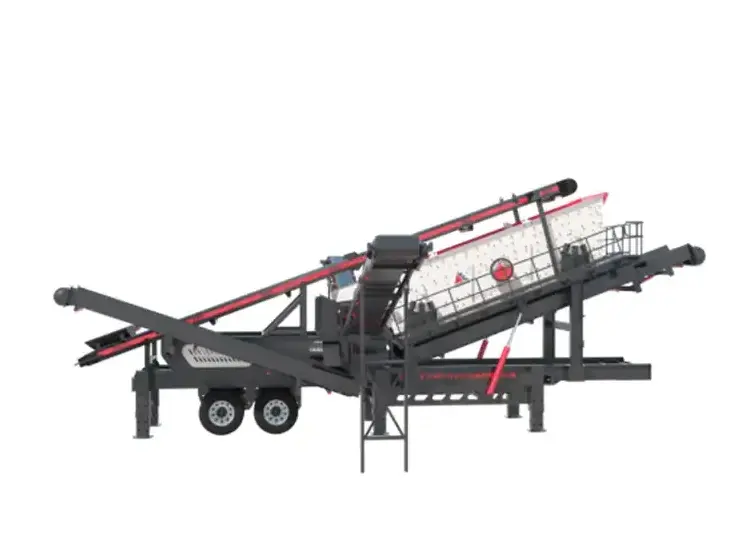
محطة الغربلة المتنقلة المثبتة على عجلات (نوع الإطارات)
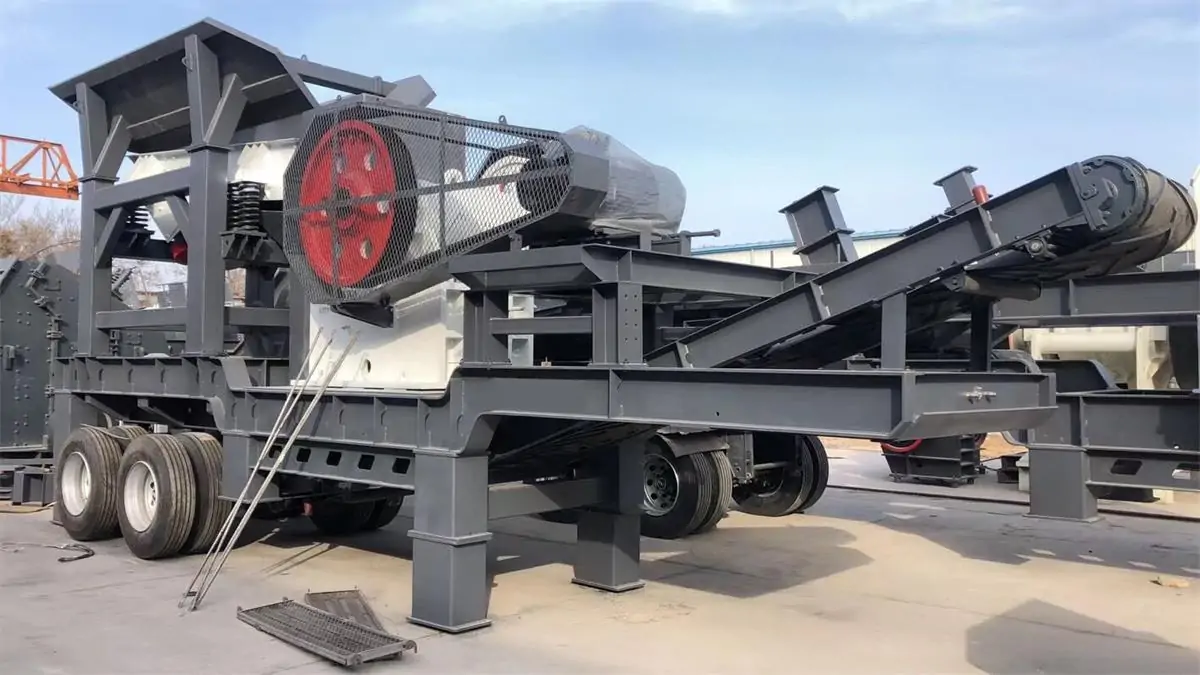
النوع المثبت على عجلات هو نظام شبه متنقل يُنقل بواسطة رأس جرار، مصمم لإعادة الموقع عبر الطرق مع تأثير منخفض على الأرض ونقل فعال بين المواقع. يُستخدم على نطاق واسع في معالجة نفايات البناء ومشاريع الأعمال الترابية ومواقع البناء الحضرية، حيث يتوفر الوصول عبر الطرق وتكون ظروف العمل مستقرة نسبيًا.
- المزايا: نقل سريع عبر الطرق وتكلفة إعادة موقع منخفضة، مناسب للنقل المتكرر بين المواقع.
- القيود: يتطلب معدات سحب ولديه قدرة تكيف محدودة في التضاريس اللينة أو الوعرة.
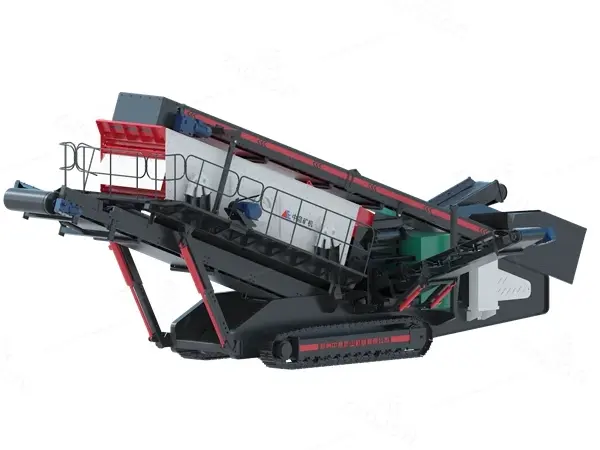
محطة الغربلة المتنقلة المثبتة على جنزير (نوع المسار)
النوع المثبت على جنزير هو نظام هيدروليكي ذاتي الدفع مع حركة يتم التحكم فيها عن بُعد، مصمم لتنقل عالٍ في التضاريس المعقدة مثل مناطق التعدين والمناطق الجبلية والأراضي الرطبة ومواقع العمل شديدة الانحدار. يعتمد عادةً على نظام طاقة هجين يجمع بين الديزل والدفع الكهربائي لوظائف الغربلة والتنقل.
- المزايا: قدرة عالية على السير في التضاريس الوعرة مع تشغيل ذاتي الدفع، مناسب لبيئات العمل القاسية.
- القيود: تكلفة معدات أعلى ومتطلبات صيانة أكثر تعقيدًا.
توصية الاختيار
يُفضل النوع المثبت على عجلات للمشاريع ذات الوصول الجيد عبر الطرق واحتياجات إعادة الموقع المتكررة، بينما يُوصى بالنوع المثبت على جنزير لظروف التعدين والتضاريس المعقدة التي تتطلب تنقلًا عاليًا وقدرة تكيف.
كيف تعمل محطة الغربلة المتنقلة؟
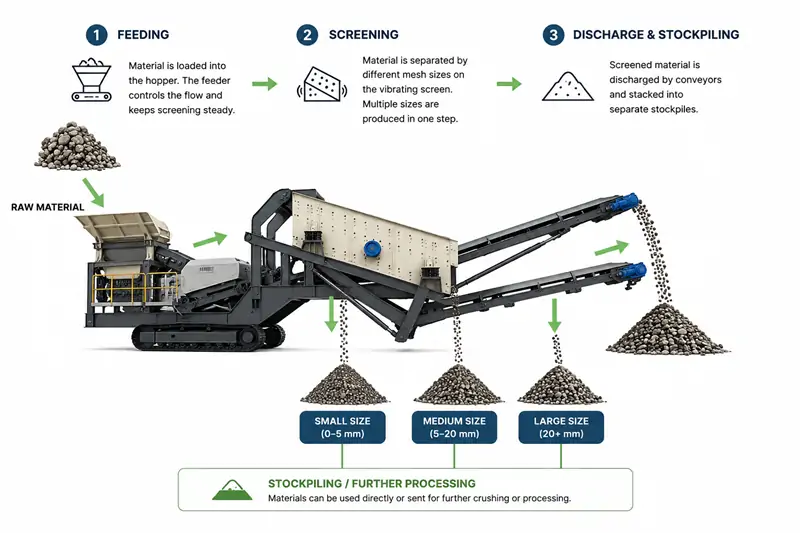
تفصل محطة الغربلة المتنقلة المواد إلى أحجام مختلفة من خلال عملية بسيطة من التغذية والغربلة والنقل. تُستخدم في الموقع لفرز المواد بسرعة والحفاظ على سير الإنتاج بسلاسة في أعمال التعدين والركام وإعادة التدوير.
عملية التغذية
يتم تحميل المادة في المحطة عبر قادوس أو مغذي اهتزازي للتعدين. يحافظ نظام التغذية على تدفق المادة بمعدل ثابت حتى يعمل الغربال دون انقطاع أو تحميل زائد.
عملية الغربلة
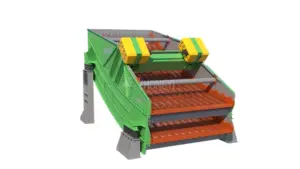
داخل الغربال الاهتزازي، تُفصل المواد حسب أحجام الشبكات المختلفة. تبقى القطع الأكبر على الطابق العلوي وتتحرك للأمام، بينما تمر المواد الأصغر إلى الطوابق السفلية. في الأنظمة متعددة الطوابق، يتم إنتاج عدة مجموعات حجمية في خطوة واحدة.
التفريغ والتكديس
بعد الغربلة، تُنقل المواد بواسطة الناقلات. يُرسل كل حجم إلى كومة تخزين منفصلة. يمكن استخدام هذه المواد مباشرةً، أو إرسالها لمزيد من التكسير أو المعالجة حسب المهمة.
المزايا
محطة الغربلة المتنقلة هي نظام متكامل ومرن للغاية لتصنيف المواد مصمم لعمليات الغربلة في الموقع. وهي تلغي قيود التركيبات الثابتة وتتيح وضع التشغيل “الغربلة حيث توجد المادة”، مما يجعلها مناسبة لمشاريع التعدين وإنتاج الركام وإعادة تدوير نفايات البناء ذات ظروف الموقع المتغيرة.
التطبيقات
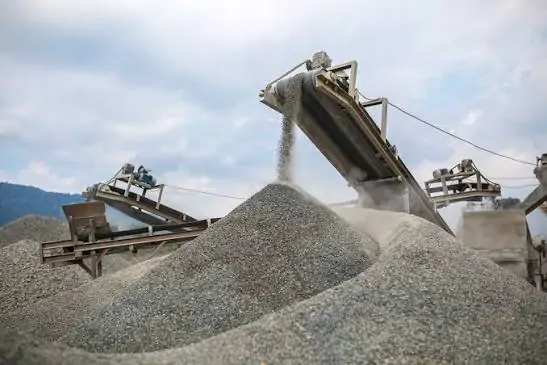
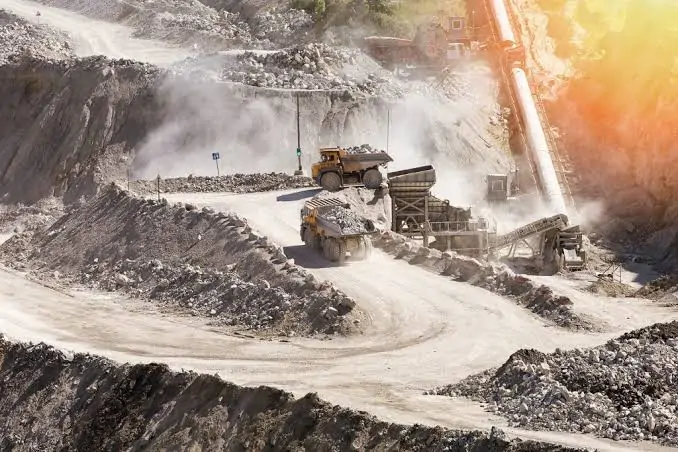
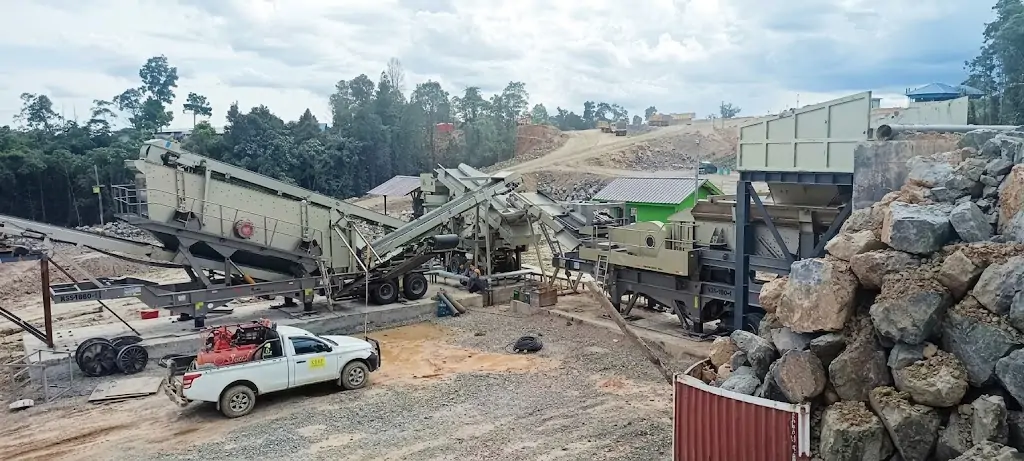
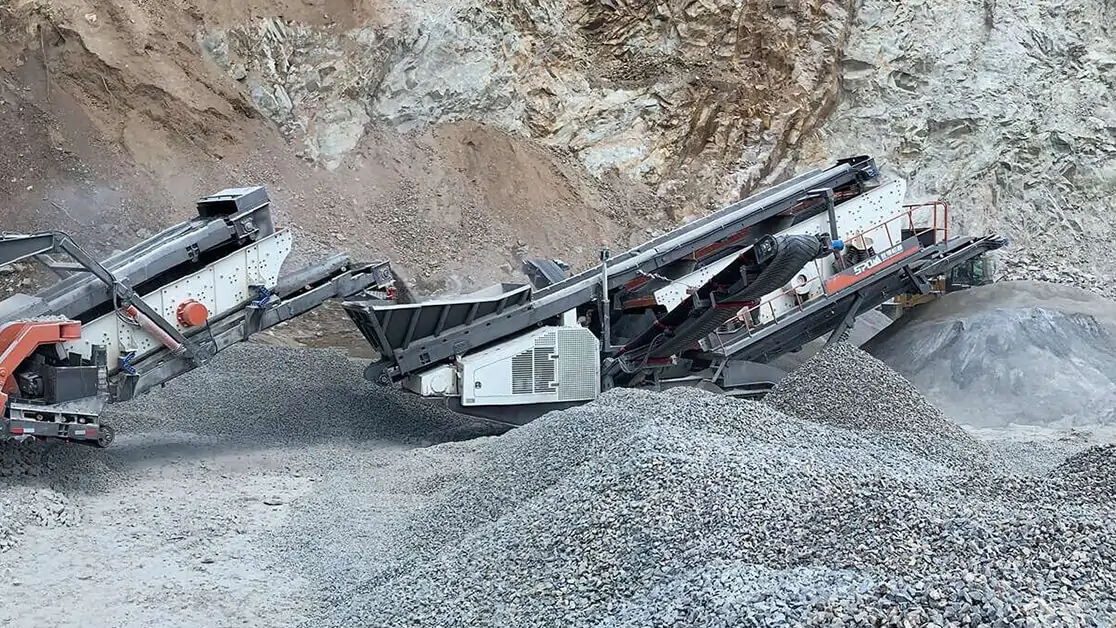
تُستخدم معدات الغربلة المتنقلة لفصل المواد وتحديد أحجامها في الموقع في عمليات التعدين والمحاجر وإعادة التدوير. تُركَّب عادةً بعد التكسير أو مباشرةً عند مصدر المادة لفصل التغذية المسحوقة إلى كسور حجمية مختلفة لمزيد من المعالجة أو الاستخدام المباشر.
They are applied across a wide range of materials and working conditions, as shown below.
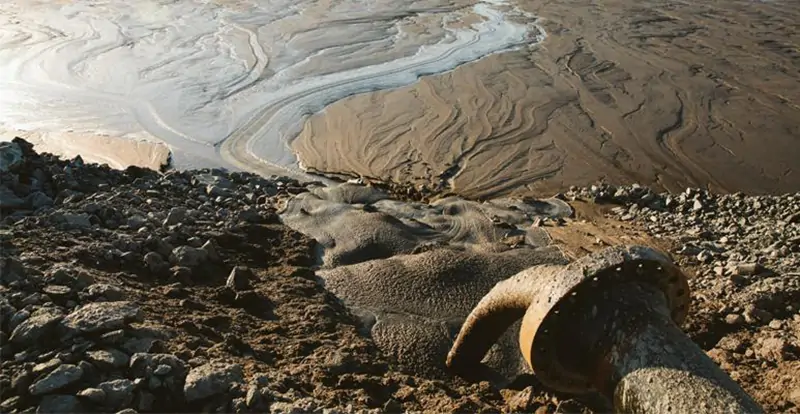
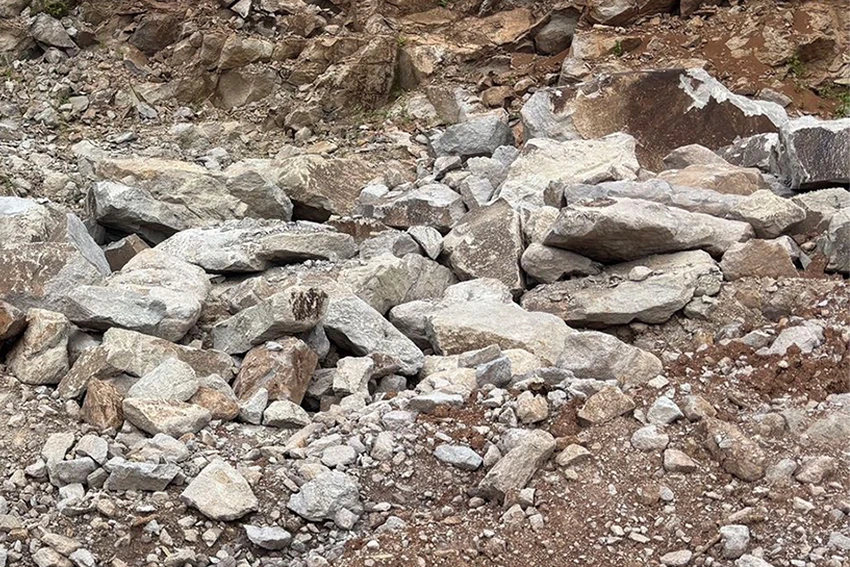
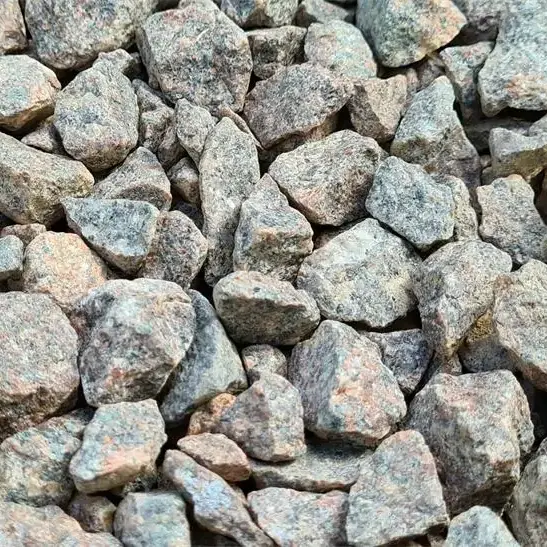
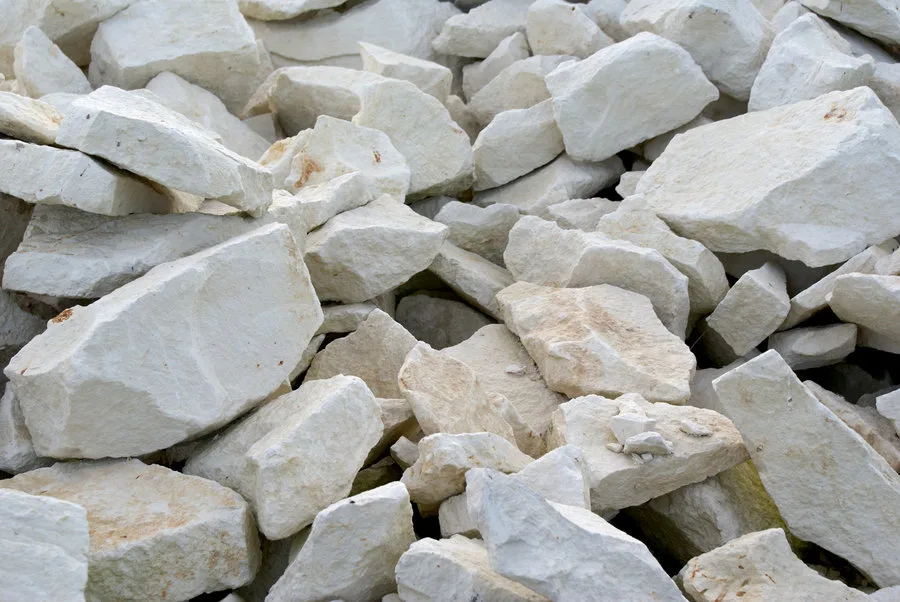
Materials Suitable for Screening
Mobile screening plants are widely used for grading and separating a broad range of natural aggregates, ores, and recycled materials in mining, quarrying, and construction applications.
Natural Aggregates
Granite
البازلت
الحجر الجيري
River Pebble
Gravel
Sand
Metal Ores
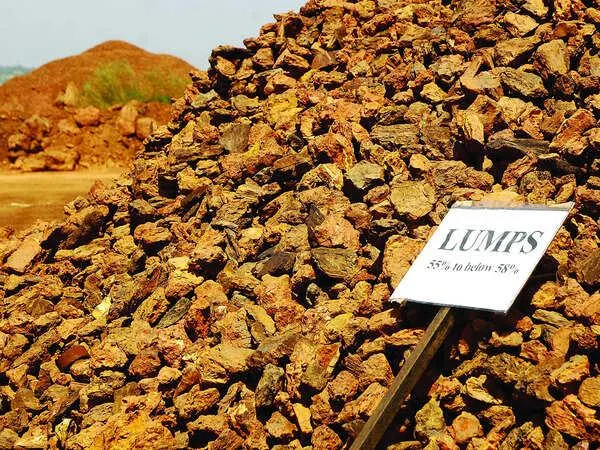
Iron Ore
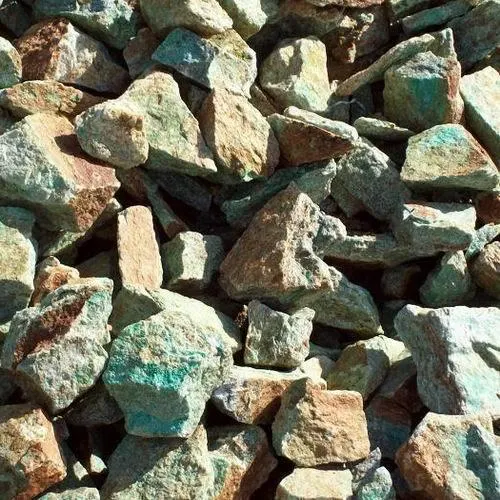
Copper Ore
Gold Ore
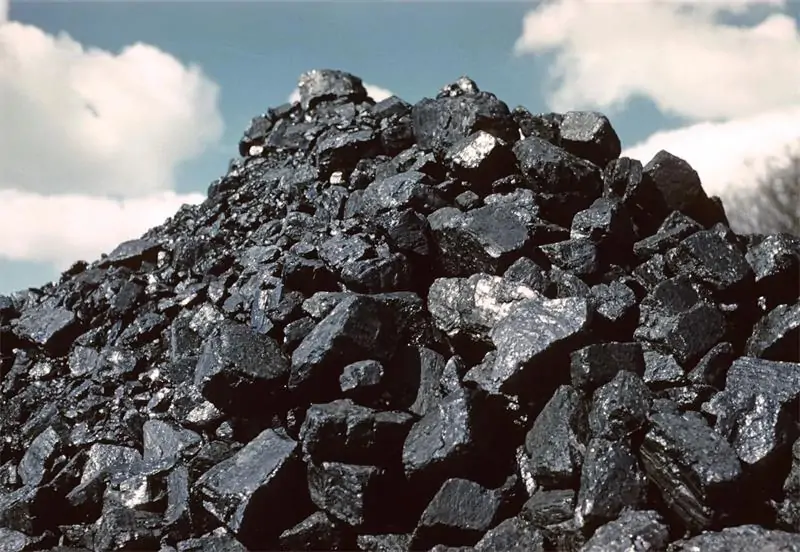
Coal
Construction & Recycled Materials
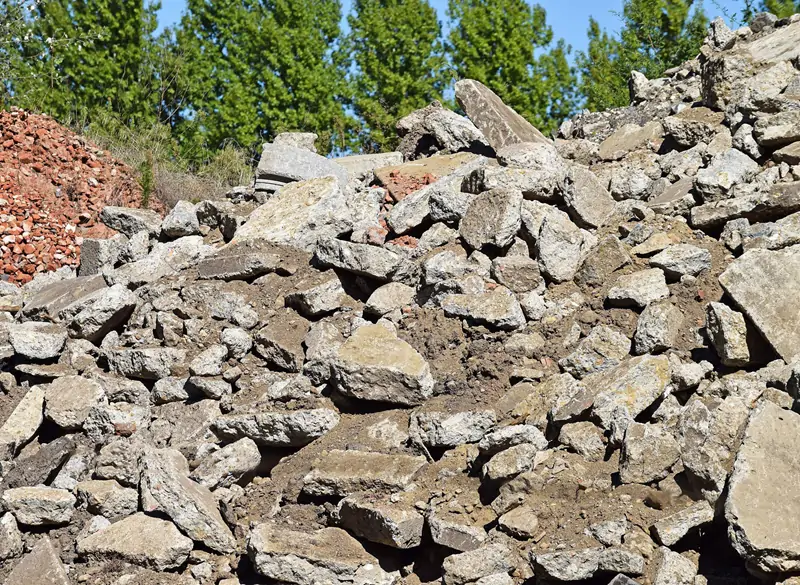
Construction Waste
Concrete
Asphalt
Soil & Organic Materials
Topsoil
Compost

المواصفات
Please refer to the specifications below to select the most suitable mobile screening plant for your project requirements.
| الطراز | السعة (طن/ساعة) | مقاس الغربال (مم) | Screen Layers | القدرة (كيلوواط) | الوزن (طن) | Transport Size (L×W×H mm) |
|---|---|---|---|---|---|---|
| FTM3S1848 | 80–150 | 1800 × 4800 | 2–3 | 55–75 | 16 | 10280 × 2830 × 4350 |
| FTM3S1860 | 100–200 | 1800 × 6000 | 2–3 | 75–90 | 18 | 11480 × 2830 × 4350 |
| FTM3S2160 | 150–300 | 2100 × 6000 | 2–4 | 90–132 | 19 | 11480 × 3150 × 4350 |
Note: Capacity may vary depending on material type, feed size, and operating conditions. Custom configurations can be provided according to specific project requirements.
Mobile Screening Plant vs Stationary Screening Plant & Trommel Screen
Screening equipment selection should be based on site mobility, material type, and production scale rather than capacity alone. Mobile screening plants are designed for on-site flexible operation, while stationary plants focus on long-term stable production and trommel screens are used for wet or sticky materials. The following table compares the main types of screening equipment.
| Factor | محطة الغربلة المتنقلة | محطة الغربلة الثابتة | Trommel Screen |
|---|---|---|---|
| مبدأ العمل | Vibrating screening on mobile chassis (800–1000 rpm) | Multi-deck vibration screening on fixed structure (900–1200 rpm) | Rotating drum separation (10–25 rpm) |
| تصميم الهيكل | Integrated unit with feeder, screen, conveyors | Fixed steel structure with foundation support | Cylindrical drum mounted on inclined frame |
| طاقة المعالجة | 50–300 t/h | 100–600 t/h | 10–150 t/h |
| Screening Efficiency | 80–95% | 85–98% | 60–80% (material dependent) |
| استهلاك الطاقة | 0.8–1.2 kWh/t | 0.6–1.0 kWh/t | 1.0–1.5 kWh/t |
| المساحة المشغولة | 80–200 m² working area | 300–1000 m² plant area | 50–150 m² |
| Mobility | High (tracked or wheeled) | None | Low (semi-fixed) |
| متطلبات التركيب | No foundation required | Civil foundation required | Simple support frame |
| الصيانة | Screen media and conveyor system | Full plant shutdown maintenance | Drum wear and blockage cleaning |
| تكلفة الاستثمار | متوسط | High (includes civil works) | متوسط |
| Suitable Materials | Crushed stone, sand, gravel, C&D waste (≤300 mm) | Hard rock, ores, large-scale aggregates | Wet soil, clay, compost, mixed waste |
| التطبيقات النموذجية | Quarry relocation, mining face operations, recycling yards | Permanent aggregate or mining production lines | Municipal waste, soil screening, organic materials |
Wheel Mounted vs Tracked Mobile Screening Plant
Wheel-mounted and tracked mobile screening plants are two common mobile screening configurations used in aggregate processing, mining, and construction waste recycling. The main difference lies in their mobility system and terrain adaptability. Wheel-mounted units focus on road transport efficiency and lower investment cost, while tracked units are designed for on-site self-propelled movement and harsh working conditions. Selection depends on site accessibility, project duration, and terrain complexity.
| البند | Wheel Mounted Mobile Screening Plant | محطة الغربلة المتنقلة المجنزرة |
| Transportation Method | Towed by tractor head via road transport | Self-propelled hydraulic track system |
| Applicable Working Conditions | Flat sites, urban construction, demolition waste, earthwork projects | Mountainous areas, mining sites, wetlands, steep or rough terrain |
| تكلفة الاستثمار | Lower initial investment | Higher initial investment |
| Maintenance Cost | Relatively lower and simpler structure | Higher due to hydraulic and track system complexity |
| Mobility Efficiency | High on-road transport efficiency, slower site-to-site setup | Fast on-site relocation with remote control operation |
| Suitable Projects | Urban infrastructure, construction waste recycling, short-term projects | Mining operations, quarry sites, long-term harsh environment projects |
اطلب حلًا مخصصًا
Work with Zhongyi Mining Machinery to get a mobile screening solution tailored to your material type, capacity requirement, and site conditions. We provide full engineering support from configuration to system design, ensuring stable and efficient on-site performance.
Complete Mobile Crushing and Screening Solutions
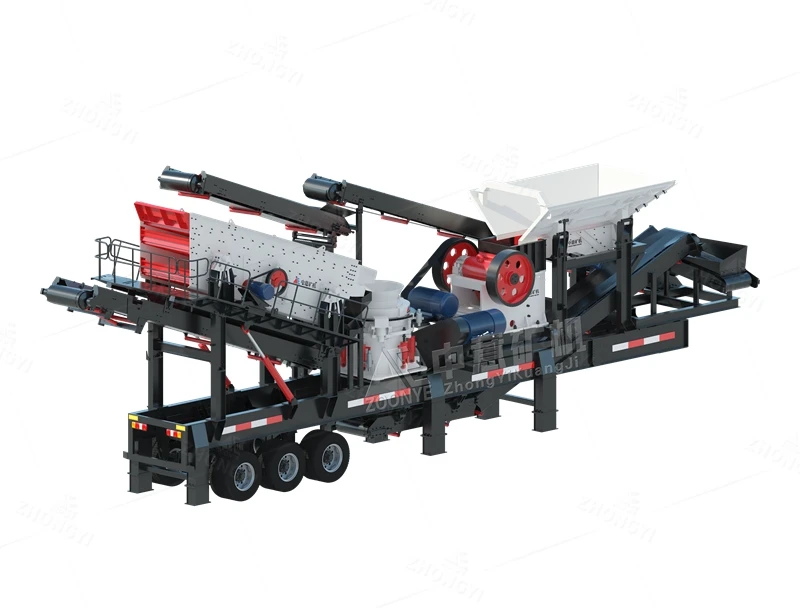
Zhongyi provides fully integrated mobile crushing and screening systems for quarrying, mining, and construction waste recycling applications. Our solution covers the entire material processing flow, including feeding, primary crushing, secondary crushing, screening, and final stockpiling, enabling efficient on-site production with flexible system configuration based on project requirements.
System Configuration Modules
A complete mobile production line can be configured through modular equipment integration:
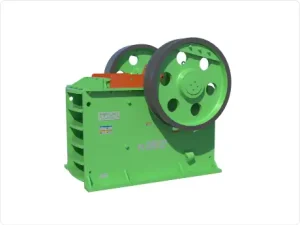
Portable Jaw Crusher – Primary crushing of large and hard materials
Portable Cone Crusher – Secondary and fine crushing of high-hardness aggregates
Portable Impact Crusher – Shaping and crushing of medium-hard materials
Mobile Sand Making Plant – High-quality sand production and final shaping
Feeding System – Stable and controlled material feeding to ensure continuous operation
Conveying System – Conveyor for continuous material transfer between processing units
Stacking System – Stacker for efficient stockpile management and site space optimization
Cases Show
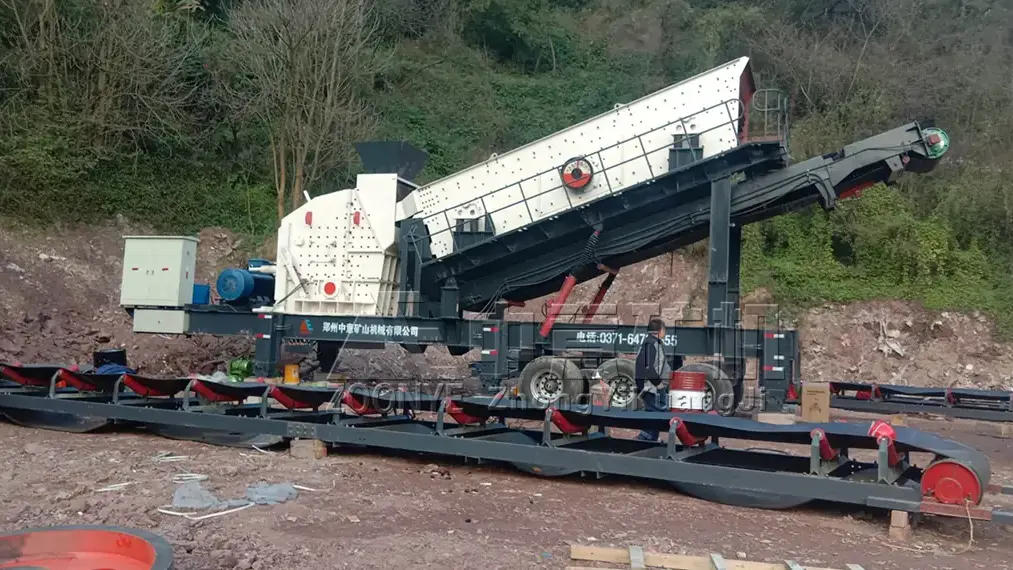
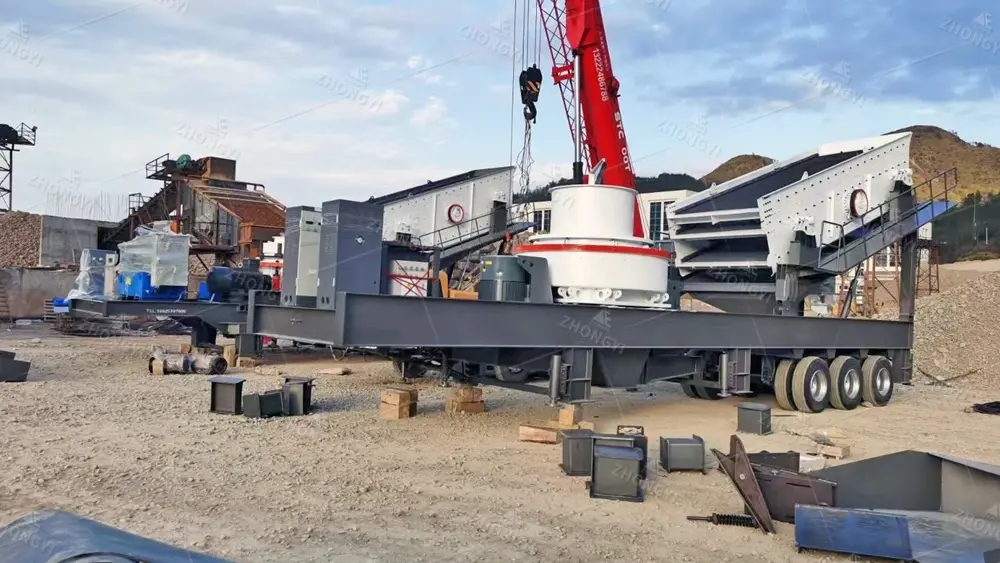
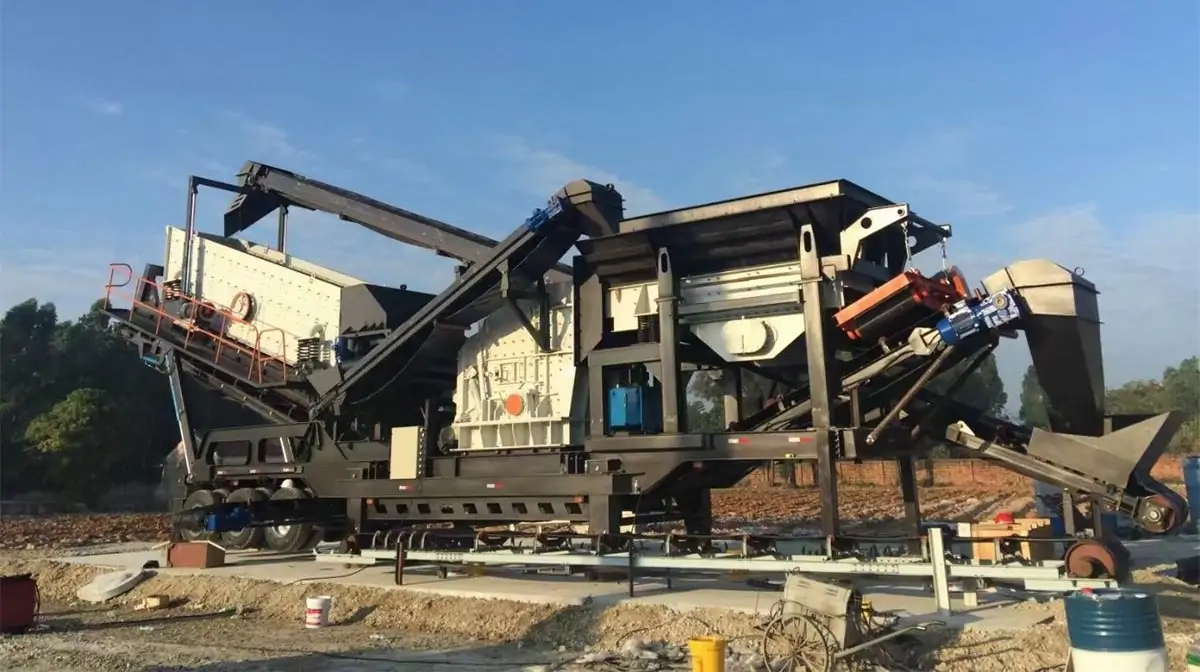
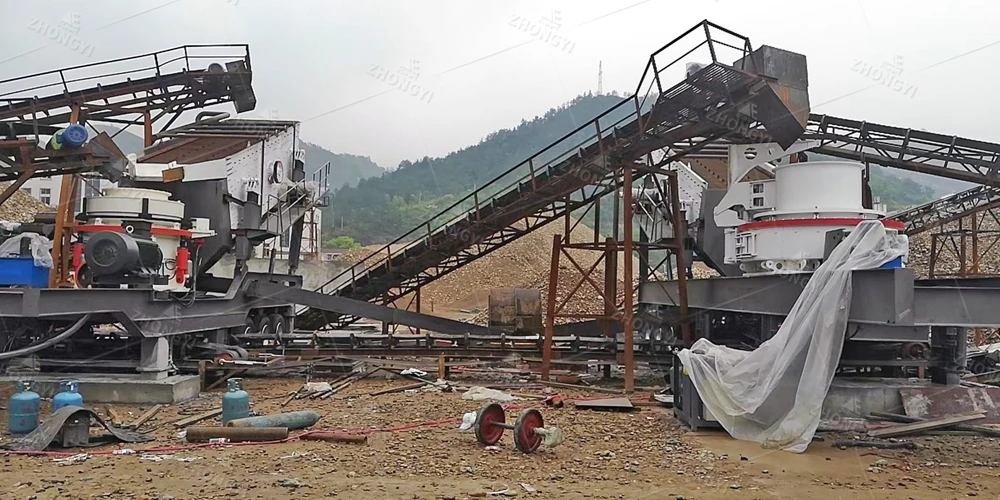
Custom Mobile Screening Plant Solution
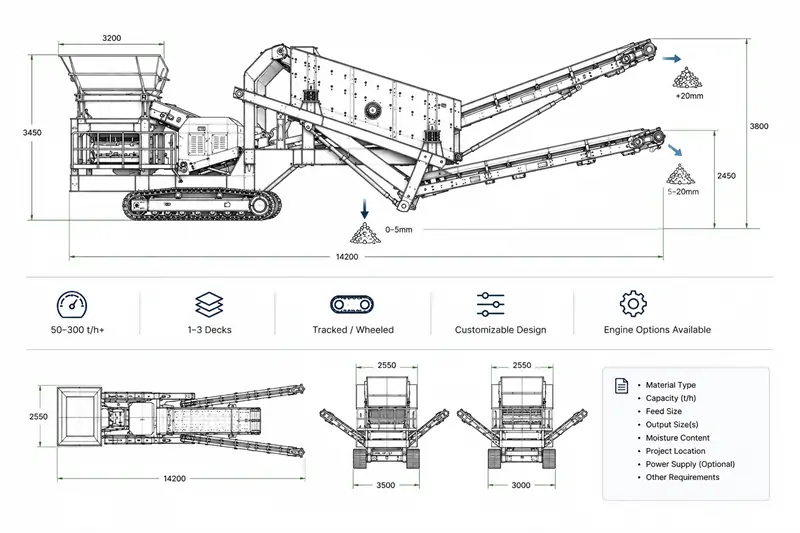
To recommend a suitable mobile screening plant and provide an accurate quotation, please share your project requirements. Our team will help match the right configuration based on your material, capacity, and site conditions.
Please Provide the Following Information:
Mobile Screening Plant Manufacturer and Supplier
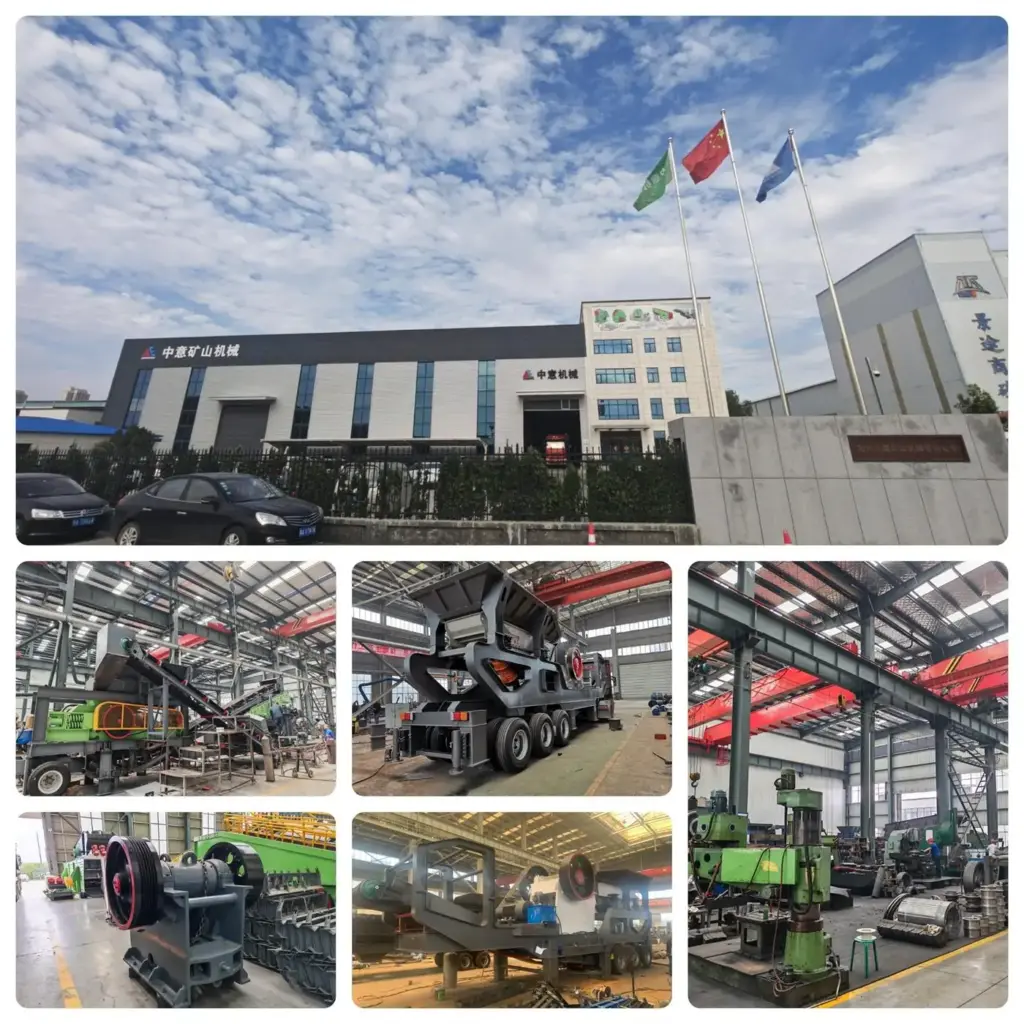
Zhongyi is a professional manufacturer and supplier of mobile screening plants, with more than 15 years of experience in mining and aggregate equipment production. Our manufacturing system follows ISO 9001 quality standards, covering design, fabrication, assembly, and testing to ensure stable performance in real working conditions.
We have delivered equipment to quarrying, mining, and recycling projects across multiple regions, supporting a wide range of materials including crushed stone, sand, gravel, and construction waste. Based on different project requirements, we provide complete screening solutions, from single machines to integrated production lines.
Beyond equipment supply, Zhongyi offers technical support, configuration guidance, and after-sales service to help customers achieve stable and efficient operation throughout the project lifecycle.
Contact us to get a tailored solution and quotation for your project.
الأسئلة الشائعة
What is a mobile screening plant used for?
A mobile screening plant is used to separate materials into different sizes directly on site. It is commonly used in aggregate production, mining, sand and gravel processing, and construction waste recycling.
What materials can a mobile screening plant process?
Mobile screening plants can handle a wide range of materials, including crushed stone, limestone, sand, gravel, recycled concrete, asphalt waste, and demolition materials. Screen configurations can be adjusted based on material characteristics and required product sizes.
What is the capacity of a mobile screening plant?
Capacity depends on the model and application. Most mobile screening plants operate between 50 and 300 t/h, with larger configurations available for higher production requirements.
What is the difference between tracked and wheeled mobile screening plants?
Tracked models are better suited for rough terrain and frequent on-site movement. Wheeled models are easier to transport between locations and are often selected for projects with more stable working conditions.
How do I choose the right mobile screening plant?
Key factors include material type, required capacity, target product sizes, moisture content, and mobility requirements. These factors help determine the most suitable screen configuration and plant layout.
Can a mobile screening plant be used with a crusher?
Yes. Mobile screening plants are often combined with jaw crushers, cone crushers, or impact crushers to create a complete crushing and screening system for aggregate and mining applications.
Can a mobile screening plant produce multiple product sizes at the same time?
Yes. Multi-deck screening systems can separate material into several size fractions in a single pass, allowing multiple finished products to be produced simultaneously.
Can Zhongyi Mining provide custom mobile screening plant solutions?
Yes. Zhongyi Mining can configure mobile screening plants based on material type, required capacity, product size requirements, and site conditions. Custom layouts and supporting equipment can also be supplied to match specific project needs.