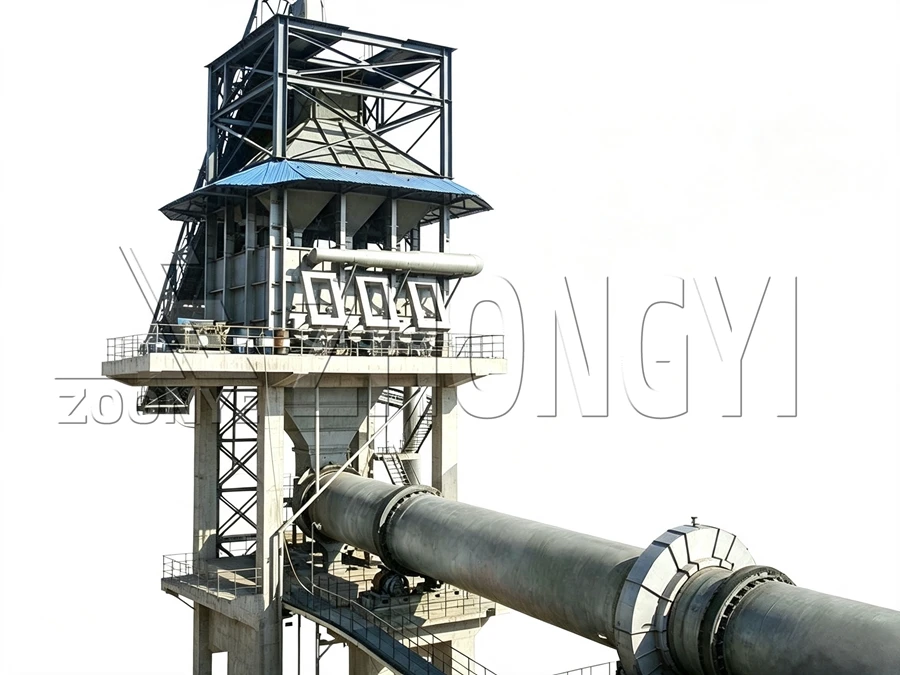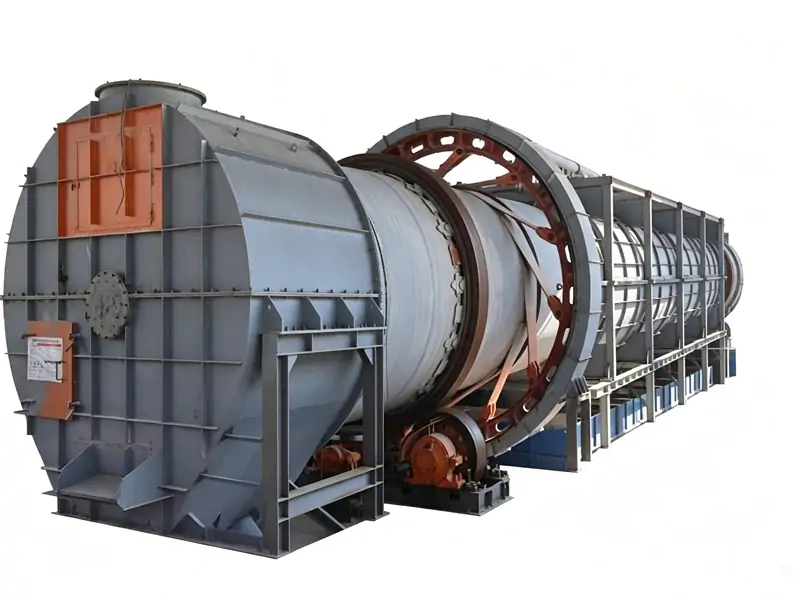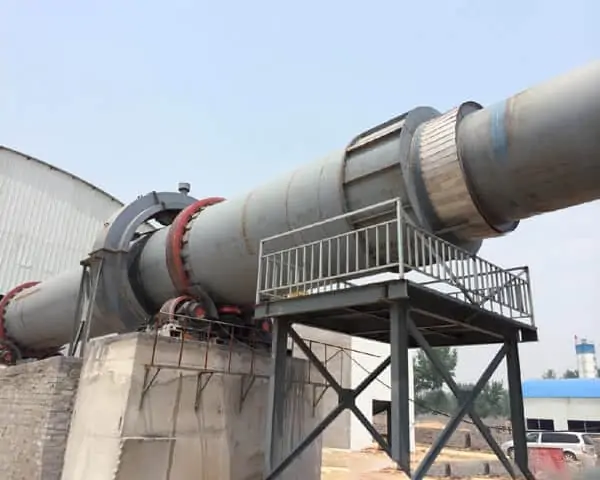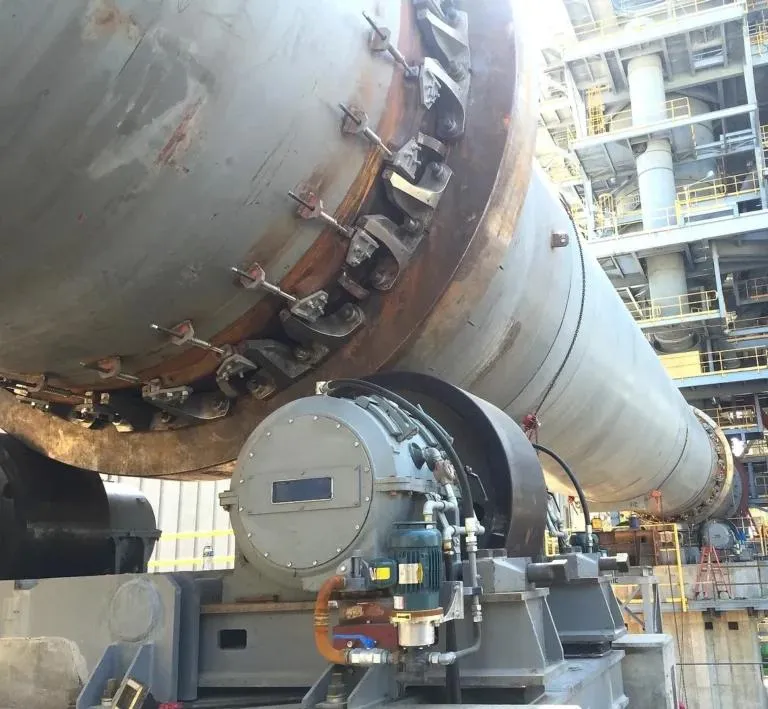












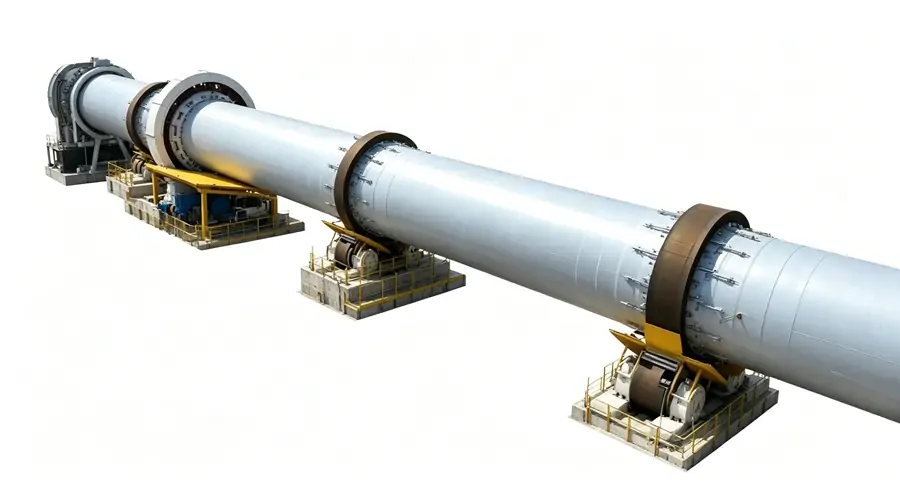
ما هو فرن التكليس؟
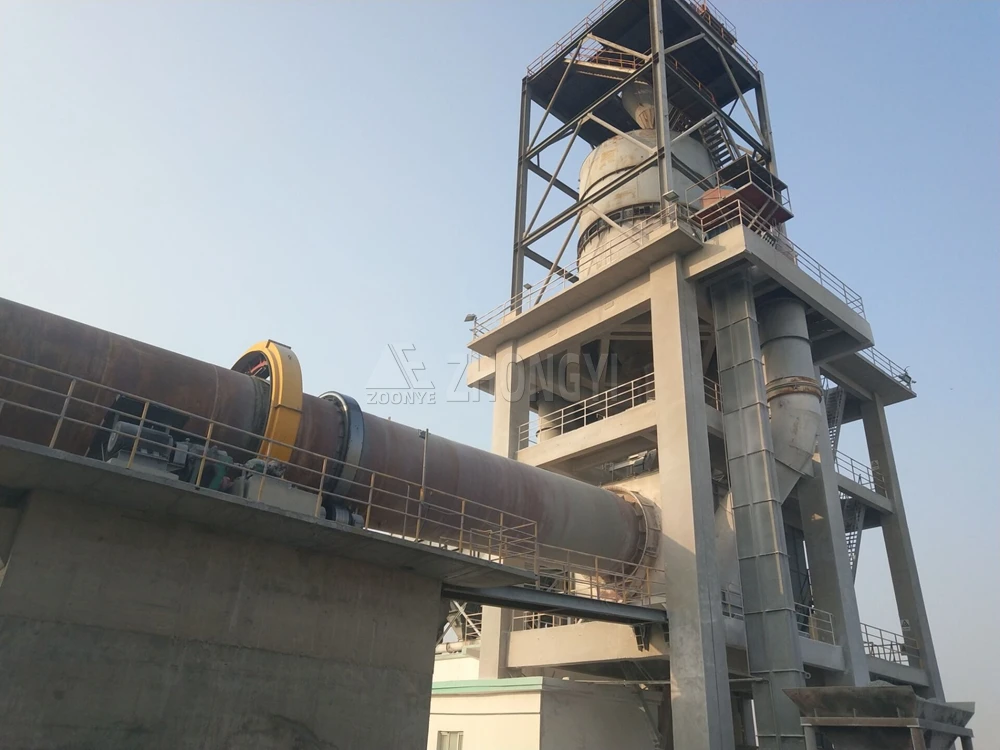
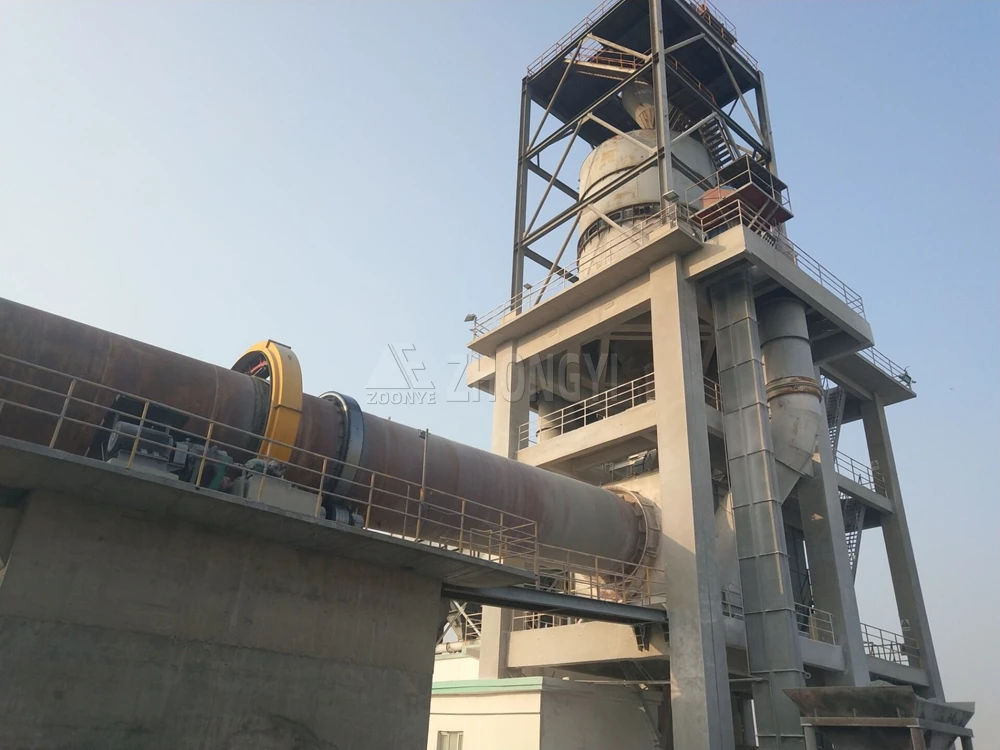
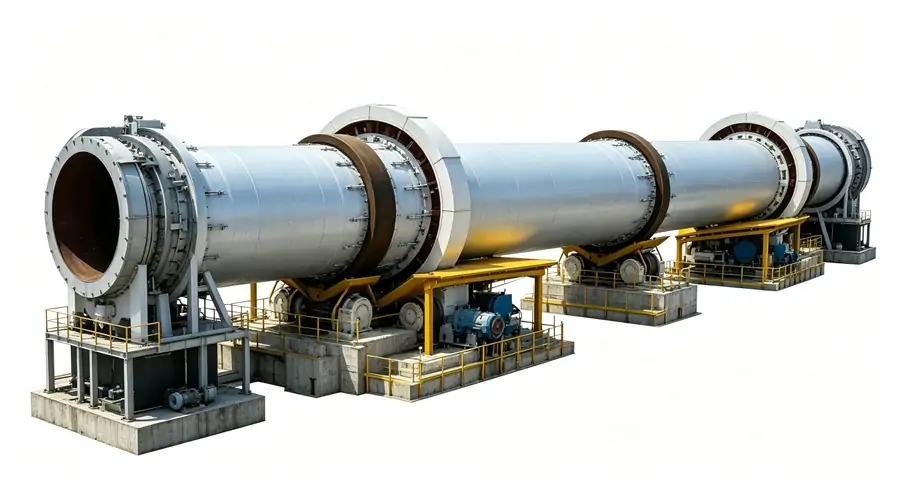
فرن التكليس هو فرن صناعي متخصص يُستخدم في معالجة المعادن لتوفير معالجة حرارية مُتحكَّم فيها لتغيير الخصائص الفيزيائية والكيميائية للمواد الخام. وعلى عكس معدات التسخين التقليدية، صُمم فرن التكليس للحفاظ على مناطق حرارية محددة وزمن مكوث محدد للمواد، مما يضمن تحقيق المعادن لدرجة التفاعل المطلوبة أثناء التشغيل المستمر.
في تطبيقات التعدين، غالبًا ما تُختار أفران التكليس الدوارة لقدرتها على معالجة كميات كبيرة من المواد المعدنية في ظروف حرارية مستقرة. وبالمقارنة مع الأفران العمودية وأفران التكليس بالمهد المُميّع، توفر الأفران الدوارة قدرة أكبر على التكيّف مع أحجام وتراكيب ومتطلبات إنتاج مختلفة للمواد، مما يجعلها مناسبة لتطبيقات مثل تحميص الخام وتنشيط المعادن ومعالجة المعادن الصناعية.
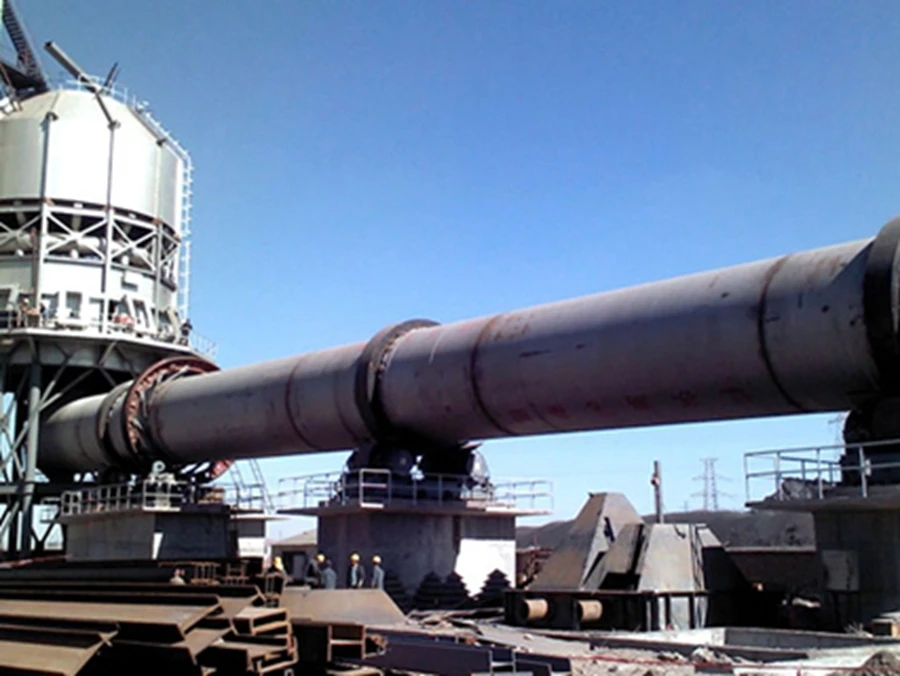
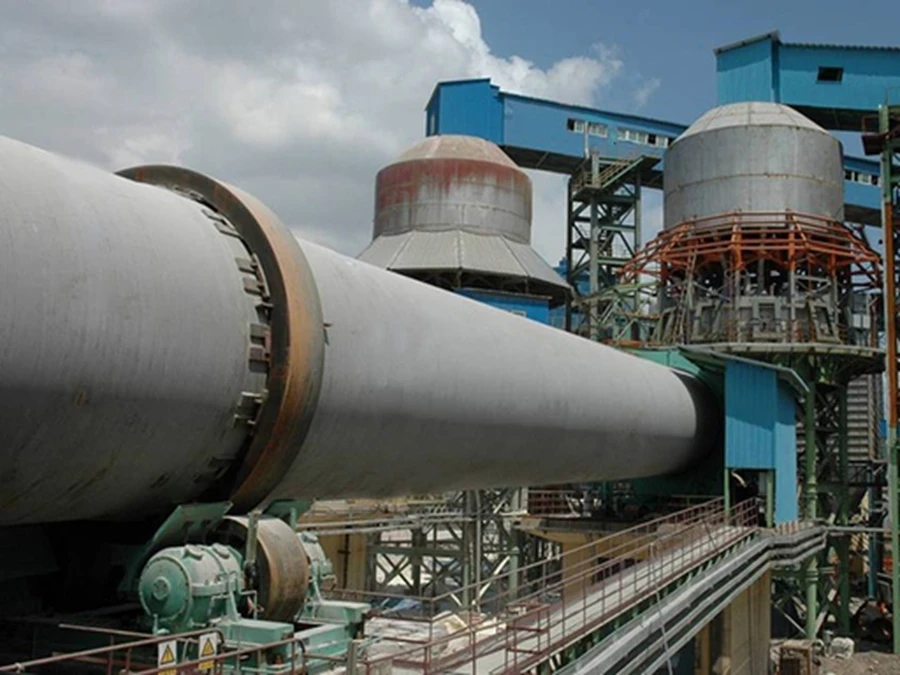
كيف يعمل فرن التكليس؟
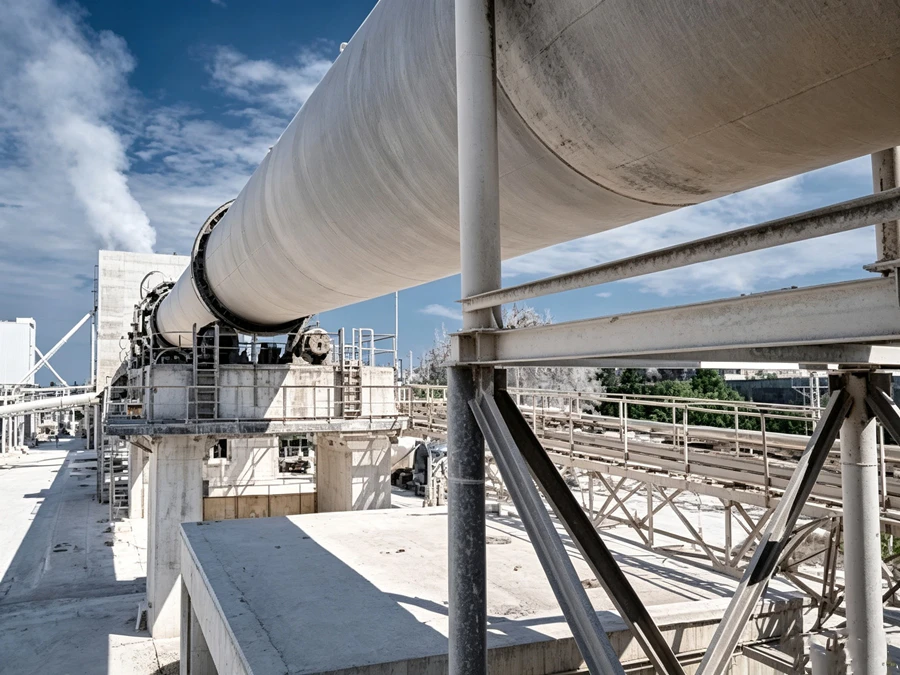
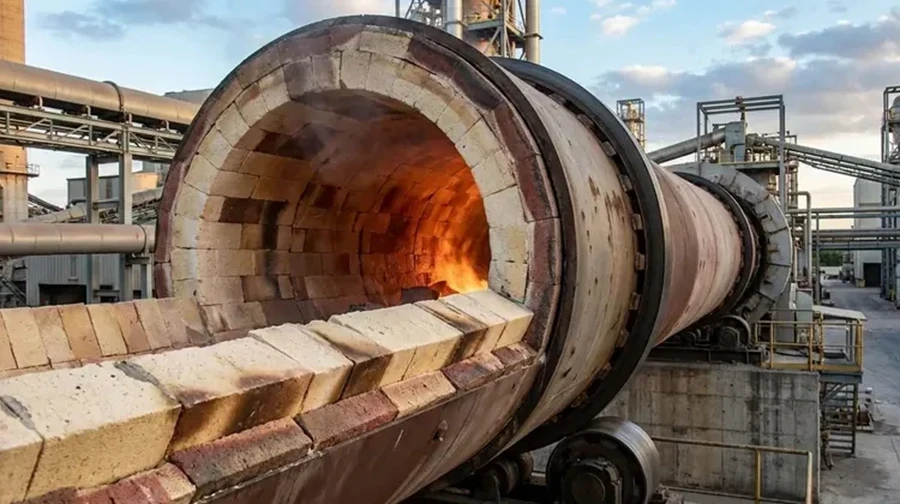
يعمل فرن التكليس الدوار من خلال الحركة المستمرة للمواد والانتقال الحراري المُتحكَّم فيه. بعد دخول المواد المعدنية إلى الفرن عبر نظام التغذية، تتحرك تدريجيًا على طول الأسطوانة الدوارة المائلة مع رفعها وخلطها بشكل متكرر. خلال هذه العملية، تمر المواد عبر مناطق حرارية مختلفة، بما في ذلك مناطق التسخين المسبق والتفاعل عند درجات الحرارة العالية والتبريد، حيث تحدث تفاعلات التجفيف أو التفكك أو التحميص أو التحول الطوري وفقًا للخصائص المحددة للمعدن.
توضح الأقسام التالية كيف تساهم كل مرحلة في المعالجة الحرارية المستقرة، بما في ذلك تغذية المواد وحركتها، والتبادل الحراري والتفاعلات المعدنية، وكذلك التبريد وتفريغ المنتج النهائي.
تغذية المواد وحركتها
بعد التكسير أو الغربلة أو المعالجة المسبقة، تُغذَّى المواد المعدنية إلى الفرن الدوار. يدور جسم الفرن المائل ببطء، مما يؤدي إلى تحرك المواد للأمام مع رفعها وتقليبها داخل الفرن تحت تأثير الجاذبية والاحتكاك.
يضمن دوران الفرن الخلط والحركة المستمرة للمواد، مما يساعد على الحفاظ على تسخين متساوٍ وزمن مكوث مناسب ونتائج تكليس موحدة.
التسخين والتفاعل الحراري
يوفّر نظام الموقد الحرارة للفرن، وتتيح الحركة الدوارة للفرن للمواد ملامسة الغازات الساخنة لتحقيق انتقال حراري فعّال. ومع ارتفاع درجة الحرارة، تخضع المعادن لتفاعلات مختلفة مثل التكليس أو التجفيف أو الأكسدة أو التحميص الاختزالي وفقًا لخصائصها ومتطلبات معالجتها.
تُعدَّل درجة الحرارة والغلاف الجوي للغاز وزمن مكوث المواد لتحقيق تأثير المعالجة المطلوب لتطبيقات معدنية مختلفة.
التبريد وتفريغ المنتج
بعد اكتمال المعالجة الحرارية، تُفرَّغ المواد المعالجة من الفرن وتُرسَل إلى نظام التبريد. يخفض التبريد درجة حرارة المواد، ويحسّن ظروف المناولة، ويساعد على استرداد الحرارة المتبقية لتحسين كفاءة استخدام الطاقة.
المكونات الرئيسية
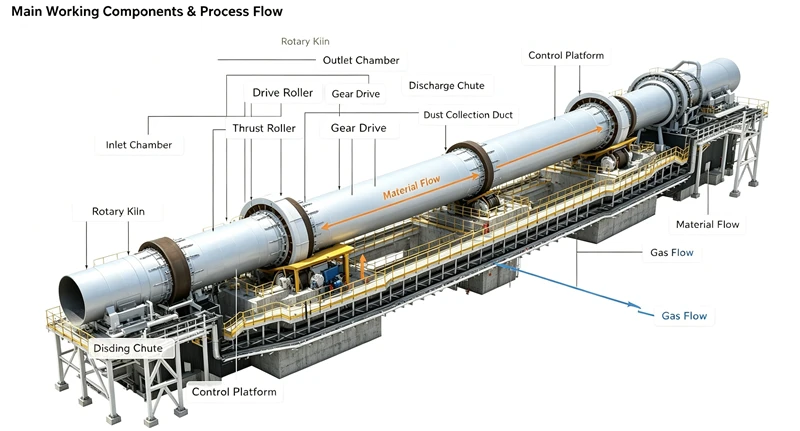
يدمج فرن التكليس الصناعي للمعادن أنظمة التغذية والتسخين والدوران والتفريغ لإتمام المعالجة الحرارية المستمرة. يُعد جسم الفرن الدوار ونظام الموقد وآلية الإدارة المكونات الرئيسية التي تتحكم في حركة المواد والانتقال الحراري وظروف المعالجة.
الأنظمة المساعدة لفرن التكليس
بالإضافة إلى المكونات الرئيسية المذكورة أعلاه، يشمل نظام فرن التكليس أيضًا عدة وحدات مساعدة تدعم تغذية المواد وإدارة الحرارة والتحكم في الغبار ومناولة المنتج. ويلخص الجدول أدناه وظائف هذه المكونات:
| المكوّن | الوظيفة |
| جهاز التغذية | يغذّي المواد إلى الفرن بشكل مستمر |
| التبطين الحراري | يحمي أسطوانة الفرن من درجات الحرارة العالية |
| نظام جمع الغبار | يجمع غاز العادم والغبار |
| نظام التبريد | يبرّد المواد المعالجة ويسترد الحرارة |
المواصفات الفنية لفرن التكليس الدوار
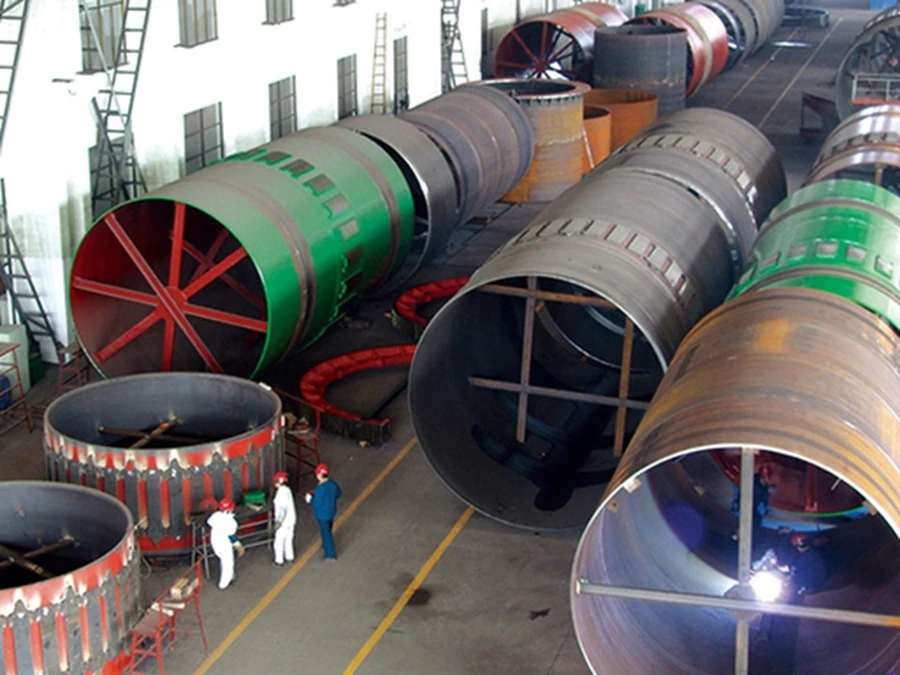
صُممت أفران التكليس الدوارة Zhongyi Mining بأحجام وتكوينات مختلفة لتطبيقات متنوعة في معالجة المعادن. يمكن تخصيص تصميم الفرن بناءً على خصائص المواد والسعة المطلوبة وظروف التكليس المحددة.
| المعامل | المواصفات |
| نوع الفرن | فرن التكليس الدوار |
| قطر الأسطوانة | 1200–4700 مم |
| طول الأسطوانة | 25000–72000 مم |
| الميل | 0.2–4% |
| طاقة المعالجة | 3–150 طن/ساعة |
| سرعة الدوران | 7–190 دورة/دقيقة* |
| قدرة المحرك | 15–550 kW |
| Equipment Weight | 34–795 t |
Note:Rotation speed varies by kiln model and transmission configuration.
Typical Model Specifications
| الطراز | Shell Diameter (mm) | Shell Length (mm) | السعة (طن/ساعة) | قدرة المحرك (كيلوواط) | الوزن (طن) |
| YZ1225 | 1200 | 25000 | 3 | 22 | 34 |
| YZ1828 | 1800 | 28000 | 3.5 | 30 | 59 |
| YZ2245 | 2200 | 45000 | 3.5 | 45 | 125 |
| YZ2820 | 2800 | 20000 | 3 | 75 | 186 |
| YZ3560 | 3500 | 60000 | 4 | 125 | 348 |
| YZ4272 | 4700 | 72000 | 3.5 | 550 | 795 |
المزايا
Rotary calcination kilns are commonly used in mineral processing where continuous heating, controlled material movement, and stable thermal conditions are required. The rotating kiln structure allows materials to be evenly exposed to heat while adjustable operating parameters provide flexibility for different mineral treatment processes. These features make rotary industrial calcination kilns suitable for large-scale production, various raw materials, and applications requiring precise calcination control.
التطبيقات
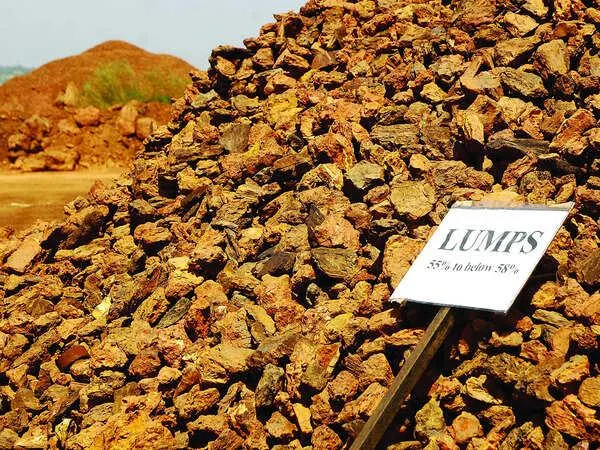
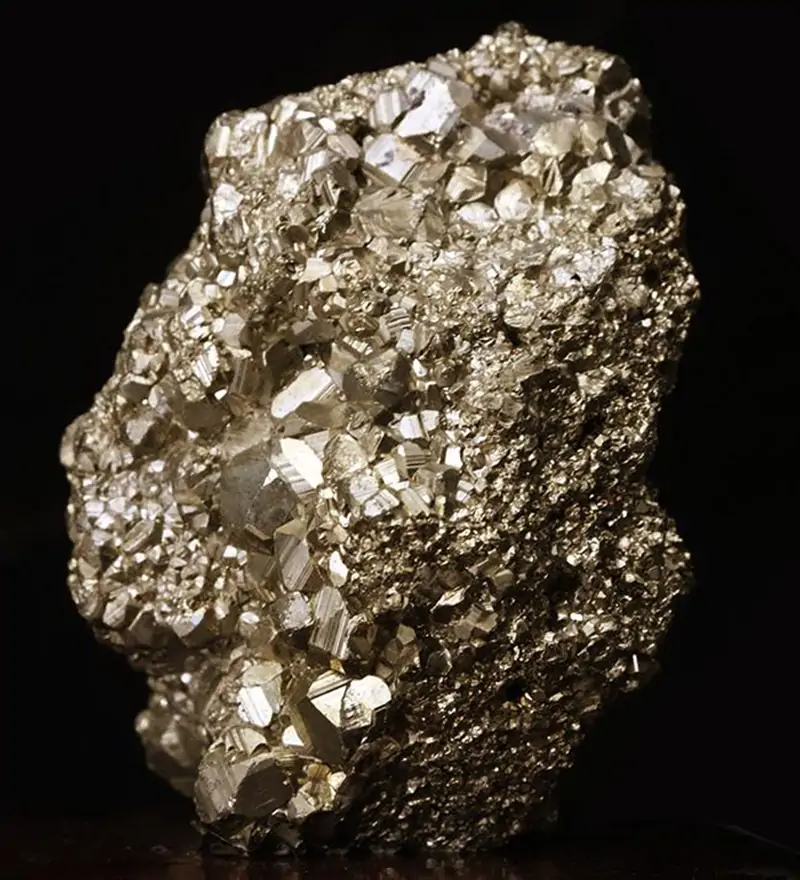
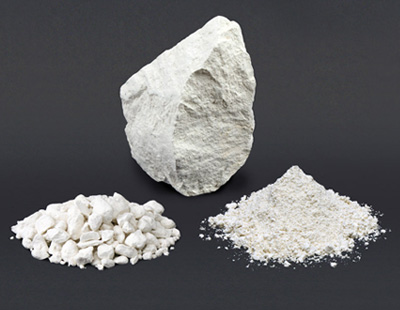
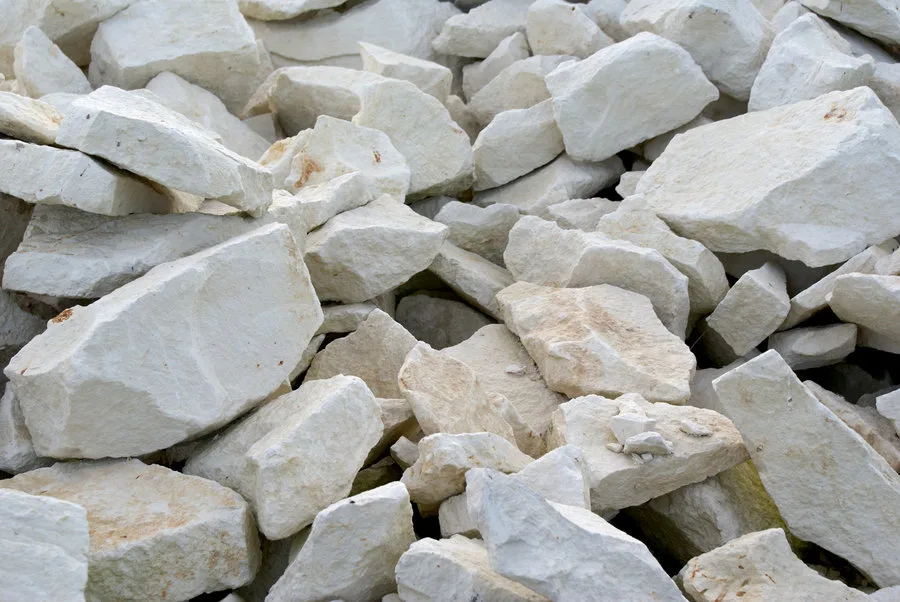
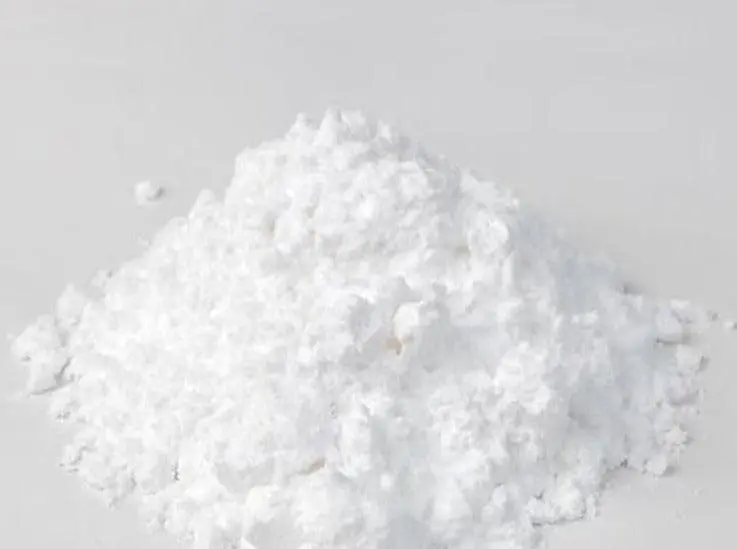
Calcination kilns play an important role in mineral processing by using controlled heating and roasting to alter mineral characteristics. By adjusting temperature, residence time, and kiln atmosphere, the equipment enables processes such as dehydration, oxidation, reduction, and phase transformation, preparing minerals for further beneficiation or extraction. According to different mineral properties and processing objectives, industrial calcination kilns are applied in various fields, including iron ore magnetic roasting, sulfide mineral oxidation roasting, kaolin calcination, carbonate mineral decomposition, and lithium ore treatment.
Rotary Calcination Kiln vs Other Calcination Equipment
Calcination equipment selection depends on material properties, capacity requirements, and process conditions. Rotary calcination kilns are preferred for large-scale mineral processing due to their continuous operation and wide material adaptability, while shaft kilns and fluidized bed calciners are selected for specific material and process requirements.
Practical Equipment Comparison
| Comparison Item | فرن التكليس الدوار | Shaft Kiln | Fluidized Bed Calciner |
| طاقة المعالجة | High | متوسط | متوسط |
| Material Adaptability | Wide range of lump, granular, and powder materials | More dependent on material size and properties | Mainly suitable for fine particles |
| Temperature Control | Flexible control through kiln speed and heating conditions | Moderate control | Precise temperature control |
| Operation Mode | تشغيل مستمر | تشغيل مستمر | تشغيل مستمر |
| Large-Scale Mineral Processing | Highly suitable | Suitable for specific applications | Suitable for specialized processes |
| Maintenance Requirements | Relatively simple structure and maintenance | Moderate | Higher technical requirements |
How to Choose the Right Calcination Kiln?
Choosing the right industrial calcination kiln requires careful consideration of raw material characteristics, thermal reaction requirements, production capacity, fuel conditions, and emission standards. The correct kiln configuration helps achieve uniform calcination, optimize energy consumption, and maintain reliable operation for long-term industrial production.
Evaluate Mineral Characteristics
Raw material properties are essential for selecting the right calcination kiln. Factors such as chemical composition, particle size, moisture content, and thermal reaction behavior determine the required temperature, residence time, and kiln configuration. Proper evaluation helps achieve uniform heating, efficient calcination, and consistent product quality.
Define the Required Thermal Process
The required thermal process determines kiln configuration and operating conditions. Calcination, oxidation roasting, reduction roasting, and activation treatment each require specific temperature control and residence time. Defining the target reaction helps select a suitable kiln system for consistent processing results.
Match Production Capacity Requirements
Production capacity determines the required kiln size, throughput, and system configuration. Selection should be based on expected daily output, current plant requirements, and possible future expansion. Proper sizing helps maintain reliable operation while controlling energy consumption and equipment investment.
Consider Fuel and Energy Conditions
Fuel type affects operating costs, temperature control, and emission requirements. Gas-fired kilns offer precise control and cleaner combustion, coal-fired kilns provide cost advantages where coal is available, and alternative fuels can reduce dependence on conventional energy sources. The selection should match local fuel availability, production needs, and environmental standards.
Meet Environmental Protection Requirements
Environmental requirements are important considerations in calcination kiln selection. Dust collectors, exhaust gas treatment systems, and heat recovery units help control emissions, improve energy utilization, and reduce fuel consumption. A properly configured kiln system can meet regulatory standards while lowering long-term operating costs.
Consider Reliability and Total Operating Cost
Beyond initial specifications, buyers should evaluate equipment durability, maintenance requirements, spare parts availability, automation level, and after-sales support. The total cost of ownership, including fuel consumption, labor, maintenance, and service life, should also be considered. A reliable kiln system helps reduce downtime and achieve better long-term operating performance.
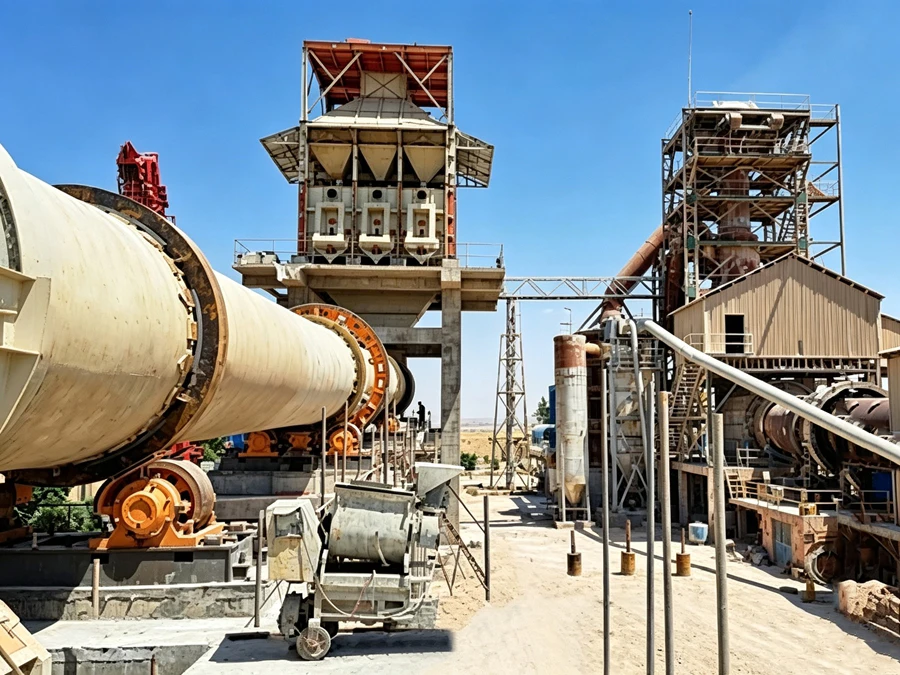
Custom Solutions for Different Calcination Requirements
Every mineral processing project has different requirements in terms of material characteristics, production capacity, and application conditions. Zhongyi Mining provides customized calcination kiln solutions based on your specific needs, including equipment selection, process design, and system configuration. Share your material information, expected output, and project requirements with our engineering team, and we will develop a suitable solution to match your production goals.
For complete processing needs, we also provide integrated calcination plant solutions covering equipment selection, process optimization, and complete plant configuration. Contact Zhongyi Mining today to discuss your project requirements and receive a customized solution from our technical experts.
Please Provide the Following Information:
Why Choose Zhongyi?
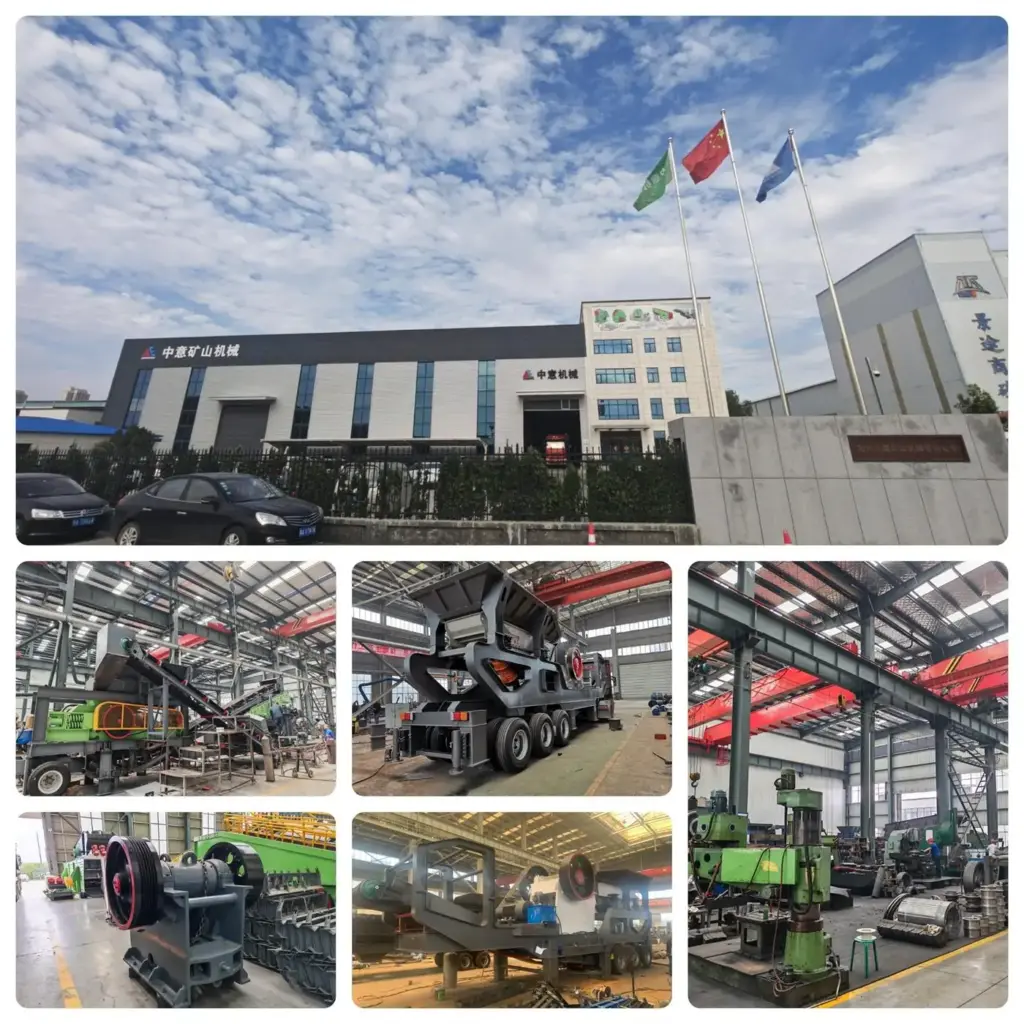
With extensive experience in mining and industrial equipment manufacturing, Zhongyi Mining ,as a professional calcination kiln manufacturer provides reliable calcination kiln solutions tailored to different material characteristics and production requirements. Our engineering team combines practical industry knowledge with advanced design methods and strict quality control to deliver equipment with reliable performance, operational safety, and long service life. From equipment design and manufacturing to final delivery, every project follows professional engineering standards and quality management procedures.
Beyond equipment supply, Zhongyi Mining provides complete project support, including process consultation, customized equipment configuration, installation guidance, and after-sales service. With strong manufacturing capabilities and technical expertise, we help customers reduce operational risks, improve production efficiency, and achieve stable thermal processing performance for long-term industrial applications.
اطلب حلًا مخصصًا
Work with Zhongyi Mining to develop a calcination kiln solution tailored to your material characteristics, production capacity, and thermal processing needs. Our engineering team provides customized design, reliable equipment, and complete project support to help achieve efficient and stable kiln operation.
الأسئلة الشائعة
What factors should be considered when selecting a calcination kiln?
The selection of a rotary kiln for calcination depends on material characteristics, required thermal process, production capacity, fuel availability, and environmental requirements. Factors such as material composition, moisture content, particle size, and final product quality requirements should be evaluated before choosing the suitable kiln configuration.
What materials can be processed by a calcination kiln?
Calcination kilns are widely used for processing limestone, gypsum, clay, bauxite, and other mineral materials. The suitable kiln design depends on the material properties, required calcination temperature, and production objectives.
How do I determine the right kiln capacity for my project?
Kiln capacity should be selected based on required daily output, material characteristics, and future production plans. An appropriately sized kiln helps maintain stable operation while avoiding excessive investment and unnecessary energy consumption.
What fuel options are available for rotary kiln for calcinations?
Calcination kilns can be designed for different fuel conditions, including natural gas, coal, biomass, and alternative fuels. The suitable fuel system depends on local energy availability, operating costs, and emission requirements.
How can a calcination kiln improve energy efficiency?
Energy efficiency can be improved through optimized combustion systems, proper temperature control, heat recovery systems, and suitable kiln design. A well-configured kiln reduces fuel consumption while maintaining consistent calcination performance.
What information is required for a customized calcination kiln solution?
To design a suitable solution, customers should provide raw material information, required capacity, thermal process requirements, fuel conditions, and project site details. Our engineering team evaluates these factors to recommend the appropriate kiln configuration.
How do you ensure the reliability of your rotary kiln for calcination equipment?
Zhongyi Mining applies professional engineering design, strict manufacturing standards, and quality control procedures throughout production. Each kiln solution is designed according to operating conditions to achieve reliable performance and long service life.
Do you provide complete calcination production line solutions?
Yes. Zhongyi Mining provides integrated calcination solutions, including kiln selection, auxiliary equipment configuration, process design, installation support, and technical services to meet different industrial production requirements.