










Einleitung
Selecting a best Stone Crusher for a quarry starts with understanding how the rock behaves during crushing. Granite and basalt are generally hard, abrasive materials that can wear down crushing components quickly. Limestone is often easier to crush, but high silica content can also increase wear. These differences affect equipment choice, maintenance frequency, and the cost of producing aggregate to the required size and shape.
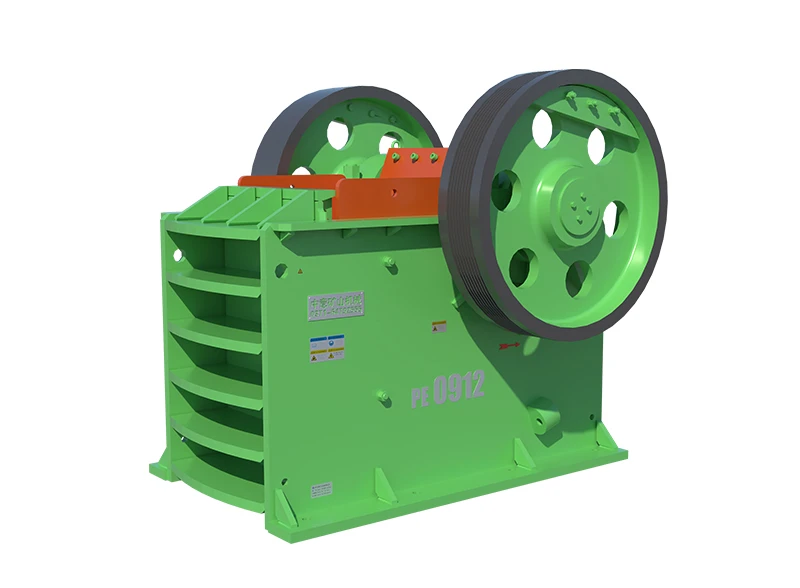
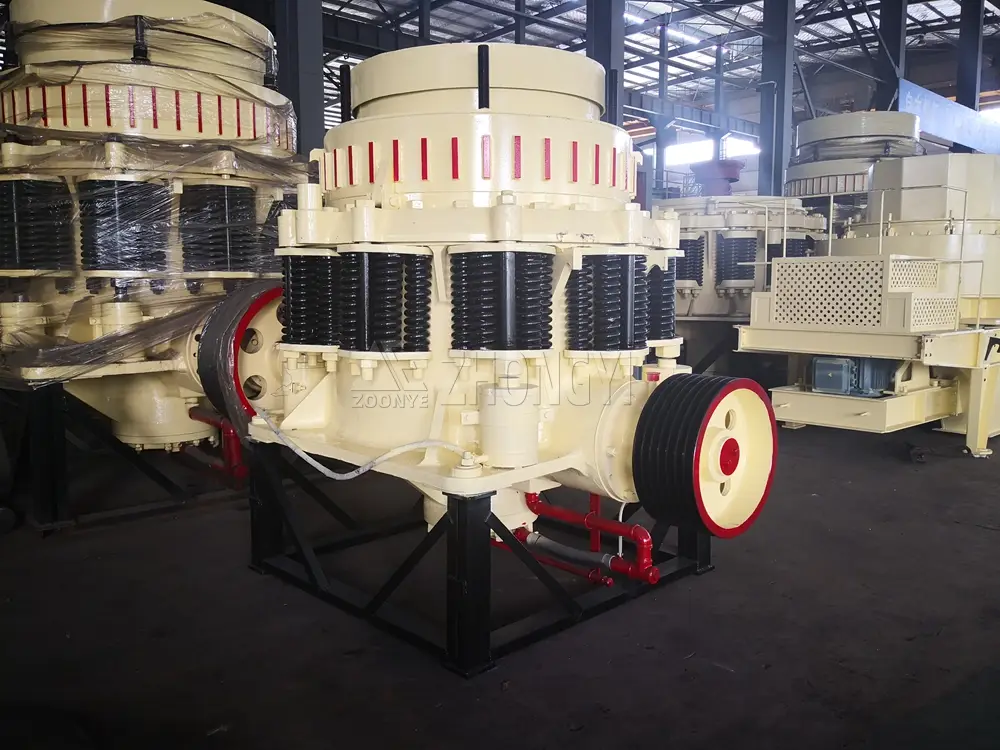
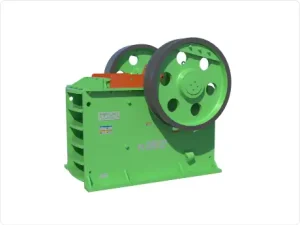
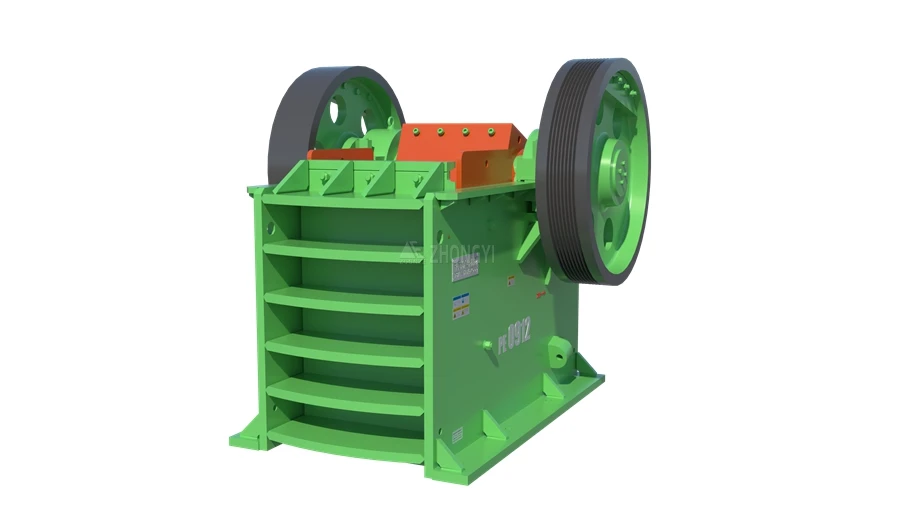
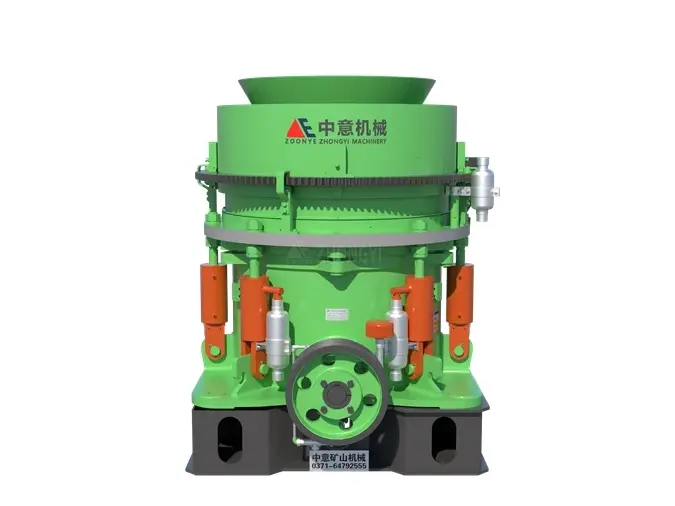
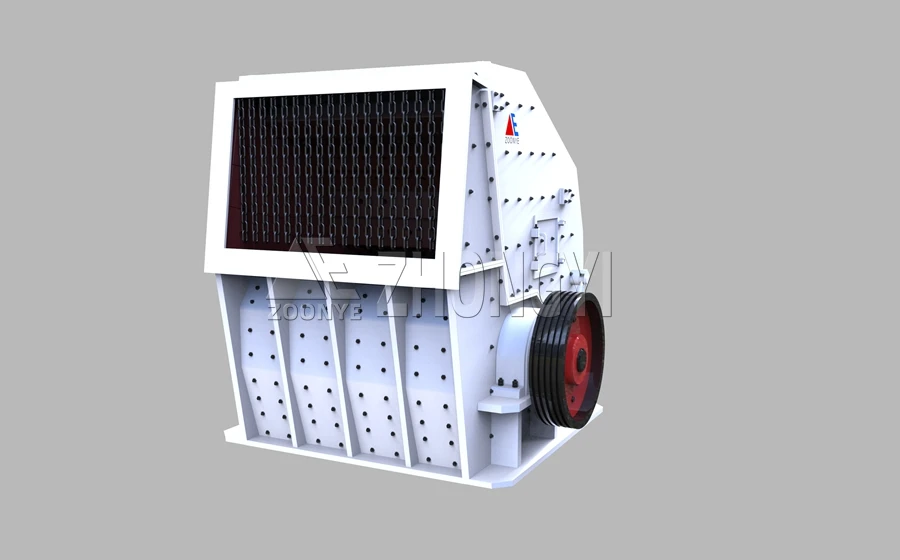
A jaw crusher is commonly used for primary crushing of all three rock types, but the secondary crushing stage often requires a different approach. Granite and basalt generally favor Kegelbrechern because of their hardness and abrasiveness, while an impact crusher may be suitable for less abrasive limestone. To determine which configuration fits each material, it is necessary to look at the crushing characteristics of granite, basalt, and limestone first.
Which Stone Crusher Is Best for Granite, Basalt and Limestone?
For most quarry applications, the best stone crusher configuration starts with a jaw crusher for primary crushing, followed by a cone crusher for granite and basalt or an impact crusher for less abrasive limestone. The final choice depends on feed size, required output, and aggregate specifications.
| Rock Type | Primary Crushing | Secondary Crushing | Main Selection Concern |
| Granite | Jaw crusher | Cone crusher | Abrasiveness, wear cost, and particle shape |
| Basalt | Jaw crusher | Cone crusher | Rock strength, abrasiveness, and throughput |
| Limestone | Jaw crusher | Impact crusher, or cone crusher where appropriate | Silica content, abrasiveness, and product shape |
These combinations are common starting points, but the rock type alone does not determine the final setup. Three factors need to be checked before selecting the equipment:
- Rock properties: Strength and abrasiveness can vary within the same deposit. Silica content is also worth checking because it can affect wear on crushing parts.
- Crushing stage: A jaw crusher handles large feed material in the primary stage. A cone or impact crusher reduces it further, while screening separates the material into the required sizes.
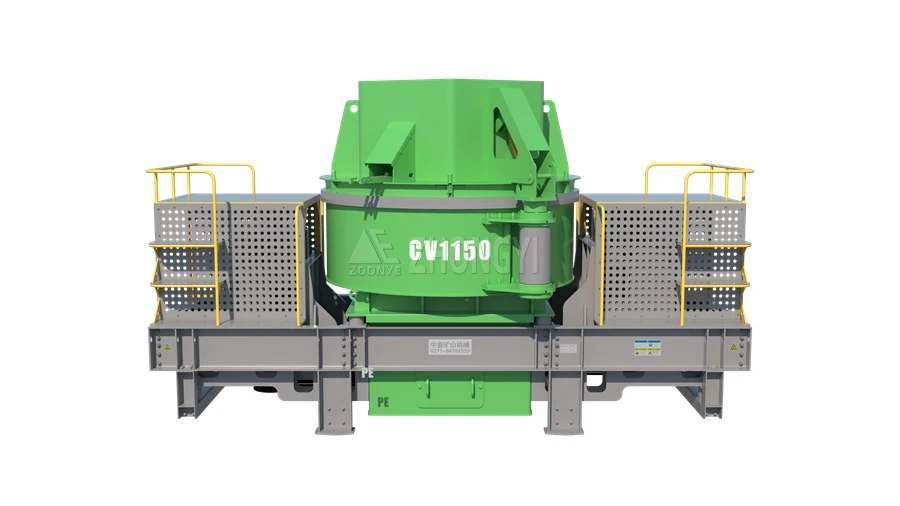
- Finished aggregate requirements: Concrete, asphalt, and road base applications have different grading and particle-shape requirements. A vertical shaft impact (VSI) crusher may be added when additional shaping or manufactured sand production is needed.
What Makes Granite, Basalt and Limestone Different to Crush?
Granite, basalt, and limestone differ in strength and abrasiveness, which affects best Stone Crusher wear, maintenance costs, and equipment selection. Feed size, required capacity, and final aggregate specifications also influence the crushing process.
Granite — Hard and Abrasive Rock
Granite is an igneous rock that often contains quartz and other hard minerals. Its abrasive nature can accelerate wear on jaw plates and cone liners. The service life of these parts depends on the quartz content, mineral distribution, and structure of the rock.
A jaw crusher handles primary crushing, while a cone crusher is generally used for secondary crushing. The crusher chamber and operating settings should match the feed size and required product gradation.
Basalt — Dense, Strong and Often Abrasive
Basalt is typically dense and strong, although its crushing behavior varies with mineral composition, weathering, and deposit conditions. Hard, abrasive basalt can wear crushing parts quickly, making compression crushing a practical choice for secondary reduction.
A jaw crusher followed by a cone crusher suits many basalt aggregate plants. Screening and closed-circuit operation help control product size. Where aggregate shape requirements are stricter, a vertical shaft impact (VSI) crusher can provide additional shaping.
Limestone — Easier to Crush, but Abrasiveness Still Matters
Limestone is often easier to crush than granite or basalt. For less abrasive material, an impact crusher is a practical choice for secondary crushing and can produce well-shaped aggregate. However, silica content and rock abrasiveness affect wear on blow bars and impact plates.
A jaw crusher followed by an impact crusher works well for many limestone applications. A cone crusher may be more suitable when the material is abrasive or when production and product requirements favor compression crushing. The choice should reflect the actual rock properties and expected wear costs.
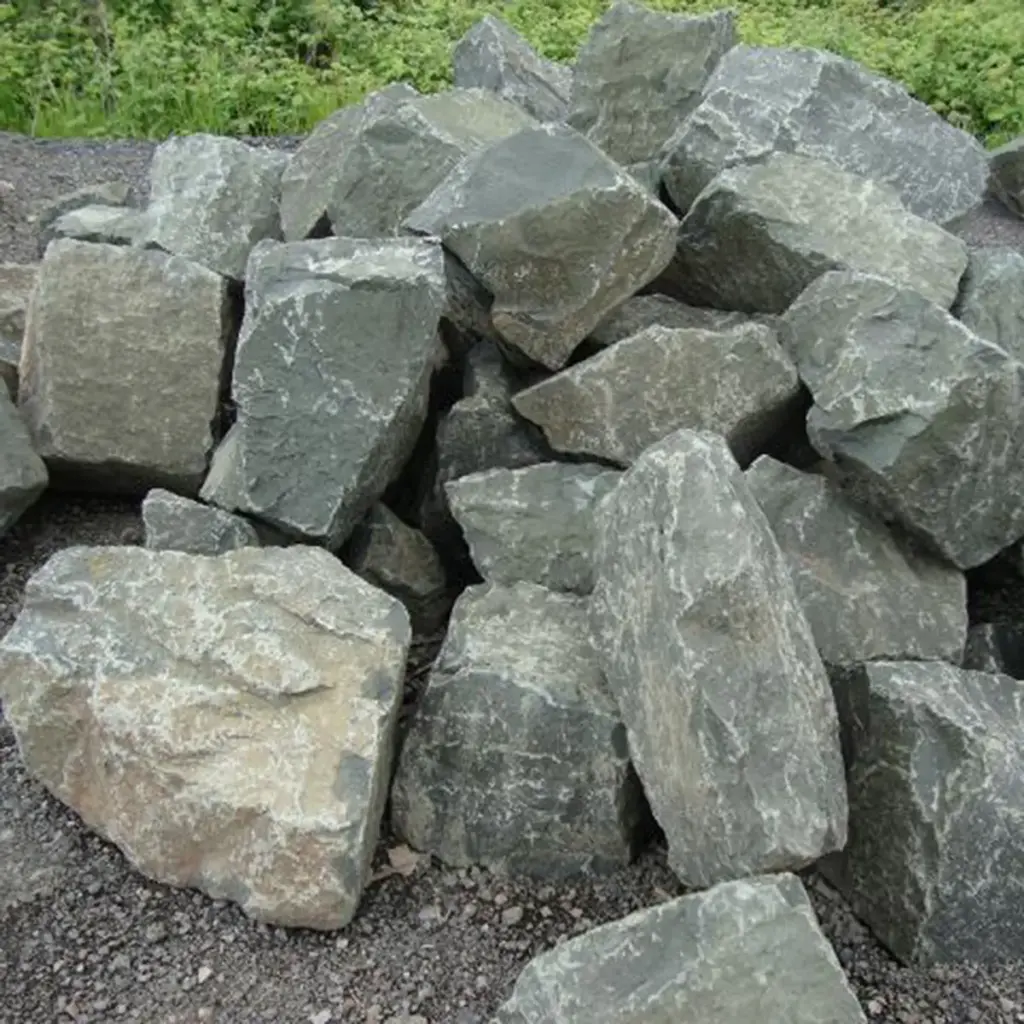
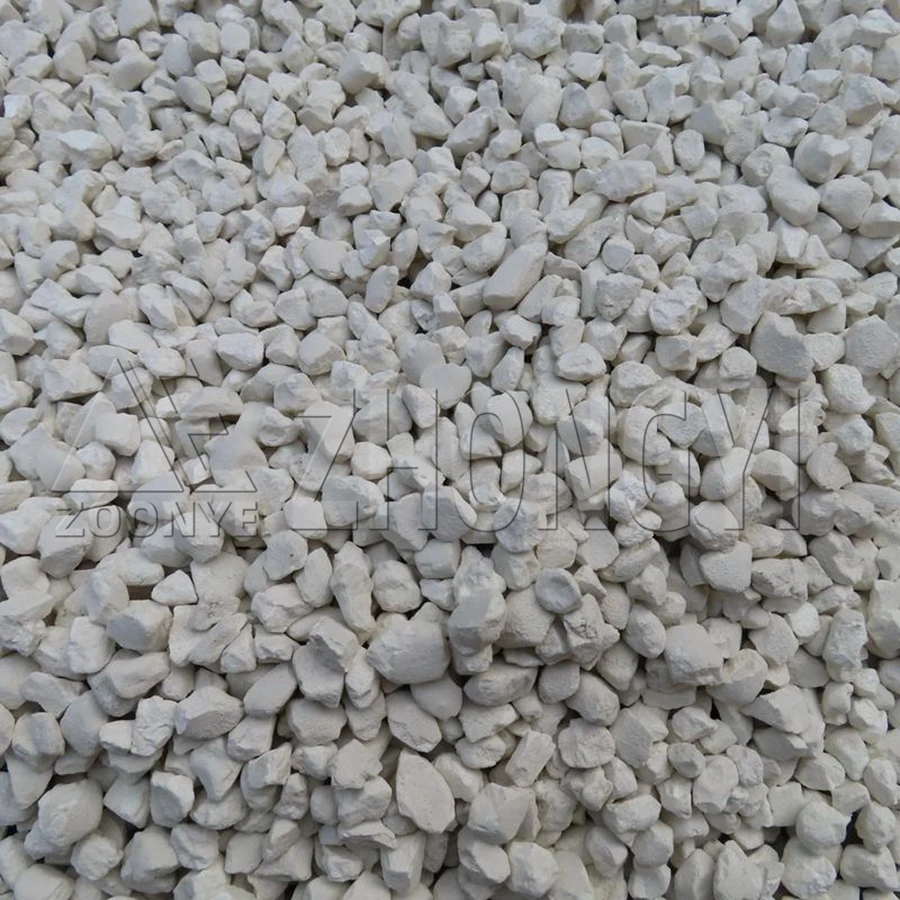
Best Stone Crusher for Granite
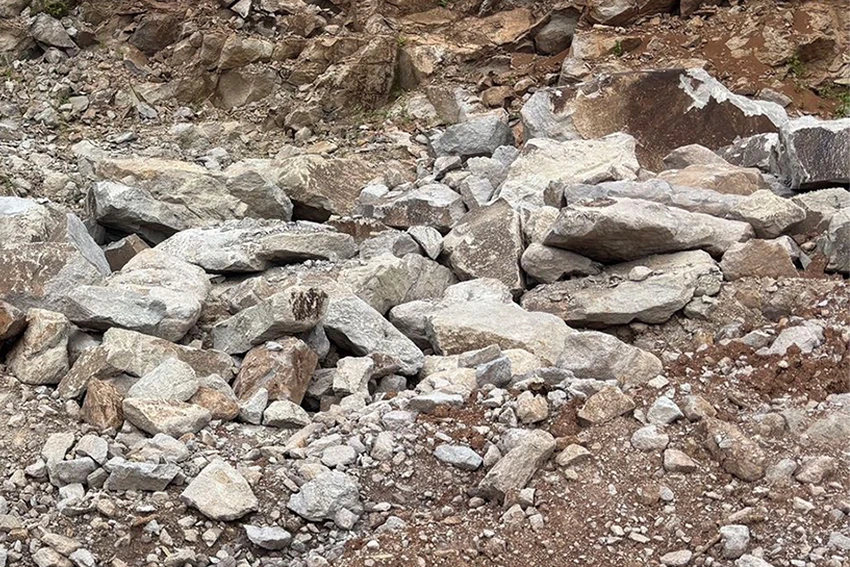
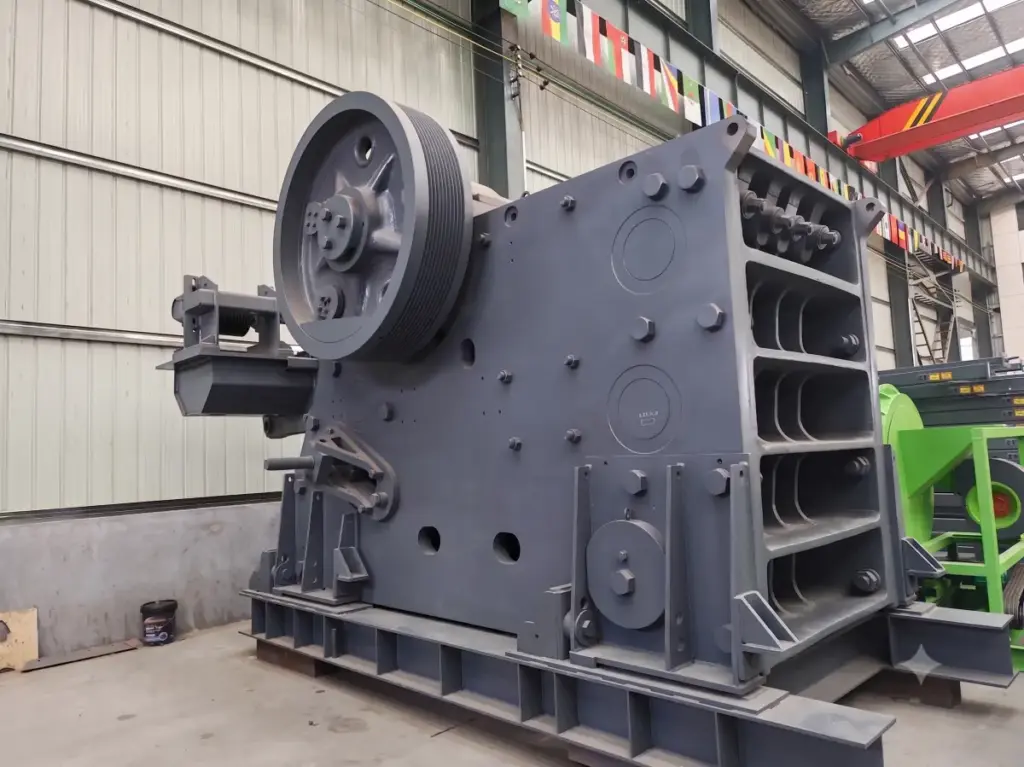
Granite is hard and abrasive, so the crushing setup must balance production capacity, product size, and wear part costs. A jaw crusher followed by a cone crusher is a common configuration for granite aggregate plants, with screening to control the final product sizes.
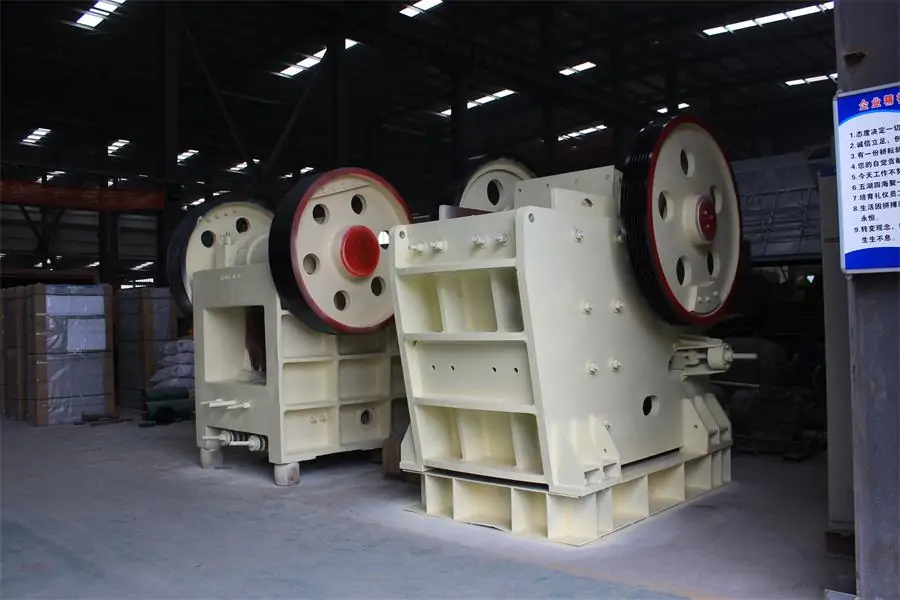
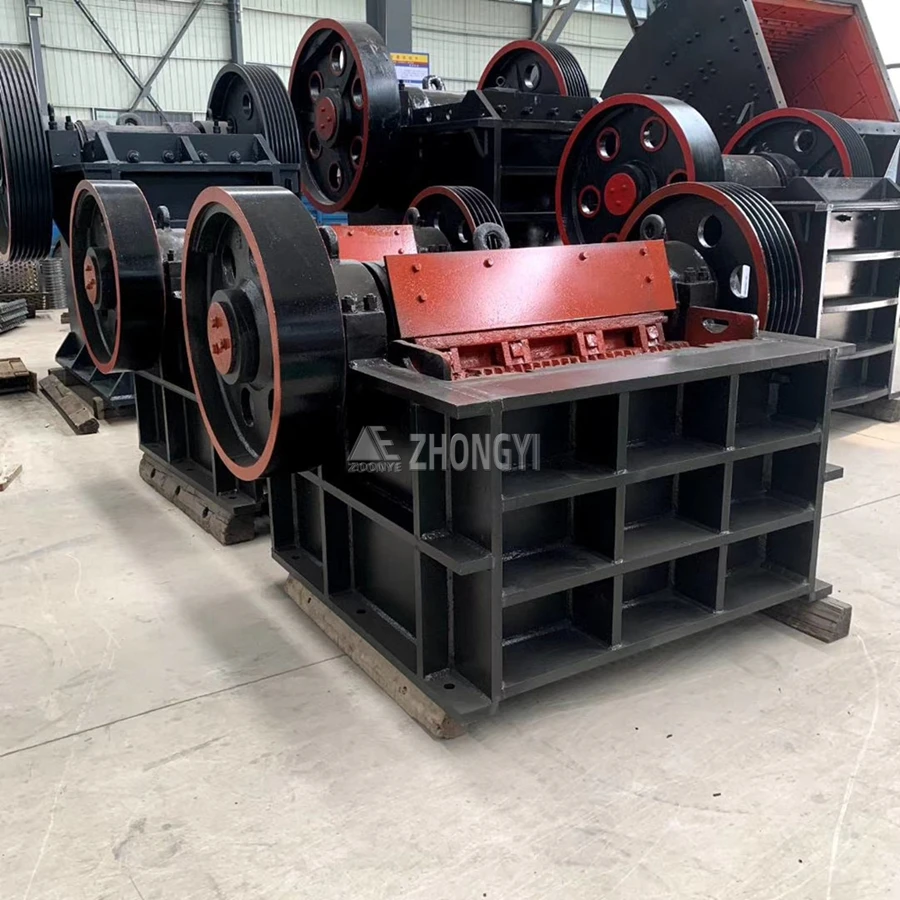
Primary Crushing — Jaw Crusher
A jaw crusher handles large pieces of blasted granite in the primary crushing stage. The feed opening must accommodate the largest rocks, and the maximum feed size must stay within the manufacturer’s limits.
Consistent feeding helps maintain throughput. The discharge setting determines the size of the material entering the secondary crusher; a tighter setting produces smaller material but can reduce capacity. It should be matched to the downstream crusher and required output.
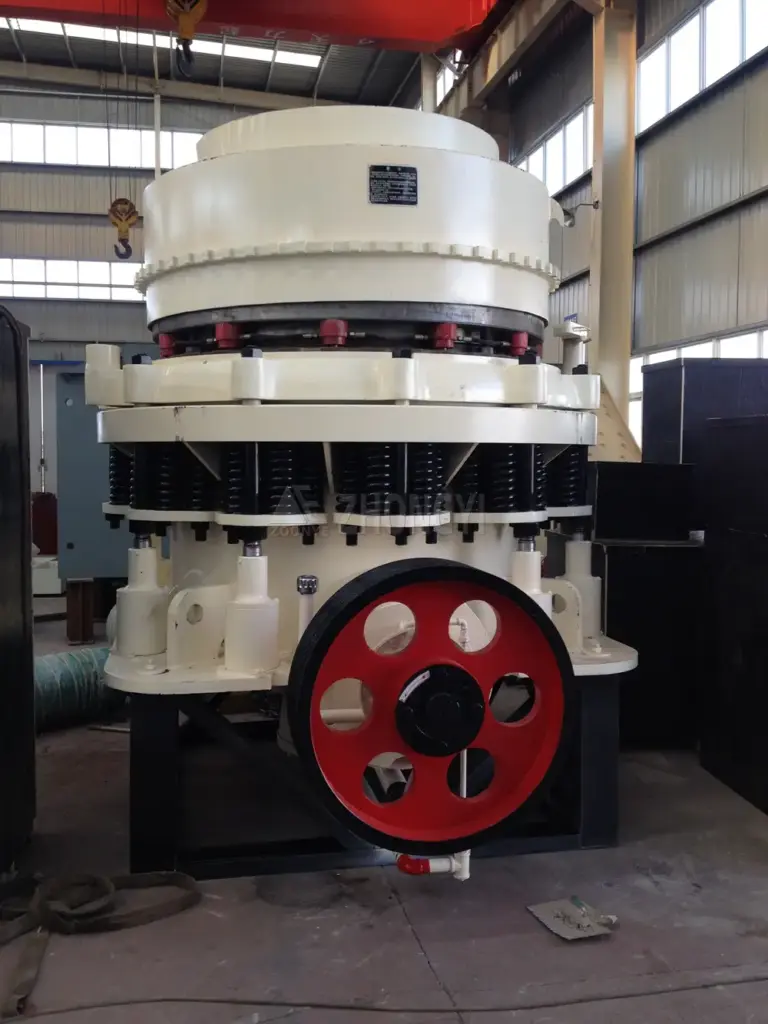
Secondary and Tertiary Crushing — Cone Crusher
A cone crusher is generally suitable for secondary crushing of abrasive granite because it reduces rock through compression. The crushing chamber should match the feed size and target product.
In a closed-circuit setup, a vibrating screen separates correctly sized aggregate and returns oversize material for further crushing. The discharge setting, screen opening, and circulating load all affect product gradation and throughput, so they need to be considered together.
When Is Additional Shaping Equipment Needed?
A cone crusher does not guarantee that the finished aggregate will meet every particle-shape specification. For high-specification concrete, asphalt, or manufactured sand, a vertical shaft impact (VSI) crusher may be added to improve particle shape or produce finer material. Whether it is needed depends on the required grading, particle shape, fines content, and operating cost.
Typical granite crushing configuration: Jaw Crusher + Cone Crusher + Vibrating Screen. Add a VSI crusher only when the finished product requirements justify the extra stage.
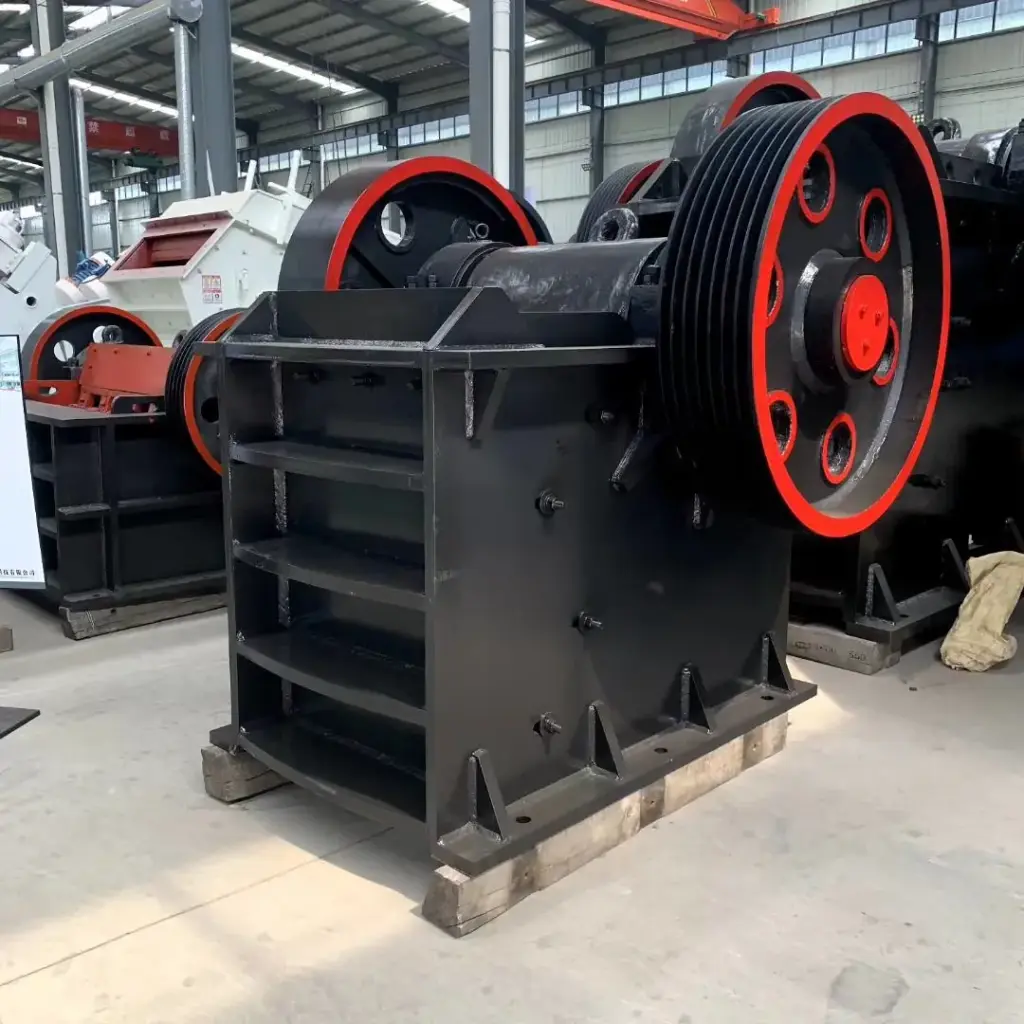
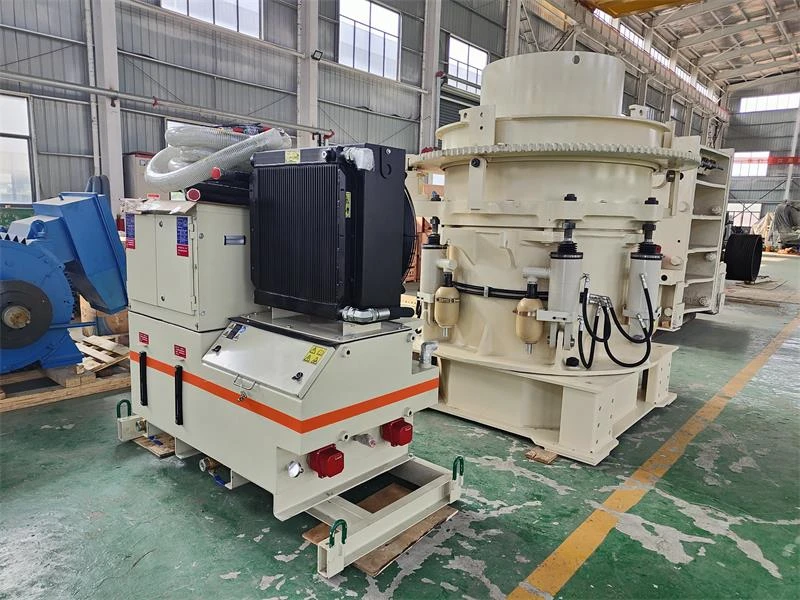
Best Stone Crusher for Basalt
Basalt is strong and often abrasive, so selecting the best stone crusher for basalt requires matching feed size, production capacity, and wear resistance to the actual rock properties. For many aggregate plants, a jaw crusher followed by a cone crusher is a practical configuration.
Primary Crushing — Heavy-Duty Jaw Crusher
A jaw crusher handles large pieces of blasted basalt during primary crushing. Its feed opening must accommodate the maximum rock size, and its structure and capacity must suit the production target. Motor power alone is not enough to determine whether a crusher is suitable.
The discharge setting should also match the downstream cone crusher and required output. Consistent feeding helps maintain stable throughput and avoid sudden load changes.
Secondary Crushing — Cone Crusher for Hard, Abrasive Basalt
A cone crusher is commonly used for secondary crushing because compression crushing suits hard, abrasive basalt. The crushing chamber, liner material, feed size, and discharge setting all affect throughput, wear-part life, and product gradation.
Correct chamber selection and even feeding help reduce unnecessary wear and maintain stable operation. The choice should reflect the basalt’s abrasiveness and the plant’s production requirements.
How to Improve Basalt Aggregate Shape and Gradation?
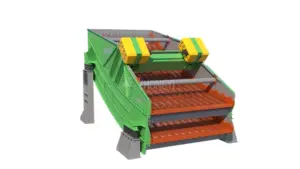
A vibrating screen separates crushed basalt into the required size fractions. In a closed-circuit setup, oversize material returns to the crusher for further reduction. Screen openings, discharge settings, and circulating load should be coordinated to achieve the target gradation.
If stricter particle-shape requirements apply, a vertical shaft impact (VSI) crusher can provide additional shaping. Its use depends on the finished aggregate specifications and operating costs.
Typical configuration: Jaw Crusher + Cone Crusher + Vibrating Screen, with a VSI crusher added when required.
Best Stone Crusher for Limestone
Limestone is generally less abrasive than granite or basalt, making an impact crusher a common choice for aggregate production. The best stone crusher for limestone depends on feed size, required capacity, rock abrasiveness, and finished aggregate specifications. A jaw crusher followed by an impact crusher suits many projects, while a heavy-duty impact crusher may reduce the number of crushing stages when feed conditions and product requirements allow.
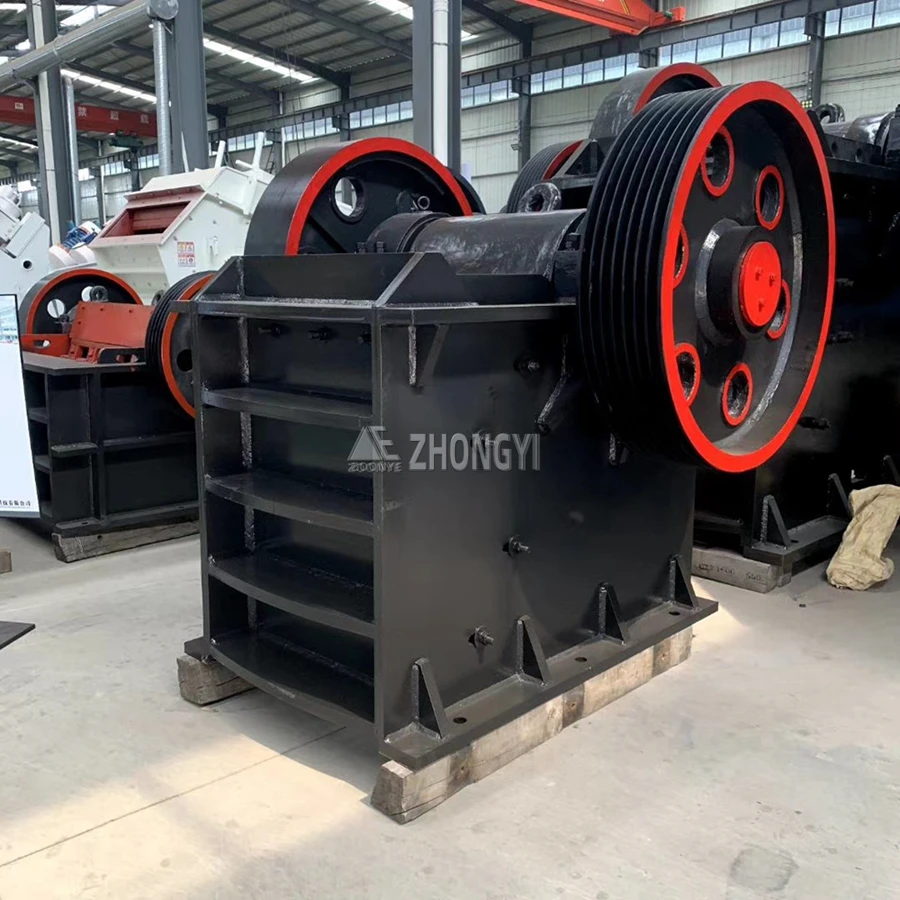
Primary Crushing — Jaw Crusher
A jaw crusher reduces large limestone blocks to a manageable size for secondary crushing. The feed opening must accommodate the largest rocks, and the machine’s capacity should match the planned throughput. Consistent feeding helps maintain stable production and prevents downstream equipment from being overloaded.
For plants with different feed sizes or production targets, other primary crushing options may also be considered. The choice should account for the entire process, including secondary crushing and screening.
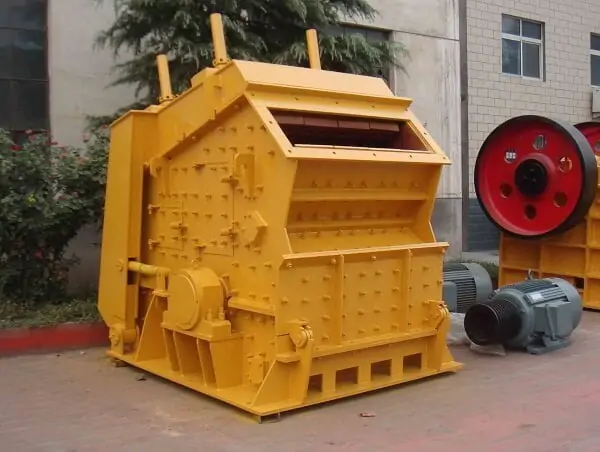
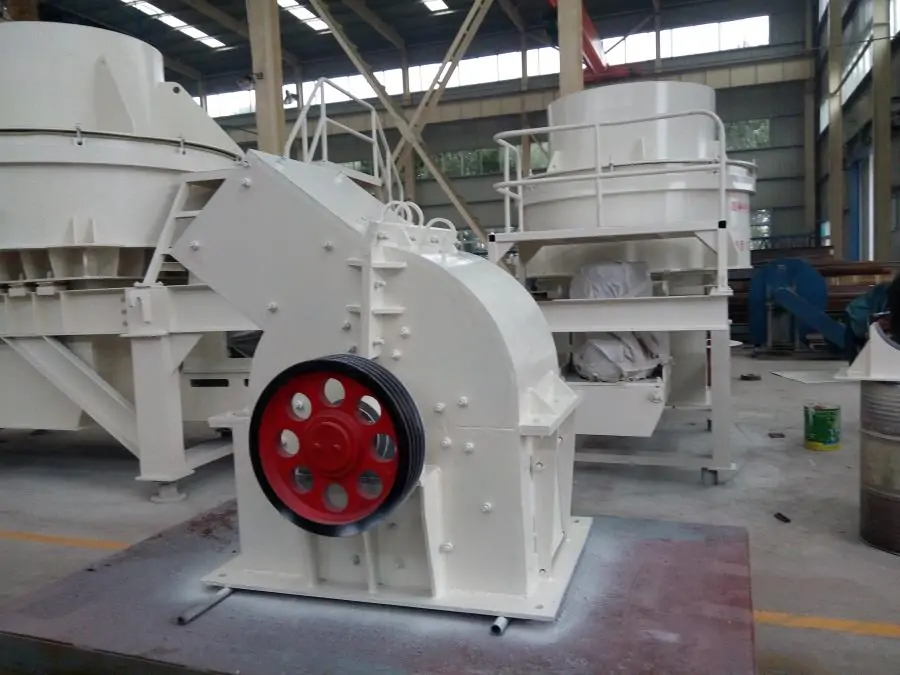
Secondary Crushing — Impact Crusher
An impact crusher breaks limestone through high-speed impact between the blow bars and impact plates. For less abrasive material, it offers a high reduction ratio and can produce cubical aggregate, making it suitable for many road construction and concrete aggregate applications.
Wear on the blow bars and impact plates depends on silica content, rock abrasiveness, feed size, and operating conditions. If the limestone contains substantial abrasive minerals, frequent wear-part replacement may increase maintenance costs and downtime. These factors should be assessed before choosing an impact crusher.
When Should You Consider a Cone Crusher Instead?
A cone crusher is worth evaluating when limestone contains abrasive silica, impact-crusher wear is excessive, or the required production process favors compression crushing. Compare expected wear costs, capacity, and finished product requirements before deciding between the two types.
Typical limestone crushing line: Jaw Crusher + Impact Crusher + Vibrating Screen. For more abrasive limestone, evaluate a cone crusher as an alternative to the impact crusher.
Jaw Crusher vs Cone Crusher vs Impact Crusher
Jaw crushers are used for primary crushing, cone crushers for secondary crushing of hard, abrasive rock, and impact crushers for less abrasive materials requiring good particle shape. The best choice depends on rock properties, feed size, and finished aggregate requirements.
| Comparison factor | Jaw crusher | Cone crusher | Impact crusher |
| Main role | Primary crushing | Secondary and tertiary crushing | Secondary crushing |
| Crushing action | Compression | Compression | High-speed impact |
| Typical material fit | Large feed, including hard rock | Medium- to hard, abrasive rock | Less abrasive rock with suitable strength |
| Main wear parts | Jaw plates | Mantle and concave liners | Blow bars and impact plates |
| Typical application | Granite, basalt, limestone | Granite and basalt | Limestone |
| Key selection check | Feed opening and capacity | Chamber, feed size, and wear | Abrasiveness and blow-bar wear |
When comparing best stone crusher, consider more than purchase price or rated capacity. Actual output depends on feed size, discharge setting, crushing chamber, material properties, screening efficiency, and circulating load. These factors affect production stability, finished aggregate quality, and operating costs.
For a more detailed comparison of crushing principles, applications, and equipment selection, see [Jaw Crusher vs Cone Crusher vs Impact Crusher].

How to Choose the Right Stone Crushing Plant Configuration?
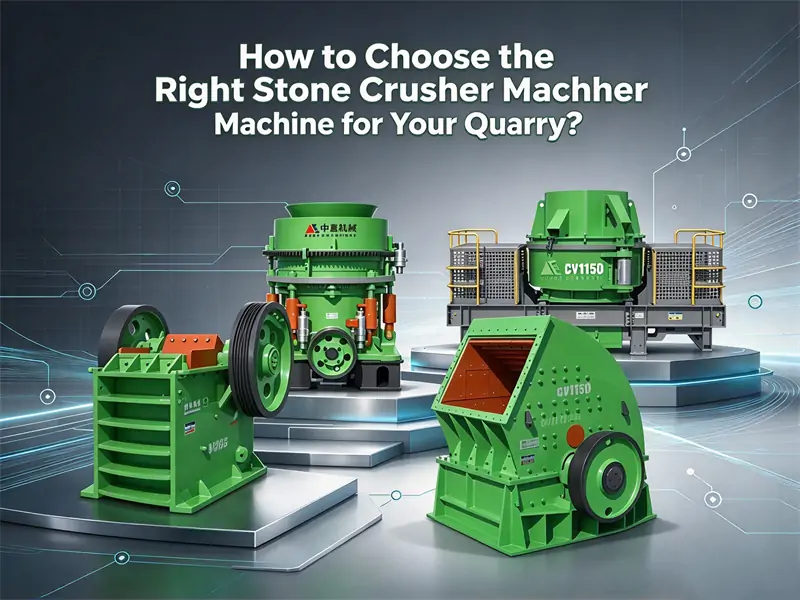
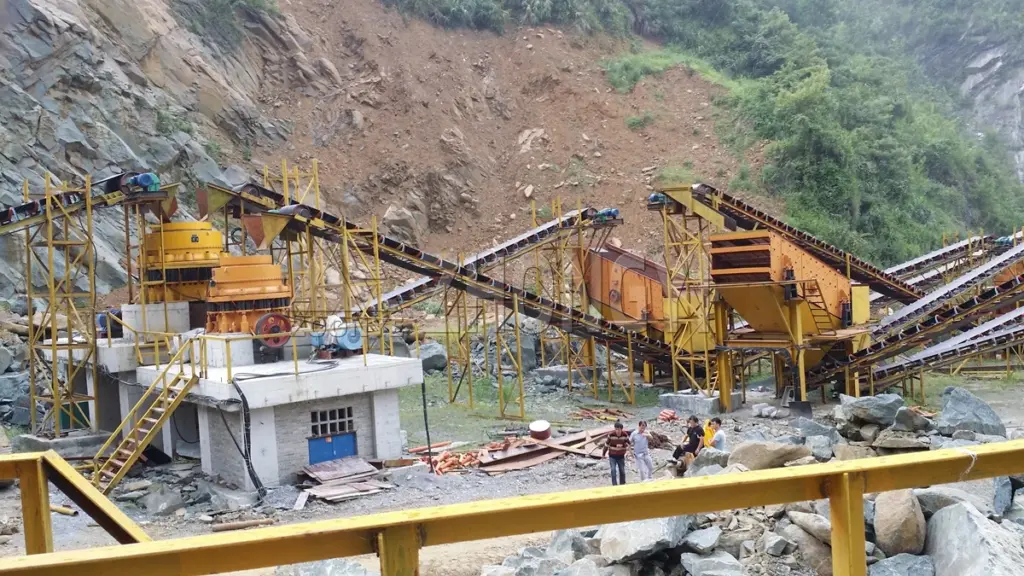
The right stone crushing plant configuration depends on rock properties, feed size, required output, and finished aggregate specifications. These factors determine the best stone crusher combination, screening capacity, and whether a stationary or mobile plant is more suitable.For a more detailed equipment selection process, see How to Choose the Right Stone Crusher Machine for Your Quarry.
Match Crusher Capacity to Required Output
Rated crusher capacity does not equal finished aggregate output. Screening efficiency, circulating load, uneven feeding, and downtime all affect actual production.
For example, a plant targeting 200 t/h of saleable aggregate across several size grades must account for the required output of each grade and material returning for recrushing. The crushers, screens, and conveyors must handle this workload to meet the production target.
Define Feed Size and Final Product Gradation
Confirm the maximum feed size, feed-size distribution, target product sizes, and required output of each grade before selecting equipment. These parameters determine the number of crushing stages, best stone crusher settings, and screen openings. If the plant also produces manufactured sand, an additional sand-making or shaping stage may be needed.
Compare Stationary and Mobile Crushing Plants
- Stationary crushing plant: Suits long-term quarry production with a stable site layout.
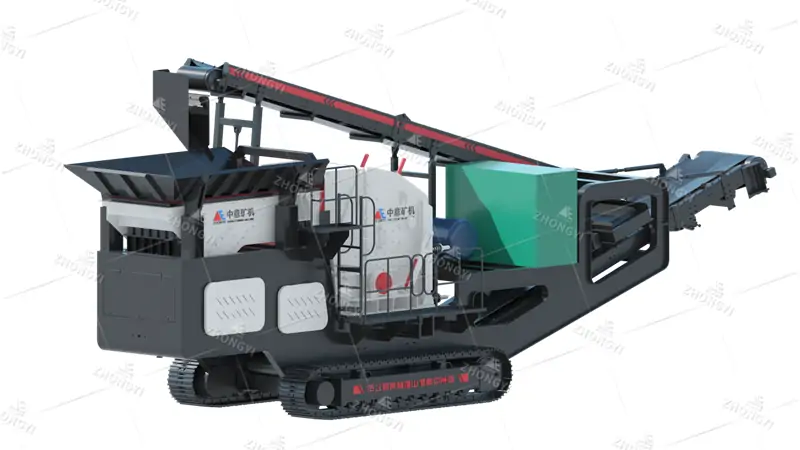
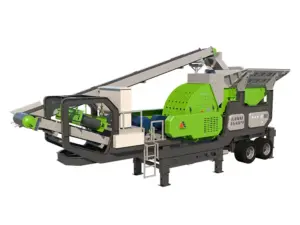
- Mobile crushing plant: Suits changing worksites, scattered projects, or on-site material processing.
Compare production requirements, relocation costs, site conditions, installation needs, and maintenance access before choosing either option.
Evaluate Total Operating Cost, Not Just Purchase Price
Include wear parts, electricity or fuel, labor, maintenance, and downtime in the cost comparison. Screening, conveying, installation, foundations, electrical systems, and spare-parts supply also affect long-term operating costs.
Start with the required aggregate sizes and output, then determine the crushing stages, screening system, and supporting equipment.For guidance on estimating the required output and matching equipment to your production targets, read [How Much Capacity Do You Need for a Crushing Plant?].
What Should You Check Before Buying a Stone Crusher?
Choosing the best stone crusher starts with the rock properties, production target, and finished aggregate requirements. Before comparing prices, check the following points:
- Material properties: Confirm rock type, compressive strength, abrasiveness, moisture content, and variations in the feed. Granite, basalt, and limestone can have different wear characteristics depending on their composition.
- Production requirements: Define the target throughput, expected saleable output, finished product sizes, and proportion of each grade. Rated capacity does not necessarily equal finished aggregate output.
- Equipment specifications: Check maximum feed size, discharge-setting range, wear-part specifications, and maintenance access. Ask how the rated capacity was measured and under what operating conditions.
- Supplier support: Request the proposed equipment configuration, process-flow diagram, layout and foundation drawings, spare-parts list, and expected parts lead times. Confirm the scope of installation, commissioning, training, and technical support in writing.
- Testing and verification: Where possible, test representative material and review comparable installations before placing the order.
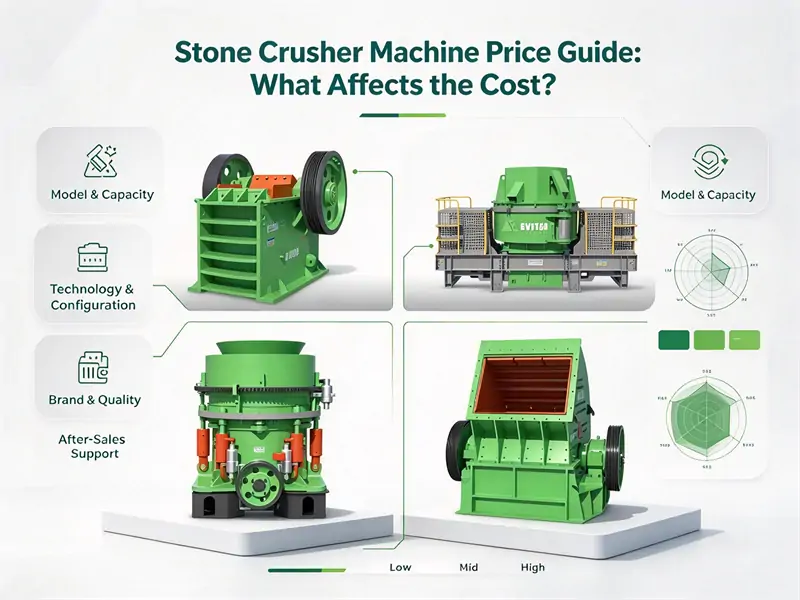
When choosing a best stone crusher for granite, basalt, or limestone, base the final decision on actual material properties, product specifications, and expected operating costs—not just the rock name or the lowest purchase price.To understand the main cost factors before comparing quotations, read Stone Crusher Machine Price Guide: What Affects the Cost?.
Conclusion
Choosing the best stone crusher for your project requires more than identifying the rock type. Consider material properties, feed size, required capacity, finished aggregate specifications, and operating costs before finalizing the equipment configuration.
At Zhengzhou Zhongyi Mining Machinery Co., Ltd., we provide stone crushing equipment and plant configuration support for quarry and aggregate projects. Share your rock type, feed size, required capacity, and target product sizes with our team. We can help assess a suitable crushing process and equipment combination for your operating conditions. Contact us to discuss your stone crushing project and request a configuration recommendation.
Individuelle Lösung anfordern
Work with Zhongyi Mining to choose the best stone crusher for granite, basalt, or limestone based on your material properties, production capacity, and finished aggregate requirements, with a suitable crushing process for your project.
FAQ
What Is the Best Stone Crusher for Granite?
A jaw crusher is commonly used for primary crushing of granite, followed by a cone crusher for secondary crushing. This combination suits many hard-rock quarry applications. If the project requires better particle shape or manufactured sand, a VSI crusher may be added. The final configuration depends on feed size, target capacity, finished aggregate specifications, and acceptable wear-part costs.
What Is the Best Stone Crusher for Basalt?
A jaw crusher followed by a cone crusher is a common choice for basalt because of its hardness and abrasive nature. A vibrating screen separates the crushed material into the required sizes, while a VSI crusher may be considered for additional shaping or sand production. Equipment selection should account for actual rock properties, feed size, target output, and expected wear-part consumption.
Which Stone Crusher Is Best for Limestone?
A jaw crusher followed by an impact crusher is commonly used for limestone when the material has relatively low abrasiveness and good particle shape is required. A cone crusher may be considered if the feed is more abrasive or operating conditions favor compression crushing. The decision should be based on material properties, required product sizes, expected wear, and total operating cost.
Can One Stone Crusher Handle Granite, Basalt, and Limestone?
A stone crusher may process different rock types if their feed sizes and material properties fall within its operating limits. However, granite, basalt, and limestone can produce different capacities, wear rates, and product results in the same machine. For plants handling multiple materials, evaluate the most demanding feed conditions and confirm that the crusher and downstream equipment can meet each product requirement.
Should I Choose a Jaw Crusher, Cone Crusher, or Impact Crusher?
Jaw crushers are commonly used for primary crushing, cone crushers for secondary crushing of hard, abrasive rock, and impact crushers for materials where particle shape is a priority. The right stone crusher depends on rock properties, feed size, required reduction, and final aggregate specifications. For many quarry projects, a combination of crushers is more practical than relying on one machine for every crushing stage.
How Do I Choose the Right Best Stone Crusher Capacity?
Start with the required saleable output per hour and the proportion of each finished aggregate size. Then consider feed size, material hardness, screening efficiency, circulating load, and planned operating hours. The entire crushing plant, including screens and conveyors, must support the target production. Ask suppliers to clarify the conditions behind their rated capacity and whether the proposed configuration can meet your output requirements.
How Can I Reduce Stone Crusher Wear-Part Costs?
Choose a stone crusher suited to the material’s hardness and abrasiveness, and operate it within the recommended feed and discharge settings. Stable feeding, suitable screening, and timely maintenance can help reduce unnecessary wear and downtime. When comparing equipment, consider wear-part prices, expected service life, replacement frequency, and maintenance access. For granite and basalt, these factors can significantly affect long-term production costs.
What Affects the Cost of a Stone Crushing Plant?
The cost of a stone crushing plant depends on the required capacity, rock type, feed size, number of crushing stages, screening system, and finished product specifications. Installation, foundations, electrical systems, conveyors, and other supporting equipment also affect the total project cost. When comparing quotations, check whether they cover the same equipment scope and services. A lower initial price does not necessarily mean a lower overall operating cost.