











Pendahuluan
When selecting a crushing machine for a quarry, aggregate plant, or recycling project, buyers first need to assess whether their feed material is suitable for impact crushing. A crusher that performs well with one material may experience higher wear, lower throughput, or changes in product gradation when processing another. Material selection therefore needs to account for differences in mineral composition, hardness, abrasiveness, and moisture content.
So, what materials are suitable for impact crushers? Common impact crusher materials include limestone, dolomite, suitable sandstone, gypsum, concrete rubble, reclaimed asphalt, and coal. However, material type alone does not determine suitability. Hardness, abrasiveness, moisture content, and feed size all influence crushing performance, wear-part consumption, and operating costs. The following sections explain how impact crushers work and how these material properties affect their performance.
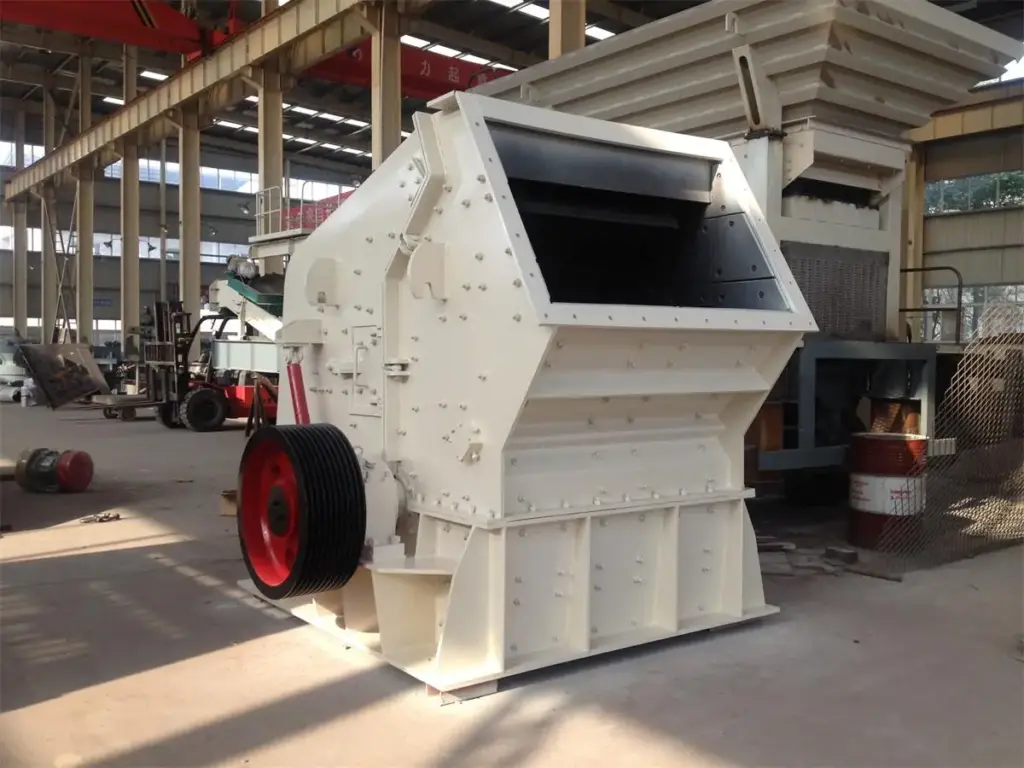
Apa Itu Impact Crusher?
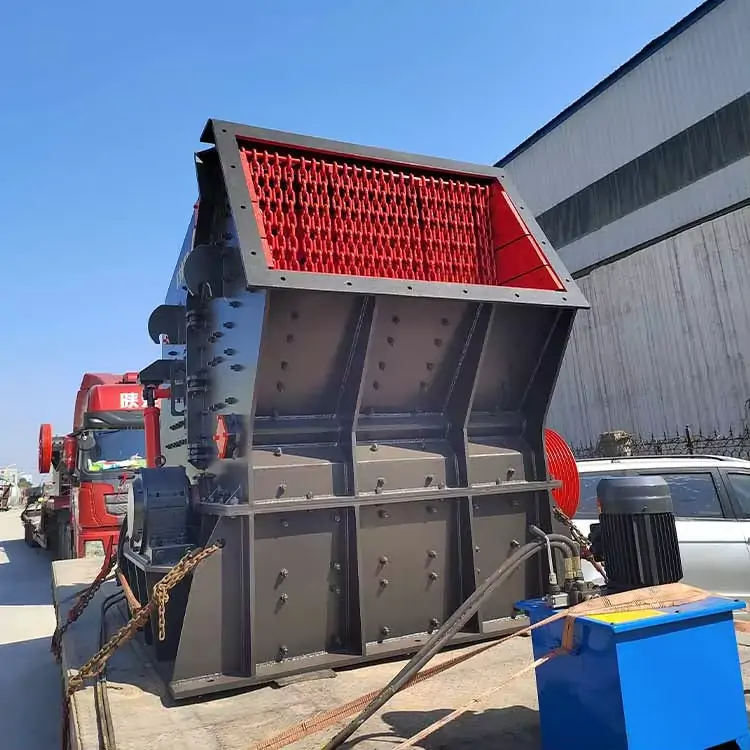
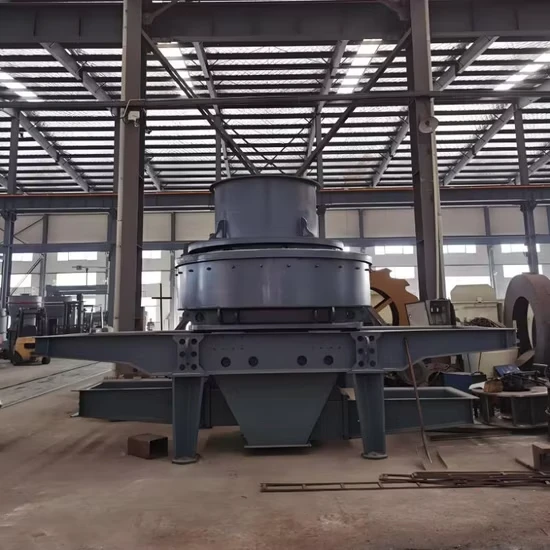
An impact crusher reduces material size through high-speed impact rather than relying mainly on compression. Different impact crusher designs use different rotor arrangements and crushing mechanisms. Two common types are horizontal shaft impact (HSI) crushers and vertical shaft impact (VSI) crushers. HSI crushers use a horizontal rotor, while VSI crushers use a vertical rotor to accelerate material before impact. These structural differences affect their crushing applications, material requirements, and wear characteristics.
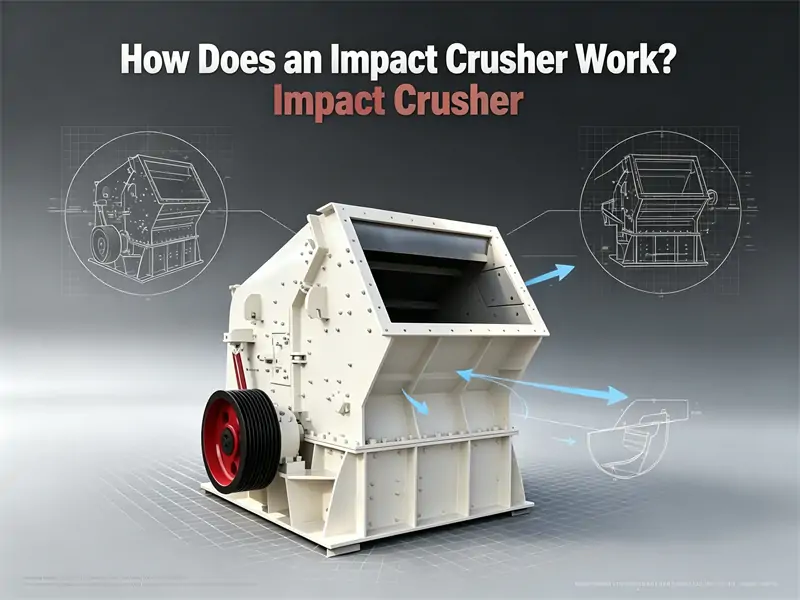
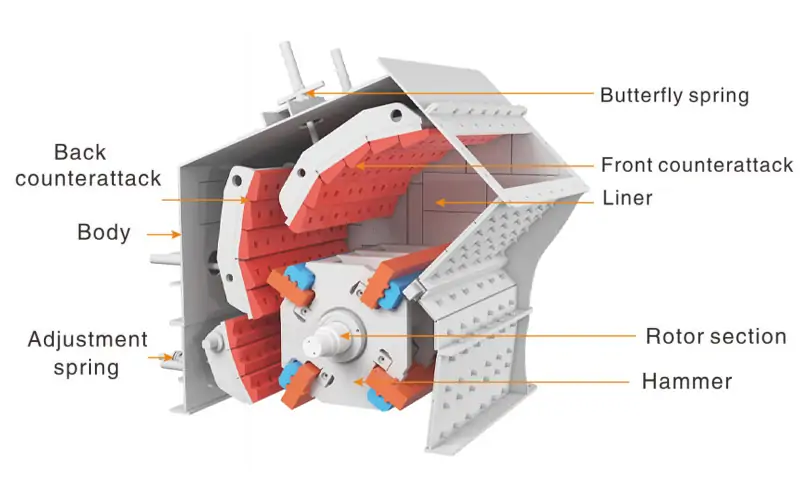
In an HSI crusher, feed material enters the crushing chamber and is struck by blow bars mounted on the rotating rotor. The material is then accelerated toward impact plates, where further breakage occurs. As it rebounds through the chamber, it may be struck again by the rotor or collide with other particles. Impact plate settings influence the reduction process, while screening and recirculation of oversized material depend on the production line configuration. VSI crushers use a different impact mechanism, in which material accelerated by the vertical rotor breaks against other particles or crushing surfaces, depending on the machine design.
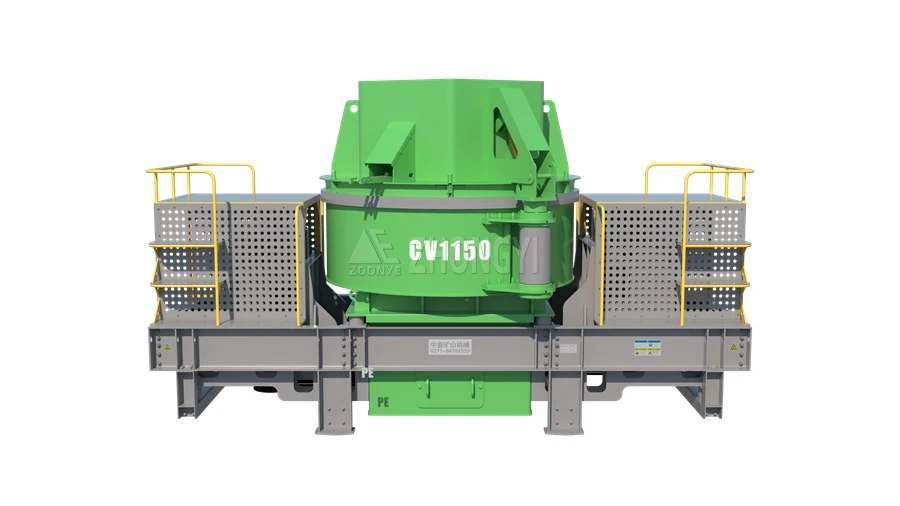
Itu Penghancur Dampak Poros Vertikal (Penghancur VSI) product page provides a specific example of a vertical-rotor design for comparison.
The impact crusher working principle helps explain why feed characteristics matter. Materials respond differently to impact depending on their hardness, brittleness, and internal structure. Abrasiveness and moisture content also affect crushing performance, material flow, and wear-part consumption. These factors help determine whether a material can be processed consistently and economically in a particular impact crusher.
For a closer look at the impact sequence and main components, read Bagaimana Cara Kerja Impact Crusher?
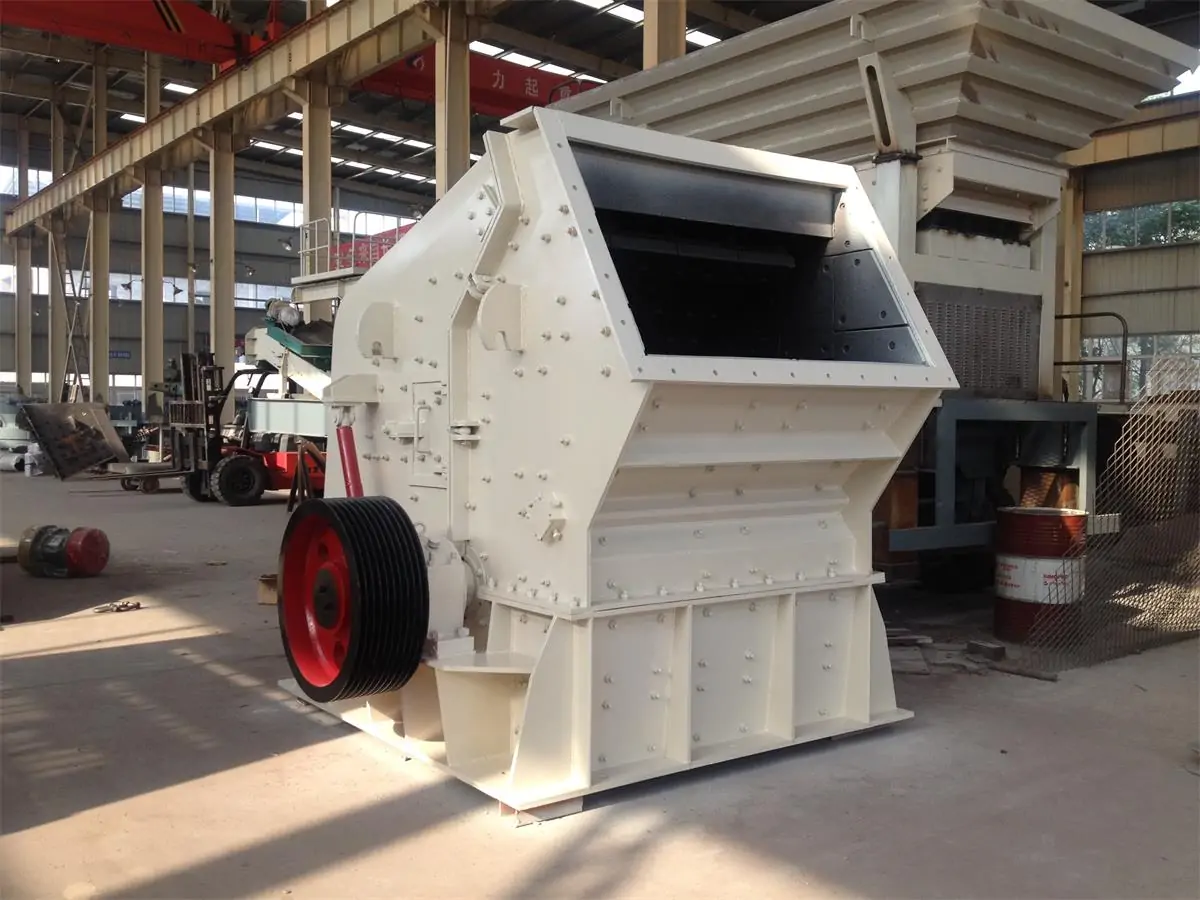
What Types of Materials Are Suitable for Impact Crushers?
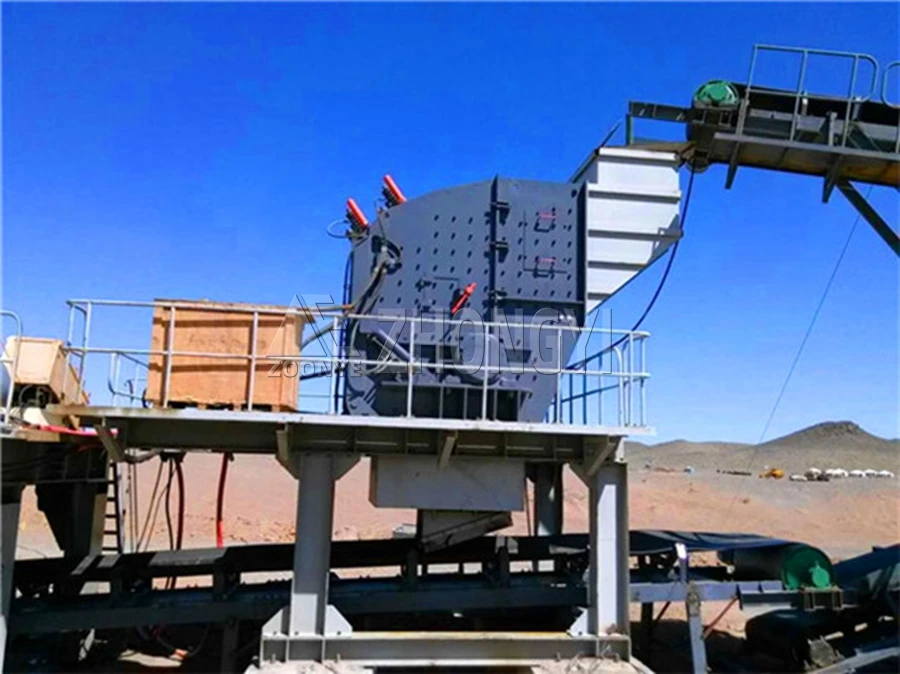
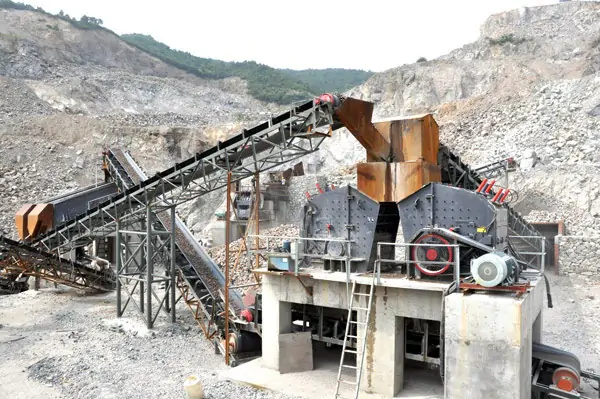
Impact crushers are used to process a range of natural rocks, construction waste, and industrial materials. Common impact crusher materials include limestone, dolomite, sandstone, gypsum, concrete rubble, reclaimed asphalt, and coal. Hardness, abrasiveness, feed condition, and target product size determine how well these materials perform in an impact crushing application. The following materials are commonly considered for impact crushing applications.
Soft to Medium-Hard Natural Rocks
Several natural rocks are commonly processed by impact crushers, particularly in aggregate production and building material manufacturing. Their properties and typical applications differ:
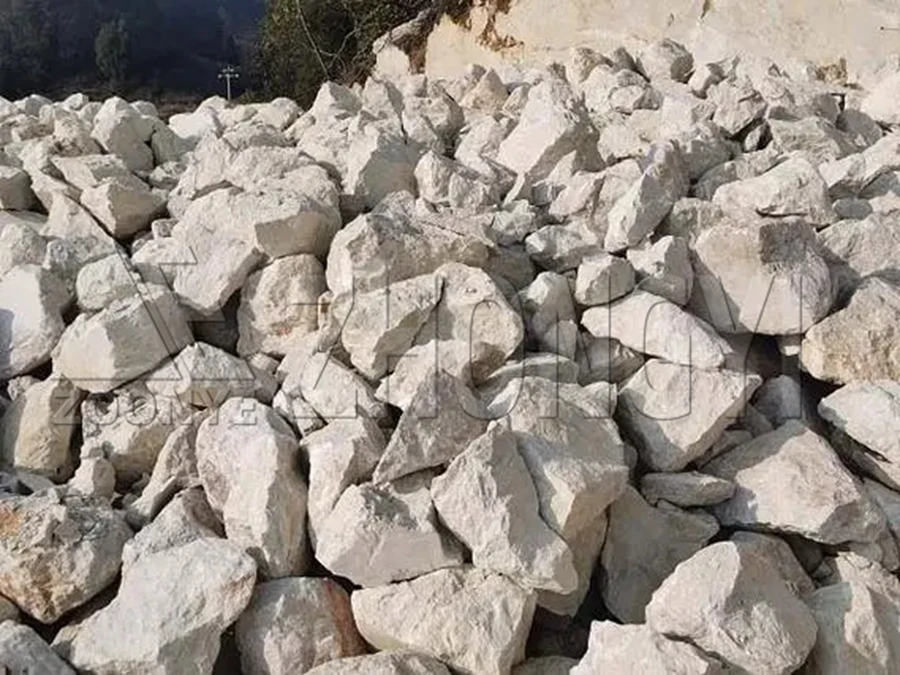
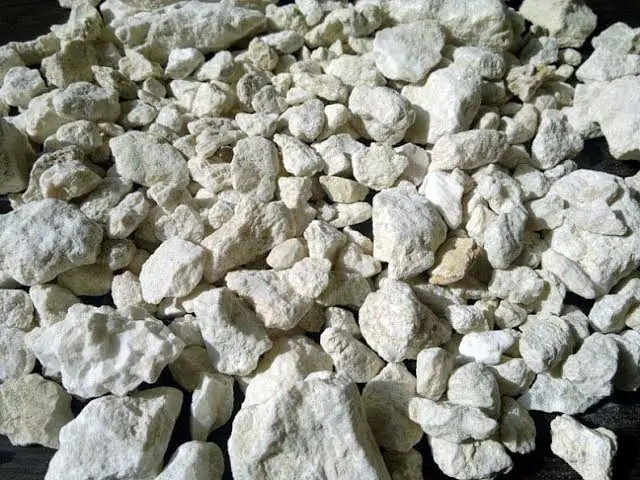
- Limestone: Widely used for road aggregates, concrete production, and cement manufacturing. Impact crushing can reduce limestone feed size and produce aggregates with good particle shape, depending on the crusher configuration and operating conditions.
- Dolomite: Commonly processed into construction aggregates. Its mineral composition and abrasiveness should be evaluated when estimating wear on crushing components.
- Sandstone: Used in selected aggregate applications, but its properties vary with mineral composition and cementation. Quartz-rich sandstone and strongly cemented deposits can cause increased wear on crushing components.
- Gypsum: Relatively soft and brittle, making it suitable for size reduction in cement and gypsum-based building material production. Feed moisture and the required final particle size are important considerations.
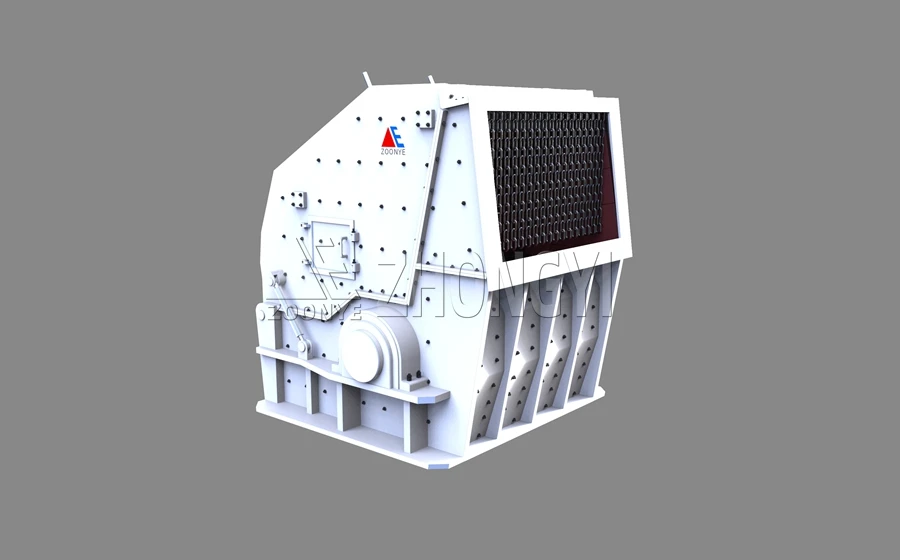
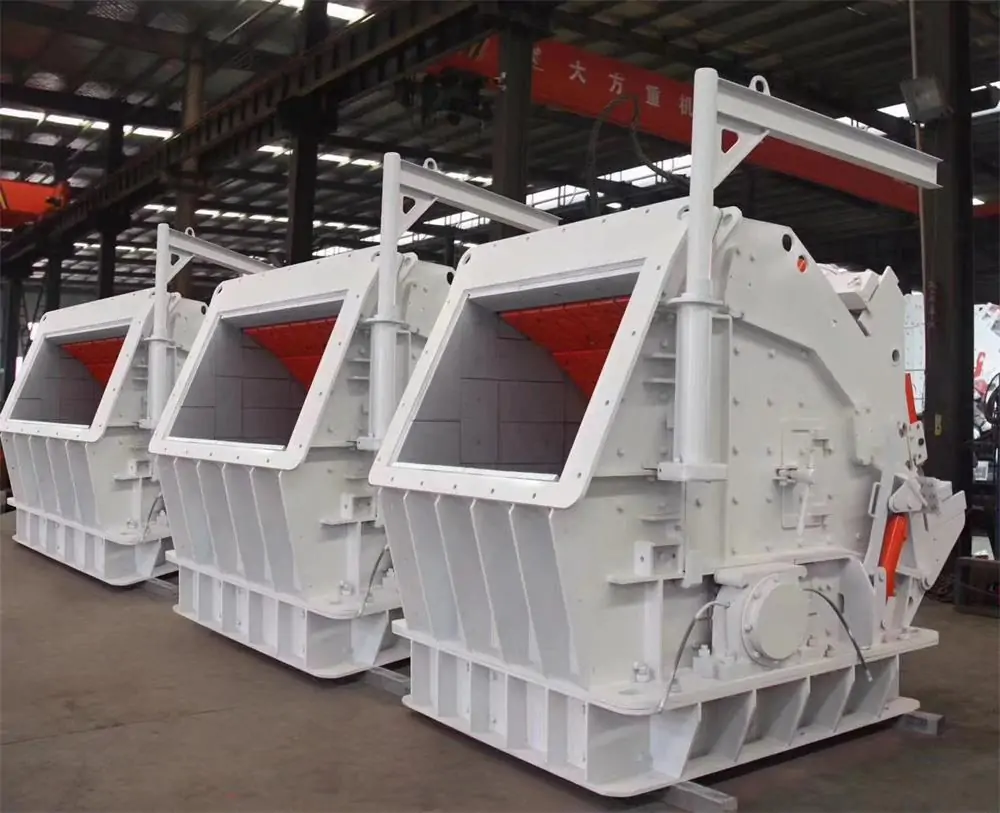
For a model-specific example of impact crushing for these materials, review the Impact Crusher Versi Eropa and compare its specifications with your feed conditions.
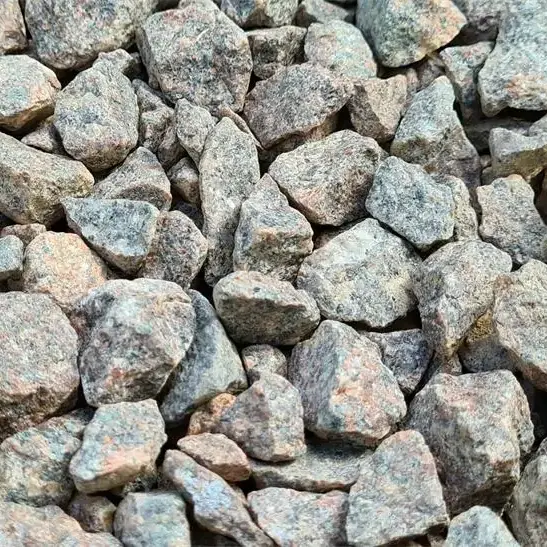
Construction and Demolition Waste
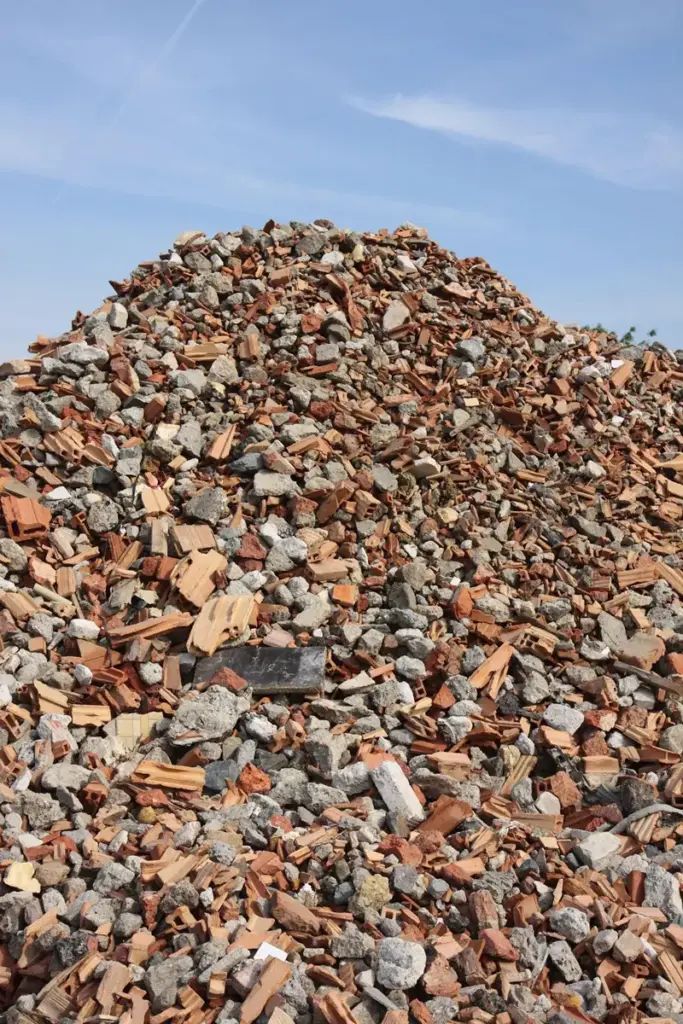
Impact crushers are used in construction and demolition waste processing to recover reusable materials from demolished buildings and roads. The main feed materials include:
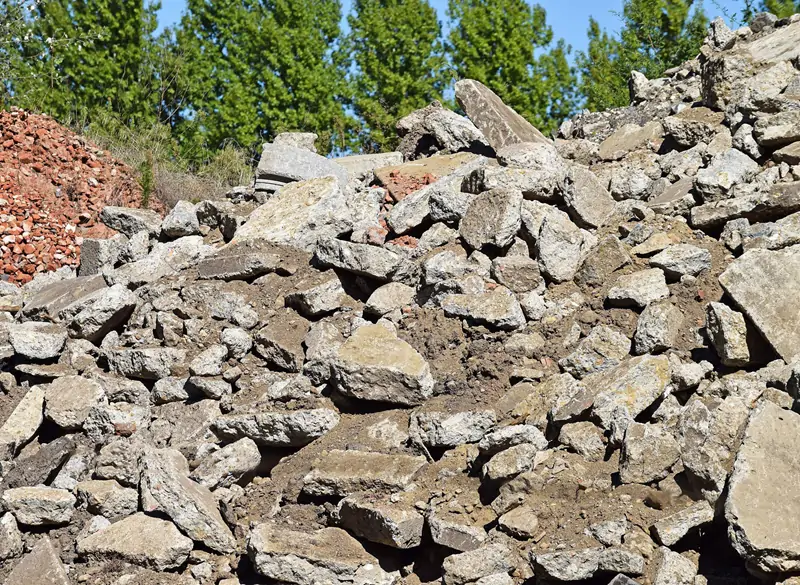
- Concrete Rubble: An impact crusher can process prepared concrete rubble into recycled aggregates for road base, subbase, and backfilling. Large or loose metal objects should be removed before crushing where required by equipment specifications. Some recycling lines can also process reinforced concrete within specified feed and rebar limits, with magnetic separation used after crushing to recover liberated steel. The allowable reinforcement size and metal-removal arrangement depend on the crusher and processing line.
- Reclaimed Asphalt Pavement (RAP): An impact crusher for asphalt can break suitable RAP chunks and agglomerations into smaller particles for subsequent recycling. Asphalt adhesion and material temperature can affect feeding and discharge, while excessive fines may affect the quality of the recovered material. Crushing alone does not ensure that RAP meets the specifications of a particular asphalt mixture.
- Bricks and Masonry: Waste bricks, concrete blocks, and similar demolition materials can be crushed into recycled aggregates for road construction, backfilling, and other suitable uses. Mixed demolition waste should be sorted to remove wood, plastic, plasterboard, and metal before processing.
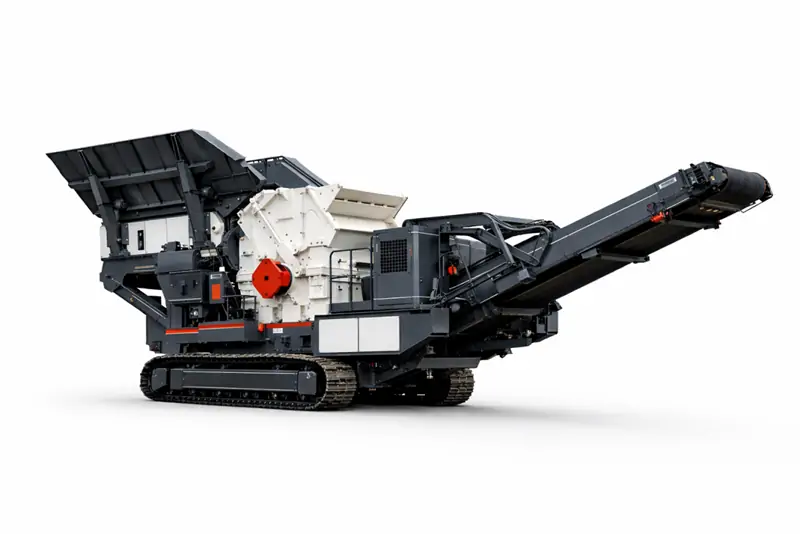
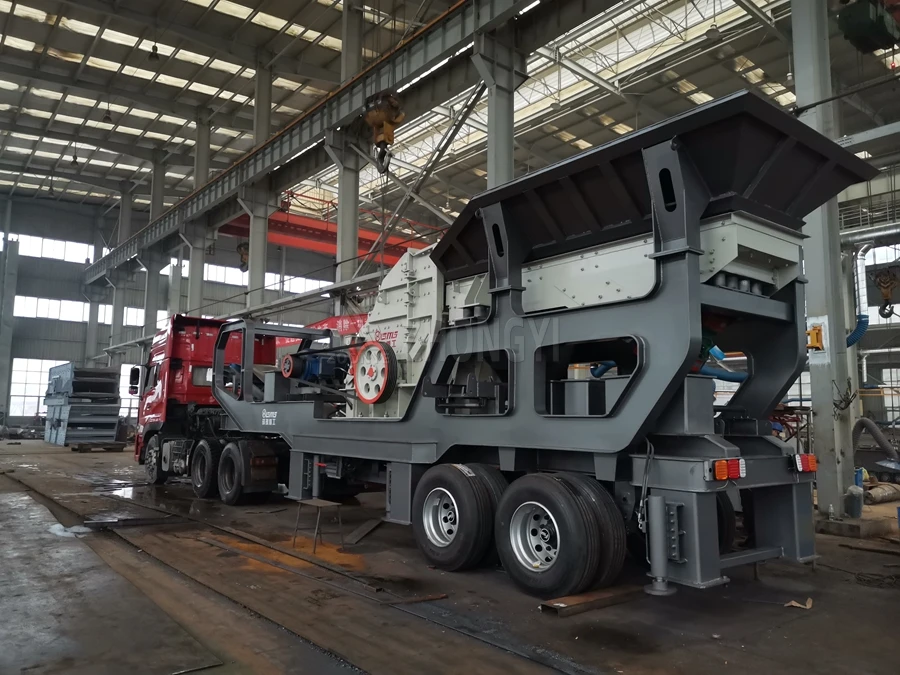
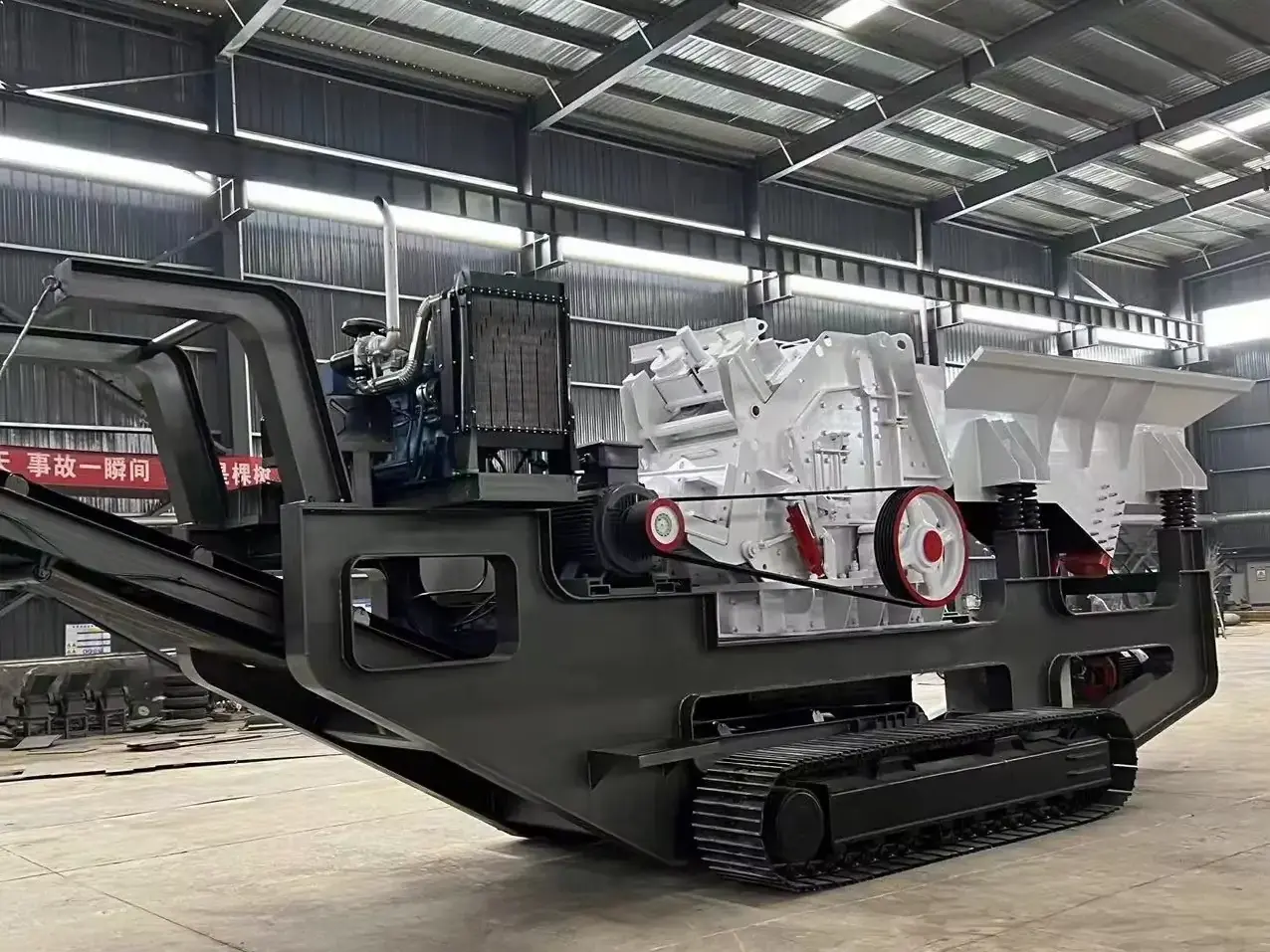
Where recycling equipment needs to move between stockpiles or project sites, the Impact Crusher Mobile provides a related configuration to evaluate.
For technical background on crushing, screening, and metal recovery, see FHWA’s archived Reclaimed Concrete Material – Material Description. Project specifications and the selected equipment’s reinforcement limits still need to be checked separately.
Coal and Selected Industrial Minerals
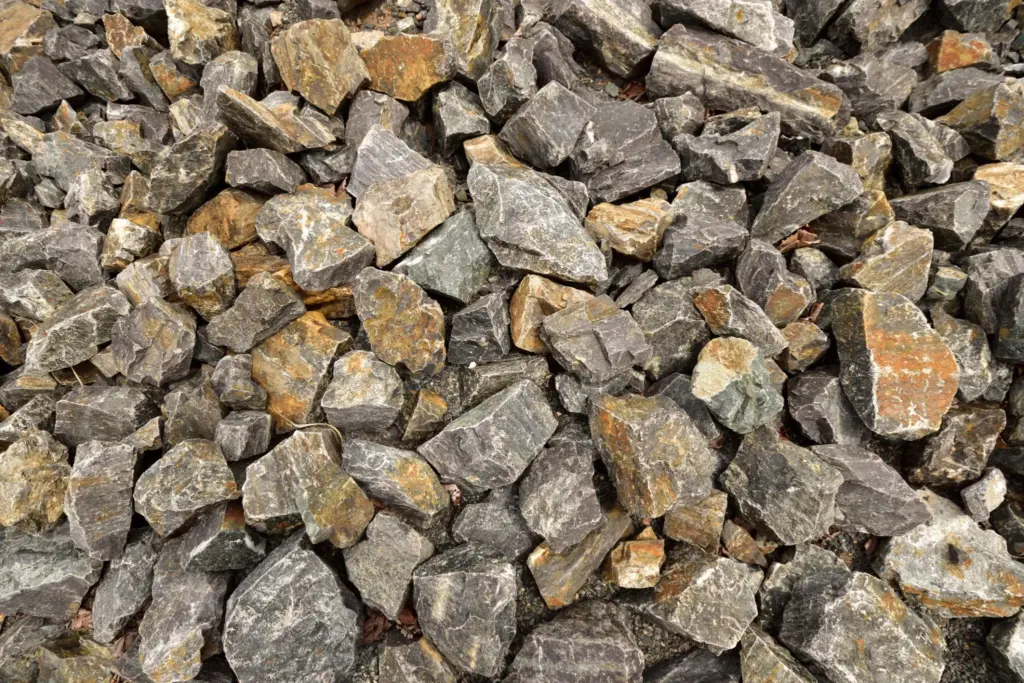
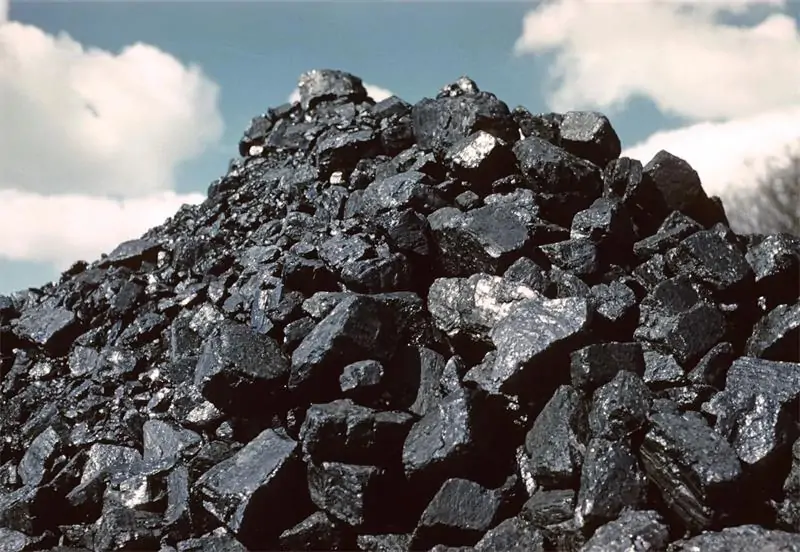
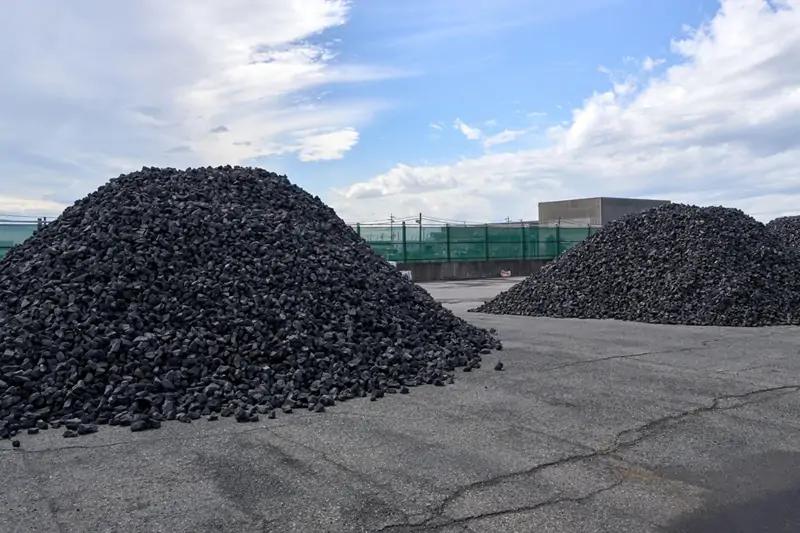
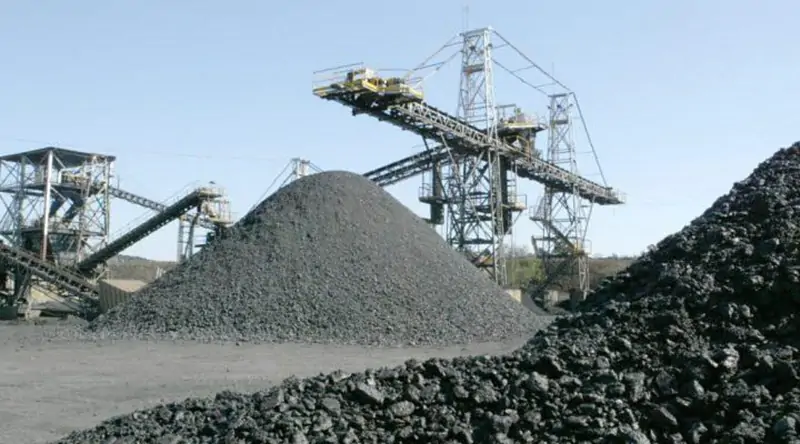
Coal can be processed by impact crushers in coal preparation and other industrial applications. Its relatively brittle structure makes it suitable for impact-based size reduction. However, coal type, moisture content, and the required product size affect the choice of crusher and operating configuration. Wet or sticky feed may also cause feeding and discharge problems.
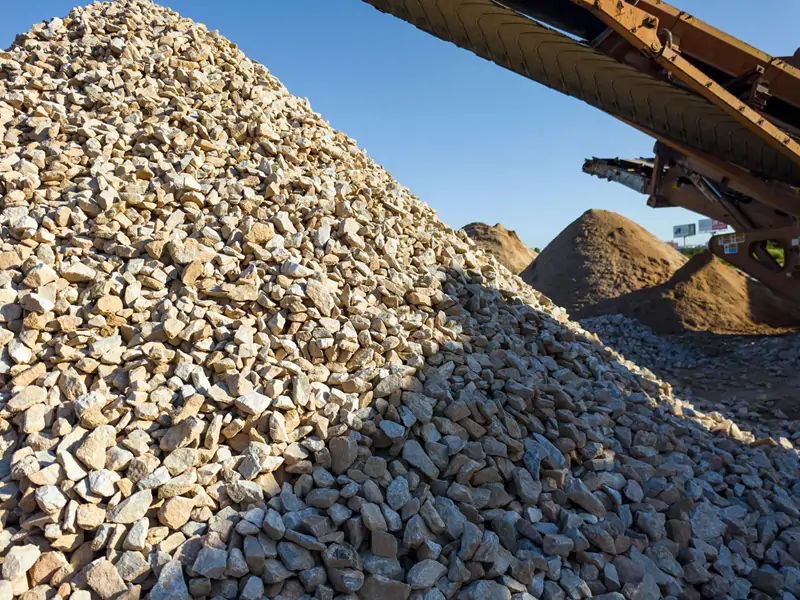
River pebbles and other hard rocks require careful evaluation before selecting an impact crusher. Their mineral composition, hardness, and abrasiveness vary, and quartz-rich materials can accelerate wear on crushing components, increasing operating costs. Buyers should consider rock composition, feed size, expected throughput, and wear cost. A material may be technically crushable but uneconomical for continuous production.
Material Suitability for Impact Crushers
The table below provides a quick reference for common feed materials and their main selection considerations.
| Materi | General Suitability | Main Selection Consideration |
|---|---|---|
| Batu Kapur | Generally Suitable | Rock strength, quartz content, abrasiveness, and feed size |
| Dolomit | Condition-dependent | Mineral composition and abrasiveness |
| Sandstone | Condition-dependent | Quartz content and cementation |
| Gypsum | Generally Suitable | Moisture and target particle size |
| Concrete rubble | Condition-dependent | Reinforcement and contamination |
| Reclaimed asphalt (RAP) | Condition-dependent | Asphalt adhesion and feed condition |
| Bricks and masonry | Condition-dependent | Mixed contaminants |
| Coal | Condition-dependent | Moisture and required product size |
| River pebbles | Condition-dependent | Mineral composition, quartz content, abrasiveness, and expected wear cost |
General suitability is an initial reference, not a performance guarantee. Final equipment selection should account for actual material properties, feed conditions, crusher specifications, wear-part consumption, and production requirements.
Impact Crusher Applications Across Different Industries
Impact crushers serve different roles in aggregate production, recycling, and cement processing. Their configuration depends on the required product size, particle shape, and downstream process requirements.
Quarrying and Aggregate Production
Impact crushers reduce selected quarry materials into graded aggregates for road base, concrete, and asphalt. Crusher configuration and operating settings influence particle shape and product gradation.
Construction and Demolition Recycling
In C&D recycling, impact crushers reduce pre-sorted concrete, bricks, and asphalt. Magnetic separation and screening help remove metal contaminants and classify recycled aggregates.
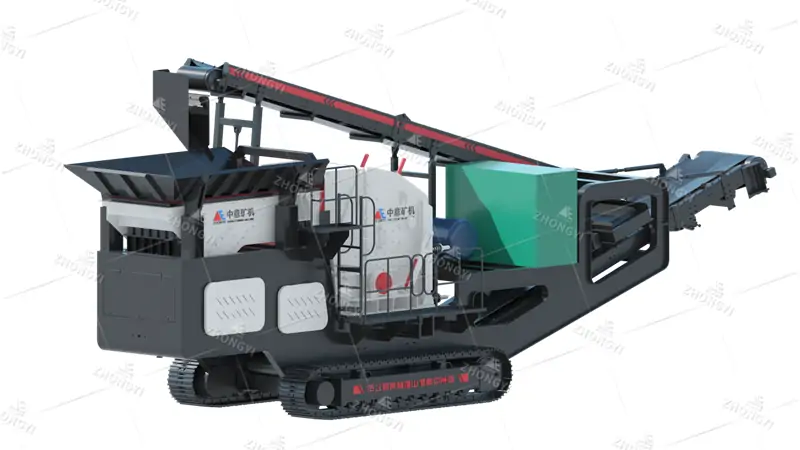
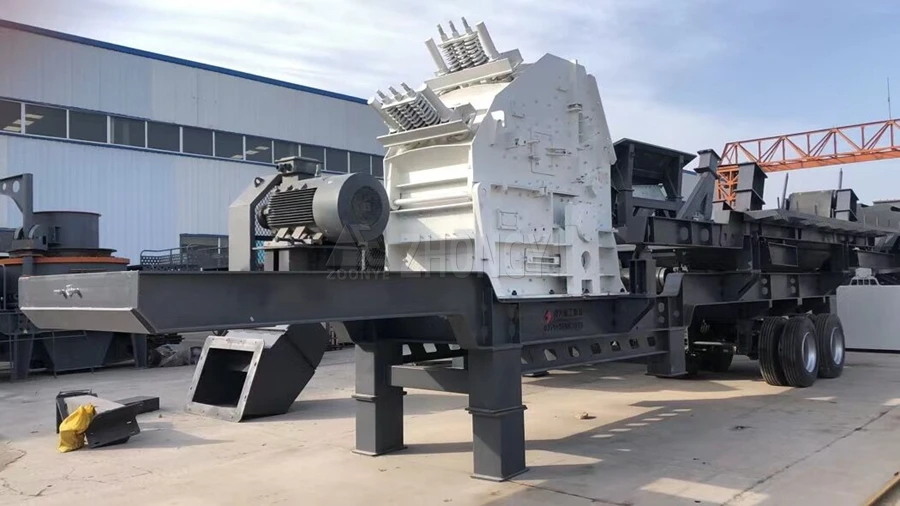
Where recycling equipment needs to move between working areas, Mobile Impact Crusher Selection: A Practical Guide for Mining and Construction explains how site conditions, screening requirements, and relocation needs affect plant selection.
Mining and Cement Production
In mining, impact crushers handle secondary crushing of selected ores with acceptable abrasiveness. In cement plants, they reduce limestone feed before raw material preparation.
How Do Material Properties Affect Impact Crusher Performance?
The physical properties of feed material influence how an impact crusher breaks particles, handles continuous feed, and consumes wear parts. Four factors deserve attention during equipment selection: hardness and crushability, abrasiveness, moisture and clay content, and feed size distribution. Each affects crushing efficiency, maintenance requirements, or final product quality.
Material Hardness and Crushability
Material hardness describes resistance to scratching or indentation, while compressive strength measures resistance to crushing loads. Neither directly predicts how a rock behaves under impact. Material crushability also relates to brittleness, internal fractures, and grain bonding. Brittle rocks with weak fracture planes generally break more readily. Strong, tough materials require greater impact energy and may increase the load on crushing components. Mohs hardness alone is insufficient for assessing suitability; fracture behavior and actual crushing requirements must also be examined.
Abrasiveness and Silica Content
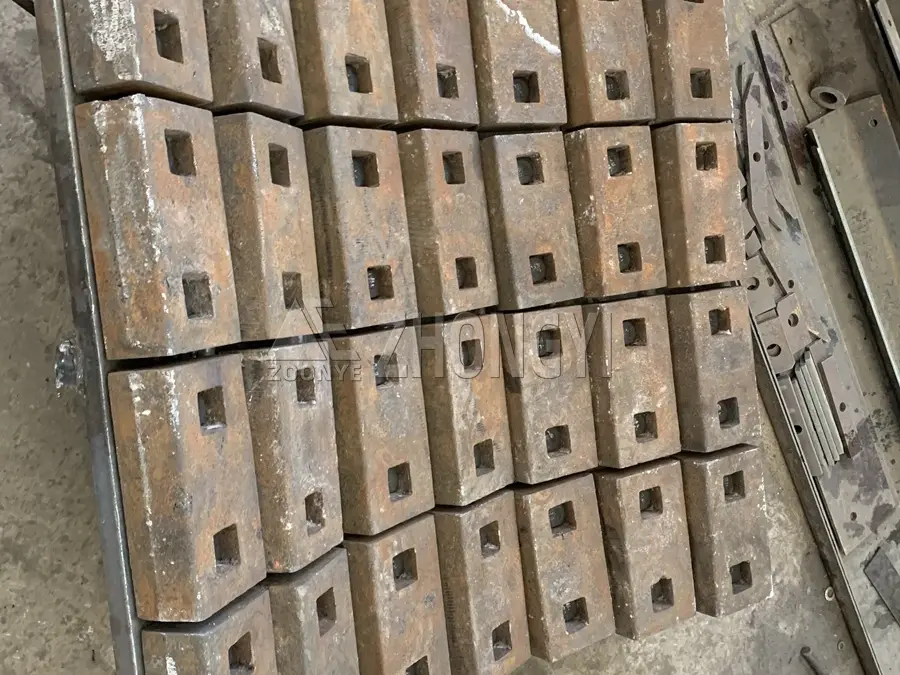
Quartz and other hard mineral grains can accelerate wear on impact surfaces through repeated contact with the feed. However, silica content alone does not determine material abrasiveness. Mineral hardness, grain size, and distribution also influence the rate of surface wear. In machines equipped with blow bars and impact plates, faster wear means more frequent replacements and longer maintenance interruptions. For buyers, the relevant measure is not simply wear-part consumption, but its cost relative to saleable output.
Wear cost per tonne = total wear-part cost / tonnes of saleable product.
For example, $10,000 in wear-part costs over 50,000 tonnes of saleable production equals $0.20/t. This is an illustrative calculation, not a Zhongyi equipment performance figure.
When wear cost becomes a deciding factor, Cone Crusher vs Impact Crusher: Which One Should You Choose? explains how compression and impact crushing differ in material suitability and maintenance demands.
Moisture and Clay Content
Water combined with fine particles or clay can make feed sticky. Material may accumulate inside the crushing chamber, discharge areas, and conveyor transfer points, restricting flow and disrupting continuous feeding. Fine, wet particles can also adhere to screen surfaces and cause screen blinding. Where these problems occur, pre-screening or feed preparation can reduce the amount of troublesome fines entering the crusher. The required approach should reflect the actual clay content and feed condition rather than a universal moisture threshold.
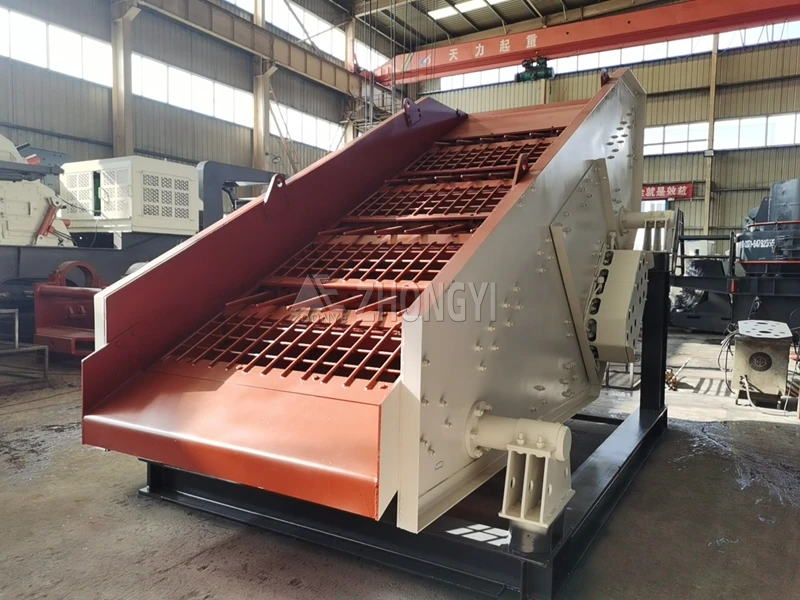
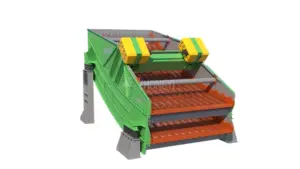
When assessing downstream classification, compare the feed and screening requirements of the Vibrating Screen Gerak Linear with the actual material condition.
Feed Size and Particle Distribution
The impact crusher feed size must stay within the maximum limit specified for the selected model. Maximum lump size matters as much as average feed size: oversized blocks can obstruct the feed opening or overload the crushing chamber. Meanwhile, inconsistent feed gradation changes chamber loading, while excessive fines increase the burden on downstream screening. These variations influence actual throughput and product gradation. Model selection should therefore account for the full particle size distribution, not just the nominal feed size.
To use these feed measurements when comparing models, How to Choose an Impact Crusher: A Complete Selection Guide explains how maximum feed size and reduction ratio should be considered alongside capacity and finished product requirements.
Which Materials Are Not Suitable for Impact Crushers?
Impact crushers have limitations when processing highly abrasive rocks, sticky feed, oversized lumps, and foreign objects. These conditions can increase wear costs, restrict material flow, or damage crushing components. Suitability depends on material properties, feed conditions, and the operating limits of the selected crusher.
Highly Abrasive Hard Rocks
Quartzite, high-quartz granite, highly abrasive basalt, and certain hard ores require careful evaluation. High material strength can increase the energy required for breakage, while abrasive minerals accelerate wear on crushing components. The affected wear parts vary by crusher design. An impact crusher for granite or an impact crusher for basalt may still be technically feasible, but jaw and cone crushers are also worth comparing for sustained hard rock crushing, particularly when wear costs are high.
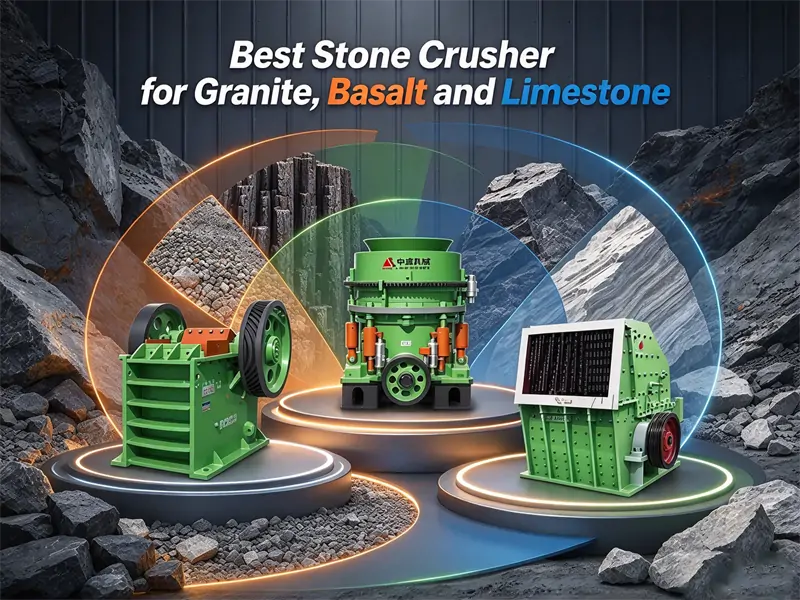
For a material-by-material comparison of alternative crushing arrangements, see Stone Crusher Terbaik untuk Granit, Basalt, dan Batu Kapur.
Wet and Sticky Materials
High-clay feed and sticky ores can adhere to crushing surfaces, restrict discharge, and cause material build-up. Wet fines may also accumulate on screen surfaces, reducing screening efficiency. High moisture alone does not make a material unsuitable; clay content, particle size distribution, and actual flow behavior are more important selection factors.
If these materials will also pass through a mobile screening stage, consult What Materials Can Mobile Screening Plants Process? for the screening approaches and material tests to consider.
Oversized Feed and Uncrushable Contaminants
Feed lumps exceeding the crusher’s specified maximum size can obstruct the inlet or overload crushing components. Loose or oversized steel bars, metal plates, and other uncrushable objects may cause severe impact loads and damage the machine. Large metal objects should be removed before crushing where required by equipment specifications. Reinforcing steel embedded in concrete should be handled according to the crusher’s specified feed and reinforcement limits. Magnetic separation can recover liberated ferrous metal after crushing.
How to Determine Whether Your Material Is Suitable for an Impact Crusher?
Choosing an impact crusher requires more than knowing the type of material to be processed. Buyers need to assess feed properties, equipment limits, production targets, and finished product requirements together. The following five checks help determine whether impact crushing is technically suitable and economically practical for a specific project.
- Identify Material Characteristics
Record the material type, hardness, compressive strength (if available), abrasiveness, silica content, moisture, and clay content. Representative samples or reliable test data provide a more accurate basis for evaluating crushability and potential wear than material names alone.
- Confirm Maximum Feed Size and Gradation
Determine the maximum feed dimension, average particle size, overall feed gradation, and percentage of oversized material. Compare these figures with the selected model’s rated impact crusher feed size. Oversized lumps may require pre-crushing or screening before entering the crusher.
- Define Required Production Capacity
Specify the target throughput in tonnes per hour, daily operating hours, and annual production volume. Actual capacity varies with material properties, feed gradation, crusher settings, and screening configuration. The selected machine should meet the required output under the expected operating conditions.
- Specify Final Product Requirements
Define the required final product size, product size fractions, particle shape, and allowable fines content. Concrete aggregates, road base materials, and recycled aggregates have different grading requirements. These specifications also determine whether additional screening or oversize recirculation is needed.
- Evaluate Operating and Maintenance Costs
Consider power consumption, wear-part consumption, replacement costs, maintenance intervals, and expected downtime. Compare the estimated cost per tonne of saleable product rather than judging impact crusher selection by initial purchase price alone.
For further context on wear, maintenance, and operating trade-offs, see Kelebihan dan Kekurangan Impact Crusher.
A qualified supplier should review the feed characteristics, production targets, and product specifications before recommending a suitable model. Where available, representative sample analysis or crushing tests can help verify material suitability and identify potential wear or processing issues. Buyers should confirm the supplier’s actual testing and evaluation capabilities before making a selection.
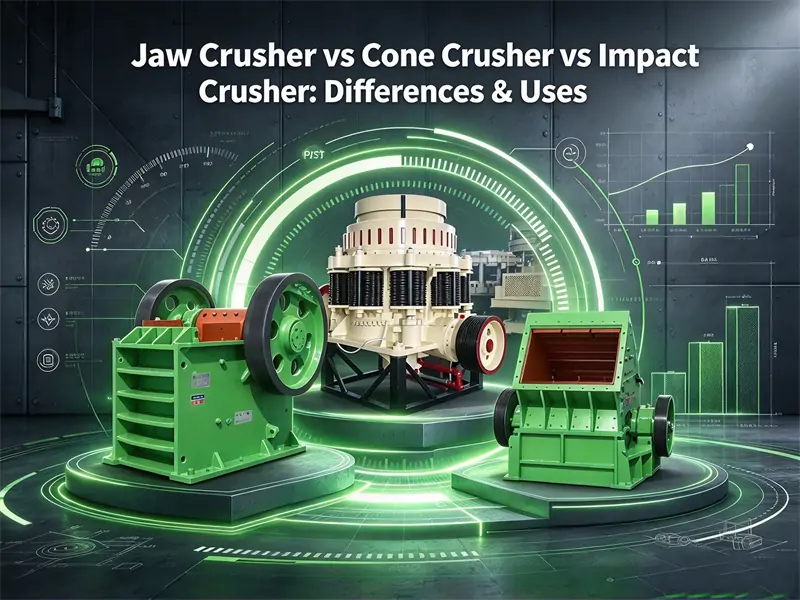
To compare the roles of impact and compression equipment before requesting a quotation, read Jaw Crusher vs Cone Crusher vs Impact Crusher: Perbedaan & Kegunaan.
Kesimpulan
Impact crushers are often used for materials that fracture readily under impact, but their suitability for harder or more abrasive materials varies by crusher design and operating conditions. However, impact crusher materials must be evaluated based on more than rock type alone. Hardness, mineral composition, abrasiveness, moisture, clay content, and feed size all affect crushing performance, wear consumption, and operating costs. Different impact crusher designs may also have different material limitations and wear characteristics. Effective material selection should therefore consider feed properties, production capacity, final product specifications, and long-term operating costs.
With experience in crushing equipment manufacturing and plant configuration, Zhongyi Mining provides impact crusher selection support based on project requirements, from model recommendations to plant layout and installation guidance. Use our Hubungi Kami page to discuss your material and production requirements with our engineering team.
FAQ
1. What Is the Best Material for an Impact Crusher?
Limestone is one of the most commonly processed impact crusher materials because many limestone deposits have relatively low to moderate hardness and good impact breakage characteristics. However, quartz and other mineral impurities can increase abrasiveness. Dolomite, gypsum, suitable sandstone, and prepared concrete rubble can also be processed. The best choice depends on material properties, feed conditions, required product size, and acceptable wear costs.
2. Can an Impact Crusher Crush Granite?
Yes, an impact crusher can crush granite, but its economic suitability depends on rock strength and abrasiveness. Granite containing significant quartz can accelerate wear on crushing components, increasing replacement frequency and operating costs. The affected wear parts depend on the crusher design. Before selecting an impact crusher for granite, evaluate the material's mineral composition, feed size, expected throughput, and projected wear-part consumption.
3. Can Impact Crushers Process Concrete and Asphalt?
Yes, impact crushers can process prepared concrete rubble and reclaimed asphalt pavement (RAP). Large or loose steel objects should be removed before crushing where required by equipment specifications. Some recycling circuits can also process reinforced concrete within specified feed and reinforcement limits, using magnetic separation to recover liberated steel after crushing. For RAP, asphalt adhesion and agglomeration can affect feeding and discharge. Screening helps classify the recovered materials by size.
4. Is an Impact Crusher Economical for Hard Rock Crushing?
Not always. Although impact crushers can break certain hard rocks, high compressive strength and abrasiveness can increase energy demand and wear-part consumption. For continuous hard rock crushing, jaw and cone crushers are often worth comparing because compression-based crushing may offer better operating economics. The decision should be based on actual material properties, throughput requirements, and cost per tonne rather than hardness alone.
5. How Does Material Abrasiveness Affect Impact Crusher Wear Parts?
Material abrasiveness determines how aggressively feed particles wear exposed crushing surfaces. Quartz and other hard mineral grains can accelerate wear on impact and wear components, although the affected parts vary by crusher design. Higher wear rates increase replacement frequency and maintenance downtime. Comparing wear-part costs per tonne of saleable production provides a more useful measure of long-term operating expenses.
6. Does Moisture Content Affect Impact Crusher Performance?
Yes. High moisture combined with clay and fine particles can cause material to adhere to crushing surfaces, restrict discharge, and accumulate on downstream screens. These conditions may interrupt feeding and reduce screening efficiency. However, moisture content alone does not determine suitability. Material adhesion, clay content, particle size distribution, and actual flow behavior should all be considered.
7. What Is the Maximum Feed Size for an Impact Crusher?
The maximum impact crusher feed size varies by model and depends on the feed opening, rotor configuration, and material characteristics. Buyers should check the manufacturer's rated maximum feed dimension rather than rely on a general industry figure. Feed gradation also matters: oversized lumps may obstruct the inlet, while inconsistent feed sizes can affect chamber loading and production stability.
8. What Information Should I Provide When Requesting an Impact Crusher Quotation?
When requesting an impact crusher quotation, provide the material type, hardness, abrasiveness, moisture content, maximum feed size, and feed gradation. Also specify the target capacity in tonnes per hour, required discharge size, product grading, and operating hours. Representative material samples or test reports can help suppliers evaluate equipment suitability and recommend a model and crushing configuration.