











Apa Saja Kelebihan dan Kekurangan Impact Crusher?
Impact crusher menawarkan rasio reduksi tinggi (hingga 20:1), bentuk partikel yang sangat baik, dan kapasitas pemrosesan mulai dari 30 hingga lebih dari 2.000 TPH. Namun, biaya keausan lebih tinggi saat menangani material abrasif seperti granit atau basal, sehingga lebih cocok untuk batuan berkekerasan sedang, batu kapur, daur ulang beton, dan produksi agregat.
Keunggulan:
- Rasio reduksi tinggi
- Bentuk agregat sangat baik
- Penyesuaian bukaan pengeluaran yang fleksibel
- Investasi awal lebih rendah
Kekurangan:
- Biaya keausan lebih tinggi
- Tidak cocok untuk batuan yang sangat abrasif
- Perawatan lebih sering
- Debu yang dihasilkan lebih banyak
Apa Itu Impact Crusher?
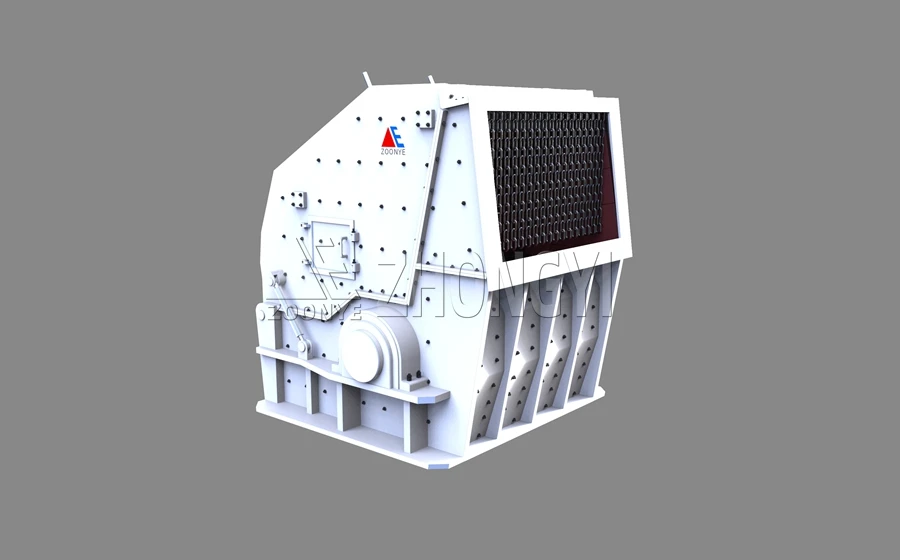
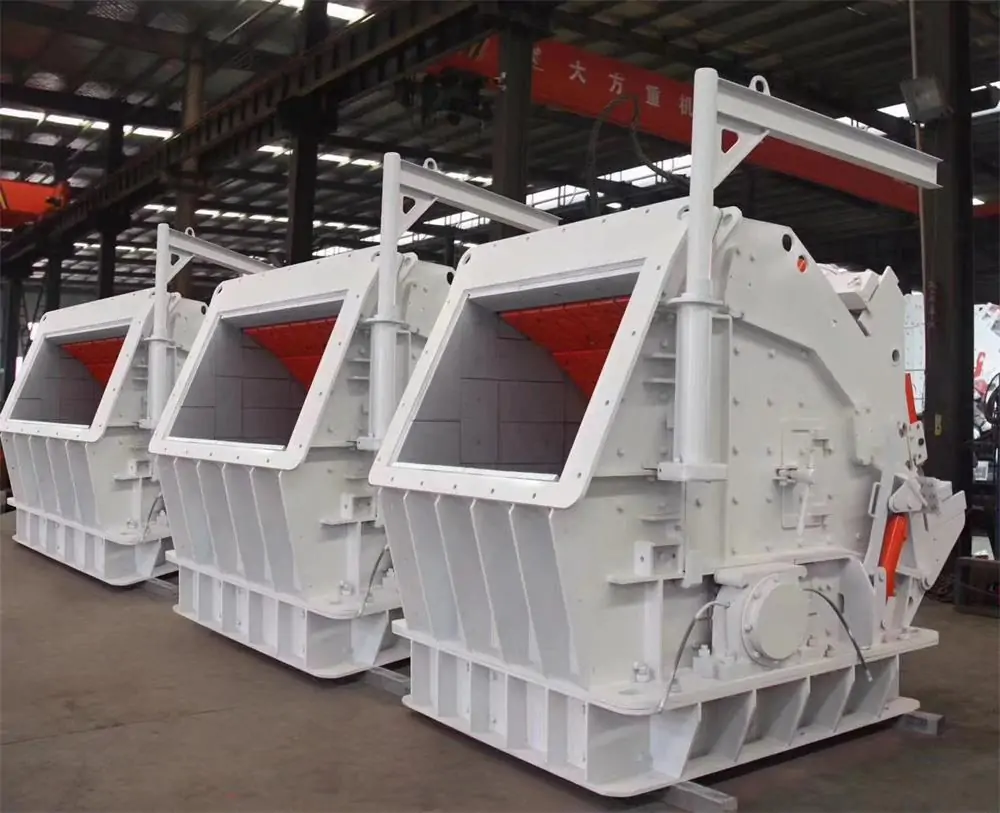
Impact crusher, juga dikenal sebagai impact breaker atau mesin penghancur impact, adalah jenis peralatan penghancuran yang mereduksi ukuran material melalui gaya benturan berkecepatan tinggi alih-alih kompresi. Peralatan ini banyak digunakan dalam produksi agregat, pertambangan, penggalian, pabrik semen, dan industri daur ulang untuk memproses material seperti batu kapur, beton, limbah konstruksi, batu bara, gipsum, dan batuan lain dengan kekerasan rendah hingga sedang.
Dibandingkan dengan crusher kompresi, impact crusher dapat mencapai rasio reduksi tinggi hingga 20:1 sekaligus menghasilkan bentuk partikel yang lebih seragam dan kubikal, sehingga sangat cocok untuk aplikasi agregat dan material daur ulang.
Bagaimana Cara Kerja Impact Crusher?
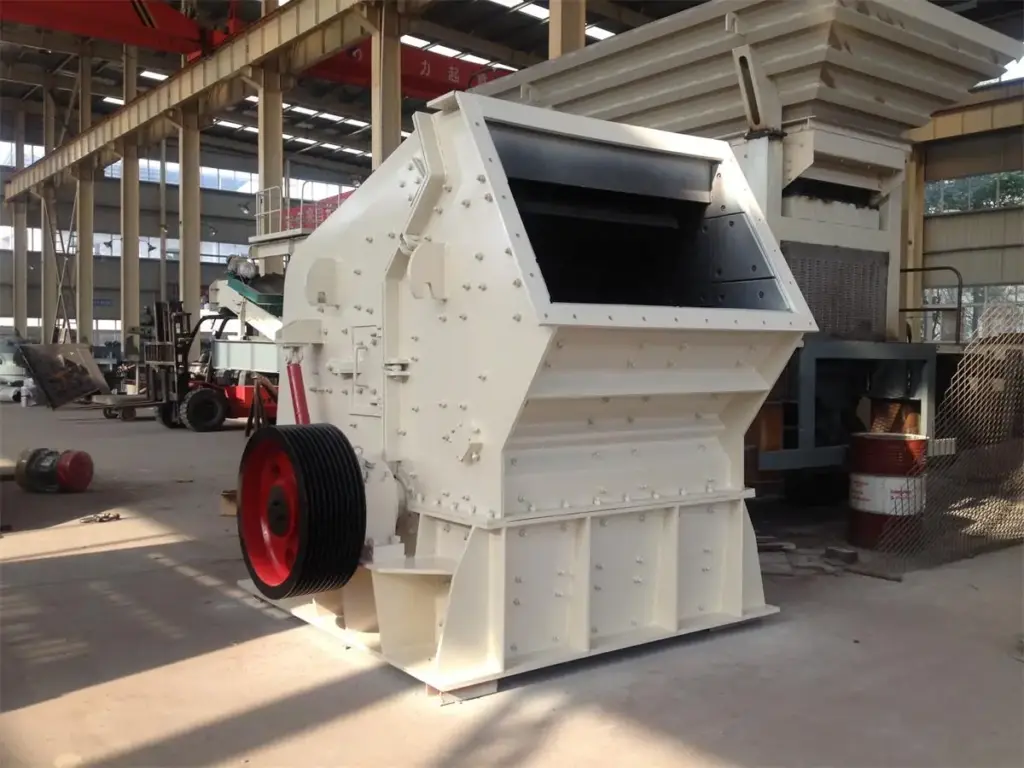
Impact crusher terutama terdiri dari rotor, blow bar, impact plate, dan ruang penghancuran. Selama operasi, rotor berputar pada kecepatan tinggi dan menghantam material umpan, mempercepatnya menuju impact plate di mana material dihancurkan lebih lanjut melalui tumbukan dan gaya benturan berulang. Berbeda dengan jaw crusher dan cone crusher yang menghancurkan material melalui kompresi, impact crusher mengandalkan transfer energi kinetik, memungkinkan mereka memberikan reduksi ukuran yang efisien, bentuk partikel yang baik, dan kapasitas produksi mulai dari 30 TPH hingga lebih dari 2.000 TPH, tergantung pada aplikasi dan konfigurasi mesin.
For a step-by-step explanation of rotor impact, repeated breakage, and material discharge, see Bagaimana Cara Kerja Impact Crusher?
Jenis-Jenis Impact Crusher
Kami menawarkan beberapa jenis impact crusher untuk memenuhi berbagai kebutuhan penghancuran, termasuk produksi agregat, pertambangan, pengolahan batu kapur, dan aplikasi daur ulang. Model yang tepat bergantung pada kekerasan material, ukuran umpan, kapasitas yang dibutuhkan, dan spesifikasi produk akhir.
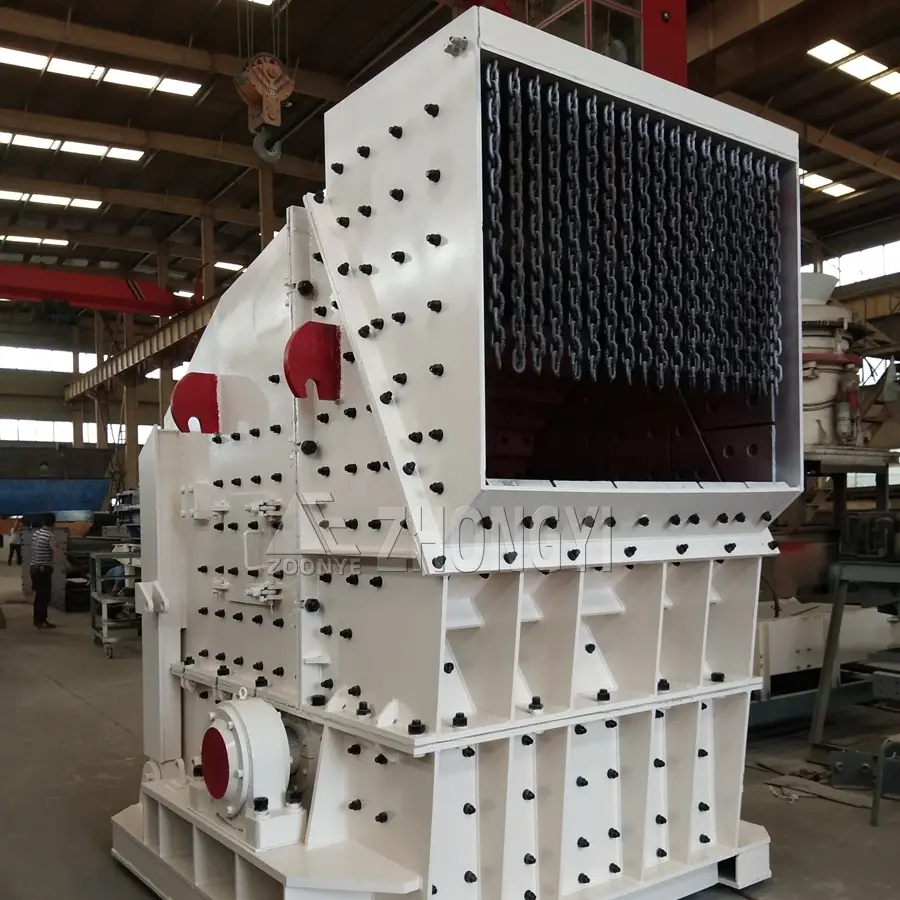
Impact Crusher Versi Eropa
Impact Crusher Versi Eropa dirancang untuk penghancuran sekunder batu kapur, dolomit, limbah beton, dan material berkekerasan sedang lainnya. Peralatan ini memiliki desain rotor yang dioptimalkan, sistem bukaan hidraulik, dan kontrol bentuk partikel yang sangat baik, dengan kapasitas biasanya berkisar dari 80 hingga 500 TPH.
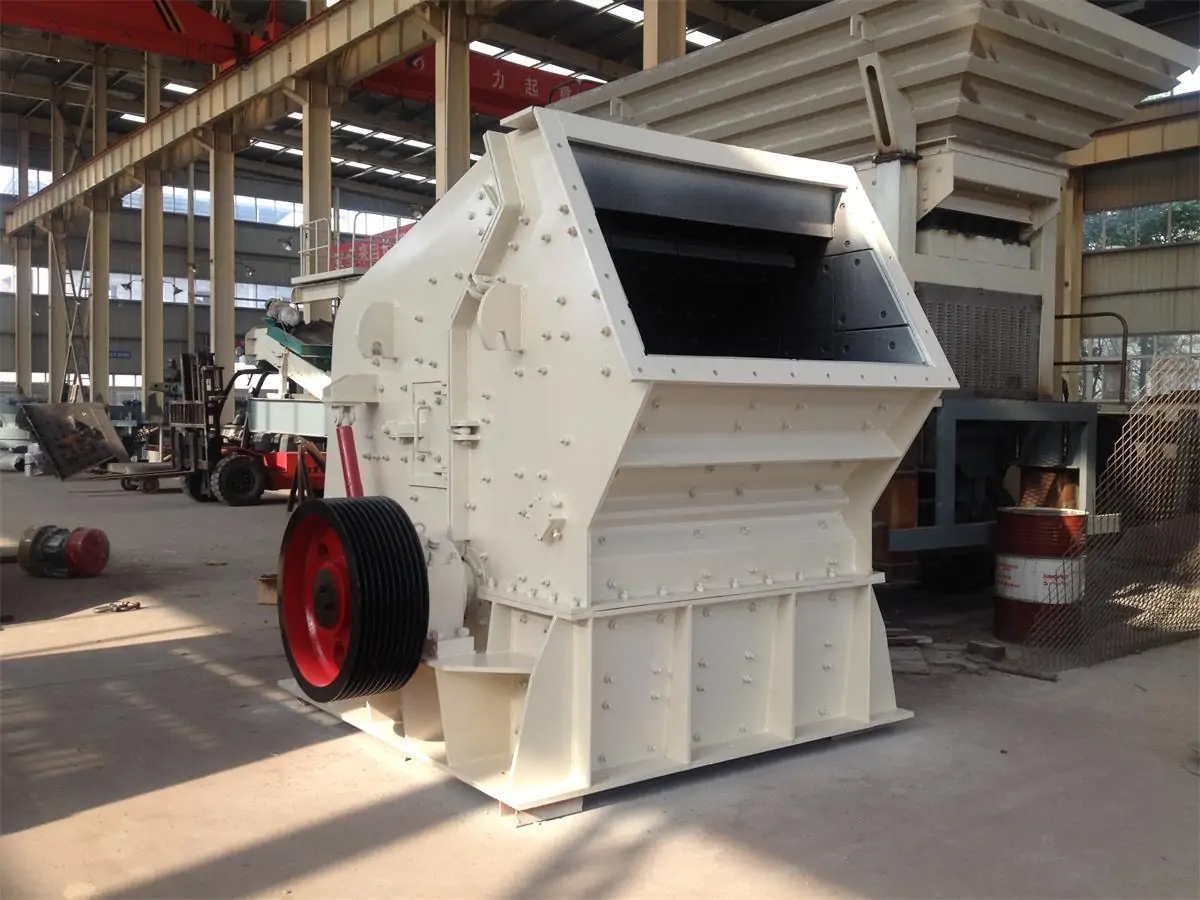
Penghancur Dampak Poros Horizontal (HSI Crusher)
Impact crusher serbaguna yang banyak digunakan dalam penggalian dan produksi agregat. Peralatan ini memberikan rasio reduksi tinggi dan bentuk produk kubikal yang baik, menangani ukuran umpan hingga 700 mm dengan kapasitas dari 50 hingga 800 TPH.
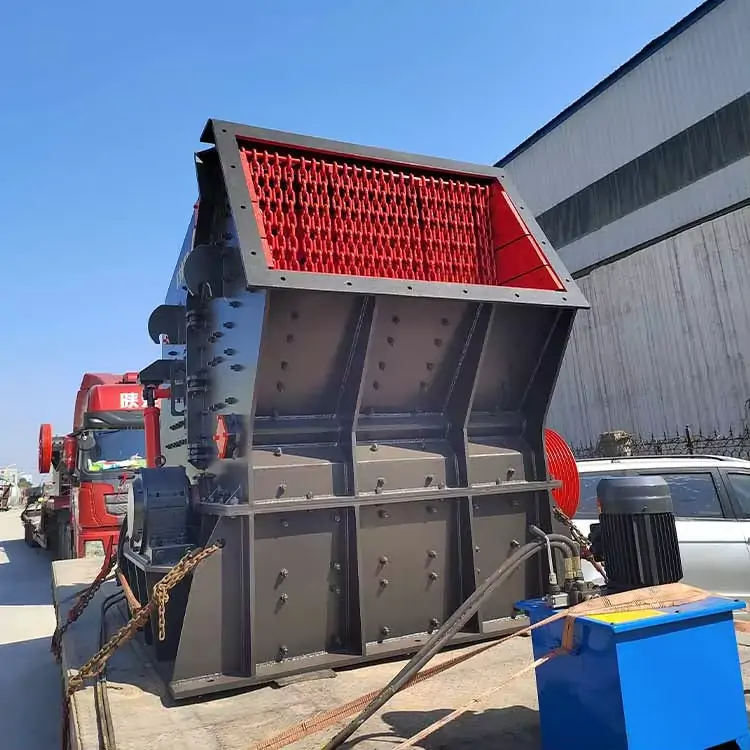
Penghancur Dampak Primer
Dirancang untuk aplikasi penghancuran primer, terutama di pabrik pengolahan batu kapur dan batuan lunak. Peralatan ini dapat menerima ukuran umpan besar hingga 1.200 mm dan memberikan kapasitas produksi mulai dari 150 hingga 2.000 TPH.
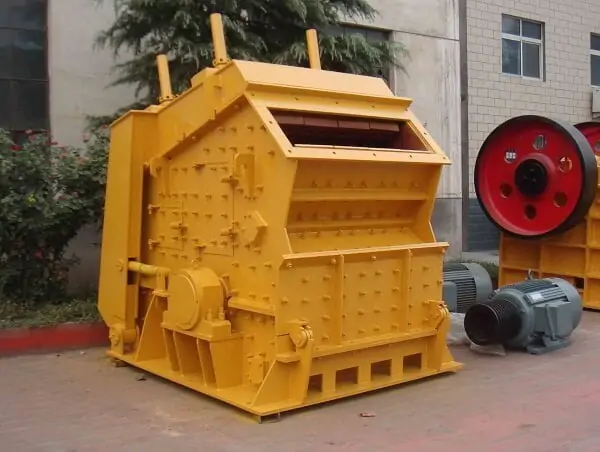
Penghancur Dampak Sekunder
Terutama digunakan setelah jaw crusher untuk penghancuran sekunder dan pembentukan agregat. Peralatan ini menghasilkan agregat bergradasi baik dengan ukuran umpan biasanya di bawah 300 mm dan kapasitas dari 50 hingga 400 TPH.
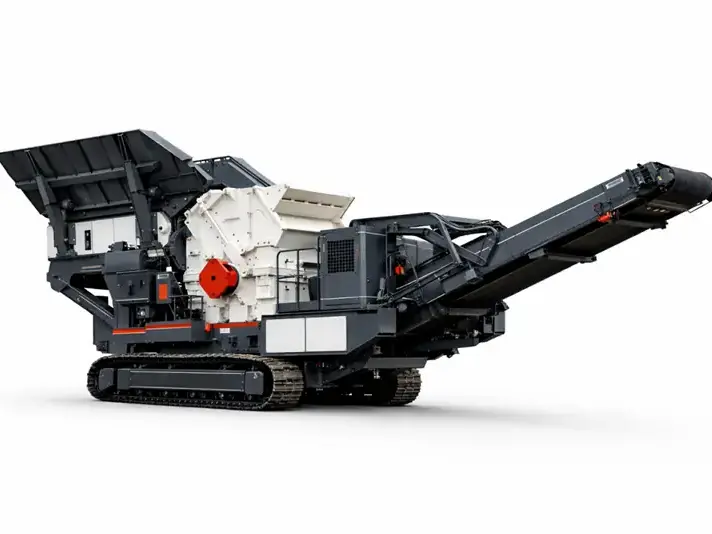
Impact Crusher Mobile
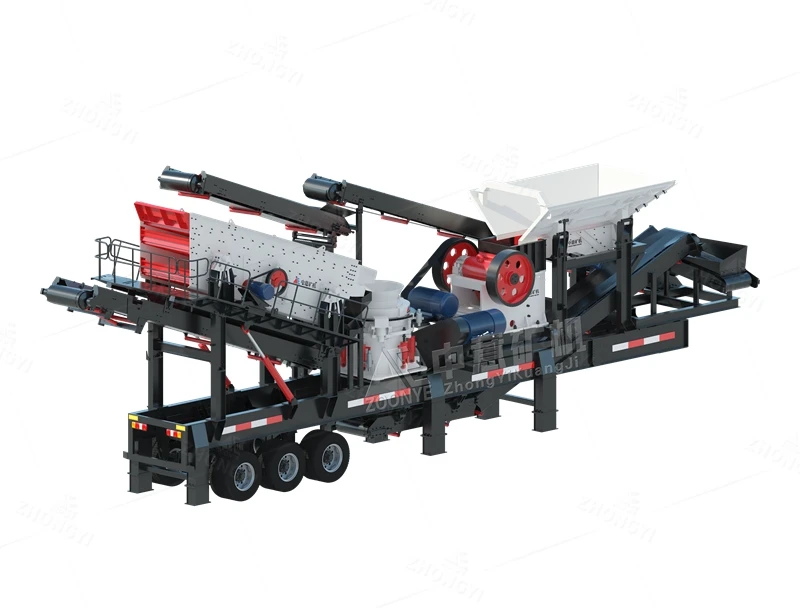
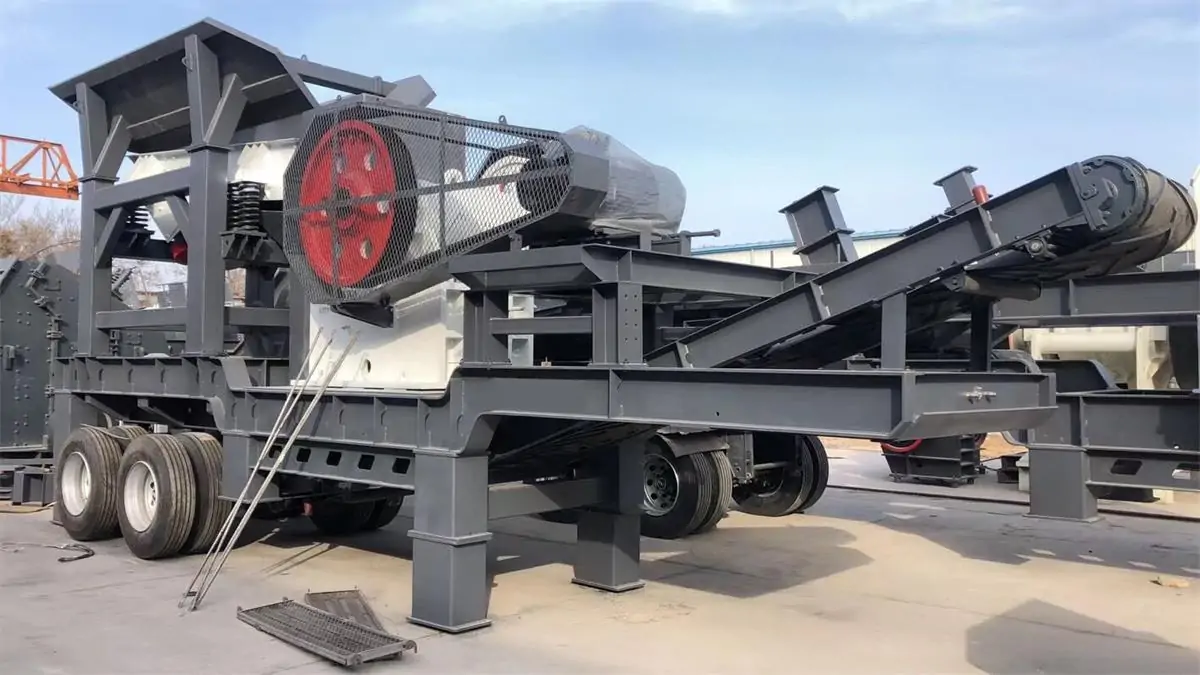
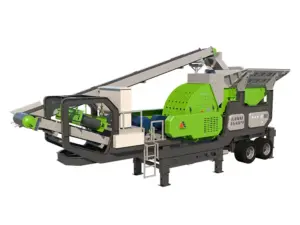
Penghancur dampak mobile adalah solusi penghancuran portabel yang mengintegrasikan impact crusher, feeder, dan sistem penyaringan pada sasis mobile. Cocok untuk daur ulang limbah konstruksi dan proyek penggalian sementara, dengan kapasitas umumnya berkisar dari 50 hingga 350 TPH.
To assess whether a mobile setup suits your project, Mobile Impact Crusher Selection: A Practical Guide for Mining and Construction covers chassis selection, supporting equipment, and operating costs.
Kelebihan Impact Crusher
| Item | Deskripsi |
| Bentuk partikel sangat baik | Menghasilkan agregat sebagian besar berbentuk kubikal dengan indeks kepipihan rendah, retakan internal minimal, dan kandungan halus yang berkurang, cocok untuk aplikasi jalan raya bermutu tinggi, konstruksi, dan beton. |
| Rasio reduksi dan efisiensi tinggi | Rasio penghancuran tinggi (hingga 20:1) secara efektif mengurangi ukuran umpan dan meningkatkan efisiensi proses keseluruhan, mengurangi kebutuhan penggilingan sekunder dalam beberapa aplikasi. |
| Ukuran keluaran yang dapat disesuaikan | Ukuran pengeluaran dapat dikontrol secara presisi dengan menyesuaikan celah antara impact plate dan blow bar, memungkinkan produksi fleksibel berbagai spesifikasi agregat. |
| Struktur sederhana dan mudah dalam perawatan | Desain kompak dengan sistem bukaan hidraulik menyederhanakan inspeksi, penggantian suku cadang aus, dan perawatan rutin, mengurangi waktu henti. |
| Adaptabilitas material yang luas | Cocok untuk material dengan ukuran umpan hingga 500 mm dan kekuatan tekan hingga 350 MPa, sangat efektif untuk batu kapur dan material berkekerasan sedang hingga rendah lainnya. |
Kekurangan Impact Crusher
| Item | Deskripsi |
| Tingkat keausan bahan habis pakai yang tinggi | Blow bar dan impact plate adalah komponen aus tinggi, memerlukan penggantian sering. Tingkat keausan meningkat secara signifikan saat memproses material abrasif atau lebih keras, menyebabkan biaya operasi dan perawatan yang lebih tinggi. |
| Kesesuaian terbatas untuk batuan keras | Tidak direkomendasikan untuk material berkekerasan tinggi seperti granit dan basal. Keausan berlebihan mengurangi efisiensi ekonomi dan memperpendek masa pakai dalam aplikasi tersebut. |
| Sensitivitas terhadap kelembaban dan tanah liat | Kandungan kelembaban atau tanah liat yang tinggi dalam material umpan dapat menyebabkan penyumbatan ruang penghancuran. Operasi pembersihan dan pengaktifan ulang relatif sulit setelah penyumbatan terjadi. |
| Emisi kebisingan dan debu | Operasi menghasilkan tingkat kebisingan dan debu yang relatif tinggi, memerlukan sistem penekan debu dan pengendalian kebisingan tambahan untuk mematuhi standar lingkungan. |
Impact Crusher vs Crusher Lainnya
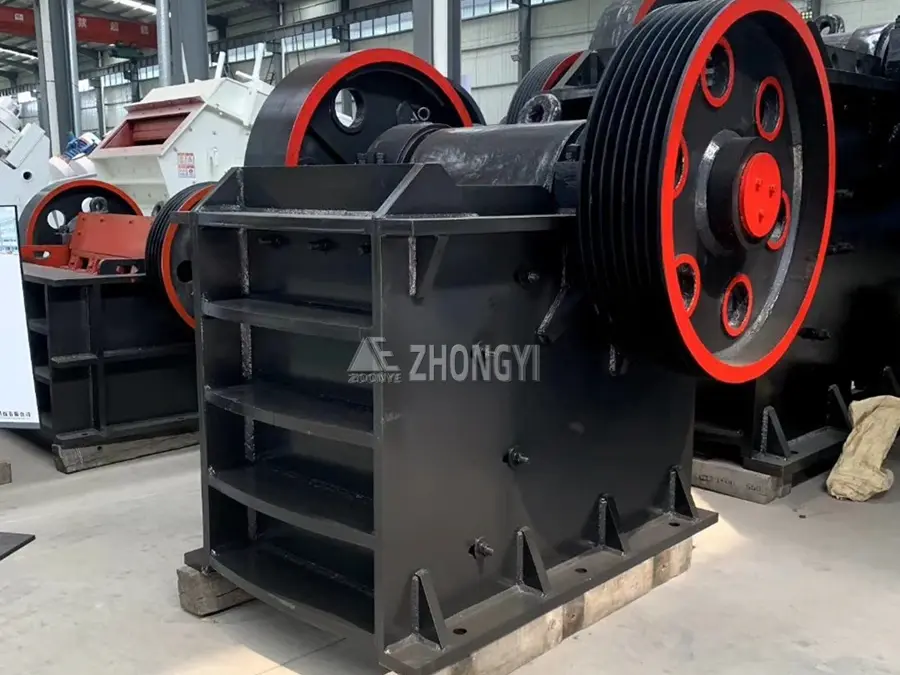
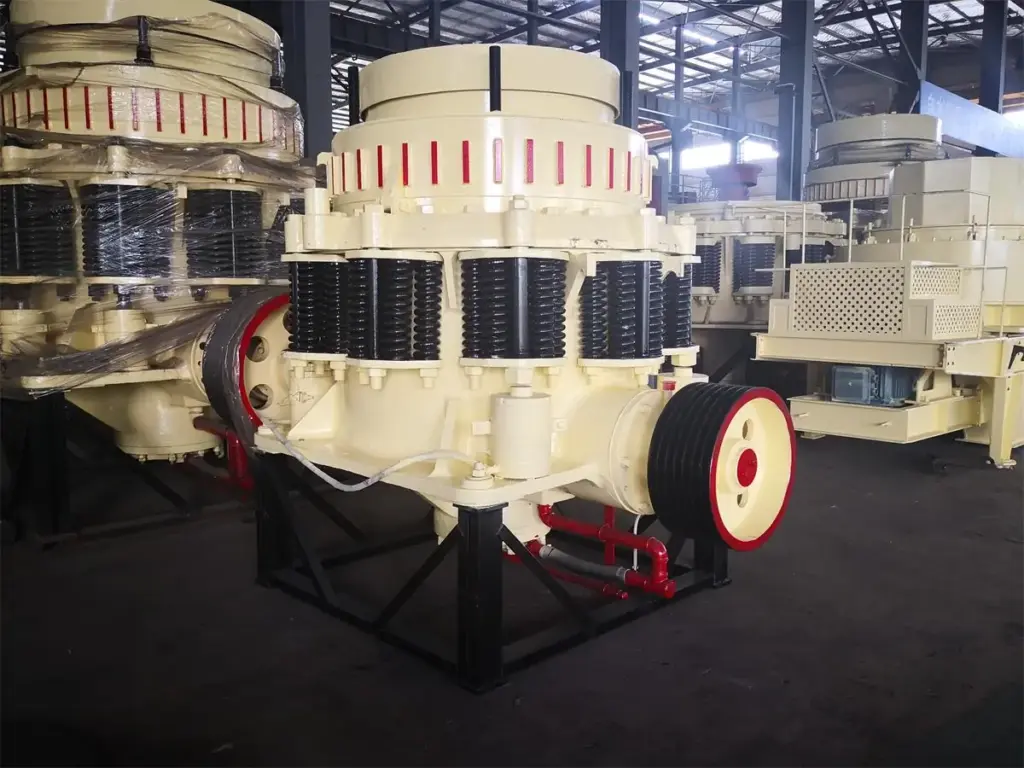
Impact crusher terutama digunakan untuk material berkekerasan sedang hingga rendah dan lebih disukai ketika bentuk partikel yang baik dan rasio reduksi tinggi diperlukan. Dibandingkan dengan penghancur rahang, dan cone crusher, peralatan ini bekerja dengan prinsip penghancuran yang berbeda, gaya benturan alih-alih kompresi, yang secara langsung mempengaruhi bentuk keluaran, biaya keausan, dan rentang aplikasi. Saat membandingkan peralatan penghancuran untuk berbagai material dan aplikasi, baca Jaw Crusher vs Cone Crusher vs Impact Crusher: Perbedaan & Kegunaan to understand their key differences and how to choose the right type.
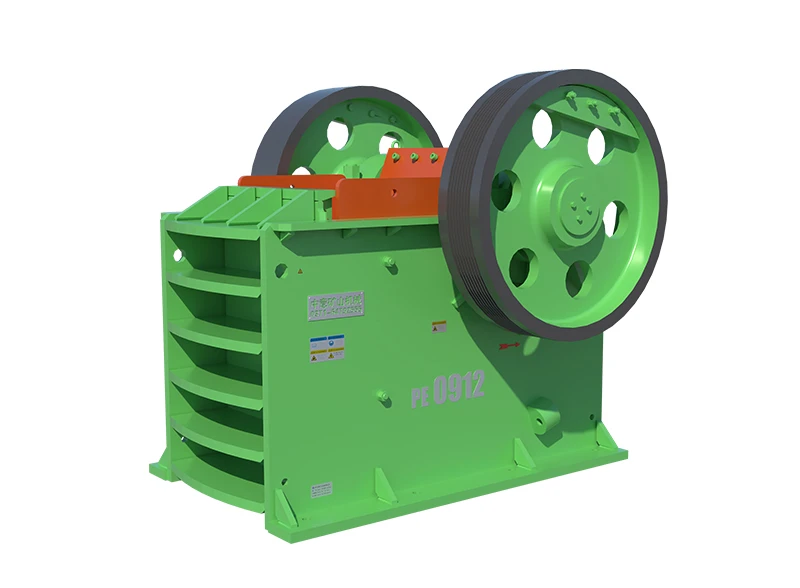
Impact Crusher vs Jaw Crusher
| Item | Impact Crusher | Penghancur Rahang |
| Crushing stage | Penghancuran sekunder / tersier | Penghancuran primer |
| Prinsip kerja | High-speed rotor impact + rebound | Compression between fixed and moving jaw plate |
| Feed size range | Medium feed (typically ≤500 mm) | Large feed (up to 1000+ mm depending on model) |
| Output shape | High cubic content, low flakiness index | More elongated / angular particles |
| Reduction ratio | High (up to 15–20:1 in suitable material) | Low to medium (3–6:1 typical) |
| Product control | Adjustable via impact gap setting | Limited control, mainly dependent on discharge setting |
| Wear cost | Higher (blow bars & impact plates) | Lower in most applications |
| Typical use case | Shaping + secondary crushing | Primary reduction of run-of-mine material |
Impact Crusher vs Cone Crusher
| Item | Impact Crusher | Penghancur Kerucut |
| Crushing principle | Impact breakage (high-speed collision) | Compression + inter-particle crushing |
| Suitable material | Limestone, concrete, soft to medium rock | Hard and abrasive rock (granite, basalt) |
| Particle shape | Better cubical shape, higher fines control | More elongated particles, better for gradation stability |
| Reduction efficiency | High in soft/medium materials | High in hard rock and fine crushing stage |
| Kinerja keausan | Higher wear in abrasive applications | Lower wear in hard rock due to compression mode |
| Biaya operasional | Higher in hard rock conditions | More stable in long-term hard rock operation |
| Typical application stage | Secondary / tertiary shaping | Secondary / fine crushing in hard rock circuits |
| Maintenance frequency | Relatively higher | Lower and more stable in heavy-duty operations |
Applications for Impact Crushers
Impact crusher machines are used in aggregate production and material processing where medium crushing and good particle shape are required. They are normally installed after primary crushing to further reduce material size and produce stable, well-graded output for construction use.
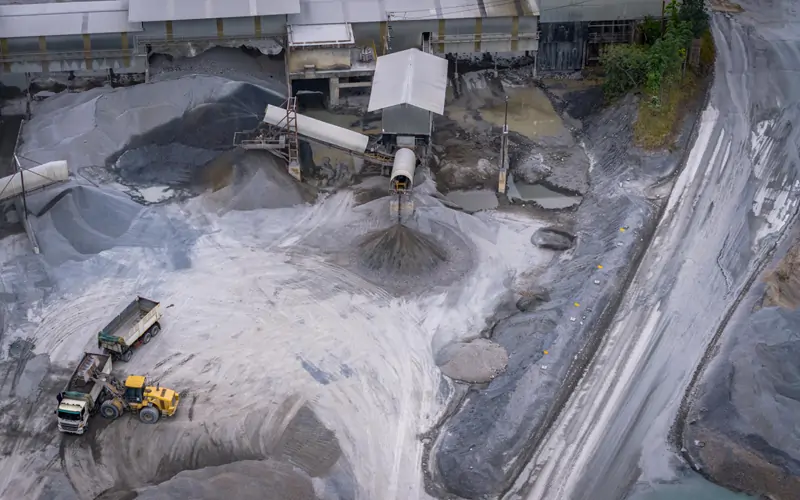
Mining, Quarrying, and Stone Processing
In mining and quarrying operations, impact crushers are used for limestone and other soft to medium-hard rock. After primary crushing, the material is further reduced in size and shaped for screening and downstream processing.
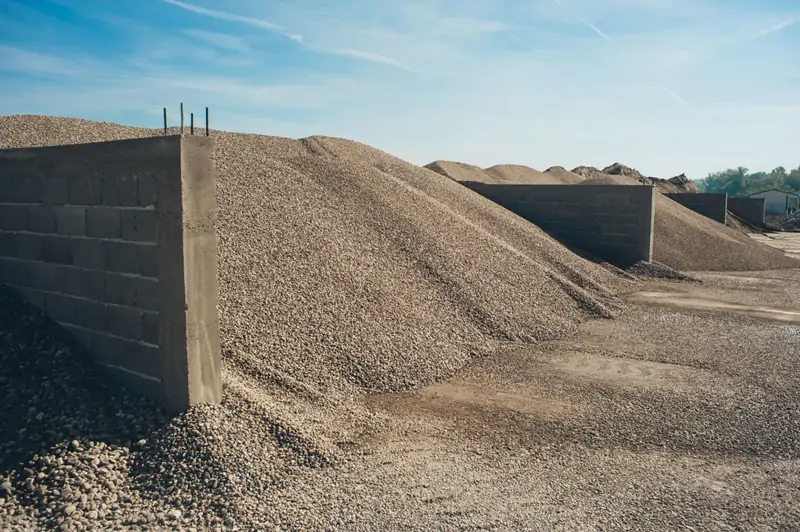
Aggregate and Construction Material Production
In aggregate production plants, impact crushers process crushed stone for concrete and general construction use. The output is used in projects that require consistent grading and better particle shape for mixing and compaction.
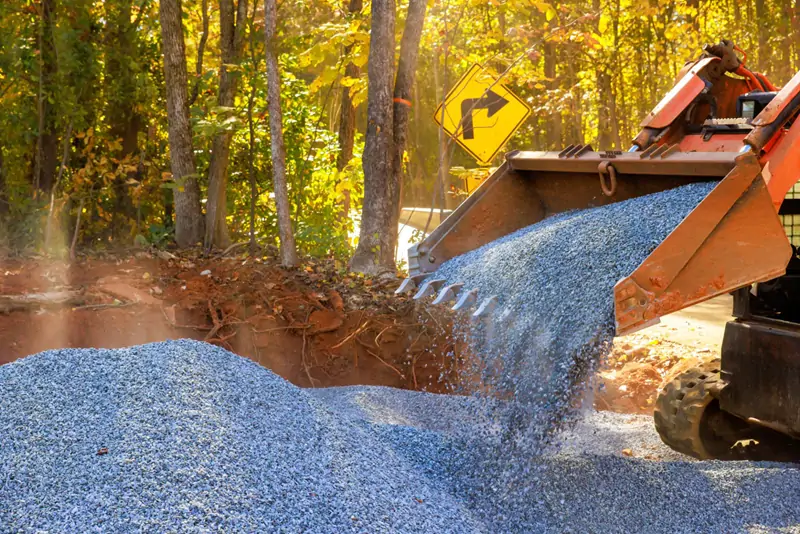
Proyek Jalan dan Infrastruktur
In road construction, impact crushers are used to produce base and sub-base materials. The crushed material is used in road foundations where stable grading and compaction performance are required.
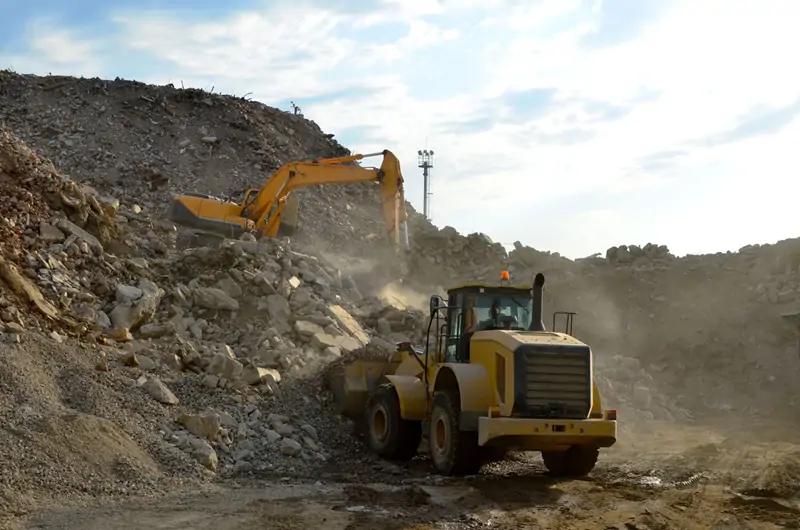
Asphalt and Recycling Applications
In asphalt plants, impact crushers process aggregates used in asphalt mixing. In recycling projects, they crush concrete and demolition waste into reusable material for non-structural construction and base applications.
Materials Suitable for Impact Crushers
Impact crushers are mainly used for processing low to medium-hard and non-abrasive materials. The crushing mechanism relies on high-speed impact, so material hardness and abrasiveness have a direct influence on wear cost and equipment efficiency.
To assess how hardness, abrasiveness, and moisture affect different feed materials, read What Materials Are Suitable for Impact Crushers?
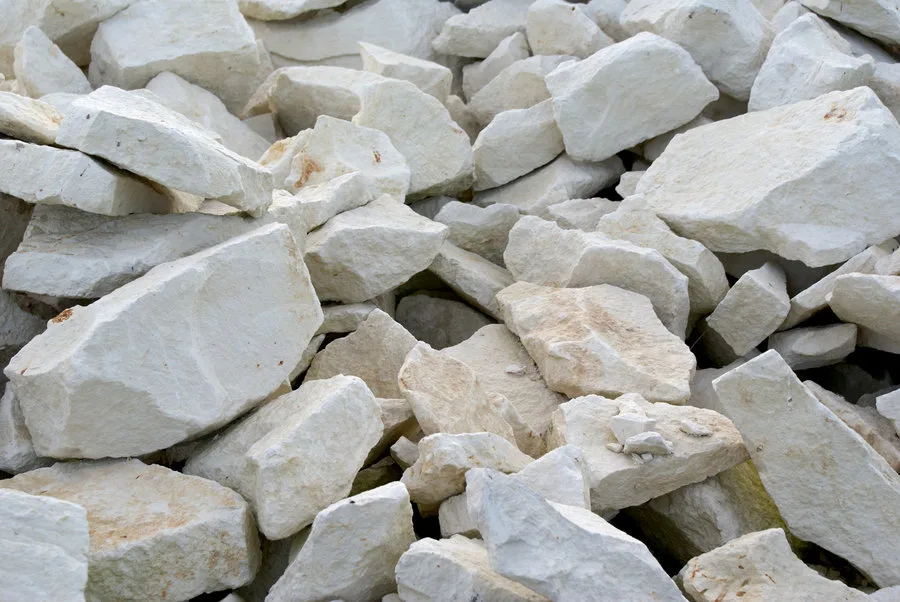
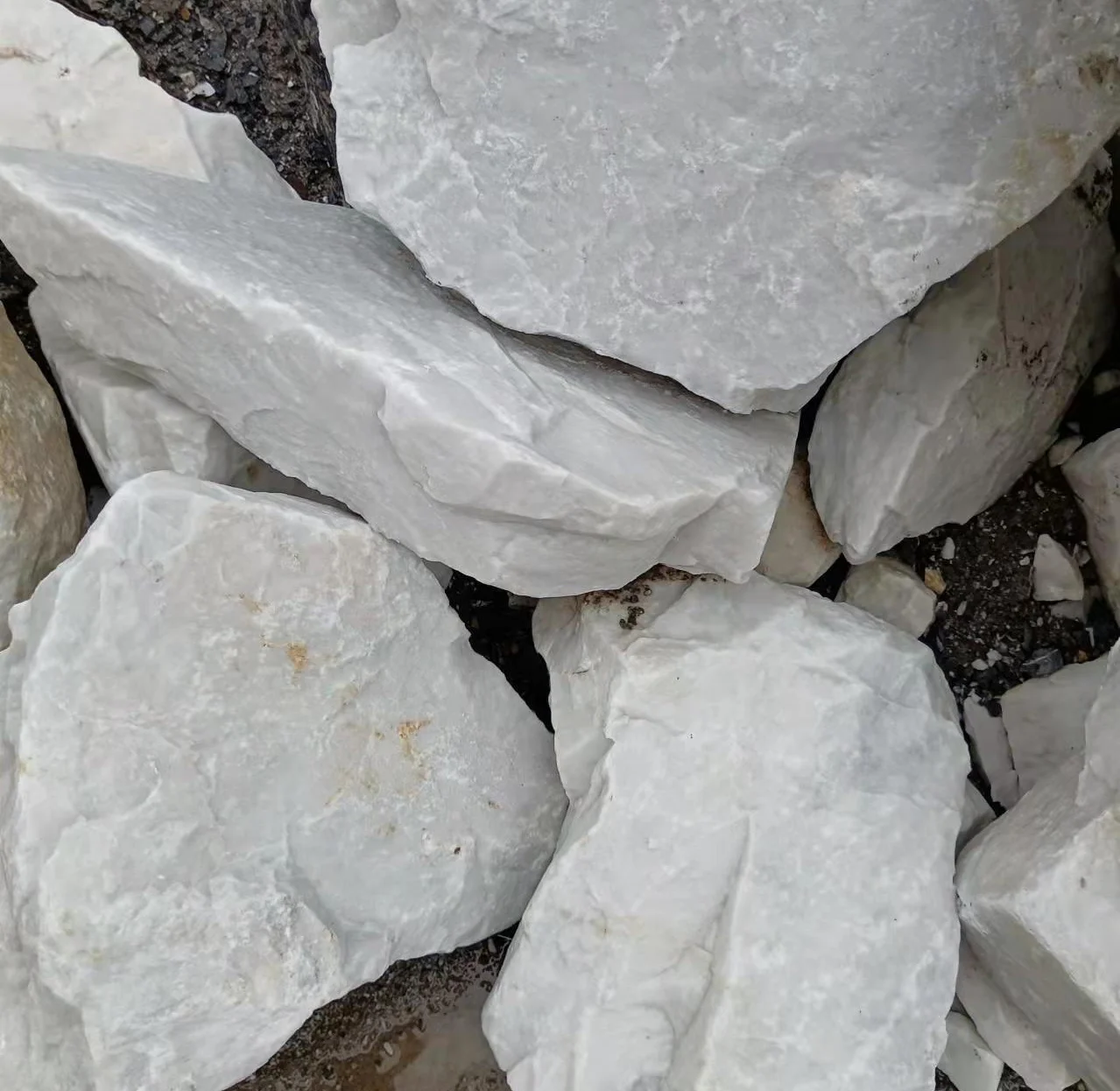
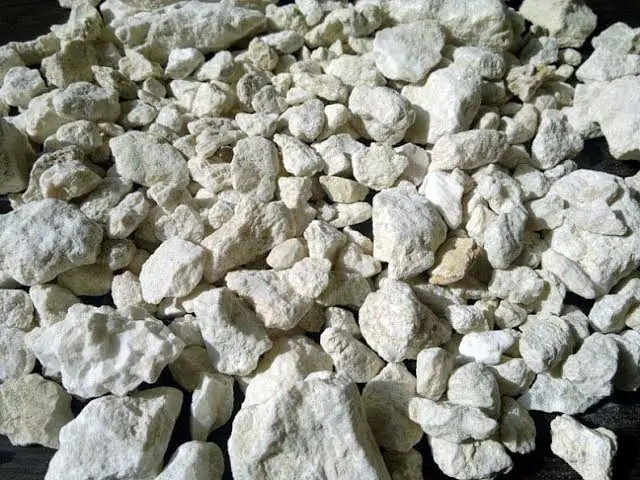
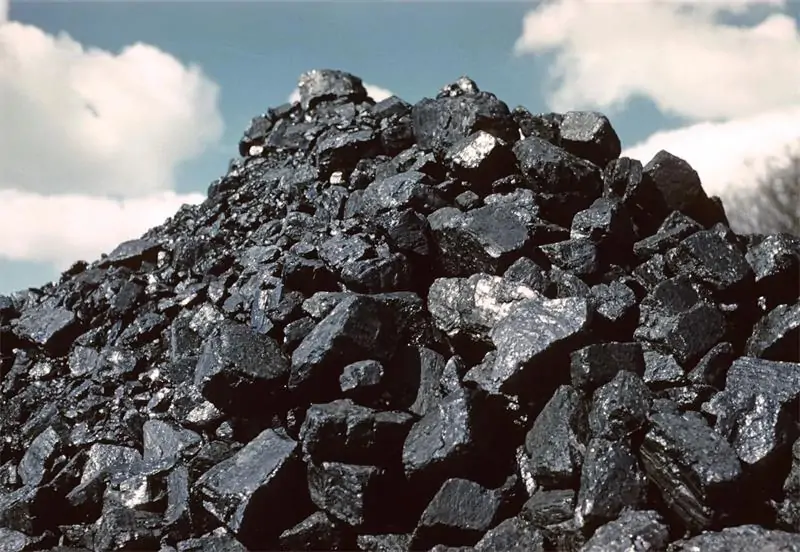
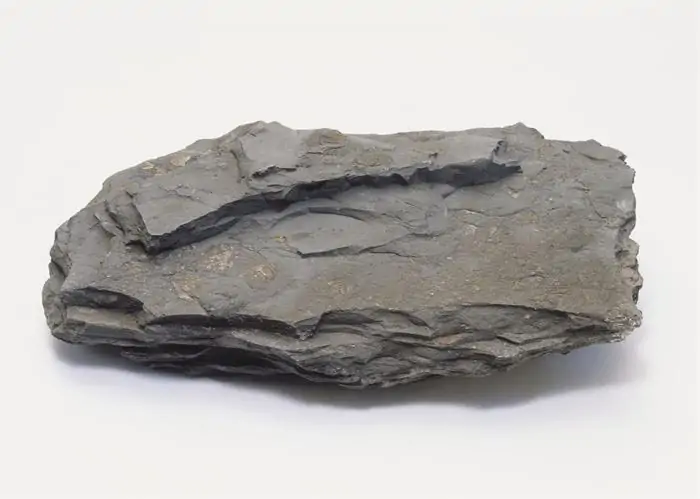
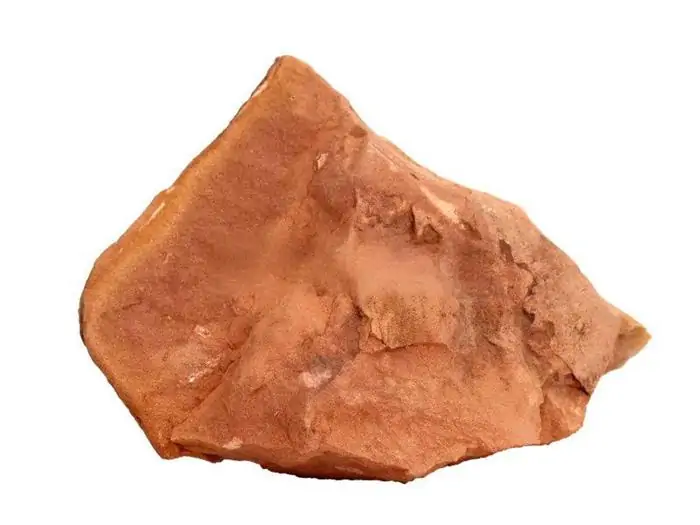
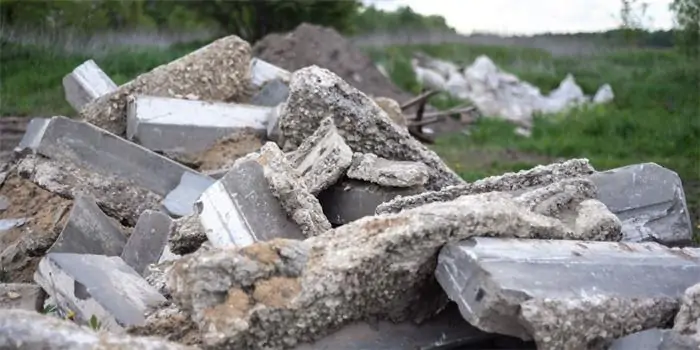
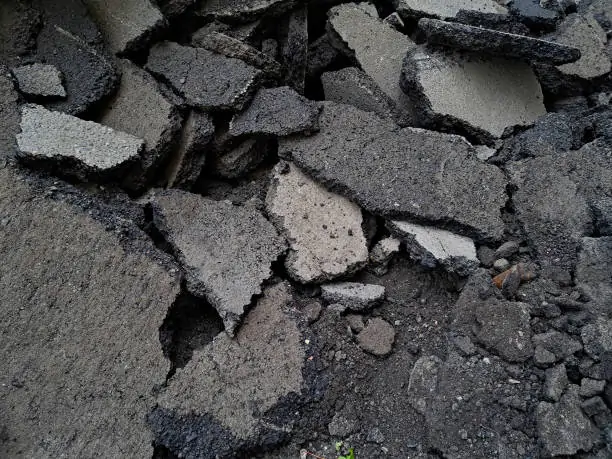
Typical Suitable Materials and Mohs Hardness
| Materi | Mohs Hardness | Suitability |
| Batu Kapur | 3–4 | Excellent |
| Dolomit | 3.5–4 | Baik |
| Gypsum | 2 | Excellent |
| Coal | 1–3 | Excellent |
| Serpih | 2–4 | Baik |
| Batuan lempung | 2–3 | Baik |
| Concrete (recycled) | 4–6 | Excellent |
| Asphalt | 4–5 | Baik |
| Brick / Brick debris | 4–6 | Baik |
Materials Not Recommended
| Materi | Mohs Hardness | Reason |
| Granit | 6–7 | High abrasiveness, high wear cost |
| Basalt | 6–7 | Severe wear on blow bars |
| Quartzite | 7 | Extremely abrasive, low efficiency |
| Iron ore | 5.5–6.5 | Excessive wear, not suitable |
How to Choose the Right Impact Crusher?
Choosing the right impact crusher depends on material hardness, feed size, required output shape, capacity, and operating cost. These factors should be matched with real project conditions to ensure stable production.When evaluating crusher options for your project, read [Panduan Harga Mesin Stone Crusher: Apa yang Mempengaruhi Biaya?] to understand how equipment type, production capacity, rock properties, and plant configuration affect the overall investment.
Kekerasan Material
Impact crushers are suitable for soft to medium-hard materials such as limestone and concrete. Materials with compressive strength below around 150 MPa are generally within a stable working range. For harder rock such as granite or basalt, wear rate increases and cone crushers are often more suitable.
Ukuran Umpan
Typical feed size is around 100–500 mm depending on the model. Larger feed usually requires a jaw crusher as a primary stage before impact crushing.
Required Output Shape
Impact crushers are selected when cubical and well-shaped aggregate is needed. This is important for concrete, asphalt, and road base materials where particle shape affects compaction and strength.
Capacity Requirement
Capacity ranges from about 50 TPH for small units to over 500 TPH for large production lines. Selection should match both average and peak production needs to avoid system bottlenecks.
Biaya Operasional
Operating cost mainly comes from wear parts and energy consumption. In softer materials, cost per ton is lower. In abrasive materials, blow bars and impact plates need more frequent replacement, which increases overall operating cost.
To weigh these benefits and limitations against your project requirements, How to Choose an Impact Crusher: A Complete Selection Guide brings together material suitability, capacity sizing, product specifications, and operating cost checks.
Minta Solusi yang Disesuaikan
Contact Zhongyi for customized impact crusher solutions based on your project needs.
Studi Kasus Proyek
A 280 TPH limestone crushing plant was installed in Fujairah, UAE for road base and concrete aggregate production. The project site had limited space and required stable output during continuous operation.
Material: Limestone from local quarry
Capacity: 280 TPH
Feed Size: Up to 600 mm, with some oversize variation from blasting
Configuration: Jaw Crusher + Impact Crusher + Vibrating Screen
Final Product Sizes: 0–5 mm, 5–20 mm, 20–40 mm
During operation, the plant required adjustment of crusher settings in the first weeks to stabilize the screening ratio. After optimization, the impact crusher improved particle shape consistency and reduced recirculation in the 5–20 mm range used for road construction.
Kesimpulan
Overall, impact crushers are highly effective for producing well-shaped aggregates with high reduction ratios, especially in limestone, construction aggregate, and recycling applications. Their main advantages include excellent particle shape, flexible output adjustment, and high crushing efficiency. However, limitations such as higher wear costs and reduced performance in very hard abrasive rock (like granite and basalt) should be considered. In real applications, selection should be based on material hardness, production stage, and overall operating cost rather than capacity alone.
For project planning or equipment selection, Zhongyi Mining provides professional support in crusher configuration and plant design. Contact us to get a suitable solution for your crushing project.

Dr. Yu
Ahli dalam Solusi Pengolahan Mineral
Dengan pengalaman 15+ tahun, Dr. Chen berspesialisasi dalam pemisahan gravitasi, magnetik, flotasi, dan elektrostatik. Ia berfokus pada pengolahan bijih dan optimasi proses, berbagi wawasan praktis dan aplikasi peralatan untuk membantu meningkatkan tingkat perolehan dan efisiensi produksi.
FAQ
What is an impact crusher used for?
An impact crusher is used for secondary and tertiary crushing in aggregate production. It processes limestone, concrete, and other soft to medium-hard materials to produce well-shaped aggregate for road construction, concrete mixing, and general building material applications.
Impact crusher vs jaw crusher, what is the difference?
A jaw crusher is used for primary crushing of large rocks, while an impact crusher is used after primary crushing for shaping and reducing material size. Jaw crushers handle larger feed, impact crushers focus on particle shape and final product grading.
Is an impact crusher suitable for hard rock?
Impact crushers can process some medium-hard rock, but performance decreases in very hard materials like granite or basalt. Wear on blow bars increases, leading to higher maintenance cost. In such cases, cone crushers are often more suitable for long-term operation.
What materials are best for impact crushers?
Impact crushers work best with limestone, concrete, asphalt, and construction waste. These materials break easily under impact force and allow the crusher to produce cubical aggregate with stable grading for construction and infrastructure projects.
What is the typical capacity of an impact crusher?
Capacity depends on model size and configuration. Small units may produce around 50 TPH, while large stationary plants can exceed 500 TPH. Actual capacity also depends on feed size, material hardness, and production line setup.
How often do impact crusher wear parts need replacement?
Wear parts such as blow bars and impact plates require regular inspection. Replacement frequency depends on material hardness and operating hours. In limestone applications, wear life is longer, while abrasive rock conditions shorten service intervals.
Can impact crushers produce good particle shape?
Yes, impact crushers are known for producing cubical and well-shaped aggregate. The high-speed rotor and impact force improve particle shape, which is important for concrete strength, asphalt bonding, and road base compaction performance.
Does Zhongyi support customized impact crusher solutions?
Yes, Zhongyi provides customized impact crusher solutions based on material type, feed size, capacity requirements, and project layout. Configurations can be adjusted for different production needs, including stationary and mobile crushing plant designs.