Rotary Kiln and Dryer Equipment
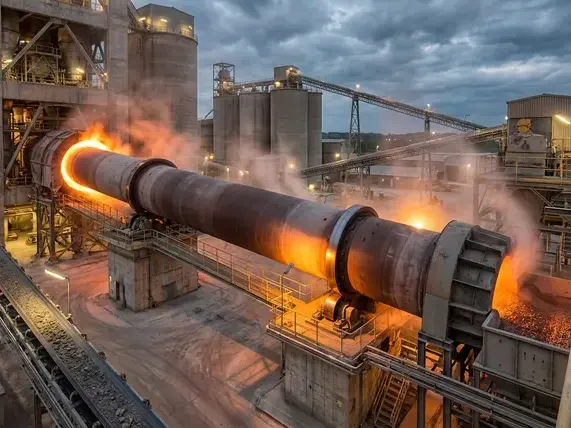
Rotary kiln and dryer system is an industrial thermal processing systems used for drying, heating, and high-temperature treatment of bulk materials. Rotary dryers are mainly used for moisture removal, while rotary kilns are used for calcination and thermal reaction processes. They are widely applied in mining, cement, metallurgy, chemical, and environmental industries.
Applicable Materials:
Suitable for thermal processing and drying of a wide range of materials, including limestone, clay, bauxite, kaolin, gypsum, phosphate rock, iron ore concentrates, manganese ore, coal, slag, cement raw materials, industrial minerals, and various mining and metallurgical powders and granules that require calcination or moisture reduction.
Recommended Equipment:
Rotary Kiln (cement kiln, lime kiln, metallurgical kiln), Rotary Dryer, Sand Dryer, Ore Dryer, Slag Dryer, Coal Dryer, Industrial Mineral Dryer, and supporting systems such as hot air furnace, dust collection system, and material conveying equipment, providing efficient drying, calcination, and thermal treatment for mining, cement, and industrial processing plants.
Need Help Selecting Equipment?
Share your material conditions with Zhongyi. We will evaluate the process requirements and recommend suitable rotary kiln or dryer equipment for your project.
Rotary Kiln Equipment
A Rotary Kiln, also called a rotary calcination kiln or industrial kiln, is a continuous thermal processing equipment used for high-temperature treatment of bulk materials such as calcination, roasting, and sintering. In mining and cement industries, it is a core system for converting raw materials into chemically stable products through controlled heating and rotation.
In industrial applications, the rotary kiln enables continuous thermal processing of materials at high temperatures (900–1450°C) while ensuring uniform heat distribution through slow rotation. It is widely used for limestone calcination, cement clinker production, and ore roasting, where chemical reactions such as decomposition and oxidation are required.
The system operates as a stable and controlled calcination process, integrating material feeding, high-temperature reaction, and discharge in a single continuous line. This makes it a key equipment in cement plants, metallurgical processing, and mineral beneficiation systems requiring efficient heat transfer and consistent product quality.
Rotary kiln equipment is available in multiple configurations to meet different calcination, roasting, and thermal processing requirements across mining, metallurgy, cement, and chemical industries. The system can be customized in terms of kiln diameter, length, temperature control, refractory lining, fuel type, and production capacity.
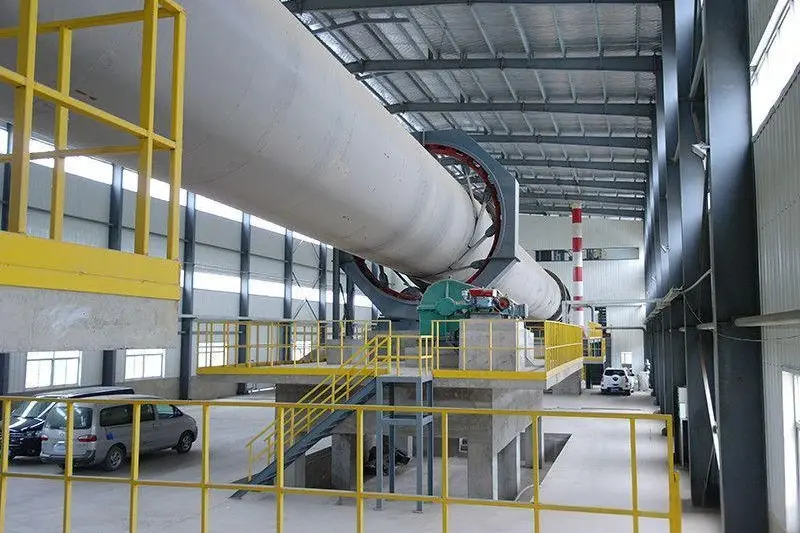
Used for alumina calcination in bauxite processing and aluminum production.
- Temperature: 1100–1400°C
- Capacity: 50–1200 t/d
- Fuel type: coal / natural gas
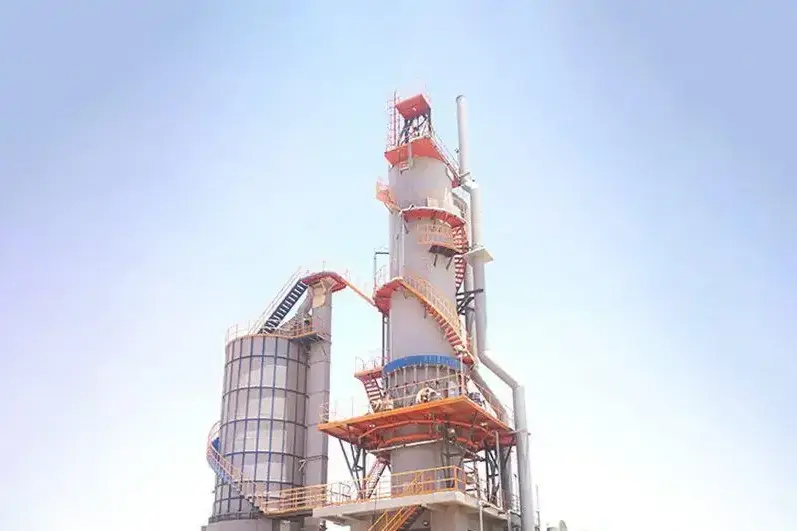
Compact vertical structure for continuous lime production with low energy consumption.
- Capacity: 50–500 t/d
- Limestone size: 20–60 mm
- Heat efficiency: high fuel utilization
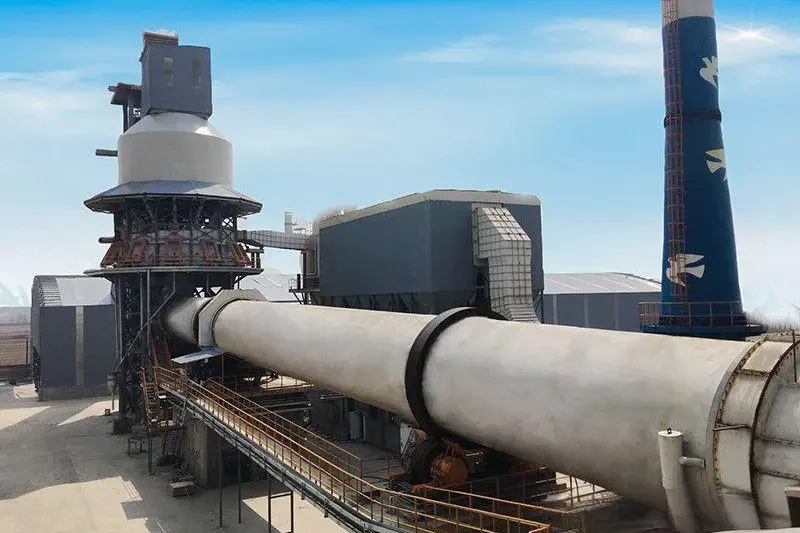
Designed for large-scale quicklime production with stable continuous operation.
- Temperature: 900–1200°C
- Capacity: 100–1500 t/d
- Fuel consumption: optimized combustion system
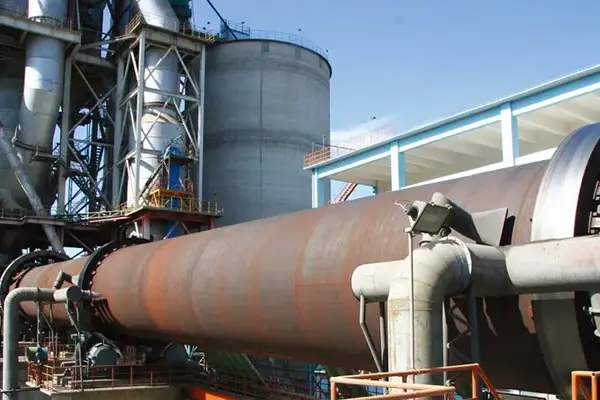
Core equipment for cement clinker production with high-temperature sintering.
- Temperature: 1400–1450°C
- Capacity: 1000–10000 t/d
- System type: dry / semi-dry process
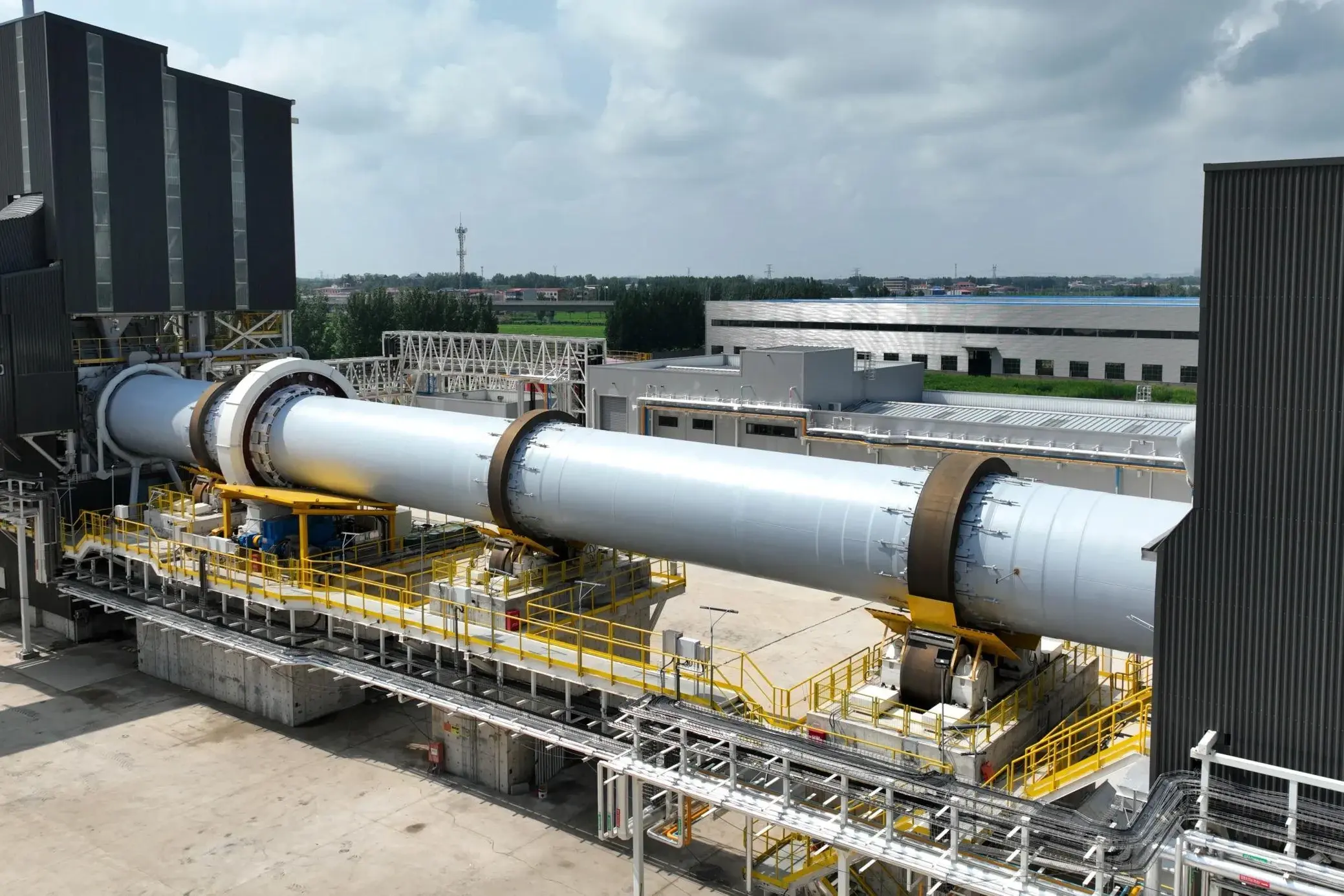
Calcination Kiln
General-purpose kiln for mineral calcination and thermal decomposition processes.
- Temperature: up to 1500°C
- Applicable materials: limestone, bauxite, kaolin
- Operation mode: continuous rotary heating
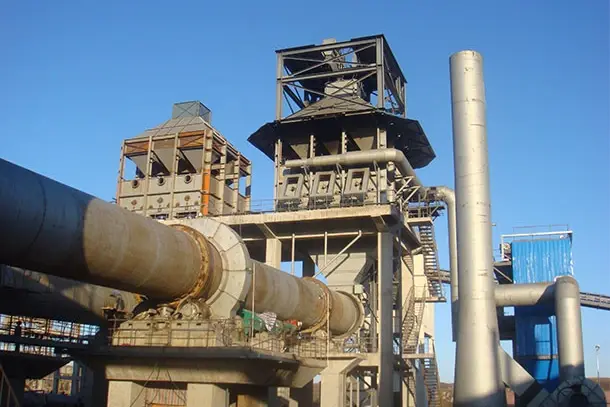
Vertical Preheater
Used to preheat raw materials before entering rotary kiln for energy saving.
- Preheating temperature: 800–900°C
- Heat recovery efficiency: up to 60–70%
- Structure: multi-stage cyclone system
Rotary Kiln Equipment Working Principle
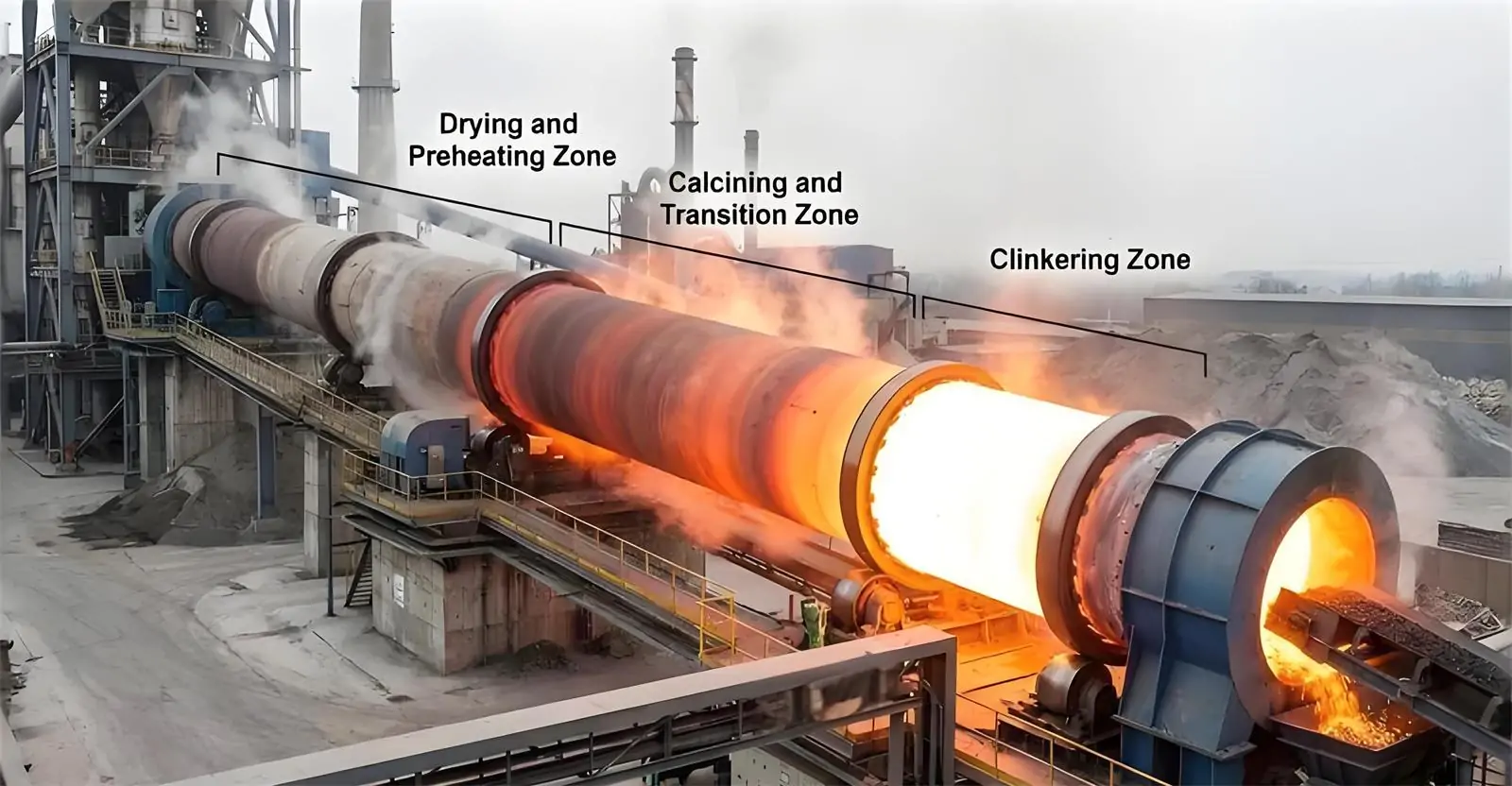
Rotary Kiln Equipment operates on the principle of continuous high-temperature thermal processing and calcination inside a slowly rotating inclined cylinder. Raw material is continuously fed into the kiln and moves from the feeding end to the discharge end under gravity and rotation, ensuring stable residence time and uniform heating.
High-temperature gas (900–1450°C, depending on process requirements) flows through the kiln in co-current or counter-current direction. As the material moves forward, it undergoes drying, preheating, and chemical reactions such as decomposition, oxidation, or sintering. The rotation of the kiln ensures constant mixing and full heat exposure, improving reaction efficiency and product uniformity.
At the discharge end, the processed material exits as clinker, calcined ore, or finished product, while exhaust gas is treated through a dust collection system. This continuous calcination process is widely used in cement production, lime calcination, and metallurgical ore roasting.
Rotary Dryer Equipment
Rotary Dryer Equipment, also known as a rotary drum dryer or industrial drying system, is a continuous thermal processing machine used to reduce moisture content in bulk materials through hot air contact inside a rotating cylinder. It is widely applied in mining, cement, coal, and aggregate industries for stable and efficient material drying before further processing or transportation.
In operation, the material is continuously fed into a rotating drum where it is lifted and dispersed by internal flights, allowing full contact with hot gas flow for efficient heat exchange. Typical drying temperatures range from 300–800°C, depending on material type and moisture level. The system ensures uniform drying, prevents material agglomeration, and improves downstream processing efficiency.
Rotary dryer equipment is commonly used for drying sand, coal, slag, sludge, and mineral ores, forming a key stage in industrial drying systems where moisture control directly impacts product quality and processing performance.
Rotary dryer equipment is available in multiple structural and process configurations to meet different material properties, moisture levels, and production requirements. The system can be fully customized in terms of heat source, drum length, diameter, lifting structure, and drying temperature control.
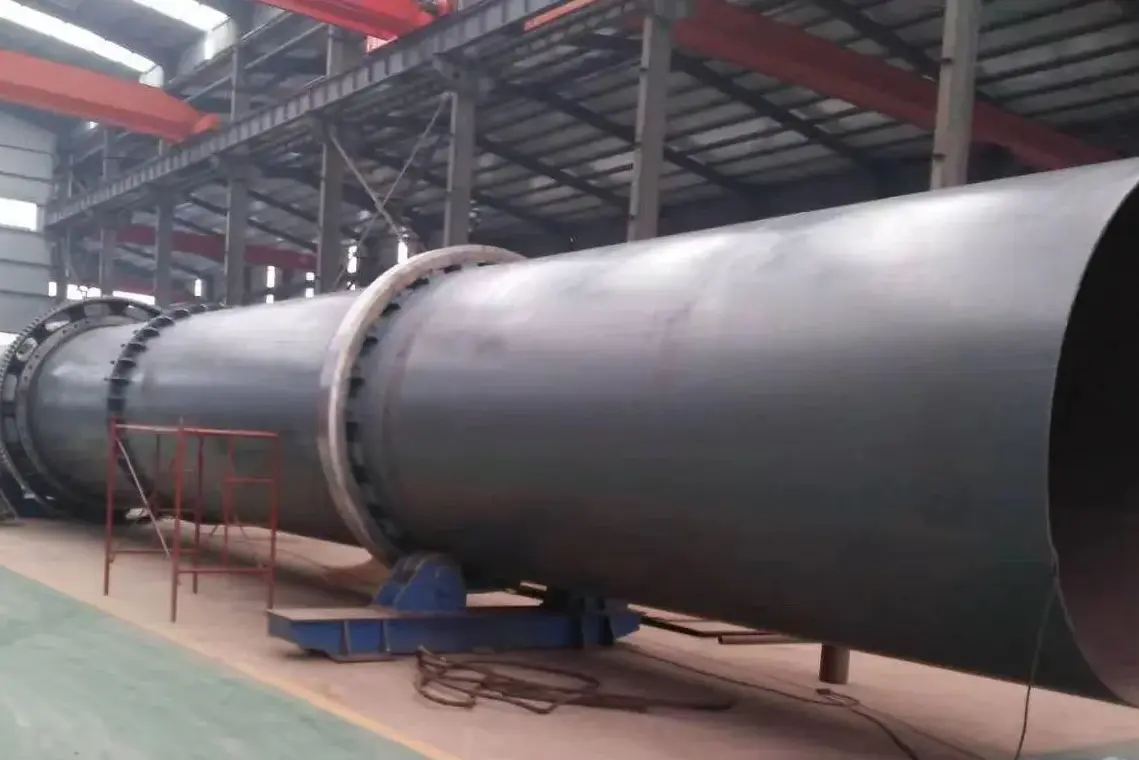
Rotary Drum Dryer
Conventional rotary drying system for bulk materials with stable and continuous operation.
- Capacity: 1–50 t/h
- Moisture reduction: up to 15–25%
- Drying temperature: 300–800°C
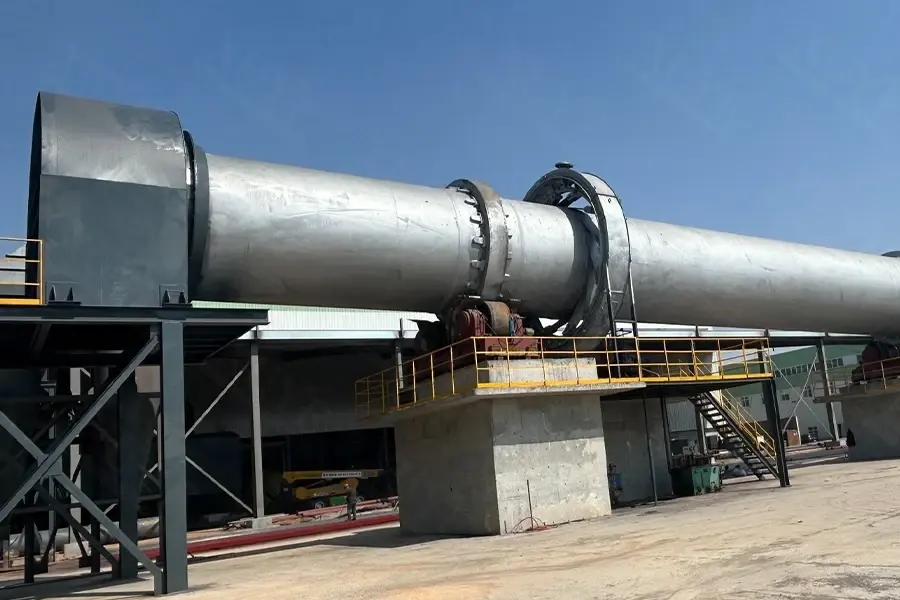
Coal Slime Dryer
Designed for high-moisture, sticky coal slime with strong anti-blocking structure.
- Capacity: 5–80 t/h
- Initial moisture: ≤30–40%
- Energy consumption: low-temperature indirect heating
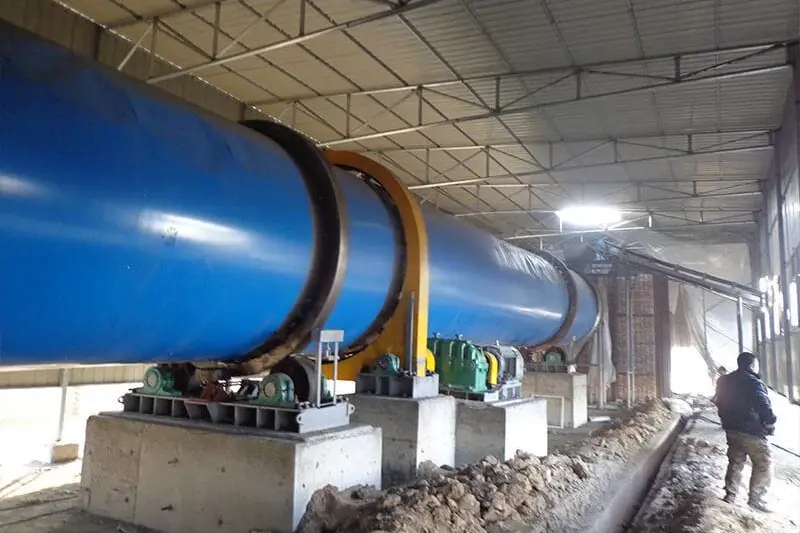
Sludge Dryer
Used for municipal and industrial sludge drying with environmental control system.
- Capacity: 2–60 t/h
- Final moisture: ≤10–15%
- Heating mode: direct or indirect drying
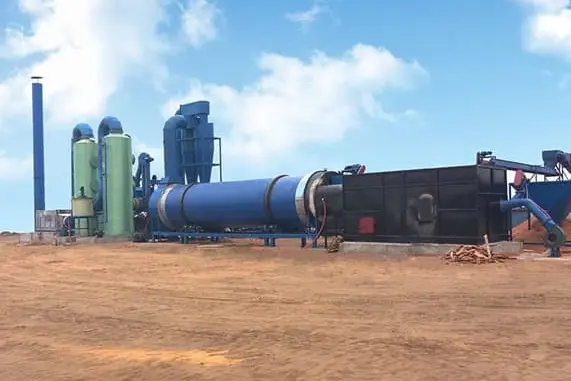
Slag Dryer
Suitable for high-density slag and metallurgical waste drying.
- Capacity: 5–100 t/h
- Feed size: ≤50 mm
- Thermal efficiency: high heat recovery design
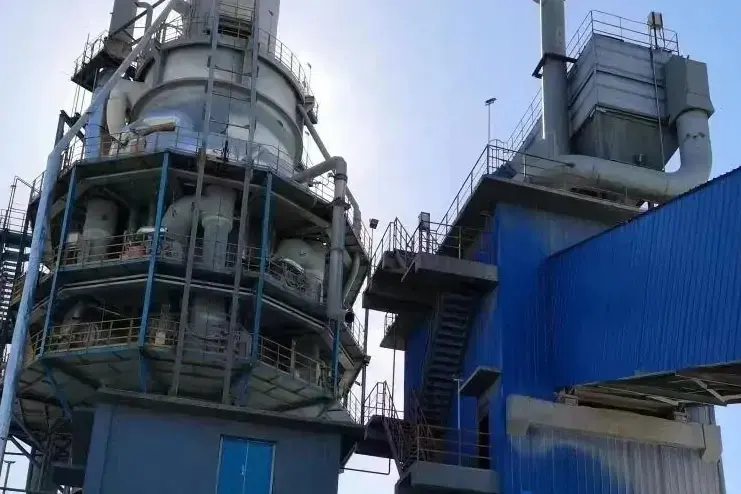
Vertical Dryer
Compact vertical structure for space-saving and high-efficiency drying applications.
- Capacity: 1–20 t/h
- Footprint: reduced by 40–60% vs horizontal type
- Drying mode: gravity + hot air circulation
Rotary Dryer Equipment Working Principle
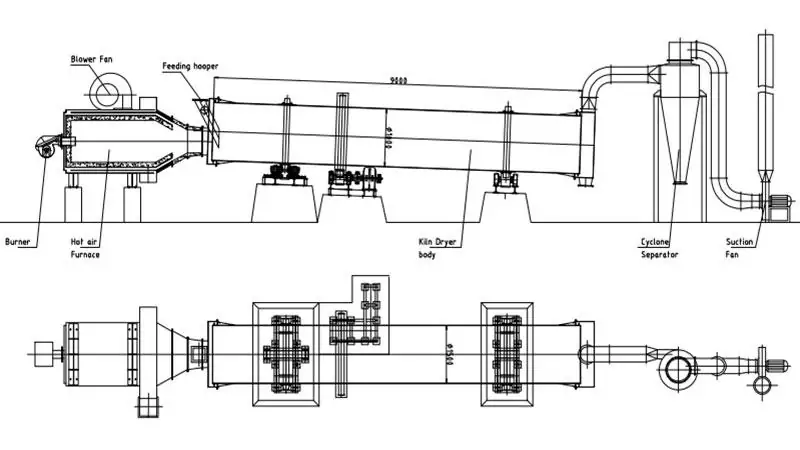
Rotary Dryer Equipment works on the principle of continuous thermal drying and heat exchange inside a rotating drum. Wet material is continuously fed into the dryer and moves forward under gravity and drum rotation, while lifting flights repeatedly lift and scatter the material through the hot air stream.
Hot gas generated by a furnace flows through the drum in co-current or counter-current direction, transferring heat to the material and evaporating moisture. The combination of rotation, lifting, and airflow ensures uniform drying and prevents material sticking or agglomeration. Typical drying efficiency can reach moisture reduction from 20–30% down to below 10%, depending on material type and process conditions.
Finally, dried material is discharged through the outlet system, while exhaust gas carrying moisture and dust is treated by a dust collection system, ensuring stable continuous drying process and controlled emission in industrial applications such as mining, coal, and mineral processing plants.

Would you require a tailored thermal processing solution?
Contact Zhongyi Mining Machinery for customized rotary kiln and dryer selection, process design, and complete thermal processing solutions tailored to your project requirements.
Applications
Rotary kiln and dryer equipment are widely used in industrial thermal processing applications where materials require drying, heating, calcination, or high-temperature treatment under continuous operation conditions. These systems are selected based on material characteristics, process temperature requirements, and production capacity across different industries.
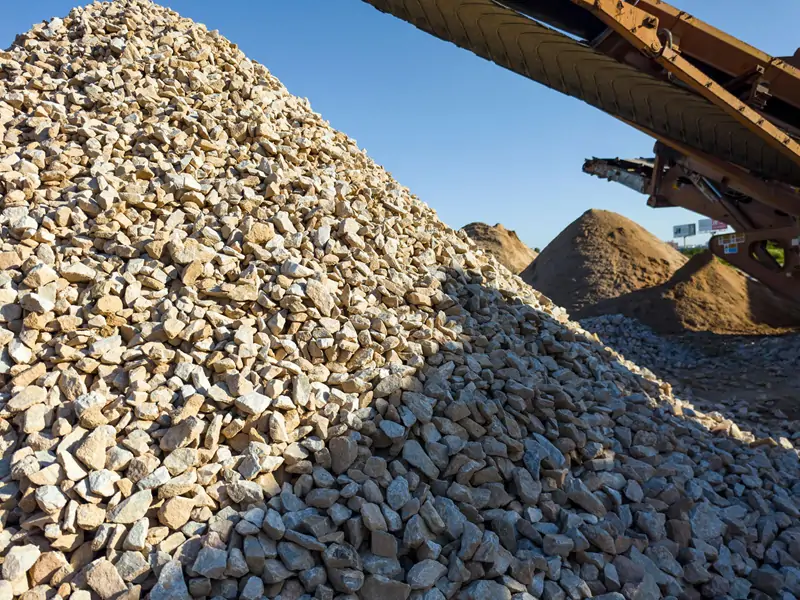
Used for drying, roasting, and thermal treatment of ores such as iron, copper, and nickel. These systems support material preparation, mineral upgrading, and high-temperature metallurgical processing.
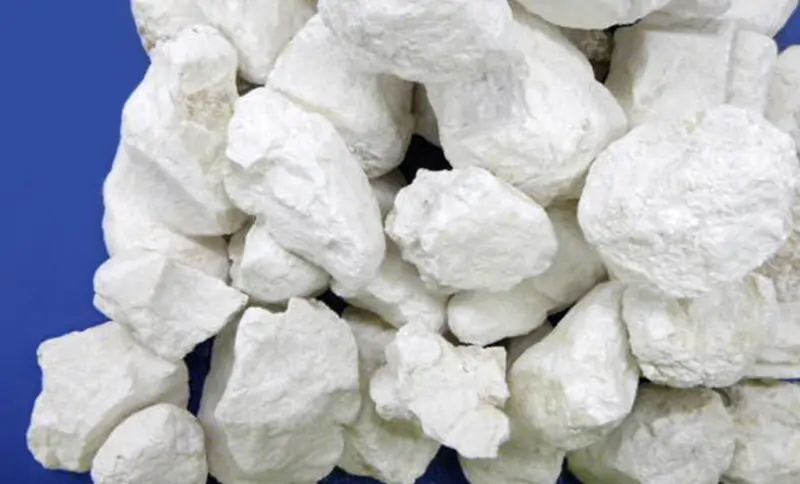
Applied in clinker production, limestone calcination, and raw material drying to ensure stable chemical composition and consistent product quality in cement manufacturing.
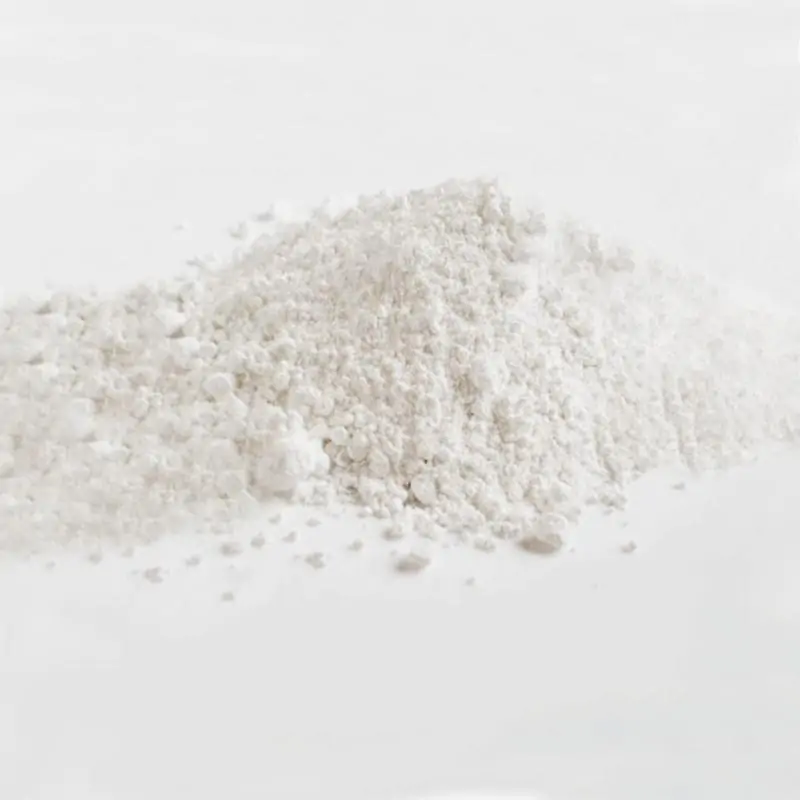
Used for controlled drying of chemical raw materials and supporting thermal reaction processes where stable temperature control is required for industrial production.
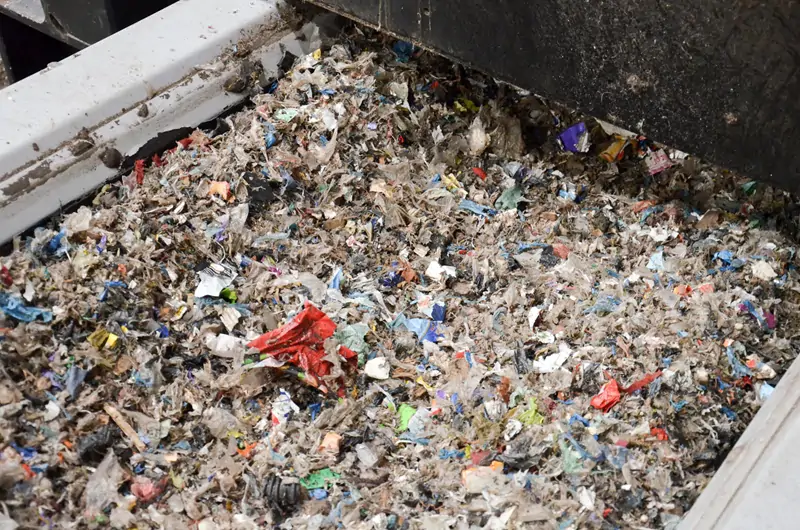
Applied in sludge drying, industrial waste processing, and material volume reduction to support recycling and environmental protection systems.
How to Choose Rotary Kiln or Dryer?
Selection of rotary kiln or dryer equipment depends on material characteristics, moisture content, required process temperature, and production capacity. Kilns are used for high-temperature calcination and chemical reactions, while dryers are designed for moisture removal and material preparation before further processing.
Materials with moisture content above 15%–30% are generally processed using rotary dryers. Materials requiring chemical or physical transformation, such as ore calcination or lime production, are processed in rotary kilns under high-temperature conditions.
Rotary dryers usually operate in a temperature range of 100°C–600°C depending on material type. Rotary kilns operate at higher temperature ranges of 800°C–1400°C or more, depending on the industrial process requirements.
Small to medium systems typically range from a few tons per hour to over 100 tons per hour. Large-scale industrial production requires integrated systems including feeding, heating, rotation control, and discharge to ensure stable continuous operation.
Rotary Kiln vs Rotary Dryer
Rotary kiln and rotary dryer are both industrial rotating thermal processing equipment used for bulk material treatment. Although they share similar structures, they serve different purposes in drying and high-temperature processing applications.
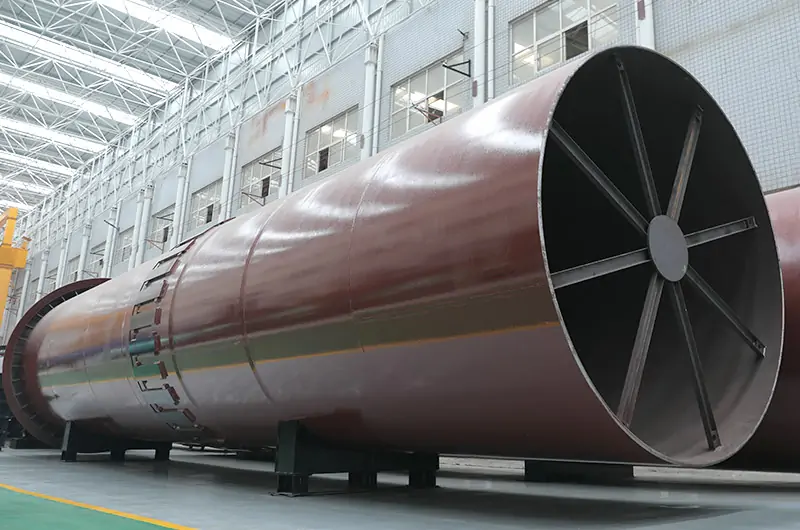
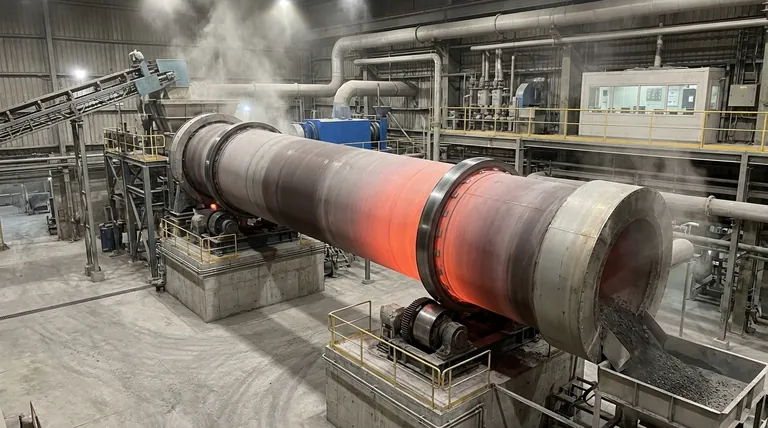
Comparison Table
| Feature | Rotary Dryer | Rotary Kiln |
|---|---|---|
| Main Function | Moisture removal and drying | High-temperature calcination and thermal reaction |
| Temperature Range | 100°C – 600°C | 800°C – 1400°C+ |
| Process Type | Physical drying process | Chemical or physical transformation process |
| Material Condition | High or medium moisture materials | Materials requiring thermal decomposition or reaction |
| Industrial Use | Mining, cement, chemical drying systems | Cement production, metallurgy, lime calcination |
| Operation Type | Continuous low-temperature drying | Continuous high-temperature processing |
| Output Result | Dry and stable raw materials | Calcined or chemically transformed materials |
Selection Guide
Rotary dryers are mainly used for reducing moisture content in raw materials before further processing. Rotary kilns are used for high-temperature industrial reactions such as calcination, roasting, and thermal decomposition. Selection depends on material characteristics, required process temperature, and production objectives.
Advantages
Rotary kiln and dryer equipment are engineered for continuous industrial thermal processing with stable operation, efficient energy utilization, and strong adaptability across different material conditions and production environments. The system is widely used in drying, calcination, and thermal treatment processes requiring stable performance under long-term operation.
The equipment is designed for long-term continuous operation under heavy industrial conditions, ensuring stable material movement inside the cylinder, consistent thermal zone control, and reduced operational interruption. The rotating structure and support system are engineered to maintain alignment and stability during extended production cycles, making it suitable for large-scale continuous processing lines.
The system adopts an optimized heat exchange structure that improves contact between hot gas and materials, enhancing thermal transfer efficiency while reducing unnecessary energy loss. Multi-zone temperature control allows more uniform heating or drying, ensuring stable performance across materials with different moisture levels and thermal response characteristics.
Rotary kiln and dryer systems can process a wide range of materials with varying moisture content, particle sizes, and physical or chemical properties. The internal lifting, mixing, and residence time control design ensures stable processing of ores, industrial minerals, powders, and chemical raw materials, even under fluctuating feed conditions
The equipment can be integrated into complete industrial thermal processing lines, including feeding systems, heat sources, discharge units, cooling systems, and dust collection systems. The modular design allows flexible configuration according to plant layout, capacity requirements, and process flow, supporting both standalone and full production line applications.
Customized Rotary Kiln and Dryer Solutions
Zhongyi Mining Machinery provides customized rotary kiln and dryer solutions based on material characteristics, process requirements, and production capacity. Our systems are designed for integrated thermal processing, including drying, calcination, and material heat treatment, to ensure stable and efficient operation in industrial production.
Customization covers equipment configuration, system layout, heating method selection, and process integration for mining, cement, metallurgy, chemical, and environmental applications. We also adjust key parameters such as temperature range, fuel type, and material handling system to match different project conditions and site requirements.
More Solutions
Why Choose Zhongyi Mining Machinery?
FAQs
What is a rotary kiln and dryer used for?
Rotary kiln and dryer equipment are used for industrial drying, calcination, and thermal processing of bulk materials. They are widely applied in mining, cement, metallurgy, chemical, and environmental industries to remove moisture, improve material properties, or achieve high-temperature chemical and physical transformations.
What is the difference between a rotary kiln and a rotary dryer?
A rotary dryer is mainly used for moisture removal at lower temperatures, while a rotary kiln is designed for high-temperature processing such as calcination and material transformation. Kilns operate at much higher temperatures and are used for more complex industrial thermal reactions.
What materials can be processed in rotary kilns and dryers?
These systems can handle ores, limestone, clay, gypsum, industrial minerals, chemical powders, and waste materials. Rotary dryers are suitable for high-moisture raw materials, while rotary kilns are used for materials requiring thermal decomposition or high-temperature treatment.
How does a rotary dryer work?
A rotary dryer works by rotating a cylindrical drum while hot air flows through it. Internal lifting plates lift and scatter materials, increasing contact with hot gas. This process efficiently removes moisture and ensures uniform drying under continuous operation.
How does a rotary kiln work?
A rotary kiln operates by rotating a long cylindrical shell while materials move through high-temperature zones. Fuel combustion generates heat for calcination or chemical reactions, enabling continuous thermal transformation of raw materials in mining, cement, and metallurgical processes.
What industries use rotary kiln and dryer equipment?
Rotary kiln and dryer systems are widely used in mining, cement production, metallurgy, chemical processing, and environmental industries. They are essential for drying raw materials, calcining minerals, and treating industrial waste in large-scale continuous production systems.
How do I choose between a rotary kiln and a rotary dryer?
The selection depends on material moisture, required processing temperature, and production purpose. Rotary dryers are suitable for drying applications, while rotary kilns are used for high-temperature calcination and material transformation. Zhongyi provides selection support based on project conditions.
Can rotary kiln and dryer systems be customized?
Yes, rotary kiln and dryer systems can be fully customized based on material type, capacity requirements, and site conditions. Zhongyi Mining Machinery provides tailored system design, equipment configuration, and process optimization for different industrial applications.