
Stone Crushing Equipment





Spring Cone Crusher
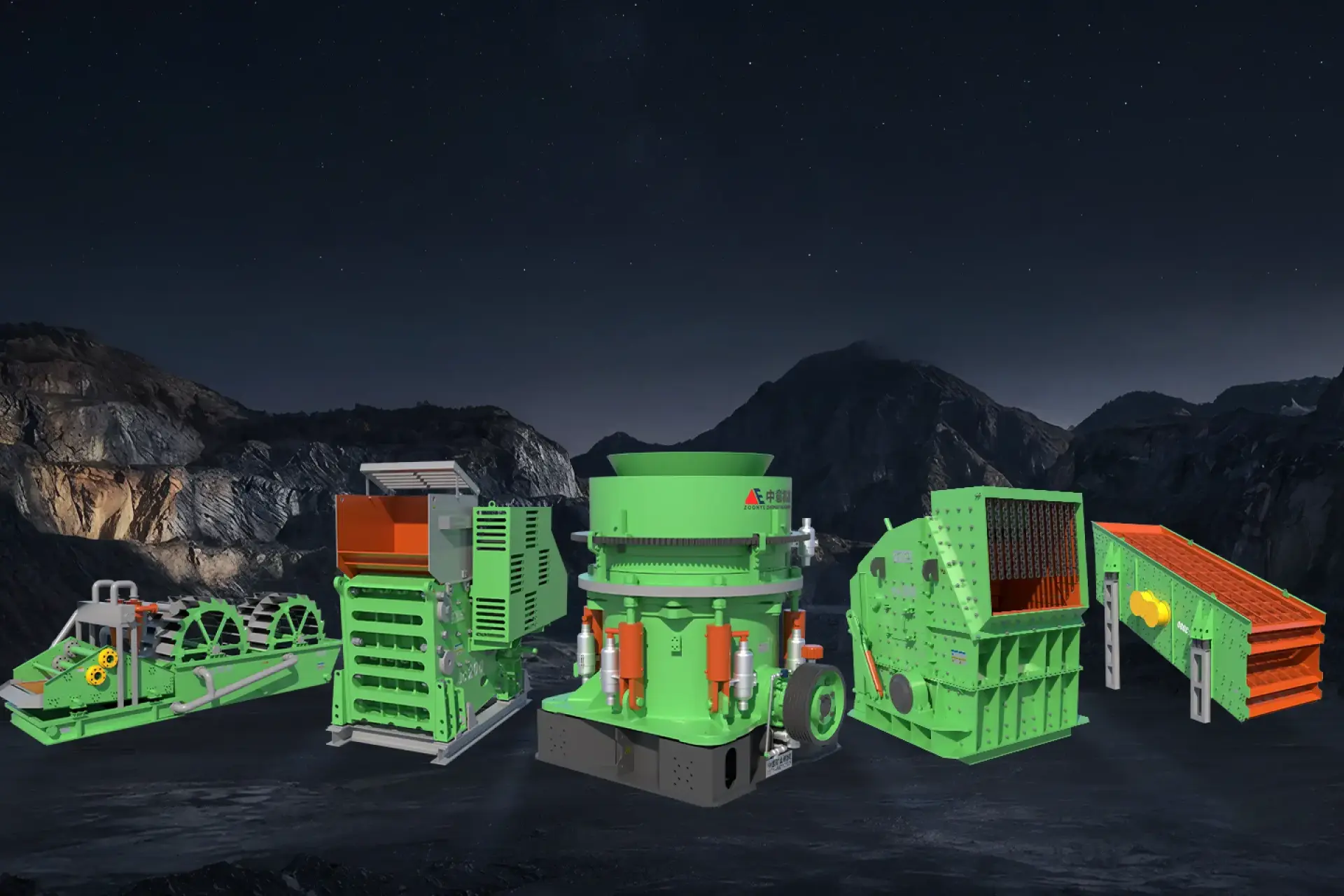
Stone crushing equipments are used to reduce large rocks, ores, and construction materials into specified particle sizes for mining, quarrying, road construction, and aggregate production. Zhongyi provides complete crushing solutions, including jaw crushers, cone crushers, impact crushers, hammer crushers, and mobile crushing systems for capacities ranging from small-scale operations to large industrial plants.
Applicable Materials
Suitable for crushing and processing metallic ores, non-metallic minerals, natural rock, aggregates, coal, industrial solid waste, and recycled construction materials, including limestone, granite, basalt, river stone, quartz, iron ore, copper ore, gypsum, concrete, bricks, asphalt, and steel slag.
Recommended Equipment
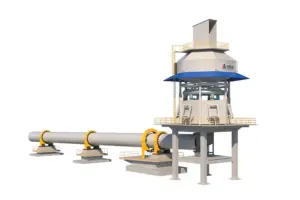
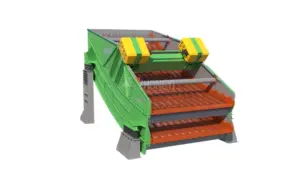
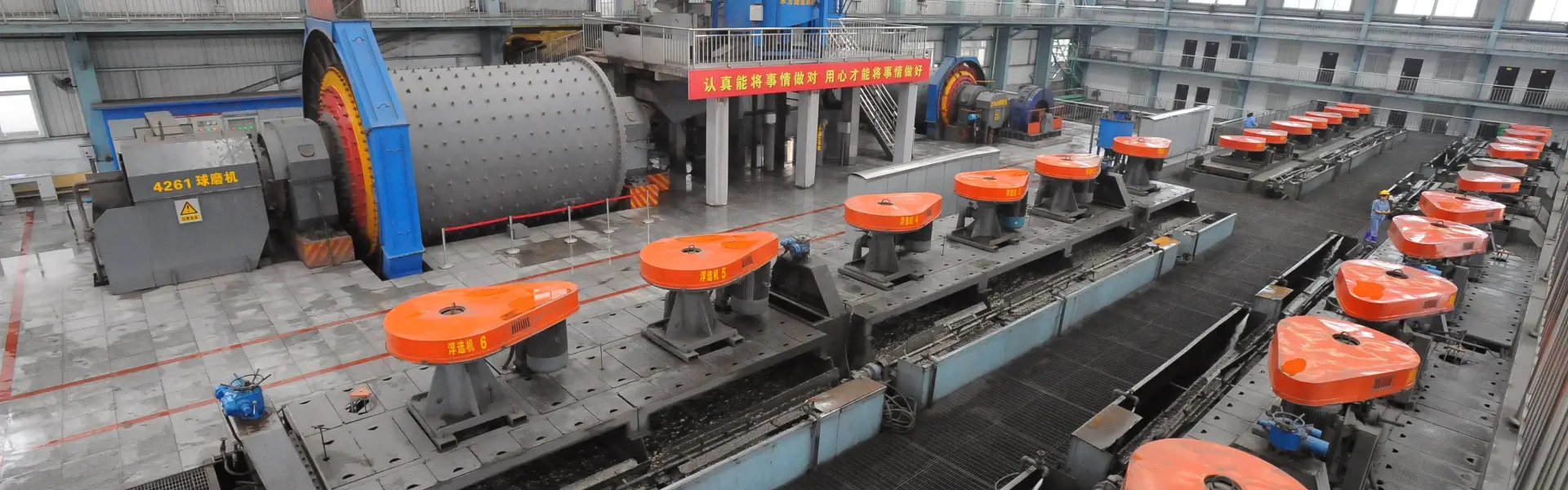
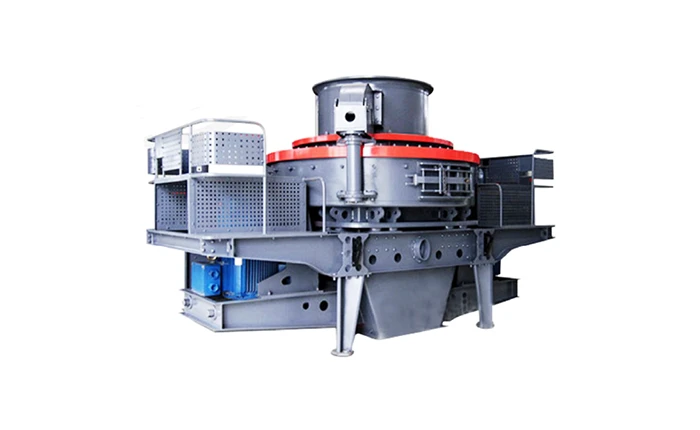
Jaw Crusher, Heavy Hammer Crusher, Impact Crusher, Cone Crusher, VSI Sand Making Machine, Vibrating Feeder, Vibrating Screen, Belt Conveyor, Ball Mill, Rod Mill, and complete crushing and screening systems.
Zhongyi Provides Free Crushing Solution Consultation
Zhongyi Mining Machinery provides free material analysis and project evaluation services. Share your material type, feed size, target output size, and capacity requirements with our team. We will recommend suitable crusher models, equipment configurations, and crushing solutions for your project.
What Is a Stone Crusher Machine?
A stone crushing equipment, also known as a rock crusher or stone crusher machine, is a mechanical system used to reduce large rocks, ores, and construction materials into smaller sizes through compression, impact, or attrition. It is the core equipment in aggregate production, mining, quarrying, and recycling operations, producing materials for concrete, asphalt, road construction, and mineral processing.
Stone crusher machines replace traditional manual rock breaking with continuous, high-capacity crushing. Depending on the application, they can process feed sizes exceeding 1,500 mm and deliver outputs ranging from coarse aggregates to manufactured sand. Common types include jaw crushers, cone crushers, impact crushers, hammer crushers, and sand making machines. Compared with manual crushing methods, modern crushing systems provide higher throughput, consistent product size, lower labor requirements, and more efficient large-scale material processing.
Types of Stone Crushing Equipments
Stone crushing equipments are used throughout the crushing process, from primary size reduction to secondary and fine crushing. Different crusher types are selected according to material characteristics, feed size, required product size, and production capacity.
Zhongyi Mining Machinery offers jaw crushers, impact crushers, cone crushers, and hammer crushers for a wide range of crushing applications. Equipment can be configured as standalone units or integrated into complete crushing plants based on project requirements.
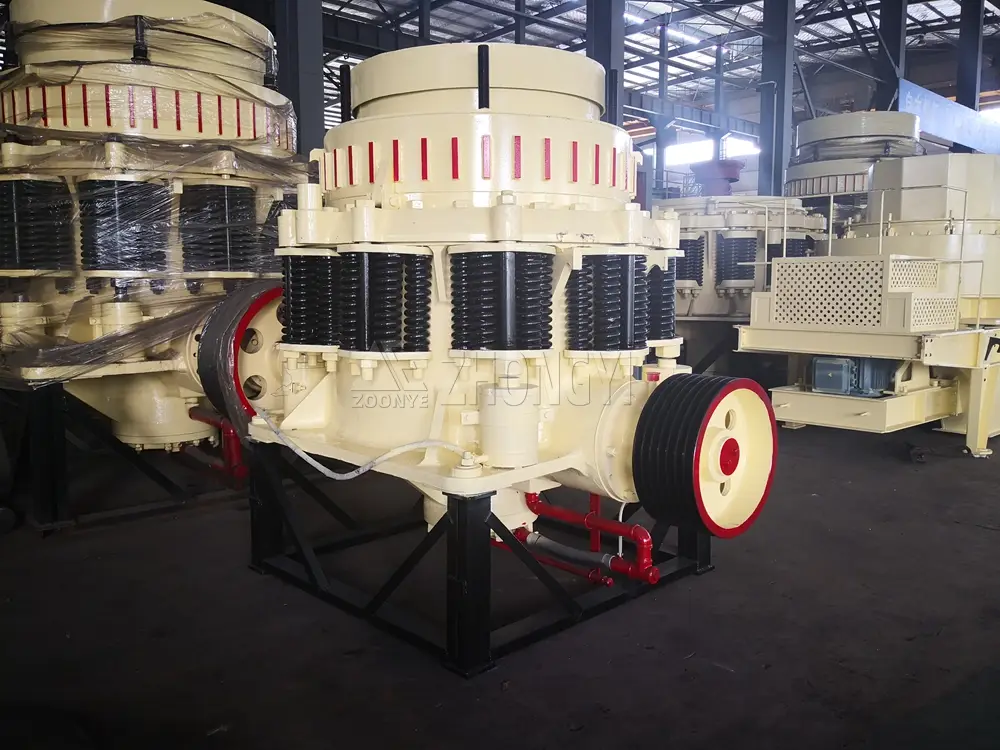
Spring Cone Crusher is a proven crushing solution for medium and fine crushing applications in mining, quarrying, and aggregate production. It uses a spring safety system and compression crushing mechanism to process materials such as granite, basalt, iron ore, and other medium-hard rocks. The crusher features a simple structure, reliable operation, and lower maintenance requirements, making it suitable for projects that require stable performance and cost-effective crushing. It is commonly installed after jaw crushers for secondary crushing and works with screening and conveying equipment in complete crushing plants.
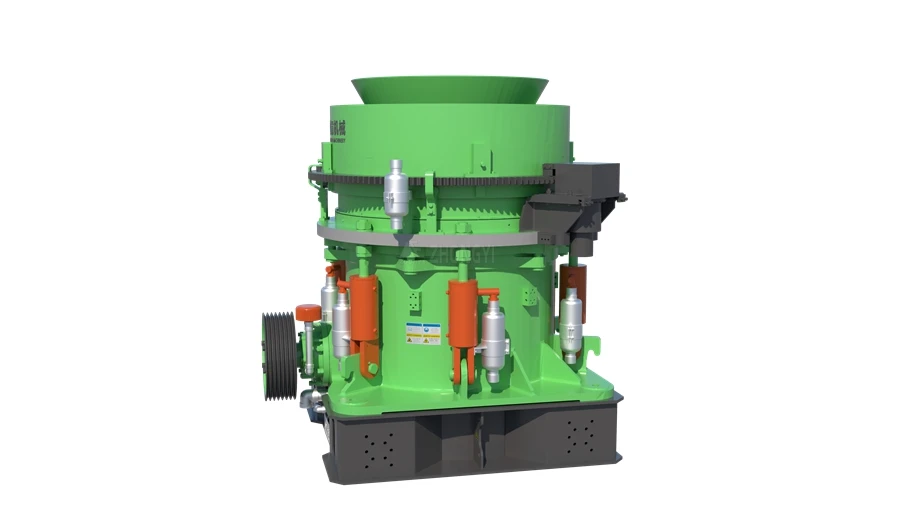
Multi Cylinder Hydraulic Cone Crusher is designed for secondary and tertiary crushing of hard and abrasive materials in mining, quarrying, and aggregate production. Equipped with multiple hydraulic cylinders, it provides precise discharge adjustment, overload protection, and stable crushing performance. The crusher uses the compression force between the mantle and concave to reduce material size, making it suitable for large-scale operations requiring high capacity and consistent product quality.
- Capacity: 180–1,200 TPH
- Feed Size: ≤350 mm
- Motor Power: 160–600 kW
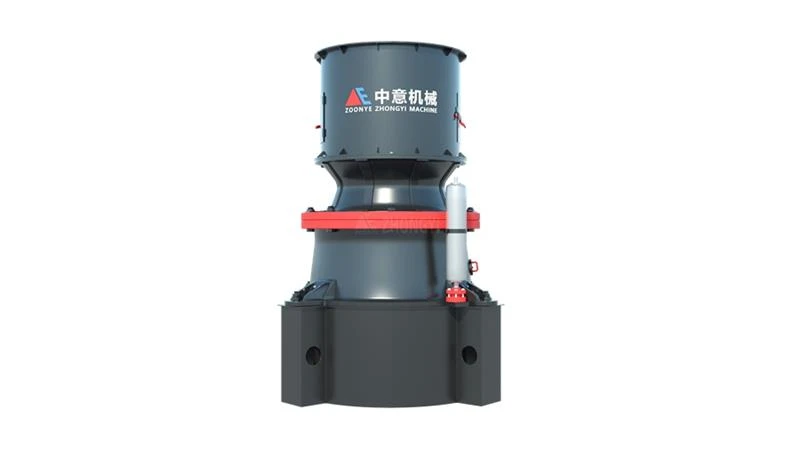
Zhongyi provides reliable single cylinder hydraulic cone crushers for mining and aggregate production, built to handle hard and abrasive materials with consistent performance. Our crushers deliver a high crushing ratio, stable hydraulic adjustment, and easy maintenance, reducing downtime and operating costs. Suitable for crushing granite, basalt, iron ore, limestone, and other medium to extra-hard rocks, we offer durable equipment and customized support to customers worldwide.
- Feeding Size: ≤ 350 mm
- Discharge Size: 6–65 mm (adjustable)
- Production Capacity: 60–500 t/h
- Motor Power: 90–400 kW
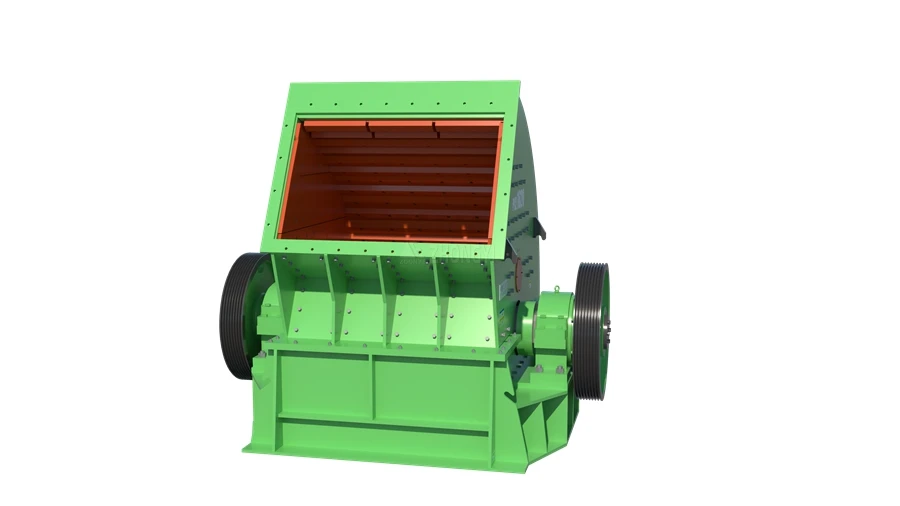
A heavy hammer crusher is widely used in mining, quarry, and construction for crushing medium to hard materials. It provides efficient size reduction and is suitable for various production lines.
At Zhongyi Mining, we provide hammer crusher solutions tailored to different materials, capacities, and production requirements. Our equipment is designed to support stable operation, simplify the crushing process, and improve overall efficiency across various applications.
- Feed Size: Up to 400 mm (16 in)
- Processing Capacity: Up to 800 t/h
- Discharge Size: 5–80 mm (Adjustable)
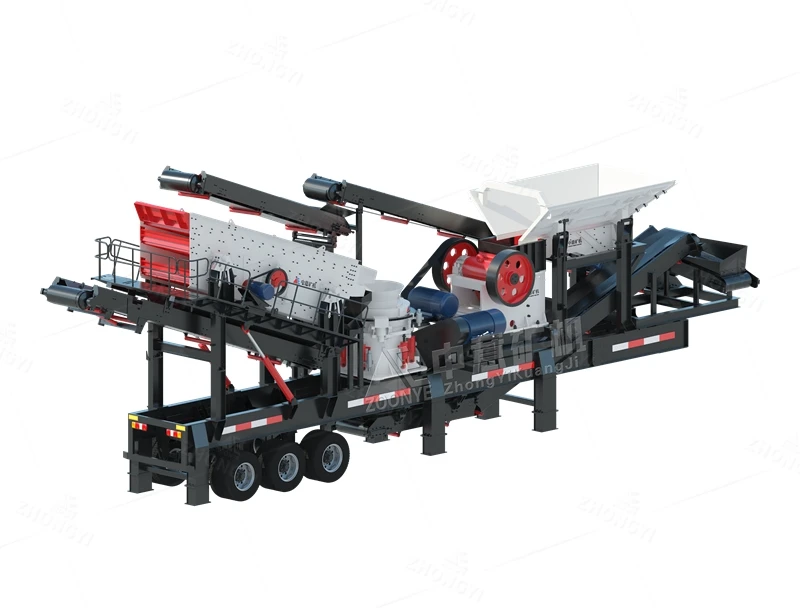
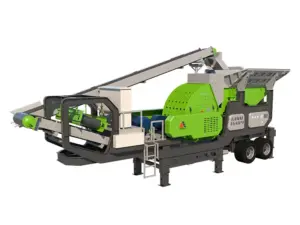
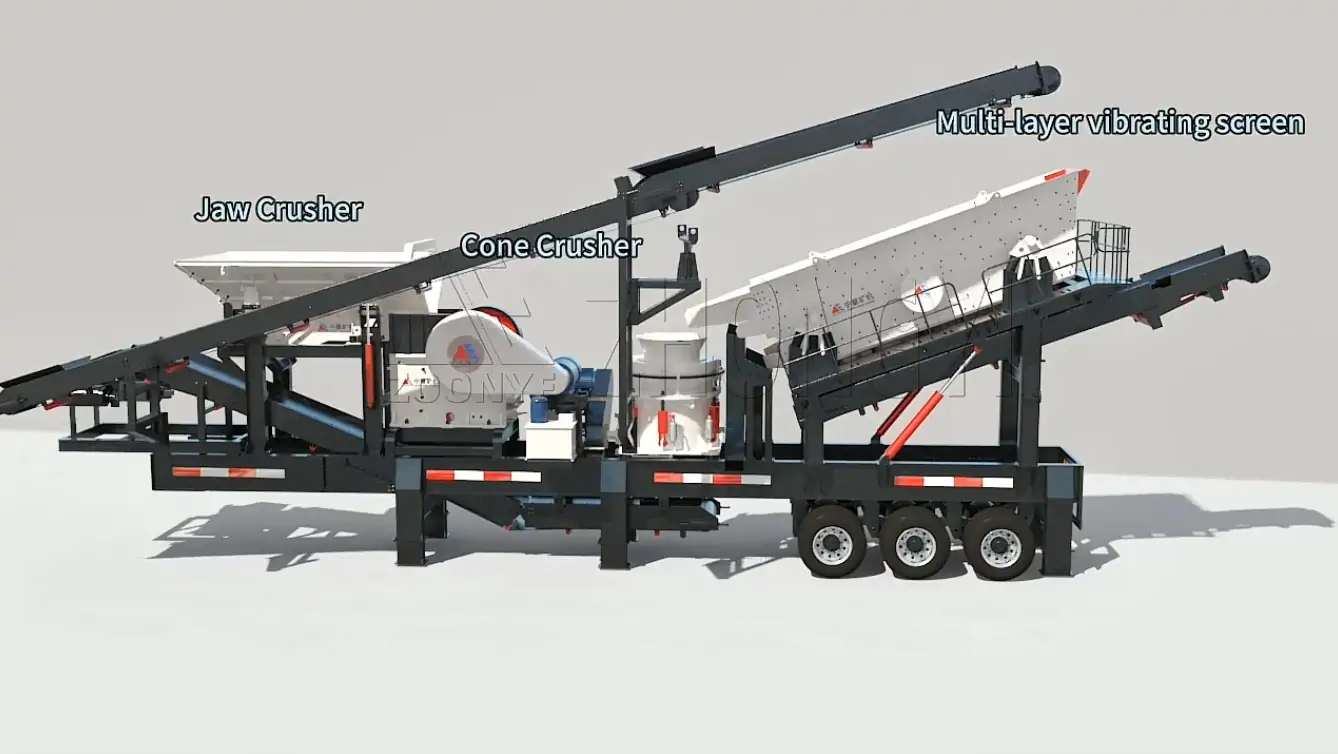
Zhongyi provides mobile crusher plant solutions designed for on-site crushing in mining, quarrying, and construction waste recycling. Our portable crushing plants deliver high mobility, rapid deployment, and energy-efficient operation — processing materials directly at the job site. Suitable for hard rocks (granite, basalt), metal ores (gold, copper, iron ore), limestone, concrete rubble, and asphalt millings.
Feeding Size: ≤ 600 mm
Discharge Size: 0–40 mm (adjustable)
Production Capacity: 80–500 t/h
Motor Power: 200–550 kW (diesel-electric hybrid optional)
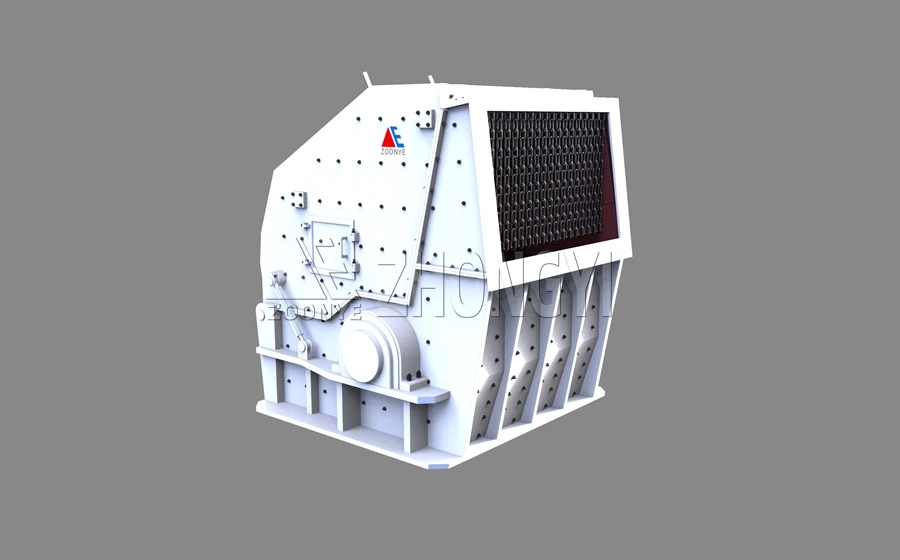
The European impact crusher is a highly efficient medium-crushing and shaping machine that features a heavy-duty rotor structure and an optimized crushing chamber design to enhance material crushing efficiency and improve the quality of the final product’s particle shape. The equipment is suitable for continuous crushing operations of materials with medium or lower hardness and is commonly used as a key secondary crushing or shaping unit in sand and gravel aggregate production lines. It is characterized by stable operation, uniform output, and excellent final product particle shape.
Feed particle size: ≤800mm
Production capacity: 30-800t/h
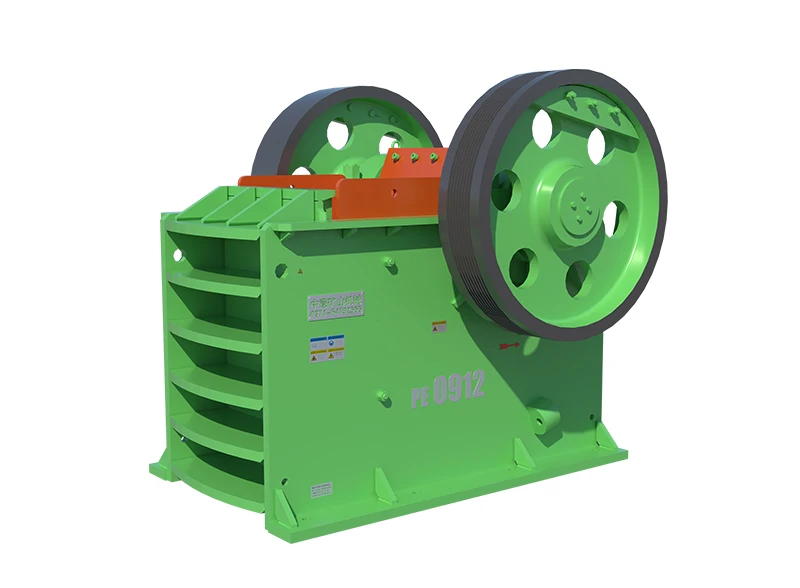
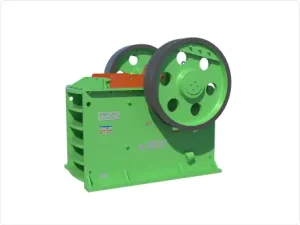
The Mining Jaw Crusher is a primary crushing machine designed for processing hard rock, ores, granite, basalt, limestone, and other high-strength materials in mining, quarrying, and aggregate production applications. Adopts a deep crushing chamber, optimized jaw plate design, and high-strength frame structure, it delivers high reduction ratios, with stable throughput, and reliable operation.
Processing Capacity: 50–1,350 TPH
Feed Size: ≤1,200 mm
Suitable Materials: Granite, basalt, limestone, river stone, iron ore and other medium-hard to hard rock materials
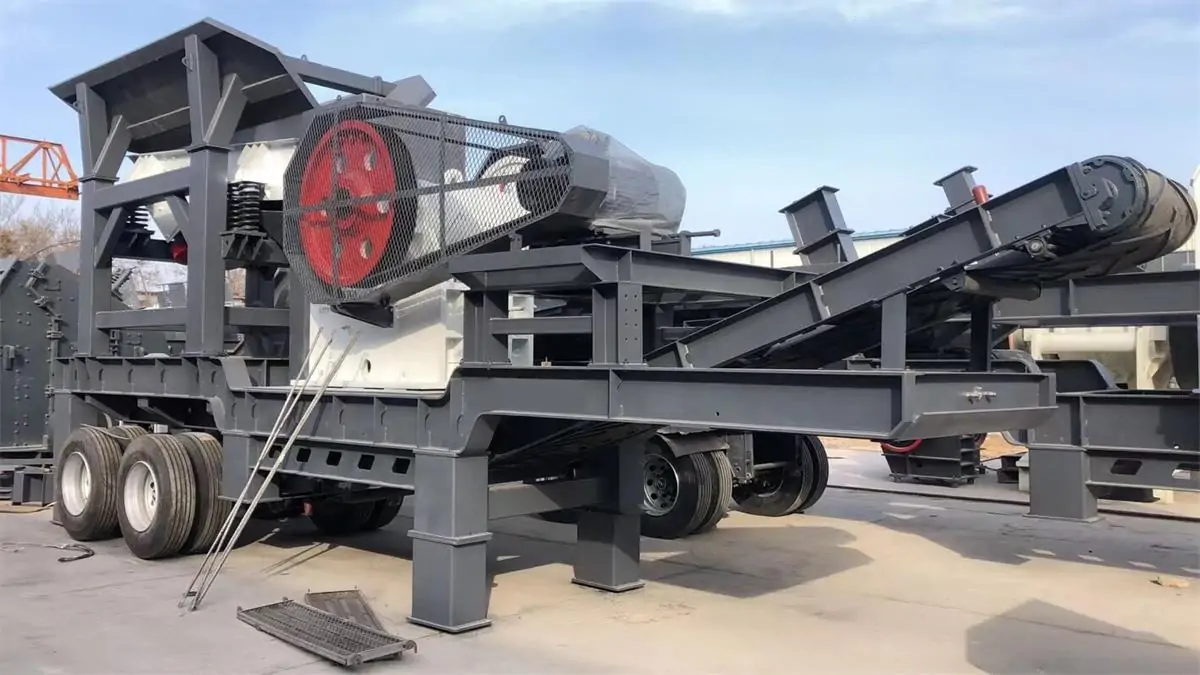
Mobile Jaw Crusher Machine is a complete primary crushing solution designed for hard rock and large-scale material processing. It integrates feeding, crushing, and conveying systems on a tracked or wheeled chassis, enabling flexible on-site operation without the need for fixed infrastructure.
Feed opening range: 600 × 400 mm to 1,200 × 870 mm
Capacity range: 10–800 t/h depending on crusher size and CSS setting
Engine power range: 15–310 kW diesel direct, or 310 kW + 420 kVA diesel-electric
Operating weight: 5,000–65,000 kg depending on chassis class
How Does a Stone Crushing Equipment Work?
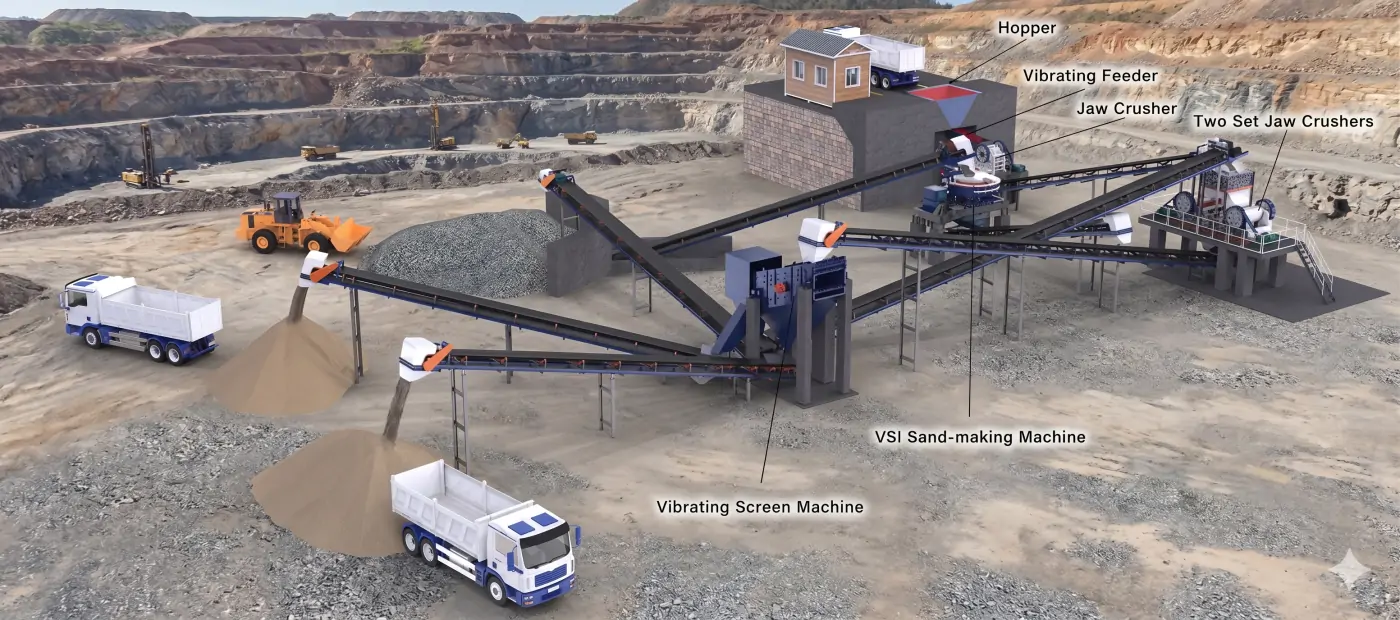
A stone crushing equipment reduces large rock into graded aggregates through a continuous crushing and screening process. The system uses compression, impact, and shear forces depending on material hardness and required output size.
Feeding
Raw stone is fed into the crusher through a hopper or vibrating feeder to maintain stable material flow.
Primary Crushing
Large stones are reduced by jaw crusher or impact crusher. This stage mainly relies on compression crushing.
Secondary Crushing
Material is further reduced to required size by cone crusher or impact crusher, combining compression, impact, and shear action for finer output.
Screening
Vibrating screen separates qualified material. Oversized particles are returned for re-crushing.
Final Product Output
Finished aggregates are discharged for use in construction, road base, concrete production, and other engineering applications.
Video Show
Applications
Stone crushing equipments are used in mining, quarrying, aggregate production, road construction, and building material processing. Different crusher types are selected according to material hardness, feed size, required output size, and production requirements.
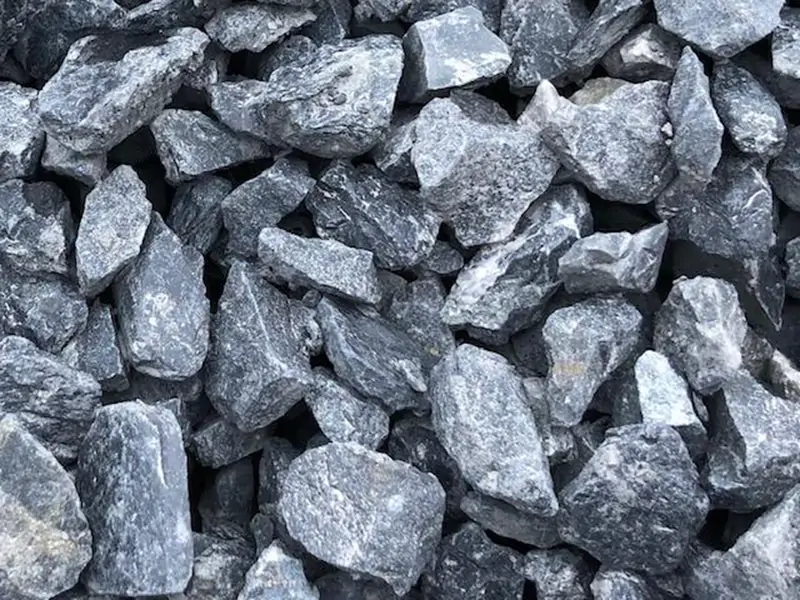
Used to process granite, basalt, limestone, river stone, and other raw materials into aggregates for concrete production, commercial aggregate supply, and infrastructure projects. Different crusher types can be configured according to material hardness and required output size.
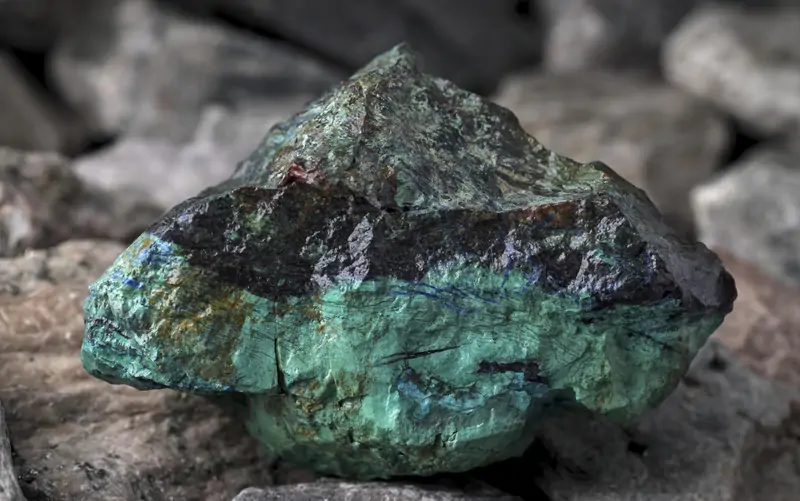
Applied in metal and non-metal mining operations to reduce ore size before grinding, beneficiation, or other downstream mineral processing stages. Proper crushing helps improve material handling efficiency and supports subsequent recovery processes.
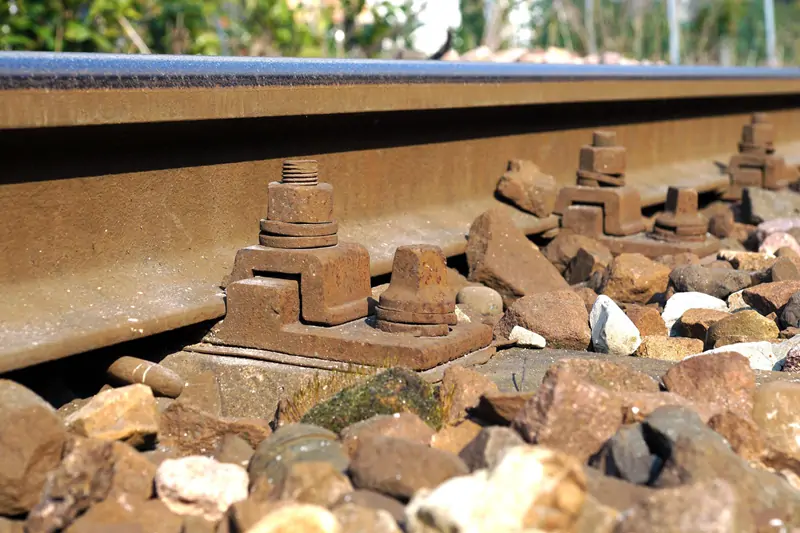
Used to produce crushed stone and ballast materials for road construction, railway foundations, and other transportation infrastructure applications. Consistent particle size is important for structural stability and long-term performance.
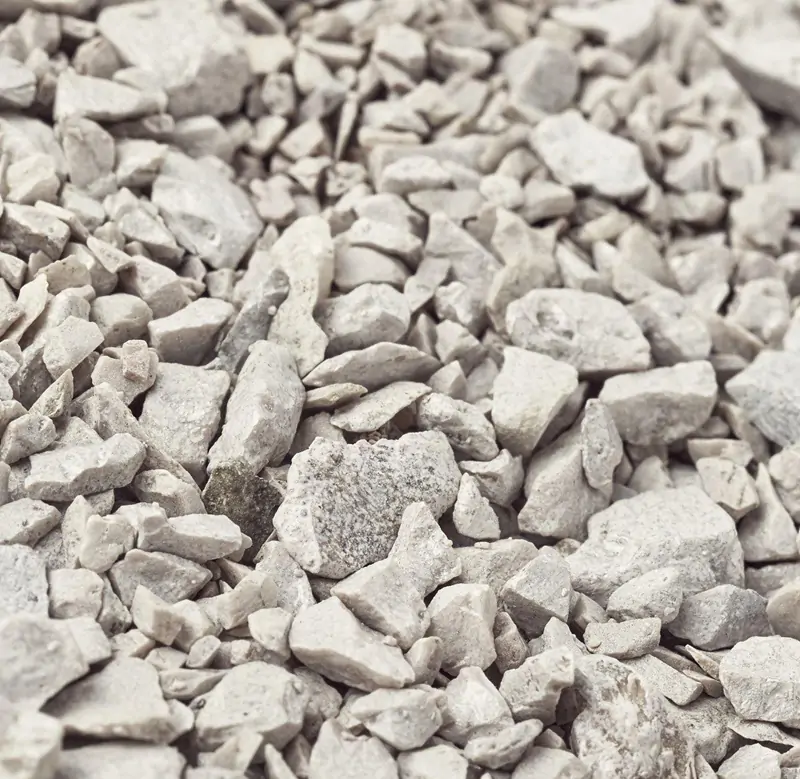
Suitable for crushing limestone, gypsum, coal gangue, and other raw materials used in cement plants and building material production. The crushing stage helps prepare feed materials for subsequent grinding and manufacturing processes.
How to Choose the Right Stone Crusher?
In real projects, most selection issues come from mismatched process design rather than equipment performance. A proper configuration based on material and output requirement will significantly improve stability and reduce operating cost. We recommend selecting a stone crusher based on four key factors: material type, crushing stage, required capacity, and final product size.
Material Type
Soft materials (limestone, gypsum): Impact crusher or hammer crusher is suitable due to lower crushing resistance.
Medium-hard materials (river stone, construction waste): Jaw crusher + impact crusher is commonly used.
Hard materials (granite, basalt, quartz): Jaw crusher + cone crusher is recommended for better wear resistance and stability.
Crushing Stage
Primary crushing: Jaw crusher (for large feed size reduction)
Secondary crushing: Cone crusher or impact crusher (for size reduction and shaping)
Fine crushing: VSI crusher (for high-quality aggregate)
A standard crushing line usually follows: feeding → primary crushing → secondary crushing → screening.
Required Capacity (TPH)
Crusher selection should match real production demand, not just nominal capacity.
| Capacity Range | Recommended Configuration | Typical Application |
|---|---|---|
| 1–50 TPH | Small Jaw Crusher | Small quarry, laboratory use, small construction projects |
| 50–200 TPH | Jaw + Impact Crusher | Medium aggregate production, limestone, construction waste |
| 200–500 TPH | Jaw + Cone Crusher | Hard rock quarry, granite, basalt, mining operations |
| 500+ TPH | Multi-stage Crushing Plant | Large-scale mining, commercial aggregate production lines |
In engineering practice, we typically recommend a 10–20% capacity buffer to handle feed fluctuations.
Final Product Requirement
Cubical, high-quality aggregate: Impact or VSI crusher
Standard construction aggregate: Jaw + cone crusher combination
Coarse base material: Jaw crusher only
Please provide your material type, feed size, target output size, capacity requirements, and site conditions. Contact Zhongyi Mining Machinery for professional equipment selection and customized crushing plant solutions.
Contact Zhongyi Mining Machinery
Share your material type, feed size, required output size, and capacity requirements with our team. We will recommend suitable crusher models and crushing solutions for your project.
Stone Crushing Plant Solutions Configurations
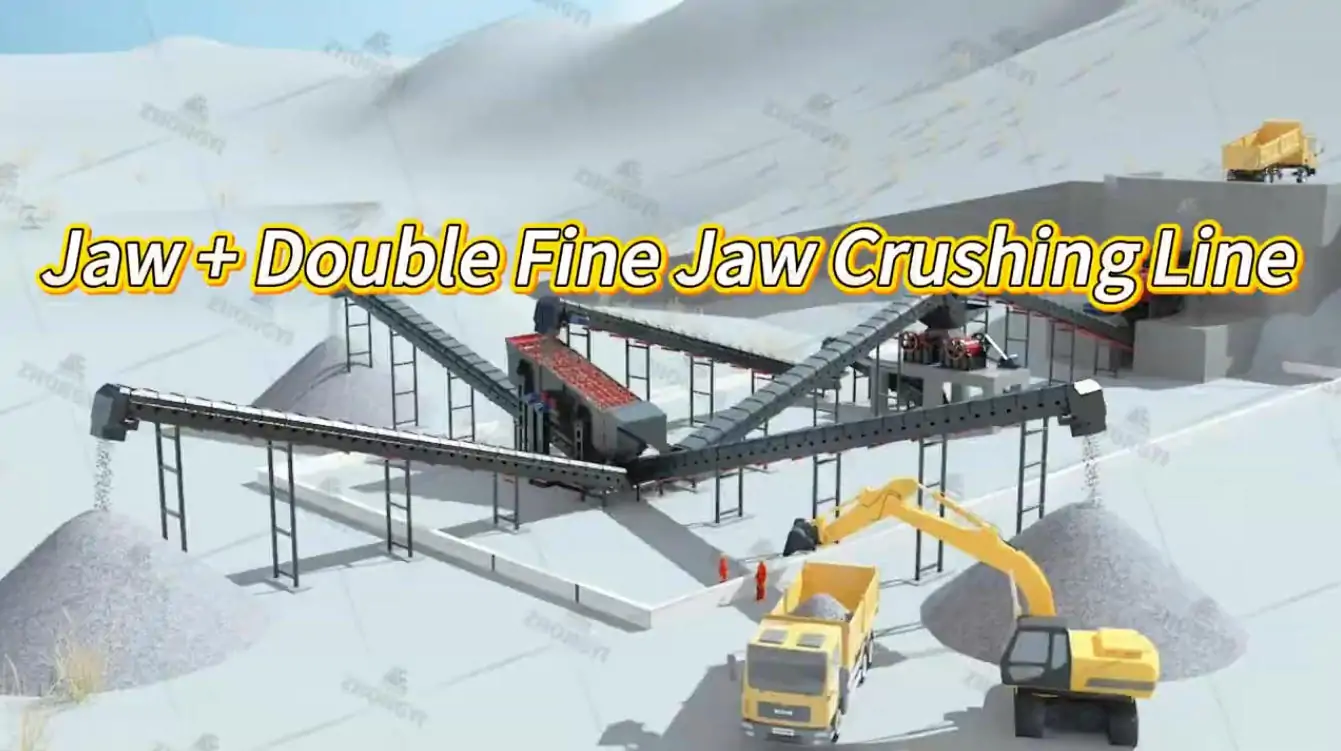
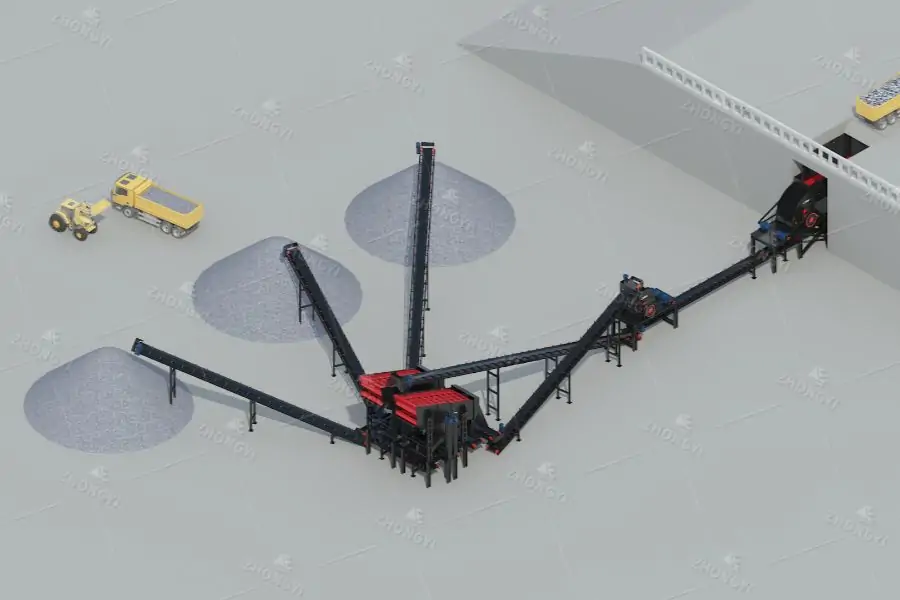
Based on Zhongyi engineering project experience, stone crushing plants are usually designed according to required capacity, material hardness, and final product specifications. Below are standard configuration examples for different production scales.
50-80 TPH Stone Crushing Plant
Equipment List:
Jaw Crusher + Vibrating Feeder + Vibrating Screen + Belt Conveyor
Feed Size:
≤ 400 mm
Output Size:
0–5 mm, 5–20 mm, 20–40 mm
Applications:
Small quarry operations, local construction projects, road base material production.
Get a Quote
100-200 TPH Stone Crushing Plant
Equipment List:
Jaw Crusher + Impact Crusher + Vibrating Screen + Belt Conveyor
Feed Size:
≤ 500 mm
Output Size:
0–5 mm, 5–10 mm, 10–20 mm, 20–40 mm
Applications:
Medium-scale aggregate production, limestone crushing, construction waste recycling.
Get a Quote
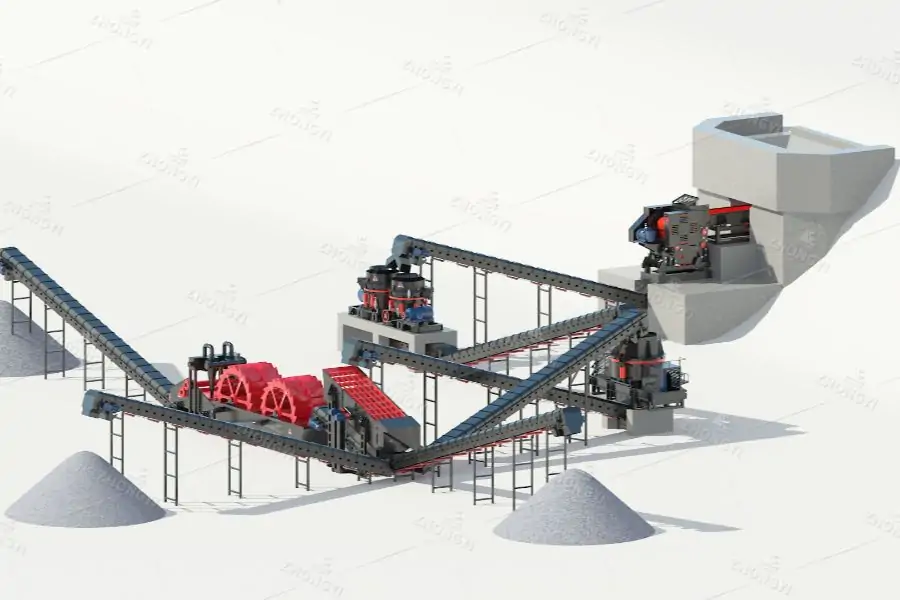
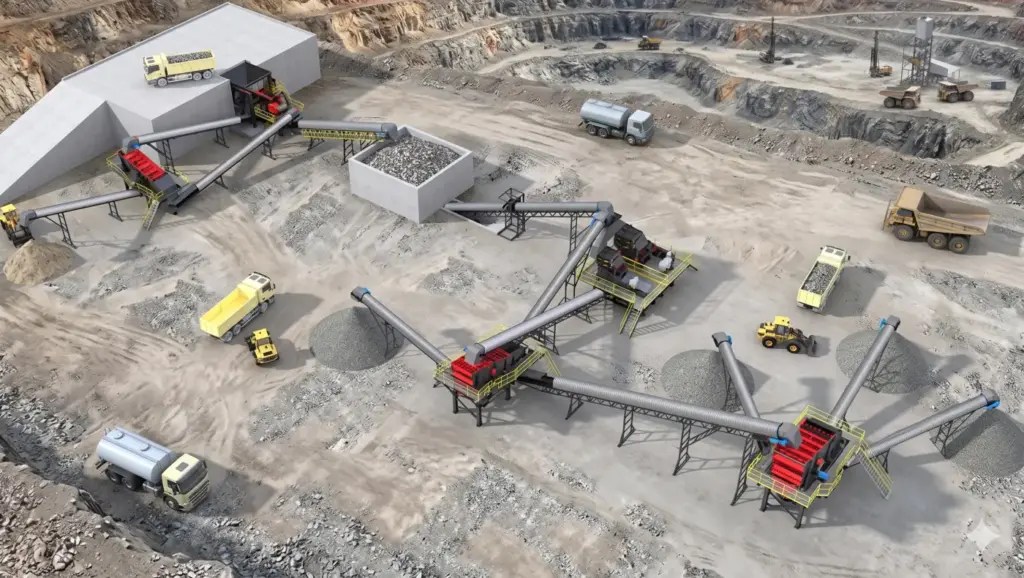
500-1000 TPH Stone Crushing Plant
Equipment List:
Jaw Crusher + Cone Crusher (Primary & Secondary) + VSI Crusher (optional) + Multiple Vibrating Screens + Full Conveyor System
Feed Size:
≤ 800 mm
Output Size:
0–5 mm (sand), 5–10 mm, 10–20 mm, 20–40 mm
Applications:
Large quarry projects, highway construction, commercial aggregate supply base.
Get a Quote
Contact Zhongyi Mining Machinery
Share your material type, feed size, required output size, and capacity requirements with our team. We will recommend suitable crusher models and crushing solutions for your project.
Related Articles
What Is a Stone Crusher Machine? Types, Working & Uses
What Materials Can Stone Crushers Process?
How to Choose a Mobile Crusher Plant?
What Is a Jaw Crusher? Definition, Working Principle, Types & Uses
Heavy Hammer Crusher vs Jaw Crusher: Differences, Pros & Best Applications
Why Choose Zhongyi Mining Machinery?
FAQs
What is the best stone crusher for hard rock?
For hard rock such as granite, basalt, and quartz, a jaw crusher is typically used for primary crushing due to its high compressive strength handling. For secondary and tertiary stages, cone crushers are preferred because they provide stable performance, higher throughput, and better wear resistance in abrasive mining conditions.
Which crusher produces the best aggregate shape?
Impact crushers and VSI crushers produce more cubic and uniform aggregates. They are widely used in concrete, asphalt, and road construction projects where particle shape is a key requirement.
How much capacity can a stone crusher machine handle?
Stone crusher capacity varies widely depending on model and configuration, ranging from small units under 10 TPH for laboratory or pilot use to large industrial systems exceeding 2,000 TPH. In real mining projects, most commercial crushing plants operate between 50–800 TPH.
What is the difference between a jaw crusher and an impact crusher?
A jaw crusher works through compression between two plates and is mainly used for primary size reduction of large rocks. An impact crusher uses high-speed rotor impact to break materials, making it more suitable for secondary crushing and producing finer, well-shaped aggregates.
How long do crusher wear parts last?
Wear part lifespan depends on material hardness, feed size, and operating conditions. Under normal working conditions, jaw plates may last 3–6 months, while blow bars and impact liners typically last 1–3 months in abrasive applications such as granite or basalt crushing.
What materials can a stone crusher process?
Stone crushers can process a wide range of materials including granite, basalt, limestone, river stone, quartz, iron ore, copper ore, and construction waste. Different crusher types are selected based on material hardness, moisture content, and required final product specifications.
Can a stone crusher be customized?
Yes. Crusher type, capacity, feed size, discharge size, and plant layout can all be customized. Complete crushing plants can also be designed according to site conditions and production needs.
How do I choose the right stone crusher?
Selection is based on four factors: material hardness, feed size, required capacity, and final product size. Site space and budget also affect configuration. In engineering practice, system design is more important than single-machine selection.
Related Cases
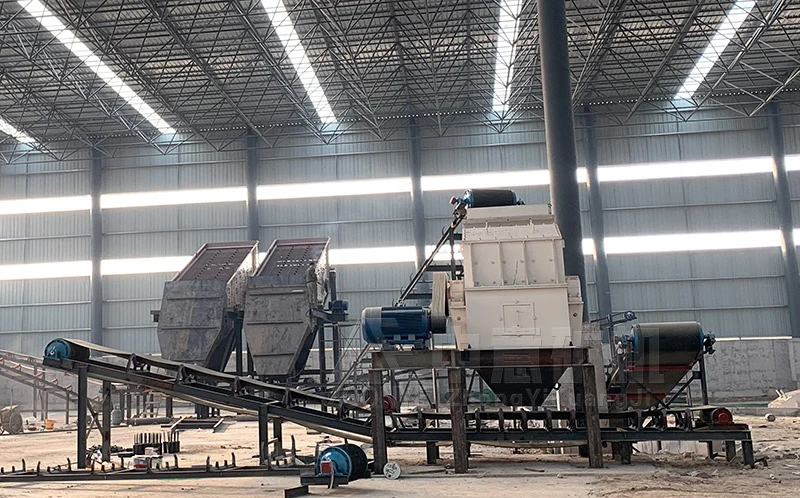
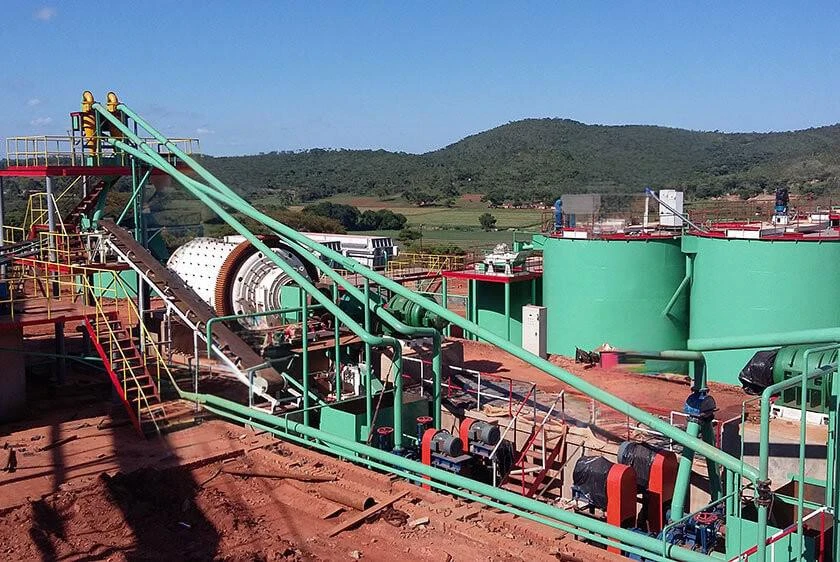
From challenges to solutions, Zhongyi has extensive experience in mining projects.
Related News
Technical insights and expert guidance to help you make informed decisions
Boost Your Mining Efficiency With Complete Solutions
Zhongyi team provides tailored mineral processing and production line solutions to optimize efficiency and reduce costs.