What is a Lime Rotary Kiln
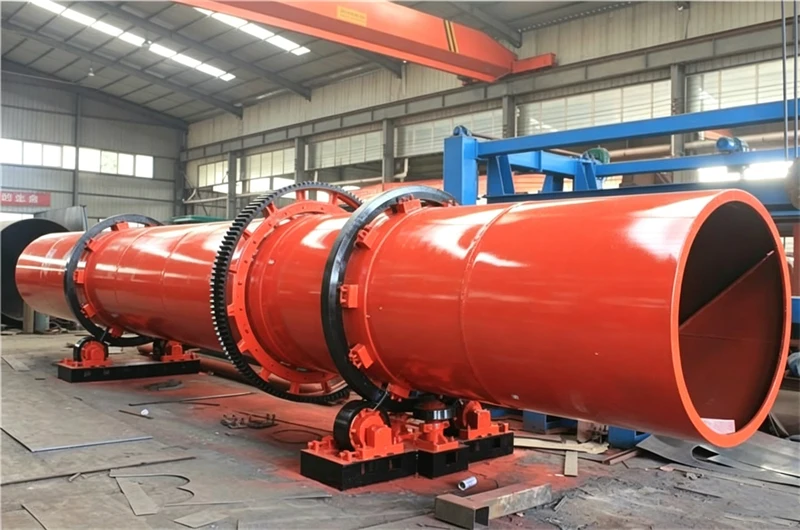
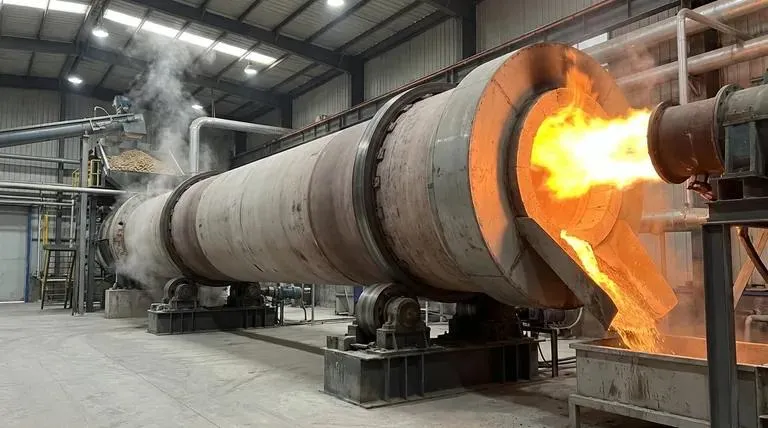
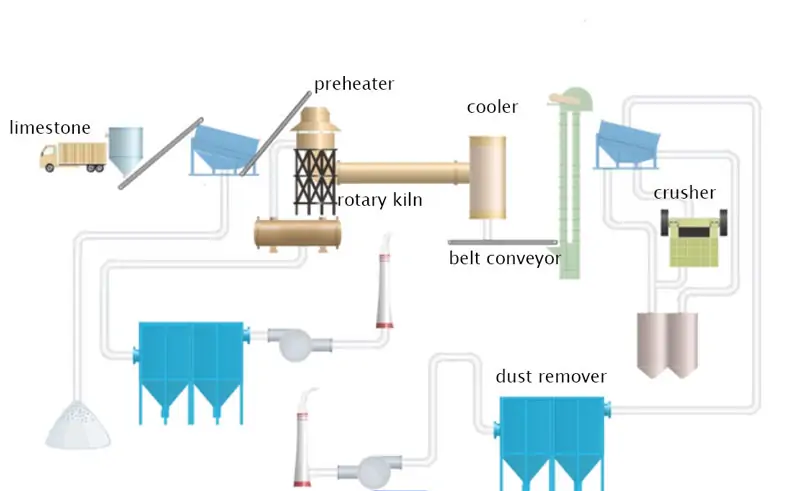
A lime rotary kiln (also known as a rotary lime calciner) is an industrial calcination system used to convert limestone into quicklime through controlled heating, decomposition, and discharge. It is usually installed after crushing, screening, and preheating stages, then connected with cooler, dust collection, and finished lime handling equipment.
Typical kiln diameters range from 2.5-5.8 m, with lengths from 40-90 m and daily output from 50-1,200 t/d. Calcination quality depends on limestone size, CaCO3 content, residence time, flame temperature, fuel type, kiln slope, and draft control. The equipment is used in steel plants, sugar factories, magnesium smelting, calcium carbide plants, flue gas treatment, and construction lime production.
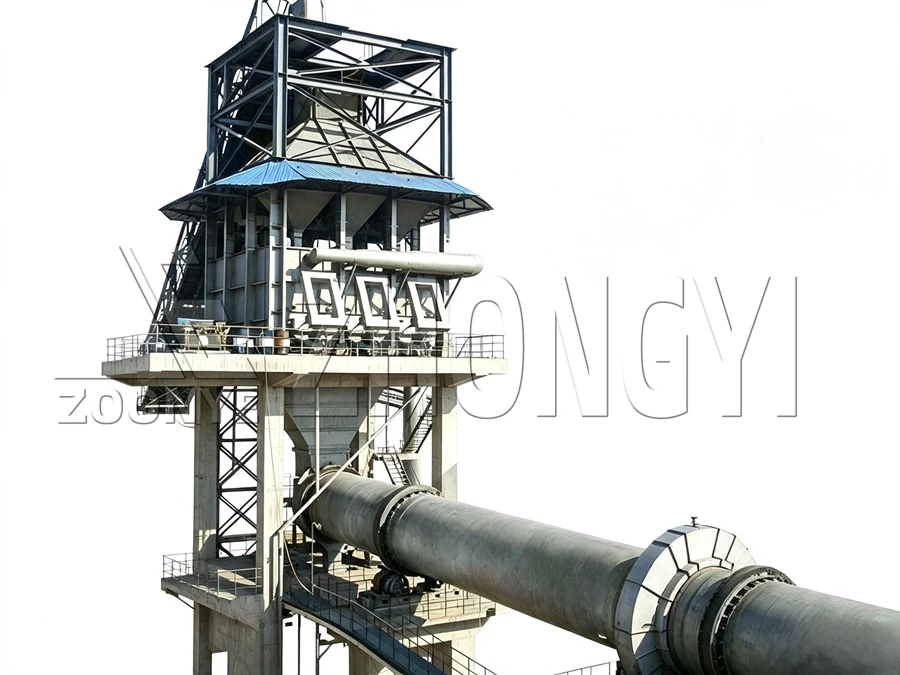
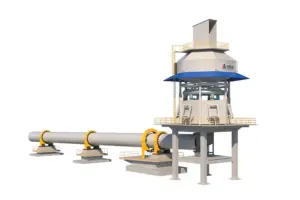
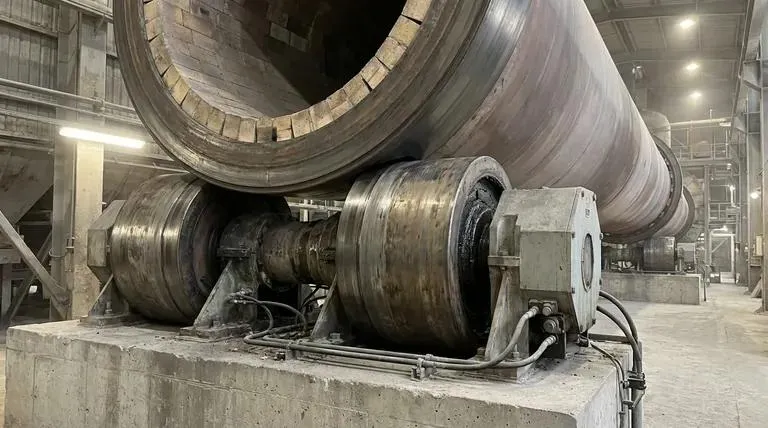
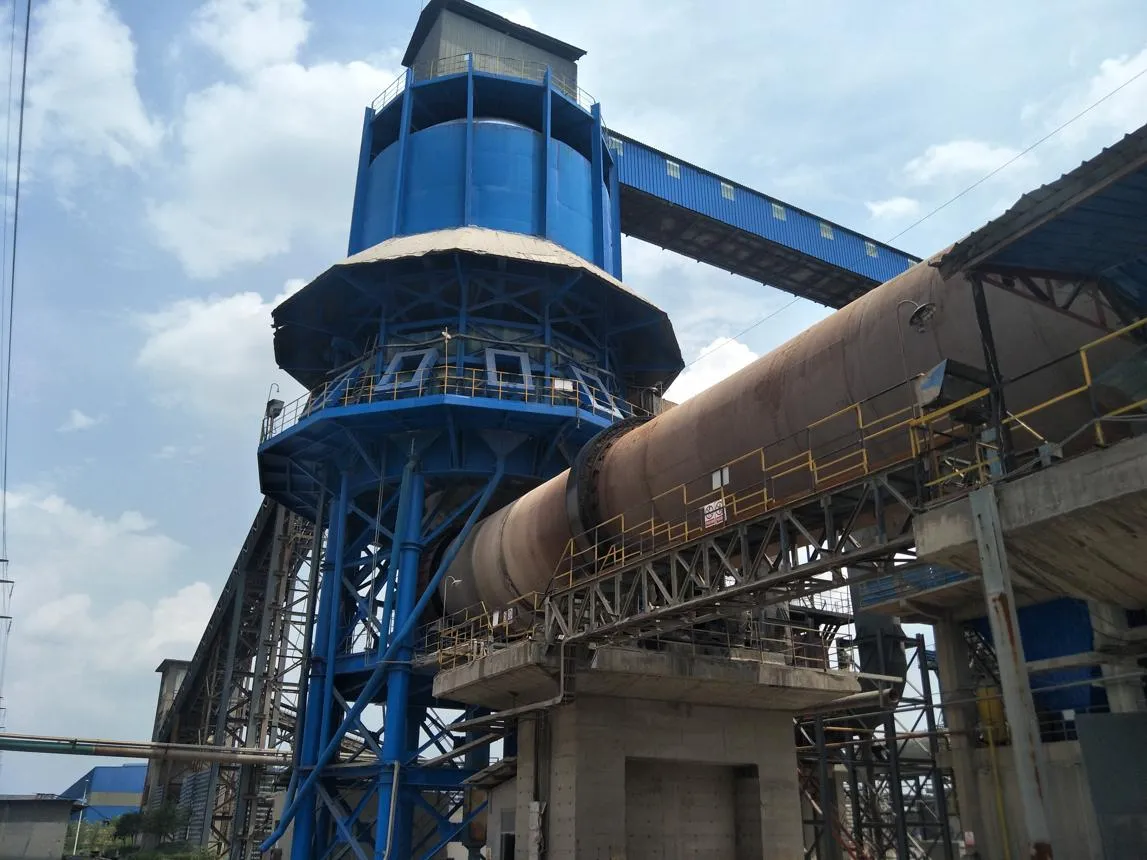
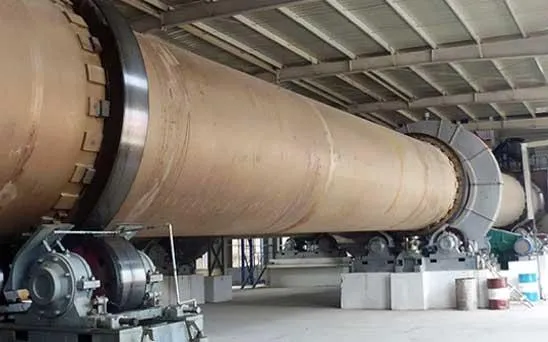
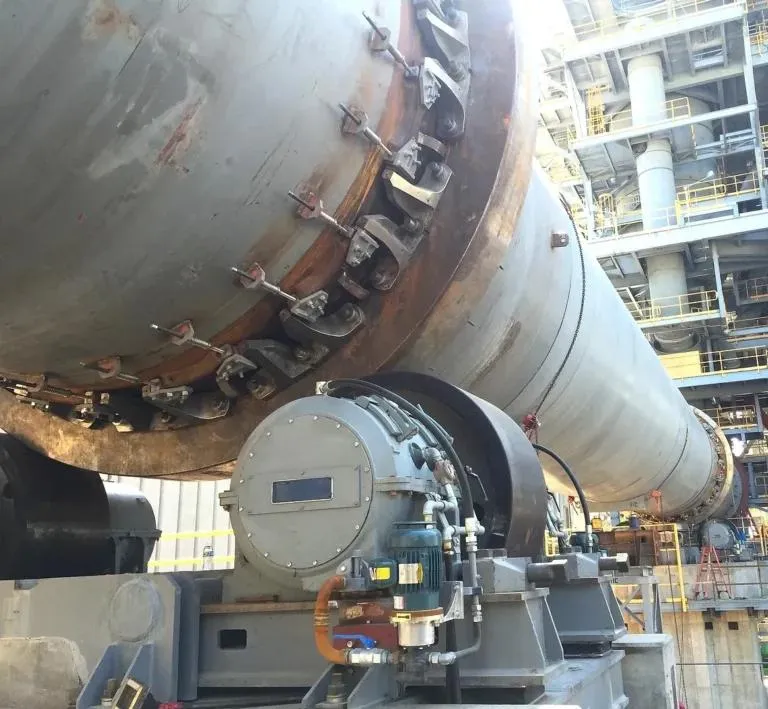
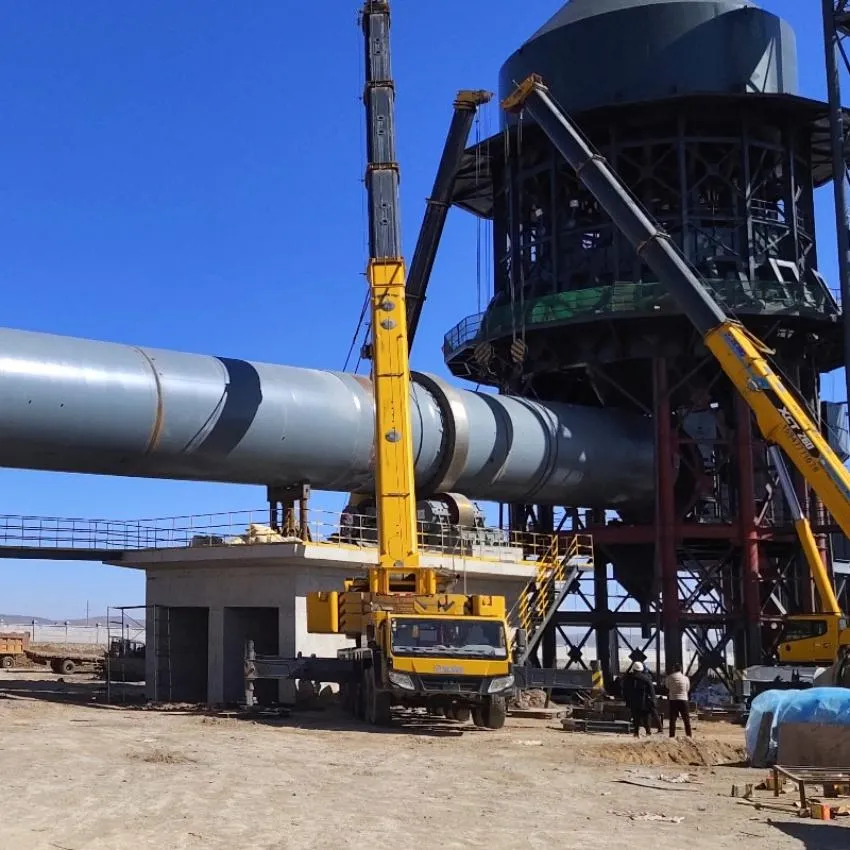
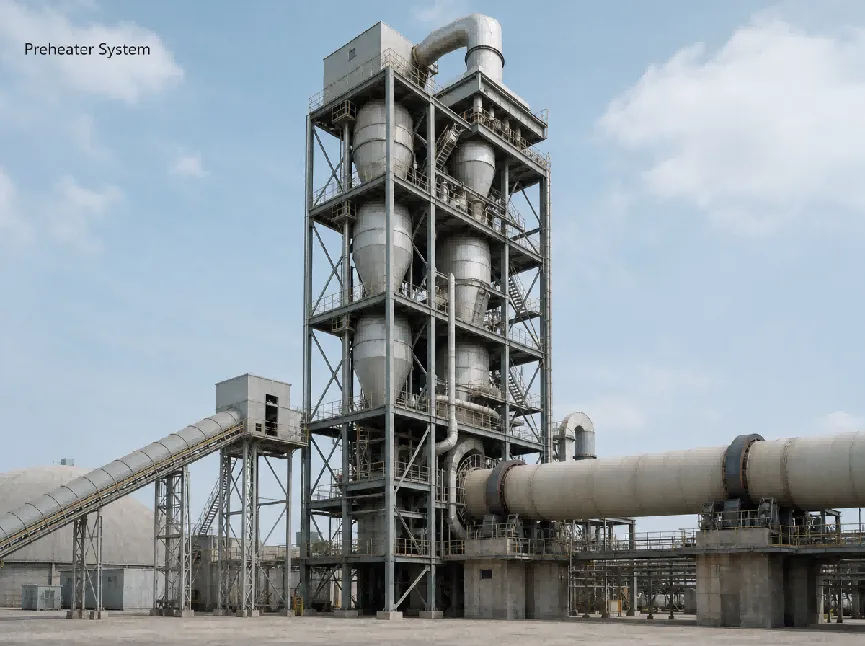
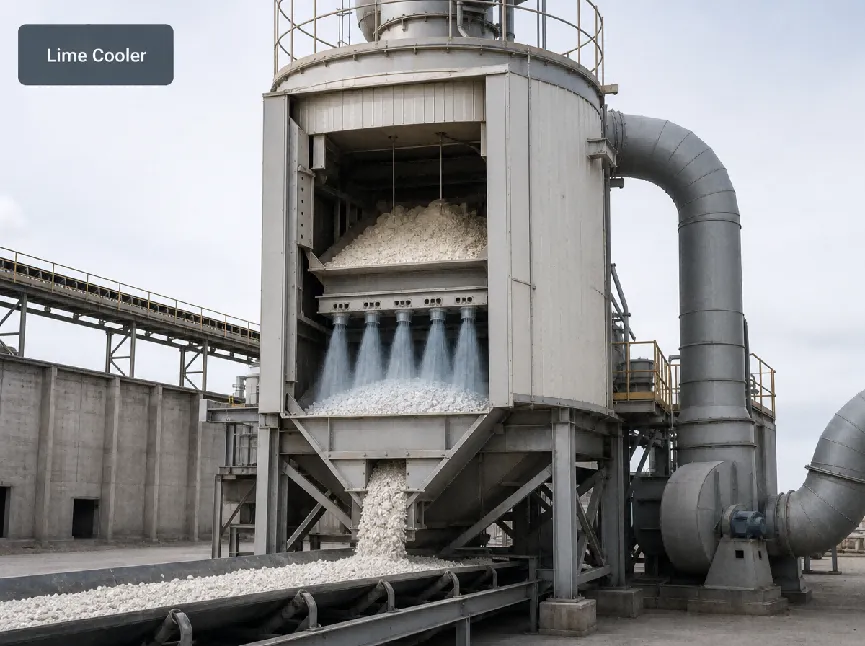
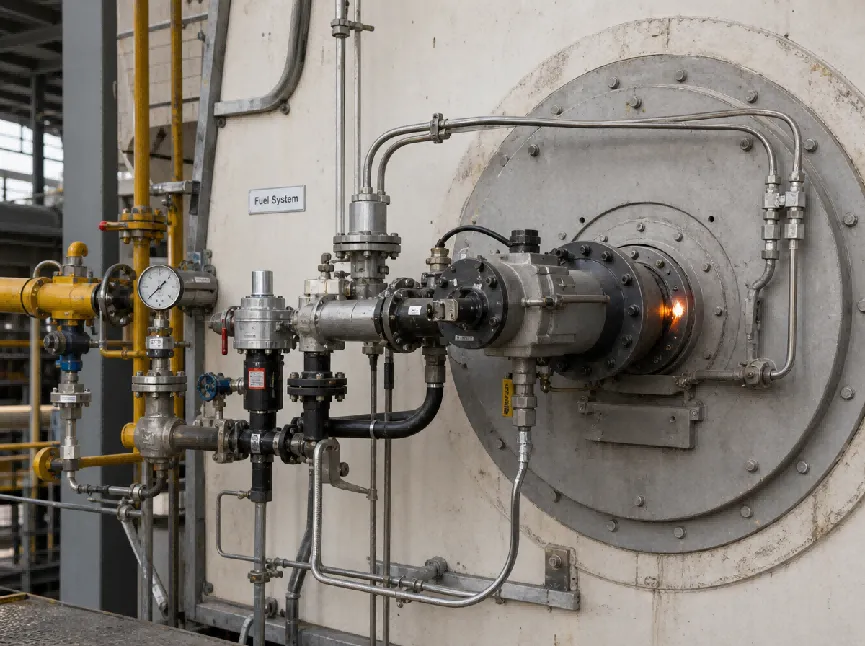
Key components: rotary kiln shell, supporting rollers, riding rings, girth gear, burner system, kiln hood, sealing device, refractory lining, hydraulic thrust system, preheater, vertical cooler, and dust collection system.
Lime Rotary Kiln Working Principle
A lime rotary kiln calcines limestone by moving material through a slightly inclined rotating cylinder while hot gas flows through the kiln. Beyond industrial lime processing, our engineering team also excels in designing heavy-duty Gold Mine Processing Plant Solutions for global miners. Compared with shaft kilns, a rotary kiln handles a broader limestone size range and gives better control over temperature profile, residence time, and fuel mixing.
- Raw stones processed by our high-efficiency Stone Crusher Plant Solution yield properly screened limestone, which enters the preheater at 10-40 mm
- hot kiln exhaust preheats stone to 750-850°C
- CaCO3 decomposes into CaO and CO2
- active lime discharges into the cooler at 80-120°C above ambient temperature.
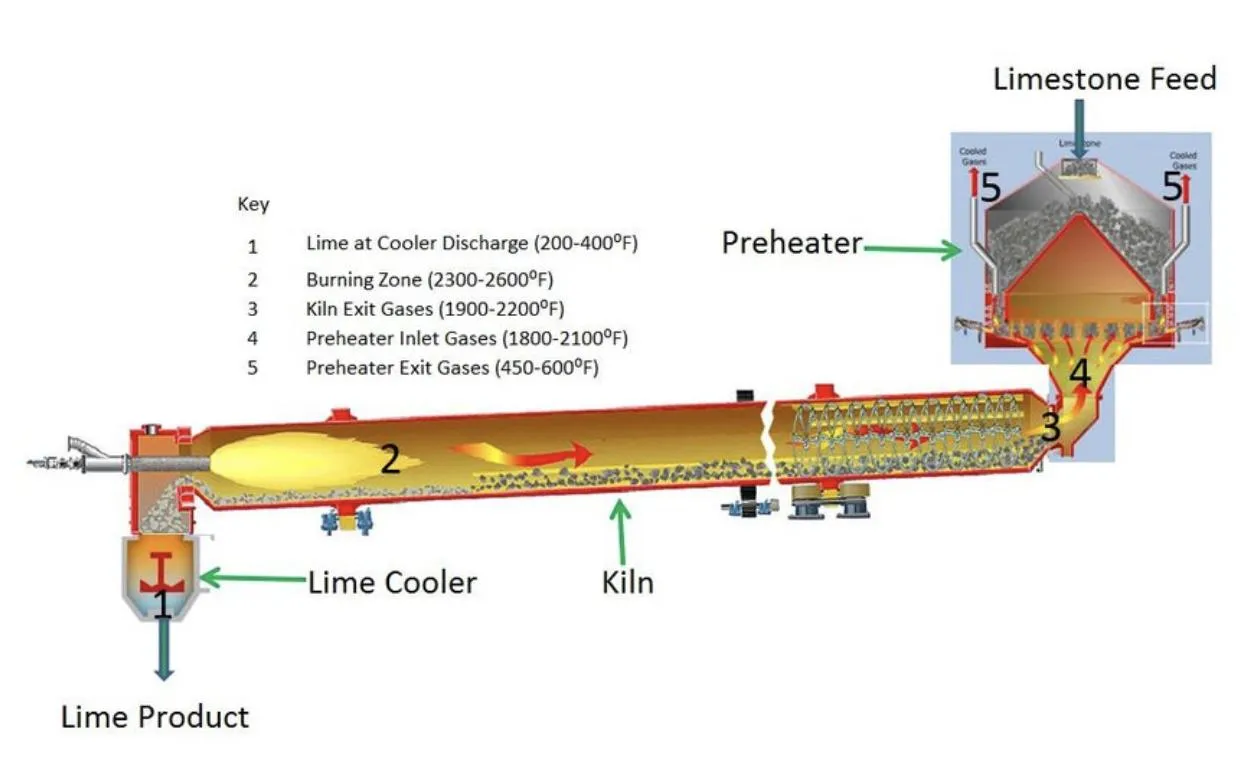
Performance is affected by kiln speed, slope, fuel calorific value, limestone reactivity, and exhaust draft. A typical kiln slope is 3-4%, rotation speed is 0.5-2.5 rpm, and residence time usually stays between 2-4 hours depending on capacity and raw stone quality.
Lime Rotary Kiln Configurations
Lime rotary kiln systems are usually classified by process layout, fuel system, and production scale. Zhongyi supplies and configures rotary kiln lines for small lime plants, steel auxiliary lime stations, and continuous active lime production.
| Type | Capacity Range | Fuel Options | Heat Recovery | Typical Application | Best For |
| Preheater Rotary Kiln Line | 150-1,200 t/d | coal, gas, oil | high | active lime | steel and chemical plants |
| Rotary Kiln with Vertical Cooler | 100-800 t/d | coal, gas | medium-high | quicklime | metallurgy and sugar refining |
| Fuel-Flexible Kiln System | 50-600 t/d | mixed fuel | project-based | regional lime plants | export projects |
Specifications
| Model | Feeding Size | Discharge Size | Capacity | Motor Power | Kiln Size | Rotary Speed |
| ZYRK-2.5×40 | 10-35 mm | 5-35 mm | 50-120 t/d | 55 kW | Φ2.5×40 m | 0.6-1.8 rpm |
| ZYRK-3.0×48 | 10-38 mm | 5-38 mm | 150-220 t/d | 90 kW | Φ3.0×48 m | 0.5-1.6 rpm |
| ZYRK-3.5×54 | 12-40 mm | 5-40 mm | 250-360 t/d | 160 kW | Φ3.5×54 m | 0.5-1.5 rpm |
| ZYRK-4.0×60 | 12-40 mm | 5-40 mm | 400-600 t/d | 250 kW | Φ4.0×60 m | 0.4-1.4 rpm |
| ZYRK-4.8×72 | 15-45 mm | 8-45 mm | 700-900 t/d | 400 kW | Φ4.8×72 m | 0.35-1.2 rpm |
| ZYRK-5.2×78 | 15-50 mm | 8-50 mm | 900-1,100 t/d | 560 kW | Φ5.2×78 m | 0.35-1.0 rpm |
| ZYRK-5.8×90 | 15-50 mm | 8-50 mm | 1,000-1,200 t/d | 630 kW | Φ5.8×90 m | 0.3-0.9 rpm |
Note: Specifications are for reference only. All models can be customized according to your specific requirements.
Applications
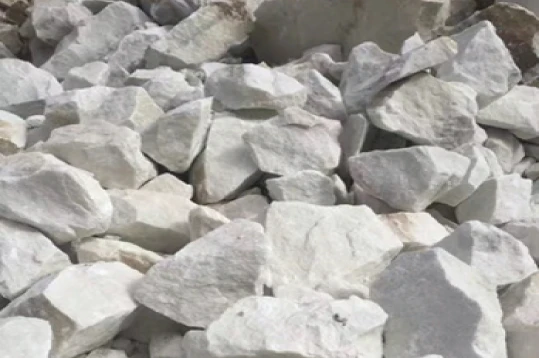
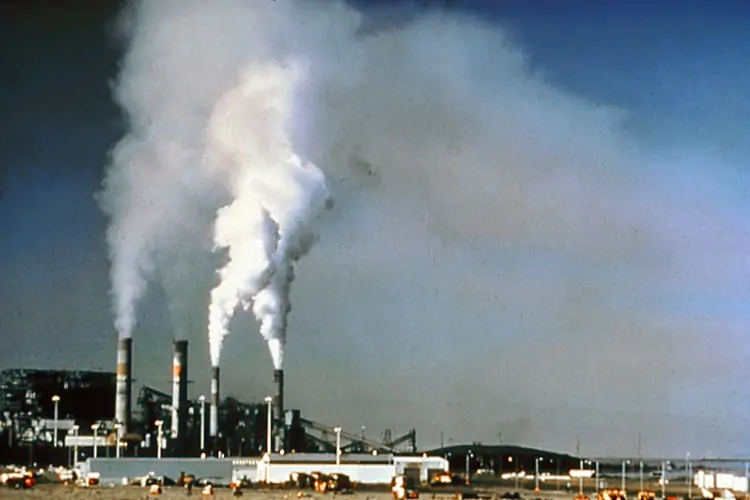
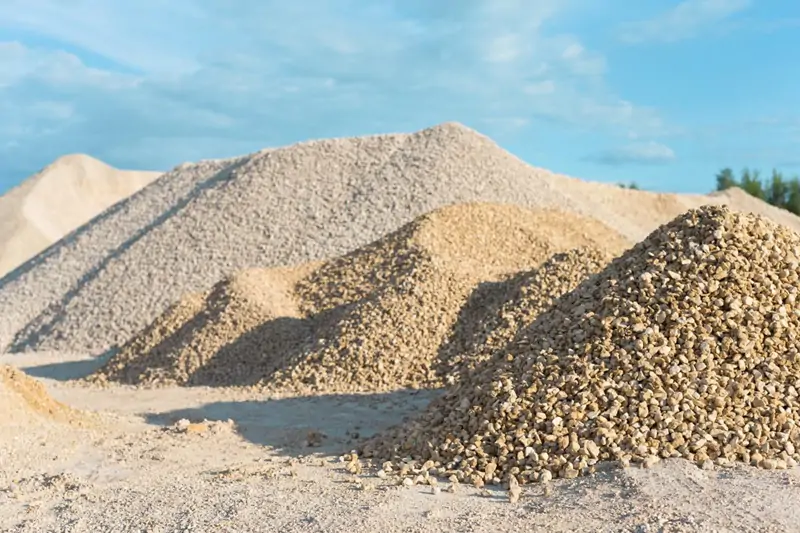
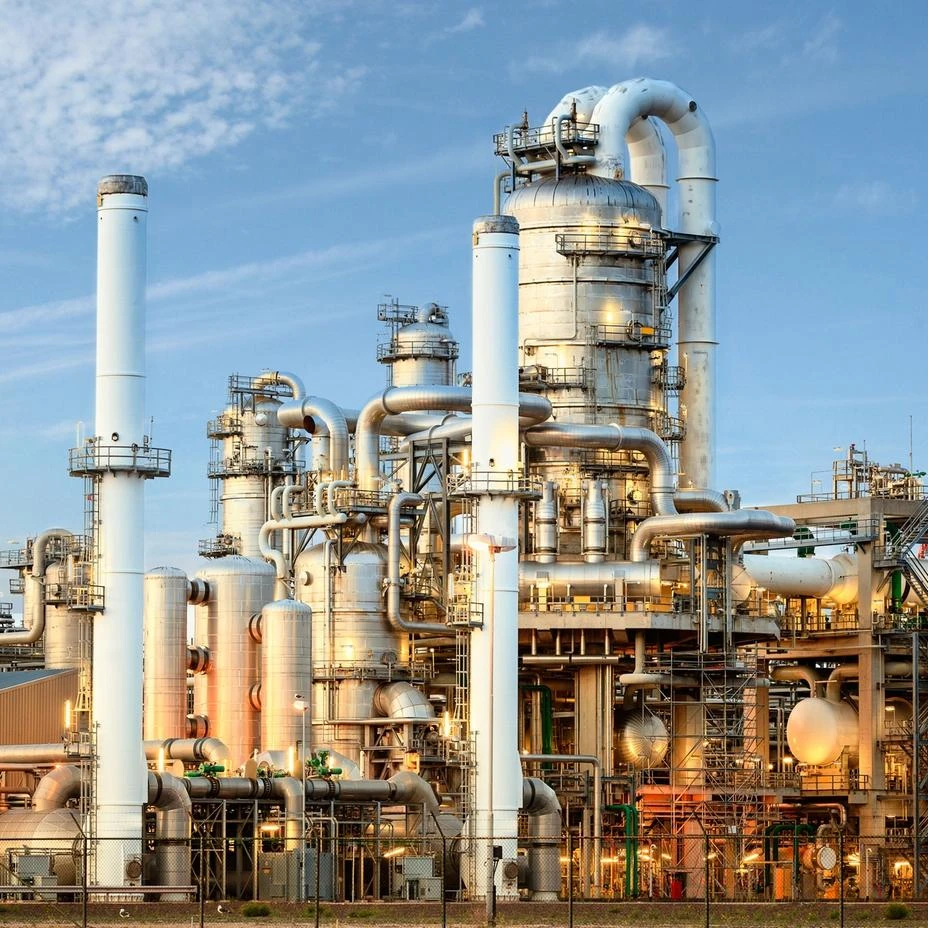
A lime rotary kiln is used where limestone must be calcined into quicklime with controlled activity, residual CO2, and particle stability. It fits both standalone lime plants and integrated steel, chemical, sugar, and magnesium production lines.
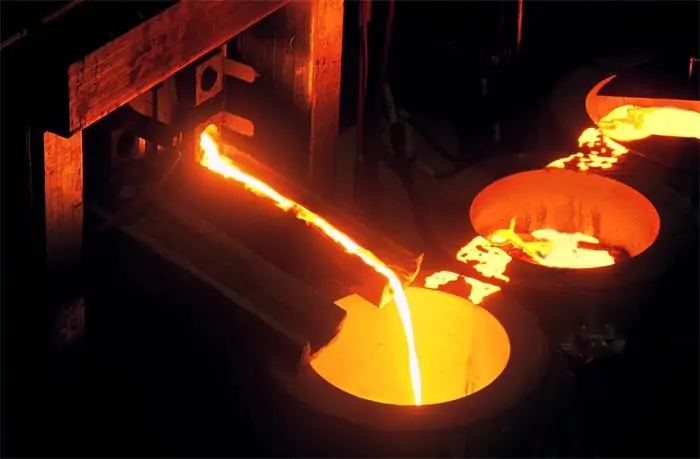
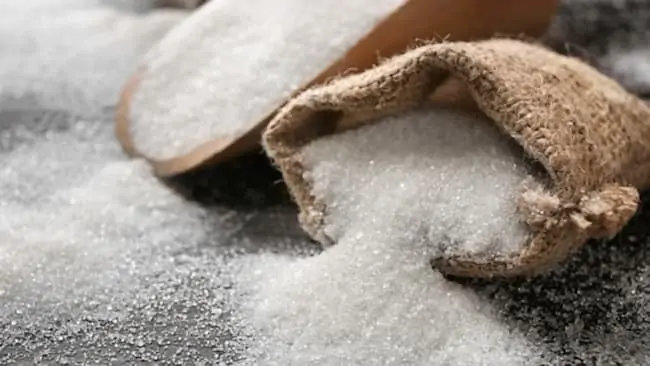
While this stationary unit is ideal for large-scale, long-term processing plants, clients focusing on contractor work, concrete recycling, or quarrying with frequent site changes can explore our highly efficient mobile impact crusher for maximum on-site flexibility.
Projects Show
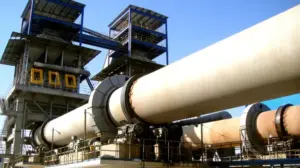
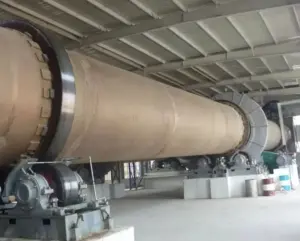
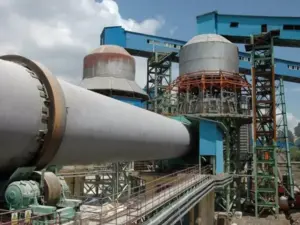
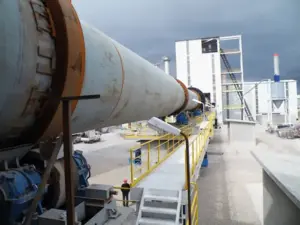
How to Choose the Right Lime Rotary Kiln
Correct kiln selection affects lime activity, fuel cost, refractory life, emission control, and long-term operating stability. As a premier manufacturer, we offer a full engineering spectrum of premium Rotary Kiln and Dryer Equipment designed to withstand extreme thermal workloads.
For expert guidance and customized process recommendations, contact Zhongyi with your limestone analysis, capacity target, fuel plan, and project location.
Request a Customized Solution
Partner with Zhongyi for expert technical support, customized solutions, and reliable equipment tailored to your ore characteristics and production requirements.
Custom Lime Rotary Kiln
To receive an accurate configuration and quotation,
Please Provide the Following Information:
Lime Rotary Kiln Manufacturer & Supplier
Henan Zhongyi Environmental Protection Equipment Co., Ltd. specializes in lime calcination and mineral processing equipment. We supply rotary kiln systems for active lime, steel, sugar refining, and chemical industries. With proper configuration, our kiln lines can reduce fuel consumption by 20–35% compared to mismatched systems.
We design each solution based on limestone quality, particle size, capacity, fuel, and site conditions, covering kiln, preheater, cooler, burner, and dust collection.
We have 16+ years of experience, Zhongyi has delivered 380+ projects across Africa, Europe, North America, and the Middle East. We support the full process, including design, manufacturing, installation guidance, commissioning, training, and spare parts. ISO9001-certified, with CE options available on request.
FAQs
What is a lime rotary kiln used for?
A lime rotary kiln calcines limestone into quicklime for steelmaking, sugar refining, magnesium smelting, calcium carbide, construction materials, and chemical processing.
What feed size can a lime rotary kiln handle?
Most lime rotary kilns process screened limestone at 10-40 mm. Larger feed may reduce calcination uniformity and increase underburned lime risk.
What capacity range is available?
Zhongyi lime rotary kiln lines typically cover 50-1,200 t/d, depending on kiln diameter, preheater design, fuel type, and limestone quality.
Which fuel can be used for lime calcination?
Coal powder, natural gas, heavy oil, producer gas, or mixed fuel can be used. Burner design must match calorific value and safety requirements.
Is a rotary kiln better than a shaft kiln?
A rotary kiln suits larger plants, broader limestone size ranges, and stricter process control. Shaft kilns may fit smaller, fuel-sensitive projects.
What affects lime rotary kiln price most?
Capacity, kiln size, preheater, cooler, burner system, refractory lining, emission control, automation, and export scope have the largest cost impact.
How long does delivery usually take?
Standard kiln equipment usually takes 90-180 days after technical confirmation, depending on kiln size, steel structure, electrical scope, and shipping route.
What maintenance does a lime rotary kiln need?
Regular maintenance covers refractory lining, support rollers, riding rings, seals, burner parts, lubrication, and gear alignment. Inspection intervals depend on operating load.