
Mining Grinding Equipment





Mining Grinding Equipment for Mining | Ball Mill, Rod Mill, Raymond Mill
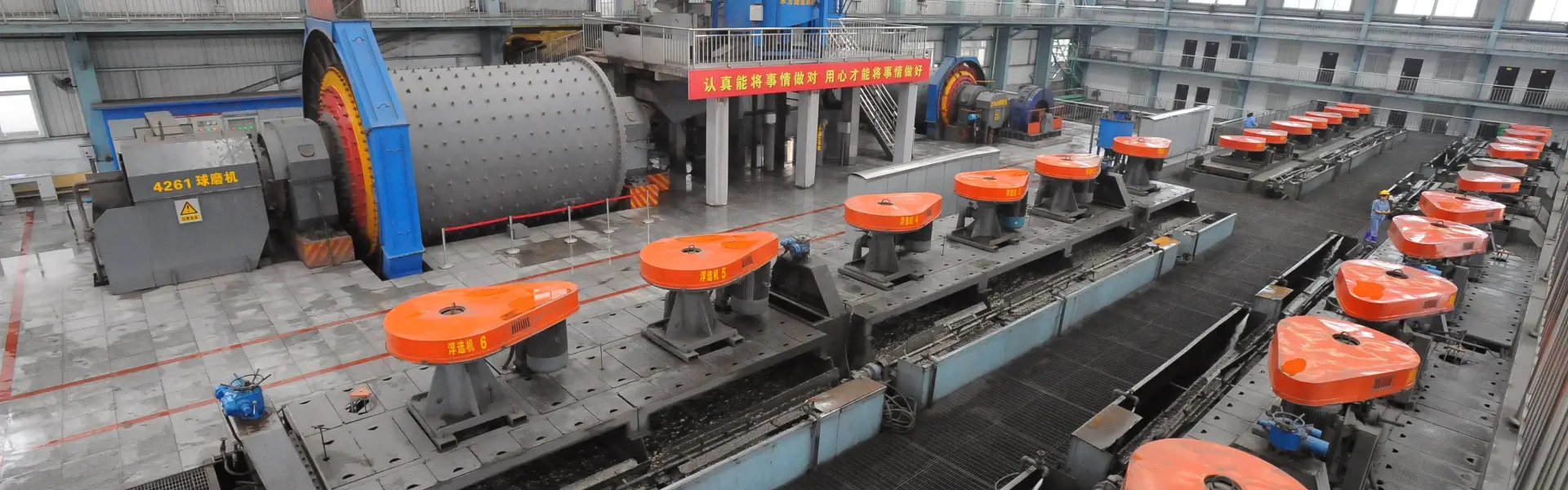
Mining grinding equipment is used to further reduce crushed ore into fine particle sizes to achieve mineral liberation for downstream separation in mining and mineral processing plants. It is widely applied in gold, copper, iron, and non-metallic mineral processing lines.
Zhongyi provides complete grinding solutions, including ball mills, rod mills, ceramic ball mills, and grinding-classification systems. Equipment supports both wet and dry grinding processes, with capacity options from small processing plants to large-scale industrial mining operations.
Applicable Materials
Suitable for grinding metallic and non-metallic minerals after crushing, including gold ore, copper ore, iron ore, lead-zinc ore, nickel ore, quartz, feldspar, limestone, gypsum, barite, and kaolin. Also used for fine grinding of cement materials, coal, and metallurgical slag to achieve required particle size for downstream processing.
Recommended Equipment
Ball Mill, Rod Mill, Ceramic Ball Mill, Wet Grinding Mill, Dry Grinding Mill, Grinding Classification System, Spiral Classifier, Hydrocyclone, and complete ore grinding and classification systems.
Material Grinding Test & Selection Support
Before project design, Zhongyi provides material testing to check hardness and required fineness. Based on the results, we recommend a suitable powder grinding mill for your project. We also provide equipment selection guidance to help you plan the grinding process and choose the right solution.
Types of Mining Grinding Equipment
Mining grinding equipment is used in mineral processing plants to reduce crushed ore to the required fineness for separation. Equipment selection is based on ore hardness, feed size, target particle size, and production capacity. Zhongyi provides complete grinding equipment solutions and supports process design and equipment selection according to ore characteristics and project requirements.
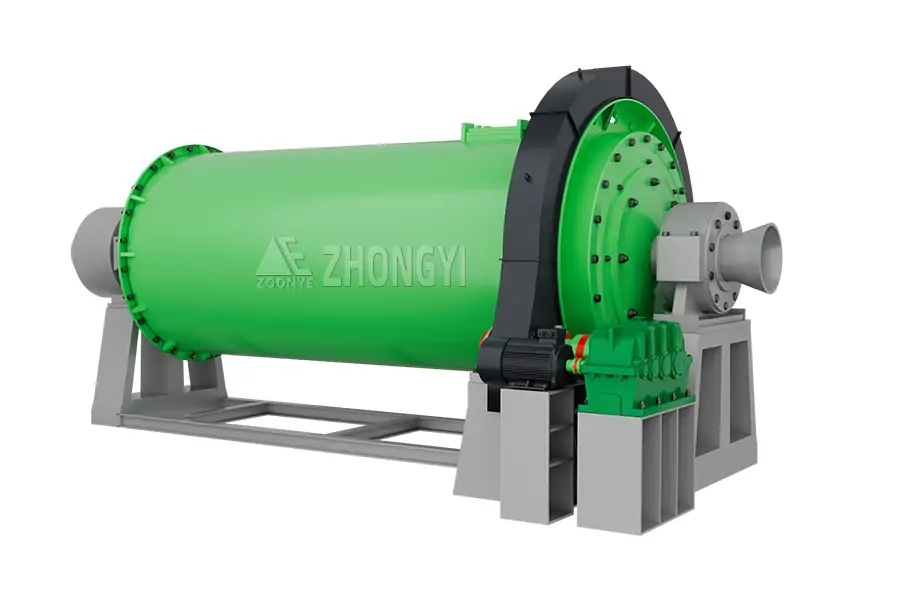
Ceramic Ball Mill is used for fine grinding of materials in ceramic, chemical, glass, and mineral processing industries. It is suitable for both wet and dry grinding of non-metallic materials where high purity and low contamination are required. Zhongyi provides ceramic ball mill solutions with stable operation, adjustable grinding fineness, and customized configurations for different production requirements.
- Feature: High grinding efficiency with ceramic lining for low contamination
- Application: Ceramics, glass, chemical powder, and non-metallic mineral processing
- Processing Capacity: 5–500 t/h
- Feed Size: 80% passing 6–25 mm
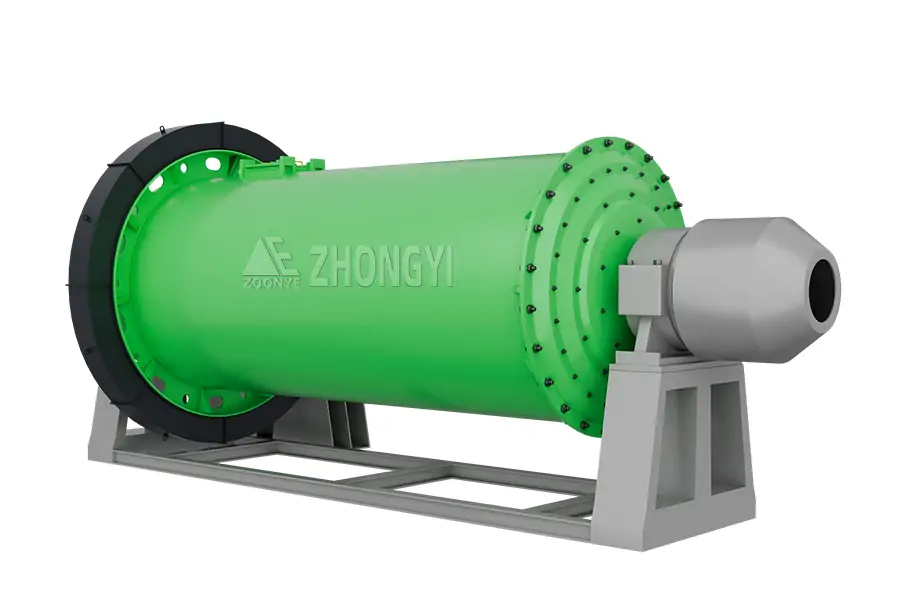
The ceramic ball mill is a fine grinding machine used for contamination-free material processing in ceramics, quartz, feldspar, glass, and chemical industries. Equipped with ceramic liners and ceramic grinding media, it helps reduce iron contamination and maintain high product purity during the grinding process.
Processing Capacity: 0.05–15 t/h
Feeding Size: ≤25 mm
Discharge Size: 0.074–0.4 mm
Suitable Materials: Quartz, feldspar, ceramic raw materials, glass materials, glaze, and chemical powders
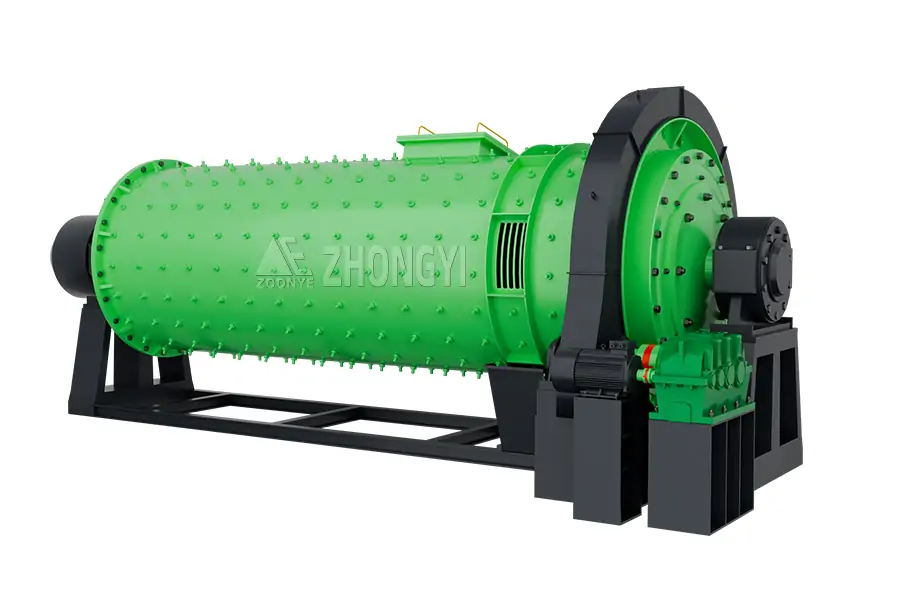
Rod Mill for Mining Grinding is a grinding machine designed for coarse material reduction in mineral processing. Using steel rods as grinding media, it helps produce a more uniform particle size, reduces overgrinding, and supports stable operation in demanding mining environments. It is widely used in ore beneficiation plants for grinding various minerals and preparing materials for the next processing stage.
At Zhongyi Mining, we provide rod mill solutions for different mining grinding requirements, with reliable equipment structure, stable performance, and flexible configuration options. Our rod mills can be customized according to ore type, feed size, discharge size, and capacity demand, helping customers improve grinding efficiency and match plant-specific processing conditions.
- Cylinder Diameter: φ1.5 m – φ3.5 m (standard); up to φ8 m (large)
- Max Feed Size: ≤50 mm
- Discharge Size: 0.147 – 0.833 mm
- Capacity: 0.6 – 250 t/h
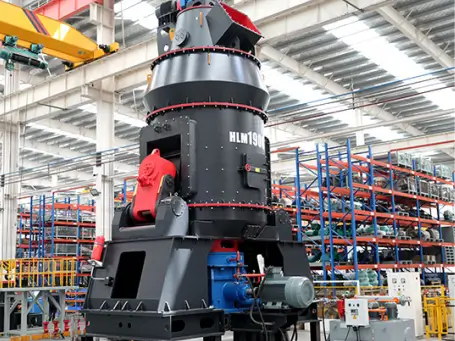
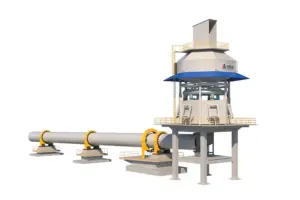
Vertical Roller Mill is a large-scale grinding system used for cement, slag, coal, and industrial raw materials. It combines grinding, drying, and classification in one system for continuous production with stable performance and controlled particle size.
Capacity:
10–400 t/h
Feed Size:
≤ 50 mm
Output Size:
0.02–0.1 mm
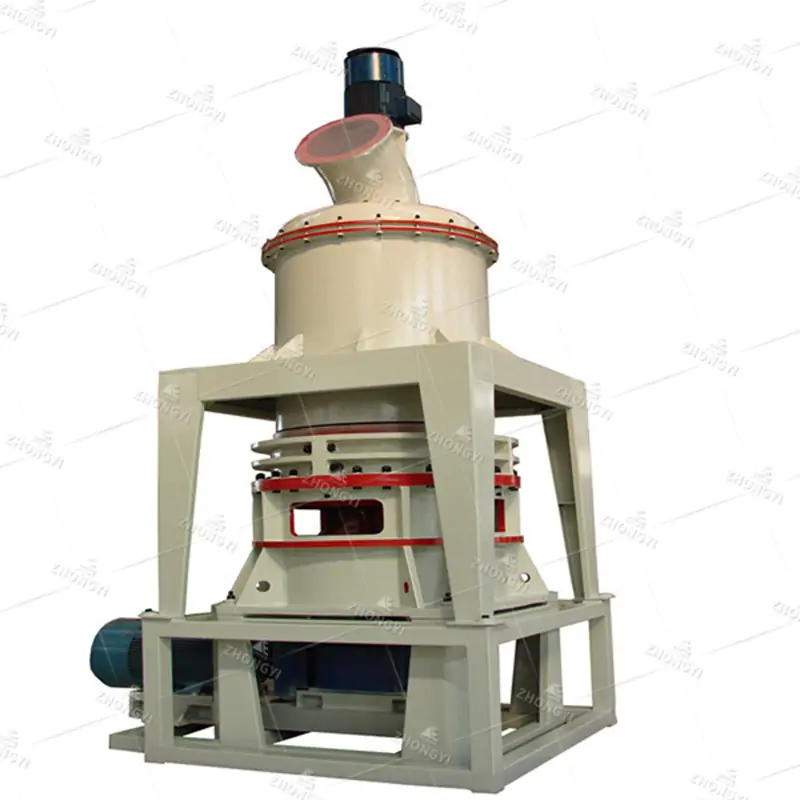
Ultra fine grinding mills are designed for producing micron-level powders required in high-end industrial applications.
Feature: Ultra-fine grinding with air classification system for stable particle size control.
Application: Used for limestone, calcium carbonate, quartz, kaolin, talc, feldspar, and chemical powder production.
Capacity: 0.5–25 t/h | Feed size: ≤20 mm | Output size: 5–45 μm (200–3000 mesh)
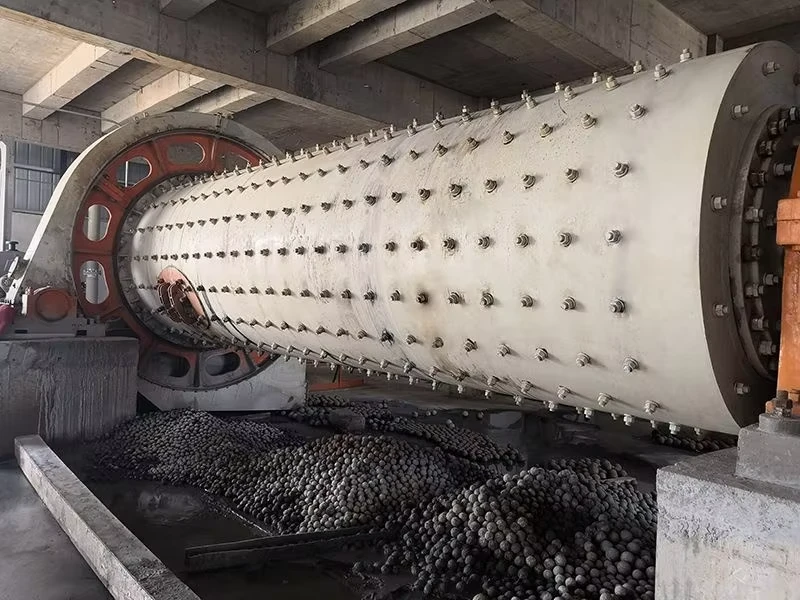
Clinker Grinding Unit is a cement system used to grind clinker into fine powder. It is applied in cement plants and independent grinding stations with ball mill or VRM systems.
- Feature: Modular design with high production efficiency.
- Application: Cement production lines and grinding plants.
- Capacity: 30–300 t/h | Feed size: ≤25 mm | Output size: 0.045–0.2 mm
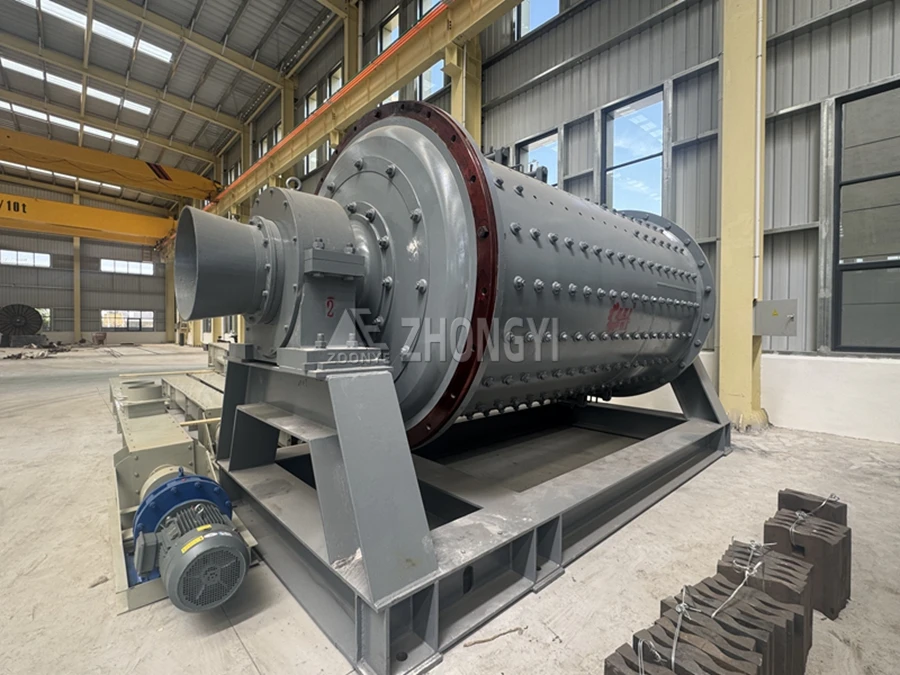
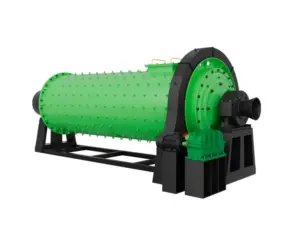
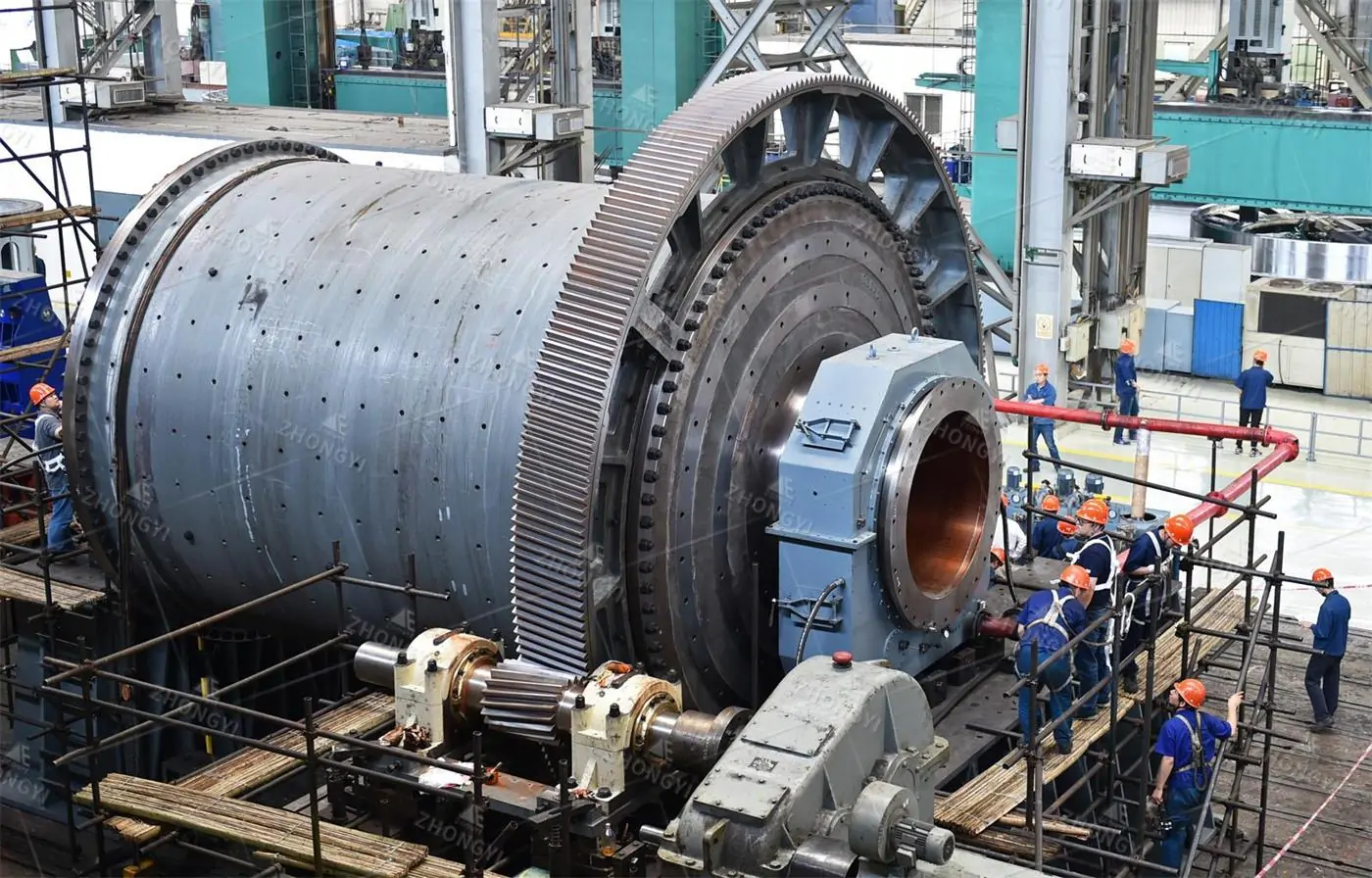
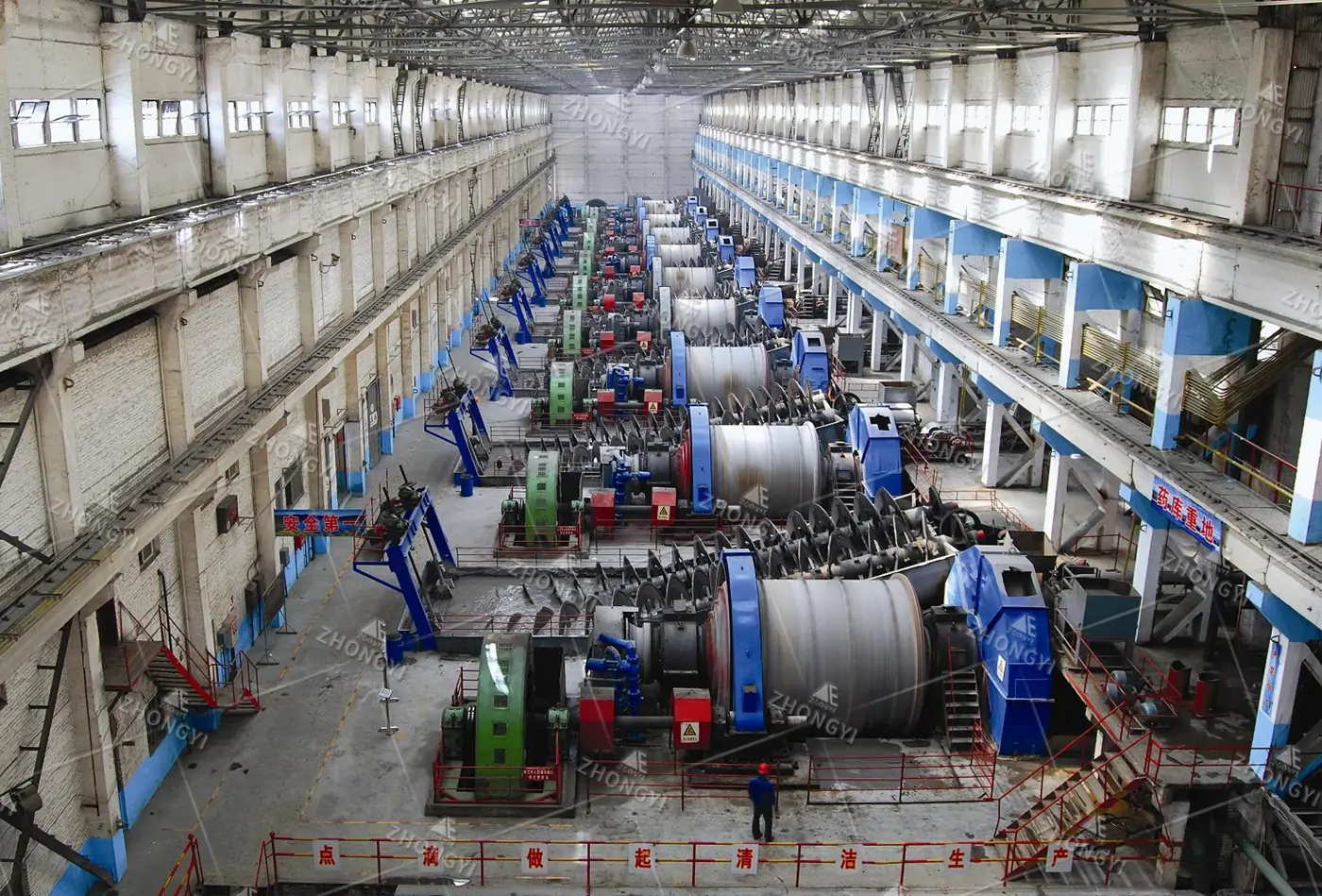
Mining Ball Mill is a key grinding machine used in mineral processing plants to reduce ore to the required particle size for flotation, magnetic separation, gravity separation, and other beneficiation processes. Suitable for gold, copper, iron ore, lead-zinc, and various metallic and non-metallic minerals, it delivers stable operation, high grinding efficiency, and reliable performance in continuous production. Zhongyi offers customized ball mill solutions based on ore characteristics, processing capacity, and target fineness requirements.
The horizontal cylinder uses forged steel balls as grinding media, producing a fine discharge for downstream flotation, magnetic separation, gravity concentration, or leaching.
- Capacity: 0.5–200 t/h
- Feed Size: ≤25 mm
- Discharge Size: 0.074–0.4 mm
- Motor Power: 18.5–2000 kW
Selection Guide
Mining grinding equipment selection depends on ore hardness, feed size, target fineness, and required capacity. The table below provides typical technical ranges to help match equipment with different mineral processing needs.
| Equipment Type | Grinding Characteristics | Feed Size | Output Fineness | Capacity Range | Suitable Materials |
|---|---|---|---|---|---|
| Ball Mill | Wet/dry grinding, continuous operation, high efficiency | ≤25 mm | 0.074–0.4 mm | 0.65–200 TPH | Gold ore, copper ore, iron ore, lead-zinc ore |
| Rod Mill | Coarse grinding, uniform particle size, low over-grinding | ≤25 mm | 0.2–0.5 mm | 0.62–180 TPH | Quartz, tungsten ore, tin ore |
| Raymond Mill | Stable fine powder grinding, simple operation | ≤30 mm | 80–325 mesh | 0.8–20 TPH | Limestone, dolomite, barite |
| Vertical Roller Mill | High efficiency, low energy consumption, integrated drying | ≤50 mm | 80–600 mesh | 10–400 TPH | Cement raw material, slag, industrial minerals |
| Ultrafine Grinding Mill | Ultra-fine grinding, high mesh output | ≤20 mm | 325–2500 mesh | 0.5–10 TPH | Calcium carbonate, talc, graphite |
Would you require a tailored grinding solution?
Contact Zhongyi Mining Machinery for customized powder grinding mill selection, process design, and complete grinding solutions based on your project requirements.
What Is Mining Grinding Equipment?
Mining grinding equipment, also known as ore mill equipment or mineral grinding machines, is used to further reduce the particle size of crushed ore to achieve mineral liberation for downstream separation processes such as flotation, gravity separation, or magnetic separation.
Ore grinding is a core stage in mineral processing plants. It directly affects mineral liberation efficiency, recovery rate, and overall plant performance, and is a key factor in determining final concentrate quality and processing cost.
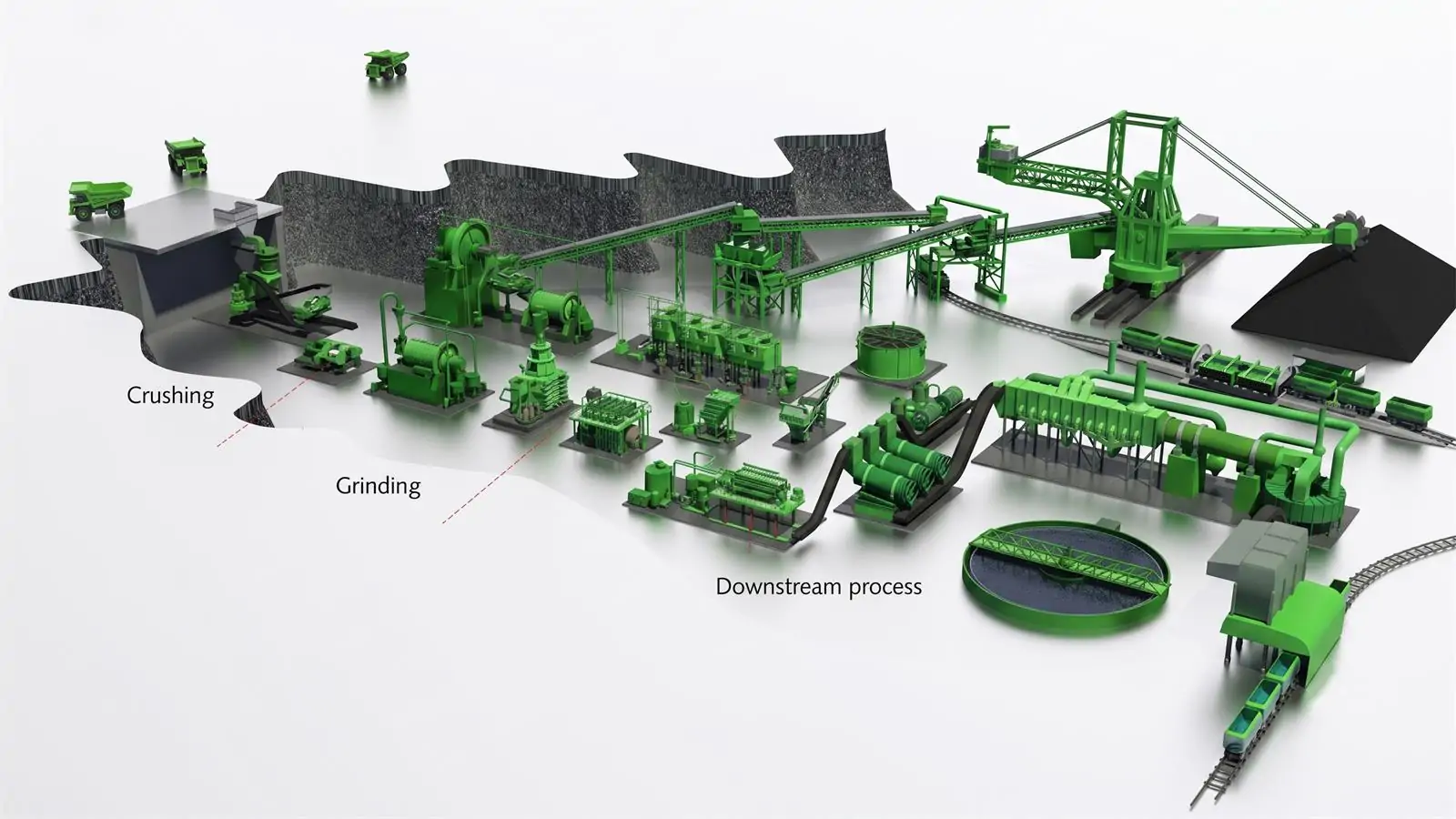
Mining Grinding Process in Mineral Processing Plant
Grinding is the core size-reduction stage in mineral processing plants, used to prepare ore for separation after crushing. It is usually combined with classification to ensure stable particle size control.
Typical workflow:
Crushing → Grinding → Classification → Separation
The grinding stage defines liberation size and directly influences recovery rate and concentrate grade in beneficiation systems.
Video Show
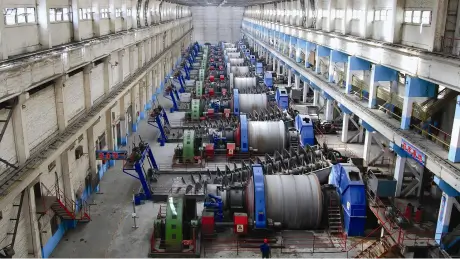
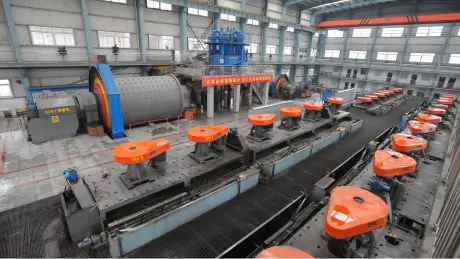
Applications
Mining grinding equipments are widely used in industries that require fine powder processing of mineral and non-metallic materials. Different applications require different fineness levels, production capacities, and grinding system configurations.
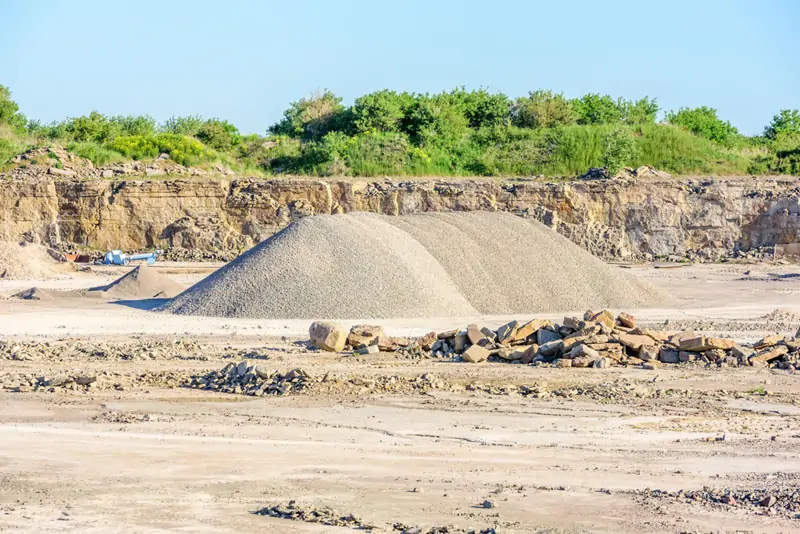
Powder grinding mills are used to process mineral ores into fine powder for further beneficiation or industrial use. Common materials include limestone, calcite, gypsum, barite, and quartz in mining operations.
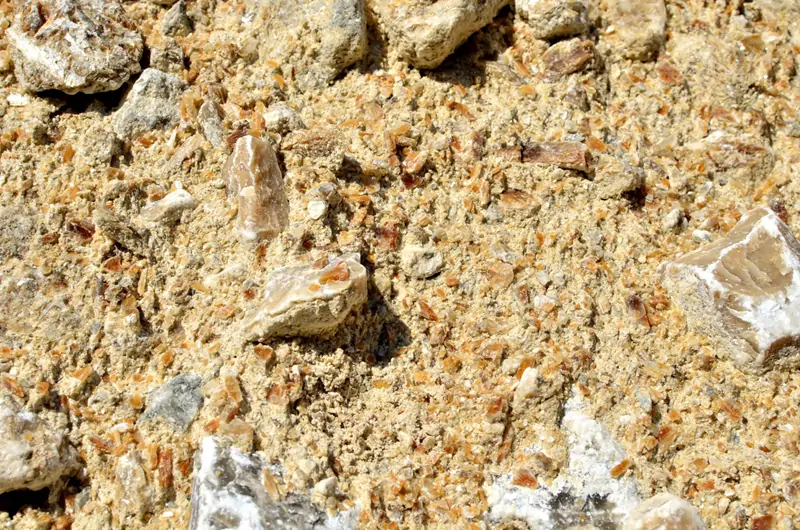
In construction material production, grinding mills are used to produce cement raw powder, lime powder, and other building materials. Stable fineness control is required for consistent product quality.
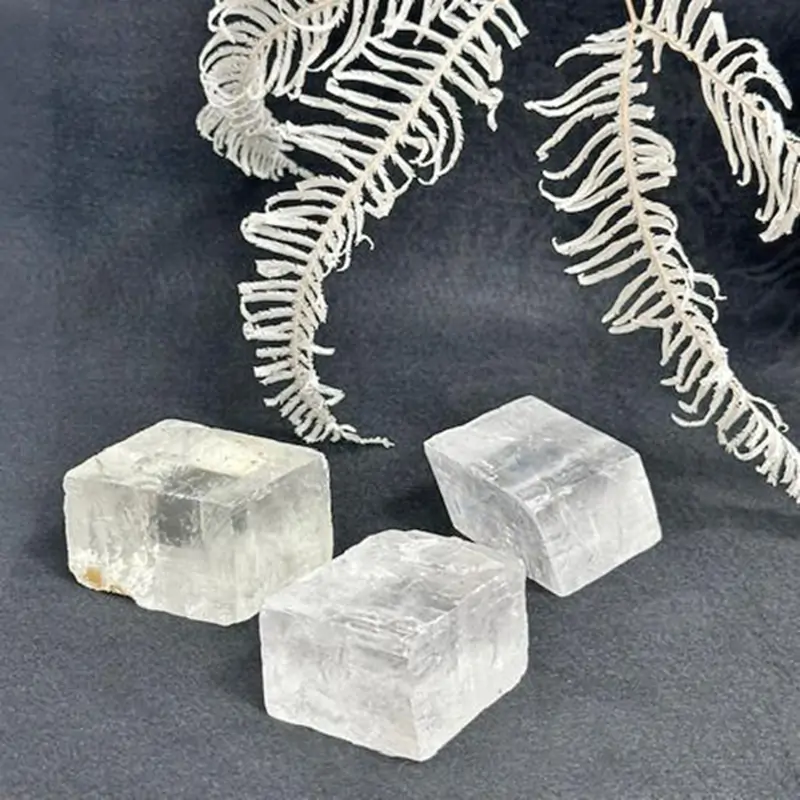
Grinding mills are used to produce industrial powders for chemical processing, including fillers, additives, and raw chemical materials that require controlled particle size distribution.
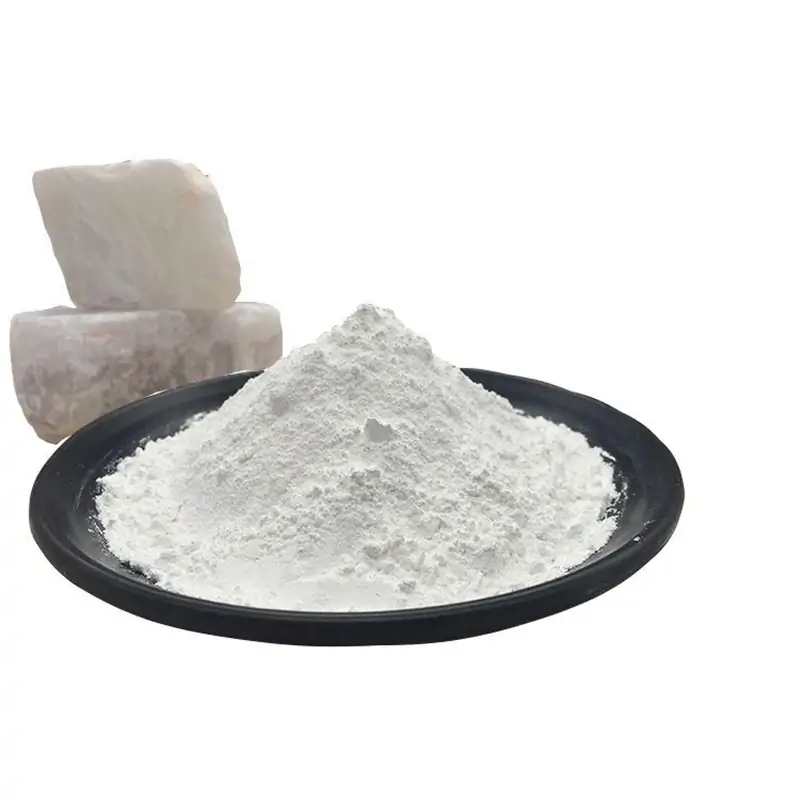
In metallurgy and related industries, grinding equipment is used for preparing raw materials and producing fine powders used in further processing and material formulation.
Applicable Materials
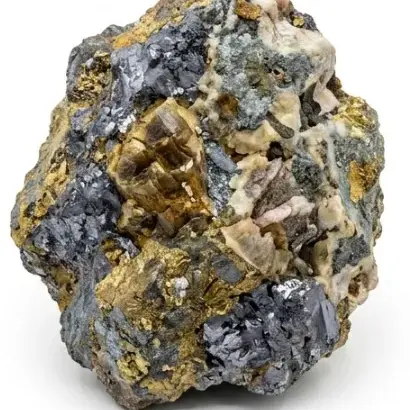
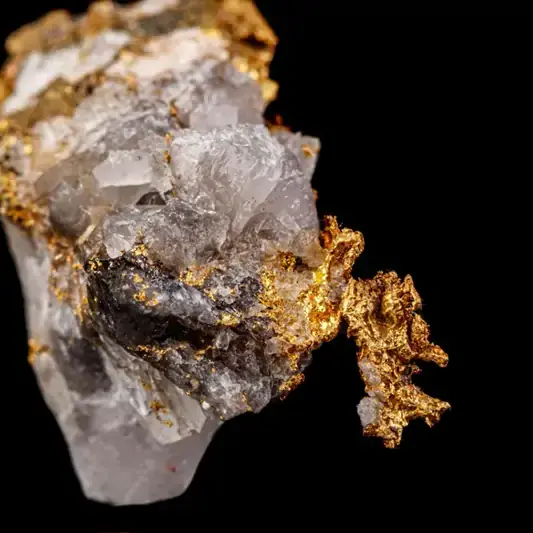
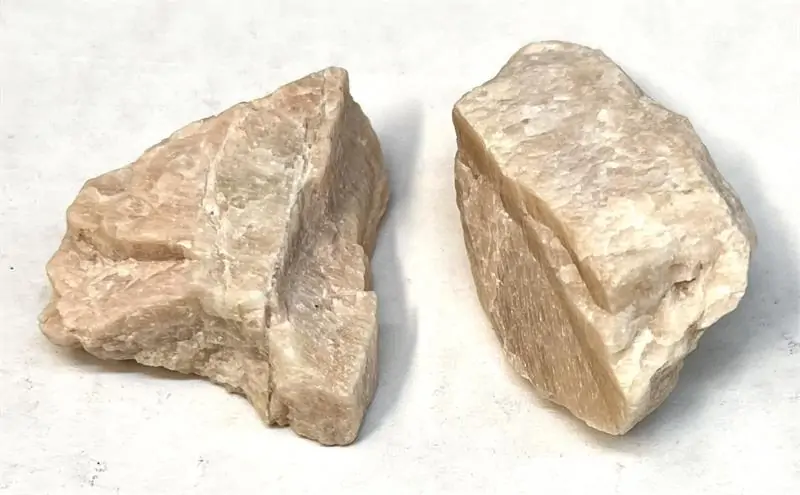
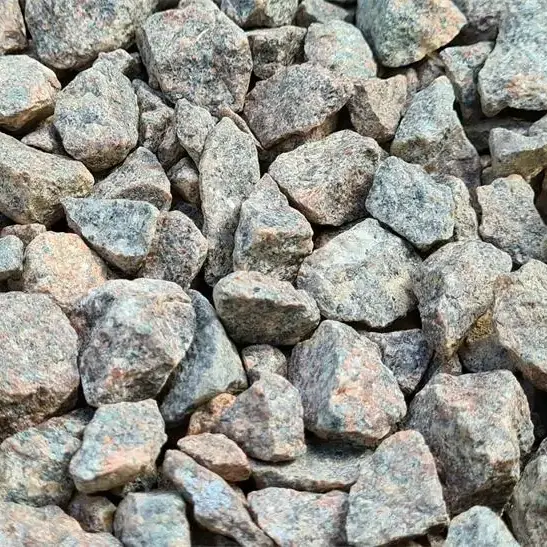
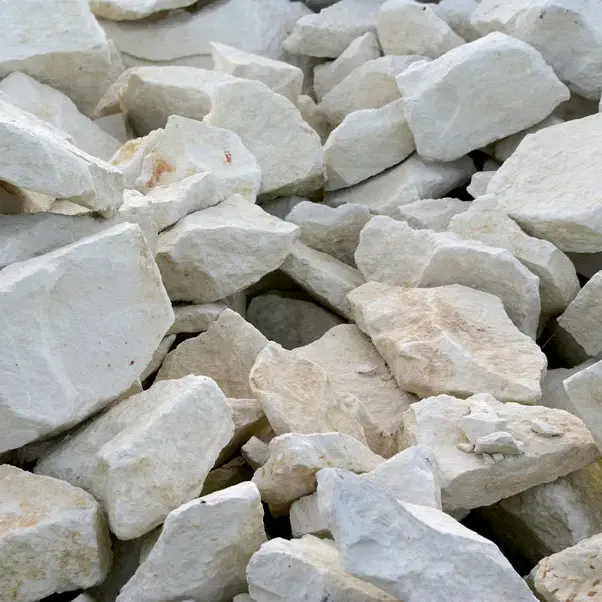
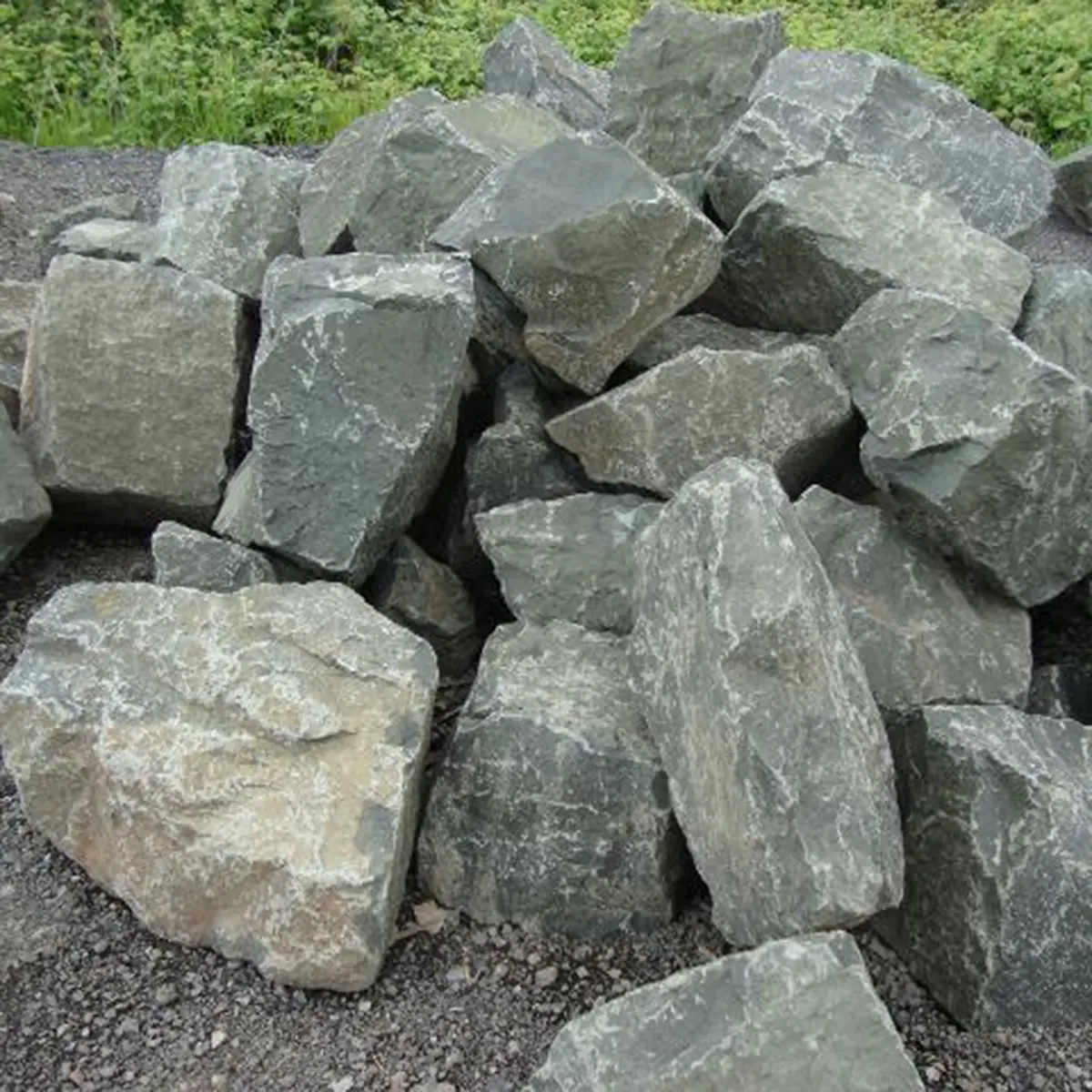
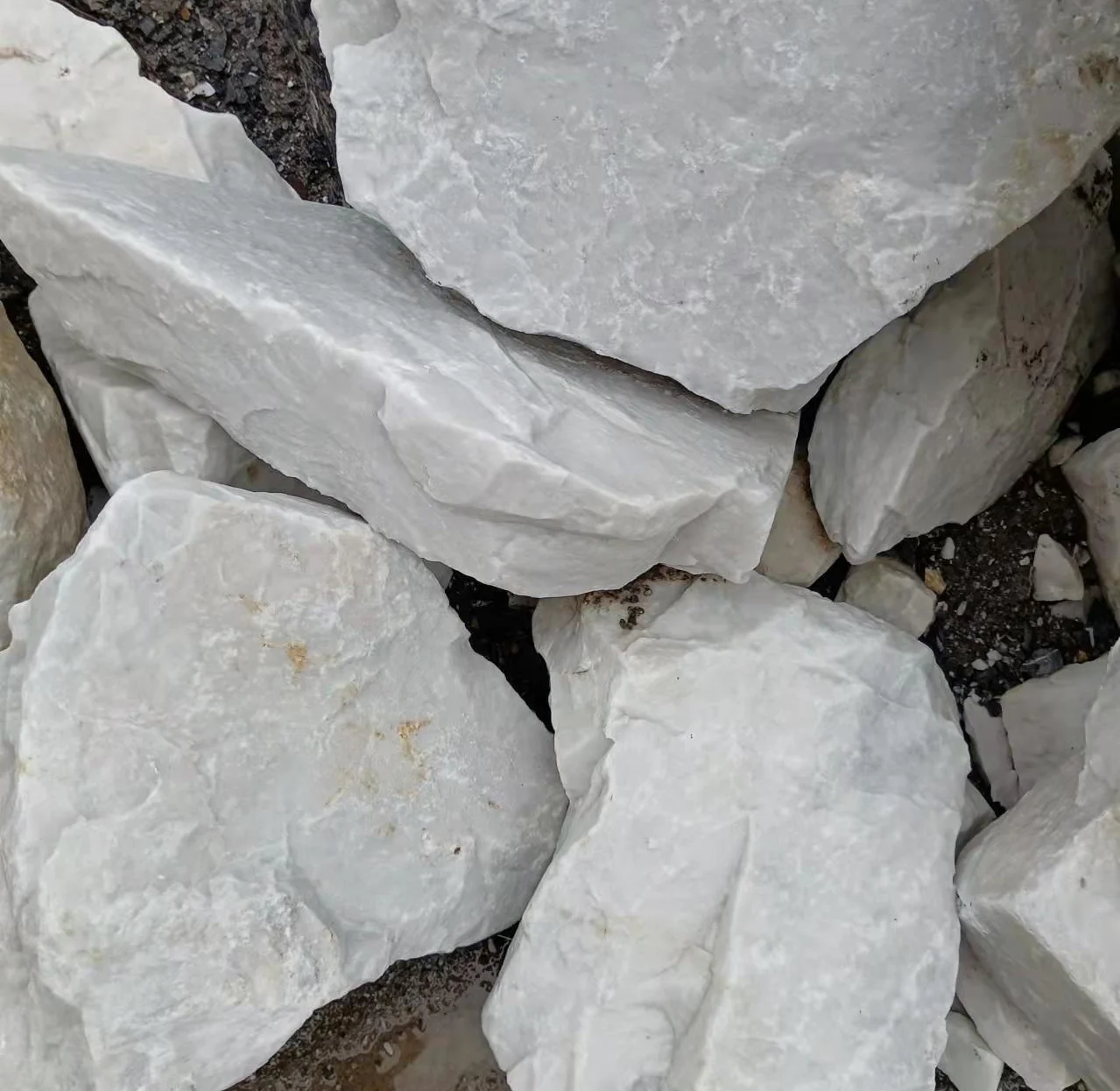
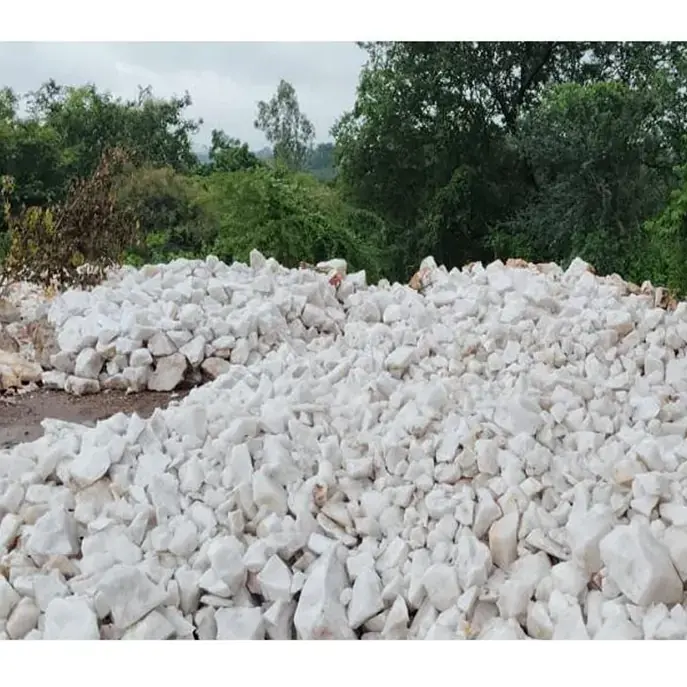
Mining grinding equipment is suitable for processing metallic and non-metallic minerals after crushing, including gold ore, copper ore, iron ore, lead-zinc ore, nickel ore, quartz, feldspar, limestone, gypsum, barite, kaolin, and other industrial mineral materials. It is also widely used for fine grinding of cement raw materials, coal, and metallurgical slag to meet downstream separation and powder processing requirements.
Advantages
Mining grinding equipment is designed for continuous size reduction of ore in mineral processing plants. It ensures stable particle size control for downstream separation processes and plays a key role in improving mineral liberation and recovery efficiency. The equipment is built for heavy-duty operation, adapting to different ore types, hardness levels, and production capacities.
Designed for continuous operation in mining environments with stable output and consistent grinding efficiency.
Final product fineness can be controlled within a wide range, typically from 0.074 mm to 0.5 mm depending on process requirements.
Optimized grinding system reduces energy consumption, with 10–30% lower power use per ton compared to traditional grinding setups.
Equipment configuration is designed based on ore hardness, feed size, and plant capacity to match different beneficiation processes.
Heavy-duty frame and wear-resistant liners designed for long-term continuous operation in mining conditions.
Suitable for gold, copper, iron, lead-zinc, quartz, limestone, and other industrial mineral grinding applications.
Why Choose Zhongyi Mining Machinery?
FAQ
What is mining grinding equipment used for?
Mining grinding equipment is used to reduce crushed ore into fine particles for mineral liberation. It is widely applied in gold, copper, iron, and non-metallic mineral processing plants to prepare material for flotation, magnetic separation, or gravity separation.
How do I choose the right grinding equipment?
Selection depends on ore hardness, feed size, required fineness, and capacity. For example, ball mills are suitable for fine grinding, while rod mills are better for coarse and uniform particle control in specific beneficiation processes.
What is the typical output size of grinding equipment?
Output fineness usually ranges from 0.074 mm to 0.5 mm depending on equipment type and process requirements. Ultrafine mills can reach up to 325–2500 mesh for special industrial mineral applications.
How much energy does a grinding system consume?
Energy consumption varies by ore type and capacity, but modern grinding systems can reduce power use by around 10–30% compared with traditional configurations when properly optimized.
Can grinding equipment be customized for different ores?
Yes. Equipment is selected and configured based on ore hardness, abrasiveness, and mineral composition. Customized solutions help improve grinding efficiency and reduce over-grinding or energy waste.
What is the difference between ball mill and rod mill?
Ball mills are used for fine grinding with higher capacity, while rod mills provide more uniform particle size and are preferred for coarse grinding stages with less over-grinding in certain ores.
What is the expected service life of grinding equipment?
With proper maintenance, key components such as liners and grinding media can last 1–3 years depending on ore abrasiveness. Heavy-duty structural parts are designed for long-term continuous operation.
Can grinding equipment be used in a complete plant system?
Yes. It is normally integrated with crushing, classification, and separation systems to form a complete mineral processing plant, ensuring stable particle control and higher recovery efficiency.
Related Cases
From challenges to solutions, Zhongyi has extensive experience in mining projects.
Related News
Technical insights and expert guidance to help you make informed decisions
Boost Your Mining Efficiency With Complete Solutions
Zhongyi team provides tailored mineral processing and production line solutions to optimize efficiency and reduce costs.