











Trạm sàng di động là gì?
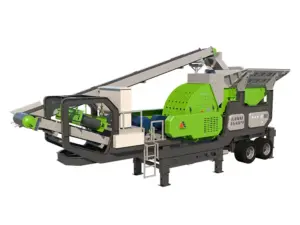
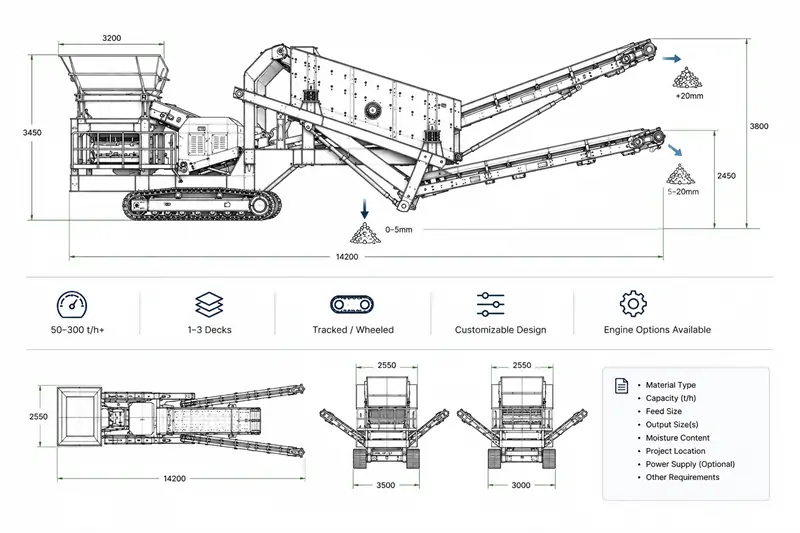
Trạm sàng di động, còn được gọi là Trạm sàng lưu động hoặc Trạm sàng xách tay, là hệ thống sàng bánh lốp hoặc bánh xích được thiết kế để phân loại vật liệu tại chỗ mà không cần lắp đặt cố định. Hệ thống tích hợp sàng rung, hệ thống cấp liệu, băng tải, bộ nguồn và khung gầm di động thành một đơn vị vận hành duy nhất, cho phép triển khai và di chuyển nhanh chóng trong các ứng dụng khai thác mỏ, khai thác đá và tái chế phế thải xây dựng.
Thiết bị thường được sử dụng để phân tách và phân loại cốt liệu, quặng và vật liệu tái chế. Hệ thống cho phép xử lý trực tiếp tại nguồn, giảm các bước xử lý vật liệu và nâng cao hiệu quả tổng thể tại công trường. Cấu hình tiêu chuẩn có thể đạt công suất xử lý lên đến 300–500 TPH, tùy thuộc vào kích thước sàng và loại vật liệu.
Trạm sàng di động được ứng dụng rộng rãi trong sản xuất cốt liệu, khai thác mỏ và xử lý phế thải phá dỡ. Thiết bị có thể hoạt động độc lập hoặc được tích hợp vào dây chuyền nghiền và sàng, mang lại cấu hình linh hoạt cho các bố trí công trường và yêu cầu sản xuất khác nhau.
Các loại trạm sàng di động
Trạm sàng di động chủ yếu được chia thành hai cấu hình: loại bánh lốp (loại lốp) và loại bánh xích (loại xích) Cả hai đều cung cấp khả năng sàng di động, nhưng khác nhau về phương thức di chuyển và điều kiện làm việc áp dụng.
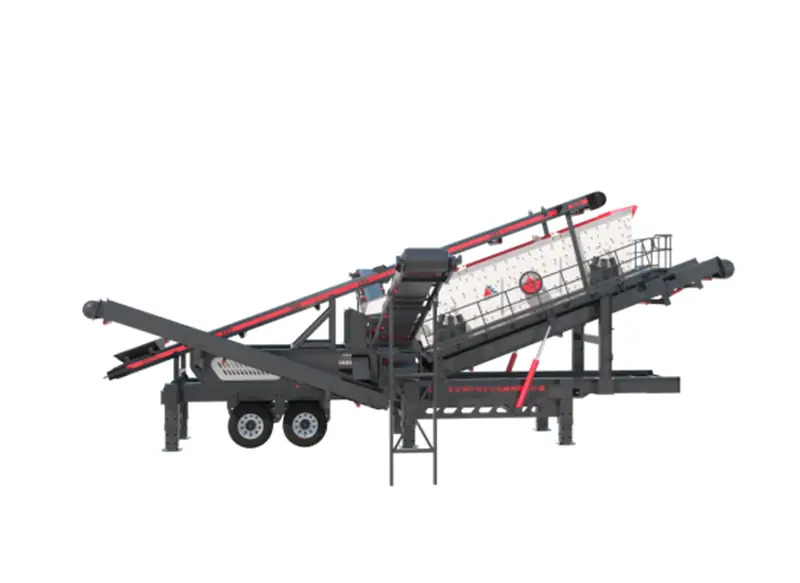
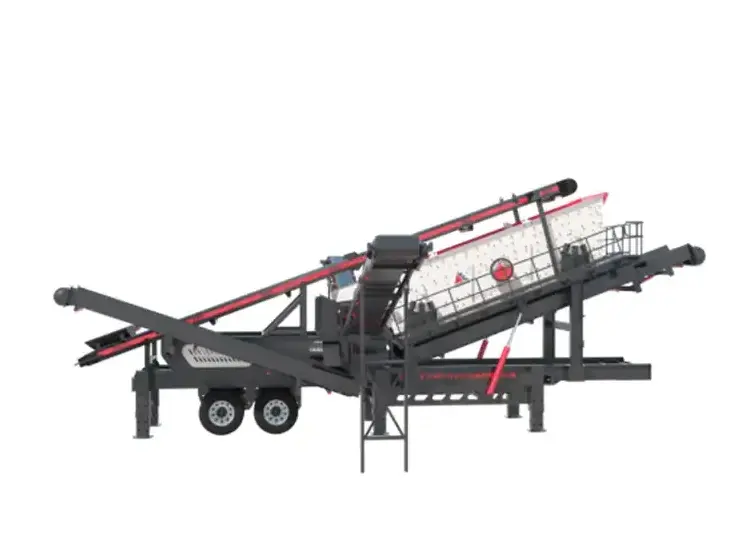
Trạm sàng di động loại bánh lốp (Loại lốp)
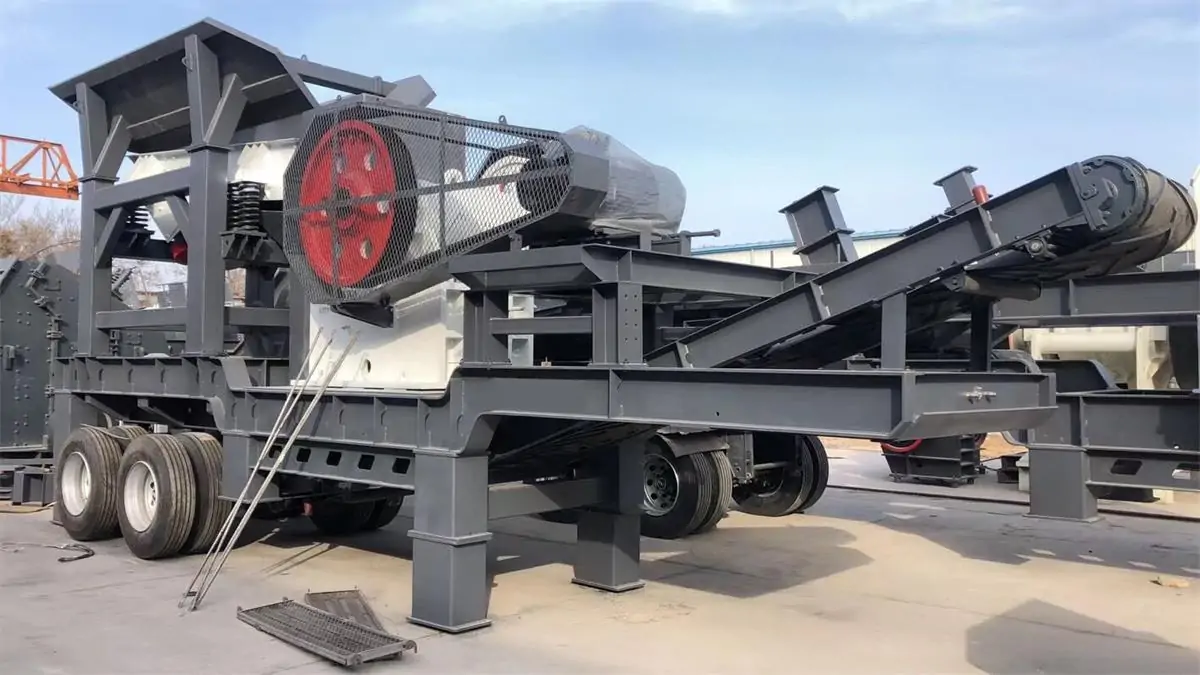
Loại bánh lốp là hệ thống bán di động được vận chuyển bằng đầu kéo, được thiết kế để di chuyển trên đường với tác động thấp đến mặt đất và chuyển giao giữa các công trường hiệu quả. Thiết bị được sử dụng rộng rãi trong xử lý phế thải xây dựng, các dự án đào đắp và công trường xây dựng đô thị, nơi có đường tiếp cận và điều kiện làm việc tương đối ổn định.
- Ưu điểm: Vận chuyển đường bộ nhanh chóng và chi phí di chuyển thấp, phù hợp cho việc chuyển công trường thường xuyên.
- Hạn chế: Yêu cầu thiết bị kéo và khả năng thích ứng hạn chế trên địa hình mềm hoặc gồ ghề.
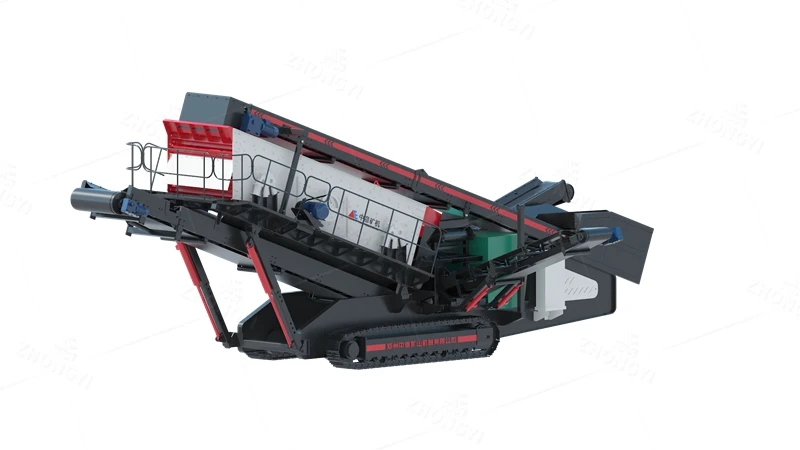
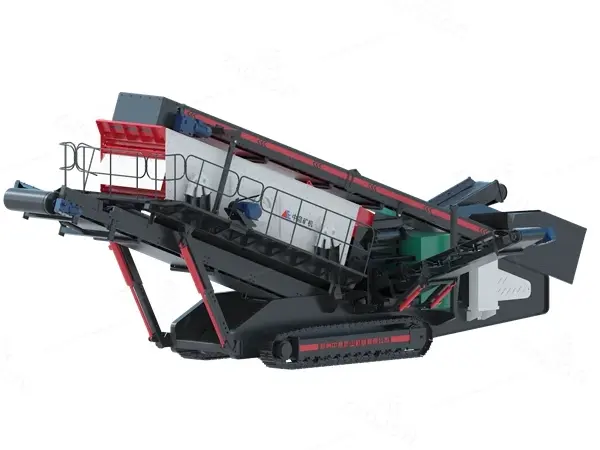
Trạm sàng di động loại bánh xích (Loại xích)
Loại bánh xích là hệ thống thủy lực tự hành với điều khiển di chuyển từ xa, được thiết kế cho khả năng cơ động cao trên địa hình phức tạp như khu khai thác mỏ, vùng núi, đất ngập nước và công trường dốc. Thiết bị thường sử dụng hệ thống nguồn hybrid kết hợp động cơ diesel và điện cho các chức năng sàng và di chuyển.
- Ưu điểm: Khả năng vượt địa hình mạnh mẽ với vận hành tự hành, phù hợp cho môi trường làm việc khắc nghiệt.
- Hạn chế: Chi phí thiết bị cao hơn và yêu cầu bảo trì phức tạp hơn.
Khuyến nghị lựa chọn
Loại bánh lốp được ưu tiên cho các dự án có đường tiếp cận tốt và nhu cầu di chuyển thường xuyên, trong khi loại bánh xích được khuyến nghị cho khai thác mỏ và điều kiện địa hình phức tạp yêu cầu khả năng cơ động và thích ứng cao.
Trạm sàng di động hoạt động như thế nào?
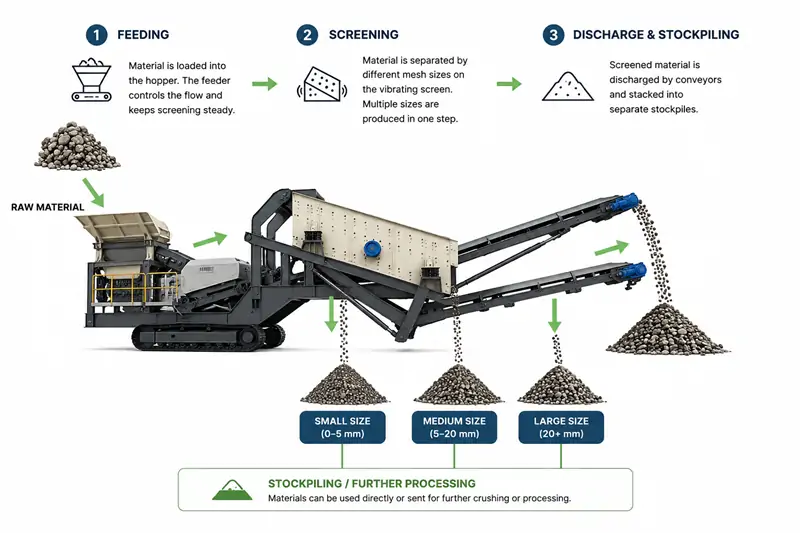
Trạm sàng di động phân tách vật liệu thành các kích thước khác nhau thông qua quy trình đơn giản gồm cấp liệu, sàng và vận chuyển. Thiết bị được sử dụng tại chỗ để phân loại vật liệu nhanh chóng và duy trì sản xuất liên tục trong khai thác mỏ, sản xuất cốt liệu và tái chế.
Quy trình cấp liệu
Vật liệu được nạp vào trạm thông qua phễu hoặc máy cấp liệu rung khai thác mỏ. Hệ thống cấp liệu duy trì dòng vật liệu ở tốc độ ổn định để sàng có thể hoạt động không bị gián đoạn hoặc quá tải.
Quy trình sàng
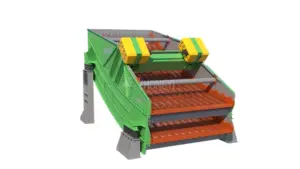
Bên trong sàng rung, vật liệu được phân tách theo các kích thước lỗ sàng khác nhau. Các mảnh lớn hơn ở lại tầng trên và di chuyển về phía trước, trong khi vật liệu nhỏ hơn đi qua xuống các tầng dưới. Trong hệ thống nhiều tầng, nhiều nhóm kích thước được tạo ra trong một bước.
Xả liệu và tích đống
Sau khi sàng, vật liệu được vận chuyển ra ngoài bằng băng tải. Mỗi kích thước được đưa đến một đống riêng. Các vật liệu này có thể được sử dụng trực tiếp hoặc được gửi đi nghiền hoặc xử lý tiếp tùy theo công việc.
Ưu điểm
Trạm sàng di động là hệ thống phân loại vật liệu tích hợp và có tính linh hoạt cao được thiết kế cho các hoạt động sàng tại chỗ. Thiết bị loại bỏ các hạn chế của lắp đặt cố định và cho phép chế độ vận hành “sàng ngay tại nơi có vật liệu”, phù hợp cho các dự án khai thác mỏ, sản xuất cốt liệu và tái chế phế thải xây dựng với điều kiện công trường thay đổi.
Ứng dụng
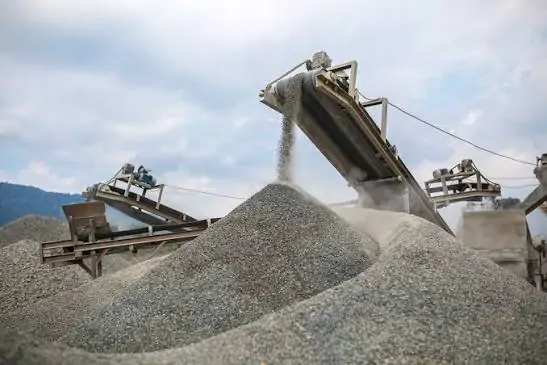
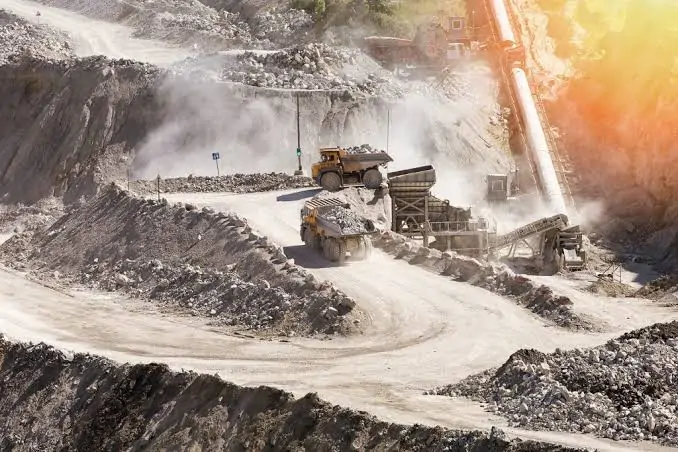
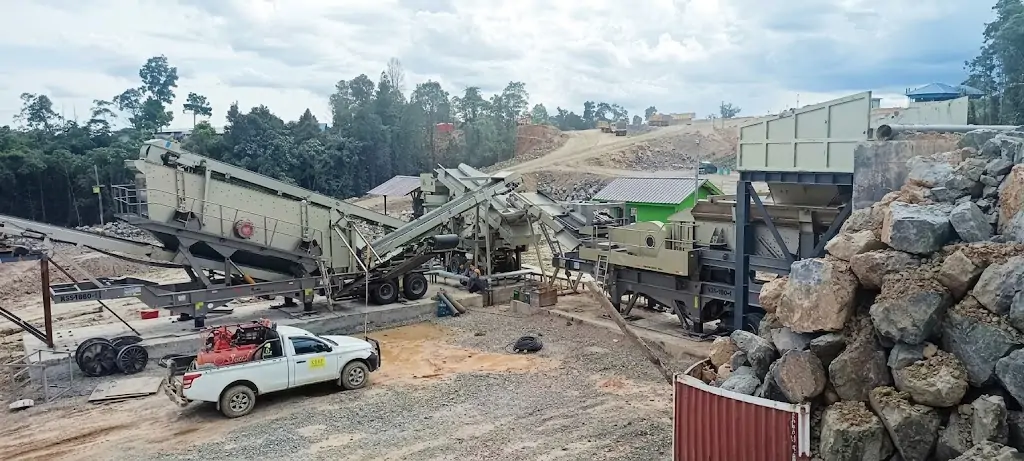
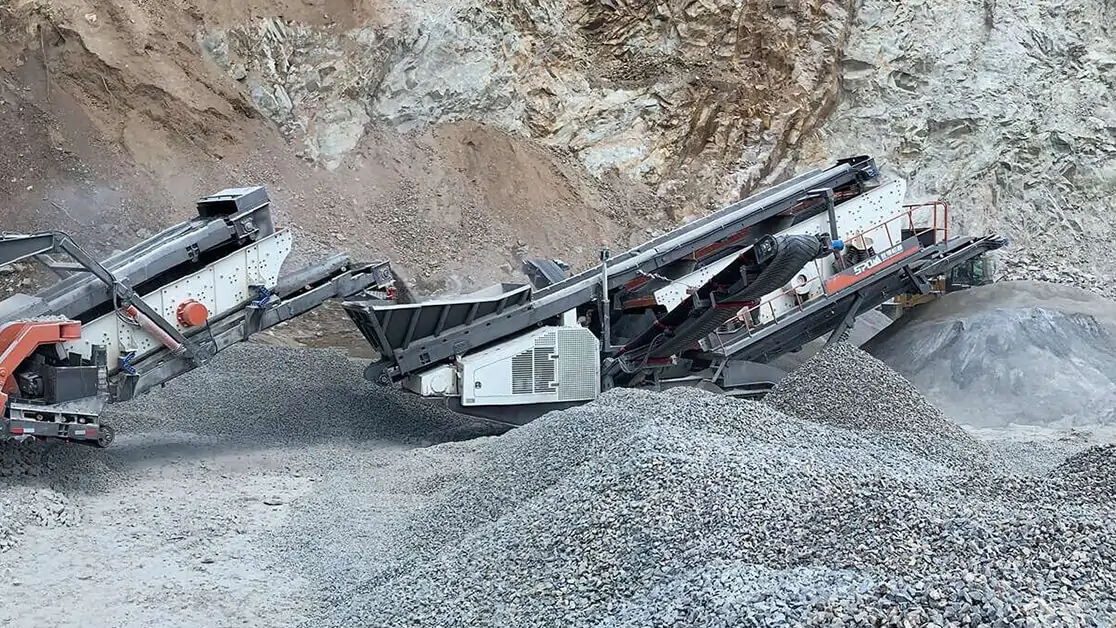
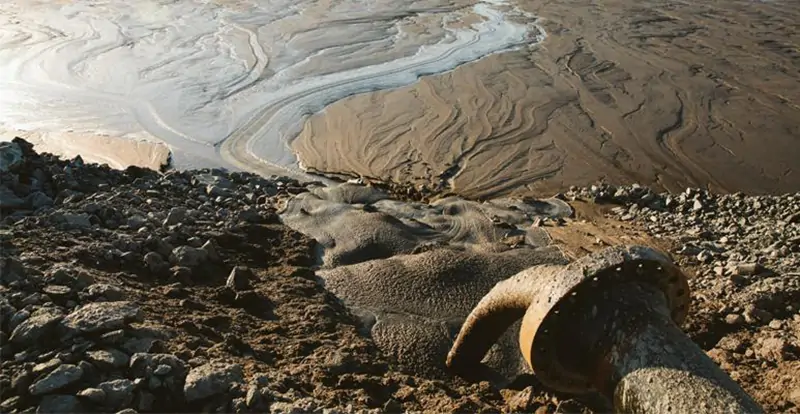
Thiết bị sàng di động được sử dụng để phân tách và định cỡ vật liệu tại chỗ trong các hoạt động khai thác mỏ, khai thác đá và tái chế. Thiết bị thường được lắp đặt sau nghiền hoặc trực tiếp tại nguồn vật liệu để phân tách nguyên liệu đã nghiền thành các phần kích thước khác nhau cho xử lý tiếp theo hoặc sử dụng trực tiếp.
They are applied across a wide range of materials and working conditions, as shown below.
Materials Suitable for Screening
Mobile screening plants are widely used for grading and separating a broad range of natural aggregates, ores, and recycled materials in mining, quarrying, and construction applications.
Natural Aggregates
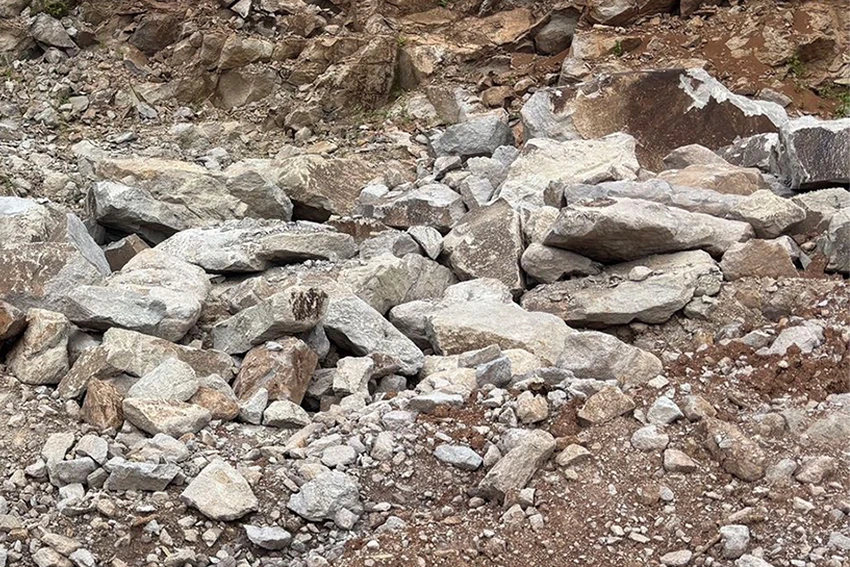
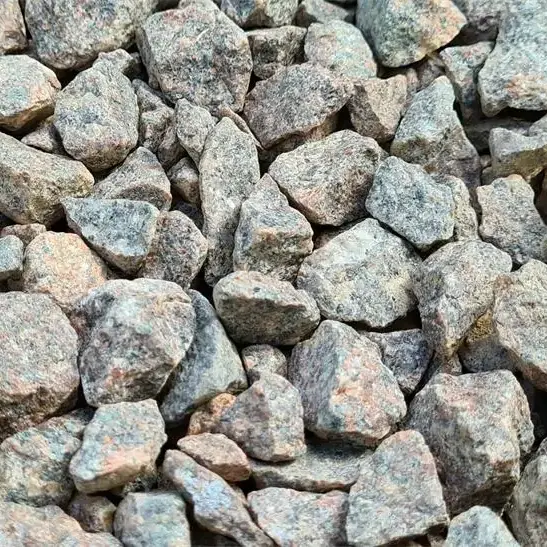
Granite
Basalt
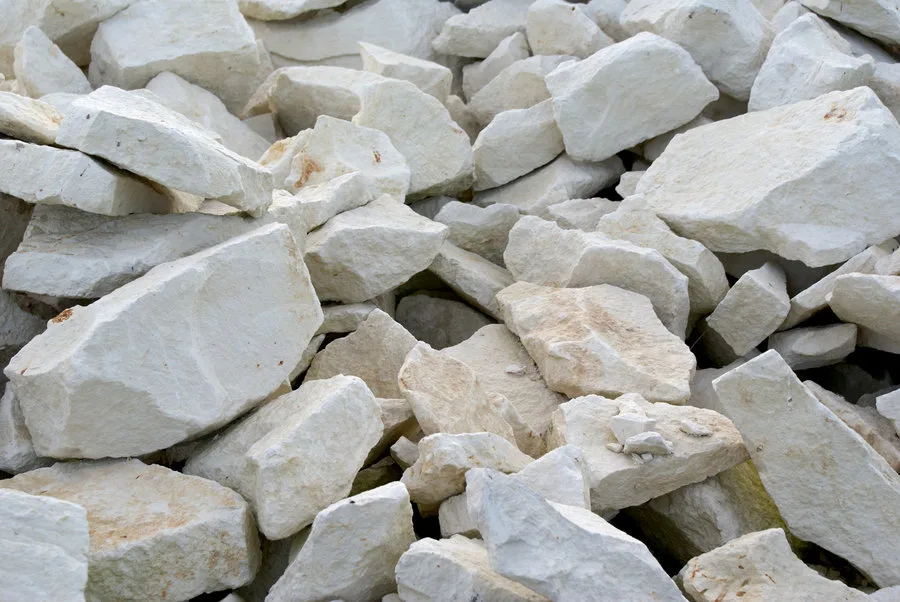
Limestone
River Pebble
Gravel
Sand
Metal Ores
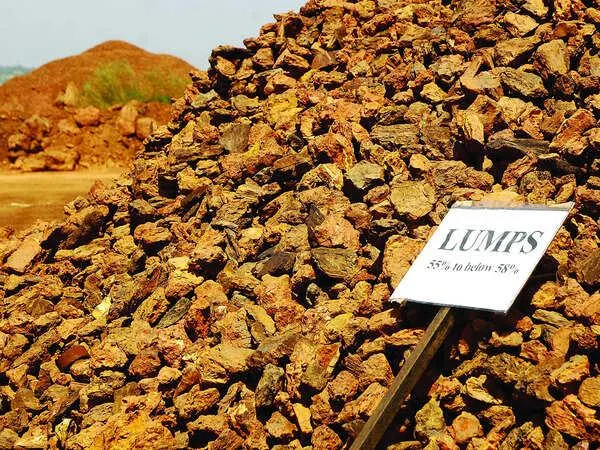
Iron Ore
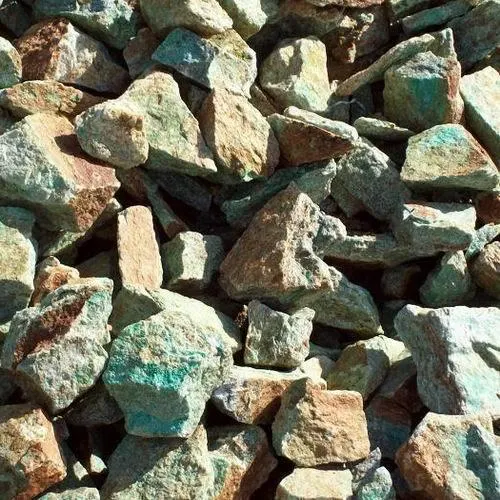
Copper Ore
Gold Ore
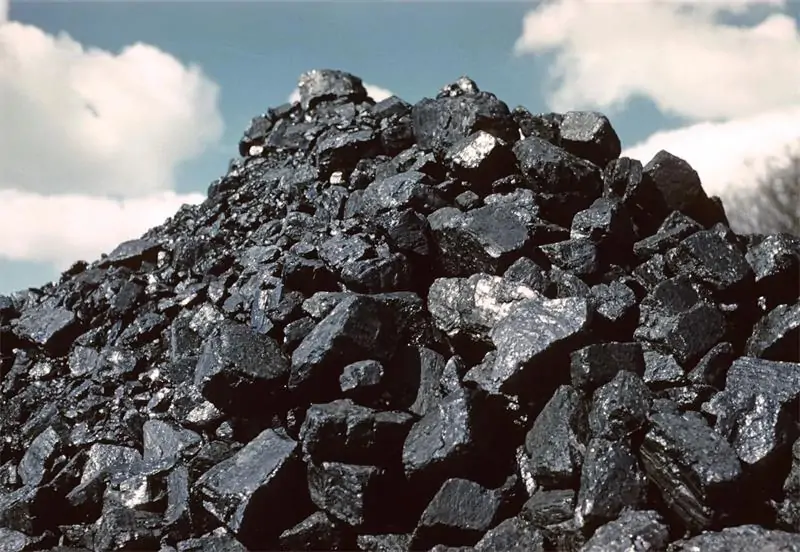
Coal
Construction & Recycled Materials
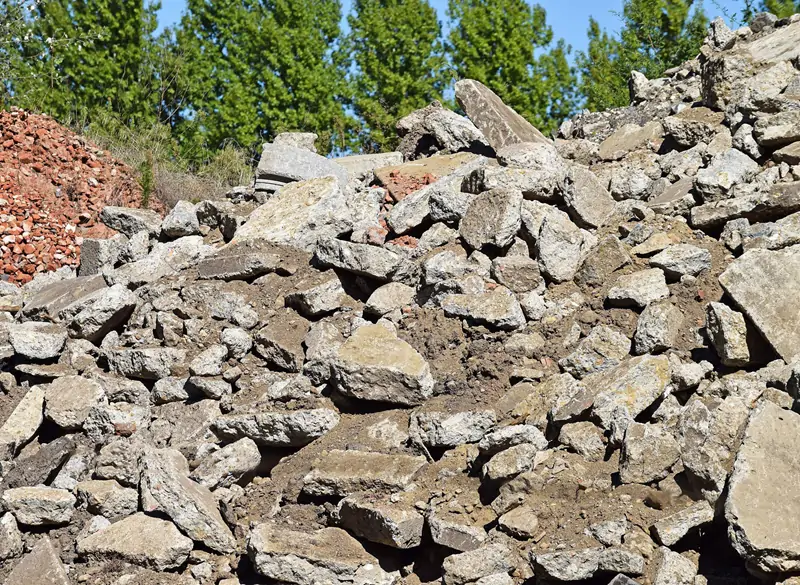
Construction Waste
Concrete
Asphalt
Soil & Organic Materials
Topsoil
Compost

Thông số kỹ thuật
Please refer to the specifications below to select the most suitable mobile screening plant for your project requirements.
| Mô hình | Công suất (t/h) | Kích thước sàng (mm) | Screen Layers | Công suất (kW) | Trọng lượng (t) | Transport Size (L×W×H mm) |
|---|---|---|---|---|---|---|
| FTM3S1848 | 80–150 | 1800 × 4800 | 2–3 | 55–75 | 16 | 10280 × 2830 × 4350 |
| FTM3S1860 | 100–200 | 1800 × 6000 | 2–3 | 75–90 | 18 | 11480 × 2830 × 4350 |
| FTM3S2160 | 150–300 | 2100 × 6000 | 2–4 | 90–132 | 19 | 11480 × 3150 × 4350 |
Note: Capacity may vary depending on material type, feed size, and operating conditions. Custom configurations can be provided according to specific project requirements.
Mobile Screening Plant vs Stationary Screening Plant & Trommel Screen
Screening equipment selection should be based on site mobility, material type, and production scale rather than capacity alone. Mobile screening plants are designed for on-site flexible operation, while stationary plants focus on long-term stable production and trommel screens are used for wet or sticky materials. The following table compares the main types of screening equipment.
| Factor | Trạm sàng lọc di động | Trạm sàng cố định | Trommel Screen |
|---|---|---|---|
| Nguyên lý hoạt động | Vibrating screening on mobile chassis (800–1000 rpm) | Multi-deck vibration screening on fixed structure (900–1200 rpm) | Rotating drum separation (10–25 rpm) |
| Thiết kế kết cấu | Integrated unit with feeder, screen, conveyors | Fixed steel structure with foundation support | Cylindrical drum mounted on inclined frame |
| Công suất xử lý | 50–300 t/h | 100–600 t/h | 10–150 t/h |
| Screening Efficiency | 80–95% | 85–98% | 60–80% (material dependent) |
| Tiêu thụ năng lượng | 0.8–1.2 kWh/t | 0.6–1.0 kWh/t | 1.0–1.5 kWh/t |
| Diện tích chiếm chỗ | 80–200 m² working area | 300–1000 m² plant area | 50–150 m² |
| Mobility | High (tracked or wheeled) | None | Low (semi-fixed) |
| Yêu cầu lắp đặt | No foundation required | Civil foundation required | Simple support frame |
| Bảo trì | Screen media and conveyor system | Full plant shutdown maintenance | Drum wear and blockage cleaning |
| Chi phí đầu tư | Medium | High (includes civil works) | Medium |
| Suitable Materials | Crushed stone, sand, gravel, C&D waste (≤300 mm) | Hard rock, ores, large-scale aggregates | Wet soil, clay, compost, mixed waste |
| Ứng dụng điển hình | Quarry relocation, mining face operations, recycling yards | Permanent aggregate or mining production lines | Municipal waste, soil screening, organic materials |
Wheel Mounted vs Tracked Mobile Screening Plant
Wheel-mounted and tracked mobile screening plants are two common mobile screening configurations used in aggregate processing, mining, and construction waste recycling. The main difference lies in their mobility system and terrain adaptability. Wheel-mounted units focus on road transport efficiency and lower investment cost, while tracked units are designed for on-site self-propelled movement and harsh working conditions. Selection depends on site accessibility, project duration, and terrain complexity.
| Hạng mục | Wheel Mounted Mobile Screening Plant | Nhà máy sàng di động bánh xích |
| Transportation Method | Towed by tractor head via road transport | Self-propelled hydraulic track system |
| Applicable Working Conditions | Flat sites, urban construction, demolition waste, earthwork projects | Mountainous areas, mining sites, wetlands, steep or rough terrain |
| Chi phí đầu tư | Lower initial investment | Higher initial investment |
| Maintenance Cost | Relatively lower and simpler structure | Higher due to hydraulic and track system complexity |
| Mobility Efficiency | High on-road transport efficiency, slower site-to-site setup | Fast on-site relocation with remote control operation |
| Suitable Projects | Urban infrastructure, construction waste recycling, short-term projects | Mining operations, quarry sites, long-term harsh environment projects |
Yêu cầu giải pháp tùy chỉnh
Work with Zhongyi Mining Machinery to get a mobile screening solution tailored to your material type, capacity requirement, and site conditions. We provide full engineering support from configuration to system design, ensuring stable and efficient on-site performance.
Complete Mobile Crushing and Screening Solutions
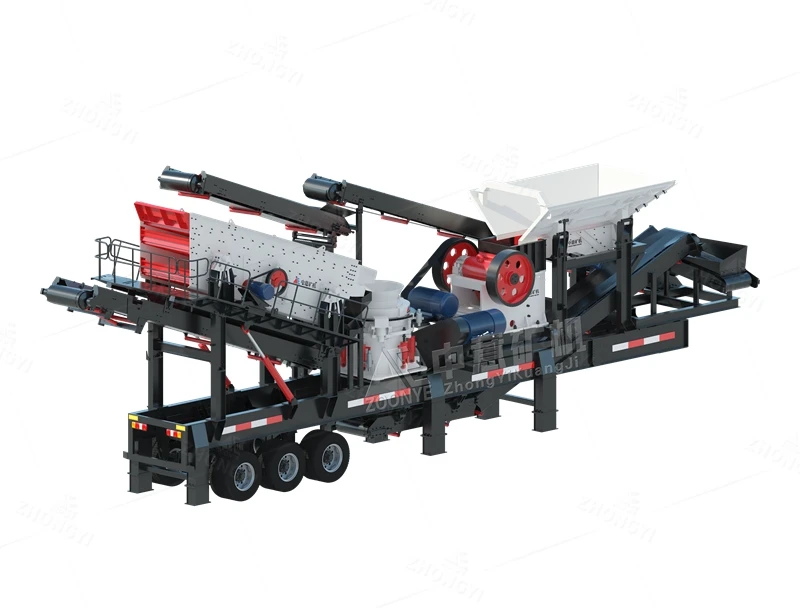
Zhongyi provides fully integrated mobile crushing and screening systems for quarrying, mining, and construction waste recycling applications. Our solution covers the entire material processing flow, including feeding, primary crushing, secondary crushing, screening, and final stockpiling, enabling efficient on-site production with flexible system configuration based on project requirements.
System Configuration Modules
A complete mobile production line can be configured through modular equipment integration:
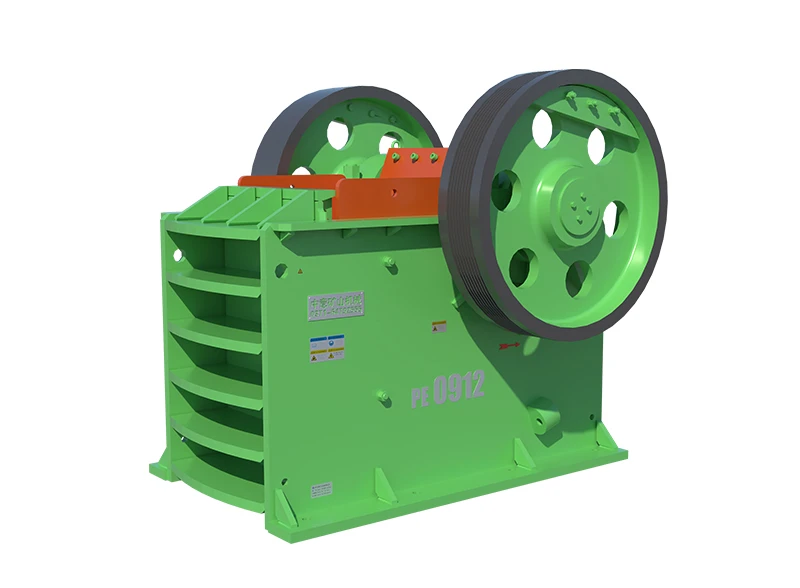
Portable Jaw Crusher – Primary crushing of large and hard materials
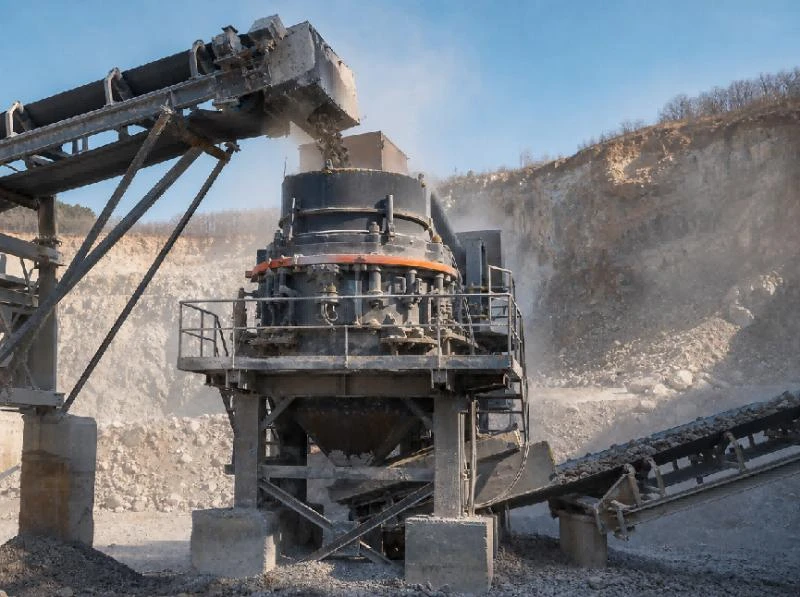
Portable Cone Crusher – Secondary and fine crushing of high-hardness aggregates
Portable Impact Crusher – Shaping and crushing of medium-hard materials
Mobile Sand Making Plant – High-quality sand production and final shaping
Feeding System – Stable and controlled material feeding to ensure continuous operation
Conveying System – Conveyor for continuous material transfer between processing units
Stacking System – Stacker for efficient stockpile management and site space optimization
Cases Show
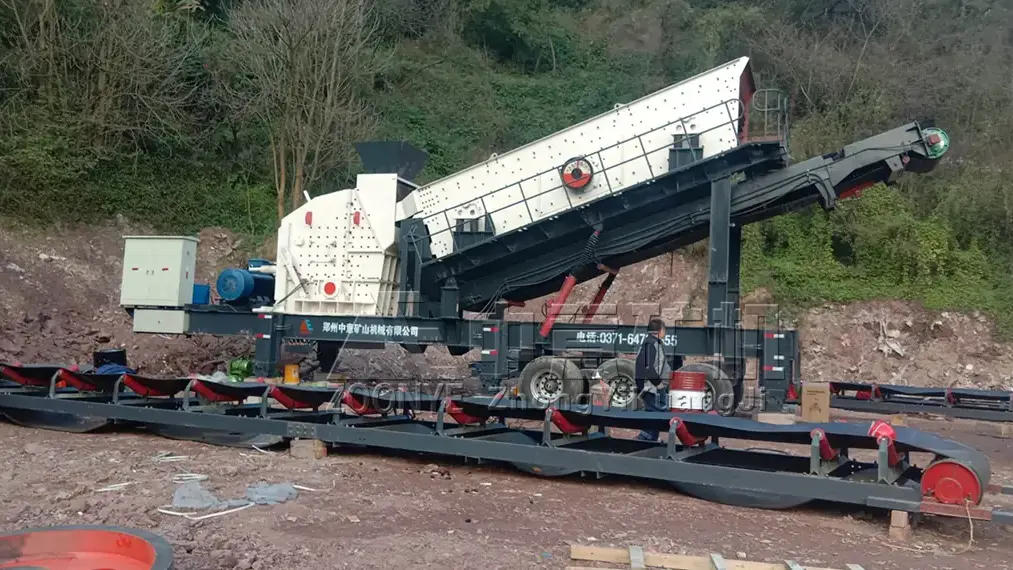
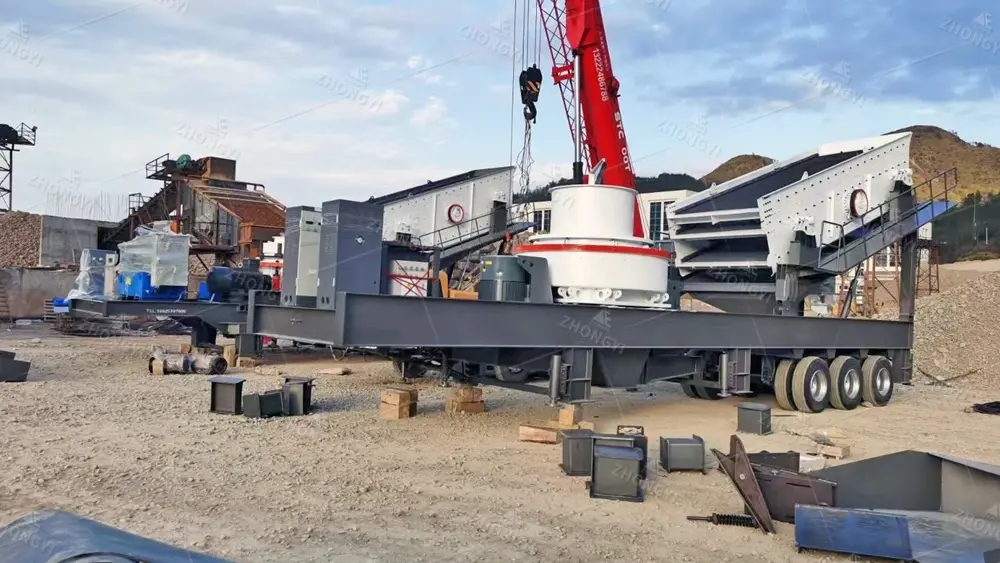
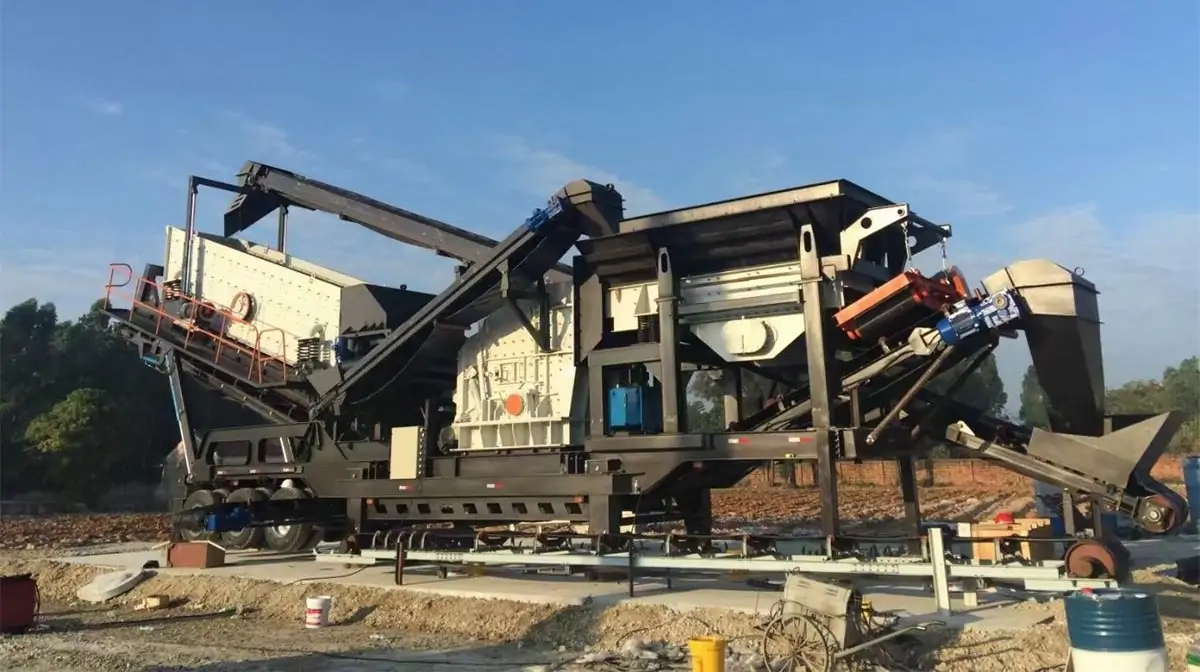
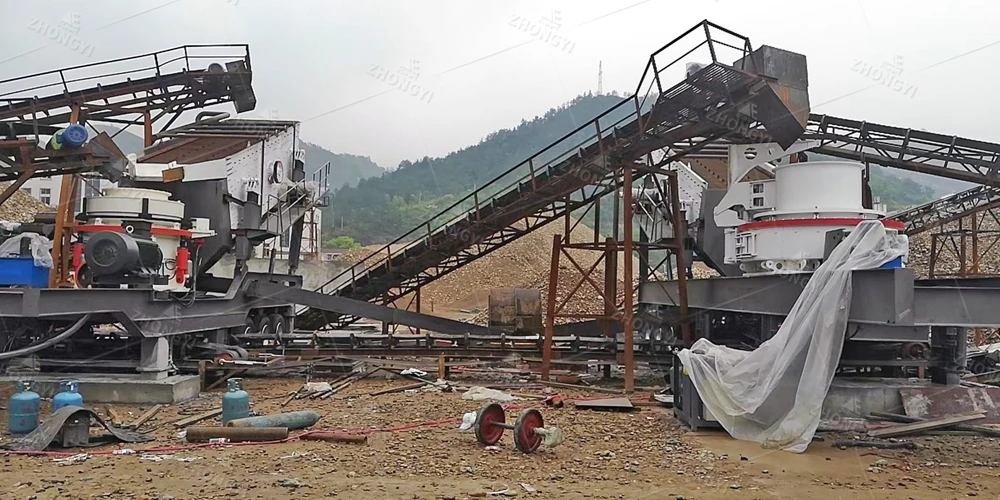
Custom Mobile Screening Plant Solution
To recommend a suitable mobile screening plant and provide an accurate quotation, please share your project requirements. Our team will help match the right configuration based on your material, capacity, and site conditions.
Please Provide the Following Information:
Mobile Screening Plant Manufacturer and Supplier
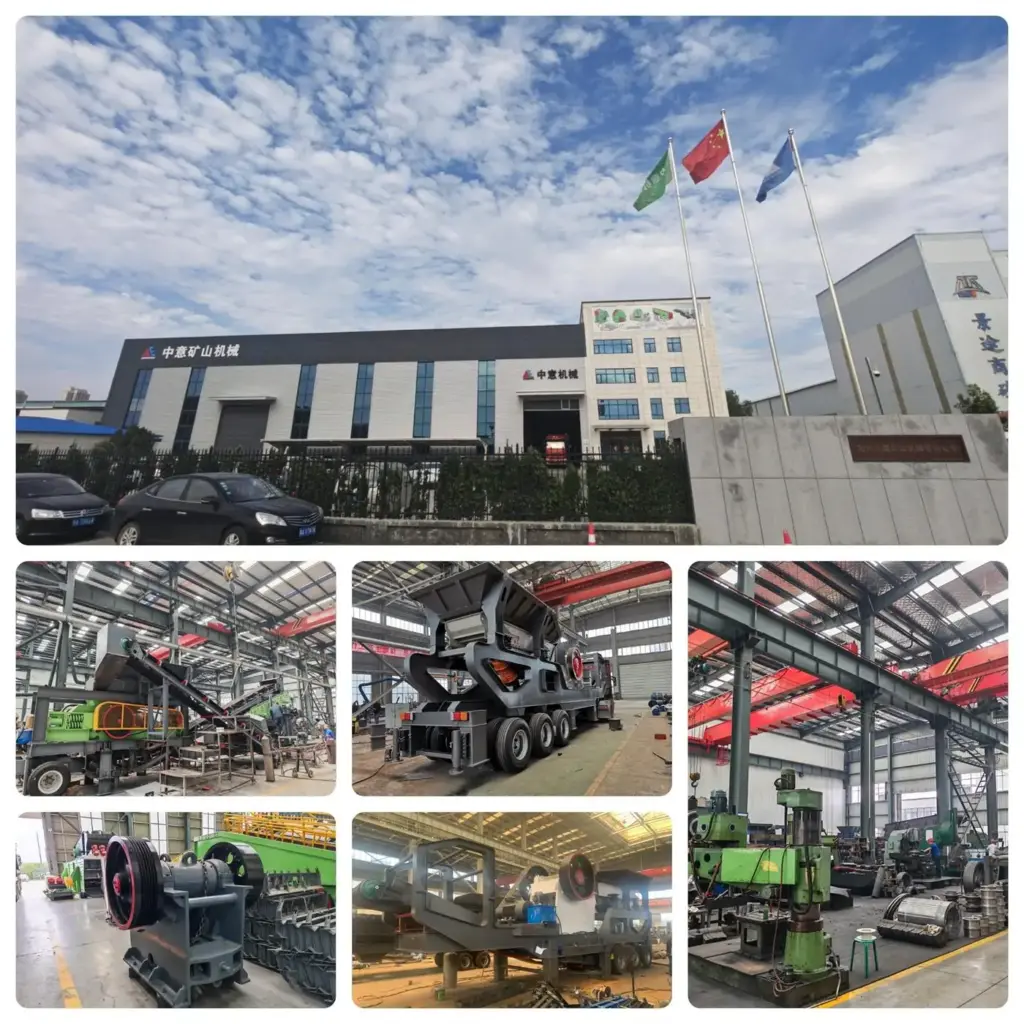
Zhongyi is a professional manufacturer and supplier of mobile screening plants, with more than 15 years of experience in mining and aggregate equipment production. Our manufacturing system follows ISO 9001 quality standards, covering design, fabrication, assembly, and testing to ensure stable performance in real working conditions.
We have delivered equipment to quarrying, mining, and recycling projects across multiple regions, supporting a wide range of materials including crushed stone, sand, gravel, and construction waste. Based on different project requirements, we provide complete screening solutions, from single machines to integrated production lines.
Beyond equipment supply, Zhongyi offers technical support, configuration guidance, and after-sales service to help customers achieve stable and efficient operation throughout the project lifecycle.
Contact us to get a tailored solution and quotation for your project.
FAQs
What is a mobile screening plant used for?
A mobile screening plant is used to separate materials into different sizes directly on site. It is commonly used in aggregate production, mining, sand and gravel processing, and construction waste recycling.
What materials can a mobile screening plant process?
Mobile screening plants can handle a wide range of materials, including crushed stone, limestone, sand, gravel, recycled concrete, asphalt waste, and demolition materials. Screen configurations can be adjusted based on material characteristics and required product sizes.
What is the capacity of a mobile screening plant?
Capacity depends on the model and application. Most mobile screening plants operate between 50 and 300 t/h, with larger configurations available for higher production requirements.
What is the difference between tracked and wheeled mobile screening plants?
Tracked models are better suited for rough terrain and frequent on-site movement. Wheeled models are easier to transport between locations and are often selected for projects with more stable working conditions.
How do I choose the right mobile screening plant?
Key factors include material type, required capacity, target product sizes, moisture content, and mobility requirements. These factors help determine the most suitable screen configuration and plant layout.
Can a mobile screening plant be used with a crusher?
Yes. Mobile screening plants are often combined with jaw crushers, cone crushers, or impact crushers to create a complete crushing and screening system for aggregate and mining applications.
Can a mobile screening plant produce multiple product sizes at the same time?
Yes. Multi-deck screening systems can separate material into several size fractions in a single pass, allowing multiple finished products to be produced simultaneously.
Can Zhongyi Mining provide custom mobile screening plant solutions?
Yes. Zhongyi Mining can configure mobile screening plants based on material type, required capacity, product size requirements, and site conditions. Custom layouts and supporting equipment can also be supplied to match specific project needs.