











Giới thiệu
How to choose the right stone crusher machine for your quarry is not just about finding a model with enough capacity at the right price. The type of rock matters, too. Granite and basalt can cause heavy wear on crushing equipment, while limestone is generally easier to crush. Feed size, required output, and the amount of material you need to process each hour also affect which crusher will work for your site. If these factors are overlooked, you may end up with higher wear-part costs, lower output, or aggregate that does not meet your requirements.
So, how to choose the right stone crusher machine for your quarry? Start with the rock you need to crush and the aggregate you want to produce, then work out the equipment and crushing stages needed to get there. We’ll look at the differences between common crusher types, how they suit different rocks, and what to consider when comparing operating costs and manufacturers.For a closer look at crusher types, how they work, and where they are used, read our article on [What Is a Stone Crusher Machine? Types, Working & Uses].
What Factors Should You Consider Before Choosing a Stone Crusher?
Choosing the right stone crusher starts with four things: rock type, feed size, required output, and production target. Getting these details right helps you select suitable equipment and avoid unnecessary operating costs.Choosing the right crusher also means understanding the investment involved. Read [Stone Crusher Machine Price Guide: What Affects the Cost?] to learn how equipment type, rock properties, production capacity, and plant configuration affect the total cost.
Rock Type, Hardness, and Abrasiveness
Granite and basalt are generally hard and abrasive, so crusher selection should account for wear-part consumption and maintenance costs. Limestone is often less abrasive, but its actual properties still need to be considered.
Maximum Feed Size and Required Output Size
The largest feed rock determines the required feed opening, while the target product sizes influence the discharge setting and number of crushing stages. Screening may also be needed to achieve the required gradation.
Required Capacity and Production Demand
choosing the right stone crusher based on your actual hourly production target, not just its rated capacity. Feed consistency and the capacity of screens and conveyors also affect the output of the entire plant.
Final Aggregate Specifications and Site Conditions
Required aggregate sizes and particle shape affect the crushing setup. Available space, power supply, foundation requirements, and maintenance access also influence equipment selection and plant layout.
Which Type of Stone Crusher Is Right for Your Quarry?
The right stone crusher machine depends on the rock you process, the crushing stage, and the aggregate you need to produce. Each type has its own strengths and limitations, so the choice should be based on your material and production requirements rather than the machine name alone.When comparing crushing equipment for different materials and applications, read Jaw Crusher vs Cone Crusher vs Impact Crusher: Differences & Uses to understand their key differences and how to choose the right type.
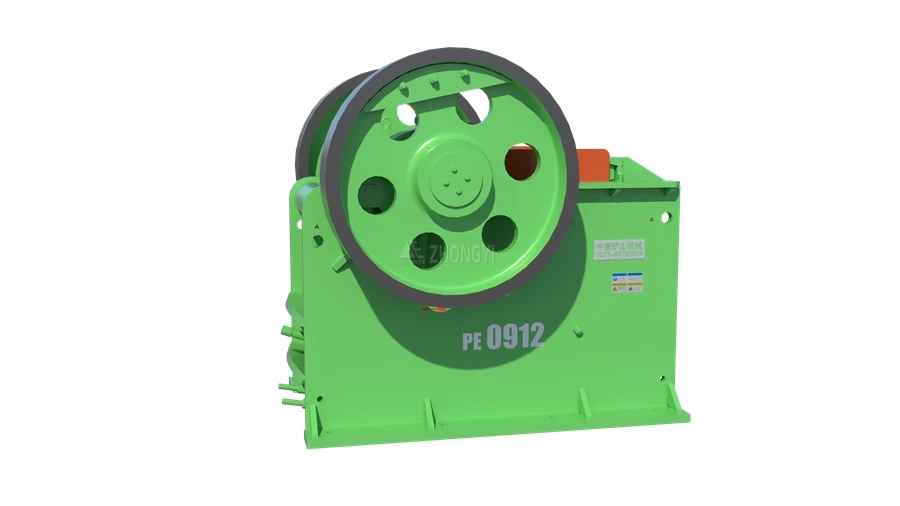
Jaw Crusher for Primary Crushing
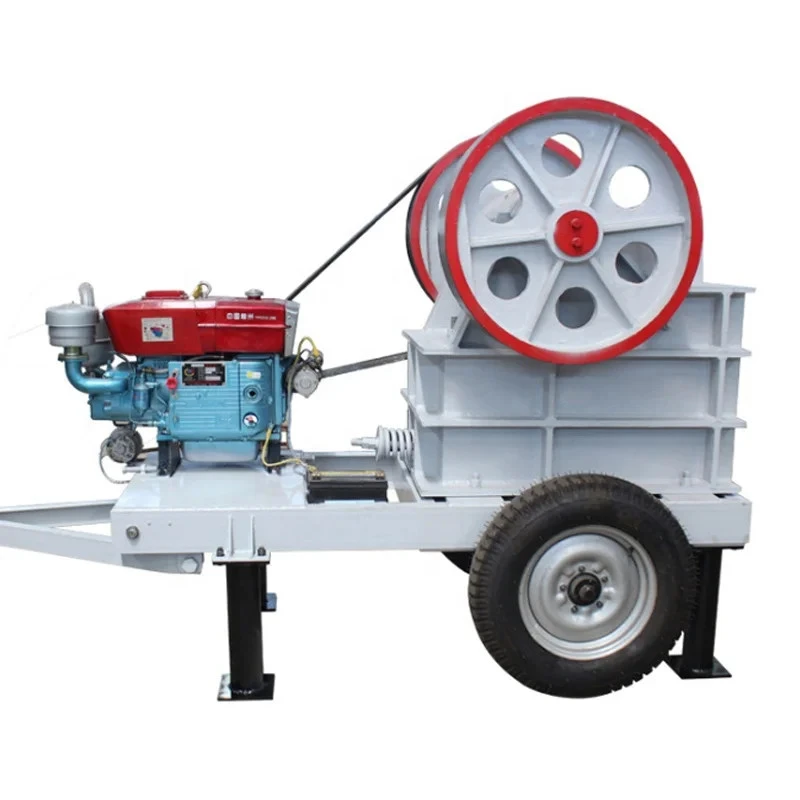
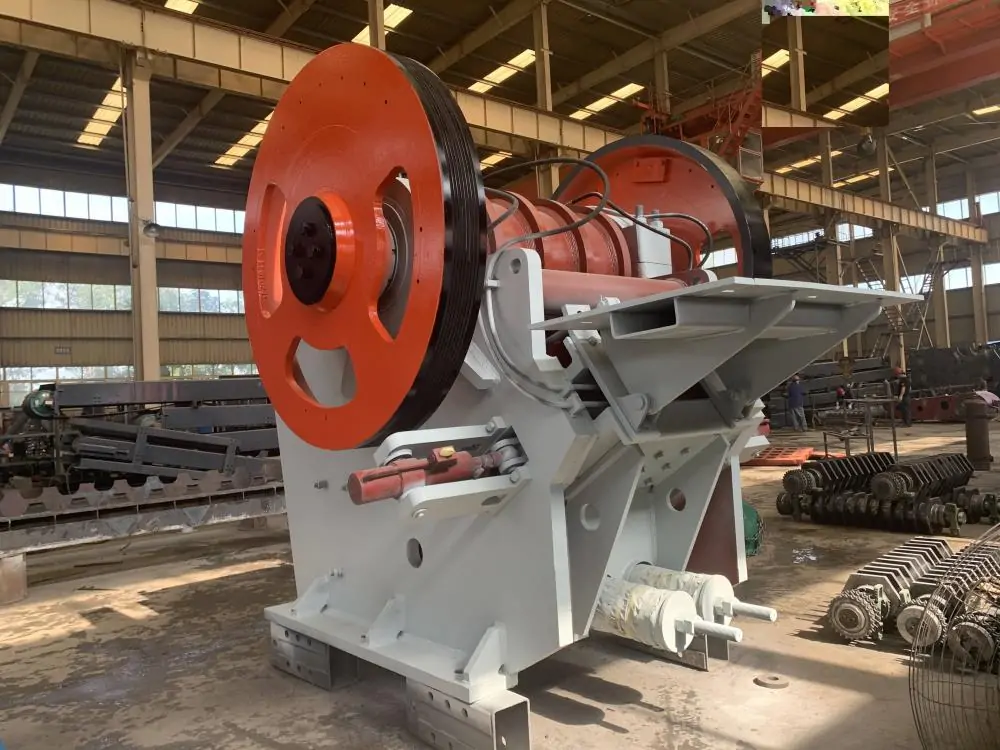
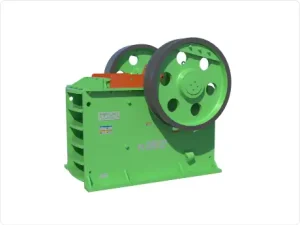
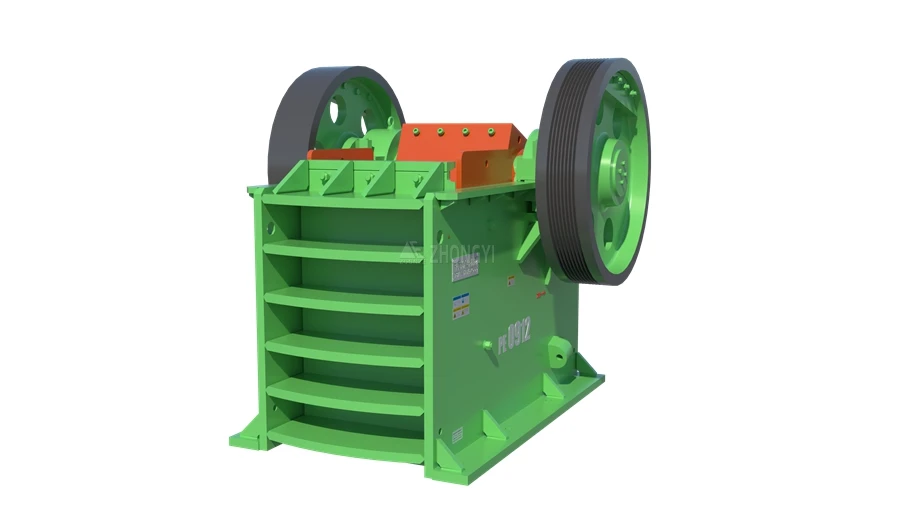
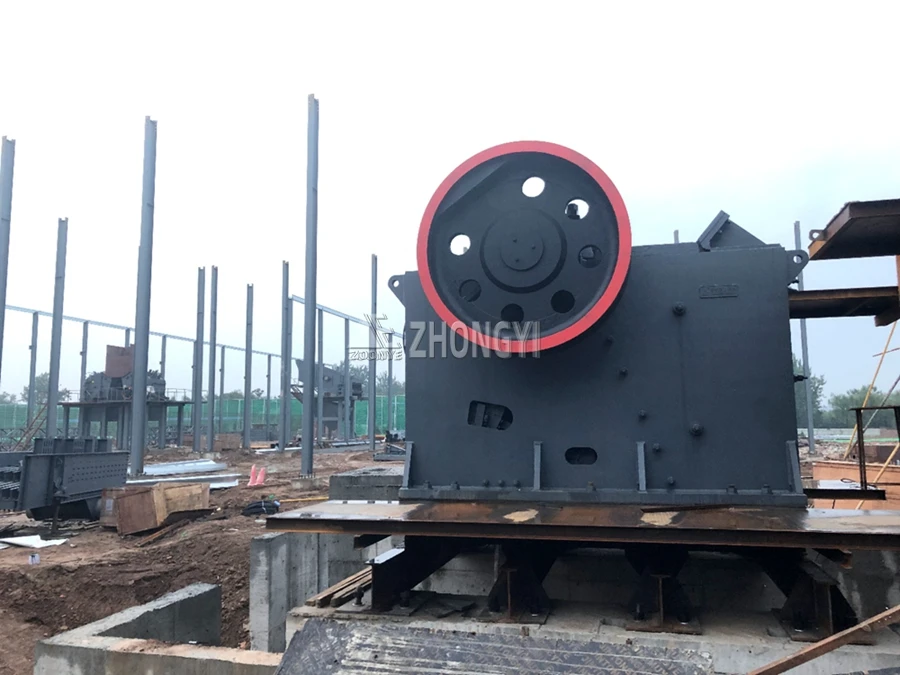
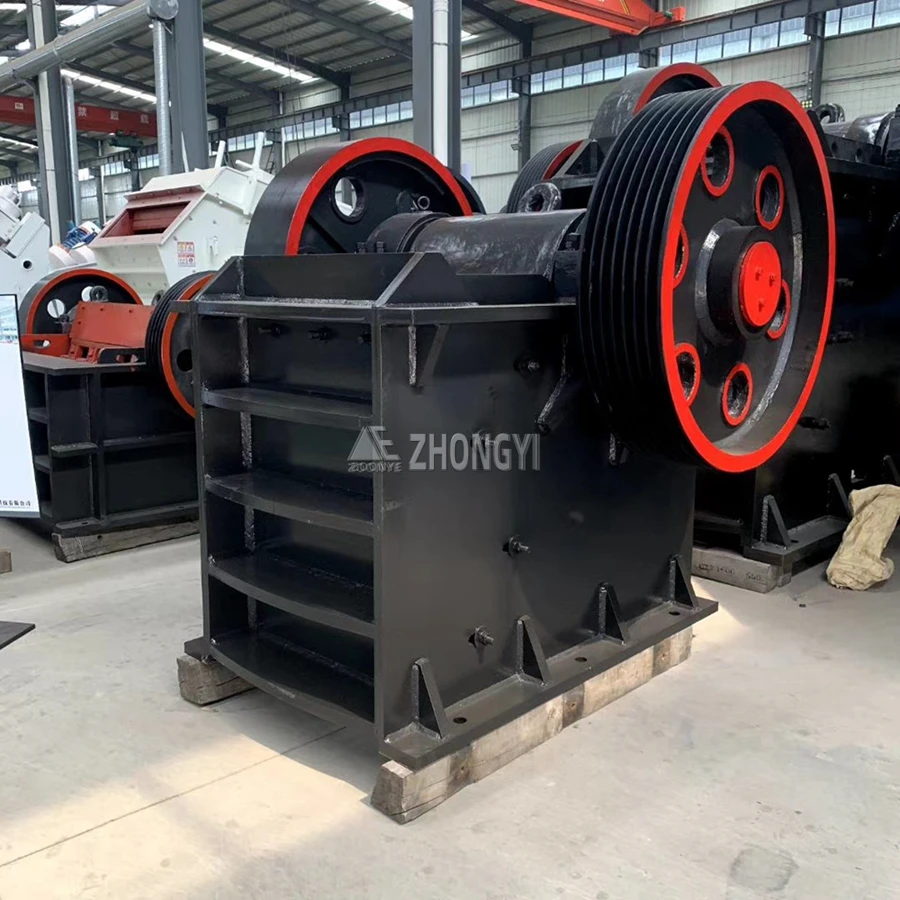
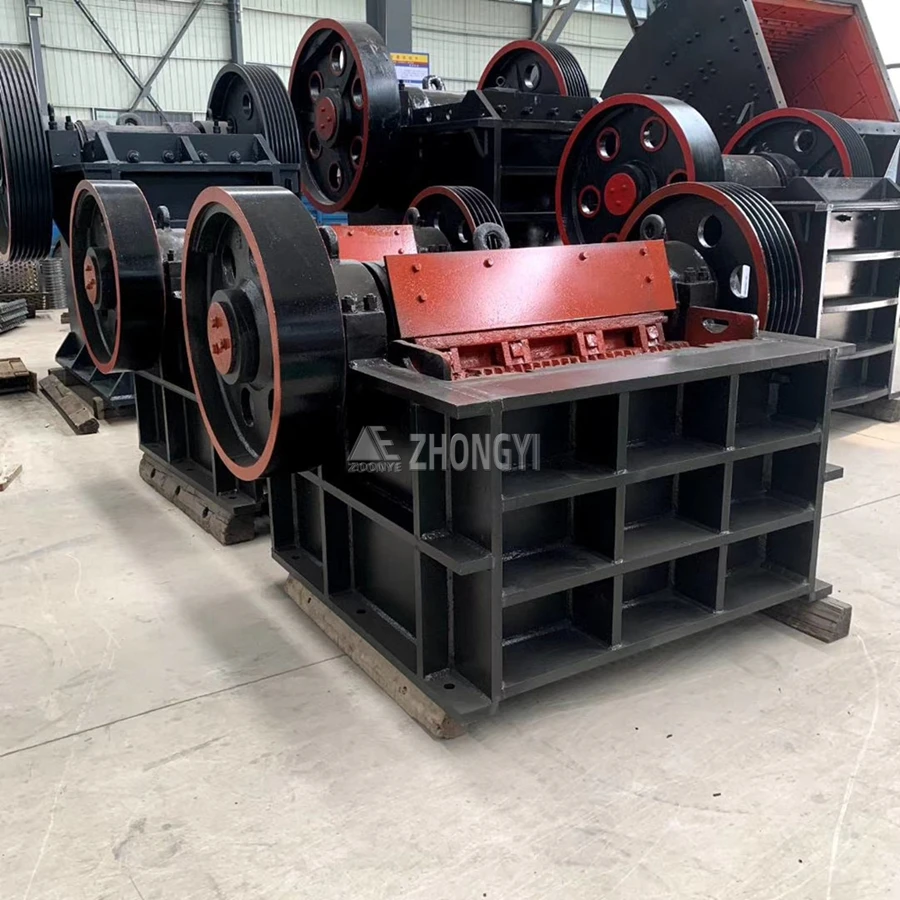
Jaw crushers are widely used to break large rocks during primary crushing. The feed opening must be suitable for the maximum feed size, and the discharge setting should suit the next crushing stage. Feed size and required throughput are the main factors to check when selecting a jaw stone crushing equipment.
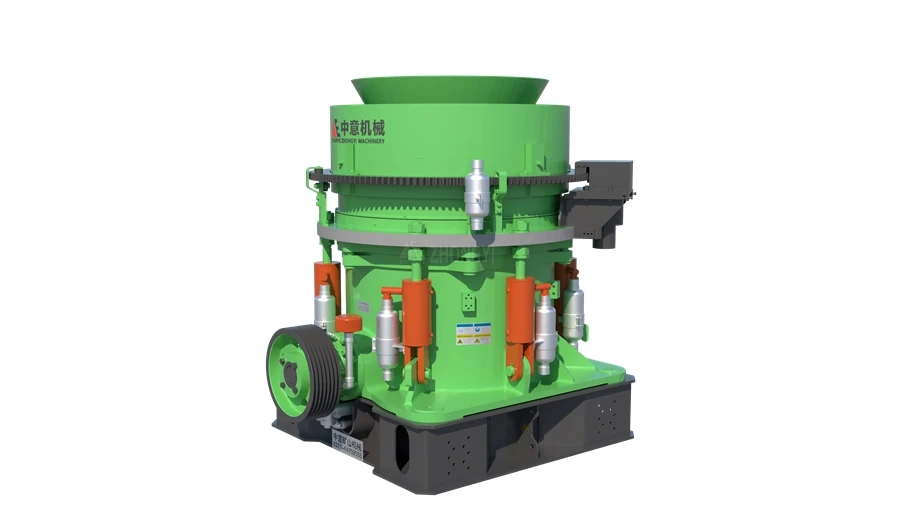
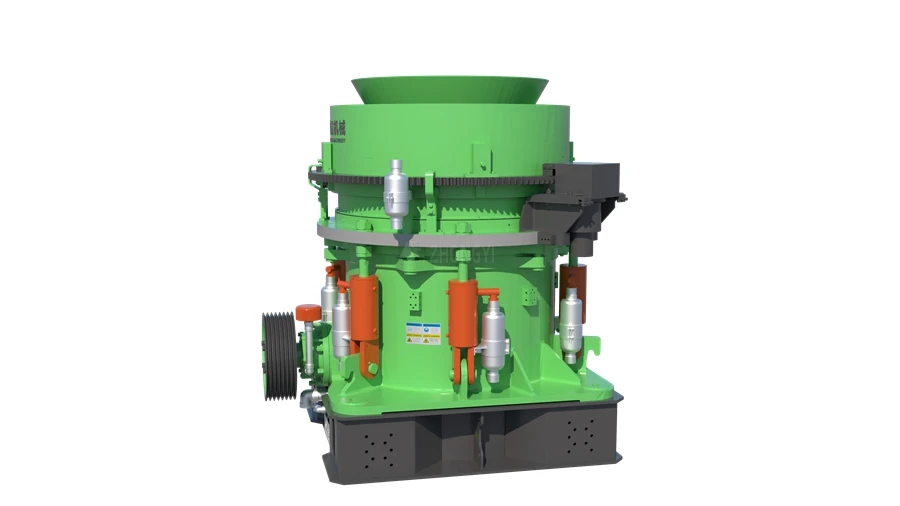
Cone Crusher for Hard and Abrasive Rock
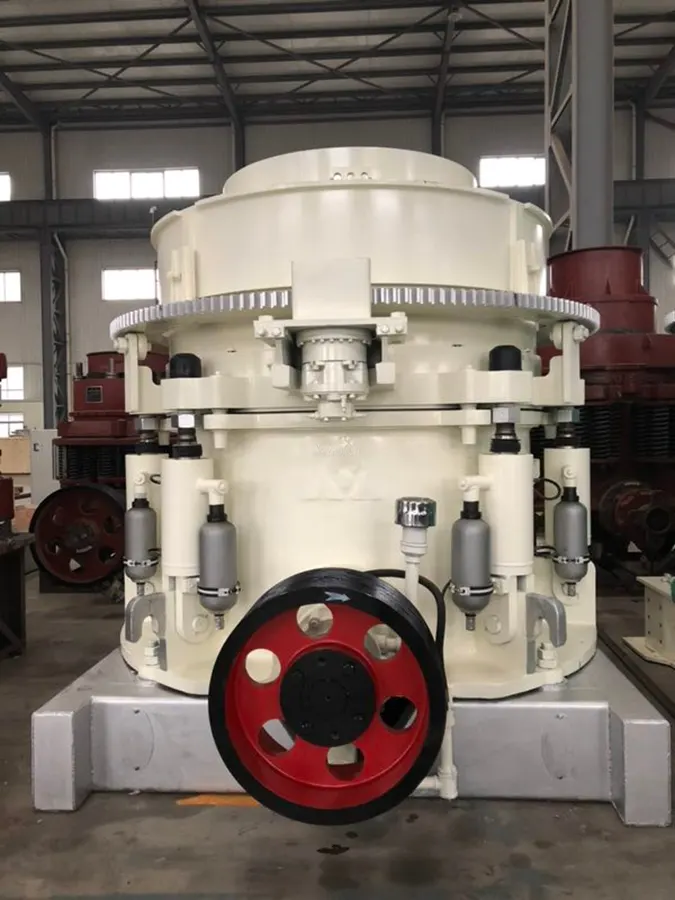
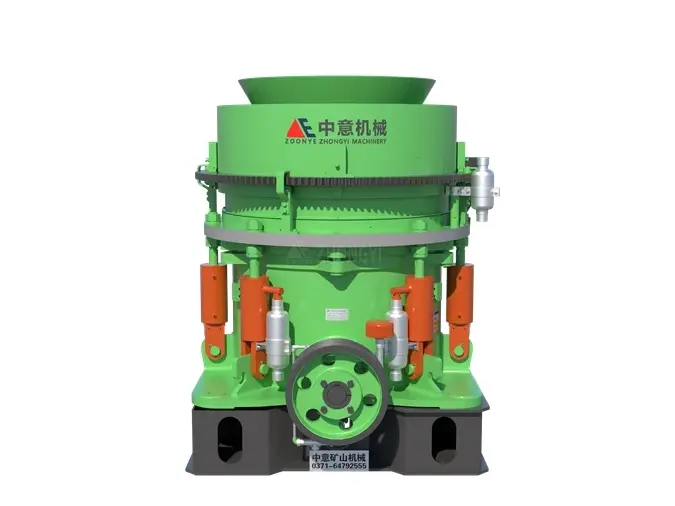
Cone crushers are commonly used for secondary or tertiary crushing of hard, abrasive rocks such as granite and basalt. Liner wear and feed conditions affect both output and product gradation, so the machine needs to be matched to the material and required production rate.
Impact Crusher for Suitable Rock and Aggregate Shaping
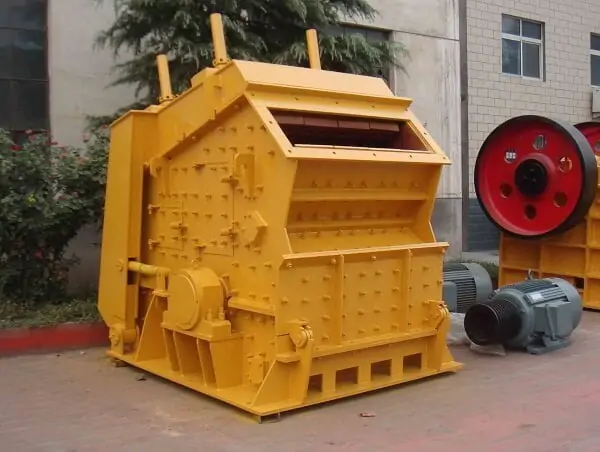
Impact crushers are often considered for limestone and other materials with suitable hardness and abrasiveness. They can produce well-shaped aggregates, but highly abrasive feed may increase wear-part consumption. Material properties and expected maintenance costs should be considered before choosing this type.
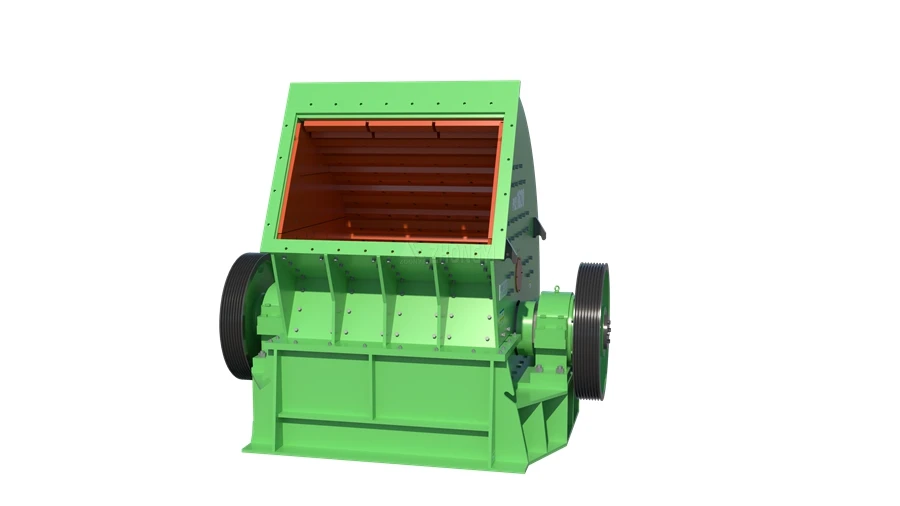
Hammer Crusher for Suitable Brittle Materials
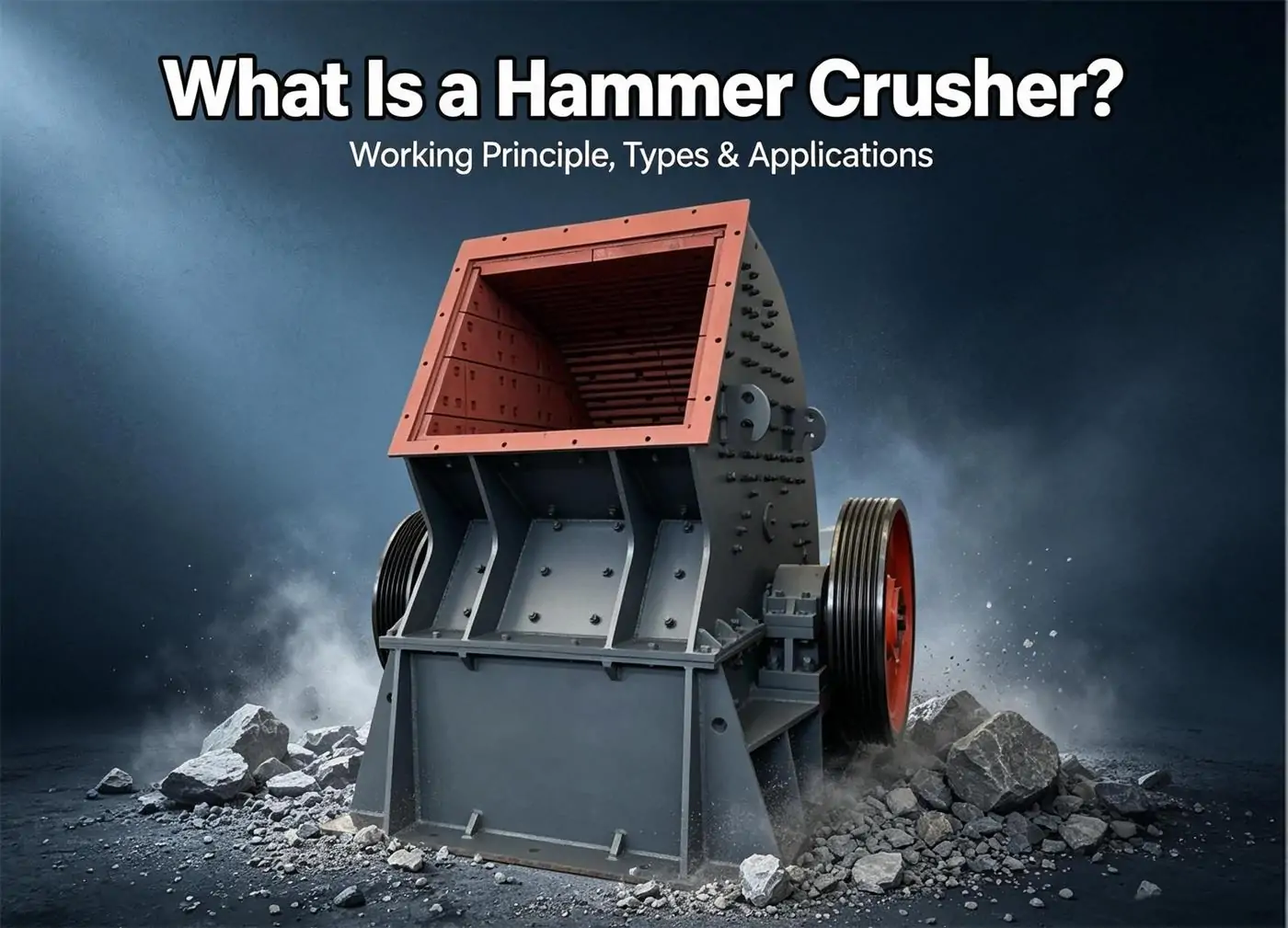
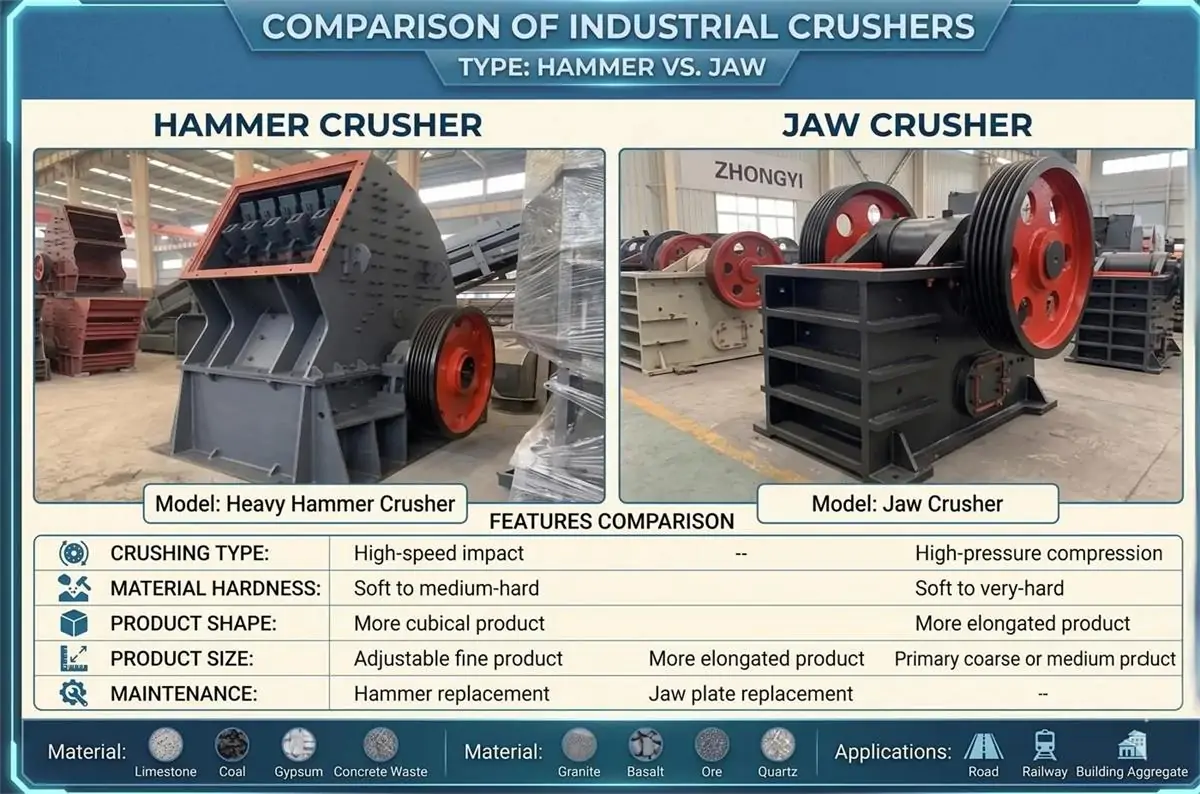
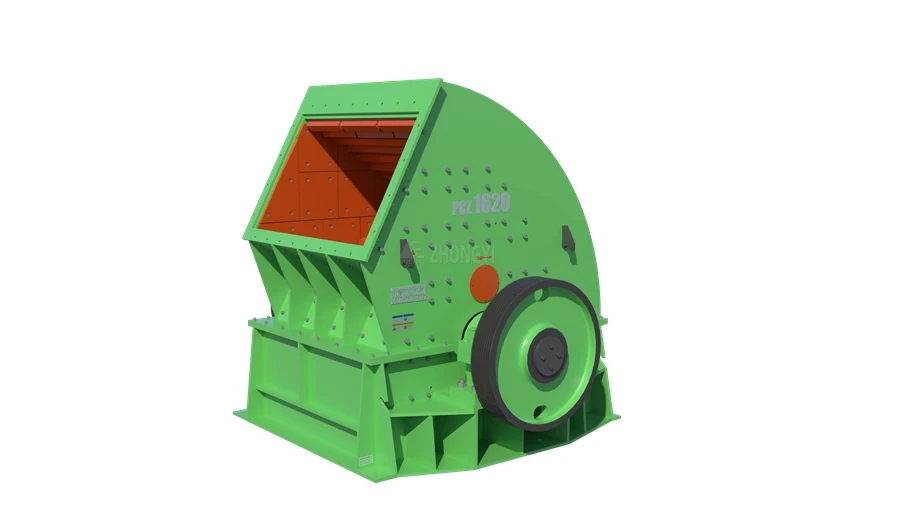
Hammer crushers can be suitable for brittle materials that break readily under impact. Their application depends on material strength, feed size, moisture content, and the required product size. For hard, abrasive rocks, wear-part consumption may make other stone crusher machine types more suitable.
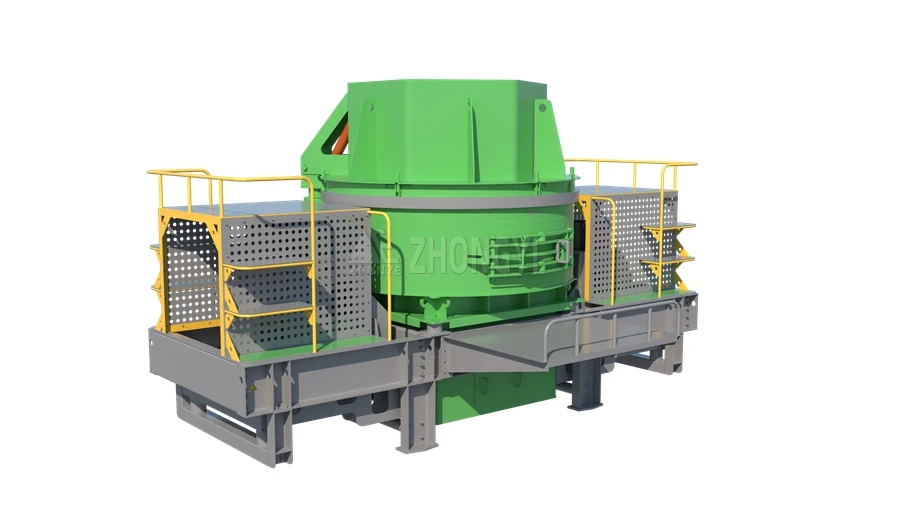
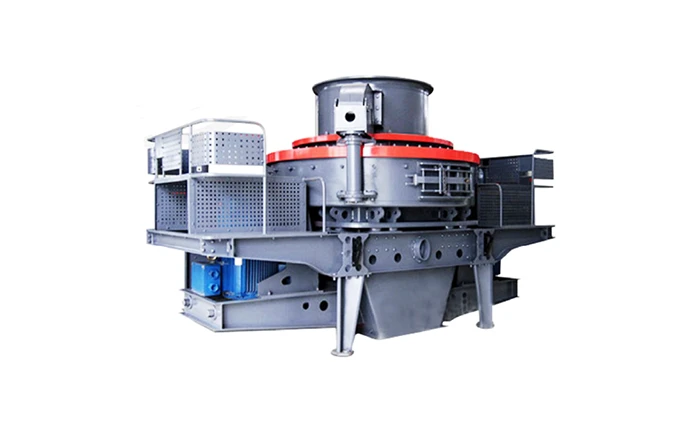
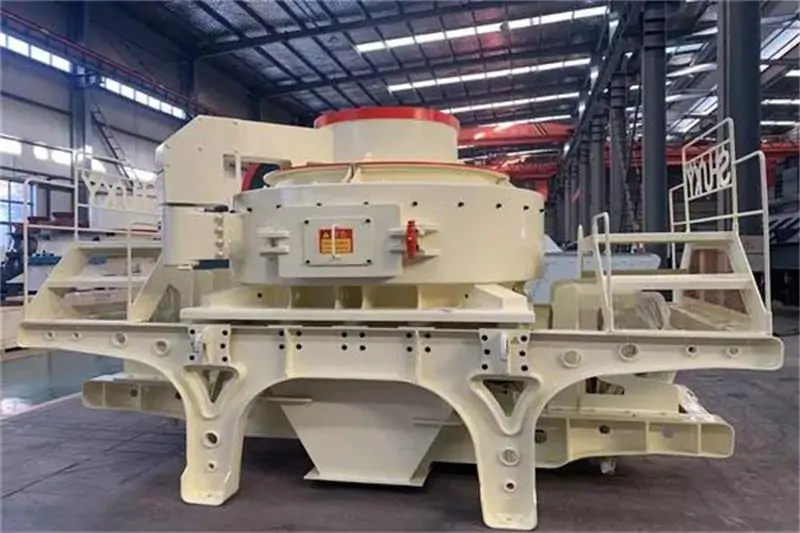
VSI Crusher for Fine Crushing and Manufactured Sand
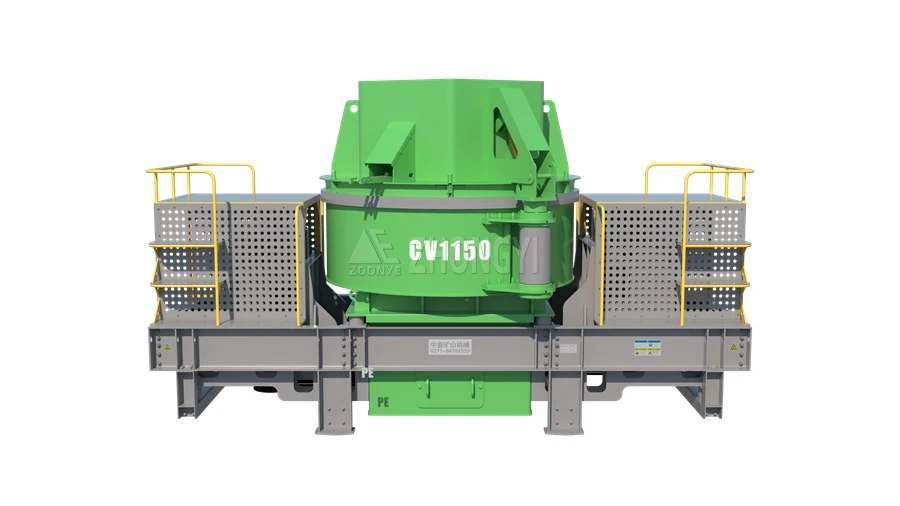
VSI crushers are used for fine crushing, aggregate shaping, and manufactured sand production. They are worth considering when the existing crushing stages cannot meet the required particle shape or sand specifications. Not every quarry needs a VSI; the decision depends on the final product and the performance of the existing line.
How to Match the Crusher to Your Rock Type?
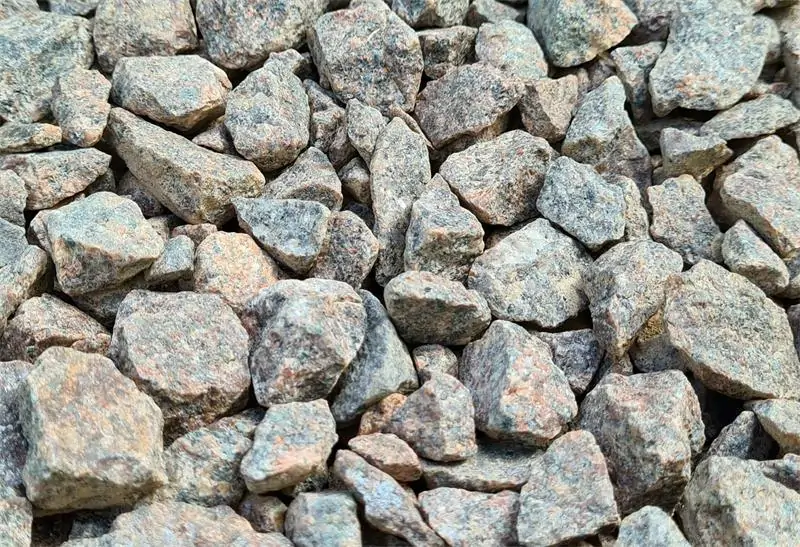
Rock properties affect stone crusher machine selection, wear-part life, and the final aggregate gradation. Granite and basalt typically require more attention to abrasion, while suitable limestone may be processed with an impact stone crushing equipment. River stone can also be highly abrasive despite its rounded shape. The configurations below are common options to evaluate, not fixed recommendations for every quarry.For help selecting the right equipment for different rock types, see Best Stone Crusher for Granite, Basalt and Limestone for practical crusher selection guidance.
Granite and Basalt Crushing
Granite and basalt are hard, abrasive rocks, so a jaw crusher followed by a cone crusher is a common configuration to evaluate. Wear-part life and maintenance access should be considered alongside production capacity. If the plant needs several aggregate sizes, check whether the screening system and recirculation capacity can handle the required output.
Limestone and Other Less Abrasive Rock
For suitable limestone, a jaw crusher followed by an impact crusher may provide the required reduction and aggregate shape. However, limestone properties vary between deposits. Rock strength, abrasiveness, moisture, and target product gradation should all be checked before deciding whether impact crushing is the right choice.
River Stone and Other Hard Rock
River stone can be hard and abrasive, so a jaw crusher and cone crusher are worth evaluating for primary and secondary crushing. If the final product requires better particle shape or manufactured sand, a VSI crusher may be added as a further stage. The need for additional crushing depends on the feed characteristics and finished-product specifications.
Mixed or Variable Quarry Feed
Some quarries produce rock with varying hardness, feed size, or material characteristics across different working areas. In these conditions, stable feeding and adequate screening capacity help maintain consistent plant output. Stone crushing equipment selection should also account for changes in wear-part consumption and throughput when the feed varies.
Initial Crusher Configurations by Rock Type
| Rock type | Configuration to evaluate | Main selection concern |
| Granite / Basalt | Jaw + Cone Crusher | Abrasion, wear-part life, and maintenance |
| Limestone | Jaw + Impact Crusher, where suitable | Rock properties and required aggregate shape |
| River Stone | Jaw + Cone Crusher; VSI if needed | Hardness, wear, and product gradation |
| Mixed Quarry Feed | Project-specific configuration | Feed variability and production stability |
These configurations are starting points, not universal rules. The final setup should be selected according to the actual rock properties, maximum feed size, required capacity, and finished aggregate specifications.
How Many Crushing Stages Does Your Quarry Need?
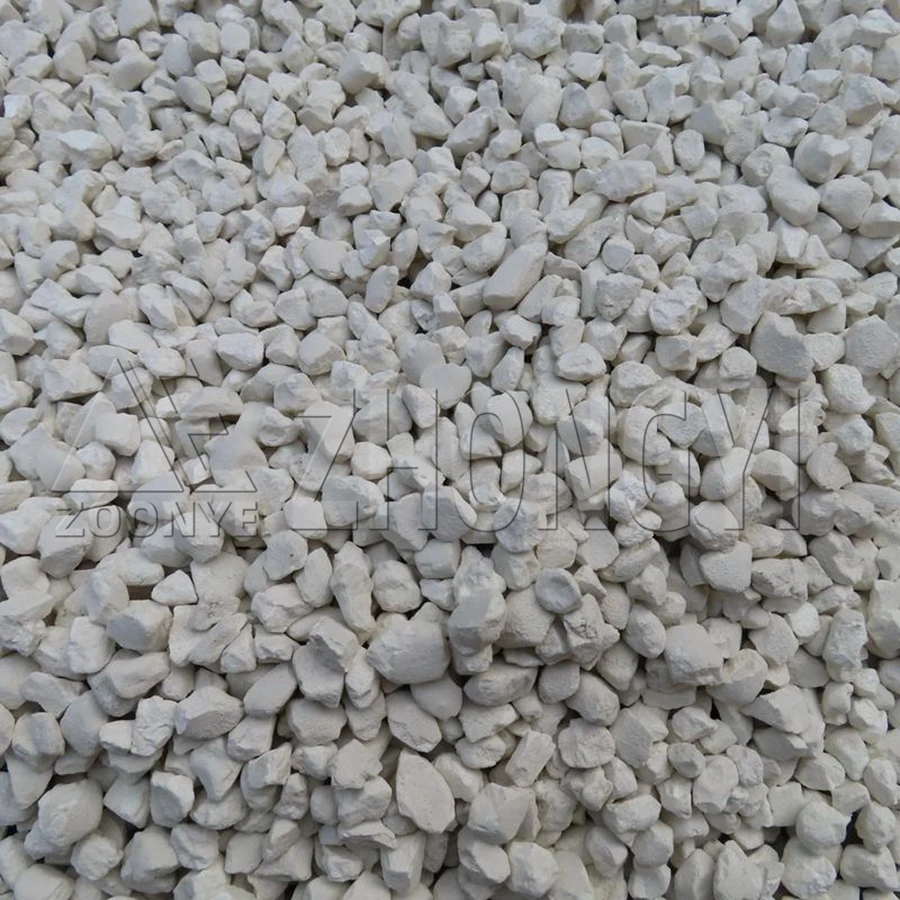
The number of crushing stages depends on the rock type, required aggregate sizes, and production target. Two-stage crushing may be sufficient for some quarries, while finer products or manufactured sand may require a third stage.
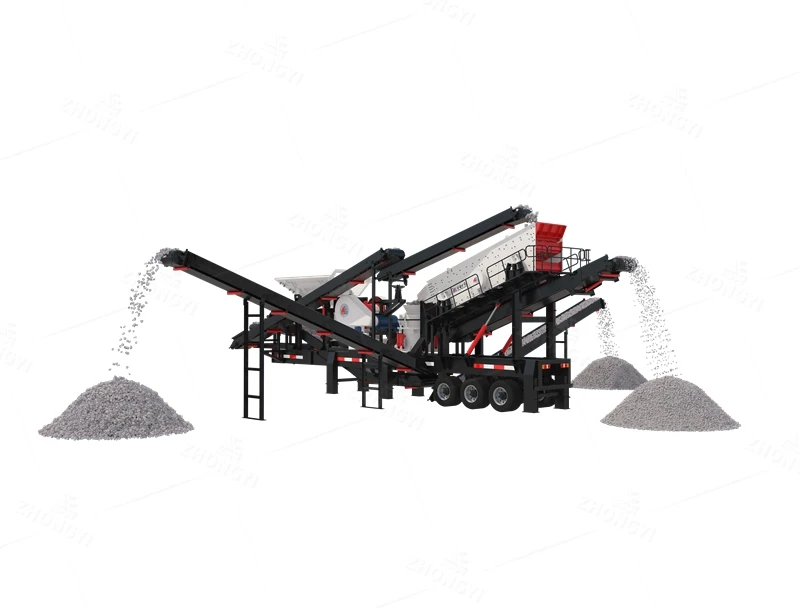
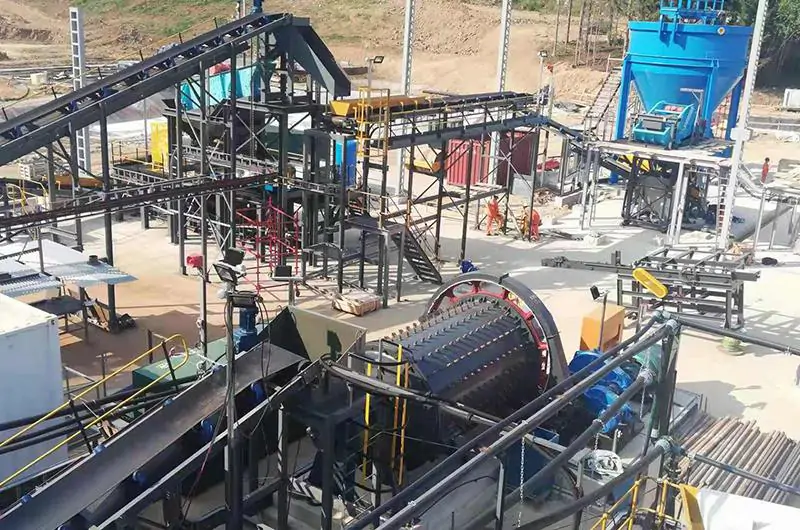
A typical crushing flow is feeding → primary crushing → secondary crushing → screening → finished aggregates. Tertiary crushing and additional screening or recirculation can be added when finer products or manufactured sand are required.
How to Select Crusher Capacity and Output Size?
Choosing the right stone crusher requires matching the required production rate with feed size and finished aggregate specifications. Rated capacity alone does not guarantee that a stone crushing equipment or the entire plant will meet the production target.
Match Crusher Capacity to Actual Production Demand
Specify the required production rate in tonnes per hour (t/h), then check the crusher’s rated capacity against actual operating conditions. Rock hardness, feed gradation, stable feeding, and recirculation can all affect throughput. The capacity of the entire crushing plant, rather than one machine alone, determines whether the production target can be met.
Check Feed Size, Discharge Setting, and Product Gradation
The stone crusher machine feed opening must accommodate the maximum incoming rock size. The discharge setting affects product size and throughput. The required reduction ratio, together with the feed size and target product specifications, helps determine whether additional crushing is needed. Final aggregate gradation also depends on screening and recirculation, so crusher settings should be evaluated alongside the required finished-product sizes.
Match the Feeder, Screen, and Conveyors to the Crusher
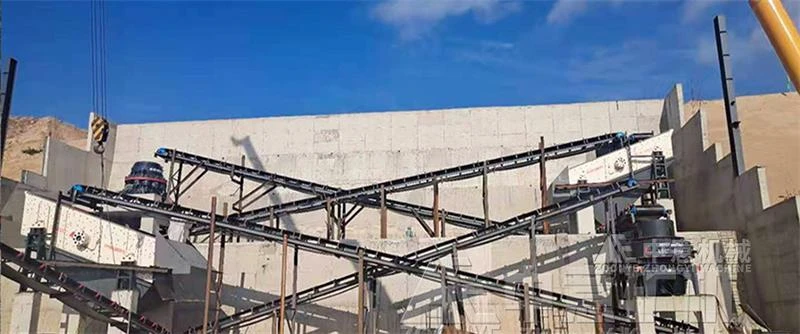
The feeder must provide a consistent supply of material, screens need sufficient capacity to separate the required sizes, and conveyors must handle the expected material flow. If any component becomes a bottleneck, the entire crushing plant may fall short of its target output.
How to Compare Stone Crusher Costs Beyond the Purchase Price?
The purchase price is only one part of the cost of owning a stone crusher machine. Wear parts, electricity, maintenance, and downtime all affect long-term operating costs. Before comparing quotations, check the following items and make sure each supplier is quoting a comparable equipment configuration and scope of supply.
- Initial equipment cost: Compare the crusher configuration, supporting equipment, and included services rather than the machine price alone.
- Wear Parts and Maintenance: Consider the cost and replacement frequency of jaw plates, liners, blow bars, and other wear parts based on rock abrasiveness.
- Energy Consumption: Check actual operating power and throughput. Distinguish the energy use of an individual crusher from that of the entire plant.
- Downtime and Spare Parts: Confirm spare parts availability, expected supply lead times, and access to maintenance support.
- Installation and Service: Check whether installation, commissioning, operator training, and after-sales support are included in the quotation.
To compare long-term costs, use the same calculation period and include the same cost categories for each option. A simple reference is:
Cost per Ton = Total Operating Cost ÷ Saleable Output
Here, total operating cost refers to the expenses included in your chosen period, while saleable output is the quantity of finished aggregate meeting your product specifications during that period. Depending on the project, costs may include electricity, labor, maintenance, and depreciation. A lower stone crusher price does not necessarily mean a lower cost per ton.
Should You Choose a Stationary or Mobile Stone Crusher?
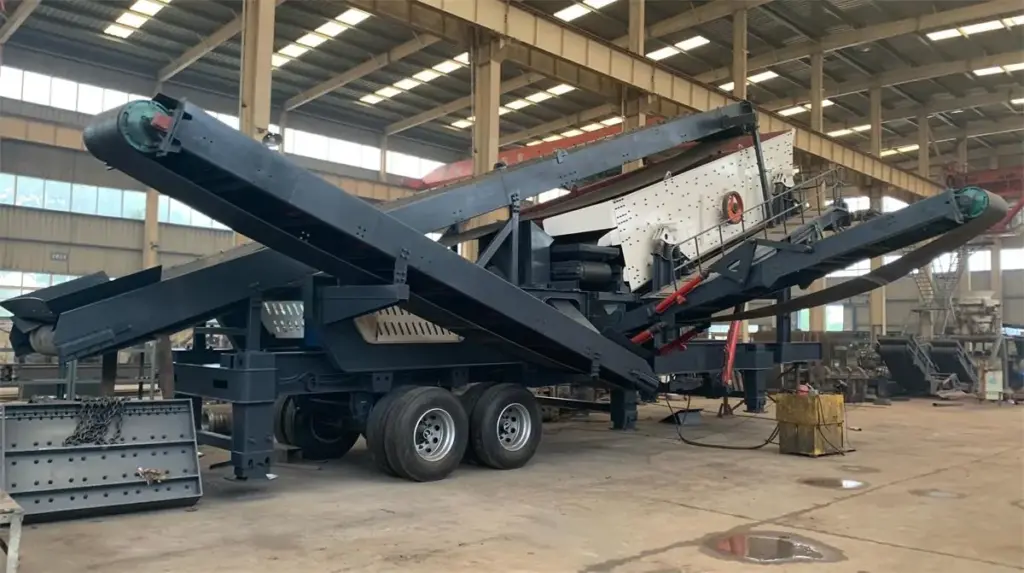
Choosing between a stationary stone crusher and a mobile crushing plant depends on site conditions, material location, production requirements, and project duration. Neither option is always cheaper or more productive. Compare the equipment setup and total operating costs before deciding which option fits your quarry.For projects requiring on-site crushing and greater mobility, see our guide to the
Mobile Impact Crusher: A Practical Guide for Mining and Construction for more details on applications and equipment selection.
When a Stationary Crushing Plant Makes Sense
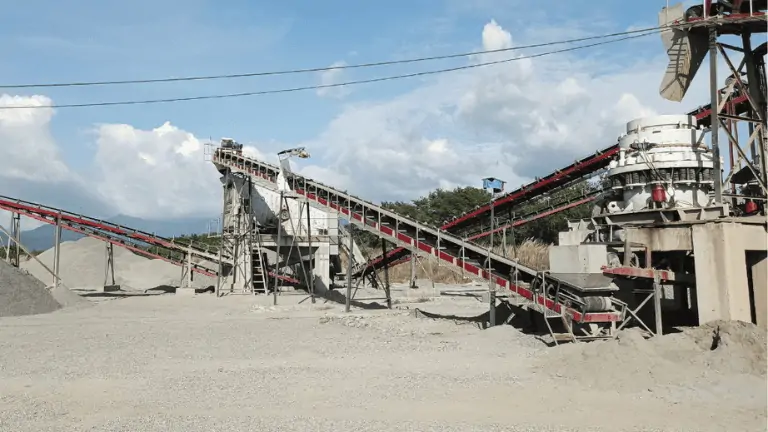
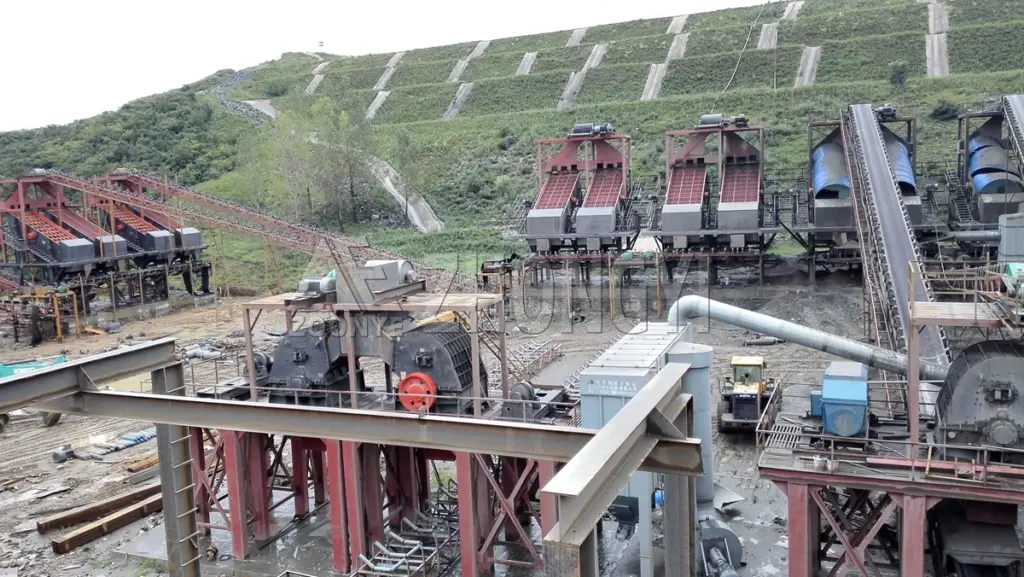
A stationary crushing plant is worth considering when the quarry has a fixed location, a steady supply of rock, and long-term production demand. Its layout can integrate crushers, screens, feeders, and conveyors into a planned production line. This setup suits operations that need a consistent material flow and several finished aggregate sizes.
When a Mobile Crusher Is More Practical
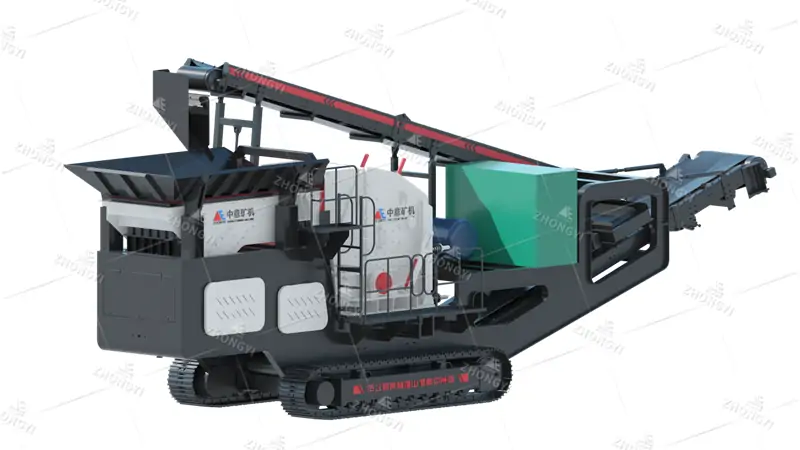
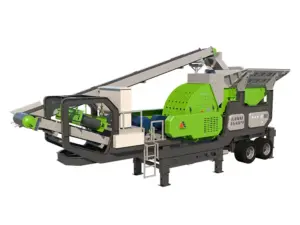
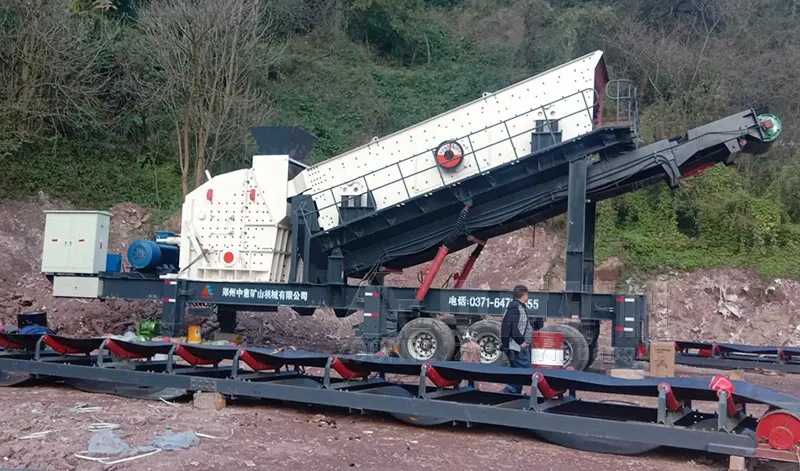
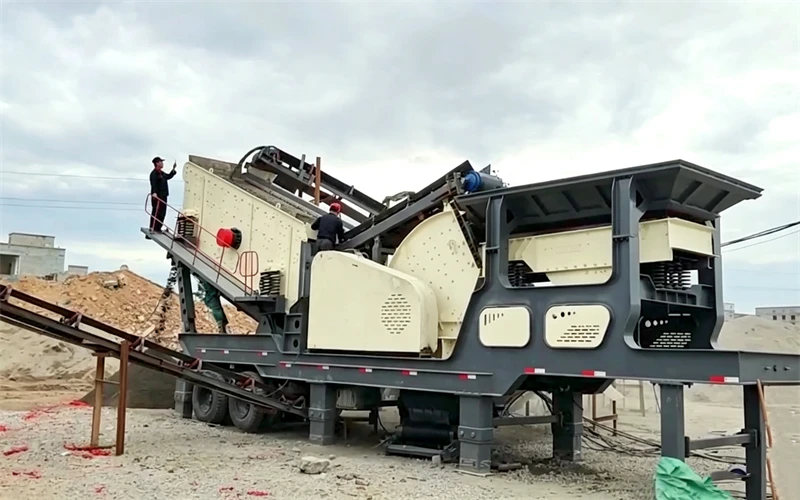
A mobile stone crusher machine may be a better fit when the working face changes frequently, material sources are spread out, or equipment needs to move between locations. Processing rock closer to the excavation or stockpile can reduce some material-handling steps. However, transport access, ground conditions, required capacity, and the need for additional screening equipment should be checked before selecting a mobile unit.For projects that require flexible equipment deployment, our guide on [How to Choose a Mobile Crusher Plant for Quarry and Mining Projects] explains the key factors to consider when selecting a mobile crushing plant.
Compare Total Costs and Site Requirements
Compare both options over the expected project life rather than looking at the purchase price alone. A stationary plant may require foundations, site preparation, and fixed conveyors, while a mobile unit may involve relocation, transport, and setup costs. Also consider maintenance access, available space, material-handling distances, and the production period. These factors help determine which quarry crushing equipment is more practical for your operation.
What to Look for in a Stone Crusher Manufacturer?
When comparing stone crusher manufacturers, look beyond the initial quotation. Check how each supplier selects equipment, plans the crushing line, and supports installation and maintenance.
Equipment Selection and Crushing Plant Design
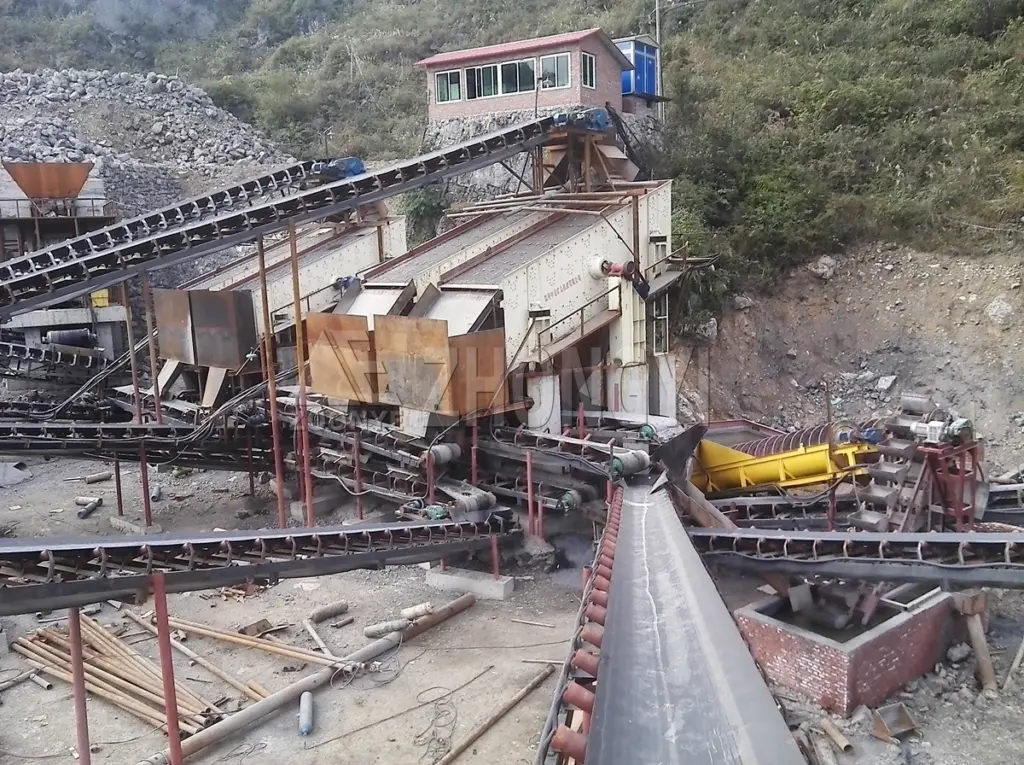
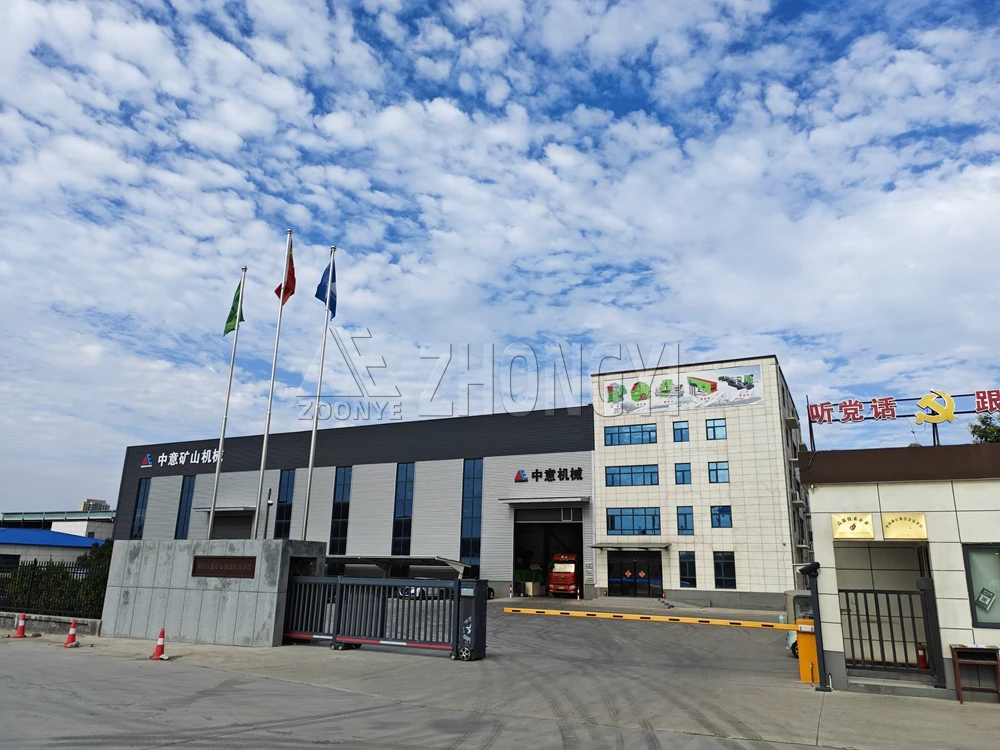
Quarry crusher selection selection should account for rock type, abrasiveness, feed size, required capacity, and target aggregate sizes. The manufacturer should also match crushers with feeders, screens, and conveyors to meet production requirements. Zhongyi Mining supplies stone crushing equipment and crushing plant configurations for different quarry applications. Explore our
Thiết bị nghiền đá
to review available options.
Installation, Spare Parts, and Technical Support
Before ordering, confirm the scope of installation guidance, commissioning, operator training, and maintenance support. Ask for a wear-part list, spare parts lead times, and procedures for requesting technical assistance. Clarify which services are included in the quotation and which require separate arrangements.
Information to Prepare for a Stone Crusher Quotation
- Rock type and abrasiveness
- Maximum feed size and feed gradation
- Required capacity (t/h)
- Target product sizes and gradation
- Stationary or mobile preference
- Project location and site conditions
- Power supply and budget, if available
Send these details to Zhongyi Mining to discuss suitable crusher models and a crushing plant configuration for your quarry.
Conclusion & Call to Action
Choosing the right stone crusher machine starts with your rock properties, feed size, production target, and required aggregate specifications. The crusher must also work efficiently with the screens, feeders, and conveyors in your quarry crushing plant. Beyond the purchase price, consider wear parts, maintenance, downtime, and technical support when comparing equipment options.
Zhongyi Mining provides stone crushing equipment and crushing plant configurations based on project requirements. Contact us with your material type, target capacity, product sizes, and site conditions to discuss a suitable crushing solution for your quarry.
Yêu cầu giải pháp tùy chỉnh
Work with Zhongyi Mining for expert equipment selection, customized crushing plant configurations, and stone crushing equipment matched to your rock properties and quarry production requirements.
Câu hỏi thường gặp
Which stone crusher machine Is Best for Granite?
A jaw crusher followed by a cone crusher is a common choice for granite quarries because granite is hard and abrasive. The jaw crusher handles primary reduction, while the cone crusher reduces the material further. The final configuration depends on feed size, required capacity, and aggregate specifications. A VSI crusher may be added when manufactured sand or improved particle shape is needed.
What Is the Difference Between a Jaw Crusher and a Cone Crusher?
A jaw stone crusher machine is mainly used for primary crushing of large rocks, while a cone crusher is commonly used for secondary or tertiary crushing of hard, abrasive materials. They often work together in a quarry crushing plant. When comparing them, consider their different roles, feed size requirements, reduction needs, and the final product specifications rather than treating them as interchangeable machines.
How Do I Calculate the Required Stone Crusher Capacity?
Start with the amount of finished aggregate you need to produce per hour, then account for operating hours, expected downtime, and material that must be recirculated for further crushing. The required crusher capacity may be higher than the final saleable output. Feed size, rock hardness, moisture, and screening efficiency also affect actual throughput, so size the complete plant rather than relying on rated capacity alone.
Can One stone crusher machine Produce Multiple Aggregate Sizes?
One stone crusher machine can produce a range of particle sizes, but a single machine may not consistently meet several finished aggregate specifications. A screening system separates the output into different size fractions, while oversize material may be returned for further crushing. If your quarry needs several commercial aggregate sizes, evaluate the crusher, screen, and recirculation arrangement together to achieve the required gradation.
How Many Crushing Stages Does a Quarry Need?
The number of crushing stages depends on the feed size, rock properties, and required finished products. Some quarries can meet their specifications with primary and secondary crushing. Others need tertiary crushing to produce finer aggregates or manufactured sand. Screening and recirculation also affect the process layout. The right configuration is the simplest arrangement that consistently meets your capacity and product requirements.
What Is the Operating Cost of a Stone Crusher?
stone crusher machine operating costs include electricity, wear parts, maintenance labor, spare parts, and production losses caused by downtime. Rock abrasiveness, actual throughput, and maintenance conditions affect the cost per tonne. To compare equipment fairly, use the same calculation period and include comparable cost categories. A lower purchase price does not necessarily mean lower long-term operating costs.
Should I Choose a Mobile or Stationary Stone Crusher?
A stationary crushing plant often suits a fixed quarry with long-term production demand and an established site layout. A mobile crusher may be more practical when the working face changes frequently or material sources are spread out. Compare site preparation, relocation, material handling, maintenance access, and screening requirements. The right choice depends on the quarry layout, project duration, and total operating costs.
What Information Is Needed for a Stone Crusher Quotation?
To request a suitable quotation, provide the rock type and abrasiveness, maximum feed size, required capacity in tonnes per hour, target aggregate sizes, and required product gradation. Include the project location, site conditions, and stationary or mobile preference. Existing plant drawings, material analysis, and power supply details are also useful when available. This information helps Zhongyi Mining assess suitable equipment and crushing plant configurations.