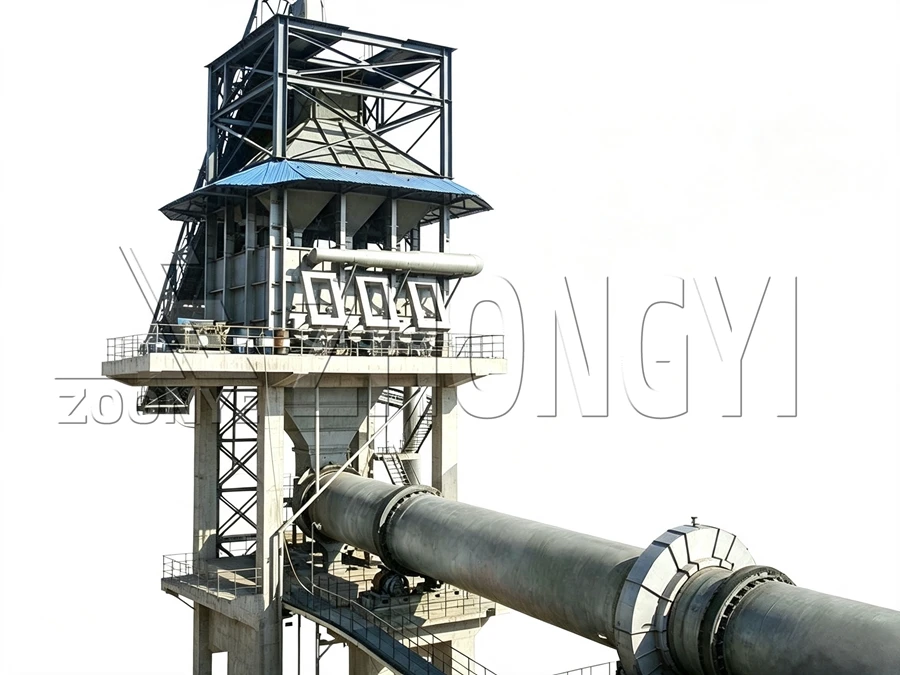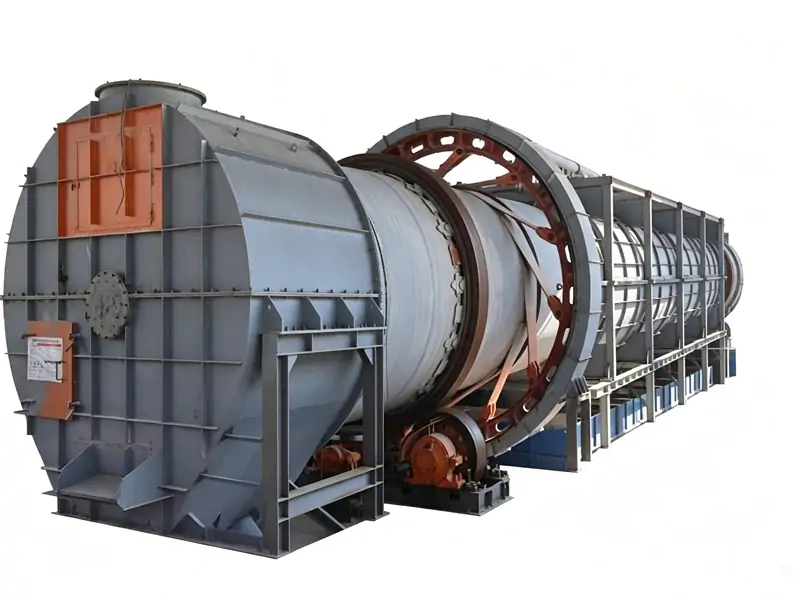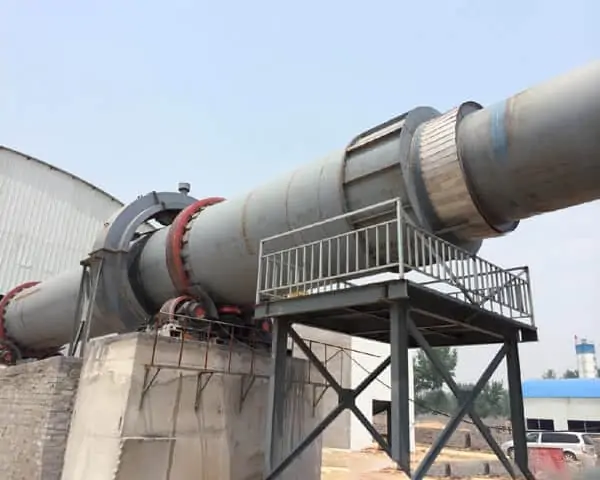












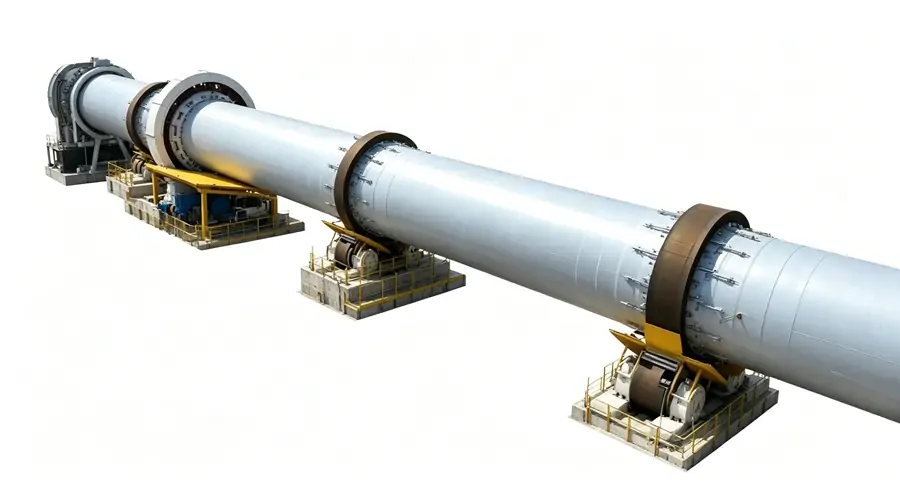
Lò nung calcination là gì?
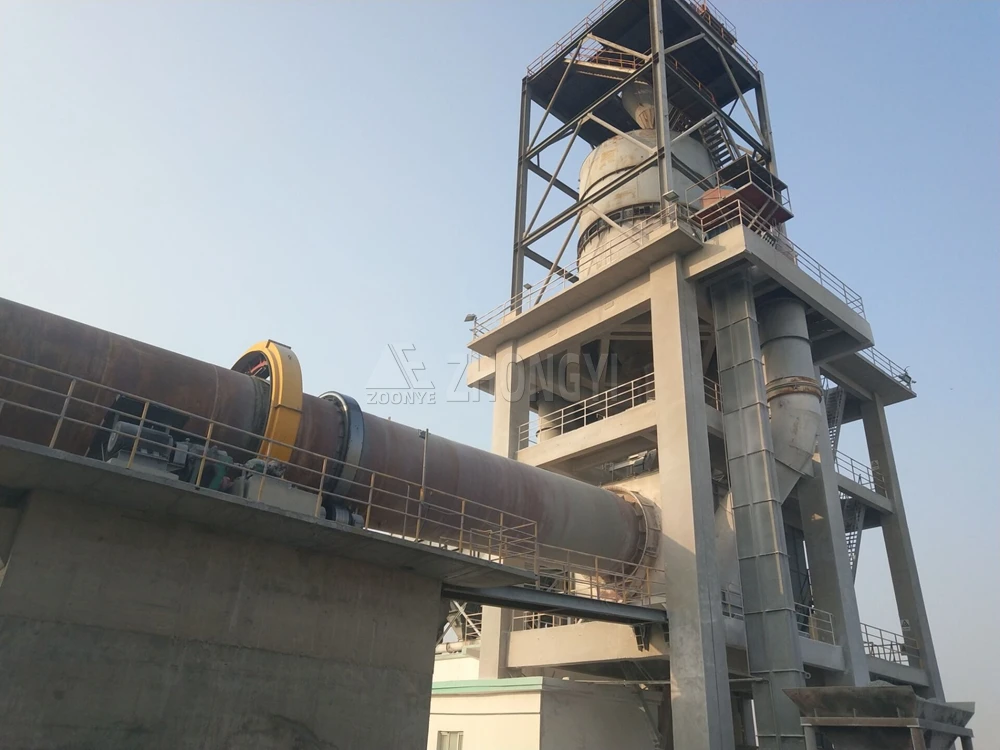
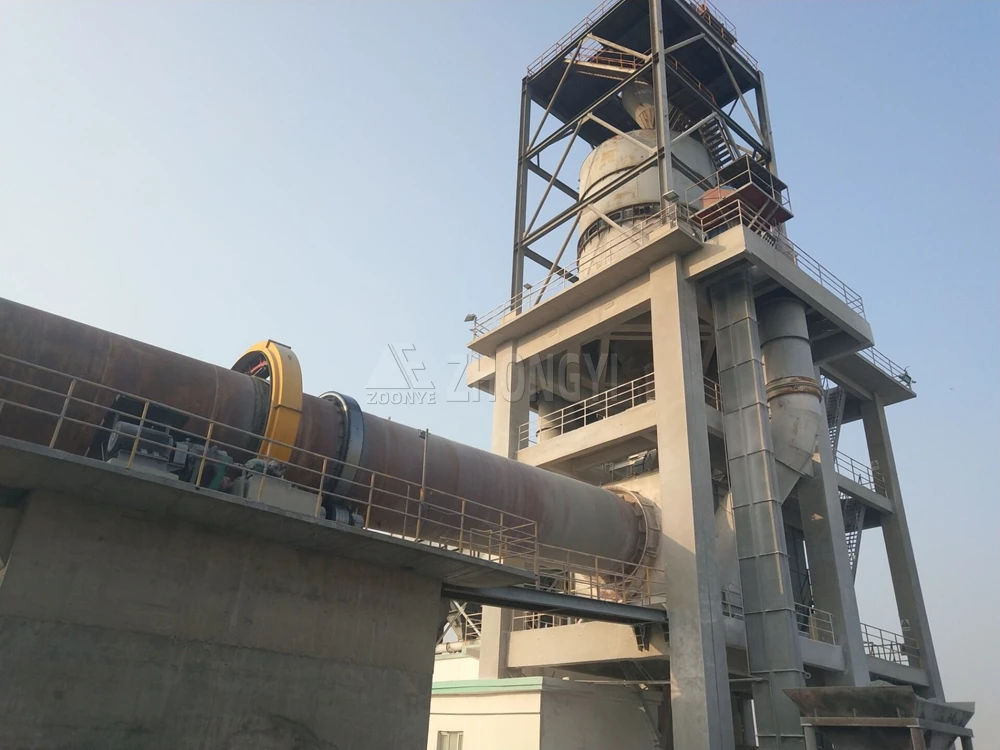
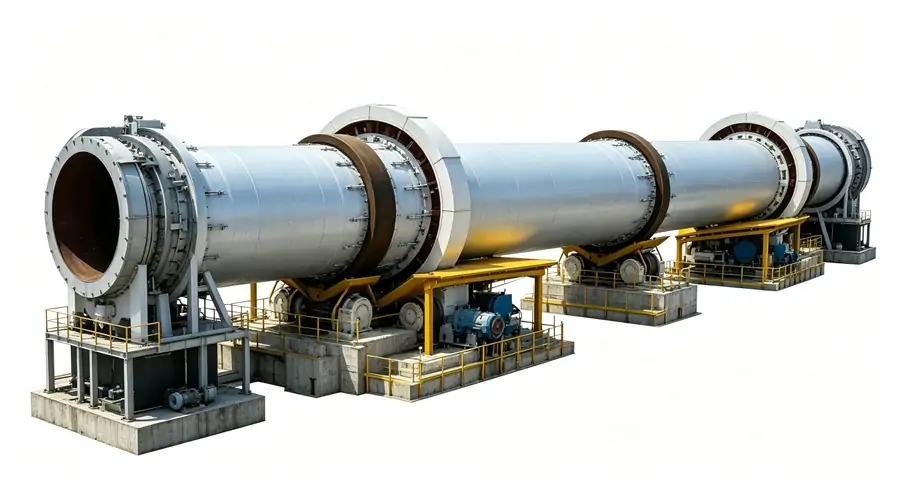
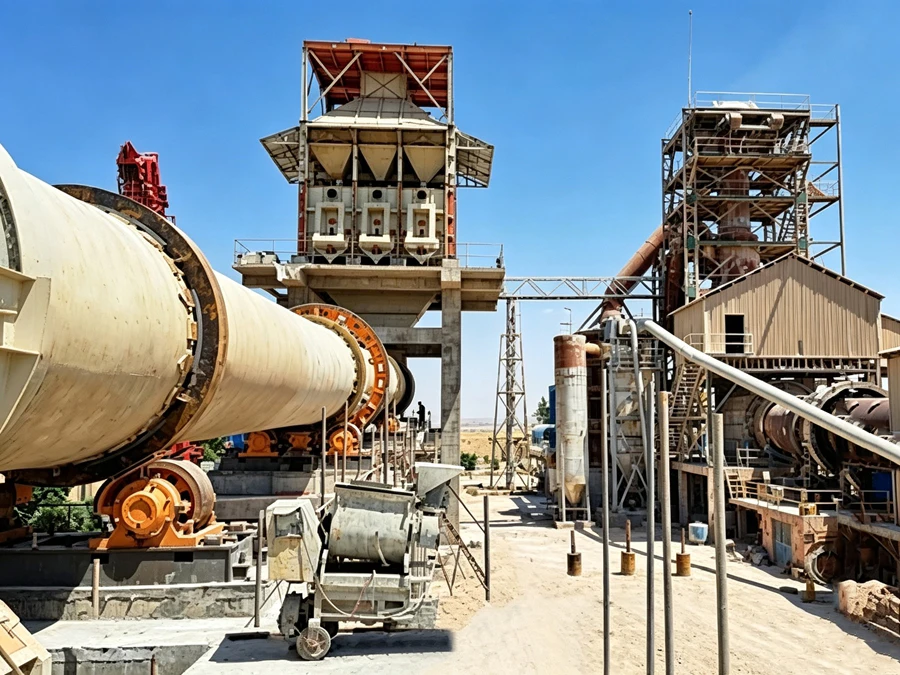
Lò nung calcination là một loại lò công nghiệp chuyên dụng được sử dụng trong chế biến khoáng sản để cung cấp xử lý nhiệt có kiểm soát nhằm thay đổi các đặc tính vật lý và hóa học của nguyên liệu thô. Không giống như các thiết bị gia nhiệt thông thường, lò nung calcination được thiết kế để duy trì các vùng nhiệt độ cụ thể và thời gian lưu vật liệu, đảm bảo khoáng sản đạt được mức độ phản ứng yêu cầu trong quá trình vận hành liên tục.
Trong các ứng dụng khai thác mỏ, lò nung calcination quay thường được lựa chọn vì khả năng xử lý khối lượng lớn vật liệu khoáng sản với điều kiện nhiệt ổn định. So với lò đứng và lò nung tầng sôi, lò quay có khả năng thích ứng cao hơn với các kích cỡ, thành phần và yêu cầu sản xuất khác nhau của vật liệu, khiến chúng phù hợp cho các ứng dụng như nung quặng, hoạt hóa khoáng sản và chế biến khoáng sản công nghiệp.
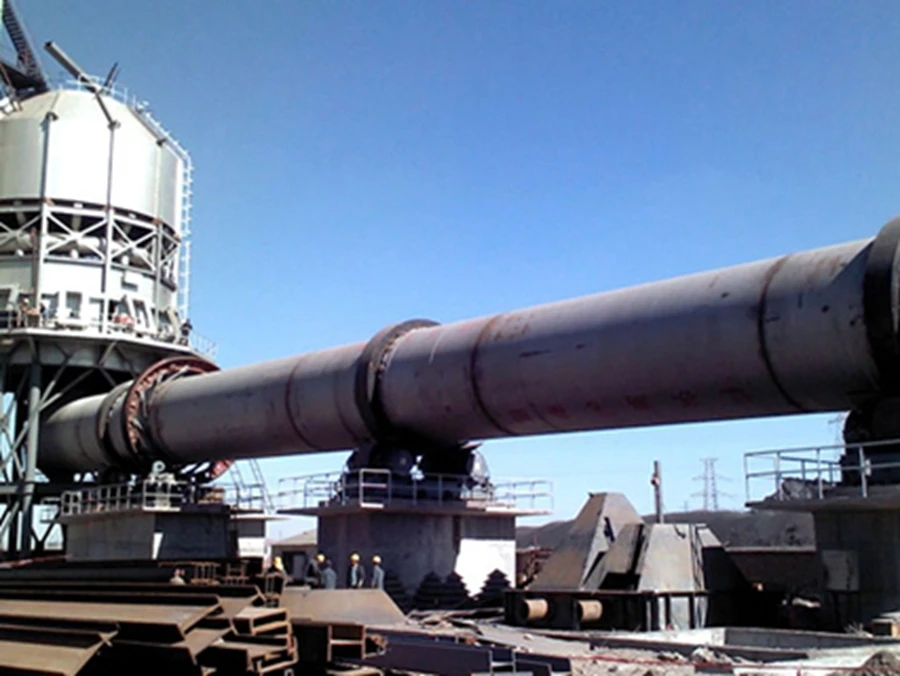
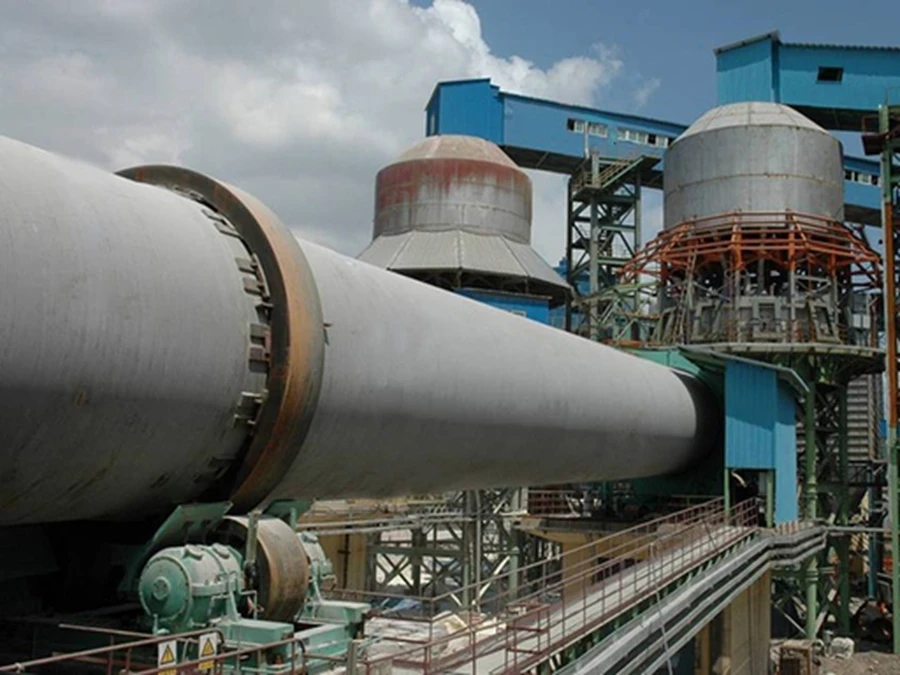
Lò nung calcination hoạt động như thế nào?
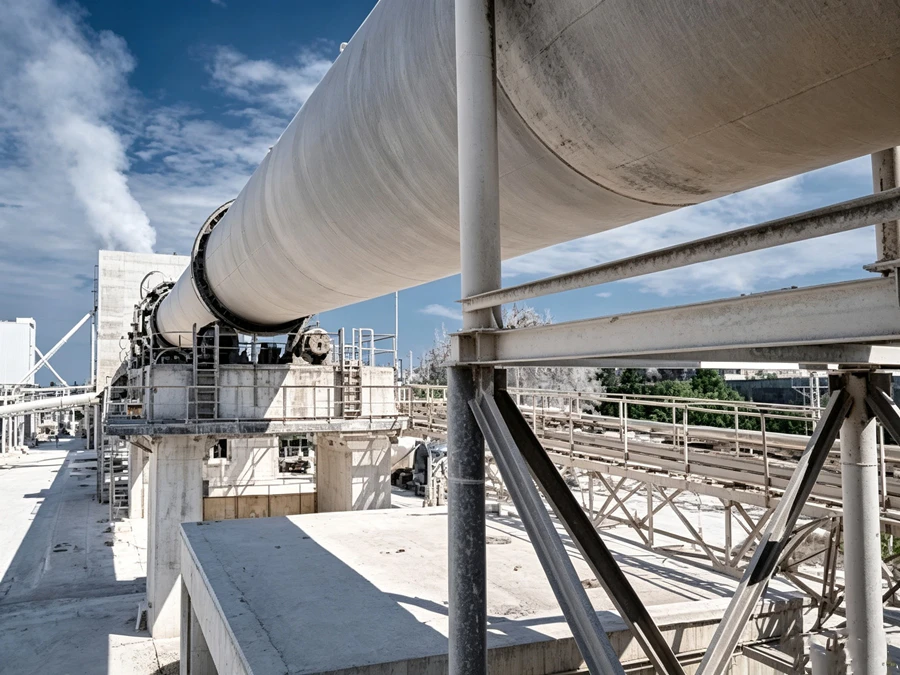
Lò nung calcination quay hoạt động thông qua chuyển động vật liệu liên tục và truyền nhiệt có kiểm soát. Sau khi đi vào lò qua hệ thống cấp liệu, vật liệu khoáng sản di chuyển dần dọc theo thân trụ nghiêng quay trong khi được nâng và trộn liên tục. Trong quá trình này, vật liệu đi qua các vùng nhiệt độ khác nhau, bao gồm vùng gia nhiệt sơ bộ, vùng phản ứng nhiệt độ cao và vùng làm nguội, nơi diễn ra các phản ứng sấy khô, phân hủy, nung hoặc chuyển pha tùy theo đặc tính cụ thể của khoáng sản.
Các phần sau đây giải thích cách mỗi giai đoạn đóng góp vào xử lý nhiệt ổn định, bao gồm cấp liệu và chuyển động vật liệu, trao đổi nhiệt và phản ứng khoáng sản, cũng như làm nguội và xả sản phẩm cuối cùng.
Cấp liệu và chuyển động vật liệu
Sau khi nghiền, sàng hoặc tiền xử lý, vật liệu khoáng sản được cấp vào lò quay. Thân lò nghiêng quay chậm, khiến vật liệu di chuyển về phía trước trong khi được nâng và đảo bên trong lò dưới tác dụng của trọng lực và ma sát.
Chuyển động quay của lò đảm bảo trộn và di chuyển vật liệu liên tục, giúp duy trì gia nhiệt đồng đều, thời gian lưu thích hợp và kết quả nung đồng nhất.
Gia nhiệt và phản ứng nhiệt
Hệ thống đầu đốt cung cấp nhiệt cho lò, và chuyển động quay của lò cho phép vật liệu tiếp xúc với khí nóng để truyền nhiệt hiệu quả. Khi nhiệt độ tăng, khoáng sản trải qua các phản ứng khác nhau như nung, mất nước, oxy hóa hoặc nung khử tùy theo tính chất và yêu cầu chế biến của chúng.
Nhiệt độ, khí quyển khí và thời gian lưu vật liệu được điều chỉnh để đạt được hiệu quả xử lý yêu cầu cho các ứng dụng khoáng sản khác nhau.
Làm nguội và xả sản phẩm
Sau khi hoàn tất xử lý nhiệt, vật liệu đã qua xử lý được xả ra khỏi lò và đưa đến hệ thống làm nguội. Làm nguội làm giảm nhiệt độ vật liệu, cải thiện điều kiện xử lý và giúp thu hồi nhiệt dư để sử dụng năng lượng tốt hơn.
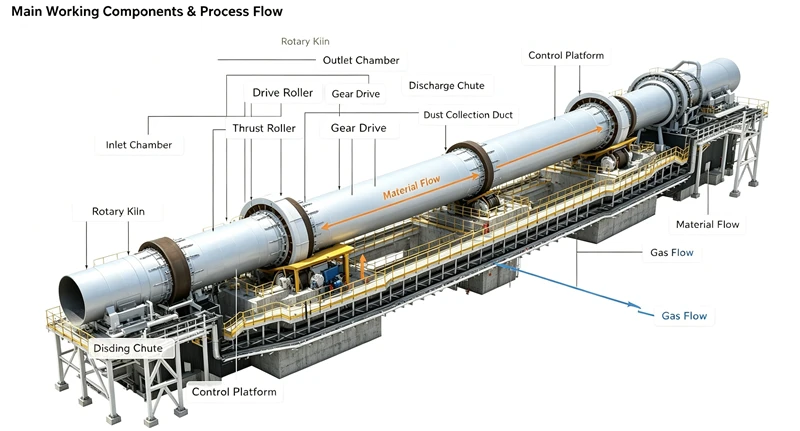
Các bộ phận chính
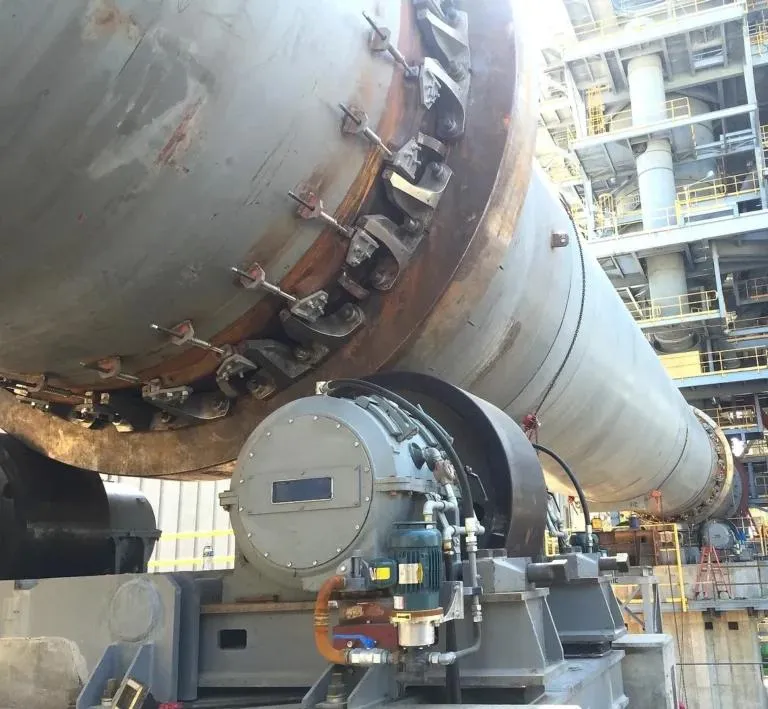
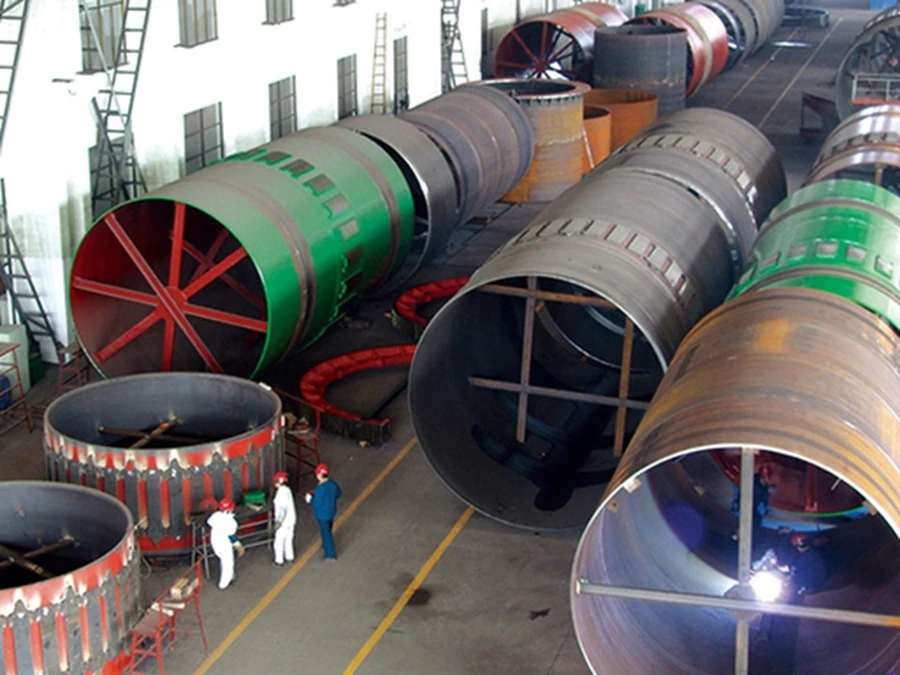
Lò nung calcination công nghiệp khoáng sản tích hợp hệ thống cấp liệu, gia nhiệt, quay và xả để hoàn thành xử lý nhiệt liên tục. Thân lò quay, hệ thống đầu đốt và cơ cấu truyền động là các bộ phận chính kiểm soát chuyển động vật liệu, truyền nhiệt và điều kiện chế biến.
Các hệ thống phụ trợ của lò nung calcination
Ngoài các bộ phận chính nêu trên, hệ thống lò nung calcination còn bao gồm một số bộ phận phụ trợ hỗ trợ cấp liệu, quản lý nhiệt, kiểm soát bụi và xử lý sản phẩm. Chức năng của các bộ phận này được tóm tắt dưới đây:
| Bộ phận | Chức năng |
| Thiết bị cấp liệu | Cấp liệu vào lò liên tục |
| Lớp lót chịu lửa | Bảo vệ vỏ lò khỏi nhiệt độ cao |
| Hệ thống thu bụi | Thu khí thải và bụi |
| Hệ thống làm nguội | Làm nguội vật liệu đã qua xử lý và thu hồi nhiệt |
Thông số kỹ thuật lò nung calcination quay
Lò nung calcination quay Zhongyi Mining được thiết kế với các kích cỡ và cấu hình khác nhau cho các ứng dụng chế biến khoáng sản khác nhau. Thiết kế lò có thể được tùy chỉnh dựa trên tính chất vật liệu, công suất yêu cầu và điều kiện nung cụ thể.
| Thông số | Thông số kỹ thuật |
| Loại lò | Lò nung quay |
| Đường kính vỏ | 1200–4700 mm |
| Chiều dài vỏ | 25000–72000 mm |
| Độ nghiêng | 0.2–4% |
| Công suất xử lý | 3–150 t/h |
| Tốc độ quay | 0,7–190 vòng/phút* |
| Motor Power | 15–550 kW |
| Equipment Weight | 34–795 t |
Note:Rotation speed varies by kiln model and transmission configuration.
Typical Model Specifications
| Mô hình | Shell Diameter (mm) | Shell Length (mm) | Công suất (t/h) | Motor Power (kW) | Trọng lượng (t) |
| YZ1225 | 1200 | 25000 | 3 | 22 | 34 |
| YZ1828 | 1800 | 28000 | 3.5 | 30 | 59 |
| YZ2245 | 2200 | 45000 | 3.5 | 45 | 125 |
| YZ2820 | 2800 | 20000 | 3 | 75 | 186 |
| YZ3560 | 3500 | 60000 | 4 | 125 | 348 |
| YZ4272 | 4700 | 72000 | 3.5 | 550 | 795 |
Ưu điểm
Rotary calcination kilns are commonly used in mineral processing where continuous heating, controlled material movement, and stable thermal conditions are required. The rotating kiln structure allows materials to be evenly exposed to heat while adjustable operating parameters provide flexibility for different mineral treatment processes. These features make rotary industrial calcination kilns suitable for large-scale production, various raw materials, and applications requiring precise calcination control.
Ứng dụng
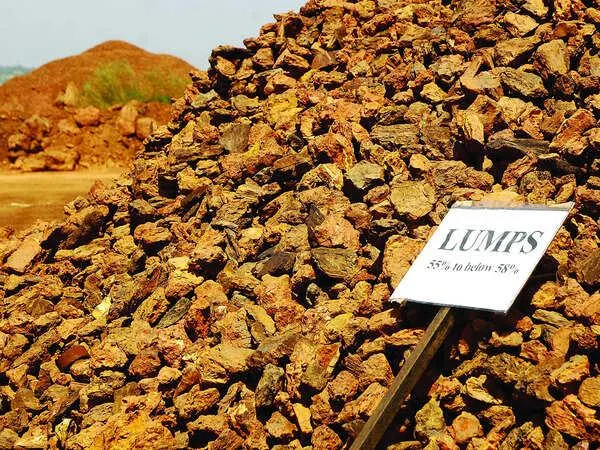
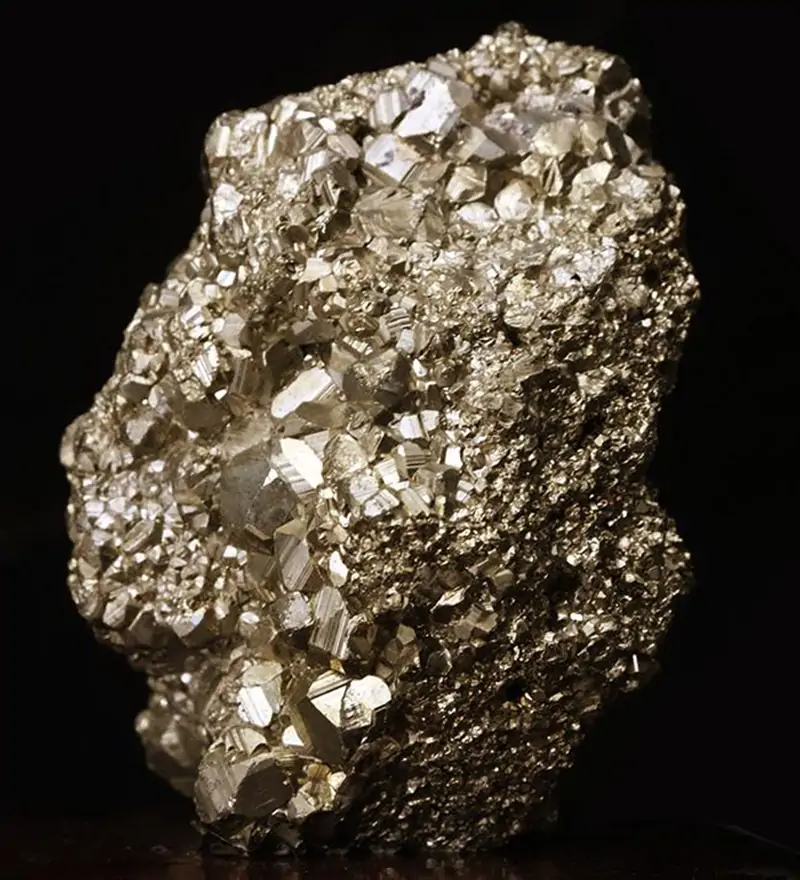
Calcination kilns play an important role in mineral processing by using controlled heating and roasting to alter mineral characteristics. By adjusting temperature, residence time, and kiln atmosphere, the equipment enables processes such as dehydration, oxidation, reduction, and phase transformation, preparing minerals for further beneficiation or extraction. According to different mineral properties and processing objectives, industrial calcination kilns are applied in various fields, including iron ore magnetic roasting, sulfide mineral oxidation roasting, kaolin calcination, carbonate mineral decomposition, and lithium ore treatment.
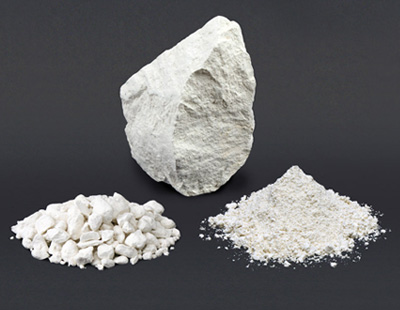
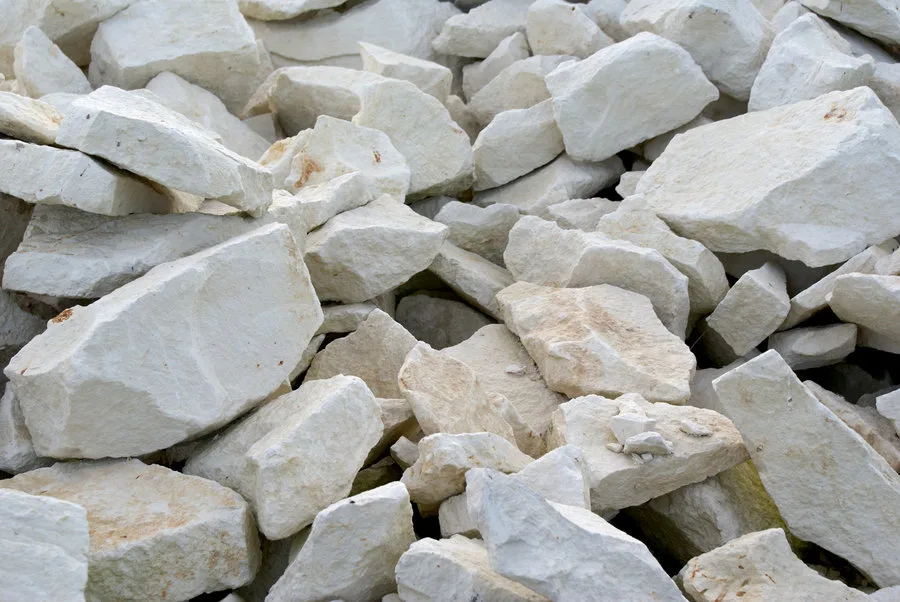
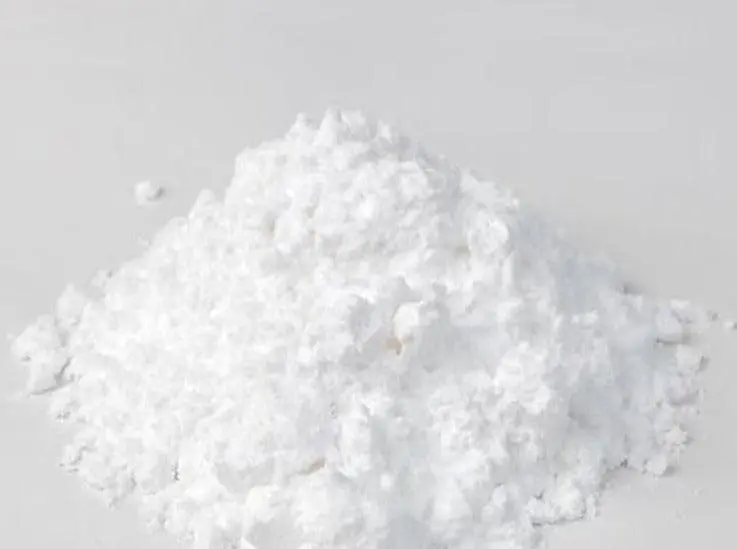
Rotary Calcination Kiln vs Other Calcination Equipment
Calcination equipment selection depends on material properties, capacity requirements, and process conditions. Rotary calcination kilns are preferred for large-scale mineral processing due to their continuous operation and wide material adaptability, while shaft kilns and fluidized bed calciners are selected for specific material and process requirements.
Practical Equipment Comparison
| Comparison Item | Lò nung quay | Shaft Kiln | Fluidized Bed Calciner |
| Công suất xử lý | High | Medium | Medium |
| Material Adaptability | Wide range of lump, granular, and powder materials | More dependent on material size and properties | Mainly suitable for fine particles |
| Temperature Control | Flexible control through kiln speed and heating conditions | Moderate control | Precise temperature control |
| Operation Mode | Continuous operation | Continuous operation | Continuous operation |
| Large-Scale Mineral Processing | Highly suitable | Suitable for specific applications | Suitable for specialized processes |
| Maintenance Requirements | Relatively simple structure and maintenance | Moderate | Higher technical requirements |
How to Choose the Right Calcination Kiln?
Choosing the right industrial calcination kiln requires careful consideration of raw material characteristics, thermal reaction requirements, production capacity, fuel conditions, and emission standards. The correct kiln configuration helps achieve uniform calcination, optimize energy consumption, and maintain reliable operation for long-term industrial production.
Evaluate Mineral Characteristics
Raw material properties are essential for selecting the right calcination kiln. Factors such as chemical composition, particle size, moisture content, and thermal reaction behavior determine the required temperature, residence time, and kiln configuration. Proper evaluation helps achieve uniform heating, efficient calcination, and consistent product quality.
Define the Required Thermal Process
The required thermal process determines kiln configuration and operating conditions. Calcination, oxidation roasting, reduction roasting, and activation treatment each require specific temperature control and residence time. Defining the target reaction helps select a suitable kiln system for consistent processing results.
Match Production Capacity Requirements
Production capacity determines the required kiln size, throughput, and system configuration. Selection should be based on expected daily output, current plant requirements, and possible future expansion. Proper sizing helps maintain reliable operation while controlling energy consumption and equipment investment.
Consider Fuel and Energy Conditions
Fuel type affects operating costs, temperature control, and emission requirements. Gas-fired kilns offer precise control and cleaner combustion, coal-fired kilns provide cost advantages where coal is available, and alternative fuels can reduce dependence on conventional energy sources. The selection should match local fuel availability, production needs, and environmental standards.
Meet Environmental Protection Requirements
Environmental requirements are important considerations in calcination kiln selection. Dust collectors, exhaust gas treatment systems, and heat recovery units help control emissions, improve energy utilization, and reduce fuel consumption. A properly configured kiln system can meet regulatory standards while lowering long-term operating costs.
Consider Reliability and Total Operating Cost
Beyond initial specifications, buyers should evaluate equipment durability, maintenance requirements, spare parts availability, automation level, and after-sales support. The total cost of ownership, including fuel consumption, labor, maintenance, and service life, should also be considered. A reliable kiln system helps reduce downtime and achieve better long-term operating performance.
Custom Solutions for Different Calcination Requirements
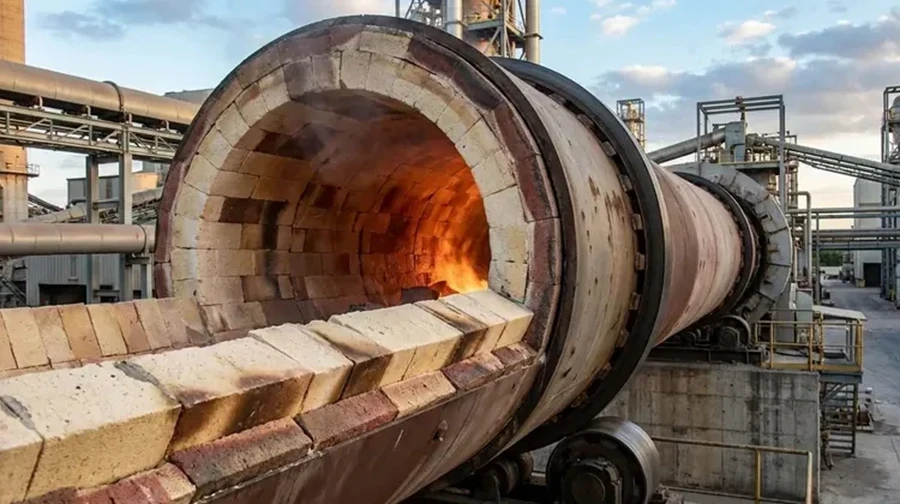
Every mineral processing project has different requirements in terms of material characteristics, production capacity, and application conditions. Zhongyi Mining provides customized calcination kiln solutions based on your specific needs, including equipment selection, process design, and system configuration. Share your material information, expected output, and project requirements with our engineering team, and we will develop a suitable solution to match your production goals.
For complete processing needs, we also provide integrated calcination plant solutions covering equipment selection, process optimization, and complete plant configuration. Contact Zhongyi Mining today to discuss your project requirements and receive a customized solution from our technical experts.
Please Provide the Following Information:
Why Choose Zhongyi?
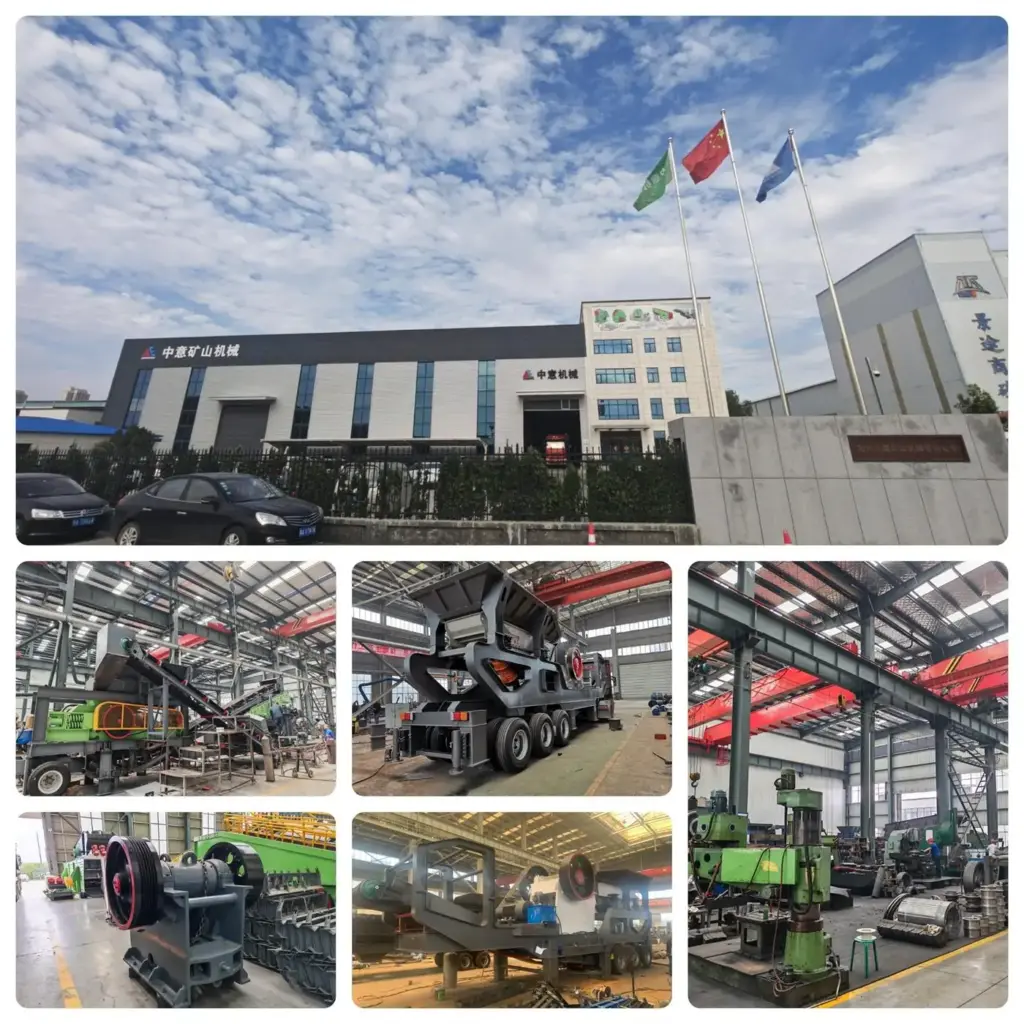
With extensive experience in mining and industrial equipment manufacturing, Zhongyi Mining ,as a professional calcination kiln manufacturer provides reliable calcination kiln solutions tailored to different material characteristics and production requirements. Our engineering team combines practical industry knowledge with advanced design methods and strict quality control to deliver equipment with reliable performance, operational safety, and long service life. From equipment design and manufacturing to final delivery, every project follows professional engineering standards and quality management procedures.
Beyond equipment supply, Zhongyi Mining provides complete project support, including process consultation, customized equipment configuration, installation guidance, and after-sales service. With strong manufacturing capabilities and technical expertise, we help customers reduce operational risks, improve production efficiency, and achieve stable thermal processing performance for long-term industrial applications.
Request a Customized Solution
Work with Zhongyi Mining to develop a calcination kiln solution tailored to your material characteristics, production capacity, and thermal processing needs. Our engineering team provides customized design, reliable equipment, and complete project support to help achieve efficient and stable kiln operation.
FAQs
What factors should be considered when selecting a calcination kiln?
The selection of a rotary kiln for calcination depends on material characteristics, required thermal process, production capacity, fuel availability, and environmental requirements. Factors such as material composition, moisture content, particle size, and final product quality requirements should be evaluated before choosing the suitable kiln configuration.
What materials can be processed by a calcination kiln?
Calcination kilns are widely used for processing limestone, gypsum, clay, bauxite, and other mineral materials. The suitable kiln design depends on the material properties, required calcination temperature, and production objectives.
How do I determine the right kiln capacity for my project?
Kiln capacity should be selected based on required daily output, material characteristics, and future production plans. An appropriately sized kiln helps maintain stable operation while avoiding excessive investment and unnecessary energy consumption.
What fuel options are available for rotary kiln for calcinations?
Calcination kilns can be designed for different fuel conditions, including natural gas, coal, biomass, and alternative fuels. The suitable fuel system depends on local energy availability, operating costs, and emission requirements.
How can a calcination kiln improve energy efficiency?
Energy efficiency can be improved through optimized combustion systems, proper temperature control, heat recovery systems, and suitable kiln design. A well-configured kiln reduces fuel consumption while maintaining consistent calcination performance.
What information is required for a customized calcination kiln solution?
To design a suitable solution, customers should provide raw material information, required capacity, thermal process requirements, fuel conditions, and project site details. Our engineering team evaluates these factors to recommend the appropriate kiln configuration.
How do you ensure the reliability of your rotary kiln for calcination equipment?
Zhongyi Mining applies professional engineering design, strict manufacturing standards, and quality control procedures throughout production. Each kiln solution is designed according to operating conditions to achieve reliable performance and long service life.
Do you provide complete calcination production line solutions?
Yes. Zhongyi Mining provides integrated calcination solutions, including kiln selection, auxiliary equipment configuration, process design, installation support, and technical services to meet different industrial production requirements.