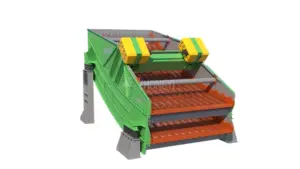












What Is a Cone Crusher?
A cone crusher is a compression crushing machine primarily used for the secondary and tertiary crushing of rocks and ores. It works by compressing material between a moving mantle and a stationary concave liner, reducing large feed particles into smaller, more uniform sizes. Designed for continuous crushing, this equipment is widely used to process medium- to high-hardness materials such as granite, basalt, and various metal ores.
In mining operations, quarries, and aggregate production plants, cone crushers are commonly installed after jaw crushers to further reduce material size. Depending on the crushing stage, chamber design, and discharge setting, they can produce different output sizes to meet specific processing requirements. Their ability to handle hard and abrasive materials makes them an important part of many rock crushing and mineral processing systems.
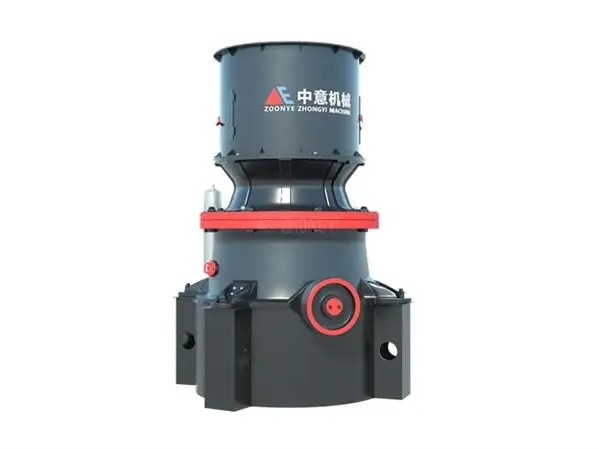
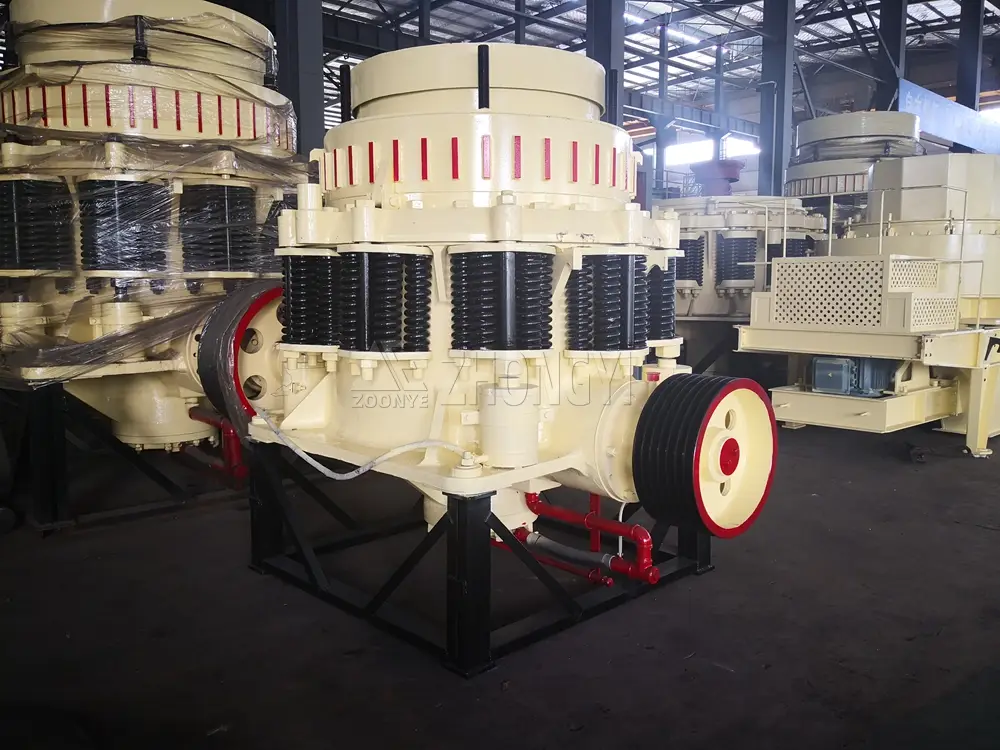
Main Components and Structural Design of a Cone Crusher
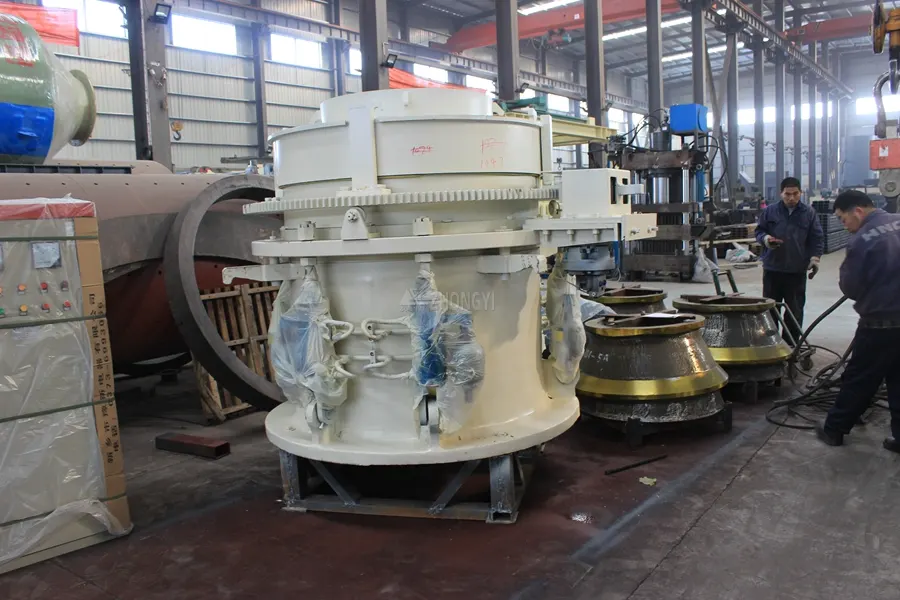
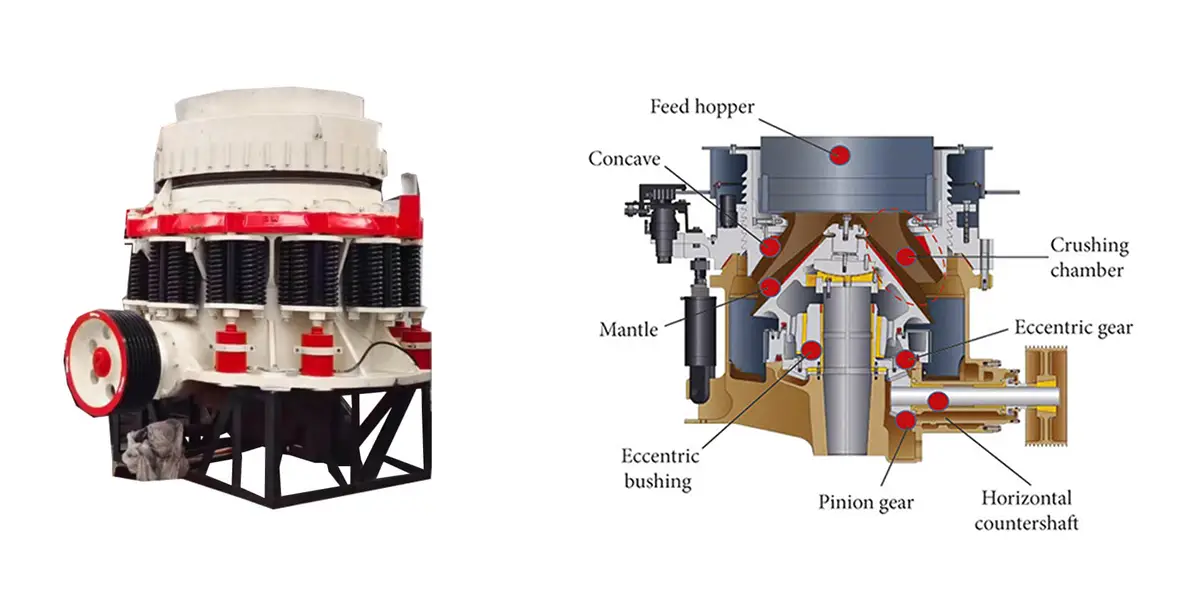
A cone crusher consists of several key assemblies that work together to support crushing, transmit power, and ensure stable operation. Its main components include the main frame, main shaft, mantle, concave, eccentric assembly, and hydraulic and lubrication systems. Their structural arrangements vary depending on the crusher type.
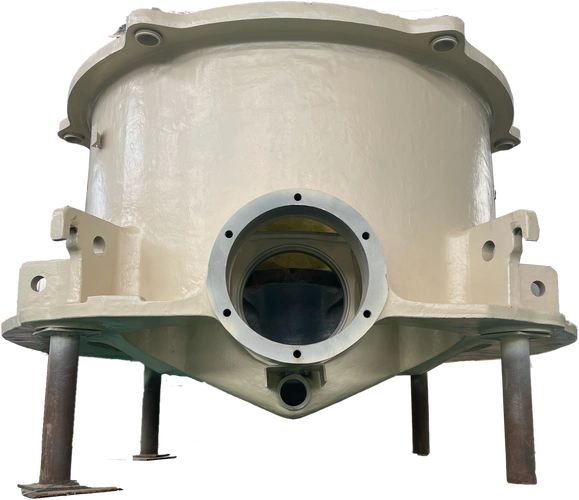
Main Frame and Main Shaft
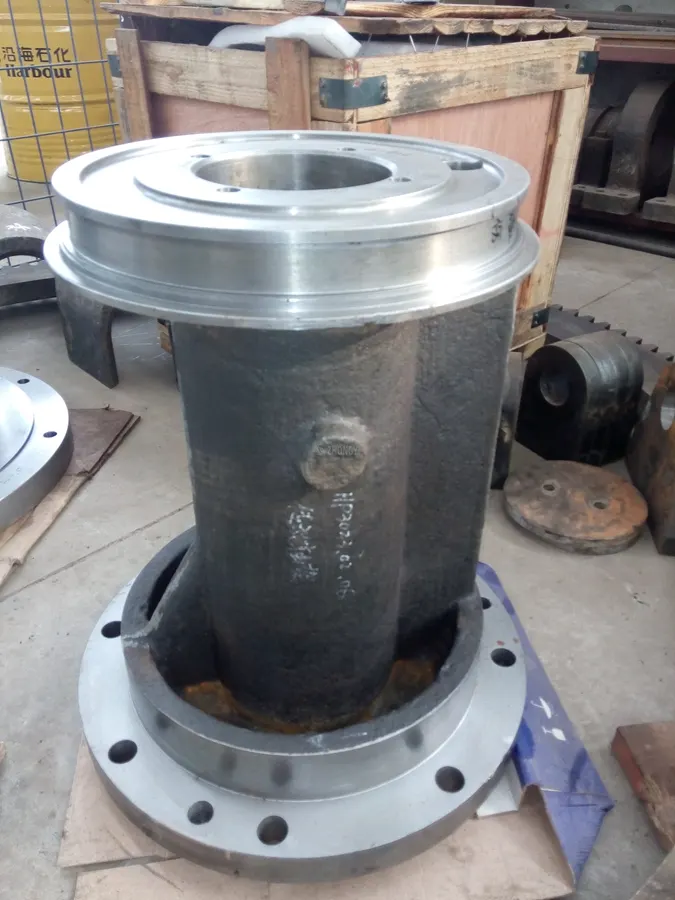
The main frame supports the entire machine and withstands crushing loads. The main shaft supports the moving cone assembly, with its design and mounting arrangement varying among different cone crusher models.
Mantle and Concave
The mantle is mounted on the moving cone, while the concave is fixed to the upper crushing assembly. Together, they form the crushing chamber and compress incoming material. Their profiles and wear condition affect crushing performance and product size.
Eccentric Assembly and Transmission System
The transmission shaft and gear assembly transfer motor power to the eccentric assembly, which converts rotational motion into the gyratory movement of the moving cone.
Hydraulic, Lubrication, and Overload Protection Systems
The hydraulic system supports discharge setting adjustment and overload protection in hydraulic models. The lubrication system reduces friction and heat in moving components. Depending on the design, spring or hydraulic protection mechanisms allow uncrushable materials to pass through the crushing chamber.
How Does a Cone Crusher Work?
A cone crusher uses compression crushing to reduce rock and ore into smaller particles. During operation, the motor drives the transmission system and eccentric assembly, causing the moving cone to gyrate within the stationary concave. This movement continuously changes the gap between the mantle and concave. As the gap narrows, material is compressed and broken; as it widens, crushed particles move downward through the chamber. The eccentric movement controls this repeated crushing action.
The process follows three stages: feeding, crushing, and discharge. Material enters the crushing chamber from the feeding equipment, where uniform, well-distributed feed helps maintain stable operation and make effective use of the chamber. As particles move downward, they are progressively reduced by compression and, under suitable full-chamber feeding conditions, inter-particle crushing. In this process, particles also compress against one another, forming a layered material bed. Once reduced to a size that can pass through the discharge opening, the material leaves the chamber under gravity. The discharge setting, chamber design, and material properties all affect the final product gradation.
What Are the Main Types of Cone Crushers?
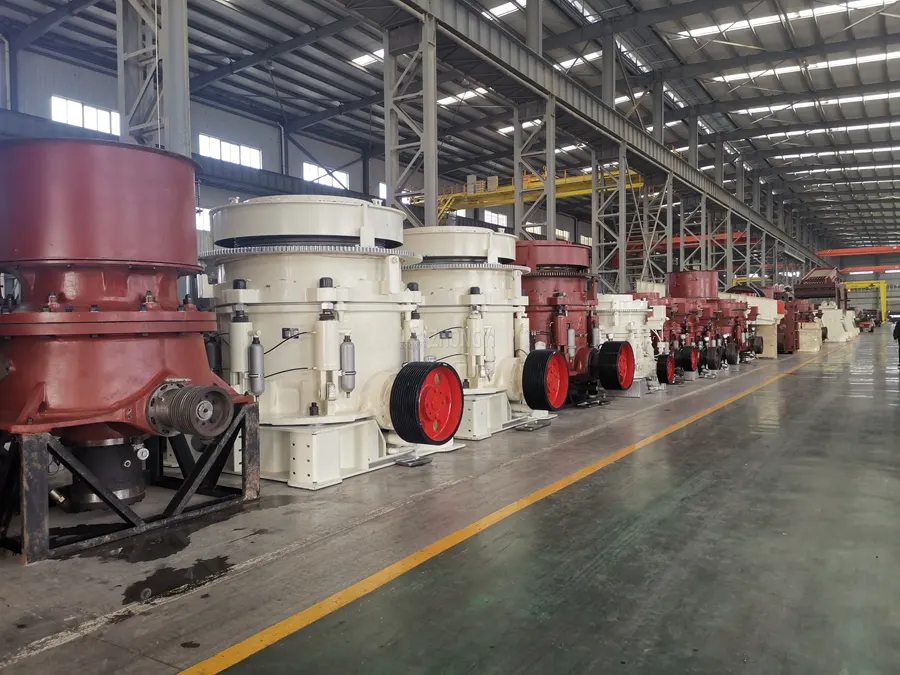
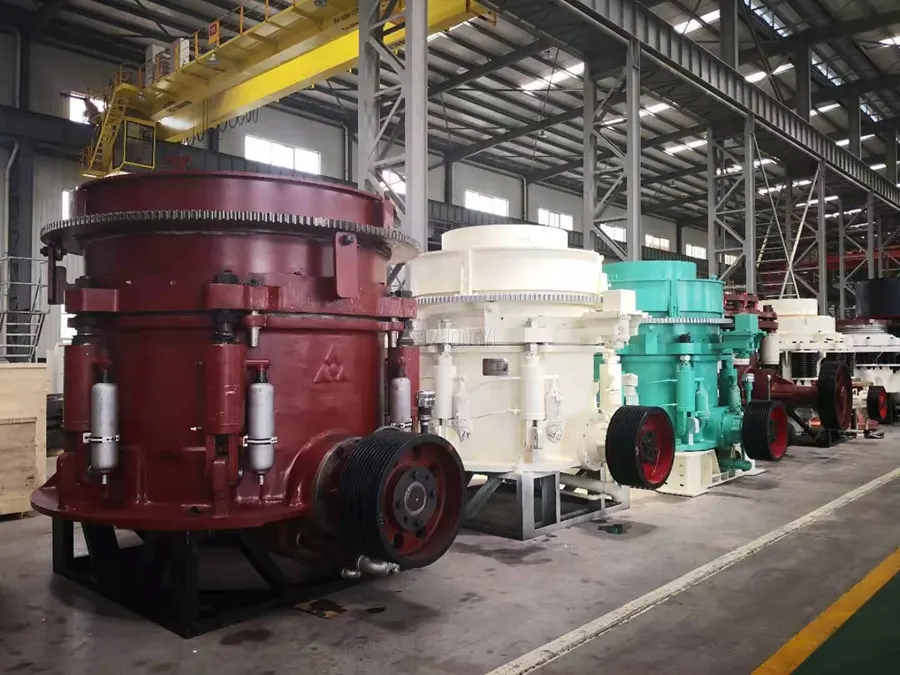
The main types of cone crushers used in mining and aggregate production include spring cone crushers, single cylinder hydraulic cone crushers, and multi cylinder hydraulic cone crushers. Although all three use compression crushing, they differ in their structural design, adjustment mechanisms, and overload protection systems.
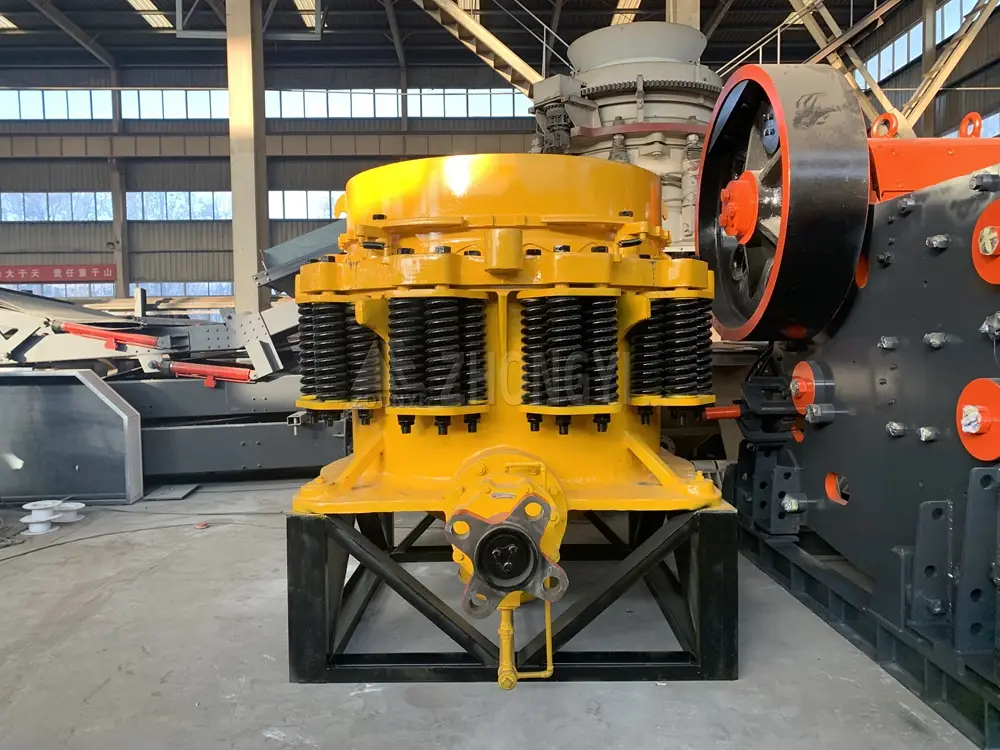
Máy nghiền côn lò xo
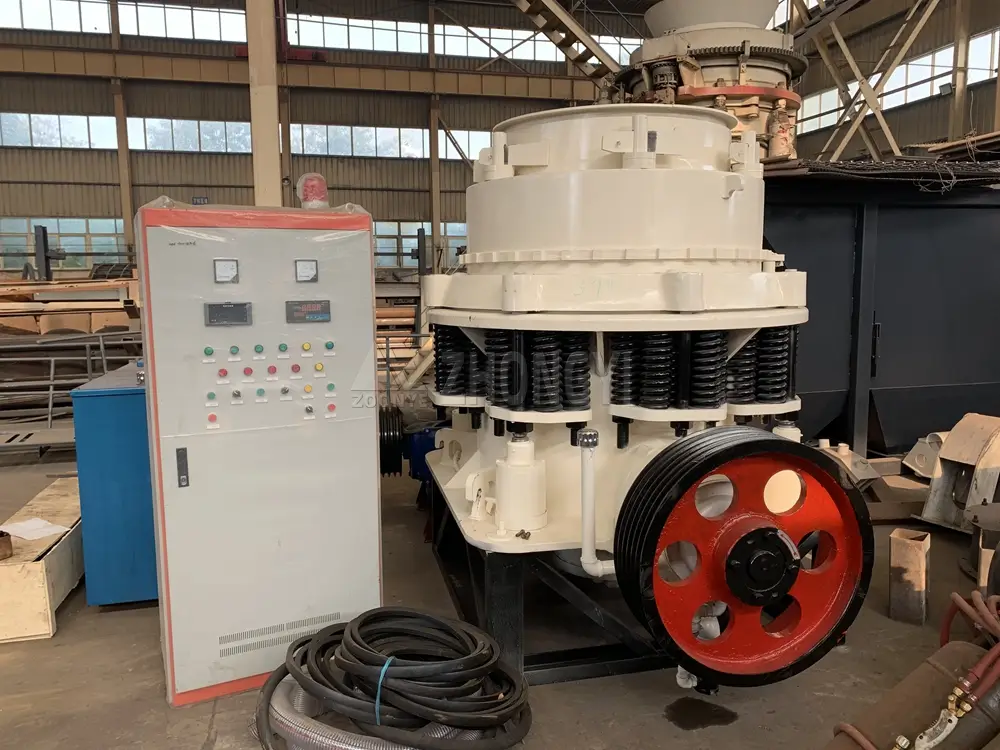
A Spring Cone Crusher uses a mechanical spring system to provide overload protection. When uncrushable material enters the crushing chamber, the springs allow the adjustment assembly to move and increase the discharge opening, helping prevent damage to the machine. The discharge setting can be adjusted through the machine’s adjustment mechanism. This type is commonly used for medium and fine crushing of ores and hard rock. Routine maintenance mainly involves checking the springs, liners, and lubrication system.
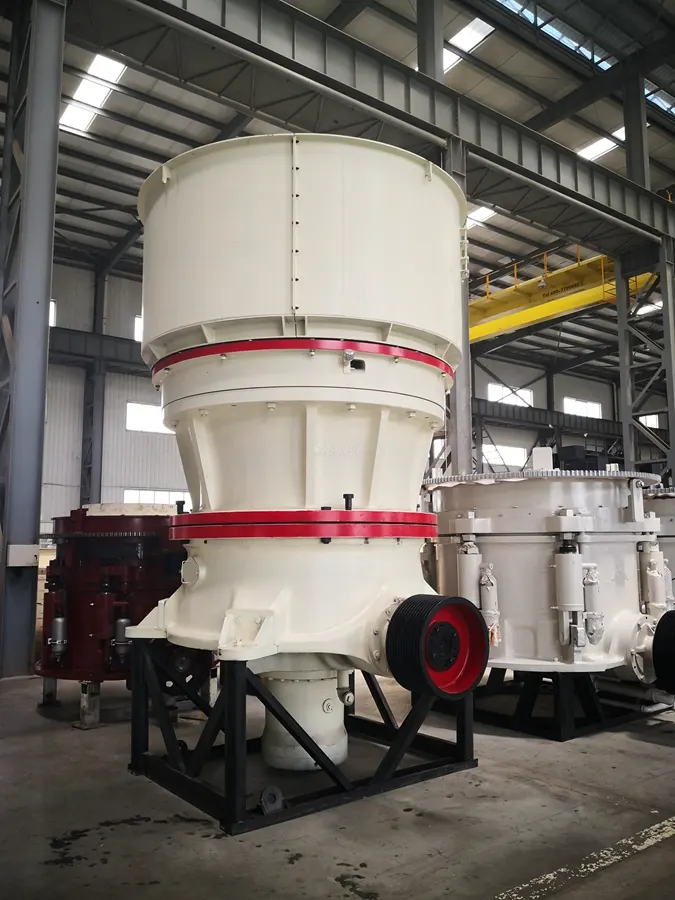
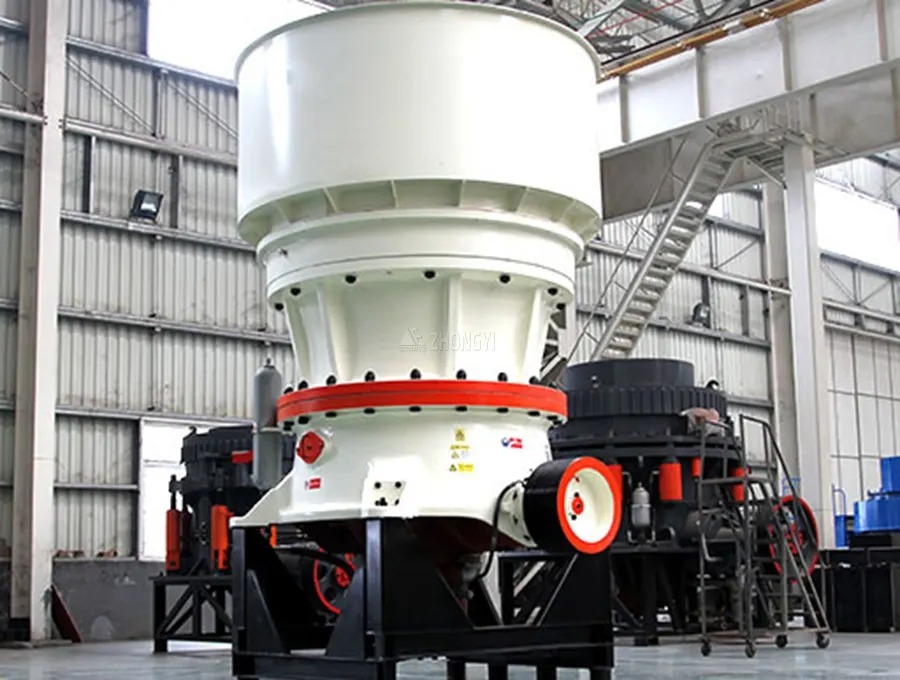
Single Cylinder Hydraulic Cone Crusher
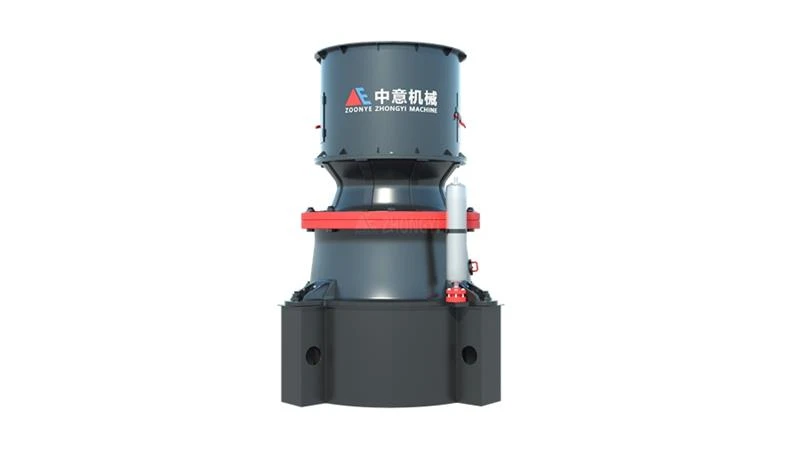
A Single Cylinder Hydraulic Cone Crusher uses a hydraulic cylinder as part of its main shaft support and adjustment system. Depending on the machine design, the hydraulic system can control the discharge opening, provide overload protection, and assist with clearing material from the crushing chamber. Its adjustment and control functions make it suitable for medium and fine crushing in mining and aggregate production, including applications involving hard rock and ores.
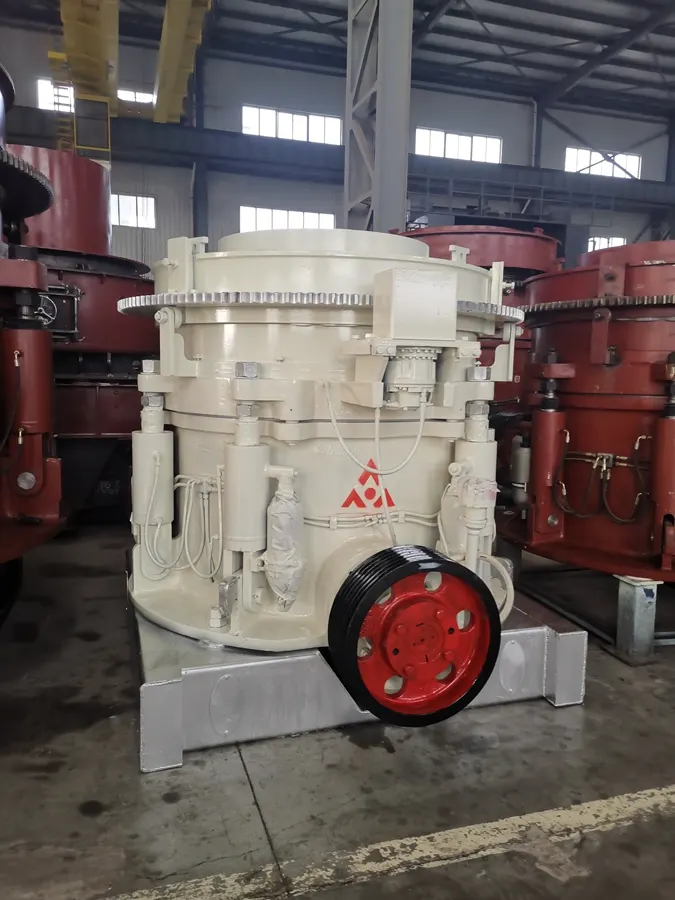
Máy nghiền côn thủy lực nhiều xi-lanh
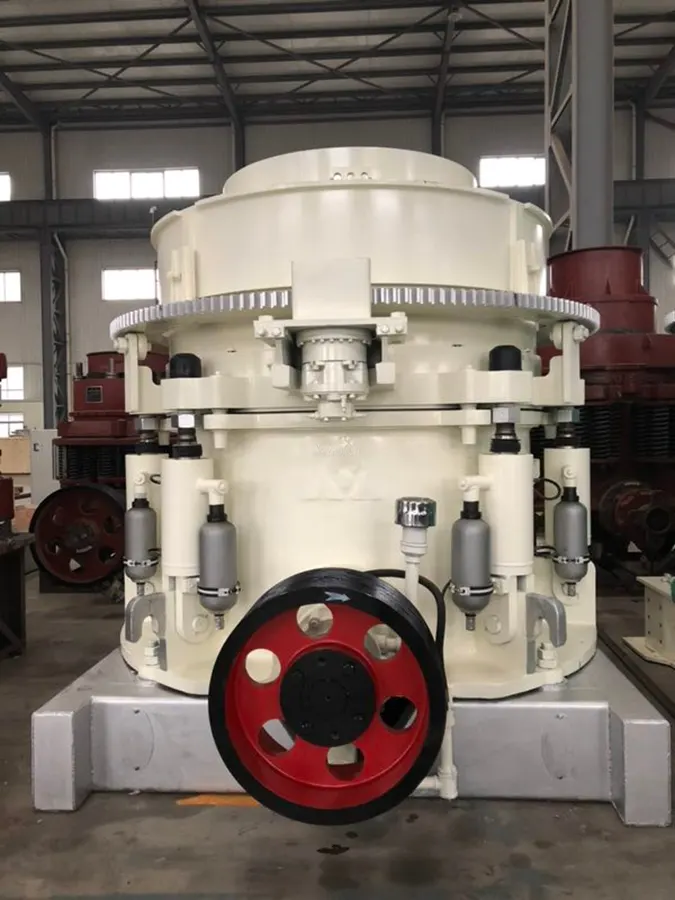
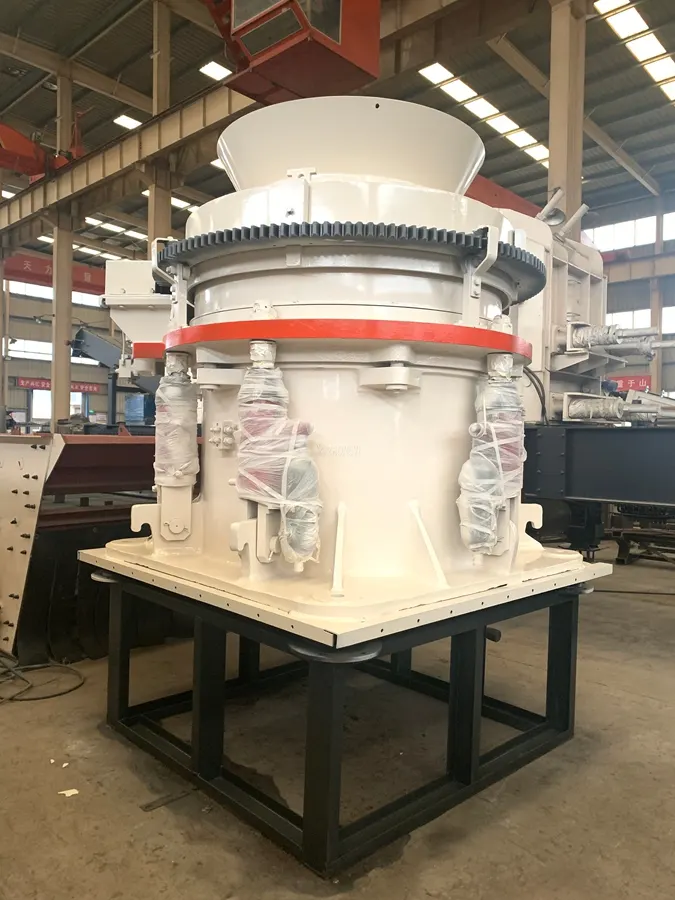
A Multi Cylinder Hydraulic Cone Crusher uses multiple hydraulic cylinders arranged around the lower part of the machine. These cylinders work with the adjustment assembly to support hydraulic adjustment, locking, and overload protection. Its structural design is suited to crushing operations that require substantial crushing force and control over product size. It is commonly used for medium and fine crushing in large-scale mining and aggregate production lines. Actual capacity and product gradation depend on the model, crushing chamber, feed material, and operating conditions.
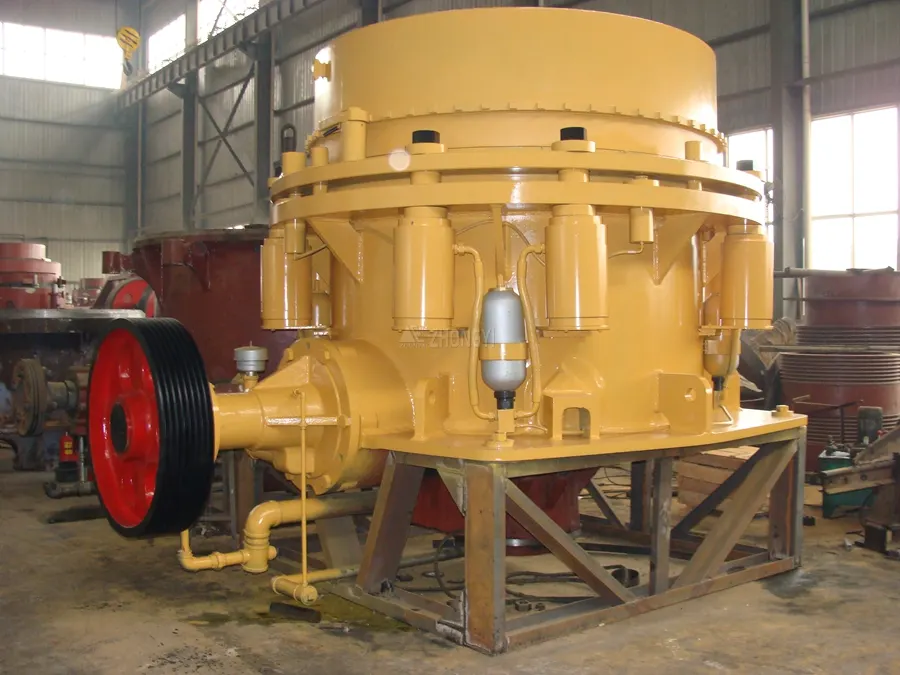
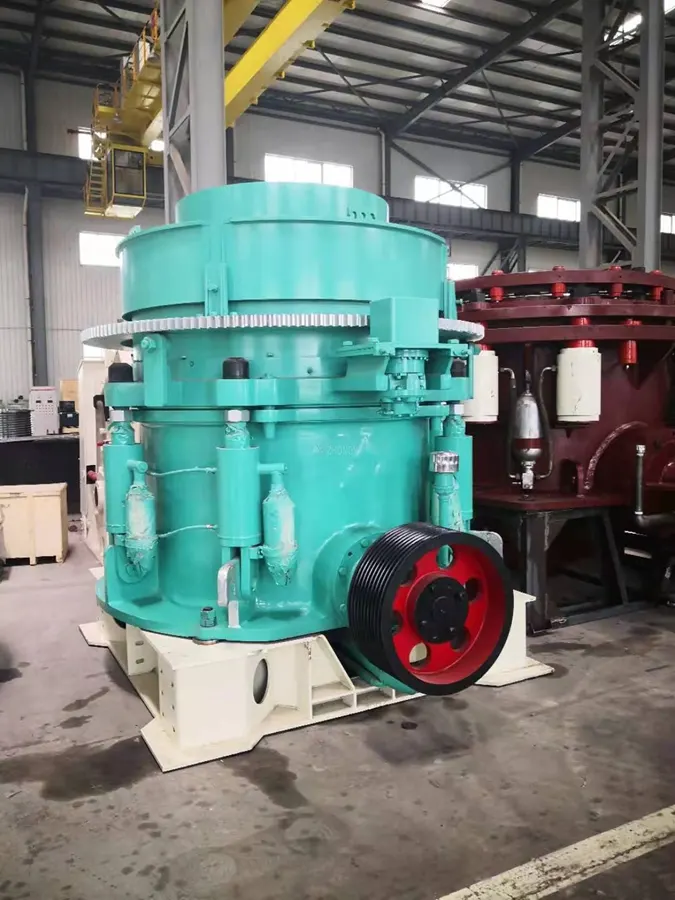
The three types share the same basic compression crushing principle, but differ in main shaft support, discharge adjustment, overload protection, and maintenance requirements. The appropriate model should be selected according to the material, required capacity, and crushing stage.
What Are the Advantages of a Cone Crusher?
Cone crushers offer practical advantages in hard-rock crushing, particularly in secondary and tertiary processing. Their value lies in how the crushing chamber, liner configuration, and operating conditions work together to handle abrasive feed materials, maintain stable production, and control the size and shape of the final product.
Effective Crushing of Hard and Abrasive Rock
Cone crushers use compression to process hard and abrasive materials such as granite, basalt, and metal ores. This makes them suitable for secondary and tertiary crushing in hard-rock plants. Liner material and chamber selection should match the feed’s hardness, abrasiveness, and particle size to manage wear and maintain crushing performance.
Stable Production with Proper Feed Distribution
A properly distributed feed helps keep the crushing chamber consistently loaded. This supports steady material flow and more even liner wear. In continuous mining and aggregate operations, correct feeder arrangement and feed control are therefore important to maintaining stable performance.
Better Control of Product Gradation and Shape
The discharge setting and chamber profile influence the final product size and gradation. Under suitable choke-feeding conditions, inter-particle crushing can improve particle shape and reduce the proportion of elongated and flaky particles. This is useful when producing aggregates for concrete and road construction.
Integration into Multi-Stage Crushing Circuits
Cone crushers can be configured with different chamber profiles and liners to suit specific feed and output requirements. They are commonly installed after jaw crushers and paired with vibrating screens in closed-circuit operations. Oversized material can return to the crusher for further reduction, helping maintain the required product size.
What Materials Can a Cone Crusher Process?
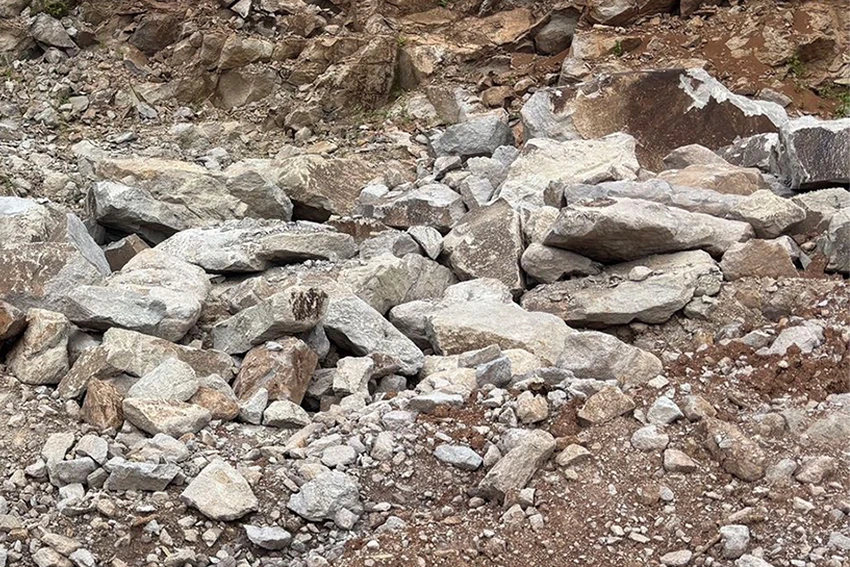
Cone crushers are mainly used for secondary and tertiary crushing of medium- to high-hardness rocks and ores. When evaluating feed suitability, operators need to consider more than material hardness. Abrasiveness, feed size, particle distribution, and moisture content also affect crushing performance, liner wear, and material flow through the crushing chamber.
Hard and Abrasive Rocks
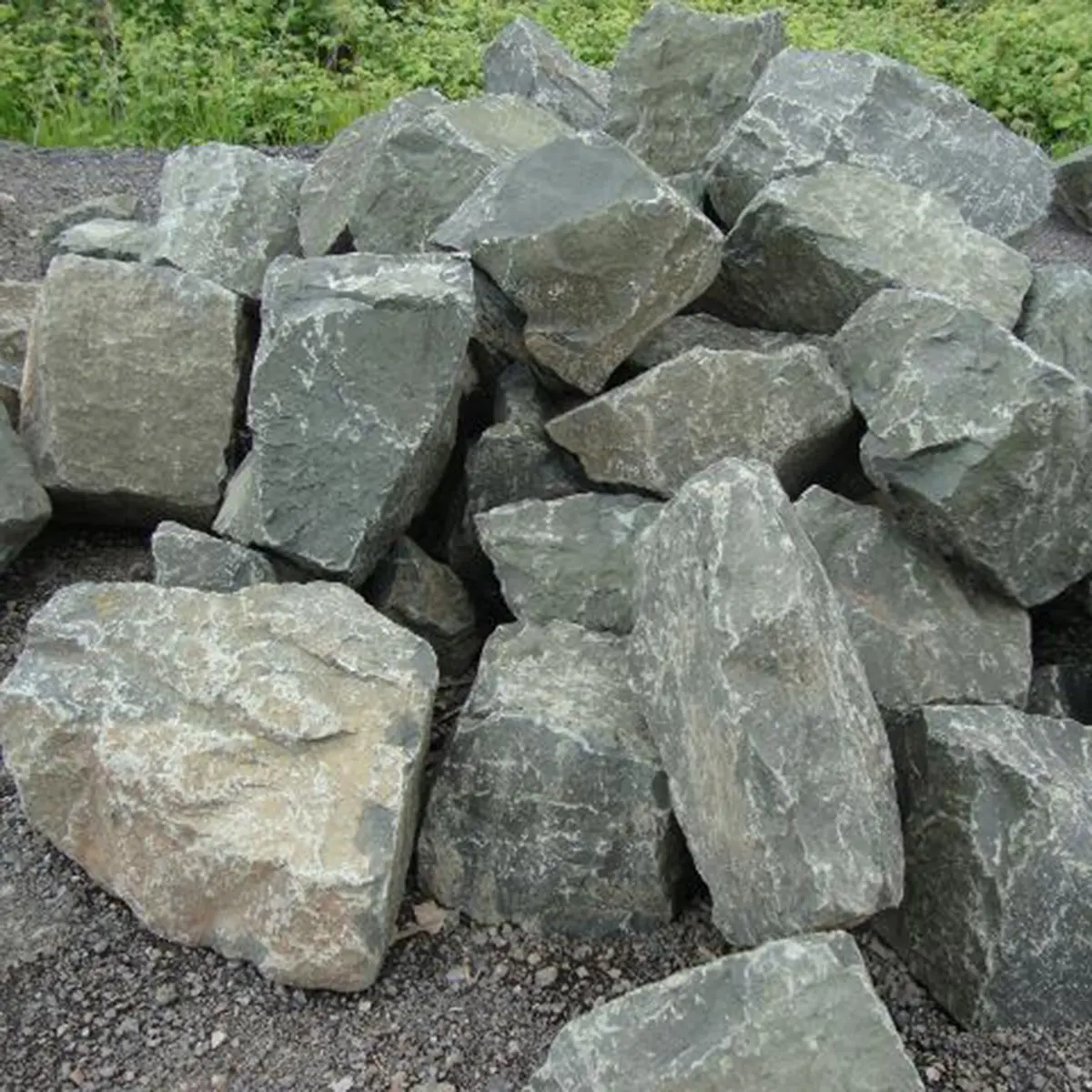
Granite, basalt, and quartzite are common materials for hard rock crushing. Their high hardness and abrasiveness require appropriate crushing chamber profiles and wear-resistant mantle and concave liners. Feed size and target product size should also be considered when selecting the crusher configuration.
Metallic Ores
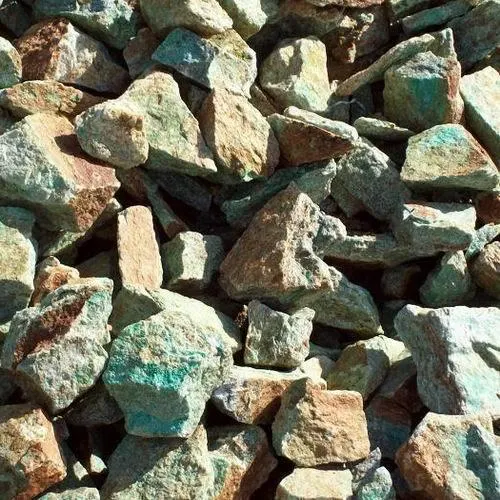
Iron ore, copper ore, manganese ore, and chromium ore are commonly processed by cone crushers in mining operations. The equipment typically handles secondary or tertiary crushing before the ore proceeds to screening, grinding, or other beneficiation processes. Crusher selection should account for ore hardness, abrasiveness, feed characteristics, and downstream processing requirements.
Other Suitable Rocks and Ores
River pebbles and some types of sandstone and limestone can also be processed by cone crushers, depending on their hardness, abrasiveness, and production requirements. However, highly wet or clay-rich feed may cause material buildup and blockages in the crushing chamber. Moisture content and feed conditions should therefore be evaluated before equipment selection.
For material-specific equipment considerations, see Máy nghiền đá tốt nhất cho đá granite, đá bazan và đá vôi.
Where Are Cone Crushers Used in Industrial Applications?
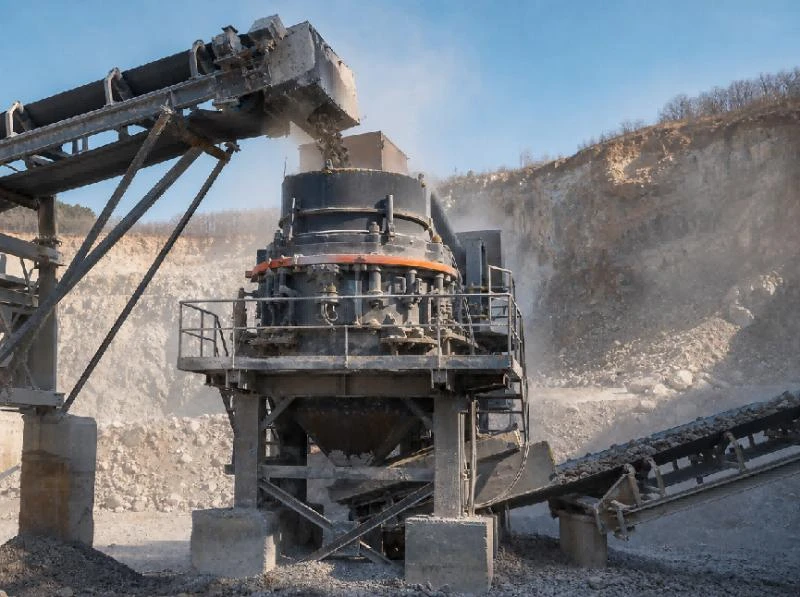
Cone crushers are commonly used in mines, quarries, and aggregate plants. They usually take over after primary crushing, reducing the material further before it goes to screening, grinding, or stockpiling. Depending on the production line, a cone crusher may be used for ore processing or for making different sizes of crushed stone.
Mining and Ore Processing
In a mining plant, a Mining Cone Crusher is often installed after a jaw crusher to reduce ore size before grinding or further processing. For example, in iron and copper ore operations, crushed material may go through a vibrating screen. Material that meets the required size moves to the next stage, while oversize particles return to the crusher for further reduction. The crusher needs to match the ore characteristics and the feed size required by the grinding circuit.
Quarrying and Aggregate Production
In an Aggregate Crushing Plant, a cone crusher is often used after the jaw crusher to produce different sizes of crushed stone. It works with vibrating screens to separate the finished products. If some particles are still too large, they can be sent back to the crusher. The crushing chamber and discharge setting need to match the required aggregate sizes.
Road Construction and Infrastructure Materials
Crushed stone from cone crushers is used in road base layers, asphalt mixtures, and concrete production. Each application has its own aggregate size and quality requirements. The crusher and screening equipment should be set up to produce the required gradation and particle shape.
For background on crushed stone as a construction raw material, see the U.S. Geological Survey’s Crushed Stone Statistics and Information.
Where Does a Cone Crusher Fit in a Crushing Production Line?
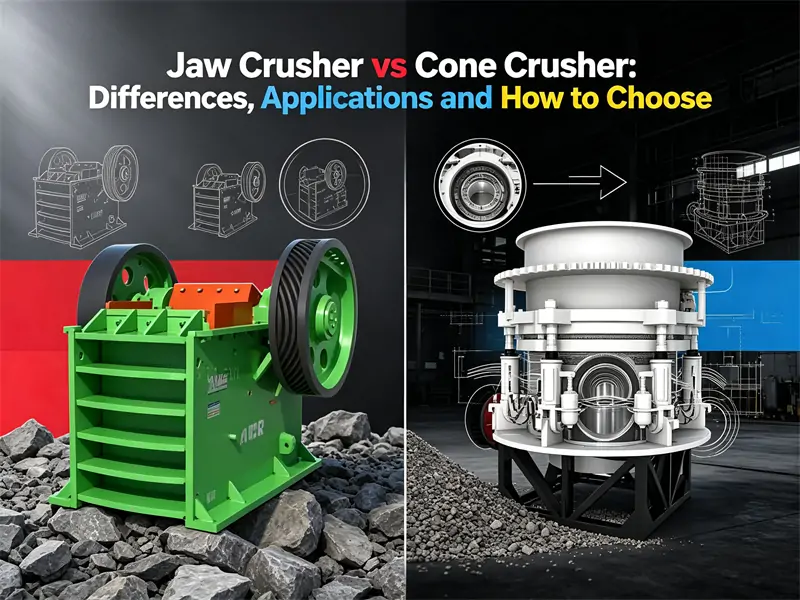
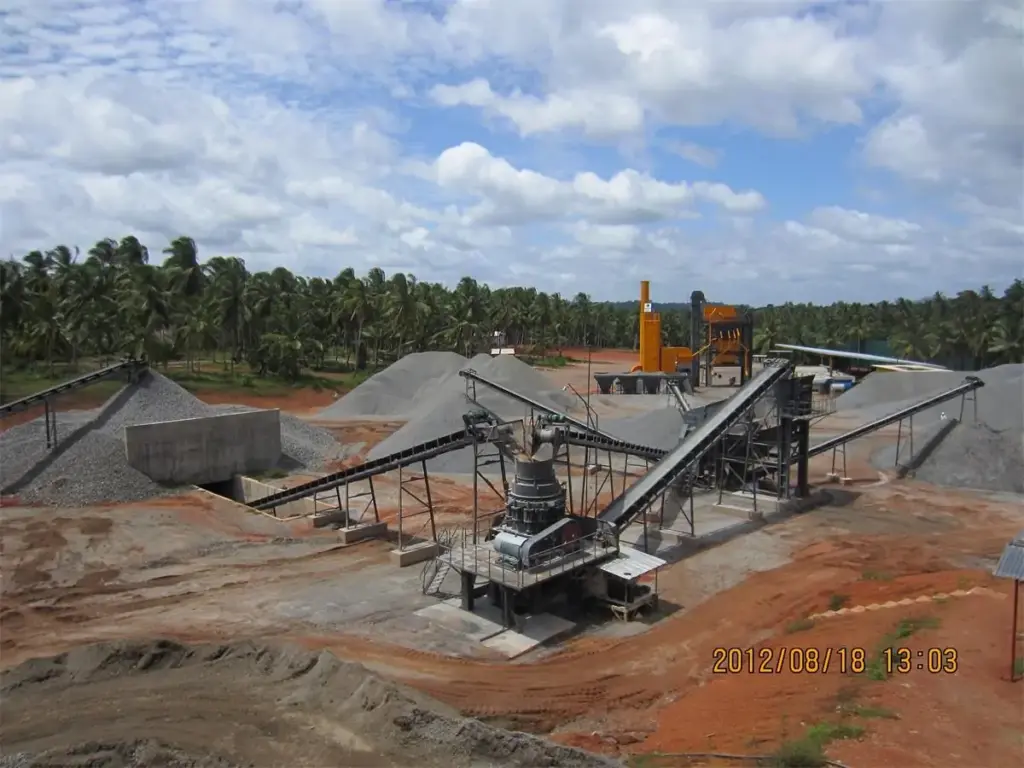
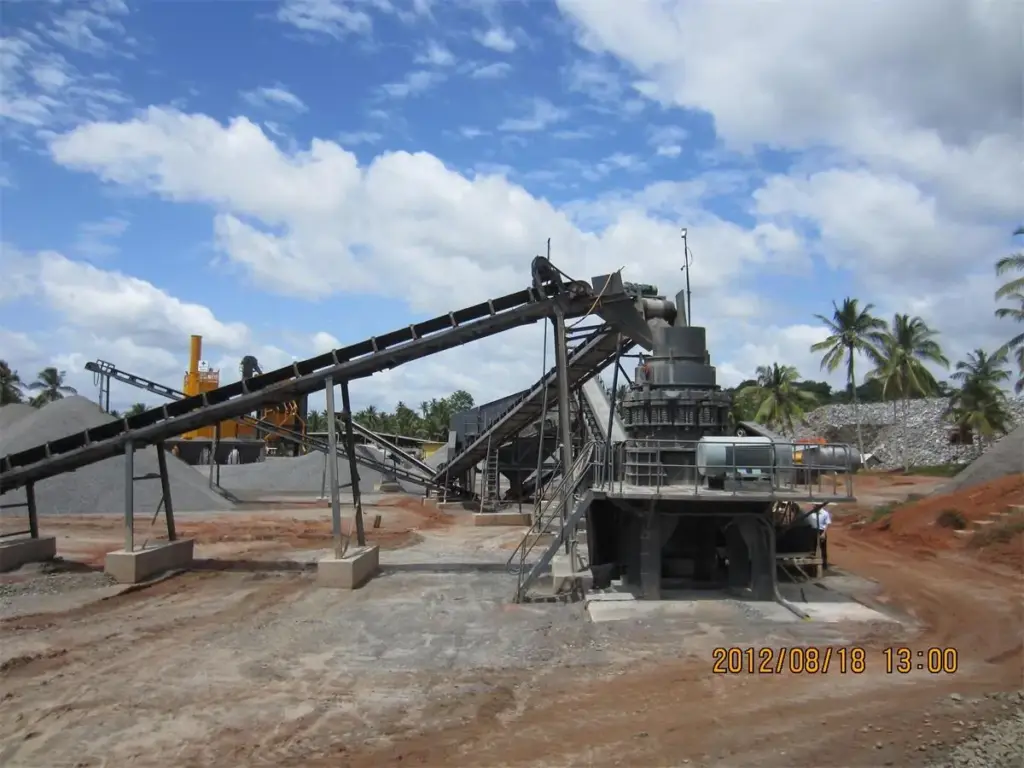
In a typical hard-rock crushing plant, a cone crusher is installed after a jaw crusher to handle secondary crushing. The jaw crusher first reduces large rocks to a size suitable for the next stage. The secondary unit then further reduces the material to meet the required feed size for downstream processing or aggregate production. In plants requiring finer products, it can also serve as a tertiary crusher. The feed size from the previous stage must stay within the selected cone crusher’s permitted range.For a comparison of these two stages, see Jaw Crusher vs Cone Crusher: Differences, Applications and How to Choose.
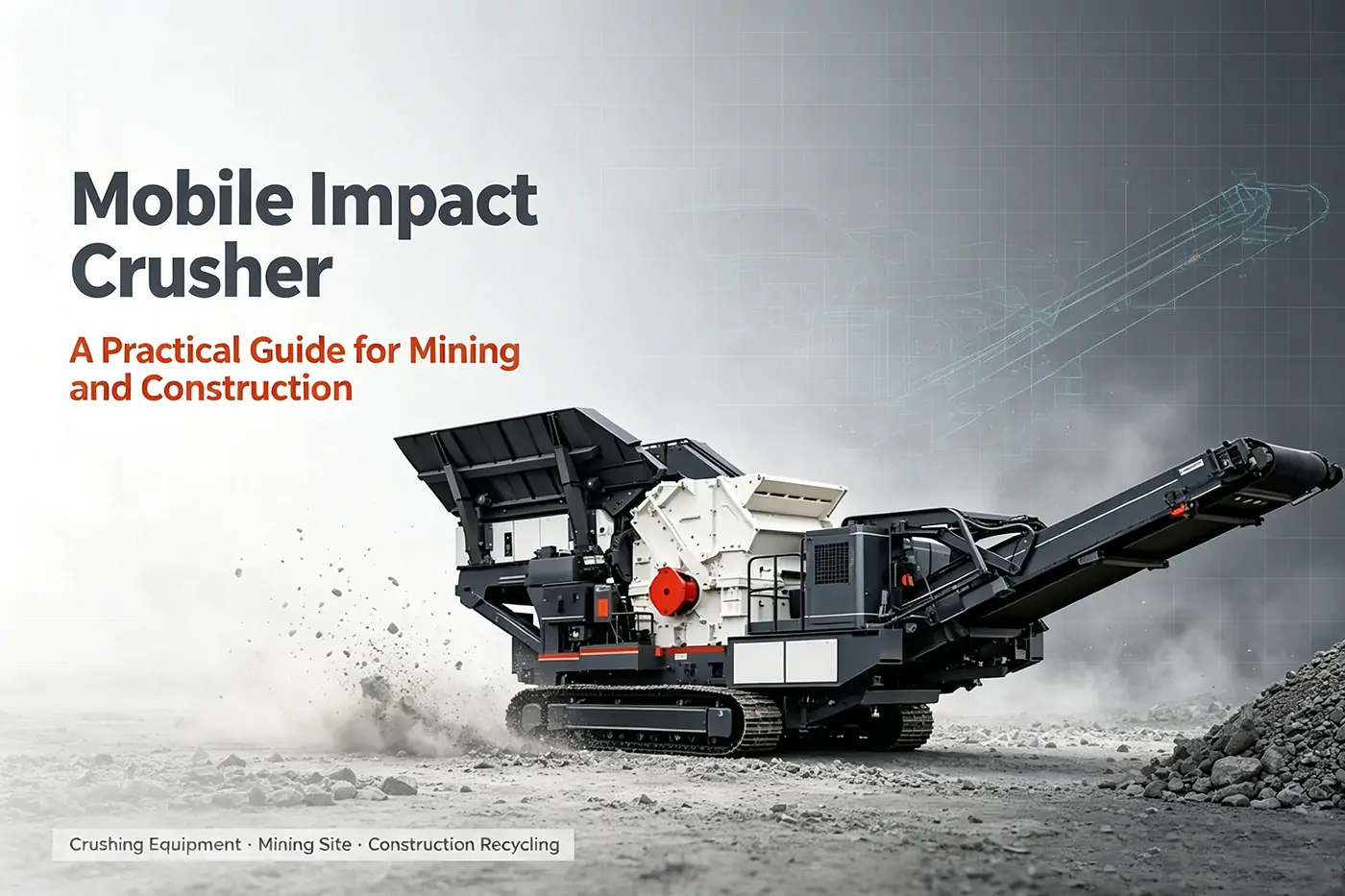
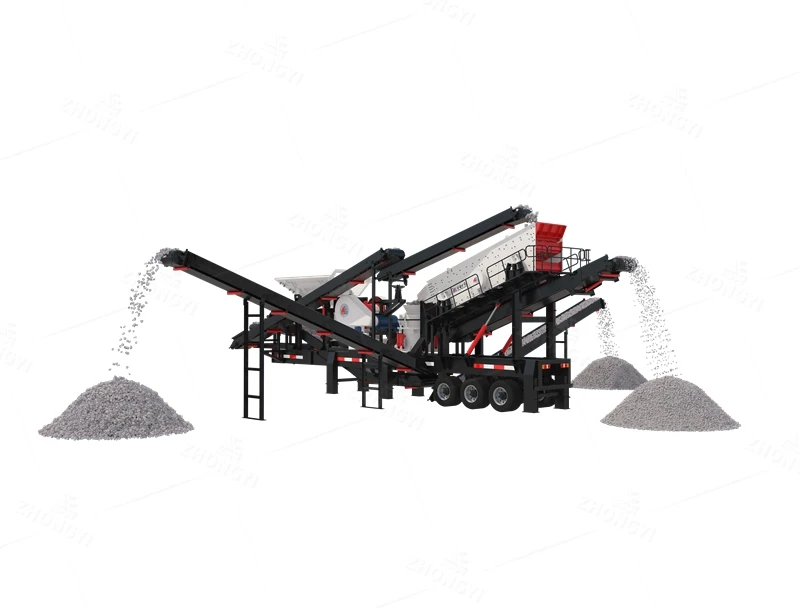
A cone crusher often works with a vibrating screen to form a closed-circuit crushing system. After crushing, material is screened by size. Finished particles move to stockpiles or the next processing stage, while oversized material returns to the crushing chamber for further reduction. Screen opening size, screening efficiency, and return feed volume all affect the crusher’s operating load and final product gradation. This closed-circuit arrangement is common, although the actual layout depends on feed material, production capacity, and finished product requirements.For a mobile arrangement of these crushing stages, see Trạm nghiền hàm và côn di động.
What Should You Consider When Choosing a Cone Crusher?
Choosing a cone crusher involves more than comparing equipment models or rated capacity. Material properties, feed and discharge requirements, processing capacity, and equipment configuration all affect actual crushing performance. Consider the following factors before making a selection:
If other crusher types are also under consideration, Jaw Crusher vs Cone Crusher vs Impact Crusher: Differences & Uses compares their main selection factors.
Cone Crusher Maintenance and Wear Part Considerations
Cone crusher maintenance starts with the lubrication system and operating conditions. Check the oil level, oil quality, pressure, and temperature to ensure stable lubrication. Inspect the oil pump, pipelines, filters, and cooler for leaks or abnormal operation. During production, keep material evenly distributed in the crushing chamber and avoid sudden changes in feed size or volume. Also monitor the discharge setting, since liner wear can gradually change the discharge opening and affect product gradation.
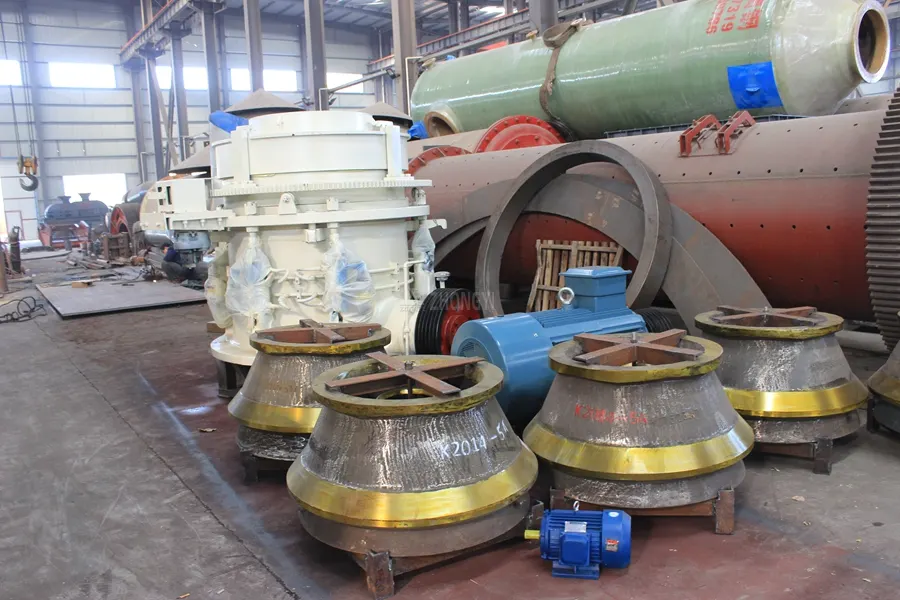
Wear parts require regular inspection, particularly the mantle and concave liners. Check the liner surfaces for uneven wear, deep grooves, cracks, and loose fittings. Compare wear across different areas of the crushing chamber to identify abnormal wear patterns. Replace the liners when they reach the manufacturer’s specified wear limit or can no longer maintain the required crushing performance. Replacement decisions should be based on actual wear condition rather than a fixed operating period.
For an alternative cone design to compare during maintenance planning, see Nhà sản xuất máy nghiền côn thủy lực một xi-lanh.
Conclusion
A cone crusher uses continuous compression to reduce rock and ore in secondary and tertiary crushing operations. Spring, single-cylinder hydraulic, and multi-cylinder hydraulic models differ in structure, adjustment methods, and operating requirements. Choosing the right equipment means matching these differences with material properties, feed size, required capacity, target product size, and the complete crushing plant configuration.
With experience in mining machinery manufacturing, Zhongyi Mining provides cone crusher options and equipment configuration support for different production requirements. Share your material characteristics, feed size, and target output with our team. Liên hệ với chúng tôi to discuss your project and find a suitable crushing solution.
Frequently Asked Questions About Cone Crushers
What Is a Cone Crusher Mainly Used For?
A cone crusher is mainly used for secondary and tertiary crushing in mining, quarrying, and aggregate production. It reduces rock and ore after primary crushing, preparing the material for screening, grinding, or finished aggregate production. It is commonly used for hard and abrasive materials such as granite, basalt, and various metallic ores.
How Does a Cone Crusher Work?
A cone crusher uses compression to break material between a moving mantle and a stationary concave. The motor drives the transmission and eccentric assembly, causing the moving cone to gyrate. This movement repeatedly compresses material as it moves through the crushing chamber. Particles small enough to pass through the discharge opening leave the chamber.
What Is the Difference Between Spring, Single-Cylinder, and Multi-Cylinder Cone Crushers?
These three types differ mainly in their structural design, adjustment mechanisms, and overload protection. Spring cone crushers use mechanical springs for overload protection. Single-cylinder hydraulic models use a hydraulic cylinder for main shaft support and adjustment, while multi-cylinder models use multiple hydraulic cylinders for adjustment and protection. The choice depends on operating conditions and production requirements.
Can a Cone Crusher Crush Granite and Basalt?
Yes. A properly configured cone crusher can process granite and basalt, both of which are hard and abrasive rocks. However, equipment selection should account for maximum feed size, material abrasiveness, required output size, and target capacity. The crushing chamber and mantle and concave materials should also match the operating conditions to manage liner wear and maintain consistent production.
What Is the Maximum Feed Size for a Cone Crusher?
The maximum feed size depends on the crusher model, feed opening, and selected crushing chamber. Material exceeding the permitted feed range may cause blockages, uneven loading, or reduced crushing performance. Before selecting a machine, confirm the actual maximum feed particle size and compare it with the manufacturer's specifications for the proposed configuration.
What Is the Difference Between a Cone Crusher and an Impact Crusher?
A cone crusher uses compression to break material, while an impact crusher reduces it through repeated impact. Cone crushers are commonly considered for hard, abrasive rocks, whereas impact crushers are often selected for less abrasive materials or applications with specific particle shape requirements. The final choice depends on material properties, product specifications, wear costs, and production conditions.
What Factors Affect Cone Crusher Capacity?
Cone crusher capacity depends on material hardness and abrasiveness, feed size and distribution, crushing chamber design, and discharge setting. Uneven feeding can reduce effective chamber utilization, while changes in screen efficiency and return feed volume affect the crusher's operating load. Actual output should therefore be evaluated under the intended operating conditions rather than based on rated capacity alone.
What Information Should You Provide When Requesting a Cone Crusher Quotation?
When requesting a cone crusher quotation, provide the material type, maximum feed size, target hourly capacity, required discharge size, and expected operating conditions. If the crusher will be installed in an existing plant, include the upstream and downstream equipment configuration. These details help the manufacturer evaluate the application and recommend a suitable model and configuration.