











Introduction
A Mobile Impact Crusher is commonly used in quarrying, aggregate production, mining, and construction waste recycling, where material needs to be crushed close to the working site. However, choosing the right unit involves more than comparing rated capacity or equipment specifications. The feed material’s hardness and abrasiveness, required production output, final product size, and site conditions all affect equipment suitability and configuration.
For project owners and equipment buyers, the key is to determine mobile impact crusher selection matches the material and production requirements before selecting a specific model. This guide examines five practical selection factors: material suitability, processing capacity, product gradation, equipment configuration, and operating costs. It also explains the basic structure and crushing process of a mobile impact crusher to help readers understand the equipment before evaluating their project requirements.
What Is a Mobile Impact Crusher and How Does It Work?
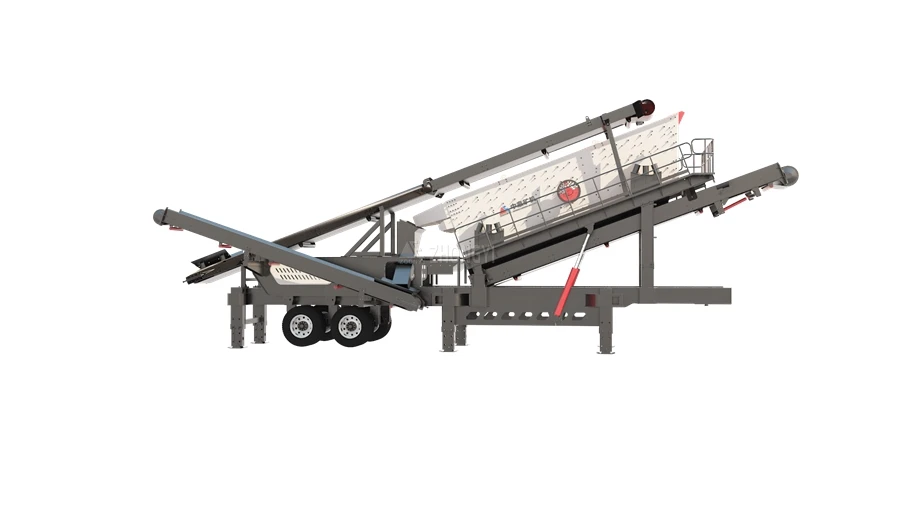
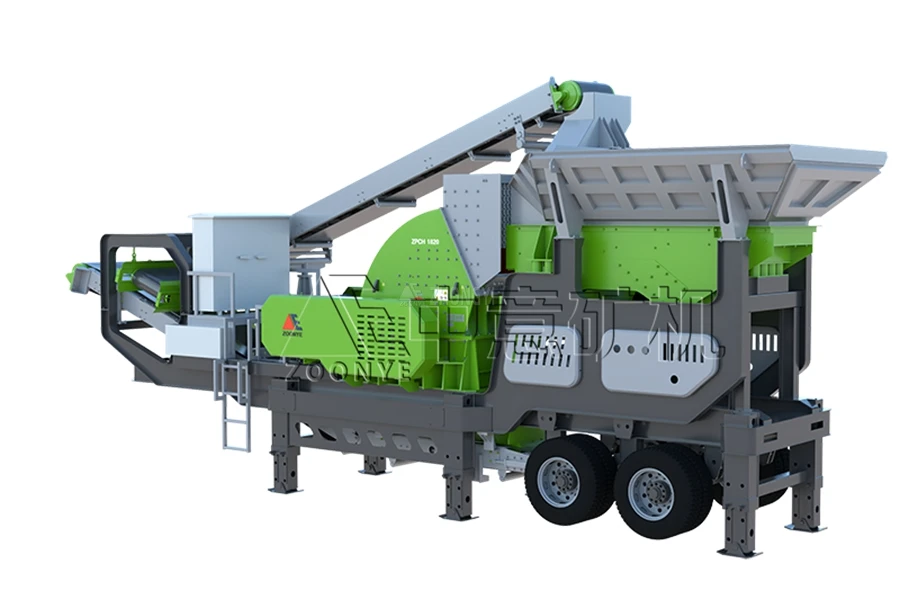
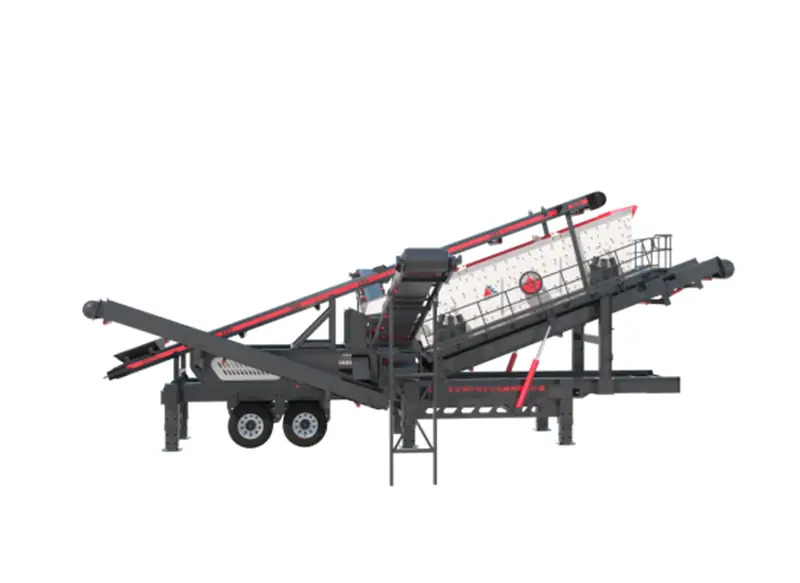
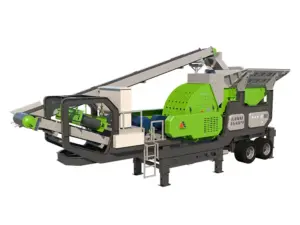
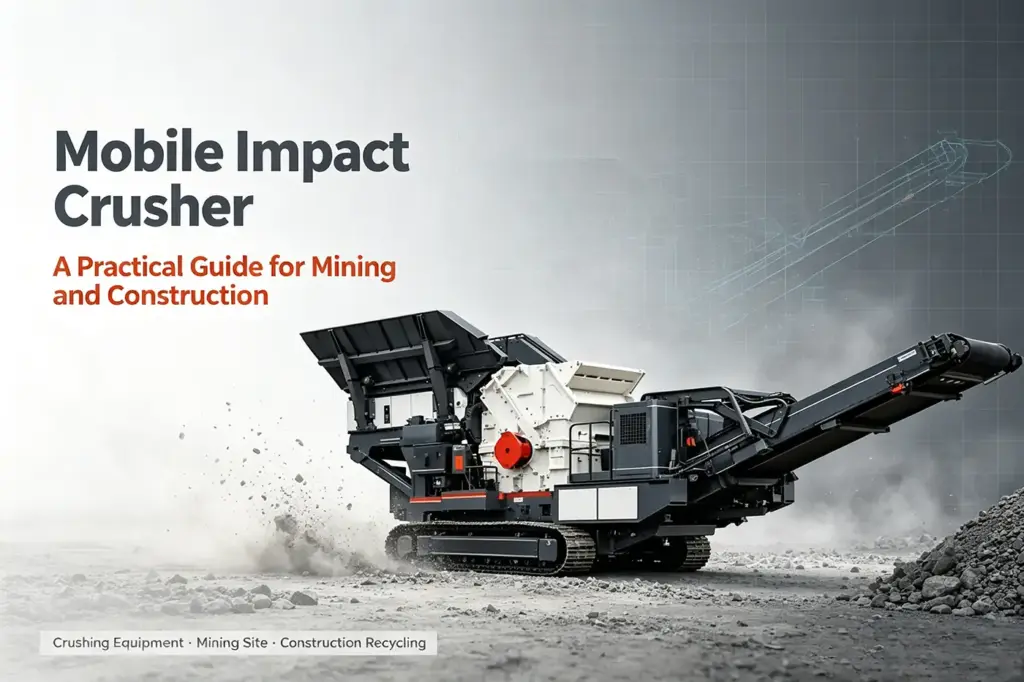
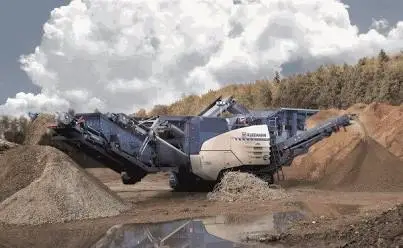
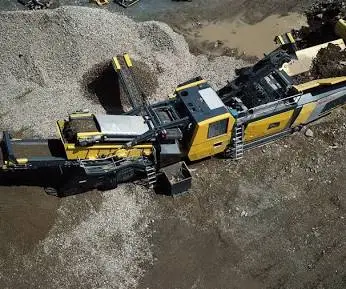
A Mobile Impact Crusher combines an impact crushing unit with a mobile chassis and supporting equipment, allowing crushing operations to be carried out closer to the material source or processing area. Compared with a stationary impact crusher, the mobile plant integrates the main crushing unit with feeding and material handling equipment. Depending on the configuration, it may also include an onboard screening unit.
Basic Structure of a Mobile Impact Crushing Plant
A typical Mobile Impact Crushing Plant consists of several main components:
- Feeding System: Receives raw material and feeds it into the crusher at a controlled rate. Consistent feeding helps maintain stable operation and throughput.
- Impact Crusher: The main crushing unit, where a high-speed rotor drives the blow bars to strike the incoming material, causing it to break against the impact aprons or other crushing surfaces.
- Discharge Conveyor: Transfers crushed material to a stockpile or the next processing stage.
- Screening Unit: An optional component that separates crushed material by size. In a closed-circuit configuration, oversize material can return to the crusher for further reduction.
How the Mobile Impact Crushing Process Works?
During operation, raw material enters the feeding system and is delivered to the impact crusher. The rotating blow bars apply impact force to break the material against the crusher’s internal impact surfaces. The crushed material then leaves the crushing chamber and moves along the discharge conveyor. If a screening unit is installed, the material is classified according to the required product sizes, and oversize particles may be recirculated for additional crushing.
The resulting particle size depends on several factors, including rotor speed, impact apron clearance, crushing chamber configuration, and material properties.
For the wider plant layout around this impact-crushing process, What Is a Mobile Crusher Plant? shows how feeding, crushing, screening, and conveying units can be arranged as a complete system.
Step 1: Evaluate Material Suitability for Mobile Impact Crushing
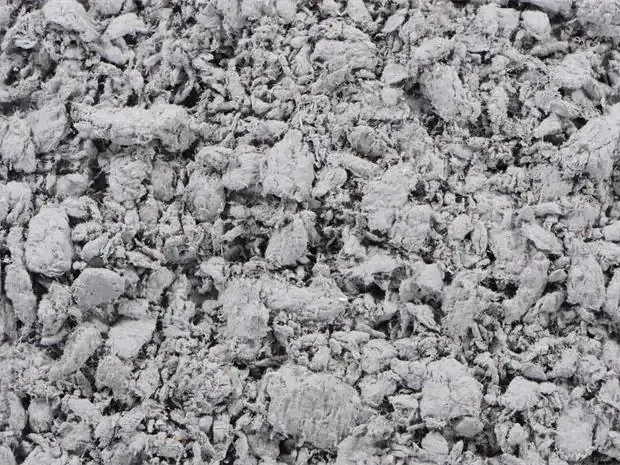
Before selecting a Mobile Impact Crusher, evaluate the feed material’s hardness, abrasiveness, moisture content, and size distribution. These properties affect crushing performance, equipment wear, and production stability. A crusher that can accept the required feed size may still be unsuitable if the material causes excessive wear or feeding problems.
Material Hardness and Abrasiveness
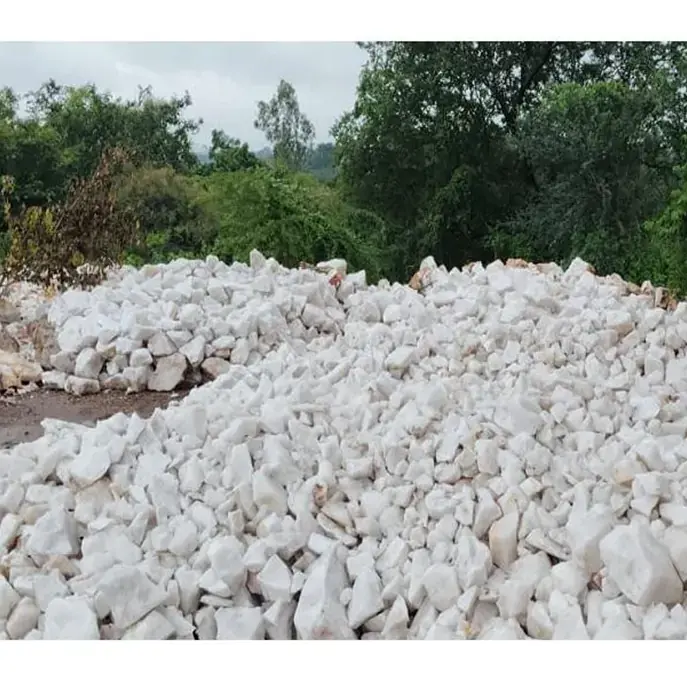
Material hardness affects the force required for size reduction, while abrasiveness determines how quickly wear parts deteriorate. Medium-hard, relatively brittle materials such as limestone and some types of recycled concrete are generally suitable for impact crushing.
Harder rocks, including granite and basalt, require a more careful assessment. Their suitability depends not only on hardness but also on mineral composition, toughness, abrasiveness, and crusher design. High-silica or highly abrasive materials can accelerate wear on blow bars and impact aprons, increasing replacement frequency, maintenance downtime, and operating costs.
For this reason, Impact Crusher Material Suitability should be assessed through both crushing performance and expected wear, rather than hardness alone.
Moisture Content and Material Characteristics
Moisture and material composition also affect feeding and screening stability. Wet, clay-rich, or sticky materials may adhere to feeder surfaces, build up inside the crushing chamber, or block screening openings. The actual risk depends on clay content, fine-particle proportion, and equipment configuration; there is no universal moisture threshold for all applications.
Where the plant includes a mobile screen, the wet and sticky feed guidance in What Materials Can Mobile Screening Plants Process? can help identify screening limitations that require a separate assessment.
Feed size and consistency matter as well. Oversized material may exceed the crusher’s allowable feed size, while significant variations in particle size can cause uneven loading and unstable throughput. Before selecting a plant, check the maximum feed size, feed size distribution, clay content, and the presence of contaminants such as metal.
Mobile Impact Crusher vs. Other Crusher Types
Material properties help determine which crushing route is more appropriate. The following comparison provides a preliminary guide for equipment selection.
| Type d'équipement | Application typique | Key Selection Consideration |
| Mobile Jaw Crusher | Primary crushing of large feed material | Feed size, rock hardness, and primary reduction requirements |
| Mobile Cone Crusher | Secondary or tertiary crushing of harder, abrasive rock | Abrasiveness, crushing chamber, and liner wear |
| Concasseur à percussion mobile | Crushing suitable medium-hard materials and selected recycling materials | Material abrasiveness, blow bar wear, and product gradation |
| Concasseur mobile à marteaux lourds | Crushing applications within the equipment’s designed material and feed range | Material properties, crusher design, and processing requirements |
A Mobile Impact Crusher is not automatically unsuitable for hard rock, nor is it the best choice for every limestone or recycling project. The final decision should account for material test results, required product specifications, expected wear costs, and the complete process flow.For a broader comparison of crushing equipment, see our guide on Comment choisir la bonne machine de concassage de pierres pour votre carrière.
Step 2: Determine the Required Mobile Impact Crusher Capacity
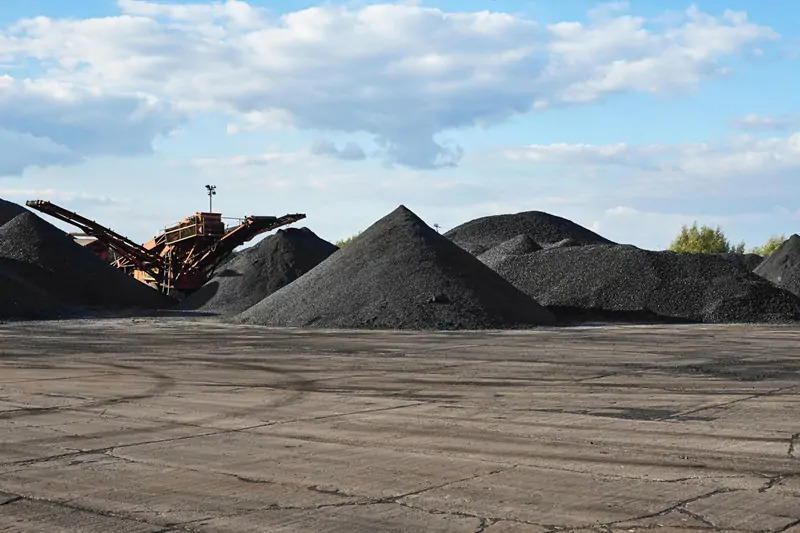
The required processing capacity of a Mobile Impact Crusher depends on the project’s production target and incoming material conditions. Selection should account for both the required throughput and the crusher’s ability to handle the actual feed size and operating conditions.
Match Crusher Capacity to Required Production Output
Calculate the required hourly throughput from the project’s daily or annual production target and effective operating hours, allowing for planned maintenance and expected downtime. The selected Mobile Impact Crusher Capacity must meet this requirement under actual operating conditions. Rated capacity is not guaranteed output; material hardness, abrasiveness, moisture, feed gradation, and required product size all affect actual throughput.
For a complete crushing line, check the capacity of the crusher, screening unit, and discharge conveyors as a system. In closed-circuit operation, screen oversize returns to the crusher and increases its circulating load. The crusher and supporting equipment must handle this additional material flow without restricting the required final production.
Check Maximum Feed Size and Operating Conditions
The Maximum Feed Size must remain within the selected crusher’s allowable range. Buyers should also assess the full Feed Gradation, including coarse particles, fines, and intermediate sizes, against the feed opening and crushing chamber configuration. Oversized or irregular feed may require pre-screening or primary crushing.
Uneven feeding can cause fluctuating throughput, while excessive fines or sticky material may affect material flow and screening. Hardness and abrasiveness should also be considered when estimating actual processing capacity and operating conditions.
Once capacity and feed conditions are established, the next step is to define the target output size and product gradation.
Step 3: Define Your Target Output Size and Product Gradation
The required product specifications determine the crushing and screening configuration. Buyers should distinguish between the crusher’s discharge size and the final graded products, as they may require additional screening and material separation.
Once product requirements are established, the next step is to select the appropriate mobile crusher configuration.For further guidance on aggregate gradation, particle shape, and fines content, refer to the FHWA guidelines for granular base materials.
Step 4: Choose the Right Mobile Impact Crusher Configuration
The chassis and supporting equipment should be selected according to how the plant will be transported, positioned, and operated. For projects requiring frequent movement within a working area, a tracked unit may be more practical. Where relocation mainly involves road transport between sites, a wheeled configuration may be more suitable.
Tracked vs. Wheeled Mobile Impact Crusher
| Selection Factor | Tracked Configuration | Wheeled Configuration |
| Movement | Self-propelled by hydraulic tracks | Usually moved by a towing vehicle |
| Conditions du site | Requires assessment of ground bearing capacity, gradients, and working space | Requires suitable road access and transport conditions |
| Relocation | Suited to repositioning within the operating area | Suited to transport between separate working sites |
| Planning Requirements | Ground conditions, turning space, and maintenance access | Transport dimensions, towing capacity, road restrictions, and setup space |
- Tracked Mobile Impact Crusher: Consider this configuration for quarries, construction waste recycling sites, and mining operations where the crusher needs to reposition within the work area. Check ground bearing capacity, site gradients, available turning space, and access for maintenance.
- Wheeled Mobile Impact Crusher: Consider this option when the plant is transported between locations using a towing vehicle. Confirm the transport dimensions, towing requirements, road access, and preparation needed at each site.
Supporting Equipment and Power Configuration
The chassis is only one part of the plant configuration. The following components should also be specified according to the production layout:
The choice between tracked and wheeled equipment comes down to actual relocation and site requirements. Transport arrangements, ground conditions, setup work, and supporting equipment should all be included in the configuration assessment.
Step 5: Evaluate Mobile Impact Crusher Operating Costs
The purchase price is only part of the investment in a Mobile Impact Crusher. Wear parts, energy consumption, routine maintenance, and unplanned downtime all contribute to the cost of processing each ton of material. These costs depend heavily on material properties, operating conditions, and equipment configuration.
A realistic cost assessment should consider both the cost per ton of processed material and the potential savings from reduced material handling and relocation. The next step is to consolidate the selection criteria into a practical purchasing checklist.
Mobile Impact Crusher Selection Checklist
Before requesting a Mobile Impact Crusher Quotation, prepare the following project information. These details help the supplier evaluate equipment suitability, recommend the appropriate configuration, and confirm the required Mobile Impact Crusher Specifications.
- Raw Material: Material type, hardness, abrasiveness, moisture, and clay content.
- Feed Size: Maximum feed size and particle size distribution.
- Required Capacity: Target processing capacity in t/h and expected operating hours.
- Final Product: Required output sizes, product gradation, and particle shape requirements, if applicable.
- Screening Requirements: Need for an integrated screen, separate screening unit, or closed-circuit crushing.
- Site Conditions: Ground conditions, available working space, access restrictions, and relocation frequency.
- Power Supply: Diesel, electric, or hybrid power requirements and site power availability.
Submit your material details, production target, and final product requirements to our team for a suitable mobile impact crushing plant configuration and quotation.
Conclusion
A Mobile Impact Crusher should be selected based on actual project requirements, not purchase price or rated capacity alone. Material properties determine whether impact crushing is suitable, while the required throughput and final product specifications guide the crushing and screening configuration. Site conditions, power supply, and operating costs also affect the long-term suitability of a Mobile Impact Crushing Plant.
Zhongyi Mining provides mobile crushing equipment and project-based configuration support. Contactez notre équipe with your material, capacity, and product requirements to discuss a suitable Mobile Impact Crusher Selection for your project.
FAQ
What Materials Can a Mobile Impact Crusher Process?
A Mobile Impact Crusher commonly processes limestone, selected medium-hard rocks, concrete, and asphalt recycling materials. However, suitability depends on material abrasiveness, silica content, moisture, and the presence of contaminants. Highly abrasive feed can increase blow bar and impact plate wear. Buyers should assess actual material characteristics rather than selecting equipment based on material names alone.
Is a Mobile Impact Crusher Suitable for Hard Rock?
Hard rock processing may be possible, but suitability depends on more than compressive strength. Rock abrasiveness, quartz content, feed size, required throughput, and expected wear part consumption all affect the decision. Highly abrasive granite or basalt may result in more frequent maintenance and higher operating costs. Material testing and comparison with alternative crushing configurations are advisable before selection.
What Determines Mobile Impact Crusher Capacity?
Mobile Impact Crusher Capacity depends on feed size distribution, material properties, feeding stability, required output size, and crusher configuration. In a closed-circuit plant, oversize material returned by the screen adds to the circulating load. Actual throughput may therefore differ from rated capacity. Buyers should evaluate the crusher, screening unit, and conveyors as one processing system.
What Affects Impact Crusher Output Size?
The Impact Crusher Output Size depends on rotor speed, impact apron clearance, crushing chamber design, and feed material properties. These factors influence both discharged particle size and its distribution. The final screened product may differ from the crusher discharge because the screening system separates material according to specified size fractions. Buyers should confirm product requirements for the complete processing line.
Should I Choose a Tracked or Wheeled Mobile Configuration?
A Tracked Mobile Impact Crusher is worth considering when frequent repositioning within a working site is required. A Wheeled Mobile Impact Crusher may be more practical when the plant needs to be transported between separate locations using a towing vehicle. The choice depends on ground conditions, road access, relocation frequency, transport restrictions, and site preparation requirements.
How Often Do Impact Crusher Blow Bars Need Replacement?
There is no fixed replacement interval for impact crusher blow bars. Blow Bar Wear depends on material abrasiveness, feed size, processing volume, rotor operating conditions, and blow bar material. Regular inspection helps identify uneven wear, cracking, or damage. Buyers should also check replacement procedures, spare part availability, and maintenance access when evaluating Mobile Impact Crusher Maintenance requirements.
Does an Impact Crushing Plant Need a Separate Screening Unit?
Not every impact crushing plant requires a separate screening unit. An integrated screen can be considered when several aggregate sizes are needed within a compact layout. A separate mobile screen offers more flexibility when screening capacity or product specifications require a different configuration. In closed-circuit operation, screen and conveyor capacities must also match the circulating material flow.
What Information Is Needed for Mobile Impact Crusher Selection?
For Mobile Impact Crusher Selection, buyers should provide the raw material type, maximum feed size, feed gradation, target capacity, and final product specifications. Site conditions, relocation frequency, screening requirements, and available power supply are also important. These details help suppliers assess equipment suitability and recommend appropriate equipment specifications and plant configurations.