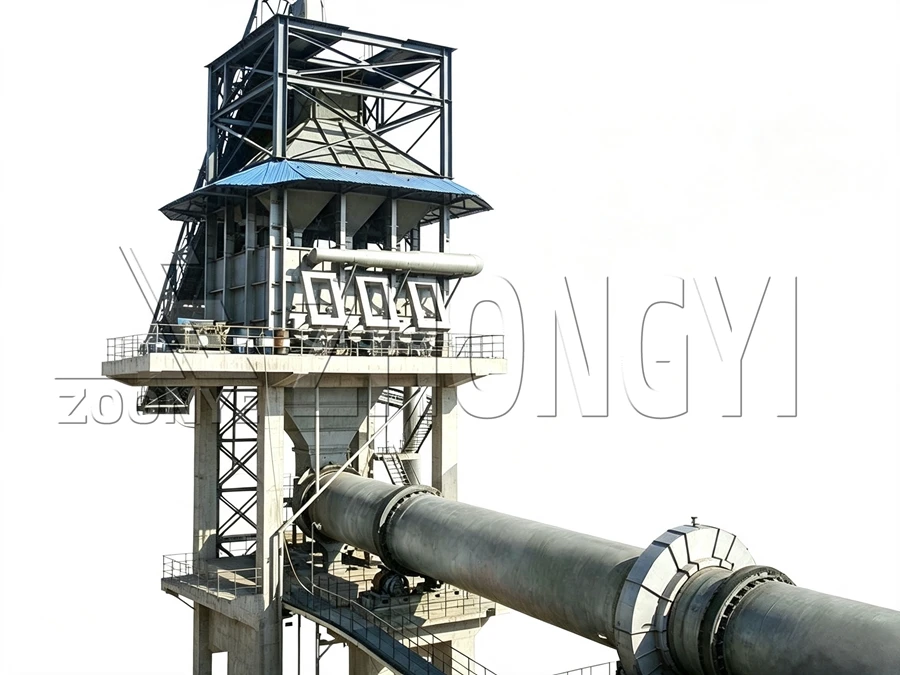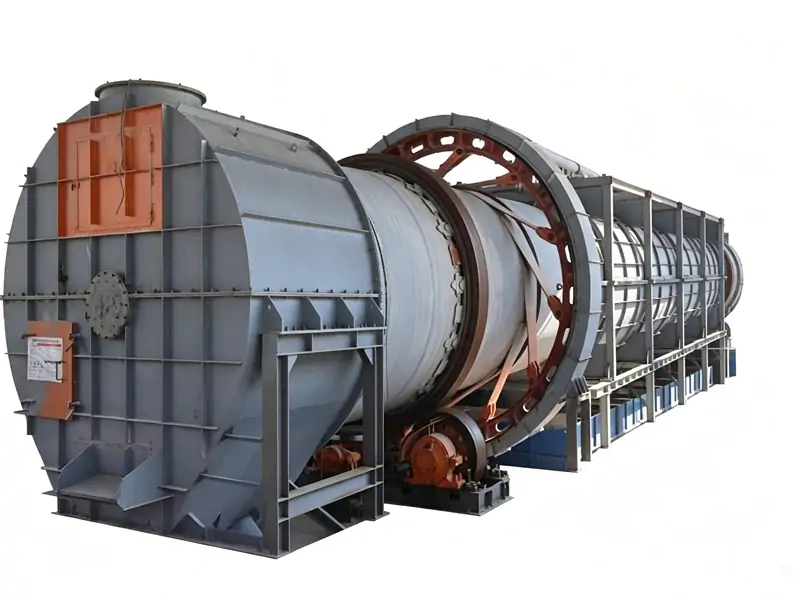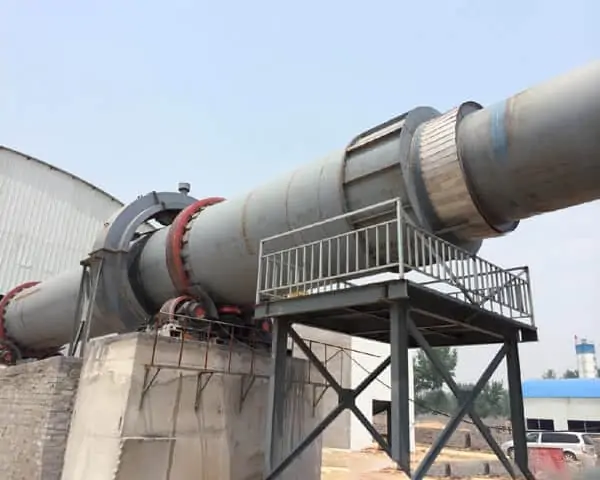











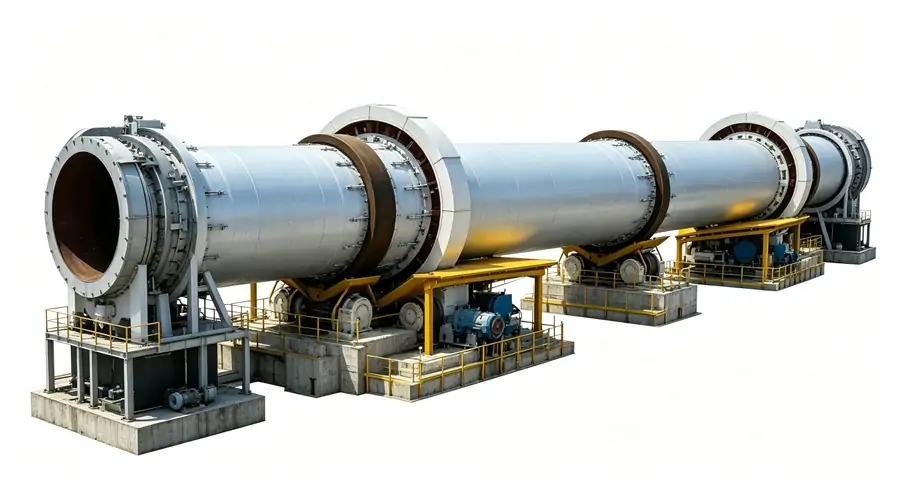
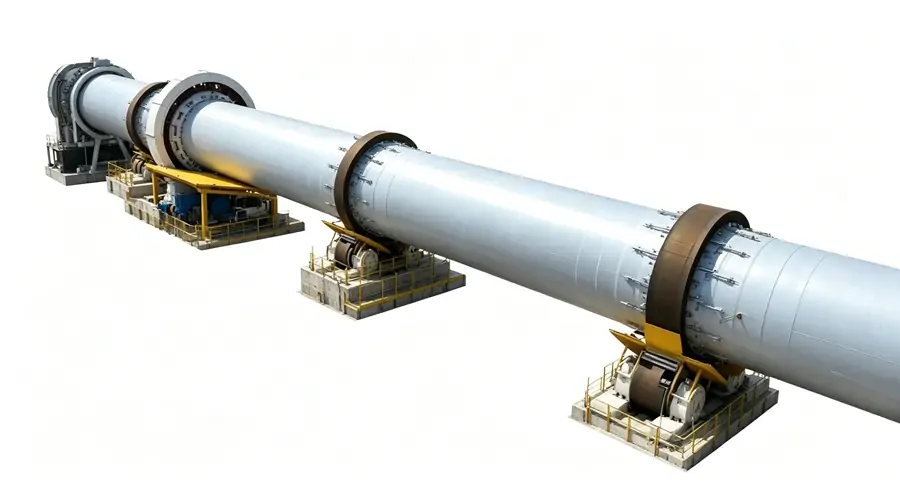
Qu'est-ce qu'un four de calcination ?
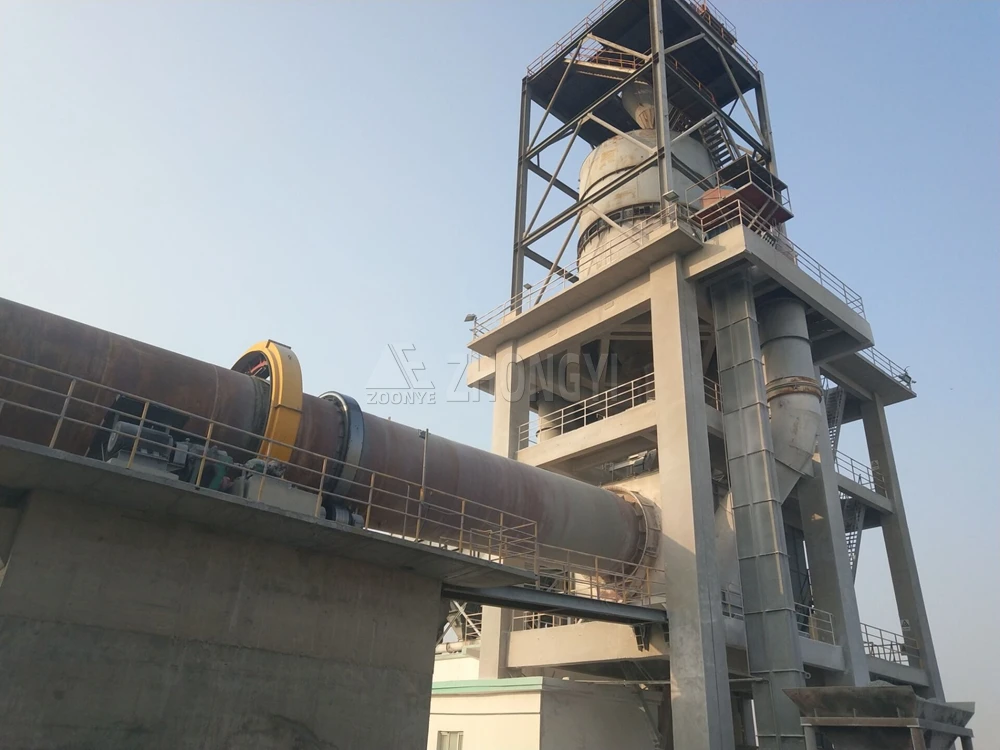
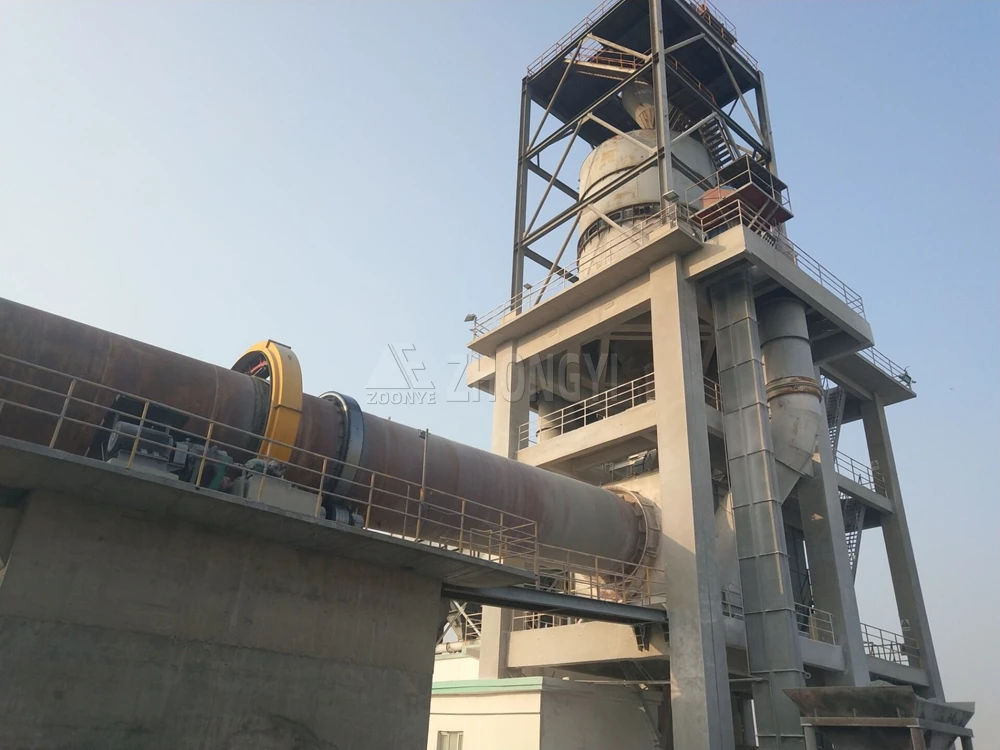
Un four de calcination est un four industriel spécialisé utilisé en traitement des minéraux pour assurer un traitement thermique contrôlé afin de modifier les caractéristiques physiques et chimiques des matières premières. Contrairement aux équipements de chauffage conventionnels, un four de calcination est conçu pour maintenir des zones de température spécifiques et un temps de séjour des matières, garantissant que les minéraux atteignent le degré de réaction requis en fonctionnement continu.
Dans les applications minières, les fours rotatifs de calcination sont couramment choisis pour leur capacité à traiter de grands volumes de matières minérales dans des conditions thermiques stables. Comparés aux fours verticaux et aux calcinateurs à lit fluidisé, les fours rotatifs offrent une plus grande adaptabilité à différentes tailles, compositions et exigences de production des matières, ce qui les rend adaptés à des applications telles que le grillage de minerai, l'activation de minéraux et le traitement de minéraux industriels.
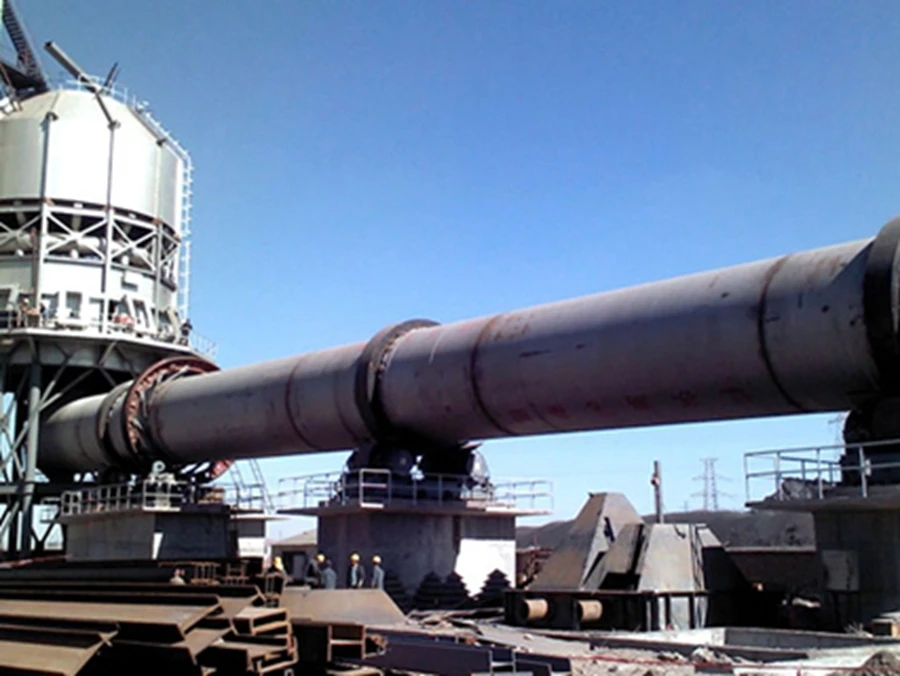
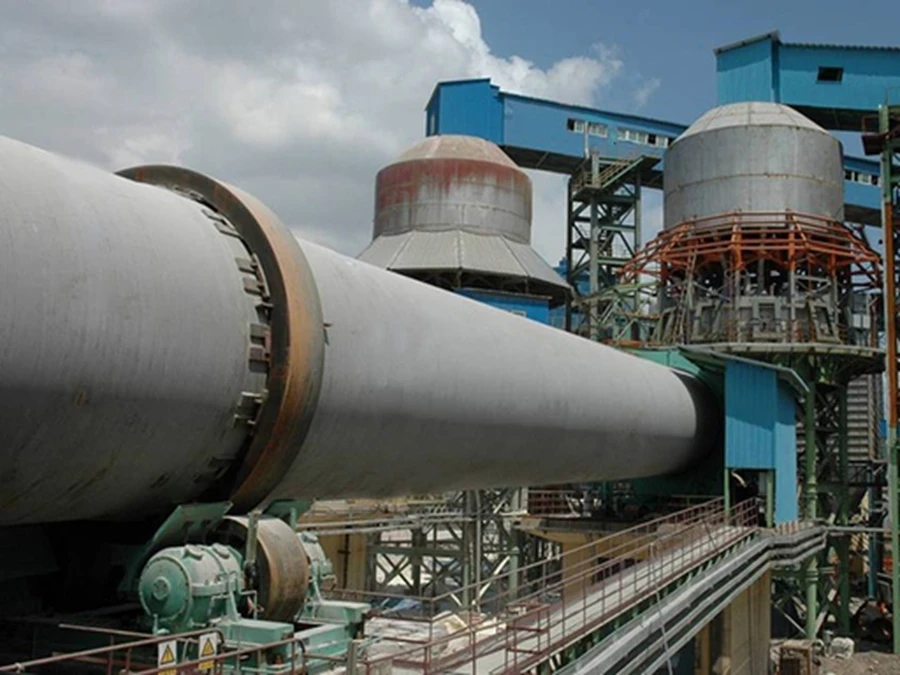
Comment fonctionne un four de calcination ?
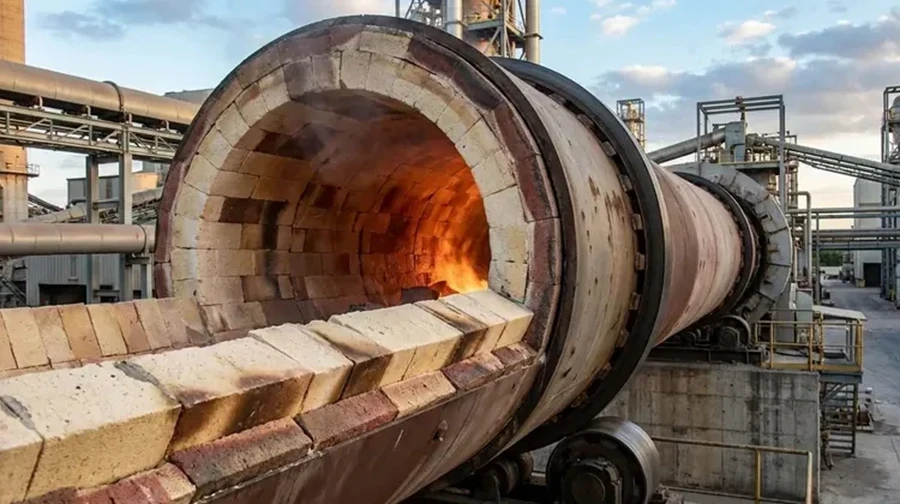
Un four rotatif de calcination fonctionne grâce au mouvement continu des matières et à un transfert de chaleur contrôlé. Après être entrées dans le four par le système d'alimentation, les matières minérales se déplacent progressivement le long du cylindre rotatif incliné tout en étant soulevées et mélangées de manière répétée. Au cours de ce processus, les matières traversent différentes zones de température, notamment des zones de préchauffage, de réaction à haute température et de refroidissement, où se produisent des réactions de séchage, de décomposition, de grillage ou de transformation de phase selon les caractéristiques spécifiques du minéral.
Les sections suivantes expliquent comment chaque étape contribue à un traitement thermique stable, notamment l'alimentation et le mouvement des matières, l'échange thermique et les réactions minérales, ainsi que le refroidissement et la décharge du produit final.
Alimentation et mouvement des matières
Après concassage, criblage ou prétraitement, les matières minérales sont introduites dans le four rotatif. Le corps incliné du four tourne lentement, ce qui fait avancer les matières tout en les soulevant et en les retournant à l'intérieur du four sous l'effet de la gravité et du frottement.
La rotation du four assure un mélange et un mouvement continus des matières, contribuant à maintenir un chauffage uniforme, un temps de séjour approprié et des résultats de calcination homogènes.
Chauffage et réaction thermique
Le système de brûleur fournit de la chaleur au four, et le mouvement rotatif du four permet aux matières d'entrer en contact avec les gaz chauds pour un transfert de chaleur efficace. À mesure que la température augmente, les minéraux subissent différentes réactions telles que la calcination, la déshydratation, l'oxydation ou le grillage réducteur selon leurs propriétés et les exigences de traitement.
La température, l'atmosphère gazeuse et le temps de séjour des matières sont ajustés pour obtenir l'effet de traitement requis pour différentes applications minérales.
Refroidissement et décharge du produit
Une fois le traitement thermique terminé, les matières traitées sont déchargées du four et envoyées au système de refroidissement. Le refroidissement abaisse la température des matières, améliore les conditions de manutention et permet de récupérer la chaleur résiduelle pour une meilleure utilisation énergétique.
Composants principaux
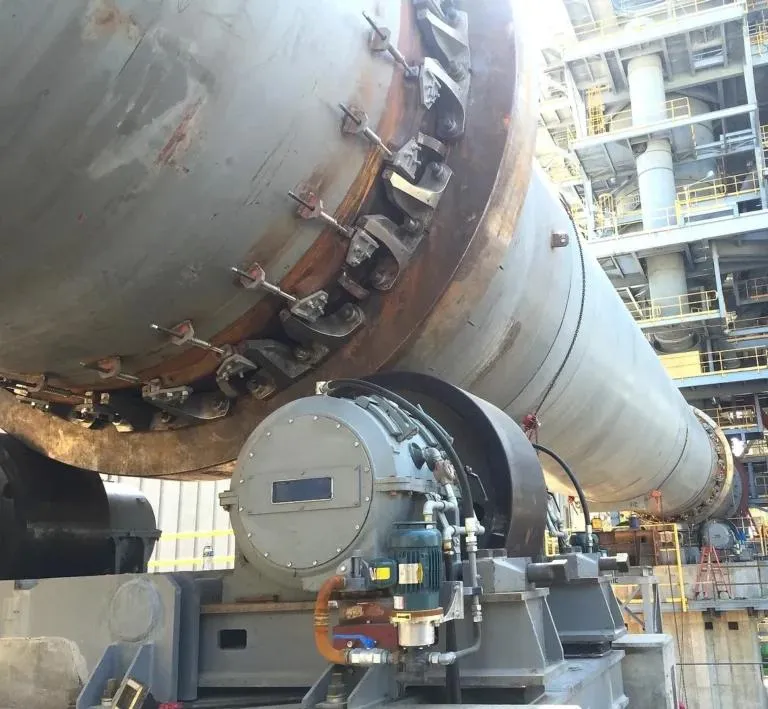
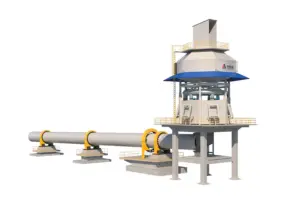
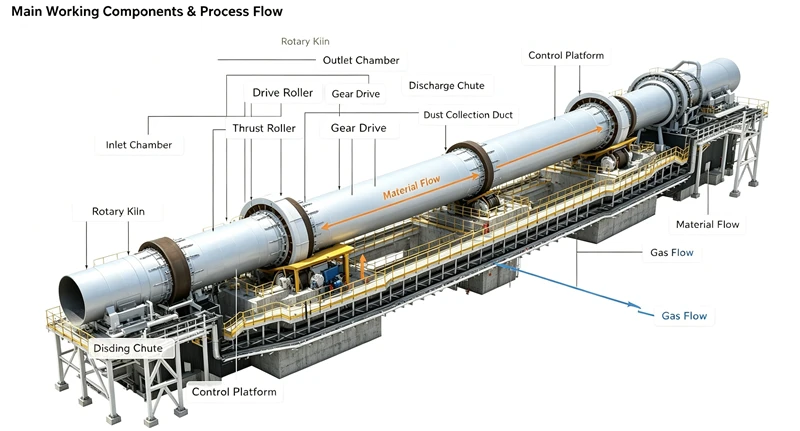
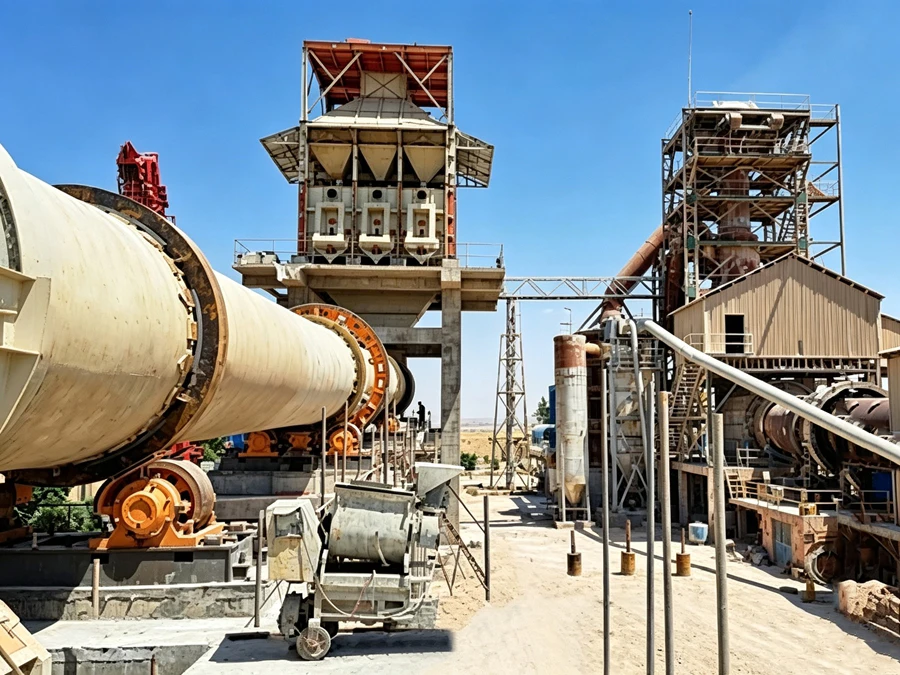
Un four de calcination industriel pour minéraux intègre des systèmes d'alimentation, de chauffage, de rotation et de décharge pour réaliser un traitement thermique continu. Le corps du four rotatif, le système de brûleur et le mécanisme d'entraînement sont les principaux composants qui contrôlent le mouvement des matières, le transfert de chaleur et les conditions de traitement.
Systèmes auxiliaires du four de calcination
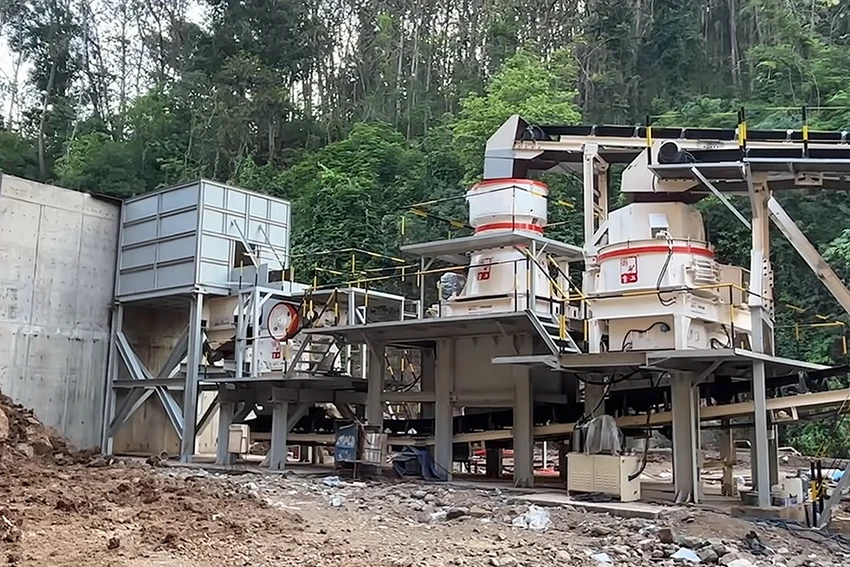
Outre les composants principaux mentionnés ci-dessus, le système du four de calcination comprend également plusieurs unités auxiliaires qui prennent en charge l'alimentation en matières, la gestion thermique, le contrôle des poussières et la manutention du produit. Les fonctions de ces composants sont résumées ci-dessous :
| Composant | Fonction |
| Dispositif d'alimentation | Alimente le four en matières de manière continue |
| Revêtement réfractaire | Protège la virole du four contre les hautes températures |
| Système de dépoussiérage | Collecte les gaz d'échappement et les poussières |
| Système de refroidissement | Refroidit les matières traitées et récupère la chaleur |
Spécifications techniques du four rotatif de calcination
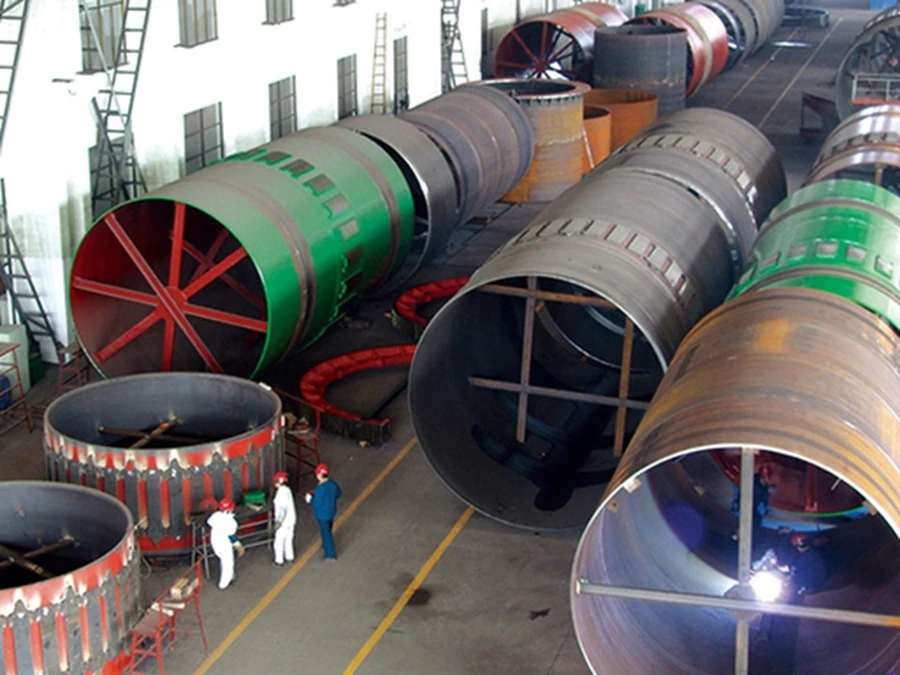
Les fours rotatifs de calcination Zhongyi Mining sont conçus avec différentes tailles et configurations pour diverses applications de traitement des minéraux. La conception du four peut être personnalisée en fonction des propriétés des matières, de la capacité requise et des conditions de calcination spécifiques.
| Paramètre | Spécification |
| Type de four | Four rotatif de calcination |
| Diamètre du four | 1200–4700 mm |
| Longueur du four | 25000–72000 mm |
| Inclinaison | 0.2–4% |
| Capacité de traitement | 3–150 t/h |
| Vitesse de rotation | 0,7–190 tr/min* |
| Puissance du moteur | 15–550 kW |
| Equipment Weight | 34–795 t |
Note:Rotation speed varies by kiln model and transmission configuration.
Typical Model Specifications
| Modèle | Shell Diameter (mm) | Shell Length (mm) | Capacité (t/h) | Motor Power (kW) | Poids (t) |
| YZ1225 | 1200 | 25000 | 3 | 22 | 34 |
| YZ1828 | 1800 | 28000 | 3.5 | 30 | 59 |
| YZ2245 | 2200 | 45000 | 3.5 | 45 | 125 |
| YZ2820 | 2800 | 20000 | 3 | 75 | 186 |
| YZ3560 | 3500 | 60000 | 4 | 125 | 348 |
| YZ4272 | 4700 | 72000 | 3.5 | 550 | 795 |
Avantages
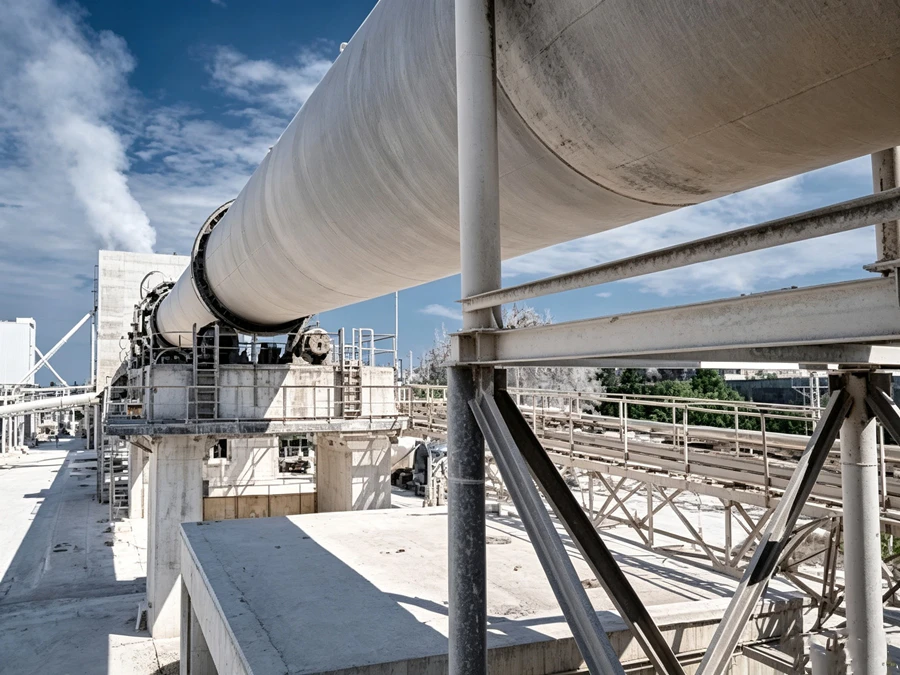
Rotary calcination kilns are commonly used in mineral processing where continuous heating, controlled material movement, and stable thermal conditions are required. The rotating kiln structure allows materials to be evenly exposed to heat while adjustable operating parameters provide flexibility for different mineral treatment processes. These features make rotary industrial calcination kilns suitable for large-scale production, various raw materials, and applications requiring precise calcination control.
Applications
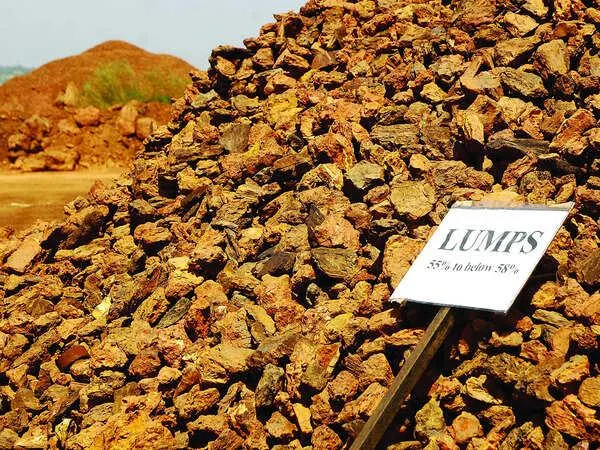
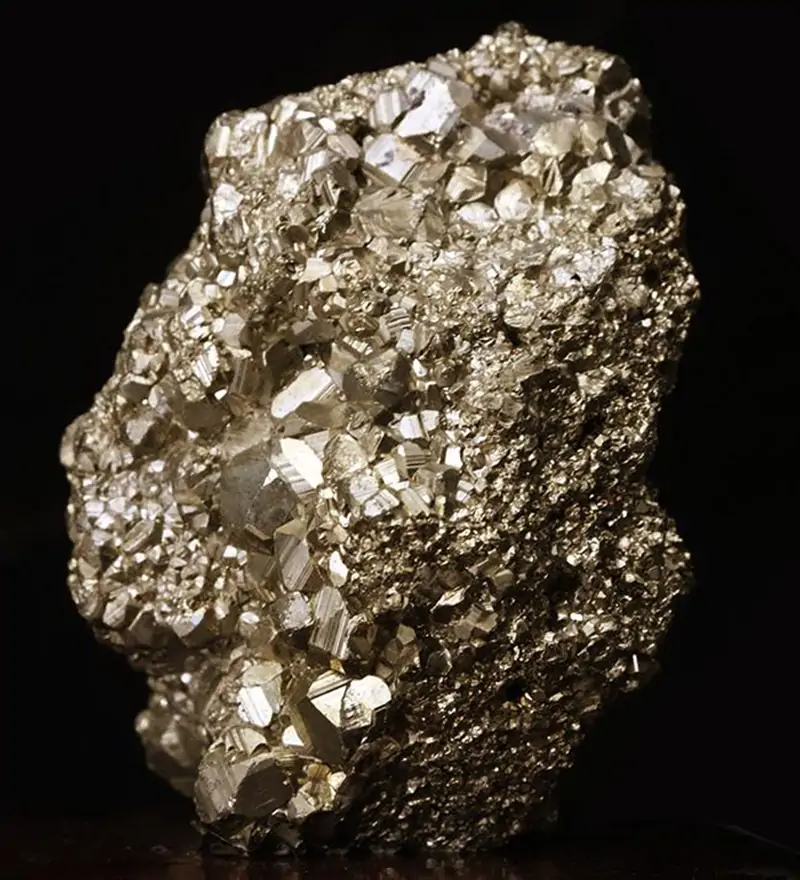
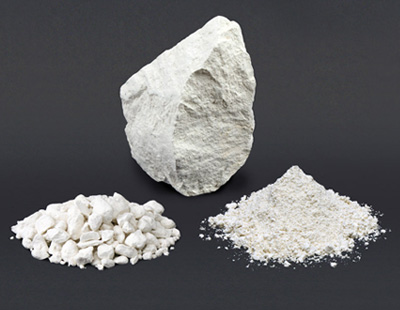
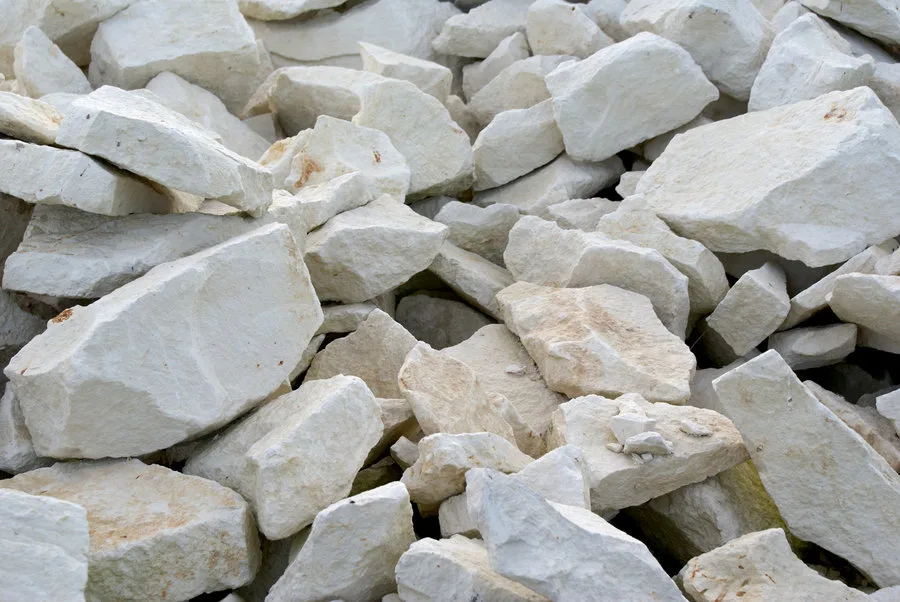
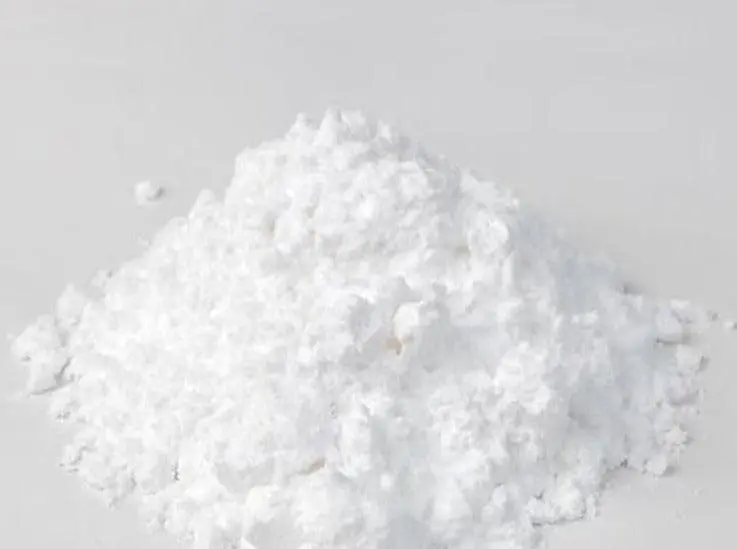
Calcination kilns play an important role in mineral processing by using controlled heating and roasting to alter mineral characteristics. By adjusting temperature, residence time, and kiln atmosphere, the equipment enables processes such as dehydration, oxidation, reduction, and phase transformation, preparing minerals for further beneficiation or extraction. According to different mineral properties and processing objectives, industrial calcination kilns are applied in various fields, including iron ore magnetic roasting, sulfide mineral oxidation roasting, kaolin calcination, carbonate mineral decomposition, and lithium ore treatment.
Rotary Calcination Kiln vs Other Calcination Equipment
Calcination equipment selection depends on material properties, capacity requirements, and process conditions. Rotary calcination kilns are preferred for large-scale mineral processing due to their continuous operation and wide material adaptability, while shaft kilns and fluidized bed calciners are selected for specific material and process requirements.
Practical Equipment Comparison
| Comparison Item | Four rotatif de calcination | Shaft Kiln | Fluidized Bed Calciner |
| Capacité de traitement | High | Medium | Medium |
| Material Adaptability | Wide range of lump, granular, and powder materials | More dependent on material size and properties | Mainly suitable for fine particles |
| Temperature Control | Flexible control through kiln speed and heating conditions | Moderate control | Precise temperature control |
| Operation Mode | Continuous operation | Continuous operation | Continuous operation |
| Large-Scale Mineral Processing | Highly suitable | Suitable for specific applications | Suitable for specialized processes |
| Maintenance Requirements | Relatively simple structure and maintenance | Moderate | Higher technical requirements |
How to Choose the Right Calcination Kiln?
Choosing the right industrial calcination kiln requires careful consideration of raw material characteristics, thermal reaction requirements, production capacity, fuel conditions, and emission standards. The correct kiln configuration helps achieve uniform calcination, optimize energy consumption, and maintain reliable operation for long-term industrial production.
Evaluate Mineral Characteristics
Raw material properties are essential for selecting the right calcination kiln. Factors such as chemical composition, particle size, moisture content, and thermal reaction behavior determine the required temperature, residence time, and kiln configuration. Proper evaluation helps achieve uniform heating, efficient calcination, and consistent product quality.
Define the Required Thermal Process
The required thermal process determines kiln configuration and operating conditions. Calcination, oxidation roasting, reduction roasting, and activation treatment each require specific temperature control and residence time. Defining the target reaction helps select a suitable kiln system for consistent processing results.
Match Production Capacity Requirements
Production capacity determines the required kiln size, throughput, and system configuration. Selection should be based on expected daily output, current plant requirements, and possible future expansion. Proper sizing helps maintain reliable operation while controlling energy consumption and equipment investment.
Consider Fuel and Energy Conditions
Fuel type affects operating costs, temperature control, and emission requirements. Gas-fired kilns offer precise control and cleaner combustion, coal-fired kilns provide cost advantages where coal is available, and alternative fuels can reduce dependence on conventional energy sources. The selection should match local fuel availability, production needs, and environmental standards.
Meet Environmental Protection Requirements
Environmental requirements are important considerations in calcination kiln selection. Dust collectors, exhaust gas treatment systems, and heat recovery units help control emissions, improve energy utilization, and reduce fuel consumption. A properly configured kiln system can meet regulatory standards while lowering long-term operating costs.
Consider Reliability and Total Operating Cost
Beyond initial specifications, buyers should evaluate equipment durability, maintenance requirements, spare parts availability, automation level, and after-sales support. The total cost of ownership, including fuel consumption, labor, maintenance, and service life, should also be considered. A reliable kiln system helps reduce downtime and achieve better long-term operating performance.
Custom Solutions for Different Calcination Requirements
Every mineral processing project has different requirements in terms of material characteristics, production capacity, and application conditions. Zhongyi Mining provides customized calcination kiln solutions based on your specific needs, including equipment selection, process design, and system configuration. Share your material information, expected output, and project requirements with our engineering team, and we will develop a suitable solution to match your production goals.
For complete processing needs, we also provide integrated calcination plant solutions covering equipment selection, process optimization, and complete plant configuration. Contact Zhongyi Mining today to discuss your project requirements and receive a customized solution from our technical experts.
Please Provide the Following Information:
Why Choose Zhongyi?
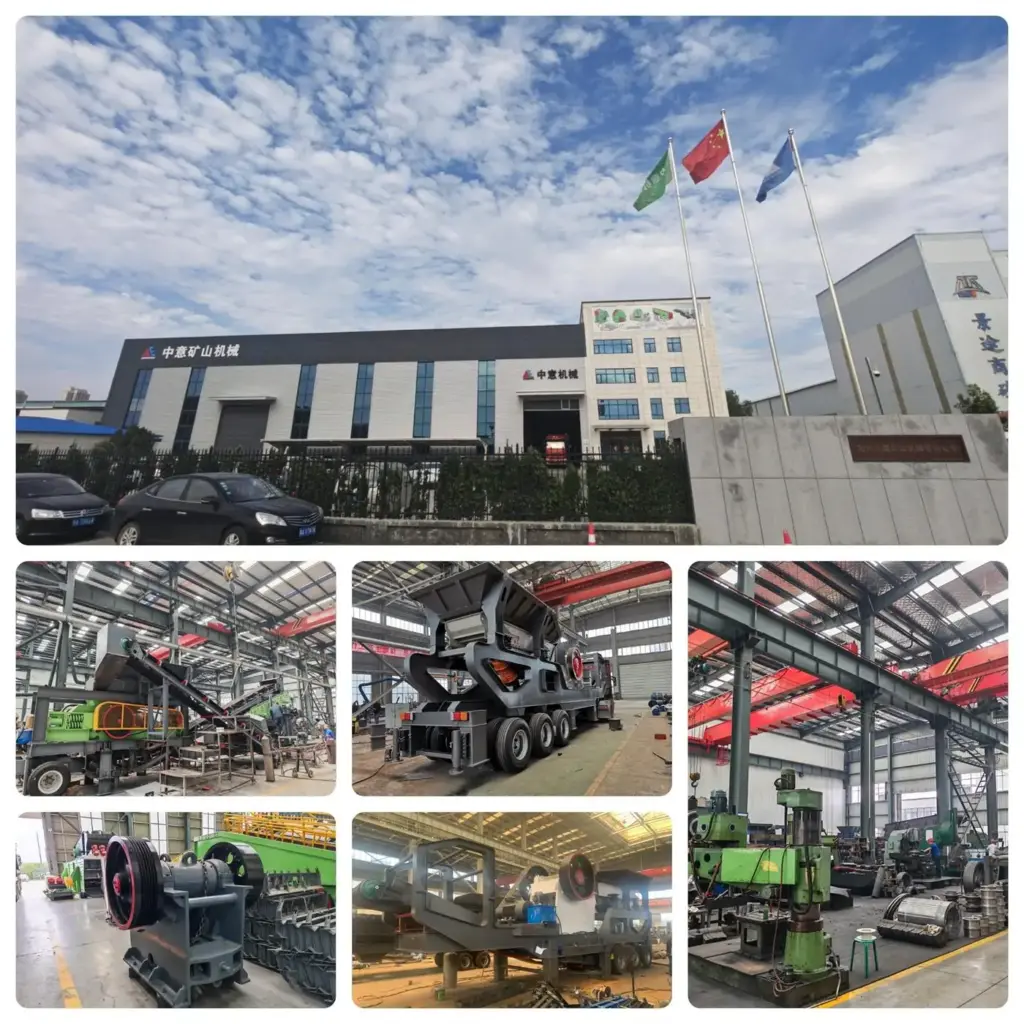
With extensive experience in mining and industrial equipment manufacturing, Zhongyi Mining ,as a professional calcination kiln manufacturer provides reliable calcination kiln solutions tailored to different material characteristics and production requirements. Our engineering team combines practical industry knowledge with advanced design methods and strict quality control to deliver equipment with reliable performance, operational safety, and long service life. From equipment design and manufacturing to final delivery, every project follows professional engineering standards and quality management procedures.
Beyond equipment supply, Zhongyi Mining provides complete project support, including process consultation, customized equipment configuration, installation guidance, and after-sales service. With strong manufacturing capabilities and technical expertise, we help customers reduce operational risks, improve production efficiency, and achieve stable thermal processing performance for long-term industrial applications.
Demander une solution personnalisée
Work with Zhongyi Mining to develop a calcination kiln solution tailored to your material characteristics, production capacity, and thermal processing needs. Our engineering team provides customized design, reliable equipment, and complete project support to help achieve efficient and stable kiln operation.
FAQs
What factors should be considered when selecting a calcination kiln?
The selection of a rotary kiln for calcination depends on material characteristics, required thermal process, production capacity, fuel availability, and environmental requirements. Factors such as material composition, moisture content, particle size, and final product quality requirements should be evaluated before choosing the suitable kiln configuration.
What materials can be processed by a calcination kiln?
Calcination kilns are widely used for processing limestone, gypsum, clay, bauxite, and other mineral materials. The suitable kiln design depends on the material properties, required calcination temperature, and production objectives.
How do I determine the right kiln capacity for my project?
Kiln capacity should be selected based on required daily output, material characteristics, and future production plans. An appropriately sized kiln helps maintain stable operation while avoiding excessive investment and unnecessary energy consumption.
What fuel options are available for rotary kiln for calcinations?
Calcination kilns can be designed for different fuel conditions, including natural gas, coal, biomass, and alternative fuels. The suitable fuel system depends on local energy availability, operating costs, and emission requirements.
How can a calcination kiln improve energy efficiency?
Energy efficiency can be improved through optimized combustion systems, proper temperature control, heat recovery systems, and suitable kiln design. A well-configured kiln reduces fuel consumption while maintaining consistent calcination performance.
What information is required for a customized calcination kiln solution?
To design a suitable solution, customers should provide raw material information, required capacity, thermal process requirements, fuel conditions, and project site details. Our engineering team evaluates these factors to recommend the appropriate kiln configuration.
How do you ensure the reliability of your rotary kiln for calcination equipment?
Zhongyi Mining applies professional engineering design, strict manufacturing standards, and quality control procedures throughout production. Each kiln solution is designed according to operating conditions to achieve reliable performance and long service life.
Do you provide complete calcination production line solutions?
Yes. Zhongyi Mining provides integrated calcination solutions, including kiln selection, auxiliary equipment configuration, process design, installation support, and technical services to meet different industrial production requirements.