











Pendahuluan
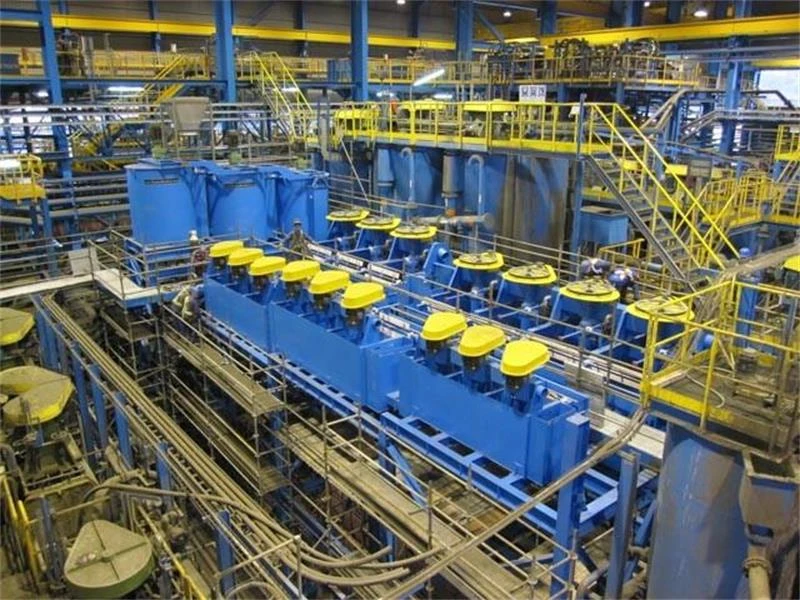
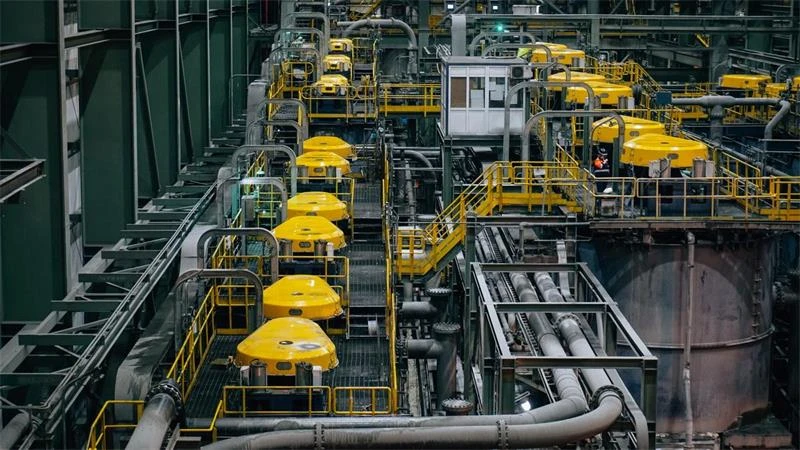
Jenis Sel Flotasi memainkan peran penting dalam pabrik pengolahan mineral modern, karena berbagai desain peralatan flotasi dikembangkan untuk memenuhi persyaratan pemisahan bijih tertentu. Sel flotasi adalah mesin pengolahan mineral kunci yang menggunakan interaksi antara bubur, gelembung udara, dan reagen flotasi untuk memisahkan mineral berharga dari bahan yang tidak diinginkan. Selama proses flotasi, partikel mineral hidrofobik menempel pada gelembung udara dan naik ke permukaan, membentuk buih kaya mineral yang dapat dipulihkan sebagai konsentrat.
Karena sifat bijih, kapasitas pengolahan, dan target pemulihan sangat bervariasi antar operasi penambangan yang berbeda, satu desain sel flotasi tidak dapat memenuhi semua persyaratan aplikasi. Pemilihan jenis sel flotasi yang tepat secara langsung mempengaruhi faktor penting seperti pemulihan mineral, konsumsi energi, stabilitas operasi, dan efisiensi pabrik secara keseluruhan. Misalnya, beberapa operasi mungkin memerlukan pencampuran yang kuat dan kinerja yang andal, sementara yang lain mungkin memprioritaskan konsumsi energi yang lebih rendah, kontrol gelembung yang lebih halus, atau pemulihan mineral awal.
Untuk memenuhi kondisi pengolahan yang berbeda ini, sel flotasi telah dikembangkan dengan struktur, metode aerasi, dan mekanisme operasi yang berbeda. Jenis utama sel flotasi diklasifikasikan berdasarkan mekanisme pencampuran, metode pasokan udara, dan persyaratan aplikasinya, termasuk sel flotasi mekanis, sel flotasi inflasi udara, sel flotasi pneumatik, dan sel flotasi kilat. Memahami karakteristik, keunggulan, dan aplikasi yang sesuai dari setiap jenis membantu pabrik pengolahan mineral memilih peralatan flotasi yang paling sesuai untuk tujuan produksi spesifik mereka. Pada bagian berikut, kami akan memperkenalkan jenis utama sel flotasi dan menjelaskan prinsip kerja, aplikasi, dan pertimbangan pemilihannya. Jika Anda ingin mempelajari lebih lanjut, klik “Apa itu Sel Flotasi?”
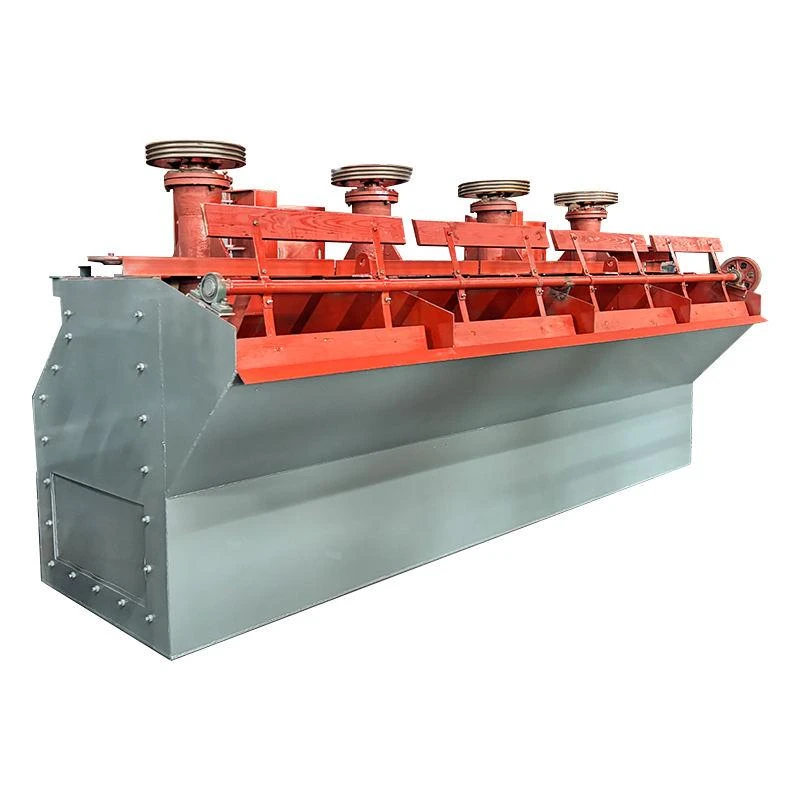
Apa Itu Sel Flotasi dan Bagaimana Cara Kerjanya?
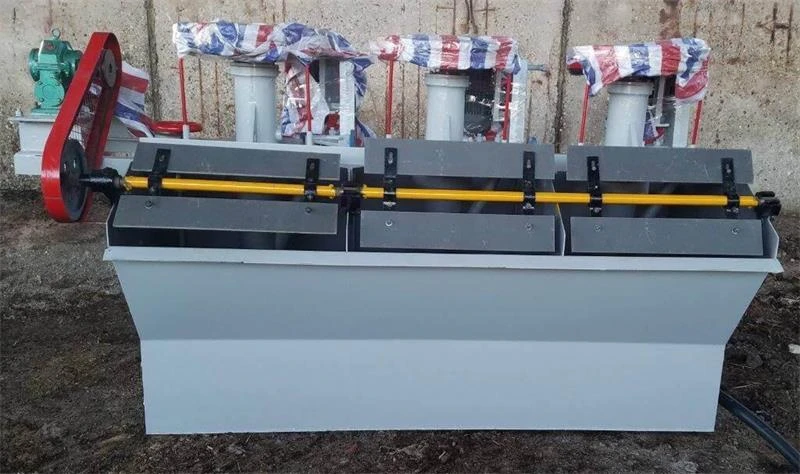
Sel flotasi adalah jenis peralatan pengolahan mineral yang digunakan untuk memisahkan mineral berharga dari bahan gangue melalui interaksi antara bubur, partikel mineral, reagen flotasi, dan gelembung udara. Ini menyediakan lingkungan terkontrol di mana partikel bijih yang digiling halus dapat secara selektif menempel pada gelembung udara dan dipisahkan melalui proses flotasi buih. Selama operasi, reagen flotasi memodifikasi sifat permukaan mineral, memungkinkan partikel berharga hidrofobik menempel pada gelembung dan naik ke permukaan, di mana buih kaya mineral dikumpulkan sebagai konsentrat.
Prinsip kerja sel flotasi didasarkan pada penempelan selektif antara partikel mineral dan gelembung udara. Setelah penghancuran dan penggilingan, bijih dicampur dengan air dan reagen flotasi untuk membentuk bubur. Bubur memasuki sel flotasi, di mana udara dimasukkan melalui agitasi mekanis atau sistem pasokan udara eksternal untuk menghasilkan gelembung. Mineral berharga hidrofobik secara selektif menempel pada permukaan gelembung dan naik ke bagian atas sel, membentuk lapisan buih kaya mineral, sementara bahan gangue yang tidak diinginkan tetap berada dalam bubur. Buih yang dikumpulkan menjadi konsentrat, menyelesaikan proses pemisahan mineral. Faktor-faktor seperti karakteristik bubur, kondisi reagen, ukuran gelembung, dan kinerja aerasi secara langsung mempengaruhi efisiensi flotasi dan hasil pemulihan, yang menjadi alasan mengapa desain sel flotasi yang berbeda dikembangkan untuk berbagai aplikasi pengolahan mineral.
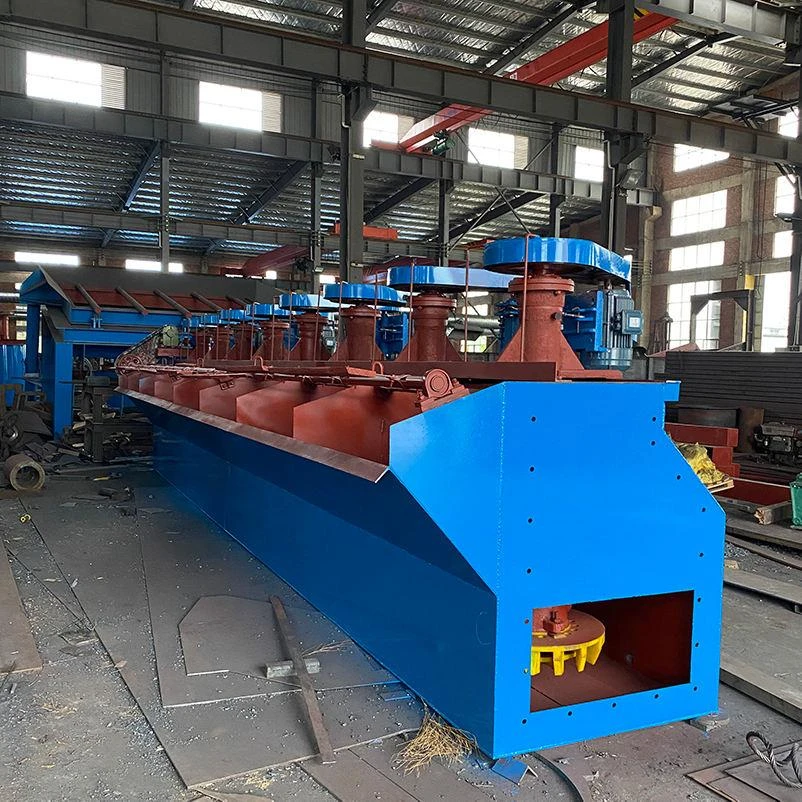
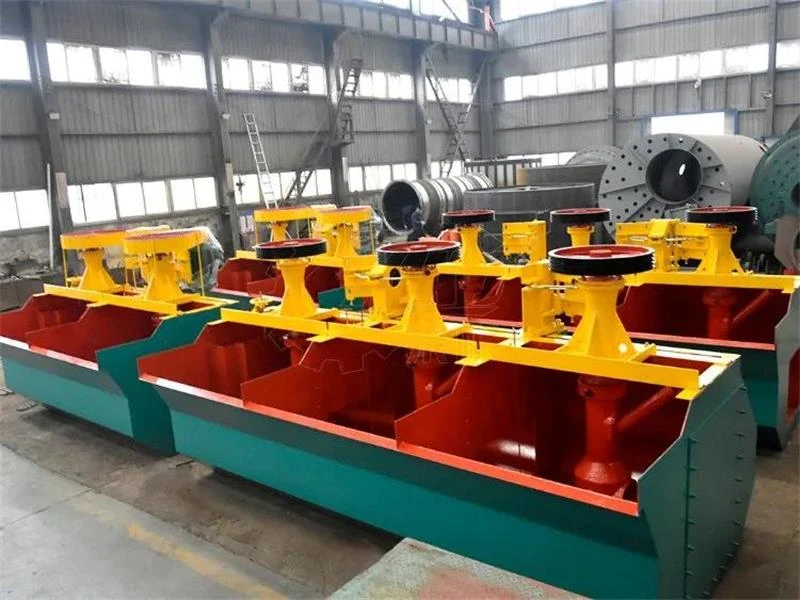
Jenis Utama Sel Flotasi yang Digunakan dalam Pengolahan Mineral
Sel flotasi dapat diklasifikasikan menurut metode pencampuran, sistem pasokan udara, dan mekanisme pembentukan gelembungnya. Desain sel flotasi yang berbeda dikembangkan untuk mencapai pemisahan mineral yang stabil di bawah kondisi bijih, kapasitas pengolahan, dan persyaratan pemulihan yang berbeda. Di pabrik pengolahan mineral, sel flotasi mekanis dan sel flotasi inflasi udara adalah jenis yang paling umum digunakan, sementara sel flotasi pneumatik dan kilat diterapkan untuk aplikasi spesifik yang memerlukan kontrol gelembung yang lebih halus, keausan mekanis yang lebih rendah, atau pemulihan awal mineral berharga.
| Jenis Sel Flotasi | Fitur Utama | Aplikasi Tipikal |
| Sel Flotasi Mekanis | Pencampuran impeler dan hisap udara sendiri untuk sirkulasi bubur dan dispersi gelembung | Pengolahan bijih tembaga, emas, timbal-seng, dan bijih sulfida |
| Sel Flotasi Inflasi Udara | Sistem pasokan udara eksternal dengan kinerja aerasi yang terkontrol | Pabrik pengolahan mineral skala menengah dan besar |
| Sel Flotasi Pneumatik | Tanpa impeler mekanis, menggunakan pembangkitan udara eksternal untuk pembentukan gelembung | Pemulihan partikel halus dan aplikasi yang memerlukan keausan mekanis lebih rendah |
| Sel Flotasi Flash | Dirancang untuk pemulihan cepat mineral terliberasi dari sirkuit penggilingan | Pemulihan mineral awal dalam pengolahan bijih emas, tembaga, dan sulfida |
Di antara jenis sel flotasi ini, sel flotasi mekanis banyak digunakan karena operasinya yang andal dan rentang aplikasi yang luas. Sel flotasi inflasi udara lebih disukai untuk pabrik skala besar yang memerlukan aerasi stabil dan konsumsi energi lebih rendah, sementara sel flotasi pneumatik dan kilat dipilih untuk persyaratan pemulihan mineral khusus. Bagian berikut akan memperkenalkan struktur, prinsip kerja, keunggulan, dan aplikasi dari setiap jenis sel flotasi utama secara rinci.
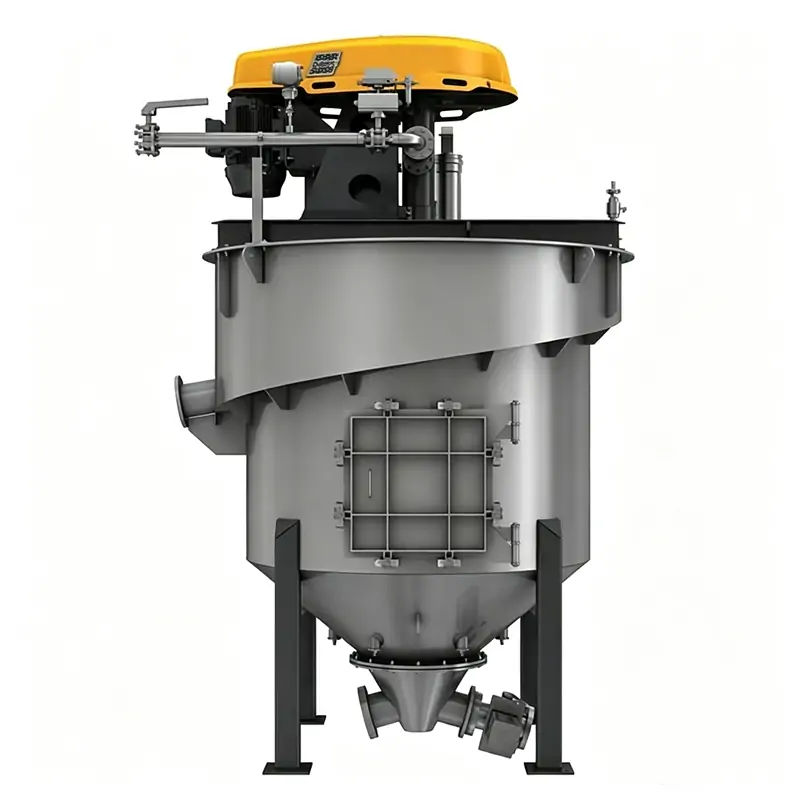
Sel Flotasi Mekanis
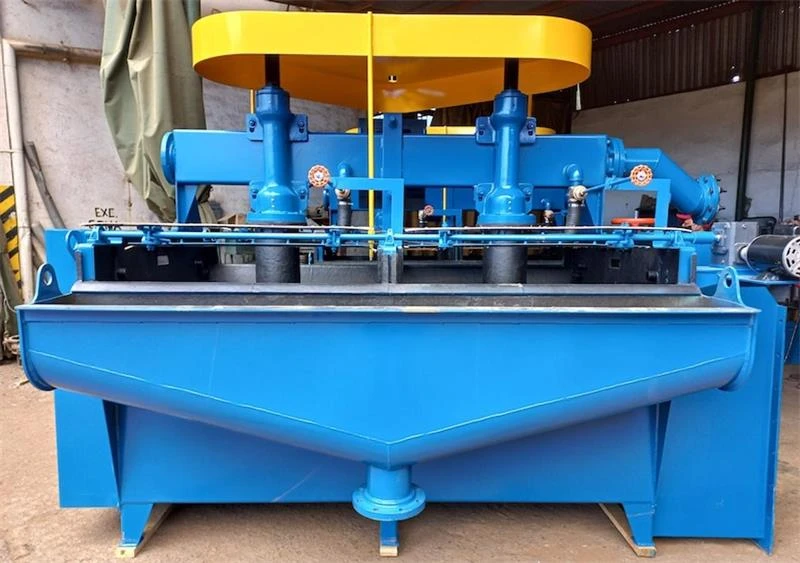
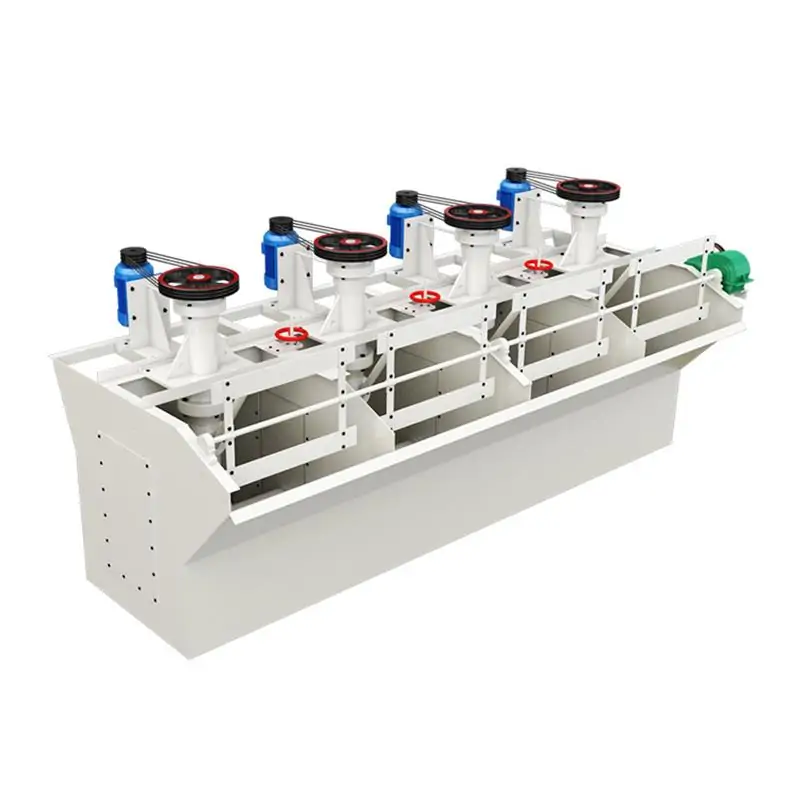
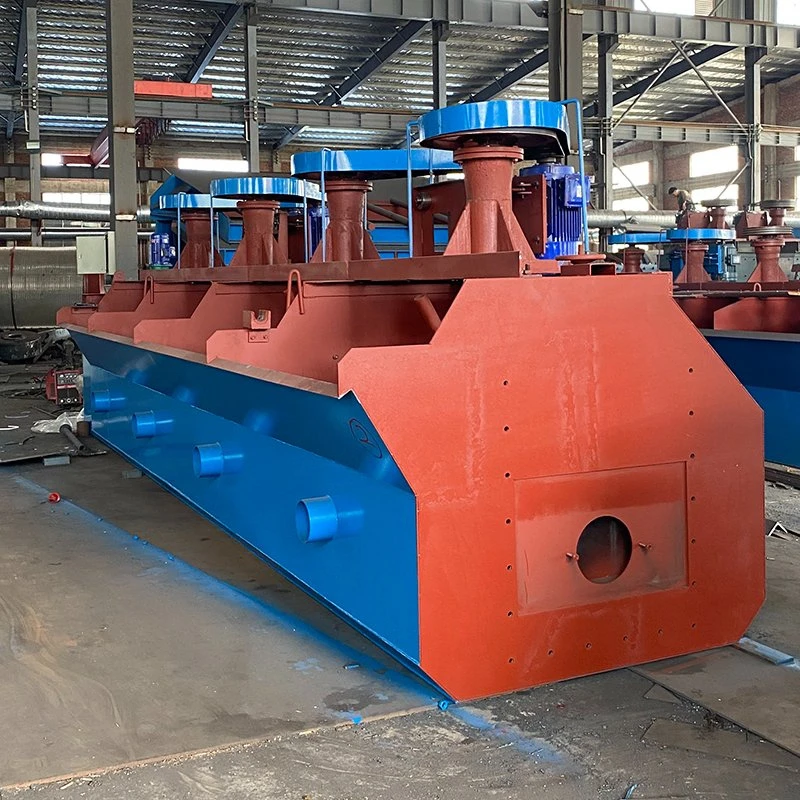
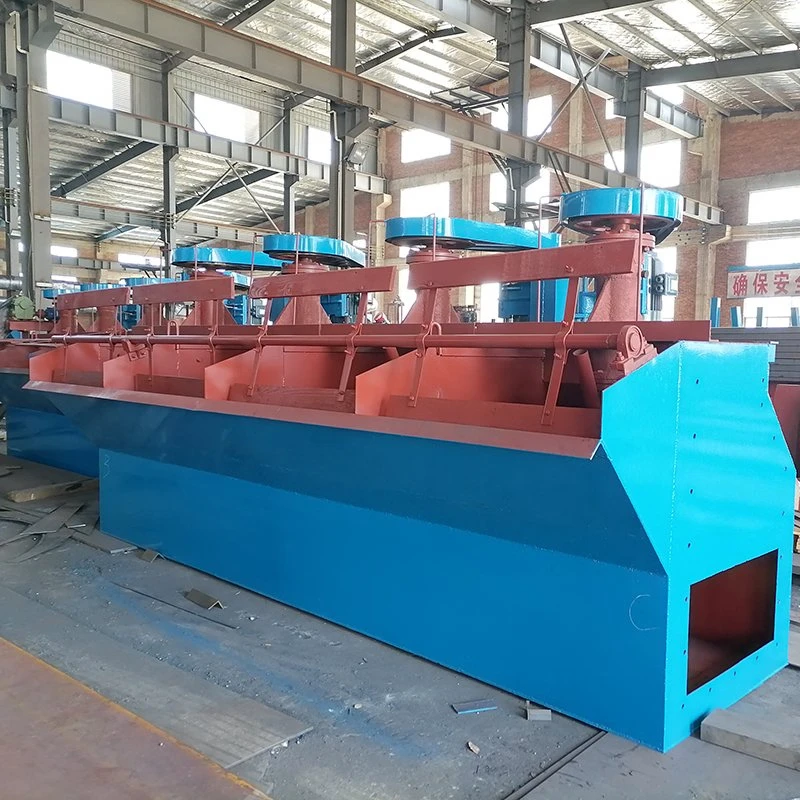
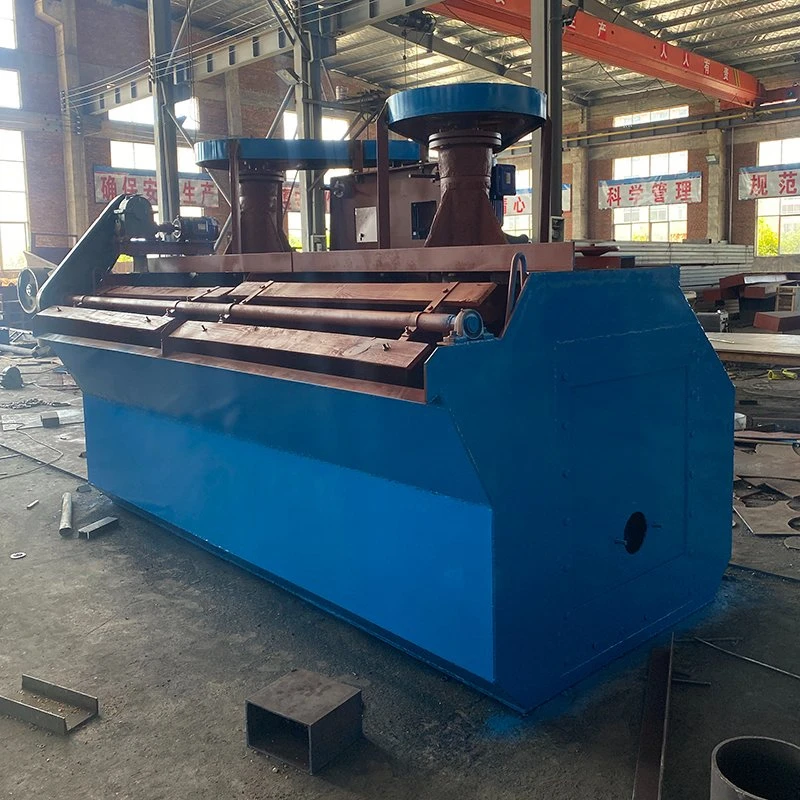
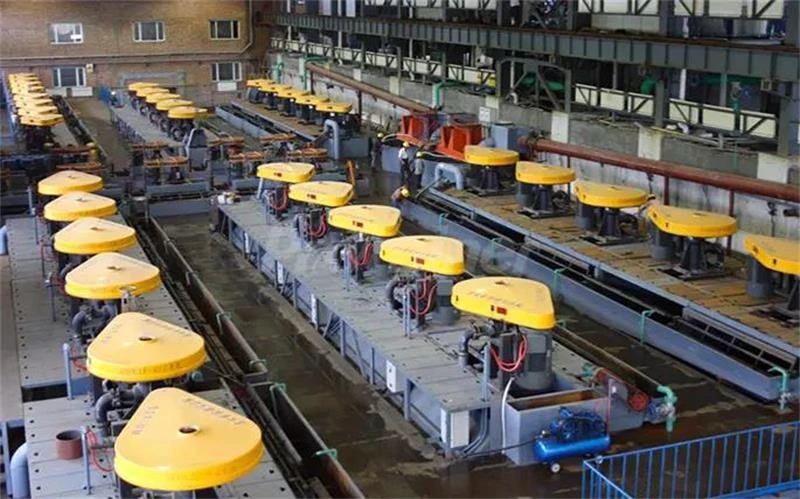
Sel flotasi mekanis adalah jenis peralatan flotasi yang paling banyak digunakan di pabrik pengolahan mineral karena operasinya yang andal, struktur sederhana, dan rentang aplikasi yang luas. Sel flotasi ini menggunakan sistem pencampuran yang digerakkan impeler untuk menggabungkan bubur dan udara, menciptakan kondisi yang sesuai untuk dispersi gelembung udara dan penempelan mineral. Dengan mempertahankan sirkulasi bubur yang efektif dan aerasi yang stabil, sel flotasi mekanis umumnya diterapkan dalam operasi roughing, scavenging, dan cleaning untuk pengolahan bijih tembaga, emas, timbal-seng, dan sulfida.
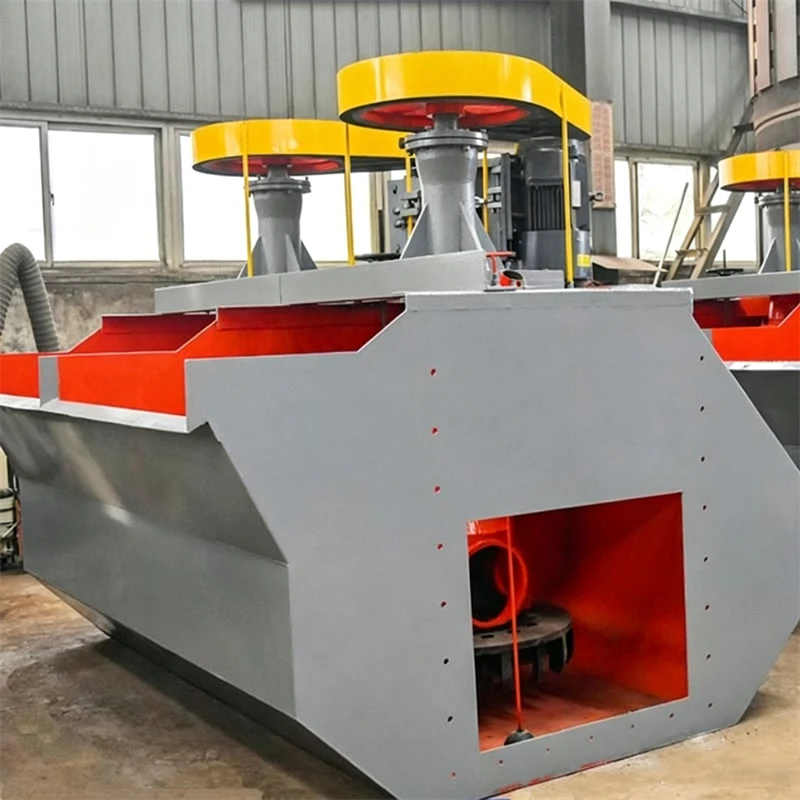
Sel flotasi mekanis terutama terdiri dari tangki flotasi, impeler, stator, motor, dan sistem hisap udara. Selama pengoperasian, motor menggerakkan impeler untuk berputar, menciptakan sirkulasi bubur di dalam tangki sekaligus menghisap udara ke dalam pulp dan mendispersikannya menjadi gelembung halus melalui interaksi antara impeler dan stator. Partikel mineral berharga menempel pada gelembung-gelembung ini dan naik ke permukaan membentuk buih, yang dikumpulkan sebagai konsentrat. Kinerja flotasi dipengaruhi oleh faktor-faktor seperti desain impeler, efisiensi dispersi udara, sirkulasi bubur, dan kondisi pengoperasian, sehingga sel flotasi mekanis dapat memberikan pemulihan mineral yang stabil di berbagai aplikasi pengolahan.
Sel Flotasi BF
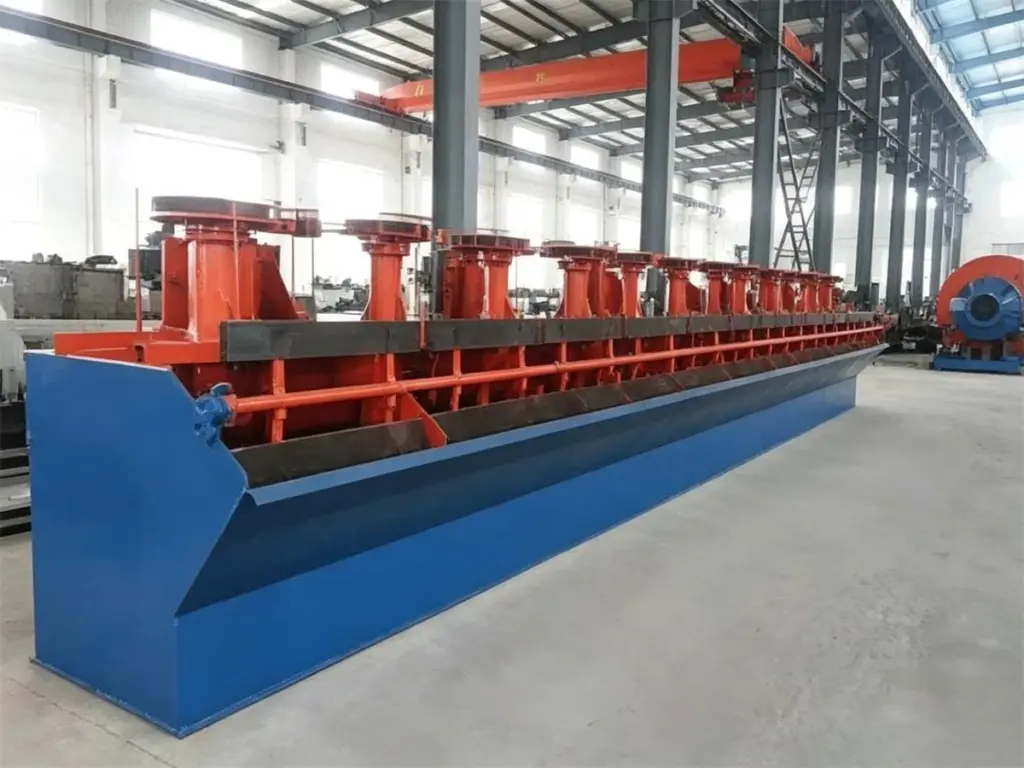
Sel flotasi BF adalah mesin flotasi mekanis self-aspirated yang dirancang untuk hisapan udara yang efisien dan sirkulasi bubur yang kuat. Struktur impeler dan stator yang dioptimalkan meningkatkan dispersi udara dan pencampuran pulp, menciptakan kondisi yang menguntungkan untuk penempelan dan pemisahan mineral-gelembung. Dibandingkan dengan peralatan flotasi mekanis konvensional, sel flotasi BF memberikan kinerja aerasi yang stabil dan pengoperasian yang andal dalam kondisi kerja kontinu.
Keunggulan utama sel flotasi BF meliputi pengoperasian yang stabil, daya adaptasi yang kuat, dan kesesuaian untuk pabrik pengolahan mineral berkapasitas besar. Sel ini banyak digunakan dalam benefisiasi bijih tembaga, emas, molibdenum, timbal-seng, dan bijih logam lainnya, terutama dalam sirkuit flotasi yang memerlukan kemampuan sirkulasi kuat dan kinerja pemulihan yang konsisten.
Sel Flotasi SF
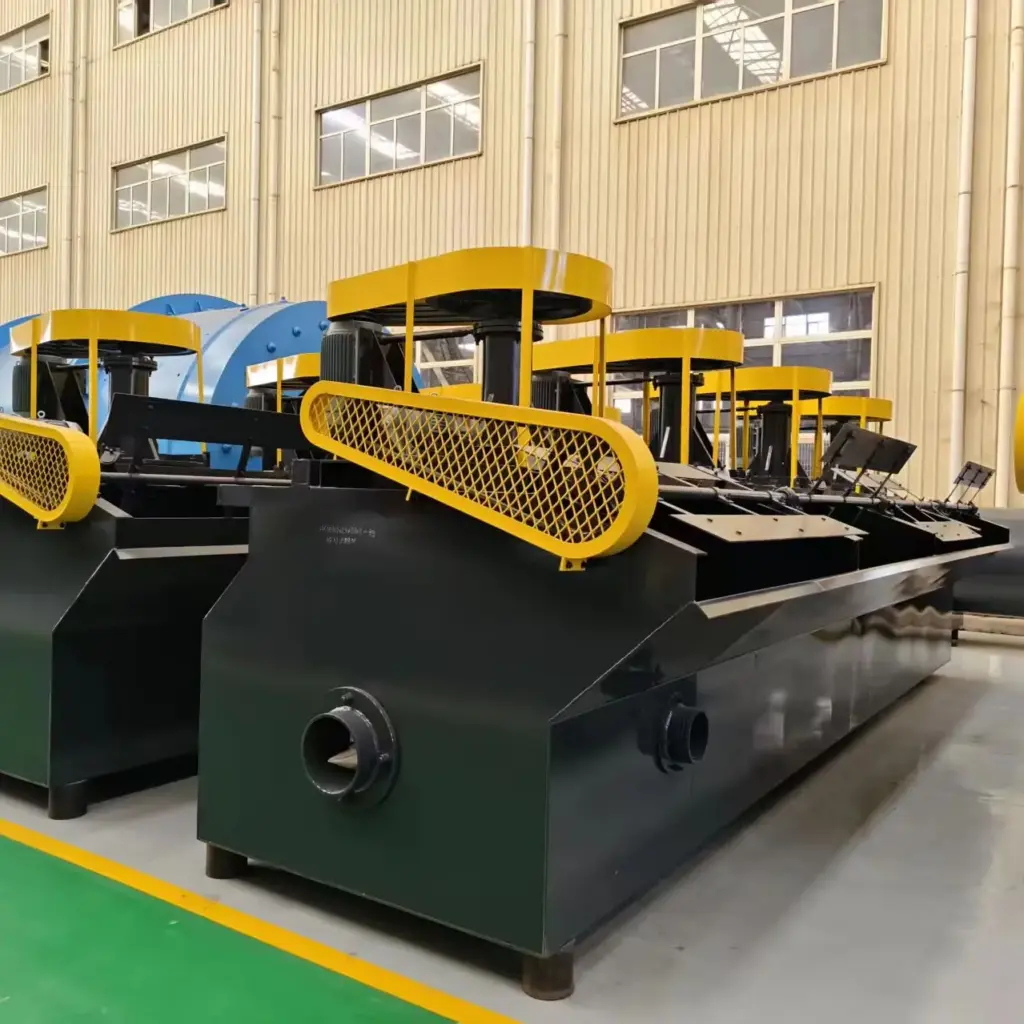
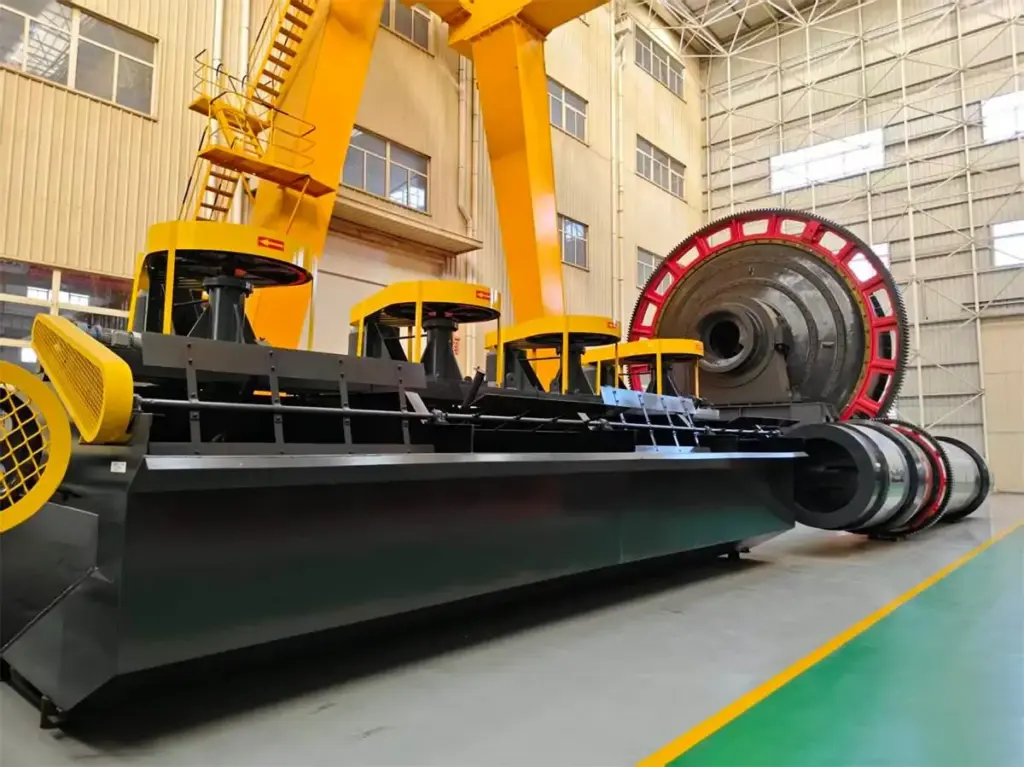
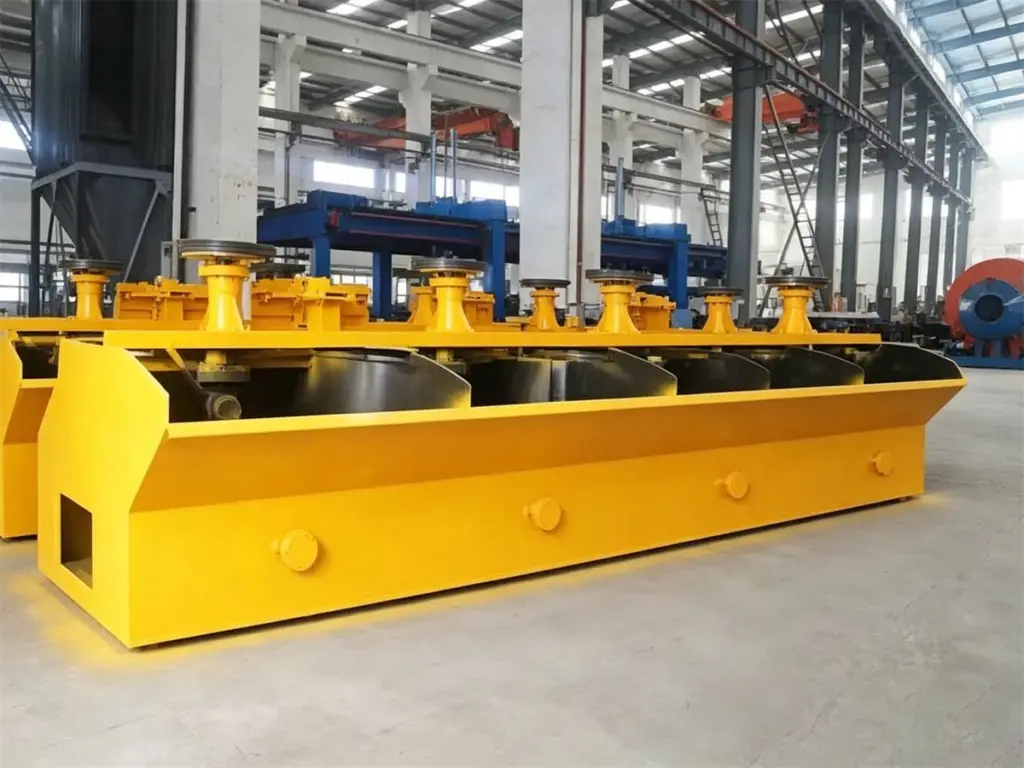
Sel flotasi SF menggabungkan agitasi mekanis dengan hisapan udara sendiri untuk mencapai pencampuran bubur dan dispersi gelembung yang efektif. Melalui putaran impeler, udara dimasukkan ke dalam bubur dan didistribusikan secara merata ke seluruh ruang flotasi, meningkatkan efisiensi kontak antara partikel mineral dan gelembung.
Sel flotasi SF dikenal karena efisiensi flotasi yang tinggi, pengoperasian yang fleksibel, dan perawatan yang mudah. Sel ini umumnya diterapkan dalam pengolahan bijih sulfida, benefisiasi logam non-ferrous, dan pabrik konsentrasi mineral yang memerlukan kinerja flotasi yang andal dan fleksibilitas operasional.
Mesin Flotasi XJK
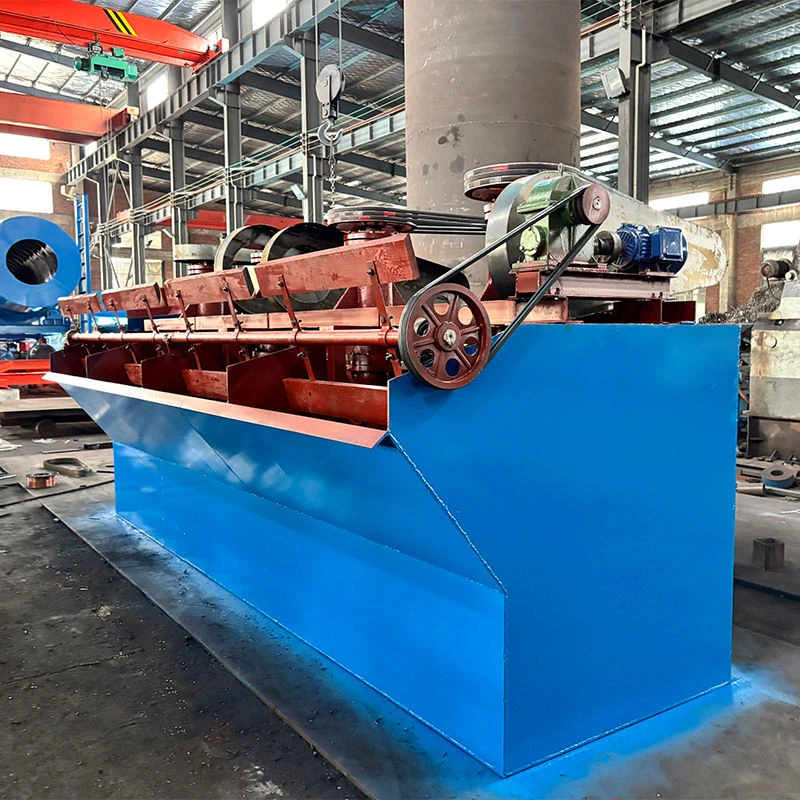
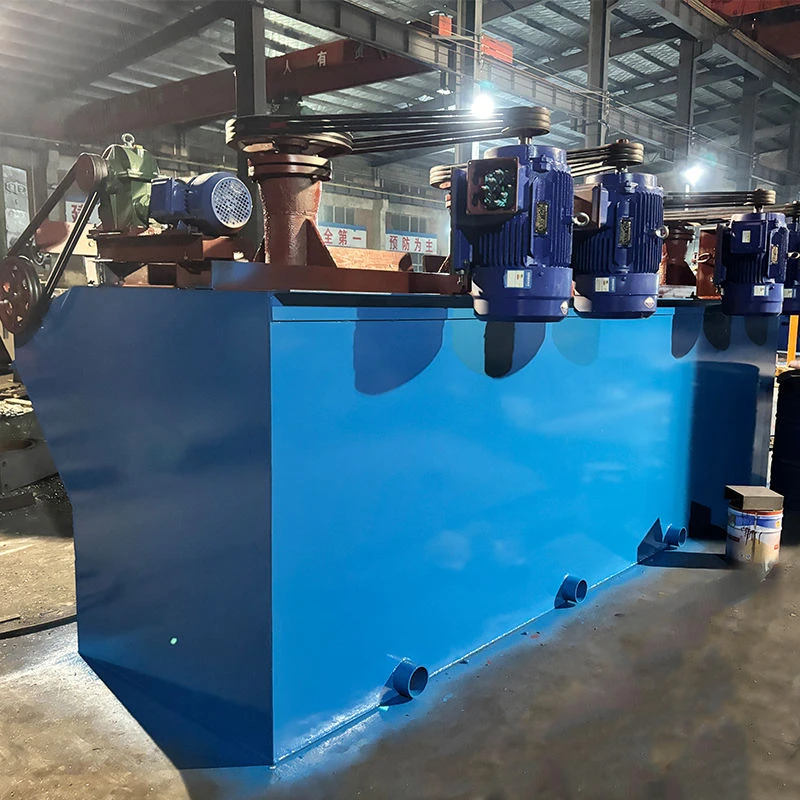
Mesin flotasi XJK adalah desain Peralatan Flotasi Pengolahan Mineral mekanis tradisional yang memiliki struktur sederhana dan pengoperasian yang andal. Mesin ini menggunakan sistem pencampuran berbasis impeler untuk menyediakan agitasi bubur dan dispersi udara, sehingga cocok untuk aplikasi pemisahan mineral umum.
Karena desainnya yang sederhana, kinerja yang stabil, dan biaya investasi yang ekonomis, mesin flotasi XJK umumnya digunakan di pabrik pengolahan mineral skala kecil dan menengah untuk pemisahan bijih logam. Mesin ini tetap menjadi pilihan praktis bagi operasi yang memerlukan kinerja flotasi yang andal dengan persyaratan peralatan yang relatif sederhana.
Perbandingan Sel Flotasi BF vs SF vs XJK
| Fitur | BF | SF | XJK |
| Tipe | Sel flotasi self-suction mekanis | Sel flotasi self-suction mekanis | Mesin flotasi mekanis tradisional |
| Air Supply | Self-air suction | Self-air suction | Self-air suction |
| Mixing Method | Impeller agitation | Impeller agitation | Impeller agitation |
| Main Advantage | Strong air suction and slurry circulation | High flotation efficiency and flexible operation | Simple structure and reliable performance |
| Suitable Scale | Medium and large mineral processing plants | Small to medium-scale plants | Small and medium mineral processing plants |
| Aplikasi Tipikal | Copper, gold, molybdenum, lead-zinc ores | Sulfide ores and non-ferrous metal beneficiation | General metal ore processing |
Air Inflation Flotation Cells
Air inflation flotation cells use an external air supply system to introduce air into the slurry, providing better control over aeration conditions compared with self-aspirated flotation machines. Unlike mechanical self-suction flotation cells, these flotation cells rely on forced air injection and optimized slurry circulation to improve bubble dispersion and maintain stable flotation performance. They are widely used in mineral processing plants that require reliable operation, flexible process adjustment, and large-scale production capacity.
XCF and KYF flotation cells are typical examples of air inflation Mineral Processing Flotation Equipment. These two types of flotation cells are often used together in flotation circuits, where efficient slurry circulation, controlled air dispersion, and lower energy consumption help improve mineral recovery and maintain stable operation in continuous beneficiation processes.
XCF Flotation Cell
The XCF flotation cell is an air inflation flotation machine designed with an external air supply system and strong slurry circulation capability. By combining forced air introduction with efficient mechanical agitation, XCF flotation cells provide stable bubble generation and effective contact between mineral particles and air bubbles.
XCF flotation cells are commonly used in roughing and scavenging operations for copper, gold, sulfide ores, and other mineral processing applications. Their strong circulation performance makes them suitable for flotation circuits that require consistent slurry mixing and stable mineral recovery.
KYF Flotation Cell
Itu KYF flotation cell is a forced-air flotation machine designed for efficient mixing, aeration, and lower energy consumption. Its structure allows effective slurry circulation without requiring a large amount of power, making it suitable for continuous operation in large flotation circuits.
KYF flotation cells are widely applied in medium and large beneficiation plants, especially where high processing capacity, stable flotation performance, and reduced operating costs are important considerations. They are often combined with XCF flotation cells to form efficient flotation circuits for large-scale mineral processing operations.
Pneumatic Flotation Cells
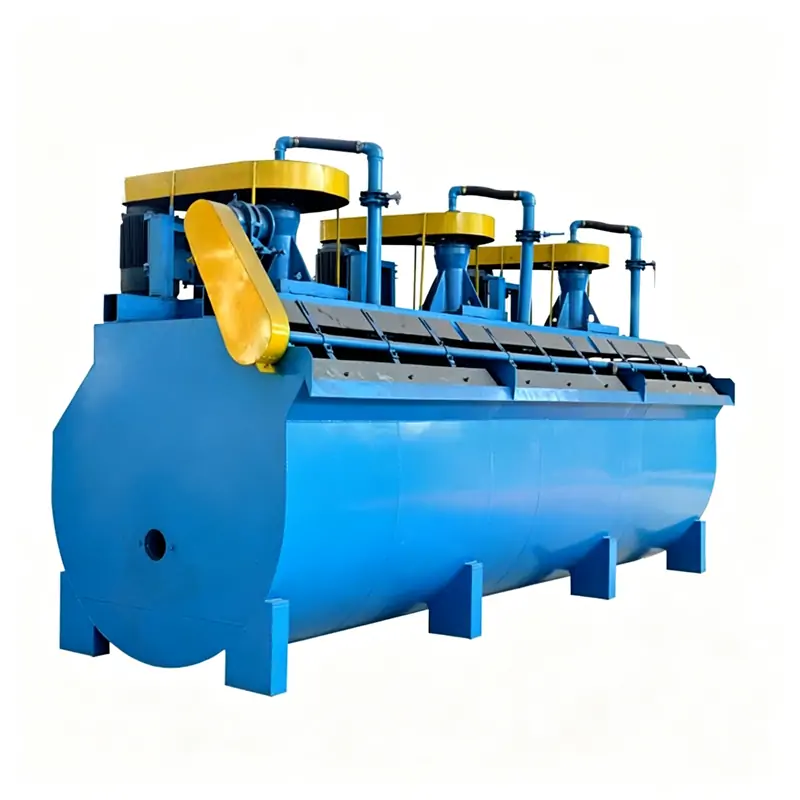
Sel flotasi pneumatik are flotation equipment that generate air bubbles through an external air supply system without using a traditional mechanical impeller. Compared with mechanical flotation cells, this design reduces moving components and focuses on controlled aeration and bubble dispersion to improve mineral recovery under suitable operating conditions.
Due to lower mechanical wear, flexible air control, and stable flotation performance, pneumatic flotation cells are suitable for applications requiring fine bubble generation and reduced maintenance. They are commonly used for the recovery of copper, gold, iron ore, lead-zinc, and industrial minerals, especially in mineral processing operations involving fine particles.
Flash Flotation Cells
Sel flotasi flash are specialized flotation Mineral Processing Flotation Equipment installed in grinding circuits to recover liberated and fast-floating minerals at an early stage. They are typically used in high-density slurry streams, such as cyclone underflow, where valuable minerals can be recovered before further grinding.
By recovering valuable minerals earlier, flash flotation cells help reduce overgrinding losses, improve overall recovery, and optimize grinding and flotation performance. They are widely applied in gold, copper, sulfide ore, and graphite processing plants where early mineral recovery provides operational benefits.
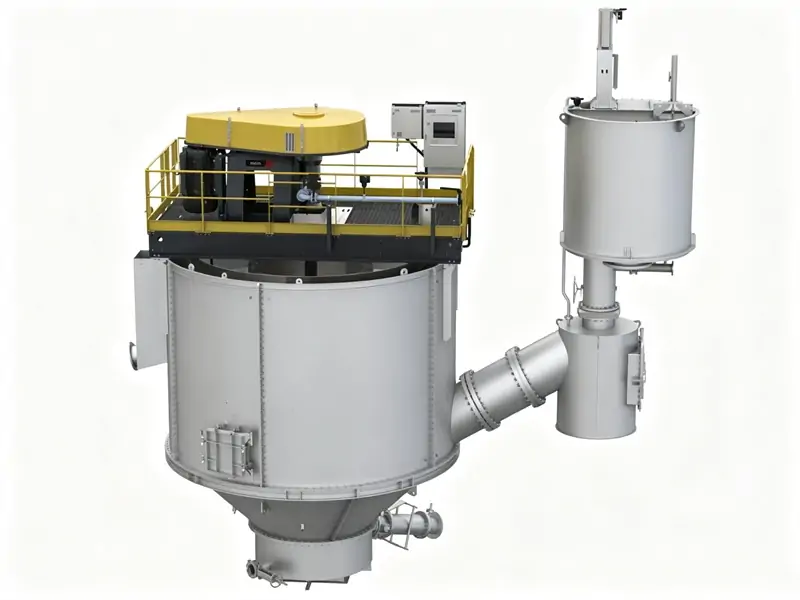
Froth Flotation Cells in Mineral Processing
Sel flotasi buih are equipment used in the froth flotation process to separate valuable minerals through the formation and collection of mineral-rich froth. During operation, hydrophobic mineral particles attach to air bubbles and rise to the surface, while unwanted gangue materials remain in the slurry.
As one of the most common mineral separation methods, froth flotation is widely used in the recovery of copper, zinc, nickel, sulfide ores, graphite, phosphate, and other minerals. Flotation cells provide the necessary conditions for bubble generation, mineral attachment, and concentrate recovery in modern beneficiation plants.
How to Choose Between Different Flotation Cell Types?
Selecting the right flotation cell types requires a comprehensive evaluation of ore characteristics, processing capacity, flotation circuit requirements, and long-term operating costs. There is no single flotation cell design suitable for all mineral processing plants. The most suitable Mineral Processing Flotation Equipment should match the specific ore properties, production targets, and plant operating conditions.
Ore Characteristics and Mineral Properties
The characteristics of the ore are the primary factors affecting flotation cell selection. Mineral type, particle size distribution, liberation degree, and slurry conditions determine how effectively valuable minerals can attach to air bubbles and be recovered. For example, ores with fine particles may require better bubble control, while coarse or high-density minerals may require stronger slurry circulation and mixing capability.
Processing Capacity and Plant Scale
The required processing capacity directly influences flotation equipment selection. Small and medium-sized plants often choose XJK and SF flotation cells because of their simple structure, reliable operation, and flexible application. For large-scale beneficiation plants, KYF and XCF flotation cells are commonly selected due to their stable aeration performance, strong circulation capability, and suitability for continuous high-capacity operation.
Flotation Circuit Requirements
Different stages of the flotation process have different Mineral Processing Flotation Equipment requirements. Roughing and scavenging operations usually focus on maximizing mineral recovery and require flotation cells with strong mixing and circulation performance. Cleaning operations focus more on improving concentrate grade and may require better control of bubble generation and froth stability. Therefore, flotation cell selection should consider the role of each unit in the overall flotation circuit.
Energy Consumption and Maintenance Cost
Besides initial investment, operating cost is an important factor in long-term equipment selection. Mechanical flotation cells provide reliable performance and wide application, while air inflation flotation cells can offer better aeration control and energy efficiency in large-scale operations. Factors such as impeller wear, spare parts availability, maintenance frequency, and equipment stability should also be considered to reduce downtime and improve overall plant efficiency.
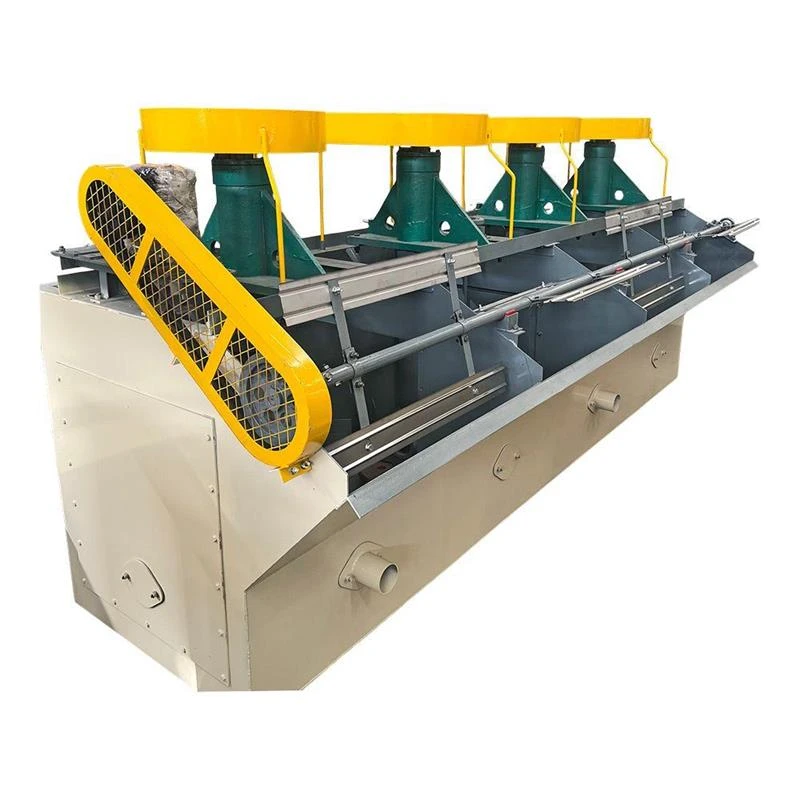
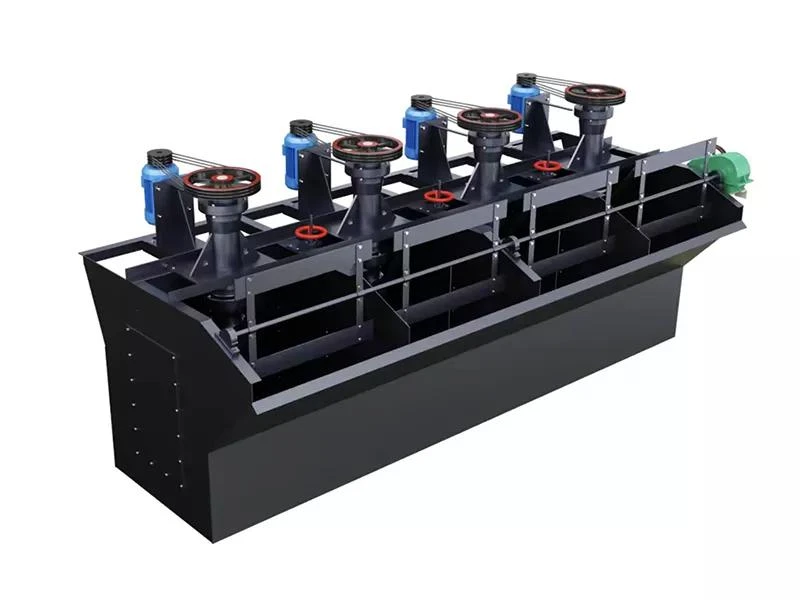
Applications of Different Flotation Cell Types
Different flotation cell types are selected according to mineral properties, processing requirements, and recovery targets. The same Mineral Processing Flotation Equipment may perform differently under different ore conditions, so mineral processing plants usually choose suitable flotation cells based on the characteristics of the ore and the role of each stage in the flotation circuit. The following applications show how different flotation cell designs are commonly used in industrial mineral processing.
In copper ore processing, BF, XCF, and KYF flotation cells are widely applied due to their stable aeration, strong slurry circulation, and suitability for continuous operation. For gold processing, BF and SF flotation cells are commonly used for conventional flotation circuits, while flash flotation cells are often installed in grinding circuits for early recovery of liberated gold minerals. In lead-zinc processing, mechanical flotation cells remain a common choice because of their reliable mixing performance and adaptability to sulfide ore beneficiation.
For industrial minerals, such as graphite, phosphate, and other non-metallic minerals, pneumatic flotation cells can be suitable when fine particle recovery, controlled bubble generation, and reduced mechanical wear are important considerations. Understanding the relationship between ore type and flotation cell design helps plants select more efficient equipment and achieve better recovery performance, which is also the key factor when comparing different flotation cell types for specific mineral processing applications.
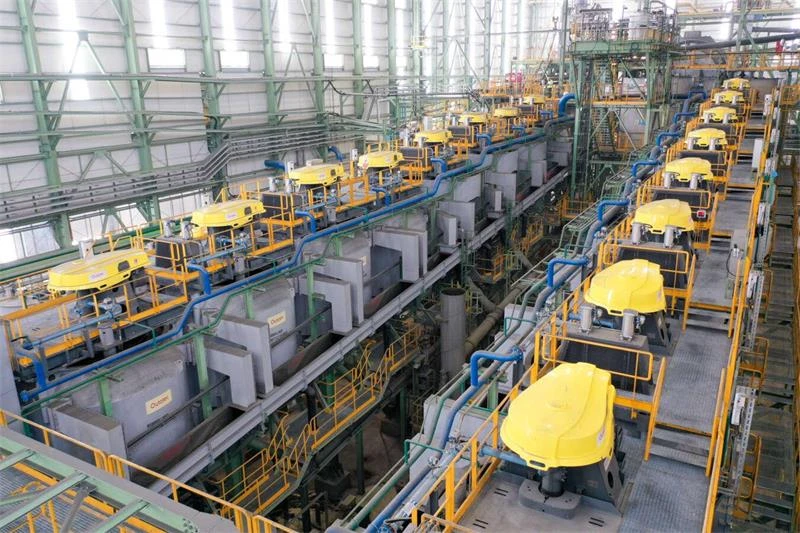
Conclusion & Call to Action
Understanding different Types of Flotation Cells is essential for selecting the right equipment for mineral processing plants. Mechanical flotation cells, air inflation flotation cells, pneumatic flotation cells, and flash flotation cells each have their own advantages and suitable applications. There is no single flotation cell design that fits all mineral processing conditions, and the final selection should be based on ore properties, processing capacity, recovery targets, and operating requirements.
Choosing the appropriate flotation equipment can help improve mineral recovery, reduce operating costs, and maintain stable plant performance. Zhongyi Mining provides customized flotation equipment solutions based on different mineral processing requirements, helping customers select suitable flotation cell designs for copper, gold, sulfide ores, and other beneficiation applications. Contact us today to discuss your project requirements and get a suitable flotation solution from our mineral processing experts.
Minta Solusi yang Disesuaikan
Partner with Zhongyi for expert support, customized flotation solutions, and reliable equipment tailored to your ore characteristics and production needs.
FAQ
What are the main types of flotation cells used in mineral processing?
The main types of flotation cells used in mineral processing include mechanical flotation cells, air inflation flotation cells, pneumatic flotation cells, and flash flotation cells. Each type uses different mixing and aeration methods to achieve mineral separation. Mechanical and air inflation flotation cells are the most common choices for copper, gold, sulfide ore, and other beneficiation applications.
What is the difference between mechanical flotation cells and air inflation flotation cells?
The main difference between mechanical and air inflation flotation cells is the air supply method. Mechanical flotation cells use impeller-driven mixing and self-air suction, while air inflation flotation cells use an external air supply system. Air inflation designs provide better aeration control and are often selected for large-scale mineral processing plants requiring stable performance.
How do I choose the right flotation cell type for my mineral processing plant?
Choosing the right flotation cell types depends on ore properties, mineral characteristics, particle size, processing capacity, and recovery requirements. The selected equipment should match the flotation circuit design and production targets. Factors such as energy consumption, maintenance requirements, and long-term operating costs should also be considered before making a final equipment decision.
What is the difference between BF, SF, and XJK flotation cells?
BF, SF, and XJK flotation cells are all mechanical flotation equipment but have different design features and applications. BF flotation cells provide strong slurry circulation and stable operation, SF flotation cells offer efficient bubble dispersion and flexible operation, while XJK flotation machines are known for simple structure and reliable performance in small and medium-scale mineral processing plants.
When should a pneumatic flotation cell be selected?
A pneumatic flotation cell is suitable for applications requiring controlled aeration, fine bubble generation, and reduced mechanical wear. Compared with traditional mechanical flotation equipment, pneumatic designs reduce moving components and can provide stable flotation conditions. They are commonly used for fine mineral recovery in copper, gold, iron ore, lead-zinc, and industrial mineral processing.
What are the benefits of using a flash flotation cell?
Flash flotation cells are designed to recover liberated valuable minerals early in the grinding circuit. They help reduce overgrinding, improve mineral recovery, and increase overall process efficiency by removing fast-floating particles before further size reduction. They are commonly applied in gold, copper, and sulfide ore processing plants where early recovery is economically beneficial.
How do flotation cell types affect energy consumption and maintenance costs?
Different flotation cell types have different impacts on energy consumption, wear rates, and maintenance requirements. Factors such as impeller design, aeration method, spare parts availability, and operating conditions influence long-term costs. Selecting suitable flotation equipment can help reduce downtime, improve operational stability, and achieve better economic performance throughout the plant lifecycle.
Can flotation cells be customized for different mineral processing applications?
Yes. Flotation cells can be customized according to ore characteristics, processing capacity, flotation circuit requirements, and production goals. Equipment configuration, tank size, aeration system, and flotation arrangement can be adjusted for different applications. Professional manufacturers can provide technical support and customized solutions to improve recovery performance and meet specific plant requirements.