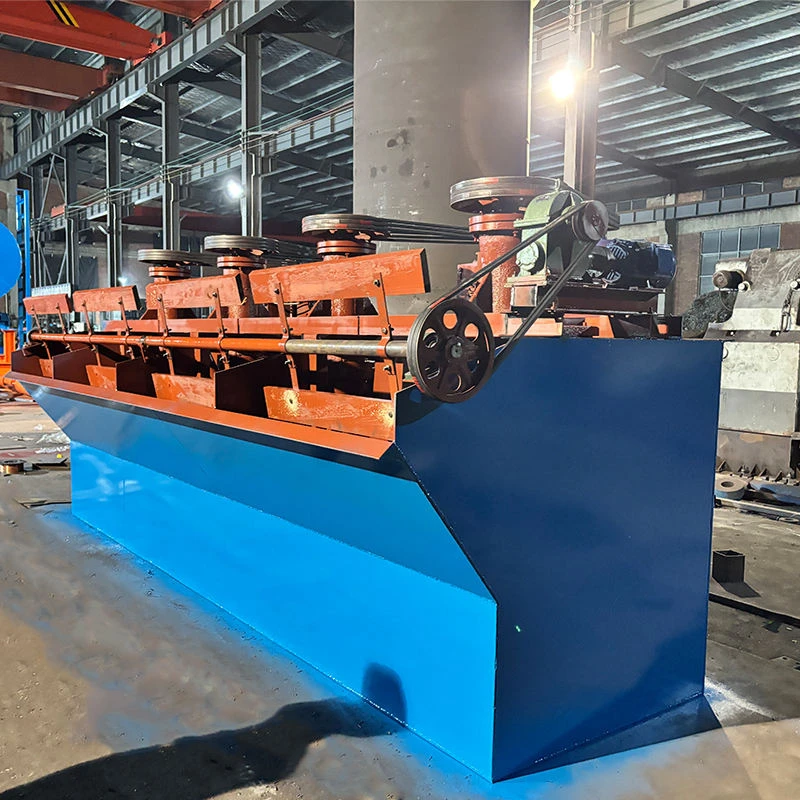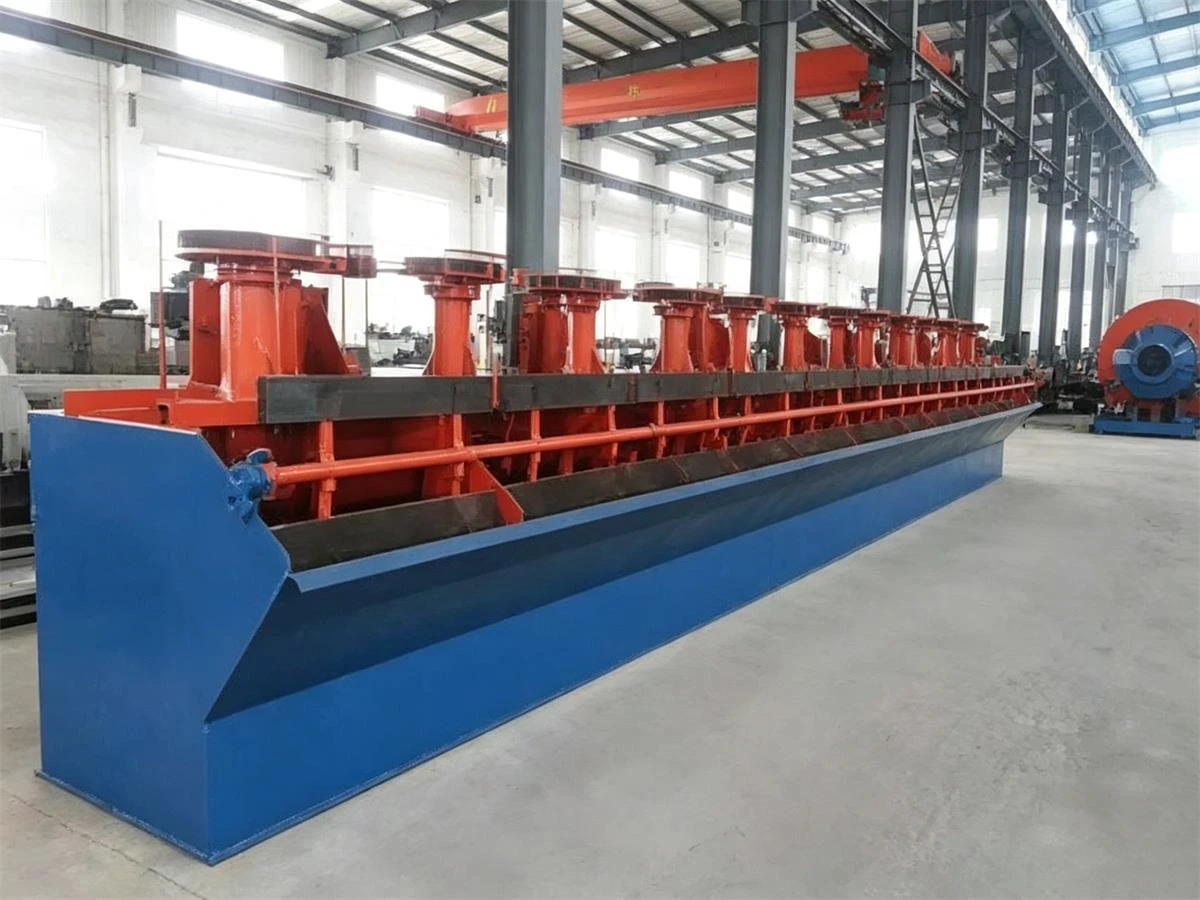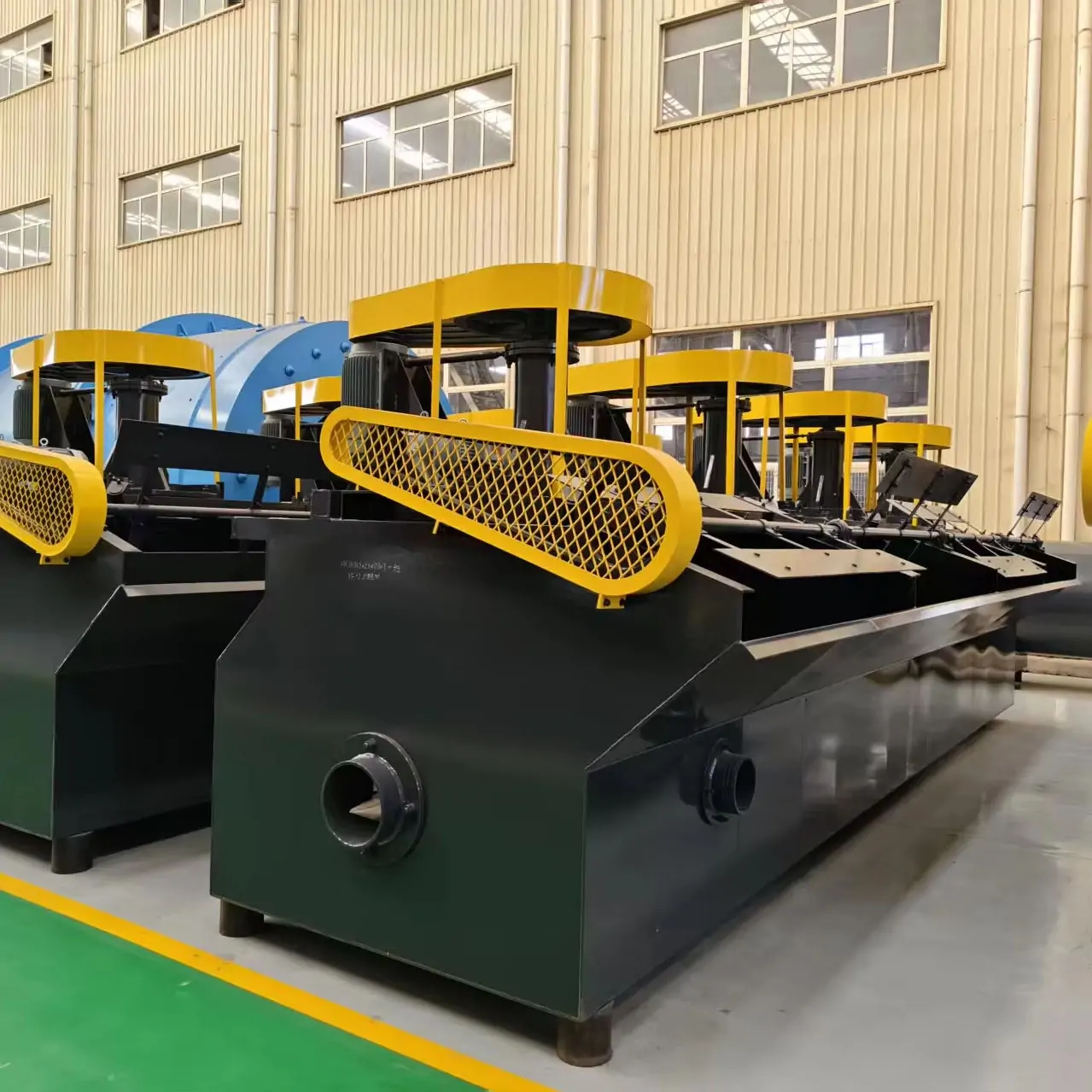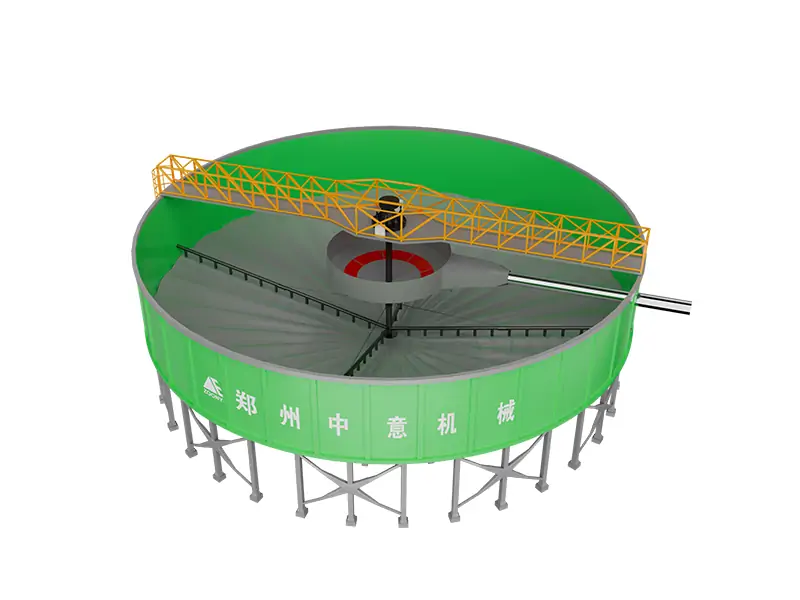
What Is XCF Air Flotation Cell?
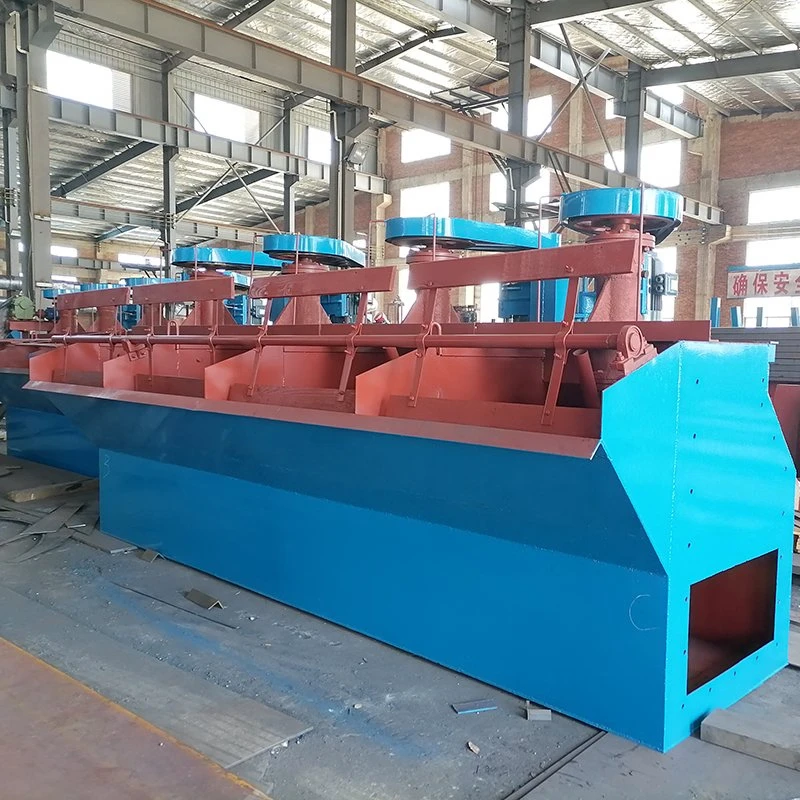
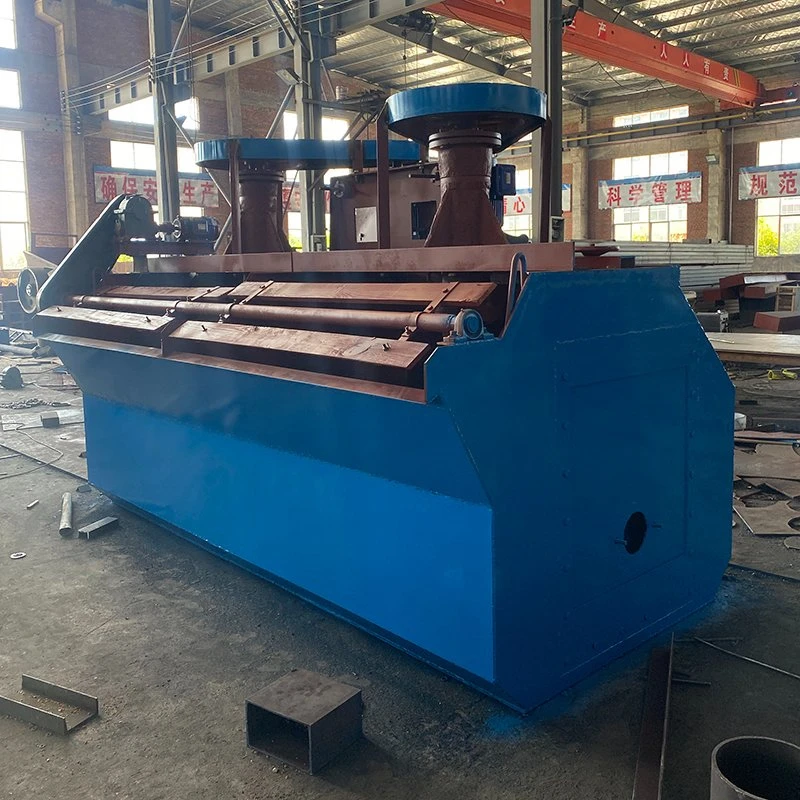
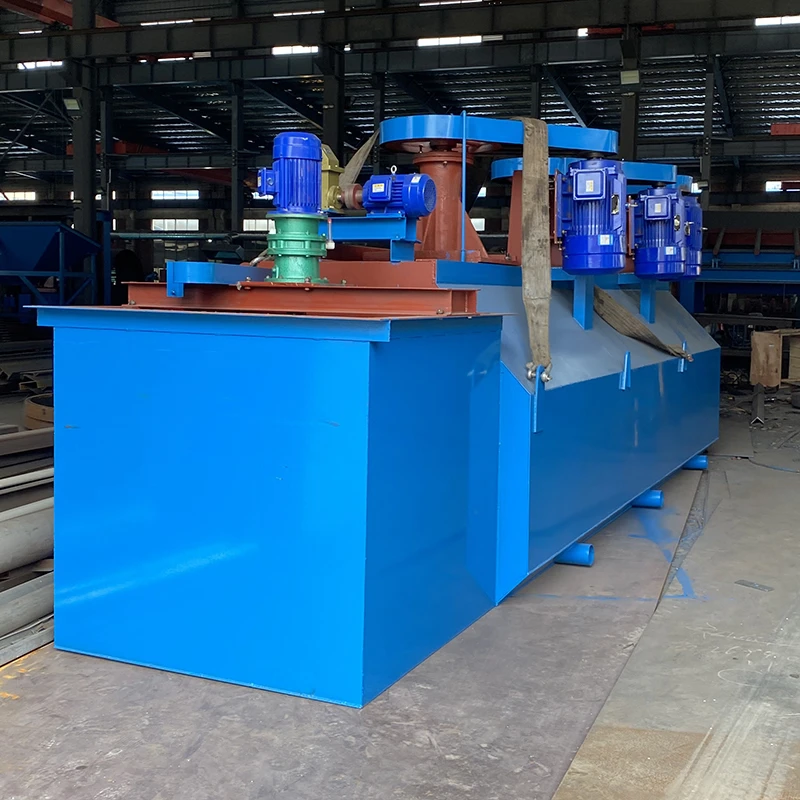
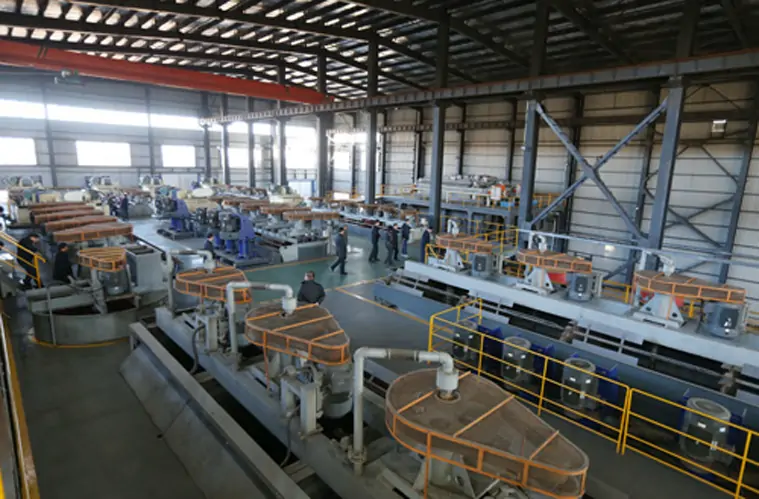
XCF flotation machine is an air flotation cell used for mineral separation in flotation plants. Also known as an external air-supplied mechanical flotation cell, it introduces low-pressure air through a blower while the impeller and stator system provide mechanical agitation to create stable bubbles and improve pulp circulation. Unlike self-aspirated flotation cells, XCF flotation cells use an external air supply system while maintaining self-suction slurry capability for continuous flotation operations.
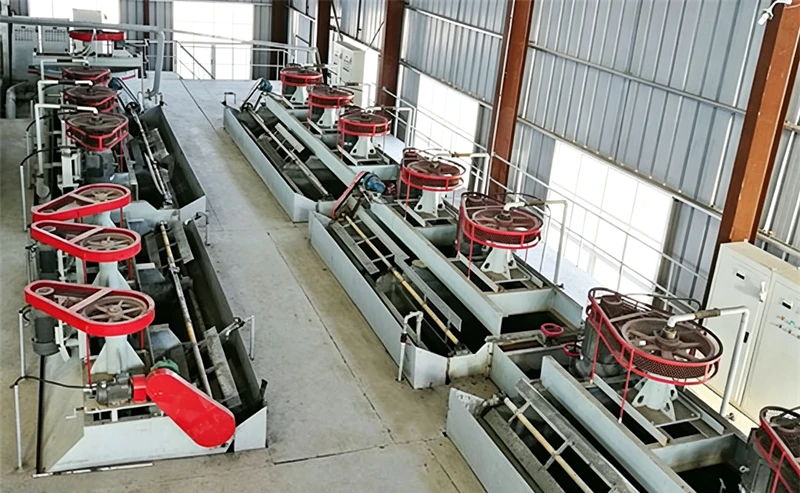
In a complete flotation circuit, XCF flotation machines are commonly combined with KYF flotation machines to form a flotation unit. XCF cells are mainly used as suction-type flotation cells, utilizing their self-suction slurry capability to improve slurry transfer between cells, while KYF cells are typically arranged as downstream direct-flow flotation cells. This combined configuration is widely applied in roughing and scavenging stages for copper, gold, lead-zinc, and other mineral processing plants.If you’d like to learn more, click on “Types of Flotation Cells for Mineral Processing.”
How Does XCF Air Inflation Flotation Cell Work?
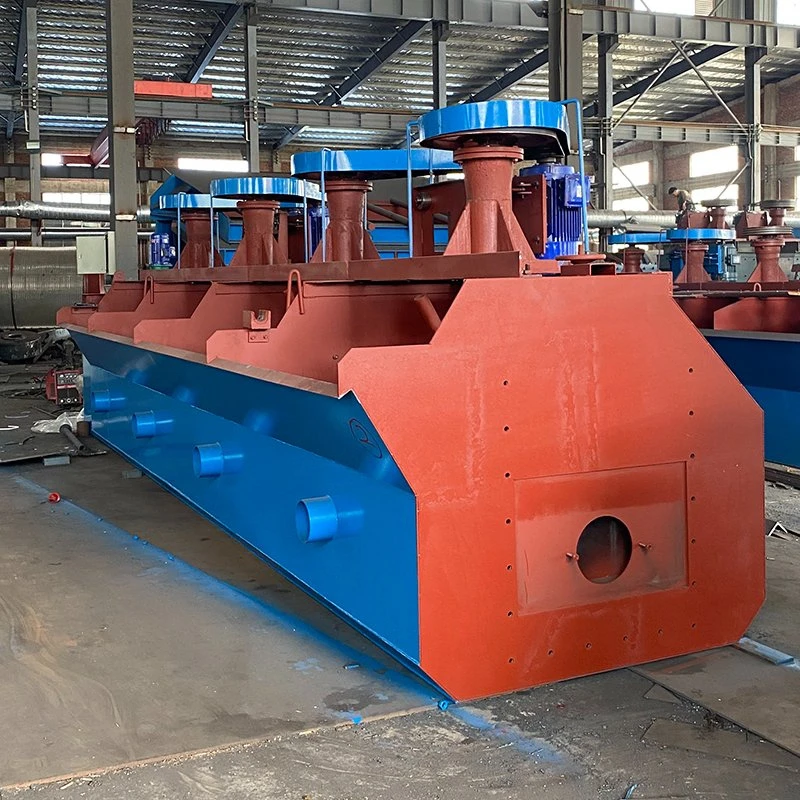
XCF air inflation flotation cell separates valuable minerals from gangue by combining external air injection, mechanical agitation, and continuous slurry circulation. During operation, the impeller generates a vertical slurry circulation inside the tank, while low-pressure air supplied by a blower is introduced into the pulp and mixed with slurry to produce stable mineralized bubbles.
The mineralized bubbles rise to the froth layer, where valuable minerals are recovered as concentrate, while unwanted gangue remains in the slurry and is discharged as tailings. With its self-suction slurry capability, the XCF flotation cell can be used as a suction-type cell in flotation circuits and is commonly combined with KYF flotation machines for continuous roughing and scavenging operations.
Main Components
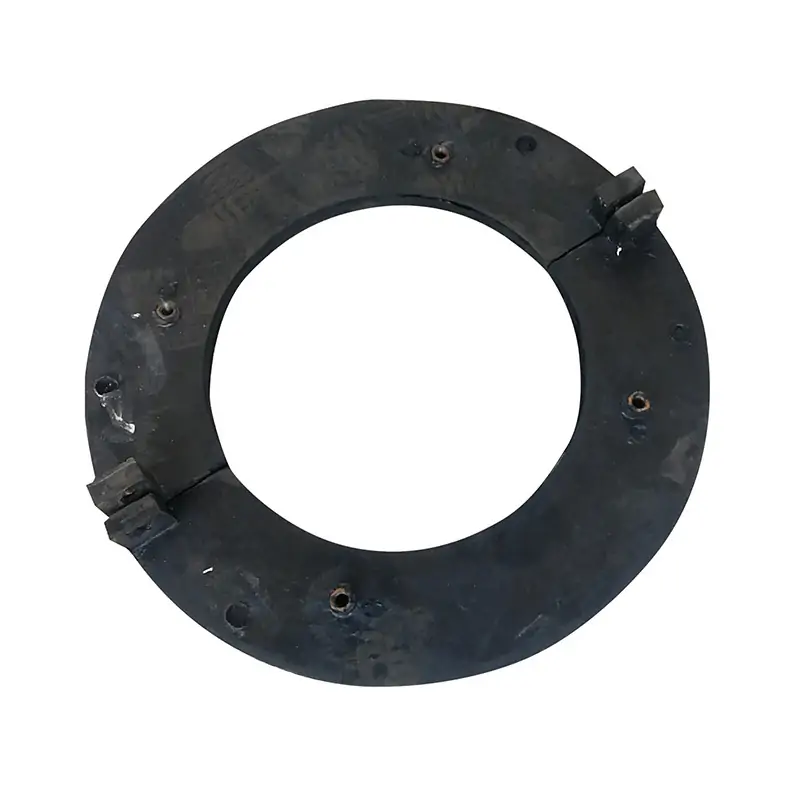
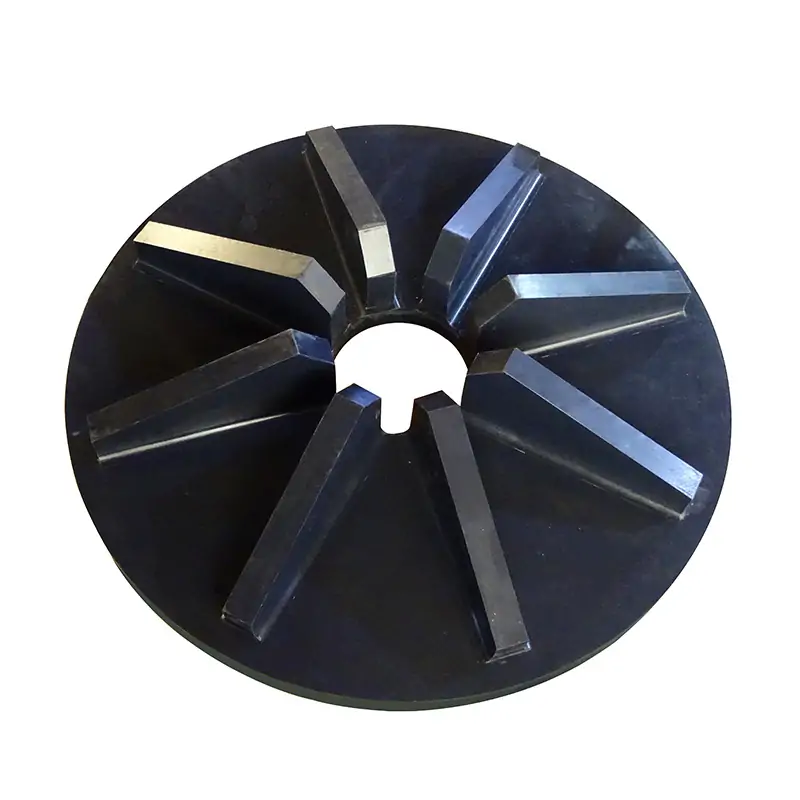
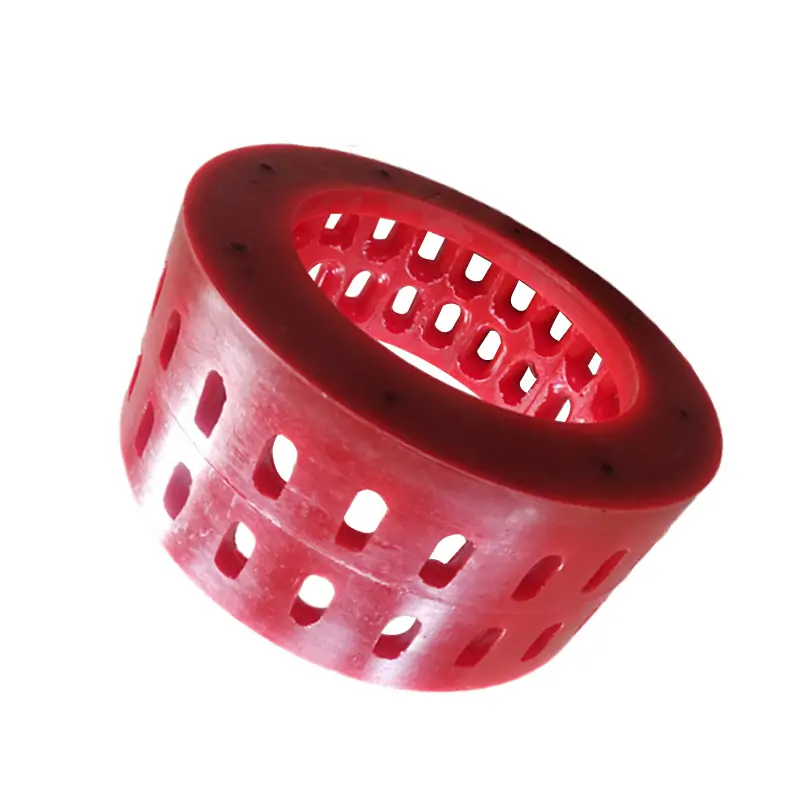
The main components of an XCF flotation machine include the impeller, stator, air distribution system, and self-suction structure. Their design determines the efficiency of air dispersion, slurry circulation, and bubble-mineral contact during the flotation process.
Specifications
XCF flotation machines are available in multiple models with different cell volumes and processing capacities to meet the requirements of various flotation circuits. The selection of a suitable model depends on factors such as ore characteristics, plant capacity, and flotation process design. The following technical specifications provide the main parameters of XCF flotation cells for reference.
| Model | Effective Volume(m³) | Processing Capacity(m³/min) | Impeller Diameter(mm) | Impeller Speed(r.p.m) | Blower Air Pressure(kPa) | Maximum Air Volume(m³/m²·min) | Impeller Motor Power(kW) | Scraper Motor Power(kW) | Weight(t) |
| XCF-2 | 2 | 0.4-2 | 470 | 331 | ≥14.7 | 2 | 7.5 | 1.1 | 1.653 |
| XCF-3 | 3 | 0.6-3 | 540 | 266 | ≥19.8 | 2 | 11 | 1.5 | 2.259 |
| XCF-4 | 4 | 1.2-4 | 620 | 215 | ≥19.8 | 2 | 15 | 1.5 | 2.669 |
| XCF-8 | 8 | 3.0-8 | 720 | 185 | ≥21.6 | 2 | 22 | 1.5 | 4.435 |
| XCF-16 | 16 | 4.0-16 | 860 | 160 | ≥25.5 | 2 | 37 | 1.5 | 6.568 |
| XCF-24 | 24 | 4.0-24 | 950 | 153 | ≥30.4 | 2 | 37 | 1.5 | 8 |
| XCF-38 | 38 | 10-38 | 1050 | 148 | ≥24.3 | 2 | 45 | 1.5 | 11 |
Advantages
XCF flotation cell machine is widely used in medium and large-scale flotation circuits. It adopts an external air supply system and a specially designed impeller structure to maintain slurry circulation and air-pulp mixing during operation. With its self-suction slurry capability, XCF cells can be easily arranged in continuous flotation circuits for copper, gold, lead-zinc, and other mineral processing applications.
Applications
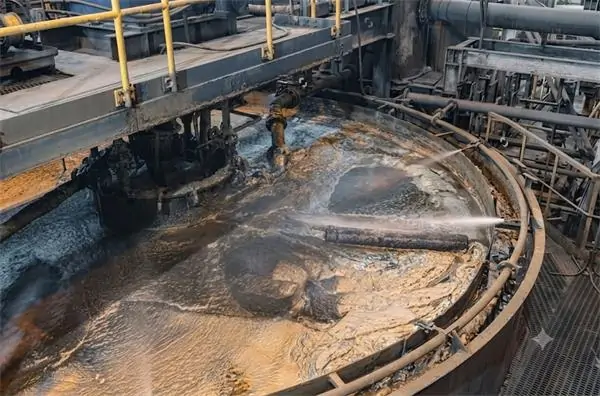
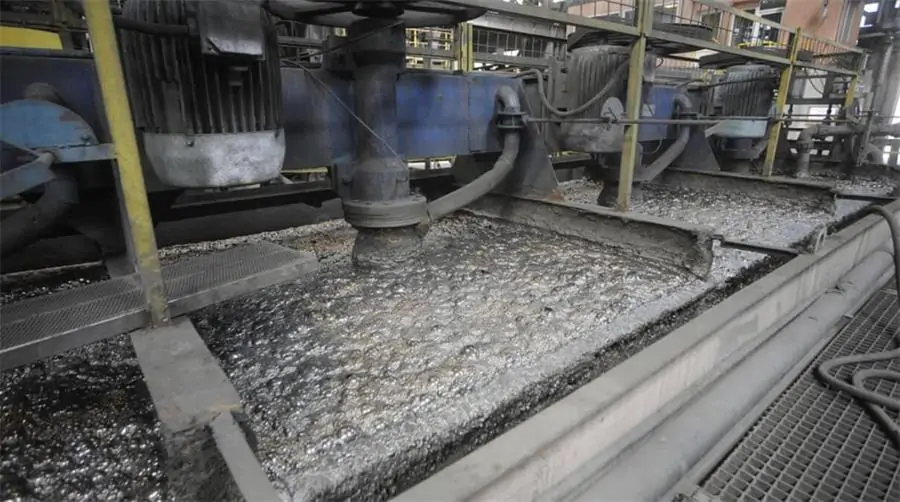
XCF flotation cells are widely used in mineral processing plants for the flotation separation of metallic and non-metallic minerals. They are mainly applied in roughing and scavenging circuits where reliable pulp handling and continuous flotation operation are required. Typical applications include copper, gold, lead-zinc, sulfide minerals, and other ore beneficiation processes.

XCF vs Other Flotation Machines
XCF flotation machines differ from KYF flotation machines and self-aspirated flotation cells in air supply method, slurry transfer capability, and circuit arrangement. The comparison below shows the key differences to help select the right flotation equipment for different processing requirements.
Practical Equipment Comparison
| Comparison Item | XCF Flotation Machine | KYF Flotation Machine | Mechanical Self-Aspirated Flotation Cell |
| Air Supply Method | External blower air supply | External blower air supply | Air drawn by impeller rotation |
| Air Control | Adjustable air supply according to flotation requirements | Adjustable air supply according to flotation requirements | Limited by self-aspiration performance |
| Self-Suction Capability | Yes | No | Yes |
| Slurry Handling | Suitable as suction-type cell in flotation circuits | Used as downstream direct-flow cell | Independent operation depending on design |
| Typical Application | Roughing and scavenging circuits, especially combined flotation units | Used together with XCF in large flotation circuits | Small and medium flotation plants |
| Circuit Arrangement | Allows flexible horizontal arrangement with reduced slurry transfer requirements | Requires slurry flow from upstream cells | Usually requires independent circuit design |
| Suitable Plant Scale | Medium and large-scale mineral processing plants | Medium and large-scale flotation circuits | Small to medium-scale applications |
How XCF and KYF Flotation Machines Work Together?
XCF and KYF flotation machines are commonly combined to form a flotation unit in medium and large-scale mineral processing plants. In this arrangement, the XCF flotation cell is used as a suction-type cell, utilizing its self-suction slurry capability to draw pulp into the flotation circuit, while the KYF flotation machine works as a downstream direct-flow cell for continuous flotation separation.
The XCF-KYF combination allows flotation cells to be arranged in a more flexible layout without complex slurry transfer systems. XCF handles slurry suction at the front section, and KYF continues the flotation process with stable mixing and aeration performance. This configuration is widely used in copper, gold, lead-zinc, and other mineral processing plants where continuous flotation operation is required.
How to Choose the Right XCF Flotation Machine?
Selecting the right XCF flotation machine depends mainly on the flotation process, plant capacity, and ore characteristics. XCF flotation cells are generally selected for medium and large-scale beneficiation plants that require external air supply, stable slurry circulation, and suction-type flotation operation. They are often combined with KYF flotation machines to form continuous flotation circuits.
The machine size should be selected according to the required processing capacity and flotation residence time. Small and medium models are suitable for lower-capacity plants, while large-volume models such as XCF-16, XCF-24, and XCF-38 are commonly used in large flotation circuits with higher throughput requirements.
Ore properties should also be considered during selection, including mineral type, particle size, and slurry conditions. Before finalizing the equipment, the flotation flowsheet, blower system, and installation layout should be evaluated to ensure the selected XCF flotation machine matches the project requirements.
Projects Show
Why Choose Zhongyi?
Zhongyi Mining combines engineering experience, manufacturing capability, and project support to provide reliable mineral processing equipment solutions. With 60+ patented technologies and 3 manufacturing bases, we continuously optimize equipment design, production quality, and delivery efficiency for different mining applications.
Our team provides customized equipment selection, process integration, and technical support based on ore characteristics, processing capacity, and plant conditions. From initial design to installation guidance and commissioning support, Zhongyi helps customers achieve stable operation and long-term performance.
Request a Customized Solution
Partner with Zhongyi for reliable flotation equipment designed to improve mineral recovery, optimize beneficiation processes, and deliver stable performance across copper, gold, lead-zinc, and other mineral processing applications.
Customized XJK Flotation Machine Solutions
Zhongyi Mining provides customized flotation solutions based on your ore characteristics, processing capacity, flotation process requirements, and plant conditions. Whether you need a single flotation machine or a complete mineral processing plant solution, our engineering team can optimize equipment selection and process configuration to meet your project goals. Contact us with your project details to get a suitable flotation solution.
Please Provide the Following Information:
FAQs
What minerals can flotation machines process?
Flotation machines are widely used for the separation of copper, gold, lead-zinc, nickel, molybdenum, and other non-ferrous metal ores. The suitable equipment configuration depends on ore properties, including mineral composition, feed size, and flotation characteristics. Proper selection helps achieve efficient mineral separation and stable recovery performance.
How do I choose the right flotation machine for a mineral processing plant?
Selecting the right flotation machine depends on factors such as ore type, processing capacity, feed characteristics, required recovery rate, and flotation circuit design. Engineers typically evaluate these conditions to determine the appropriate flotation cell model, volume, and configuration for reliable operation and optimized beneficiation performance.
What is the difference between SF, BF, KYF, and XCF flotation machines?
SF and BF flotation machines are self-aspirated flotation cells commonly used in various flotation operations, while KYF and XCF models are generally applied in combined flotation circuits with external air supply and slurry circulation. The suitable model depends on plant layout, production capacity, and specific flotation process requirements.
What factors affect flotation machine performance?
Flotation machine performance is affected by ore properties, particle size, pulp concentration, air dispersion, impeller design, and reagent conditions. Proper equipment selection and process optimization improve bubble-mineral contact, enhance separation efficiency, and help maintain stable operation during continuous mineral processing.
What information is needed to select a suitable flotation machine?
To select suitable flotation equipment, customers should provide information including ore type, processing capacity, feed size, mineral characteristics, flotation requirements, and existing plant conditions. These details help engineers evaluate operating conditions and recommend an appropriate flotation configuration for specific project requirements.
What is the processing capacity range of flotation machines?
The processing capacity of flotation machines varies depending on the cell model, volume, ore characteristics, and flotation circuit design. Different flotation cells are available for small, medium, and large-scale mineral processing plants, with customized configurations to meet specific production capacity and recovery requirements.
What maintenance is required for flotation machines?
Regular maintenance includes checking impeller and stator wear, inspecting bearing lubrication, monitoring drive components, and replacing worn parts when necessary. Proper maintenance helps reduce unplanned downtime, improve equipment reliability, and extend the service life of flotation machines in demanding mineral processing applications.
Can flotation machines be integrated into complete mineral processing plants?
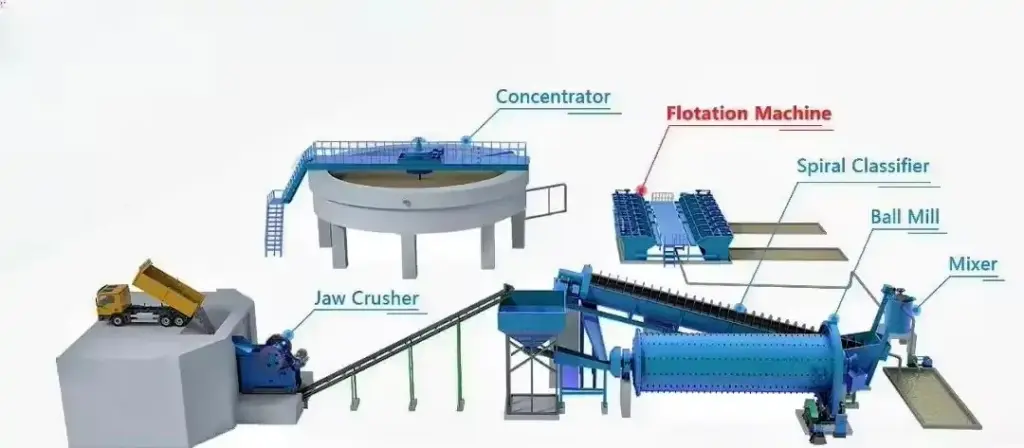
Yes. Flotation machines can be integrated into complete mineral processing plants together with crushing, grinding, classification, and other beneficiation equipment. Engineering teams can provide equipment selection, process configuration, and technical support based on ore characteristics, production targets, and overall plant requirements.