











مقدمة
تلعب أنواع خلايا التعويم دورًا مهمًا في مصانع المعالجة المعدنية الحديثة، حيث يتم تطوير تصاميم مختلفة لمعدات التعويم لتلبية متطلبات فصل الخام المحددة. خلية التعويم هي آلة معالجة معدنية رئيسية تستخدم تفاعل الملاط وفقاعات الهواء وكواشف التعويم لفصل المعادن الثمينة عن المواد غير المرغوب فيها. أثناء عملية التعويم، تلتصق جزيئات المعادن الكارهة للماء بفقاعات الهواء وترتفع إلى السطح، مشكّلة رغوة غنية بالمعادن يمكن استردادها كمركّز.
نظرًا لأن خصائص الخام وسعة المعالجة وأهداف الاسترداد تختلف اختلافًا كبيرًا بين العمليات التعدينية المختلفة، فإن تصميم خلية تعويم واحد لا يمكنه تلبية جميع متطلبات التطبيق. يؤثر اختيار أنواع خلايا التعويم المناسبة مباشرةً على عوامل مهمة مثل استرداد المعادن واستهلاك الطاقة واستقرار التشغيل وكفاءة المصنع الإجمالية. على سبيل المثال، قد تتطلب بعض العمليات خلطًا قويًا وأداءً موثوقًا، بينما قد تعطي عمليات أخرى الأولوية لانخفاض استهلاك الطاقة أو تحكم أدق في الفقاعات أو الاسترداد المبكر للمعادن.
لتلبية ظروف المعالجة المختلفة هذه، تم تطوير خلايا التعويم بهياكل مختلفة وطرق تهوية وآليات تشغيل مختلفة. يتم تصنيف الأنواع الرئيسية لخلايا التعويم بناءً على آلية الخلط وطريقة إمداد الهواء ومتطلبات التطبيق، بما في ذلك خلايا التعويم الميكانيكية وخلايا التعويم بنفخ الهواء وخلايا التعويم الهوائية وخلايا التعويم الومضي. يساعد فهم خصائص كل نوع ومزاياه وتطبيقاته المناسبة مصانع المعالجة المعدنية على اختيار معدات التعويم الأنسب لأهداف الإنتاج المحددة. في الأقسام التالية، سنقدم الأنواع الرئيسية لخلايا التعويم ونشرح مبادئ عملها وتطبيقاتها واعتبارات اختيارها. إذا كنت ترغب في معرفة المزيد، انقر على “ما هي خلية التعويم؟”
ما هي خلية التعويم وكيف تعمل؟
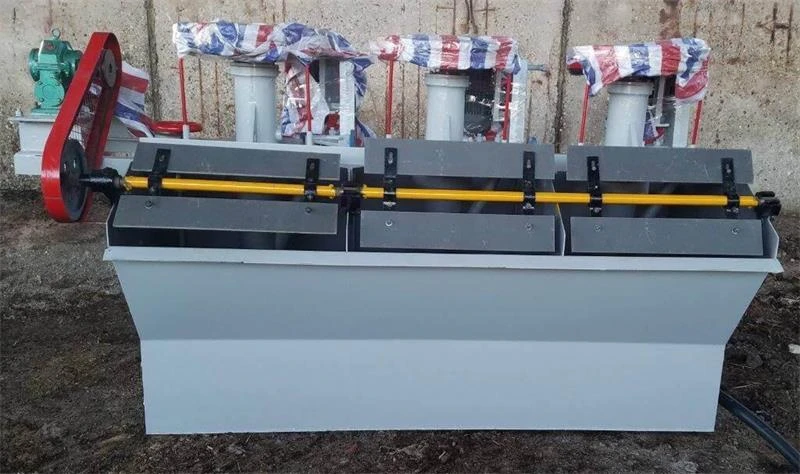
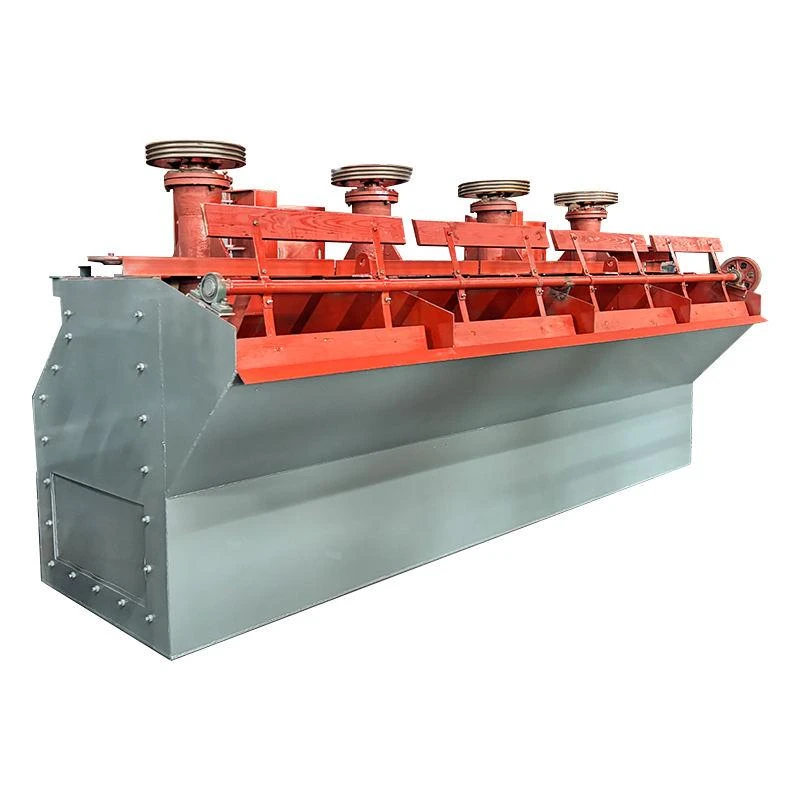
خلية التعويم هي نوع من معدات المعالجة المعدنية المستخدمة لفصل المعادن الثمينة عن مواد الشوائب من خلال تفاعل الملاط وجزيئات المعادن وكواشف التعويم وفقاعات الهواء. توفر بيئة خاضعة للتحكم حيث يمكن لجزيئات الخام المطحونة ناعمًا أن تلتصق انتقائيًا بفقاعات الهواء وتُفصل من خلال عملية التعويم بالرغوة. أثناء التشغيل، تعدّل كواشف التعويم خصائص سطح المعادن، مما يسمح للجزيئات الثمينة الكارهة للماء بالالتصاق بالفقاعات والارتفاع إلى السطح، حيث تُجمع الرغوة الغنية بالمعادن كمركّز.
يعتمد مبدأ عمل خلية التعويم على الالتصاق الانتقائي بين جزيئات المعادن وفقاعات الهواء. بعد التكسير والطحن، يُخلط الخام مع الماء وكواشف التعويم لتكوين الملاط. يدخل الملاط إلى خلية التعويم، حيث يُدخل الهواء من خلال التحريك الميكانيكي أو نظام إمداد هواء خارجي لتوليد الفقاعات. تلتصق المعادن الثمينة الكارهة للماء انتقائيًا بأسطح الفقاعات وترتفع إلى أعلى الخلية، مشكّلة طبقة رغوة غنية بالمعادن، بينما تبقى مواد الشوائب غير المرغوب فيها في الملاط. تصبح الرغوة المجمعة مركّزًا، مما يكمل عملية فصل المعادن. تؤثر عوامل مثل خصائص الملاط وظروف الكواشف وحجم الفقاعات وأداء التهوية مباشرةً على كفاءة التعويم ونتائج الاسترداد، ولهذا السبب يتم تطوير تصاميم مختلفة لخلايا التعويم لتطبيقات المعالجة المعدنية المتنوعة.
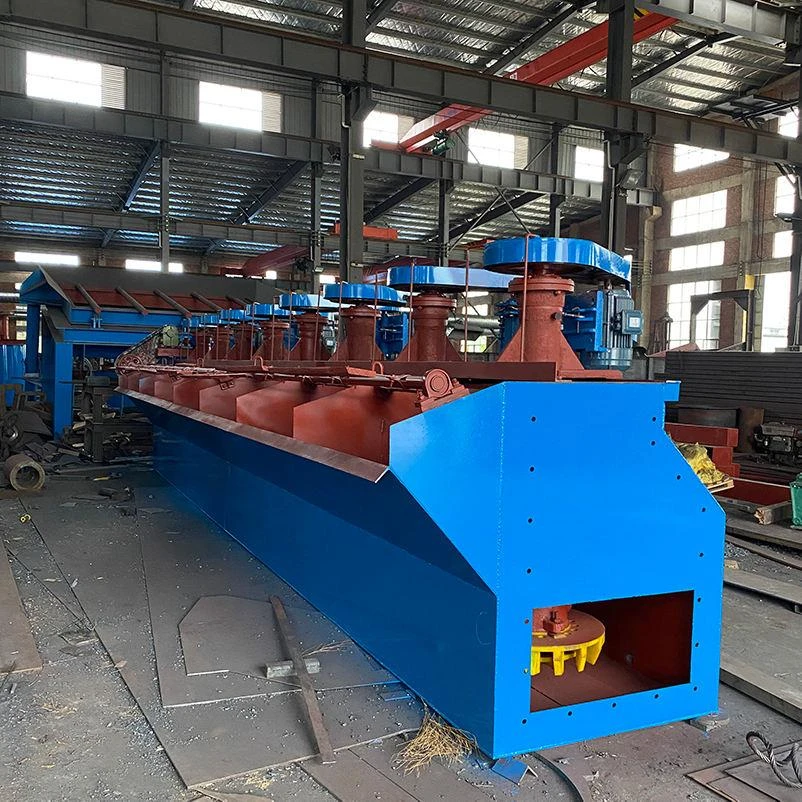
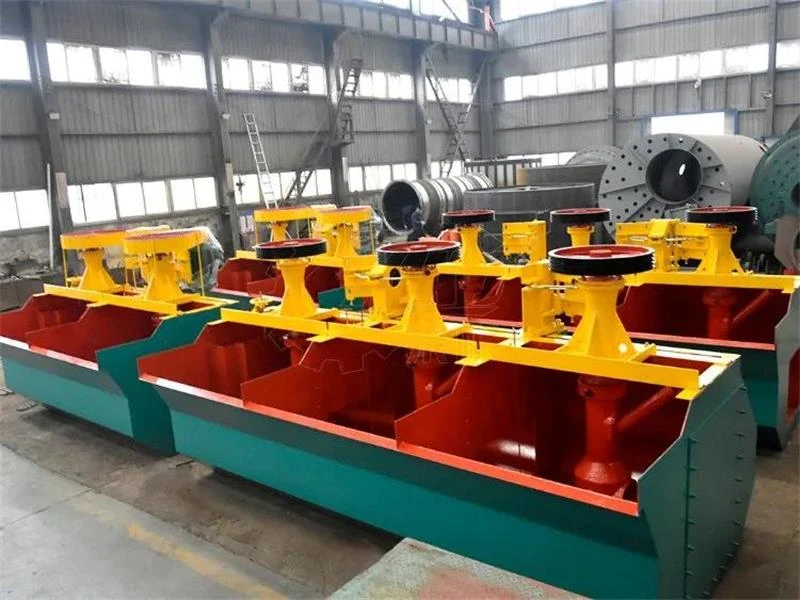
الأنواع الرئيسية لخلايا التعويم المستخدمة في المعالجة المعدنية
يمكن تصنيف خلايا التعويم وفقًا لطريقة الخلط ونظام إمداد الهواء وآلية توليد الفقاعات. يتم تطوير تصاميم مختلفة لخلايا التعويم لتحقيق فصل معدني مستقر في ظل ظروف خام مختلفة وسعات معالجة ومتطلبات استرداد مختلفة. في مصانع المعالجة المعدنية، تعد خلايا التعويم الميكانيكية وخلايا التعويم بنفخ الهواء الأنواع الأكثر استخدامًا، بينما تُطبق خلايا التعويم الهوائية والومضية لتطبيقات محددة تتطلب تحكمًا أدق في الفقاعات أو تآكلًا ميكانيكيًا أقل أو استردادًا مبكرًا للمعادن الثمينة.
| نوع خلية التعويم | الميزة الرئيسية | التطبيق النموذجي |
| خلية التعويم الميكانيكية | خلط بالمروحة وشفط ذاتي للهواء لدوران الملاط وتشتيت الفقاعات | معالجة خام النحاس والذهب والرصاص والزنك وخام الكبريتيد |
| خلية التعويم بنفخ الهواء | نظام إمداد هواء خارجي مع أداء تهوية خاضع للتحكم | مصانع المعالجة المعدنية المتوسطة والكبيرة الحجم |
| خلية التعويم الهوائية | بدون مروحة ميكانيكية، تستخدم توليد هواء خارجي لتكوين الفقاعات | استرداد الجزيئات الدقيقة والتطبيقات التي تتطلب تآكلًا ميكانيكيًا أقل |
| خلية التعويم السريع | مصممة للاسترداد السريع للمعادن المتحررة من دوائر الطحن | الاسترداد المبكر للمعادن في معالجة خام الذهب والنحاس وخام الكبريتيد |
من بين أنواع خلايا التعويم هذه،, خلايا التعويم الميكانيكية تُستخدم على نطاق واسع نظرًا لتشغيلها الموثوق ونطاق تطبيقها الواسع. خلايا التعويم بنفخ الهواء تُفضّل للمصانع الكبيرة التي تتطلب تهوية مستقرة واستهلاكًا أقل للطاقة، بينما خلايا التعويم الهوائية والومضية تُختار لمتطلبات استرداد المعادن المتخصصة. ستقدم الأقسام التالية هيكل كل نوع رئيسي من خلايا التعويم ومبدأ عمله ومزاياه وتطبيقاته بالتفصيل.
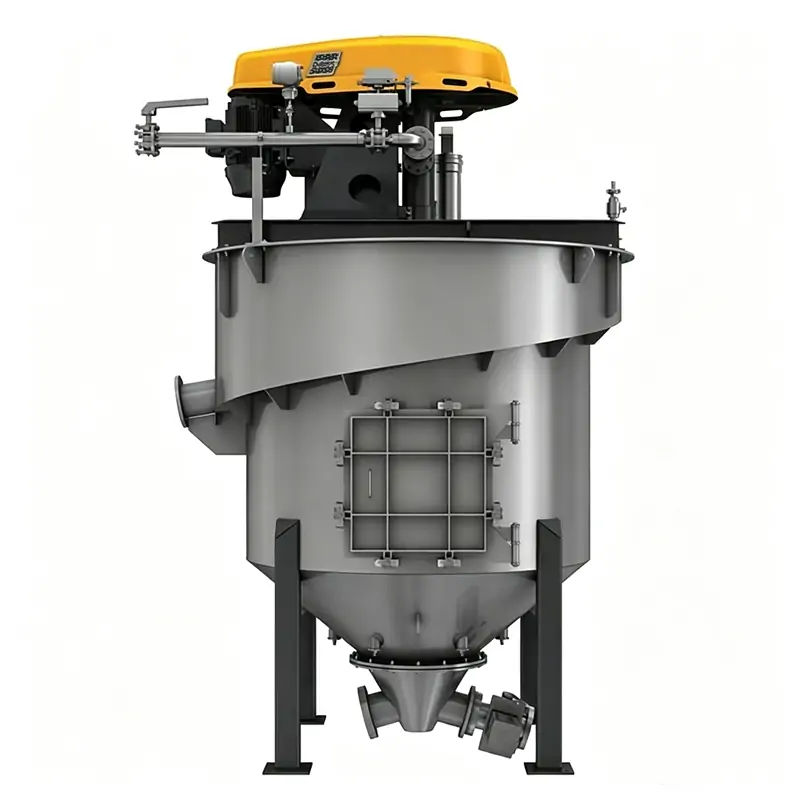
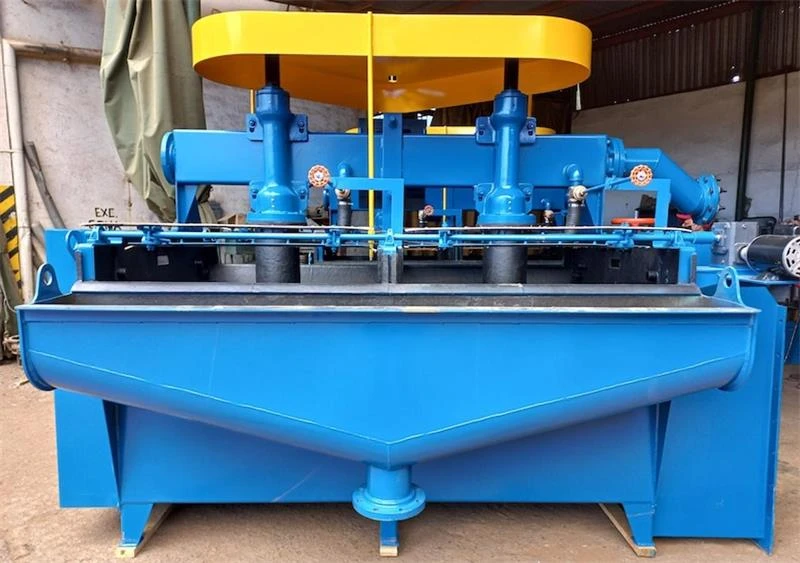
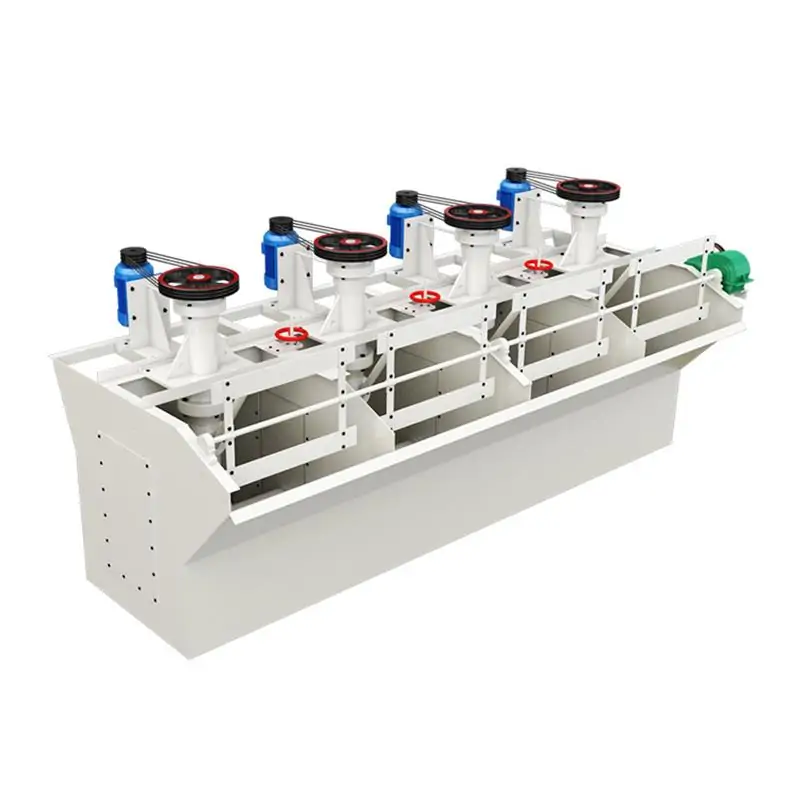
خلايا التعويم الميكانيكية
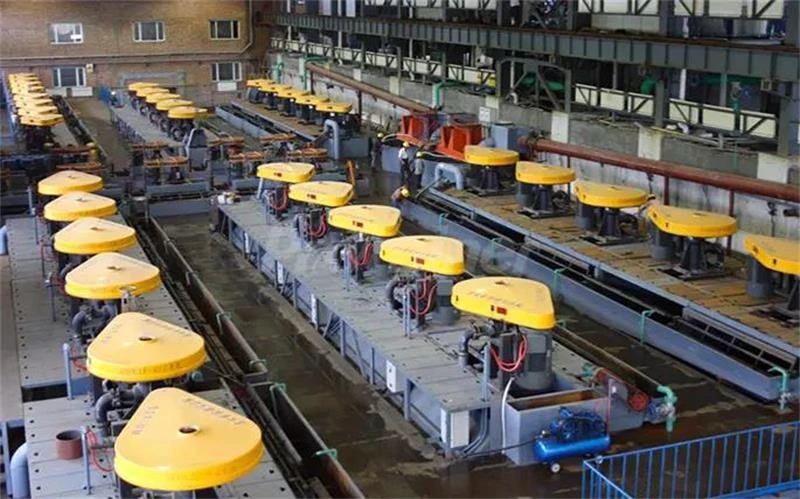
خلايا التعويم الميكانيكية هي أكثر أنواع معدات التعويم استخدامًا في مصانع المعالجة المعدنية نظرًا لتشغيلها الموثوق وهيكلها البسيط ونطاق تطبيقها الواسع. تستخدم خلايا التعويم هذه نظام خلط مدفوع بالمروحة لدمج الملاط والهواء، مما يخلق ظروفًا مناسبة لتشتيت فقاعات الهواء والتصاق المعادن. من خلال الحفاظ على دوران فعال للملاط وتهوية مستقرة، تُطبق خلايا التعويم الميكانيكية عادةً في عمليات التخشين والكنس والتنظيف لمعالجة خام النحاس والذهب والرصاص والزنك وخام الكبريتيد.
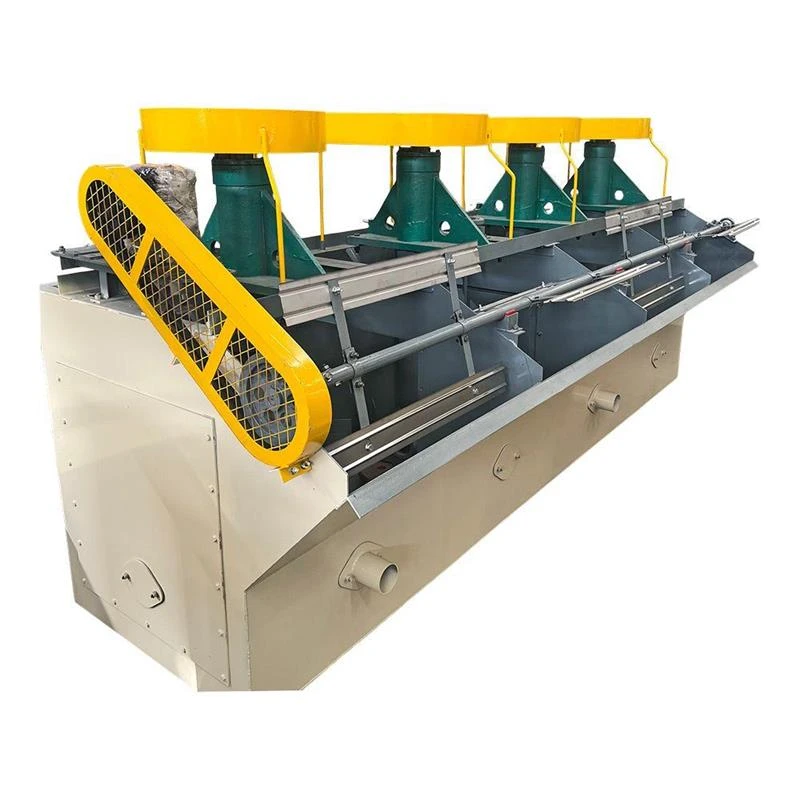
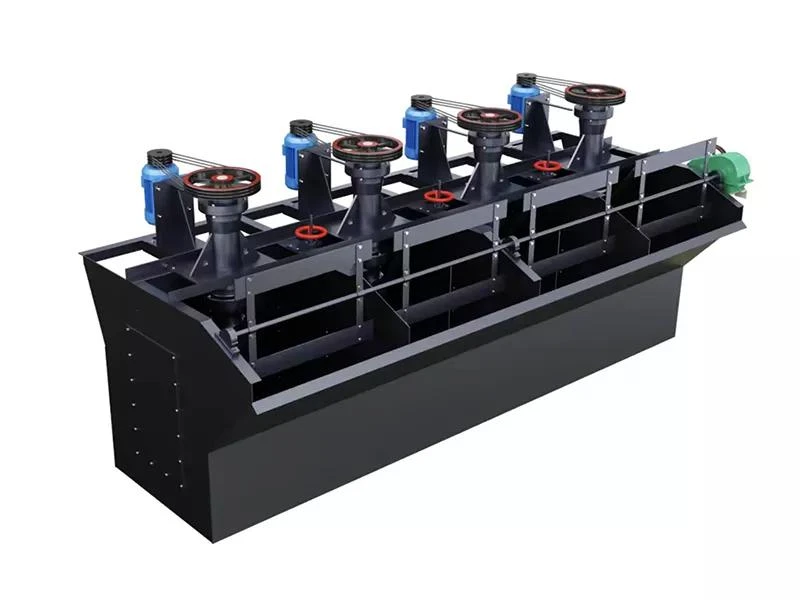
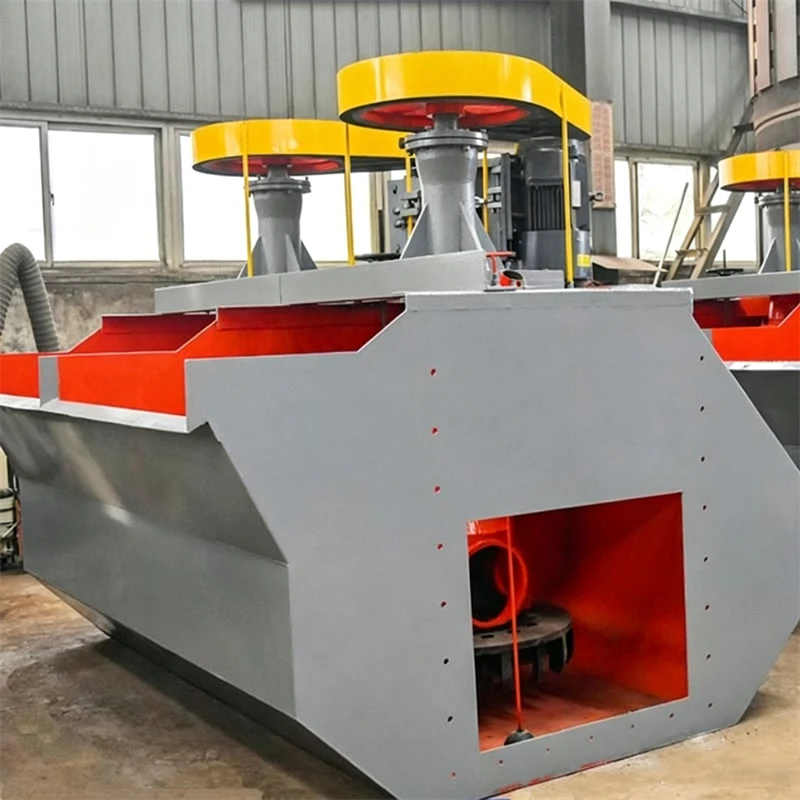
يتكون خلية التعويم الميكانيكية بشكل أساسي من خزان التعويم، والدوار، والجزء الثابت (العضو الساكن)، والمحرك، ونظام شفط الهواء. أثناء التشغيل، يقوم المحرك بتدوير الدوار، مما يخلق دورانًا للطينة داخل الخزان مع سحب الهواء إلى اللب وتشتيته إلى فقاعات دقيقة من خلال التفاعل بين الدوار والجزء الثابت. تلتصق جزيئات المعادن الثمينة بهذه الفقاعات وترتفع إلى السطح لتشكل رغوة، يتم جمعها كمركز. تتأثر كفاءة التعويم بعوامل مثل تصميم الدوار، وكفاءة تشتيت الهواء، ودوران الطينة، وظروف التشغيل، مما يتيح لخلايا التعويم الميكانيكية توفير استرداد مستقر للمعادن عبر تطبيقات معالجة مختلفة.
خلية التعويم BF
خلية التعويم BF هي آلة تعويم ميكانيكية ذاتية الشفط مصممة لشفط هواء فعال ودوران قوي للطينة. يعمل هيكل الدوار والجزء الثابت المحسّن على تحسين تشتيت الهواء وخلط اللب، مما يخلق ظروفًا مواتية لالتصاق المعادن بالفقاعات وفصلها. مقارنةً بمعدات التعويم الميكانيكية التقليدية، توفر خلايا التعويم BF أداءً مستقرًا للتهوية وتشغيلًا موثوقًا في ظروف العمل المستمرة.
تشمل المزايا الرئيسية لخلايا التعويم BF التشغيل المستقر، والقدرة العالية على التكيف، والملاءمة لمحطات معالجة المعادن ذات السعة الكبيرة. تُستخدم على نطاق واسع في معالجة خامات النحاس والذهب والموليبدينوم والرصاص والزنك وغيرها من الخامات المعدنية، خاصة في دوائر التعويم التي تتطلب قدرة دوران قوية وأداء استرداد متسق.
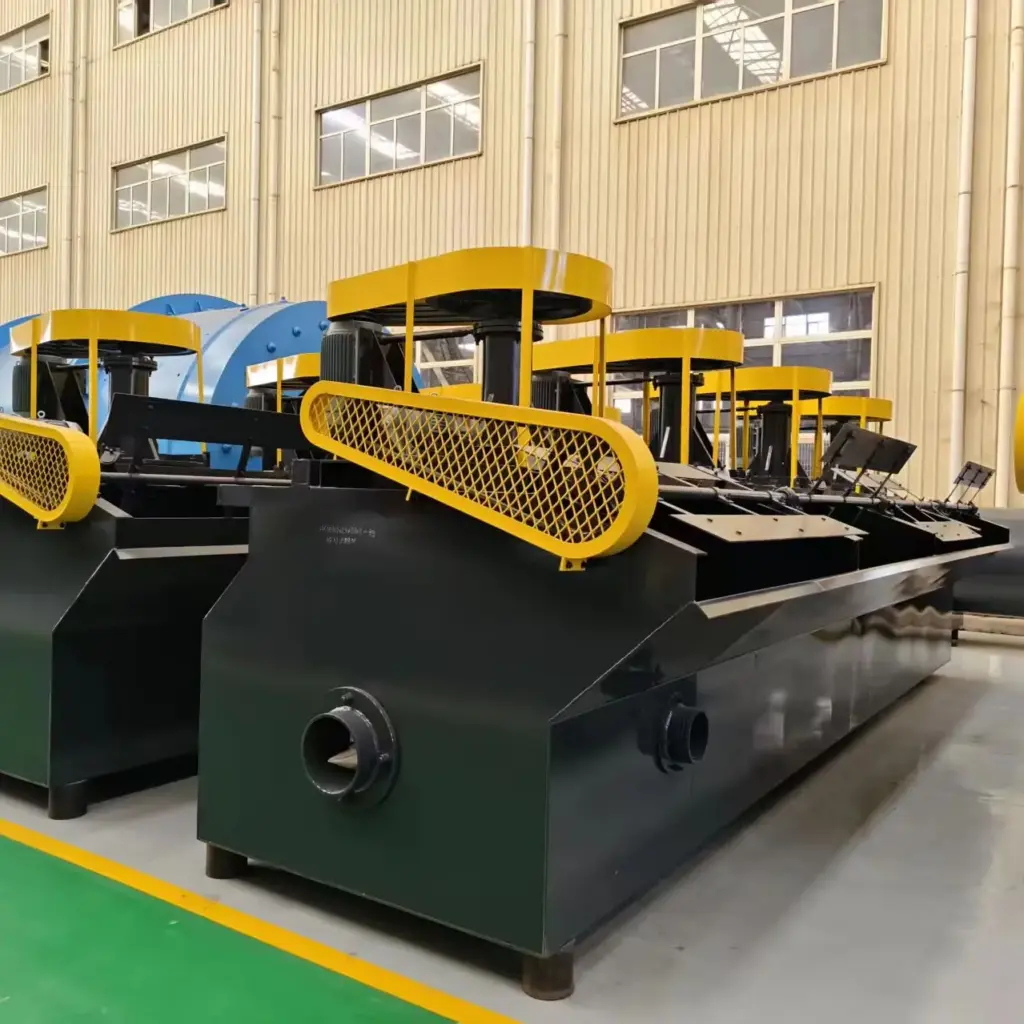
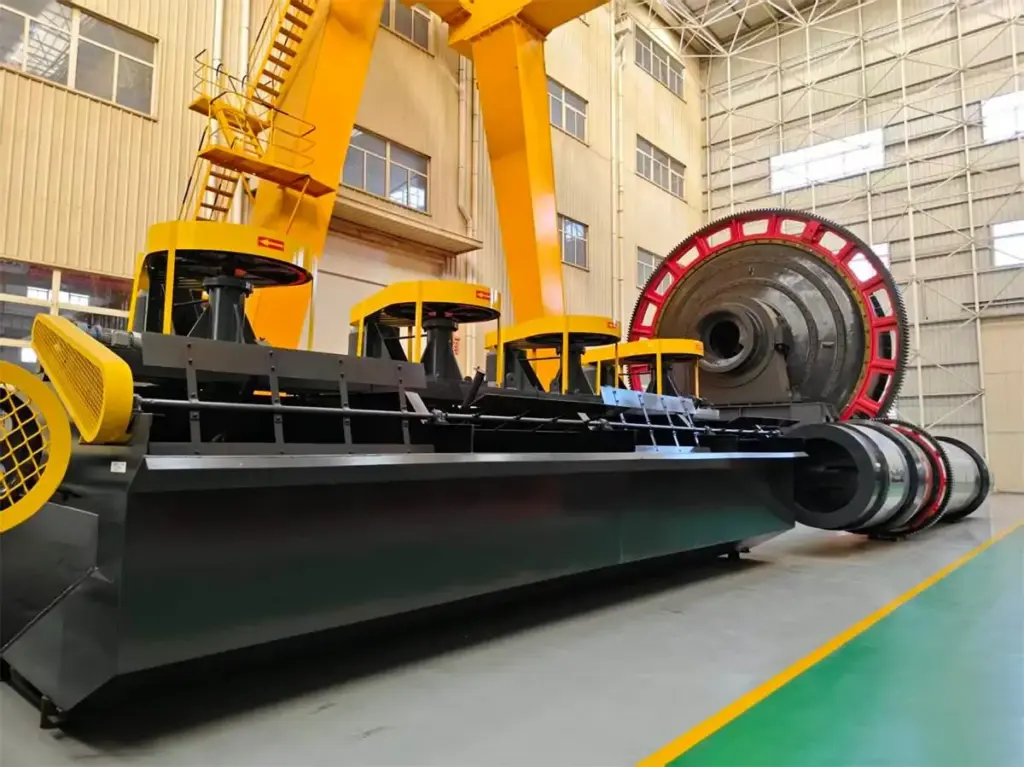
خلية التعويم SF
تجمع خلية التعويم SF بين التحريك الميكانيكي والشفط الذاتي للهواء لتحقيق خلط فعال للطينة وتشتيت للفقاعات. من خلال دوران الدوار، يتم إدخال الهواء إلى الطينة وتوزيعه بالتساوي في جميع أنحاء غرفة التعويم، مما يحسّن كفاءة التلامس بين جزيئات المعادن والفقاعات.
تشتهر خلايا التعويم SF بكفاءة التعويم العالية، والتشغيل المرن، وسهولة الصيانة. تُستخدم عادةً في معالجة خامات الكبريتيد، ومعالجة المعادن غير الحديدية، ومحطات تركيز المعادن التي تتطلب أداء تعويم موثوقًا ومرونة تشغيلية.
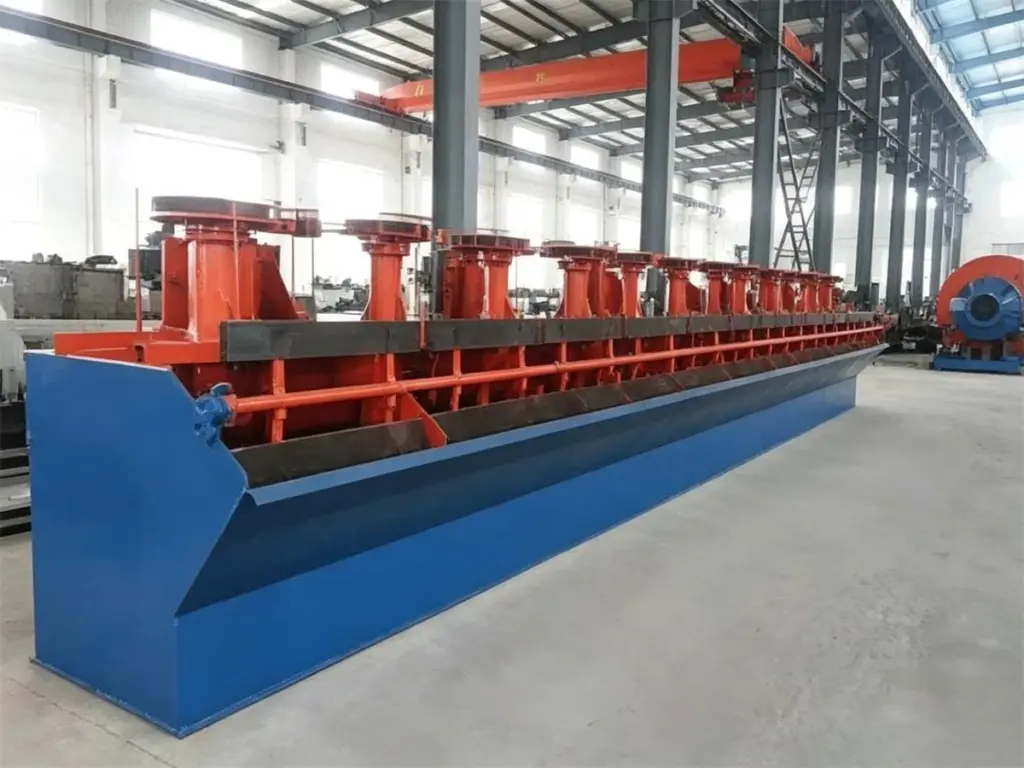
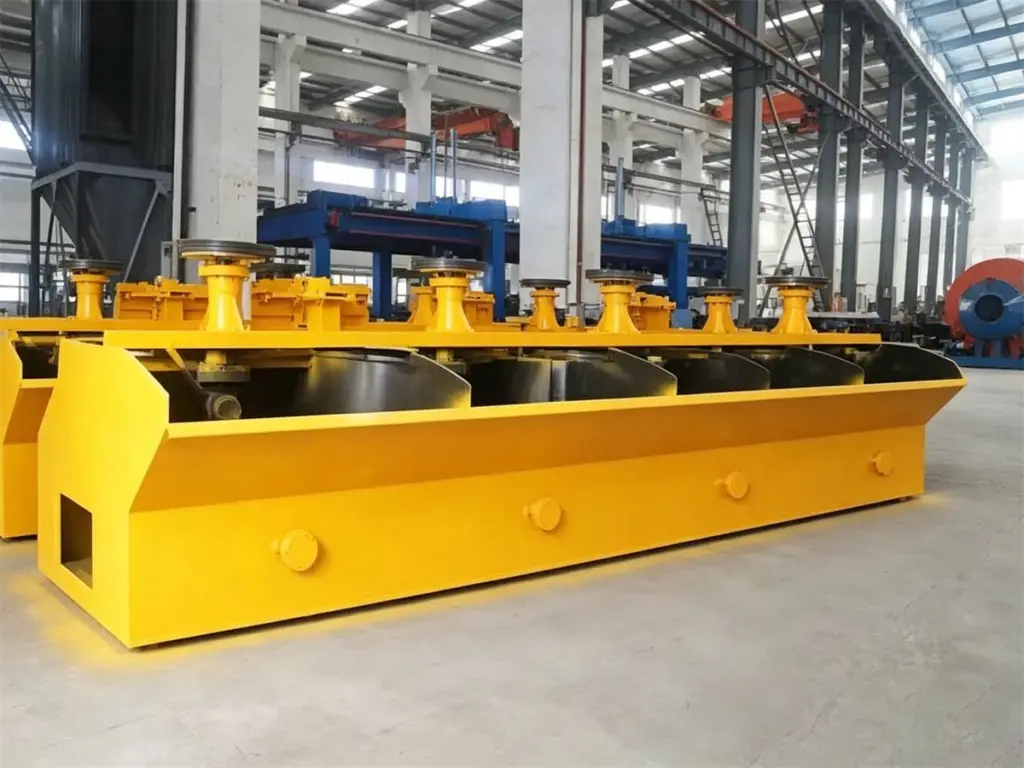
آلة التعويم XJK
آلة التعويم XJK هي تصميم تقليدي لمعدات التعويم الميكانيكية في معالجة المعادن يتميز بهيكل بسيط وتشغيل موثوق. تستخدم نظام خلط قائم على الدوار لتوفير تحريك الطينة وتشتيت الهواء، مما يجعلها مناسبة لتطبيقات فصل المعادن العامة.
نظرًا لتصميمها المباشر، وأدائها المستقر، وتكلفة استثمارها الاقتصادية، تُستخدم آلات التعويم XJK عادةً في محطات معالجة المعادن الصغيرة والمتوسطة الحجم لفصل الخامات المعدنية. ولا تزال خيارًا عمليًا للعمليات التي تتطلب أداء تعويم موثوقًا مع متطلبات معدات بسيطة نسبيًا.
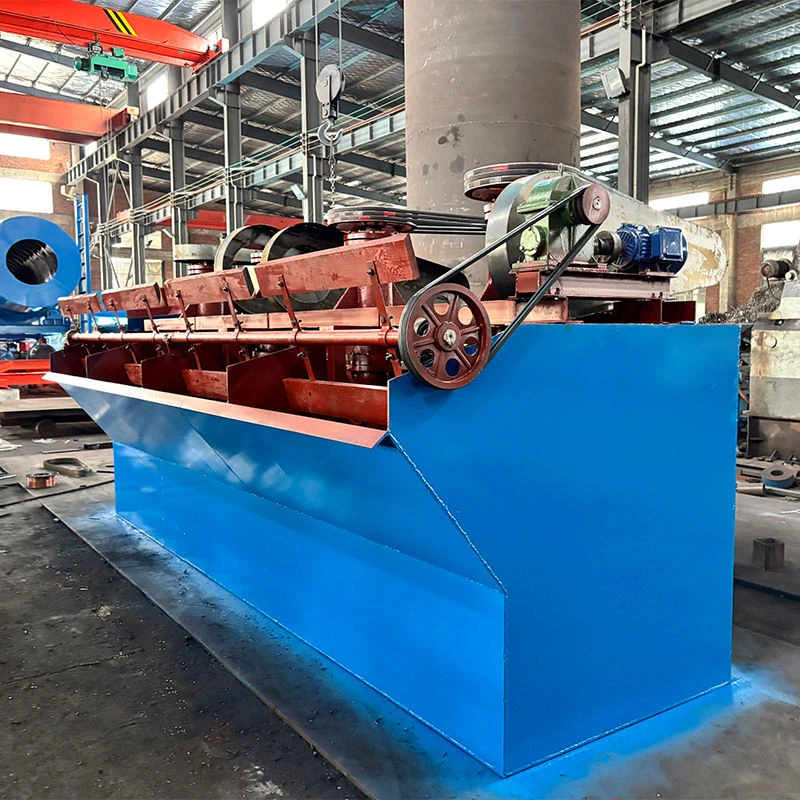
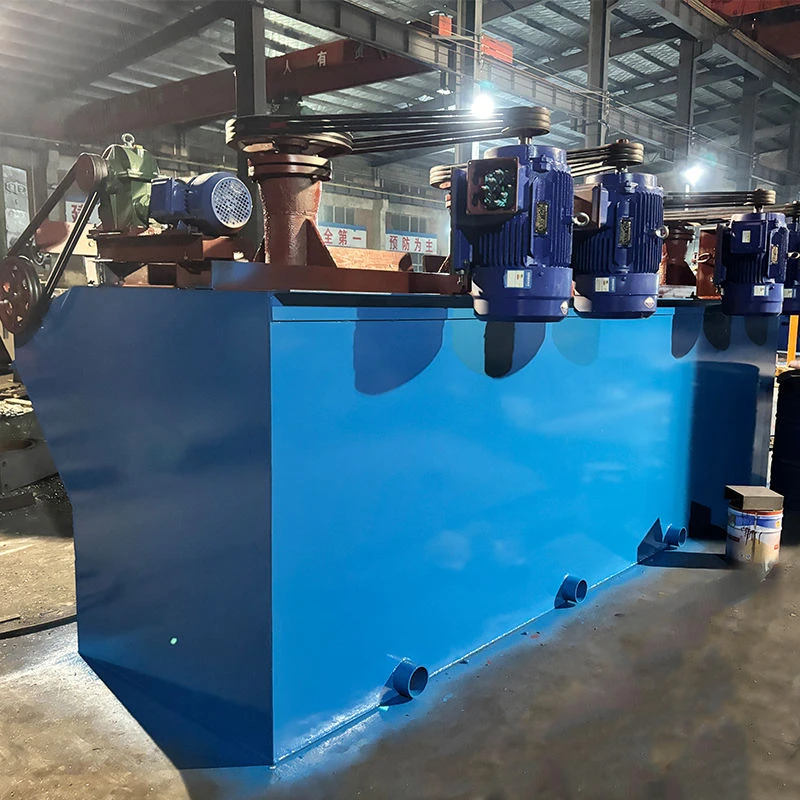
مقارنة بين خلايا التعويم BF وSF وXJK
| الميزة | BF | SF | XJK |
| النوع | خلية تعويم ميكانيكية ذاتية الشفط | خلية تعويم ميكانيكية ذاتية الشفط | آلة تعويم ميكانيكية تقليدية |
| Air Supply | Self-air suction | Self-air suction | Self-air suction |
| Mixing Method | Impeller agitation | Impeller agitation | Impeller agitation |
| Main Advantage | Strong air suction and slurry circulation | High flotation efficiency and flexible operation | Simple structure and reliable performance |
| Suitable Scale | Medium and large mineral processing plants | Small to medium-scale plants | Small and medium mineral processing plants |
| التطبيق النموذجي | Copper, gold, molybdenum, lead-zinc ores | Sulfide ores and non-ferrous metal beneficiation | General metal ore processing |
Air Inflation Flotation Cells
Air inflation flotation cells use an external air supply system to introduce air into the slurry, providing better control over aeration conditions compared with self-aspirated flotation machines. Unlike mechanical self-suction flotation cells, these flotation cells rely on forced air injection and optimized slurry circulation to improve bubble dispersion and maintain stable flotation performance. They are widely used in mineral processing plants that require reliable operation, flexible process adjustment, and large-scale production capacity.
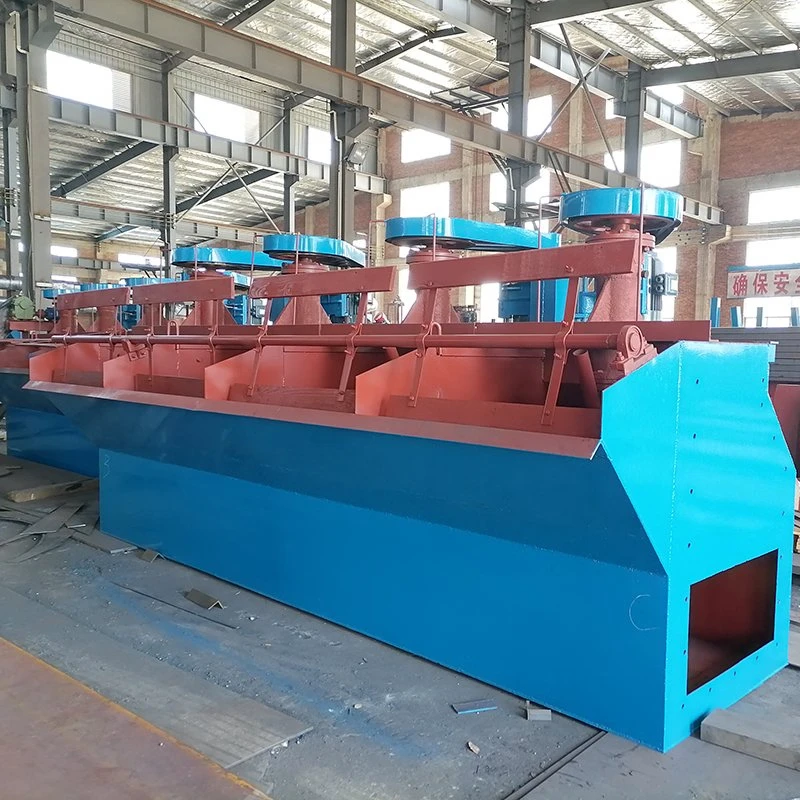
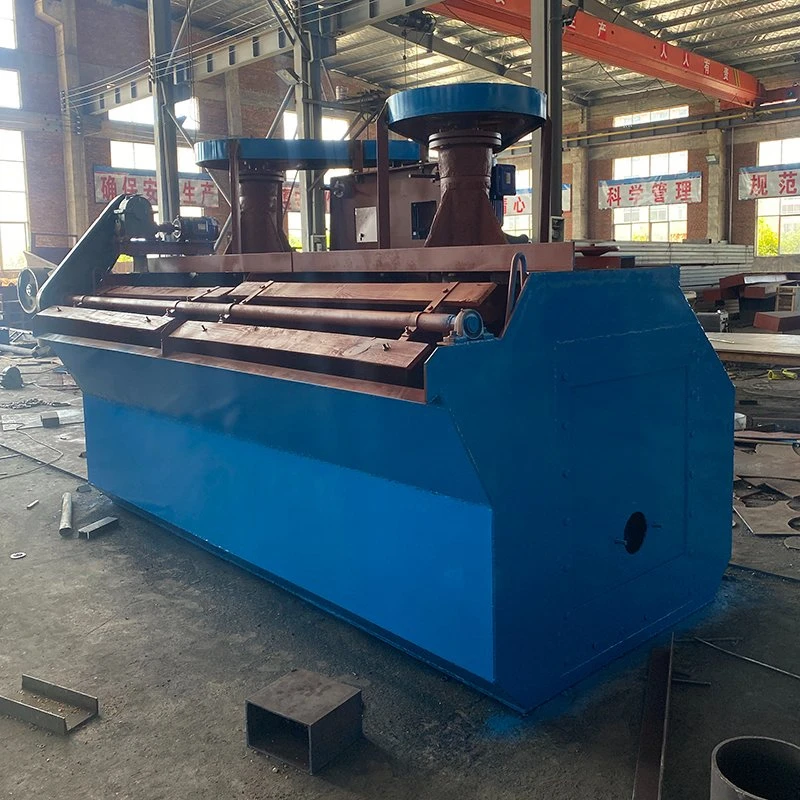
XCF and KYF flotation cells are typical examples of air inflation Mineral Processing Flotation Equipment. These two types of flotation cells are often used together in flotation circuits, where efficient slurry circulation, controlled air dispersion, and lower energy consumption help improve mineral recovery and maintain stable operation in continuous beneficiation processes.
XCF Flotation Cell
The XCF flotation cell is an air inflation flotation machine designed with an external air supply system and strong slurry circulation capability. By combining forced air introduction with efficient mechanical agitation, XCF flotation cells provide stable bubble generation and effective contact between mineral particles and air bubbles.
XCF flotation cells are commonly used in roughing and scavenging operations for copper, gold, sulfide ores, and other mineral processing applications. Their strong circulation performance makes them suitable for flotation circuits that require consistent slurry mixing and stable mineral recovery.
KYF Flotation Cell
The KYF flotation cell is a forced-air flotation machine designed for efficient mixing, aeration, and lower energy consumption. Its structure allows effective slurry circulation without requiring a large amount of power, making it suitable for continuous operation in large flotation circuits.
KYF flotation cells are widely applied in medium and large beneficiation plants, especially where high processing capacity, stable flotation performance, and reduced operating costs are important considerations. They are often combined with XCF flotation cells to form efficient flotation circuits for large-scale mineral processing operations.
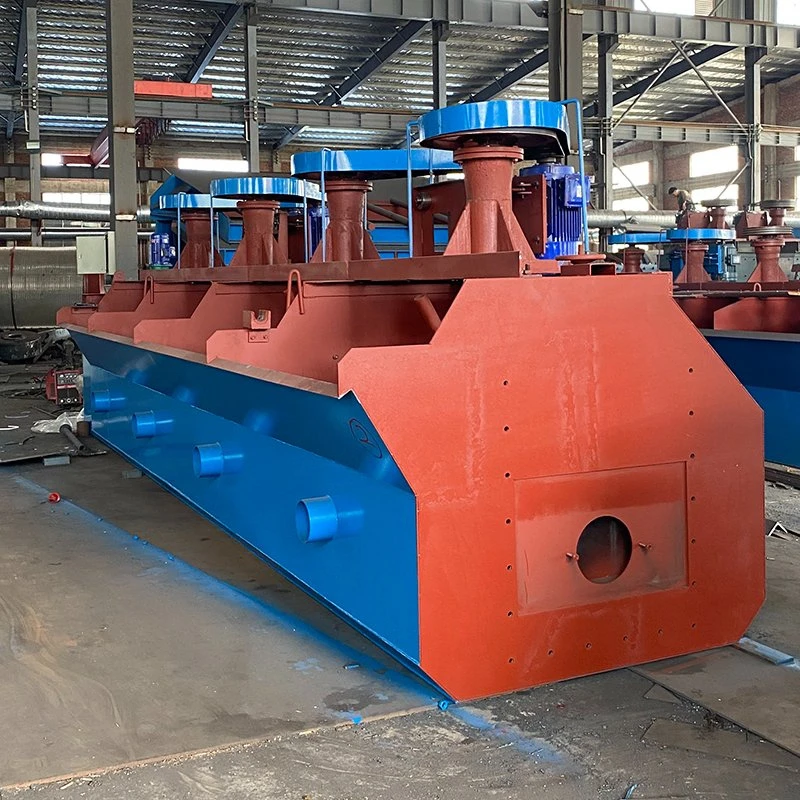
Pneumatic Flotation Cells
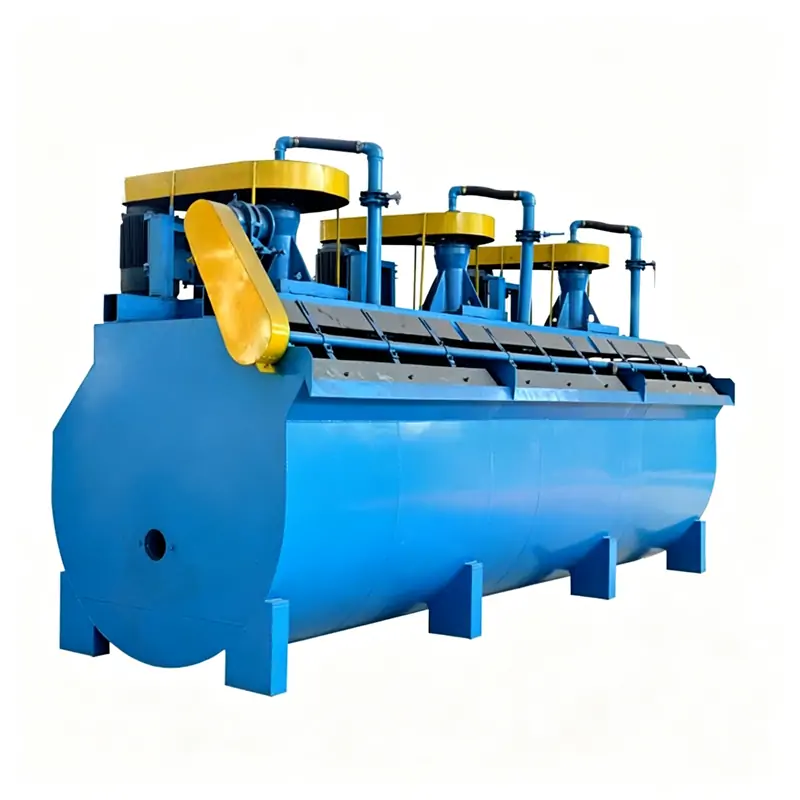
خلايا التعويم الهوائية are flotation equipment that generate air bubbles through an external air supply system without using a traditional mechanical impeller. Compared with mechanical flotation cells, this design reduces moving components and focuses on controlled aeration and bubble dispersion to improve mineral recovery under suitable operating conditions.
Due to lower mechanical wear, flexible air control, and stable flotation performance, pneumatic flotation cells are suitable for applications requiring fine bubble generation and reduced maintenance. They are commonly used for the recovery of copper, gold, iron ore, lead-zinc, and industrial minerals, especially in mineral processing operations involving fine particles.
Flash Flotation Cells
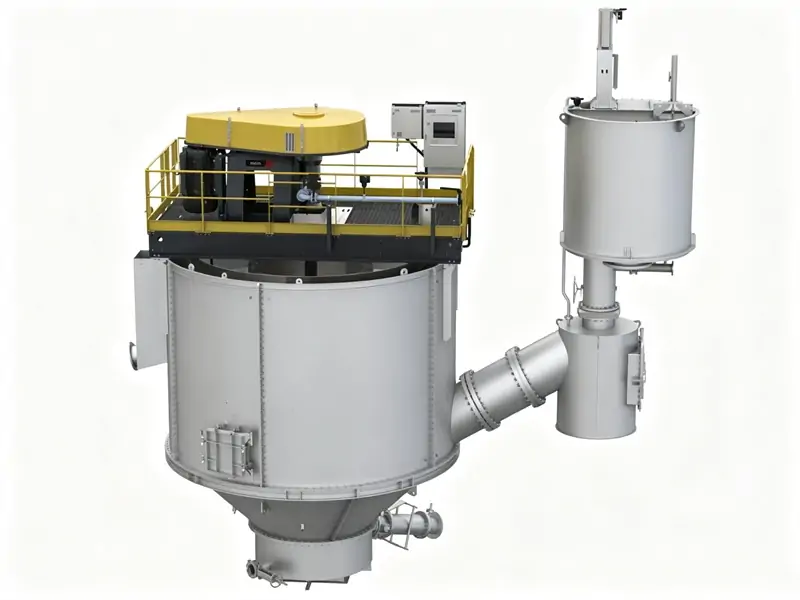
خلايا التعويم الخاطف are specialized flotation Mineral Processing Flotation Equipment installed in grinding circuits to recover liberated and fast-floating minerals at an early stage. They are typically used in high-density slurry streams, such as cyclone underflow, where valuable minerals can be recovered before further grinding.
By recovering valuable minerals earlier, flash flotation cells help reduce overgrinding losses, improve overall recovery, and optimize grinding and flotation performance. They are widely applied in gold, copper, sulfide ore, and graphite processing plants where early mineral recovery provides operational benefits.
Froth Flotation Cells in Mineral Processing
خلايا التعويم الرغوي are equipment used in the froth flotation process to separate valuable minerals through the formation and collection of mineral-rich froth. During operation, hydrophobic mineral particles attach to air bubbles and rise to the surface, while unwanted gangue materials remain in the slurry.
As one of the most common mineral separation methods, froth flotation is widely used in the recovery of copper, zinc, nickel, sulfide ores, graphite, phosphate, and other minerals. Flotation cells provide the necessary conditions for bubble generation, mineral attachment, and concentrate recovery in modern beneficiation plants.
How to Choose Between Different Flotation Cell Types?
Selecting the right flotation cell types requires a comprehensive evaluation of ore characteristics, processing capacity, flotation circuit requirements, and long-term operating costs. There is no single flotation cell design suitable for all mineral processing plants. The most suitable Mineral Processing Flotation Equipment should match the specific ore properties, production targets, and plant operating conditions.
Ore Characteristics and Mineral Properties
The characteristics of the ore are the primary factors affecting flotation cell selection. Mineral type, particle size distribution, liberation degree, and slurry conditions determine how effectively valuable minerals can attach to air bubbles and be recovered. For example, ores with fine particles may require better bubble control, while coarse or high-density minerals may require stronger slurry circulation and mixing capability.
Processing Capacity and Plant Scale
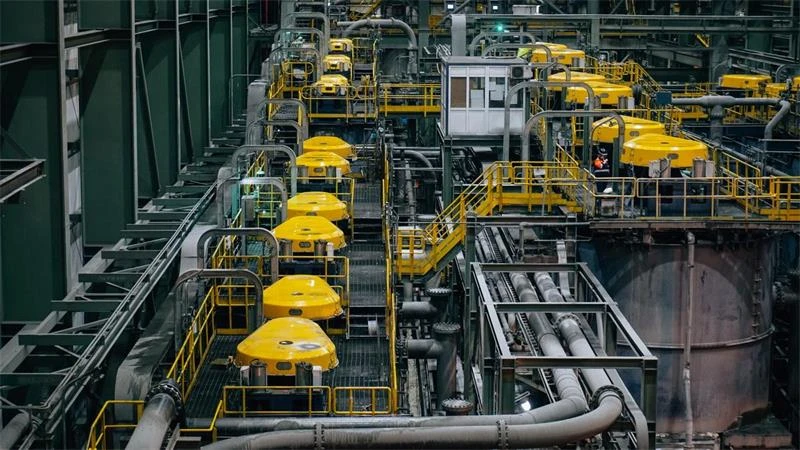
The required processing capacity directly influences flotation equipment selection. Small and medium-sized plants often choose XJK and SF flotation cells because of their simple structure, reliable operation, and flexible application. For large-scale beneficiation plants, KYF and XCF flotation cells are commonly selected due to their stable aeration performance, strong circulation capability, and suitability for continuous high-capacity operation.
Flotation Circuit Requirements
Different stages of the flotation process have different Mineral Processing Flotation Equipment requirements. Roughing and scavenging operations usually focus on maximizing mineral recovery and require flotation cells with strong mixing and circulation performance. Cleaning operations focus more on improving concentrate grade and may require better control of bubble generation and froth stability. Therefore, flotation cell selection should consider the role of each unit in the overall flotation circuit.
Energy Consumption and Maintenance Cost
Besides initial investment, operating cost is an important factor in long-term equipment selection. Mechanical flotation cells provide reliable performance and wide application, while air inflation flotation cells can offer better aeration control and energy efficiency in large-scale operations. Factors such as impeller wear, spare parts availability, maintenance frequency, and equipment stability should also be considered to reduce downtime and improve overall plant efficiency.
Applications of Different Flotation Cell Types
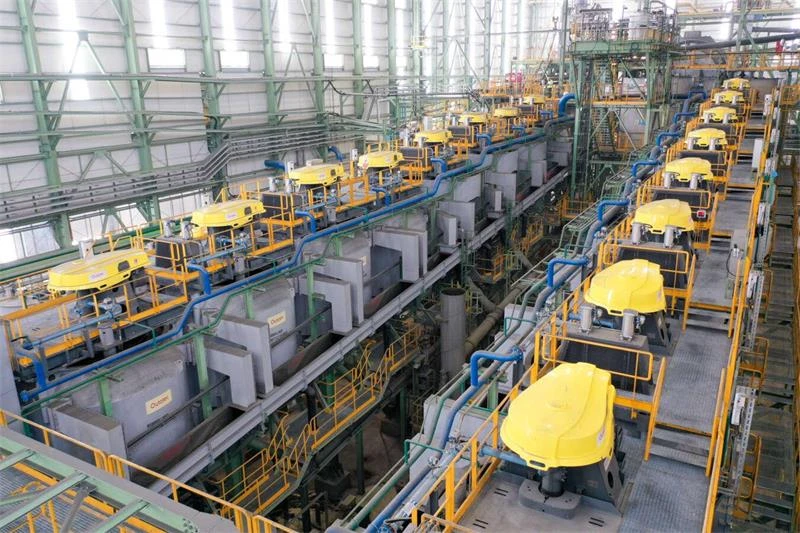
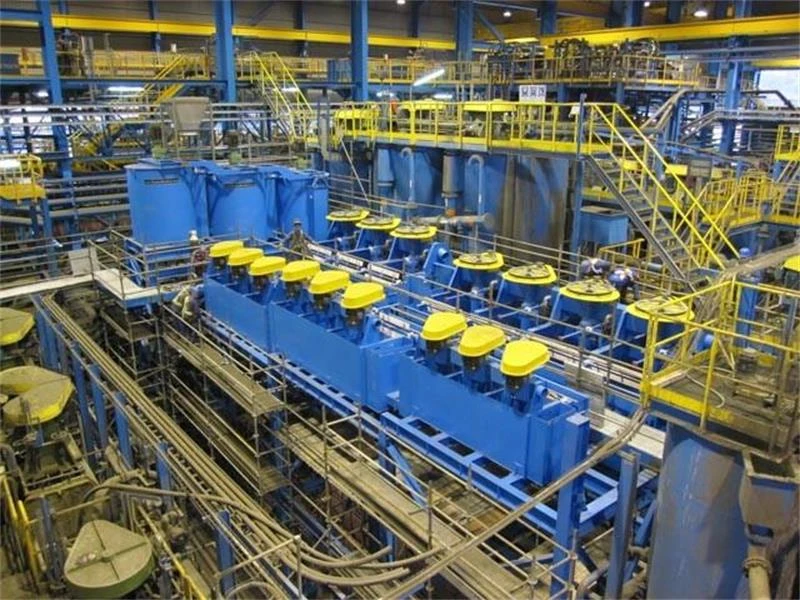
Different flotation cell types are selected according to mineral properties, processing requirements, and recovery targets. The same Mineral Processing Flotation Equipment may perform differently under different ore conditions, so mineral processing plants usually choose suitable flotation cells based on the characteristics of the ore and the role of each stage in the flotation circuit. The following applications show how different flotation cell designs are commonly used in industrial mineral processing.
In copper ore processing, BF, XCF, and KYF flotation cells are widely applied due to their stable aeration, strong slurry circulation, and suitability for continuous operation. For gold processing, BF and SF flotation cells are commonly used for conventional flotation circuits, while flash flotation cells are often installed in grinding circuits for early recovery of liberated gold minerals. In lead-zinc processing, mechanical flotation cells remain a common choice because of their reliable mixing performance and adaptability to sulfide ore beneficiation.
For industrial minerals, such as graphite, phosphate, and other non-metallic minerals, pneumatic flotation cells can be suitable when fine particle recovery, controlled bubble generation, and reduced mechanical wear are important considerations. Understanding the relationship between ore type and flotation cell design helps plants select more efficient equipment and achieve better recovery performance, which is also the key factor when comparing different flotation cell types for specific mineral processing applications.
Conclusion & Call to Action
Understanding different Types of Flotation Cells is essential for selecting the right equipment for mineral processing plants. Mechanical flotation cells, air inflation flotation cells, pneumatic flotation cells, and flash flotation cells each have their own advantages and suitable applications. There is no single flotation cell design that fits all mineral processing conditions, and the final selection should be based on ore properties, processing capacity, recovery targets, and operating requirements.
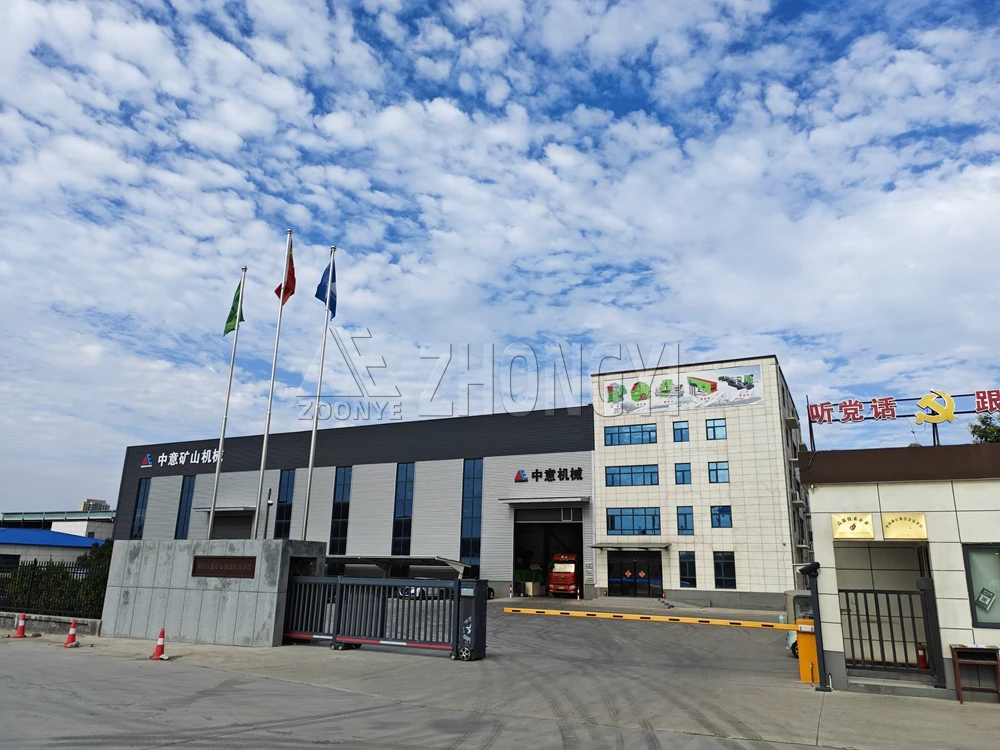
Choosing the appropriate flotation equipment can help improve mineral recovery, reduce operating costs, and maintain stable plant performance. Zhongyi Mining provides customized flotation equipment solutions based on different mineral processing requirements, helping customers select suitable flotation cell designs for copper, gold, sulfide ores, and other beneficiation applications. Contact us today to discuss your project requirements and get a suitable flotation solution from our mineral processing experts.
اطلب حلًا مخصصًا
Partner with Zhongyi for expert support, customized flotation solutions, and reliable equipment tailored to your ore characteristics and production needs.
الأسئلة الشائعة
What are the main types of flotation cells used in mineral processing?
The main types of flotation cells used in mineral processing include mechanical flotation cells, air inflation flotation cells, pneumatic flotation cells, and flash flotation cells. Each type uses different mixing and aeration methods to achieve mineral separation. Mechanical and air inflation flotation cells are the most common choices for copper, gold, sulfide ore, and other beneficiation applications.
What is the difference between mechanical flotation cells and air inflation flotation cells?
The main difference between mechanical and air inflation flotation cells is the air supply method. Mechanical flotation cells use impeller-driven mixing and self-air suction, while air inflation flotation cells use an external air supply system. Air inflation designs provide better aeration control and are often selected for large-scale mineral processing plants requiring stable performance.
How do I choose the right flotation cell type for my mineral processing plant?
Choosing the right flotation cell types depends on ore properties, mineral characteristics, particle size, processing capacity, and recovery requirements. The selected equipment should match the flotation circuit design and production targets. Factors such as energy consumption, maintenance requirements, and long-term operating costs should also be considered before making a final equipment decision.
What is the difference between BF, SF, and XJK flotation cells?
BF, SF, and XJK flotation cells are all mechanical flotation equipment but have different design features and applications. BF flotation cells provide strong slurry circulation and stable operation, SF flotation cells offer efficient bubble dispersion and flexible operation, while XJK flotation machines are known for simple structure and reliable performance in small and medium-scale mineral processing plants.
When should a pneumatic flotation cell be selected?
A pneumatic flotation cell is suitable for applications requiring controlled aeration, fine bubble generation, and reduced mechanical wear. Compared with traditional mechanical flotation equipment, pneumatic designs reduce moving components and can provide stable flotation conditions. They are commonly used for fine mineral recovery in copper, gold, iron ore, lead-zinc, and industrial mineral processing.
What are the benefits of using a flash flotation cell?
Flash flotation cells are designed to recover liberated valuable minerals early in the grinding circuit. They help reduce overgrinding, improve mineral recovery, and increase overall process efficiency by removing fast-floating particles before further size reduction. They are commonly applied in gold, copper, and sulfide ore processing plants where early recovery is economically beneficial.
How do flotation cell types affect energy consumption and maintenance costs?
Different flotation cell types have different impacts on energy consumption, wear rates, and maintenance requirements. Factors such as impeller design, aeration method, spare parts availability, and operating conditions influence long-term costs. Selecting suitable flotation equipment can help reduce downtime, improve operational stability, and achieve better economic performance throughout the plant lifecycle.
Can flotation cells be customized for different mineral processing applications?
Yes. Flotation cells can be customized according to ore characteristics, processing capacity, flotation circuit requirements, and production goals. Equipment configuration, tank size, aeration system, and flotation arrangement can be adjusted for different applications. Professional manufacturers can provide technical support and customized solutions to improve recovery performance and meet specific plant requirements.