









Équipements





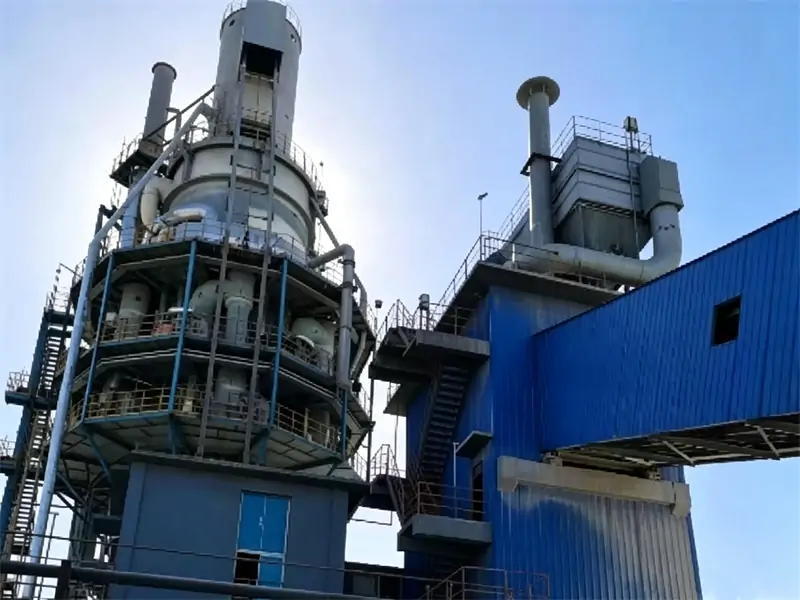
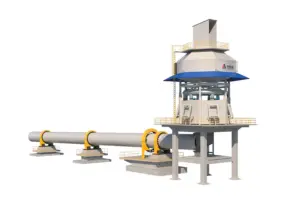
The Vertical Dryer is a compact drying machine designed to reduce moisture in bulk materials where available installation space is limited. Its vertical structure uses gravity to move material downward while hot air circulates through the drying chamber, providing continuous heat and moisture transfer.
The compact layout is suitable for mineral, aggregate, and other industrial drying applications requiring a smaller equipment footprint. The drying capacity, feed moisture, drying temperature, airflow arrangement, and discharge configuration can be matched to the material characteristics and process requirements.
- Capacity: 1–20 t/h
- Footprint: 40–60% Less vs. Horizontal Type
- Drying Mode: Gravity + Hot Air Circulation
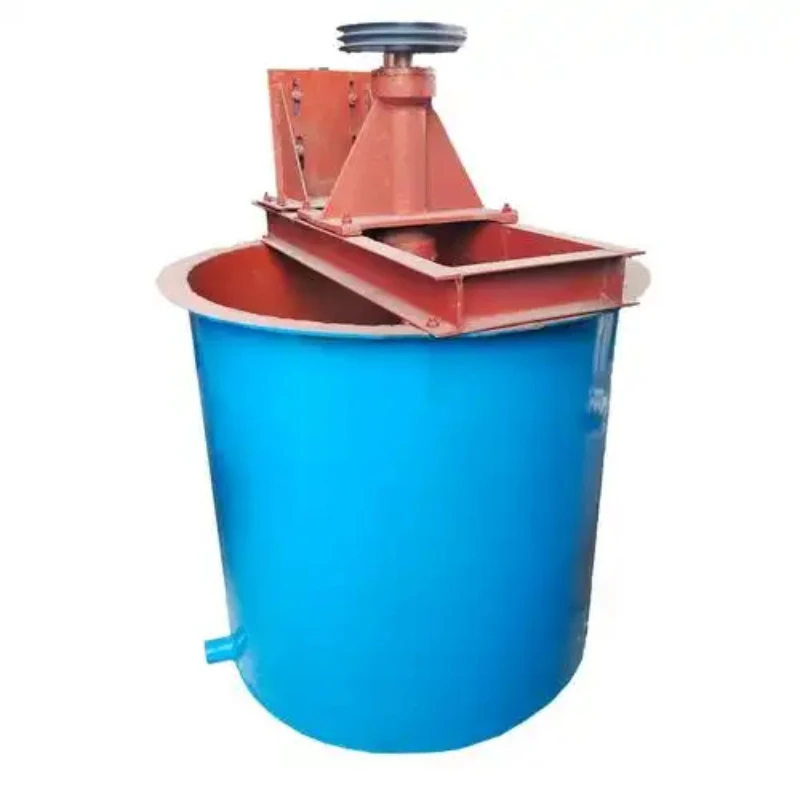
The Mining Agitation Tank is a mechanical mixing vessel used to homogenize and condition mineral slurry before downstream processing. The rotating impeller keeps solid particles suspended and promotes consistent pulp circulation, helping maintain stable slurry conditions during continuous operation.
Designed for general mineral processing applications, the tank can handle different slurry concentrations and material characteristics. Tank volume, impeller diameter, rotation speed, and motor power can be configured according to slurry flow rate, solids concentration, particle size, pulp density, conditioning time, and plant layout.
- Effective Volume: 0.098–38 m³
- Impeller Speed: 120–600 r/min
- Motor Power: 1.1–45 kW
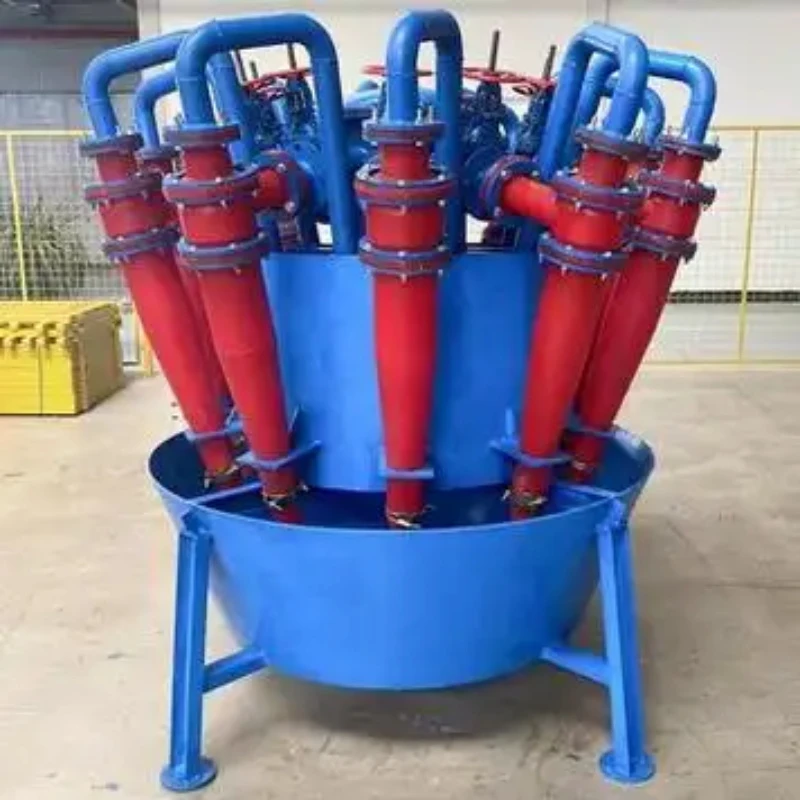
The Hydrocyclone Cluster integrates multiple hydrocyclones into a common classification system for continuous mineral slurry separation. The parallel cyclone arrangement distributes feed across multiple units, increasing overall throughput while maintaining efficient particle-size classification.
It is widely used in grinding circuits, desliming, classification, and tailings treatment where higher slurry capacity is required. The number and diameter of hydrocyclones, feed pressure, slurry flow rate, solids concentration, and target separation size can be configured according to the required process duty.
- Cyclone Diameter: 125–500 mm
- Capacity per Cyclone: 3.1–220 m³/h
- Overflow Particle Size: 20–120 μm
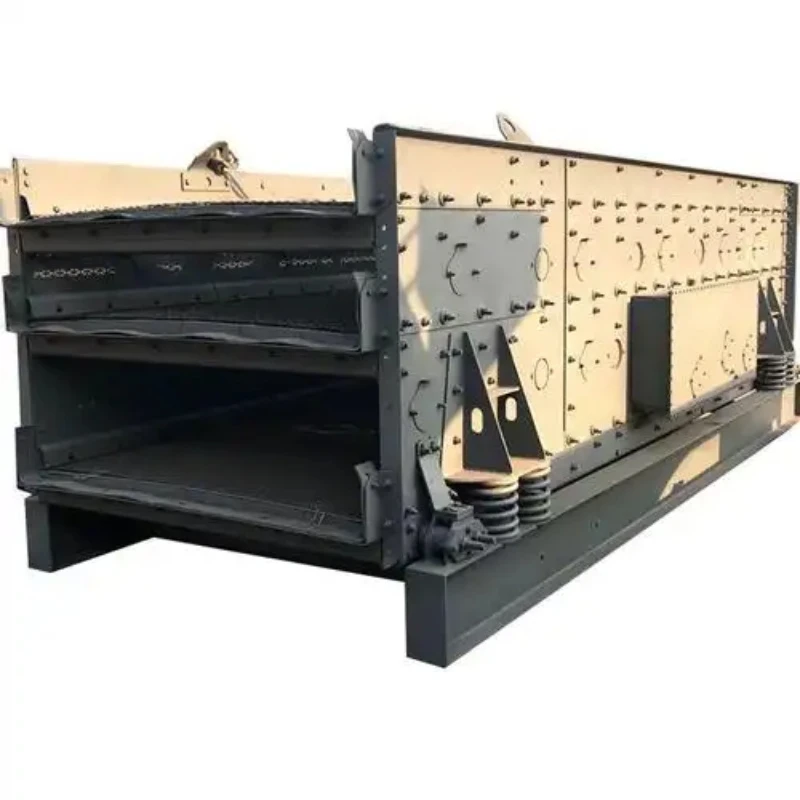
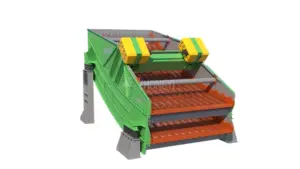
The Triple Shaft Horizontal Vibrating Screen is designed for high-capacity sizing of aggregates, ores, and other bulk materials. Its three-shaft drive generates controlled horizontal vibration, helping transport material across the screen deck while separating particles by size.
The horizontal screen layout is suitable for processing lines where screening capacity and limited installation height are important considerations. Screen deck configuration, aperture size, drive arrangement, and screening stages can be selected according to material type, feed size, required capacity, and target separation sizes.
- Excitation System: Triple Eccentric Shafts
- Screen Deck: 2–3 Deck Options
- Screen Motion: Elliptical / Oval Motion
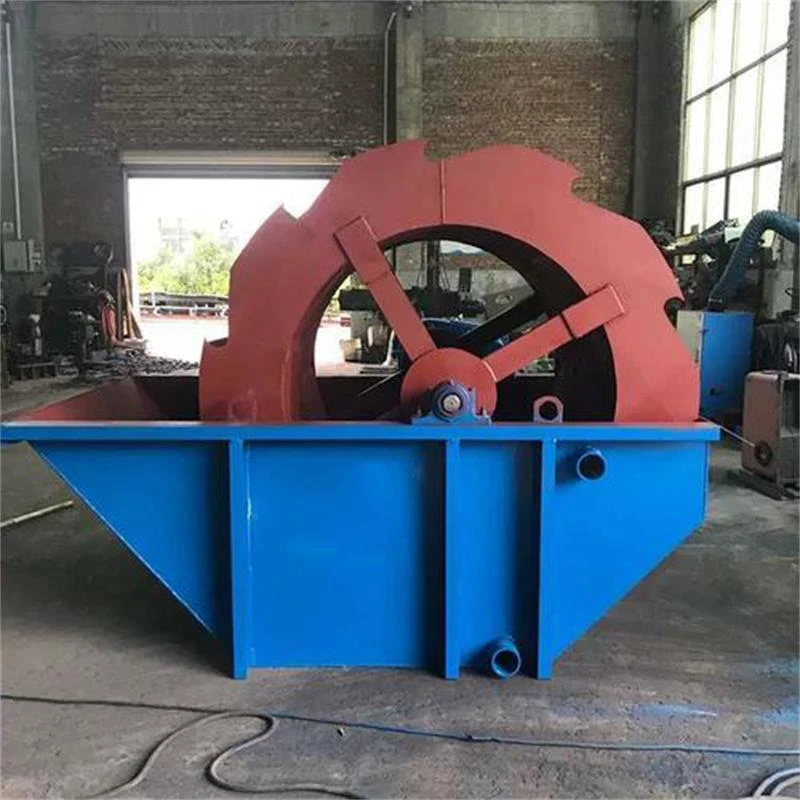
The Bucket Wheel Sand Washer is designed to remove mud, clay, dust, and other light impurities from sand and fine aggregates. Its bucket wheel continuously scoops and discharges the washed material, making it suitable for wet sand and aggregate processing.
It is commonly integrated into sand washing and aggregate production lines where cleaner finished material is required before further use or processing. The washing capacity, feed size, material condition, water supply, and discharge configuration can be matched to the required product quality and plant layout.
- Capacity: 15–350 t/h
- Max. Feed Size: ≤10 mm
- Wheel Speed: 1.0–2.5 rpm
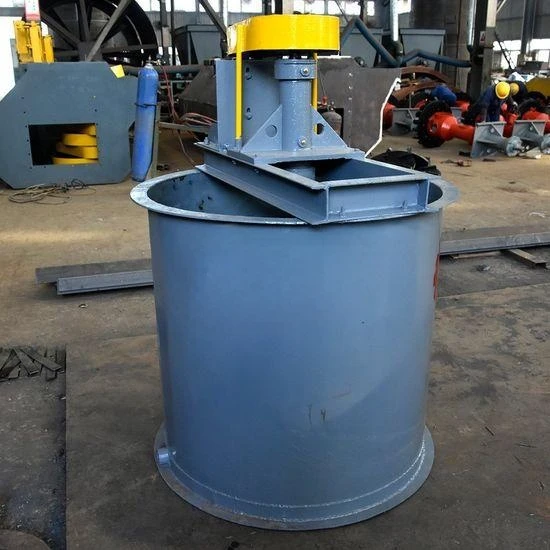
The Slurry Lifting Agitator Tank combines slurry agitation and lifting in one unit, providing continuous mixing while raising slurry to the required process level. The agitator keeps solids evenly suspended and helps prevent settling during slurry transfer.
It is designed for mineral processing circuits where slurry needs both continuous agitation and controlled elevation between process stages. Tank volume, lifting height, impeller configuration, motor power, and discharge arrangement can be selected according to slurry flow rate, solids concentration, particle size, and plant layout.
- Effective Volume: 33 m³
- Lifting Height: 2,930 mm
- Motor Power: 45 kW
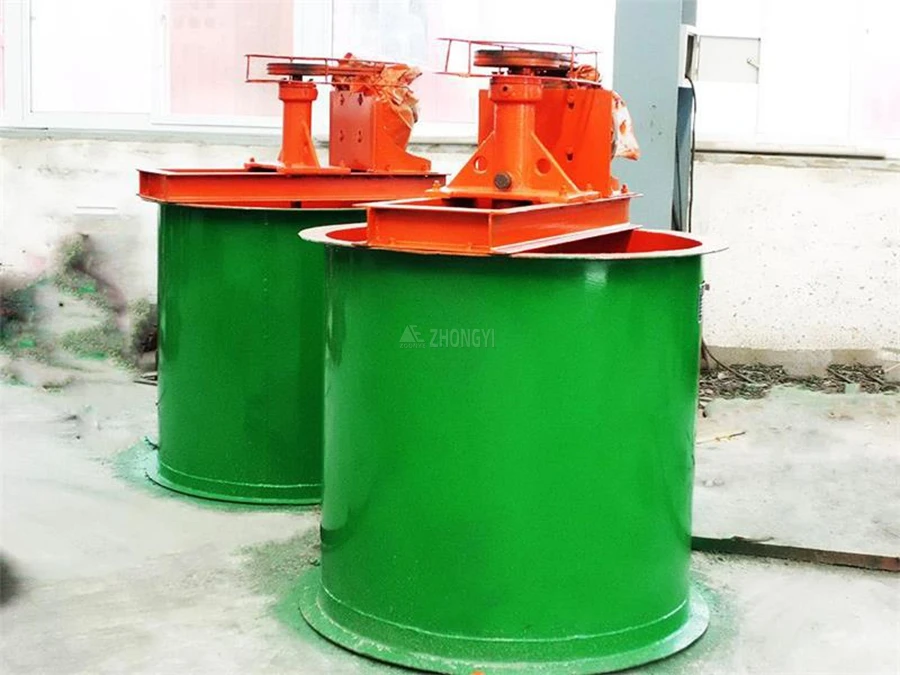
The Cone Bottom Agitation Tank is designed for conditioning mineral slurry before flotation. Its conical bottom directs settled solids toward the discharge area, while the agitator keeps particles suspended and promotes uniform mixing of ore pulp and flotation reagents.
It is suitable for mineral processing circuits that require controlled slurry conditioning before separation. The tank can be configured according to slurry flow rate, solids concentration, particle size, pulp density, conditioning time, and plant layout, with the impeller and drive system selected for the required mixing conditions.
- Effective Volume: 0.62–5.60 m³
- Impeller Speed: 305–610 r/min
- Impeller Diameter: 250–550 mm
- Motor Power: 1.5–7.5 kW
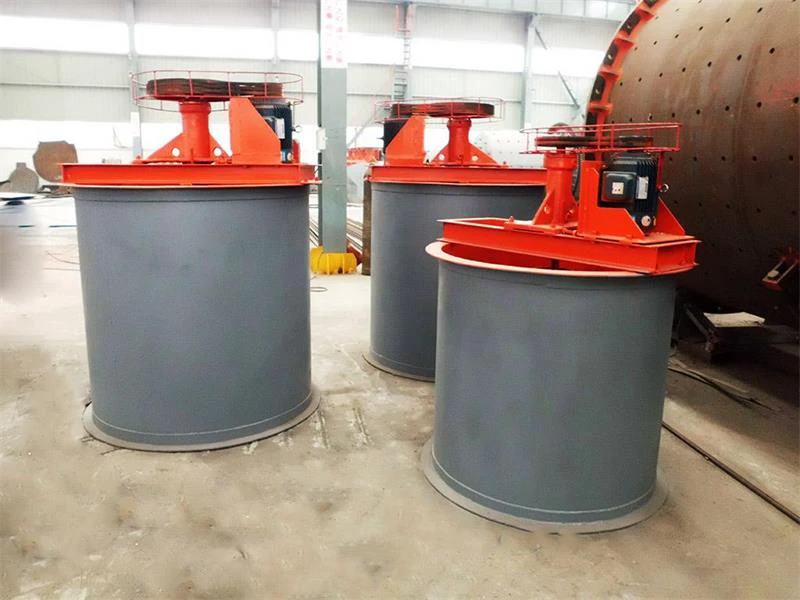
The GBJ Double-Impeller Leaching Agitation Tank is designed for mineral slurry leaching, providing intensive agitation to improve contact between ore particles and the leaching solution. Its double-impeller arrangement promotes circulation through the tank and helps maintain a consistent slurry condition during the required residence time.
It is suitable for hydrometallurgical processes where continuous slurry agitation and stable solid-liquid contact are required. The tank volume, impeller arrangement, agitation speed, and motor power can be selected according to slurry concentration, particle size, ore density, leaching conditions, and process capacity.
- Effective Volume: 0.58–45 m³
- Impeller Speed: 153–530 r/min
- Motor Power: 2.2–37 kW
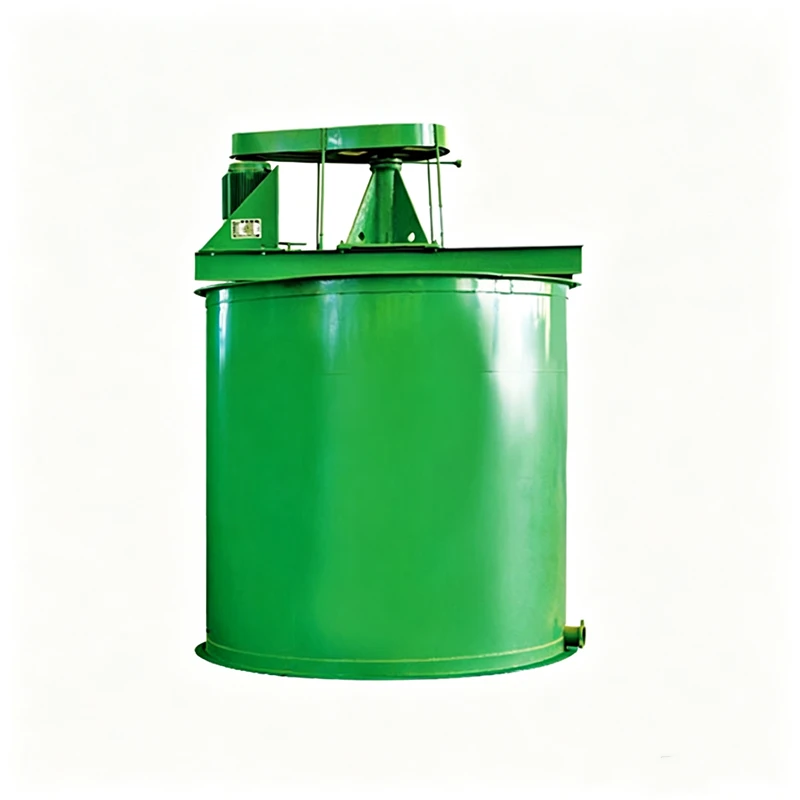
The High Density Agitation Tank is designed for continuous mixing of high-solids mineral slurry where conventional agitation may be affected by high pulp density. Its optimized impeller system promotes slurry circulation and helps maintain a consistent pulp condition throughout the tank.
It is used in mineral processing circuits for dense pulp mixing, conditioning, and preparation before downstream treatment. The tank volume, impeller design, agitation speed, and drive power can be selected according to solids concentration, pulp density, particle size, slurry flow rate, and required residence time.
- Effective Volume: 0.55–46 m³
- Impeller Diameter: 400–1000 mm
- Motor Power: 5.5–30 kW
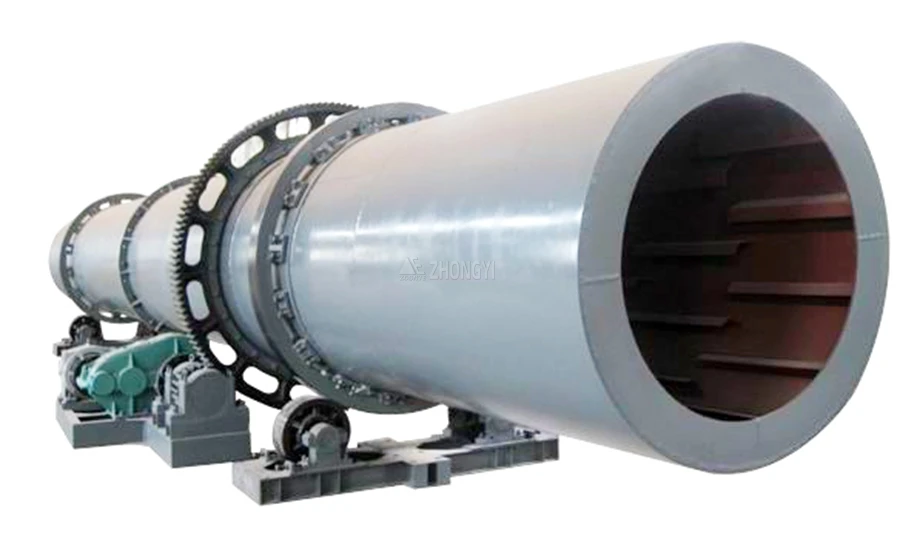
The Rotary Drum Dryer is a continuous industrial dryer for removing moisture from bulk and granular materials in mineral processing, biomass treatment, sludge drying, and other industrial applications. Its rotating drum continuously tumbles and moves the material through the drying chamber, providing controlled exposure to the drying medium.
Depending on the material and process, the dryer can be designed with different drum dimensions, internal flights, airflow arrangements, and heat transfer configurations. Key design conditions include material properties, initial moisture, required throughput, final moisture, heat source, and available installation space.
- Drum Diameter: 1.0–3.0 m
- Drum Length: 6–24 m
- Motor Power: 5.5–185 kW
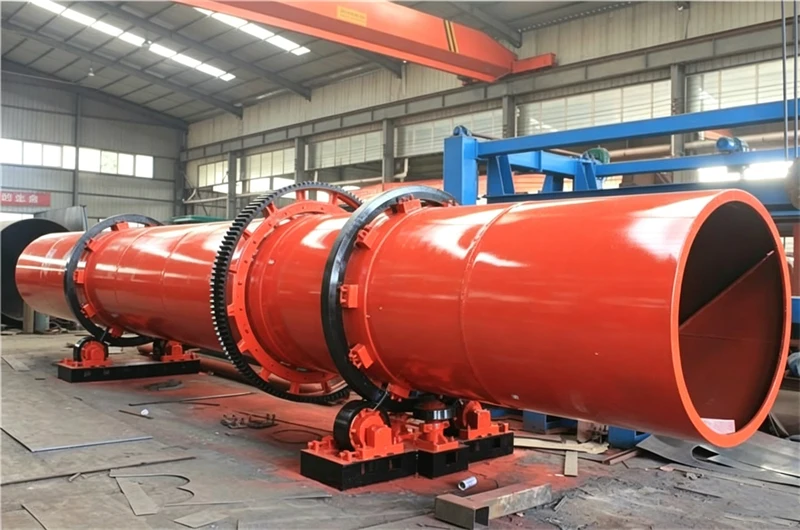
The coal slime dryer is a rotary drying machine designed to reduce the moisture content of wet coal slime from coal washing and mineral processing. It uses continuous lifting and dispersing inside the rotating drum to improve heat transfer and moisture evaporation.
It is suitable for coal slime, wet concentrates, tailings, and other high-moisture fine materials. Drying performance can be configured according to feed moisture, processing capacity, target moisture, heat source, and site conditions.
- Processing Capacity: Up to 100 t/h
- Drum Diameter: 2.2–3.8 m
- Drum Length: 5.5–9.0 m
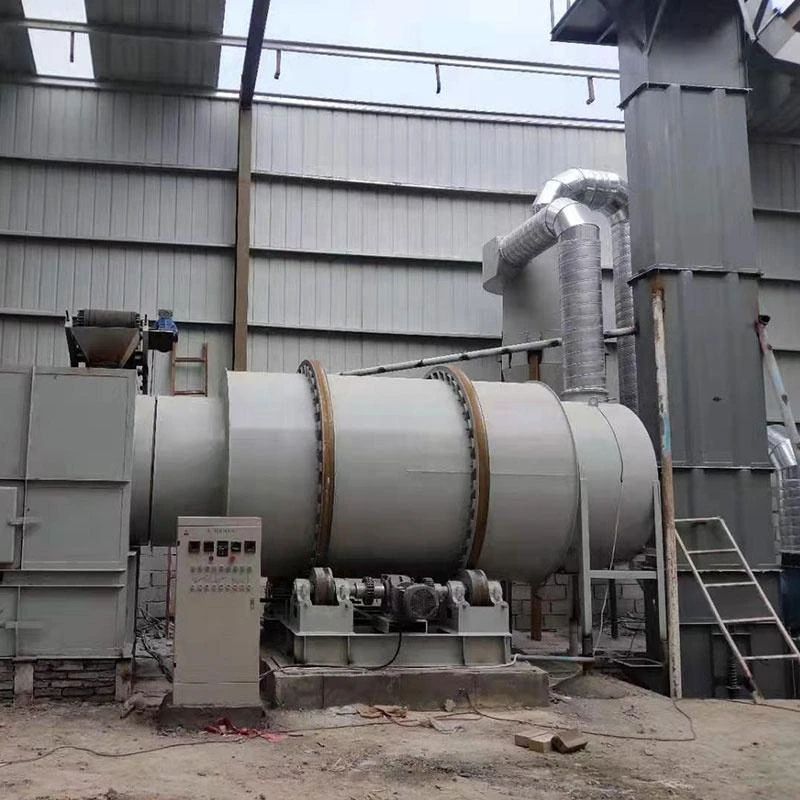
The Rotary Sludge Dryer is a continuous thermal drying system for reducing residual moisture in dewatered sludge from mineral processing and beneficiation plants. Sludge moves through a rotating drum while internal lifting flights repeatedly raise and disperse the material, increasing contact with hot drying gas and promoting progressive moisture evaporation. Controlled residence time allows the material to reach the required moisture level before discharge.
The dryer is suitable for mineral processing sludge, flotation sludge, tailings sludge and fine mineral sludge. Its configuration is determined by wet feed capacity, initial and target moisture, particle characteristics, abrasiveness and available heat source. The complete system can incorporate controlled feeding, heating, exhaust and dust treatment, and discharge conveying according to the process requirements.
- Drum Diameter: 1.2–3.6 m
- Drum Length: 8–28 m
- Drum Speed: 1.5–8 rpm
Améliorez votre efficacité minière avec des solutions complètes
L'équipe Zhongyi fournit des solutions personnalisées de traitement des minéraux et de lignes de production pour optimiser l'efficacité et réduire les coûts.