










反击式破碎机有哪些优点和缺点?
反击式破碎机具有高破碎比(可达20:1)、优异的颗粒形状以及30至2,000 TPH的处理能力。然而,在处理花岗岩或玄武岩等磨蚀性物料时,其磨损成本较高,因此更适合处理中硬岩石、石灰石、混凝土回收和骨料生产。.
优势:
- 高破碎比
- 优异的骨料形状
- 灵活的排料调节
- 初始投资较低
缺点:
- 较高的磨损成本
- 不适用于高磨蚀性岩石
- 更频繁的维护
- 较高的粉尘产生
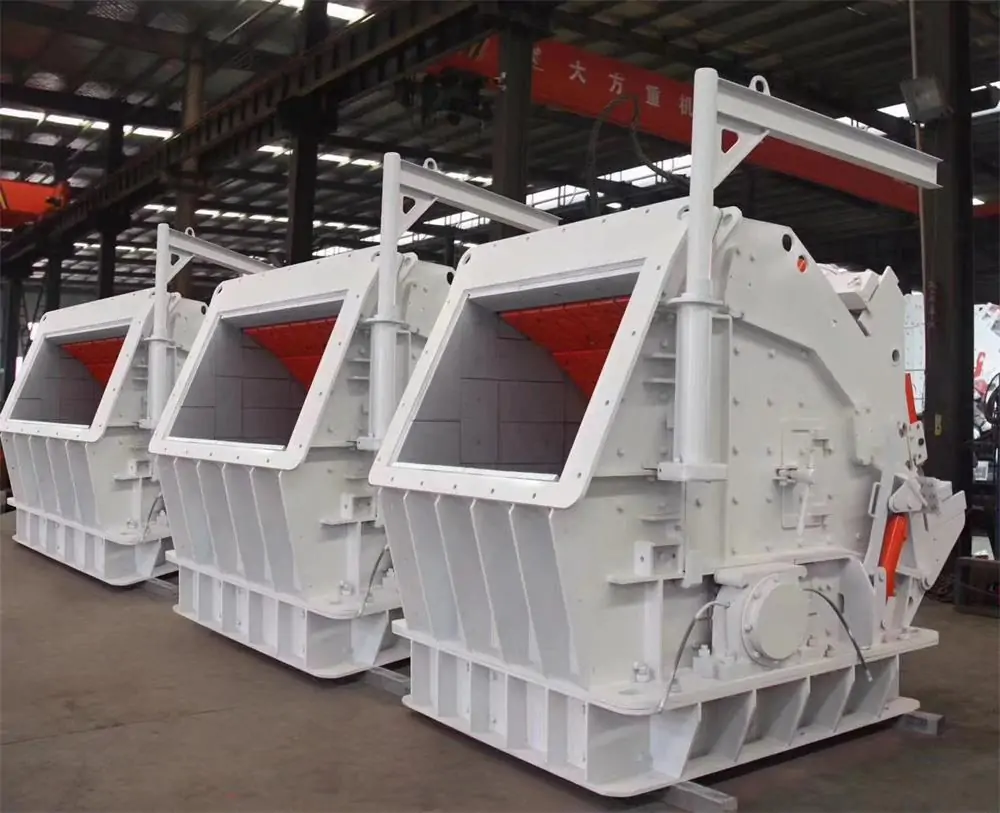
什么是反击式破碎机?
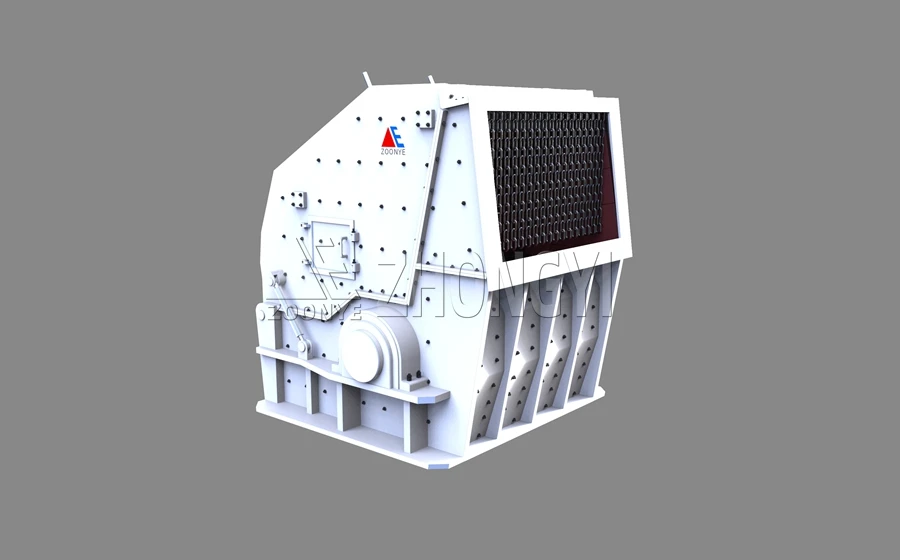
反击式破碎机,又称冲击式破碎机或冲击破碎机,是一种通过高速冲击力而非压缩力来减小物料尺寸的破碎设备。它广泛应用于骨料生产、采矿、采石、水泥厂和回收行业,用于处理石灰石、混凝土、建筑垃圾、煤炭、石膏及其他中低硬度岩石等物料。.
与压缩式破碎机相比,反击式破碎机可实现高达20:1的高破碎比,同时产生更均匀、更立方的颗粒形状,使其特别适用于骨料和再生材料应用。.
反击式破碎机如何工作?
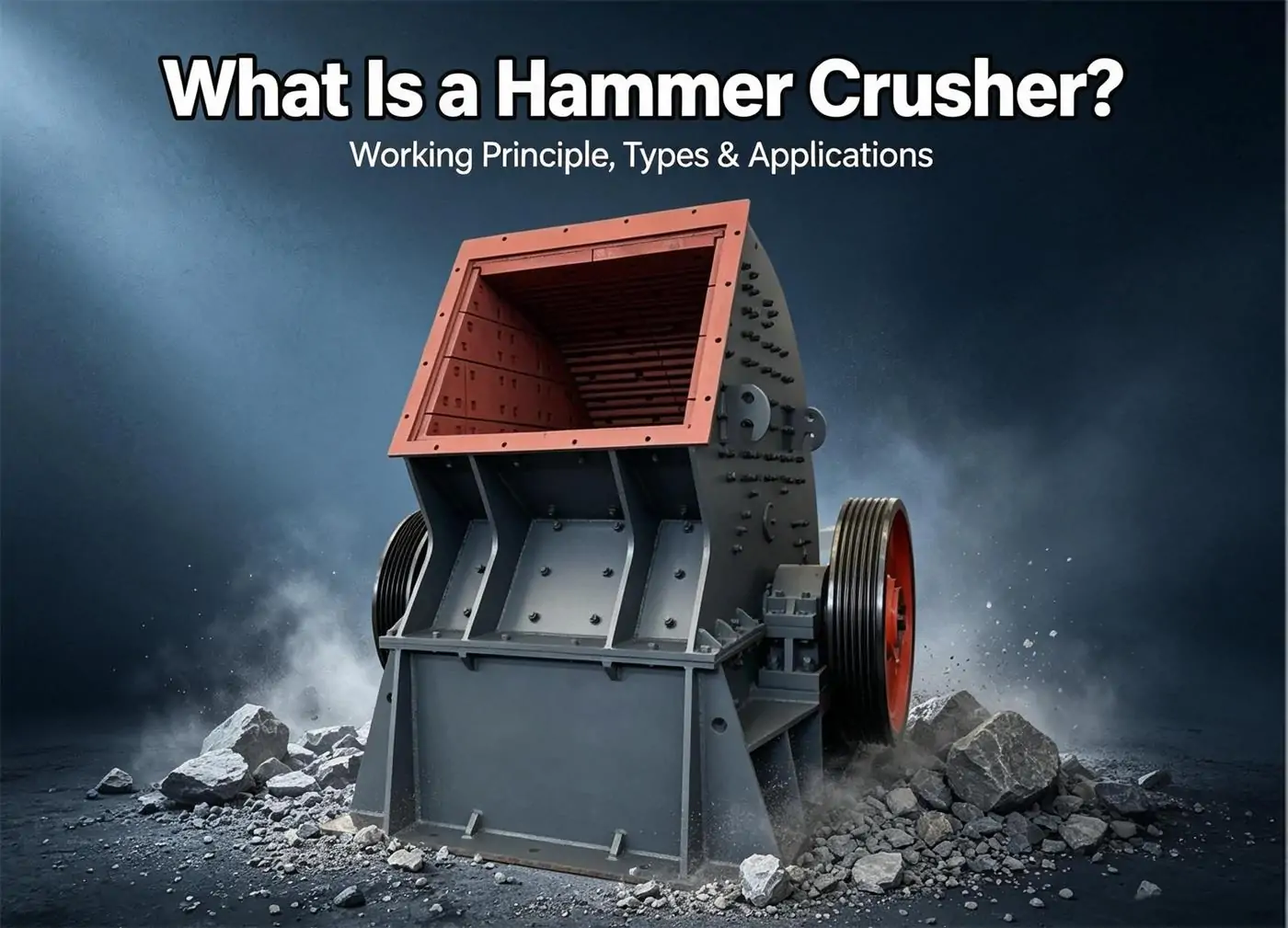
反击式破碎机主要由转子、板锤、反击板和破碎腔组成。运行时,转子高速旋转并击打给料物料,使其加速冲向反击板,物料通过反复碰撞和冲击力进一步破碎。与通过压缩力破碎物料的颚式破碎机和圆锥破碎机不同,反击式破碎机依靠动能传递,从而实现高效的粒度减小、良好的颗粒形状以及30 TPH至2,000 TPH以上的生产能力(取决于应用和机器配置)。.
For a step-by-step explanation of rotor impact, repeated breakage, and material discharge, see 反击式破碎机如何工作?
反击式破碎机类型
我们提供多种类型的反击式破碎机,以满足不同的破碎需求,包括骨料生产、采矿、石灰石加工和回收应用。正确的型号取决于物料硬度、给料尺寸、所需产能和最终产品规格。.
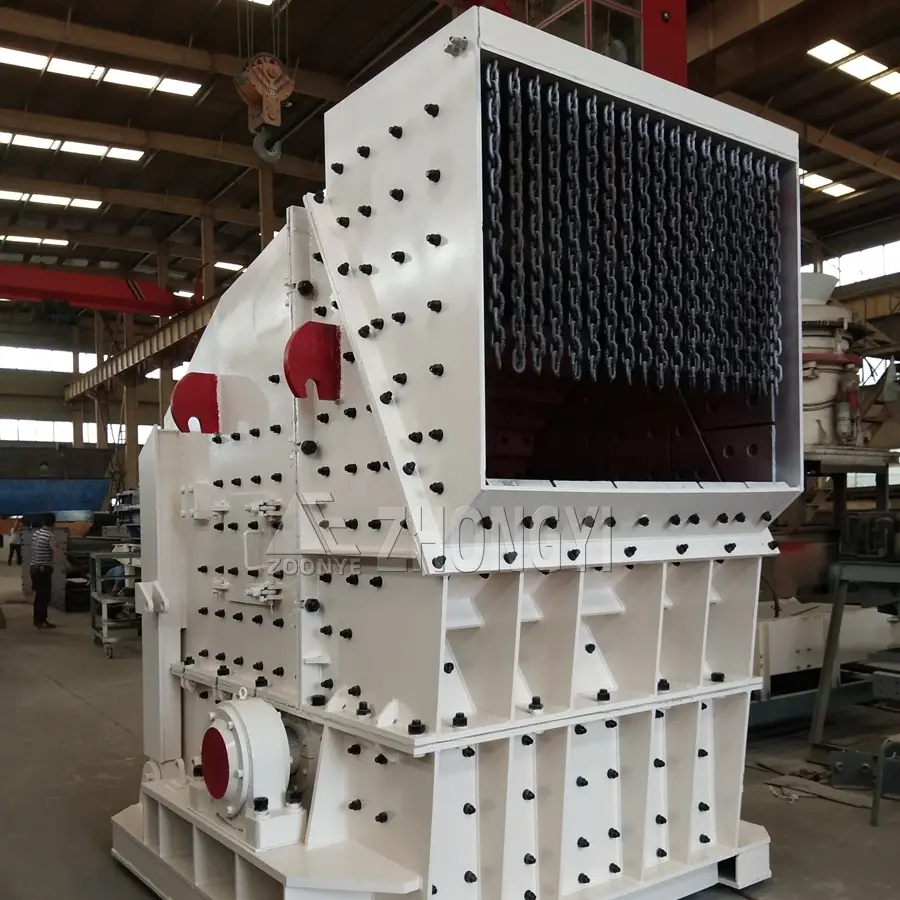
欧版反击式破碎机
欧版反击式破碎机 专为石灰石、白云石、混凝土废料及其他中硬物料的二段破碎而设计。具有优化的转子设计、液压开启系统和优异的颗粒形状控制,产能通常在80至500 TPH范围内。.
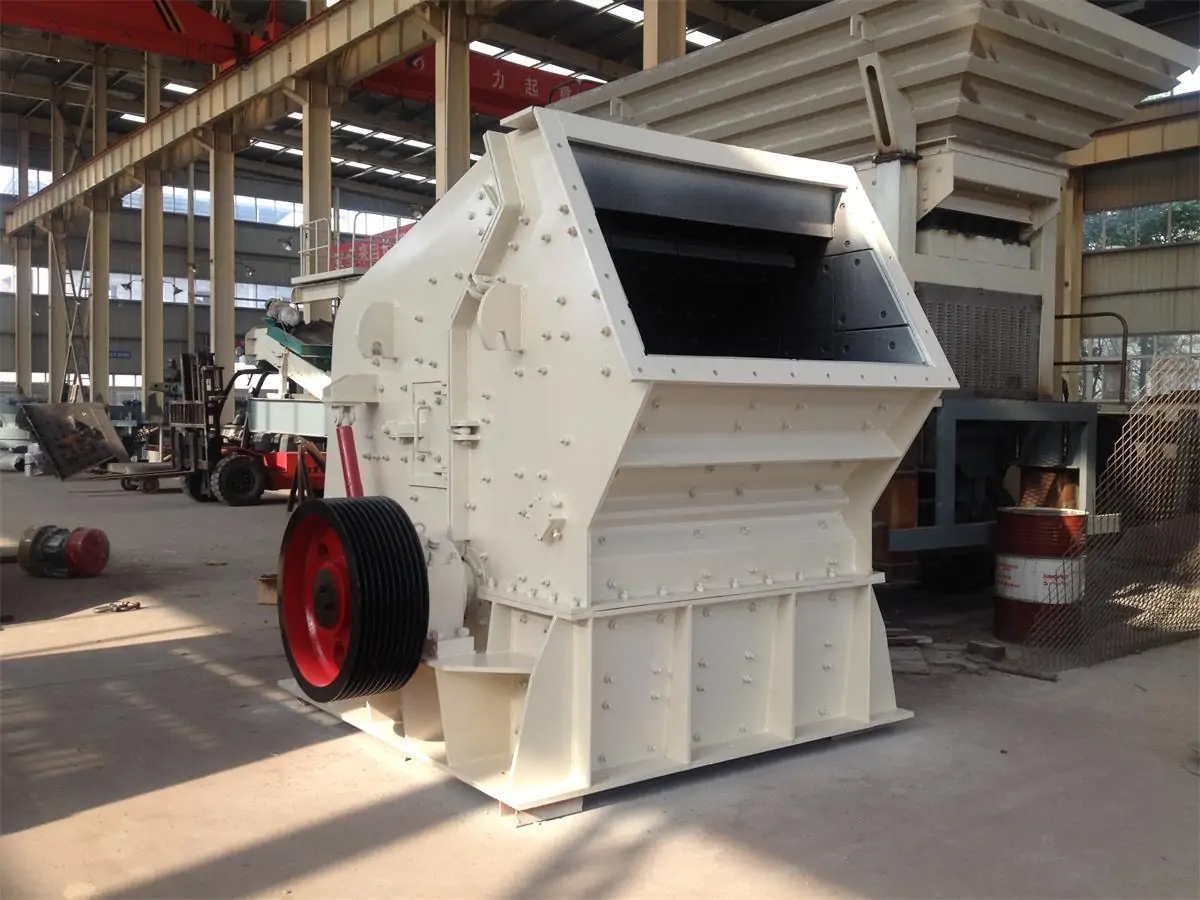
水平轴反击式破碎机(HSI破碎机)
一种广泛应用于采石和骨料生产的多功能反击式破碎机。它具有高破碎比和良好的立方产品形状,可处理最大700 mm的给料尺寸,产能为50至800 TPH。.
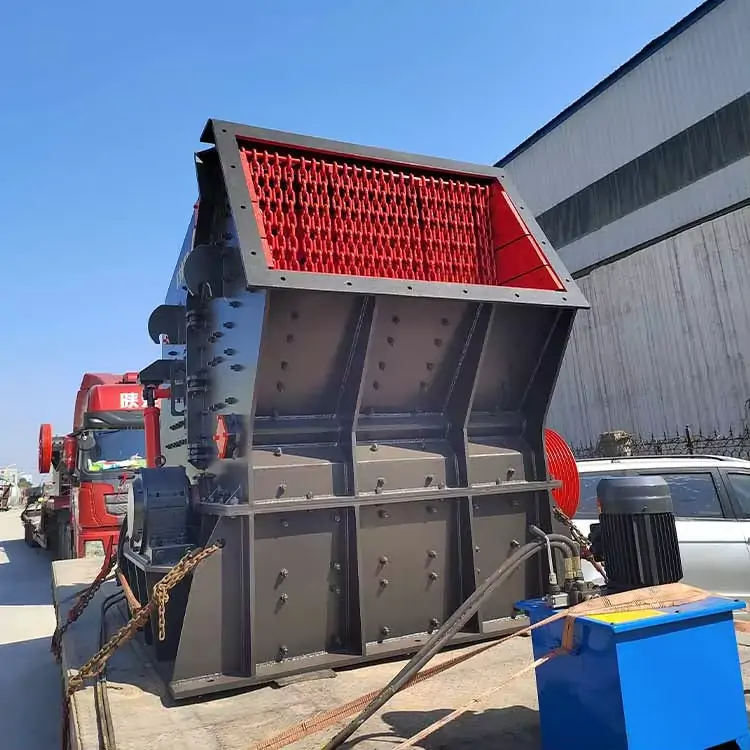
主反击式破碎机
专为一段破碎应用而设计,尤其适用于石灰石和软岩加工厂。它可接受最大1,200 mm的大给料尺寸,生产能力为150至2,000 TPH。.
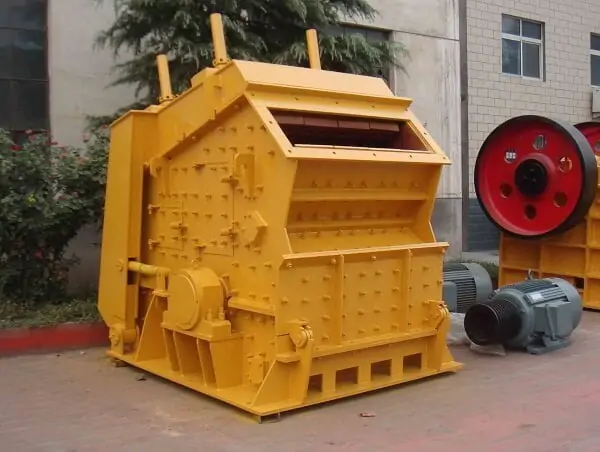
二级反击式破碎机
主要用于颚式破碎机之后的二段破碎和骨料整形。它生产级配良好的骨料,给料尺寸通常低于300 mm,产能为50至400 TPH。.
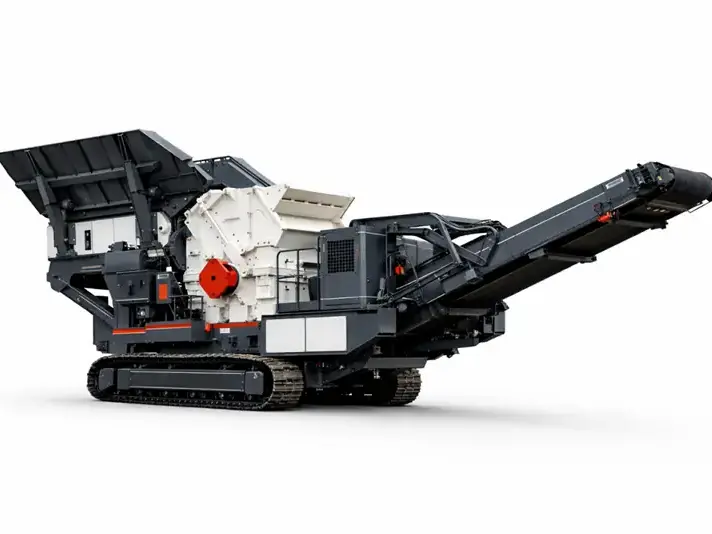
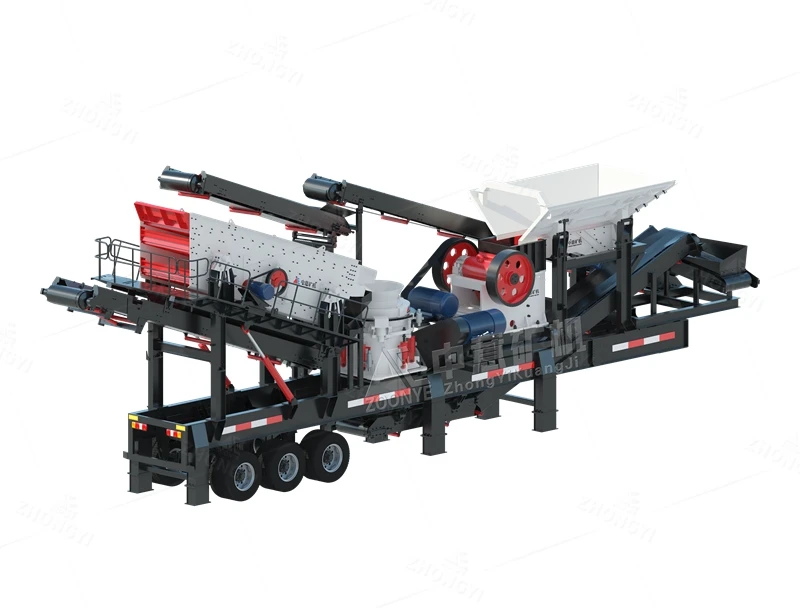
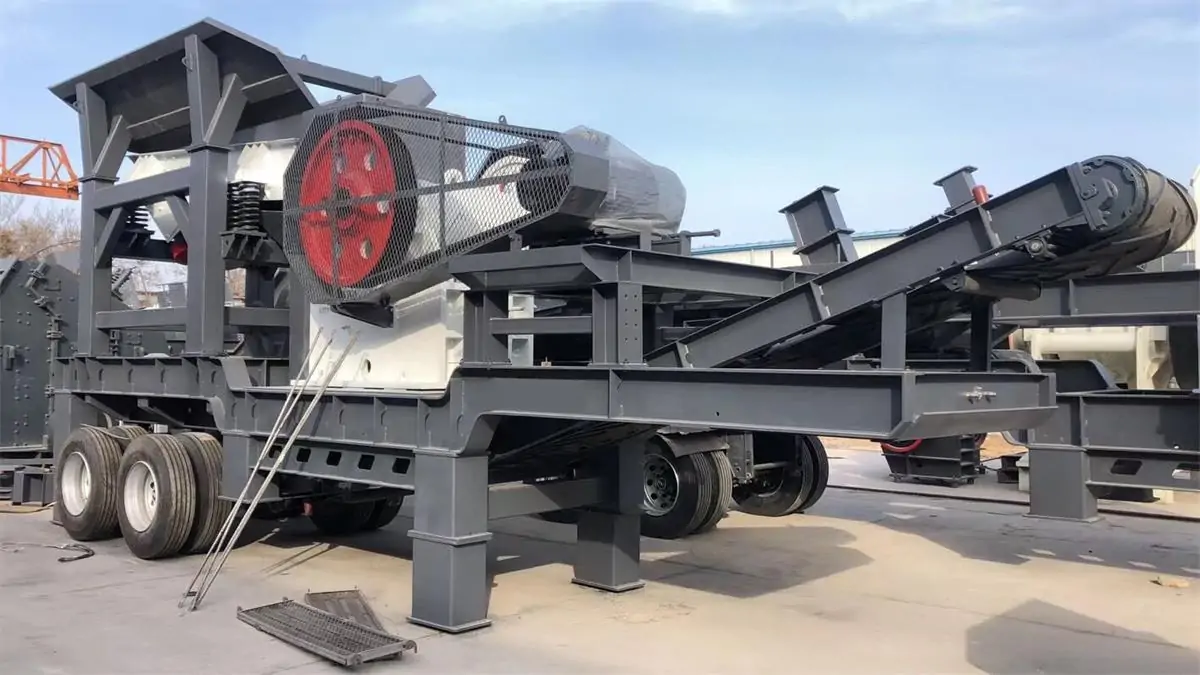
移动反击式破碎机
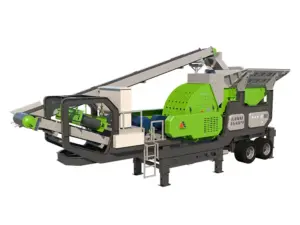
移动式反击式破碎机 是一种便携式破碎解决方案,将反击式破碎机、给料机和筛分系统集成在移动底盘上。适用于建筑垃圾回收和临时采石项目,产能通常在50至350 TPH范围内。.
To assess whether a mobile setup suits your project, Mobile Impact Crusher Selection: A Practical Guide for Mining and Construction covers chassis selection, supporting equipment, and operating costs.
反击式破碎机优点
| 项目 | 描述 |
| 优异的颗粒形状 | 主要产生立方形状的骨料,针片状指数低,内部裂纹极少,细粉含量降低,适用于高等级公路、建筑和混凝土应用。. |
| 高破碎比和高效率 | 高破碎比(可达20:1)有效减小给料尺寸并提高整体工艺效率,在某些应用中减少了对二次磨矿的需求。. |
| 可调出料尺寸 | 通过调节反击板与板锤之间的间隙,可精确控制排料尺寸,实现多种骨料规格的灵活生产。. |
| 结构简单,维护方便 | 紧凑设计配合液压开启系统,简化了检查、耐磨件更换和日常维护,减少了停机时间。. |
| 广泛的物料适应性 | 适用于给料尺寸最大500 mm、抗压强度最大350 MPa的物料,对石灰石及其他中低硬度物料尤为有效。. |
反击式破碎机缺点
| 项目 | 描述 |
| 易损件磨损率高 | 板锤和反击板是高磨损部件,需要频繁更换。在处理磨蚀性或较硬给料物料时,磨损率显著增加,导致更高的运营和维护成本。. |
| 对硬岩适用性有限 | 不建议用于花岗岩和玄武岩等高硬度物料。在此类应用中,过度磨损会降低经济效益并缩短使用寿命。. |
| 对水分和黏土敏感 | 给料物料中高水分或黏土含量可能导致破碎腔堵塞。一旦发生堵塞,清理和重启操作相对困难。. |
| 噪声和粉尘排放 | 运行产生相对较高的噪声和粉尘水平,需要额外的抑尘和噪声控制系统以符合环保标准。. |
反击式破碎机与其他破碎机的对比
反击式破碎机主要用于中硬至低硬度物料,在需要良好颗粒形状和高破碎比时为首选。与 颚式破碎机, 、圆锥破碎机相比,它们采用不同的破碎原理——冲击力而非压缩力,这直接影响出料形状、磨损成本和应用范围。在为不同物料和应用比较破碎设备时,请阅读 颚式破碎机 vs 圆锥破碎机 vs 反击式破碎机:区别与用途 以了解它们的主要区别以及如何选择合适的类型。.
Impact Crusher vs Jaw Crusher
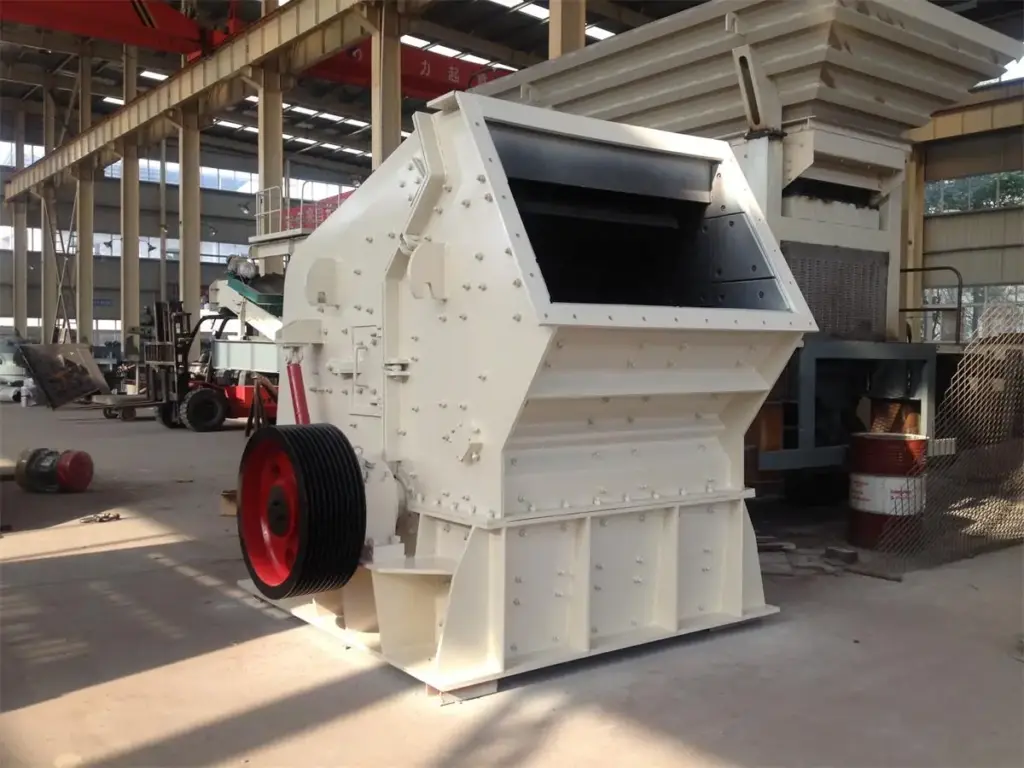
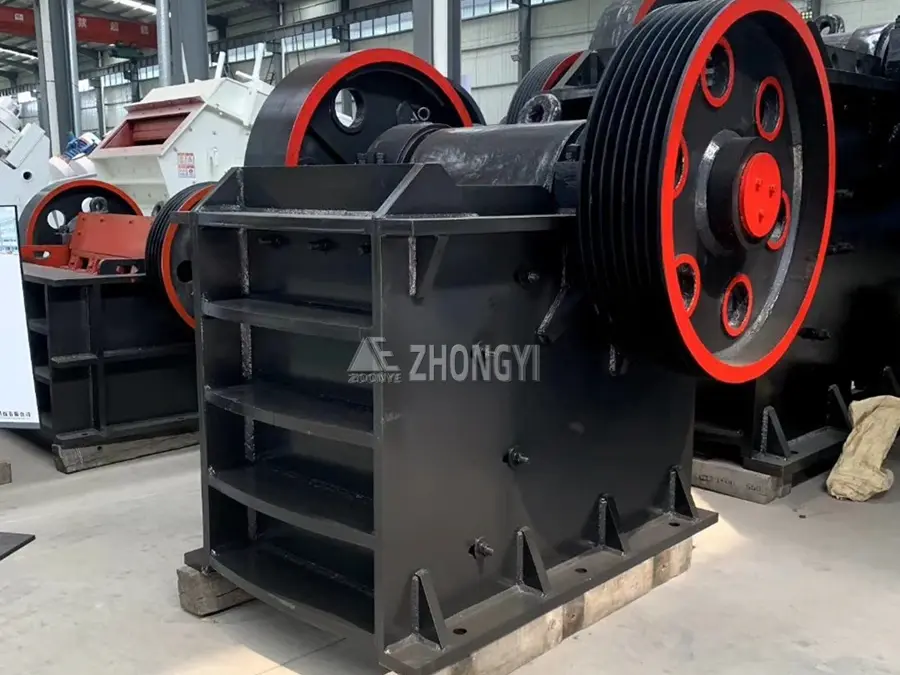
| 项目 | 反击式破碎机 | 颚式破碎机 |
| 破碎阶段 | Secondary / tertiary crushing | 一次破碎 |
| 工作原理 | High-speed rotor impact + rebound | Compression between fixed and moving jaw plate |
| Feed size range | Medium feed (typically ≤500 mm) | Large feed (up to 1000+ mm depending on model) |
| Output shape | High cubic content, low flakiness index | More elongated / angular particles |
| Reduction ratio | High (up to 15–20:1 in suitable material) | Low to medium (3–6:1 typical) |
| Product control | Adjustable via impact gap setting | Limited control, mainly dependent on discharge setting |
| Wear cost | Higher (blow bars & impact plates) | Lower in most applications |
| Typical use case | Shaping + secondary crushing | Primary reduction of run-of-mine material |
Impact Crusher vs Cone Crusher
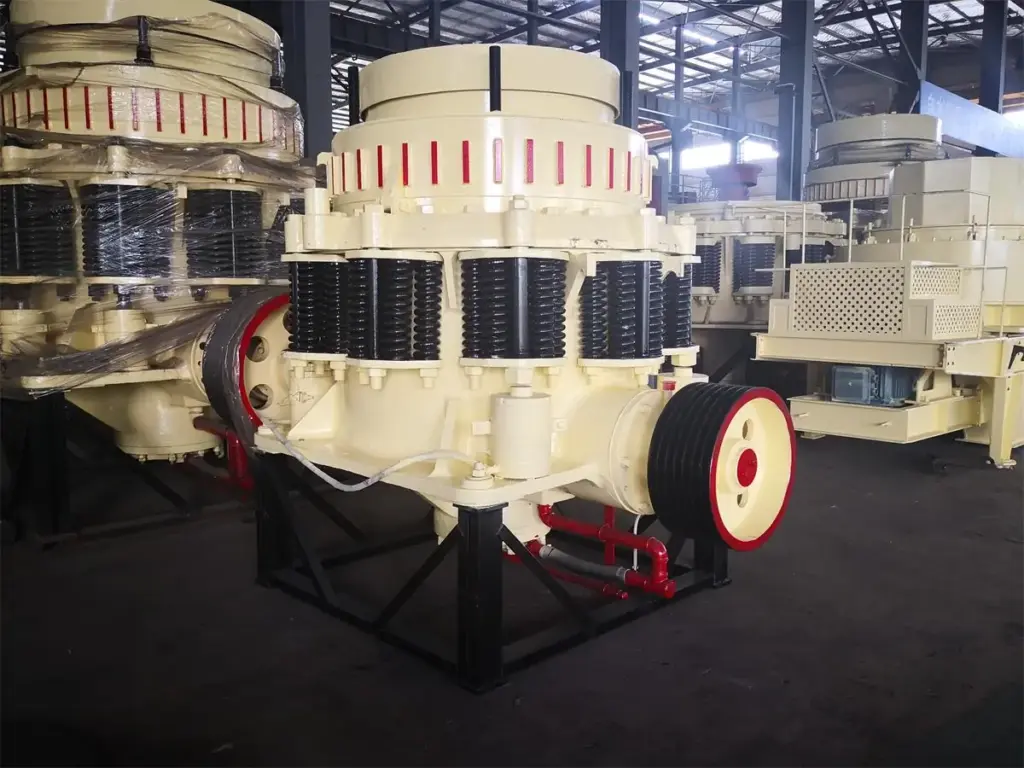
| 项目 | 反击式破碎机 | 圆锥破碎机 |
| Crushing principle | Impact breakage (high-speed collision) | Compression + inter-particle crushing |
| Suitable material | Limestone, concrete, soft to medium rock | Hard and abrasive rock (granite, basalt) |
| Particle shape | Better cubical shape, higher fines control | More elongated particles, better for gradation stability |
| Reduction efficiency | High in soft/medium materials | High in hard rock and fine crushing stage |
| Wear performance | Higher wear in abrasive applications | Lower wear in hard rock due to compression mode |
| 运营成本 | Higher in hard rock conditions | More stable in long-term hard rock operation |
| Typical application stage | Secondary / tertiary shaping | Secondary / fine crushing in hard rock circuits |
| Maintenance frequency | Relatively higher | Lower and more stable in heavy-duty operations |
Applications for Impact Crushers
Impact crusher machines are used in aggregate production and material processing where medium crushing and good particle shape are required. They are normally installed after primary crushing to further reduce material size and produce stable, well-graded output for construction use.
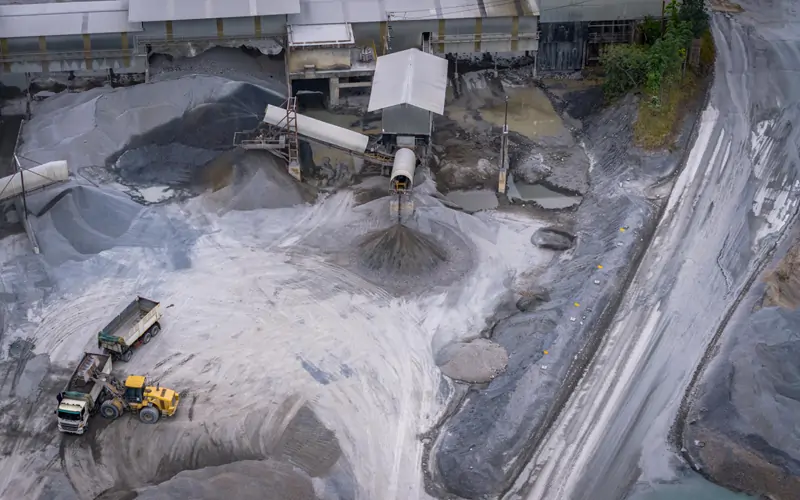
Mining, Quarrying, and Stone Processing
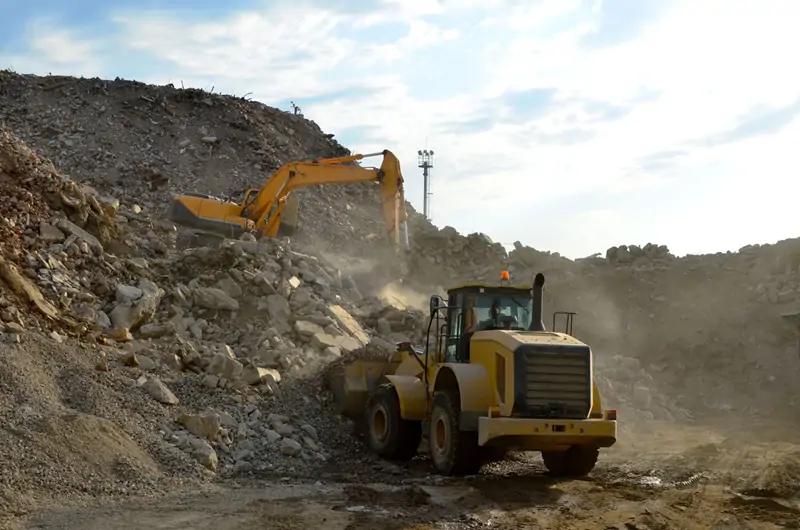
In mining and quarrying operations, impact crushers are used for limestone and other soft to medium-hard rock. After primary crushing, the material is further reduced in size and shaped for screening and downstream processing.
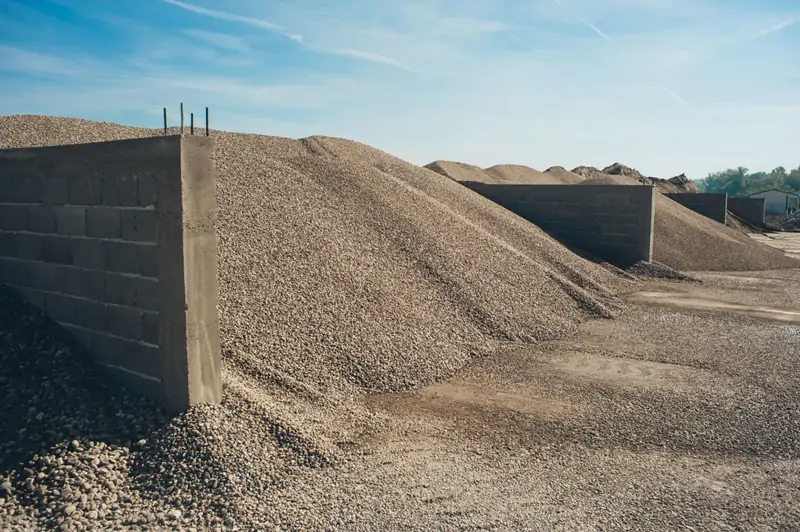
Aggregate and Construction Material Production
In aggregate production plants, impact crushers process crushed stone for concrete and general construction use. The output is used in projects that require consistent grading and better particle shape for mixing and compaction.
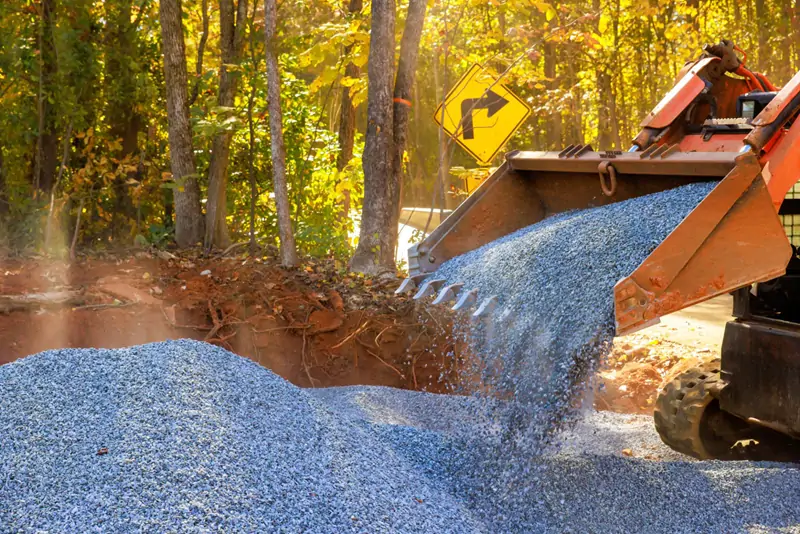
Road and Infrastructure Projects
In road construction, impact crushers are used to produce base and sub-base materials. The crushed material is used in road foundations where stable grading and compaction performance are required.
Asphalt and Recycling Applications
In asphalt plants, impact crushers process aggregates used in asphalt mixing. In recycling projects, they crush concrete and demolition waste into reusable material for non-structural construction and base applications.
Materials Suitable for Impact Crushers
Impact crushers are mainly used for processing low to medium-hard and non-abrasive materials. The crushing mechanism relies on high-speed impact, so material hardness and abrasiveness have a direct influence on wear cost and equipment efficiency.
To assess how hardness, abrasiveness, and moisture affect different feed materials, read What Materials Are Suitable for Impact Crushers?
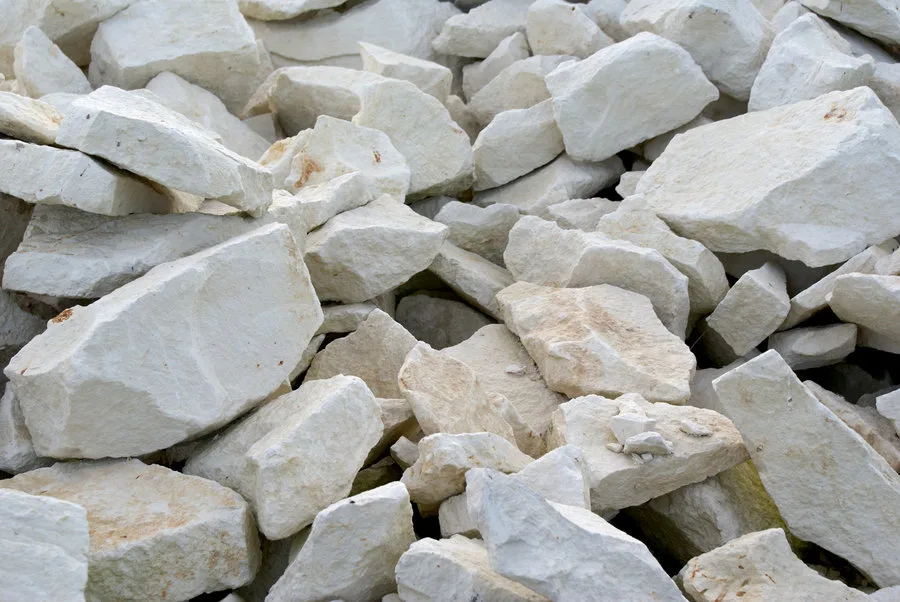
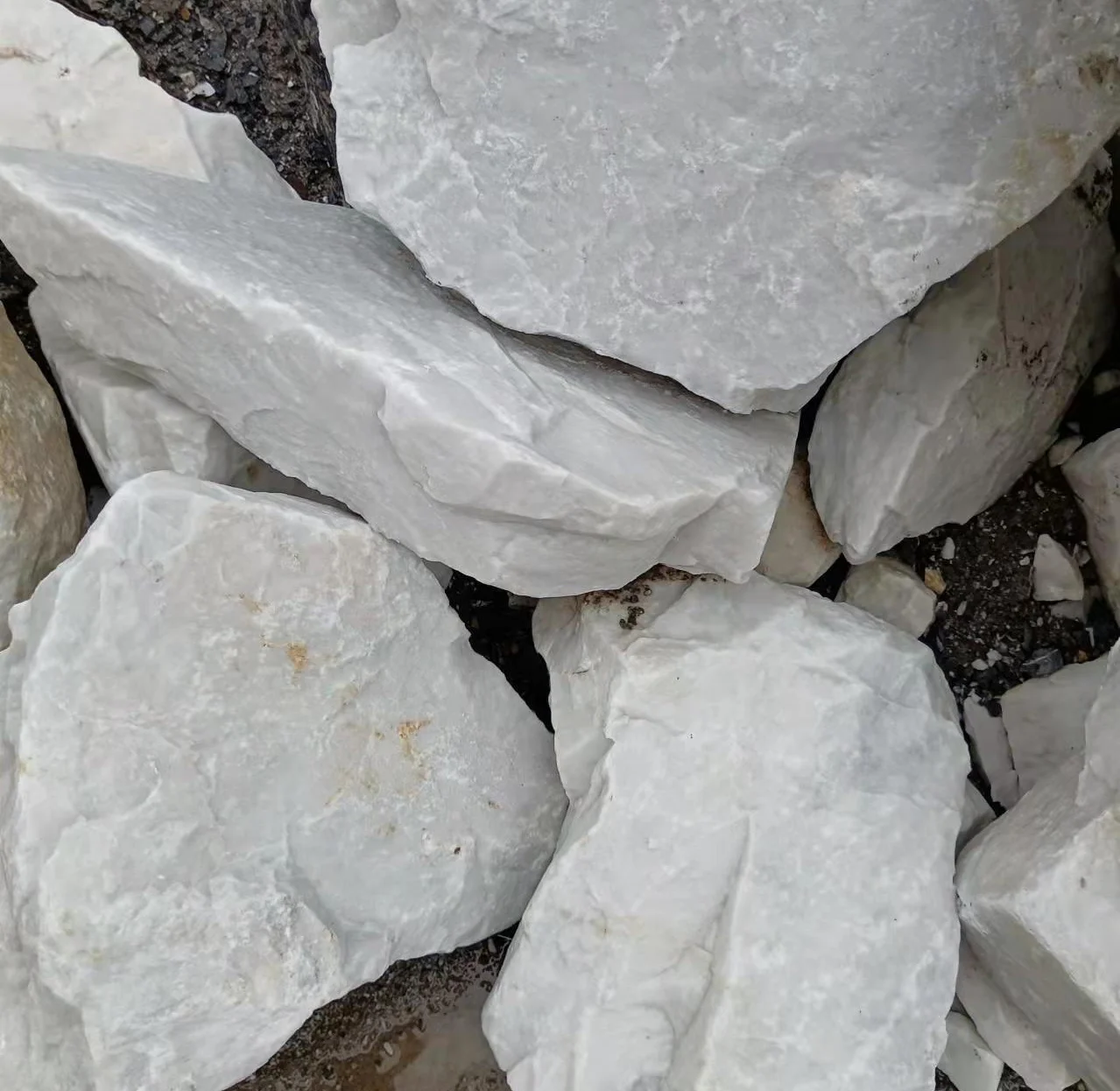
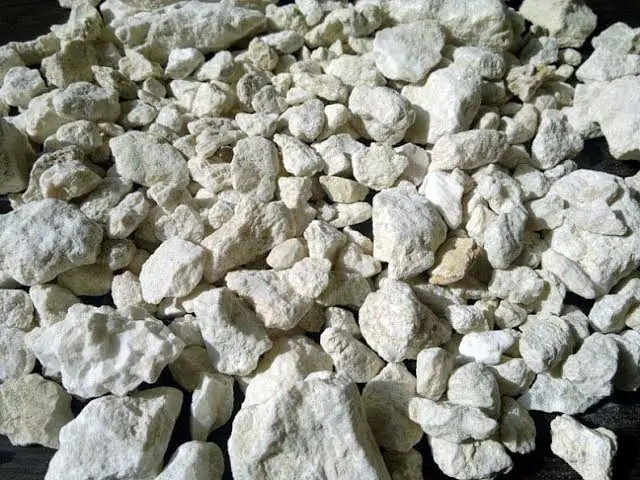
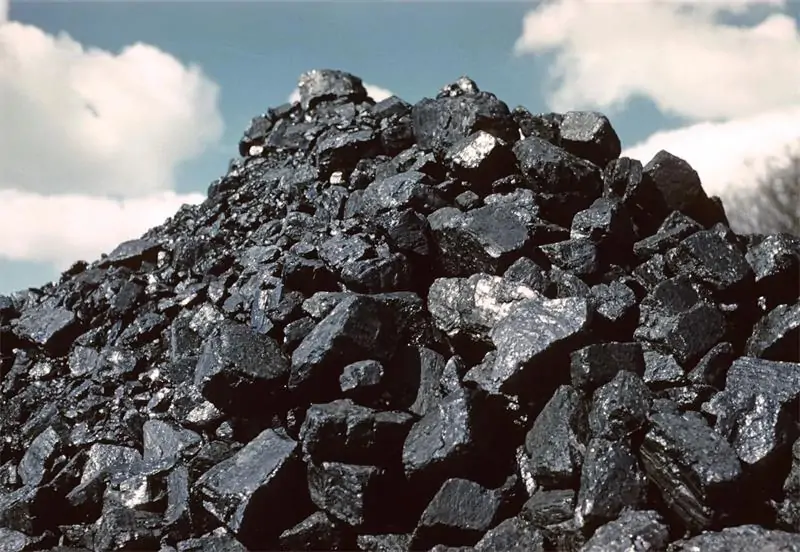
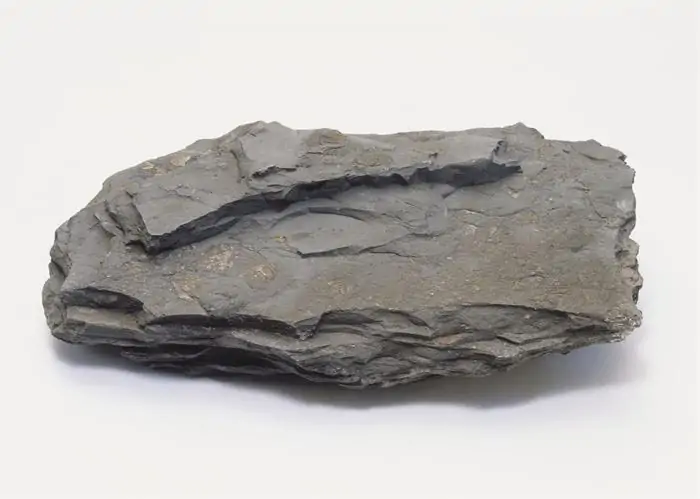
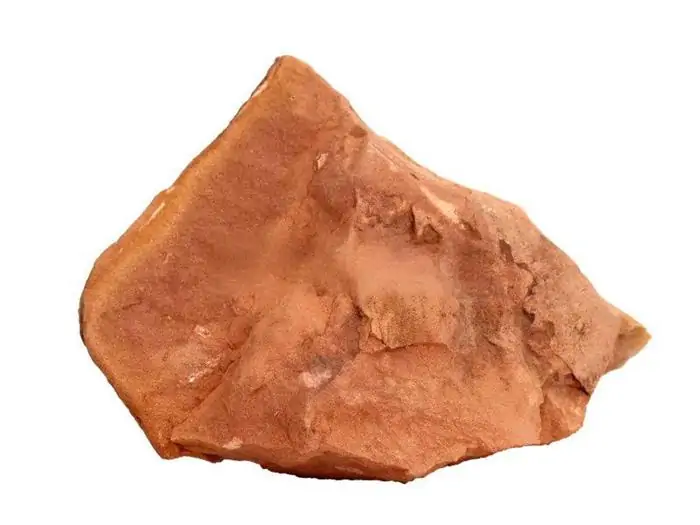
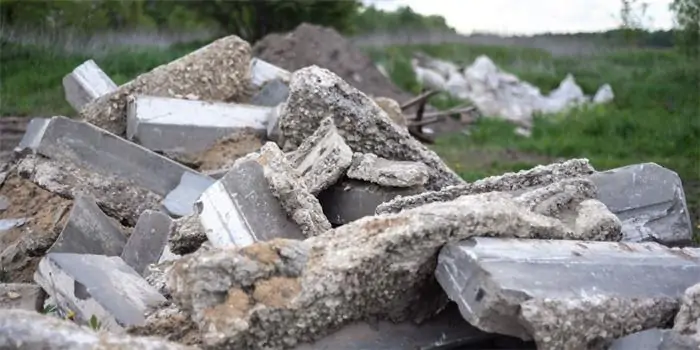
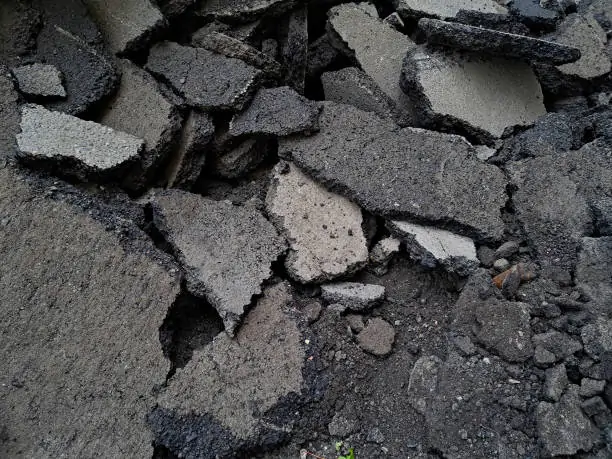
Typical Suitable Materials and Mohs Hardness
| 物料 | Mohs Hardness | Suitability |
| 石灰石 | 3–4 | Excellent |
| 白云石 | 3.5–4 | 良好 |
| 石膏 | 2 | Excellent |
| 煤 | 1–3 | Excellent |
| 页岩 | 2–4 | 良好 |
| 泥岩 | 2–3 | 良好 |
| Concrete (recycled) | 4–6 | Excellent |
| Asphalt | 4–5 | 良好 |
| Brick / Brick debris | 4–6 | 良好 |
Materials Not Recommended
| 物料 | Mohs Hardness | Reason |
| 花岗岩 | 6–7 | High abrasiveness, high wear cost |
| 玄武岩 | 6–7 | Severe wear on blow bars |
| 石英岩 | 7 | Extremely abrasive, low efficiency |
| Iron ore | 5.5–6.5 | Excessive wear, not suitable |
How to Choose the Right Impact Crusher?
Choosing the right impact crusher depends on material hardness, feed size, required output shape, capacity, and operating cost. These factors should be matched with real project conditions to ensure stable production.When evaluating crusher options for your project, read [碎石机价格指南:哪些因素影响成本?] to understand how equipment type, production capacity, rock properties, and plant configuration affect the overall investment.
Material Hardness
Impact crushers are suitable for soft to medium-hard materials such as limestone and concrete. Materials with compressive strength below around 150 MPa are generally within a stable working range. For harder rock such as granite or basalt, wear rate increases and cone crushers are often more suitable.
给料粒度
Typical feed size is around 100–500 mm depending on the model. Larger feed usually requires a jaw crusher as a primary stage before impact crushing.
Required Output Shape
Impact crushers are selected when cubical and well-shaped aggregate is needed. This is important for concrete, asphalt, and road base materials where particle shape affects compaction and strength.
产能需求
Capacity ranges from about 50 TPH for small units to over 500 TPH for large production lines. Selection should match both average and peak production needs to avoid system bottlenecks.
运行成本
Operating cost mainly comes from wear parts and energy consumption. In softer materials, cost per ton is lower. In abrasive materials, blow bars and impact plates need more frequent replacement, which increases overall operating cost.
To weigh these benefits and limitations against your project requirements, How to Choose an Impact Crusher: A Complete Selection Guide brings together material suitability, capacity sizing, product specifications, and operating cost checks.
获取定制方案
Contact Zhongyi for customized impact crusher solutions based on your project needs.
项目案例
A 280 TPH limestone crushing plant was installed in Fujairah, UAE for road base and concrete aggregate production. The project site had limited space and required stable output during continuous operation.
Material: Limestone from local quarry
Capacity: 280 TPH
Feed Size: Up to 600 mm, with some oversize variation from blasting
Configuration: Jaw Crusher + Impact Crusher + Vibrating Screen
Final Product Sizes: 0–5 mm, 5–20 mm, 20–40 mm
During operation, the plant required adjustment of crusher settings in the first weeks to stabilize the screening ratio. After optimization, the impact crusher improved particle shape consistency and reduced recirculation in the 5–20 mm range used for road construction.
结论
Overall, impact crushers are highly effective for producing well-shaped aggregates with high reduction ratios, especially in limestone, construction aggregate, and recycling applications. Their main advantages include excellent particle shape, flexible output adjustment, and high crushing efficiency. However, limitations such as higher wear costs and reduced performance in very hard abrasive rock (like granite and basalt) should be considered. In real applications, selection should be based on material hardness, production stage, and overall operating cost rather than capacity alone.
For project planning or equipment selection, Zhongyi Mining provides professional support in crusher configuration and plant design. 联系我们 to get a suitable solution for your crushing project.

于博士
矿物加工解决方案专家
陈博士拥有15年以上经验,专长于重选、磁选、浮选和静电分选。他专注于矿石加工和工艺优化,分享实用见解和设备应用,帮助提高回收率和生产效率。.
常见问题
What is an impact crusher used for?
An impact crusher is used for secondary and tertiary crushing in aggregate production. It processes limestone, concrete, and other soft to medium-hard materials to produce well-shaped aggregate for road construction, concrete mixing, and general building material applications.
Impact crusher vs jaw crusher, what is the difference?
A jaw crusher is used for primary crushing of large rocks, while an impact crusher is used after primary crushing for shaping and reducing material size. Jaw crushers handle larger feed, impact crushers focus on particle shape and final product grading.
Is an impact crusher suitable for hard rock?
Impact crushers can process some medium-hard rock, but performance decreases in very hard materials like granite or basalt. Wear on blow bars increases, leading to higher maintenance cost. In such cases, cone crushers are often more suitable for long-term operation.
What materials are best for impact crushers?
Impact crushers work best with limestone, concrete, asphalt, and construction waste. These materials break easily under impact force and allow the crusher to produce cubical aggregate with stable grading for construction and infrastructure projects.
What is the typical capacity of an impact crusher?
Capacity depends on model size and configuration. Small units may produce around 50 TPH, while large stationary plants can exceed 500 TPH. Actual capacity also depends on feed size, material hardness, and production line setup.
How often do impact crusher wear parts need replacement?
Wear parts such as blow bars and impact plates require regular inspection. Replacement frequency depends on material hardness and operating hours. In limestone applications, wear life is longer, while abrasive rock conditions shorten service intervals.
Can impact crushers produce good particle shape?
Yes, impact crushers are known for producing cubical and well-shaped aggregate. The high-speed rotor and impact force improve particle shape, which is important for concrete strength, asphalt bonding, and road base compaction performance.
Does Zhongyi support customized impact crusher solutions?
Yes, Zhongyi provides customized impact crusher solutions based on material type, feed size, capacity requirements, and project layout. Configurations can be adjusted for different production needs, including stationary and mobile crushing plant designs.