











Цохилтот бутлуурын давуу болон сул талууд юу вэ?
Цохилтот бутлуурууд нь өндөр бууруулах харьцаа (20:1 хүртэл), маш сайн ширхэгийн хэлбэр, 30-аас 2,000 TPH хүртэлх боловсруулах хүчин чадлыг санал болгодог. Гэхдээ гранит эсвэл базальт зэрэг элэгдэлд тэсвэртэй материалыг боловсруулах үед элэгдлийн зардал өндөр байдаг тул дунд зэргийн хатуулагтай чулуулаг, шохойн чулуу, бетон дахин боловсруулалт, дүүргэгч үйлдвэрлэлд илүү тохиромжтой.
Давуу талууд:
- Өндөр бууруулах харьцаа
- Маш сайн дүүргэгчийн хэлбэр
- Уян хатан гадагшлуулалтын тохируулга
- Бага анхны хөрөнгө оруулалт
Сул талууд:
- Өндөр элэгдлийн зардал
- Өндөр элэгдэлд тэсвэртэй чулуулагт тохиромжгүй
- Илүү олон удаагийн засвар үйлчилгээ
- Илүү их тоос үүсэлт
Цохилтот бутлуур гэж юу вэ?
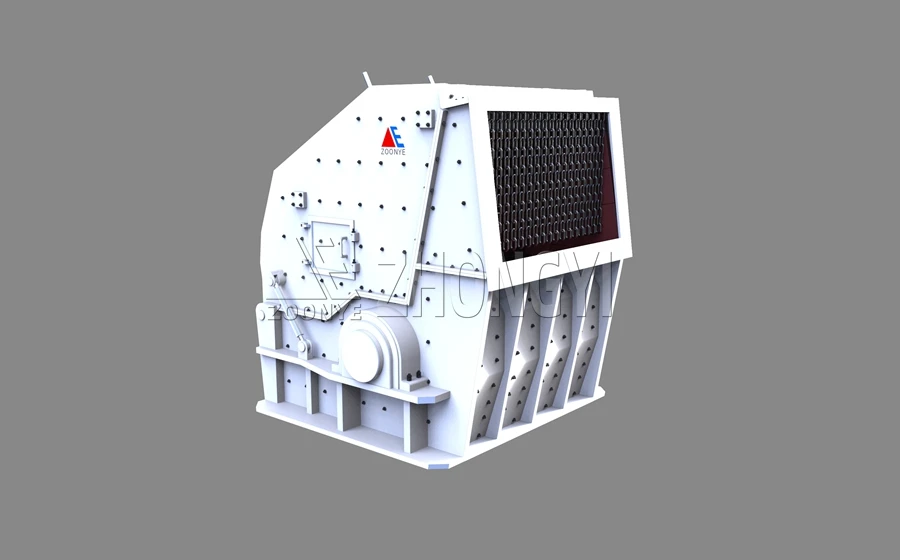
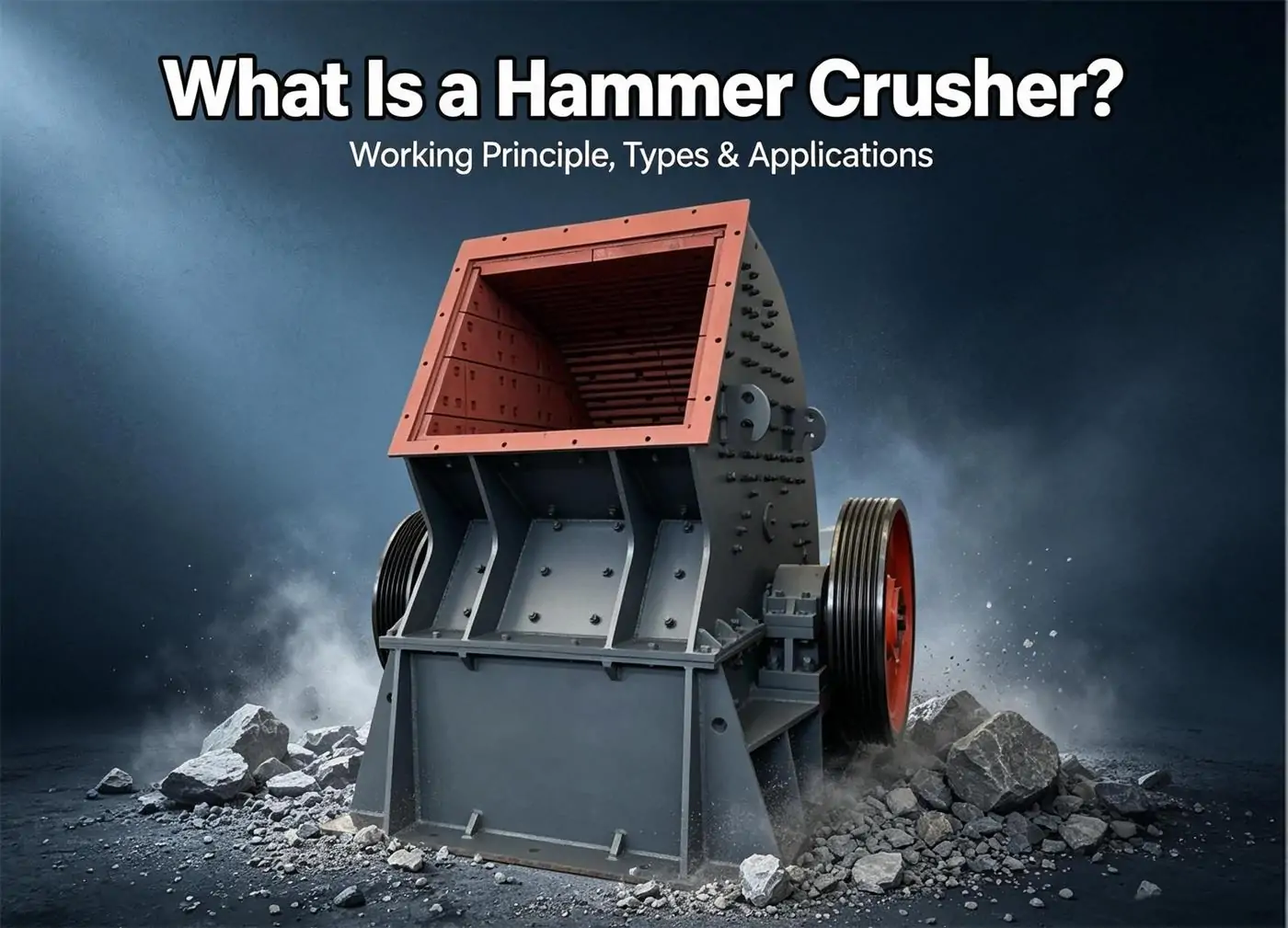
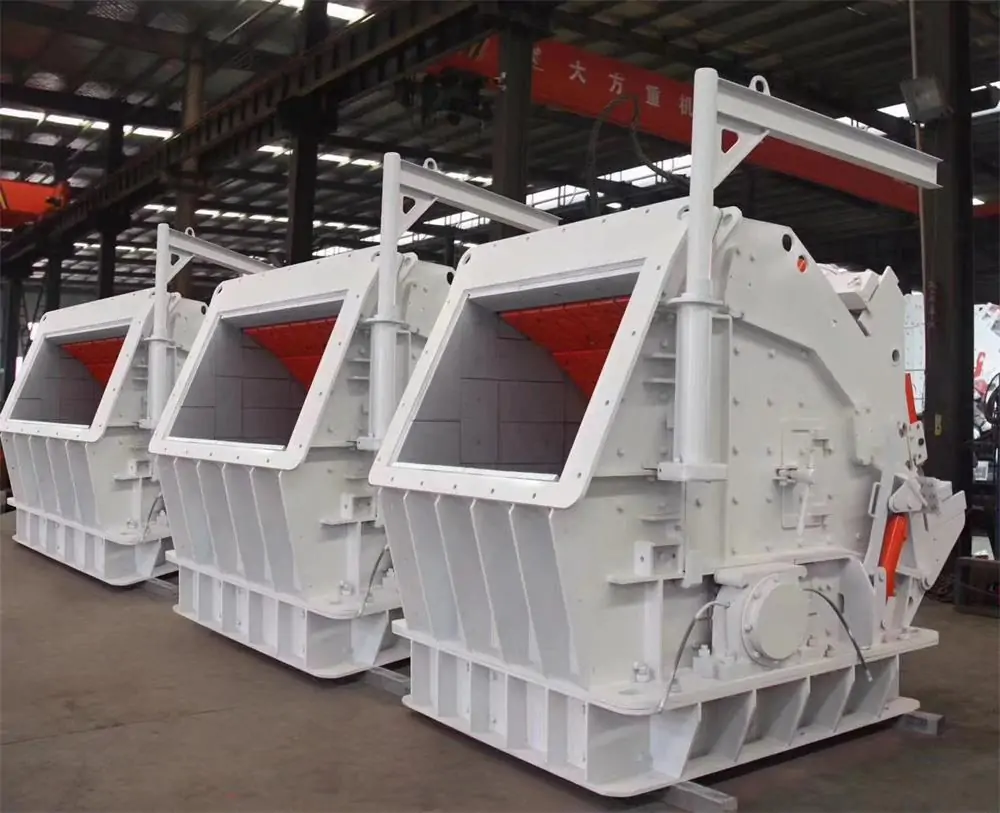
Цохилтот бутлуур буюу цохилтот бутлах машин нь материалын хэмжээг шахах биш харин өндөр хурдны цохилтын хүчээр бууруулдаг бутлах төхөөрөмжийн нэг төрөл юм. Энэ нь дүүргэгч үйлдвэрлэл, уул уурхай, чулуу олборлолт, цементийн үйлдвэр, дахин боловсруулалтын салбарт шохойн чулуу, бетон, барилгын хог хаягдал, нүүрс, гипс болон бусад бага, дунд хатуулагтай чулуулаг зэрэг материалыг боловсруулахад өргөн хэрэглэгддэг.
Шахалтын бутлууруудтай харьцуулахад цохилтот бутлуурууд нь 20:1 хүртэлх өндөр бууруулах харьцаанд хүрч, илүү жигд, шоо хэлбэрийн ширхэг үүсгэдэг тул дүүргэгч болон дахин боловсруулсан материалын хэрэглээнд онцгой тохиромжтой.
Цохилтот бутлуур хэрхэн ажилладаг вэ?
Цохилтот бутлуур нь гол төлөв ротор, цохилтын штанг, цохилтын хавтан, бутлах камераас бүрддэг. Ажиллагааны үед ротор өндөр хурдтай эргэлдэж, тэжээлийн материалыг цохиж, түүнийг цохилтын хавтан руу хурдасгаж, материал давтан мөргөлдөөн, цохилтын хүчээр улам бутлагддаг. Материалыг шахалтаар бутладаг эрүүт бутлуур, конусан бутлуураас ялгаатай нь цохилтот бутлуурууд кинетик энергийн дамжуулалтад тулгуурладаг тул үр ашигтай хэмжээ бууруулалт, сайн ширхэгийн хэлбэр, хэрэглээ болон машины тохиргооноос хамааран 30 TPH-ээс 2,000 TPH-ээс дээш үйлдвэрлэлийн хүчин чадлыг хүргэх боломжийг олгодог.
For a step-by-step explanation of rotor impact, repeated breakage, and material discharge, see Цохилтот бутлуур хэрхэн ажилладаг вэ?
Цохилтот бутлуурын төрлүүд
Бид дүүргэгч үйлдвэрлэл, уул уурхай, шохойн чулуу боловсруулалт, дахин боловсруулалтын хэрэглээ зэрэг янз бүрийн бутлах шаардлагыг хангах хэд хэдэн төрлийн цохилтот бутлуурыг санал болгодог. Зөв загвар нь материалын хатуулаг, тэжээлийн хэмжээ, шаардлагатай хүчин чадал, эцсийн бүтээгдэхүүний үзүүлэлтээс хамаарна.
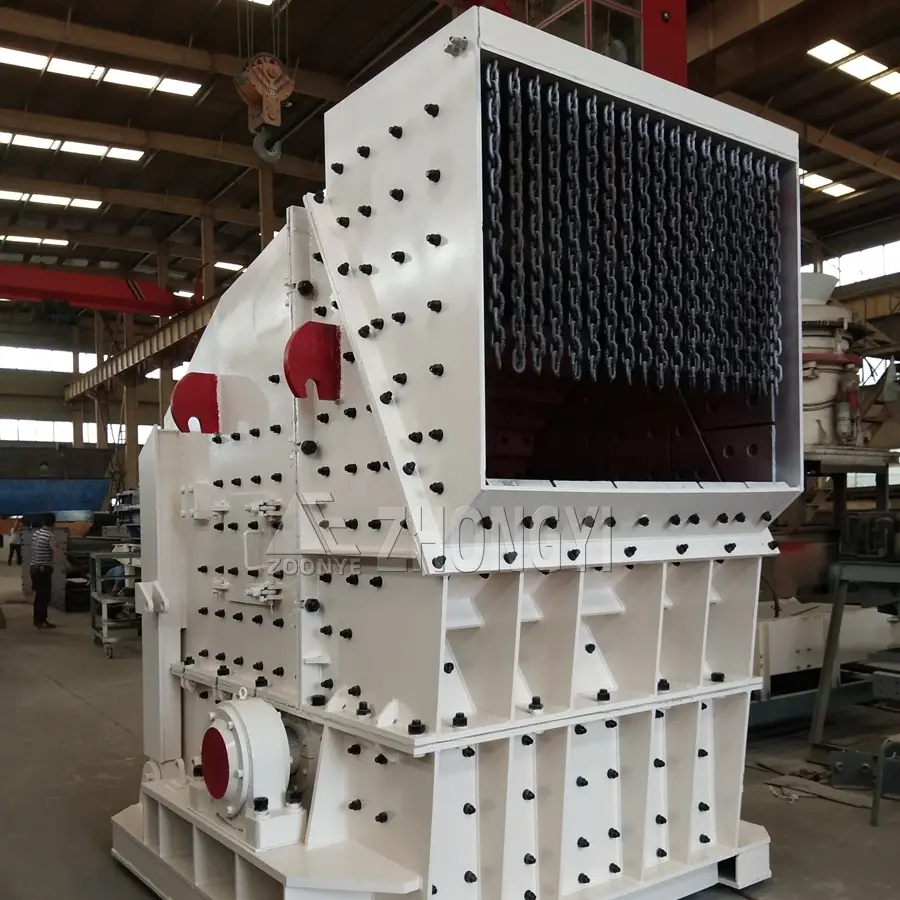
Европ загварын цохилтот бутлуур
Европ загварын цохилтот бутлуур нь шохойн чулуу, доломит, бетоны хог хаягдал болон бусад дунд хатуулагтай материалын хоёрдогч бутлалтад зориулагдсан. Энэ нь оновчтой болгосон роторын загвар, гидравлик нээлтийн систем, маш сайн ширхэгийн хэлбэрийн хяналттай бөгөөд хүчин чадал нь ихэвчлэн 80-аас 500 TPH хүртэл байдаг.
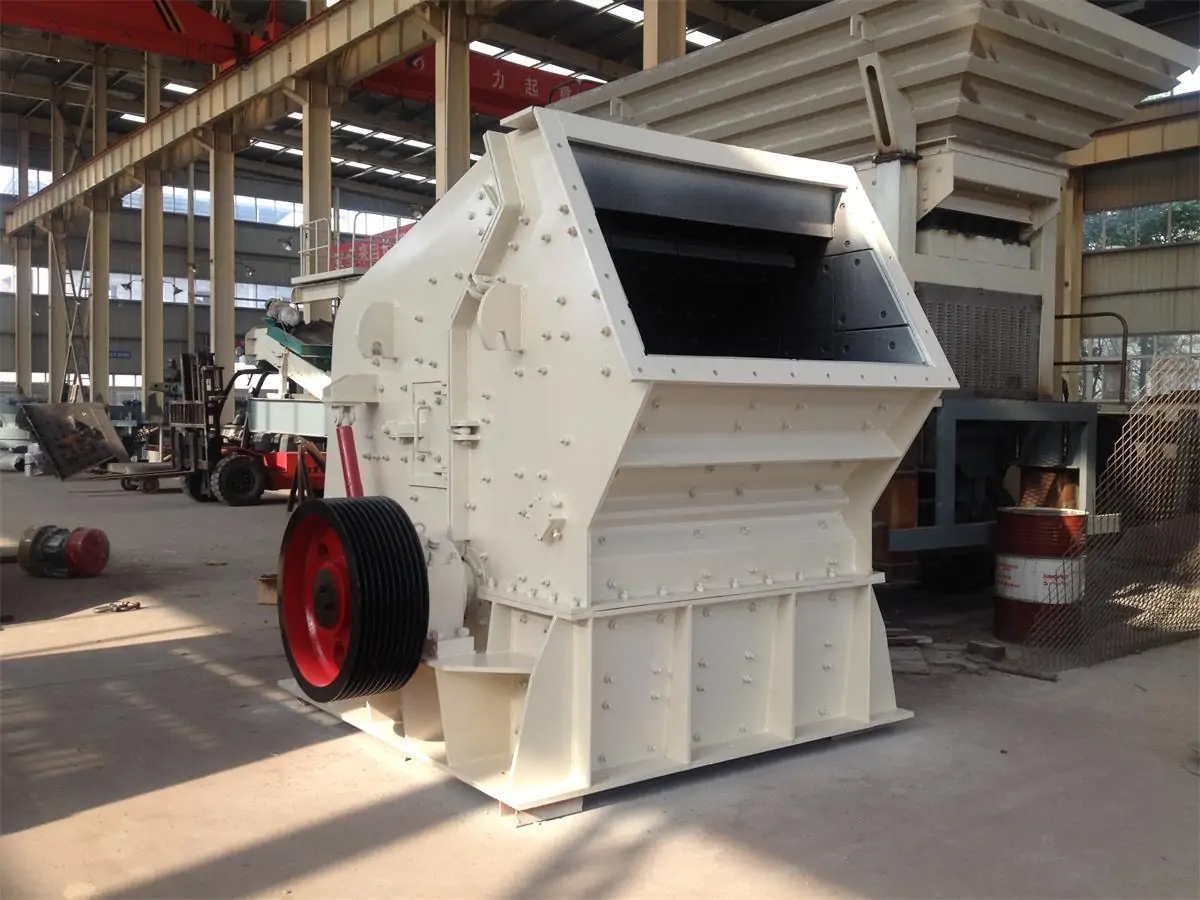
Хэвтээ тэнхлэгт цохилтот бутлуур (HSI бутлуур)
Чулуу олборлолт, дүүргэгч үйлдвэрлэлд өргөн хэрэглэгддэг олон талт цохилтот бутлуур. Энэ нь өндөр бууруулах харьцаа, сайн шоо бүтээгдэхүүний хэлбэрийг提供 бөгөөд 700 мм хүртэлх тэжээлийн хэмжээг 50-аас 800 TPH хүртэлх хүчин чадлаар боловсруулдаг.
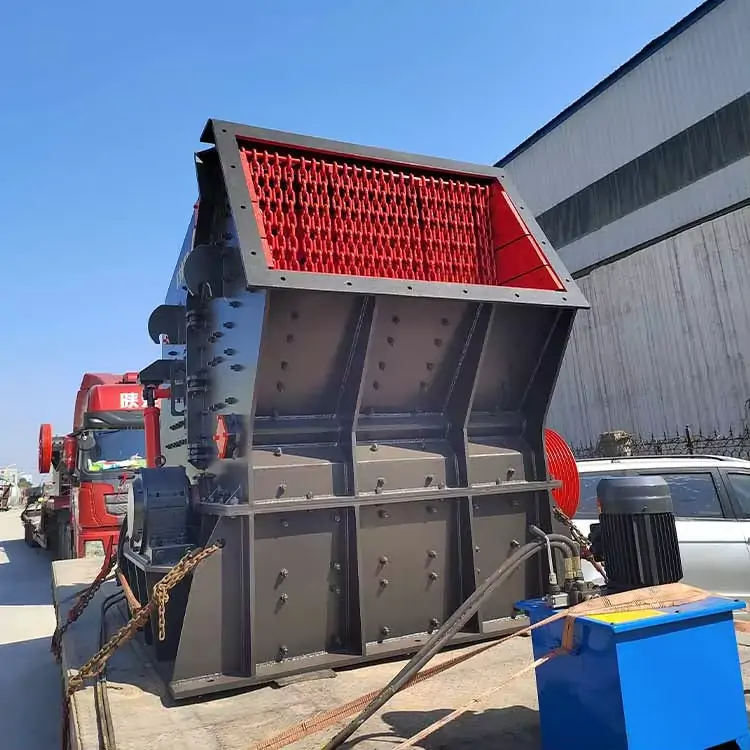
Анхдагч цохилтот бутлуур
Анхдагч бутлалтын хэрэглээнд, ялангуяа шохойн чулуу болон зөөлөн чулуулаг боловсруулах үйлдвэрт зориулагдсан. Энэ нь 1,200 мм хүртэлх том тэжээлийн хэмжээг хүлээн авч, 150-аас 2,000 TPH хүртэлх үйлдвэрлэлийн хүчин чадлыг хүргэх боломжтой.
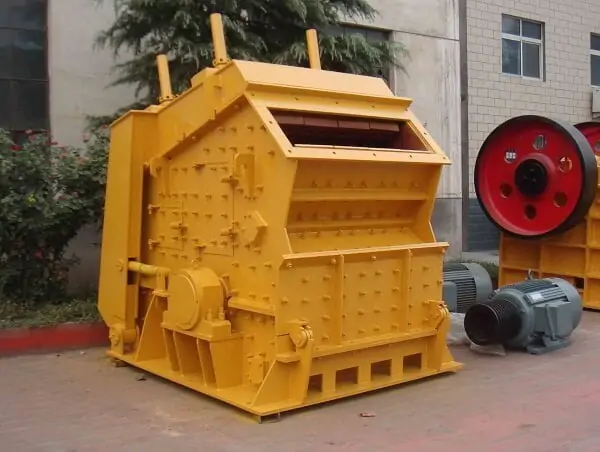
Хоёрдогч цохилтот бутлуур
Гол төлөв эрүүт бутлуурын дараа хоёрдогч бутлалт болон дүүргэгч хэлбэржүүлэлтэд хэрэглэгддэг. Энэ нь сайн зэрэглэгдсэн дүүргэгч үйлдвэрлэдэг бөгөөд тэжээлийн хэмжээ ихэвчлэн 300 мм-ээс доош, хүчин чадал нь 50-аас 400 TPH хүртэл байдаг.
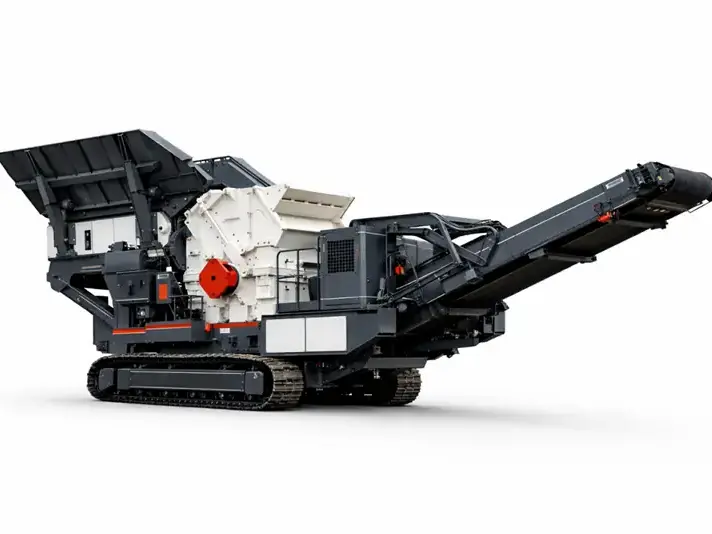
Зөөврийн цохилтот бутлуур
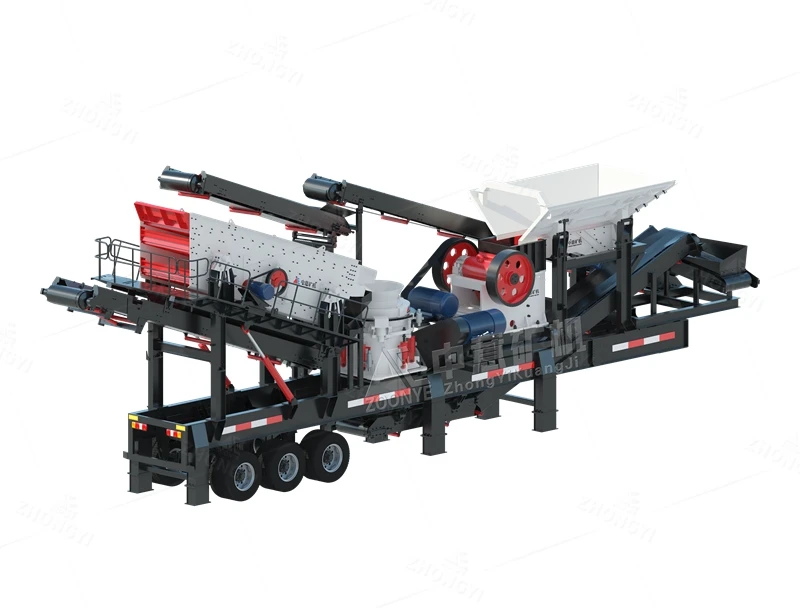
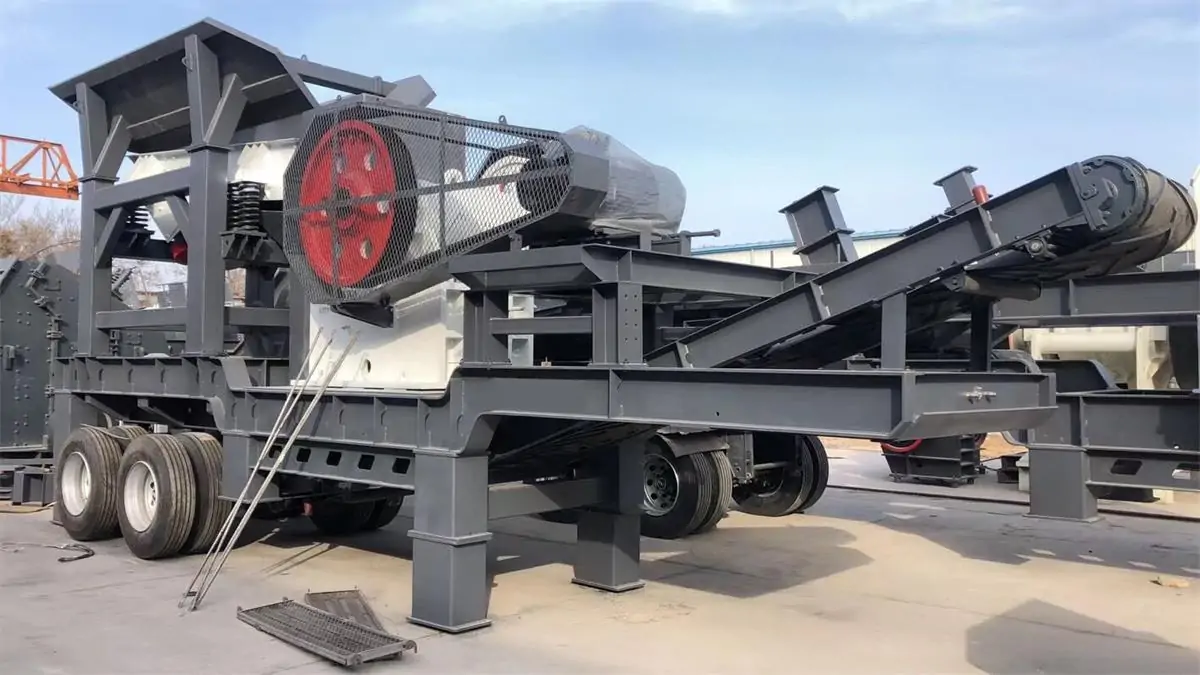
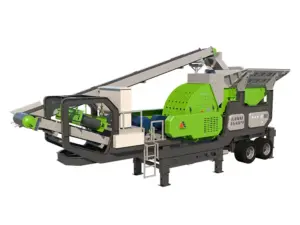
Зөөврийн цохилтот бутлуур нь цохилтот бутлуур, тэжээгч, шигших системийг зөөврийн явах эд ангид нэгтгэсэн зөөврийн бутлах шийдэл юм. Энэ нь барилгын хог хаягдлыг дахин боловсруулах болон түр зуурын чулуу олборлолтын төслүүдэд тохиромжтой бөгөөд хүчин чадал нь ерөнхийдөө 50-аас 350 TPH хүртэл байдаг.
To assess whether a mobile setup suits your project, Mobile Impact Crusher Selection: A Practical Guide for Mining and Construction covers chassis selection, supporting equipment, and operating costs.
Цохилтот бутлуурын давуу талууд
| Үзүүлэлт | Тайлбар |
| Маш сайн ширхэгийн хэлбэр | Гол төлөв шоо хэлбэрийн дүүргэгч үйлдвэрлэдэг бөгөөд хавтгай хэсгийн индекс бага, дотоод хагарал хамгийн бага, нарийн ширхэгийн агууламж багатай тул өндөр зэрэглэлийн хурдны зам, барилга, бетоны хэрэглээнд тохиромжтой. |
| Өндөр бууруулах харьцаа ба үр ашиг | Өндөр бутлах харьцаа (20:1 хүртэл) нь тэжээлийн хэмжээг үр дүнтэй бууруулж, ерөнхий процессын үр ашгийг сайжруулж, зарим хэрэглээнд хоёрдогч нунтаглах шаардлагыг бууруулдаг. |
| Тохируулж болох гаралтын хэмжээ | Гадагшлуулах хэмжээг цохилтын хавтан ба цохилтын штангын хоорондох зайг тохируулах замаар нарийн хянах боломжтой бөгөөд олон төрлийн дүүргэгчийн үзүүлэлтийг уян хатан үйлдвэрлэх боломжийг олгодог. |
| Энгийн бүтэц, хялбар засвар үйлчилгээ | Гидравлик нээлтийн системтэй нягт загвар нь шалгалт, элэгдэлд орсон эд ангиудыг солих, ердийн засвар үйлчилгээг хялбаршуулж, зогсолтыг бууруулдаг. |
| Өргөн материалын дасан зохицох чадвар | 500 мм хүртэлх тэжээлийн хэмжээ, 350 МПа хүртэлх шахалтын бат бэхтэй материалд тохиромжтой бөгөөд шохойн чулуу болон бусад дунд, бага хатуулагтай материалд онцгой үр дүнтэй. |
Цохилтот бутлуурын сул талууд
| Үзүүлэлт | Тайлбар |
| Хэрэглээний материалын өндөр элэгдэл | Цохилтын штанг ба цохилтын хавтан нь өндөр элэгдэлтэй эд анги бөгөөд байнга солих шаардлагатай. Элэгдэлд тэсвэртэй эсвэл илүү хатуу тэжээлийн материалыг боловсруулах үед элэгдлийн хурд ихээхэн нэмэгдэж, ашиглалт, засвар үйлчилгээний зардлыг нэмэгдүүлдэг. |
| Хатуу чулуулагт тохирох чадвар хязгаарлагдмал | Гранит, базальт зэрэг өндөр хатуулагтай материалд ашиглахыг зөвлөдөггүй. Ийм хэрэглээнд хэт их элэгдэл нь эдийн засгийн үр ашгийг бууруулж, ашиглалтын хугацааг богиносгодог. |
| Чийг, шаварт мэдрэмтгий | Тэжээлийн материал дахь чийг эсвэл шаврын агууламж өндөр байх нь камерын бөглөрөл үүсгэж болно. Бөглөрөл үүссэний дараа цэвэрлэх, дахин эхлүүлэх ажиллагаа харьцангуй хүндрэлтэй байдаг. |
| Дуу чимээ ба тоос ялгаралт | Operation generates relatively high noise and dust levels, requiring additional dust suppression and noise control systems to comply with environmental standards. |
Impact Crusher vs Other Crushers
Impact crushers are mainly used for medium-hard to low-hardness materials and are preferred when good particle shape and high reduction ratio are required. Compared with эрүүт бутлуур, and cone crushers, they work on a different crushing principle, impact force instead of compression, which directly affects output shape, wear cost, and application range.When comparing crushing equipment for different materials and applications, read Эрүү бутлуур ба конус бутлуур ба цохилтот бутлуур: Ялгаа ба хэрэглээ -г уншиж тэдгээрийн гол ялгаа болон зөв төрлийг хэрхэн сонгохыг ойлгоорой.
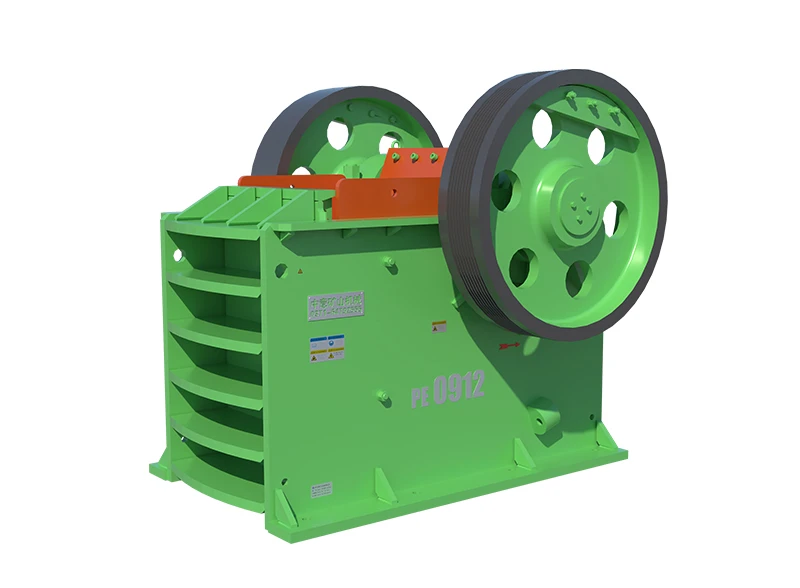
Impact Crusher vs Jaw Crusher
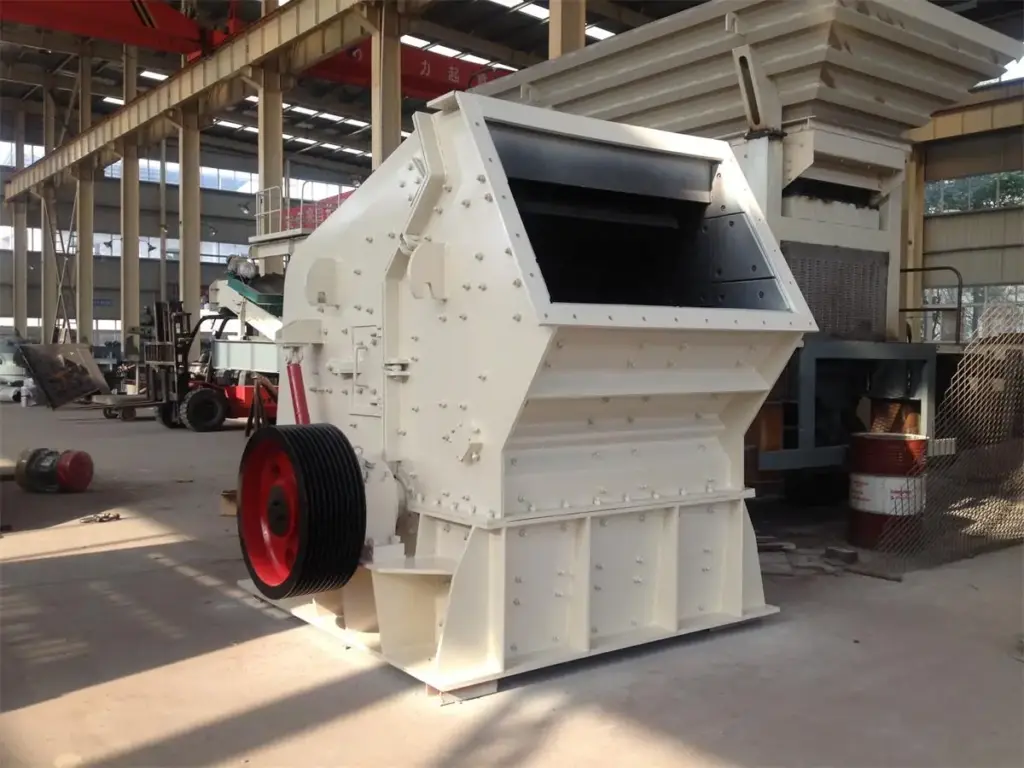
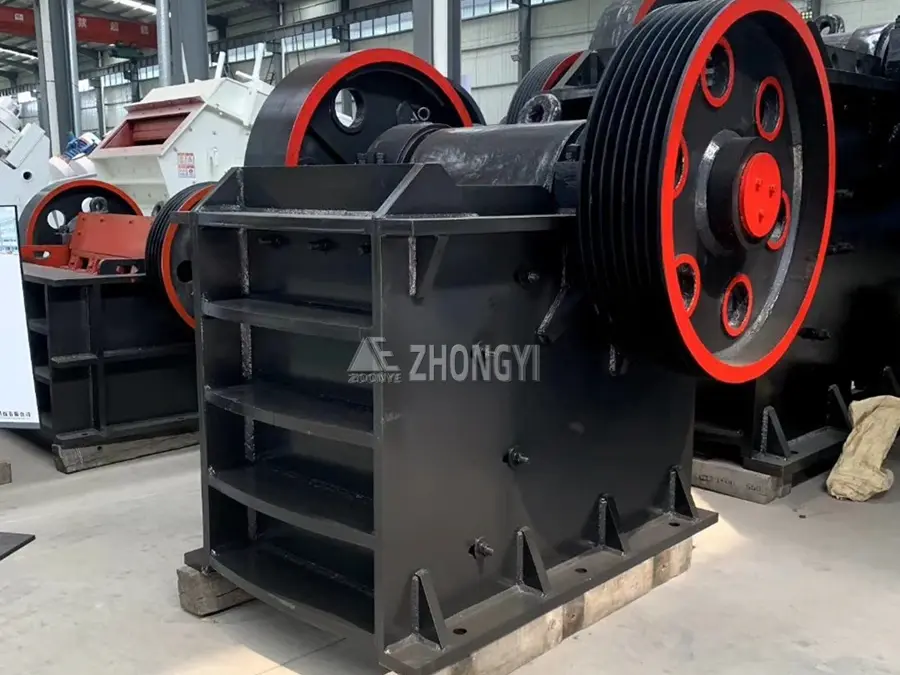
| Үзүүлэлт | Impact Crusher | Эрүү бутлуур |
| Бутлах үе шат | Secondary / tertiary crushing | Анхдагч бутлалт |
| Working principle | High-speed rotor impact + rebound | Compression between fixed and moving jaw plate |
| Feed size range | Medium feed (typically ≤500 mm) | Large feed (up to 1000+ mm depending on model) |
| Output shape | High cubic content, low flakiness index | More elongated / angular particles |
| Reduction ratio | High (up to 15–20:1 in suitable material) | Low to medium (3–6:1 typical) |
| Product control | Adjustable via impact gap setting | Limited control, mainly dependent on discharge setting |
| Wear cost | Higher (blow bars & impact plates) | Lower in most applications |
| Typical use case | Shaping + secondary crushing | Primary reduction of run-of-mine material |
Impact Crusher vs Cone Crusher
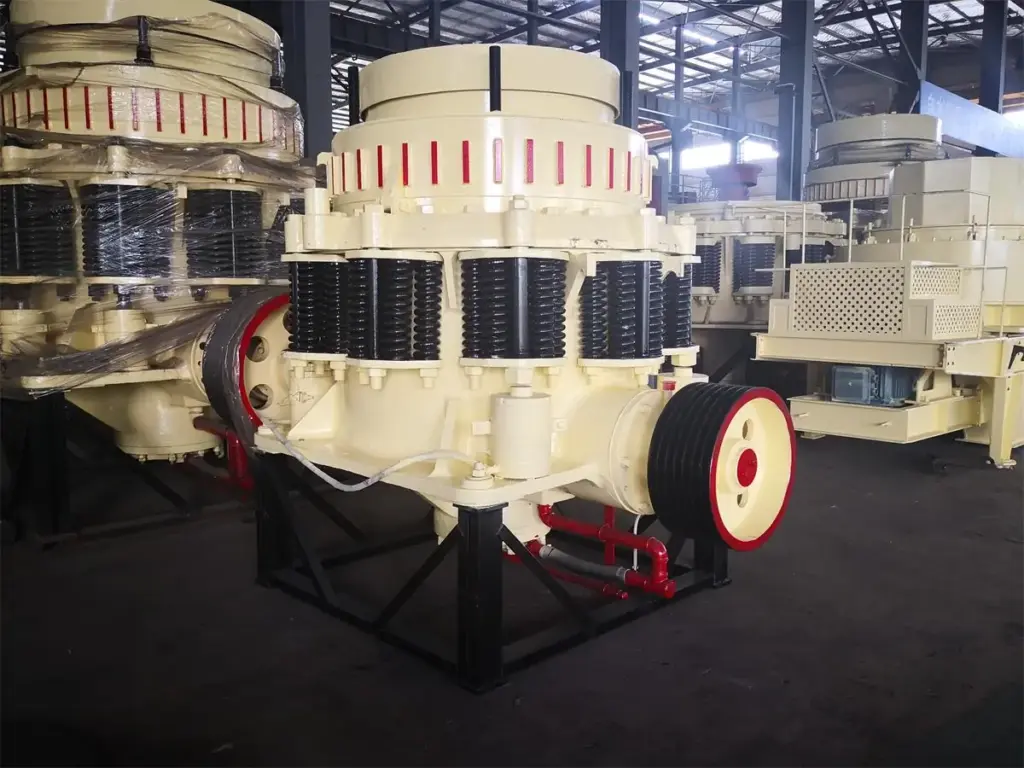
| Үзүүлэлт | Impact Crusher | Конусан бутлуур |
| Crushing principle | Impact breakage (high-speed collision) | Compression + inter-particle crushing |
| Suitable material | Limestone, concrete, soft to medium rock | Hard and abrasive rock (granite, basalt) |
| Particle shape | Better cubical shape, higher fines control | More elongated particles, better for gradation stability |
| Reduction efficiency | High in soft/medium materials | High in hard rock and fine crushing stage |
| Элэгдлийн гүйцэтгэл | Higher wear in abrasive applications | Lower wear in hard rock due to compression mode |
| Operating cost | Higher in hard rock conditions | More stable in long-term hard rock operation |
| Typical application stage | Secondary / tertiary shaping | Secondary / fine crushing in hard rock circuits |
| Maintenance frequency | Relatively higher | Lower and more stable in heavy-duty operations |
Applications for Impact Crushers
Impact crusher machines are used in aggregate production and material processing where medium crushing and good particle shape are required. They are normally installed after primary crushing to further reduce material size and produce stable, well-graded output for construction use.
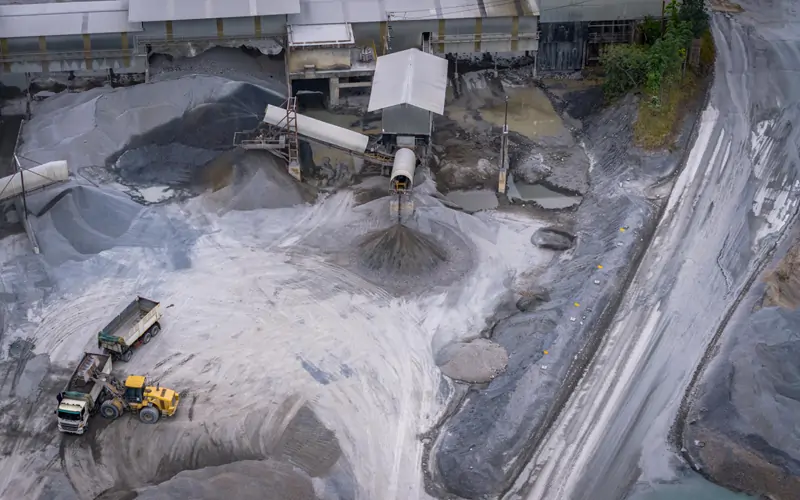
Mining, Quarrying, and Stone Processing
In mining and quarrying operations, impact crushers are used for limestone and other soft to medium-hard rock. After primary crushing, the material is further reduced in size and shaped for screening and downstream processing.
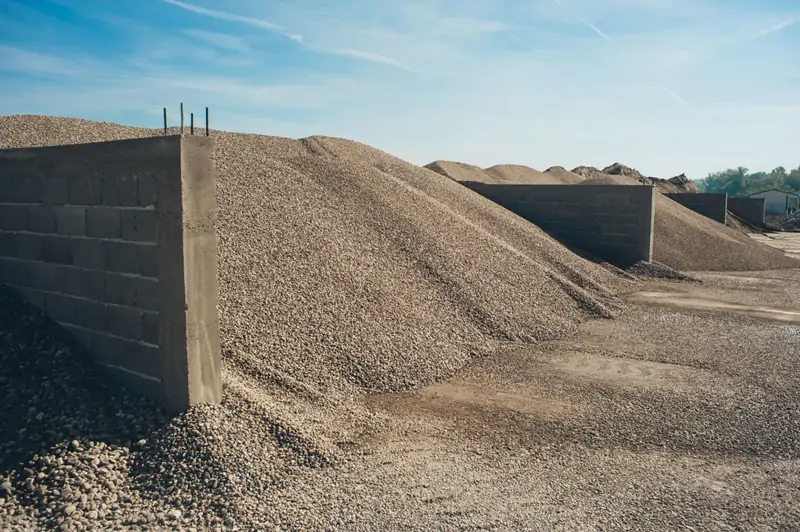
Aggregate and Construction Material Production
In aggregate production plants, impact crushers process crushed stone for concrete and general construction use. The output is used in projects that require consistent grading and better particle shape for mixing and compaction.
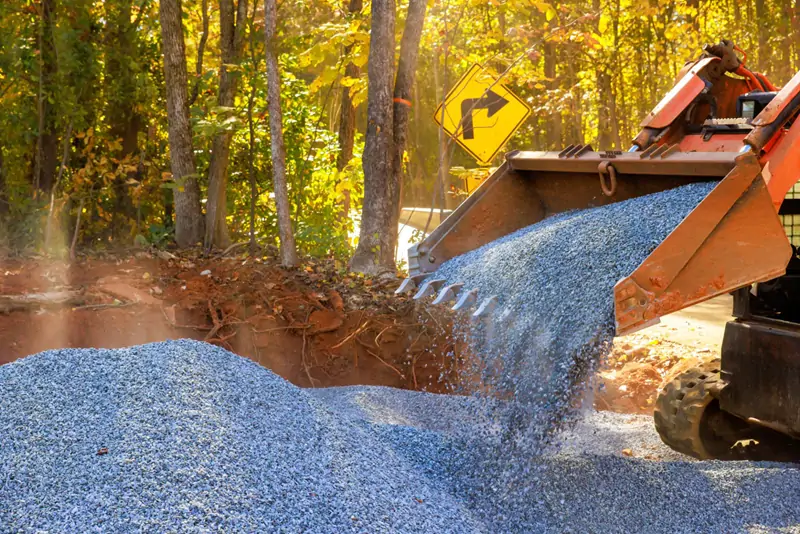
Road and Infrastructure Projects
In road construction, impact crushers are used to produce base and sub-base materials. The crushed material is used in road foundations where stable grading and compaction performance are required.
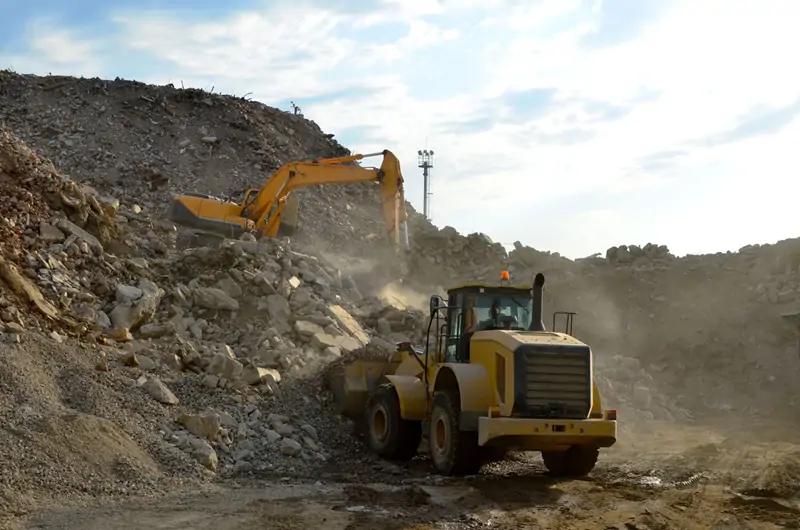
Asphalt and Recycling Applications
In asphalt plants, impact crushers process aggregates used in asphalt mixing. In recycling projects, they crush concrete and demolition waste into reusable material for non-structural construction and base applications.
Materials Suitable for Impact Crushers
Impact crushers are mainly used for processing low to medium-hard and non-abrasive materials. The crushing mechanism relies on high-speed impact, so material hardness and abrasiveness have a direct influence on wear cost and equipment efficiency.
To assess how hardness, abrasiveness, and moisture affect different feed materials, read What Materials Are Suitable for Impact Crushers?
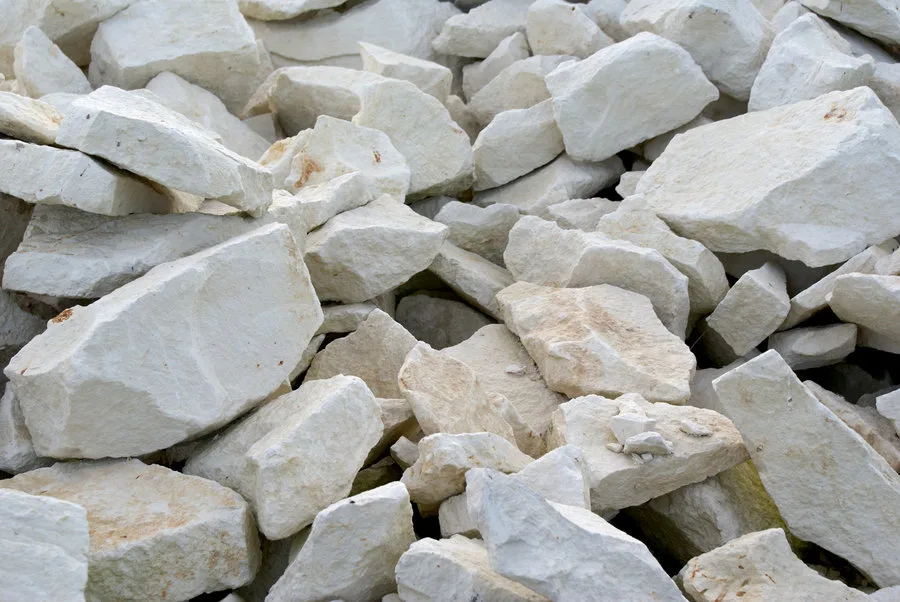
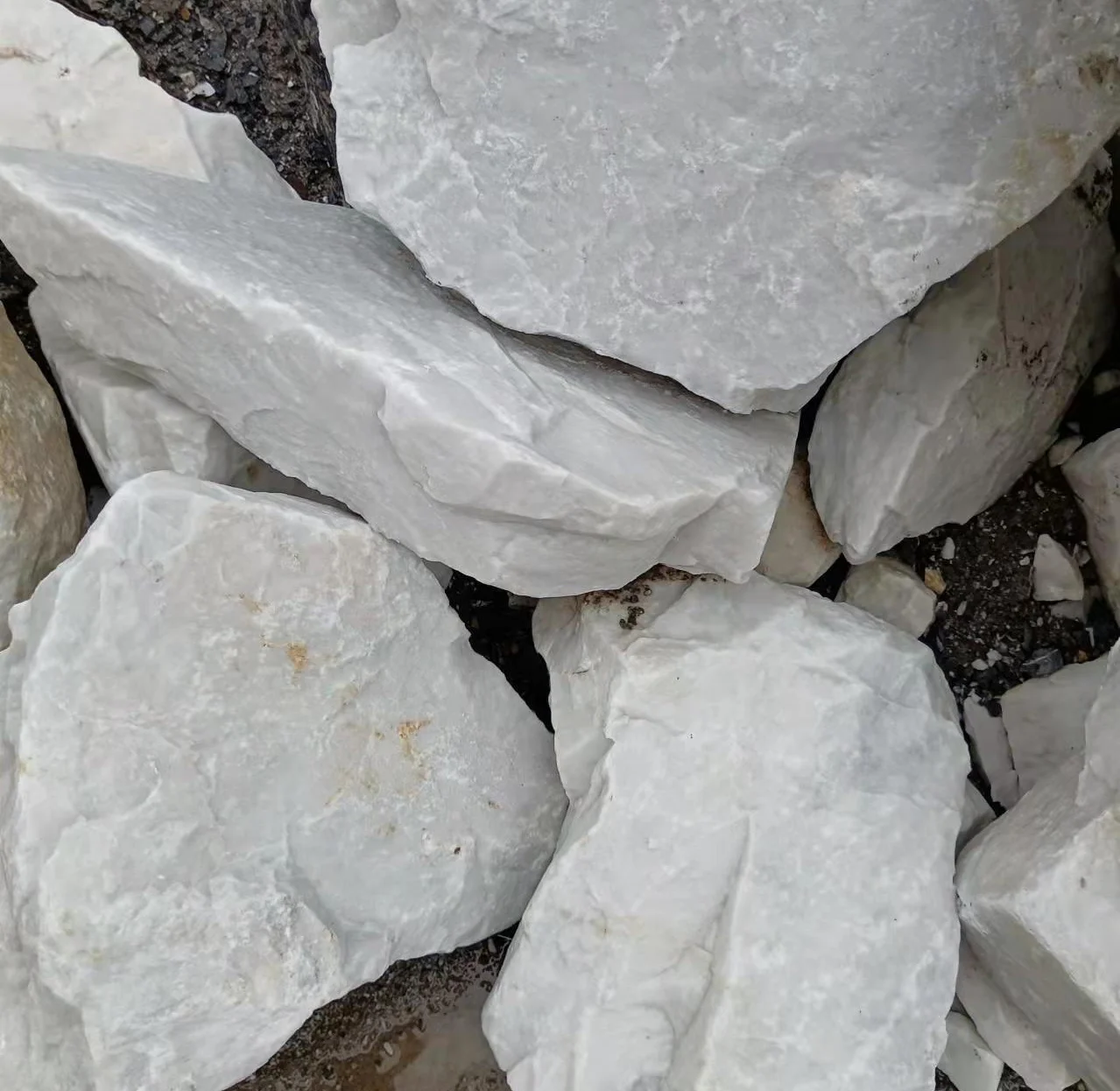
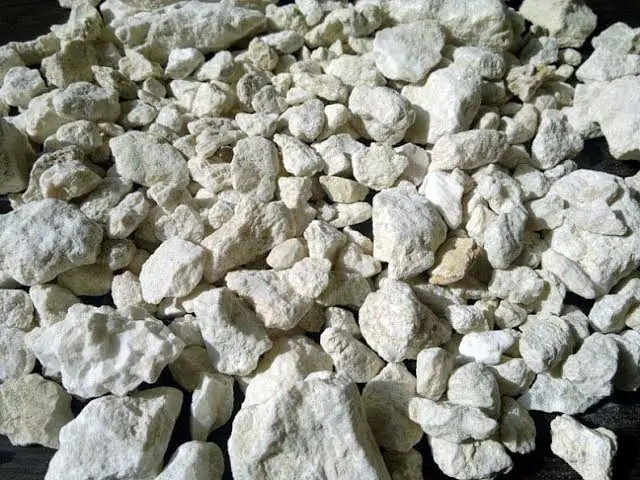
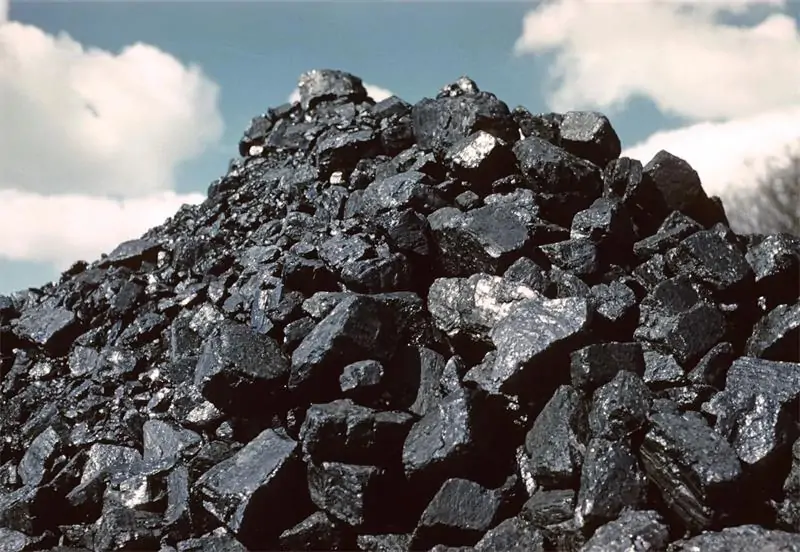
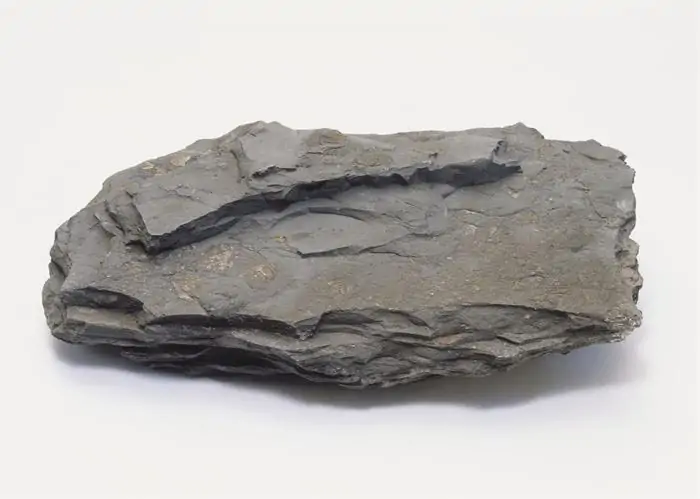
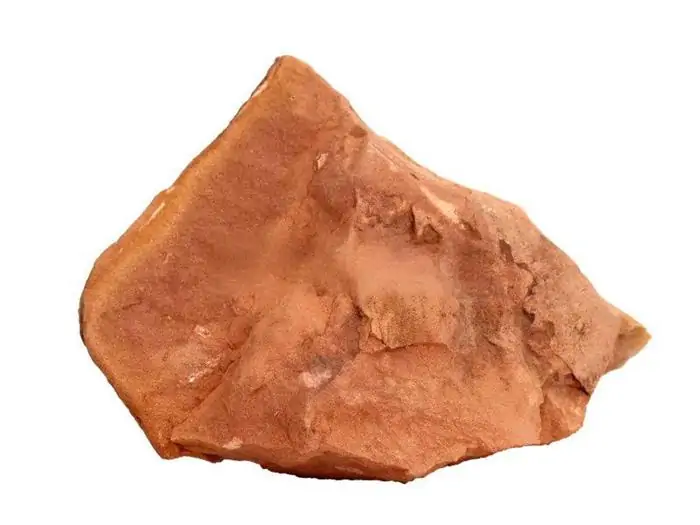
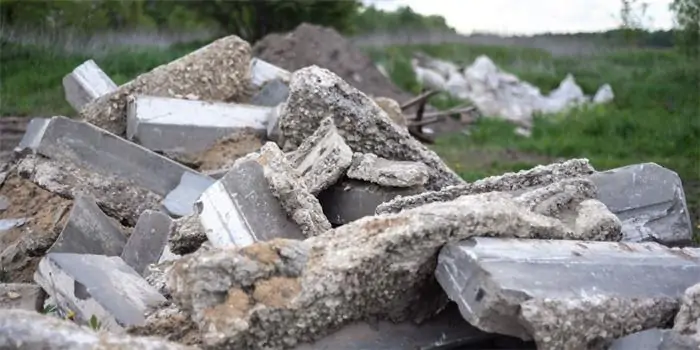
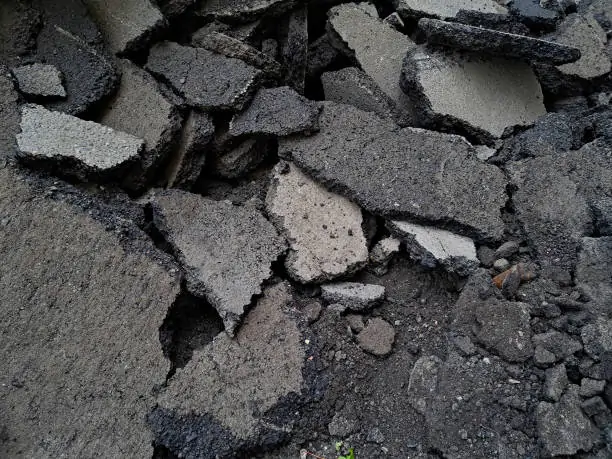
Typical Suitable Materials and Mohs Hardness
| Материал | Mohs Hardness | Suitability |
| Шохойн чулуу | 3–4 | Excellent |
| Dolomite | 3.5–4 | Сайн |
| Гипс | 2 | Excellent |
| Нүүрс | 1–3 | Excellent |
| Занар | 2–4 | Сайн |
| Шаварлаг чулуу | 2–3 | Сайн |
| Concrete (recycled) | 4–6 | Excellent |
| Asphalt | 4–5 | Сайн |
| Brick / Brick debris | 4–6 | Сайн |
Materials Not Recommended
| Материал | Mohs Hardness | Reason |
| Гранит | 6–7 | High abrasiveness, high wear cost |
| Базальт | 6–7 | Severe wear on blow bars |
| Кварцит | 7 | Extremely abrasive, low efficiency |
| Iron ore | 5.5–6.5 | Excessive wear, not suitable |
How to Choose the Right Impact Crusher?
Choosing the right impact crusher depends on material hardness, feed size, required output shape, capacity, and operating cost. These factors should be matched with real project conditions to ensure stable production.When evaluating crusher options for your project, read [Stone Crusher Machine Price Guide: What Affects the Cost?] to understand how equipment type, production capacity, rock properties, and plant configuration affect the overall investment.
Material Hardness
Impact crushers are suitable for soft to medium-hard materials such as limestone and concrete. Materials with compressive strength below around 150 MPa are generally within a stable working range. For harder rock such as granite or basalt, wear rate increases and cone crushers are often more suitable.
Тэжээлийн хэмжээ
Typical feed size is around 100–500 mm depending on the model. Larger feed usually requires a jaw crusher as a primary stage before impact crushing.
Required Output Shape
Impact crushers are selected when cubical and well-shaped aggregate is needed. This is important for concrete, asphalt, and road base materials where particle shape affects compaction and strength.
Хүчин чадлын шаардлага
Capacity ranges from about 50 TPH for small units to over 500 TPH for large production lines. Selection should match both average and peak production needs to avoid system bottlenecks.
Ашиглалтын зардал
Operating cost mainly comes from wear parts and energy consumption. In softer materials, cost per ton is lower. In abrasive materials, blow bars and impact plates need more frequent replacement, which increases overall operating cost.
To weigh these benefits and limitations against your project requirements, How to Choose an Impact Crusher: A Complete Selection Guide brings together material suitability, capacity sizing, product specifications, and operating cost checks.
Захиалгат шийдэл хүсэх
Contact Zhongyi for customized impact crusher solutions based on your project needs.
Төслийн жишээ
A 280 TPH limestone crushing plant was installed in Fujairah, UAE for road base and concrete aggregate production. The project site had limited space and required stable output during continuous operation.
Material: Limestone from local quarry
Capacity: 280 TPH
Feed Size: Up to 600 mm, with some oversize variation from blasting
Configuration: Jaw Crusher + Impact Crusher + Vibrating Screen
Final Product Sizes: 0–5 mm, 5–20 mm, 20–40 mm
During operation, the plant required adjustment of crusher settings in the first weeks to stabilize the screening ratio. After optimization, the impact crusher improved particle shape consistency and reduced recirculation in the 5–20 mm range used for road construction.
Conclusion
Overall, impact crushers are highly effective for producing well-shaped aggregates with high reduction ratios, especially in limestone, construction aggregate, and recycling applications. Their main advantages include excellent particle shape, flexible output adjustment, and high crushing efficiency. However, limitations such as higher wear costs and reduced performance in very hard abrasive rock (like granite and basalt) should be considered. In real applications, selection should be based on material hardness, production stage, and overall operating cost rather than capacity alone.
For project planning or equipment selection, Zhongyi Mining provides professional support in crusher configuration and plant design. Contact us to get a suitable solution for your crushing project.

Др. Ю
Expert in Mineral Processing Solutions
With 15+ years of experience, Dr. Chen specializes in gravity, magnetic, flotation, and electrostatic separation. He focuses on ore processing and process optimization, sharing practical insights and equipment applications to help improve recovery rates and production efficiency.
Түгээмэл асуулт
What is an impact crusher used for?
An impact crusher is used for secondary and tertiary crushing in aggregate production. It processes limestone, concrete, and other soft to medium-hard materials to produce well-shaped aggregate for road construction, concrete mixing, and general building material applications.
Impact crusher vs jaw crusher, what is the difference?
A jaw crusher is used for primary crushing of large rocks, while an impact crusher is used after primary crushing for shaping and reducing material size. Jaw crushers handle larger feed, impact crushers focus on particle shape and final product grading.
Is an impact crusher suitable for hard rock?
Impact crushers can process some medium-hard rock, but performance decreases in very hard materials like granite or basalt. Wear on blow bars increases, leading to higher maintenance cost. In such cases, cone crushers are often more suitable for long-term operation.
What materials are best for impact crushers?
Impact crushers work best with limestone, concrete, asphalt, and construction waste. These materials break easily under impact force and allow the crusher to produce cubical aggregate with stable grading for construction and infrastructure projects.
What is the typical capacity of an impact crusher?
Capacity depends on model size and configuration. Small units may produce around 50 TPH, while large stationary plants can exceed 500 TPH. Actual capacity also depends on feed size, material hardness, and production line setup.
How often do impact crusher wear parts need replacement?
Wear parts such as blow bars and impact plates require regular inspection. Replacement frequency depends on material hardness and operating hours. In limestone applications, wear life is longer, while abrasive rock conditions shorten service intervals.
Can impact crushers produce good particle shape?
Yes, impact crushers are known for producing cubical and well-shaped aggregate. The high-speed rotor and impact force improve particle shape, which is important for concrete strength, asphalt bonding, and road base compaction performance.
Does Zhongyi support customized impact crusher solutions?
Yes, Zhongyi provides customized impact crusher solutions based on material type, feed size, capacity requirements, and project layout. Configurations can be adjusted for different production needs, including stationary and mobile crushing plant designs.