











ما هي مزايا وعيوب الكسارة التصادمية؟
توفر الكسارات التصادمية نسب تخفيض عالية (تصل إلى 20:1)، وشكلاً ممتازاً للجزيئات، وقدرات معالجة تتراوح من 30 إلى أكثر من 2,000 TPH. ومع ذلك، فإنها تتطلب تكاليف تآكل أعلى عند التعامل مع المواد الكاشطة مثل الجرانيت أو البازلت، مما يجعلها أكثر ملاءمة للصخور متوسطة الصلابة والحجر الجيري وإعادة تدوير الخرسانة وإنتاج الركام.
المزايا:
- نسبة تخفيض عالية
- شكل ركام ممتاز
- ضبط مرن لحجم التفريغ
- استثمار أولي أقل
العيوب:
- تكاليف تآكل أعلى
- غير مناسبة للصخور شديدة الكشط
- صيانة أكثر تكراراً
- انبعاث غبار أعلى
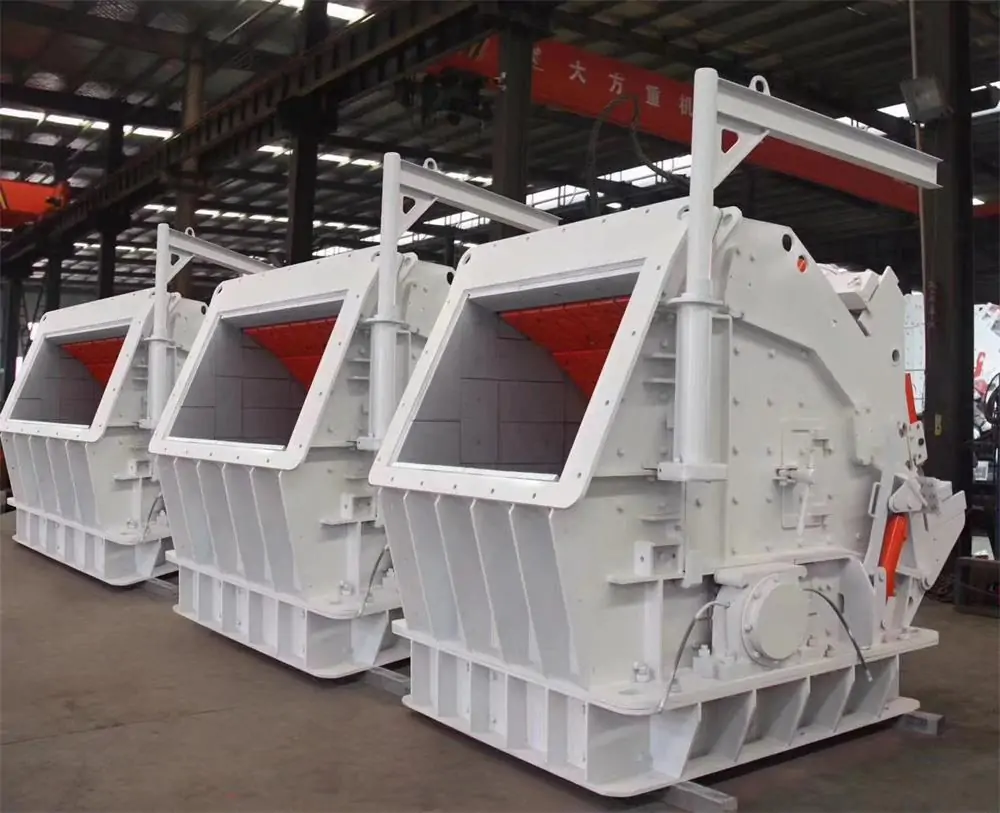
ما هي الكسارة التصادمية؟
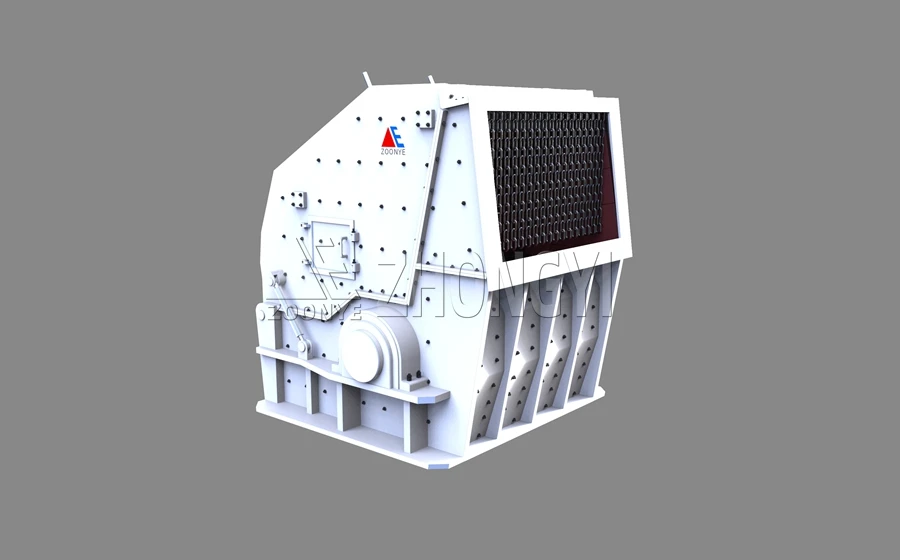
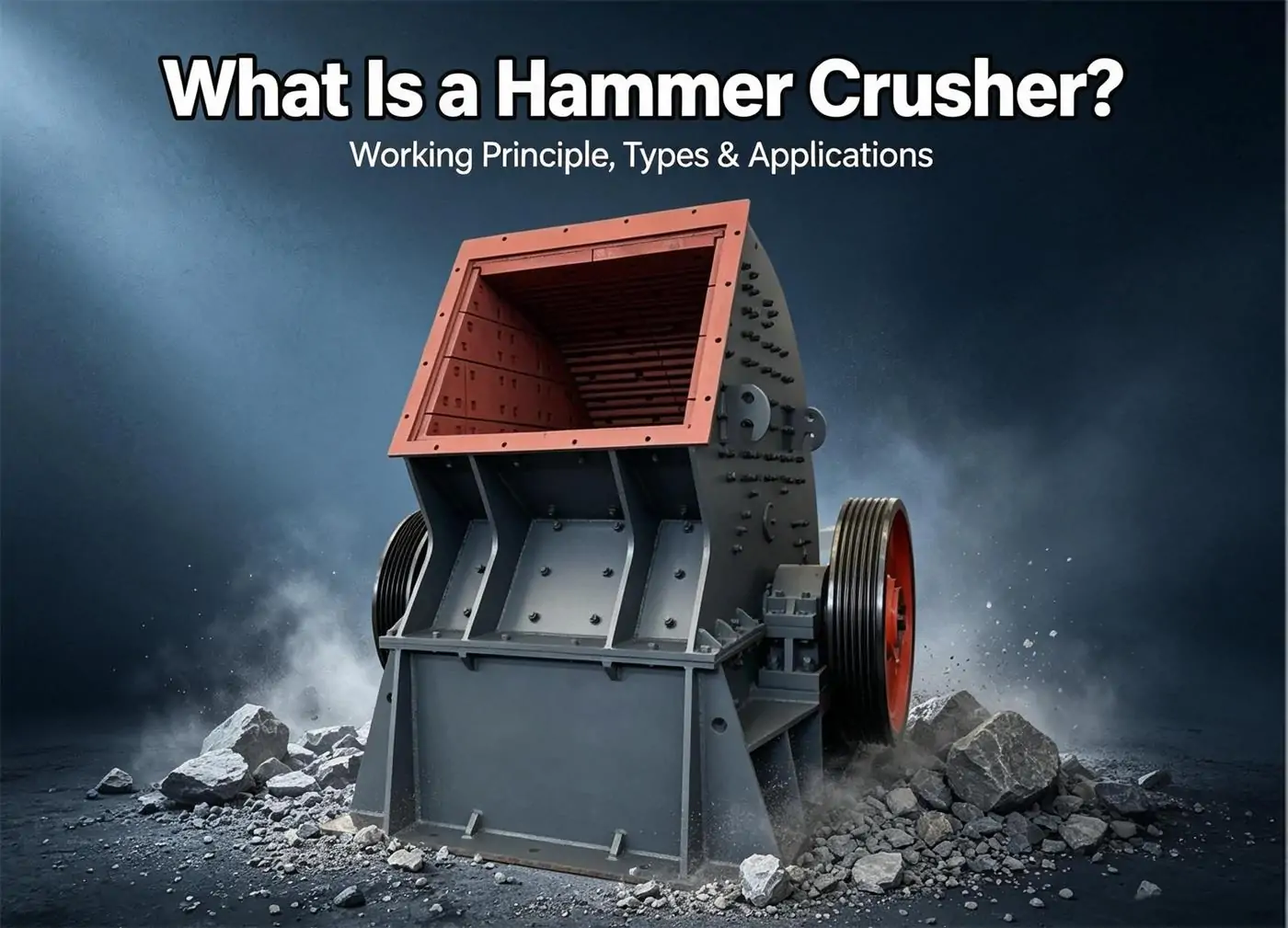
الكسارة التصادمية، المعروفة أيضاً باسم الكسارة الصدمية أو آلة التكسير التصادمي، هي نوع من معدات التكسير التي تقلل حجم المواد من خلال قوة الصدم عالية السرعة بدلاً من الضغط. وتُستخدم على نطاق واسع في إنتاج الركام والتعدين واستغلال المحاجر ومصانع الأسمنت وصناعات إعادة التدوير لمعالجة مواد مثل الحجر الجيري والخرسانة ومخلفات البناء والفحم والجبس وغيرها من الصخور منخفضة إلى متوسطة الصلابة.
مقارنة بكسارات الضغط، يمكن للكسارات التصادمية تحقيق نسبة تخفيض عالية تصل إلى 20:1 مع إنتاج شكل جزيئات أكثر انتظاماً ومكعباً، مما يجعلها مناسبة بشكل خاص لتطبيقات الركام والمواد المعاد تدويرها.
كيف تعمل الكسارة التصادمية؟
تتكون الكسارة التصادمية بشكل أساسي من دوار وقضبان نفخ وألواح تصادم وغرفة تكسير. أثناء التشغيل، يدور الدوار بسرعة عالية ويضرب المواد المغذية، مما يسرعها نحو ألواح التصادم حيث يتم تكسير المواد بشكل إضافي من خلال الاصطدامات المتكررة وقوى الصدم. وعلى عكس الكسارات الفكية والكسارات المخروطية، التي تكسر المواد من خلال الضغط، تعتمد الكسارات التصادمية على نقل الطاقة الحركية، مما يتيح لها تحقيق تخفيض فعال للحجم وشكل جزيئات جيد وقدرات إنتاج تتراوح من 30 TPH إلى أكثر من 2,000 TPH، اعتماداً على التطبيق وتكوين الآلة.
For a step-by-step explanation of rotor impact, repeated breakage, and material discharge, see كيف تعمل الكسارة التصادمية؟
أنواع الكسارات التصادمية
نقدم عدة أنواع من الكسارات التصادمية لتلبية متطلبات التكسير المختلفة، بما في ذلك إنتاج الركام والتعدين ومعالجة الحجر الجيري وتطبيقات إعادة التدوير. يعتمد الطراز المناسب على صلابة المادة وحجم التغذية والسعة المطلوبة ومواصفات المنتج النهائي.
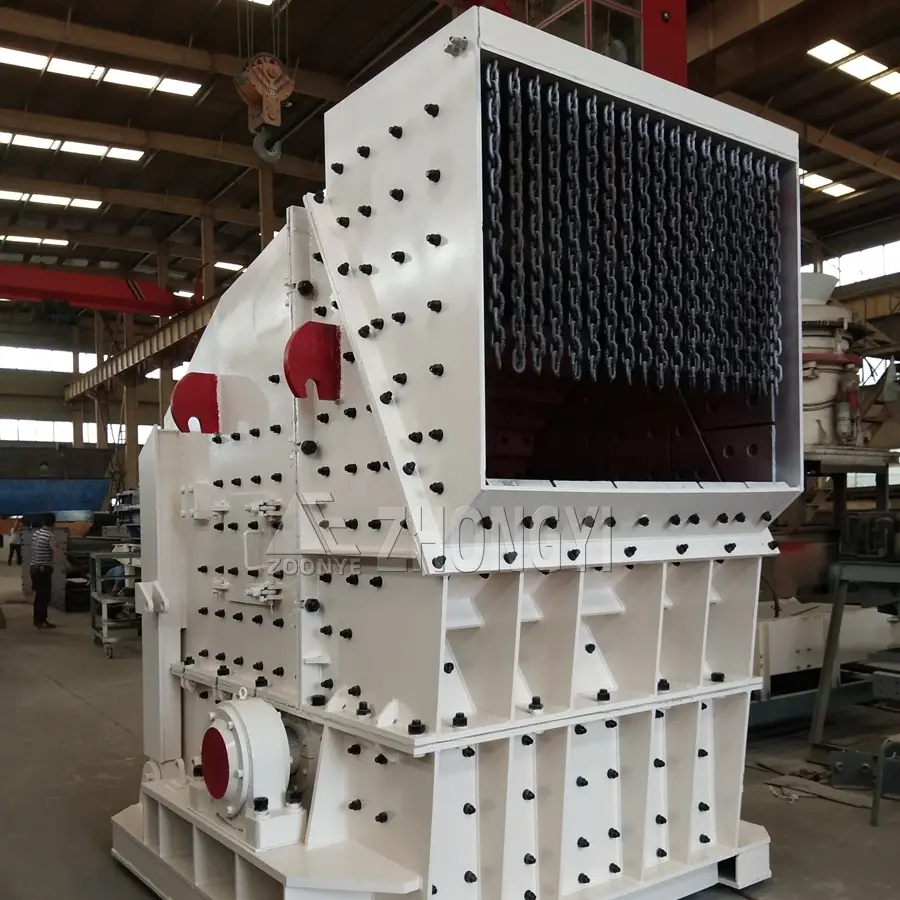
الكسارة التصادمية الأوروبية
الكسارة التصادمية الأوروبية مصممة للتكسير الثانوي للحجر الجيري والدولوميت ومخلفات الخرسانة وغيرها من المواد متوسطة الصلابة. وتتميز بتصميم دوار محسّن ونظام فتح هيدروليكي وتحكم ممتاز في شكل الجزيئات، مع قدرات تتراوح عادةً من 80 إلى 500 TPH.
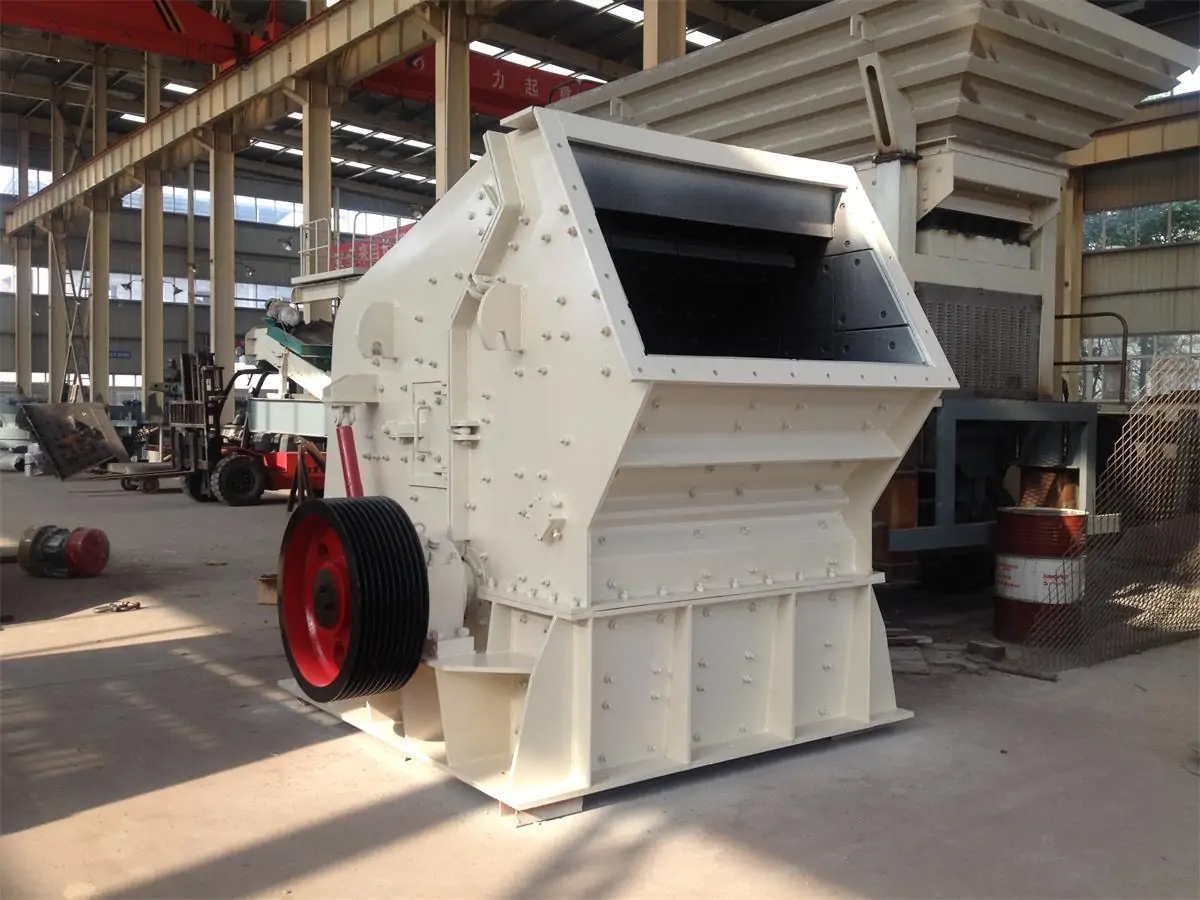
الكسارة التصادمية ذات العمود الأفقي (كسارة HSI)
كسارة تصادمية متعددة الاستخدامات تُستخدم على نطاق واسع في استغلال المحاجر وإنتاج الركام. وتوفر نسبة تخفيض عالية وشكلاً مكعباً جيداً للمنتج، وتتعامل مع أحجام تغذية تصل إلى 700 مم بقدرات من 50 إلى 800 TPH.
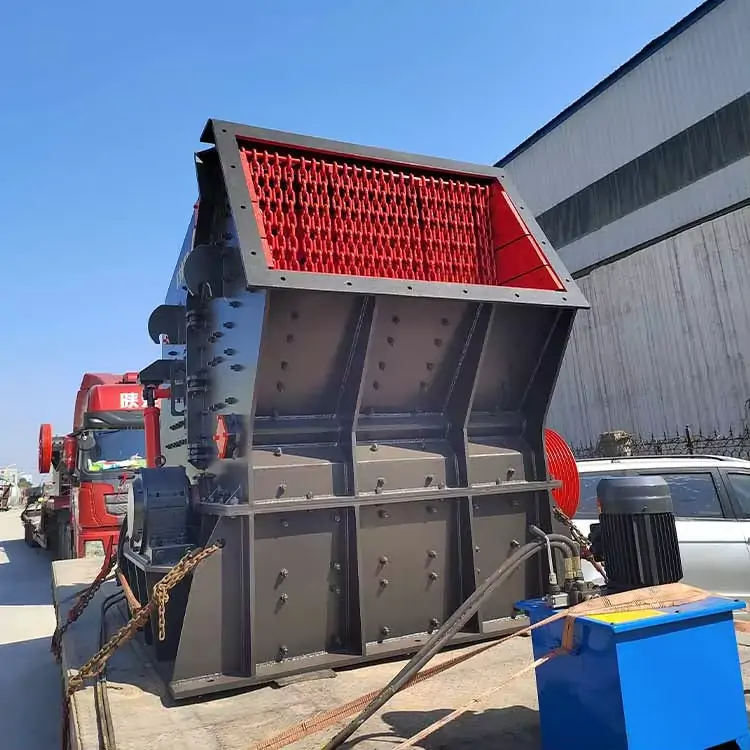
الكسارة التصادمية الأولية
مصممة لتطبيقات التكسير الأولي، خاصة في محطات معالجة الحجر الجيري والصخور اللينة. ويمكنها استقبال أحجام تغذية كبيرة تصل إلى 1,200 مم وتقديم قدرات إنتاج تتراوح من 150 إلى 2,000 TPH.
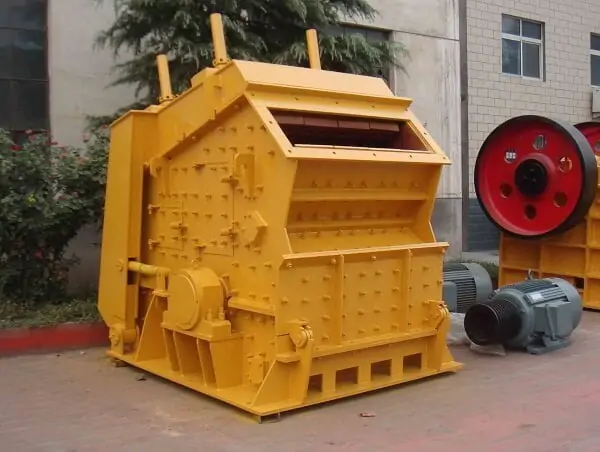
الكسارة التصادمية الثانوية
تُستخدم بشكل أساسي بعد الكسارات الفكية للتكسير الثانوي وتشكيل الركام. وتنتج ركاماً جيد التدرج بأحجام تغذية عادةً أقل من 300 مم وقدرات من 50 إلى 400 TPH.
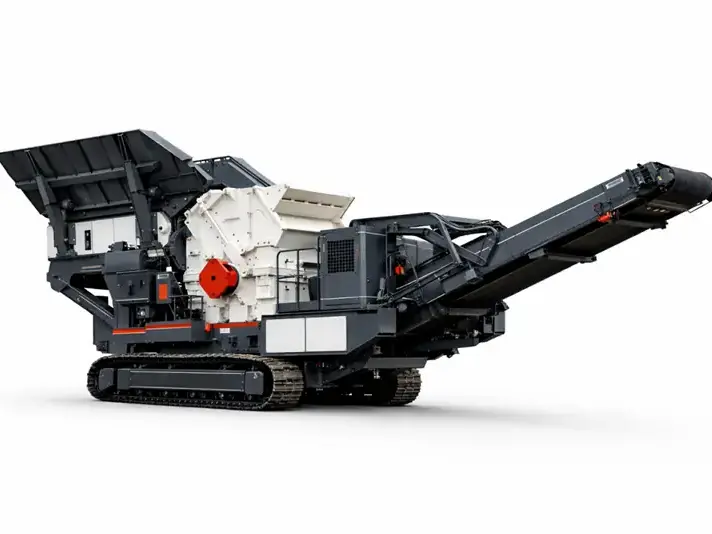
الكسارة التصادمية المتنقلة
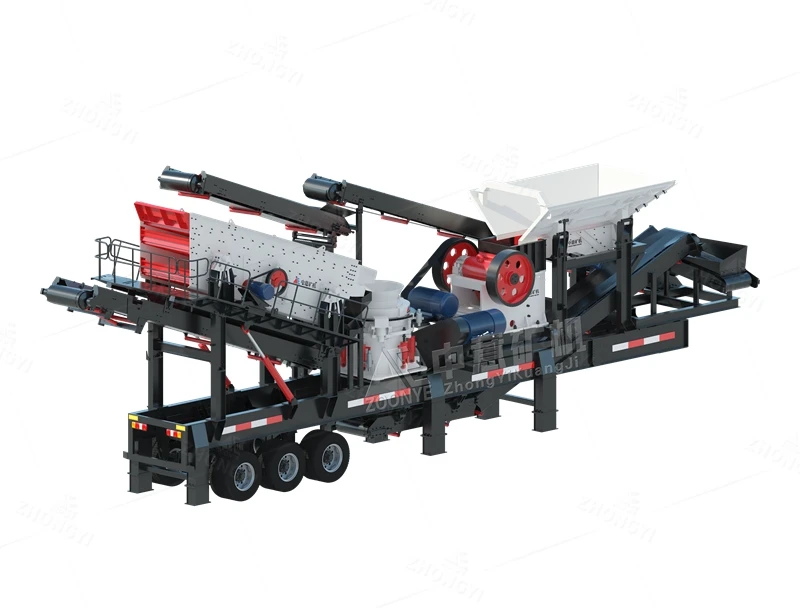
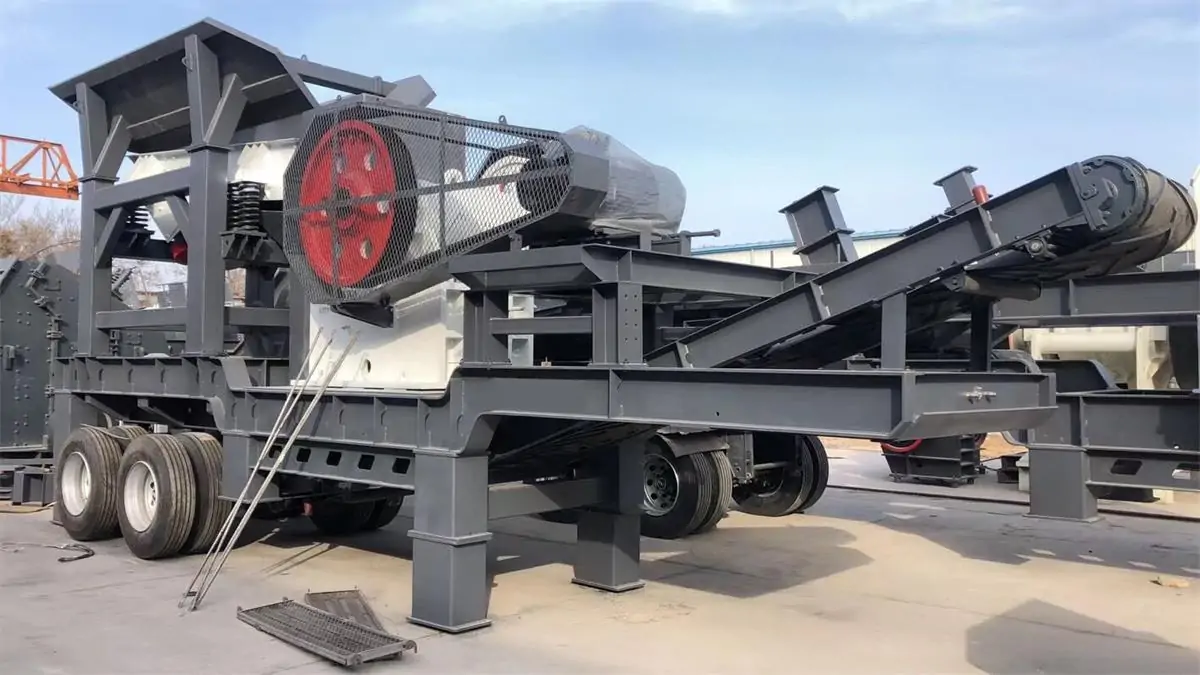
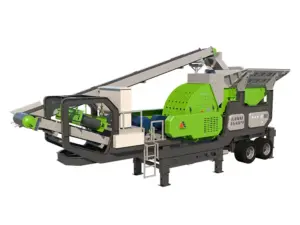
الكسارة التصادمية المتنقلة حل تكسير محمول يدمج الكسارة التصادمية والمغذي ونظام الغربلة على هيكل متنقل. وهو مناسب لإعادة تدوير مخلفات البناء ومشاريع المحاجر المؤقتة، بقدرات تتراوح عموماً من 50 إلى 350 TPH.
To assess whether a mobile setup suits your project, Mobile Impact Crusher Selection: A Practical Guide for Mining and Construction covers chassis selection, supporting equipment, and operating costs.
مزايا الكسارات التصادمية
| البند | الوصف |
| شكل جزيئات ممتاز | تنتج ركاماً مكعب الشكل في الغالب بمؤشر تقشر منخفض وشقوق داخلية ضئيلة ومحتوى منخفض من المواد الناعمة، وهو مناسب لتطبيقات الطرق السريعة عالية الدرجة والبناء والخرسانة. |
| نسبة تخفيض وكفاءة عاليتان | نسبة تكسير عالية (تصل إلى 20:1) تقلل فعلياً من حجم التغذية وتحسن كفاءة العملية الإجمالية، مما يقلل الحاجة إلى الطحن الثانوي في بعض التطبيقات. |
| حجم إخراج قابل للتعديل | يمكن التحكم في حجم التفريغ بدقة عن طريق ضبط الفجوة بين ألواح التصادم وقضبان النفخ، مما يتيح إنتاجاً مرناً لمواصفات ركام متعددة. |
| هيكل بسيط وصيانة سهلة | تصميم مدمج مع نظام فتح هيدروليكي يبسط الفحص واستبدال قطع التآكل والصيانة الروتينية، مما يقلل من وقت التوقف. |
| قابلية واسعة للتكيف مع المواد | مناسبة للمواد التي يصل حجم تغذيتها إلى 500 مم وقوة ضغط تصل إلى 350 ميجاباسكال، وهي فعالة بشكل خاص للحجر الجيري والمواد الأخرى متوسطة إلى منخفضة الصلابة. |
عيوب الكسارة التصادمية
| البند | الوصف |
| معدل تآكل عالٍ للمواد الاستهلاكية | قضبان النفخ وألواح التصادم هي مكونات عالية التآكل تتطلب استبدالاً متكرراً. ويزداد معدل التآكل بشكل كبير عند معالجة مواد تغذية كاشطة أو أكثر صلابة، مما يؤدي إلى تكاليف تشغيل وصيانة أعلى. |
| ملاءمة محدودة للصخور الصلبة | لا يُنصح بها للمواد عالية الصلابة مثل الجرانيت والبازلت. فالتآكل المفرط يقلل من الكفاءة الاقتصادية ويقصر عمر الخدمة في مثل هذه التطبيقات. |
| الحساسية للرطوبة والطين | يمكن أن يتسبب المحتوى العالي من الرطوبة أو الطين في مادة التغذية في انسداد الغرفة. وتكون عمليات التنظيف وإعادة التشغيل صعبة نسبياً بمجرد حدوث الانسداد. |
| انبعاث الضوضاء والغبار | يولد التشغيل مستويات عالية نسبياً من الضوضاء والغبار، مما يتطلب أنظمة إضافية لكبح الغبار والتحكم في الضوضاء للامتثال للمعايير البيئية. |
الكسارة التصادمية مقابل الكسارات الأخرى
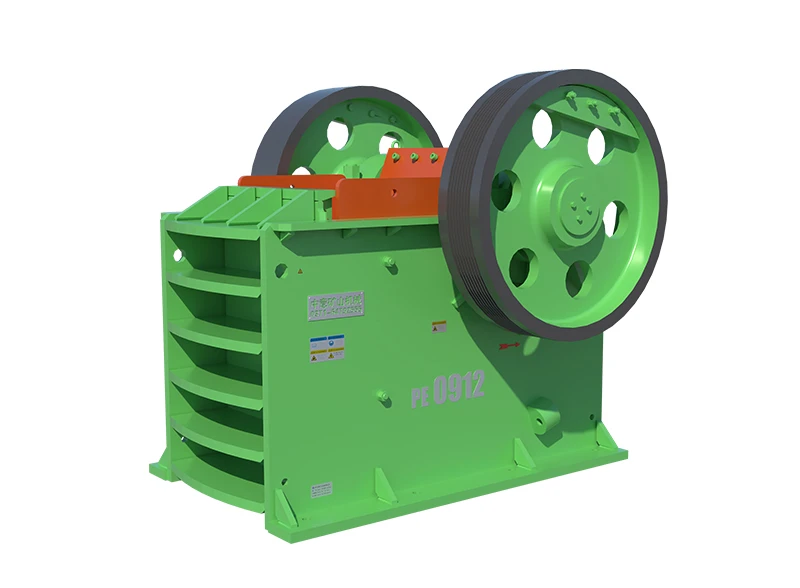
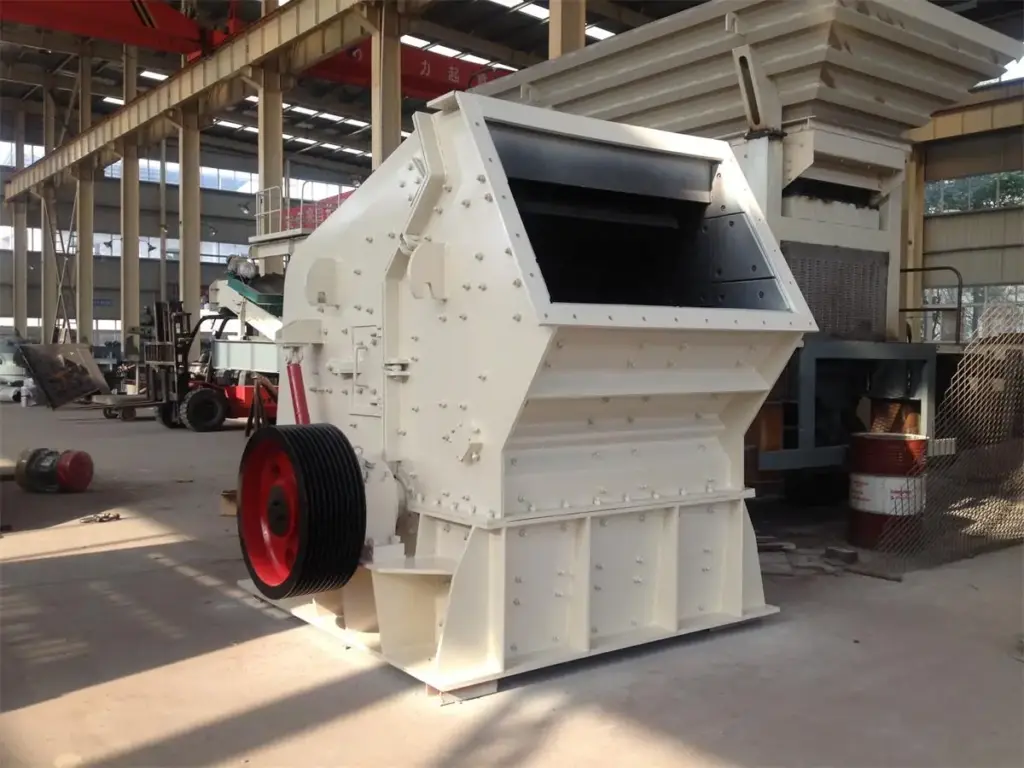
Impact crushers are mainly used for medium-hard to low-hardness materials and are preferred when good particle shape and high reduction ratio are required. Compared with الكسارة الفكية, and cone crushers, they work on a different crushing principle, impact force instead of compression, which directly affects output shape, wear cost, and application range.When comparing crushing equipment for different materials and applications, read الكسارة الفكية مقابل الكسارة المخروطية مقابل الكسارة التصادمية: الفروق والاستخدامات لفهم الاختلافات الرئيسية بينها وكيفية اختيار النوع المناسب.
Impact Crusher vs Jaw Crusher
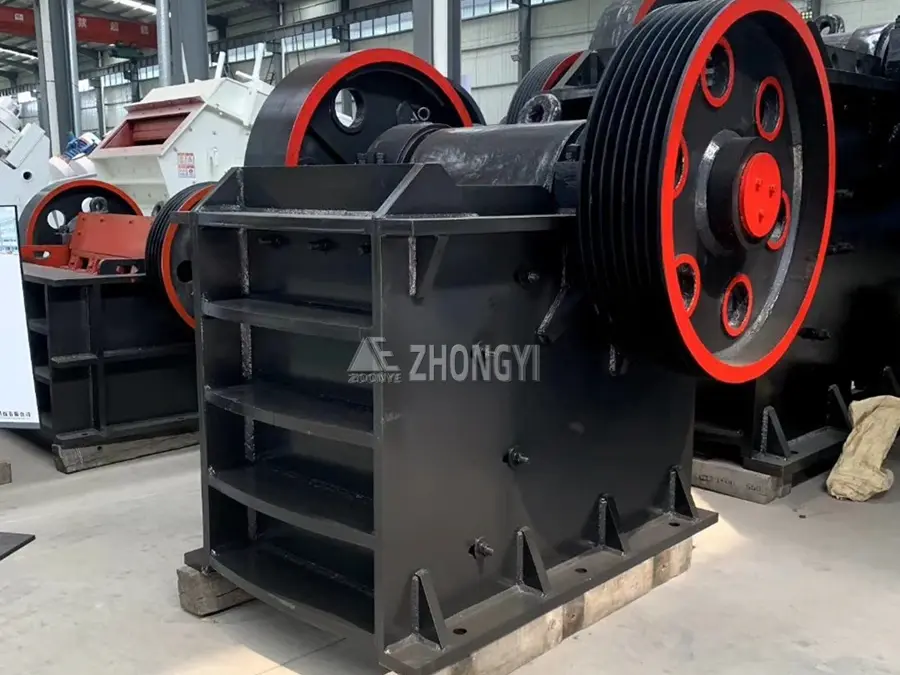
| البند | الكسارة التصادمية | الكسارة الفكية |
| Crushing stage | Secondary / tertiary crushing | Primary crushing |
| Working principle | High-speed rotor impact + rebound | Compression between fixed and moving jaw plate |
| Feed size range | Medium feed (typically ≤500 mm) | Large feed (up to 1000+ mm depending on model) |
| Output shape | High cubic content, low flakiness index | More elongated / angular particles |
| Reduction ratio | High (up to 15–20:1 in suitable material) | Low to medium (3–6:1 typical) |
| Product control | Adjustable via impact gap setting | Limited control, mainly dependent on discharge setting |
| Wear cost | Higher (blow bars & impact plates) | Lower in most applications |
| Typical use case | Shaping + secondary crushing | Primary reduction of run-of-mine material |
Impact Crusher vs Cone Crusher
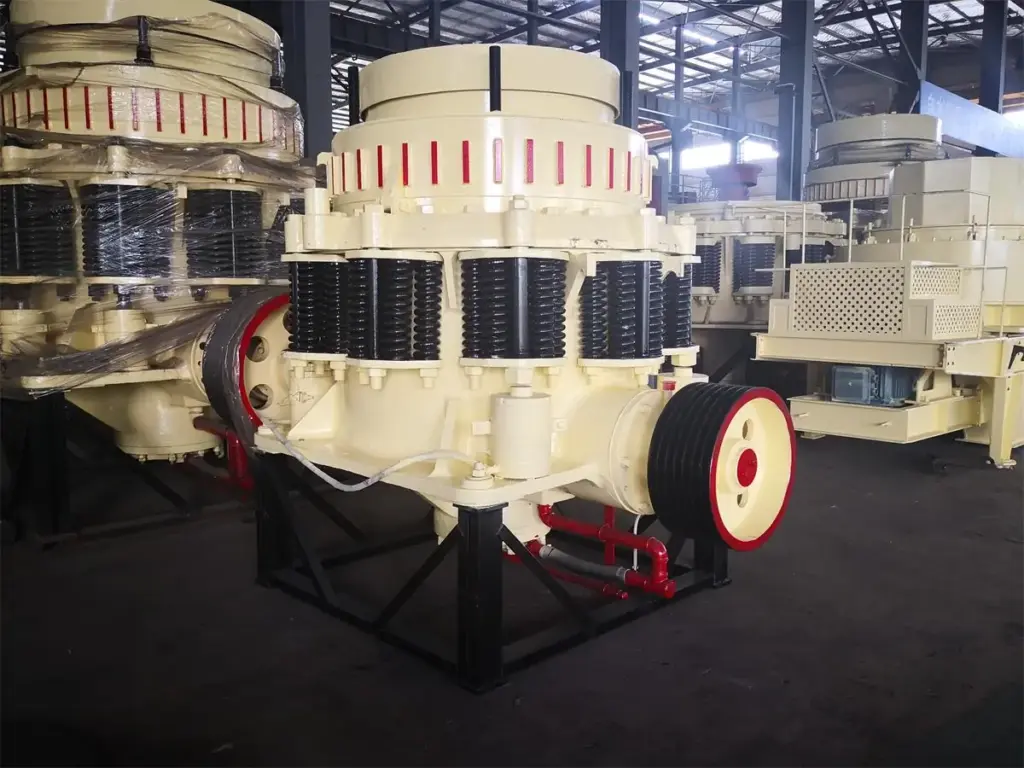
| البند | الكسارة التصادمية | الكسارة المخروطية |
| Crushing principle | Impact breakage (high-speed collision) | Compression + inter-particle crushing |
| Suitable material | Limestone, concrete, soft to medium rock | Hard and abrasive rock (granite, basalt) |
| Particle shape | Better cubical shape, higher fines control | More elongated particles, better for gradation stability |
| Reduction efficiency | High in soft/medium materials | High in hard rock and fine crushing stage |
| Wear performance | Higher wear in abrasive applications | Lower wear in hard rock due to compression mode |
| Operating cost | Higher in hard rock conditions | More stable in long-term hard rock operation |
| Typical application stage | Secondary / tertiary shaping | Secondary / fine crushing in hard rock circuits |
| Maintenance frequency | Relatively higher | Lower and more stable in heavy-duty operations |
Applications for Impact Crushers
Impact crusher machines are used in aggregate production and material processing where medium crushing and good particle shape are required. They are normally installed after primary crushing to further reduce material size and produce stable, well-graded output for construction use.
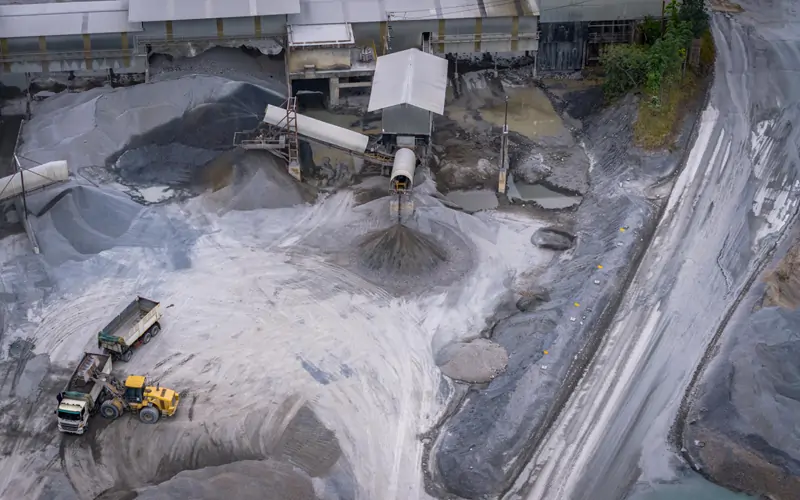
Mining, Quarrying, and Stone Processing
In mining and quarrying operations, impact crushers are used for limestone and other soft to medium-hard rock. After primary crushing, the material is further reduced in size and shaped for screening and downstream processing.
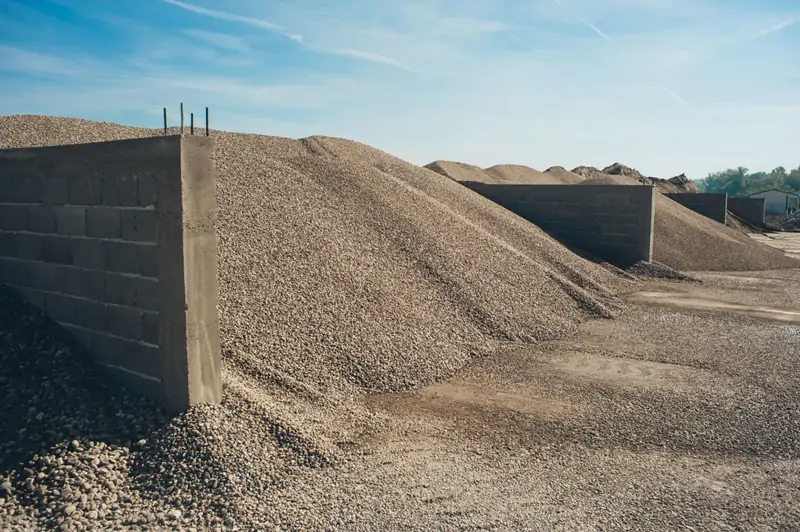
Aggregate and Construction Material Production
In aggregate production plants, impact crushers process crushed stone for concrete and general construction use. The output is used in projects that require consistent grading and better particle shape for mixing and compaction.
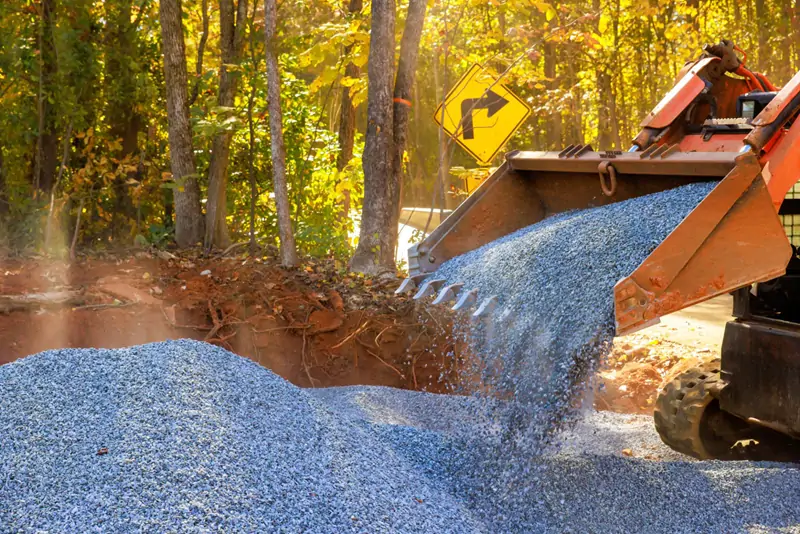
Road and Infrastructure Projects
In road construction, impact crushers are used to produce base and sub-base materials. The crushed material is used in road foundations where stable grading and compaction performance are required.
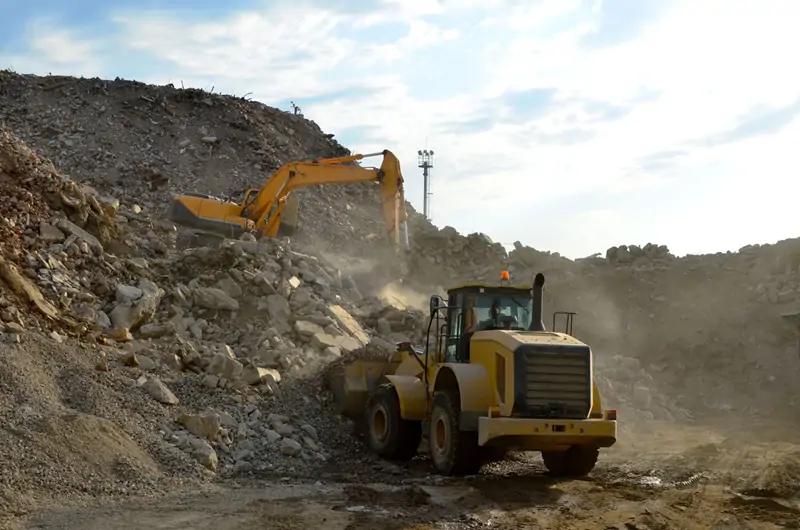
Asphalt and Recycling Applications
In asphalt plants, impact crushers process aggregates used in asphalt mixing. In recycling projects, they crush concrete and demolition waste into reusable material for non-structural construction and base applications.
Materials Suitable for Impact Crushers
Impact crushers are mainly used for processing low to medium-hard and non-abrasive materials. The crushing mechanism relies on high-speed impact, so material hardness and abrasiveness have a direct influence on wear cost and equipment efficiency.
To assess how hardness, abrasiveness, and moisture affect different feed materials, read What Materials Are Suitable for Impact Crushers?
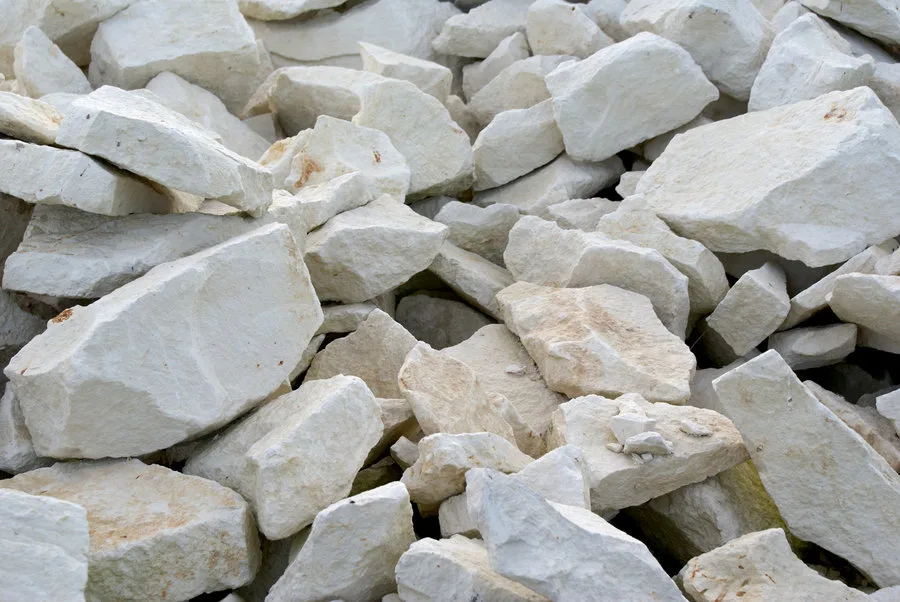
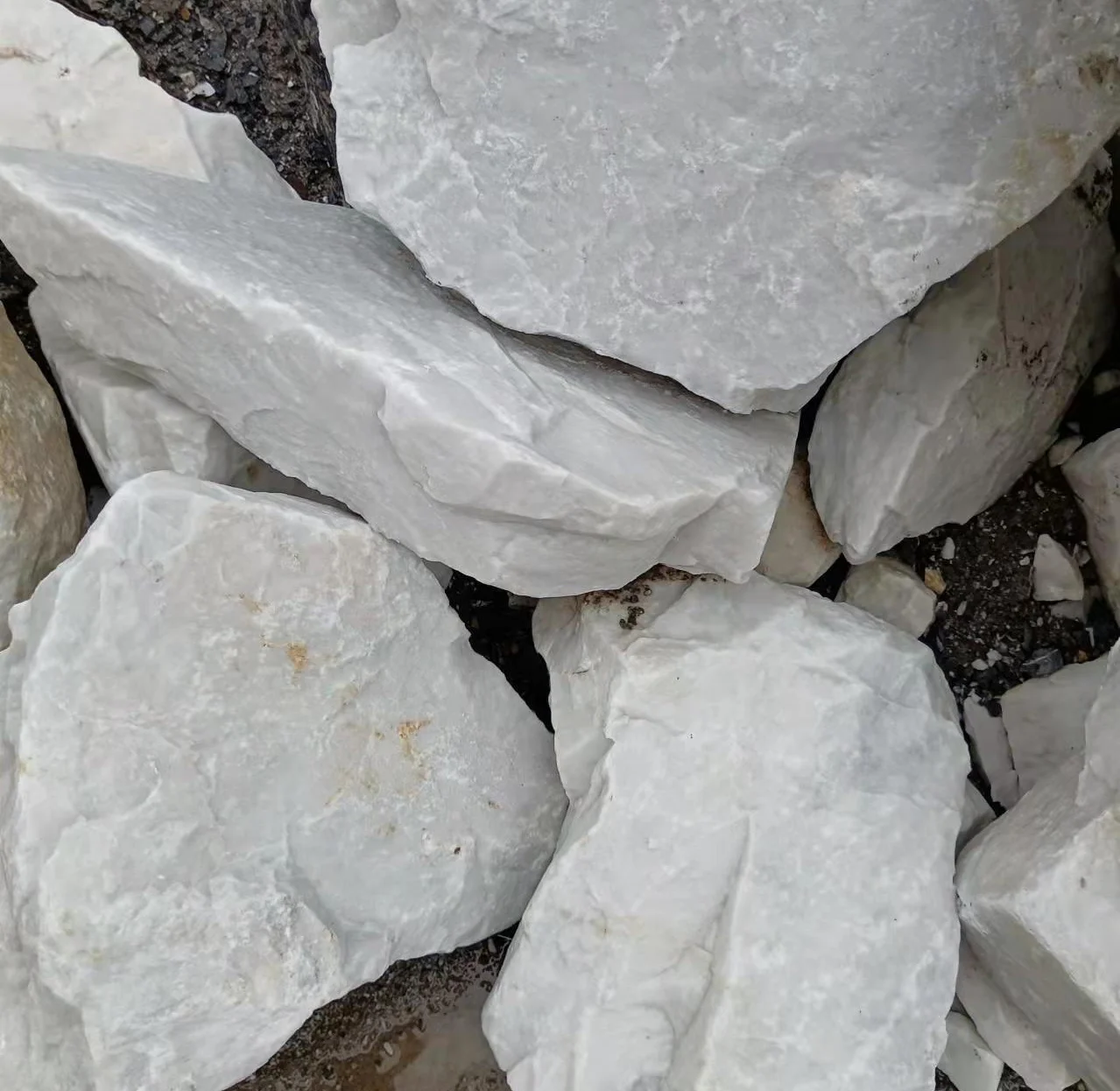
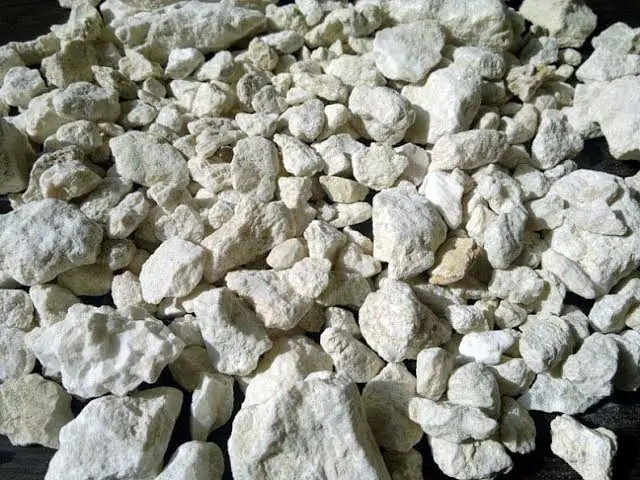
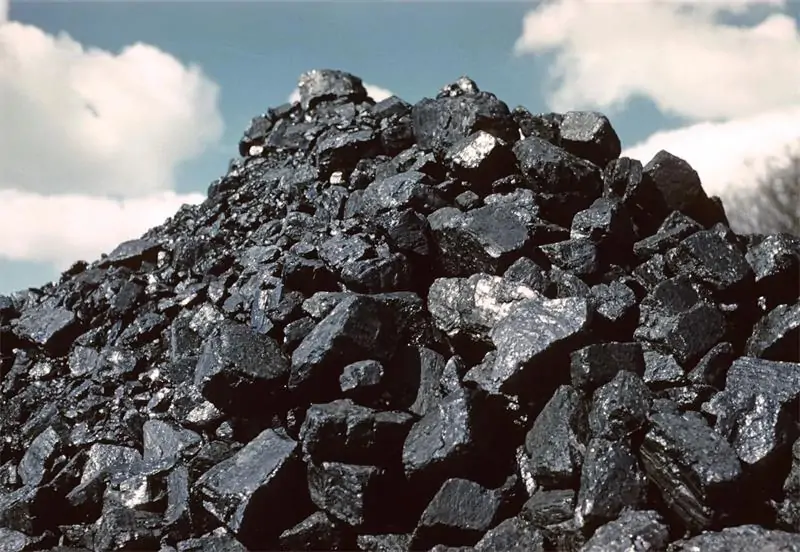
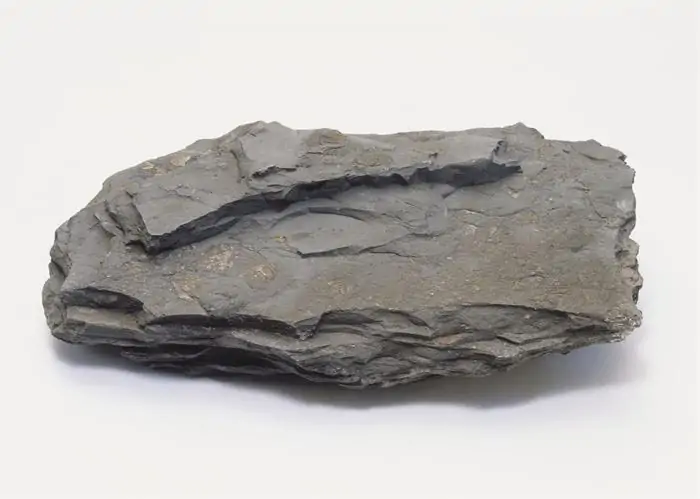
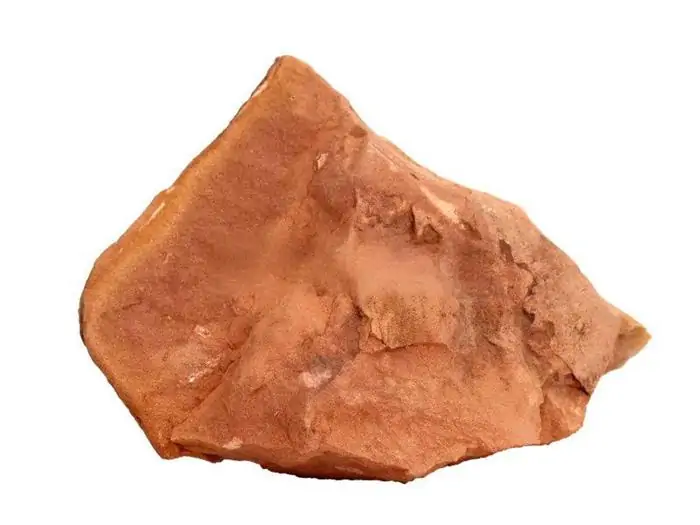
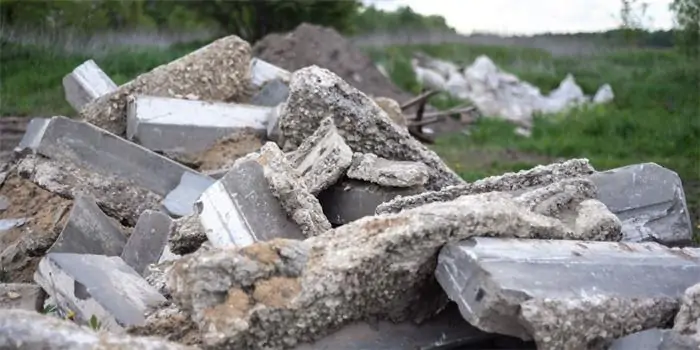
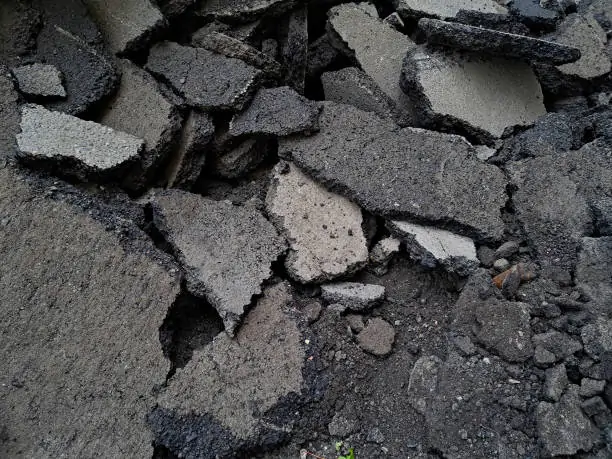
Typical Suitable Materials and Mohs Hardness
| Material | Mohs Hardness | Suitability |
| الحجر الجيري | 3–4 | Excellent |
| Dolomite | 3.5–4 | Good |
| الجبس | 2 | Excellent |
| الفحم | 1–3 | Excellent |
| الطفل الصفحي | 2–4 | Good |
| الحجر الطيني | 2–3 | Good |
| Concrete (recycled) | 4–6 | Excellent |
| Asphalt | 4–5 | Good |
| Brick / Brick debris | 4–6 | Good |
Materials Not Recommended
| Material | Mohs Hardness | Reason |
| Granite | 6–7 | High abrasiveness, high wear cost |
| البازلت | 6–7 | Severe wear on blow bars |
| Quartzite | 7 | Extremely abrasive, low efficiency |
| Iron ore | 5.5–6.5 | Excessive wear, not suitable |
How to Choose the Right Impact Crusher?
Choosing the right impact crusher depends on material hardness, feed size, required output shape, capacity, and operating cost. These factors should be matched with real project conditions to ensure stable production.When evaluating crusher options for your project, read [دليل أسعار آلات كسارة الحجارة: ما الذي يؤثر على التكلفة؟] to understand how equipment type, production capacity, rock properties, and plant configuration affect the overall investment.
Material Hardness
Impact crushers are suitable for soft to medium-hard materials such as limestone and concrete. Materials with compressive strength below around 150 MPa are generally within a stable working range. For harder rock such as granite or basalt, wear rate increases and cone crushers are often more suitable.
حجم التغذية
Typical feed size is around 100–500 mm depending on the model. Larger feed usually requires a jaw crusher as a primary stage before impact crushing.
Required Output Shape
Impact crushers are selected when cubical and well-shaped aggregate is needed. This is important for concrete, asphalt, and road base materials where particle shape affects compaction and strength.
Capacity Requirement
Capacity ranges from about 50 TPH for small units to over 500 TPH for large production lines. Selection should match both average and peak production needs to avoid system bottlenecks.
Operating Cost
Operating cost mainly comes from wear parts and energy consumption. In softer materials, cost per ton is lower. In abrasive materials, blow bars and impact plates need more frequent replacement, which increases overall operating cost.
To weigh these benefits and limitations against your project requirements, How to Choose an Impact Crusher: A Complete Selection Guide brings together material suitability, capacity sizing, product specifications, and operating cost checks.
اطلب حلًا مخصصًا
Contact Zhongyi for customized impact crusher solutions based on your project needs.
Project Case
A 280 TPH limestone crushing plant was installed in Fujairah, UAE for road base and concrete aggregate production. The project site had limited space and required stable output during continuous operation.
Material: Limestone from local quarry
Capacity: 280 TPH
Feed Size: Up to 600 mm, with some oversize variation from blasting
Configuration: Jaw Crusher + Impact Crusher + Vibrating Screen
Final Product Sizes: 0–5 mm, 5–20 mm, 20–40 mm
During operation, the plant required adjustment of crusher settings in the first weeks to stabilize the screening ratio. After optimization, the impact crusher improved particle shape consistency and reduced recirculation in the 5–20 mm range used for road construction.
Conclusion
Overall, impact crushers are highly effective for producing well-shaped aggregates with high reduction ratios, especially in limestone, construction aggregate, and recycling applications. Their main advantages include excellent particle shape, flexible output adjustment, and high crushing efficiency. However, limitations such as higher wear costs and reduced performance in very hard abrasive rock (like granite and basalt) should be considered. In real applications, selection should be based on material hardness, production stage, and overall operating cost rather than capacity alone.
For project planning or equipment selection, Zhongyi Mining provides professional support in crusher configuration and plant design. Contact us to get a suitable solution for your crushing project.

د. يو
Expert in Mineral Processing Solutions
With 15+ years of experience, Dr. Chen specializes in gravity, magnetic, flotation, and electrostatic separation. He focuses on ore processing and process optimization, sharing practical insights and equipment applications to help improve recovery rates and production efficiency.
الأسئلة الشائعة
What is an impact crusher used for?
An impact crusher is used for secondary and tertiary crushing in aggregate production. It processes limestone, concrete, and other soft to medium-hard materials to produce well-shaped aggregate for road construction, concrete mixing, and general building material applications.
Impact crusher vs jaw crusher, what is the difference?
A jaw crusher is used for primary crushing of large rocks, while an impact crusher is used after primary crushing for shaping and reducing material size. Jaw crushers handle larger feed, impact crushers focus on particle shape and final product grading.
Is an impact crusher suitable for hard rock?
Impact crushers can process some medium-hard rock, but performance decreases in very hard materials like granite or basalt. Wear on blow bars increases, leading to higher maintenance cost. In such cases, cone crushers are often more suitable for long-term operation.
What materials are best for impact crushers?
Impact crushers work best with limestone, concrete, asphalt, and construction waste. These materials break easily under impact force and allow the crusher to produce cubical aggregate with stable grading for construction and infrastructure projects.
What is the typical capacity of an impact crusher?
Capacity depends on model size and configuration. Small units may produce around 50 TPH, while large stationary plants can exceed 500 TPH. Actual capacity also depends on feed size, material hardness, and production line setup.
How often do impact crusher wear parts need replacement?
Wear parts such as blow bars and impact plates require regular inspection. Replacement frequency depends on material hardness and operating hours. In limestone applications, wear life is longer, while abrasive rock conditions shorten service intervals.
Can impact crushers produce good particle shape?
Yes, impact crushers are known for producing cubical and well-shaped aggregate. The high-speed rotor and impact force improve particle shape, which is important for concrete strength, asphalt bonding, and road base compaction performance.
Does Zhongyi support customized impact crusher solutions?
Yes, Zhongyi provides customized impact crusher solutions based on material type, feed size, capacity requirements, and project layout. Configurations can be adjusted for different production needs, including stationary and mobile crushing plant designs.