What Are the Advantages and Disadvantages of an Impact Crusher?
Impact crushers offer high reduction ratios (up to 20:1), excellent particle shape, and processing capacities ranging from 30 to over 2,000 TPH. However, they have higher wear costs when handling abrasive materials such as granite or basalt, making them better suited for medium-hard rock, limestone, concrete recycling, and aggregate production.
Advantages:
- High reduction ratio
- Excellent aggregate shape
- Flexible discharge adjustment
- Lower initial investment
Disadvantages:
- Higher wear costs
- Not suitable for highly abrasive rocks
- More frequent maintenance
- Higher dust generation
What Is an Impact Crusher?
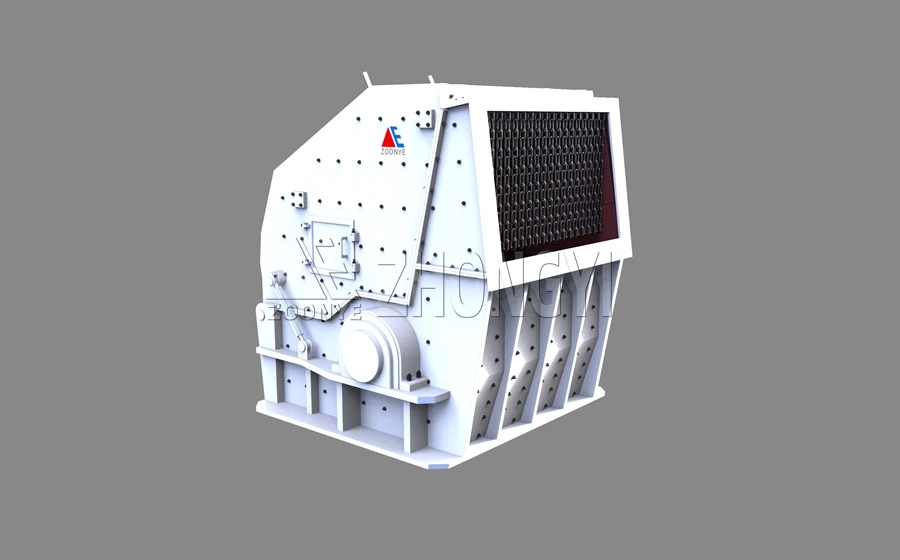
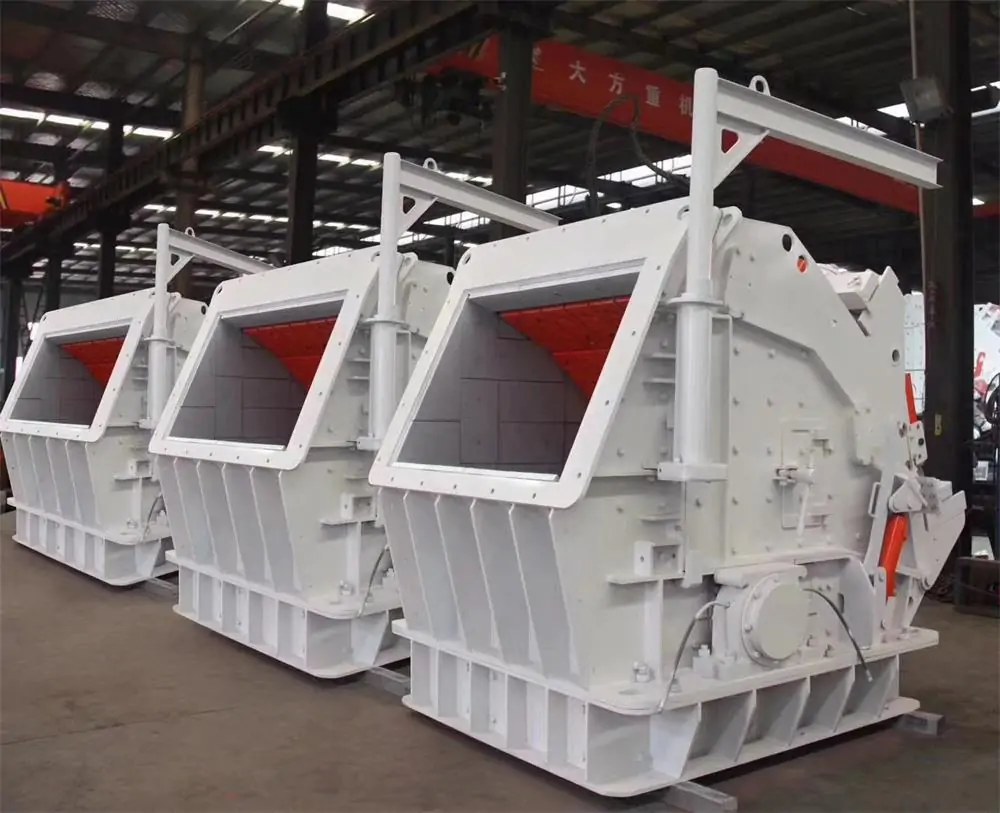
An impact crusher, also known as an impact breaker or impact crushing machine, is a type of crushing equipment that reduces material size through high-speed impact force rather than compression. It is widely used in aggregate production, mining, quarrying, cement plants, and recycling industries for processing materials such as limestone, concrete, construction waste, coal, gypsum, and other low- to medium-hardness rocks.
Compared with compression crushers, impact crushers can achieve a high reduction ratio of up to 20:1 while producing a more uniform and cubical particle shape, making them especially suitable for aggregate and recycled material applications.
How Does an Impact Crusher Work?
An impact crusher mainly consists of a rotor, blow bars, impact plates, and a crushing chamber. During operation, the rotor rotates at high speed and strikes the feed material, accelerating it toward the impact plates where the material is further broken through repeated collisions and impact forces. Unlike jaw crushers and cone crushers, which crush material through compression, impact crushers rely on kinetic energy transfer, allowing them to deliver efficient size reduction, good particle shape, and production capacities ranging from 30 TPH to over 2,000 TPH, depending on the application and machine configuration.
Impact Crusher Types
We offer several types of impact crushers to meet different crushing requirements, including aggregate production, mining, limestone processing, and recycling applications. The right model depends on material hardness, feed size, required capacity, and final product specifications.
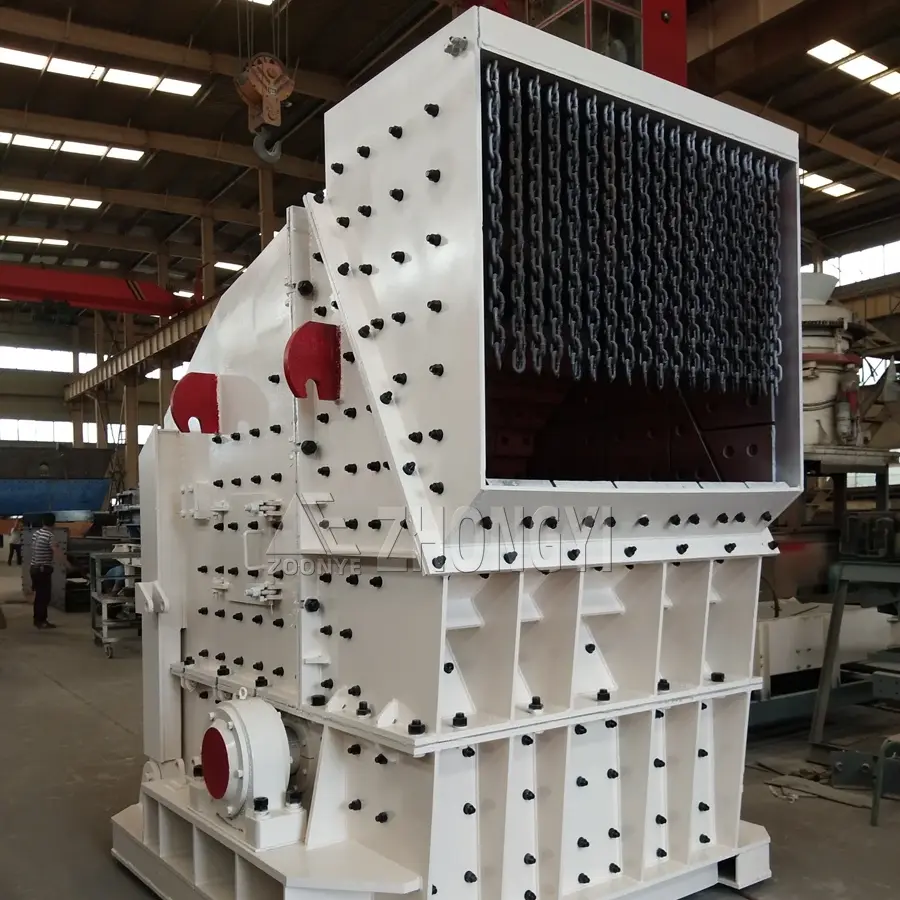
European Impact Crusher
European Impact Crusher is designed for secondary crushing of limestone, dolomite, concrete waste, and other medium-hard materials. It features an optimized rotor design, hydraulic opening system, and excellent particle shape control, with capacities typically ranging from 80 to 500 TPH.
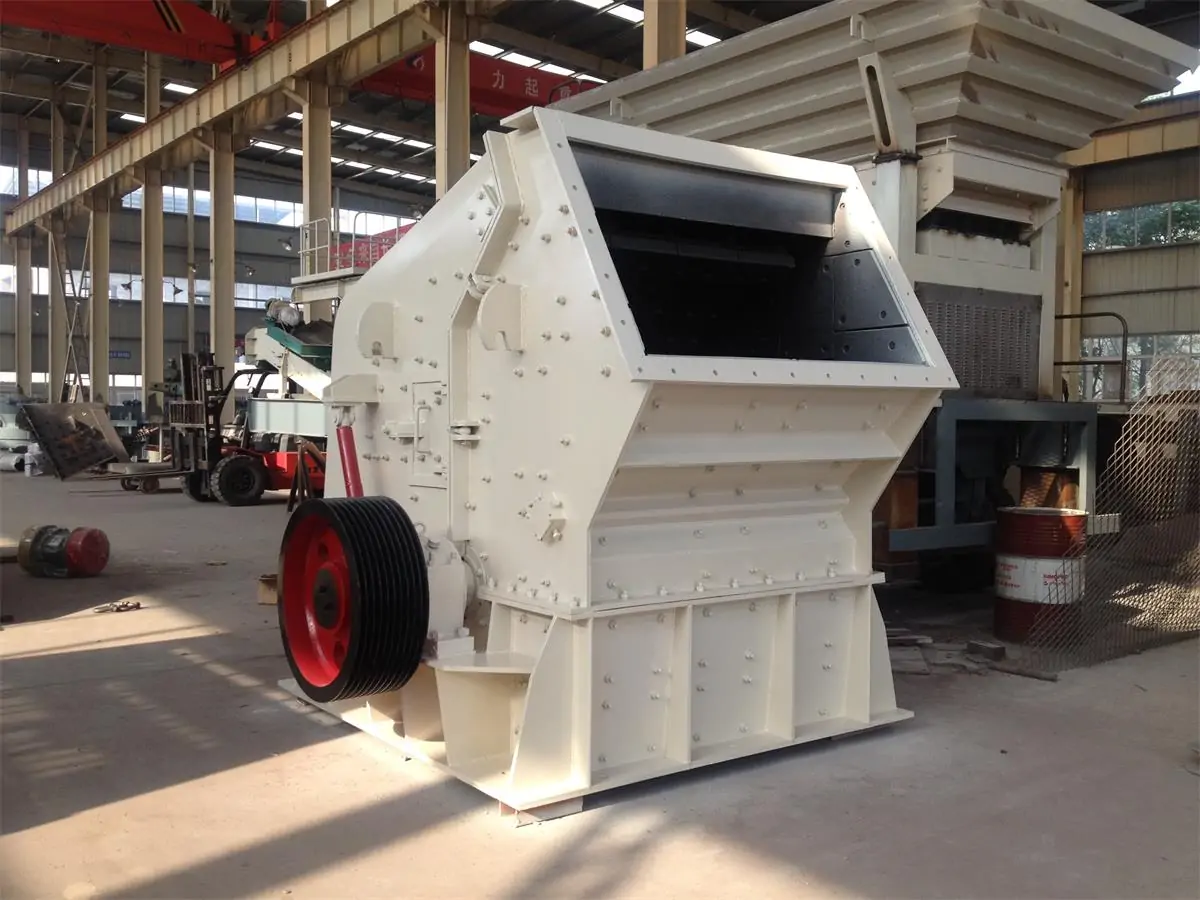
Horizontal Shaft Impact Crusher (HSI Crusher)
A versatile impact crusher widely used in quarrying and aggregate production. It provides a high reduction ratio and good cubic product shape, handling feed sizes up to 700 mm with capacities from 50 to 800 TPH.
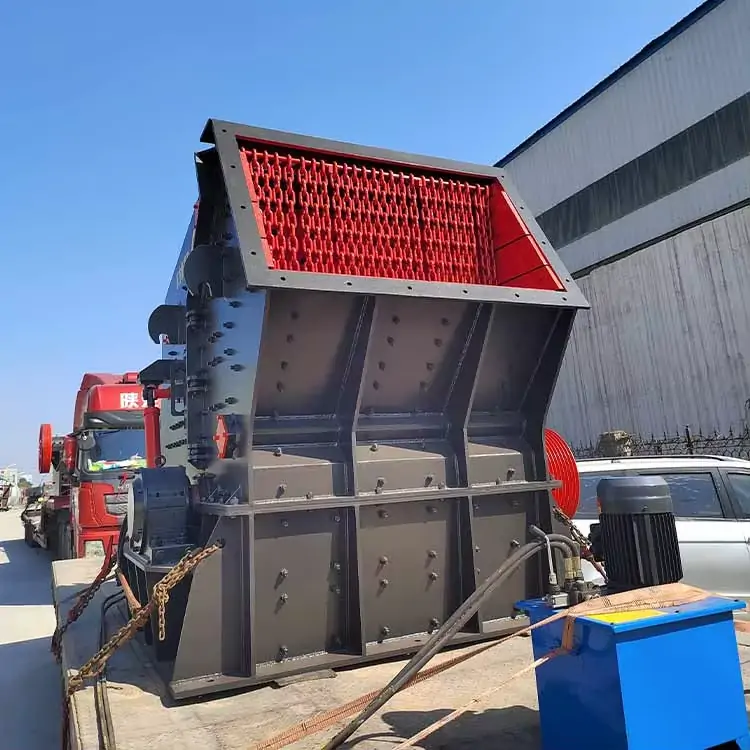
Primary Impact Crusher
Designed for primary crushing applications, especially in limestone and soft rock processing plants. It can accept large feed sizes of up to 1,200 mm and deliver production capacities ranging from 150 to 2,000 TPH.
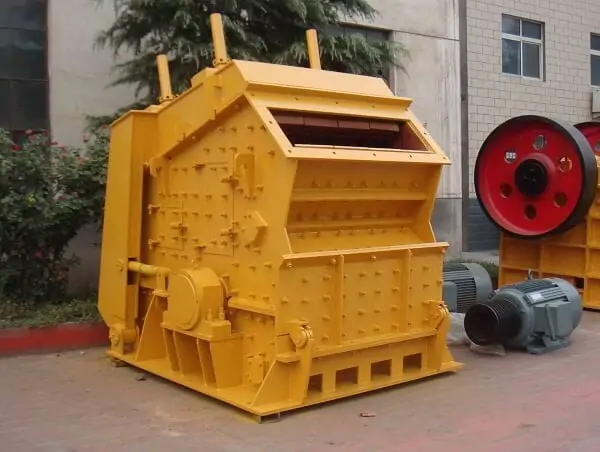
Secondary Impact Crusher
Mainly used after jaw crushers for secondary crushing and aggregate shaping. It produces well-graded aggregates with feed sizes typically below 300 mm and capacities from 50 to 400 TPH.
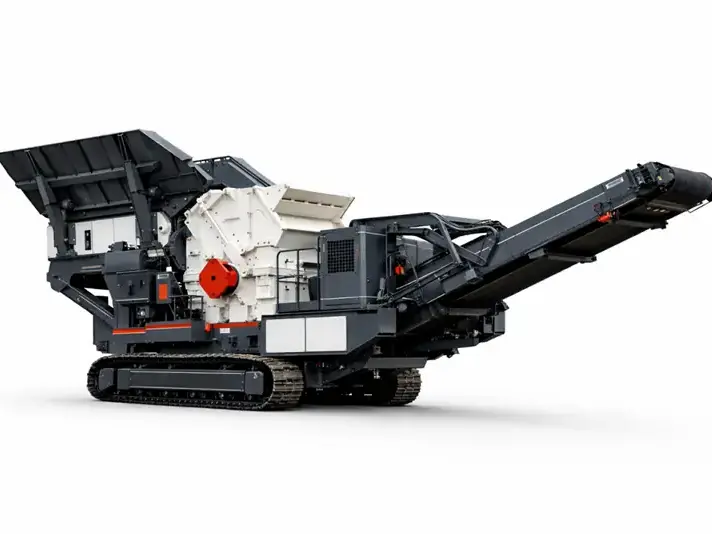
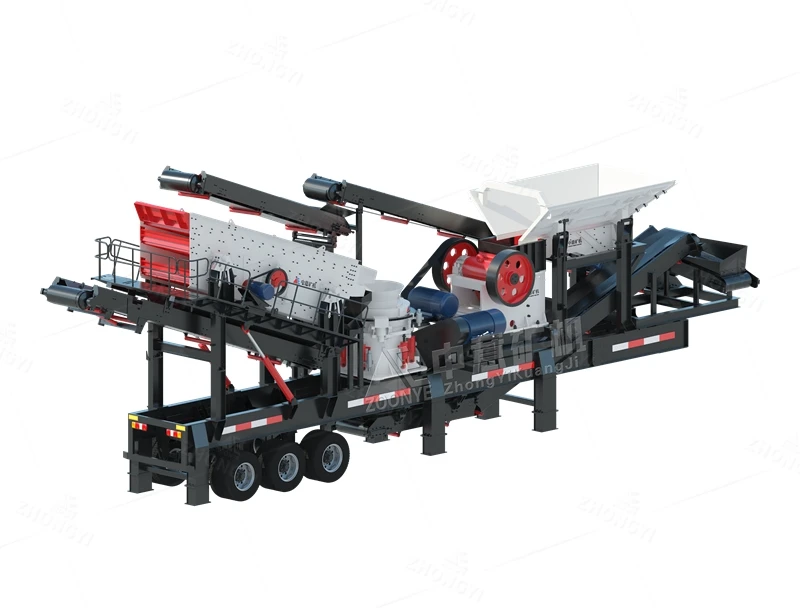
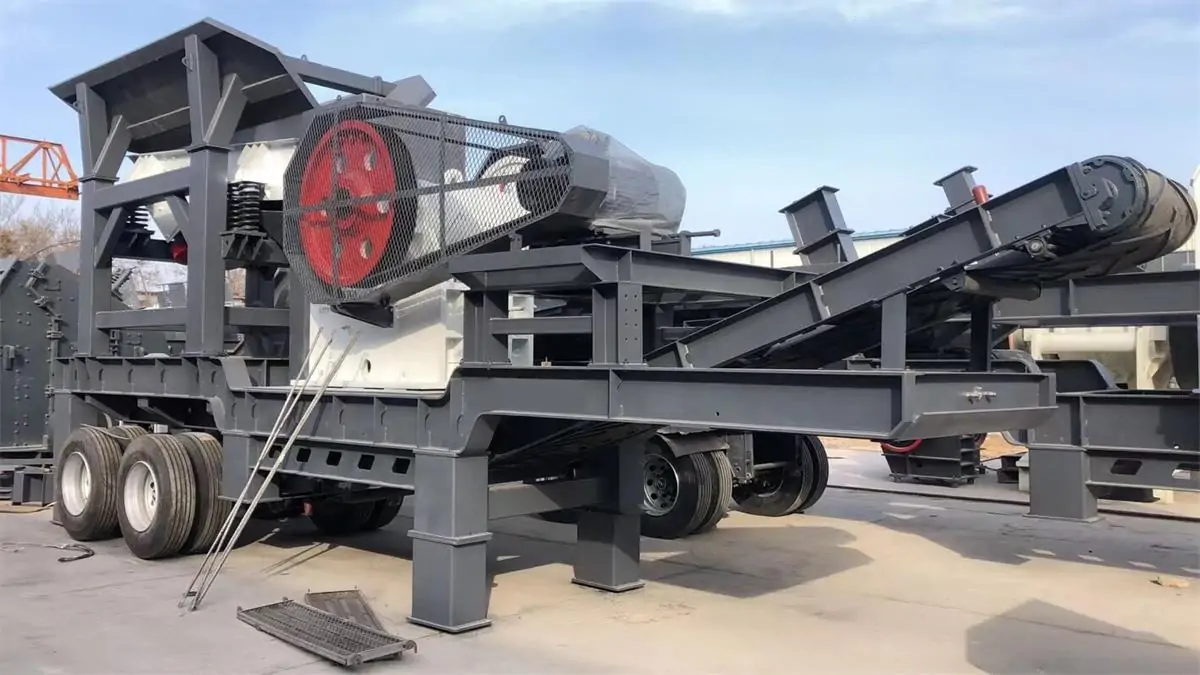
Mobile Impact Crusher
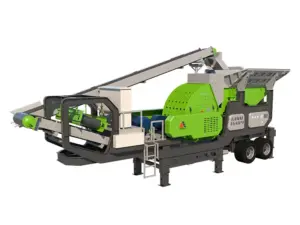
Mobile impact crusher is a portable crushing solution integrating impact crusher, feeder, and screening system on a mobile chassis. It is suitable for construction waste recycling and temporary quarry projects, with capacities generally ranging from 50 to 350 TPH.
Impact Crushers Advantages
| Item | Description |
| Excellent particle shape | Produces mostly cubic-shaped aggregates with low flakiness index, minimal internal cracks, and reduced fines content, suitable for high-grade highway, construction, and concrete applications. |
| High reduction ratio and efficiency | High crushing ratio (up to 20:1) effectively reduces feed size and improves overall process efficiency, reducing the need for secondary grinding in some applications. |
| Adjustable output size | Discharge size can be precisely controlled by adjusting the gap between impact plates and blow bars, enabling flexible production of multiple aggregate specifications. |
| Simple structure and easy maintenance | Compact design with hydraulic opening system simplifies inspection, wear part replacement, and routine maintenance, reducing downtime. |
| Wide material adaptability | Suitable for materials up to 500 mm feed size and compressive strength up to 350 MPa, especially effective for limestone and other medium-to-low hardness materials. |
Impact Crusher Disadvantages
| Item | Description |
| High wear rate of consumables | Blow bars and impact plates are high-wear components, requiring frequent replacement. Wear rate increases significantly when processing abrasive or harder feed materials, leading to higher operating and maintenance costs. |
| Limited suitability for hard rock | Not recommended for high-hardness materials such as granite and basalt. Excessive wear reduces economic efficiency and shortens service life in such applications. |
| Sensitivity to moisture and clay | High moisture or clay content in feed material can cause chamber blockage. Cleaning and restart operations are relatively difficult once clogging occurs. |
| Noise and dust emission | Operation generates relatively high noise and dust levels, requiring additional dust suppression and noise control systems to comply with environmental standards. |
Impact Crusher vs Other Crushers
Impact crushers are mainly used for medium-hard to low-hardness materials and are preferred when good particle shape and high reduction ratio are required. Compared with jaw crusher, and cone crushers, they work on a different crushing principle, impact force instead of compression, which directly affects output shape, wear cost, and application range.
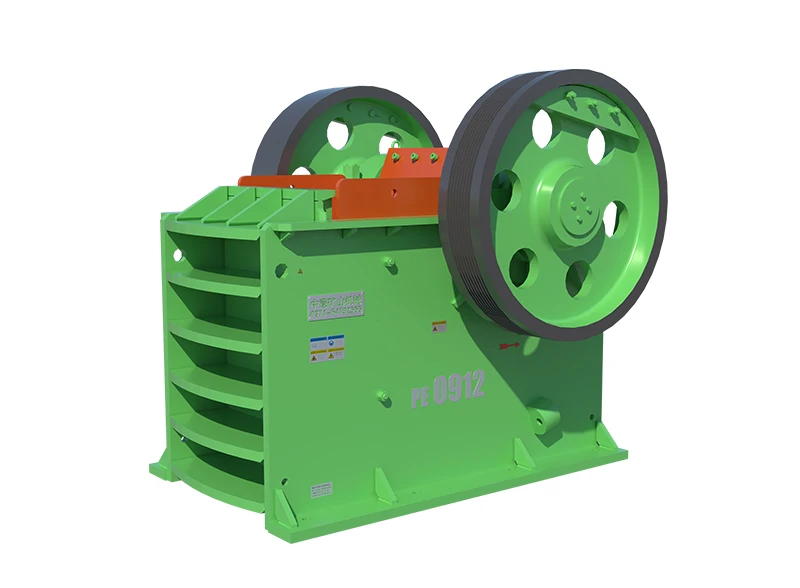
Impact Crusher vs Jaw Crusher
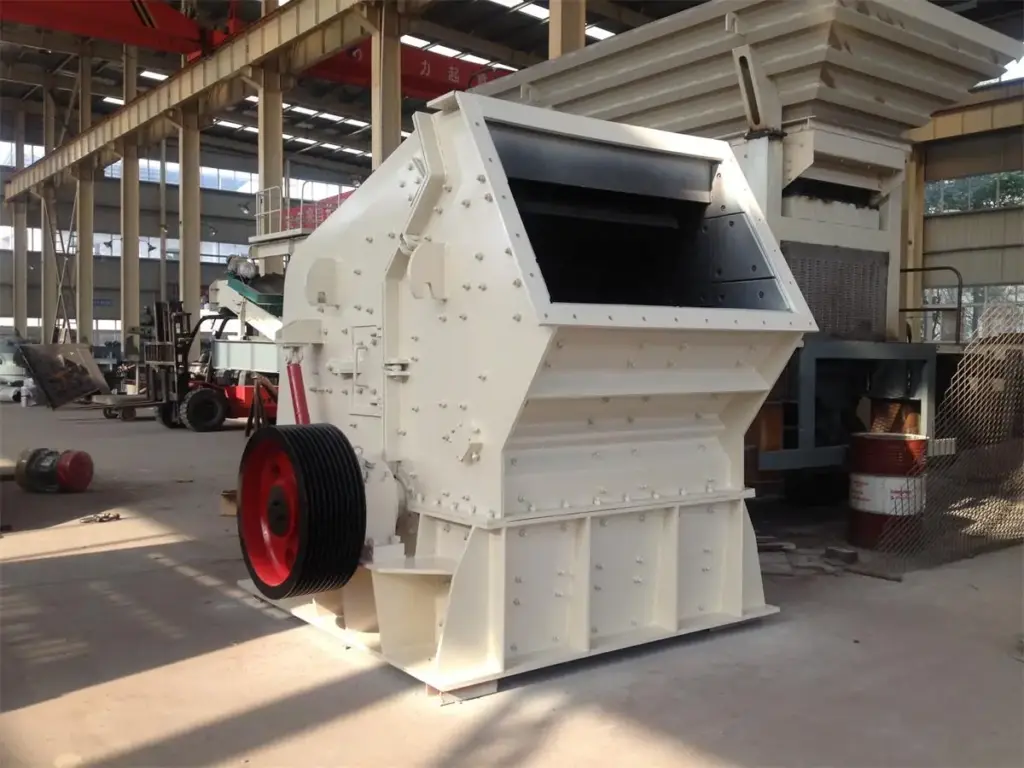
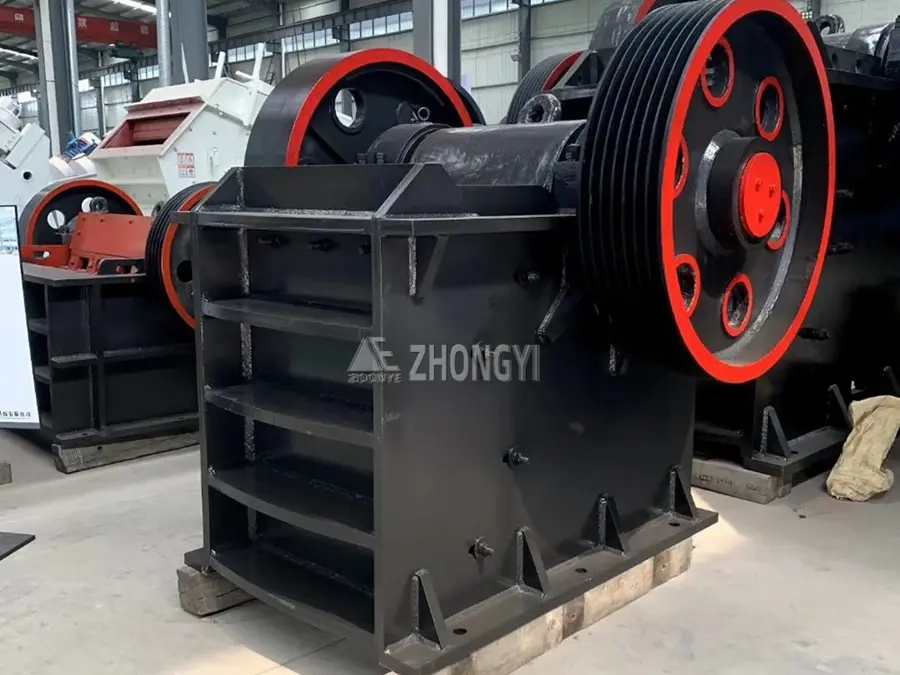
| Item | Impact Crusher | Jaw Crusher |
| Crushing stage | Secondary / tertiary crushing | Primary crushing |
| Working principle | High-speed rotor impact + rebound | Compression between fixed and moving jaw plate |
| Feed size range | Medium feed (typically ≤500 mm) | Large feed (up to 1000+ mm depending on model) |
| Output shape | High cubic content, low flakiness index | More elongated / angular particles |
| Reduction ratio | High (up to 15–20:1 in suitable material) | Low to medium (3–6:1 typical) |
| Product control | Adjustable via impact gap setting | Limited control, mainly dependent on discharge setting |
| Wear cost | Higher (blow bars & impact plates) | Lower in most applications |
| Typical use case | Shaping + secondary crushing | Primary reduction of run-of-mine material |
Impact Crusher vs Cone Crusher
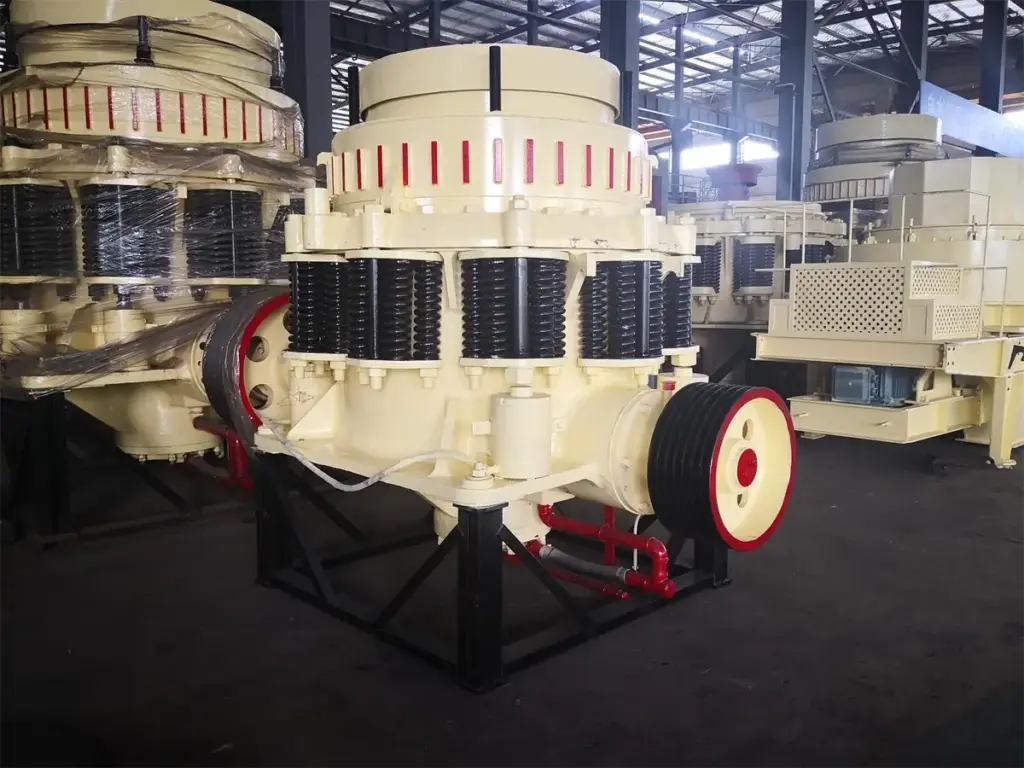
| Item | Impact Crusher | Cone Crusher |
| Crushing principle | Impact breakage (high-speed collision) | Compression + inter-particle crushing |
| Suitable material | Limestone, concrete, soft to medium rock | Hard and abrasive rock (granite, basalt) |
| Particle shape | Better cubical shape, higher fines control | More elongated particles, better for gradation stability |
| Reduction efficiency | High in soft/medium materials | High in hard rock and fine crushing stage |
| Wear performance | Higher wear in abrasive applications | Lower wear in hard rock due to compression mode |
| Operating cost | Higher in hard rock conditions | More stable in long-term hard rock operation |
| Typical application stage | Secondary / tertiary shaping | Secondary / fine crushing in hard rock circuits |
| Maintenance frequency | Relatively higher | Lower and more stable in heavy-duty operations |
Applications for Impact Crushers
Impact crusher machines are used in aggregate production and material processing where medium crushing and good particle shape are required. They are normally installed after primary crushing to further reduce material size and produce stable, well-graded output for construction use.
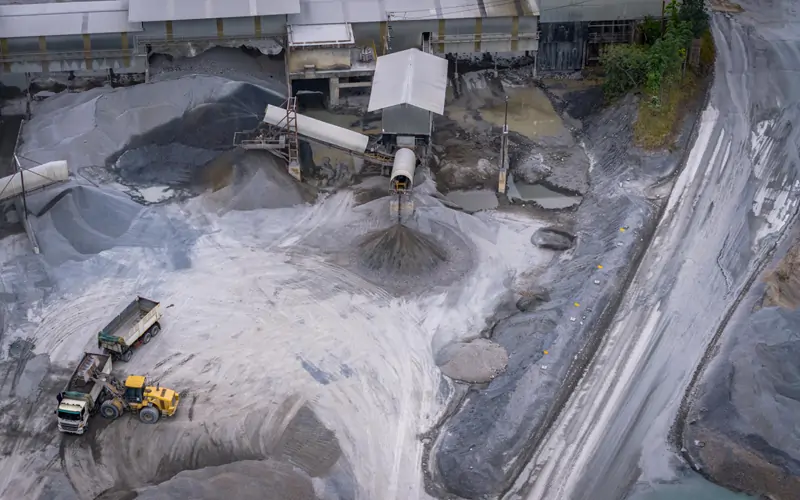
Mining, Quarrying, and Stone Processing
In mining and quarrying operations, impact crushers are used for limestone and other soft to medium-hard rock. After primary crushing, the material is further reduced in size and shaped for screening and downstream processing.
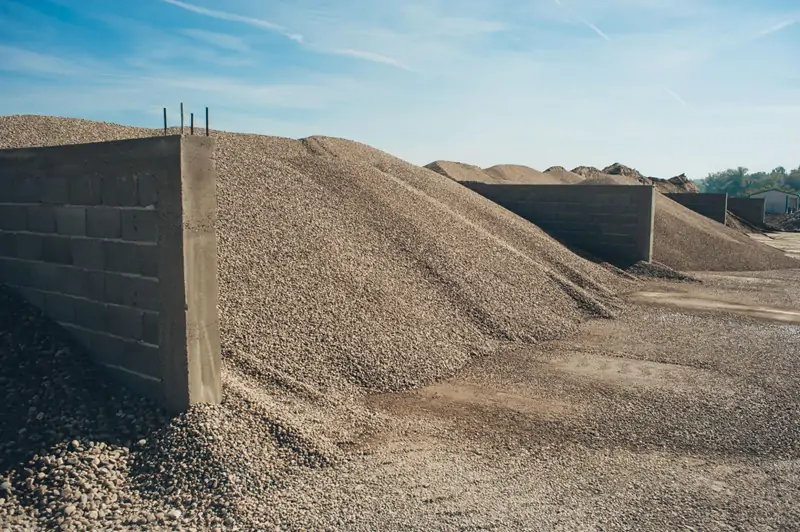
Aggregate and Construction Material Production
In aggregate production plants, impact crushers process crushed stone for concrete and general construction use. The output is used in projects that require consistent grading and better particle shape for mixing and compaction.
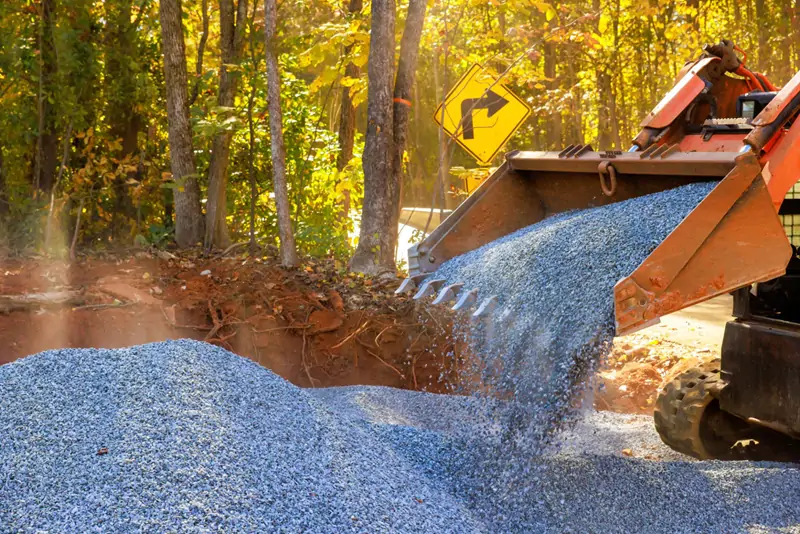
Road and Infrastructure Projects
In road construction, impact crushers are used to produce base and sub-base materials. The crushed material is used in road foundations where stable grading and compaction performance are required.
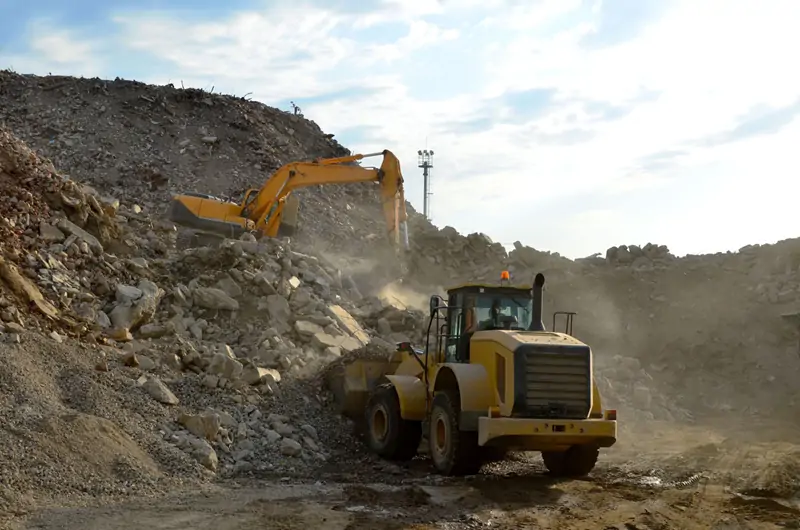
Asphalt and Recycling Applications
In asphalt plants, impact crushers process aggregates used in asphalt mixing. In recycling projects, they crush concrete and demolition waste into reusable material for non-structural construction and base applications.
Materials Suitable for Impact Crushers
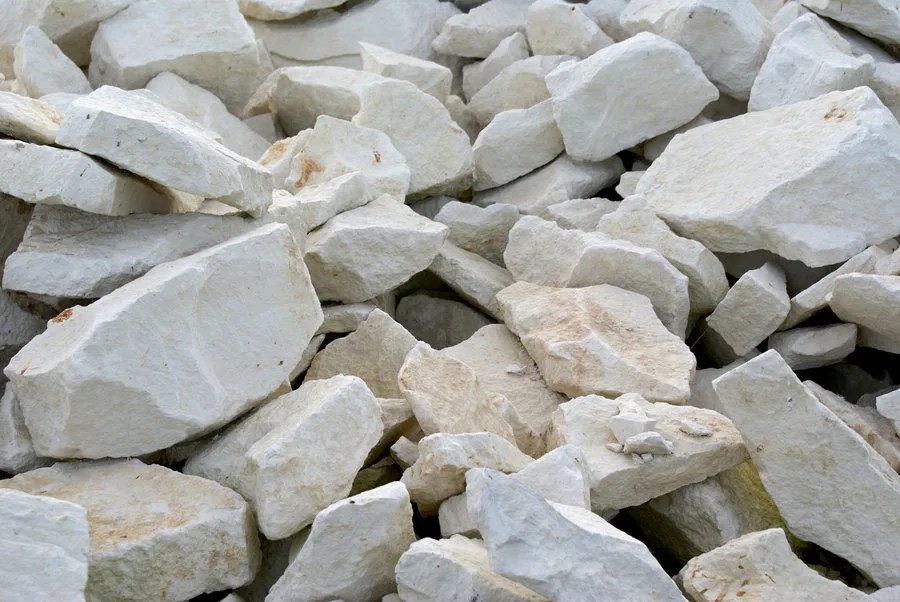
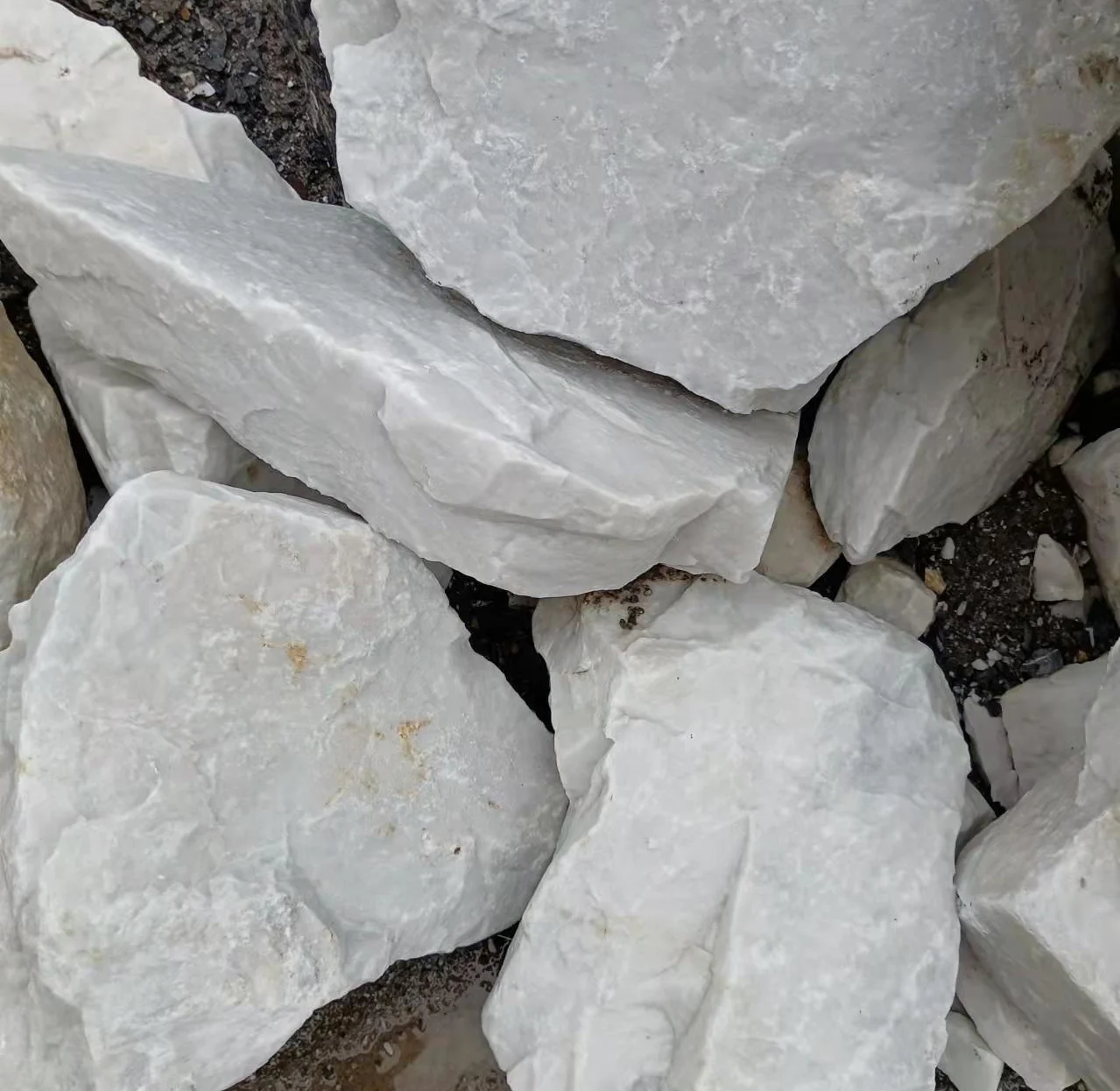
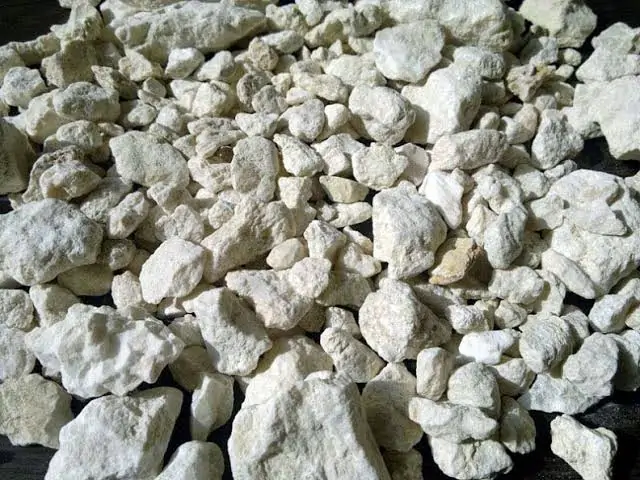
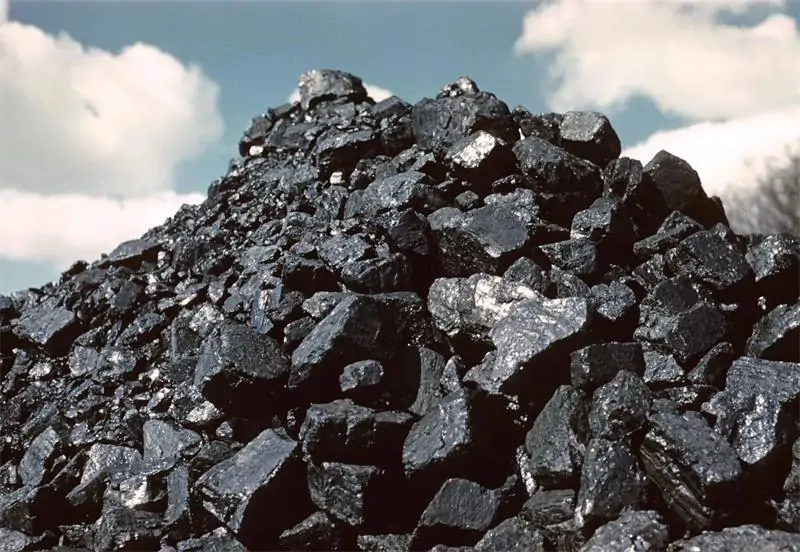
Impact crushers are mainly used for processing low to medium-hard and non-abrasive materials. The crushing mechanism relies on high-speed impact, so material hardness and abrasiveness have a direct influence on wear cost and equipment efficiency.
Typical Suitable Materials and Mohs Hardness
| Material | Mohs Hardness | Suitability |
| Limestone | 3–4 | Excellent |
| Dolomite | 3.5–4 | Good |
| Gypsum | 2 | Excellent |
| Coal | 1–3 | Excellent |
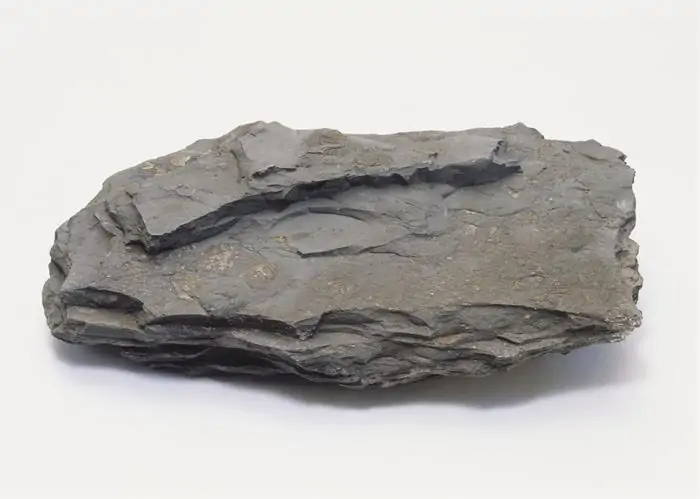
| Shale | 2–4 | Good |
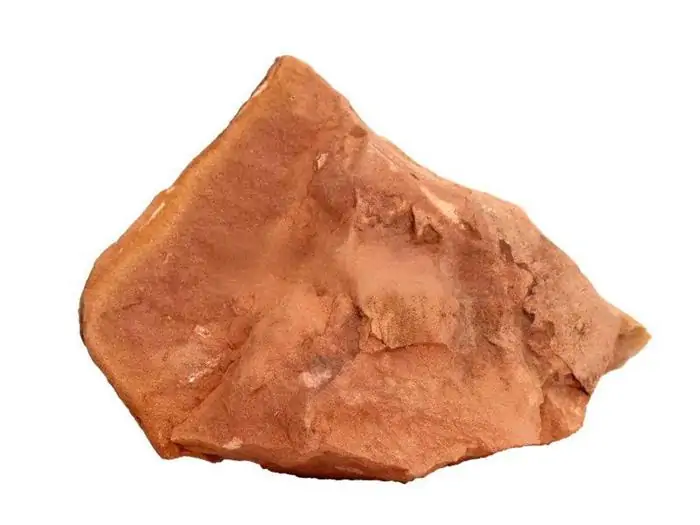
| Claystone | 2–3 | Good |
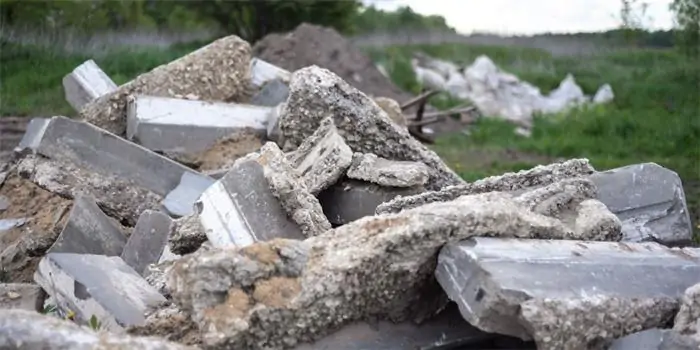
| Concrete (recycled) | 4–6 | Excellent |
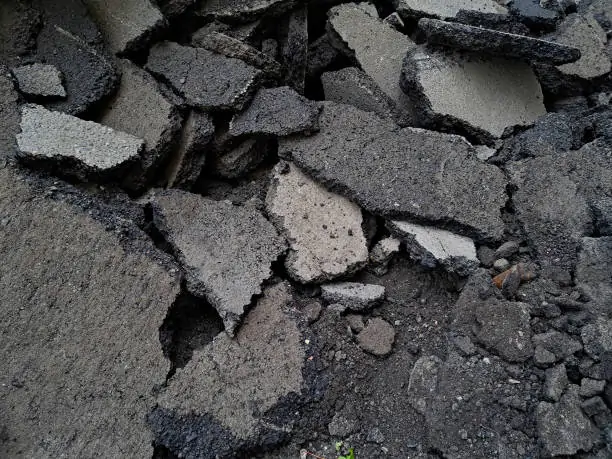
| Asphalt | 4–5 | Good |
| Brick / Brick debris | 4–6 | Good |
Materials Not Recommended
| Material | Mohs Hardness | Reason |
| Granite | 6–7 | High abrasiveness, high wear cost |
| Basalt | 6–7 | Severe wear on blow bars |
| Quartzite | 7 | Extremely abrasive, low efficiency |
| Iron ore | 5.5–6.5 | Excessive wear, not suitable |
How to Choose the Right Impact Crusher?
Choosing the right impact crusher depends on material hardness, feed size, required output shape, capacity, and operating cost. These factors should be matched with real project conditions to ensure stable production.
Material Hardness
Impact crushers are suitable for soft to medium-hard materials such as limestone and concrete. Materials with compressive strength below around 150 MPa are generally within a stable working range. For harder rock such as granite or basalt, wear rate increases and cone crushers are often more suitable.
Feed Size
Typical feed size is around 100–500 mm depending on the model. Larger feed usually requires a jaw crusher as a primary stage before impact crushing.
Required Output Shape
Impact crushers are selected when cubical and well-shaped aggregate is needed. This is important for concrete, asphalt, and road base materials where particle shape affects compaction and strength.
Capacity Requirement
Capacity ranges from about 50 TPH for small units to over 500 TPH for large production lines. Selection should match both average and peak production needs to avoid system bottlenecks.
Operating Cost
Operating cost mainly comes from wear parts and energy consumption. In softer materials, cost per ton is lower. In abrasive materials, blow bars and impact plates need more frequent replacement, which increases overall operating cost.
Request a Customized Solution
Contact Zhongyi for customized impact crusher solutions based on your project needs.
Project Case
A 280 TPH limestone crushing plant was installed in Fujairah, UAE for road base and concrete aggregate production. The project site had limited space and required stable output during continuous operation.
Material: Limestone from local quarry
Capacity: 280 TPH
Feed Size: Up to 600 mm, with some oversize variation from blasting
Configuration: Jaw Crusher + Impact Crusher + Vibrating Screen
Final Product Sizes: 0–5 mm, 5–20 mm, 20–40 mm
During operation, the plant required adjustment of crusher settings in the first weeks to stabilize the screening ratio. After optimization, the impact crusher improved particle shape consistency and reduced recirculation in the 5–20 mm range used for road construction.
Conclusion
Overall, impact crushers are highly effective for producing well-shaped aggregates with high reduction ratios, especially in limestone, construction aggregate, and recycling applications. Their main advantages include excellent particle shape, flexible output adjustment, and high crushing efficiency. However, limitations such as higher wear costs and reduced performance in very hard abrasive rock (like granite and basalt) should be considered. In real applications, selection should be based on material hardness, production stage, and overall operating cost rather than capacity alone.
For project planning or equipment selection, Zhongyi Mining provides professional support in crusher configuration and plant design. Contact us to get a suitable solution for your crushing project.

Dr. Yu
Expert in Mineral Processing Solutions
With 15+ years of experience, Dr. Chen specializes in gravity, magnetic, flotation, and electrostatic separation. He focuses on ore processing and process optimization, sharing practical insights and equipment applications to help improve recovery rates and production efficiency.
FAQ
What is an impact crusher used for?
An impact crusher is used for secondary and tertiary crushing in aggregate production. It processes limestone, concrete, and other soft to medium-hard materials to produce well-shaped aggregate for road construction, concrete mixing, and general building material applications.
Impact crusher vs jaw crusher, what is the difference?
A jaw crusher is used for primary crushing of large rocks, while an impact crusher is used after primary crushing for shaping and reducing material size. Jaw crushers handle larger feed, impact crushers focus on particle shape and final product grading.
Is an impact crusher suitable for hard rock?
Impact crushers can process some medium-hard rock, but performance decreases in very hard materials like granite or basalt. Wear on blow bars increases, leading to higher maintenance cost. In such cases, cone crushers are often more suitable for long-term operation.
What materials are best for impact crushers?
Impact crushers work best with limestone, concrete, asphalt, and construction waste. These materials break easily under impact force and allow the crusher to produce cubical aggregate with stable grading for construction and infrastructure projects.
What is the typical capacity of an impact crusher?
Capacity depends on model size and configuration. Small units may produce around 50 TPH, while large stationary plants can exceed 500 TPH. Actual capacity also depends on feed size, material hardness, and production line setup.
How often do impact crusher wear parts need replacement?
Wear parts such as blow bars and impact plates require regular inspection. Replacement frequency depends on material hardness and operating hours. In limestone applications, wear life is longer, while abrasive rock conditions shorten service intervals.
Can impact crushers produce good particle shape?
Yes, impact crushers are known for producing cubical and well-shaped aggregate. The high-speed rotor and impact force improve particle shape, which is important for concrete strength, asphalt bonding, and road base compaction performance.
Does Zhongyi support customized impact crusher solutions?
Yes, Zhongyi provides customized impact crusher solutions based on material type, feed size, capacity requirements, and project layout. Configurations can be adjusted for different production needs, including stationary and mobile crushing plant designs.