











Введение
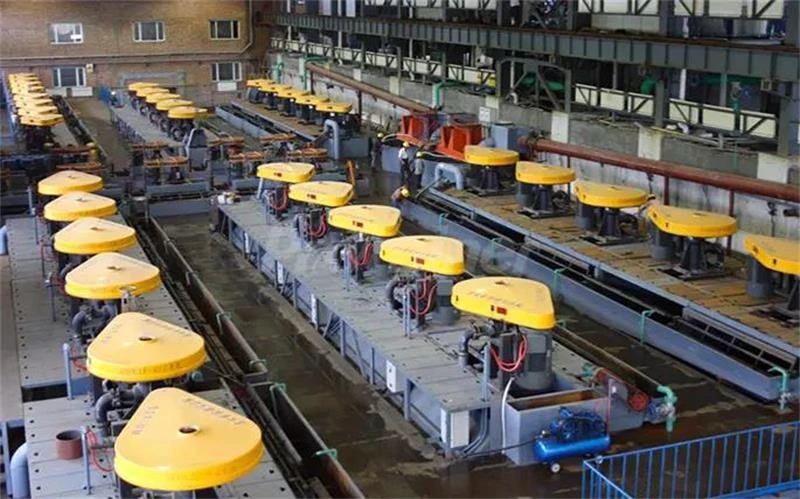
Типы флотационных машин играют важную роль на современных обогатительных фабриках, поскольку различные конструкции флотационного оборудования разрабатываются для удовлетворения конкретных требований к разделению руд. Флотационная машина — это ключевое оборудование для обогащения полезных ископаемых, в котором используется взаимодействие пульпы, пузырьков воздуха и флотационных реагентов для отделения ценных минералов от нежелательных материалов. В процессе флотации гидрофобные частицы минералов прикрепляются к пузырькам воздуха и поднимаются на поверхность, образуя обогащённую минералами пену, которая извлекается в виде концентрата.
Поскольку свойства руды, производительность переработки и целевые показатели извлечения существенно различаются между разными горнодобывающими предприятиями, одна конструкция флотационной машины не может удовлетворить все требования применения. Выбор правильных типов флотационных машин напрямую влияет на такие важные факторы, как извлечение минералов, энергопотребление, стабильность работы и общая эффективность фабрики. Например, одни предприятия могут требовать интенсивного перемешивания и надёжной работы, тогда как другие могут отдавать приоритет снижению энергопотребления, более тонкому контролю размера пузырьков или раннему извлечению минералов.
Для удовлетворения этих различных условий переработки флотационные машины были разработаны с различными конструкциями, способами аэрации и механизмами работы. Основные типы флотационных машин классифицируются по их механизму перемешивания, способу подачи воздуха и требованиям применения, включая механические флотационные машины, пневмомеханические флотационные машины, пневматические флотационные машины и флотационные машины флэш-флотации. Понимание характеристик, преимуществ и подходящих областей применения каждого типа помогает обогатительным фабрикам выбрать наиболее подходящее флотационное оборудование для своих конкретных производственных целей. В следующих разделах мы представим основные типы флотационных машин и объясним их принципы работы, области применения и критерии выбора. Если вы хотите узнать больше, нажмите “Что такое флотационная машина?”
Что такое флотационная машина и как она работает?
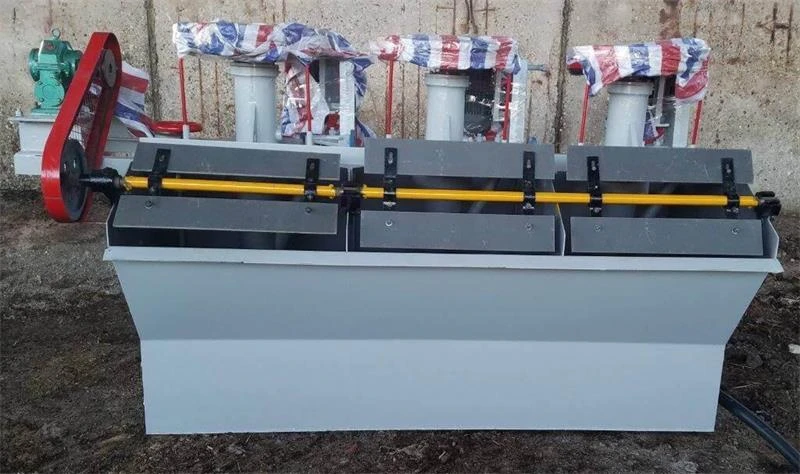
Флотационная камера — это вид оборудования для обогащения полезных ископаемых, используемый для отделения ценных минералов от пустой породы посредством взаимодействия пульпы, частиц минералов, флотационных реагентов и пузырьков воздуха. Оно обеспечивает контролируемую среду, в которой тонкоизмельчённые частицы руды могут избирательно прикрепляться к пузырькам воздуха и разделяться в процессе пенной флотации. Во время работы флотационные реагенты изменяют поверхностные свойства минералов, позволяя гидрофобным ценным частицам прикрепляться к пузырькам и подниматься на поверхность, где обогащённая минералами пена собирается в виде концентрата.
Принцип работы флотационной машины основан на избирательном прикреплении частиц минералов к пузырькам воздуха. После дробления и измельчения руда смешивается с водой и флотационными реагентами с образованием пульпы. Пульпа поступает во флотационную машину, где воздух вводится посредством механического перемешивания или внешней системы подачи воздуха для образования пузырьков. Гидрофобные ценные минералы избирательно прикрепляются к поверхностям пузырьков и поднимаются к верхней части машины, образуя обогащённый минералами слой пены, в то время как нежелательные материалы пустой породы остаются в пульпе. Собранная пена становится концентратом, завершая процесс разделения минералов. Такие факторы, как характеристики пульпы, условия реагентного режима, размер пузырьков и эффективность аэрации, напрямую влияют на эффективность флотации и результаты извлечения, поэтому для различных применений в обогащении полезных ископаемых разрабатываются разные конструкции флотационных машин.
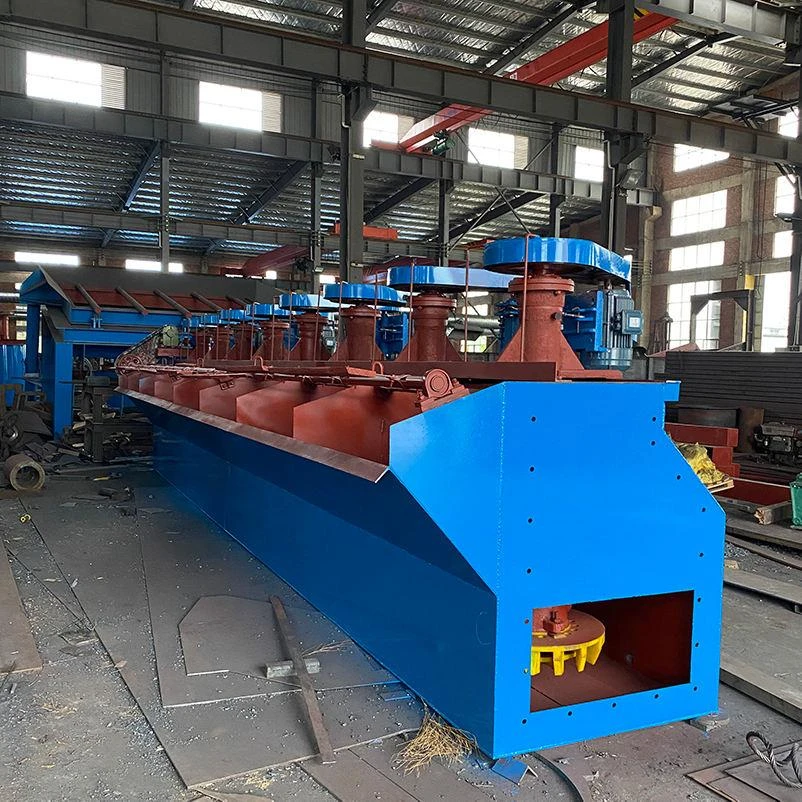
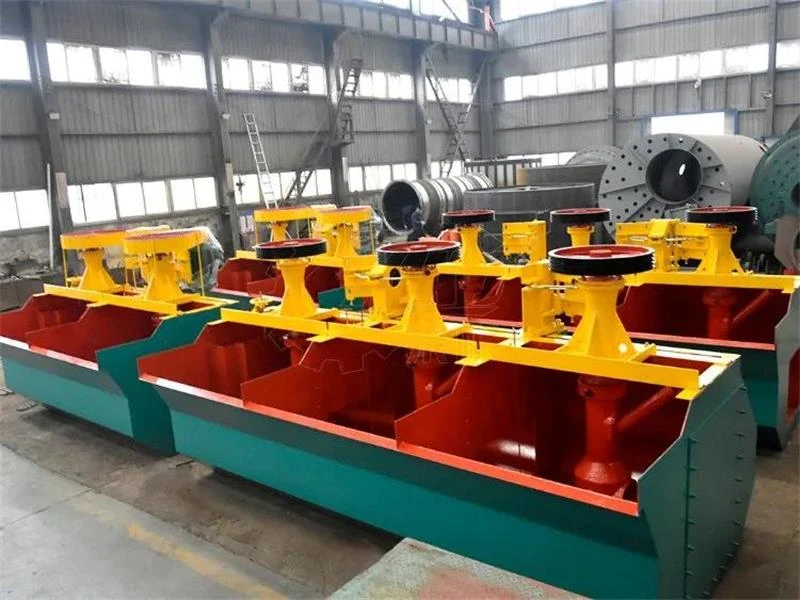
Основные типы флотационных машин, используемых в обогащении полезных ископаемых
Флотационные машины можно классифицировать по способу перемешивания, системе подачи воздуха и механизму образования пузырьков. Различные конструкции флотационных машин разрабатываются для обеспечения стабильного разделения минералов при различных условиях руды, производительности переработки и требованиях к извлечению. На обогатительных фабриках механические флотационные машины и пневмомеханические флотационные машины являются наиболее часто используемыми типами, тогда как пневматические и флэш-флотационные машины применяются для специфических задач, требующих более тонкого контроля пузырьков, меньшего механического износа или раннего извлечения ценных минералов.
| Тип флотационной машины | Основная характеристика | Типичное применение |
| Механическая флотационная машина | Импеллерное перемешивание и самовсасывание воздуха для циркуляции пульпы и диспергирования пузырьков | Переработка медных, золотых, свинцово-цинковых и сульфидных руд |
| Пневмомеханическая флотационная машина | Внешняя система подачи воздуха с контролируемыми параметрами аэрации | Обогатительные фабрики средней и большой производительности |
| Пневматическая флотационная машина | Отсутствие механического импеллера, образование пузырьков за счёт внешней генерации воздуха | Извлечение тонких частиц и применения, требующие меньшего механического износа |
| Флотационная машина флэш-флотации | Разработана для быстрого извлечения раскрытых минералов из циклов измельчения | Раннее извлечение минералов при переработке золотых, медных и сульфидных руд |
Среди этих типов флотационных машин, механические флотационные машины широко используются благодаря надёжной работе и широкому диапазону применения. Пневмомеханические флотационные машины предпочтительны для крупномасштабных фабрик, требующих стабильной аэрации и сниженного энергопотребления, тогда как пневматические и флэш-флотационные машины выбираются для специализированных задач извлечения минералов. В следующих разделах будут подробно представлены конструкция, принцип работы, преимущества и области применения каждого основного типа флотационной машины.
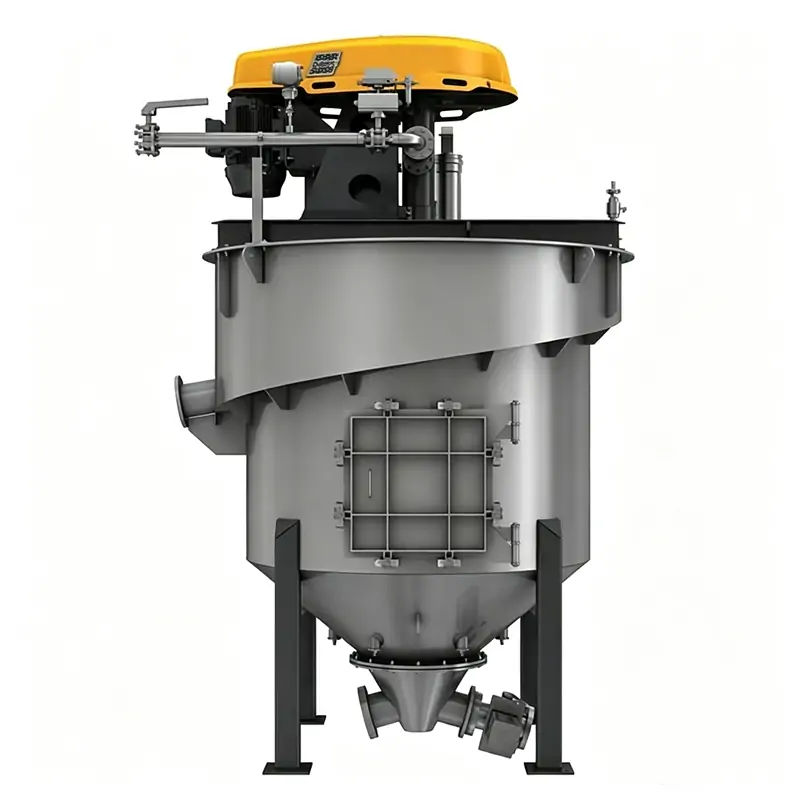
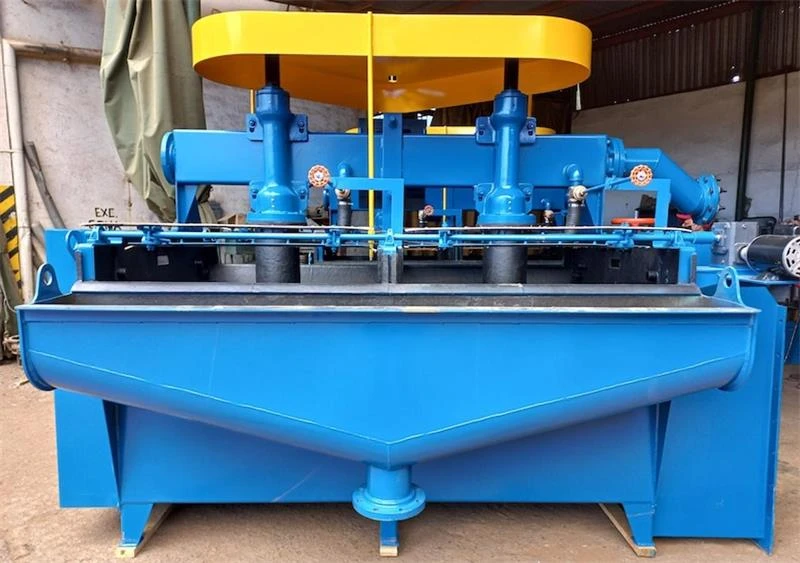
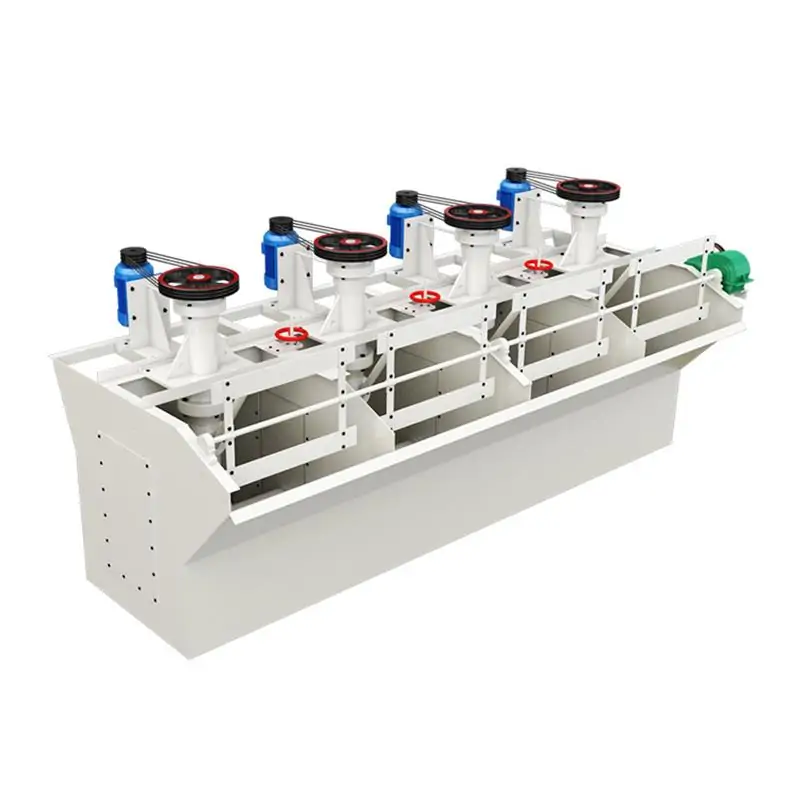
Механические флотационные машины
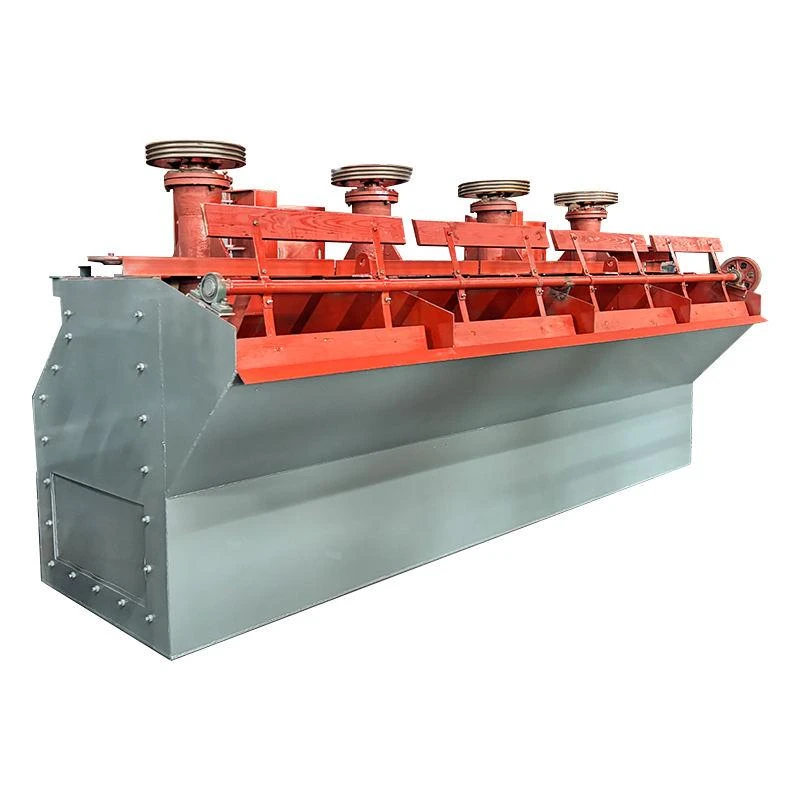
Механические флотационные машины являются наиболее широко используемым типом флотационного оборудования на обогатительных фабриках благодаря надёжной работе, простой конструкции и широкому диапазону применения. Эти флотационные машины используют импеллерную систему перемешивания для смешивания пульпы и воздуха, создавая подходящие условия для диспергирования пузырьков воздуха и прикрепления минералов. Поддерживая эффективную циркуляцию пульпы и стабильную аэрацию, механические флотационные машины обычно применяются в операциях основной, контрольной и перечистной флотации при переработке медных, золотых, свинцово-цинковых и сульфидных руд.
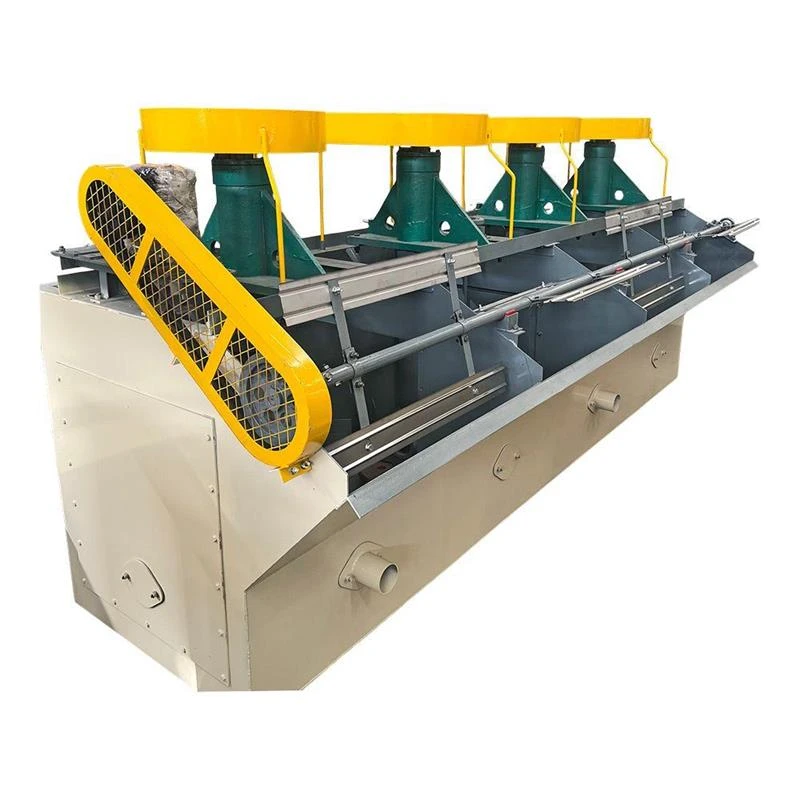
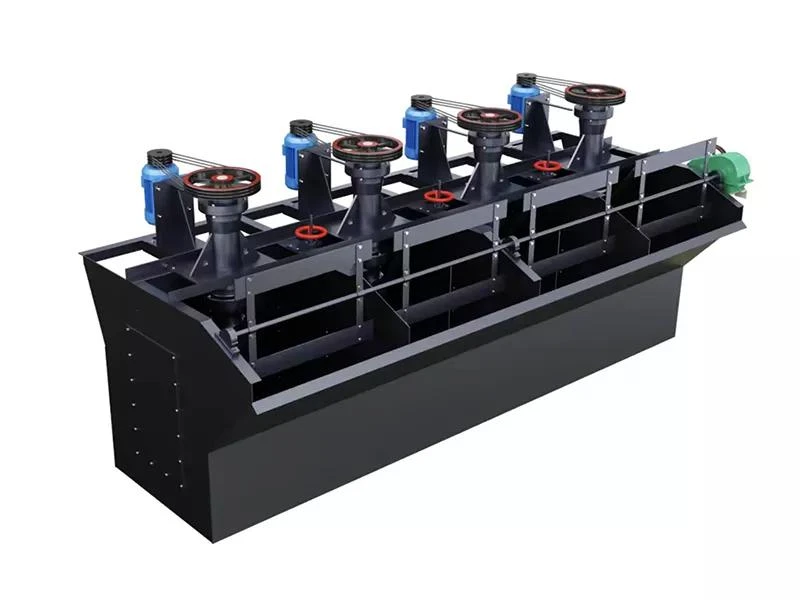
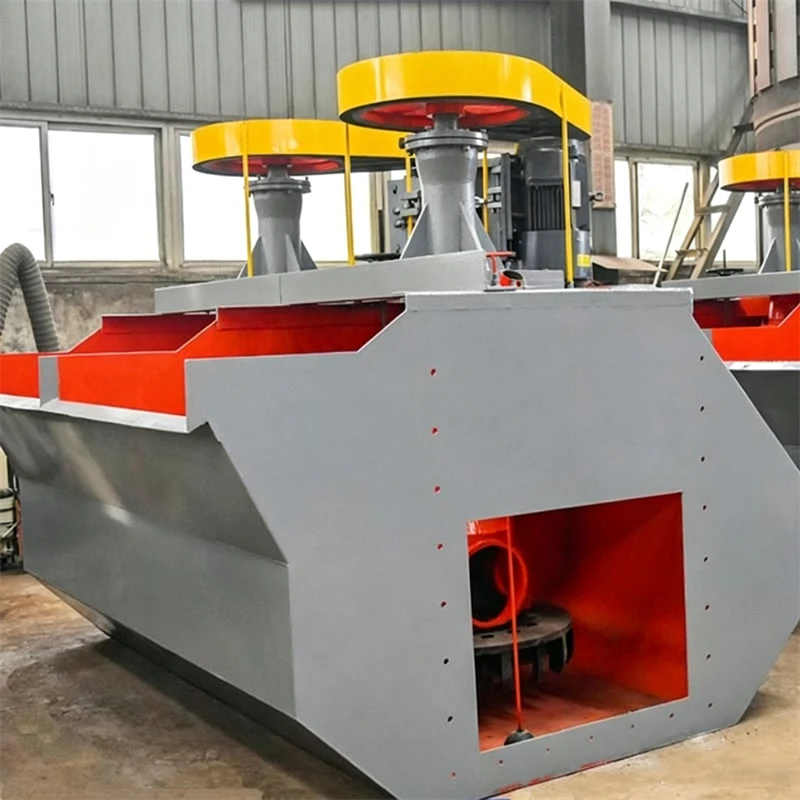
Механическая флотационная машина в основном состоит из флотационной камеры, импеллера, статора, электродвигателя и системы всасывания воздуха. Во время работы электродвигатель приводит во вращение импеллер, создавая циркуляцию пульпы внутри камеры, одновременно засасывая воздух в пульпу и диспергируя его в мелкие пузырьки за счёт взаимодействия между импеллером и статором. Ценные минеральные частицы прикрепляются к этим пузырькам и поднимаются на поверхность, образуя пену, которая собирается как концентрат. На эффективность флотации влияют такие факторы, как конструкция импеллера, эффективность диспергирования воздуха, циркуляция пульпы и рабочие условия, что позволяет механическим флотационным машинам обеспечивать стабильное извлечение минералов в различных технологических применениях.
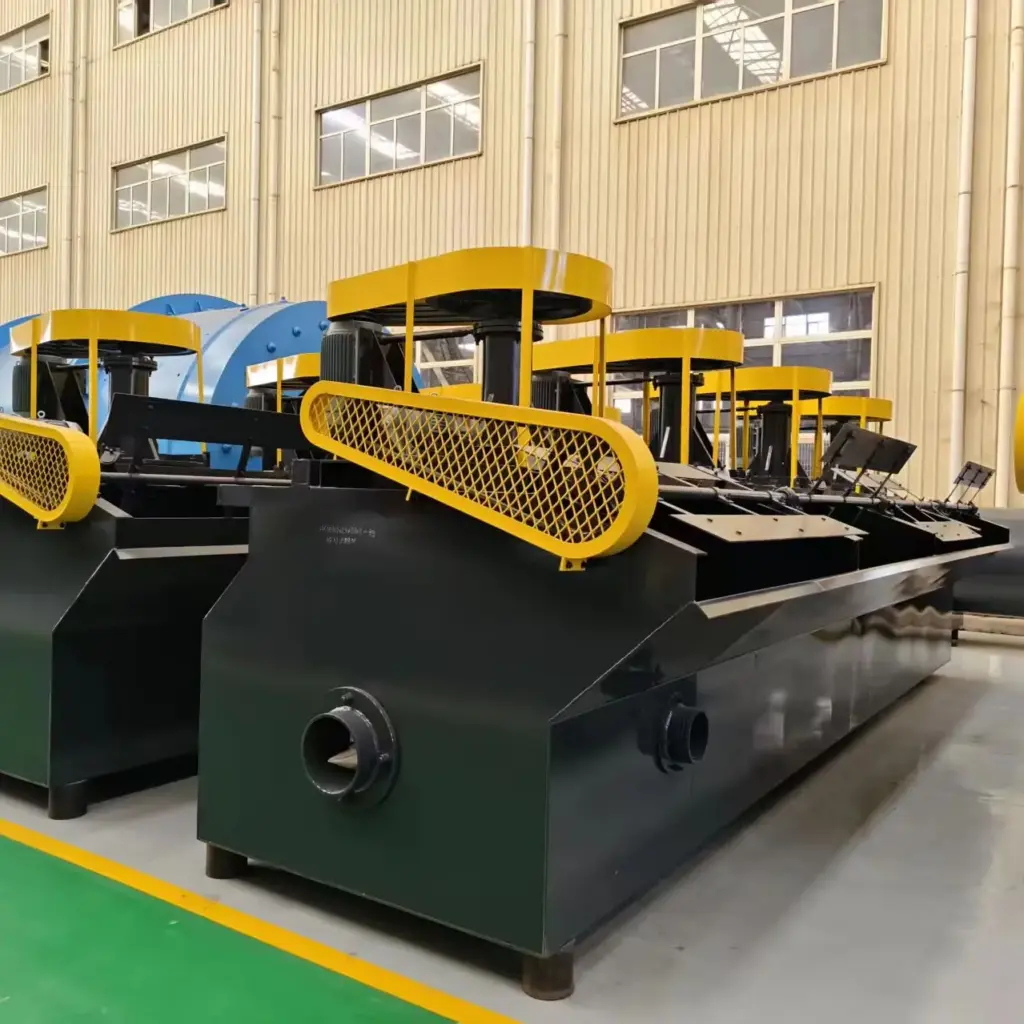
Флотационная камера BF
Флотационная машина BF представляет собой механическую флотационную машину с самовсасыванием воздуха, предназначенную для эффективного всасывания воздуха и интенсивной циркуляции пульпы. Её оптимизированная конструкция импеллера и статора улучшает диспергирование воздуха и перемешивание пульпы, создавая благоприятные условия для прикрепления минералов к пузырькам и разделения. По сравнению с традиционным механическим флотационным оборудованием флотационные машины BF обеспечивают стабильную аэрацию и надёжную работу в непрерывных рабочих условиях.
Основные преимущества флотационных машин BF включают стабильную работу, высокую адаптивность и пригодность для обогатительных фабрик большой производительности. Они широко применяются при обогащении медных, золотых, молибденовых, свинцово-цинковых и других металлических руд, особенно во флотационных циклах, требующих высокой циркуляционной способности и стабильных показателей извлечения.
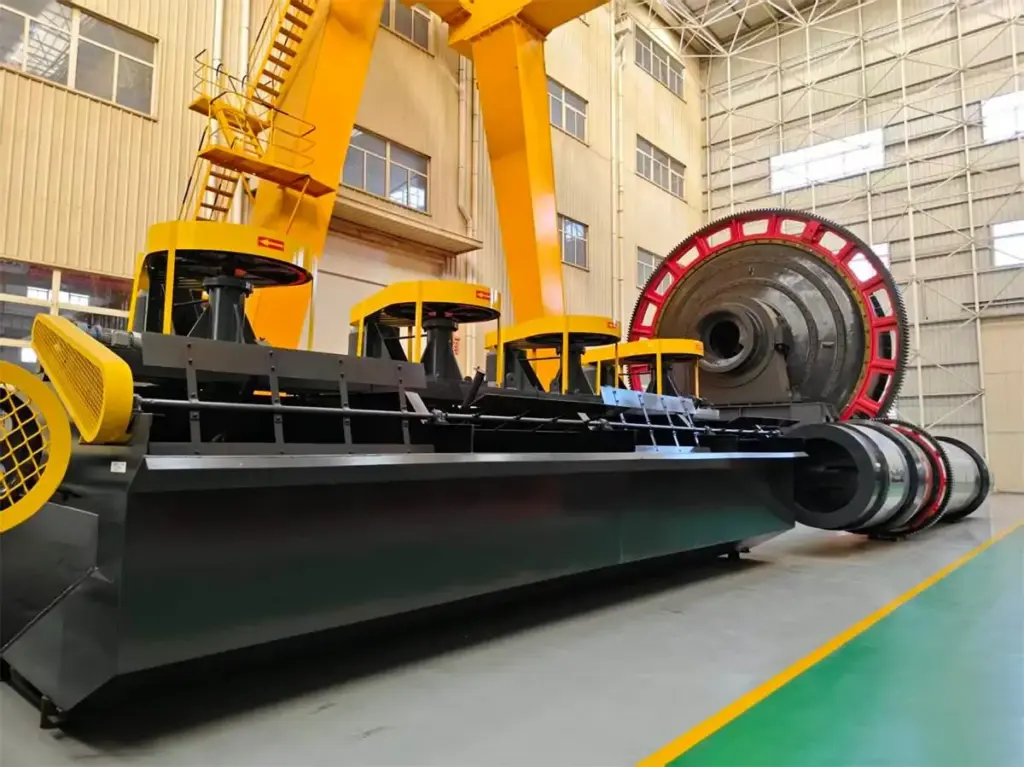
Флотационная машина SF
Флотационная машина SF сочетает механическое перемешивание с самовсасыванием воздуха для эффективного перемешивания пульпы и диспергирования пузырьков. За счёт вращения импеллера воздух вводится в пульпу и равномерно распределяется по всей флотационной камере, повышая эффективность контакта между минеральными частицами и пузырьками.
Флотационные машины SF известны высокой эффективностью флотации, гибкостью работы и простотой обслуживания. Они обычно применяются при переработке сульфидных руд, обогащении цветных металлов и на обогатительных фабриках, где требуются надёжные показатели флотации и операционная гибкость.
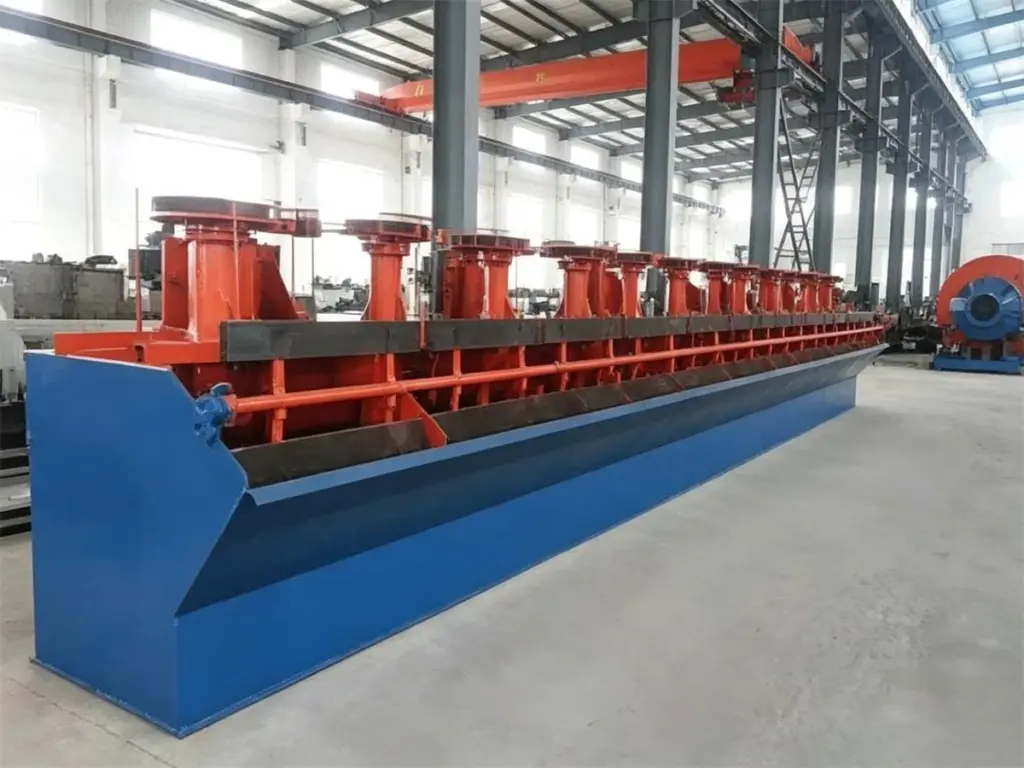
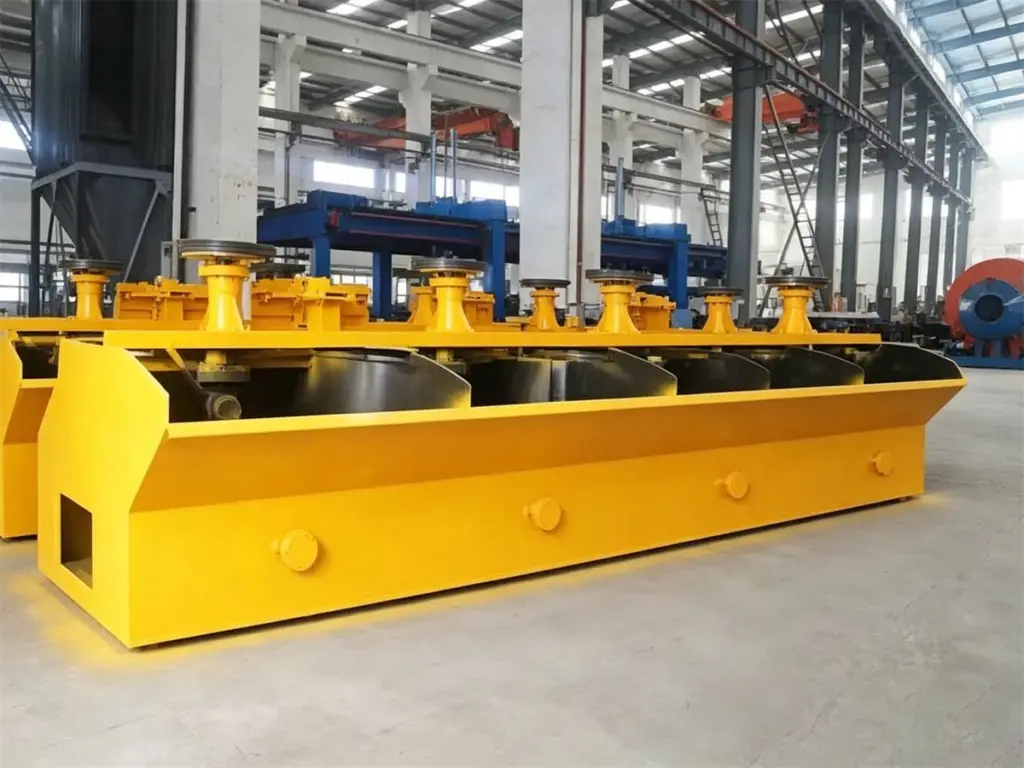
Флотационная машина XJK
Флотационная машина XJK представляет собой традиционную конструкцию механического флотационного оборудования для обогащения полезных ископаемых, отличающуюся простой структурой и надёжной работой. В ней используется импеллерная система перемешивания для обеспечения агитации пульпы и диспергирования воздуха, что делает её пригодной для общего разделения минералов.
Благодаря простой конструкции, стабильной работе и экономичным капитальным затратам флотационные машины XJK обычно используются на обогатительных фабриках малой и средней мощности для разделения металлических руд. Они остаются практичным выбором для предприятий, которым требуются надёжные показатели флотации при относительно простых требованиях к оборудованию.
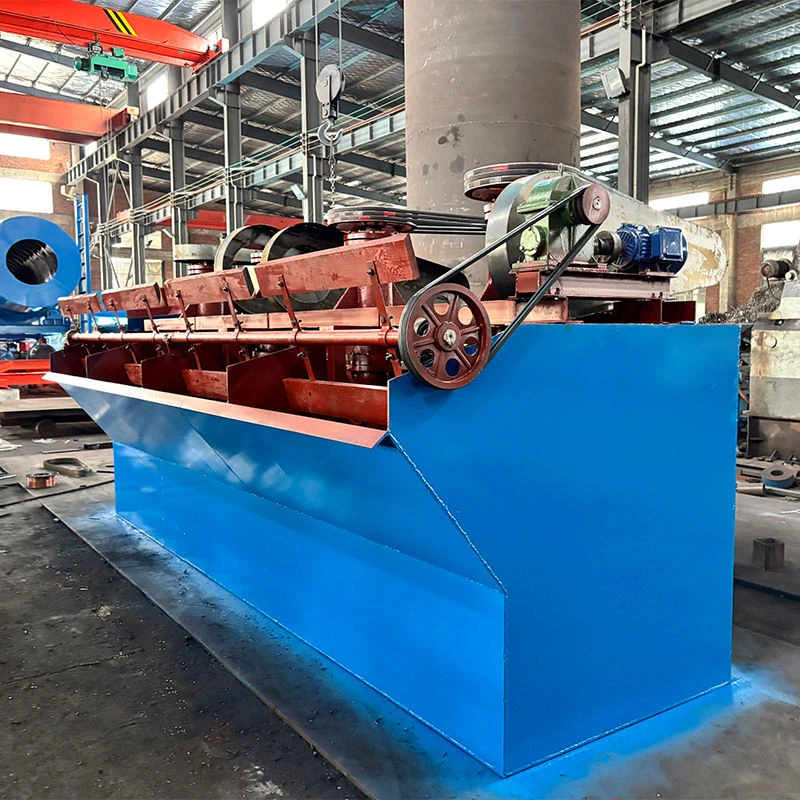
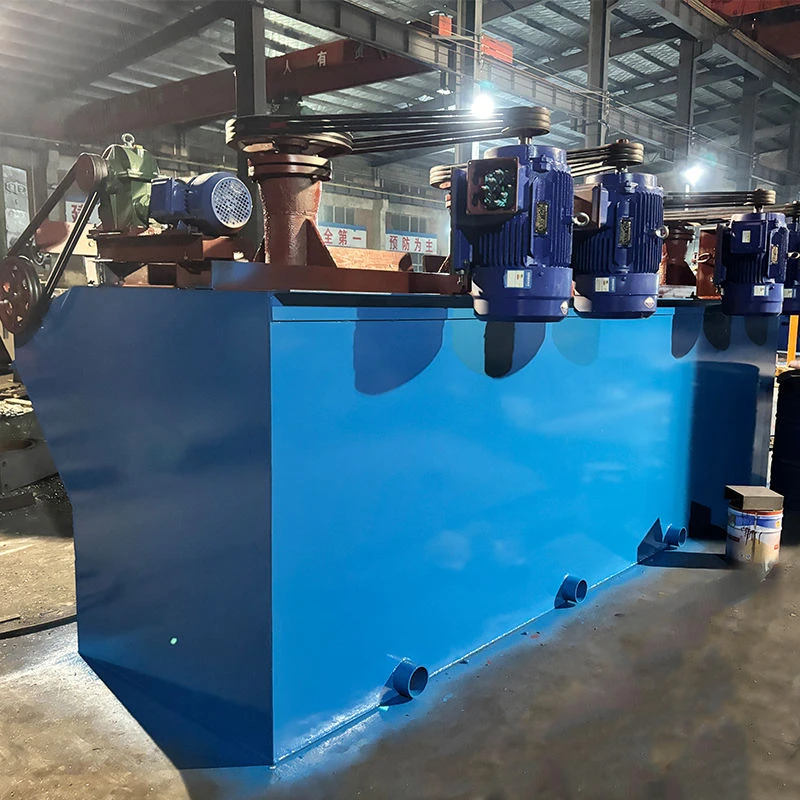
Сравнение флотационных машин BF, SF и XJK
| Характеристика | BF | SF | XJK |
| Тип | Механическая флотационная машина с самовсасыванием воздуха | Механическая флотационная машина с самовсасыванием воздуха | Традиционная механическая флотационная машина |
| Подача воздуха | Self-air suction | Self-air suction | Self-air suction |
| Mixing Method | Impeller agitation | Impeller agitation | Impeller agitation |
| Main Advantage | Strong air suction and slurry circulation | High flotation efficiency and flexible operation | Simple structure and reliable performance |
| Suitable Scale | Medium and large mineral processing plants | Small to medium-scale plants | Small and medium mineral processing plants |
| Типичное применение | Copper, gold, molybdenum, lead-zinc ores | Sulfide ores and non-ferrous metal beneficiation | General metal ore processing |
Air Inflation Flotation Cells
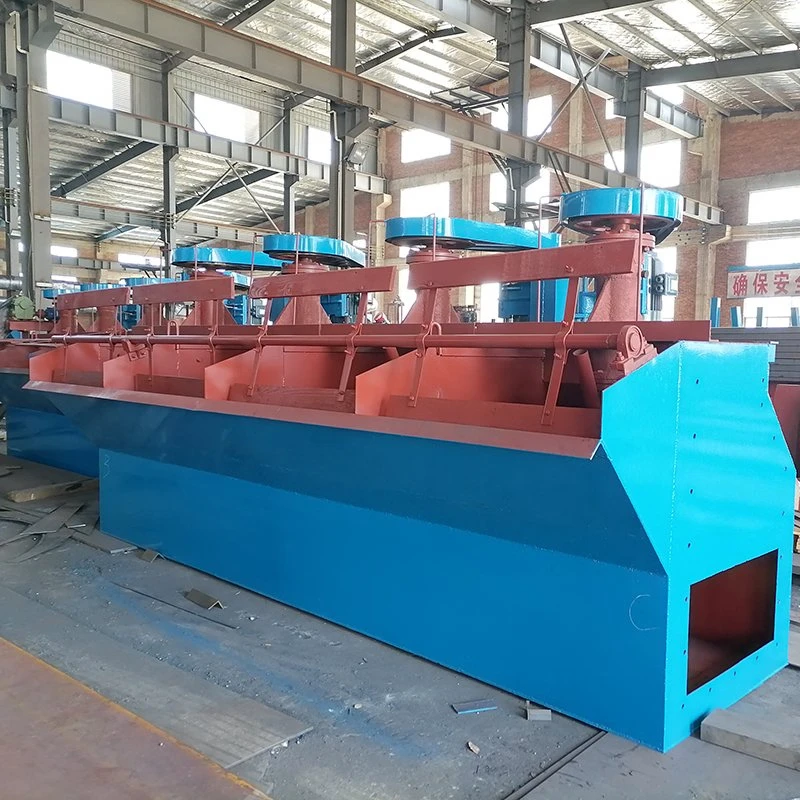
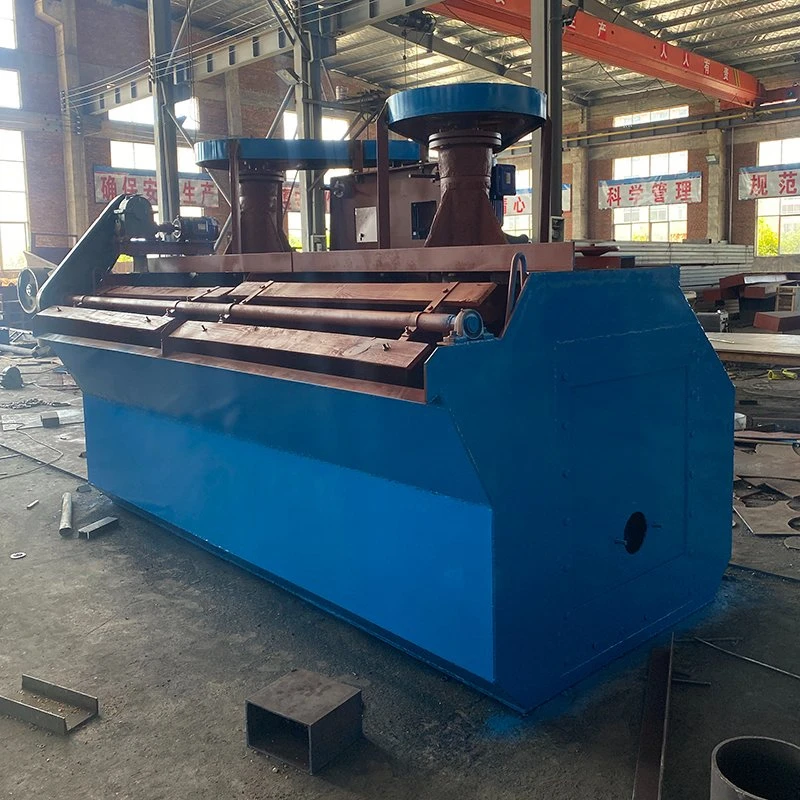
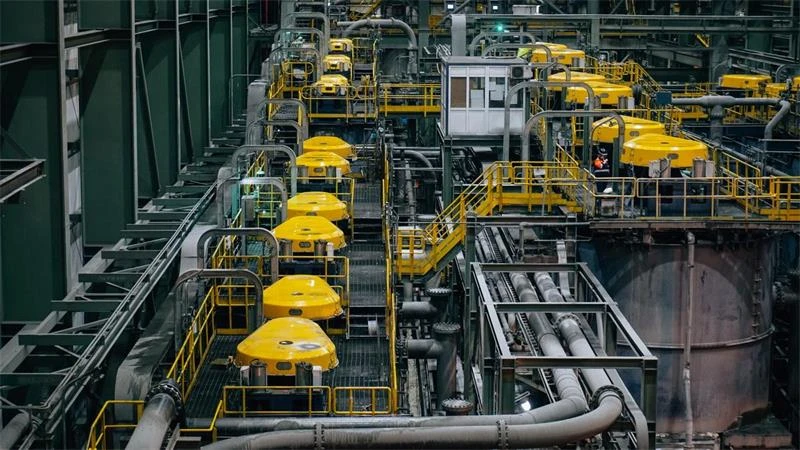
Air inflation flotation cells use an external air supply system to introduce air into the slurry, providing better control over aeration conditions compared with self-aspirated flotation machines. Unlike mechanical self-suction flotation cells, these flotation cells rely on forced air injection and optimized slurry circulation to improve bubble dispersion and maintain stable flotation performance. They are widely used in mineral processing plants that require reliable operation, flexible process adjustment, and large-scale production capacity.
XCF and KYF flotation cells are typical examples of air inflation Mineral Processing Flotation Equipment. These two types of flotation cells are often used together in flotation circuits, where efficient slurry circulation, controlled air dispersion, and lower energy consumption help improve mineral recovery and maintain stable operation in continuous beneficiation processes.
XCF Flotation Cell
The XCF flotation cell is an air inflation flotation machine designed with an external air supply system and strong slurry circulation capability. By combining forced air introduction with efficient mechanical agitation, XCF flotation cells provide stable bubble generation and effective contact between mineral particles and air bubbles.
XCF flotation cells are commonly used in roughing and scavenging operations for copper, gold, sulfide ores, and other mineral processing applications. Their strong circulation performance makes them suitable for flotation circuits that require consistent slurry mixing and stable mineral recovery.
KYF Flotation Cell
The KYF flotation cell is a forced-air flotation machine designed for efficient mixing, aeration, and lower energy consumption. Its structure allows effective slurry circulation without requiring a large amount of power, making it suitable for continuous operation in large flotation circuits.
KYF flotation cells are widely applied in medium and large beneficiation plants, especially where high processing capacity, stable flotation performance, and reduced operating costs are important considerations. They are often combined with XCF flotation cells to form efficient flotation circuits for large-scale mineral processing operations.
Pneumatic Flotation Cells
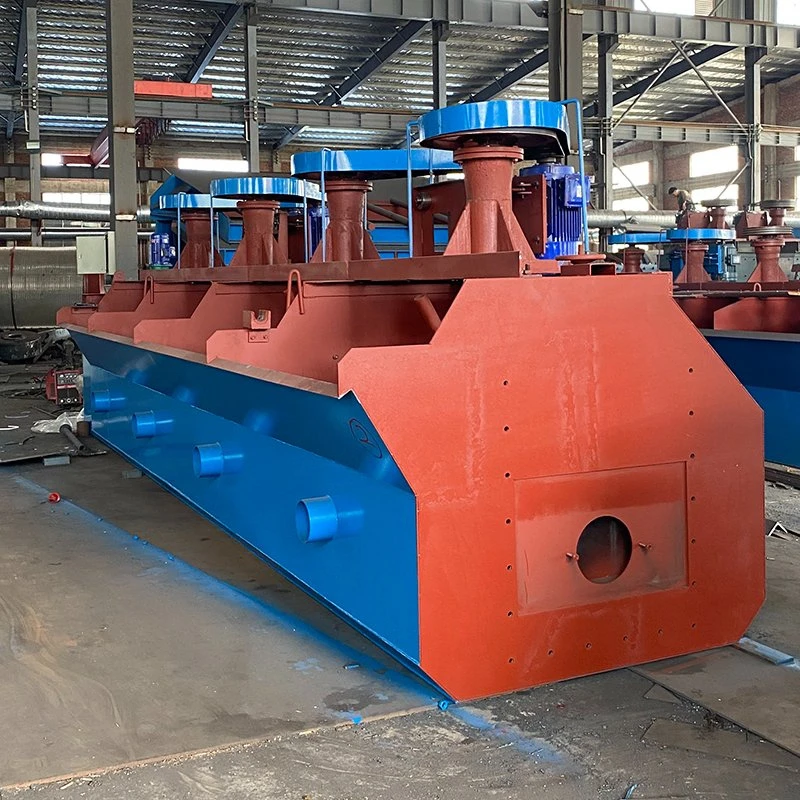
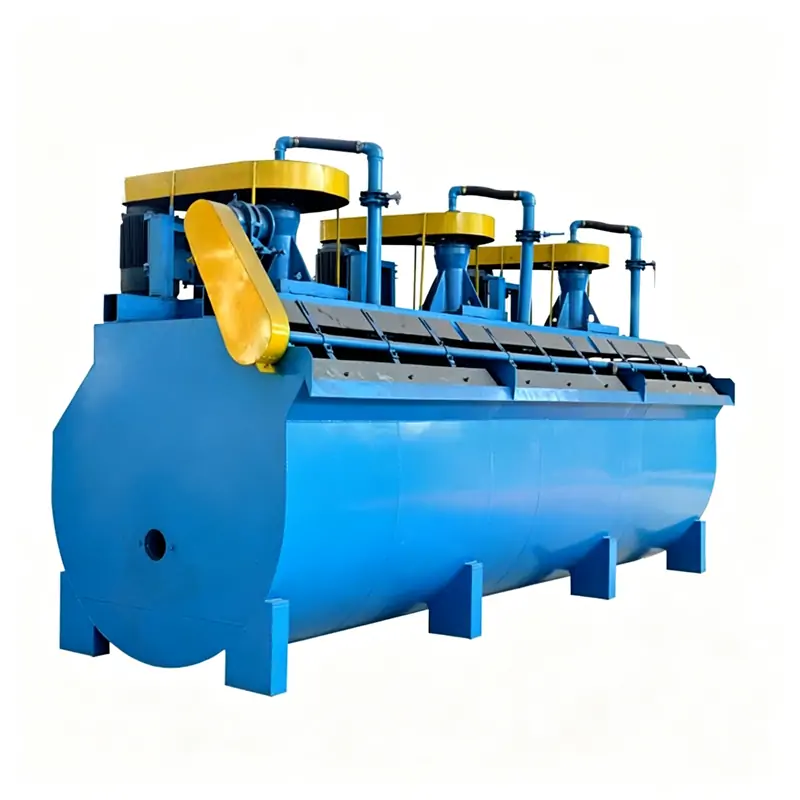
Пневматические флотационные машины are flotation equipment that generate air bubbles through an external air supply system without using a traditional mechanical impeller. Compared with mechanical flotation cells, this design reduces moving components and focuses on controlled aeration and bubble dispersion to improve mineral recovery under suitable operating conditions.
Due to lower mechanical wear, flexible air control, and stable flotation performance, pneumatic flotation cells are suitable for applications requiring fine bubble generation and reduced maintenance. They are commonly used for the recovery of copper, gold, iron ore, lead-zinc, and industrial minerals, especially in mineral processing operations involving fine particles.
Flash Flotation Cells
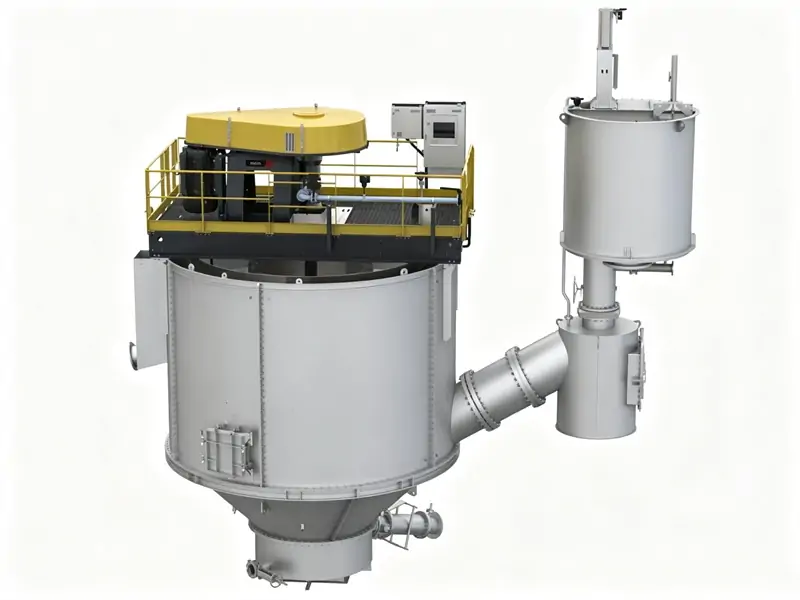
Флотационные машины флэш-флотации are specialized flotation Mineral Processing Flotation Equipment installed in grinding circuits to recover liberated and fast-floating minerals at an early stage. They are typically used in high-density slurry streams, such as cyclone underflow, where valuable minerals can be recovered before further grinding.
By recovering valuable minerals earlier, flash flotation cells help reduce overgrinding losses, improve overall recovery, and optimize grinding and flotation performance. They are widely applied in gold, copper, sulfide ore, and graphite processing plants where early mineral recovery provides operational benefits.
Froth Flotation Cells in Mineral Processing
Пенные флотационные машины are equipment used in the froth flotation process to separate valuable minerals through the formation and collection of mineral-rich froth. During operation, hydrophobic mineral particles attach to air bubbles and rise to the surface, while unwanted gangue materials remain in the slurry.
As one of the most common mineral separation methods, froth flotation is widely used in the recovery of copper, zinc, nickel, sulfide ores, graphite, phosphate, and other minerals. Flotation cells provide the necessary conditions for bubble generation, mineral attachment, and concentrate recovery in modern beneficiation plants.
How to Choose Between Different Flotation Cell Types?
Selecting the right flotation cell types requires a comprehensive evaluation of ore characteristics, processing capacity, flotation circuit requirements, and long-term operating costs. There is no single flotation cell design suitable for all mineral processing plants. The most suitable Mineral Processing Flotation Equipment should match the specific ore properties, production targets, and plant operating conditions.
Ore Characteristics and Mineral Properties
The characteristics of the ore are the primary factors affecting flotation cell selection. Mineral type, particle size distribution, liberation degree, and slurry conditions determine how effectively valuable minerals can attach to air bubbles and be recovered. For example, ores with fine particles may require better bubble control, while coarse or high-density minerals may require stronger slurry circulation and mixing capability.
Processing Capacity and Plant Scale
The required processing capacity directly influences flotation equipment selection. Small and medium-sized plants often choose XJK and SF flotation cells because of their simple structure, reliable operation, and flexible application. For large-scale beneficiation plants, KYF and XCF flotation cells are commonly selected due to their stable aeration performance, strong circulation capability, and suitability for continuous high-capacity operation.
Flotation Circuit Requirements
Different stages of the flotation process have different Mineral Processing Flotation Equipment requirements. Roughing and scavenging operations usually focus on maximizing mineral recovery and require flotation cells with strong mixing and circulation performance. Cleaning operations focus more on improving concentrate grade and may require better control of bubble generation and froth stability. Therefore, flotation cell selection should consider the role of each unit in the overall flotation circuit.
Energy Consumption and Maintenance Cost
Besides initial investment, operating cost is an important factor in long-term equipment selection. Mechanical flotation cells provide reliable performance and wide application, while air inflation flotation cells can offer better aeration control and energy efficiency in large-scale operations. Factors such as impeller wear, spare parts availability, maintenance frequency, and equipment stability should also be considered to reduce downtime and improve overall plant efficiency.
Applications of Different Flotation Cell Types
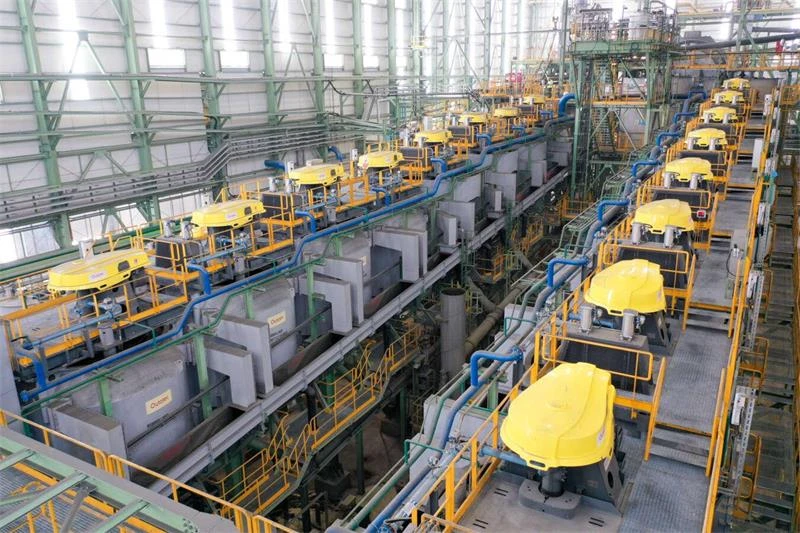
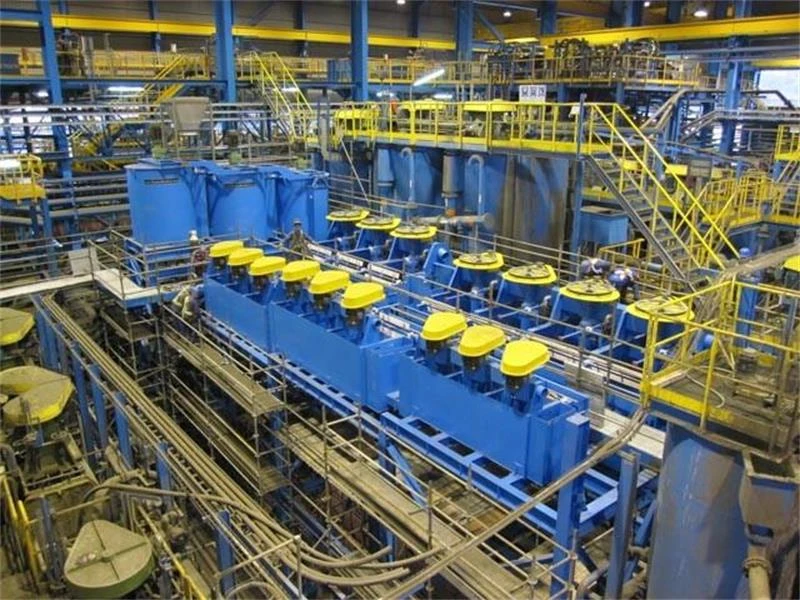
Different flotation cell types are selected according to mineral properties, processing requirements, and recovery targets. The same Mineral Processing Flotation Equipment may perform differently under different ore conditions, so mineral processing plants usually choose suitable flotation cells based on the characteristics of the ore and the role of each stage in the flotation circuit. The following applications show how different flotation cell designs are commonly used in industrial mineral processing.
In copper ore processing, BF, XCF, and KYF flotation cells are widely applied due to their stable aeration, strong slurry circulation, and suitability for continuous operation. For gold processing, BF and SF flotation cells are commonly used for conventional flotation circuits, while flash flotation cells are often installed in grinding circuits for early recovery of liberated gold minerals. In lead-zinc processing, mechanical flotation cells remain a common choice because of their reliable mixing performance and adaptability to sulfide ore beneficiation.
For industrial minerals, such as graphite, phosphate, and other non-metallic minerals, pneumatic flotation cells can be suitable when fine particle recovery, controlled bubble generation, and reduced mechanical wear are important considerations. Understanding the relationship between ore type and flotation cell design helps plants select more efficient equipment and achieve better recovery performance, which is also the key factor when comparing different flotation cell types for specific mineral processing applications.
Conclusion & Call to Action
Understanding different Types of Flotation Cells is essential for selecting the right equipment for mineral processing plants. Mechanical flotation cells, air inflation flotation cells, pneumatic flotation cells, and flash flotation cells each have their own advantages and suitable applications. There is no single flotation cell design that fits all mineral processing conditions, and the final selection should be based on ore properties, processing capacity, recovery targets, and operating requirements.
Choosing the appropriate flotation equipment can help improve mineral recovery, reduce operating costs, and maintain stable plant performance. Zhongyi Mining provides customized flotation equipment solutions based on different mineral processing requirements, helping customers select suitable flotation cell designs for copper, gold, sulfide ores, and other beneficiation applications. Contact us today to discuss your project requirements and get a suitable flotation solution from our mineral processing experts.
Запросить индивидуальное решение
Partner with Zhongyi for expert support, customized flotation solutions, and reliable equipment tailored to your ore characteristics and production needs.
Часто задаваемые вопросы
What are the main types of flotation cells used in mineral processing?
The main types of flotation cells used in mineral processing include mechanical flotation cells, air inflation flotation cells, pneumatic flotation cells, and flash flotation cells. Each type uses different mixing and aeration methods to achieve mineral separation. Mechanical and air inflation flotation cells are the most common choices for copper, gold, sulfide ore, and other beneficiation applications.
What is the difference between mechanical flotation cells and air inflation flotation cells?
The main difference between mechanical and air inflation flotation cells is the air supply method. Mechanical flotation cells use impeller-driven mixing and self-air suction, while air inflation flotation cells use an external air supply system. Air inflation designs provide better aeration control and are often selected for large-scale mineral processing plants requiring stable performance.
How do I choose the right flotation cell type for my mineral processing plant?
Choosing the right flotation cell types depends on ore properties, mineral characteristics, particle size, processing capacity, and recovery requirements. The selected equipment should match the flotation circuit design and production targets. Factors such as energy consumption, maintenance requirements, and long-term operating costs should also be considered before making a final equipment decision.
What is the difference between BF, SF, and XJK flotation cells?
BF, SF, and XJK flotation cells are all mechanical flotation equipment but have different design features and applications. BF flotation cells provide strong slurry circulation and stable operation, SF flotation cells offer efficient bubble dispersion and flexible operation, while XJK flotation machines are known for simple structure and reliable performance in small and medium-scale mineral processing plants.
When should a pneumatic flotation cell be selected?
A pneumatic flotation cell is suitable for applications requiring controlled aeration, fine bubble generation, and reduced mechanical wear. Compared with traditional mechanical flotation equipment, pneumatic designs reduce moving components and can provide stable flotation conditions. They are commonly used for fine mineral recovery in copper, gold, iron ore, lead-zinc, and industrial mineral processing.
What are the benefits of using a flash flotation cell?
Flash flotation cells are designed to recover liberated valuable minerals early in the grinding circuit. They help reduce overgrinding, improve mineral recovery, and increase overall process efficiency by removing fast-floating particles before further size reduction. They are commonly applied in gold, copper, and sulfide ore processing plants where early recovery is economically beneficial.
How do flotation cell types affect energy consumption and maintenance costs?
Different flotation cell types have different impacts on energy consumption, wear rates, and maintenance requirements. Factors such as impeller design, aeration method, spare parts availability, and operating conditions influence long-term costs. Selecting suitable flotation equipment can help reduce downtime, improve operational stability, and achieve better economic performance throughout the plant lifecycle.
Can flotation cells be customized for different mineral processing applications?
Yes. Flotation cells can be customized according to ore characteristics, processing capacity, flotation circuit requirements, and production goals. Equipment configuration, tank size, aeration system, and flotation arrangement can be adjusted for different applications. Professional manufacturers can provide technical support and customized solutions to improve recovery performance and meet specific plant requirements.